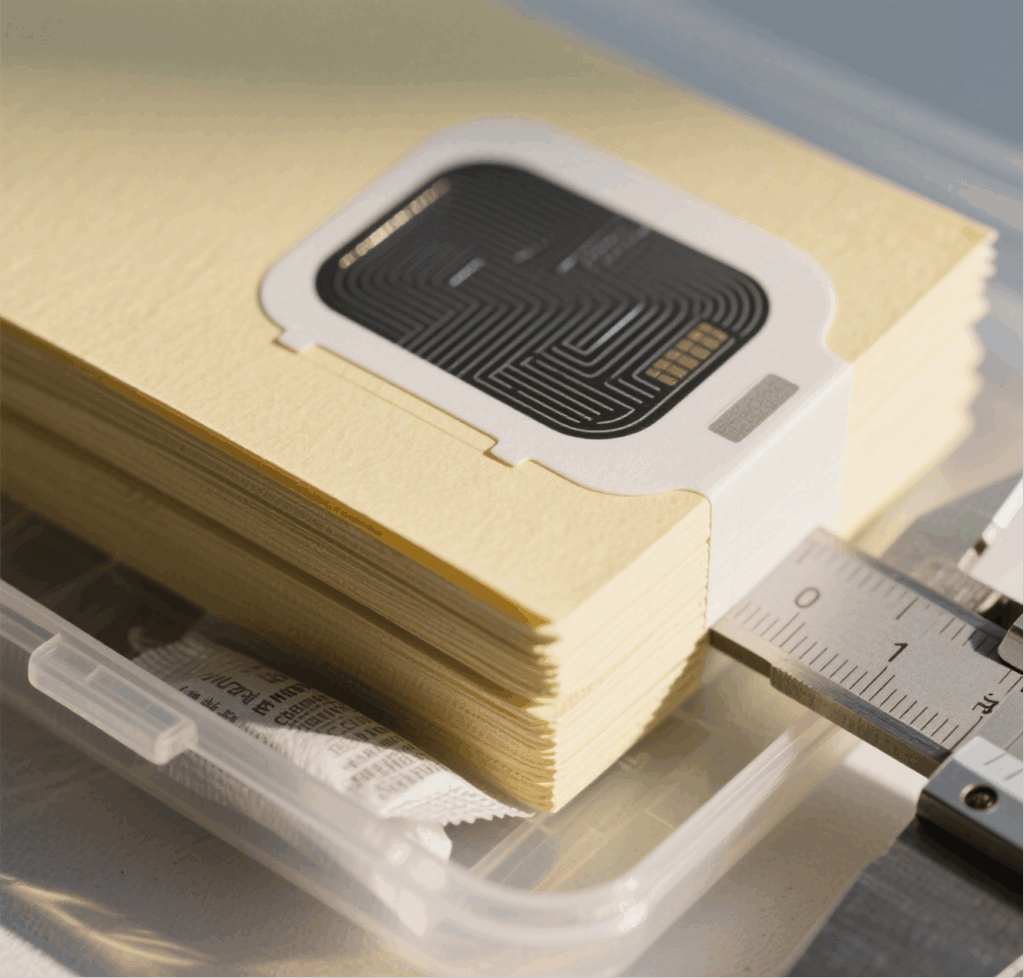
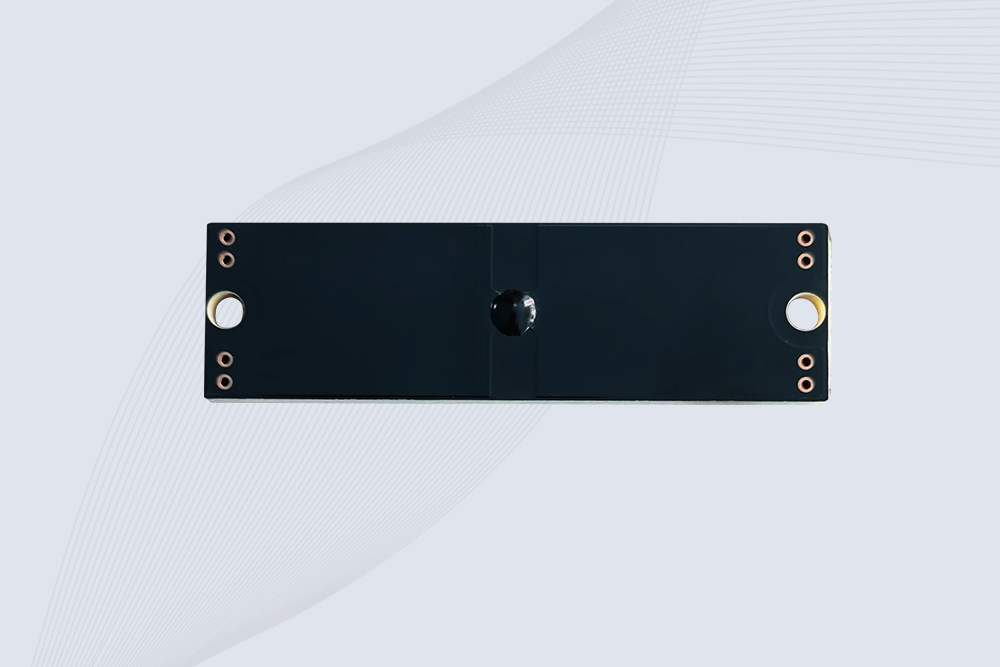
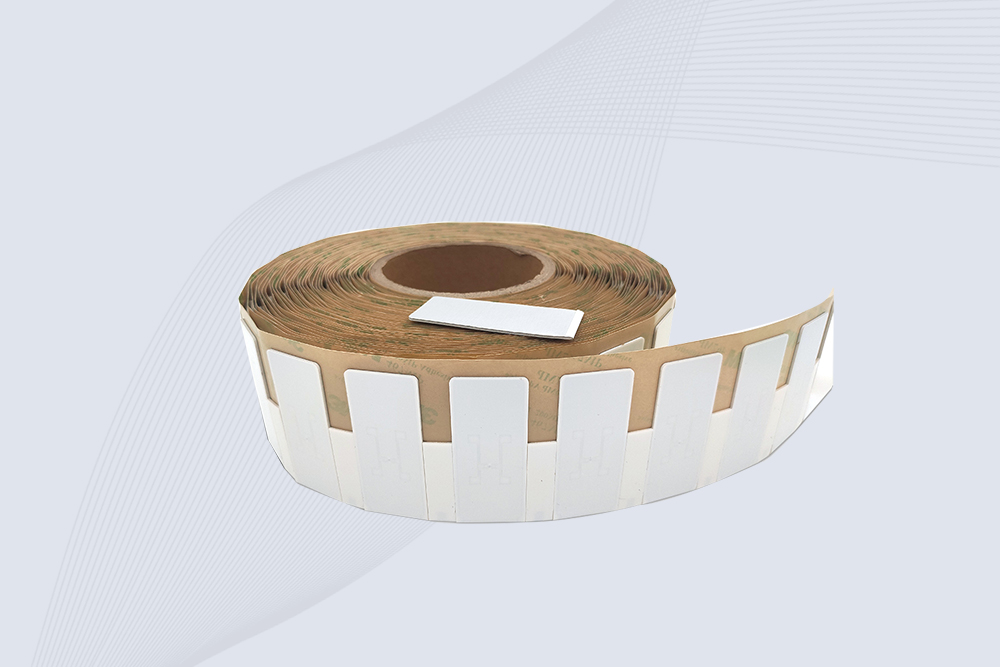
Chipless RFID is radio-frequency identification technology that doesn’t rely on silicon-based chips. Instead, it encodes and transmits data using special materials, patterned structures, or electromagnetic responses. This approach shifts RFID from “chip dependency” to “material-based recognition.”
Compared to traditional chip-based RFID, chipless tags offer thinner profiles, lower costs, and better environmental compatibility. These features make them ideal for disposable, low-value, high-volume applications like logistics tracking, food traceability, and anti-counterfeiting.
Chipless RFID uses structural encoding without chips, offering advantages in cost and environmental impact.
Traditional RFID: Structure and Operating Principle
Traditional RFID tags consist of chip (IC),antenna, and carrier substrate. They operate as follows:
The chip stores data and communicates with the reader
The antenna receives radio signals and powers the chip (in passive tags)
The tag responds to commands with data like EPC codes or serial numbers
This tag type serves well in logistics, asset tracking, and access control. It provides large data storage, supports encryption, and allows data writing.
Traditional RFID tags rely on chips for data processing and communication, enabling programmability and repeated reading.
Chipless RFID vs Traditional RFID: Core Comparison
Chipless RFID and traditional RFID differ significantly in cost, structure, and capabilities, making them suitable for different use cases.
How Chipless RFID Works
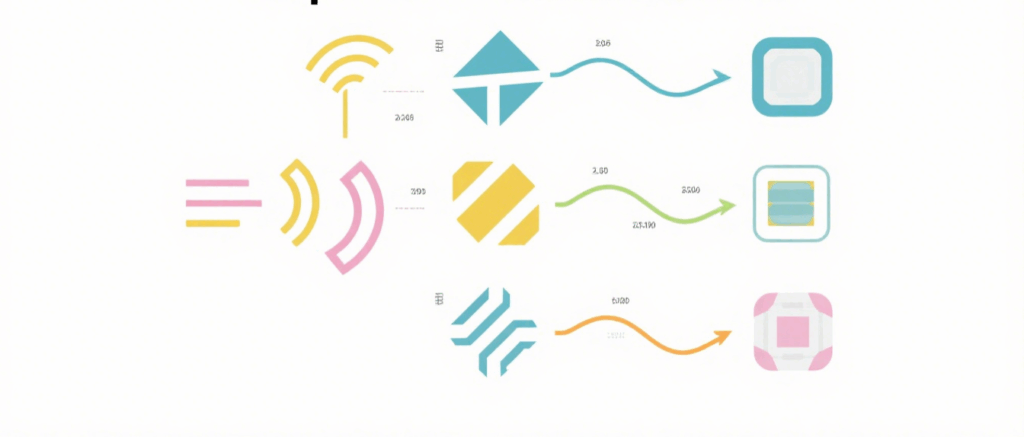
Chipless RFID commonly uses one of the following methods for data encoding and reading:
Spectral Signature: Tags reflect specific frequencies; readers identify tags based on the response spectrum
Time Domain Reflectometry: Materials or structures delay reflected signals, encoding data
Image-Based Patterns: Surface designs like printed stripes or interference rings allow machine vision systems to read information
Manufacturers often produce these tags using flexible printed electronics without semiconductor processes.
Chipless RFID encodes information through frequency response or structural delays, operating without any chip.
Advantages and Challenges of Chipless RFID
Advantages
Ultra-low cost: Perfect for single-use or high-volume applications
Eco-friendly and degradable: Chip-free materials are easier to recycle
Flexible integration: Compatible with paper, plastic, textiles, and other carriers
EMI resistance: Performs more stably in harsh environments without chips
Challenges
Limited data capacity: Cannot handle dynamic storage or encryption
High reader requirements: Needs specialized frequency bands or algorithms
Lack of standardization: Industry-wide standards are still under development
Chipless RFID balances low cost and environmental benefits while facing challenges in data handling and device compatibility.
Use Cases and Future Development
Ideal Use Cases
Product authentication: Unique, unclonable tag patterns
Food/pharma traceability: Printable tags for disposable packaging
Fast logistics: Single-use tags eliminate the need for return logistics
Lab sample tracking: Performs well in humid or high-EMI environments
As printed electronics, nanomaterials, and THz radio technologies mature, chipless RFID will support larger data capacities and longer reading ranges. It’s poised to grow in smart packaging, biodegradable electronics, and low-carbon traceability.
Chipless RFID provides a lightweight IoT identification solution with chip-free, low-cost, and fast-deployment features. Although it faces limits in capacity, security, and standardization, it shows strong potential in disposable applications, anti-counterfeiting, and eco-friendly tags. Businesses can make better technology choices by understanding the essential differences between chipless and traditional RFID systems.
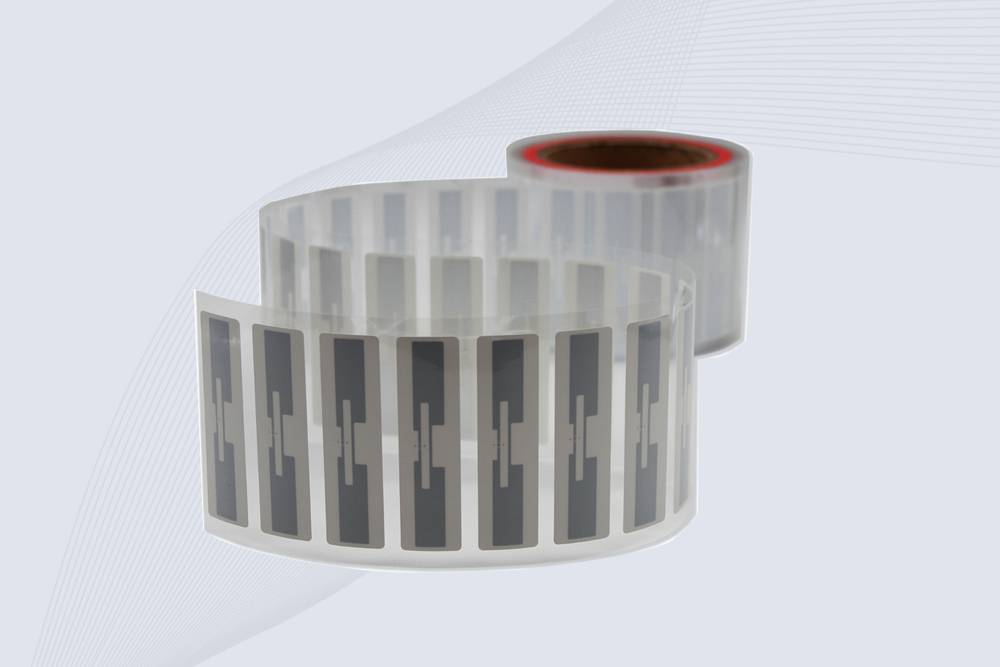
CYKEO Passive RFID Tags are made for wet and high-humidity environments where standard labels do not last. This rfid passive tag is often used around liquids, chemicals and temperature changes, providing stable reading distance and long data life for industrial tracking.
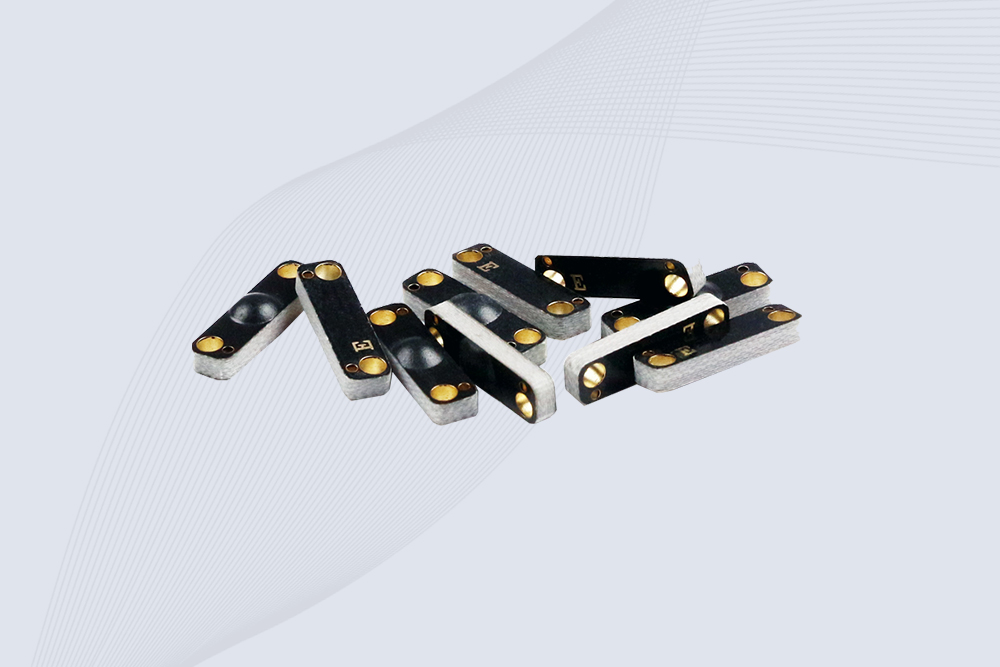
CYKEO CYKEO-PCB1504 Metal RFID Tags is a compact anti-metal UHF RFID solution built for direct mounting on metal surfaces. With stable 8-meter read range, Ucode-8 chip, and long data retention, this rfid metal tag fits tools, containers, automotive parts, and industrial asset tracking.
CYKEO CYKEO-PCB7020 On-Metal RFID Tags are designed for reliable tracking on steel and metal surfaces. Built with an FR4 epoxy body and industrial-grade chips, these On-Metal RFID Tags deliver stable performance, long data life, and chemical resistance, making them a dependable RFID anti-metal tag for harsh environments.
The CYKEO CYKEO-60-25 Anti-Metal RFID Tag is built for metal surfaces where standard tags fail. Designed for long-range performance, harsh environments, and stable data retention, this Anti-Metal RFID Tag is ideal for industrial assets, containers, and equipment tracking using on metal RFID tags.
Construction site RFID asset management leverages real-time location tracking and automatic identification technologies to significantly improve the management efficiency of tools, equipment, and materials. It reduces asset loss and idle time, off...
Struggling to set up a USB RFID reader on Windows 10 or 11? Follow this step-by-step guide to install drivers, troubleshoot errors, and start scanning tags fast.
Are long-range RFID readers secure? Learn encryption methods, anti-eavesdropping tactics, and how Cykeo’s solutions protect sensitive data across industries.
 Cykeo RFID IoT Solution Products R&D Manufacturer