 Cykeo RFID IoT Solution Products R&D Manufacturer

What is the Difference Between RFID and a Beacon?
1458Discover the differences between RFID and Beacon technologies, including how they work, ideal applications, and why businesses choose Cykeo for hybrid solutions.
MoreAll RFID Product
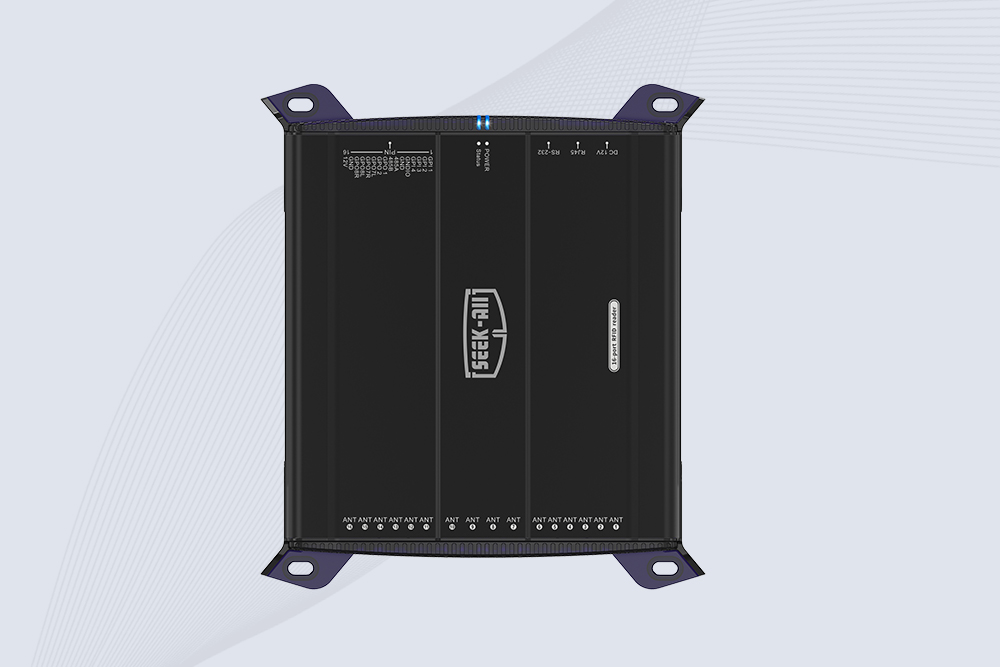
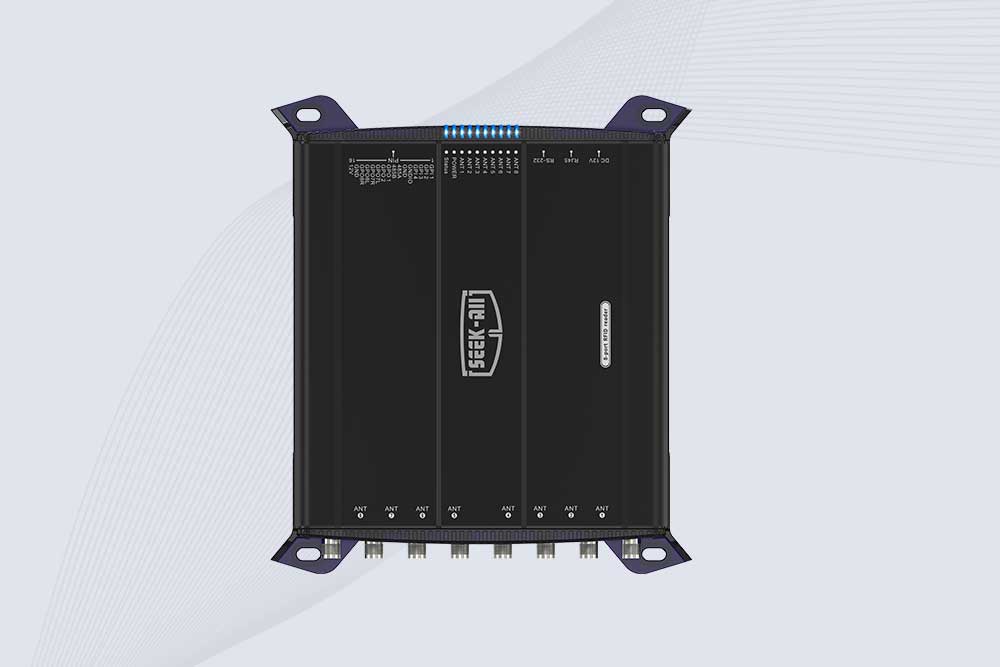
Long-range RFID readers (UHF 860–960 MHz) excel at tracking assets across warehouses or yards, but their extended scanning range raises valid security concerns. While no system is 100% hack-proof, modern protocols and hardware designs minimize risks. Here’s how to secure your RFID data without sacrificing operational efficiency.
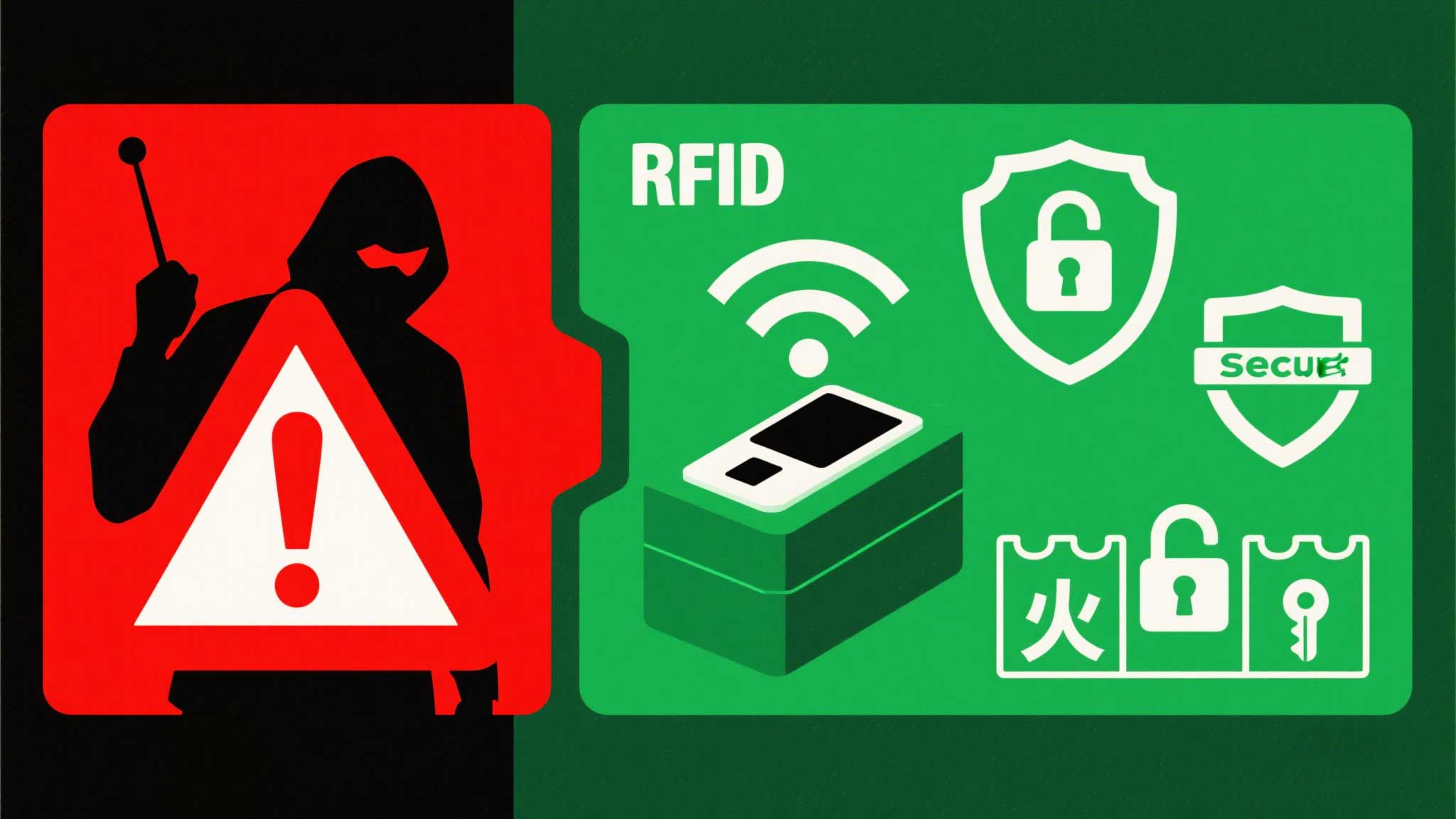
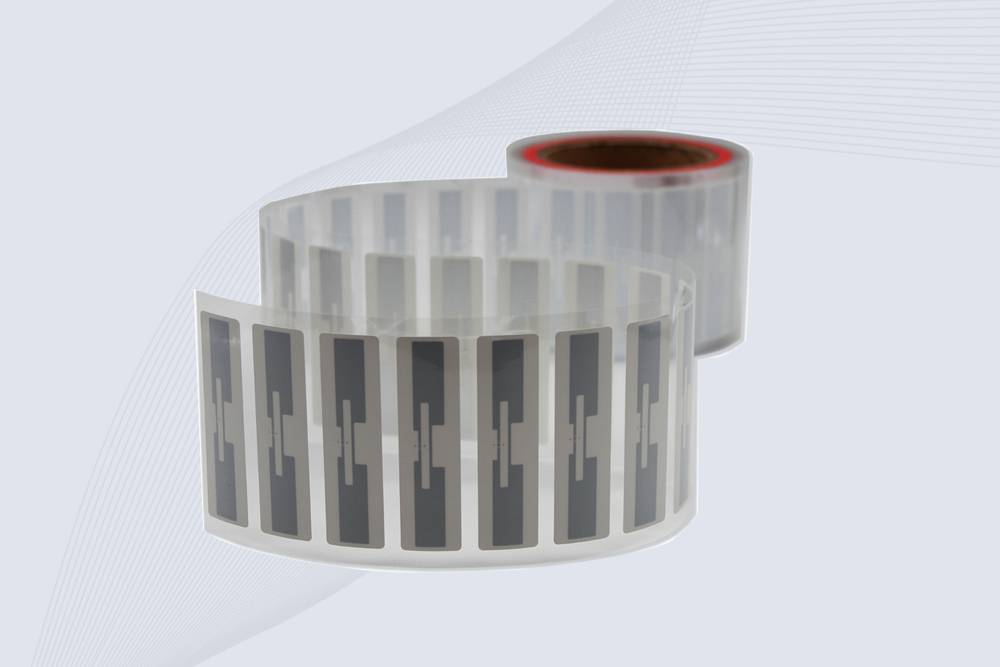
Cykeo’s industrial readers support FIPS 140-2 validated encryption and integrate with SIEM tools like Splunk for real-time threat analysis. Their tags use EPC Gen2v2 standards, which include password-protected memory banks for sensitive data.
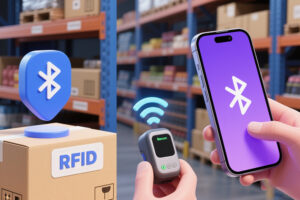
Discover the differences between RFID and Beacon technologies, including how they work, ideal applications, and why businesses choose Cykeo for hybrid solutions.
More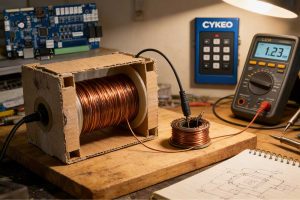
Thinking about how to make a 125kHz RFID antenna? We walk through the coil-winding reality—why it's finicky and why commercial readers often win.
More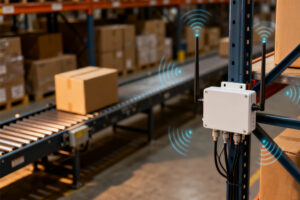
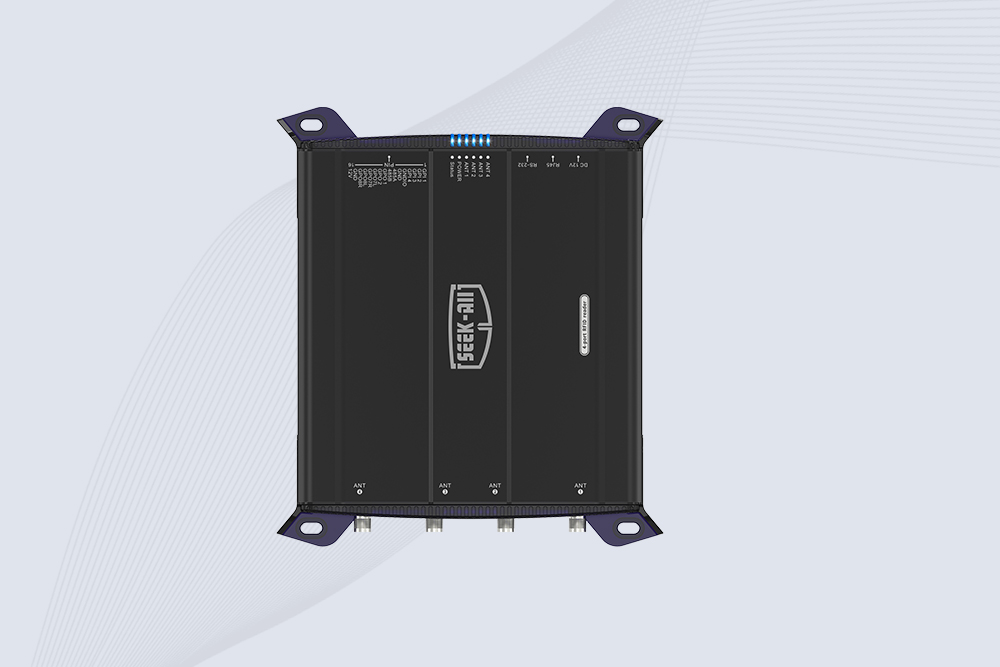
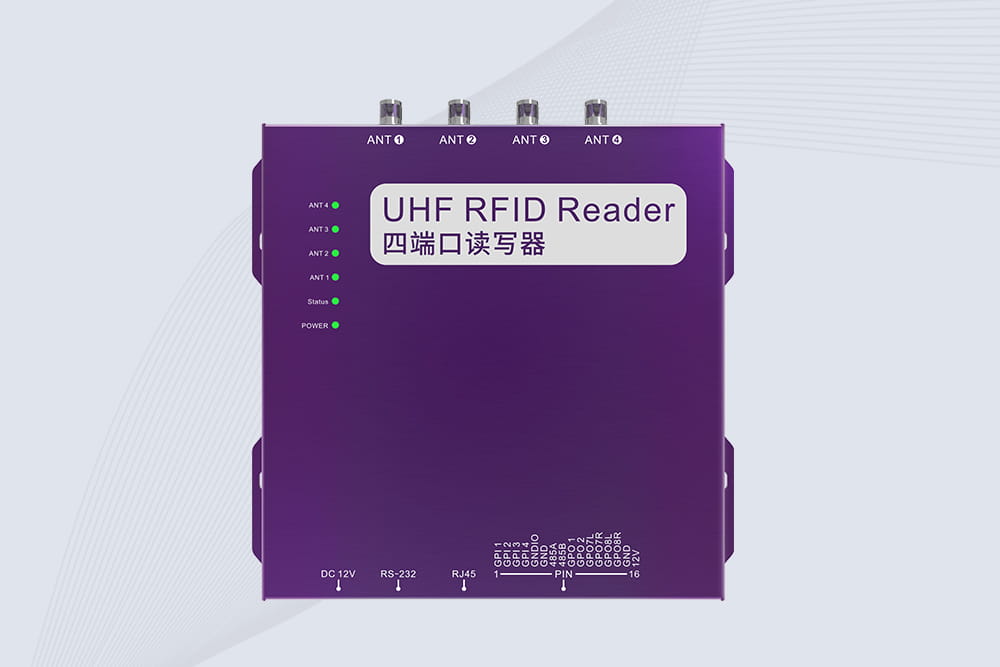
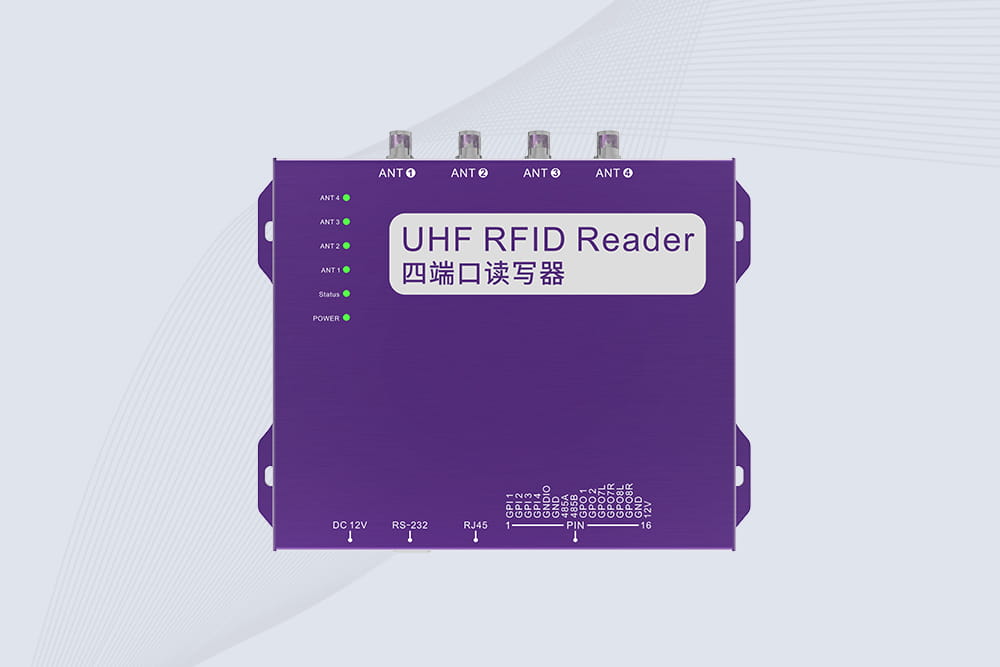
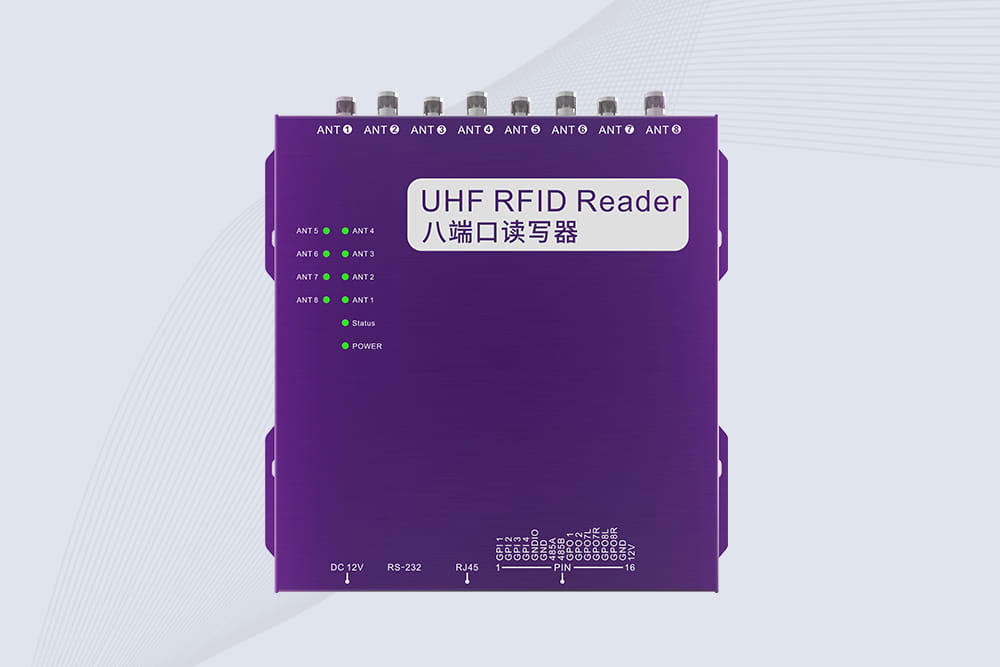
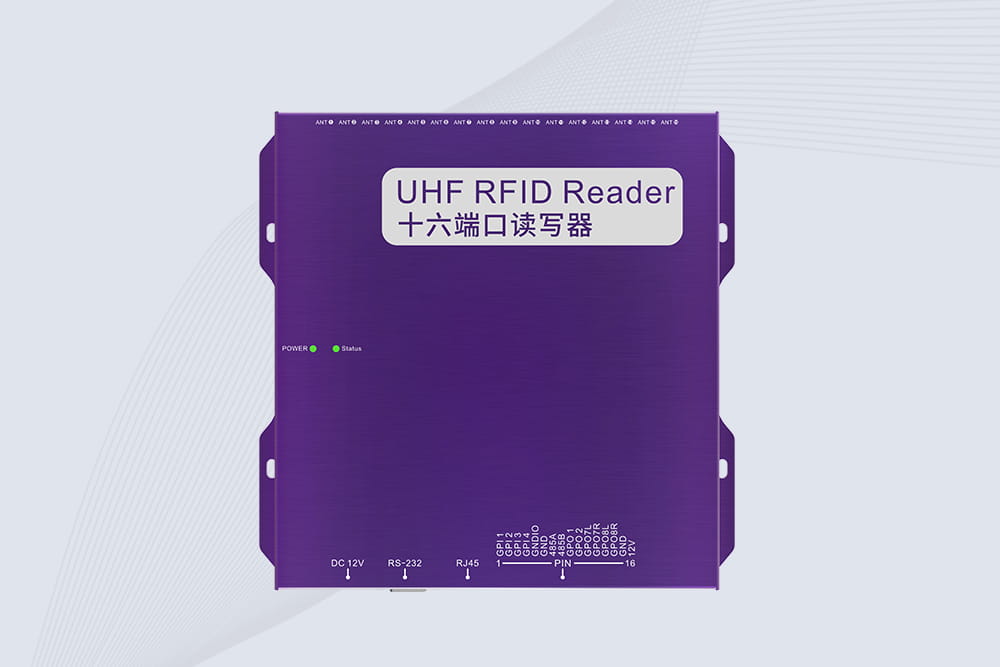
Looking to buy a UHF RFID four-port fixed reader? Learn how to choose the right model, understand key specs, and build a reliable RFID solution for logistics, automation, or access control.
More
Discover how long range RFID readers improve asset tracking for IT equipment, medical devices, manufacturing tools and construction assets. Learn how RFID helps companies reduce loss, improve visibility and manage valuable equipment efficiently.
More