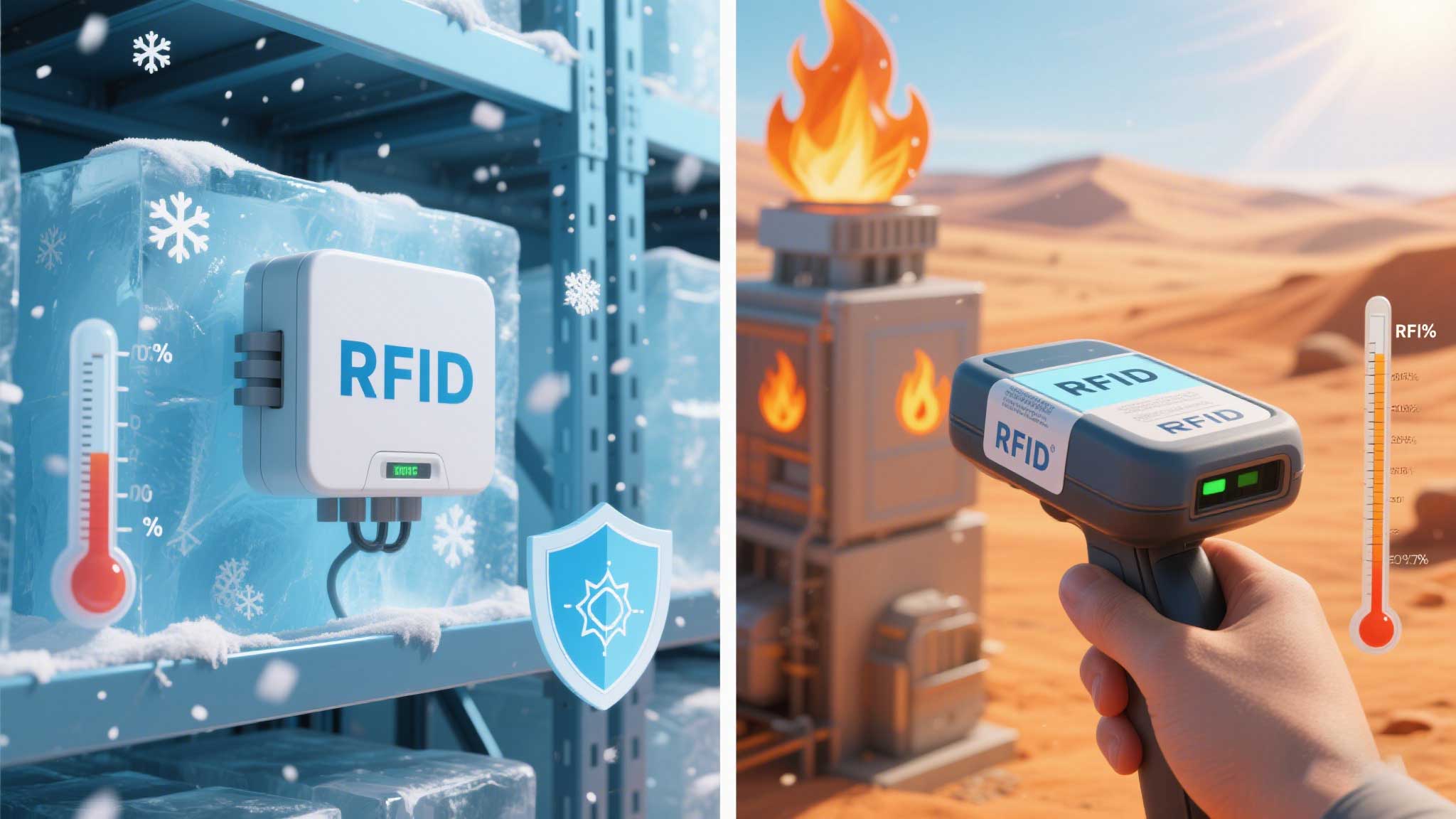
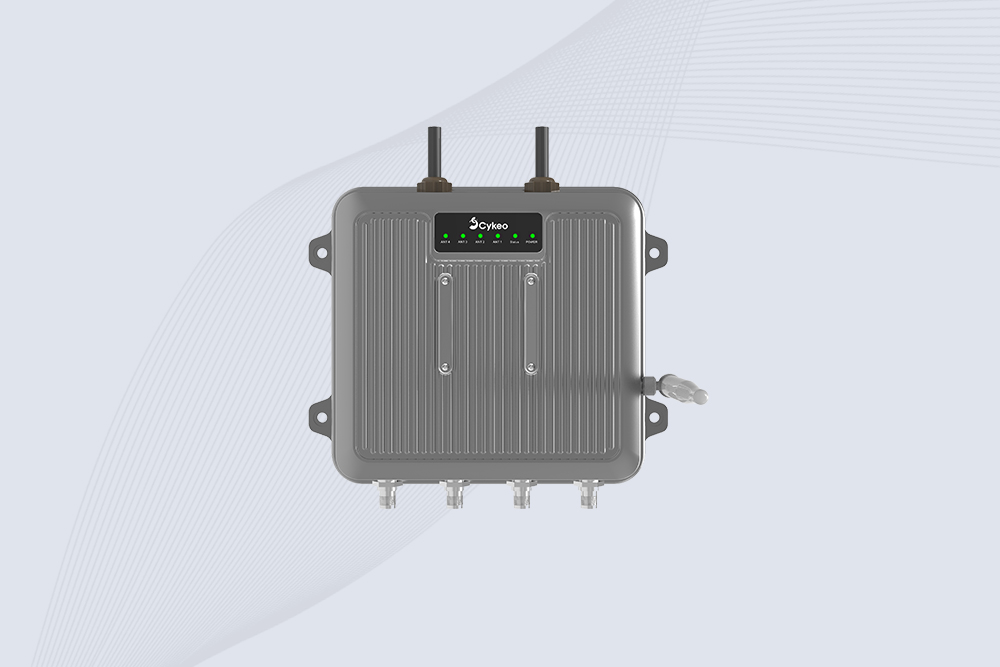
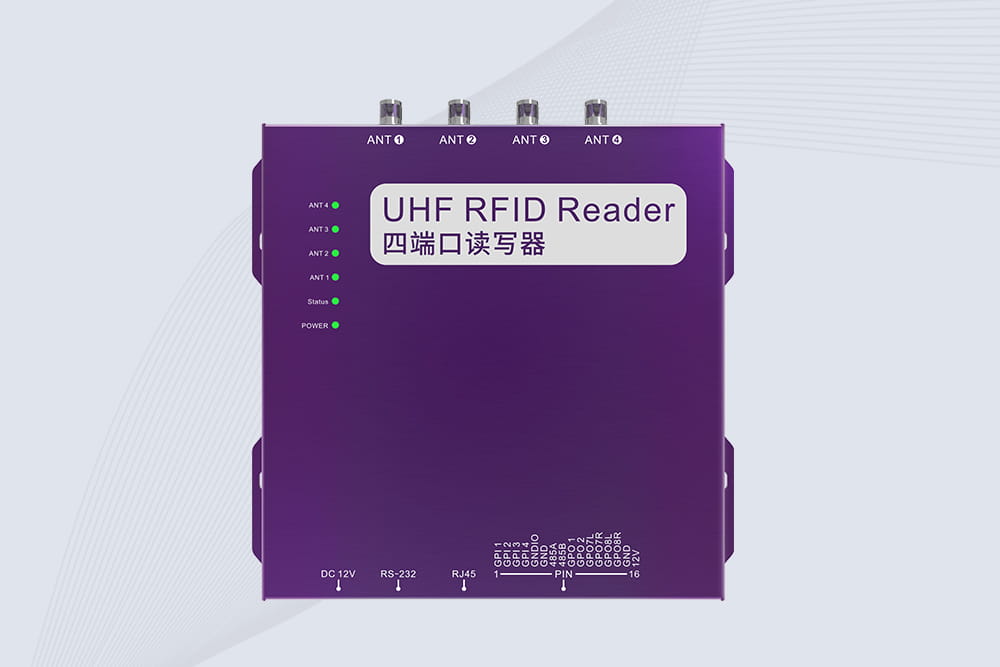
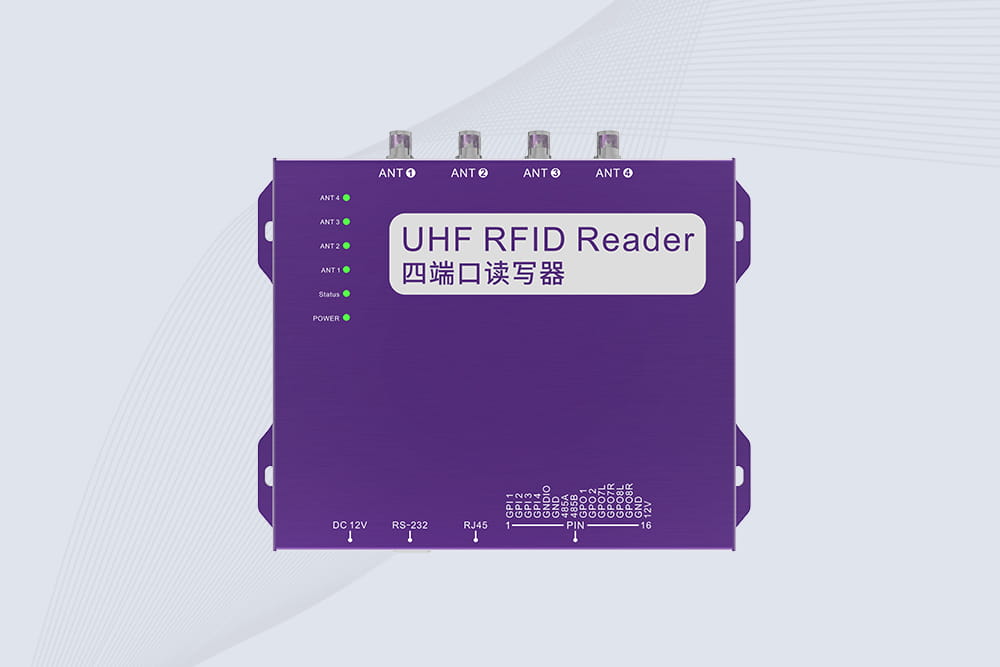
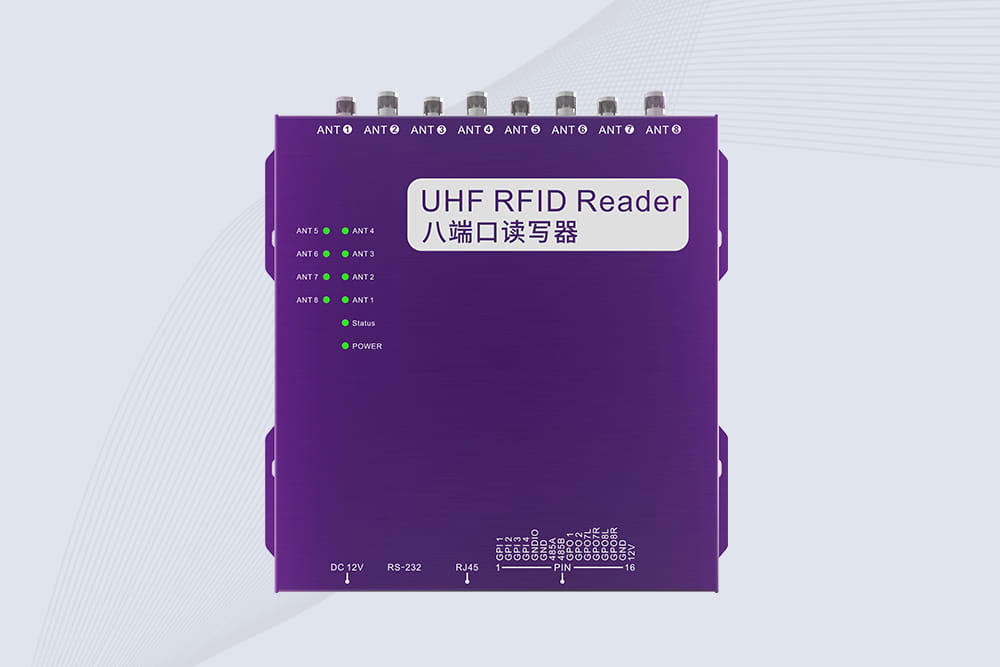
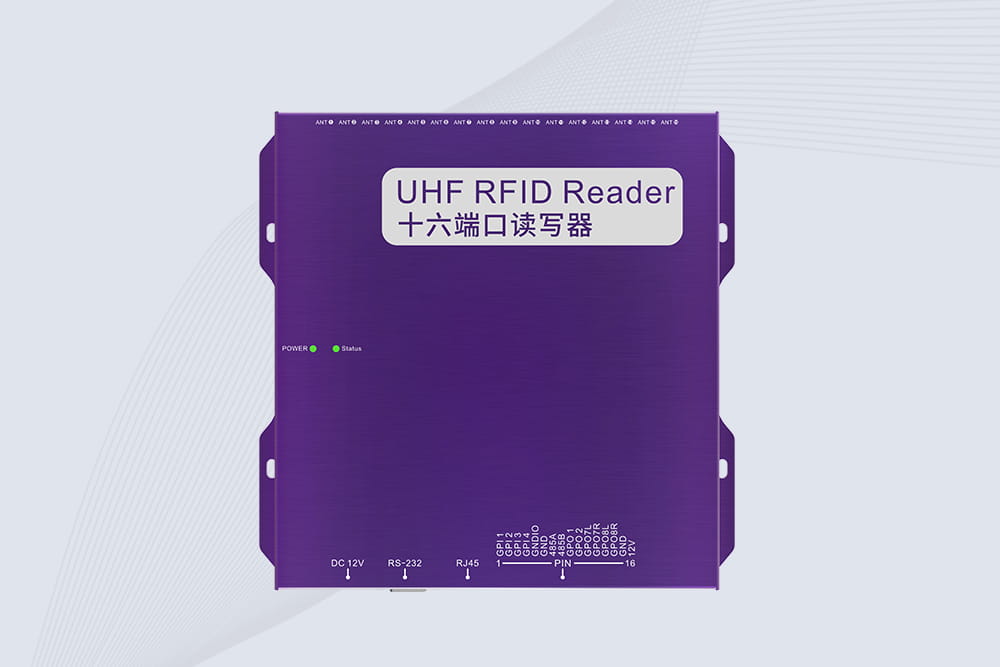
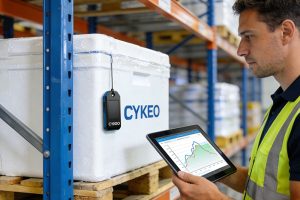
Fixed RFID Reader deployed in environments like freezer warehouses, desert construction sites, or foundries face a critical challenge: maintaining performance under extreme temperatures. While consumer-grade devices fail in harsh conditions, industrial RFID readers are engineered to operate reliably from -40°F to 185°F (-40°C to 85°C). Here’s how they achieve this resilience—and what to prioritize when selecting a system.
1. Components Designed for Thermal Stress
Housing Materials: Aluminum alloys or polycarbonate casings prevent warping or cracking in rapid temperature shifts.
Sealed Electronics: Conformal coating protects circuit boards from condensation in cold environments or dust in hot settings.
Heat Sinks & Fans: Manage thermal loads in high-temperature zones without blocking airflow.
2. Cold Environment Performance
Battery Challenges: Lithium-ion batteries lose efficiency below -4°F (-20°C). Industrial readers use heated battery compartments or external power sources.
Antenna Tuning: Sub-zero temperatures alter antenna impedance. Cykeo’s ArcticShield readers auto-adjust tuning for consistent read ranges.
3. High-Temperature Reliability
Thermal Shutdown Prevention: Readers throttle power or pause scans if internal temps exceed safe limits, resuming automatically once cooled.
UV-Resistant Housing: Protects against solar radiation degradation in outdoor installations.
ATEX/IECEx: Explosion-proof ratings for volatile settings like oil refineries.
5. Real-World Applications
Cold Storage: Cykeo readers track frozen food pallets at -22°F (-30°C) without signal loss.
Steel Mills: Withstand radiant heat near furnaces while scanning tagged equipment.
Solar Farms: Operate in 122°F+ (50°C) desert heat with UV-resistant components.
Why Cykeo Excels in Extreme Conditions
Cykeo’s IndustrialMax series combines silicone-gel-sealed electronics and wide-temperature UHF antennas, tested in environments from Arctic logistics hubs to tropical ports. Their readers deliver 99.9% uptime even during thermal cycling stress tests.
Discover retail RFID technology from Cykeo for self-checkout, inventory visibility, and smart retail. Improve checkout speed, reduce shrinkage, and enhance customer experience.
A long range RFID scanner can significantly speed up warehouse inventory by identifying multiple UHF RFID tags at once. Reliable results depend on tag placem...
Discover how a temperature tag from CYKEO simplifies cold chain monitoring. Learn about real-time alerts, data loggers, and compliance for pharma and food logistics.
Confused about what type of antenna RFID tags use? We explain the key designs—coils for proximity and dipoles for long-range UHF tracking—and how to choose.
 Cykeo RFID IoT Solution Products R&D Manufacturer