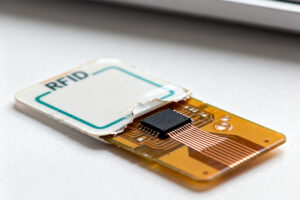
Businesses seeking faster inventory counts, reduced labor costs, and real-time data often debate RFID readers versus barcode scanners. While barcodes are familiar and affordable, RFID technology offers unparalleled speed and automation. Here’s a detailed comparison of their time-saving potential across industries like retail, logistics, and healthcare.
1. Scanning Speed and Batch Processing
Barcode Scanners: Require line-of-sight, manual aiming, and sequential scans. A worker might scan 50–100 items per minute, depending on spacing and label quality.
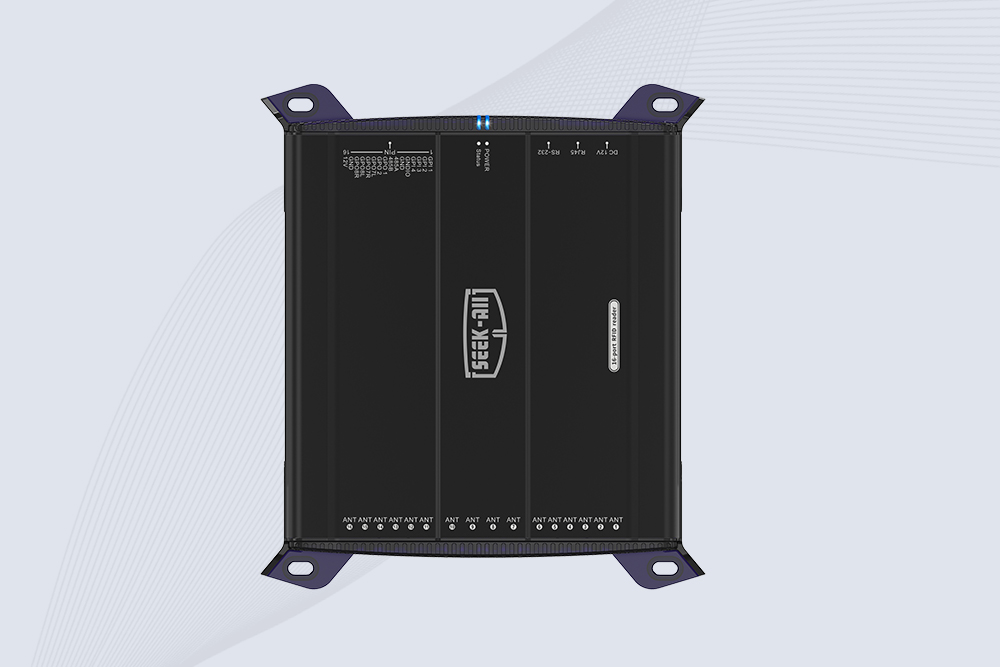
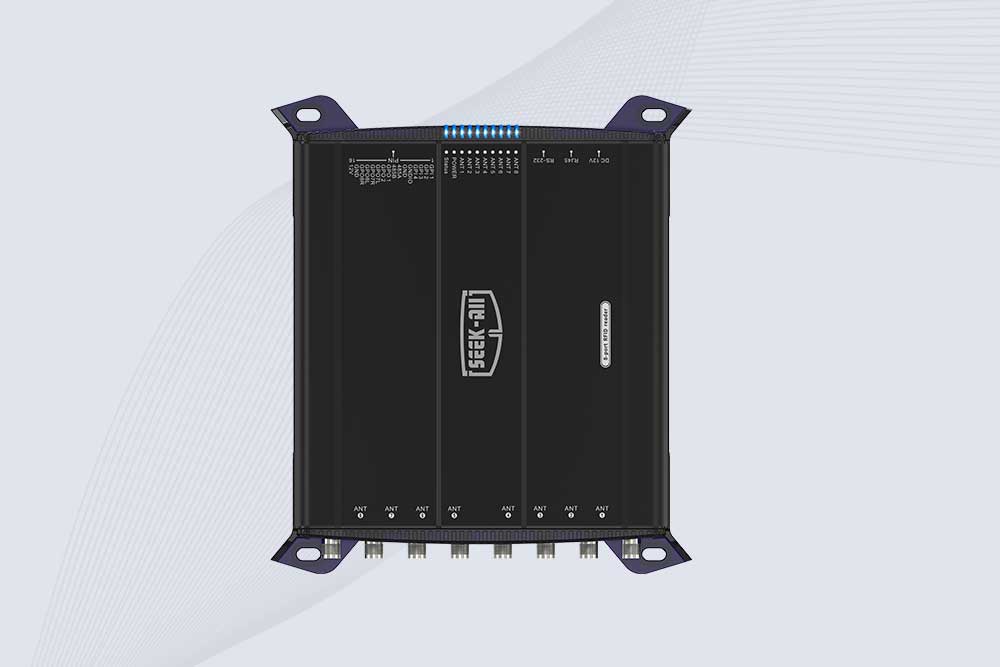
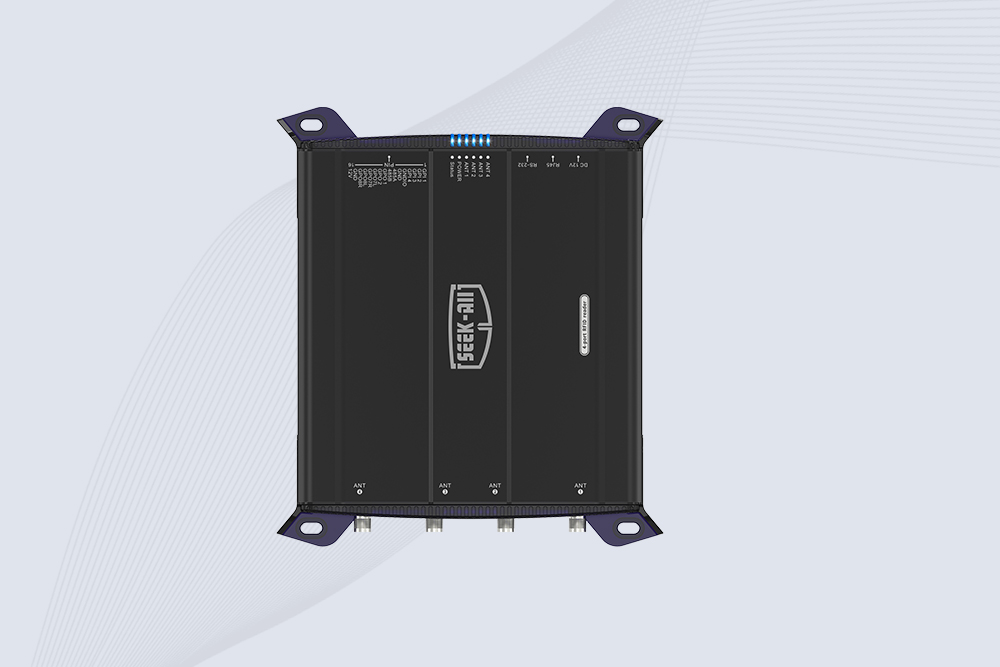
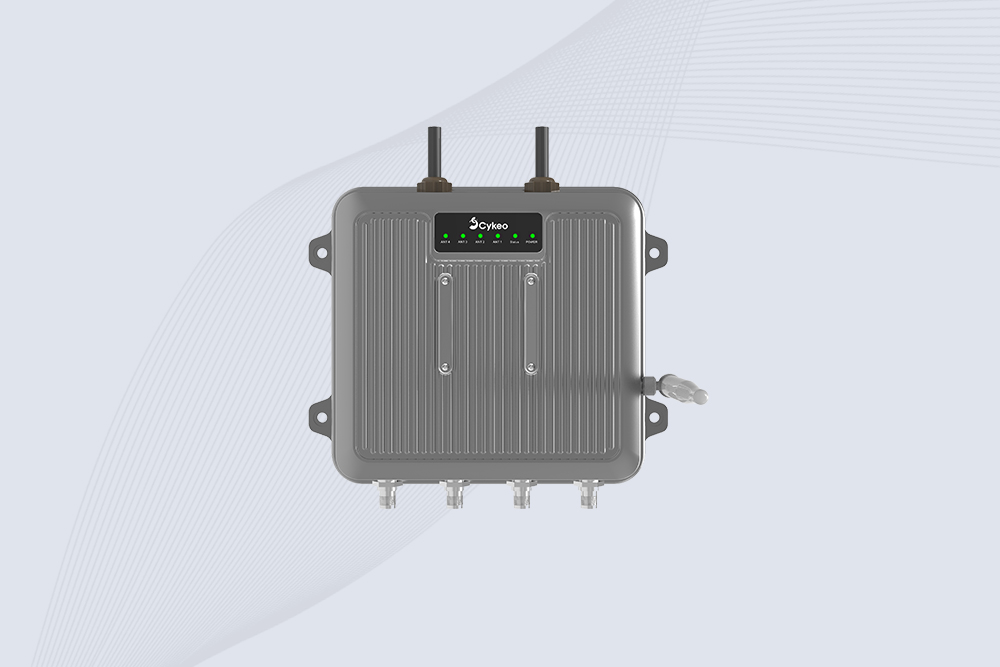
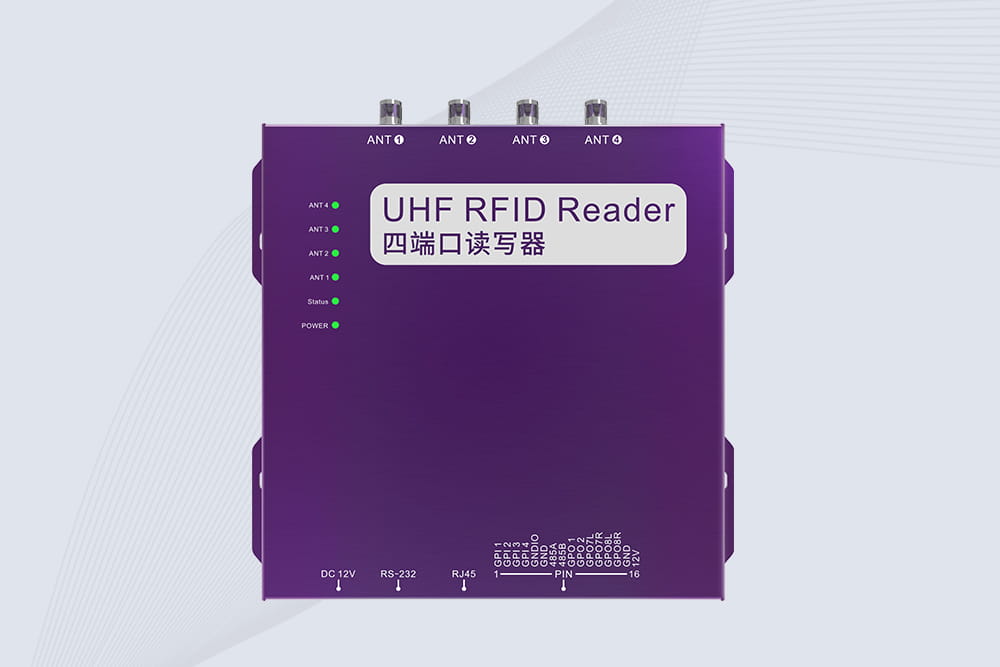
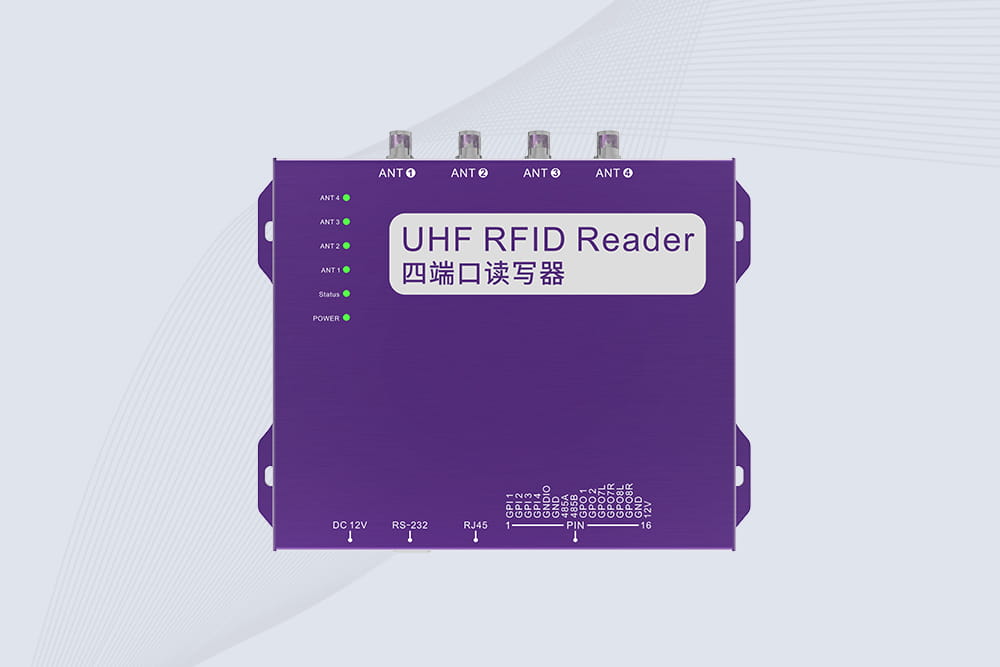
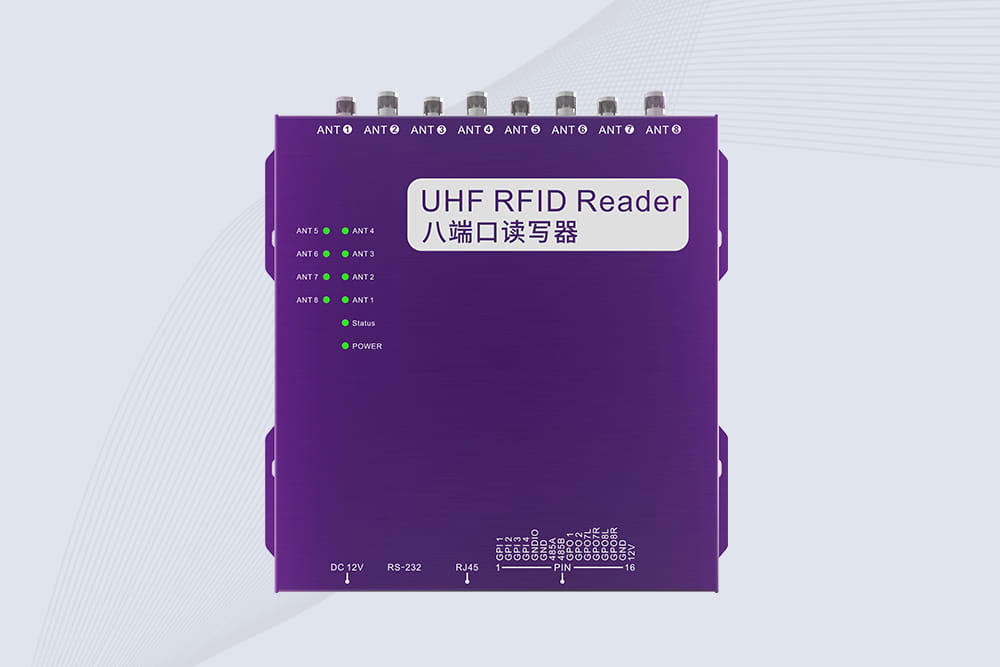
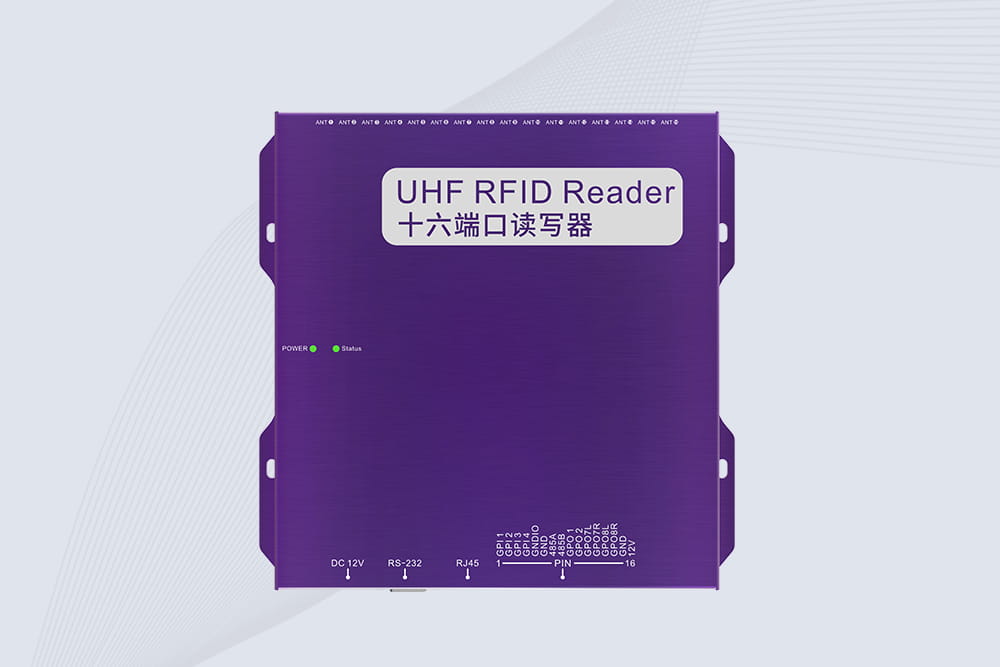
RFID Readers: Capture 100–300 tags per second without direct visibility. A Cykeo UHF reader, for instance, can scan an entire pallet of 500 boxes in 2 seconds—eliminating manual handling.
2. Labor Efficiency and Error Reduction
Barcode Pain Points: Missed scans due to damaged labels, poor lighting, or human fatigue. Studies show manual barcode systems have 5–10% error rates in cycle counts.
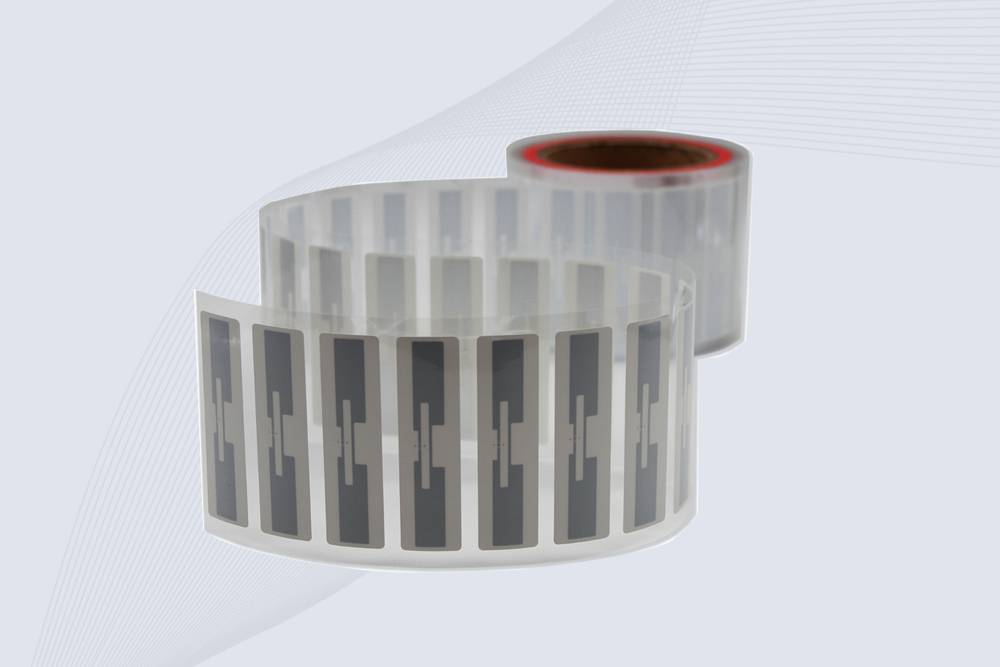
RFID Advantages: Automated bulk scans reduce labor by 70–80% and cut errors to <1% via encrypted, unique tag IDs. No need to reposition items or re-scan.
3. Real-Time Data and Workflow Integration
Barcode Limitations: Data updates only during manual scans, creating delays in stock visibility.
RFID Automation: Readers like Cykeo’s StreamTrack sync with inventory software in real time, alerting teams to low stock or misplaced items instantly. This slashes time spent on manual audits.
4. Environmental Adaptability
Barcode Struggles: Labels degrade in wet, dirty, or high-traffic environments, requiring reprints and re-scans.
RFID Durability: Tags withstand heat, moisture, and abrasion. Cykeo’s ruggedized readers operate in freezing warehouses or dusty construction sites without performance loss.
5. Long-Term ROI and Scalability
Barcode Costs: Low upfront cost but higher labor expenses over time. Scaling requires hiring more staff.
RFID Investment: Higher initial cost (readers + tags) but 3–6x faster throughput and 24/7 automation. Cykeo’s cloud-based systems scale effortlessly across multiple sites.
When to Choose Barcode Scanners
Barcodes remain viable for:
Small businesses with <1,000 SKUs.
Low-budget operations without real-time tracking needs.
Environments where RFID infrastructure is impractical (e.g., metal-heavy zones).
Why Cykeo’s RFID Readers Optimize Workflows
Cykeo’s readers are deployed in retail chains to reduce inventory time from 8 hours to 20 minutes per store. Their API-driven platforms integrate with tools like Shopify or Zoho, eliminating manual data entry.

Learn how to set up an RC522 RFID module with Raspberry Pi for DIY projects like access control, inventory tracking, and smart locks. Step-by-step instructions included.
Got a single RC522 module? Learn what to do with RC522 RFID module 1pc. We cover real first-step projects like a simple lock or logger to get you started.
Struggling with RFID tags on metal surfaces? Learn how to choose the best RFID cable tags for metal, avoid signal issues, and improve read performance in industrial environments.
Looking for an RFID tag reader? We explain what it does, how it works, the different types available, and how to select the right one for your needs. Clear guidance from CYKEO engineers.