Parking management has changed a lot in the last few years. Property owners no longer want paper tickets, manual security checks, or long vehicle queues at entrances. Whether it’s a hospital, apartment complex, logistics yard, or office building, clients now expect vehicle access to work automatically and reliably.
That’s why more integrators are moving toward RFID parking systems.
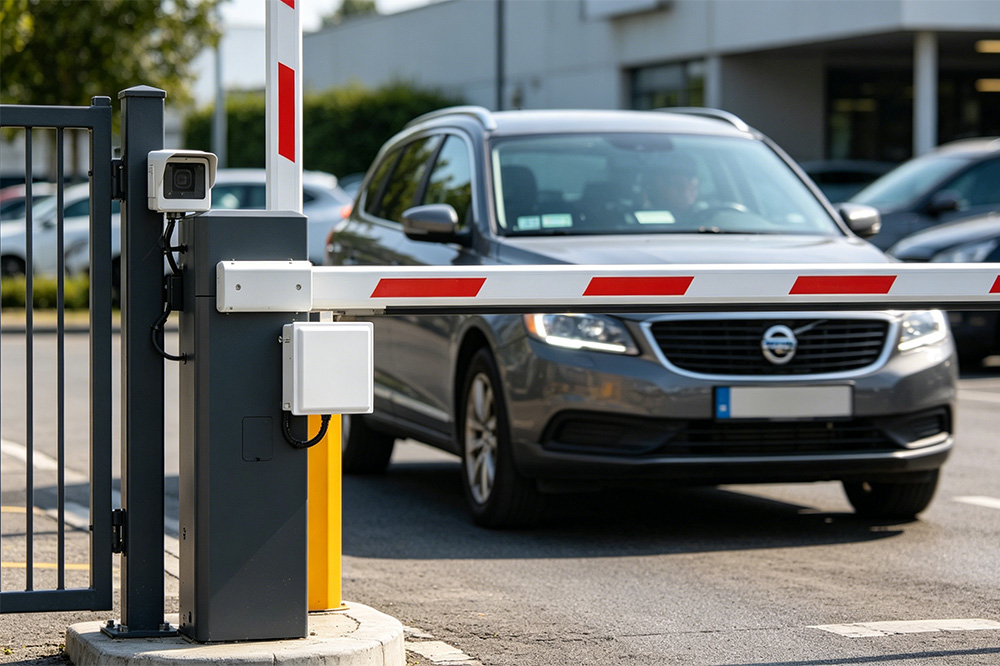
Using long range RFID readers, vehicle tags, gate barriers, and parking software, these systems allow vehicles to enter and exit without stopping for manual verification. The result is faster traffic flow, lower operating costs, and better security management.
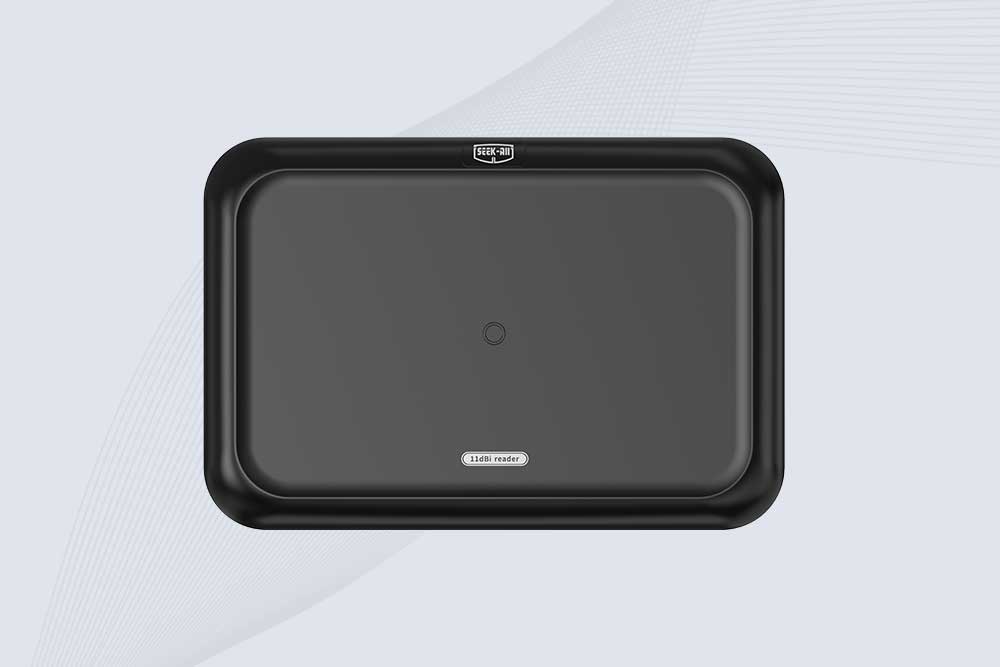
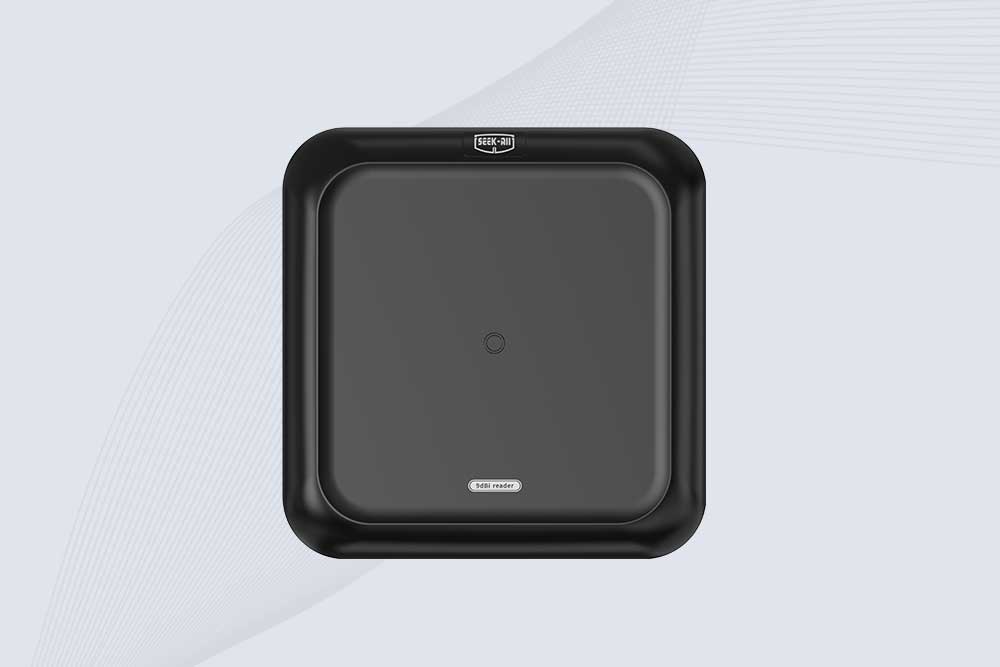
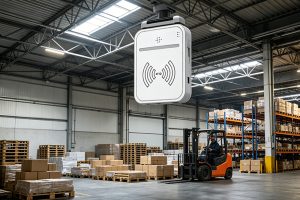
For projects that need stable long-distance vehicle identification, the Cykeo long range RFID reader category provides hardware commonly used in parking and vehicle access control deployments.
Why RFID Is Becoming Standard in Parking Projects
Traditional parking systems still rely heavily on:
Paper tickets
Security guards
Access cards
Manual registration
Barcode scanning
The problem is that these methods slow traffic down, especially during peak hours.
RFID changes the process completely. Once a vehicle is registered in the system, the reader identifies it automatically when approaching the gate. Drivers don’t need to stop, open windows, or scan anything manually.
For large facilities, that difference matters.
A busy hospital entrance, for example, may process hundreds of vehicles every hour. A residential compound may deal with constant resident access throughout the day. In logistics parks, trucks entering and leaving continuously can easily create bottlenecks if identification takes too long.
That’s where an RFID parking control system becomes useful.
How RFID Parking System Works
Most vehicle parking systems using RFID follow the same structure.
The vehicle receives a UHF RFID windshield tag linked to:
Employee information
Resident details
Parking subscriptions
Fleet records
Visitor permissions
When the vehicle approaches the entrance, the long range RFID reader captures the tag information and sends it to the parking software.
The software then checks:
Access permissions
Vehicle status
Time restrictions
Parking availability
Billing information
If everything matches, the system opens the gate automatically.
The entire process usually takes only a second or two.
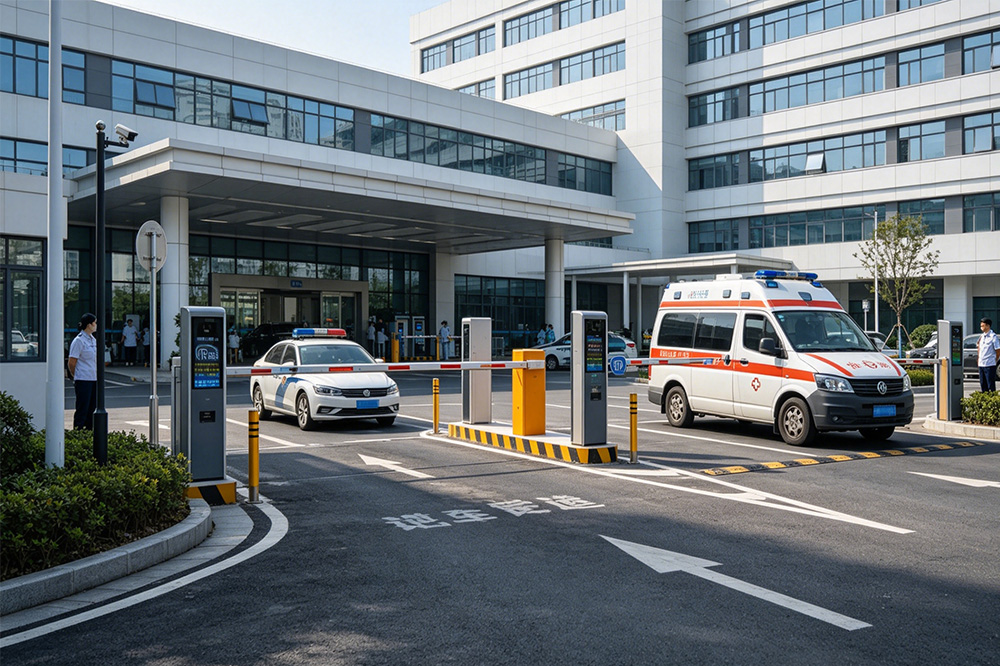
Hospital Parking System Using RFID
Hospitals are one of the most common environments for RFID parking deployments because traffic volume is difficult to control manually.
At many hospitals, parking congestion happens daily because different vehicle types arrive at the same time:
Doctors
Staff
Patients
Ambulances
Suppliers
Visitors
Manual checks slow emergency access and create unnecessary queues.
An RFID based car parking system helps separate access levels automatically. Staff vehicles can enter through dedicated lanes, emergency vehicles can receive priority access, and long-term parking users can move through gates without delay.
For hospital operators, the biggest advantages are usually:
Faster entry during busy hours
Reduced manpower requirements
Better vehicle tracking
Improved security records
More organized parking allocation
Hospitals also tend to prefer contactless access because it reduces interaction at gate entrances.
The reader is the most important hardware component in any RFID parking gate system.
For outdoor parking projects, integrators usually look for:
Stable long-range performance
Waterproof housing
Fast vehicle recognition
Multi-tag anti-collision
Easy controller integration
Passive UHF RFID is currently the most common choice because it offers a good balance between performance and cost.
Typical reading distances are:
3–5 meters for narrow residential lanes
5–8 meters for commercial parking
8–12 meters for industrial vehicle access
Actual performance depends on several factors:
Reader power
Antenna positioning
Lane width
Vehicle speed
Tag quality
Nearby metal interference
In real projects, installation quality often affects performance more than reader specifications alone.
RFID Parking Gate System Integration
Most RFID parking gate systems are connected to:
Barrier gates
Access controllers
Parking software
License plate recognition systems
Cloud management platforms
Many projects now combine RFID with license plate recognition to improve verification accuracy. RFID handles fast identification while cameras provide visual confirmation and vehicle records.
This setup is becoming common in:
Commercial buildings
Residential communities
Smart city projects
Logistics centers
University campuses
For integrators, compatibility matters. Readers that support TCP/IP, RS485, Wiegand, or relay outputs are usually easier to integrate with third-party parking software and existing access control systems.
A lot of parking software platforms advertise advanced features, but in daily operation, clients usually focus on a few practical functions.
The most requested features include:
Automatic vehicle entry and exit logs
Monthly parking management
Visitor vehicle registration
Blacklist management
Real-time parking records
Multi-site monitoring
Occupancy statistics
Remote management access
For commercial projects, reporting functions are especially important because property managers want clear usage data and parking history.
Cloud-based management is also becoming more common, especially for operators managing multiple parking locations.
RFID Parking System Cost Considerations
RFID parking system cost depends heavily on project size and system complexity.
The final price is usually affected by:
Number of lanes
Reader type
Read distance requirements
Barrier gate quality
Software functions
Networking infrastructure
Installation conditions
A simple residential parking setup may only require:
One reader
One barrier
Basic management software
A hospital or industrial deployment may require:
Multiple readers
Multi-lane synchronization
Centralized monitoring
Vehicle databases
Integration with existing security systems
For most integrators, passive UHF systems remain the most cost-effective option for standard parking applications.
RFID Parking System Malaysia Market Growth
The RFID parking system Malaysia market has expanded quickly due to growing demand for:
Smart residential access
Condominium automation
Cashless parking
Industrial security
Smart city infrastructure
Many Southeast Asian projects also require hardware designed for humid outdoor environments. Waterproof readers and stable long-range performance are especially important in tropical climates where rain and heat can affect installation reliability.
Because labor costs continue rising, many property owners now prefer automated parking management instead of manual guard-based access control.
Installation Problems That Affect Real Performance
In many parking projects, weak performance is caused by installation mistakes rather than reader limitations.
Common issues include:
Incorrect antenna angle
Poor tag placement
Reader mounted too close to metal
Lane width that is too large
Interference from nearby devices
Vehicle speed also matters. If cars move too quickly through the read zone, identification reliability can drop.
That’s why experienced integrators usually test:
Multiple mounting positions
Different tag locations
Vehicle approach angles
Real traffic conditions
before finalizing installation.
Why More Parking Operators Are Switching to RFID
Compared with traditional parking management, RFID offers clear operational advantages.
Drivers spend less time waiting at gates. Property managers reduce manual work. Security teams gain better vehicle tracking records.
For facilities with heavy daily traffic, the improvement is noticeable almost immediately.
This is especially true in:
Hospitals
Residential compounds
Commercial office parks
Factories
Logistics hubs
University campuses
As smart access control continues expanding, RFID parking management systems are becoming a standard part of modern vehicle access infrastructure rather than an optional upgrade.
Conclusion
RFID technology has become one of the most practical solutions for modern parking access control. For integrators and parking solution providers, demand continues growing across healthcare, residential, commercial, and industrial projects.
A reliable RFID parking system depends on more than just read distance. Good hardware selection, proper lane design, stable software integration, and correct installation all play an important role in long-term performance.
For projects requiring long-distance vehicle identification and gate automation, the Cykeo long range RFID reader collection includes hardware suitable for RFID parking management and vehicle access control deployments.
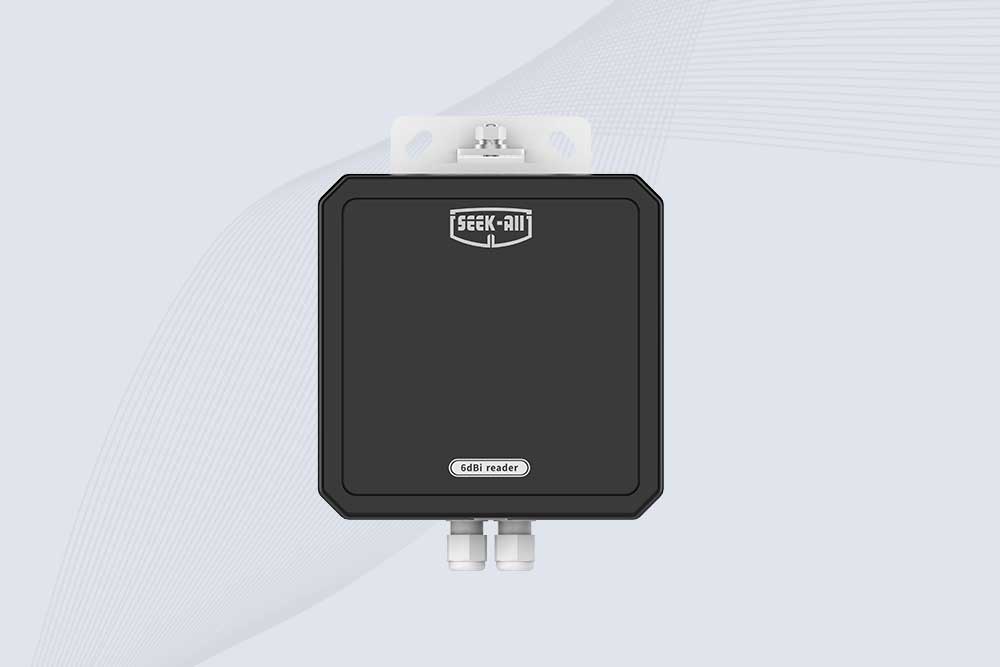
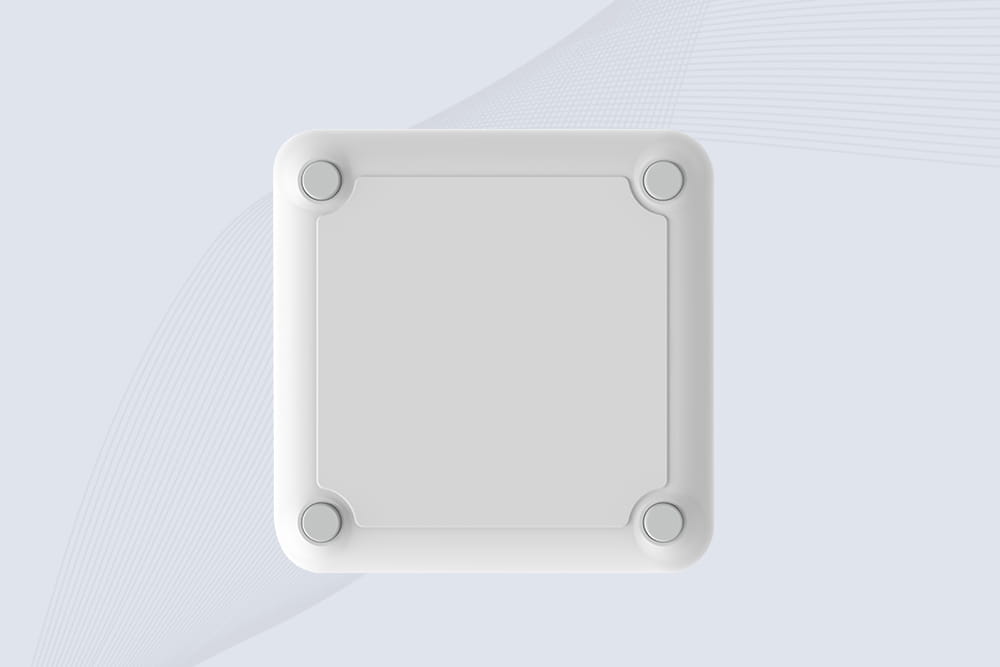
SSD-RA06L is an industrial UHF RFID reader with a built-in 6 dBi antenna, 3 m read range, 600+ tags/s, Ethernet, RS232, and optional Wi-Fi, 4G, and PoE.
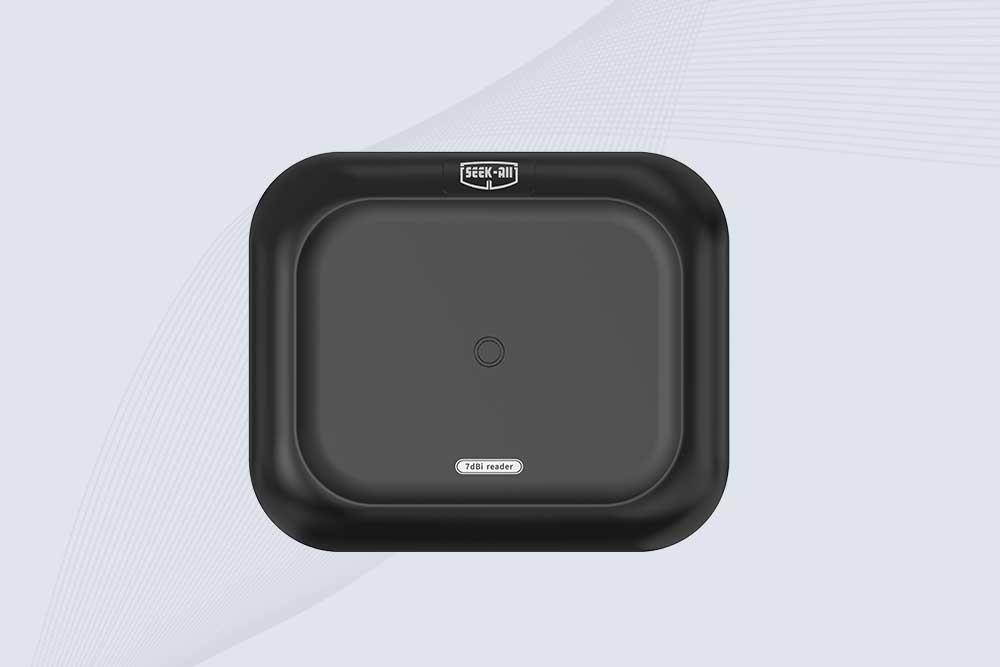
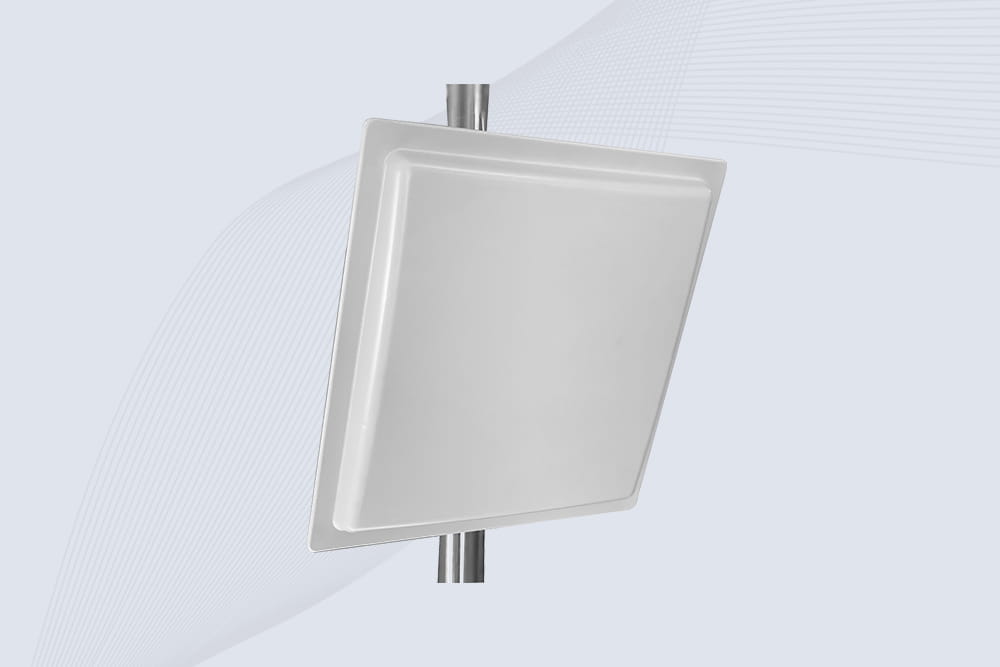
SSD-RA07L industrial UHF RFID reader with integrated 7 dBi antenna, up to 6 m reading distance, over 600 tags/s, Ethernet, RS232, and optional Wi-Fi, 4G, and PoE.
Cykeo’s industrial long range RFID reader delivers 20-meter scanning, 500+ tags/sec speed, and IP67 waterproof design for automated warehouses, logistics, and harsh environment applications.
Cykeo’s CYKEO-RA6L industrial RFID long range reader features 20m read distance, 500 tags/sec speed, and IP67 protection. Ideal for warehouse automation, manufacturing WIP tracking, and smart logistics. Supports ISO 18000-6C/6B protocols.
CYKEO Long Range RFID Tag Reader built for outdoor and industrial operations. This Outdoor RFID Reader delivers 20m read distance, fast tag processing, and IP67 durability for wide-area tracking.
Cykeo CYKEO-RA12L industrial Long Range RFID Reader delivers 20m read range, 200+ tags/sec scanning, and IP67 protection for manufacturing/logistics applications. Supports ISO 18000-6C/GB protocols.
Learn the difference between FHSS and fixed frequency in RFID systems. Understand how frequency hopping improves reliability and why fixed frequency can still work in simple environments.
Discover how custom RFID reader solutions address unique industry challenges. Enhance efficiency with Cykeo’s tailored RFID systems for logistics, manufacturing, healthcare, and more.
rfid hardware improves UHF asset tracking, warehouse visibility, and automated inventory control with fast multi-tag reading and reliable RFID performance.
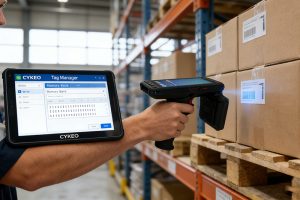
Learning how to use handheld RFID reader writer? Step-by-step for inventory counting and tag programming. Power on, connect to Android, read EPCs, write user memory. Real field advice from CYKEO engineers.
 Cykeo RFID IoT Solution Products R&D Manufacturer