 Cykeo RFID IoT Solution Products R&D Manufacturer
how to track rfid: UHF RFID Tracking and Visibility Guide
111How to track RFID: Use unique UHF RFID tags, defined reader points, and tracking software to record where and when tagged items are observed.
MoreAll RFID Product
A few years ago, RFID still felt like something only giant retailers could afford. Now it’s showing up everywhere — clothing stores, supermarkets, electronics shops, warehouses, even small retail chains trying to fix inventory problems.
The reason is simple. Retail has become harder to manage.
Customers expect products to be in stock, online inventory to be accurate, pickup orders to be ready fast, and checkout lines to move quickly. Meanwhile, stores are dealing with theft, staffing shortages, and inventory mistakes that quietly eat away at profit.
That’s where RFID starts making sense.
Instead of relying on employees to scan products one by one, RFID lets stores identify and track products automatically through radio signals. A reader can scan hundreds of tagged items in seconds, even if the products are packed in boxes or stacked on shelves.
It sounds technical, but in practice, RFID is mostly about saving time and reducing mistakes.
Traditional barcode systems still work, but they have limits.
Anyone who has worked in retail knows how painful inventory counts can be. Employees stay after hours scanning products manually, only to end up with numbers that still aren’t fully accurate.
RFID changes that completely.
With a handheld RFID reader, staff can walk through the store and count thousands of products in minutes. No need to scan every barcode individually. The system detects tagged items automatically.
That alone is enough for many retailers to justify the investment.
But inventory counting is only part of the story.
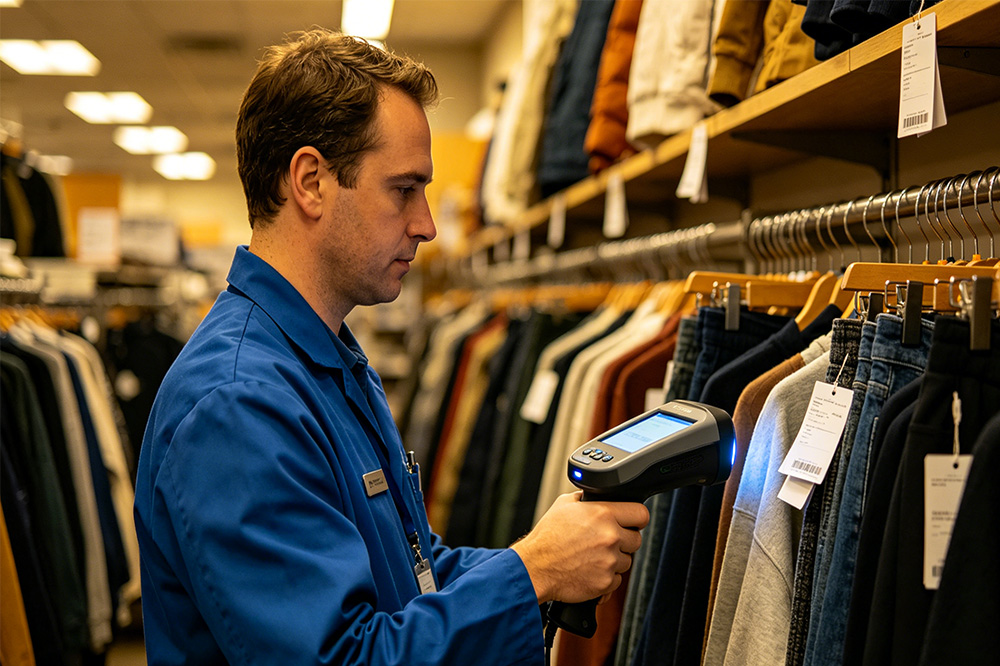
This is especially important in apparel retail.
Imagine a customer asking for a black jacket in medium size. The store system says it’s available, but nobody can find it. It might be sitting in the stockroom, mixed into the wrong rack, or left inside a fitting room.
That situation happens constantly in clothing stores.
RFID helps employees locate products much faster because the system knows where items were last detected. Instead of wasting fifteen minutes searching, staff can usually narrow things down quickly.
For customers, it feels like better service.
For stores, it means fewer lost sales.
One of the biggest problems in retail is that inventory records are often wrong.
A system may show five products in stock when only two are actually on the shelf. Sometimes items were stolen. Sometimes they were misplaced. Sometimes the inventory was never updated properly in the first place.
RFID helps close that gap.
Because products are tracked automatically as they move through the store or warehouse, inventory stays far more accurate than with manual barcode scanning.
That becomes extremely important for online orders.
If a customer buys something online for in-store pickup, the retailer needs confidence the product is really there. RFID helps stores avoid the embarrassing situation where an order gets canceled because the inventory count was wrong.
Most people have already seen early versions of RFID checkout without realizing it.
Instead of scanning products one by one, RFID systems can read multiple items instantly. Customers place their purchases near a reader, and the system recognizes everything automatically.
For busy stores, that can reduce long checkout lines significantly.
Some retailers are also connecting RFID inventory tracking with technologies like RFID payment systemsto create faster and more automated shopping experiences.
You can already see this direction in self-checkout stores, event retail, and some cashierless retail concepts.
Retail theft has become a serious problem in many markets.
Older anti-theft systems could trigger an alarm at the door, but they usually couldn’t tell employees exactly what was taken.
RFID adds much more visibility.
Stores can track when products leave certain areas, identify missing inventory faster, and monitor high-value items more closely.
For luxury products, electronics, cosmetics, and branded apparel, that level of tracking is becoming increasingly valuable.
It also helps with internal inventory loss, which many retailers quietly struggle with.
A lot of the real value of RFID actually shows up behind the scenes.
In warehouses and distribution centers, RFID can speed up receiving, shipping, and inventory audits dramatically.
Instead of opening cartons and checking products manually, entire shipments can be scanned automatically as they pass through RFID gates or dock doors.
Warehouse teams use RFID to:
For retailers handling both ecommerce and physical stores, this visibility matters a lot.
Some larger retailers are now adding RFID readers directly into shelves and display areas.
These smart shelves can detect when inventory is getting low or when products are placed in the wrong location.
If a shelf starts emptying out, employees can receive automatic restocking alerts before customers even notice the problem.
It sounds futuristic, but it’s already being used in parts of grocery, beauty, and electronics retail.
Returns are another area where RFID quietly helps retailers.
Since every RFID tag contains a unique ID, stores can verify whether a returned product is genuine and whether it originally came from that retailer.
That helps reduce return fraud, especially for expensive products.
Luxury retailers and electronics stores are paying more attention to this because counterfeit returns have become a growing issue.
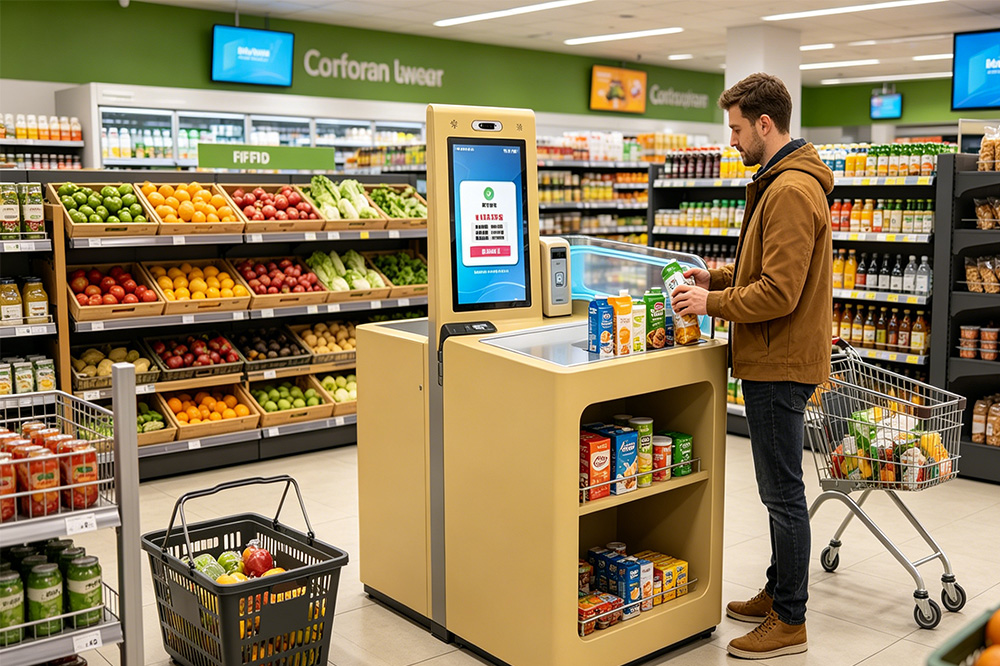
Even though RFID solves a lot of problems, it’s not magic.
The upfront cost still matters, especially for smaller retailers. Stores need readers, tags, software integration, and employee training.
Certain environments can also create signal interference. Metal shelves and liquids sometimes affect read performance, which means system setup needs proper testing.
And integrating RFID into older retail systems can take time.
Still, for many retailers, the long-term efficiency gains outweigh the setup challenges.
RFID is gradually becoming part of normal retail infrastructure.
What started mainly as an inventory tool is now connecting with AI analytics, smart shelves, automated checkout, and real-time supply chain tracking.
As hardware prices continue dropping, more mid-sized retailers are starting to adopt it, not just global chains.
At this point, RFID isn’t really about looking “high tech.” Most retailers are using it for practical reasons: fewer inventory mistakes, faster operations, better customer experience, and tighter control over products moving through the business.
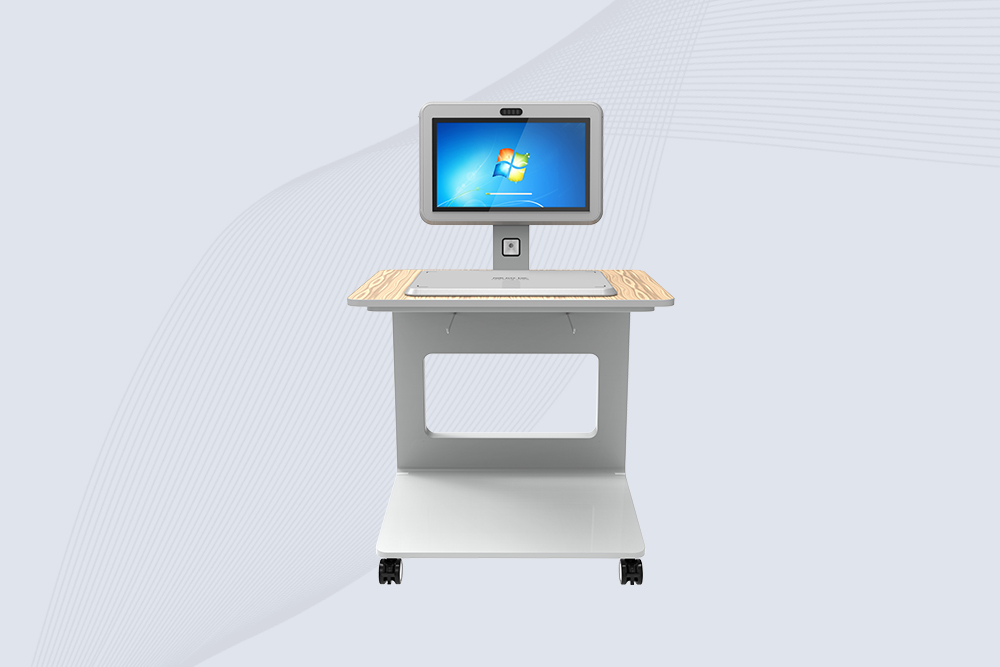
Cykeo’s CYKEO-DP11A RFID payment system combines UHF item recognition, facial authentication, and PCI-certified transactions for retail. Features Windows/Android dual OS, 4G connectivity, and SAP integration.
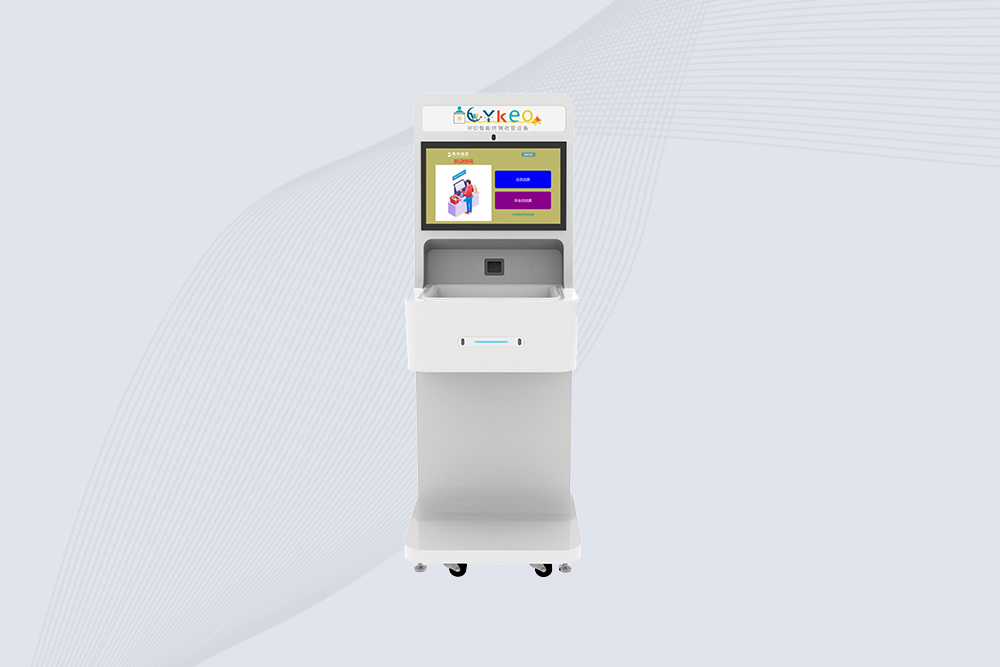
Cykeo CYKEO-DP11 UHF RFID Checkout Terminal streamlines bulk scanning operations with 5-tag/sec efficiency, dual OS compatibility (Windows/Android), and pharmacy-grade inventory management. Ideal for healthcare, retail, and unmanned stores, it ensures high-accuracy RFID bulk scanning with IP54 ruggedness and ISO 18000-6C compliance.
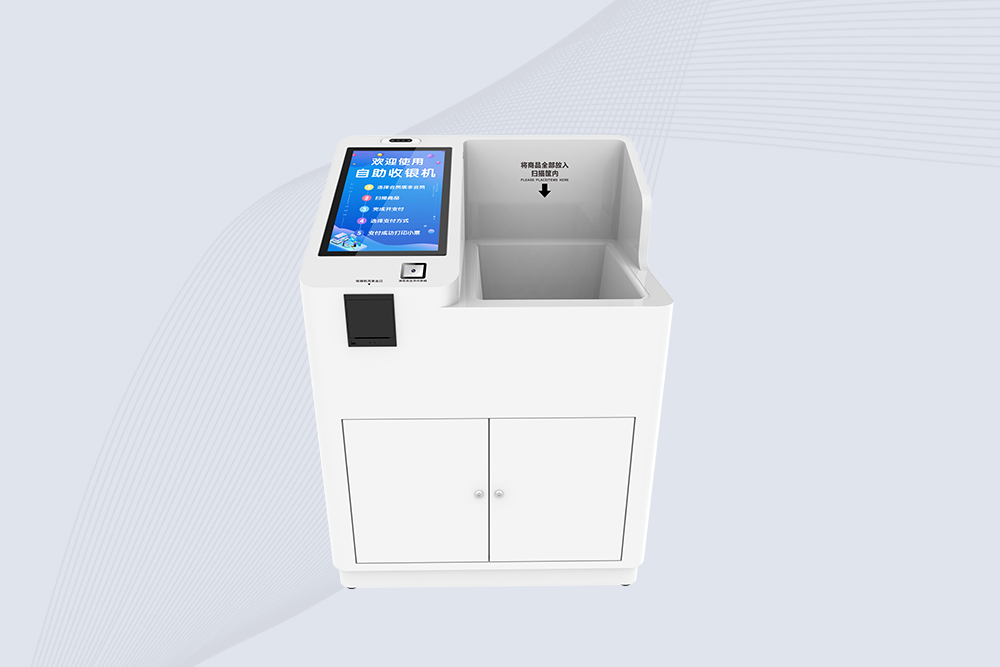
Cykeo’s unmanned RFID checkout Kiosk terminal enables 10-item bulk scanning in 3 seconds with 21.5″ touchscreen, anti-theft tag update, and POS integration for retail automation.
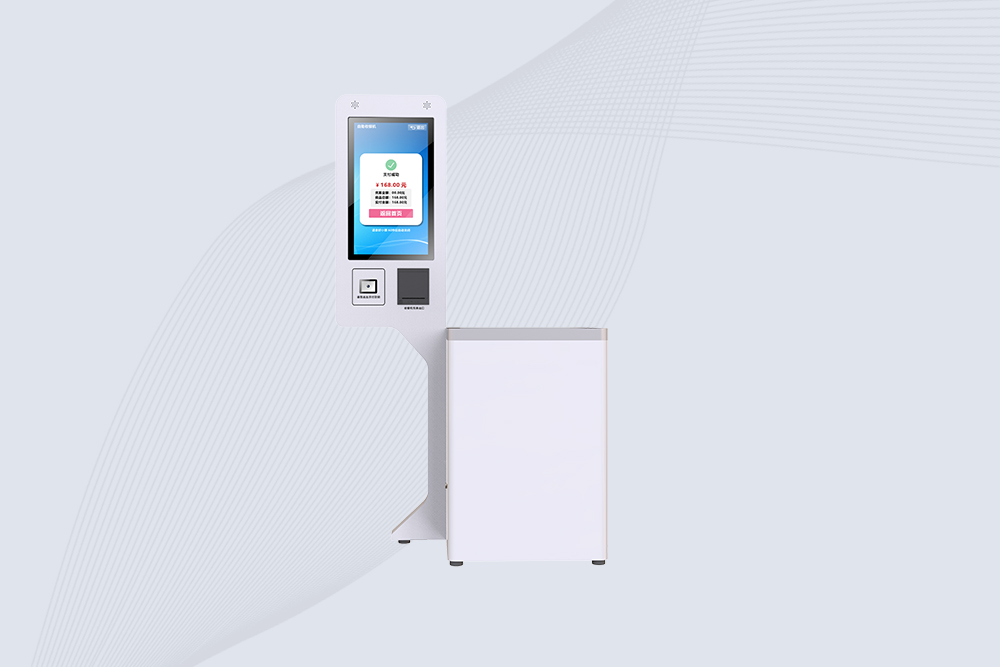
Cykeo’s CYKEO-DP11C UHF RFID self checkout kiosk enables unmanned retail with 10+ items/sec scanning, 21.5″ payment UI, and ISO 18000-6C compliance. Ideal for supermarkets and apparel stores.
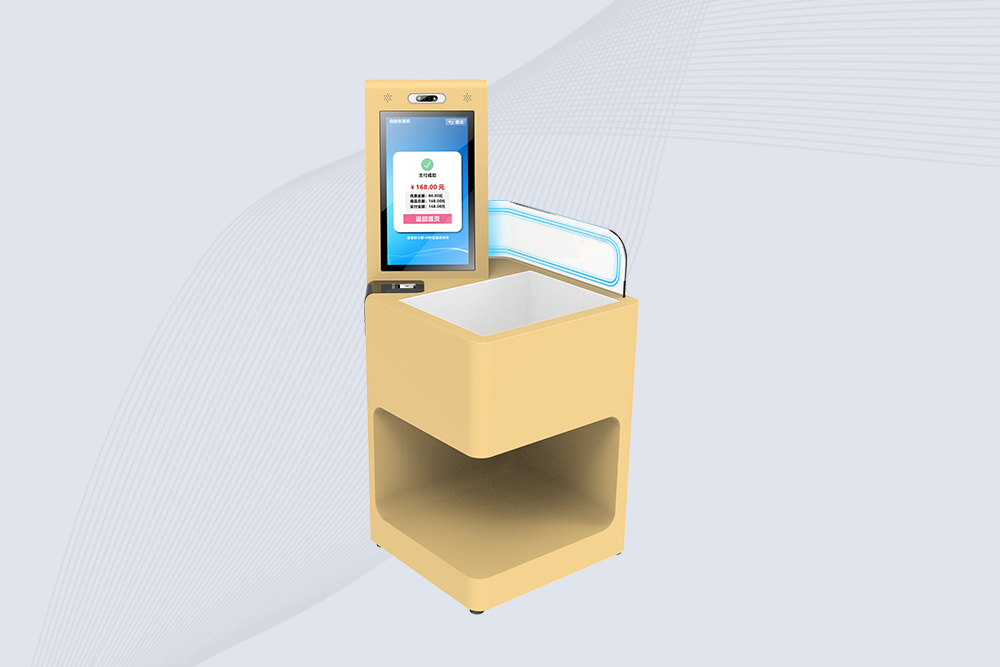
Cykeo CYKEO-DP11E RFID self checkout system offers 21.5″ touchscreen, UHF RFID batch scanning (ISO 18000-6C), and cloud integration for retail automation. Ideal for unmanned supermarkets and apparel stores.
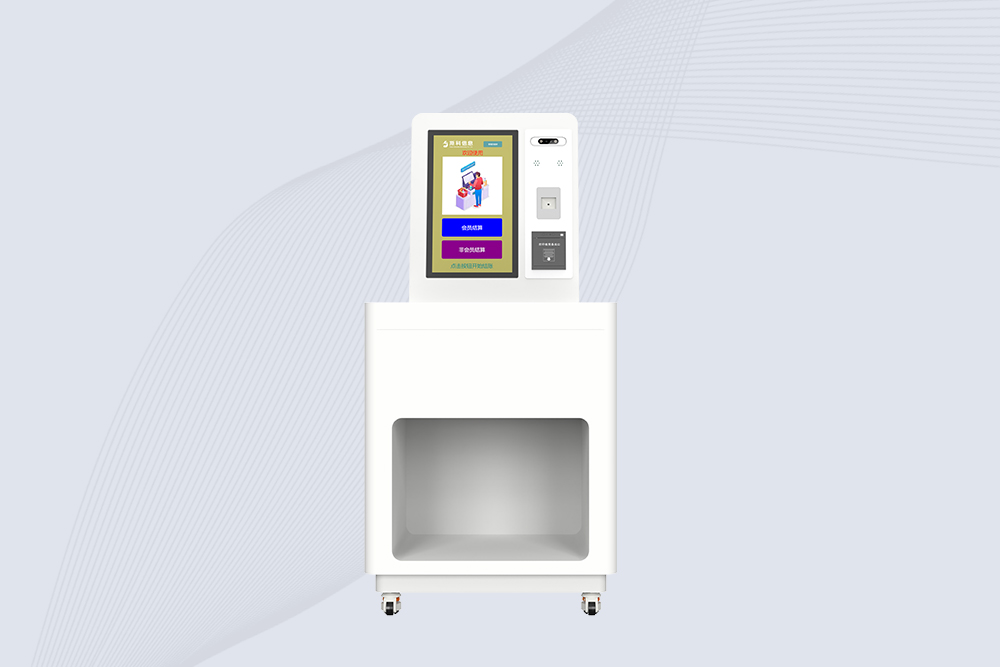
Cykeo’s autonomous RFID payment kiosk enables 10-item/sec contactless checkout, POS integration, and EAS tag deactivation. Features 21.5″ payment interface, PCI-certified security.
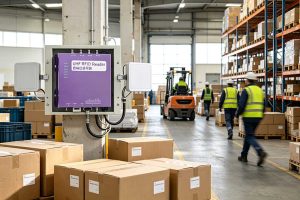
How to track RFID: Use unique UHF RFID tags, defined reader points, and tracking software to record where and when tagged items are observed.
More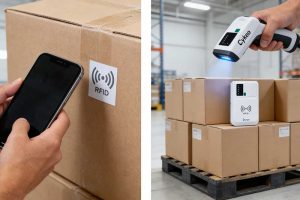
Wondering "can iPhone read RFID"? We explain the limited NFC capability, its practical uses, and why it's not a replacement for industrial RFID readers in business.
More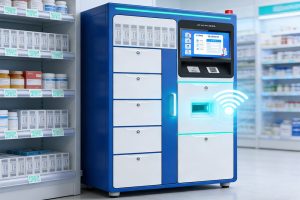
Discover how the RFID Pharmacy Security Cabinet enhances security, automates inventory management, and ensures regulatory compliance. Learn about RFID reader module and antenna integration benefits.
More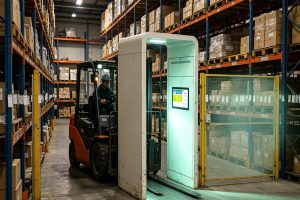
A field-based look at RFID cross reading problems in warehouse gate systems. Why misreads happen, how directional RFID antennas help control read zones, and why installation often matters more than replacing hardware.
More