 Cykeo RFID IoT Solution Products R&D Manufacturer
How to Use RFID Module with Arduino LED Projects
593Discover how to use RFID module with Arduino LED projects with our step-by-step beginner's guide. Learn wiring, coding, and project ideas for interactive RFID-based LED control.
MoreAll RFID Product
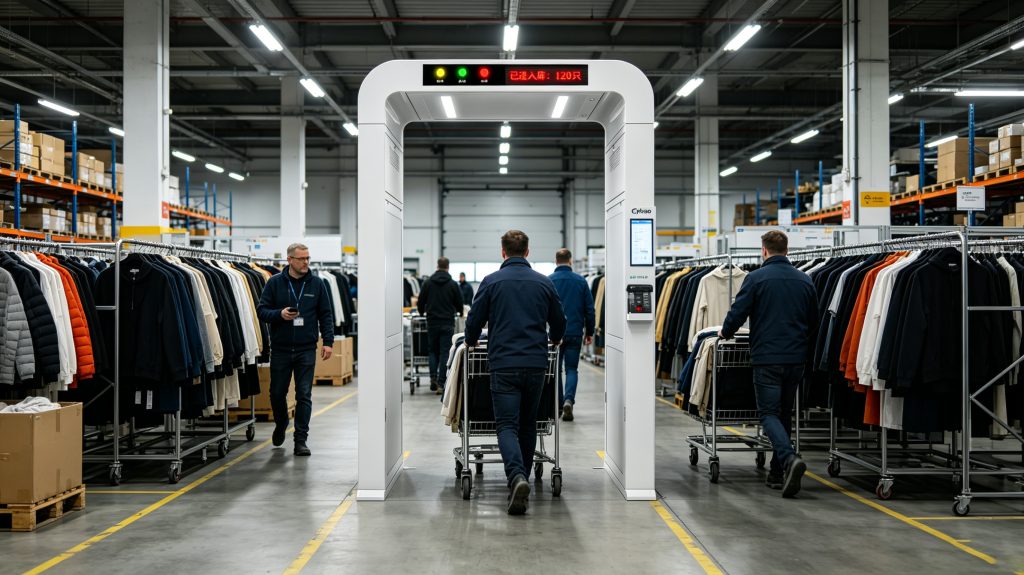
I first saw the difference a true UHF RFID tracking system could make inside a textile warehouse in Suzhou three years ago. Two workers pushed a cart through an RFID tunnel. In less than five seconds, more than 600 tagged garments appeared on the screen. No barcode gun. No rescanning. No clipboard corrections afterward. Just live data.
That moment explained why more manufacturers, hospitals, logistics centers, and tool warehouses are shifting toward automated RFID tracking instead of relying on manual inventory counting.
Traditional inventory processes fail when item volumes rise. Human scanning slows down. Paper logs become inconsistent. Missed assets accumulate quietly.
A properly designed UHF RFID system changes the rhythm of the workplace.
| FunctionTraditional BarcodeUHF RFID Tracking | ||
| Read method | One-by-one scanning | Bulk simultaneous reading |
| Read distance | Short range | Up to several meters |
| Line of sight | Required | Not required |
| Inventory speed | Slow | Extremely fast |
| Automation level | Limited | High |
According to the official data from, billions of UHF RFID tags are now deployed annually across retail, logistics, healthcare, and manufacturing environments due to their scalability and operational efficiency.
In one apparel distribution project handled by the Cykeo technical team, daily outbound verification time dropped from nearly 2 hours to under 10 minutes after deploying an RFID tag tracking system with automated tunnel reading.
Not because workers suddenly became faster. The system removed repetitive manual actions.
A standard UHF RFID tracking solution usually contains four layers:
Each asset receives a unique EPC identity. The tag may be attached to:
Readers collect tag data automatically through radio frequency communication. Fixed rfid readers are commonly installed:
The antenna layout determines read stability. In high-density environments, antenna angles matter more than many buyers realize.
A badly positioned antenna can create dead zones even when the reader itself is powerful.
The software layer converts raw RFID data into actionable information:
Large warehouses often struggle with inventory discrepancies during peak shipping periods.
Cykeo UHF RFID tunnel systems can support batch identification exceeding 800 tagged items in one cycle while preventing cross-reading through shielded roller shutter structures.
In practical deployments, inventory efficiency improved by more than 100 times compared with manual counting methods.
Hospitals increasingly use RFID to manage surgical kits, consumables, and sterile supplies.
The U.S. FDA’s UDI initiative continues pushing medical traceability standards forward.
Official reference:
One interesting detail from a hospital project: nurses stopped keeping handwritten emergency stock notes because the cabinet already updated inventory automatically after every withdrawal.
That changed workflow behavior almost immediately.
Factories using RFID smart tool cabinets can track:
This significantly reduces tool loss and improves accountability.
Not all RFID systems behave the same way.
Low-frequency systems work well for access control, but UHF RFID excels in bulk reading and long-range asset visibility.
| Parameter | UHF RFID |
| Frequency | 860–960 MHz |
| Protocol | EPC C1G2 / ISO18000-6C |
| Multi-tag capability | Excellent |
| Reading distance | Long range |
| Bulk inventory | Supported |
In dense warehouse environments, UHF RFID can read hundreds of tags almost simultaneously. That is the reason logistics companies continue investing heavily in this technology.
According to, EPC Gen2 standards are now widely adopted globally for supply chain visibility and item-level identification.
Many RFID projects fail for surprisingly ordinary reasons.
Not because RFID is inaccurate.
Usually because deployment planning was rushed.
Inside one automotive parts warehouse, reflective metal racks caused duplicate reads until shielding adjustments were added. The hardware was fine from day one. The environment was the problem.
That distinction matters.
Yes. UHF RFID systems automatically identify tagged items without manual scanning, even during bulk movement through warehouse entrances or smart cabinets.
Retail, healthcare, manufacturing, logistics, laundry management, and industrial tool control are among the largest RFID adopters globally.
Well-designed UHF RFID systems can achieve read accuracy above 99% under controlled deployment conditions.
No. Unlike barcodes, RFID can read tags without direct visual alignment.
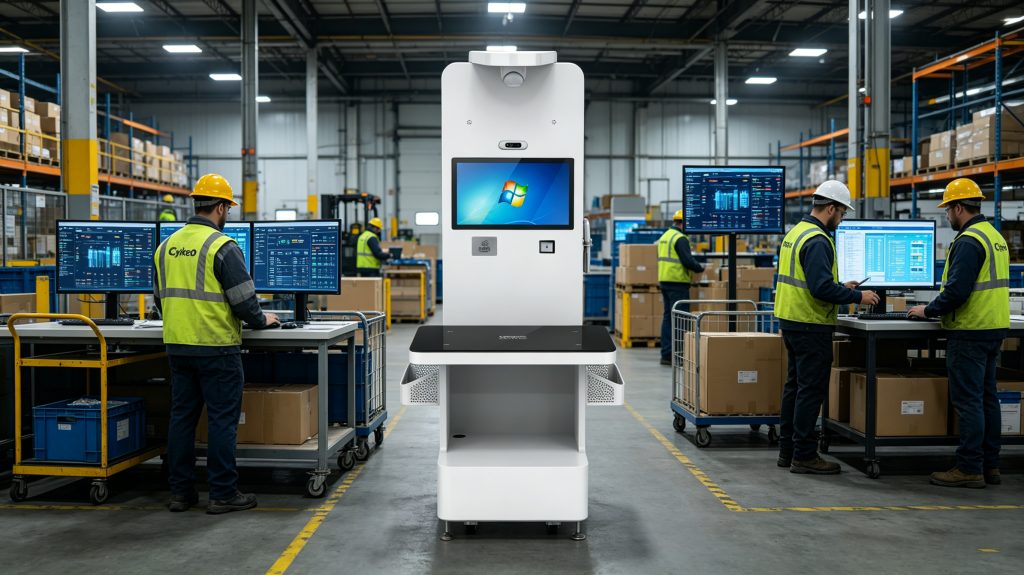
A modern rfid tag tracking system is no longer limited to large enterprises. UHF RFID has become practical, scalable, and increasingly necessary for organizations handling high-volume assets, medical supplies, textiles, tools, or warehouse inventory.
Cykeo continues developing UHF RFID tracking solutions focused on stable multi-tag reading, rapid deployment, and long-term operational reliability. In real environments, the biggest value is rarely the technology itself.
It is the disappearance of manual uncertainty.
And once teams experience that shift, they rarely want to go back.
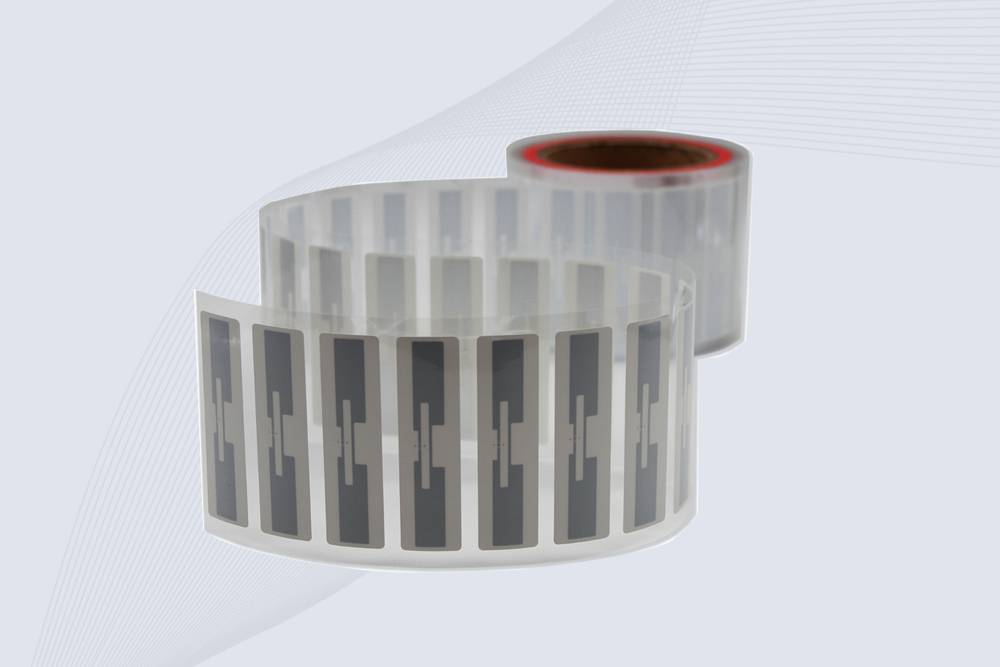
CYKEO Passive RFID Tags are made for wet and high-humidity environments where standard labels do not last. This rfid passive tag is often used around liquids, chemicals and temperature changes, providing stable reading distance and long data life for industrial tracking.
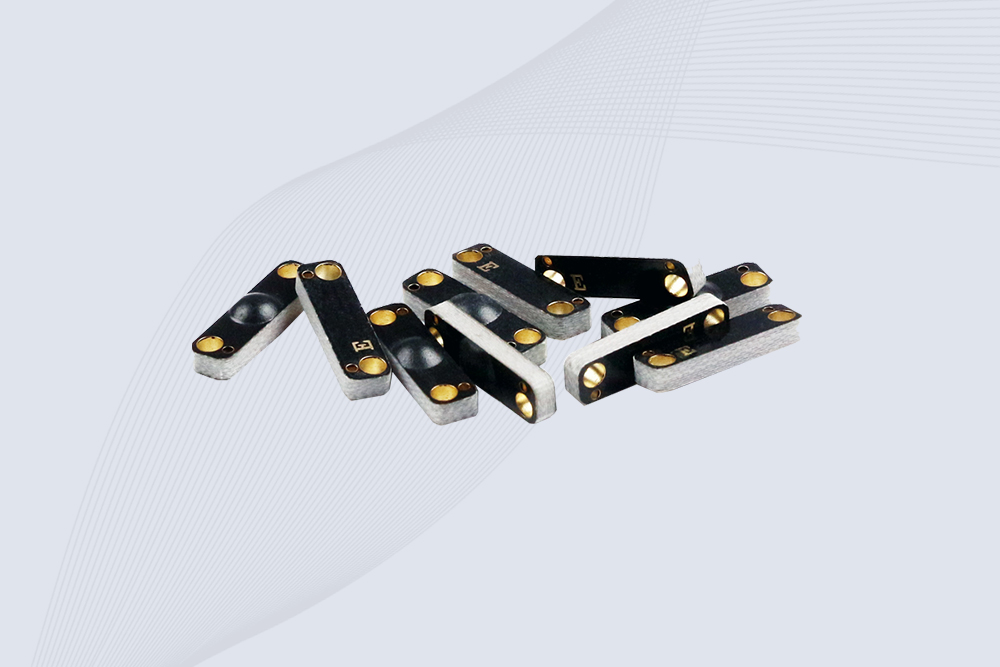
CYKEO CYKEO-PCB1504 Metal RFID Tags is a compact anti-metal UHF RFID solution built for direct mounting on metal surfaces. With stable 8-meter read range, Ucode-8 chip, and long data retention, this rfid metal tag fits tools, containers, automotive parts, and industrial asset tracking.
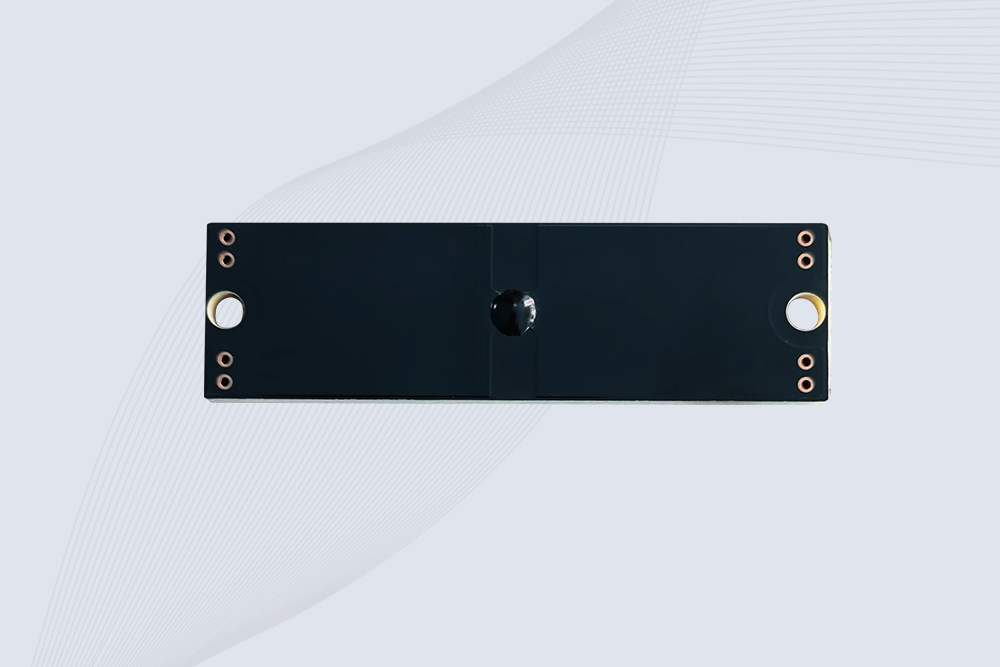
CYKEO CYKEO-PCB7020 On-Metal RFID Tags are designed for reliable tracking on steel and metal surfaces. Built with an FR4 epoxy body and industrial-grade chips, these On-Metal RFID Tags deliver stable performance, long data life, and chemical resistance, making them a dependable RFID anti-metal tag for harsh environments.
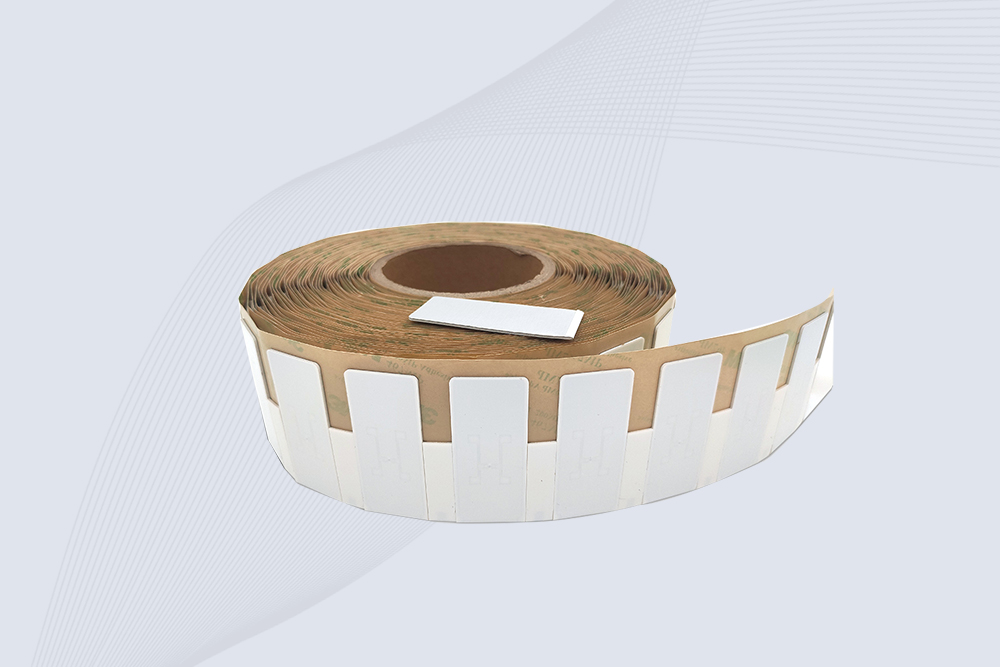
The CYKEO CYKEO-60-25 Anti-Metal RFID Tag is built for metal surfaces where standard tags fail. Designed for long-range performance, harsh environments, and stable data retention, this Anti-Metal RFID Tag is ideal for industrial assets, containers, and equipment tracking using on metal RFID tags.
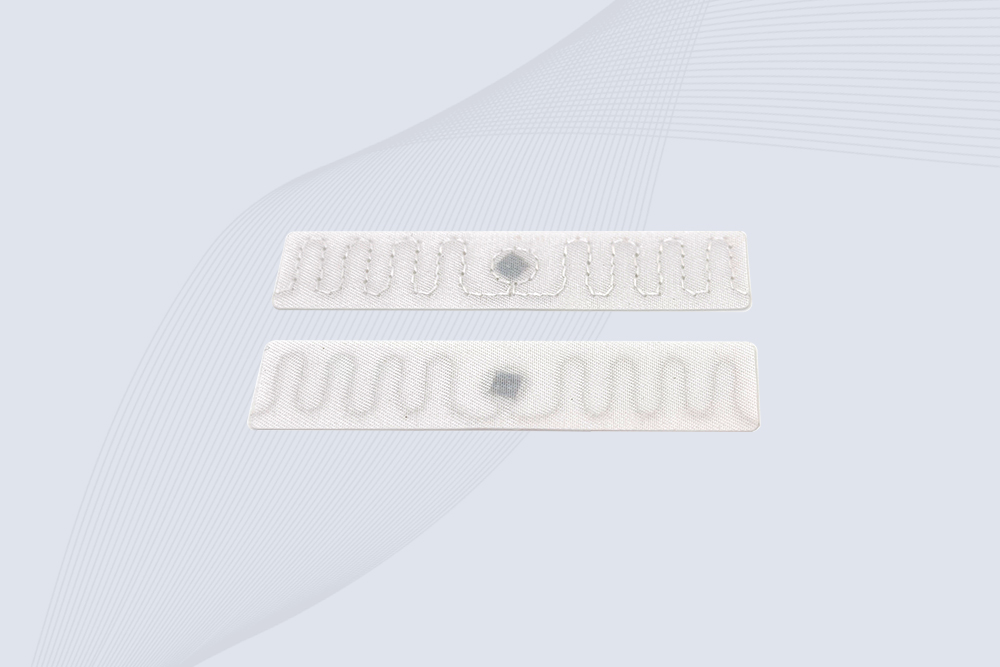
The CYKEO RFID Laundry Tag is designed for long-term textile identification in harsh laundry environments. Built to withstand high heat, chemicals, and repeated washing, this RFID Laundry Tag delivers stable performance for hotels, hospitals, and industrial laundry operations using laundry rfid tags at scale.
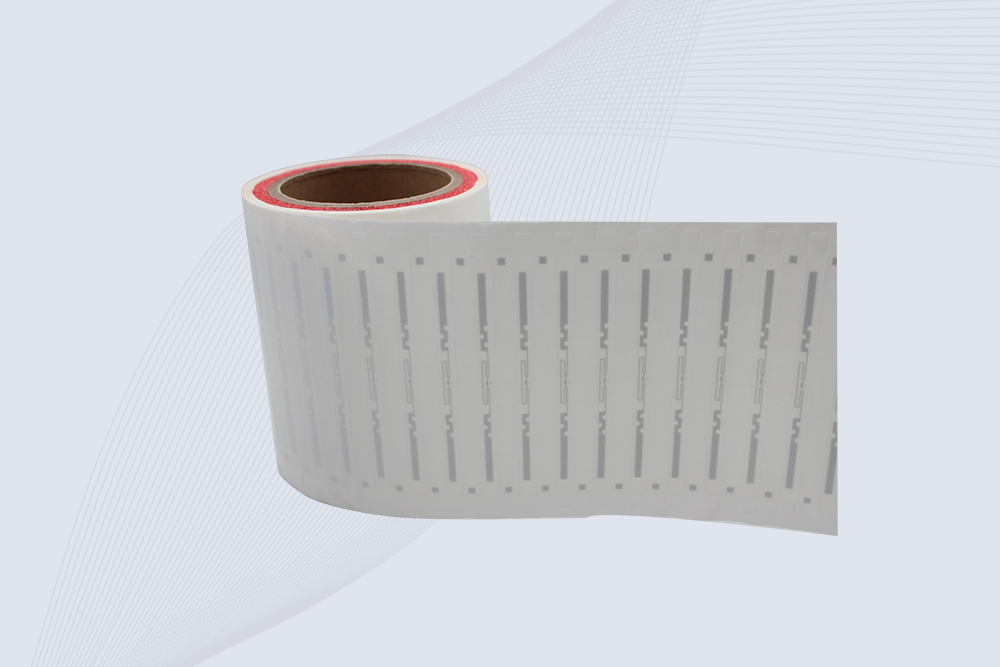
The CYKEO CYKEO-125-7 RFID Book Tag is designed for reliable book and document tracking in libraries and archives. This RFID Book Tag delivers long read range, dense placement support, and stable performance on shelves, making it a practical rfid tag on books for library automation, file management, and archival systems.
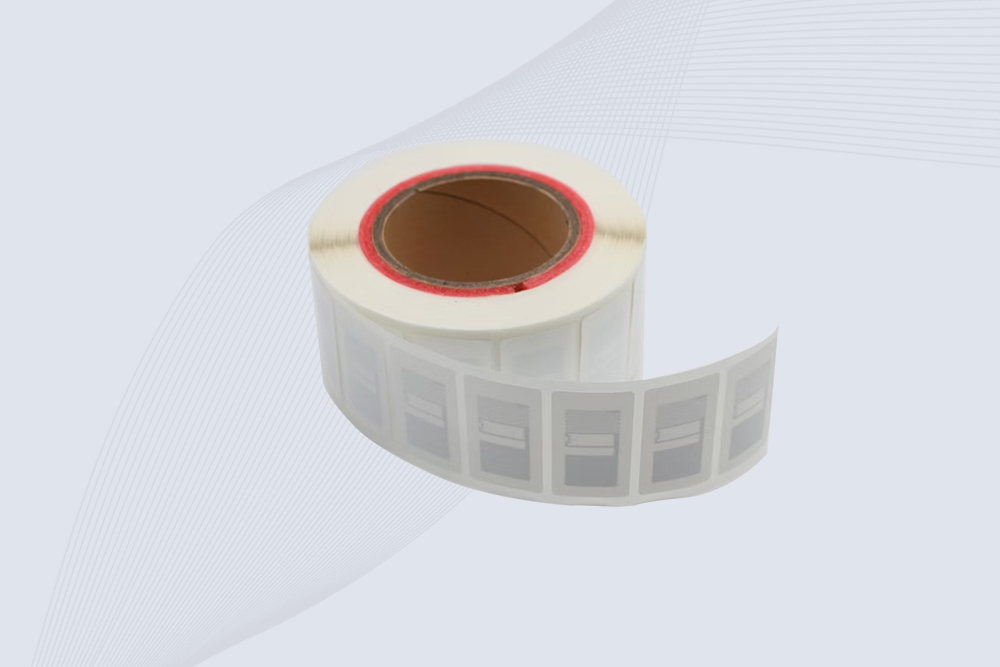
CYKEO RFID tags in hospitals are designed for sterile environments where accuracy matters. These autoclavable RFID tags support long-term tracking of surgical tools, implants, and medications, helping hospitals improve visibility, compliance, and patient safety.

CYKEO RFID Cable Tie Tag is built for reliable identification on metal surfaces. This UHF RFID Cable Tie Tag is widely used in rfid tags for inventory systems, industrial asset management and Hospital RFID Tags, offering stable read performance, long service life and global EPC Gen2 compatibility.
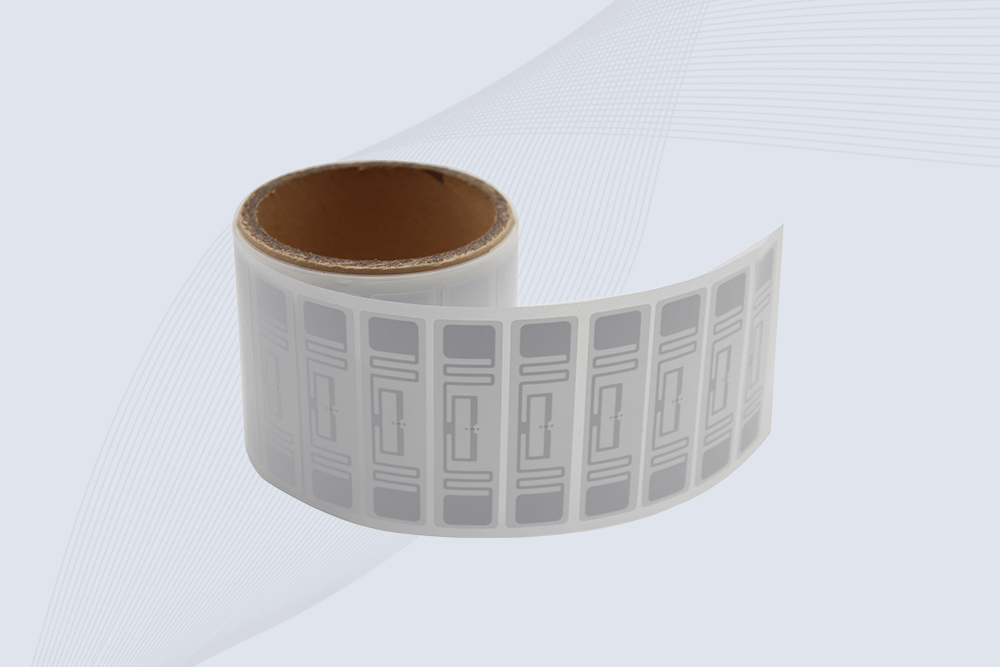
CYKEO RFID Asset Tag is designed for stable identification of metal assets in industrial environments. This UHF RFID Asset Tag is commonly used for rfid tag asset tracking on equipment, tools and containers, providing reliable reads, long service life and ISO/IEC 18000-6C support.

CYKEO UHF RFID Card is designed for fast identification and long-term use in industrial and commercial systems. Supporting ISO 18000-6C, this UHF RFID Card works at 860–960 MHz and is suitable for custom RFID cards used in asset tracking, access control and inventory management.
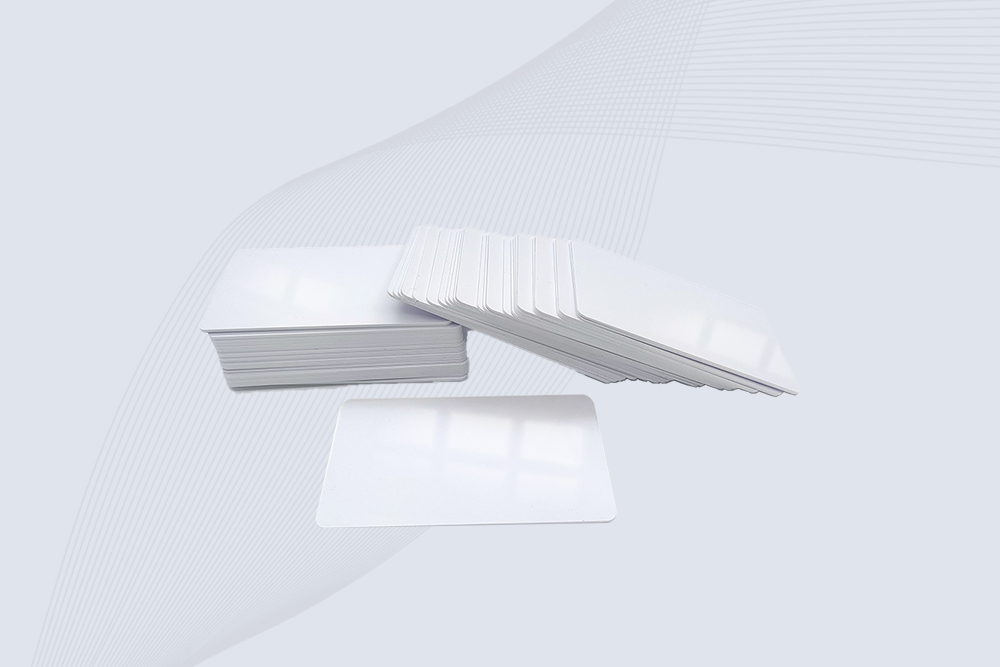
CYKEO HF RFID Cards are designed for secure and stable access control systems. These 13.56 MHz RFID key cards support ISO 14443-A, reliable rewriting and long service life, making HF RFID Cards suitable for offices, campuses, events and membership management.
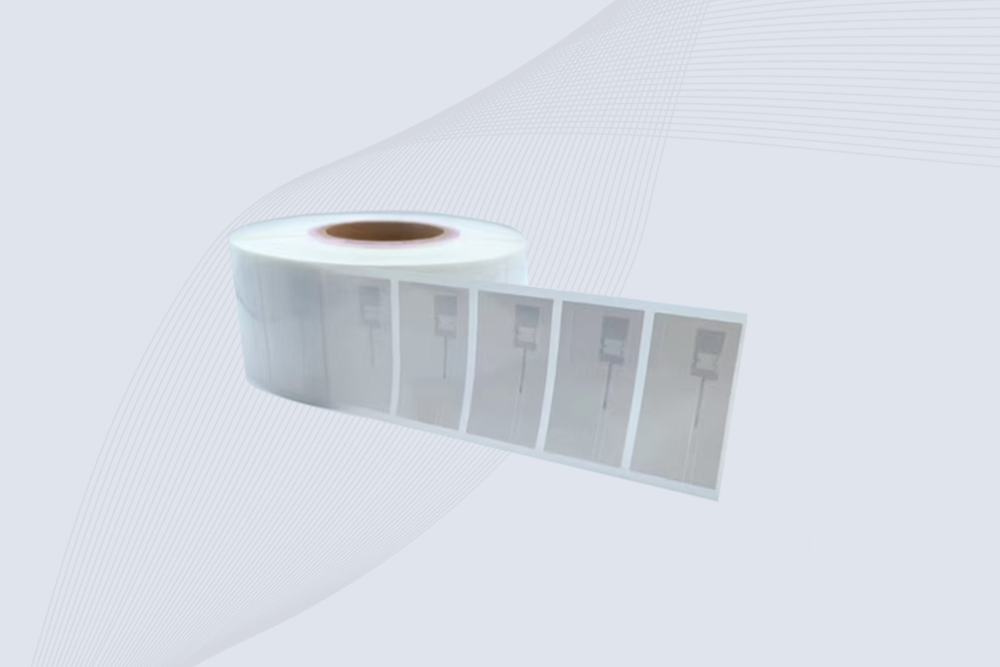
CYKEO UHF RFID Tag is designed for reliable tracking of metal jewelry and high-value items. This Jewelry RFID Tag supports long-range reading up to 8 meters, anti-counterfeit protection and stable performance on metal, making it suitable for retail, inventory control and asset management.
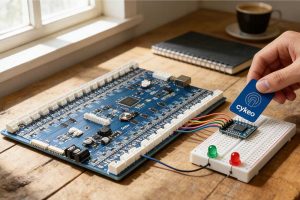
Discover how to use RFID module with Arduino LED projects with our step-by-step beginner's guide. Learn wiring, coding, and project ideas for interactive RFID-based LED control.
More
Learn proven strategies to optimize RFID antenna design for improved read range and accuracy. Discover key factors like polarization, gain, and placement for industrial and logistics applications.
More
Can an RFID chip be read through away? We decode what this question really means—read range vs. material penetration—and give you straight answers from real-world deployments.
More
Considering an RFID solution medical? Learn how healthcare systems use RFID to track equipment, ensure compliance, and reduce operational costs.
More