What is rfid tracking? RFID tracking is a technology that uses RFID tags, readers, and software platforms to automatically identify, locate, and manage physical assets without direct scanning. It enables faster inventory checks, accurate asset records, and real-time operational visibility across industries such as manufacturing, logistics, healthcare, and warehouse management.
Understanding What Is RFID Tracking and How It Works
When companies ask what is rfid tracking, they are usually looking for more than a definition. In real industrial environments, RFID tracking is a complete identification workflow that connects physical objects with digital information.
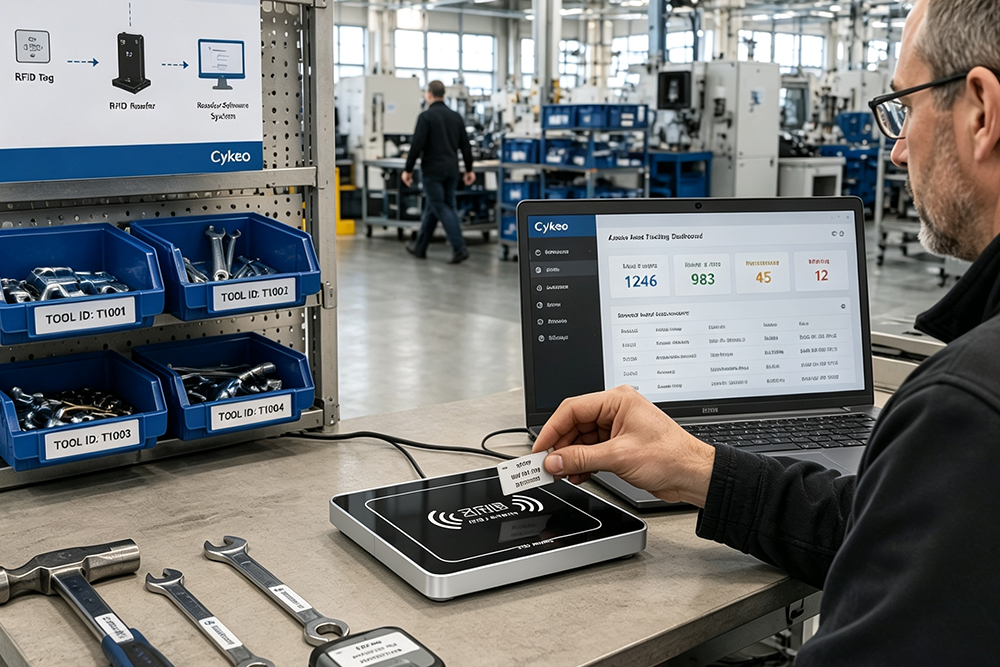
An RFID tracking system normally contains three core elements:
Processes data for tracking, reporting, and management
Unlike barcode systems that require direct visual alignment, RFID technology uses radio frequency communication. A reader can detect multiple tagged objects simultaneously, even when tags are inside boxes, attached to equipment, or placed in storage areas.
According to GS1, RFID technology is widely adopted for automatic identification and data capture (AIDC), supporting supply chain visibility and inventory management across global industries.
In practical deployments, RFID tracking does not simply answer “where is an item?” The more valuable question is often “what happened to this item during its operational lifecycle?”
For example:
When did a tool leave the maintenance room?
Which employee received a specific asset?
How long has equipment remained unused?
Which inventory items require replenishment?
These operational details are where RFID tracking creates measurable value.
How RFID Tracking Technology Collects and Uses Data
RFID tracking works through communication between a tagged object and an RFID reader.
The process usually happens in milliseconds:
An RFID reader emits radio frequency signals.
The RFID tag receives energy from the signal.
The tag transmits stored identification information.
The reader sends collected data to management software.
The system updates asset records automatically.
For passive RFID tags, no internal battery is required. The tag receives power from the reader’s electromagnetic field and responds with stored information.
This design makes RFID tracking suitable for thousands of industrial assets where replacing batteries or manually checking every item would create unnecessary labor costs.
The RFID Journal has reported that RFID adoption has expanded across manufacturing, healthcare, retail, and logistics because organizations require more accurate visibility into physical inventory movement.
RFID Tracking Experience From Industrial Deployment Projects
Why Real Deployment Is Different From Laboratory Testing
During industrial RFID implementation projects, the biggest challenge is rarely whether a tag can be read.
The difficult part appears on-site.
A warehouse floor is not a controlled environment. Metal shelves create reflections. Workers move between readers. Equipment changes position daily. Dust, temperature variation, and electromagnetic interference can affect performance.
In my experience working with RFID identification systems for industrial customers, the first deployment test is always performed in the actual operating environment.
A typical scene:
A maintenance department manages hundreds of tools distributed between workshops and service areas. Before RFID tracking was introduced, employees spent significant time manually checking tool availability. Missing tools were often discovered only after maintenance tasks had already started.
After installing RFID tags on tools and deploying RFID readers at key checkpoints, the organization gained automatic movement records. The focus shifted from searching for equipment to managing equipment utilization.
That difference is the reason industrial customers invest in RFID tracking.
RFID Tracking vs Traditional Asset Management Methods
Traditional tracking methods rely heavily on manual recording, barcode scanning, or spreadsheet updates. These approaches can work for small inventories but become difficult when asset numbers increase.
Feature
Barcode Tracking
RFID Tracking
Reading Method
Direct visual scanning
Wireless radio communication
Multiple Item Reading
Usually one item at a time
Multiple tags simultaneously
Human Operation
Requires manual scanning
Automated identification
Data Collection Speed
Limited
High-speed batch reading
Environmental Flexibility
Sensitive to positioning
Works without direct line of sight
The difference becomes obvious in locations such as:
Manufacturing production lines
Tool management rooms
Hospital supply storage
Library archives
Logistics warehouses
RFID tracking reduces repetitive manual work while creating a more complete digital history of asset movement.
RFID tracking enables enterprises to automatically identify and manage physical assets through connected RFID tags, readers, and software platforms.
Why Businesses Are Moving Toward RFID Tracking Solutions
The demand for RFID tracking continues to grow because modern companies need operational data, not only inventory lists.
A fixed inventory report tells managers what exists.
RFID tracking shows:
Where assets move
When assets are used
Who interacts with assets
How frequently assets are accessed
Whether assets are available when needed
According to a report from Mordor Intelligence, the global RFID market continues expanding due to increasing demand for automation, supply chain visibility, and industrial digital transformation.
However, successful RFID tracking depends on engineering details:
Correct frequency selection
Proper tag placement
Reader antenna design
Environmental testing
Software integration
A high-quality RFID system is not created by attaching tags randomly. It requires understanding how radio waves behave in real working environments.
Cykeo RFID Tracking Engineering Experience: From Prototype Testing to Industrial Deployment
Building RFID Tracking Systems Based on Real Operational Conditions
At Cykeo, RFID tracking projects are rarely started from a simple “attach a tag and read it” concept. In industrial environments, the difficult part is not making a tag respond — it is ensuring reliable identification when metal surfaces, dense storage, human movement, and electromagnetic interference are involved.
During years of RFID system deployment, our engineering team has worked on applications including manufacturing tool control, warehouse inventory management, library asset registration, medical supply monitoring, and industrial equipment tracking.
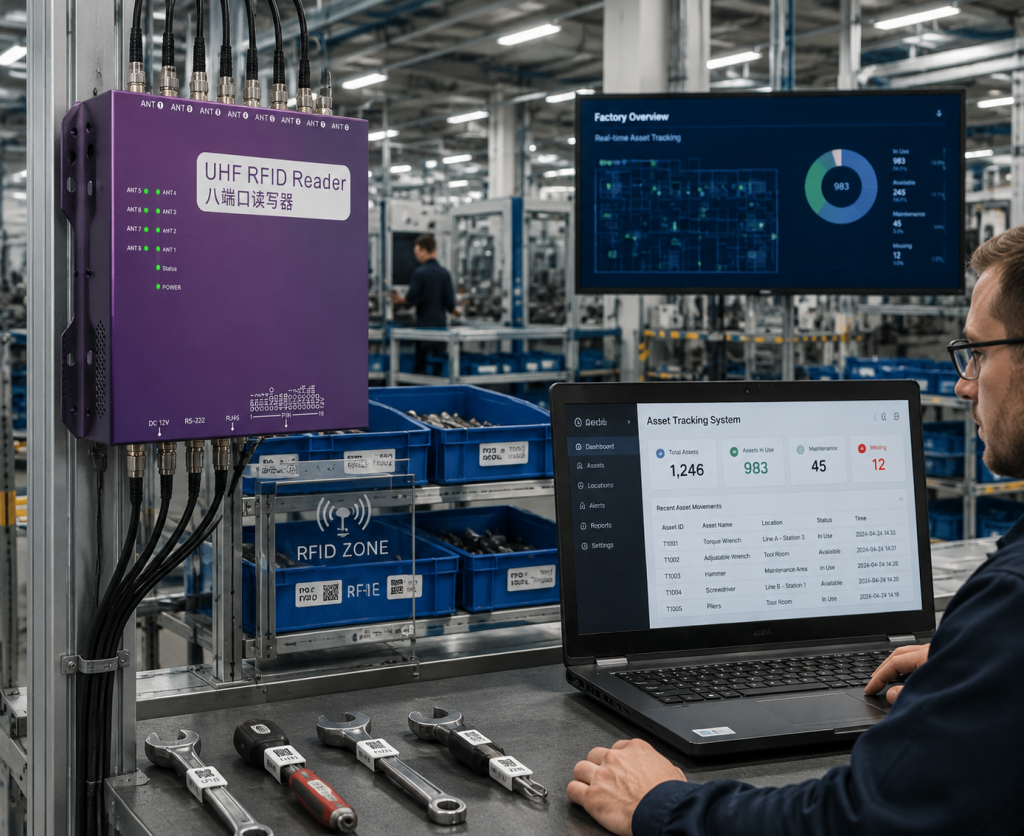
A common situation we encountered during factory testing was a tool cabinet containing hundreds of tagged maintenance tools. Traditional barcode processes required workers to manually scan each item. RFID tracking changed the workflow by allowing multiple tagged tools to be identified simultaneously during inventory checks.
The engineering challenge appeared when tools were placed together, especially metal tools stored close to each other. Signal reflection and tag orientation affected read performance. Cykeo engineers optimized antenna design, RF parameters, and anti-collision algorithms to maintain stable identification performance in these complex environments.
RFID Tracking Technical Advantages of Cykeo Solutions
High-Speed Multi-Tag Identification
Modern RFID tracking systems must handle large numbers of tagged objects quickly.
Cykeo UHF RFID solutions support EPC Class 1 Gen 2 / ISO 18000-6C protocols and integrate advanced anti-collision processing algorithms. This allows readers to communicate with multiple RFID tags simultaneously instead of requiring one-by-one scanning.
According to GS1 standards, EPC-based RFID systems are widely used for unique item identification across supply chains. GS1 highlights that EPC technology enables organizations to identify, capture, and share information about physical objects through standardized identification systems.
In practical deployments, Cykeo RFID readers can support high-density tag environments where hundreds of items require rapid identification.
Key technical advantages include:
Technical Feature
Cykeo RFID Tracking Capability
Practical Benefit
Protocol Support
ISO 18000-6C / EPC C1G2
Compatible with global UHF RFID ecosystems
Output Power
Up to 33 dBm
Strong and stable tag communication
Tag Processing
Multi-tag recognition algorithm
Faster inventory operations
Data Processing
Tag filtering and RSSI support
Improved accuracy in complex environments
Communication
Ethernet / RS232 / USB options
Flexible system integration
Development Support
C# and Java SDK resources
Faster software deployment
Reliable RFID Reading in Complex Industrial Environments
One lesson learned from real RFID tracking projects is that maximum reading distance is not always the priority.
A warehouse manager may initially request “the longest reading range possible,” but during deployment, uncontrolled reading zones can create operational problems. A reader that detects every nearby tag may reduce inventory accuracy.
For desktop registration applications, Cykeo designed near-field RFID reading platforms with controlled identification zones:
Reading distance: within approximately 30 cm
Writing distance: within approximately 10 cm
USB connection for simple workstation deployment
This design approach is especially suitable for:
Library RFID registration stations
Tool issuing counters
Laundry and linen management points
Asset tag programming areas
Controlled reading distance ensures operators register or modify the intended RFID tag instead of accidentally interacting with surrounding items.
RFID Tracking Applications Across Different Industries
Manufacturing and Tool Management
Manufacturing companies often manage thousands of tools, fixtures, and maintenance assets.
RFID tracking helps production teams:
Identify tools automatically
Reduce manual inventory time
Monitor tool movement
Improve maintenance accountability
Create digital asset histories
In aerospace and railway maintenance environments, missing tools can create significant safety risks. RFID-based tool management systems provide faster verification before equipment leaves controlled areas.
Warehouse and Logistics Asset Tracking
Modern warehouses require visibility beyond simple inventory counts.
RFID tracking enables:
Application
RFID Function
Pallet Management
Automatic identification during movement
Inventory Checking
Bulk item recognition
Shipment Verification
Faster outbound confirmation
Return Management
Automated asset status updates
The RFID industry continues expanding globally. According to Fortune Business Insights, the global RFID market was valued at approximately USD 14.84 billion in 2022 and is projected to continue growing significantly through the decade.
RFID tracking technology helps manufacturing teams identify tools, equipment, and assets through automated digital workflows.
Why Cykeo RFID Tracking Focuses on Engineering Reality
Many RFID projects fail not because RFID technology is ineffective, but because system design ignores the environment where identification happens.
A production line, archive room, warehouse shelf, and tool cabinet all create different RF conditions.
Our engineering approach focuses on:
Understanding physical workflows before hardware selection
Testing tag placement under real operating conditions
Adjusting antenna performance according to application requirements
Balancing reading distance and identification accuracy
Providing software development resources for integration teams
Cykeo RFID tracking solutions are designed around practical deployment requirements rather than laboratory-only performance.
FAQ Expansion: What Is RFID Tracking?
Frequently Asked Questions About RFID Tracking
1. What is RFID tracking used for?
RFID tracking is used to automatically identify, locate, and manage physical assets through RFID tags and readers. Unlike traditional barcode systems that require direct scanning, RFID technology allows multiple tagged items to be detected simultaneously without line-of-sight operation.
Common applications include:
Industrial tool tracking
Warehouse inventory control
Medical equipment management
Library asset circulation
Linen and laundry tracking
Returnable transport item management
In practical projects, RFID tracking becomes especially valuable when organizations need real-time visibility of thousands of assets moving through different operational areas.
2. How accurate is RFID tracking?
RFID tracking accuracy depends on several factors, including tag type, reader performance, installation environment, and application design.
A common misconception is that RFID performance depends only on the reader’s maximum reading distance. During real deployments, accuracy is usually determined by:
Correct RFID tag selection
Proper antenna positioning
Environmental testing
Software filtering
Signal optimization
For example, metal environments require specialized on-metal RFID tags because normal tags may experience signal interference. Cykeo engineers typically evaluate tag placement and RF conditions before final system deployment.
This approach reduces false reads and improves operational reliability.
3. Does RFID tracking require batteries?
Most RFID tracking systems use passive RFID tags that do not require batteries.
Passive RFID tags receive energy from the electromagnetic field generated by the RFID reader. When activated, the tag sends stored identification data back to the reader.
The main RFID tag categories include:
RFID Tag Type
Power Source
Typical Application
Passive RFID Tag
Reader-powered
Inventory, tools, retail, documents
Active RFID Tag
Internal battery
Long-range tracking applications
Semi-Passive RFID Tag
Battery-assisted
Sensor-based monitoring
Passive RFID technology is widely adopted because it provides a lower maintenance requirement and long operational lifespan.
4. What is the difference between RFID tracking and GPS tracking?
RFID tracking and GPS tracking solve different problems.
Technology
RFID Tracking
GPS Tracking
Main Purpose
Asset identification and movement control
Outdoor location monitoring
Power Requirement
Usually battery-free
Usually requires power
Best Environment
Indoor facilities, warehouses, factories
Outdoor transportation
Cost
Generally lower for large-scale tagging
Higher due to communication modules
Accuracy Factor
Reader location and tag detection
Satellite positioning
Many industrial organizations combine both technologies. GPS can provide vehicle location, while RFID tracking can verify individual tools, components, or assets inside facilities.
5. How does Cykeo improve RFID tracking performance?
Cykeo focuses on engineering RFID tracking systems according to actual operating conditions.
Our development process includes:
Application analysis
Tag selection testing
Reader parameter adjustment
Software integration support
Field performance verification
Cykeo RFID solutions support:
ISO 18000-6C / EPC C1G2 protocol compatibility
Multi-tag identification
Tag data filtering
RSSI signal strength monitoring
Adjustable RF output power
SDK resources for C# and Java development
The goal is not simply reading RFID tags. The goal is creating a stable identification system that fits the customer’s workflow.
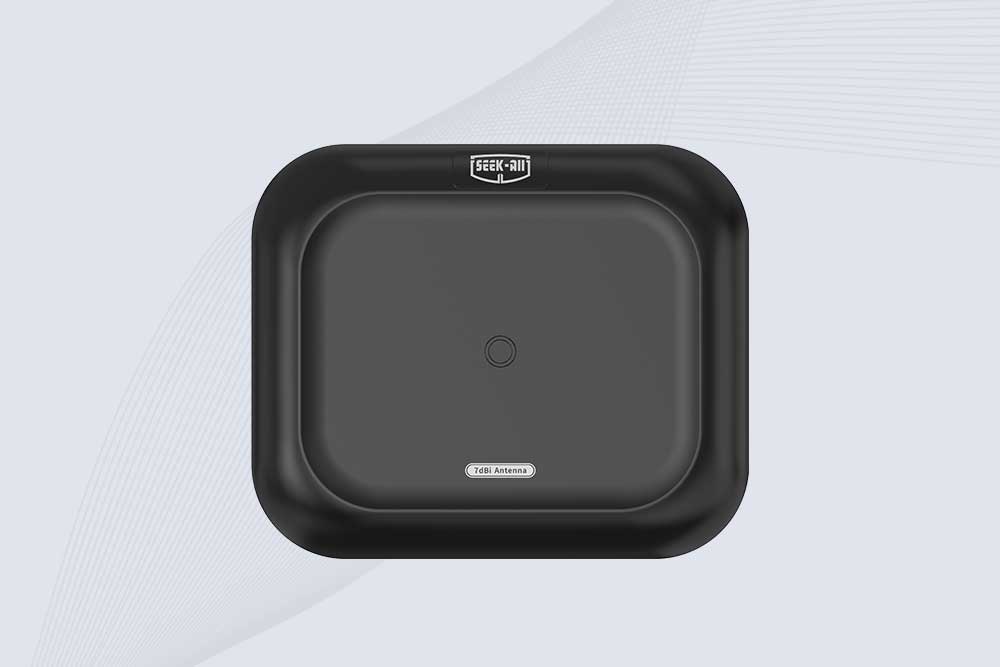
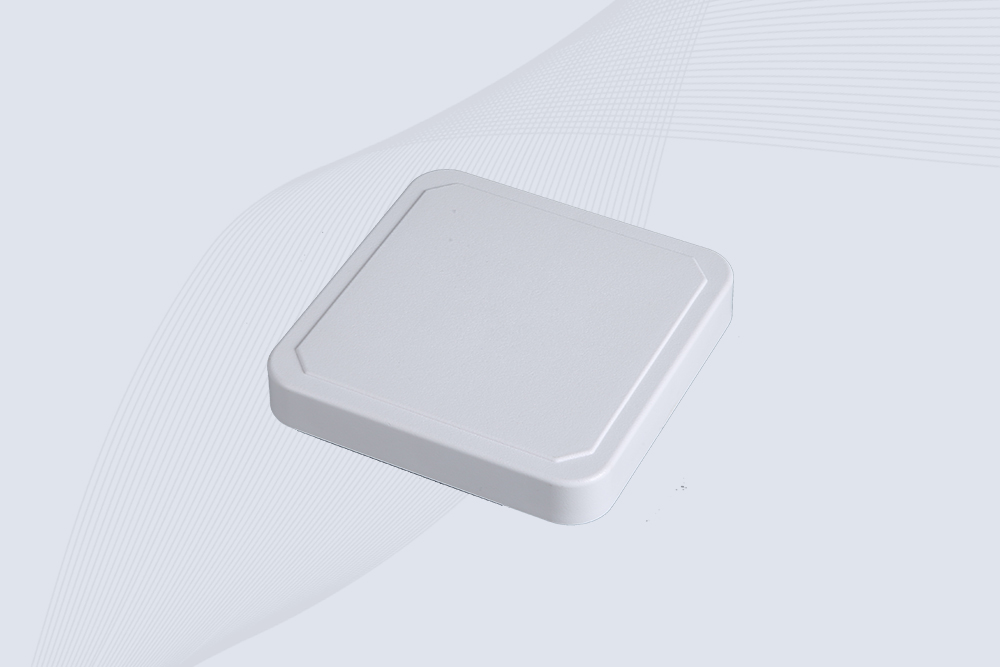
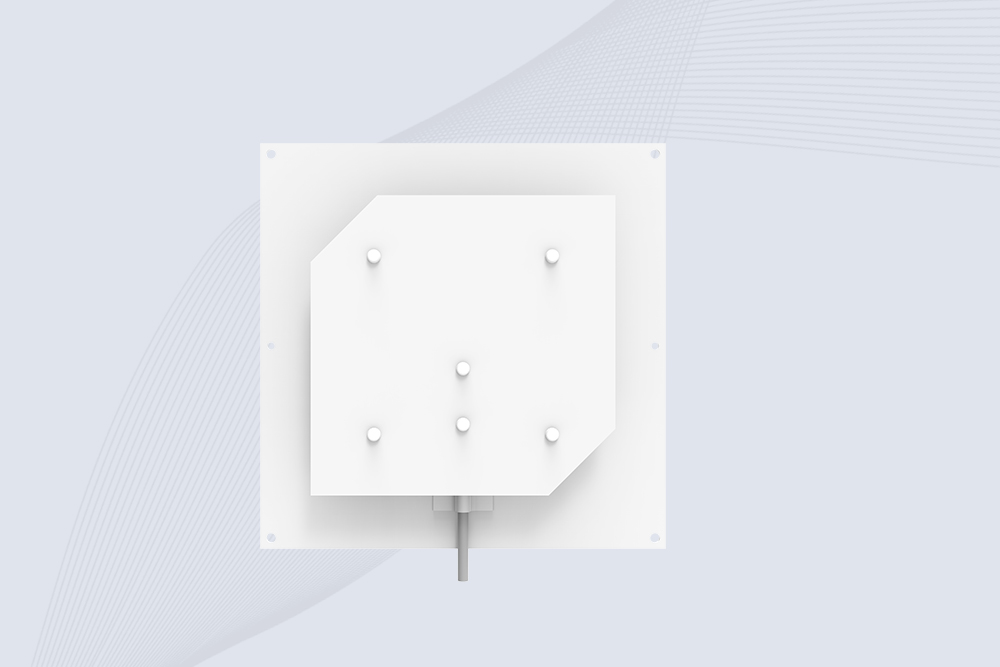
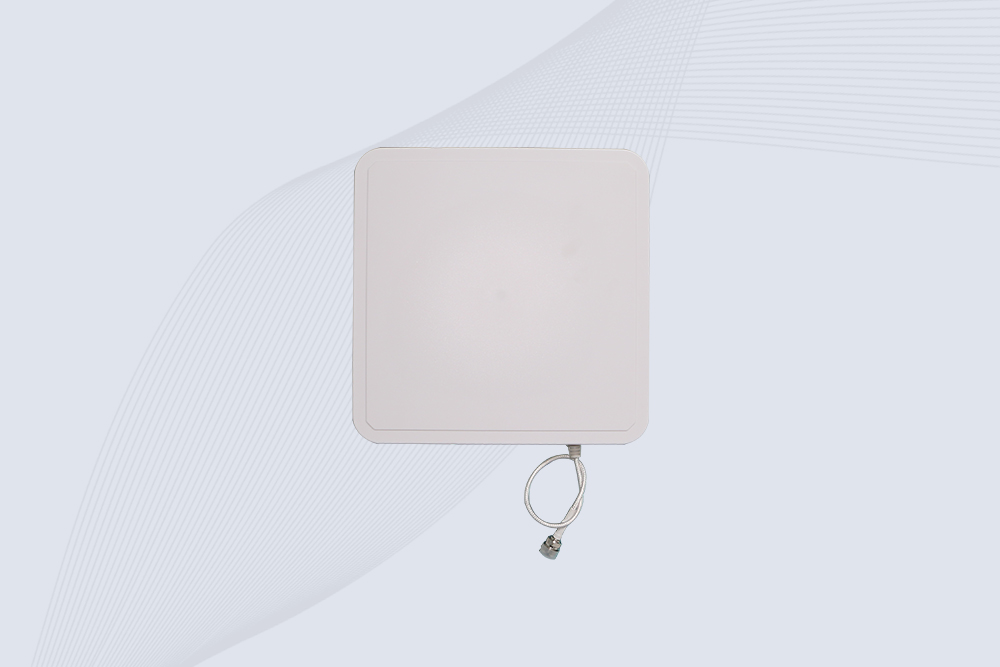
Explore the SSD-A07 UHF RFID antenna with 7 dBi gain, circular polarization, adjustable 840–960 MHz frequency, and 60°/75° beamwidth for stable RFID read/write performance.
SSD-A06 UHF RFID antenna with circular polarization, adjustable 840–960 MHz frequency, ≥4.5 dBi gain, and a compact directional design for RFID systems.
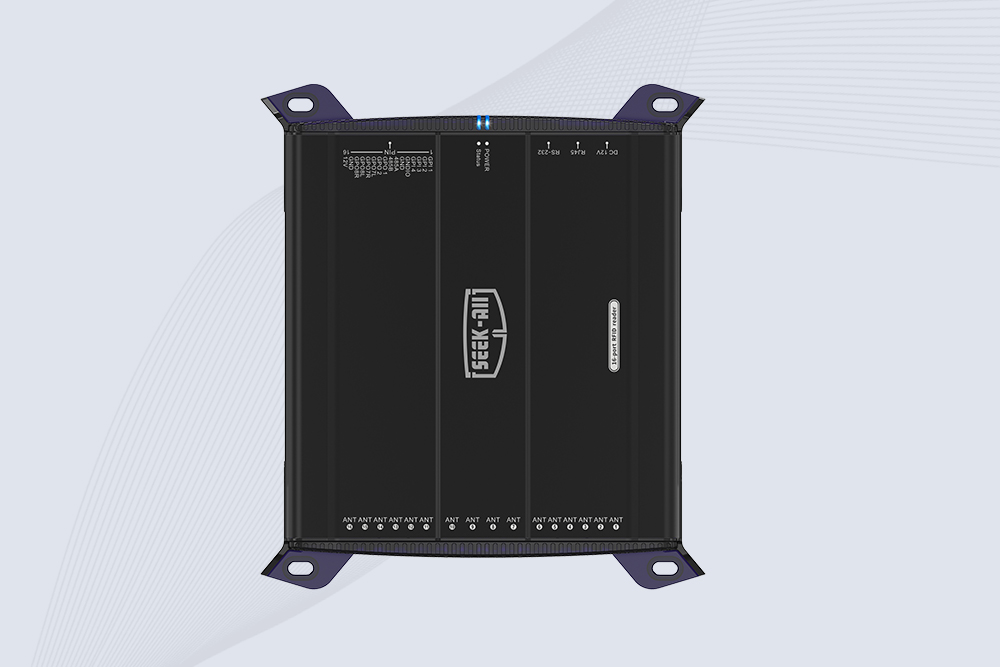
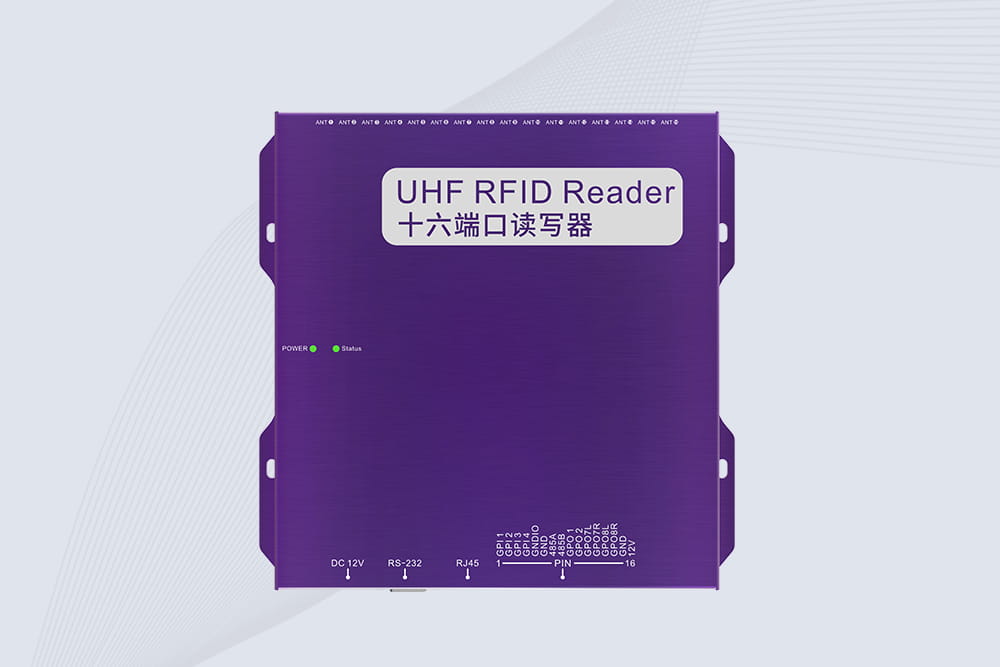
SSD-R16L Multi-Channel RFID Infrastructure for Automated Inventory Management ✔️ 16-Port High-Density RFID Reading Equipped with 16 SMA antenna ports, SSD-R16L supports multi-antenna deployment for warehouses, retail stores, logistics, production lines, and large-area RFID identification. ✔️ High-Speed & Long-Range Performance With up to 33…
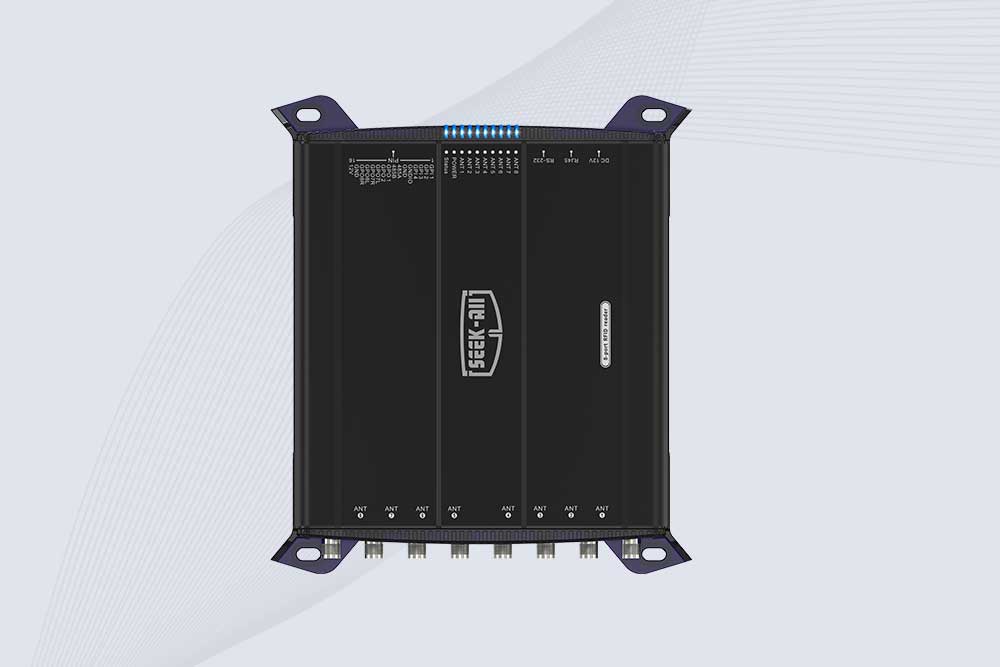
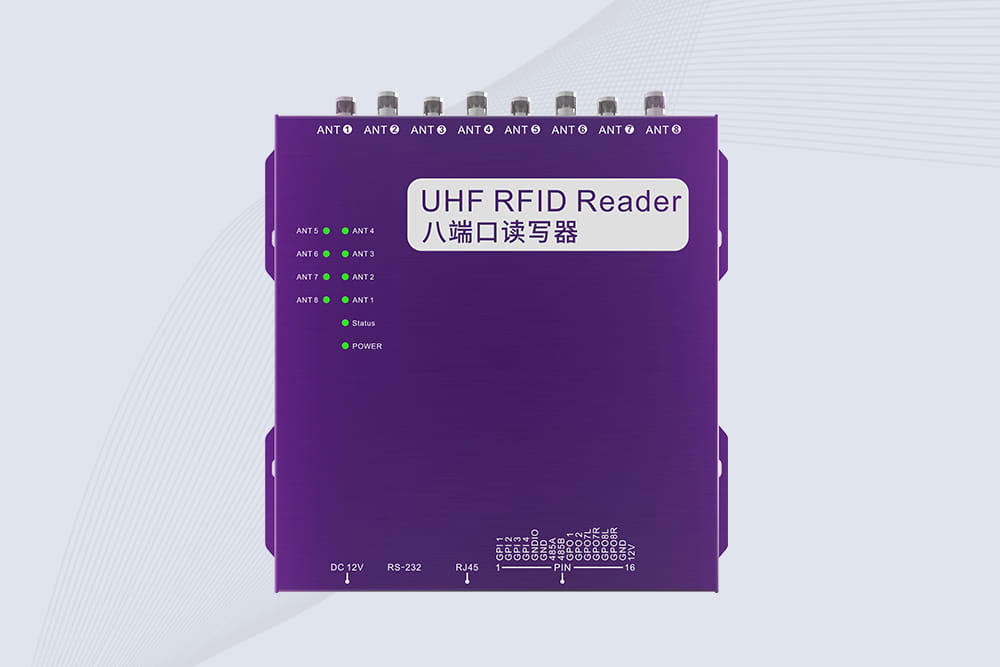
SSD-R8L 8-port UHF RFID reader with 33dBm output, up to 20m reading range and 600+ tags/s recognition. Ideal for warehouse, logistics, retail and asset tracking.
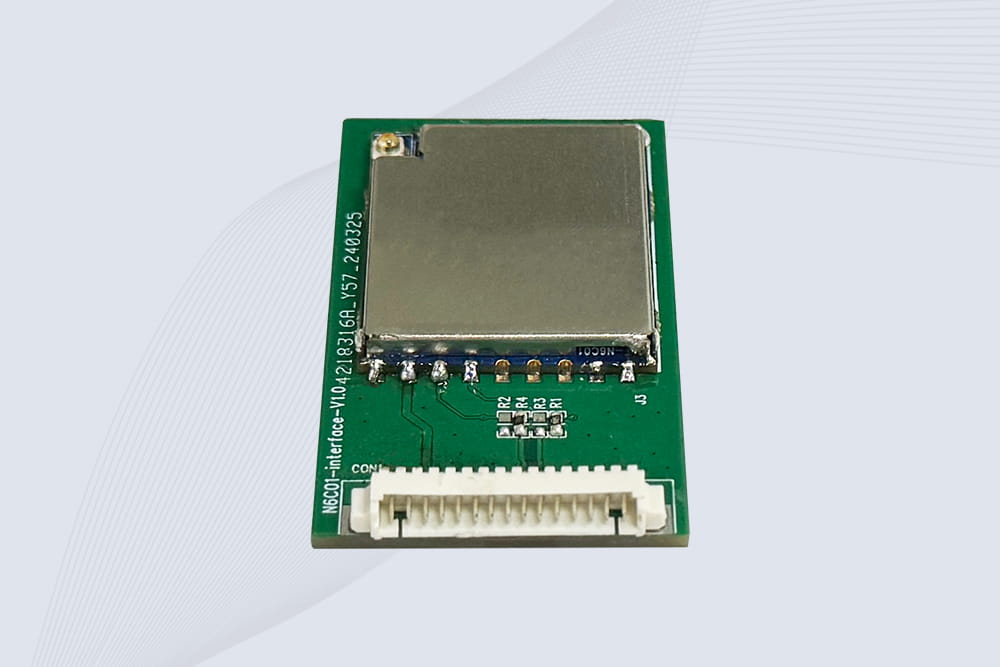
CYKEO Embedded RFID Modules are designed for compact industrial and IoT devices that require stable UHF performance. These UHF RFID Modules support global protocols, flexible power control, and reliable multi-tag reading for smart cabinets, production lines, and asset tracking systems.
CYKEO Embedded RFID Module is built for compact IoT and industrial devices that need stable UHF performance. This UHF module supports global protocols, low power operation, and reliable multi-tag reading for smart lockers, production lines, and always-on RFID systems.
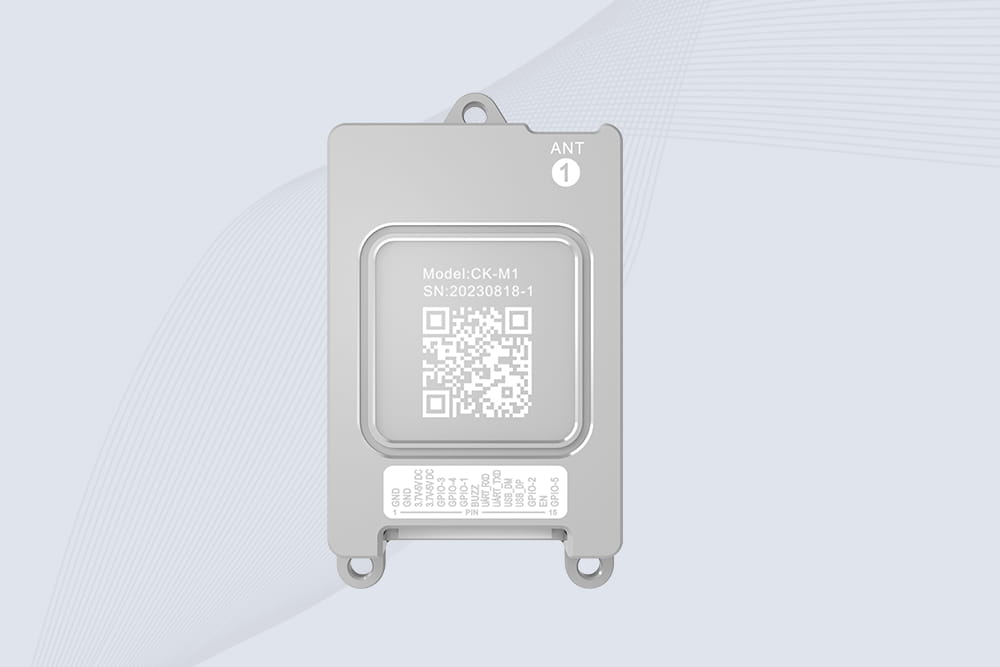
CYKEO CYKEO-M1 drone rfid module is a compact UHF RFID reader module designed for drones and UAV platforms. It supports long-range aerial scanning, fast multi-tag reading, and stable performance in wind, vibration, and outdoor environments.
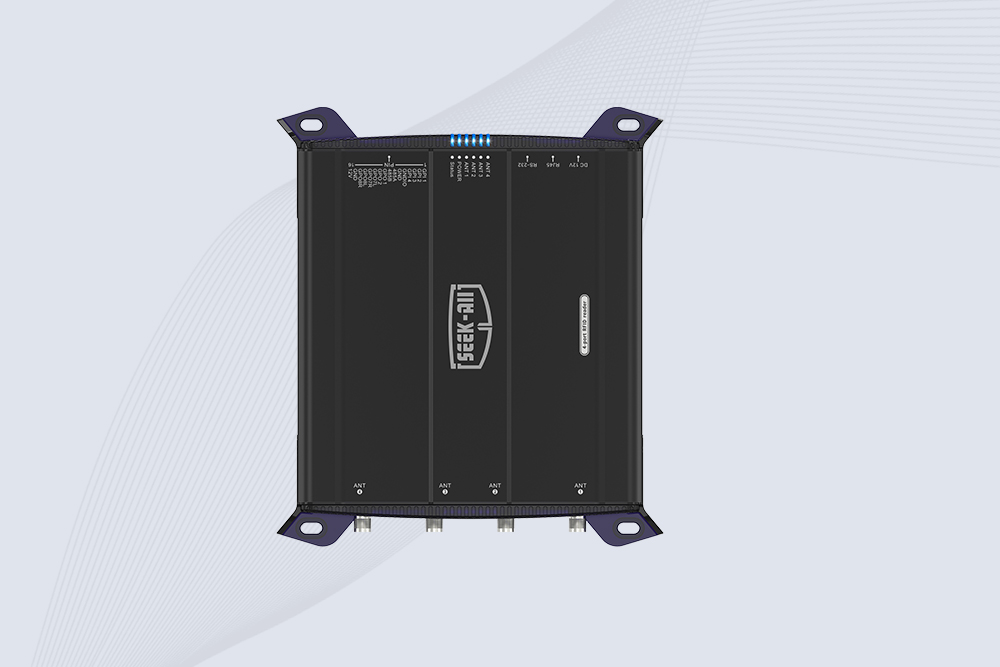
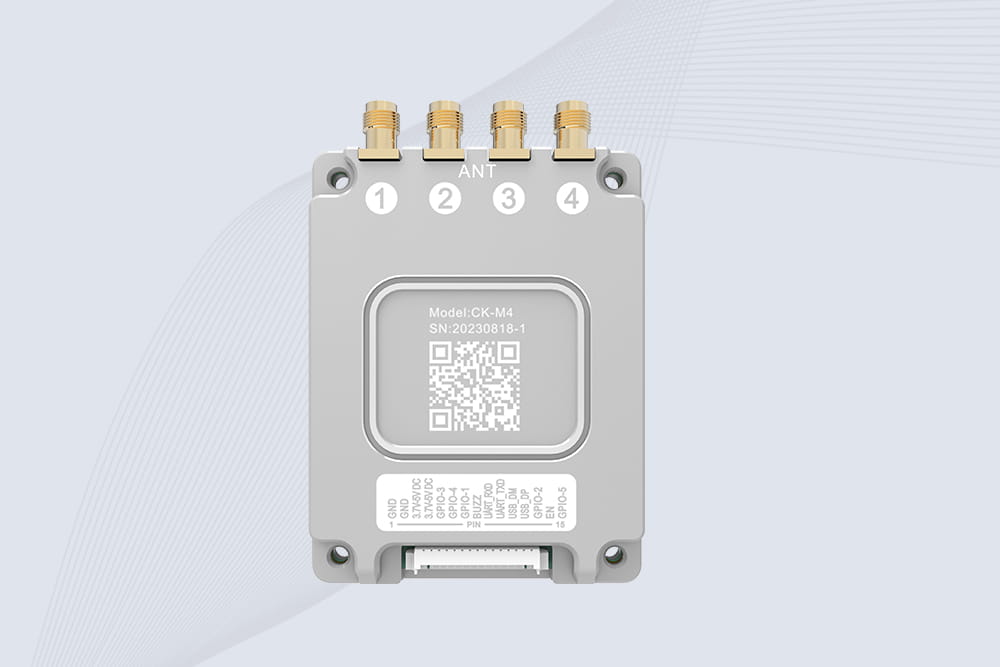
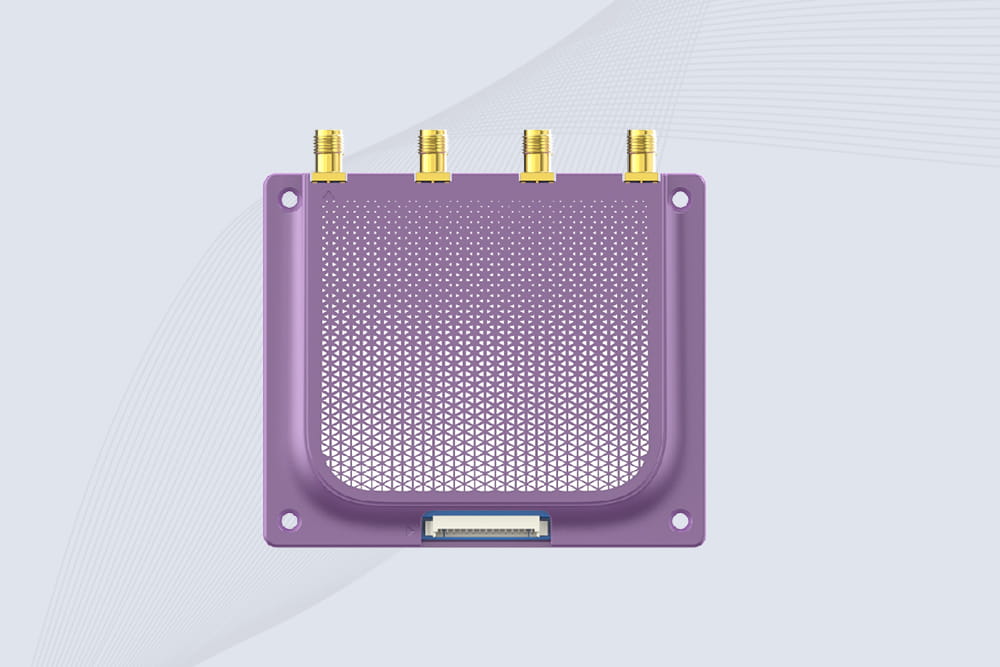
CYKEO CYKEO-M4 RC522 RFID Module is an industrial-grade UHF RFID reader with 4 ports, supporting ISO, EPC, and GB protocols. High-speed, accurate reading for IoT, automation, and warehouse applications.
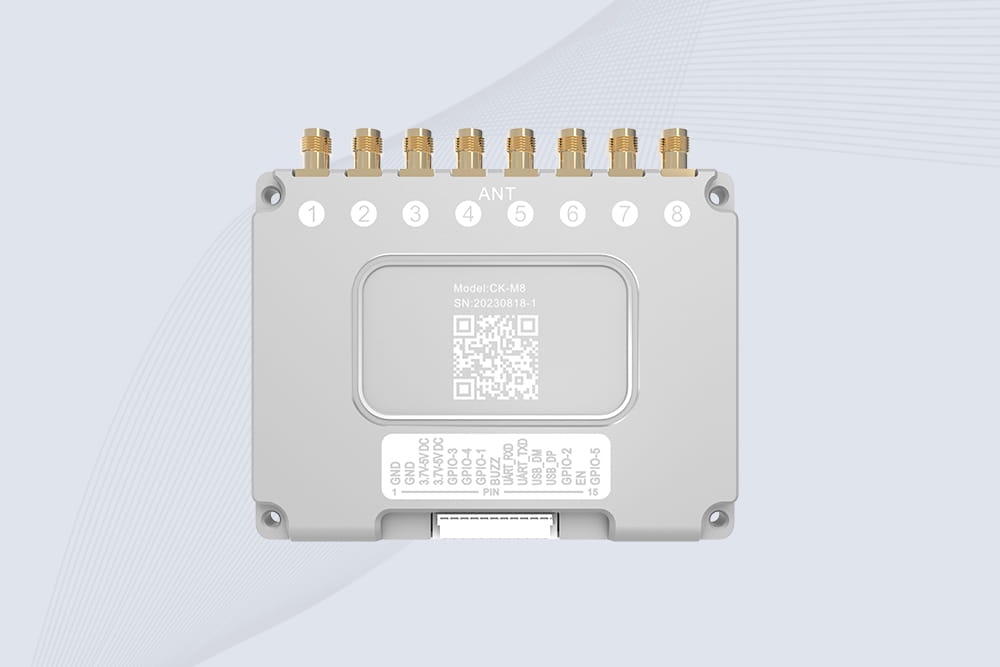
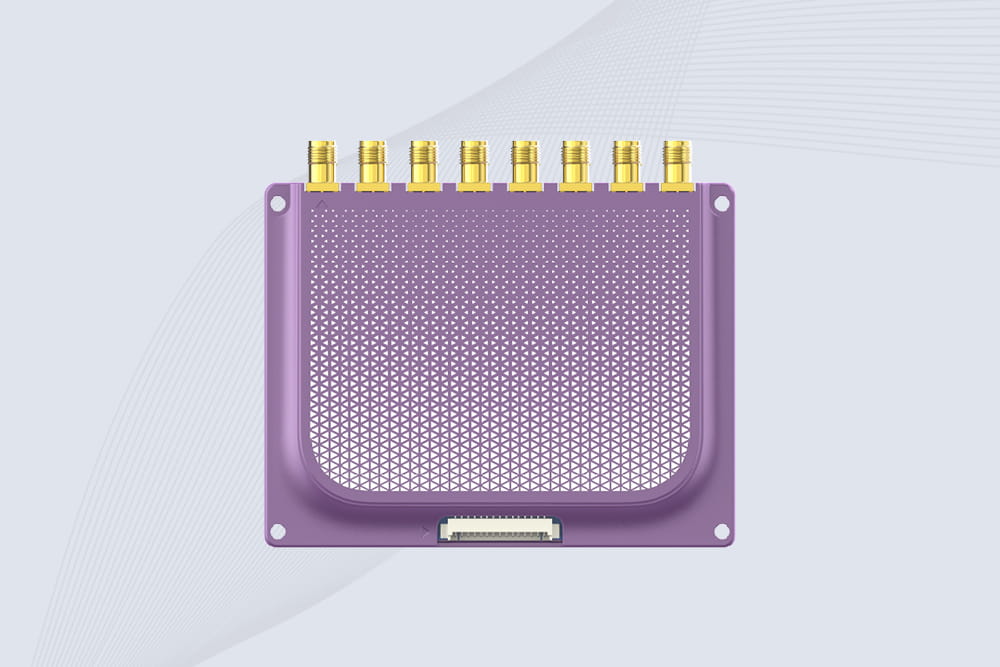
CYKEO CYKEO-M8 Module RFID is an 8-port UHF R2000 RFID Module designed for high-density, multi-tag environments. Stable 33dBm output, ISO & GB protocol support, ideal for warehouses, factories, and automated systems.
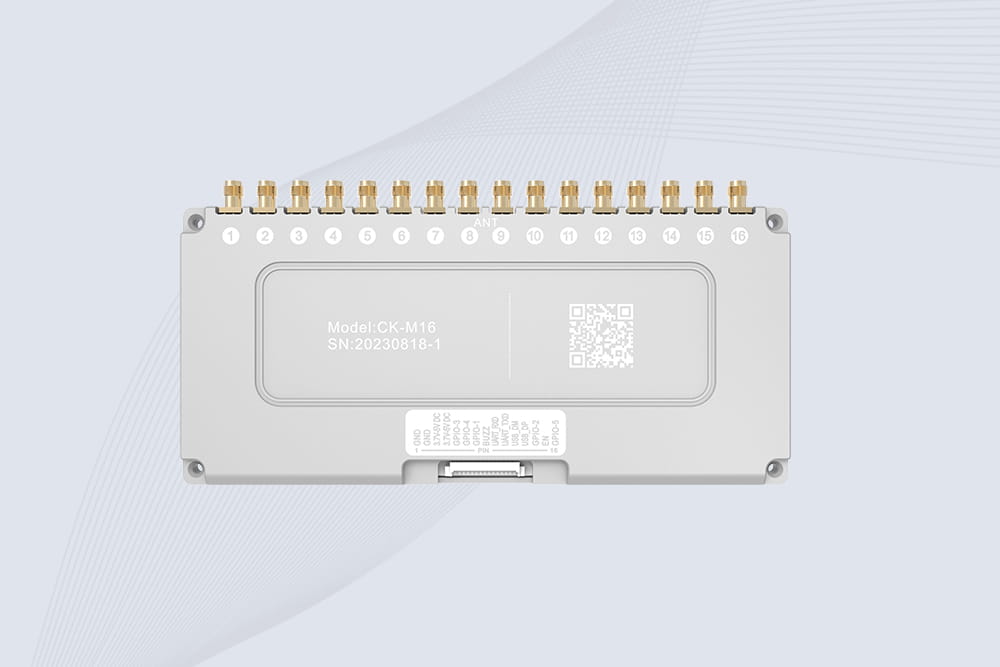
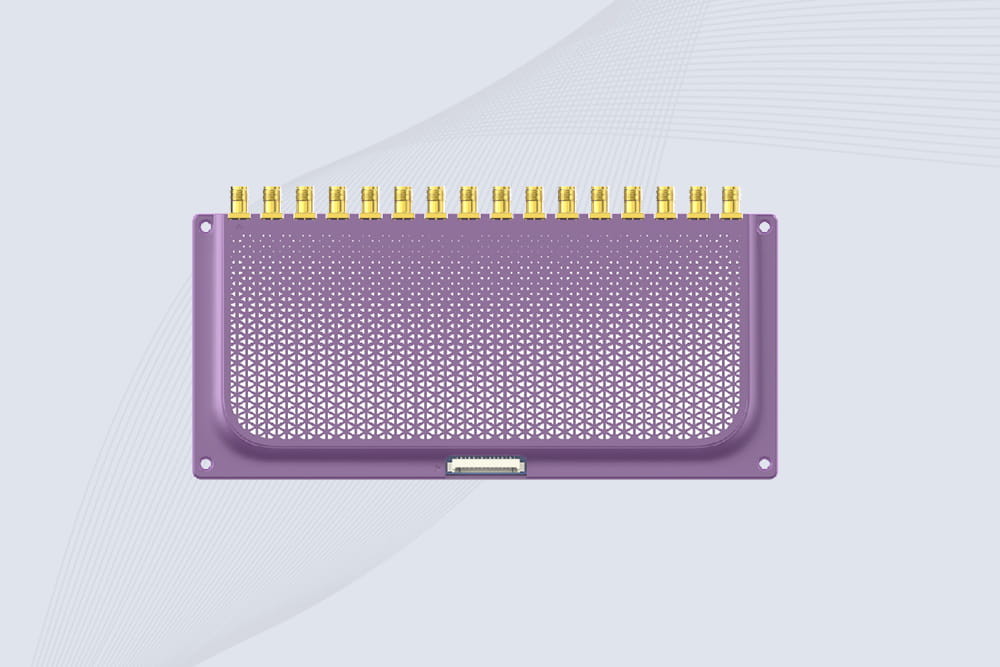
CYKEO CYKEO-M16 RFID Module is a 16-port UHF RFID reader module based on the R2000 chipset. Designed for dense tag environments, it supports ISO and GB standards and delivers stable multi-antenna control for industrial automation.
The CYKEO CYKEO-M16L RFID Reader Module is a 16-channel UHF RFID core designed for dense tag environments. With adjustable 33dBm output, multi-protocol support, and stable multi-antenna control, this RFID Tag Reader Module fits industrial automation, warehouse systems, and large-scale IoT deployments.
CYKEO CYKEO-M8L module RFID is a compact industrial UHF module built for dense tag and multi-antenna environments. With 8 RF ports, adjustable 33 dBm output, and ISO & GB protocol support, it is widely used in factories, warehouses, and automated tracking systems.
CYKEOCYKEO-M4L UHF RFID Module is a compact 4-channel RFID tag reader module designed for dense tag environments. Supporting ISO and GB protocols, it delivers stable reads up to 10 meters for industrial and IoT systems.
Cykeo CYKEO-A11 UHF RFID reader antenna delivers 11dBi gain, 840-960MHz frequency range, and IP65 ruggedness for retail, logistics, and industrial RFID systems. Features low VSWR and easy installation.
CYKEO Antenna RFID Reader delivers stable long-range UHF performance with a 10.5dBi directional design, built for warehouses, conveyor portals, and industrial RFID systems. This rfid reader antenna provides 20m+ read distance and rugged IP67 protection.
Cykeo CYKEO-A5B industrial Linear RFID Antenna delivers 5dBi gain, ≤1.5:1 VSWR, and IP65 rugged design for warehouse, production line, and logistics UHF systems.
Cykeo’s CYKEO-B12 Long Range RFID Antenna delivers 15m+ read range with 12dBi gain, IP65 rugged design, and global 840-960MHz UHF support. Ideal for warehouse/logistics asset tracking.
Cykeo CYKEO-B10 Long Distance RFID Antenna offers 10dBi gain, 840-960MHz frequency range, IP65 rating, and 20m+ coverage for logistics/warehousing/ETC systems. Low VSWR ensures stable signal transmission.
Cykeo CYKEO-A6 UHF RFID panel antenna features 6dBi gain, 840-960MHz broadband, IP65 metal-ready housing for logistics/smart retail. 18mm ultra-thin design with tool-free mounting.
Cykeo CK-A3 industrial antenna RFID UHF offers 5m+ tag detection, ≤1.3:1 VSWR, IP65 rugged design, and global UHF spectrum compatibility (840-960MHz) for warehouses, factories, and retail.
Cykeo CYKEO-B5 directional RFID antenna provides 5dBi gain with 60° narrow beamwidth for precise inventory tracking. IP65-rated, global UHF frequency support, and low VSWR.
Create your own high-performance DIY RFID antenna! 5dBi gain, 840-960MHz tunable, step-by-step guides. Compatible with Arduino, Raspberry Pi, and commercial UHF readers.
Cykeo CYKEO-A7 Flexible RFID Antenna features 840-960MHz wideband tuning, 7dBi gain, and IP68 rating for medical/retail/industrial curved surface deployments. 98% read accuracy with peel-and-stick installation.
Cykeo CYKEO-B5A industrial Passive RFID Antenna delivers 5dBi gain, 70° beamwidth, and -40°C~55°C operation for warehouses/smart cabinets. Compatible with Zebra/Impinj readers.
Cykeo’s CYKEO-A9B High Gain RFID Antenna delivers 15m+ read range with 9dBi amplification. Features IP54 rugged design, 840-960MHz bandwidth, and 80° beamwidth for warehouse/manufacturing RFID systems.
Cykeo’s enterprise-grade 8dbi Impinj RFID Antenna 10m+ read range with 840-960MHz tuning. Features IP65 housing, 1.4 VSWR, 35° beamwidth for retail/warehouse RFID systems.
Cykeo CYKEO-A9 industrial UHF RFID antenna delivers 9dBi gain, 840-960MHz frequency range, and IP65 protection for warehouse/logistics/retail RFID systems. Features N-type connector and ≤1.3:1 VSWR.
CYKEO UHF RFID Antenna built for long-distance and industrial applications. This antenna rfid uhf delivers strong gain, outdoor durability, and reliable tag performance in warehouses, yards, and vehicle ID systems.
CYKEO Antenna RFID delivers reliable long-range UHF performance in warehouses, retail shelves, and cold-chain environments. This compact uhf rfid antenna provides stable reads with circular polarization and ultra-wide 840–960 MHz support, ideal for industrial tracking, smart shelves, and asset monitoring.
Cykeo’s CYKEO-C8 UHF RFID antennas delivers 8dBi gain, 840-960MHz full-band coverage, and IP65 ruggedness for manufacturing/warehouse RFID systems. Industrial RFID Antennas Features
Cykeo’s 8dBi UHF RFID antenna and reader kit delivers 10m+ range, 840-960MHz broadband, and IP65 ruggedness for factories, warehouses, and logistics. ISO 18000-6C & EPC Gen2 certified.
Cykeo’s CYKEO-A12C UHF Large RFID Antenna delivers 12dBi gain, 840-960MHz global frequency, IP65 ruggedness for logistics/warehousing/automotive. 40° beamwidth ensures stable 15m+ tag reads.
CYKEO Near Field RFID Antenna provides precise 5–30 cm reading for shelves, cabinets, and workstations. This compact rfid shelf antenna delivers stable short-range performance around metal and clutter, ideal for pharmacies, libraries, and electronics sorting.
Cykeo CYKEO-C1 industrial Forklift RFID Reader features 20m read range, 600 tags/sec scanning, Impinj R2000 chipset, and IP67 rugged design. Ideal for warehouse logistics and manufacturing. Supports ISO 18000-6C/6B protocols.
Cykeo CYKEO-R4 industrial UHF RFID Fixed Reader features 4 TNC ports, 400+ tags/sec speed, IP67 housing, and global frequency compliance for vehicle inspection, smart warehouse, and asset management systems.
CYKEO CYKEO-R8L Fixed RFID Reader with 8-port UHF design, Impinj-based RF core and up to 20m read range. An industrial Fixed RFID Reader for vehicle inspection, warehouse portals, smart manufacturing lines and secure access checkpoints.
RFID Fixed Reader from CYKEO – the CYKEO-R16L 16-port UHF fixed reader for warehouses, smart cabinets, and production lines. Long-range, multi-tag reading, stable performance for 24/7 industrial use.
Discover how custom RFID reader solutions address unique industry challenges. Enhance efficiency with Cykeo’s tailored RFID systems for logistics, manufacturing, healthcare, and more.
Discover Cykeo’s handheld RFID reader costs for budget and premium models. Compare features, prices, and use cases for retail, logistics, and industrial automation.
People ask me all the time, can NFC read and write to RFID? I break down the frequency battle, real-world hacks, and which CYKEO gear gets the job done without the jargon.
Wondering "can RFID reader read NFC tag"? Discover the technical relationship between RFID and NFC, compatibility factors, and how CYKEO solutions bridge both technologies for seamless access control.
 Cykeo RFID IoT Solution Products R&D Manufacturer