 Cykeo RFID IoT Solution Products R&D Manufacturer
RFID vs. NFC: Which Is Better for Inventory Tracking?
982Compare RFID and NFC for inventory tracking. Learn the pros, cons, and best use cases for each technology in retail, manufacturing, and small businesses.
MoreAll RFID Product
What is an rfid chip? An RFID chip is a small electronic component that stores identification data and communicates wirelessly with RFID readers through radio frequency signals. It enables automatic tracking, authentication, and inventory management without direct contact, making it widely used in manufacturing, logistics, healthcare, retail, and asset management systems.
An RFID chip is the core data-processing element inside an RFID tag. It works together with an antenna to receive radio signals from an RFID reader, process stored information, and transmit identification data back to the system.
Unlike traditional printed labels, an RFID chip does not rely on visual scanning.
This difference becomes important in real industrial environments.
During RFID deployment projects handled by Cykeo engineers, one recurring situation appears: customers initially focus on reading distance, but after deployment they care more about data reliability.
A warehouse may have thousands of items. A maintenance department may manage hundreds of tools. A library may process thousands of books daily.
The challenge is not simply identifying an object once.
The challenge is maintaining accurate information every time the object moves.
That is where RFID chips provide practical value.
An RFID chip operates through communication between three main components:
| Component | Function |
|---|---|
| RFID Chip | Stores unique identification information |
| RFID Antenna | Receives and transmits radio signals |
| RFID Reader | Sends commands and collects chip data |
When an RFID reader generates a radio frequency field, the RFID chip receives energy through its antenna.
For passive RFID chips, this energy activates the chip temporarily, allowing it to send stored information back to the reader.
The communication process usually follows this sequence:
This happens within milliseconds.
For industrial applications, this speed allows companies to replace manual counting processes with automated identification workflows.
At Cykeo, RFID engineering is approached from the application side rather than only from electronic specifications.
Our engineers have worked with RFID identification systems used in:
One practical lesson from field testing is that RFID chip performance depends heavily on the environment.
A chip installed on a plastic container may perform differently from the same chip attached to metal equipment.
Metal surfaces can interfere with electromagnetic waves.
Liquids can absorb RF energy.
Dense tag environments can create signal collisions.
Because of these factors, selecting the correct RFID chip type, frequency, and tag structure is essential.
RFID technology has moved from experimental use to large-scale industrial deployment.
According to GS1 RFID Standards and Applications, RFID provides automatic identification and data capture capabilities used across supply chains, retail, healthcare, and manufacturing.
Research from Impinj RFID Technology Resources highlights that RAIN RFID systems based on UHF technology are designed for identifying large numbers of items quickly and accurately.
The adoption trend is also reflected in retail.
According to Auburn University RFID Lab, RFID technology has been studied extensively for improving inventory accuracy and supply chain visibility.
These applications demonstrate a key point: RFID chips are not simply data storage components. They are the connection between physical objects and digital systems.
A typical RFID chip contains several important elements:
| Internal Element | Purpose |
|---|---|
| Memory Unit | Stores identification information |
| Microcontroller | Processes commands |
| RF Interface | Handles wireless communication |
| Security Functions | Protects stored information |
Depending on the application, RFID chips may provide:
For example, in an RFID tool management system, the chip may store the tool ID, maintenance history, and usage records.
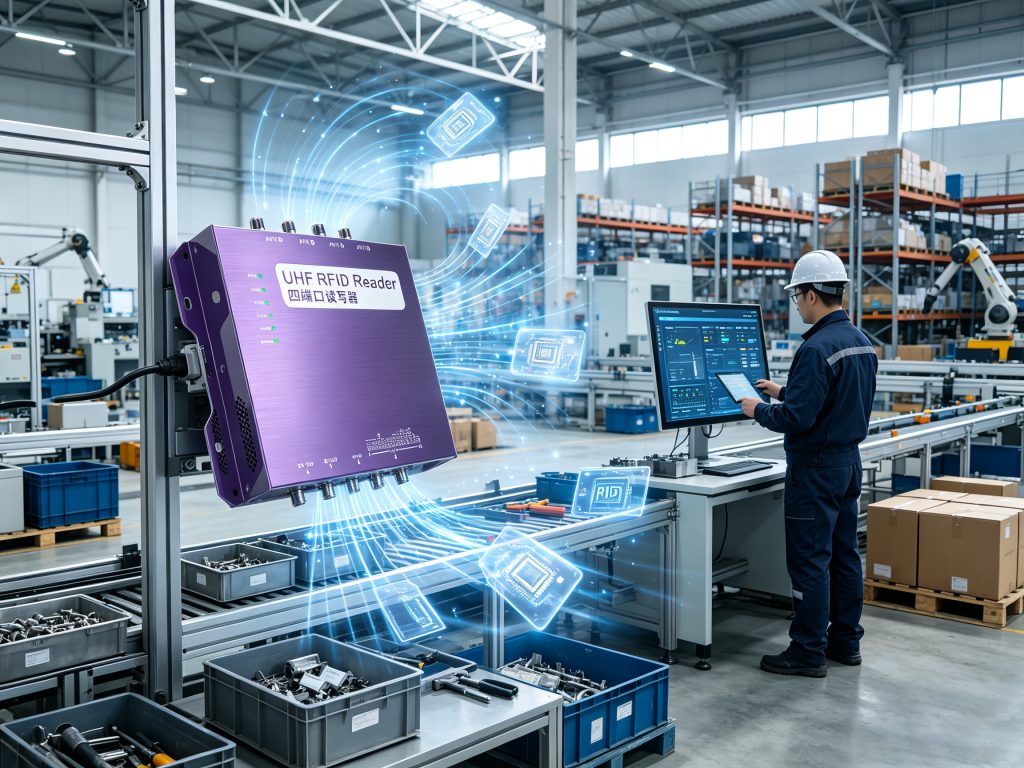
An RFID chip is small, but the engineering behind reliable identification is not simple. During years of RFID system deployment for industrial assets, warehouse inventory, and smart management projects, our Cykeo engineering team found that the chip itself is only one part of the solution. Antenna design, reader compatibility, operating environment, and data management determine whether an RFID system performs well in real workplaces.
In factory environments, RFID chips are often exposed to vibration, metal interference, temperature changes, and repeated handling. A chip that works perfectly in a laboratory may require different antenna tuning and packaging when installed on industrial equipment.
The major advantages of RFID chips include:
| Advantage | Technical Value | Industrial Impact |
|---|---|---|
| Non-contact identification | Reads data through radio frequency communication | Reduces manual scanning operations |
| Fast multi-tag reading | Supports simultaneous identification of multiple items | Improves inventory efficiency |
| Data storage capability | Stores unique identification information | Enables traceability and lifecycle management |
| Long service life | Passive RFID chips can operate without internal batteries | Reduces maintenance requirements |
| Flexible integration | Compatible with different RFID readers and software systems | Supports customized enterprise applications |
According to the AIM Global RFID technology overview, RFID systems are widely adopted because they enable automatic data capture without direct line-of-sight scanning requirements.
The practical difference becomes obvious during deployment. In a warehouse project, operators do not want to manually locate hundreds of tagged tools or components. They need a system that can identify items quickly while they are moving through daily workflows.
That is where RFID chip engineering matters.
At Cykeo, our RFID engineers have worked on applications including tool tracking, library management, medical supply monitoring, industrial asset management, and logistics identification systems.
One common issue we encounter during field testing is not the RFID chip failure itself. The challenge is matching the chip, antenna, reader power, and application environment.
For example, when deploying RFID tags on metal equipment, ordinary labels can experience signal reflection and reduced reading performance. Engineers need to select appropriate RFID chip solutions, such as anti-metal RFID tags or specially tuned antenna structures.
During RFID system commissioning, our engineering process normally focuses on:
Different RFID chips have different communication characteristics. Cykeo engineers test:
For UHF RFID systems, Cykeo solutions support EPC Class 1 Gen 2 / ISO 18000-6C standards, which are widely used in global supply chain and industrial identification applications.
Laboratory testing is not enough.
A tool management cabinet inside a maintenance workshop behaves differently from a clean test environment. Metal structures, human movement, and surrounding electronic equipment can influence RFID performance.
Our engineering teams usually perform:
This practical approach helps avoid common problems such as missed reads or unstable communication.
Many companies still compare RFID technology with traditional identification methods. The difference is not only speed; it is about how data is collected.
| Feature | RFID Chip | Barcode | QR Code |
|---|---|---|---|
| Reading method | Radio frequency | Optical scanning | Camera scanning |
| Line of sight required | No | Yes | Usually yes |
| Multiple item reading | Yes | No | Limited |
| Data update capability | Available for writable RFID chips | Usually fixed | Limited |
| Performance in automated systems | Excellent | Moderate | Moderate |
A barcode requires a scanner to visually capture printed information. RFID chips communicate through electromagnetic waves, allowing identification even when tags are inside packaging or attached to moving assets.
For large-scale operations, this difference changes workflow design.
RFID chips are now used far beyond simple product labeling. They have become part of digital management systems.
Manufacturers use RFID chips for:
A tagged component can carry a digital identity throughout its lifecycle, helping companies understand where an item is located and how it has been used.
Tool loss is a common challenge in industrial maintenance.
Cykeo RFID solutions help organizations manage:
In aviation and railway maintenance environments, even one missing tool can create operational risks. RFID-based tracking provides a more reliable method than manual counting.
Libraries and archives often require thousands of identification points.
RFID chips enable:
Cykeo RFID desktop reading platforms are designed for tag registration, rewriting, item management, and daily administrator operations.
Typical functions include:
| Function | RFID Management Capability |
|---|---|
| Tag registration | Assigns unique RFID identity |
| Item registration | Links physical objects with digital records |
| Tag rewriting | Updates stored information |
| Borrowing management | Records checkout history |
| Inventory management | Supports rapid searching |
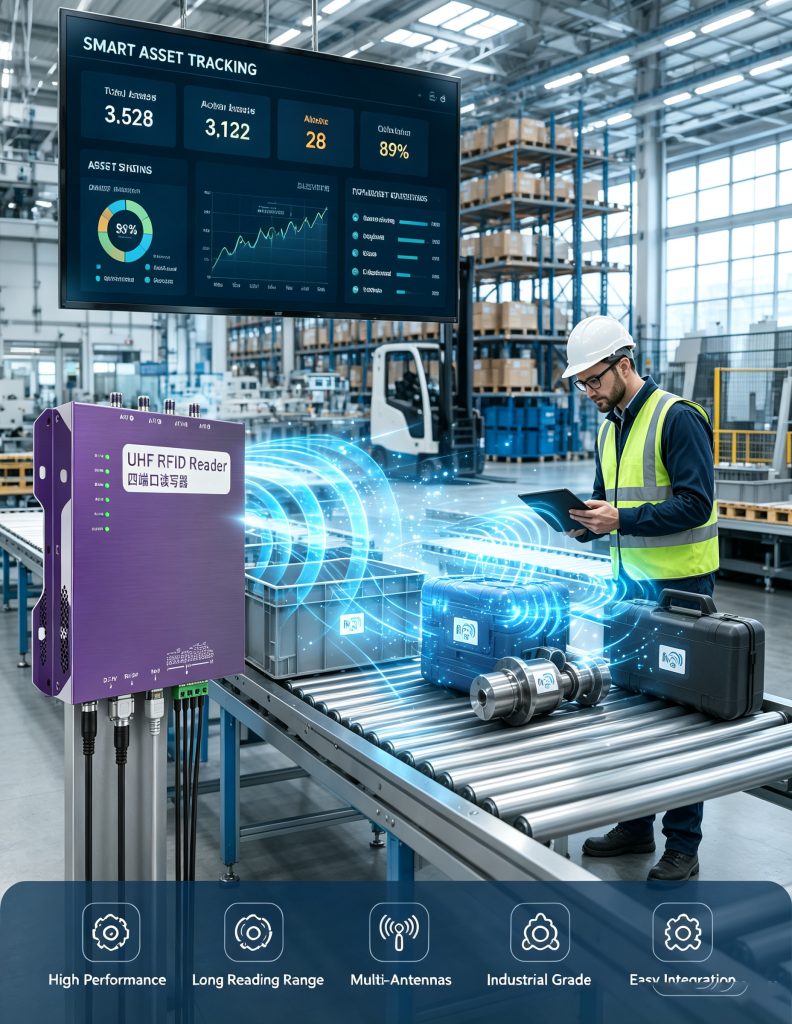
Most passive RFID chips can operate for many years because they do not contain internal batteries. Their lifespan depends on tag material, environment, and application conditions.
For industrial applications, companies usually select RFID tags based on durability requirements rather than only chip specifications.
An RFID chip typically stores identification data rather than large amounts of personal information. Enterprise systems usually keep detailed records in databases while the RFID chip stores a unique identifier.
This approach improves security and simplifies management.
Passive RFID chips receive energy from an RFID reader signal. Active RFID chips contain their own battery and can provide longer communication ranges.
The correct choice depends on:
A deeper understanding of what is an rfid chip starts with recognizing that the chip is not only a storage component. In professional RFID deployments, it becomes the connection between physical objects and digital information systems. Cykeo focuses on engineering RFID solutions that remain reliable in real operational environments, from factories and warehouses to libraries and enterprise management systems.
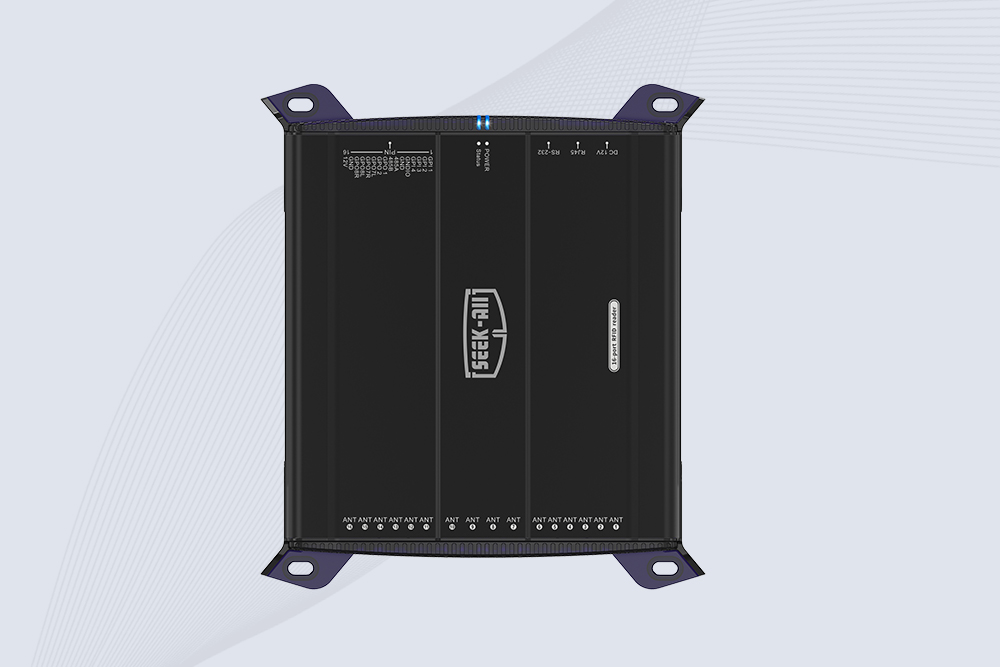
SSD-R16L Multi-Channel RFID Infrastructure for Automated Inventory Management ✔️ 16-Port High-Density RFID Reading Equipped with 16 SMA antenna ports, SSD-R16L supports multi-antenna deployment for warehouses, retail stores, logistics, production lines, and large-area RFID identification. ✔️ High-Speed & Long-Range Performance With up to 33…
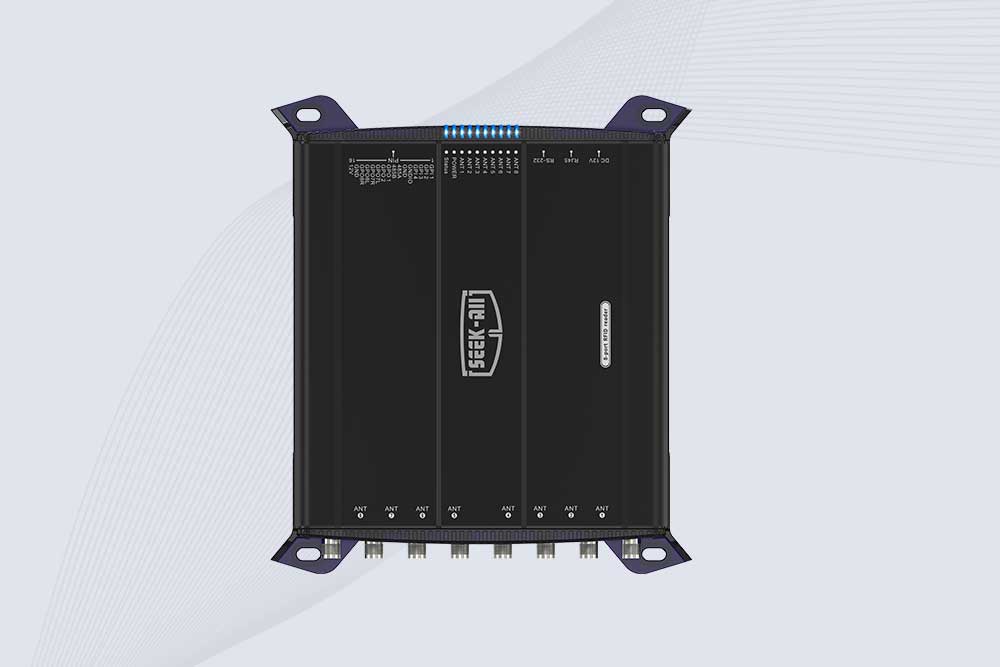
SSD-R8L 8-port UHF RFID reader with 33dBm output, up to 20m reading range and 600+ tags/s recognition. Ideal for warehouse, logistics, retail and asset tracking.
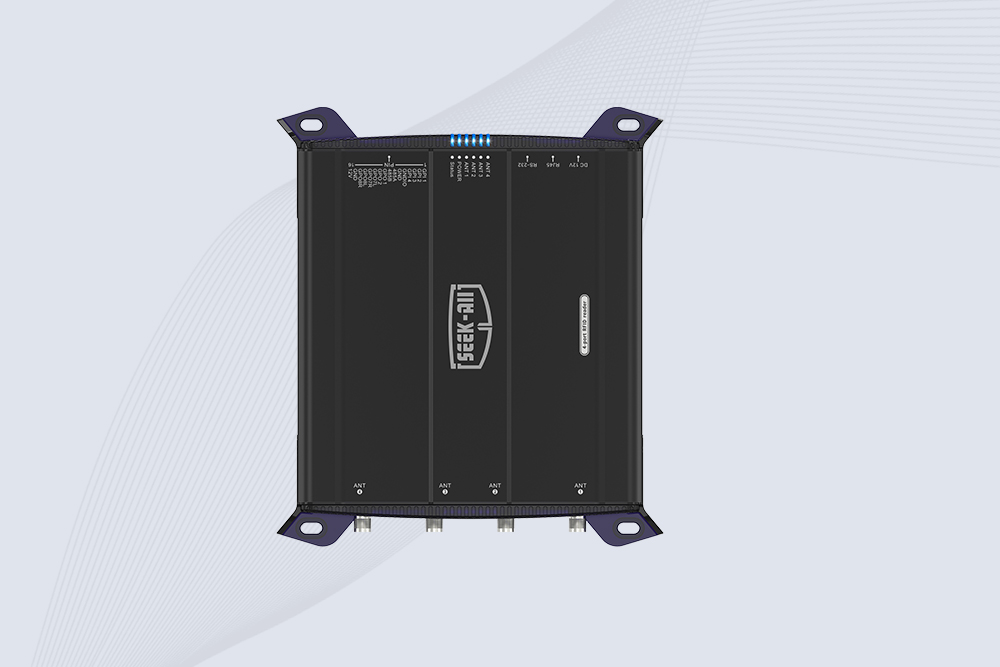
SSD-R4L is a 4-port UHF RFID fixed reader with 33dBm output power, up to 20m reading range, EPC C1G2 support and 600+ tags/s reading speed.
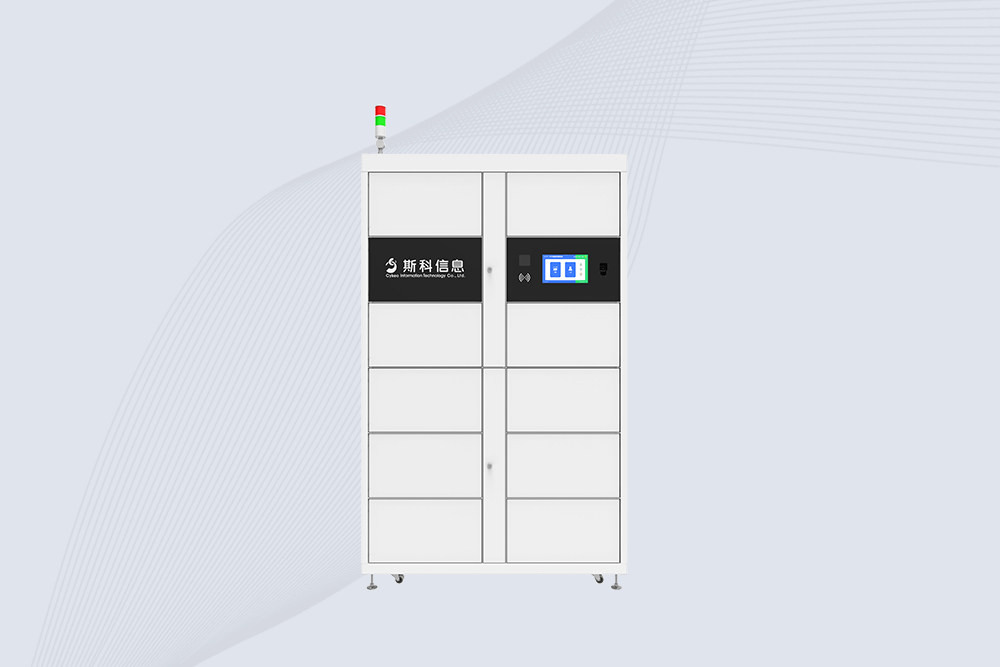
Cykeo’s RFID Archive Management Cabinet offers 15-second inventories & biometric security for medical/legal sectors. Features solar options, HIPAA compliance & Impinj R2000 technology.
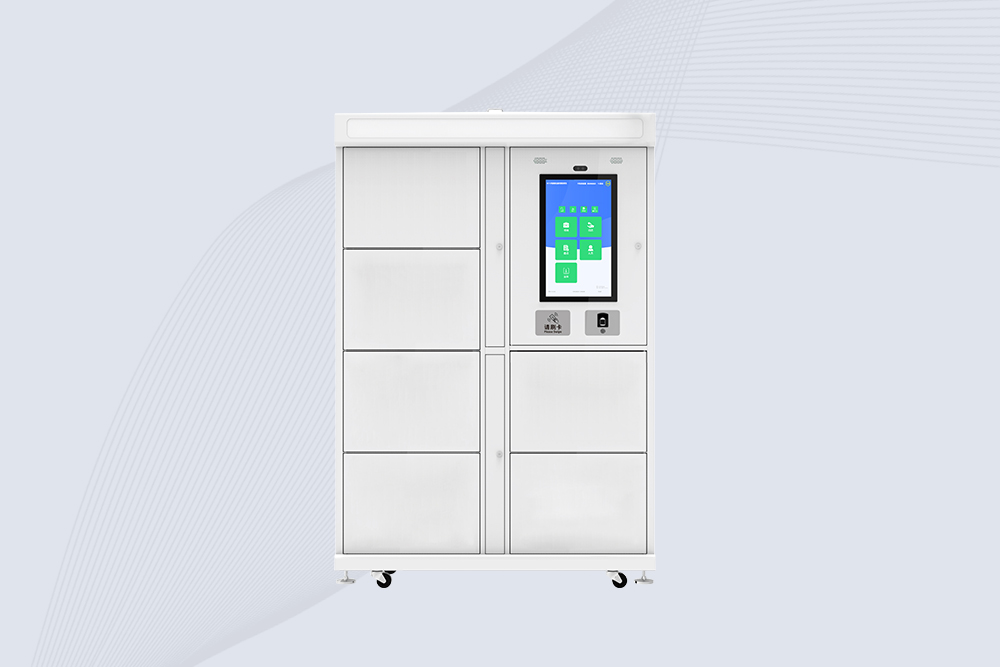
Cykeo’s RFID Document Security Cabinet offers military-grade protection with anti-collision scanning & biometric authentication. HIPAA/SOX compliant for legal/financial sectors. Solar-ready & cloud-synced.
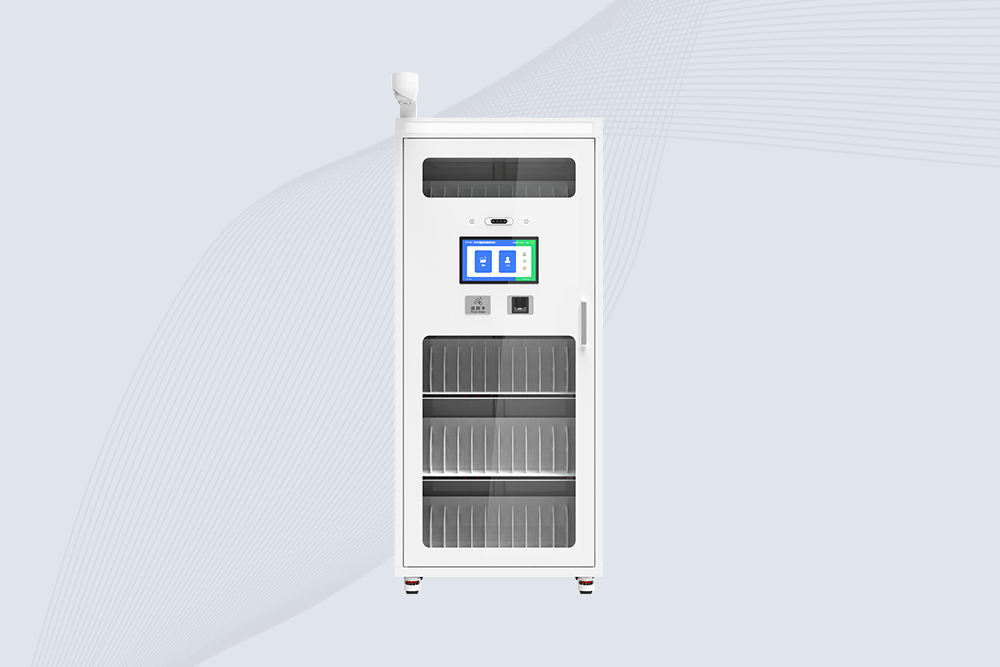
Cykeo’s RFID Anti-Theft Archive Cabinet offers 13.56MHz HF precision & tamper detection for high-security archives. Features blockchain audit trails, EMP hardening & SOC integration.
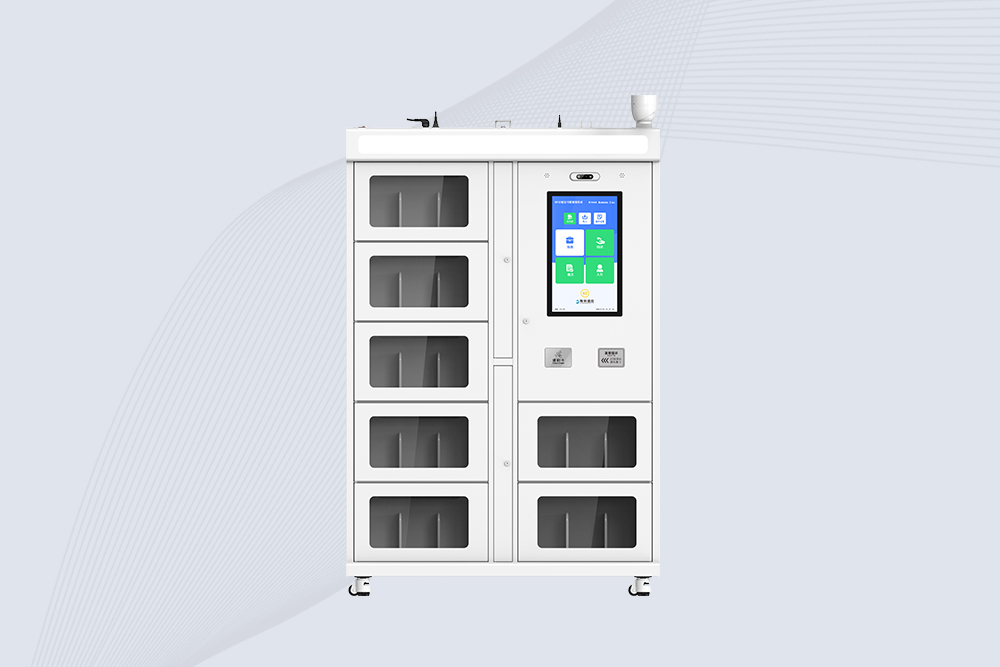
Cykeo’s armored RFID Confidential Document Cabinet features anti-tamper compartments, court-admissible audit logs, and dual OS for government/legal evidence storage. 99.9% UHF RFID accuracy.
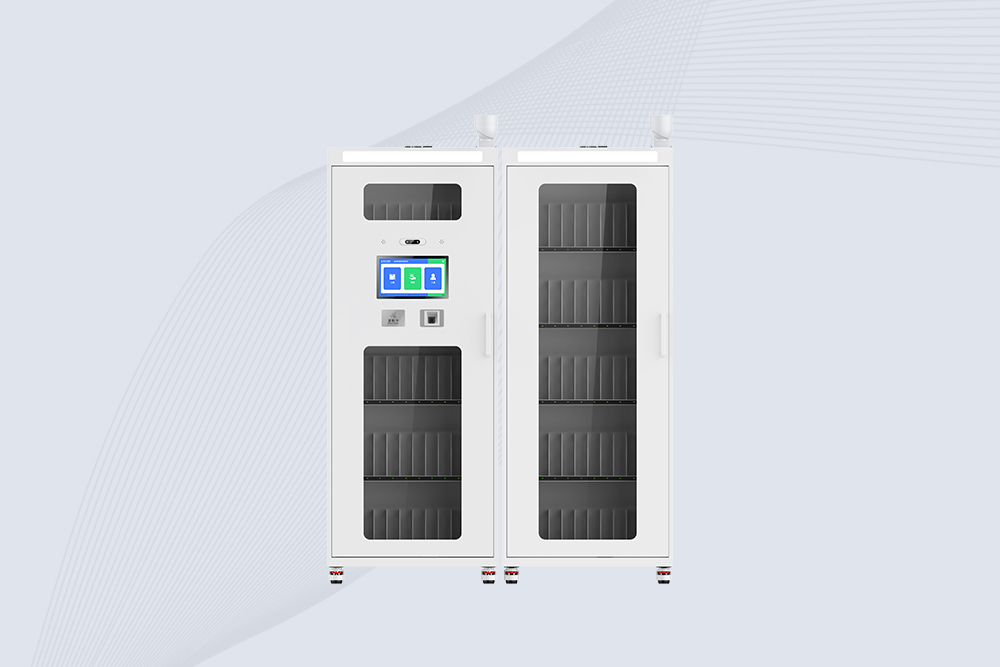
Cykeo CYKEO-G60H5 RFID smart archive cabinets feature 1,000-file capacity, ISO 15693 HF technology, and HIPAA compliance for government/corporate records management.
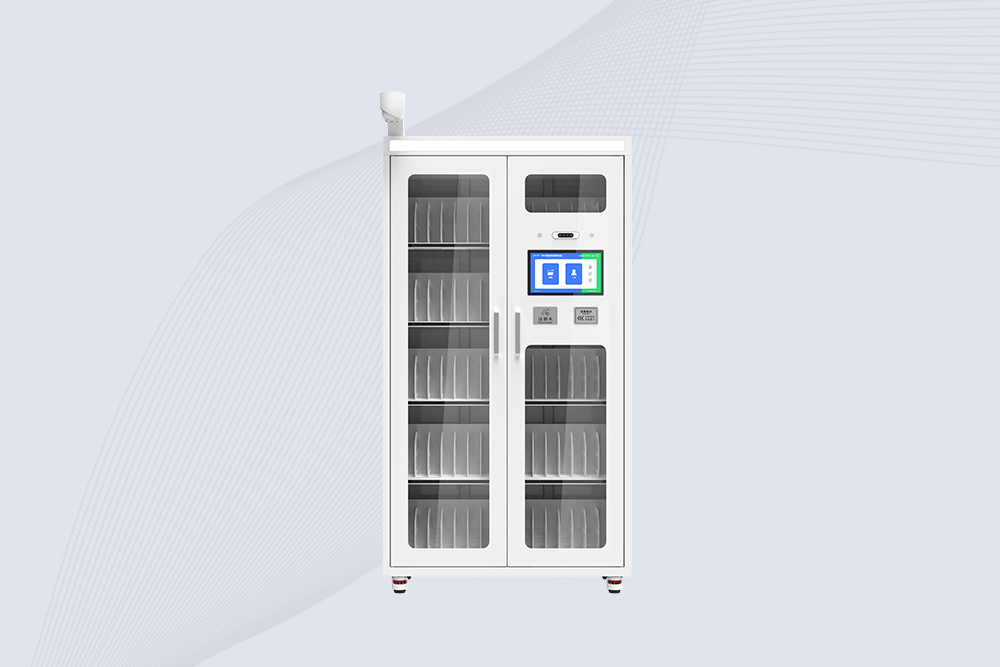
Cykeo CYKEO-G100H5 RFID archive cabinet system features 16-point/layer tracking, 1,000+ document capacity, and compliance logging for legal/financial sectors.
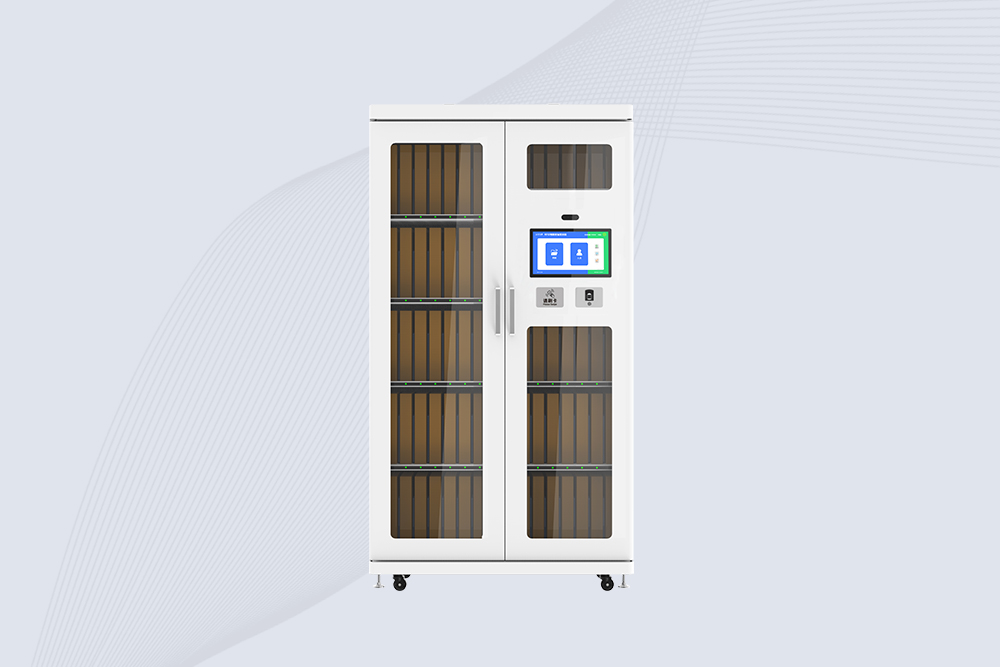
Cykeo CYKEO-G120H RFID archive audit trail system features 120-document tracking, blockchain logs, and compliance-ready auditing for legal/financial sectors.
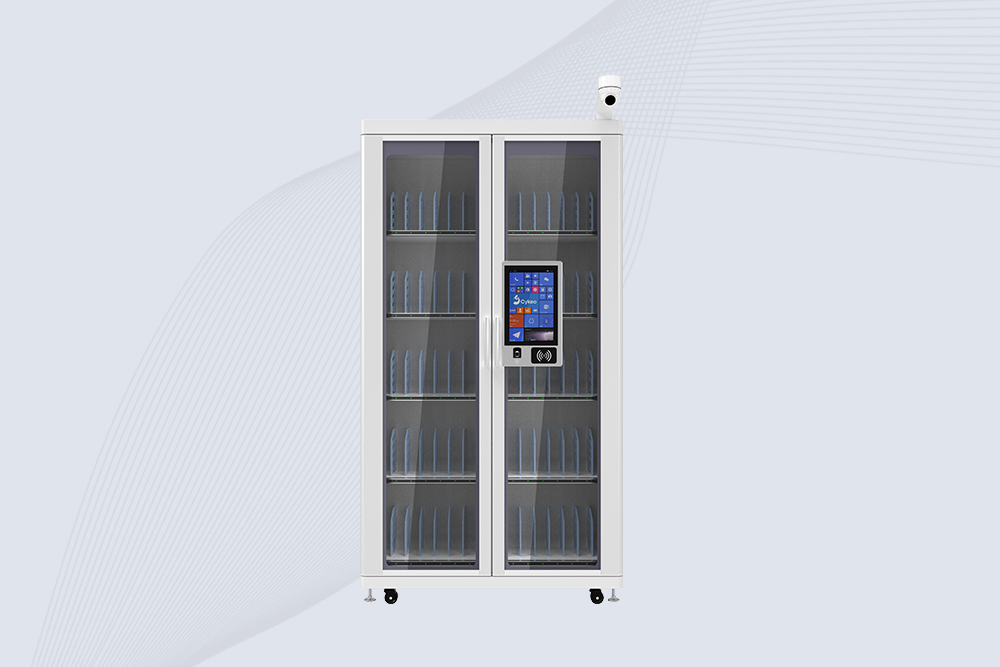
Cykeo CYKEO-G75H hf rfid archive cabinet features 99.97% read accuracy, 75 compartments, and chain-of-custody tracking for high-security archives.
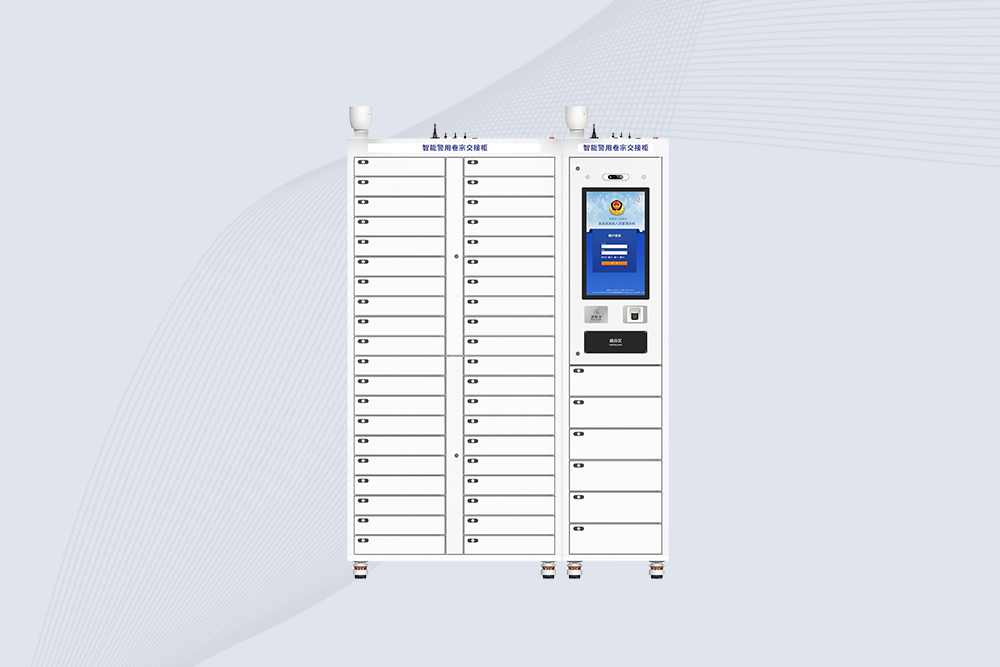
Cykeo CYKEO-G640 RFID FILE EVIDENCE CABINET provides RFID-based chain-of-custody management for legal evidence. Features 1-second scanning, 40-compartment expansion, and 24/7 monitoring.
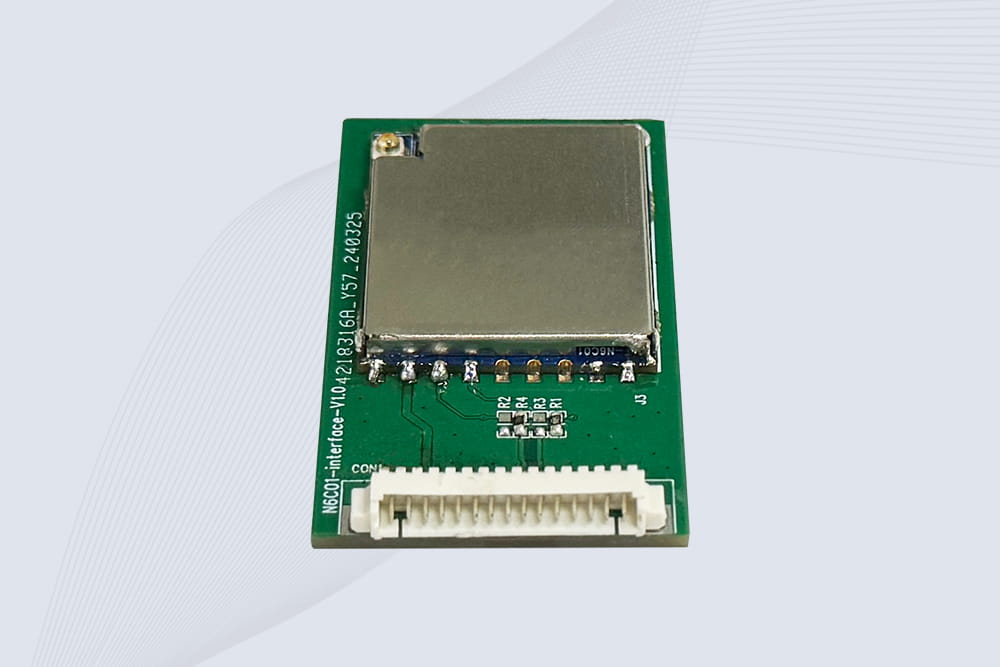
CYKEO Embedded RFID Modules are designed for compact industrial and IoT devices that require stable UHF performance. These UHF RFID Modules support global protocols, flexible power control, and reliable multi-tag reading for smart cabinets, production lines, and asset tracking systems.
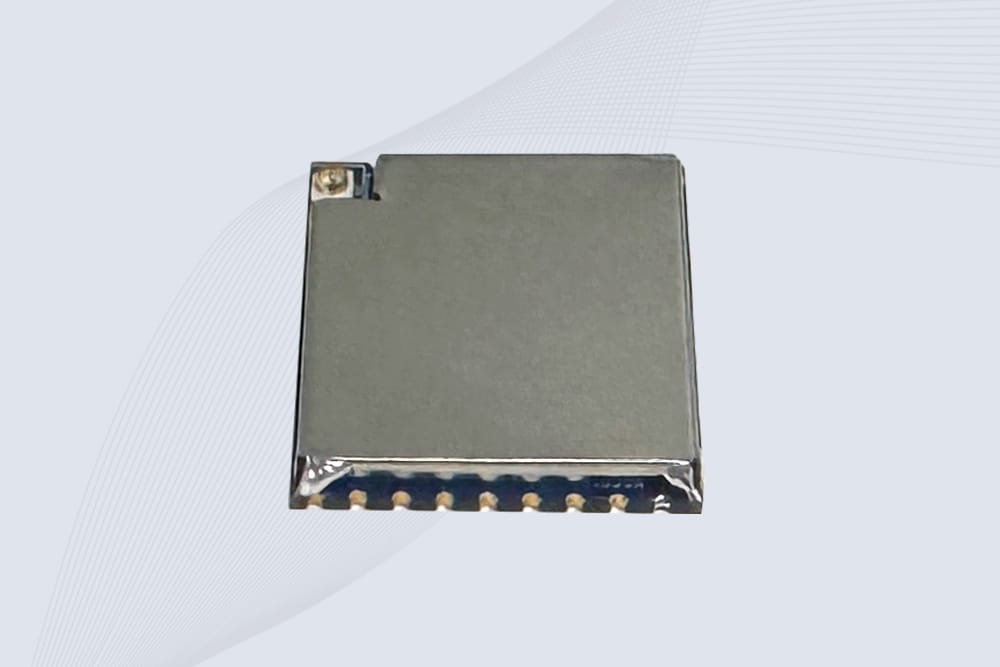
CYKEO Embedded RFID Module is built for compact IoT and industrial devices that need stable UHF performance. This UHF module supports global protocols, low power operation, and reliable multi-tag reading for smart lockers, production lines, and always-on RFID systems.
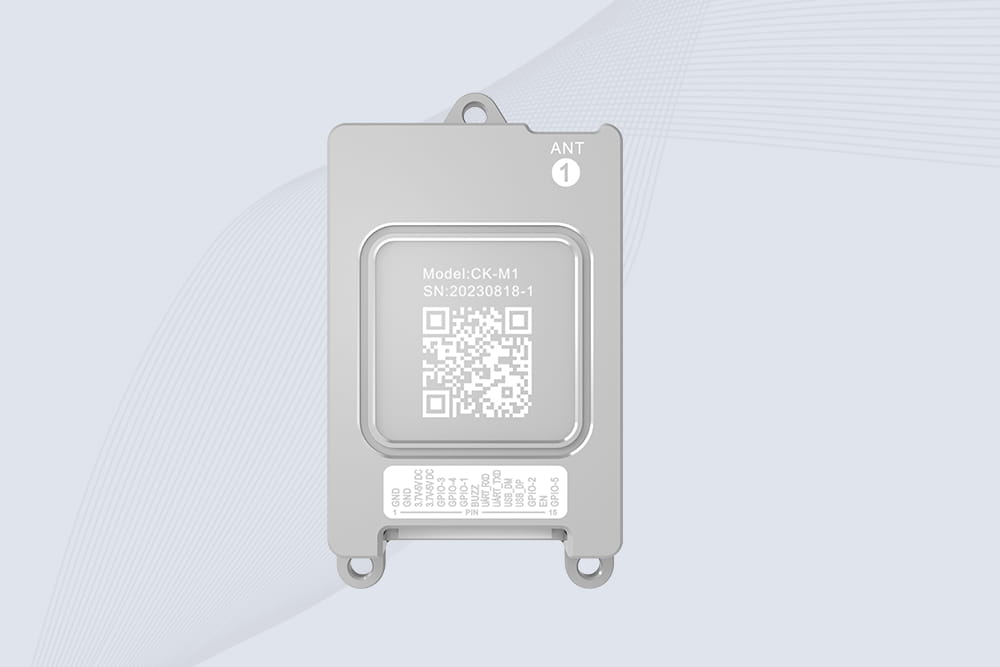
CYKEO CYKEO-M1 drone rfid module is a compact UHF RFID reader module designed for drones and UAV platforms. It supports long-range aerial scanning, fast multi-tag reading, and stable performance in wind, vibration, and outdoor environments.
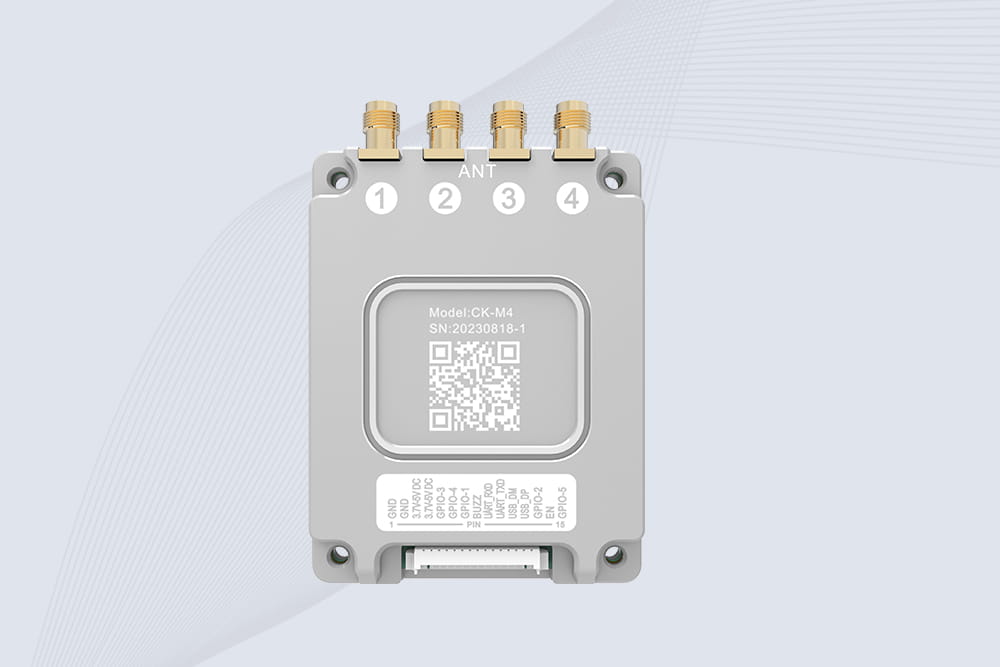
CYKEO CYKEO-M4 RC522 RFID Module is an industrial-grade UHF RFID reader with 4 ports, supporting ISO, EPC, and GB protocols. High-speed, accurate reading for IoT, automation, and warehouse applications.
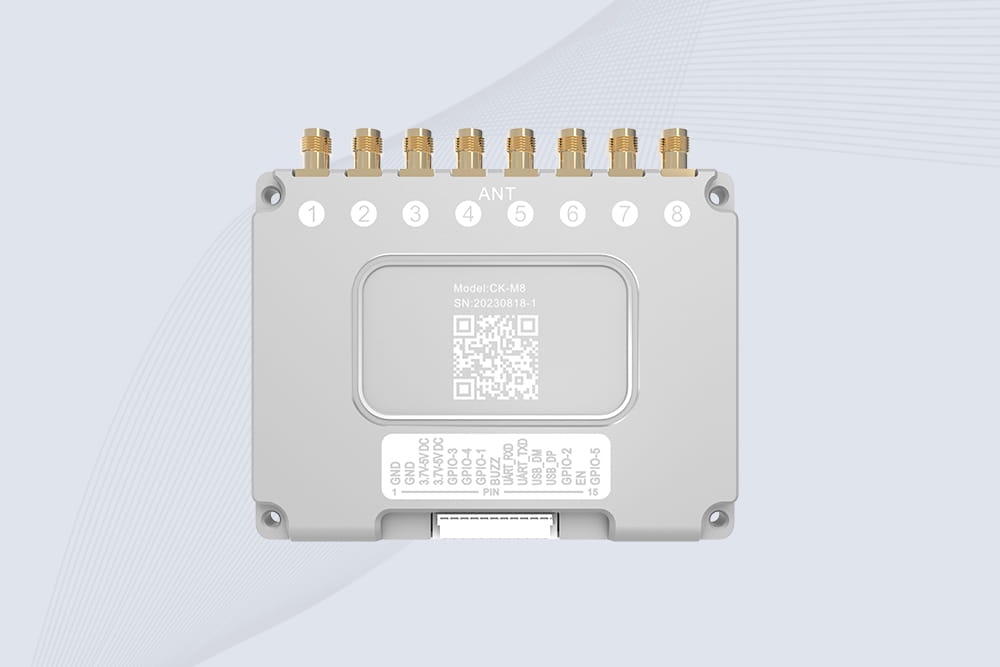
CYKEO CYKEO-M8 Module RFID is an 8-port UHF R2000 RFID Module designed for high-density, multi-tag environments. Stable 33dBm output, ISO & GB protocol support, ideal for warehouses, factories, and automated systems.
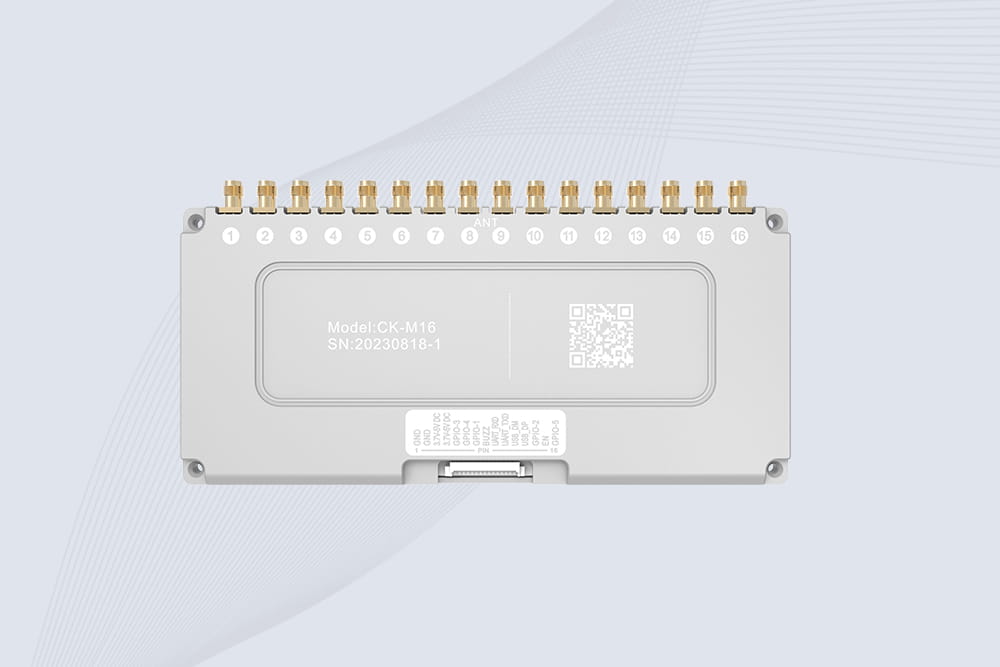
CYKEO CYKEO-M16 RFID Module is a 16-port UHF RFID reader module based on the R2000 chipset. Designed for dense tag environments, it supports ISO and GB standards and delivers stable multi-antenna control for industrial automation.
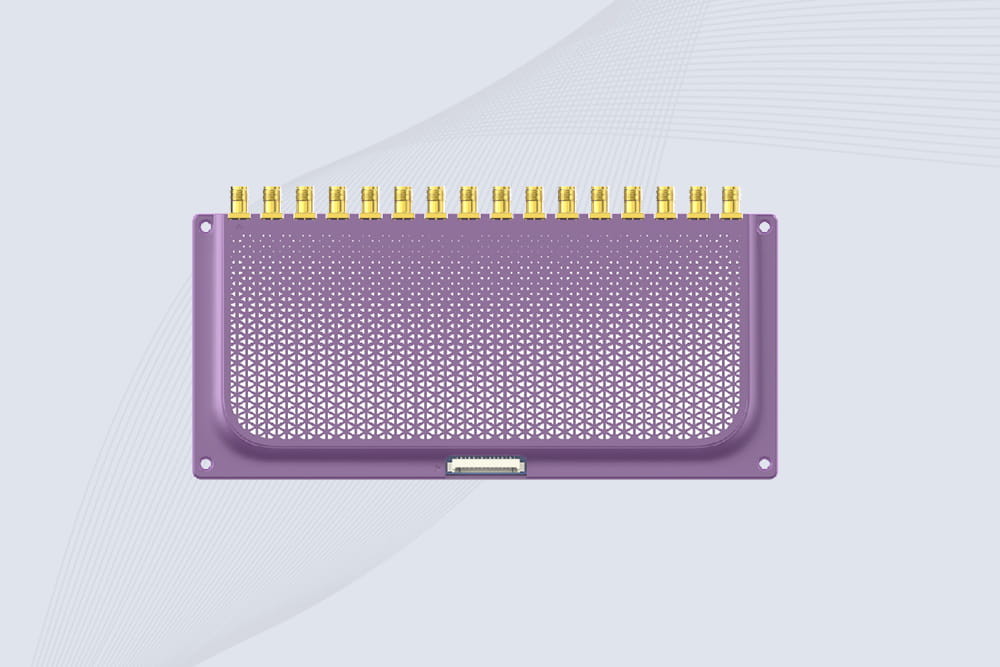
The CYKEO CYKEO-M16L RFID Reader Module is a 16-channel UHF RFID core designed for dense tag environments. With adjustable 33dBm output, multi-protocol support, and stable multi-antenna control, this RFID Tag Reader Module fits industrial automation, warehouse systems, and large-scale IoT deployments.
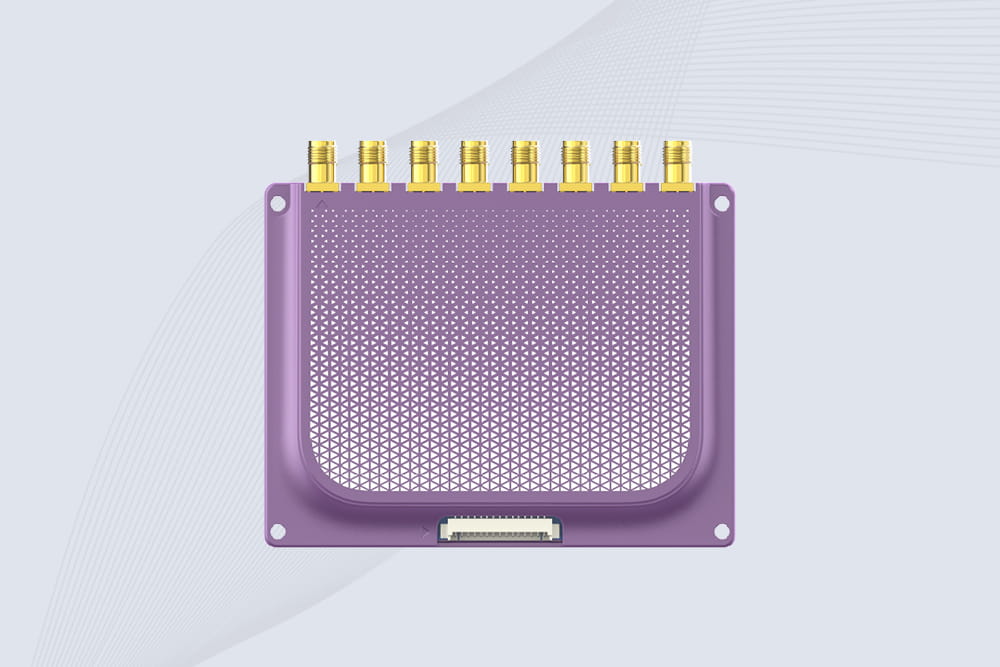
CYKEO CYKEO-M8L module RFID is a compact industrial UHF module built for dense tag and multi-antenna environments. With 8 RF ports, adjustable 33 dBm output, and ISO & GB protocol support, it is widely used in factories, warehouses, and automated tracking systems.
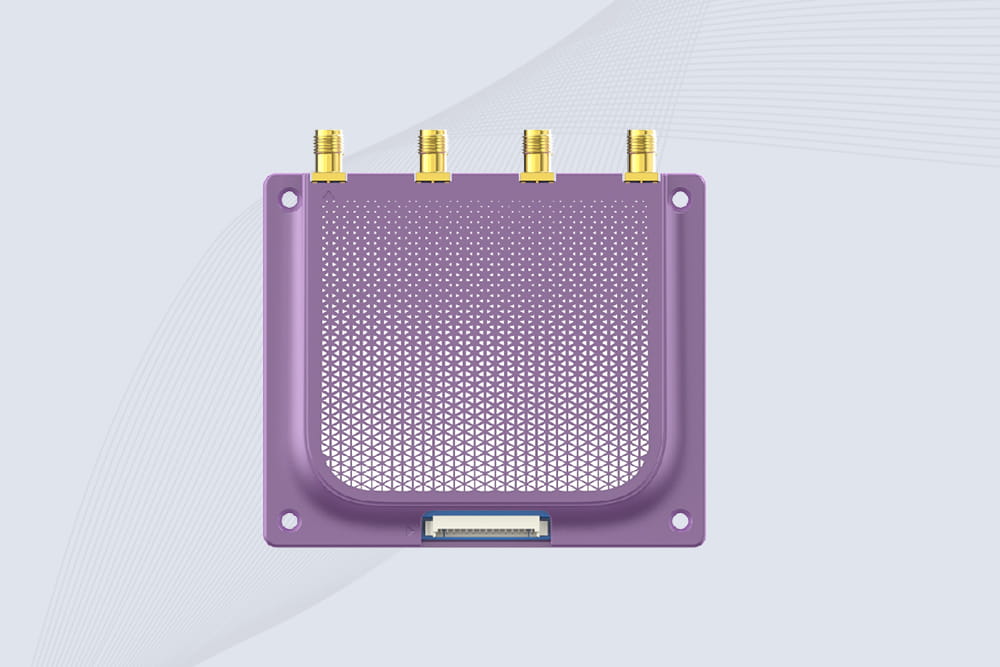
CYKEOCYKEO-M4L UHF RFID Module is a compact 4-channel RFID tag reader module designed for dense tag environments. Supporting ISO and GB protocols, it delivers stable reads up to 10 meters for industrial and IoT systems.
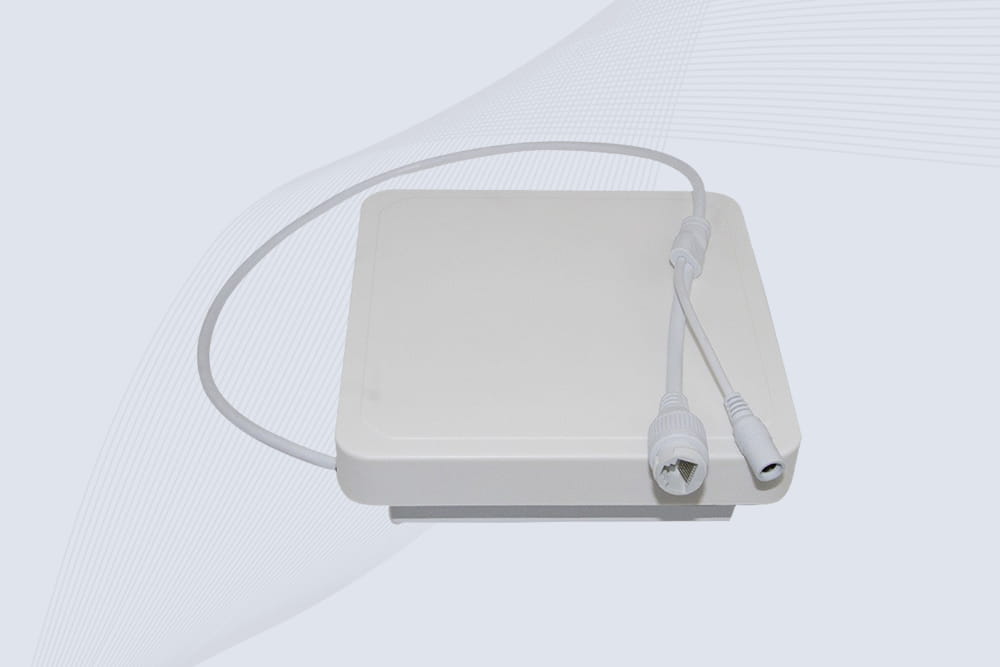
Cykeo’s industrial long range RFID reader delivers 20-meter scanning, 500+ tags/sec speed, and IP67 waterproof design for automated warehouses, logistics, and harsh environment applications.
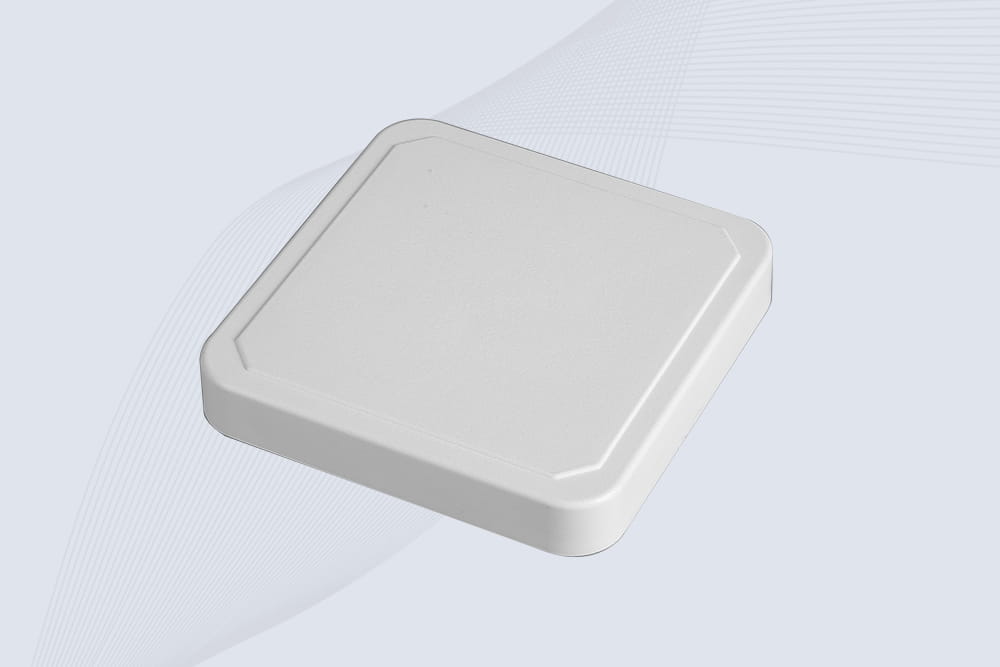
Cykeo’s CYKEO-RA6L industrial RFID long range reader features 20m read distance, 500 tags/sec speed, and IP67 protection. Ideal for warehouse automation, manufacturing WIP tracking, and smart logistics. Supports ISO 18000-6C/6B protocols.
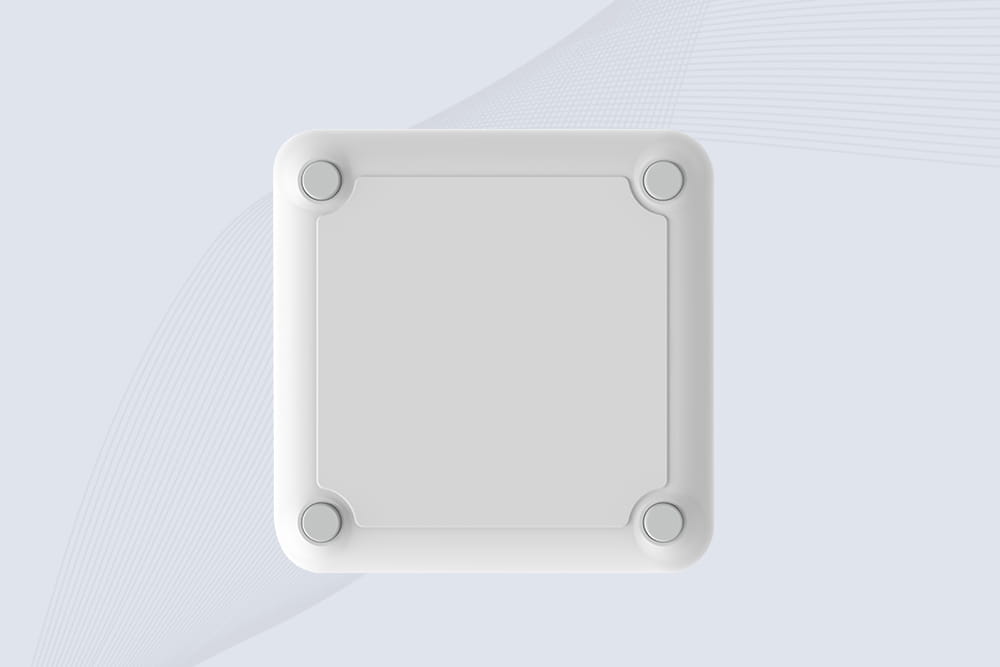
CYKEO Long Range RFID Tag Reader built for outdoor and industrial operations. This Outdoor RFID Reader delivers 20m read distance, fast tag processing, and IP67 durability for wide-area tracking.
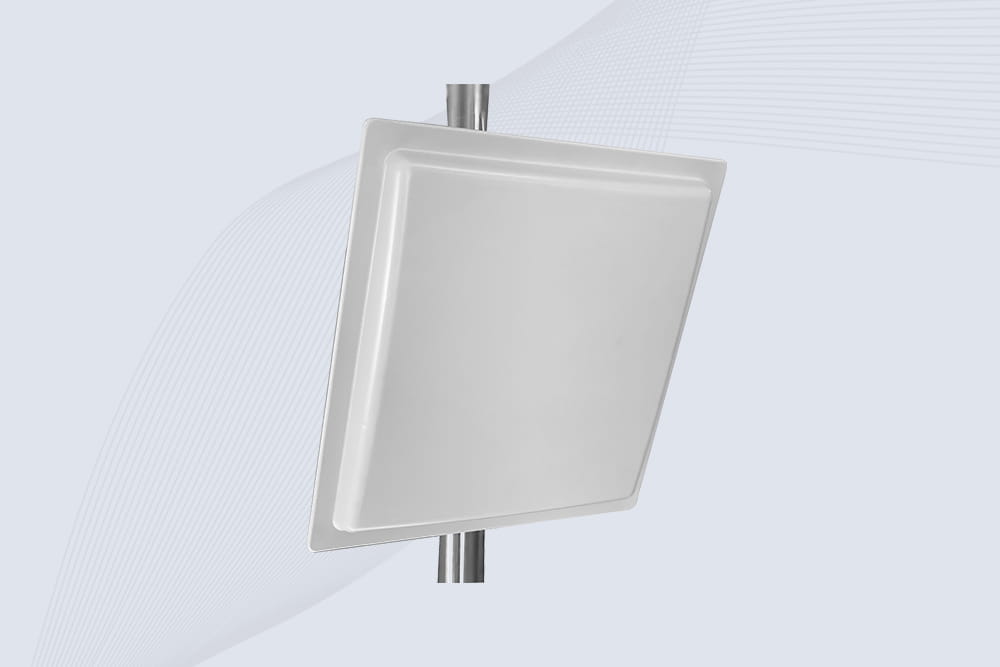
Cykeo CYKEO-RA12L industrial Long Range RFID Reader delivers 20m read range, 200+ tags/sec scanning, and IP67 protection for manufacturing/logistics applications. Supports ISO 18000-6C/GB protocols.
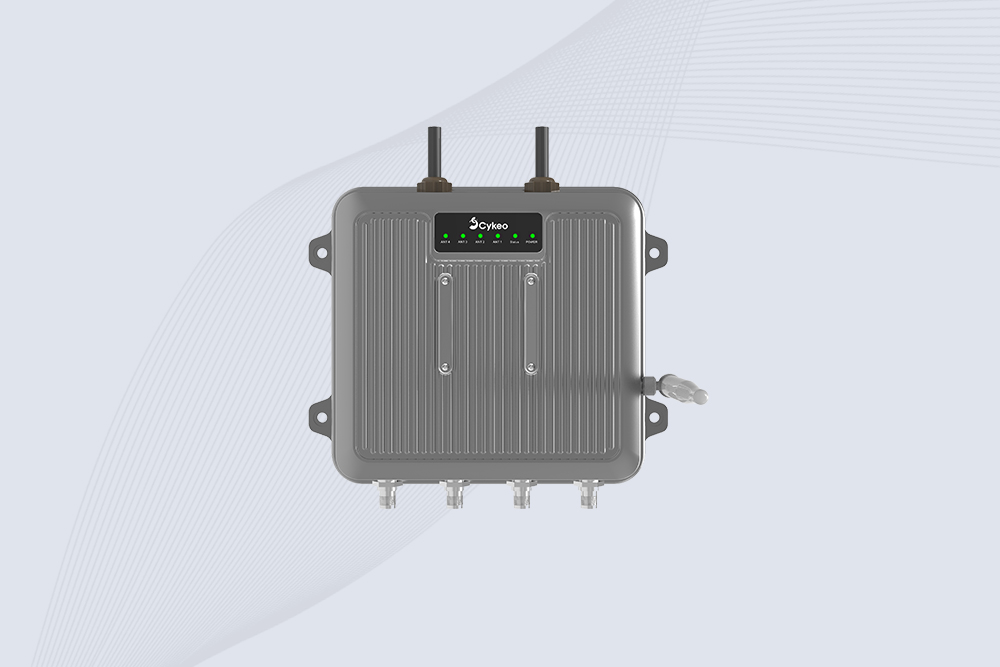
Cykeo CYKEO-C1 industrial Forklift RFID Reader features 20m read range, 600 tags/sec scanning, Impinj R2000 chipset, and IP67 rugged design. Ideal for warehouse logistics and manufacturing. Supports ISO 18000-6C/6B protocols.
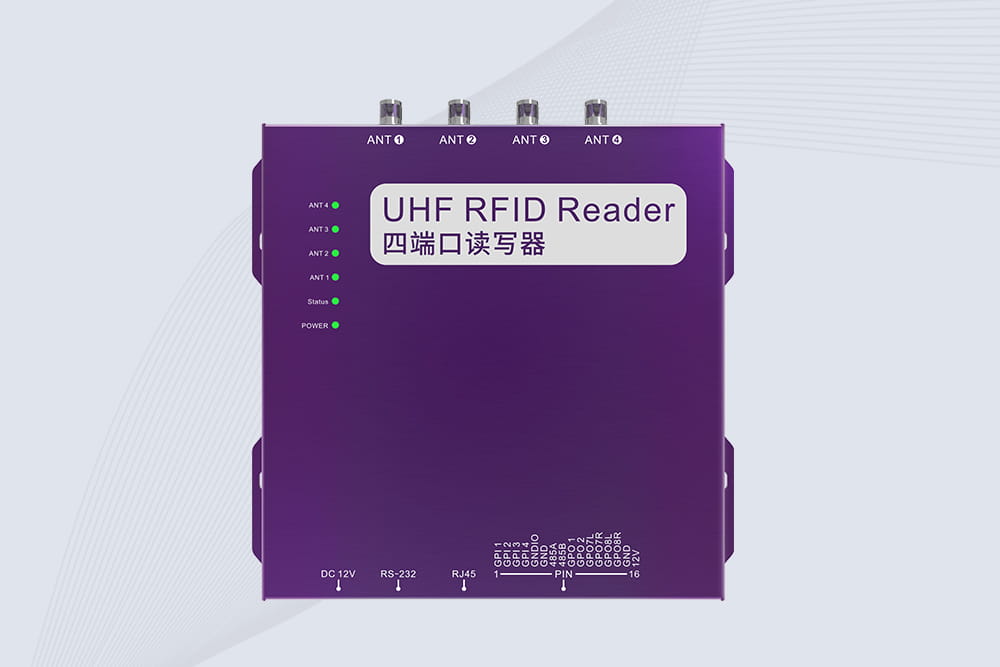
Cykeo CYKEO-R4 industrial UHF RFID Fixed Reader features 4 TNC ports, 400+ tags/sec speed, IP67 housing, and global frequency compliance for vehicle inspection, smart warehouse, and asset management systems.
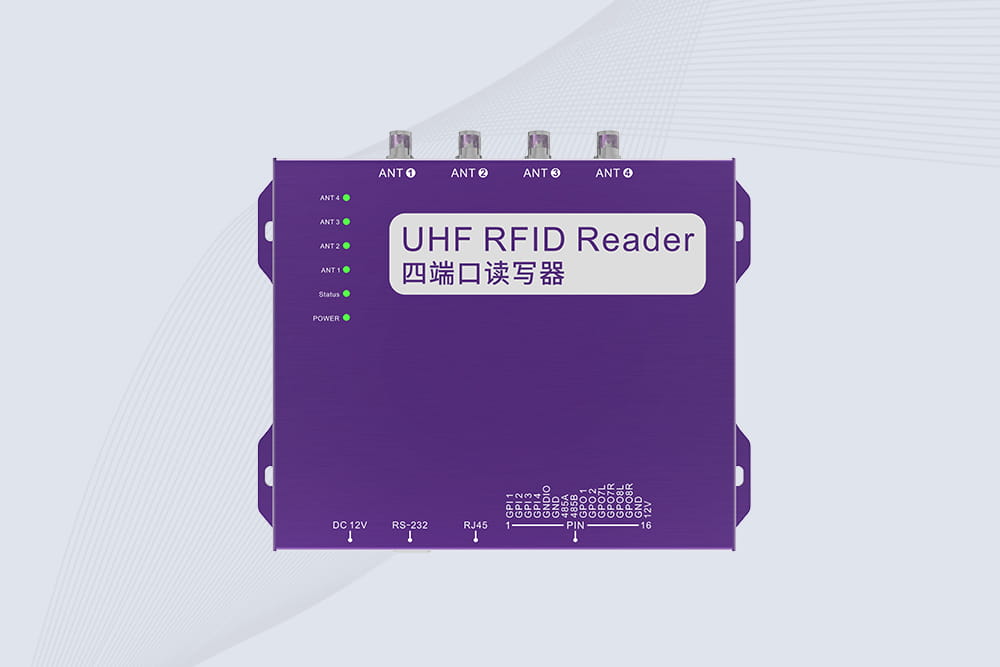
Cykeo’s CYKEO-R4L 4-port Fixed UHF RFID Reader delivers 400 tags/sec scanning, ISO 18000-6C compliance, and IP65 protection. Ideal for warehouse automation, manufacturing WIP tracking, and logistics management.
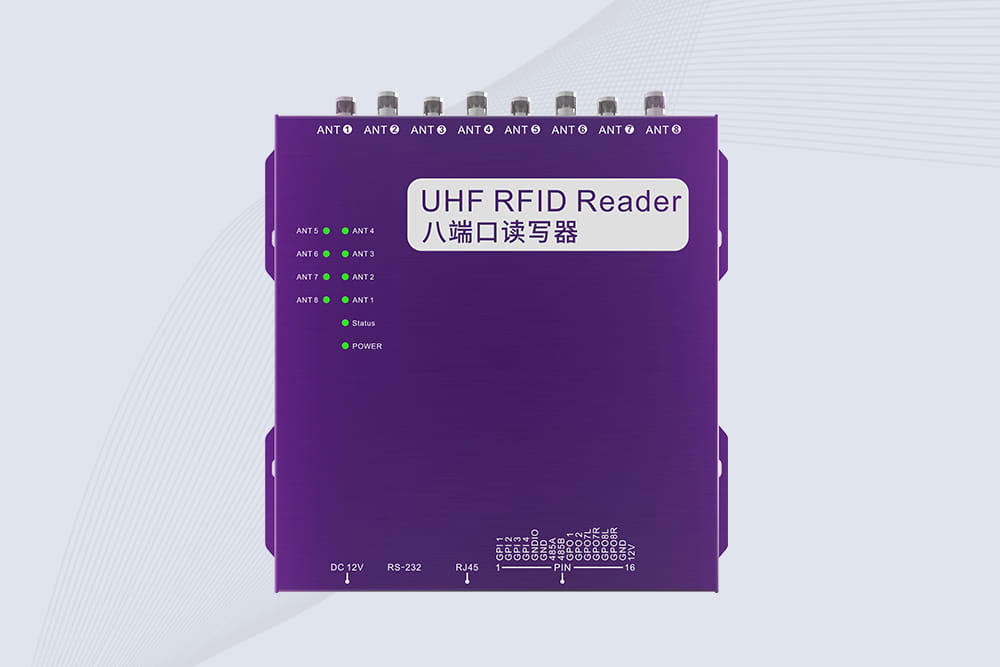
CYKEO CYKEO-R8L Fixed RFID Reader with 8-port UHF design, Impinj-based RF core and up to 20m read range. An industrial Fixed RFID Reader for vehicle inspection, warehouse portals, smart manufacturing lines and secure access checkpoints.
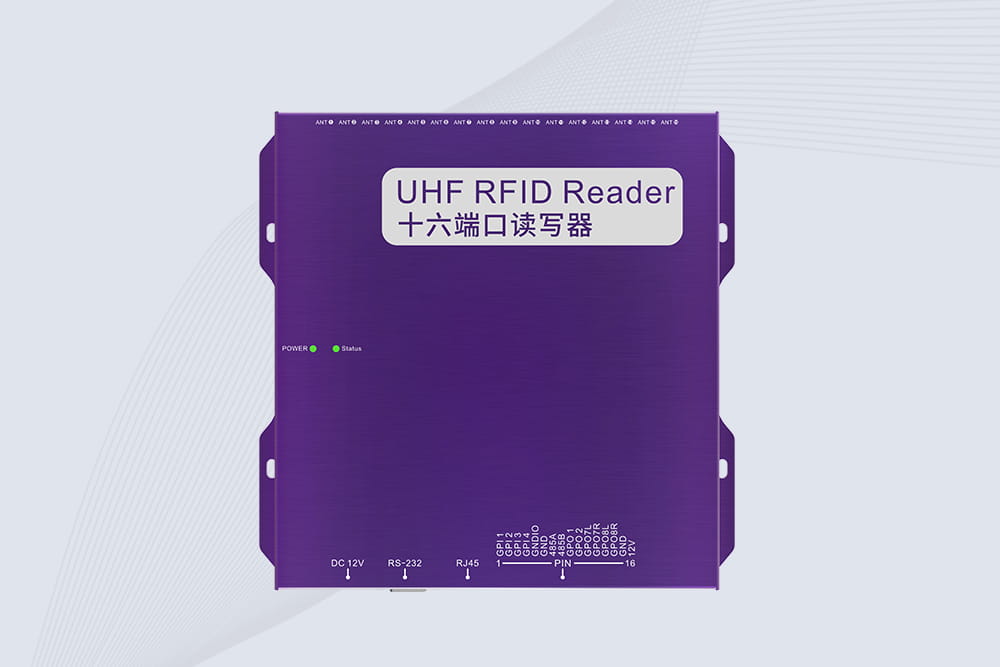
RFID Fixed Reader from CYKEO – the CYKEO-R16L 16-port UHF fixed reader for warehouses, smart cabinets, and production lines. Long-range, multi-tag reading, stable performance for 24/7 industrial use.
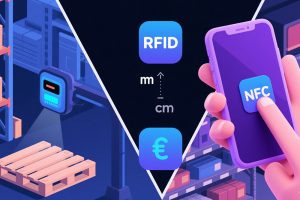
Compare RFID and NFC for inventory tracking. Learn the pros, cons, and best use cases for each technology in retail, manufacturing, and small businesses.
More
Learn how antenna RFID UHF technology improves RFID read accuracy, coverage, and inventory efficiency. Discover antenna types, deployment tips, expert insights, and industrial applications from Cykeo.
More
Can you reprogram RFID tags? Learn which RFID memories can be rewritten, what locking changes, how readers encode tags, and when a tag must be replaced.
More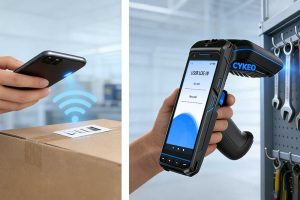
Ever wondered "can phones read RFID"? We reveal what smartphones can actually do, their serious limitations, and why businesses need dedicated readers.
More