 Cykeo RFID IoT Solution Products R&D Manufacturer
what does rfid tracked mean
20RFID tracked means an object with an RFID tag is identified and monitored through RFID readers and software, creating digital records of item identity and mo...
MoreAll RFID Product
Industrial laundry facilities process huge volumes of textiles every day.
Uniforms, hotel linens, medical garments, workwear, and rental textiles move continuously between washing, drying, sorting, delivery, and storage.
The challenge is that manual tracking rarely keeps up.
Items get mixed between customers. Textile counts become inaccurate. Missing garments create billing disputes. Workers spend time sorting inventory manually instead of processing orders.
That’s one reason RFID laundry tracking systems have become much more common in commercial laundry operations.
And in many of those systems, the hardware quietly managing the tracking is embedded RFID reader module integrated directly into sorting stations, conveyor systems, cabinets, and tunnel equipment.
Laundry processing environments move fast.
Facilities handling hospitality, healthcare, and industrial uniforms often process:
Manual barcode scanning slows operations significantly.
RFID allows textiles to be identified automatically while moving through the workflow.
That improves:
without requiring workers to scan items one by one.
RFID is now widely used across textile tracking workflows.
RFID systems help identify:
automatically during sorting operations.
Hotels and healthcare providers use RFID to monitor:
across multiple facilities.
RFID systems are often integrated into:
to automate textile handling.
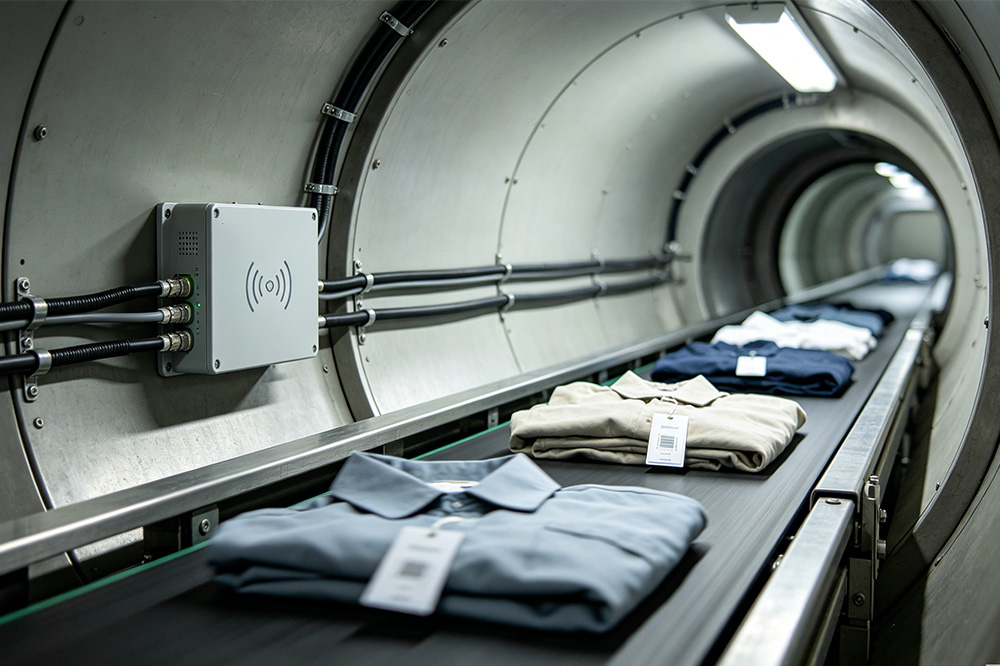
Earlier RFID laundry systems often relied on large external rfid readers installed around processing lines.
Now, more equipment manufacturers are embedding RFID modules directly inside:
This approach provides more flexibility for:
For companies comparing hardware approaches, this guide explains the practical difference between RFID modules and standalone RFID readers:rfid module vs rfid reader whats the difference
It’s especially useful for OEM manufacturers developing embedded laundry automation systems.
Laundry systems create several RF challenges.
Especially because operations involve:
All of these affect RFID performance.
A system that works well during small office testing may behave very differently inside a real industrial laundry facility.
That’s why real-world testing matters much more than lab demonstrations.
Many unstable laundry RFID systems are actually suffering from antenna layout problems.
Especially in conveyor and tunnel systems where textiles move rapidly through narrow read zones.
Integrators often spend time adjusting:
Even small adjustments can dramatically improve read consistency.
Laundry systems rarely process one textile item at a time.
The RFID system may need to identify:
simultaneously.
This is where anti-collision performance becomes extremely important.
Poor multi-tag handling can create:
which quickly affect operational efficiency.
One reason embedded RFID adoption is increasing is hardware miniaturization.
Modern RFID modules are now compact enough to fit inside:
without requiring large external readers.
You can see examples of RFID modules designed for embedded industrial integration here:rfid modules
These types of modules are widely used in textile tracking and industrial automation systems.
The RFID hardware is only one part of the laundry system.
Most RFID laundry deployments also integrate with:
This is where SDK stability becomes extremely important.
Poor software integration often creates more operational problems than the RFID hardware itself.
For engineers who want a better understanding of RFID hardware design, this guide explains how RFID reader modules work internally:how to make rfid reader module
A surprising number of textile RFID projects begin with small development setups.
Teams often prototype ideas using:
before scaling into full industrial deployments.
That testing stage is usually where developers first learn how RFID behaves around textiles, metal carts, and moving conveyor systems.
For smaller embedded RFID projects, this Arduino-compatible RFID guide is a useful reference:best arduino compatible rfid readers for diy enthusiasts top 5 picks
Most industrial laundry RFID systems now rely on UHF technology because it supports:
That’s why embedded UHF RFID modules are increasingly being integrated directly into laundry infrastructure itself.
For more examples of how UHF RFID modules are used in real operational environments, this article explores practical deployment scenarios across multiple industries:UHF RFID Reader Module,Real-World Solutions for Modern Operations

Laundry RFID systems usually require several rounds of tuning before deployment.
Integrators often adjust:
before achieving stable operation.
That process is normal.
The systems that perform reliably long-term are usually the ones that went through enough real-world operational testing before rollout.
Industrial laundry operations are becoming more automated and more dependent on accurate inventory visibility.
Instead of relying on manual textile counting and barcode scanning, more facilities are embedding RFID directly into sorting systems and laundry infrastructure itself.
And in many of those deployments, the RFID reader module is quietly handling garment identification, inventory tracking, and sorting automation behind the scenes every day.
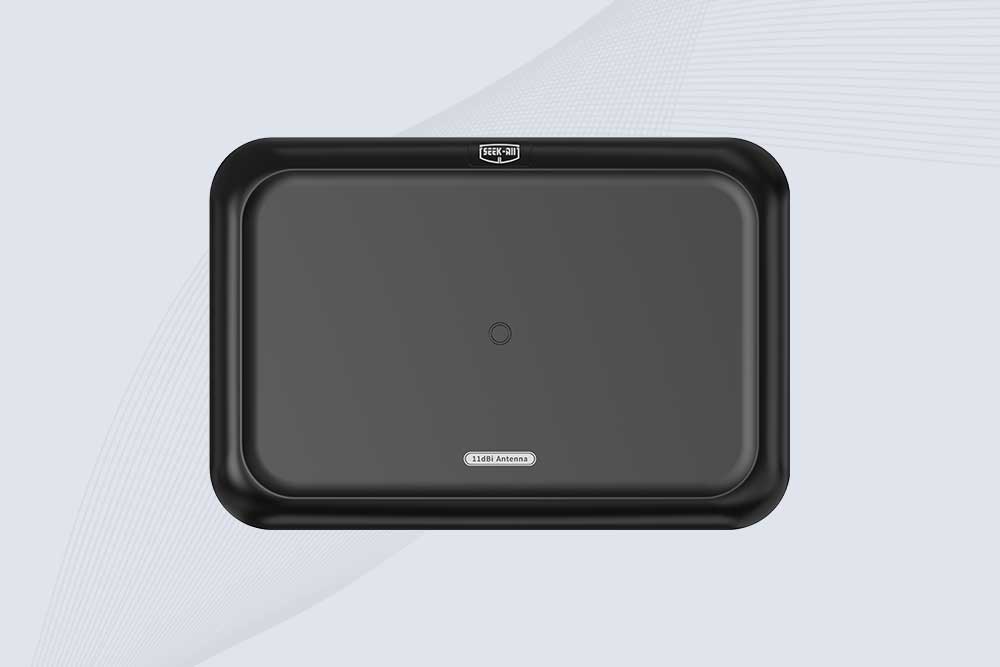
SSD-A11 UHF RFID antenna features 840–960 MHz adjustable frequency, ≥10.5 dBi gain, circular polarization and 50Ω impedance for fixed RFID systems.
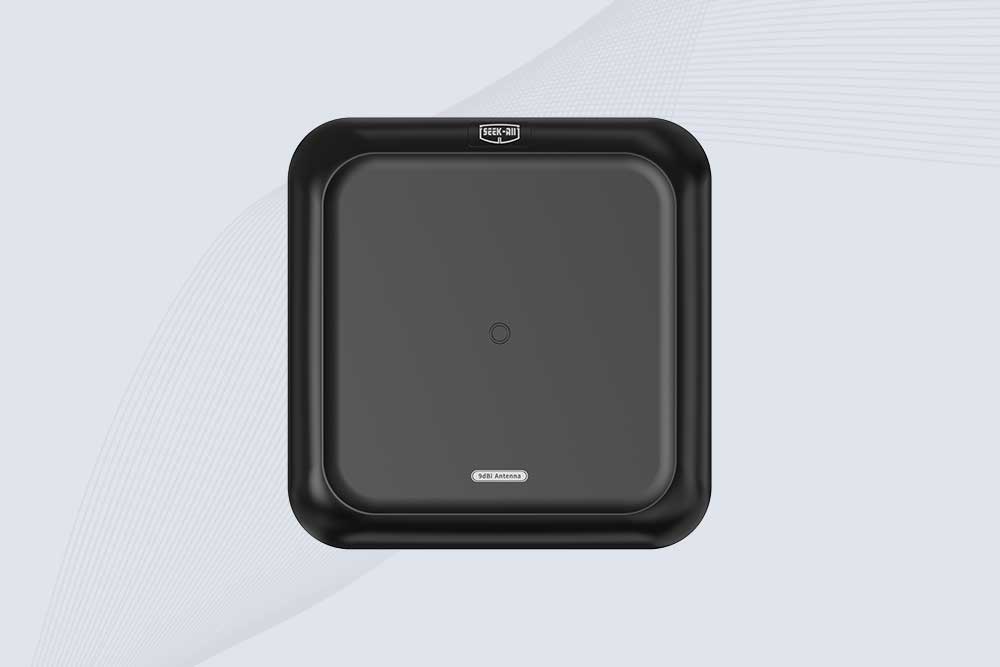
SSD-A09 is a 9 dBi UHF RFID antenna with 840–960 MHz adjustable frequency, circular polarization, 50Ω impedance and directional 60° × 60° coverage.
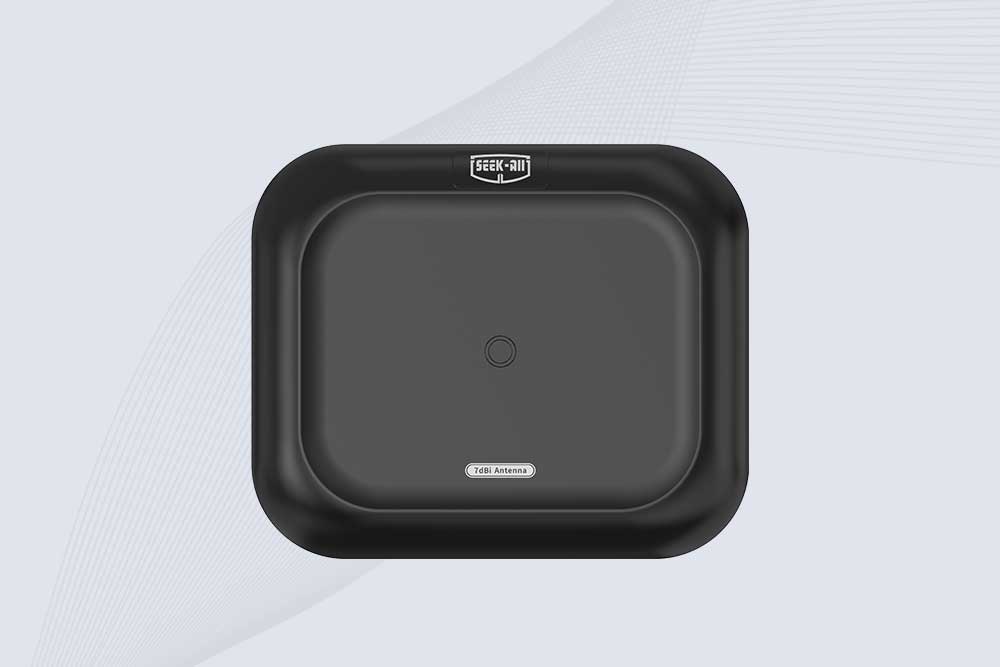
Explore the SSD-A07 UHF RFID antenna with 7 dBi gain, circular polarization, adjustable 840–960 MHz frequency, and 60°/75° beamwidth for stable RFID read/write performance.

SSD-A06 UHF RFID antenna with circular polarization, adjustable 840–960 MHz frequency, ≥4.5 dBi gain, and a compact directional design for RFID systems.
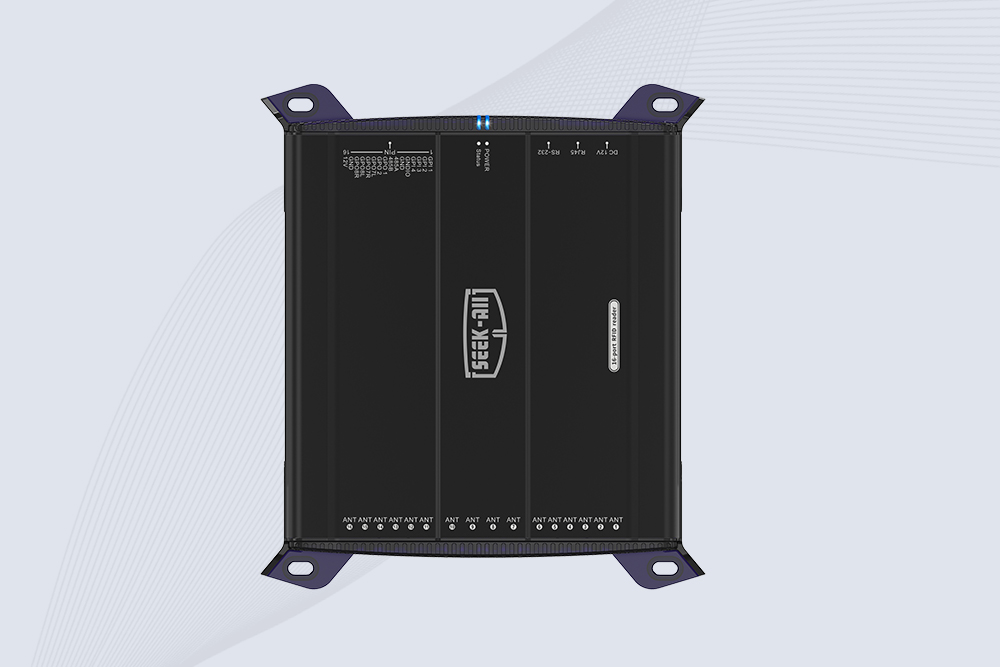
SSD-R16L Multi-Channel RFID Infrastructure for Automated Inventory Management ✔️ 16-Port High-Density RFID Reading Equipped with 16 SMA antenna ports, SSD-R16L supports multi-antenna deployment for warehouses, retail stores, logistics, production lines, and large-area RFID identification. ✔️ High-Speed & Long-Range Performance With up to 33…
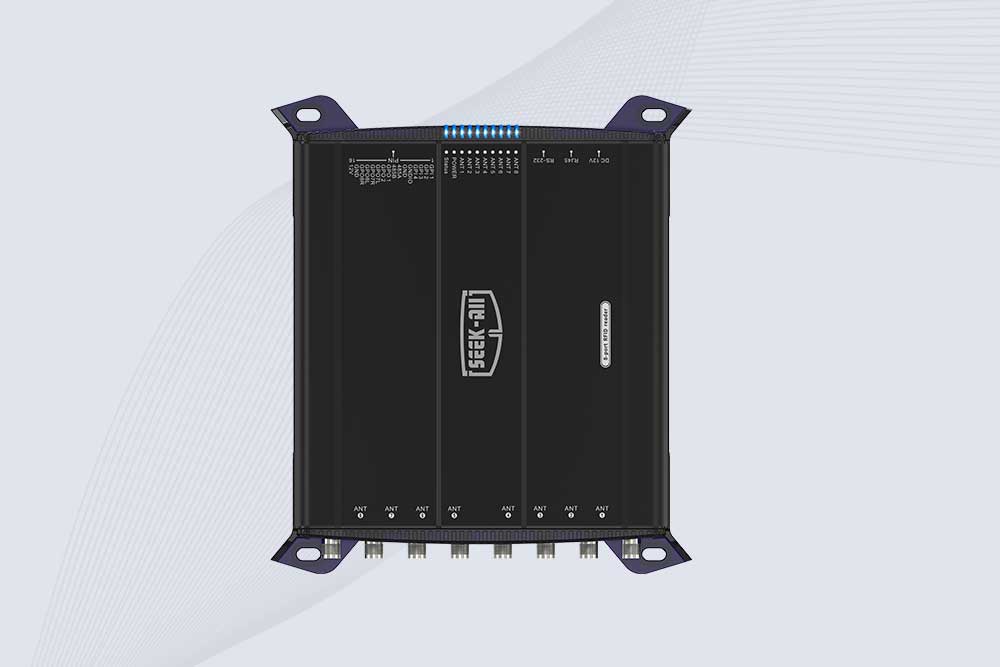
SSD-R8L 8-port UHF RFID reader with 33dBm output, up to 20m reading range and 600+ tags/s recognition. Ideal for warehouse, logistics, retail and asset tracking.
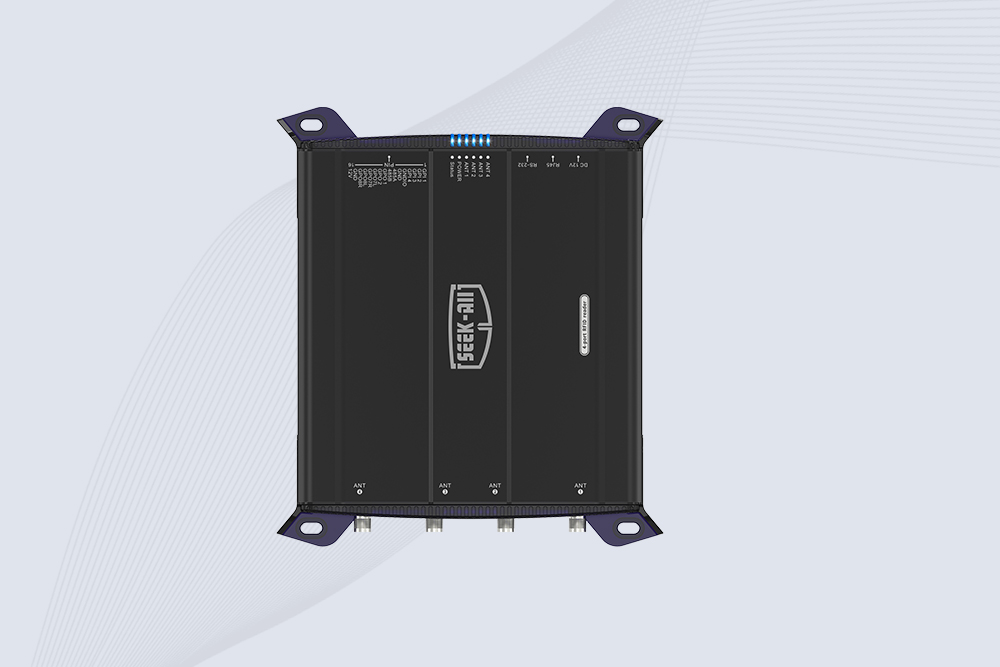
SSD-R4L is a 4-port UHF RFID fixed reader with 33dBm output power, up to 20m reading range, EPC C1G2 support and 600+ tags/s reading speed.
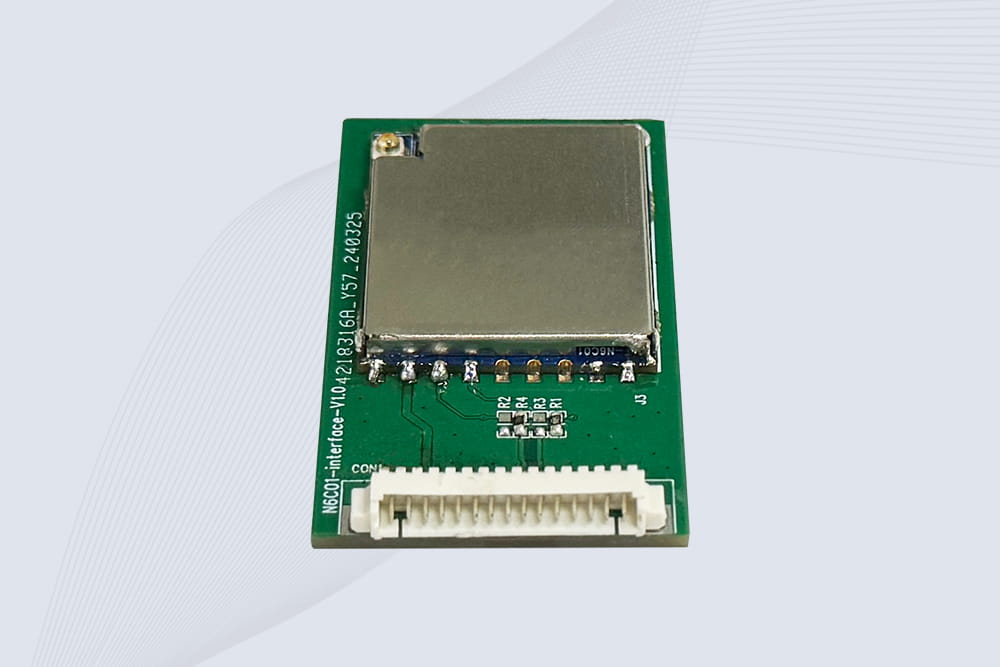
CYKEO Embedded RFID Modules are designed for compact industrial and IoT devices that require stable UHF performance. These UHF RFID Modules support global protocols, flexible power control, and reliable multi-tag reading for smart cabinets, production lines, and asset tracking systems.
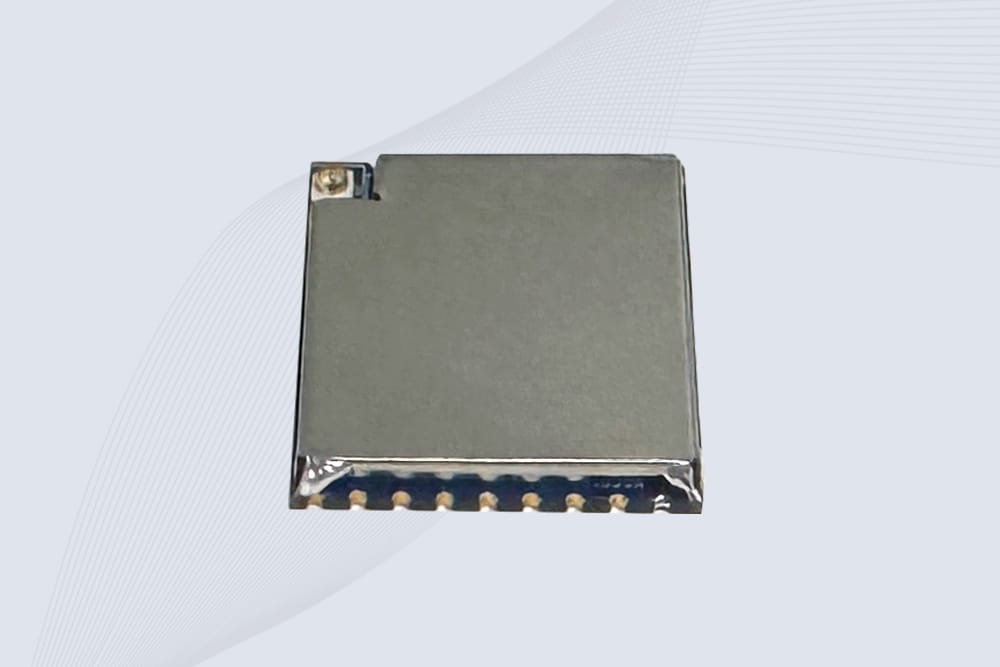
CYKEO Embedded RFID Module is built for compact IoT and industrial devices that need stable UHF performance. This UHF module supports global protocols, low power operation, and reliable multi-tag reading for smart lockers, production lines, and always-on RFID systems.
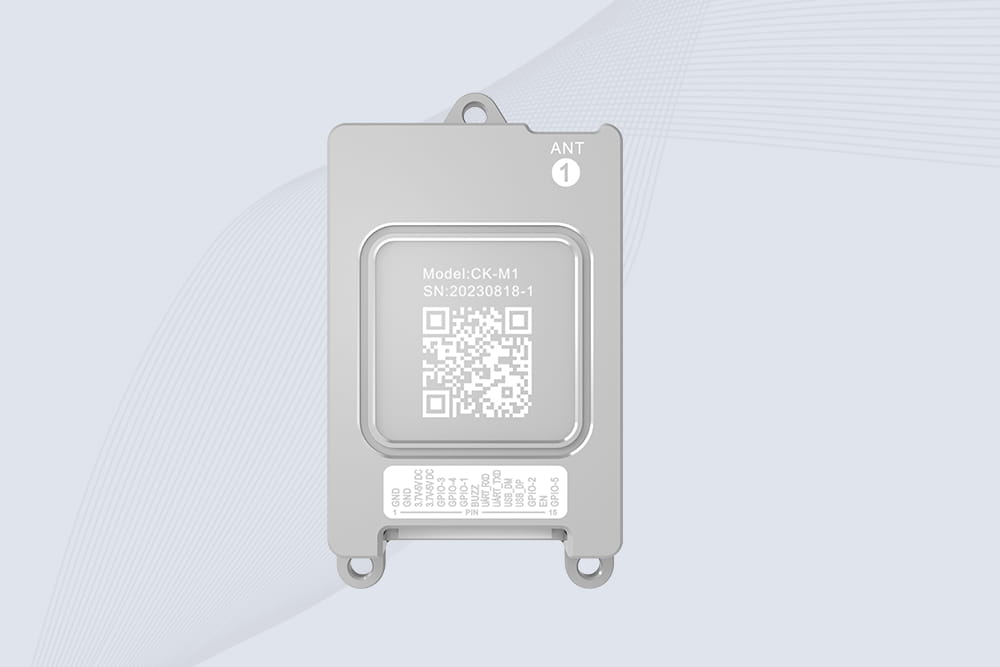
CYKEO CYKEO-M1 drone rfid module is a compact UHF RFID reader module designed for drones and UAV platforms. It supports long-range aerial scanning, fast multi-tag reading, and stable performance in wind, vibration, and outdoor environments.
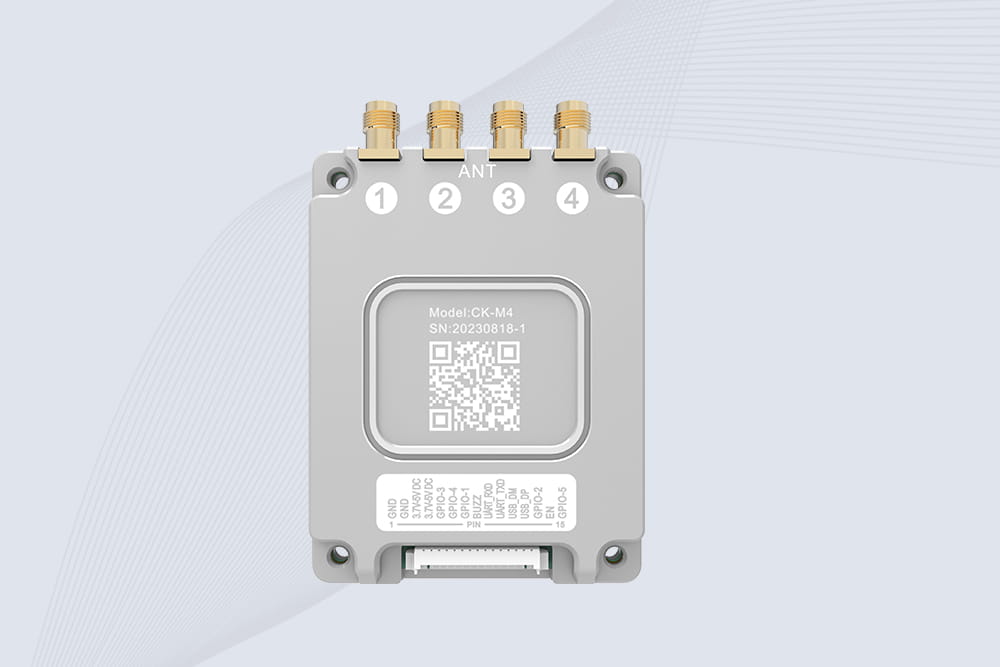
CYKEO CYKEO-M4 RC522 RFID Module is an industrial-grade UHF RFID reader with 4 ports, supporting ISO, EPC, and GB protocols. High-speed, accurate reading for IoT, automation, and warehouse applications.
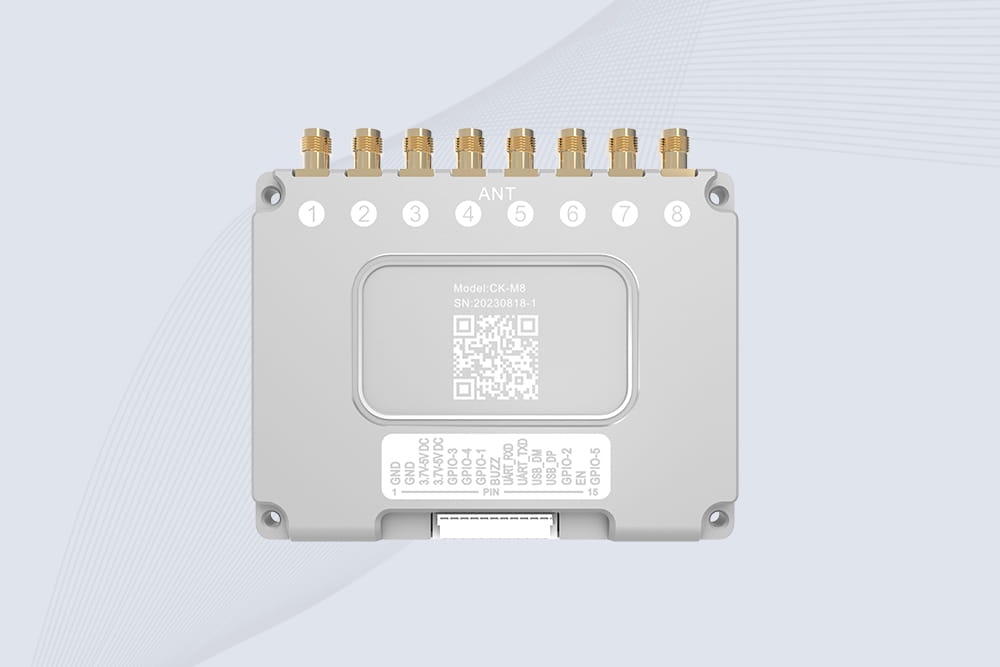
CYKEO CYKEO-M8 Module RFID is an 8-port UHF R2000 RFID Module designed for high-density, multi-tag environments. Stable 33dBm output, ISO & GB protocol support, ideal for warehouses, factories, and automated systems.
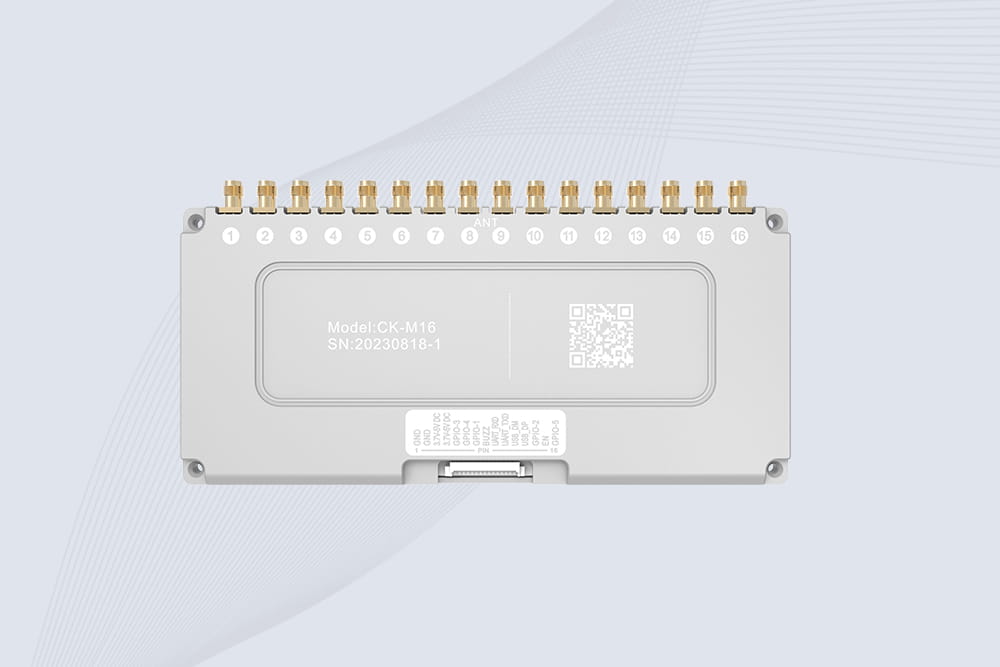
CYKEO CYKEO-M16 RFID Module is a 16-port UHF RFID reader module based on the R2000 chipset. Designed for dense tag environments, it supports ISO and GB standards and delivers stable multi-antenna control for industrial automation.
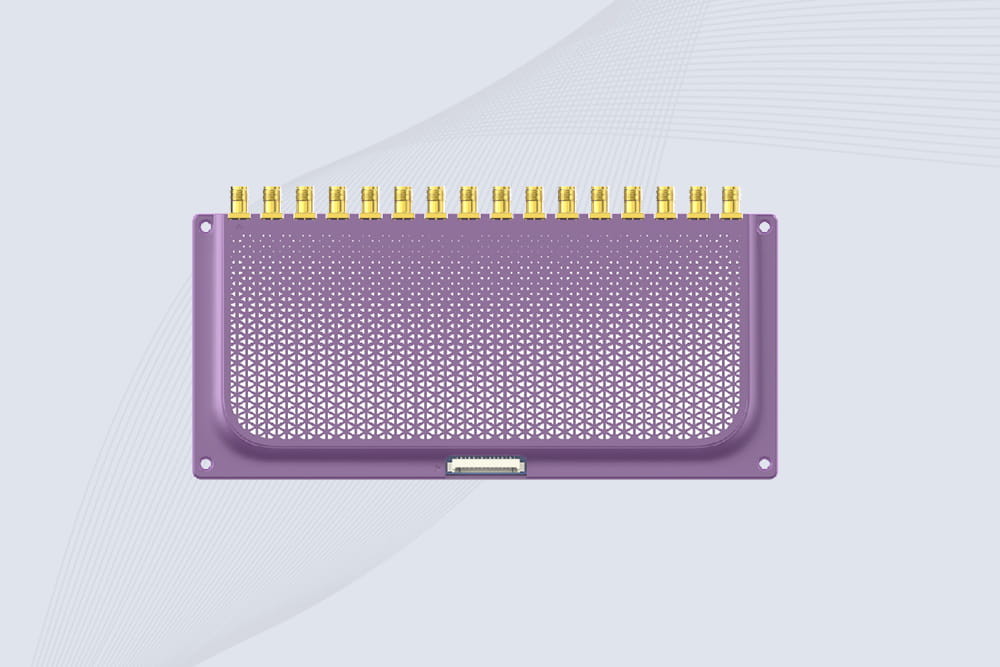
The CYKEO CYKEO-M16L RFID Reader Module is a 16-channel UHF RFID core designed for dense tag environments. With adjustable 33dBm output, multi-protocol support, and stable multi-antenna control, this RFID Tag Reader Module fits industrial automation, warehouse systems, and large-scale IoT deployments.
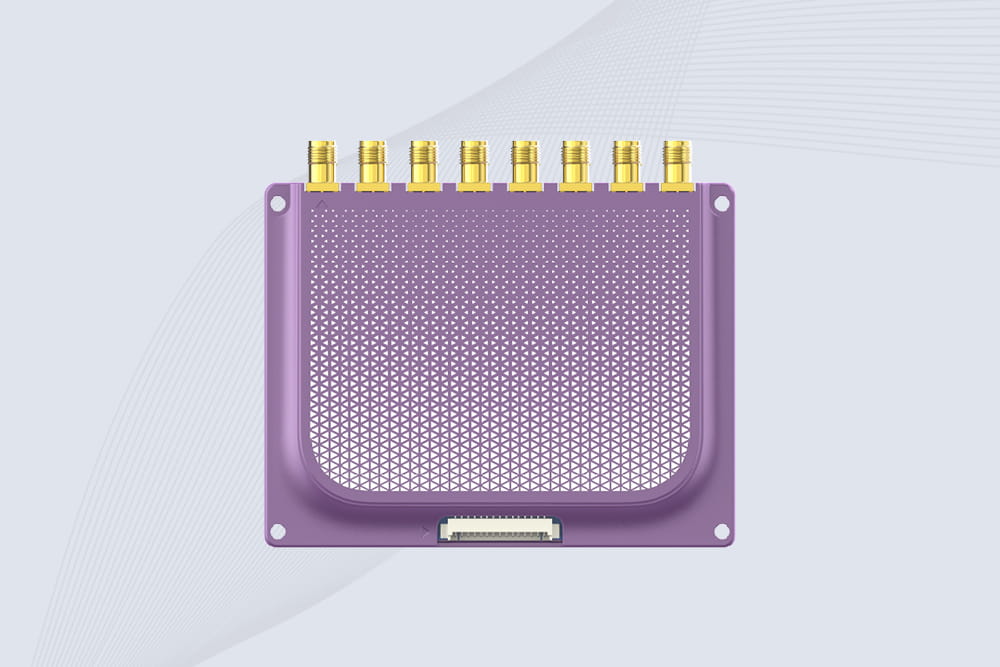
CYKEO CYKEO-M8L module RFID is a compact industrial UHF module built for dense tag and multi-antenna environments. With 8 RF ports, adjustable 33 dBm output, and ISO & GB protocol support, it is widely used in factories, warehouses, and automated tracking systems.
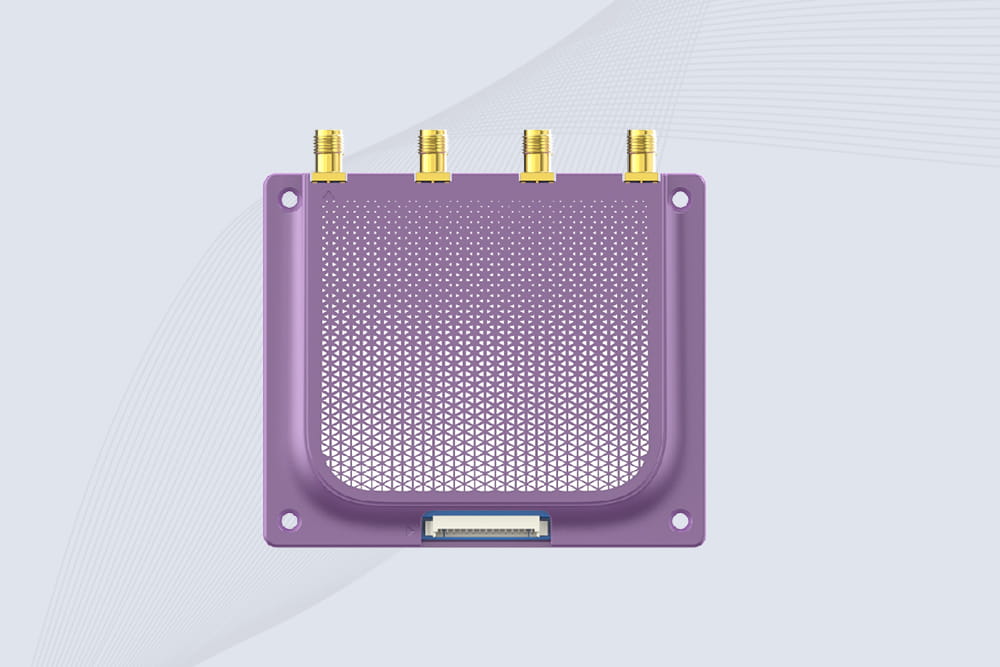
CYKEOCYKEO-M4L UHF RFID Module is a compact 4-channel RFID tag reader module designed for dense tag environments. Supporting ISO and GB protocols, it delivers stable reads up to 10 meters for industrial and IoT systems.
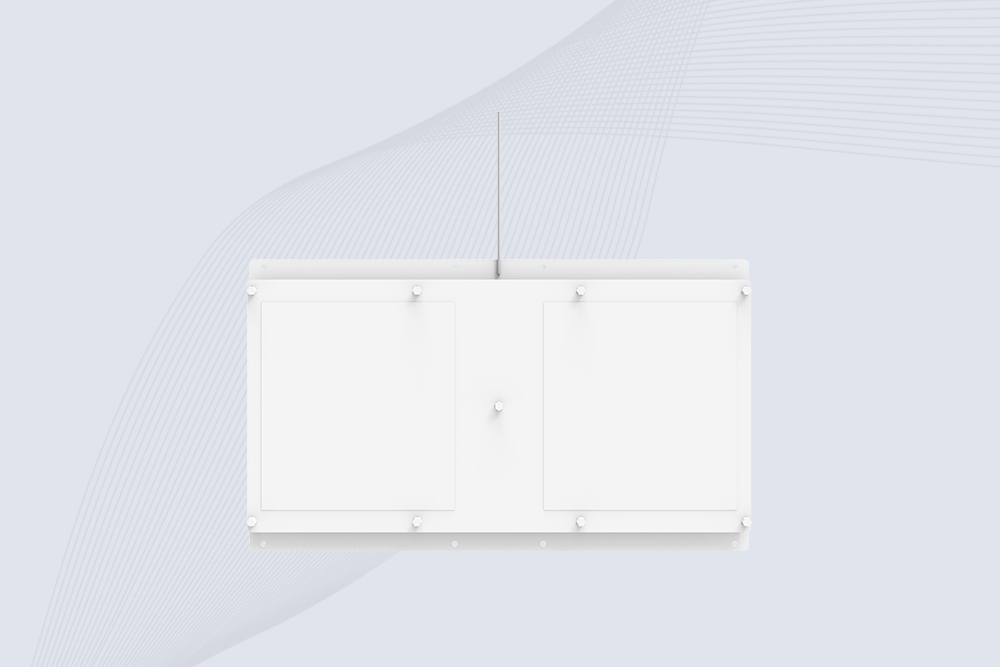
Cykeo CYKEO-A11 UHF RFID reader antenna delivers 11dBi gain, 840-960MHz frequency range, and IP65 ruggedness for retail, logistics, and industrial RFID systems. Features low VSWR and easy installation.
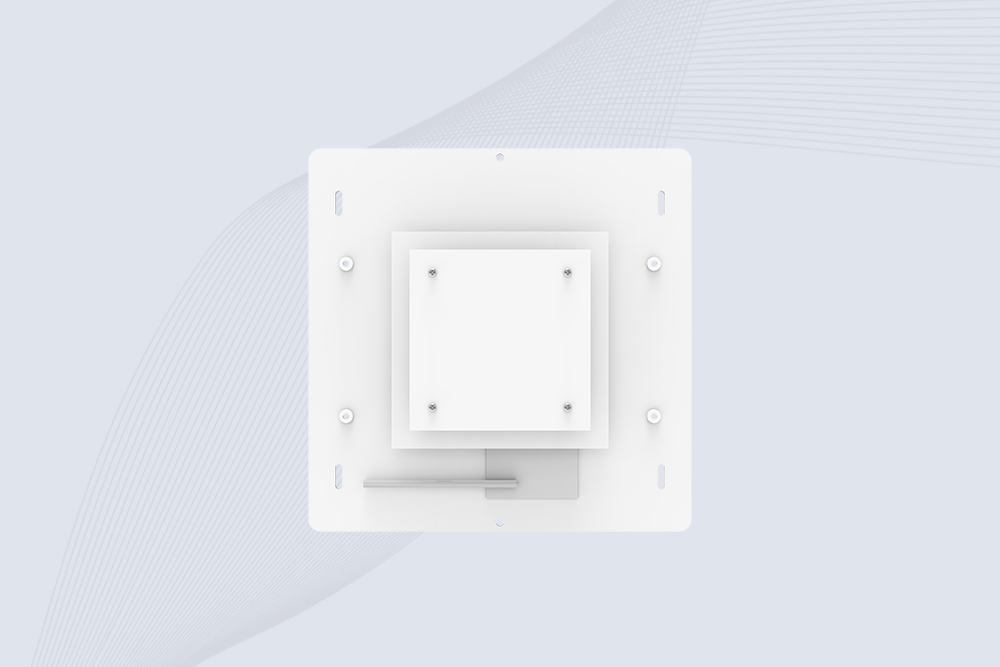
CYKEO Antenna RFID Reader delivers stable long-range UHF performance with a 10.5dBi directional design, built for warehouses, conveyor portals, and industrial RFID systems. This rfid reader antenna provides 20m+ read distance and rugged IP67 protection.

Cykeo CYKEO-PHF3 industrial HF RFID Antenna offers 24-point dynamic tracking, ISO 14443A/15693 protocols, metal-environment stability for archives/libraries/manufacturing.

Cykeo CYKEO-A5B industrial Linear RFID Antenna delivers 5dBi gain, ≤1.5:1 VSWR, and IP65 rugged design for warehouse, production line, and logistics UHF systems.

Cykeo’s CYKEO-B12 Long Range RFID Antenna delivers 15m+ read range with 12dBi gain, IP65 rugged design, and global 840-960MHz UHF support. Ideal for warehouse/logistics asset tracking.
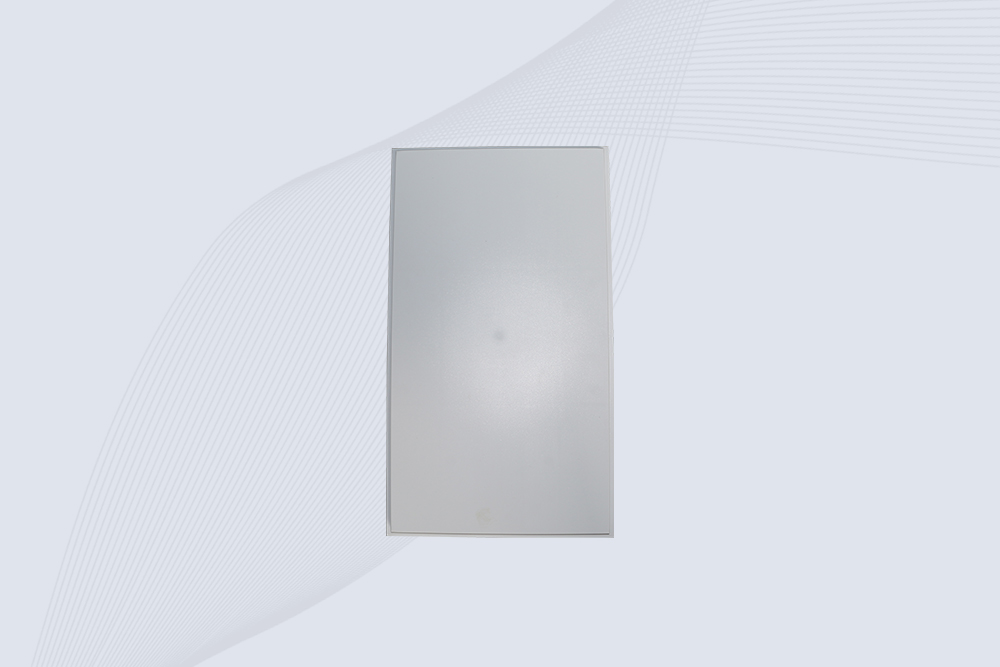
Cykeo CYKEO-B10 Long Distance RFID Antenna offers 10dBi gain, 840-960MHz frequency range, IP65 rating, and 20m+ coverage for logistics/warehousing/ETC systems. Low VSWR ensures stable signal transmission.
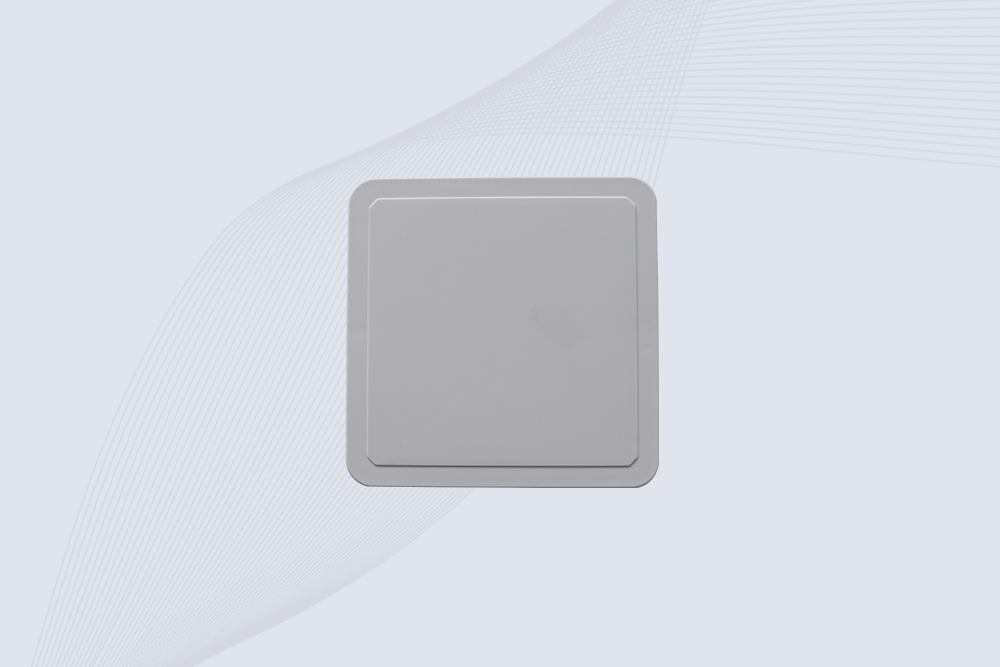
Cykeo CYKEO-A6 UHF RFID panel antenna features 6dBi gain, 840-960MHz broadband, IP65 metal-ready housing for logistics/smart retail. 18mm ultra-thin design with tool-free mounting.

Cykeo CK-A3 industrial antenna RFID UHF offers 5m+ tag detection, ≤1.3:1 VSWR, IP65 rugged design, and global UHF spectrum compatibility (840-960MHz) for warehouses, factories, and retail.
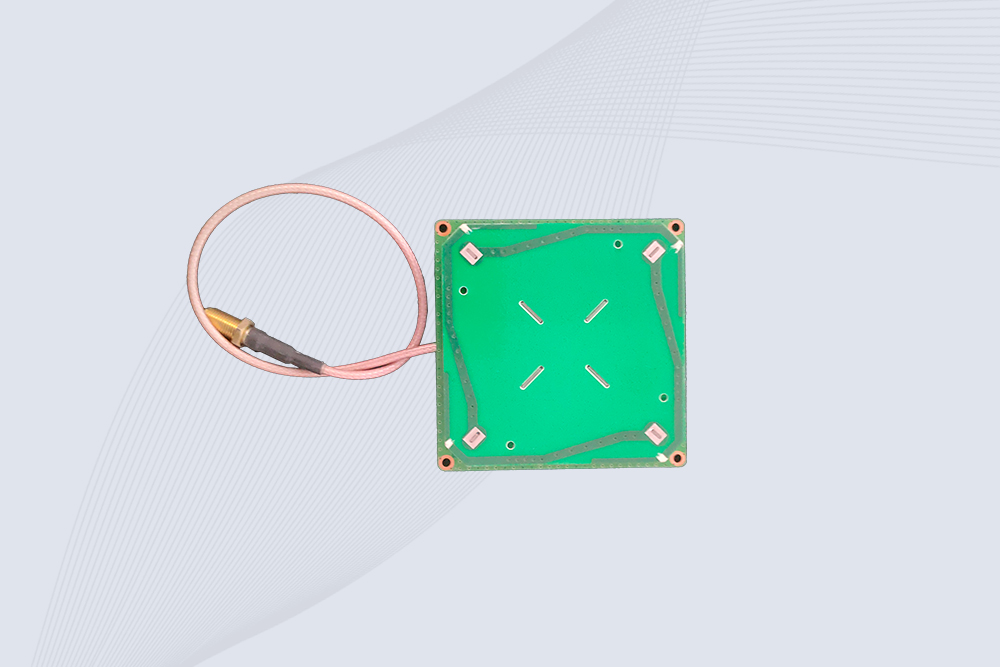
Cykeo CYKEO-B5 directional RFID antenna provides 5dBi gain with 60° narrow beamwidth for precise inventory tracking. IP65-rated, global UHF frequency support, and low VSWR.
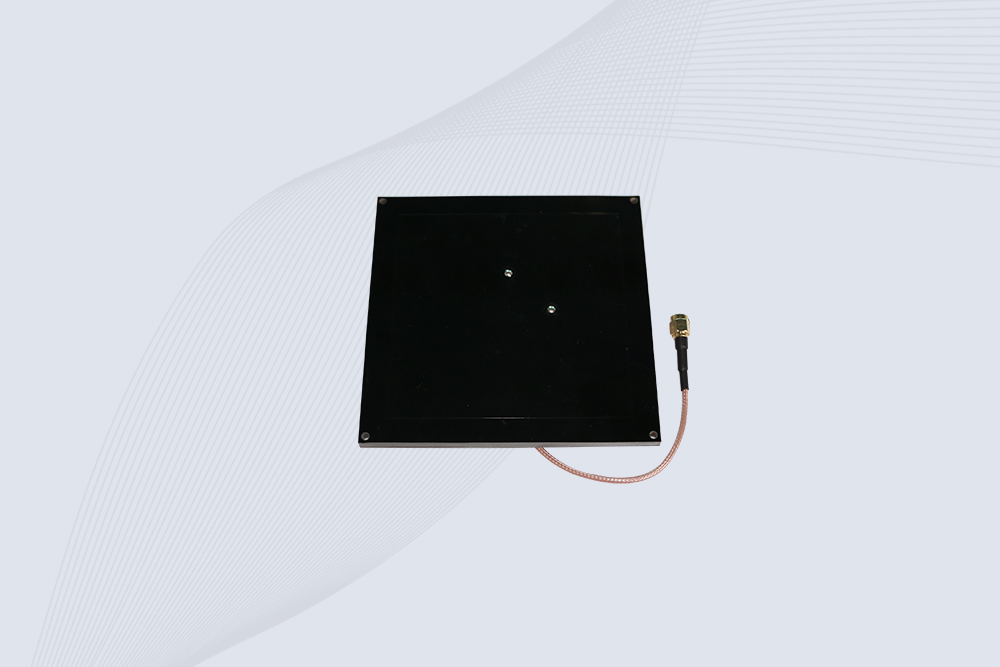
Create your own high-performance DIY RFID antenna! 5dBi gain, 840-960MHz tunable, step-by-step guides. Compatible with Arduino, Raspberry Pi, and commercial UHF readers.
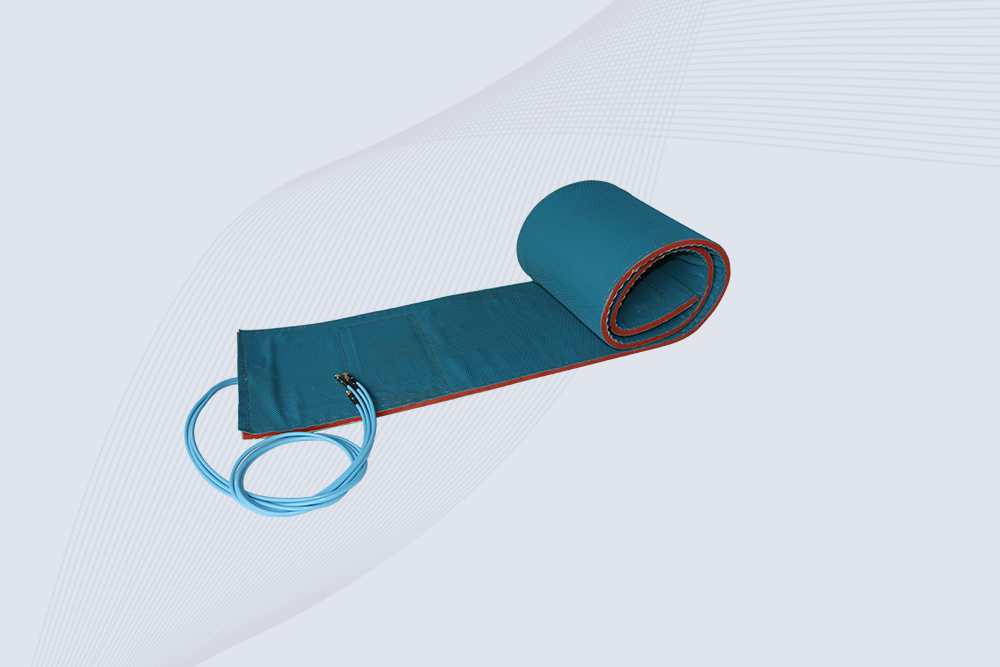
Cykeo CYKEO-A7 Flexible RFID Antenna features 840-960MHz wideband tuning, 7dBi gain, and IP68 rating for medical/retail/industrial curved surface deployments. 98% read accuracy with peel-and-stick installation.
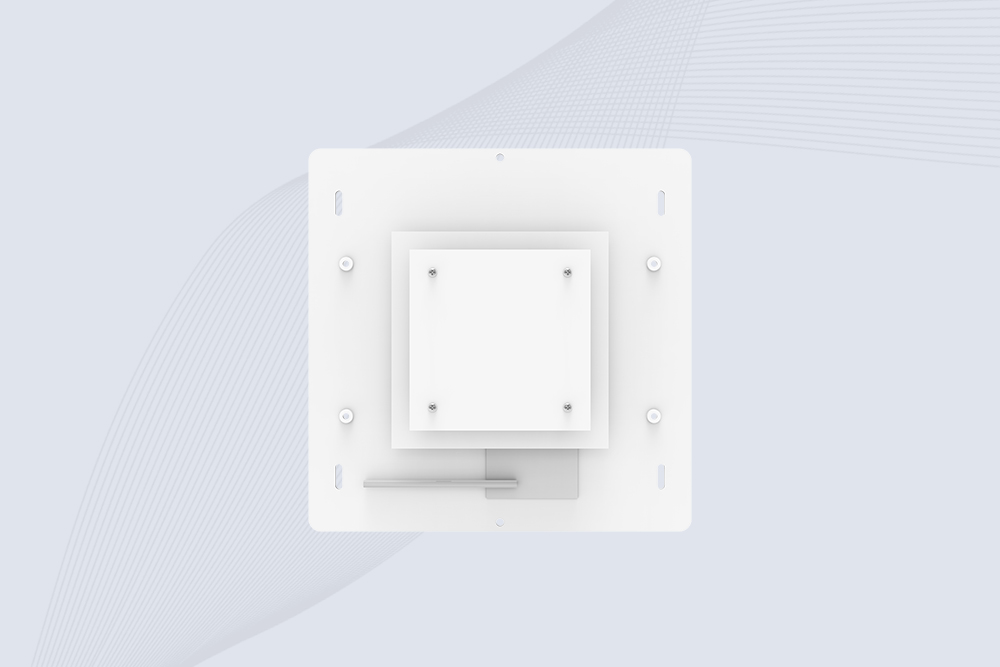
Cykeo CYKEO-B5A industrial Passive RFID Antenna delivers 5dBi gain, 70° beamwidth, and -40°C~55°C operation for warehouses/smart cabinets. Compatible with Zebra/Impinj readers.
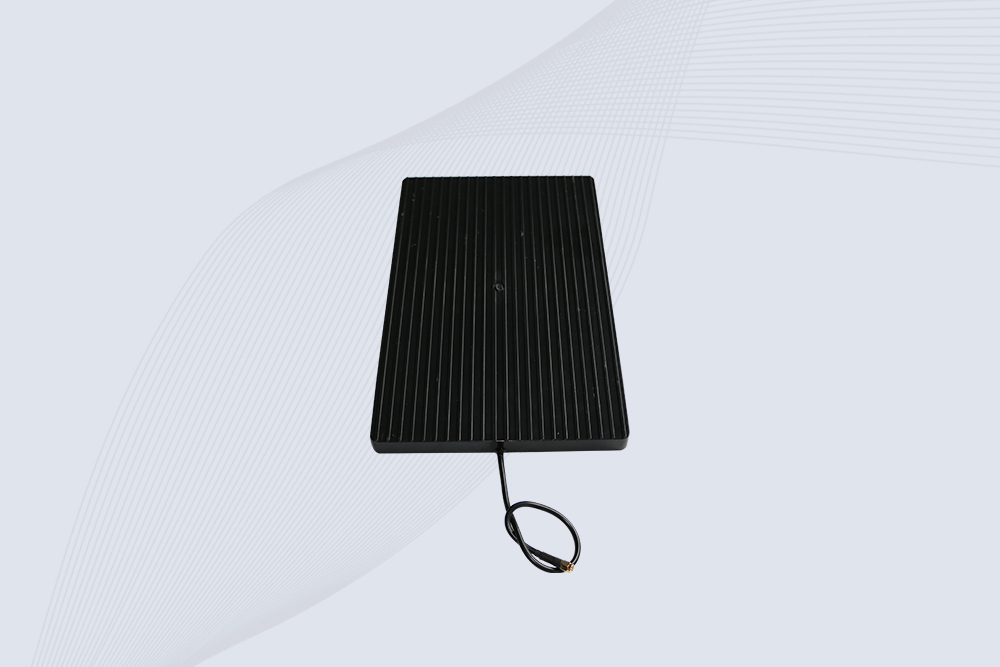
Cykeo’s CYKEO-A9B High Gain RFID Antenna delivers 15m+ read range with 9dBi amplification. Features IP54 rugged design, 840-960MHz bandwidth, and 80° beamwidth for warehouse/manufacturing RFID systems.

Cykeo’s enterprise-grade 8dbi Impinj RFID Antenna 10m+ read range with 840-960MHz tuning. Features IP65 housing, 1.4 VSWR, 35° beamwidth for retail/warehouse RFID systems.
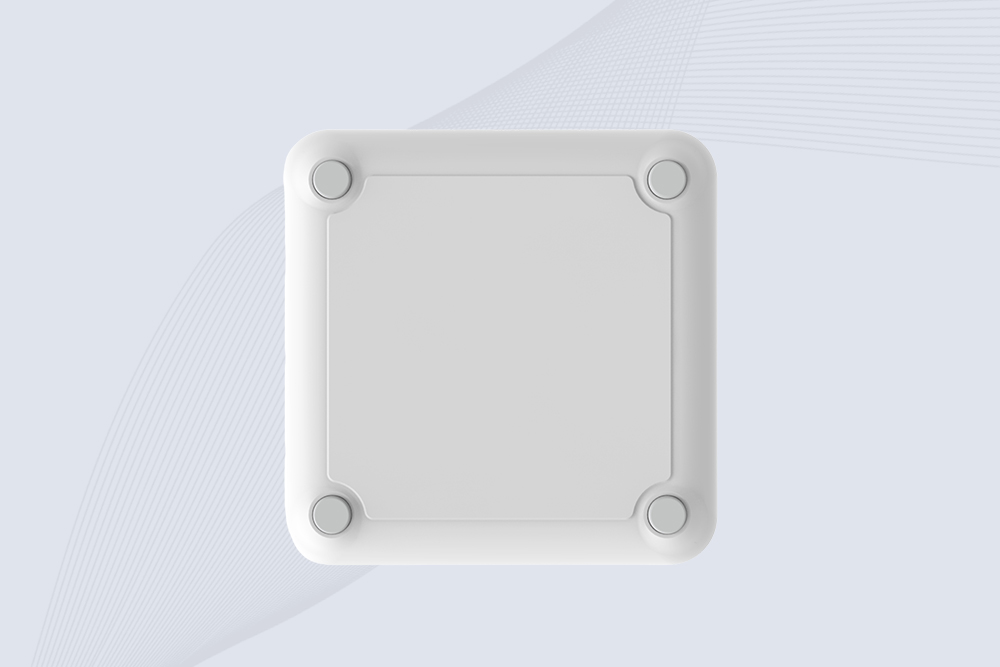
Cykeo CYKEO-A9 industrial UHF RFID antenna delivers 9dBi gain, 840-960MHz frequency range, and IP65 protection for warehouse/logistics/retail RFID systems. Features N-type connector and ≤1.3:1 VSWR.
CYKEO UHF RFID Antenna built for long-distance and industrial applications. This antenna rfid uhf delivers strong gain, outdoor durability, and reliable tag performance in warehouses, yards, and vehicle ID systems.
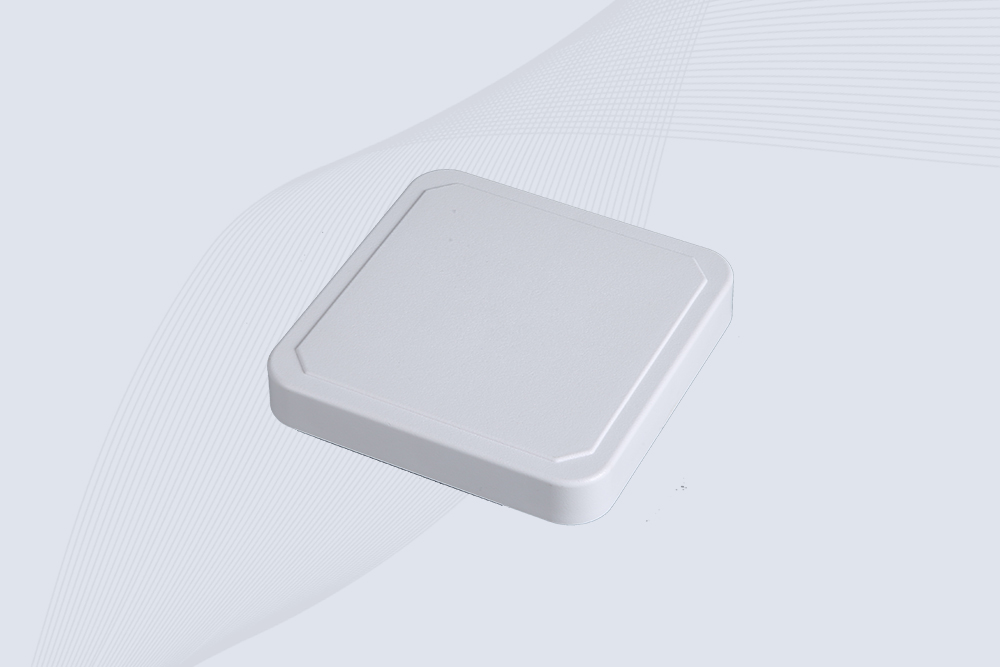
CYKEO Antenna RFID delivers reliable long-range UHF performance in warehouses, retail shelves, and cold-chain environments. This compact uhf rfid antenna provides stable reads with circular polarization and ultra-wide 840–960 MHz support, ideal for industrial tracking, smart shelves, and asset monitoring.
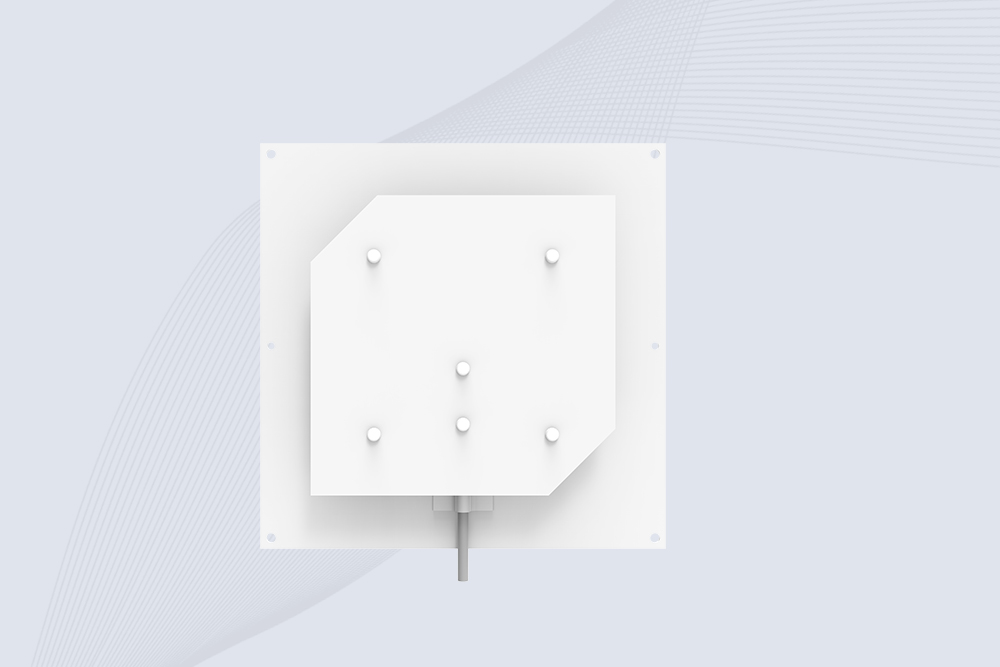
Cykeo’s CYKEO-C8 UHF RFID antennas delivers 8dBi gain, 840-960MHz full-band coverage, and IP65 ruggedness for manufacturing/warehouse RFID systems. Industrial RFID Antennas Features
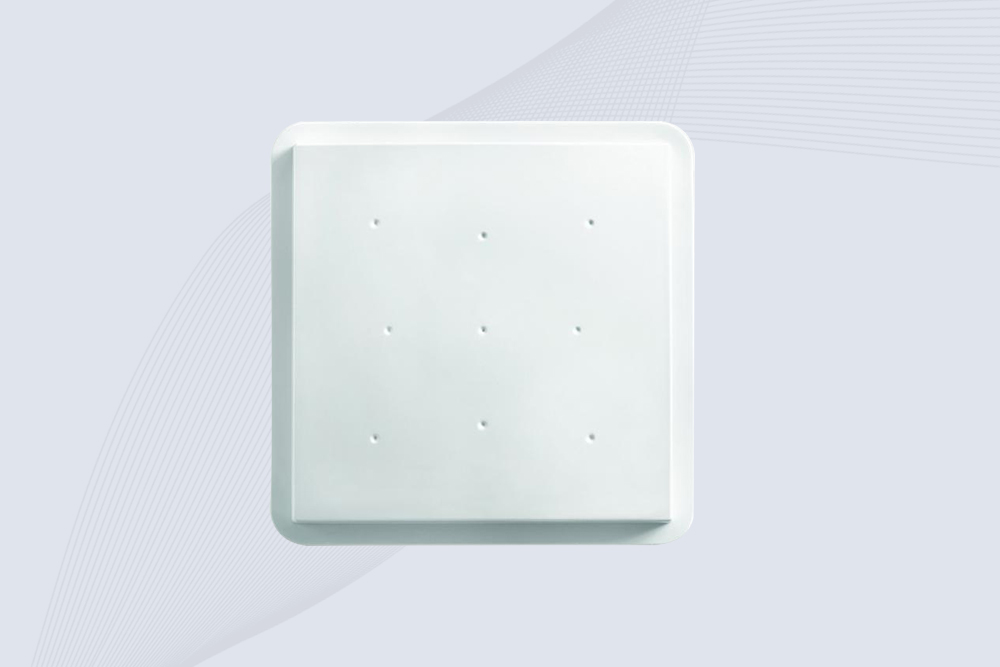
Cykeo’s 8dBi UHF RFID antenna and reader kit delivers 10m+ range, 840-960MHz broadband, and IP65 ruggedness for factories, warehouses, and logistics. ISO 18000-6C & EPC Gen2 certified.
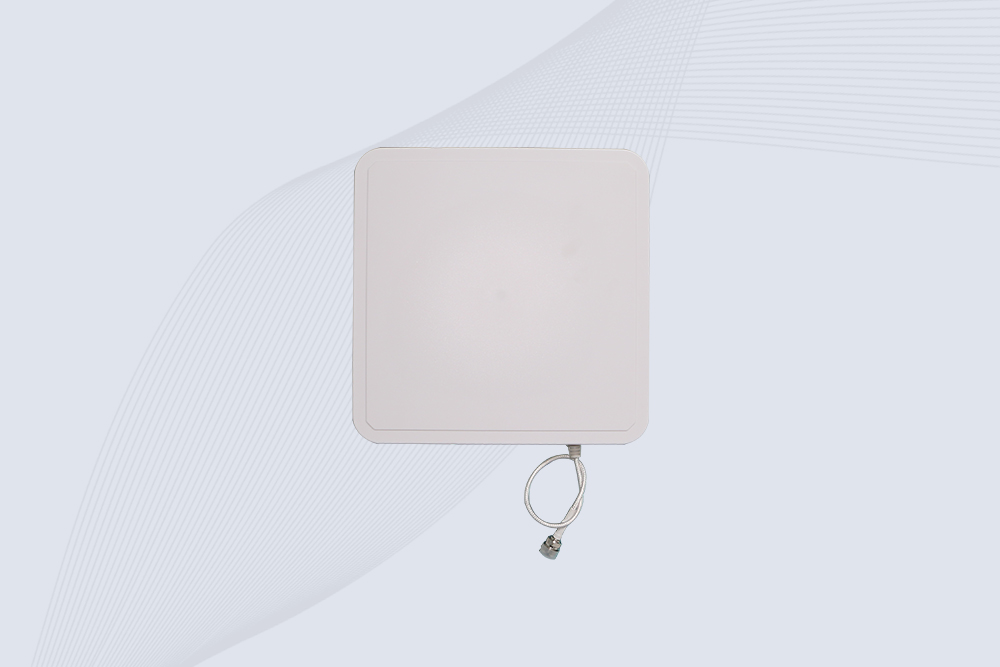
Cykeo CYKEO-A9A industrial UHF RFID reader and antenna kit delivers 10m range, 500 tags/sec, IP65 ruggedness for manufacturing/logistics. Supports EPC Gen2, ISO18000-6C.
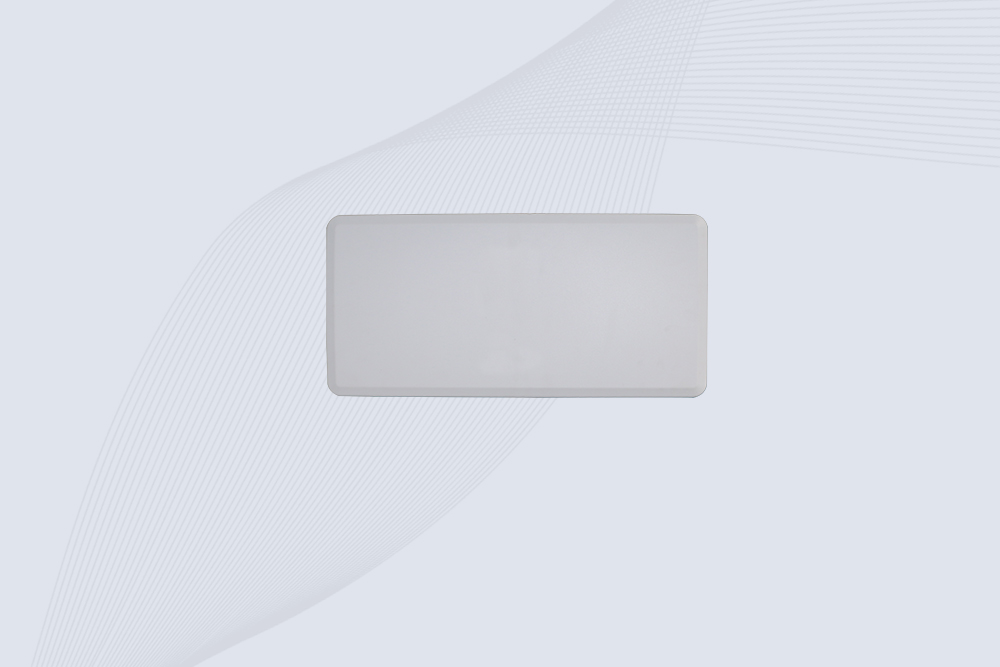
Cykeo’s CYKEO-A12C UHF Large RFID Antenna delivers 12dBi gain, 840-960MHz global frequency, IP65 ruggedness for logistics/warehousing/automotive. 40° beamwidth ensures stable 15m+ tag reads.

CYKEO Near Field RFID Antenna provides precise 5–30 cm reading for shelves, cabinets, and workstations. This compact rfid shelf antenna delivers stable short-range performance around metal and clutter, ideal for pharmacies, libraries, and electronics sorting.
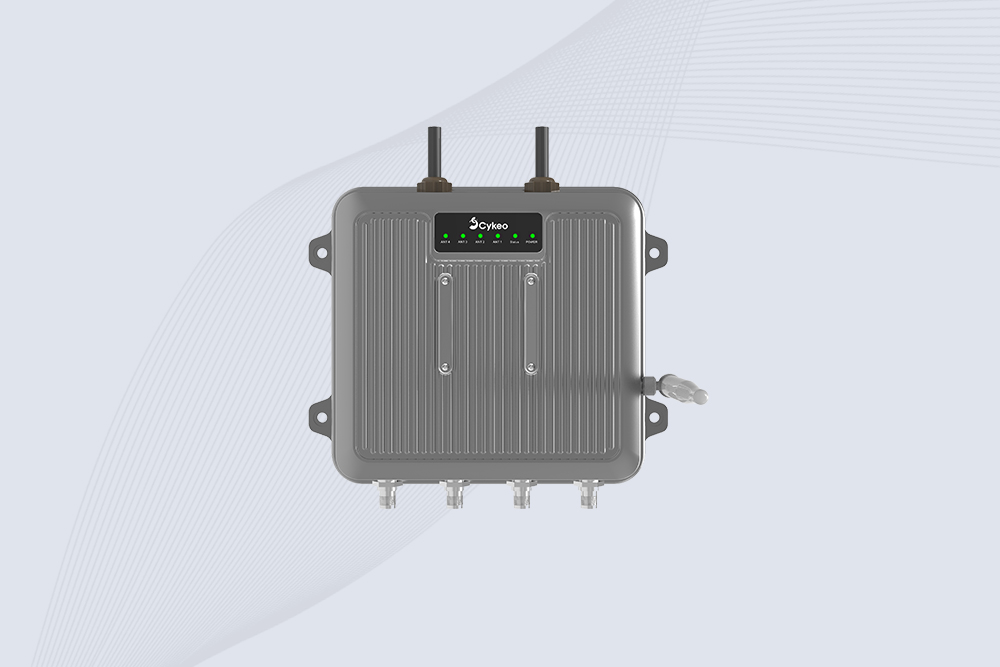
Cykeo CYKEO-C1 industrial Forklift RFID Reader features 20m read range, 600 tags/sec scanning, Impinj R2000 chipset, and IP67 rugged design. Ideal for warehouse logistics and manufacturing. Supports ISO 18000-6C/6B protocols.
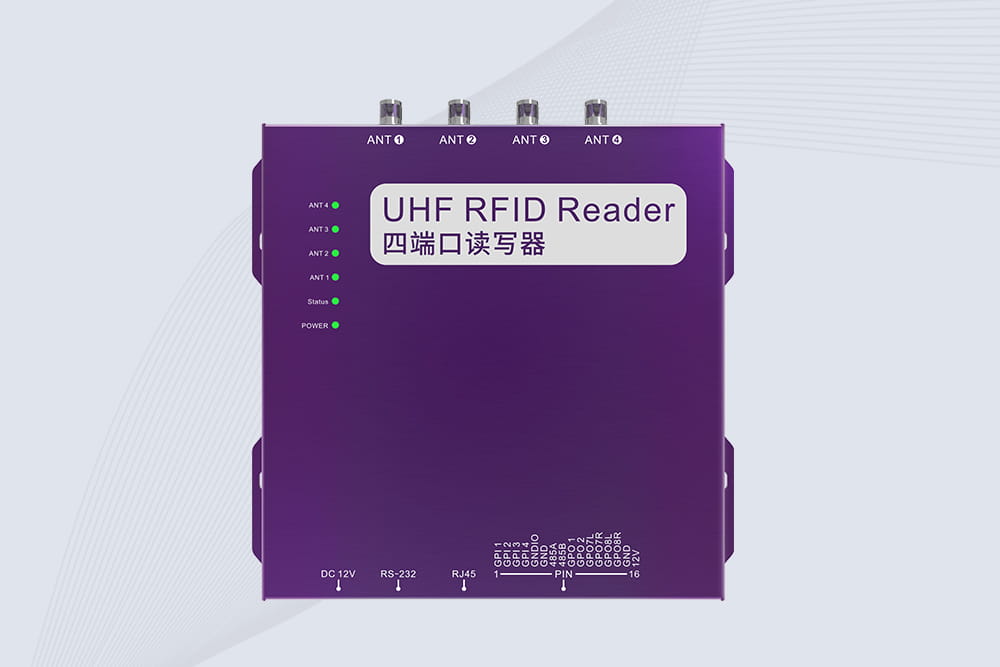
Cykeo CYKEO-R4 industrial UHF RFID Fixed Reader features 4 TNC ports, 400+ tags/sec speed, IP67 housing, and global frequency compliance for vehicle inspection, smart warehouse, and asset management systems.
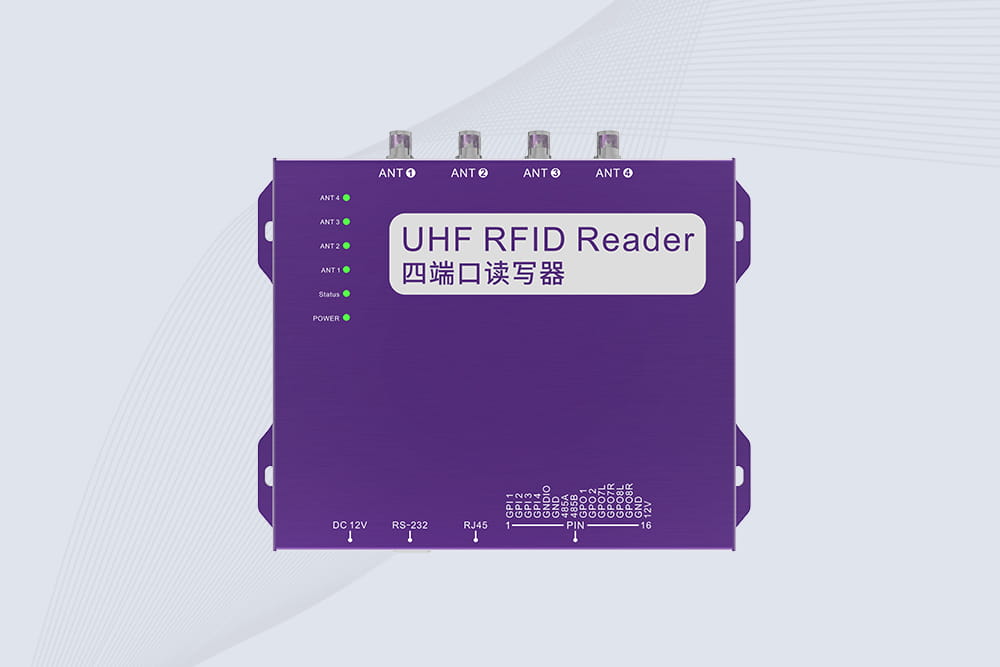
Cykeo’s CYKEO-R4L 4-port Fixed UHF RFID Reader delivers 400 tags/sec scanning, ISO 18000-6C compliance, and IP65 protection. Ideal for warehouse automation, manufacturing WIP tracking, and logistics management.
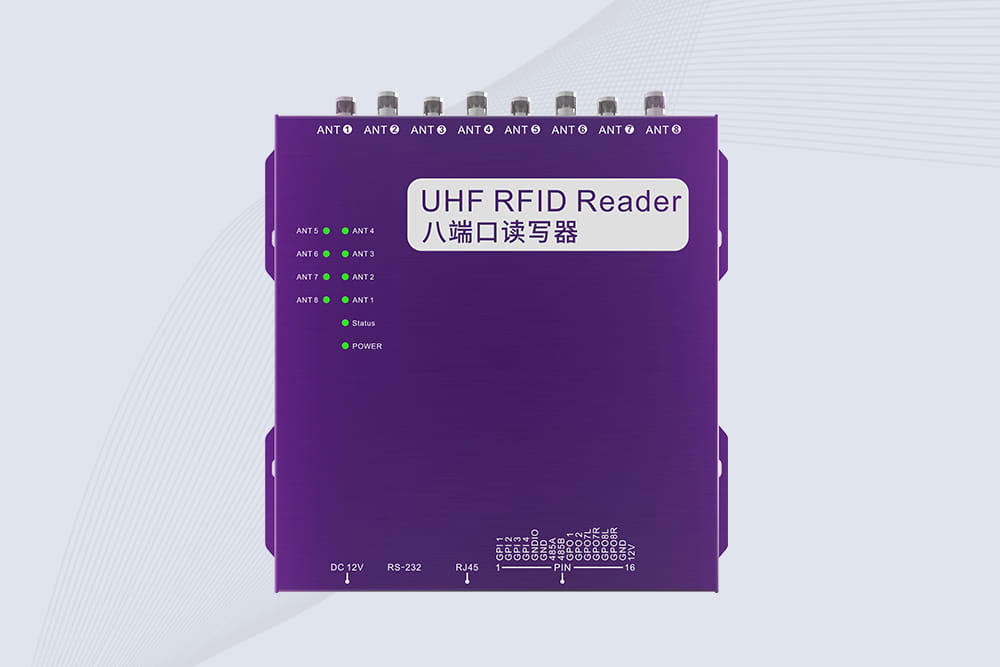
CYKEO CYKEO-R8L Fixed RFID Reader with 8-port UHF design, Impinj-based RF core and up to 20m read range. An industrial Fixed RFID Reader for vehicle inspection, warehouse portals, smart manufacturing lines and secure access checkpoints.
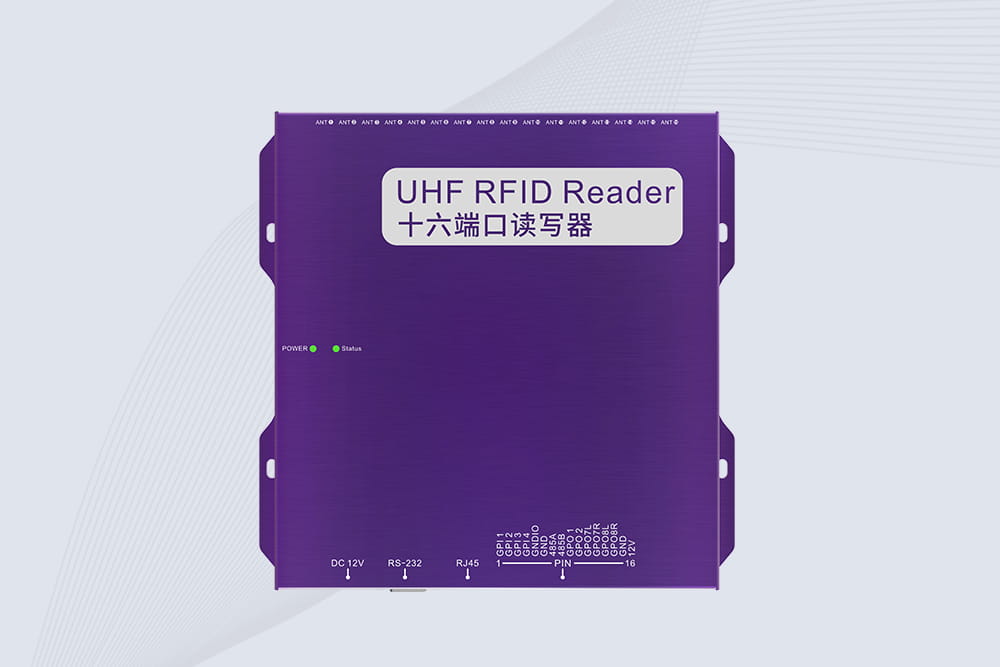
RFID Fixed Reader from CYKEO – the CYKEO-R16L 16-port UHF fixed reader for warehouses, smart cabinets, and production lines. Long-range, multi-tag reading, stable performance for 24/7 industrial use.
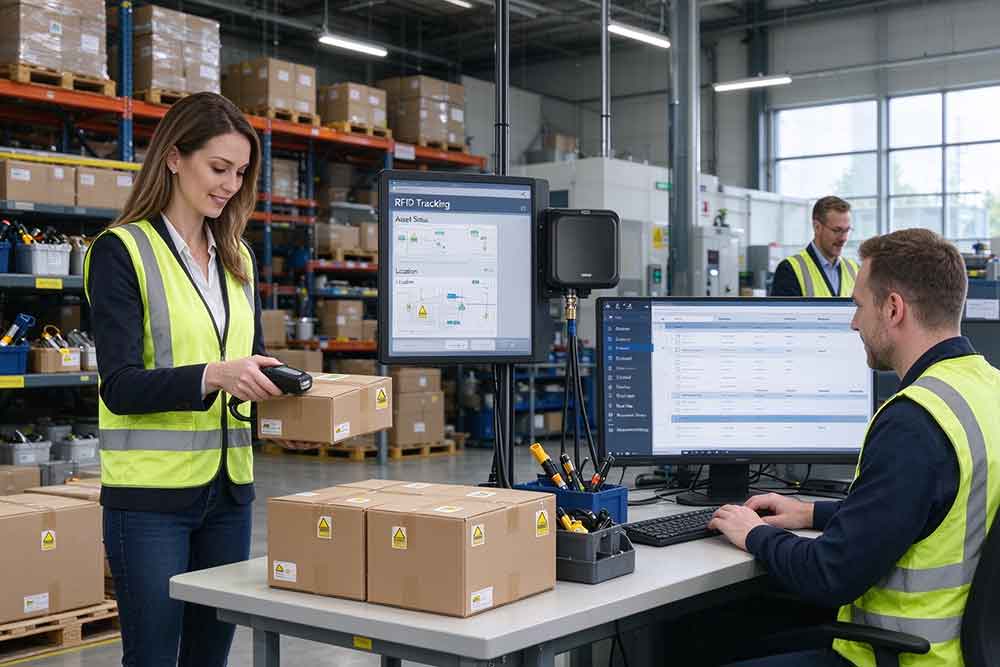
RFID tracked means an object with an RFID tag is identified and monitored through RFID readers and software, creating digital records of item identity and mo...
More
RFID vs barcode for inventory management: Discover which tech reduces stocktakes from days to hours. Real speed tests, hidden costs, and when to switch.
More
Learn how RFID frequency range affects read distance, speed, and performance. Compare LF, HF, and UHF RFID systems with real-world insights from Cykeo RFID experts.
More
RFID serves to identify, track, and manage physical objects through wireless communication between RFID tags and readers, connecting assets with digital syst...
More