 Cykeo RFID IoT Solution Products R&D Manufacturer
Can Flipper Zero Read RFID? Let’s Get Real.
919Trying to use a Flipper Zero for RFID tasks? This no-nonsense guide explains its real-world capabilities, its hard limits, and when you truly need an industrial system.
MoreAll RFID Product
Walk into any modern logistics office or production line, and you’ll notice a quiet little device sitting beside the keyboard — a small UHF RFID reader desktop. It doesn’t look impressive. It’s not mounted on a gate, it doesn’t blink like a handheld scanner, yet it does the invisible heavy lifting that keeps many small-scale RFID operations running.
Most engineers don’t talk about these compact readers until they need one. That moment usually comes when the system requires tag verification, EPC encoding, or on-the-desk testing before deployment.
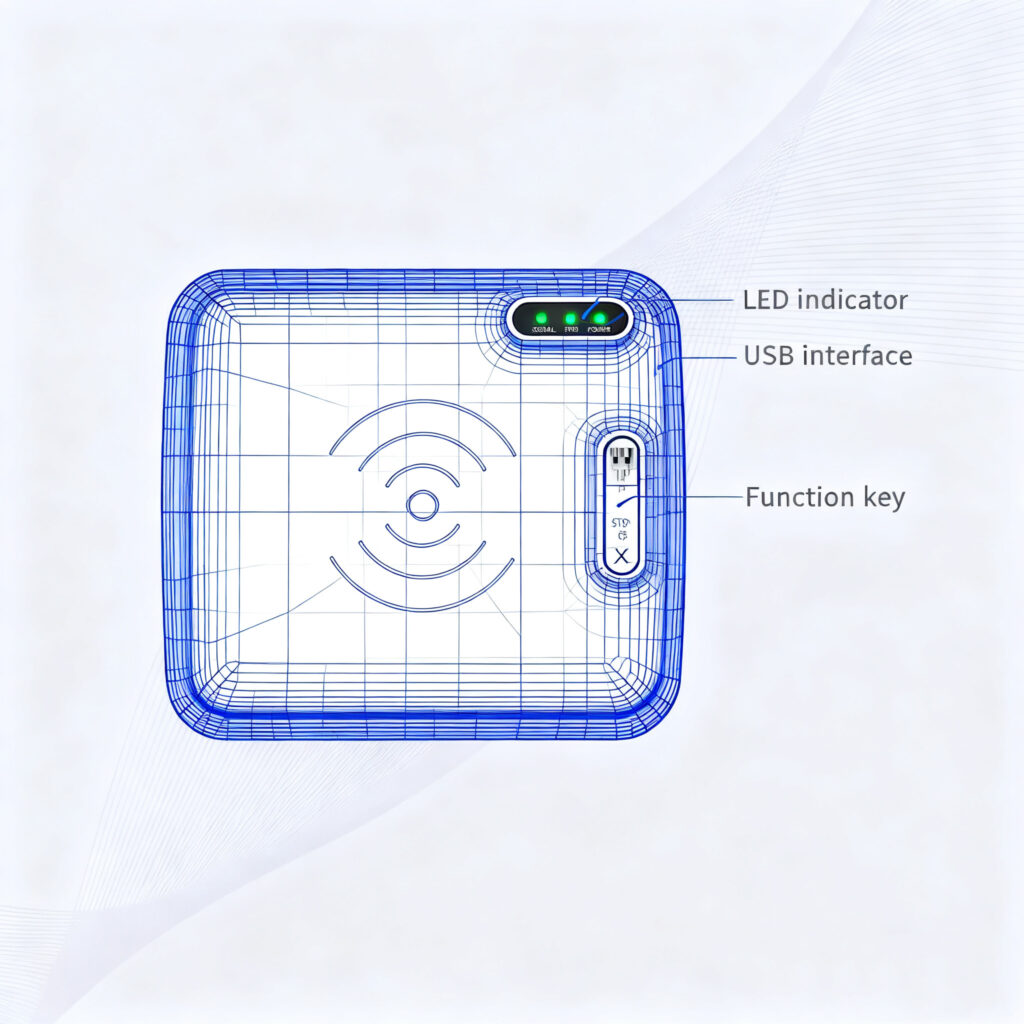
In simple terms, it’s a short-range reader designed for desk-based operations. Unlike industrial-grade fixed readers or handheld scanners, desktop units integrate both reader and antenna in a single body.
They connect directly to a PC via USB, often acting like a keyboard or serial device. Plug it in, open the software, place a tag near the surface — the EPC appears instantly.
The frequency range typically falls within 860–960 MHz, depending on your regional regulations, and it complies with EPC Class 1 Gen2 / ISO 18000-6C standards. Reading distance is modest — around 10 to 50 centimeters — but that’s exactly what you want for controlled reading.
Most RFID discussions focus on range, speed, and power — but small desktop readers solve a completely different problem: precision.
Imagine you’re encoding or verifying hundreds of tags a day. You don’t want to read every tag on your desk; you just want to read the one in your hand. That’s where the UHF RFID reader desktop shines.
It gives you controlled scanning, avoiding unwanted tag reads from surrounding items.
Another benefit: it’s affordable. Compared to industrial readers, the cost is often 1/10th or less. It’s ideal for startups, lab setups, or production lines that need reliable tag encoding without the infrastructure cost of large-scale antennas.
You’ll find desktop readers used in places that don’t make headlines — but they’re everywhere:
They’re also widely used in software testing. Developers can simulate tag behavior right from their workstation without walking to the warehouse gate each time.
Let’s be honest — these devices aren’t designed for long-distance or multi-tag reads. Their short read range is intentional. It avoids clutter and ensures accuracy for single-tag operations.
But performance can still vary depending on:
For stable reading, place tags flat on non-metal surfaces and maintain consistent distance. Even small adjustments — like changing the antenna angle — can drastically improve results.
If you’re planning to integrate a UHF RFID reader desktop into your software, a few things will save you headaches later:
A well-designed integration makes your application compatible with multiple desktop readers, so you can easily switch suppliers without rewriting code.
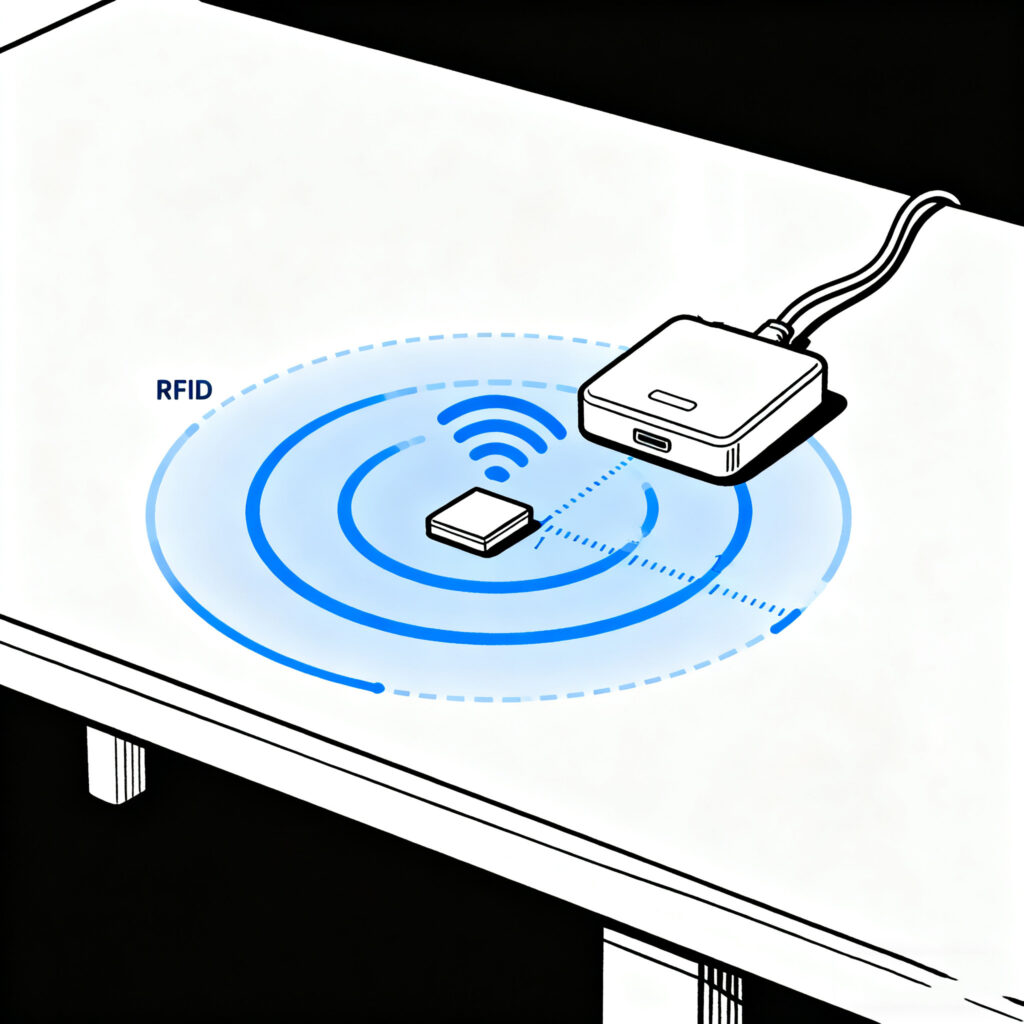
For all their simplicity, desktop UHF readers fill a gap that big systems often ignore. They don’t require RF planning, no antenna cables, no external power bricks. Just plug in, scan, and move on.
In small production environments or RFID labs, they act as the human interface to the invisible RFID network. They let engineers test, encode, and debug — all from their desks.
That’s why, even as industrial readers dominate large-scale automation, the humble UHF RFID reader desktop remains the go-to tool for everyday RFID work.
The next time you see someone at a desk quietly tapping tags under a small reader, don’t underestimate the setup.
Behind that simple gesture is a key link in the RFID ecosystem — a practical balance of precision, accessibility, and control.
Sometimes, innovation doesn’t roar with antennas and amplifiers.
Sometimes, it hums quietly beside your keyboard.

Discover SSD-D4AL, a USB-HID UHF RFID reader with 4/8/16 antenna options, Impinj E710/X3M1 chipset, plug-and-play USB power, and OEM customization.
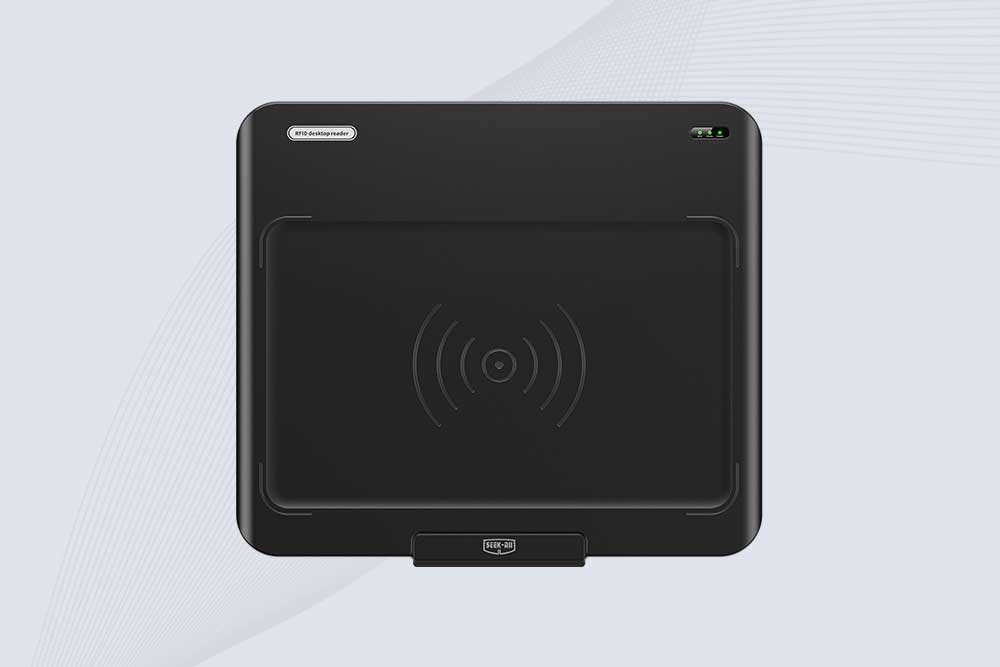
SSD-D3AL is a USB-HID UHF RFID reader with 0–30 cm reading, 0–15 cm writing, over 600 tags/s recognition, USB plug-and-play operation and OEM Logo customization.
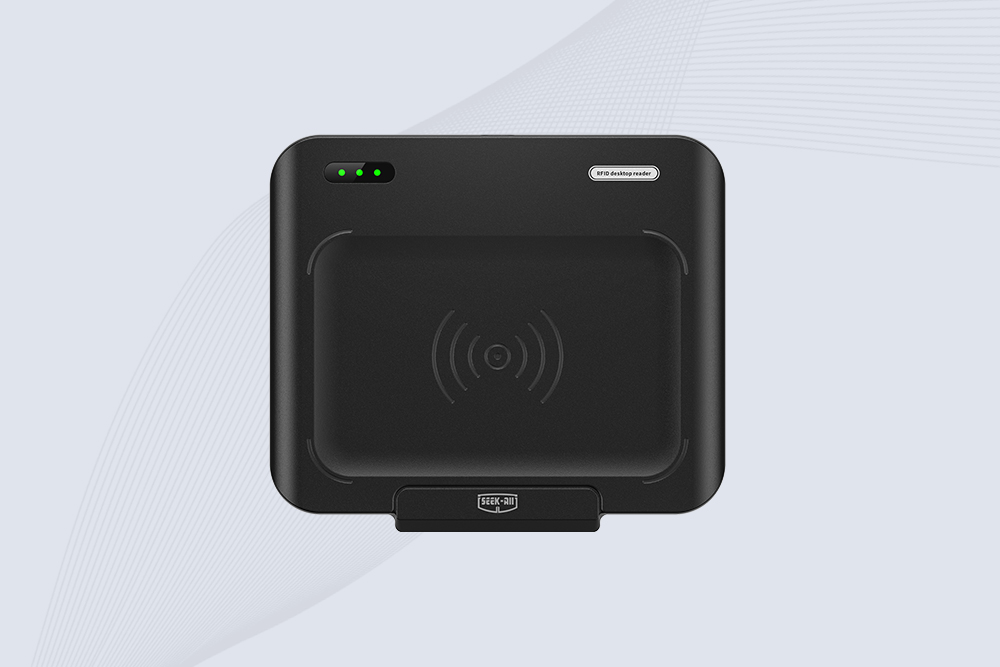
SSD-D1AL is a compact USB UHF RFID reader with Impinj E710/X3M1 chipset, USB-HID, 600+ tags/s recognition, 4/8/16 antenna support and plug-and-play USB power.

CYKEO CYKEO-D1LA USB RFID Reader is a compact desktop solution with near-field control for precise tag reading and encoding. Powered by USB, supporting ISO 18000-6C, and built for stable batch writing, this usb rfid tag reader fits retail, libraries, offices, and controlled RFID encoding tasks.
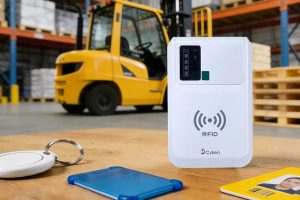
Trying to use a Flipper Zero for RFID tasks? This no-nonsense guide explains its real-world capabilities, its hard limits, and when you truly need an industrial system.
More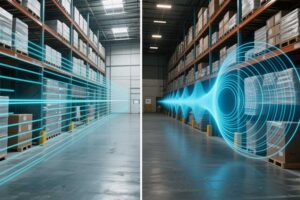
Discover the differences between linear and circular RFID antenna polarization and learn which is best for high-density environments like warehouses, retail stores, and logistics hubs.
More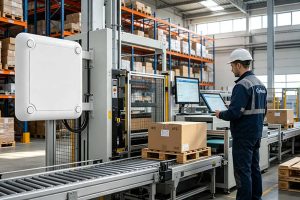
what are rfid readers and how do they improve inventory tracking? Explore RFID reader technology, applications, and Cykeo solutions for smart automation.
More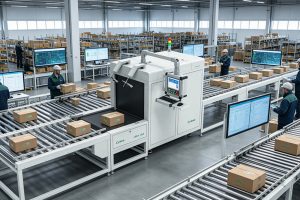
RFID inventory tracking systems provide real-time inventory visibility, faster stock counts, and higher accuracy. Discover how Cykeo RFID solutions streamline warehouse operations.
More