 Cykeo RFID IoT Solution Products R&D Manufacturer
Can a Smartphone Read RFID?
349Thinking of using your phone as a scanner? We answer "can a smartphone read RFID" and explain the major technical and practical limitations for business use.
MoreAll RFID Product
If you’ve ever tried replacing an RFID card or matching it with a new reader, you’ve probably run into the same problem most people do: you don’t actually know what frequency the card uses.
At first glance, RFID cards all look almost identical. But inside, they can work on completely different frequencies, and that matters more than most people realize. A card that works perfectly with one system may do absolutely nothing on another reader simply because the frequencies don’t match.
The good news is that checking an RFID card frequency usually isn’t difficult. In many cases, you can figure it out in just a few minutes using a phone, a reader, or even the card itself.
Here’s how people normally identify RFID card frequencies in real-world situations.
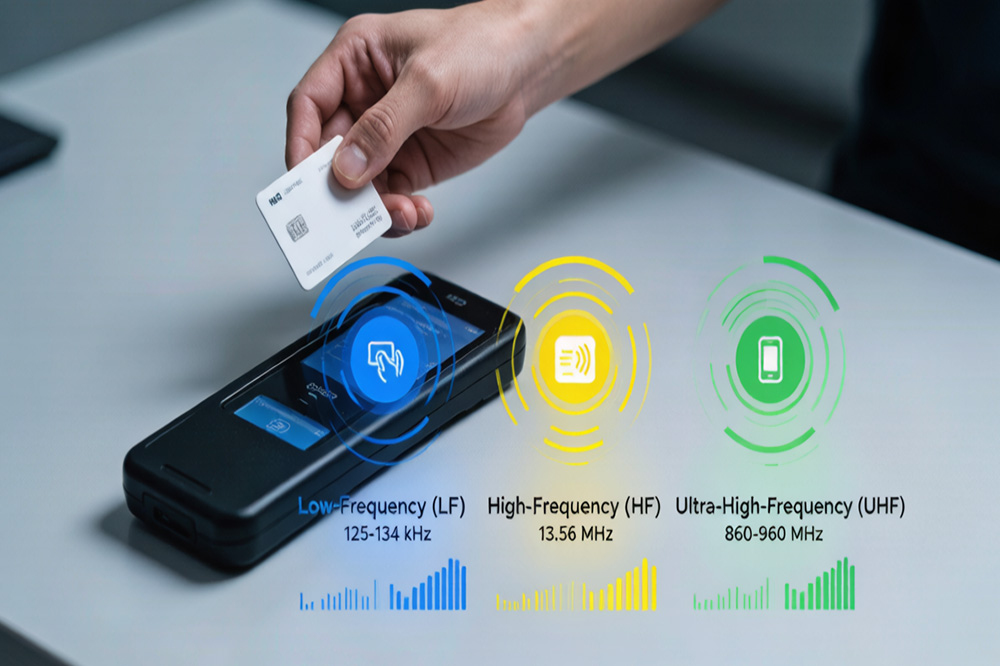
Most RFID cards fall into one of three groups:
| Type | Frequency | Common Uses |
|---|---|---|
| LF (Low Frequency) | 125 kHz | Older access control systems, parking cards |
| HF (High Frequency) | 13.56 MHz | NFC cards, hotel cards, payment systems |
| UHF (Ultra High Frequency) | 860–960 MHz | Warehouses, logistics, inventory tracking |
For everyday access cards, the two most common are:
That’s usually what people are trying to identify.
This sounds obvious, but a lot of people skip it.
Some RFID cards actually print the frequency or chip type directly on the surface. Small text like this can save you a lot of time:
For example:
Not every card includes markings, though. Many office access cards are completely blank except for a logo or serial number.
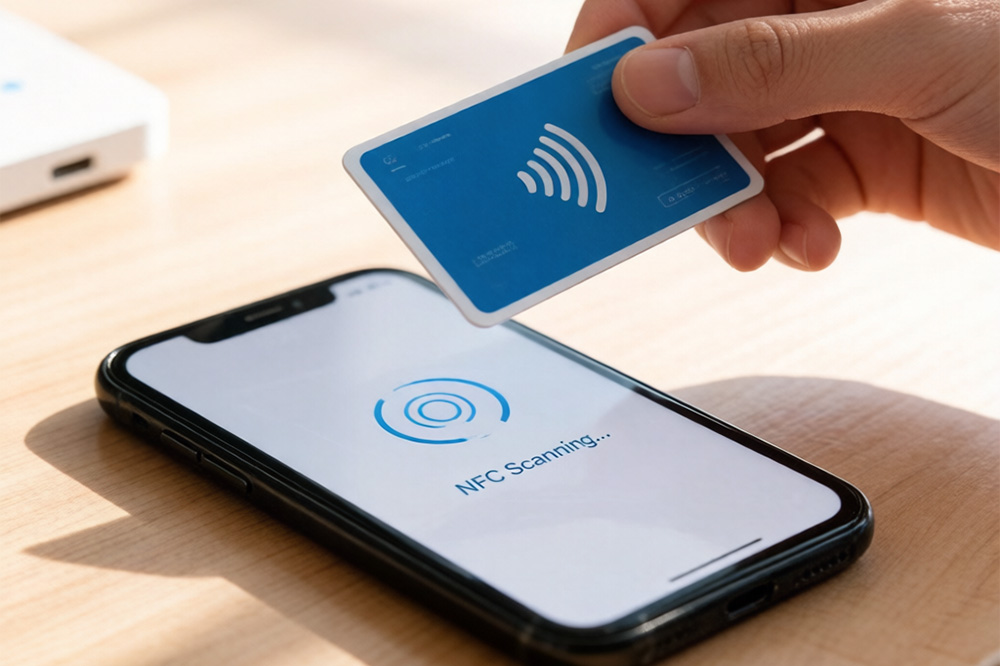
This is probably the fastest method for most people.
If your phone has NFC enabled, place the card against the back of the phone and see whether it reacts.
If the phone detects the card, there’s a good chance it’s running on 13.56 MHz.
That’s because smartphones generally support NFC and HF RFID technologies, not low-frequency 125 kHz cards.
So if your phone responds, you’re likely dealing with:
If absolutely nothing happens, the card could still be RFID — just not the kind phones can read.
A lot of older building access cards fall into that category.
People who work with access systems usually check cards by testing them directly on different readers.
It’s simple:
This method is actually more common in practice than people think. Installers and maintenance teams do this all the time when cards aren’t labeled properly.
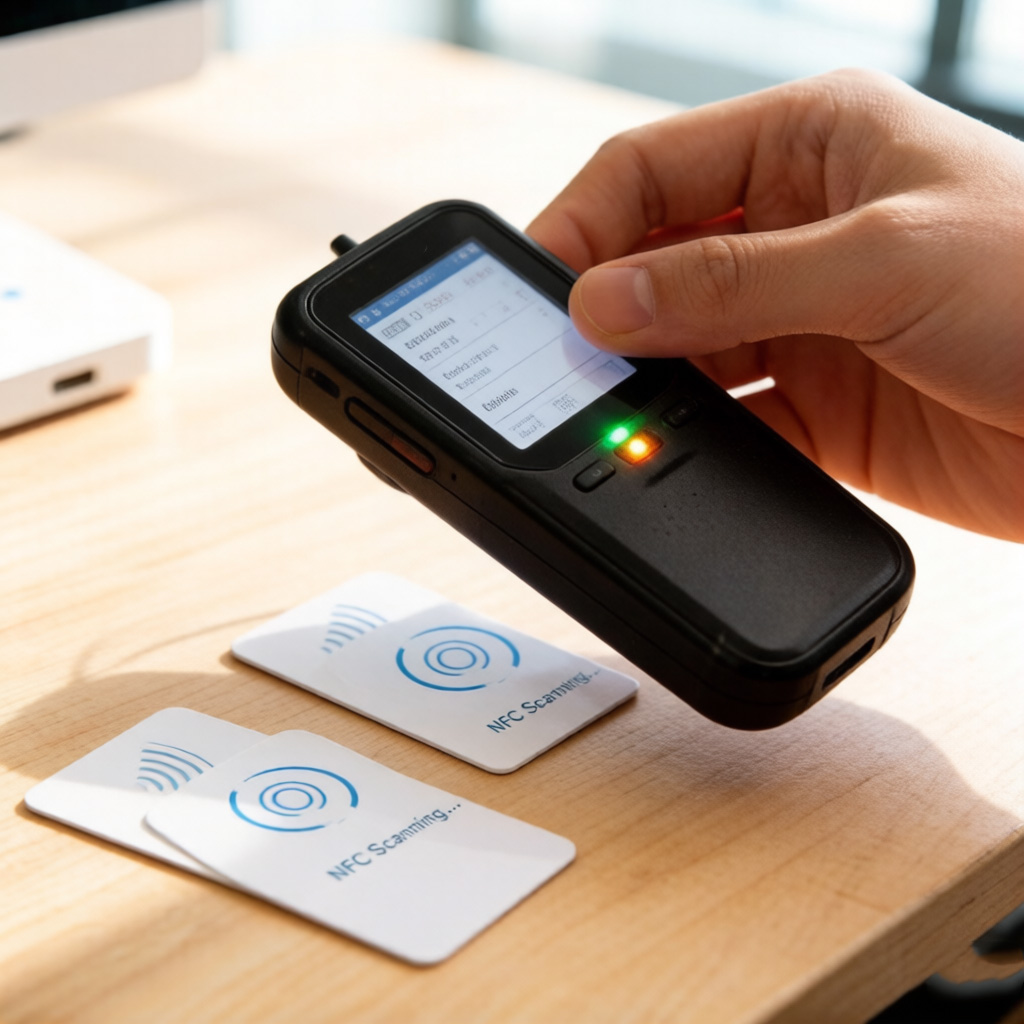
If you check cards regularly, a handheld RFID frequency detector saves a lot of guessing.
These tools are designed specifically to identify RFID frequencies quickly. Most can tell you whether the card is:
Some advanced models can even display chip information or protocol details.
For technicians, this is usually the most reliable option because it avoids trial and error.
Sometimes the way a card behaves tells you roughly what frequency it uses.
Here’s the general pattern:
| Frequency | Typical Read Distance |
| 125 kHz | Very short range |
| 13.56 MHz | Short range |
| UHF | Long range |
If the card only works when almost touching the reader, it’s probably LF or HF.
If it works from much farther away, you’re likely looking at UHF technology.
It’s not a perfect test, but it can help narrow things down.
This is one of the biggest misunderstandings people have.
A lot of users think RFID and NFC are the same thing. They’re related, but not identical.
Phones can usually read NFC cards because NFC operates at 13.56 MHz. But many older RFID access cards use 125 kHz, and phones simply can’t detect them.
That’s why some cards seem “invisible” to smartphones even though they work perfectly on door readers.
Modern buildings sometimes use dual-frequency cards during system upgrades.
These cards may combine:
That allows them to work with both old and new access systems at the same time.
Because of this, you may occasionally find a card that responds differently depending on which reader you test it with.
If you just need a quick answer, here’s the simplest approach:
Usually, one of those methods gives you the answer pretty quickly.
RFID cards may look simple on the outside, but internally they can use very different technologies. That’s why identifying the correct frequency matters before replacing cards, buying readers, or troubleshooting an access system.
In most cases, you’re dealing with either 125 kHz or 13.56 MHz cards. Once you know which one it is, matching hardware and solving compatibility issues becomes much easier.
And honestly, the fastest trick for everyday users is still the smartphone test. If the phone sees the card, it’s probably 13.56 MHz. If it doesn’t, there’s a good chance you’re dealing with a 125 kHz proximity card instead.
If you’ve ever held a plastic access card, a warehouse tag, or a library label and wondered “Is this an RFID tag, and what type is it?”, you’re not alone. RFID technology hides in plain sight — inside cards, stickers, and even tools — and it comes in several different types. Knowing how to identify your RFID tag can save hours of trial and error, especially if you’re troubleshooting or planning to integrate it into a new system.For deeper technical explanation of How to Identify an RFID Tag, see this related guide:How to Identify an RFID Tag
If you’re just getting into RFID, the first thing people usually ask is simple: what is RFID tag? For deeper technical explanation of What Is RFID Tag?, see this related guide:RFID Basics: What Is an RFID Tag?
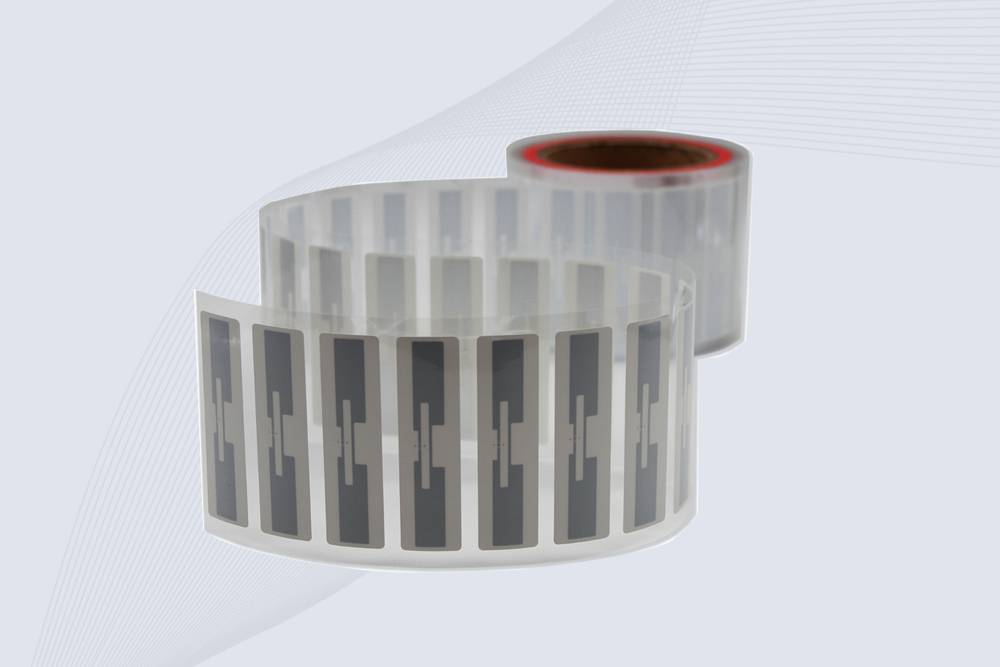
CYKEO Passive RFID Tags are made for wet and high-humidity environments where standard labels do not last. This rfid passive tag is often used around liquids, chemicals and temperature changes, providing stable reading distance and long data life for industrial tracking.
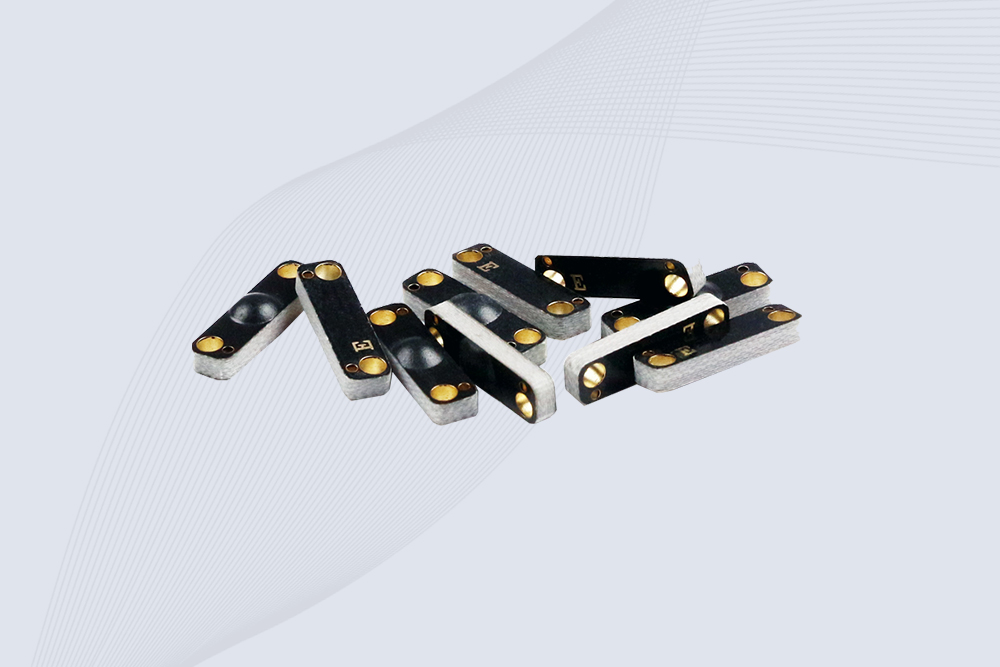
CYKEO CYKEO-PCB1504 Metal RFID Tags is a compact anti-metal UHF RFID solution built for direct mounting on metal surfaces. With stable 8-meter read range, Ucode-8 chip, and long data retention, this rfid metal tag fits tools, containers, automotive parts, and industrial asset tracking.
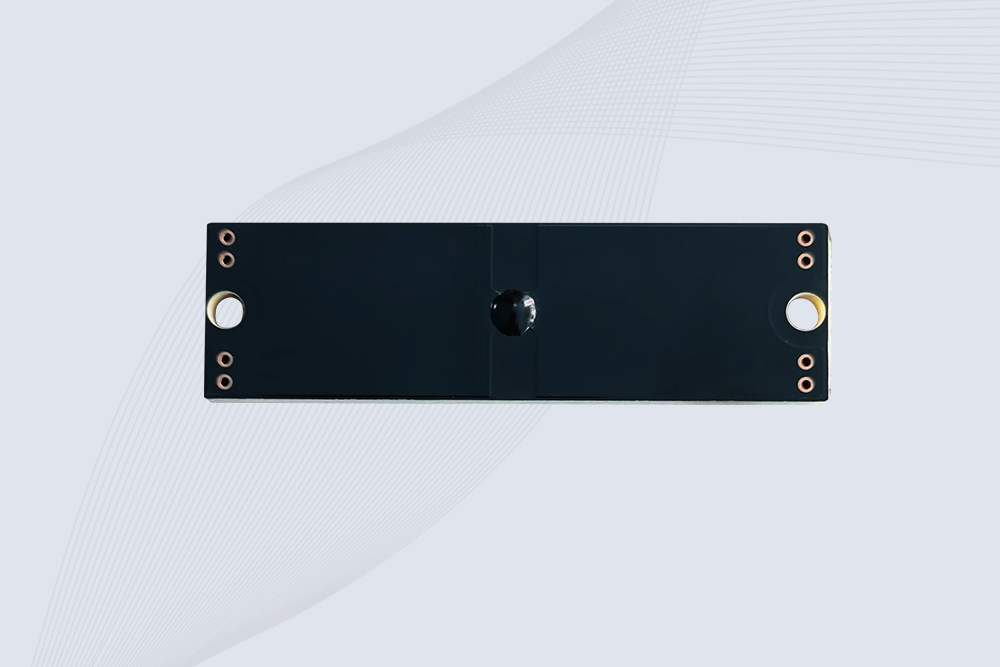
CYKEO CYKEO-PCB7020 On-Metal RFID Tags are designed for reliable tracking on steel and metal surfaces. Built with an FR4 epoxy body and industrial-grade chips, these On-Metal RFID Tags deliver stable performance, long data life, and chemical resistance, making them a dependable RFID anti-metal tag for harsh environments.
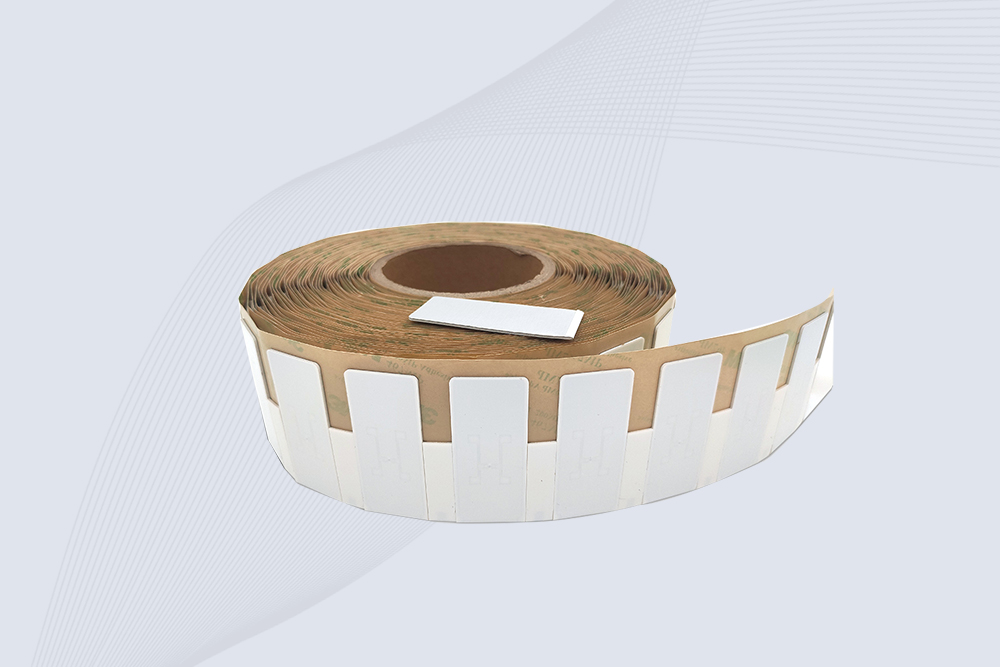
The CYKEO CYKEO-60-25 Anti-Metal RFID Tag is built for metal surfaces where standard tags fail. Designed for long-range performance, harsh environments, and stable data retention, this Anti-Metal RFID Tag is ideal for industrial assets, containers, and equipment tracking using on metal RFID tags.
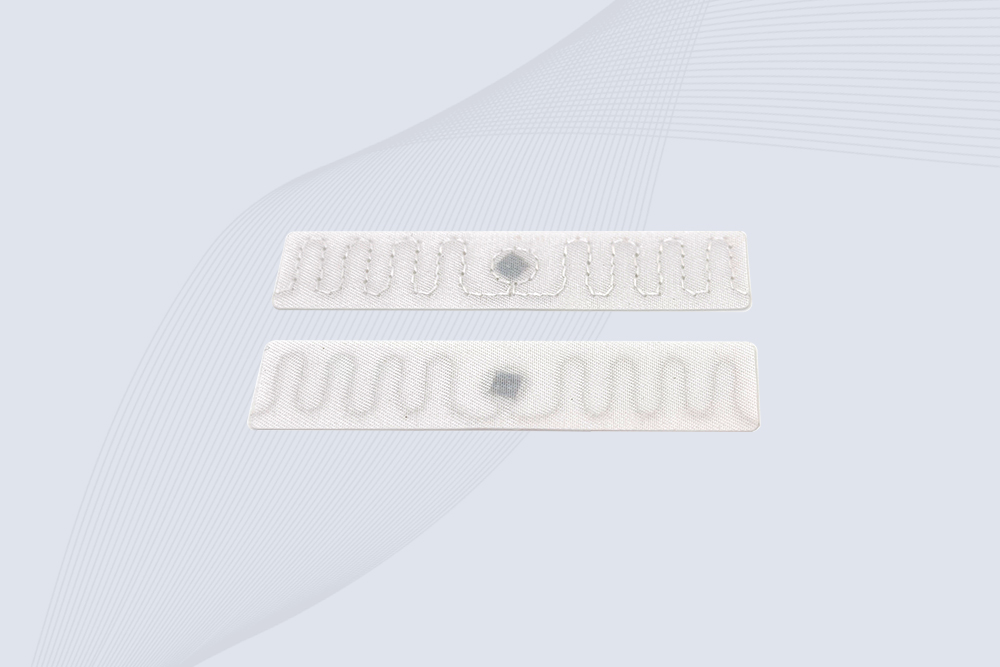
The CYKEO RFID Laundry Tag is designed for long-term textile identification in harsh laundry environments. Built to withstand high heat, chemicals, and repeated washing, this RFID Laundry Tag delivers stable performance for hotels, hospitals, and industrial laundry operations using laundry rfid tags at scale.
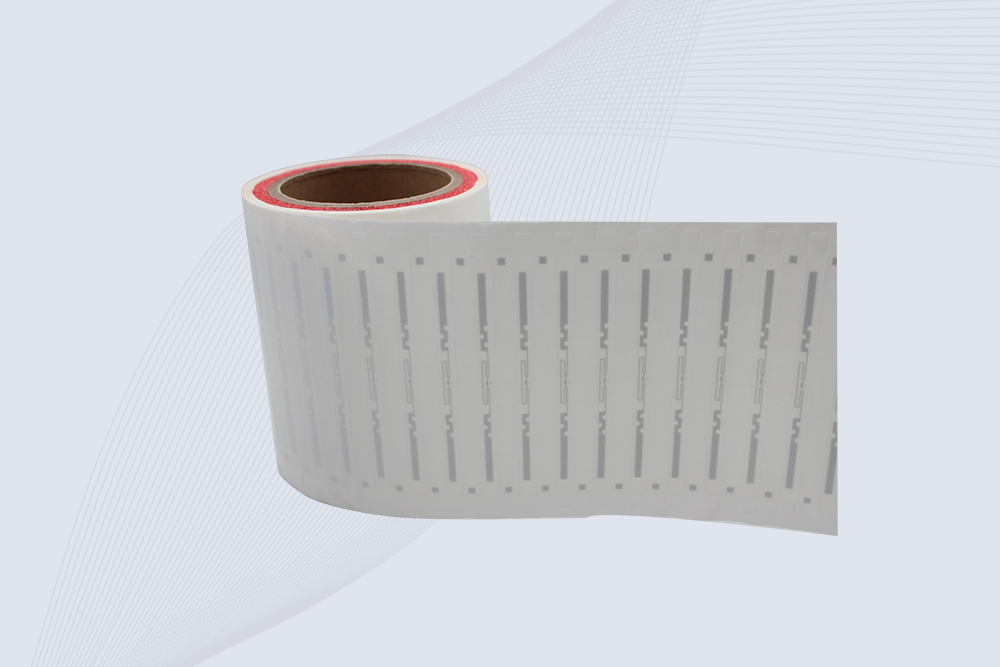
The CYKEO CYKEO-125-7 RFID Book Tag is designed for reliable book and document tracking in libraries and archives. This RFID Book Tag delivers long read range, dense placement support, and stable performance on shelves, making it a practical rfid tag on books for library automation, file management, and archival systems.
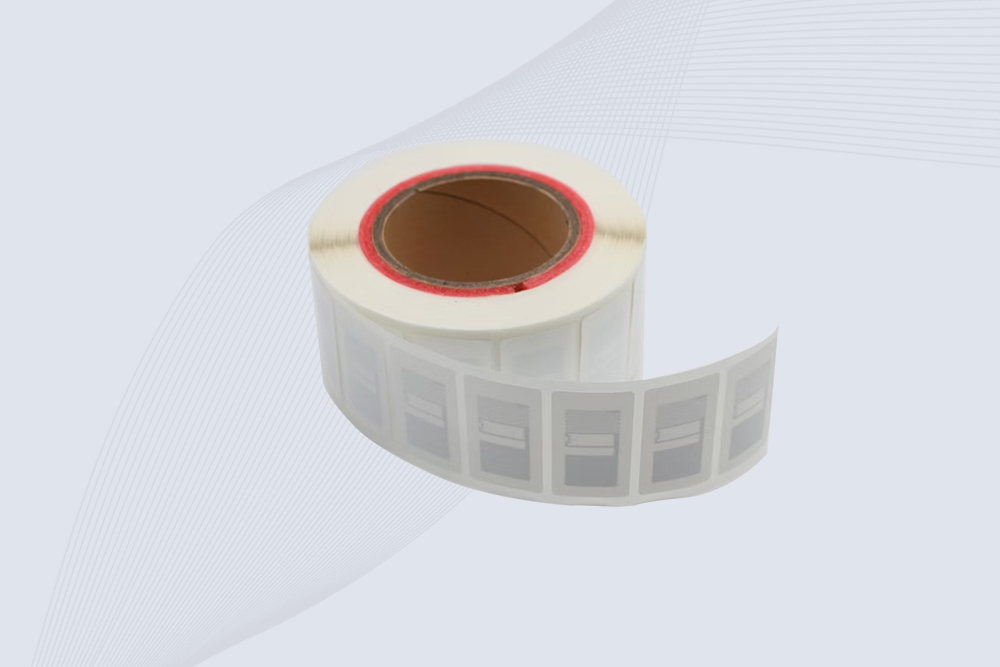
CYKEO RFID tags in hospitals are designed for sterile environments where accuracy matters. These autoclavable RFID tags support long-term tracking of surgical tools, implants, and medications, helping hospitals improve visibility, compliance, and patient safety.

CYKEO RFID Cable Tie Tag is built for reliable identification on metal surfaces. This UHF RFID Cable Tie Tag is widely used in rfid tags for inventory systems, industrial asset management and Hospital RFID Tags, offering stable read performance, long service life and global EPC Gen2 compatibility.
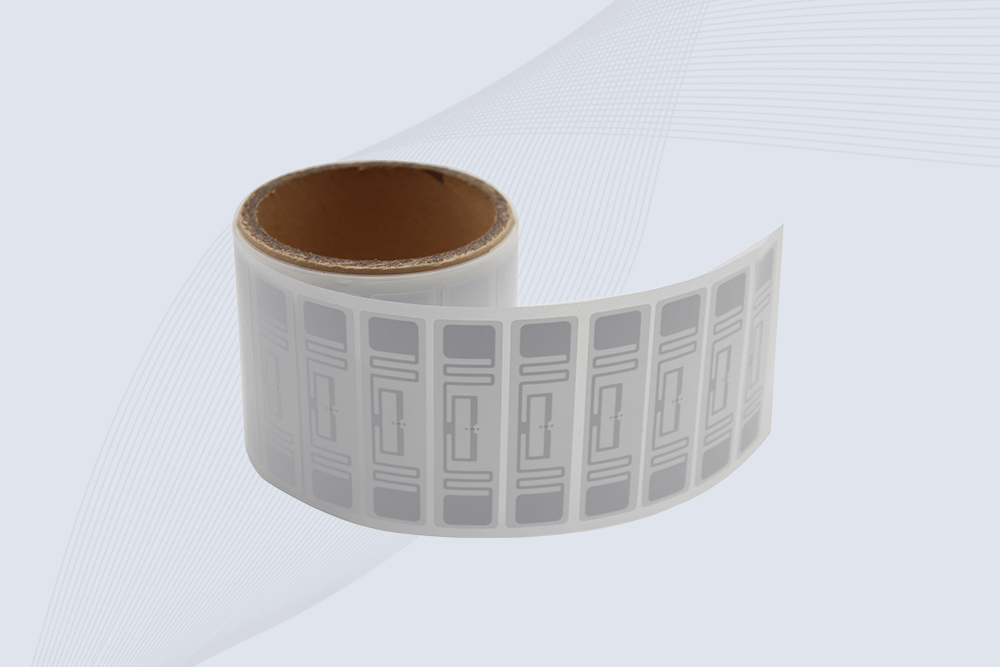
CYKEO RFID Asset Tag is designed for stable identification of metal assets in industrial environments. This UHF RFID Asset Tag is commonly used for rfid tag asset tracking on equipment, tools and containers, providing reliable reads, long service life and ISO/IEC 18000-6C support.
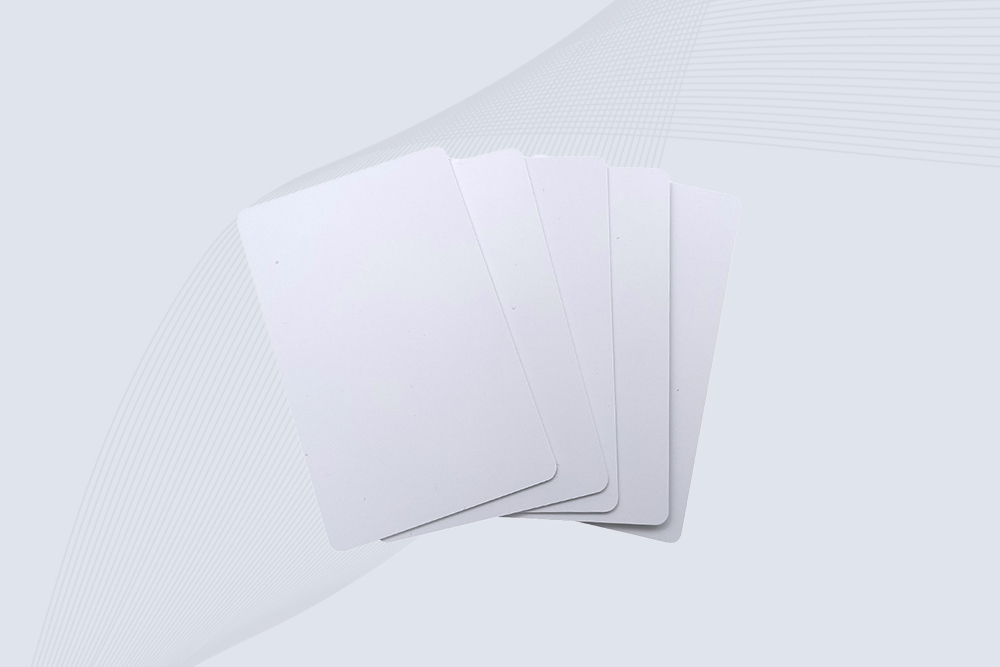
CYKEO UHF RFID Card is designed for fast identification and long-term use in industrial and commercial systems. Supporting ISO 18000-6C, this UHF RFID Card works at 860–960 MHz and is suitable for custom RFID cards used in asset tracking, access control and inventory management.
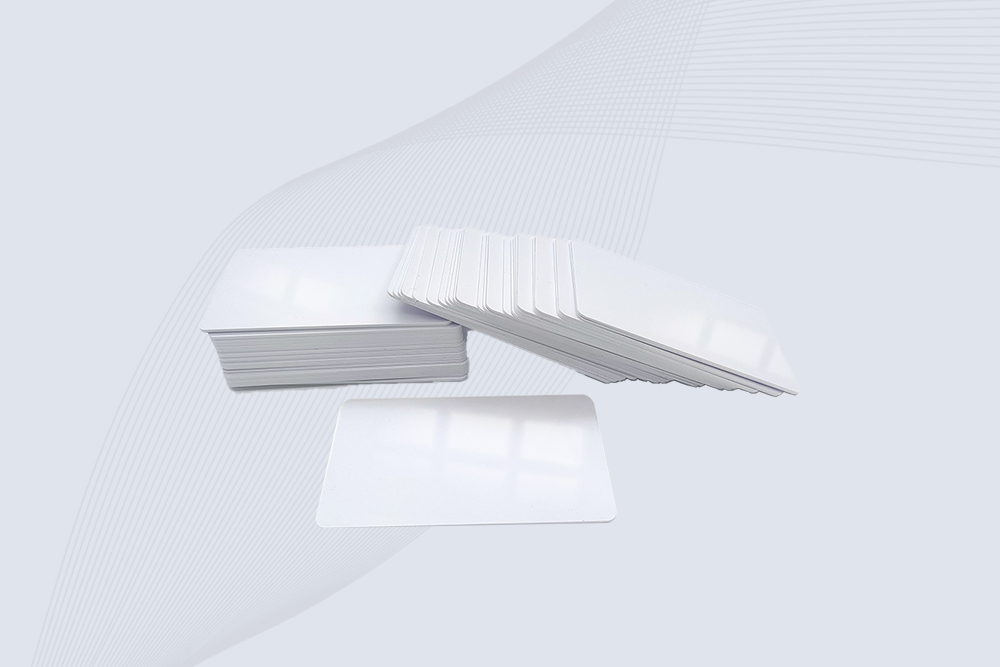
CYKEO HF RFID Cards are designed for secure and stable access control systems. These 13.56 MHz RFID key cards support ISO 14443-A, reliable rewriting and long service life, making HF RFID Cards suitable for offices, campuses, events and membership management.
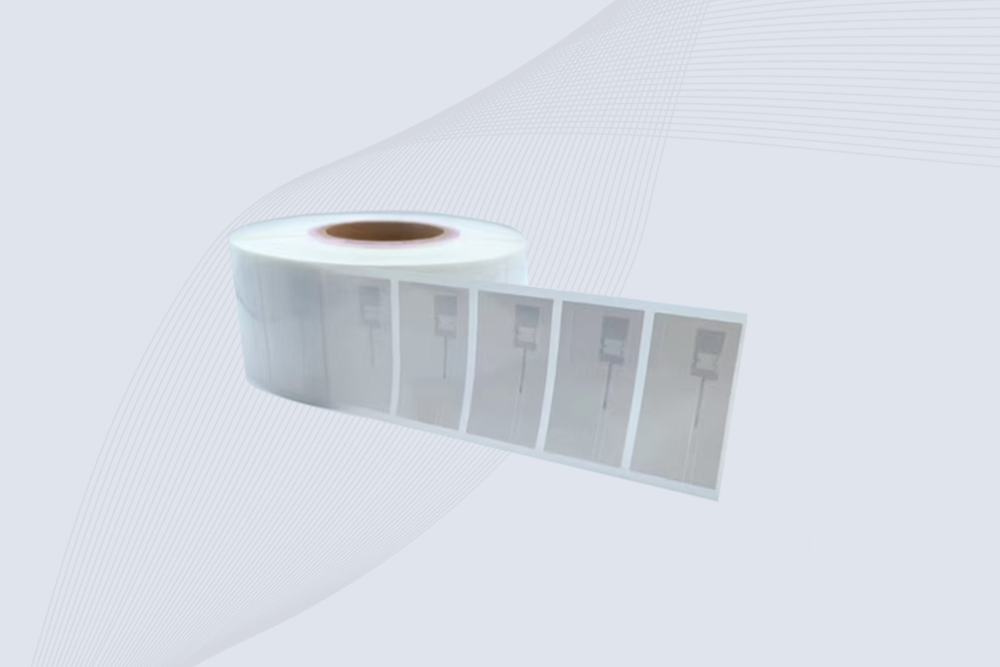
CYKEO UHF RFID Tag is designed for reliable tracking of metal jewelry and high-value items. This Jewelry RFID Tag supports long-range reading up to 8 meters, anti-counterfeit protection and stable performance on metal, making it suitable for retail, inventory control and asset management.
Thinking of using your phone as a scanner? We answer "can a smartphone read RFID" and explain the major technical and practical limitations for business use.
More
Forget the confusion. Here's a practical guide on how to read an RFID card—covering hardware choices, simple steps, and fixes for when it doesn't work.
More
Discover how embeddable RFID tags improve asset tracking, inventory control, manufacturing visibility, and lifecycle management. Learn tag types, applications, installation methods, and wholesale sourcing tips.
More
Learn the 7 key factors to choose the right RFID tag for your application, including frequency, read range, tag type, durability, memory, cost, and compliance.
More