 Cykeo RFID IoT Solution Products R&D Manufacturer
How to Read and Write RFID Tags: It’s Way More Than Copy-Paste
362A no-fluff guide on how to read and write RFID tags. Learn the actual steps, the software hiccups, and why your first write attempt will probably fail
MoreAll RFID Product
Long-range RFID readers are transforming retail inventory management by automating stock checks, reducing shrinkage, and enhancing customer experiences. However, their adoption involves trade-offs between cost, infrastructure, and environmental limitations. Below, we analyze the pros, cons, and practical applications of RFID in retail settings like apparel stores, supermarkets, and distribution centers.
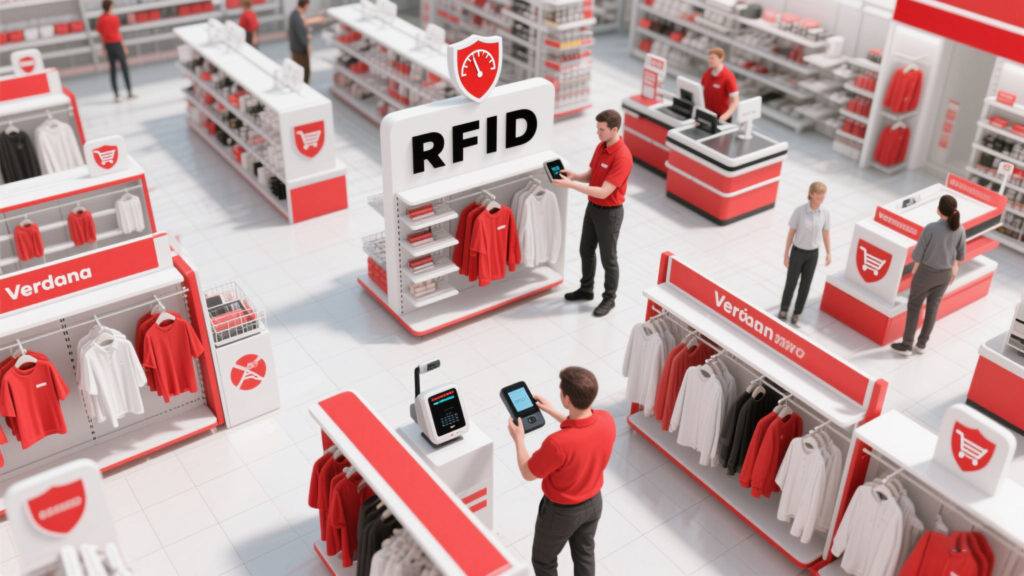
Cykeo’s RFID systems, for example, helped a fashion retailer reduce out-of-stock scenarios by 40% by automating replenishment alerts for high-demand items.
A U.S. supermarket chain using Cykeo’s readers cut inventory shrinkage by 35% by tagging premium cosmetics and alcohol.
Cykeo’s retail-focused readers offer dual-mode scanning (UHF + NFC) and compact designs for tight spaces. Their cloud platform integrates with POS systems like Square or Shopify, bridging inventory and sales data seamlessly.
A no-fluff guide on how to read and write RFID tags. Learn the actual steps, the software hiccups, and why your first write attempt will probably fail
More
Discover which RFID tags work best with 860-960MHz UHF reader modules. Learn about tag materials, read ranges, and performance in metal/liquid environments.
More
Warehouse operator using a handheld UHF RFID scanner to scan tagged cartons on storage racks
More
Protect your RFID systems from cyber threats with encryption, access controls, and compliance tactics. Learn how Cykeo’s solutions safeguard sensitive data in critical industries.
More