 Cykeo RFID IoT Solution Products R&D Manufacturer

USB RFID Scanner Applications in Retail, Library and Healthcare
90USB RFID technology is flexible because the same basic reader concept can support very different industries. The important step is matching the hardware to t...
MoreAll RFID Product
RFID tool cabinet is a smart storage system that uses radio frequency identification technology to identify, record, and manage tools automatically. Instead of relying only on manual sign-out sheets or barcode scanning, the cabinet can detect RFID-tagged tools when they are placed inside or removed from the storage area.
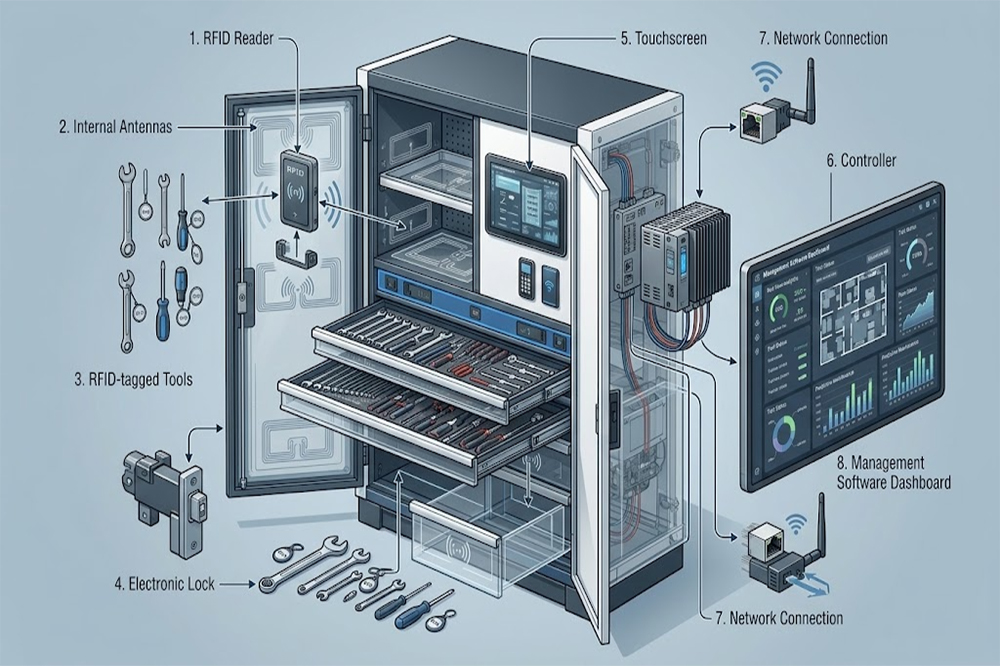
Depending on the design, an RFID tool cabinet may include RFID readers, antennas, electronic locks, touchscreens, user authentication, indicator lights, and management software. These components work together to create a controlled tool storage and tracking environment.
For workshops, factories, maintenance departments, laboratories, and service centers, an RFID tool cabinet can help answer several practical questions:
The cabinet does not simply store tools. It connects physical storage with digital records, making tool movement easier to monitor.
For a broader overview of connected devices, readers, antennas, and management equipment, see our guide to [RFID Tools & Devices].
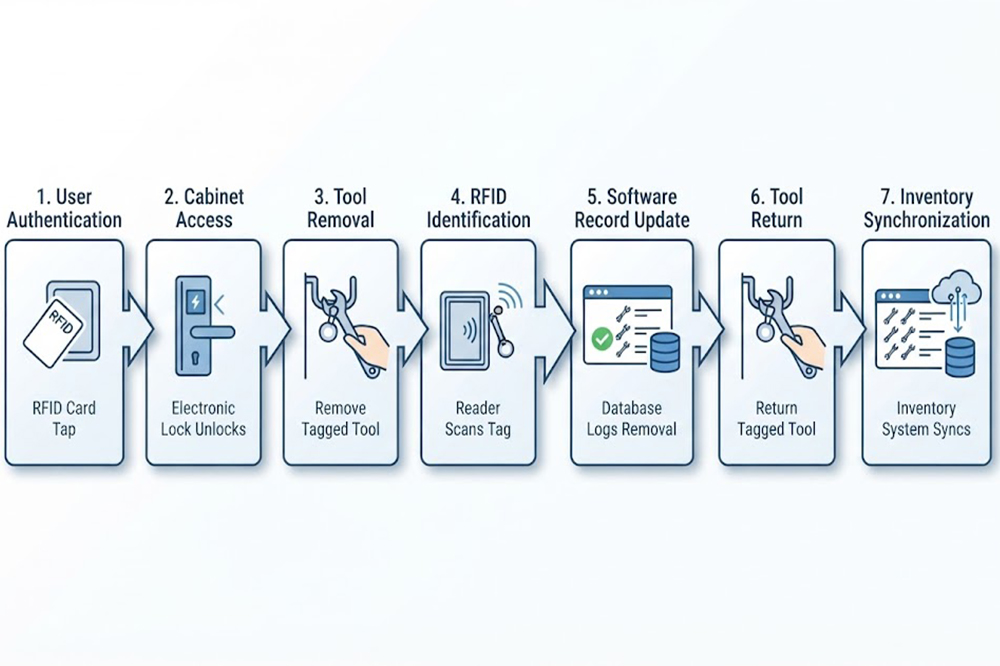
The working process usually includes five basic stages.
Each tool receives an RFID tag with a unique identification number. The tag may be attached to the handle, case, surface, or a dedicated tag holder.
The tag type depends on the tool material and operating environment. Metal tools may require on-metal RFID tags, while plastic cases or non-metallic equipment can often use standard RFID labels or hard tags.
The tag should be securely attached without interfering with:
Correct tag selection is important because metal surfaces, liquid, dense tool arrangements, and cabinet materials can affect RFID reading performance.
Before opening the cabinet, the user may need to identify themselves through:
The authentication method depends on the cabinet configuration and the company’s security requirements.
This step connects each tool transaction with a specific person. It also allows the system to apply different permissions. For example, a technician may access general maintenance tools, while only authorized personnel can borrow calibration equipment or restricted tools.
When the cabinet door opens or a tool is placed inside the reading area, the RFID reader communicates with the tags through radio frequency signals.
The reader collects the unique IDs of detected tools and sends the data to the cabinet controller or management software.
A properly designed RFID tool cabinet may support:
The actual reading range and accuracy depend on the RFID frequency, tag design, antenna layout, cabinet structure, tool arrangement, and surrounding interference.
The software compares the detected RFID tags with the previous tool status.
For example:
When the tool is returned, the system updates the record to “Available” or “Checked In.”
This process creates a digital history of tool movement without requiring the user to scan every tool individually.
The management platform can display the current tool inventory and transaction history. Depending on the software, it may also send alerts when:
This information can support daily operations, maintenance planning, audits, and tool accountability.
RFID tool cabinet usually combines several hardware and software elements.
The RFID reader communicates with tags and collects their identification data. UHF RFID readers are commonly used when the cabinet needs to identify multiple tools within a storage area.
Antennas transmit and receive radio frequency signals inside the cabinet. Their position and coverage affect reading performance.
A cabinet may use one or several antennas depending on its size, internal structure, number of compartments, and required detection accuracy.
Each tool needs a unique RFID tag. The tag should match the tool material, surface shape, temperature, cleaning process, and working environment.
An electronic lock controls access to the cabinet. It may remain locked until the user has completed authentication.
A touchscreen, keypad, card reader, or mobile interface allows users to identify themselves, select actions, and review tool information.
The controller manages signals from the RFID reader, lock, sensors, and user interface. The software stores tool information and displays inventory, transaction, and user records.
The cabinet may require a stable power supply and a network connection for communication with a local server, cloud platform, ERP system, maintenance system, or other business software.
Traditional tool storage usually depends on manual records, visual checks, or employee memory. These methods may work for small teams, but they become difficult to maintain when many users share expensive or frequently used tools.
| Traditional Tool Storage | RFID Tool Cabinet |
|---|---|
| Manual sign-out records | Automatic transaction records |
| Users may forget to record returns | Tool status updates automatically |
| Inventory checks require more labor | Multiple tools can be detected together |
| Limited user accountability | Tool movement is linked to user accounts |
| Missing tools may be discovered late | Alerts can identify unusual activity |
| Access control is often basic | Electronic access permissions are available |
An RFID cabinet does not eliminate the need for good procedures. Tool tags, software rules, user permissions, and cabinet maintenance still affect the final result.
One of the most common applications is automated tool borrowing and returning.
A typical workflow looks like this:
This workflow supports a modern [RFID tool checkout system] and reduces the amount of manual data entry required from technicians.
For organizations that need a broader operational process, the cabinet can also be connected to an [RFID tool management system] covering tool assignment, maintenance, inventory, and reporting.
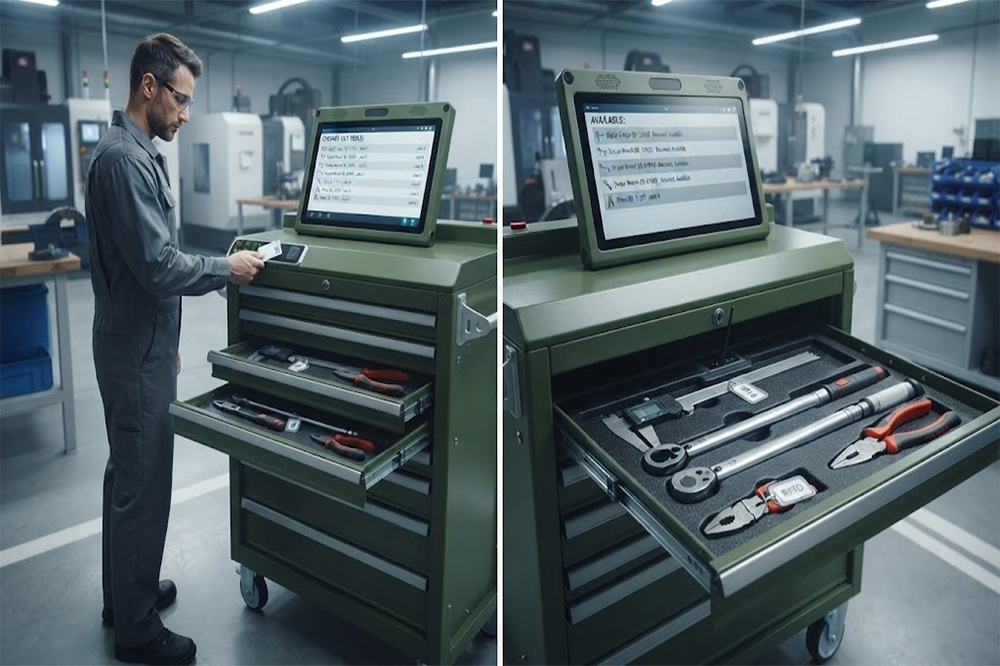
Many RFID tool cabinets are designed to identify several RFID-tagged tools during one reading operation. This is useful when technicians borrow a group of tools for a maintenance task or return a complete tool set.
However, multiple-tag reading does not mean every cabinet will perform equally well in every environment.
Performance can be influenced by:
Testing with real tools is therefore important before finalizing the cabinet design. A laboratory prototype may perform differently from a fully loaded industrial cabinet.
RFID tool cabinet can support more than borrowing and returning. It can also help maintain a current inventory record.
The system may show:
This information supports [RFID tool inventory management] by reducing the need for frequent manual counting.
For example, a maintenance manager can check the software dashboard before a scheduled repair. The manager can see whether the required tools are available or whether some tools are already assigned to another technician.
Factories can use RFID cabinets to manage shared production tools, maintenance equipment, and specialized instruments.
Maintenance teams often need strong tool accountability. RFID cabinets can help record which technician accessed a tool and whether it was returned.
Laboratories can use RFID storage to manage instruments, testing accessories, and shared equipment.
Portable or semi-portable RFID cabinets can help service teams manage tools used across different projects.
Calibration tools may require controlled access, scheduled maintenance, and detailed usage records. RFID cabinets can connect tool access with calibration information.
Training facilities can use RFID cabinets to track tools borrowed by students, instructors, and technicians.
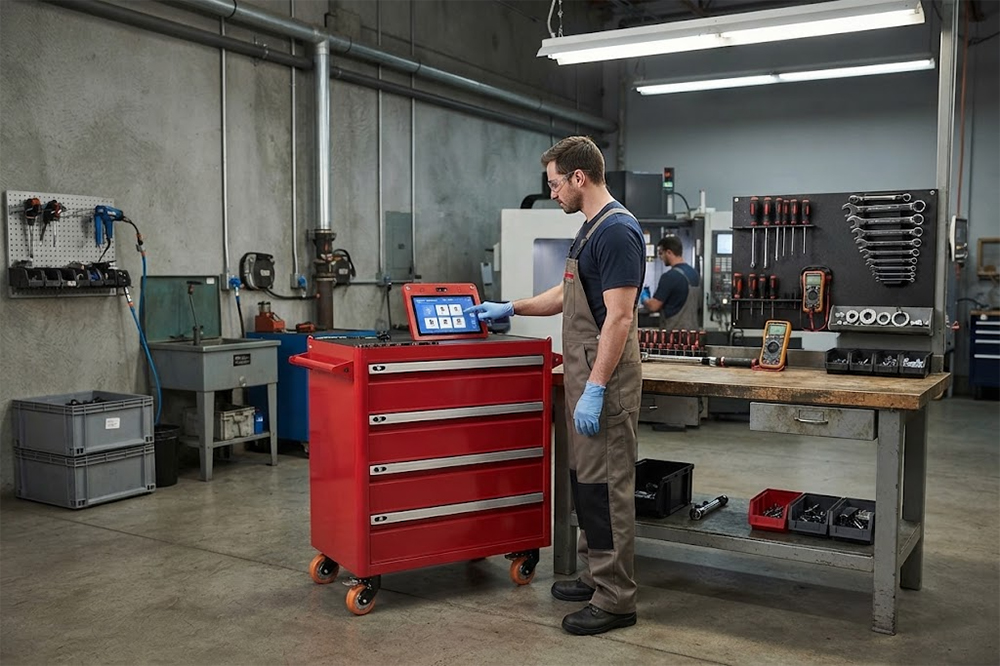
Before selecting or customizing an RFID tool cabinet, consider the following factors.
The cabinet should match the number, dimensions, and shapes of the tools. Internal shelves, drawers, compartments, and partitions can affect RFID coverage.
Metal tools may require specialized on-metal tags. The tag must be tested on the actual tool surface.
The cabinet should be tested with real tool quantities and realistic storage conditions. Reading performance should not be evaluated only with empty shelves.
Determine whether the cabinet needs card access, PIN authentication, biometric identification, or software-based permissions.
Check whether the cabinet can connect with inventory software, ERP, MES, maintenance systems, work-order platforms, or existing employee databases.
Useful reports may include tool usage history, overdue tools, missing tools, access records, and inventory changes.
The system should allow access to reader components, antennas, power supplies, and software settings for troubleshooting and maintenance.
RFID tool cabinet combines smart storage, RFID identification, access control, and software management in one system. It can automatically identify tagged tools, record check-in and check-out activity, update inventory, and connect tool movement with individual users.
Its effectiveness depends on more than the RFID reader alone. Tag selection, antenna placement, cabinet design, software configuration, and real-world testing all influence the final performance.
For workshops, factories, maintenance departments, and other organizations managing shared tools, an RFID tool cabinet can provide a practical foundation for more organized storage, improved accountability, and more efficient tool management.
RFID tool cabinet is one practical application of modern RFID Tools & Devices, combining readers, antennas, tags, and software in one storage solution.
By connecting each transaction with a user account, the cabinet supports a wider RFID tool management process.
The recorded tool movement can also support RFID tool tracking across different storage areas and workstations.
For automated borrowing and returning, the cabinet can operate as an RFID tool checkout system.
When access permissions, restricted tools, and user accountability are required, the cabinet can become part of an RFID tool control system.
Companies looking for a ready-made storage solution can explore RFID smart tool cabinets designed for centralized tool management.
An RFID tool cabinet is a smart storage system that uses RFID tags and readers to identify tools, control access, and record tool movement automatically.
Each tool receives a unique RFID tag. The cabinet’s RFID reader detects the tag and sends its identification data to the management software.
Yes. Many RFID cabinets can identify multiple tagged tools during one reading operation. Performance depends on tag type, tool material, cabinet design, and antenna placement.
Most controlled-access cabinets support user authentication through RFID cards, PIN codes, biometric methods, mobile applications, or software accounts.
Depending on its design, an RFID tool cabinet may connect with inventory platforms, ERP systems, maintenance software, work-order systems, or employee databases.
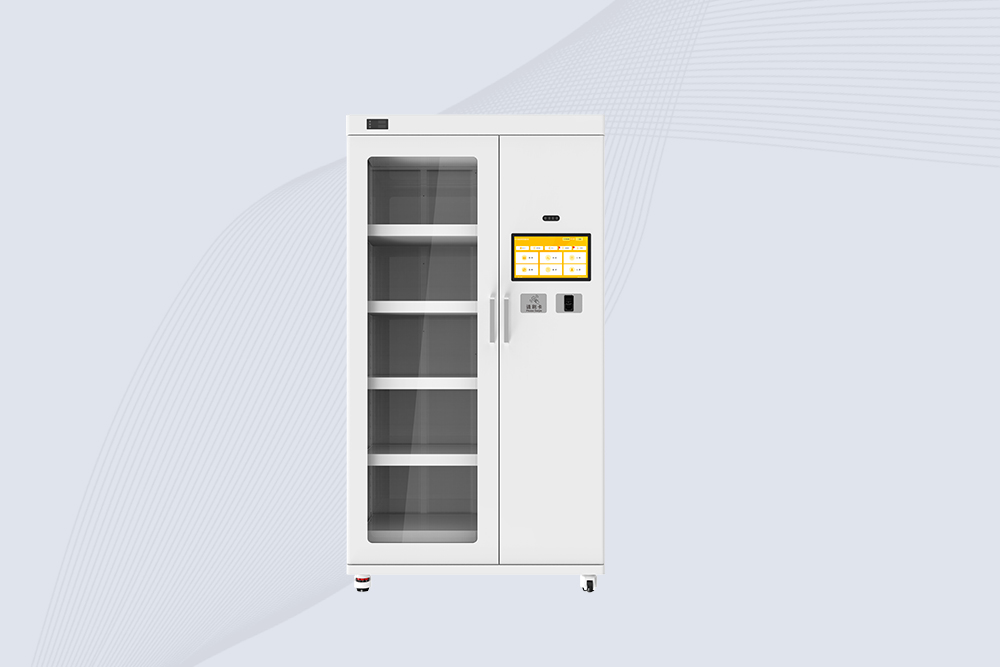
Cykeo’s RFID Smart Tool Cabinet enables 10-second tool audits, user access control & real-time alerts for construction/oil/gas. Features 21.5″ touchscreen, IP54 steel body & -30°C~60°C operation. Supports SAP/Oracle integration.
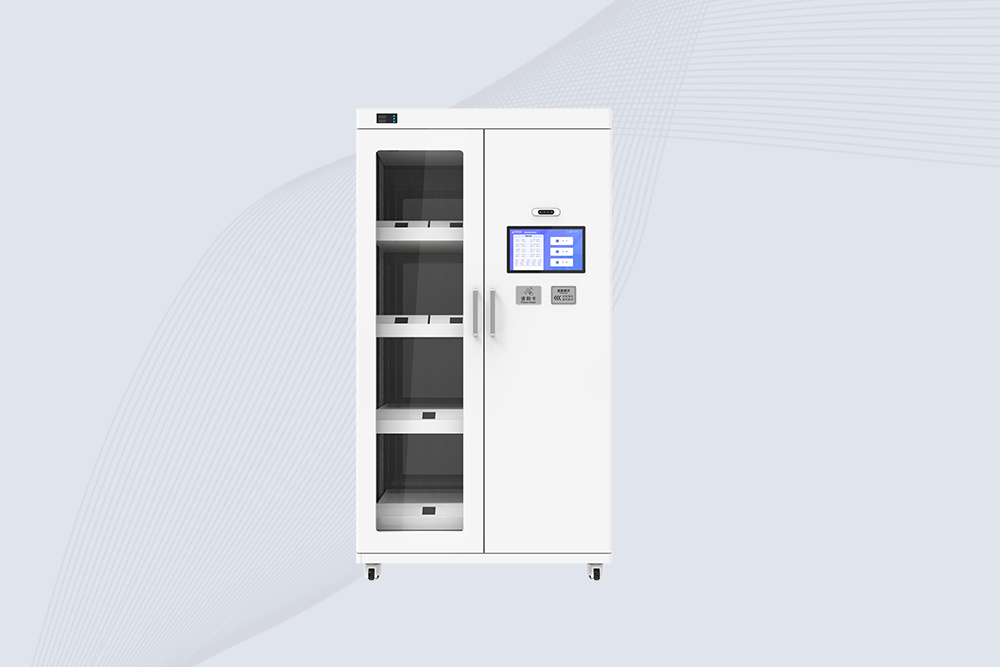
Cykeo’s Intelligent Weighing Tool Cabinet combines weight sensors & RFID for 100% tool accountability. Features solar/4G options, IP54 steel-glass body & nuclear/rail compliance. Supports SAP/Oracle integration.
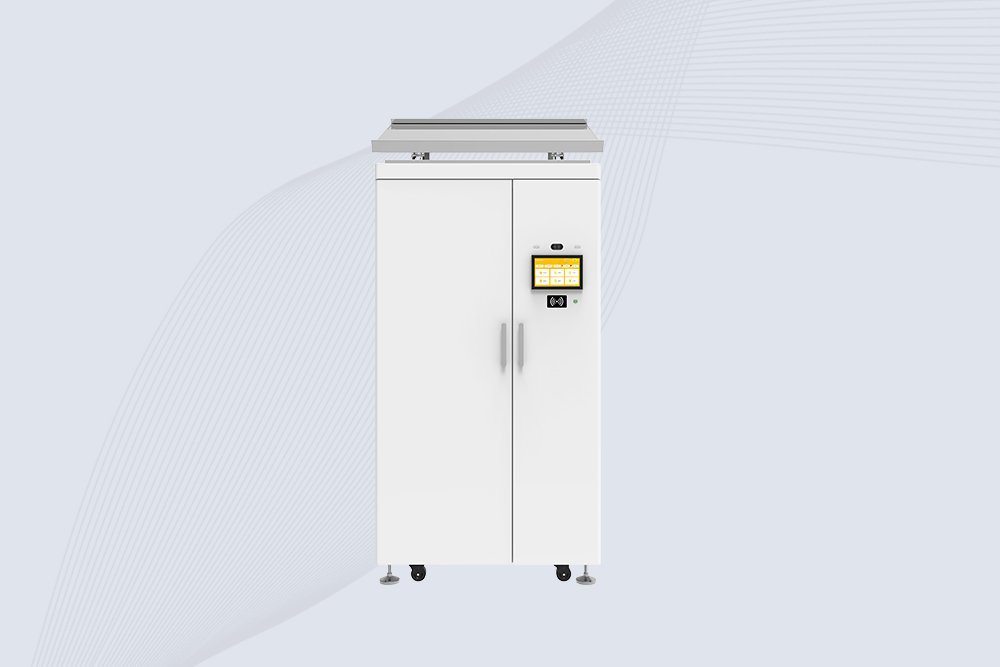
Cykeo’s solar-powered RFID Inventory Tool Cabinet enables 5-second audits for remote sites. Features 160W solar, Android 7.1, 4G & extreme temp operation for oil/energy/mining sectors.
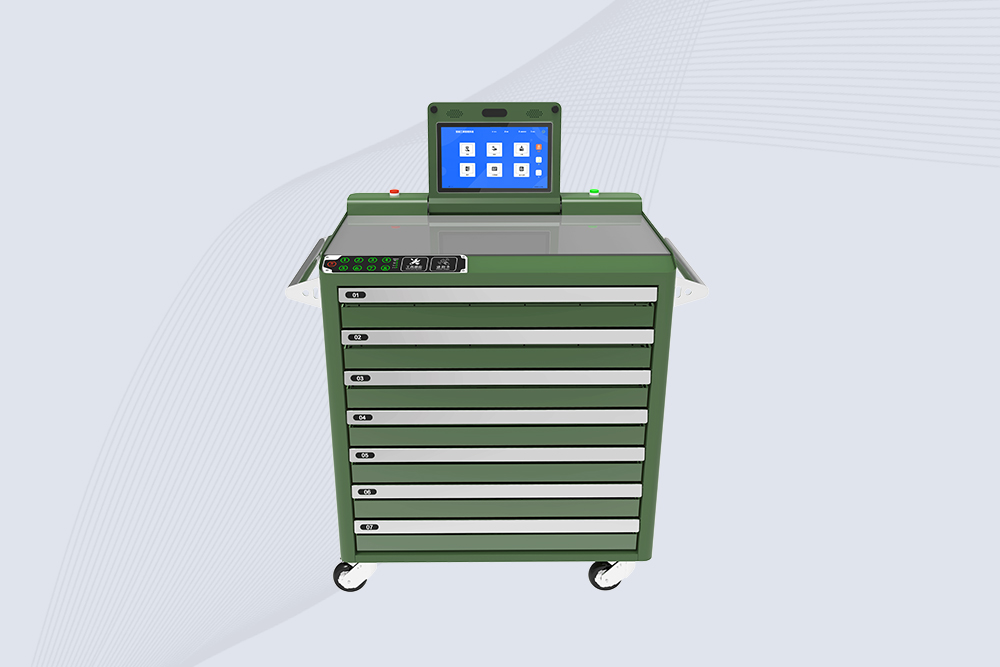
Cykeo’s industrial RFID Tool Cart features 14″ touchscreen, 400+ tool scanning, and carbon steel construction for aviation MRO, power plants and construction sites. 5-second inventory scans.
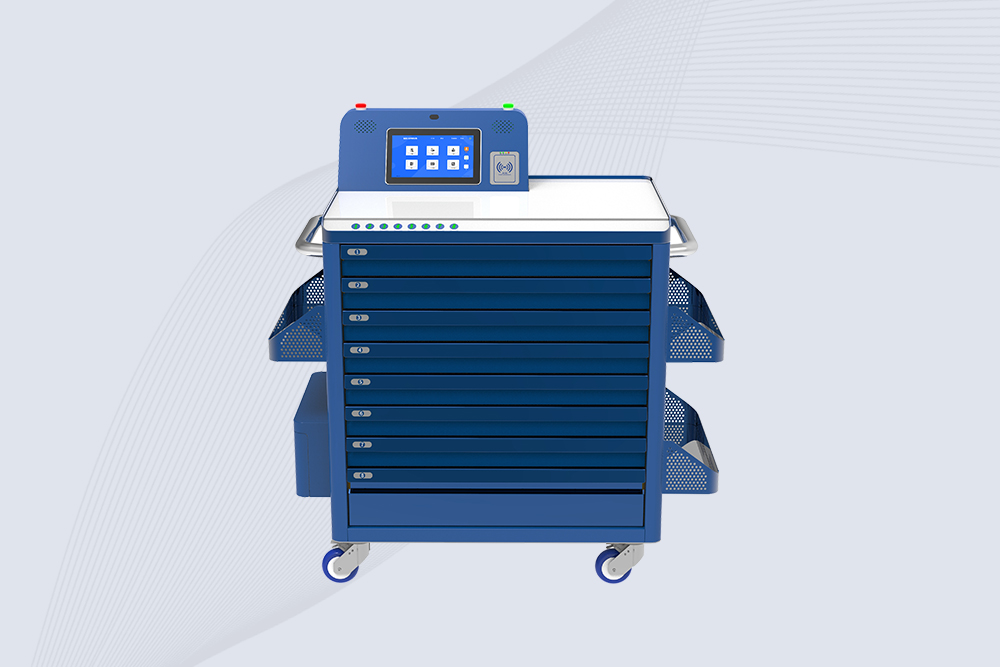
Cykeo CYKEO-TC RFID multi-drawer tool cart manages 300+ tools via UHF RFID, features fingerprint/face recognition, Android/Windows OS, and SAP integration for nuclear/railway/fire safety sectors. IP54 rated for harsh environments.
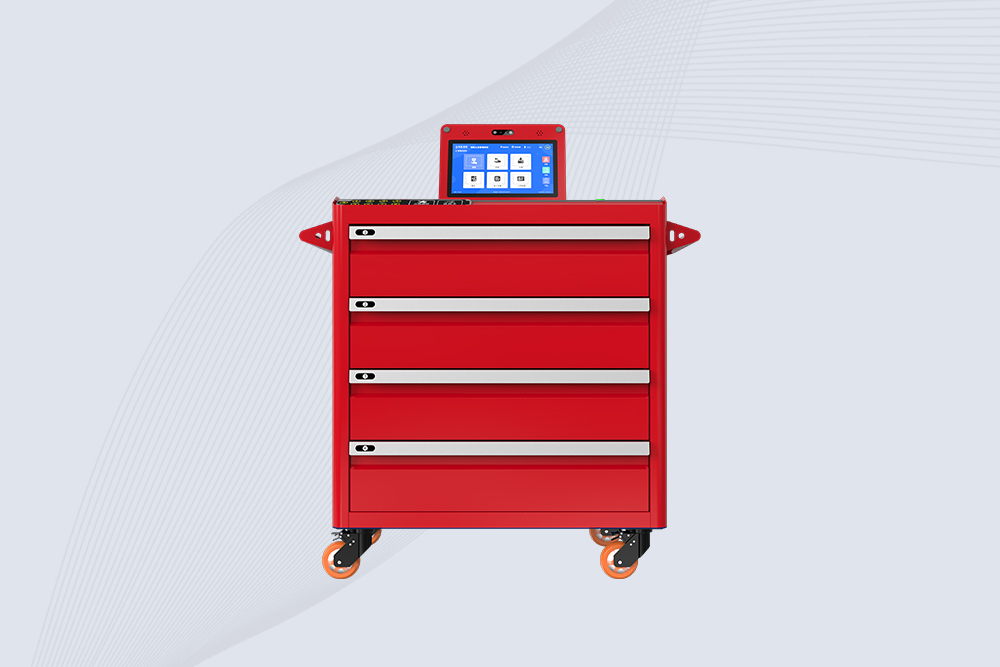
Cykeo CYKEO-GTC4 RFID tool inventory cart manages 300+ tools via UHF RFID, features instant scanning, fingerprint/face recognition, and SAP integration for nuclear/railway/fire safety sectors. IP54 rated for harsh environments.
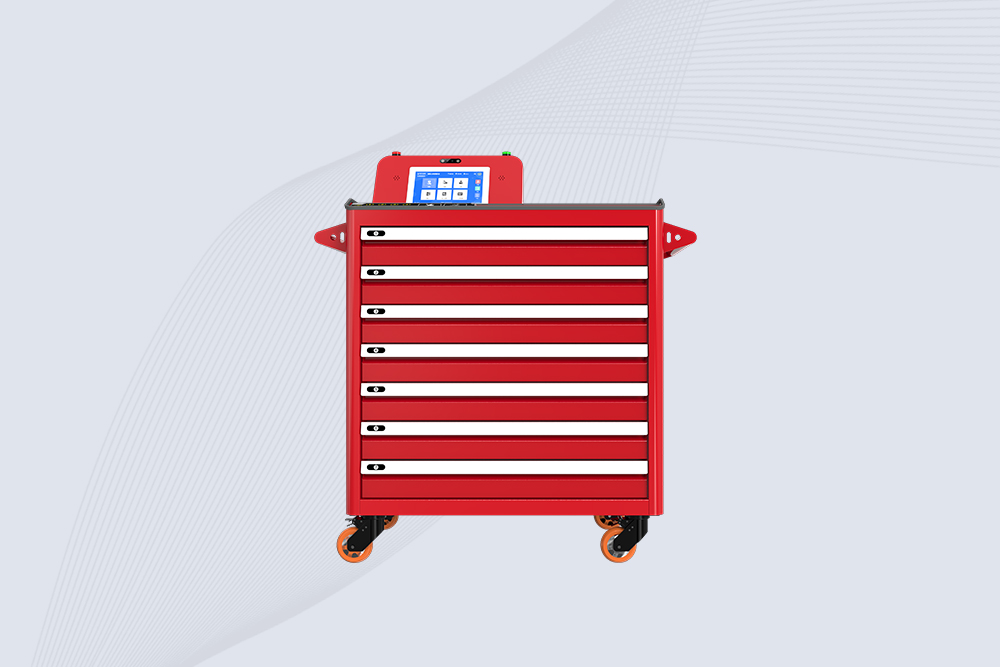
Cykeo CYKEO-GTC7 RFID aviation maintenance cart features military-grade build, blockchain audits, and predictive tool alerts for aircraft MRO. Achieves EASA/FAA compliance.
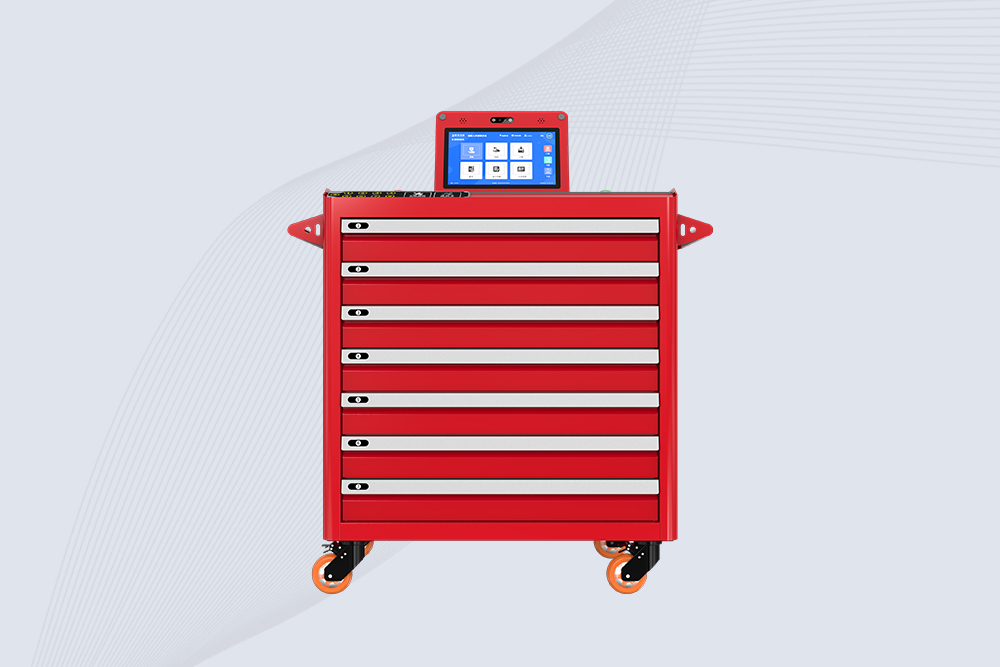
Cykeo CYKEO-GTC7A RFID real-time tool tracking cart features 99.9% accuracy, FOD prevention, and SAP integration for aviation/plant maintenance. Military-grade construction.
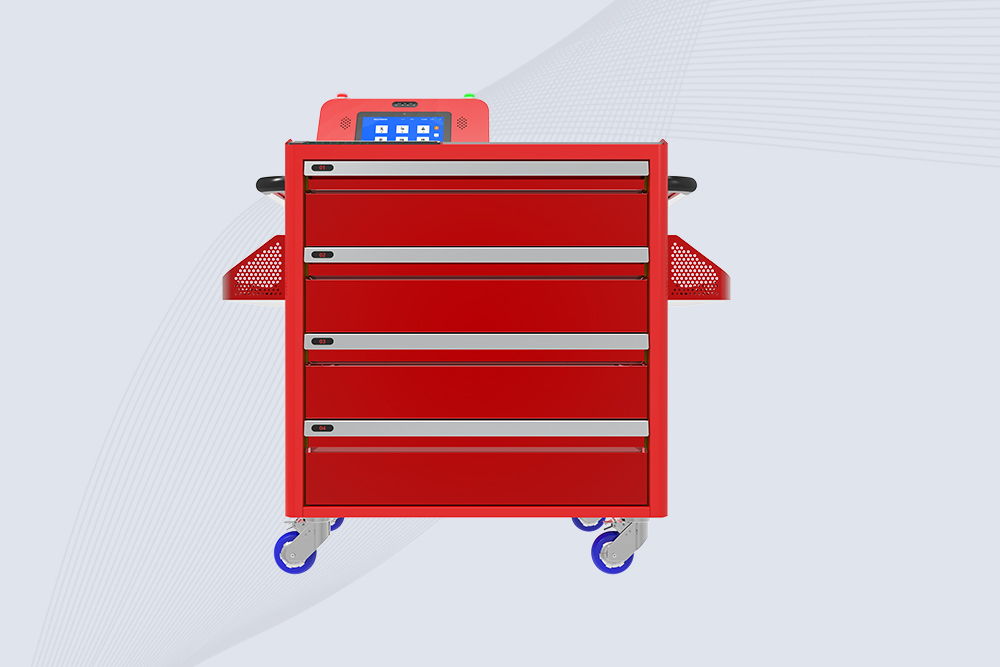
Cykeo CYKEO-GTC4B RFID mobile tool cart delivers 300-tool verification in 7 seconds with modular drawers, ≤150W power, and SAP integration for industrial/aviation use.
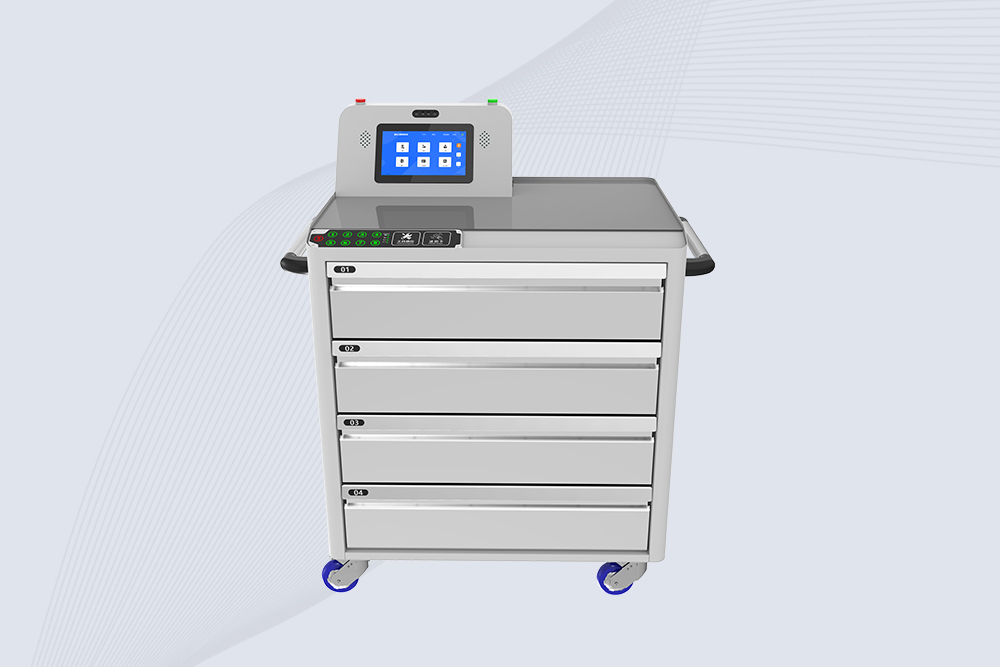
Cykeo CYKEO-GTC4C RFID workshop tool control cart delivers 300-tool inventory in 3 seconds with 10hr battery, SAP integration, and FOD prevention for industrial workshops.
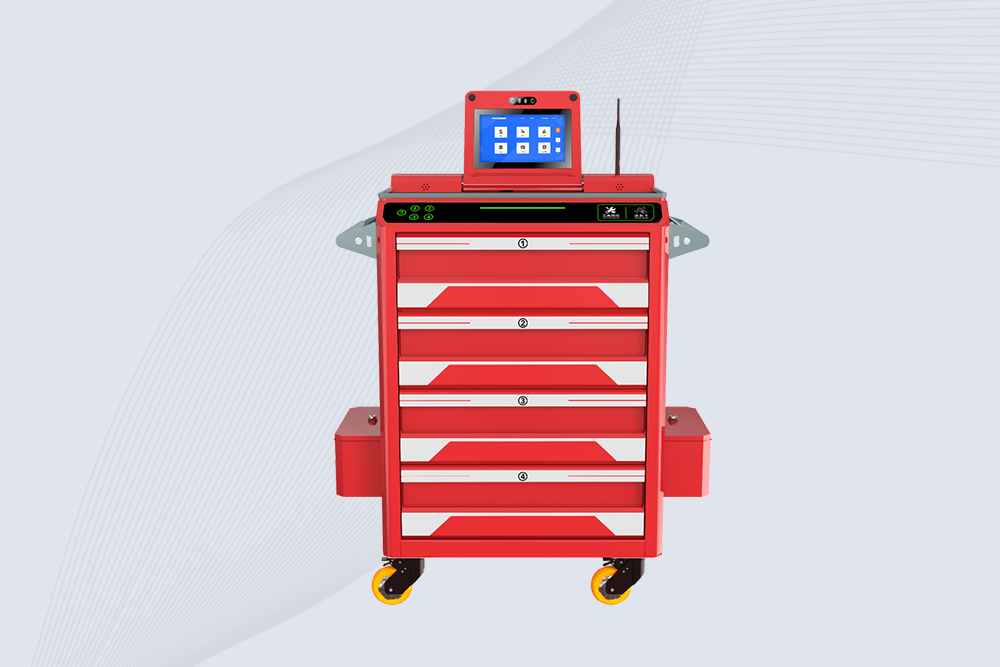
Cykeo’s CYKEO-GTC4A multi-drawer RFID tool cart delivers 7-second aviation tool inventories, 10-hour battery, and dual authentication. ISO 18000-6C compliant for MRO/manufacturing.
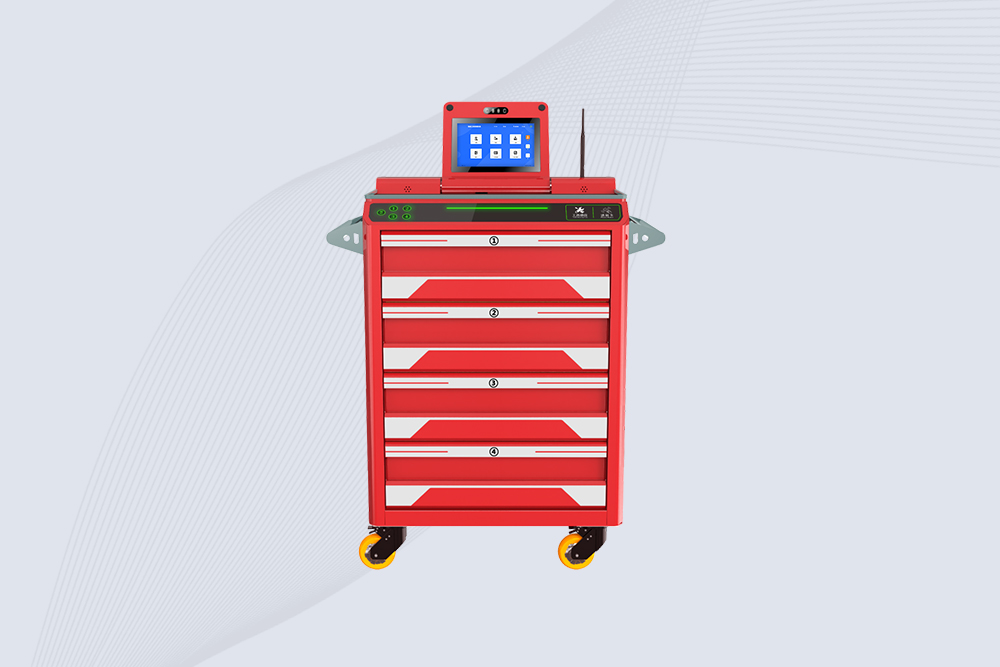
Cykeo’s MIL-STD RFID tool tracking cart scans 300 tools in 7 seconds, with -20°C~60°C operation and FOD prevention for aviation/energy industries.
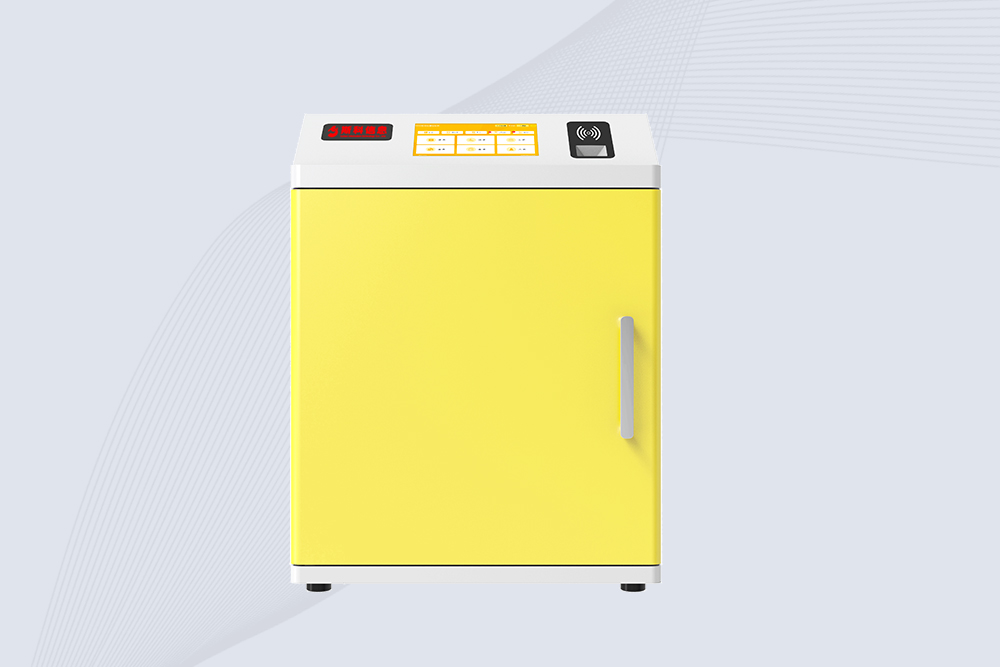
Cykeo’s space-saving RFID tool management cabinet offers 1000-tool capacity, ≤5s scans, and 24/7 unmanned operation for manufacturing/assembly plants.
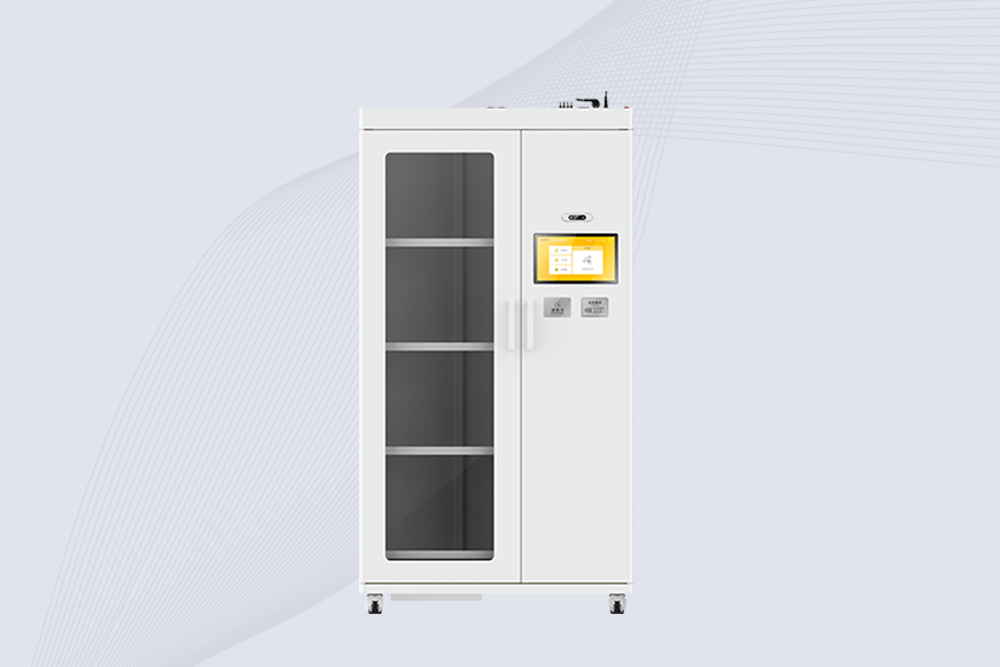
Cykeo’s RFID industrial tool cabinet offers modular shelves, 21.5″ touchscreen, and voice guidance for manufacturing/energy sectors. 24/7 operation with ≤80W power.
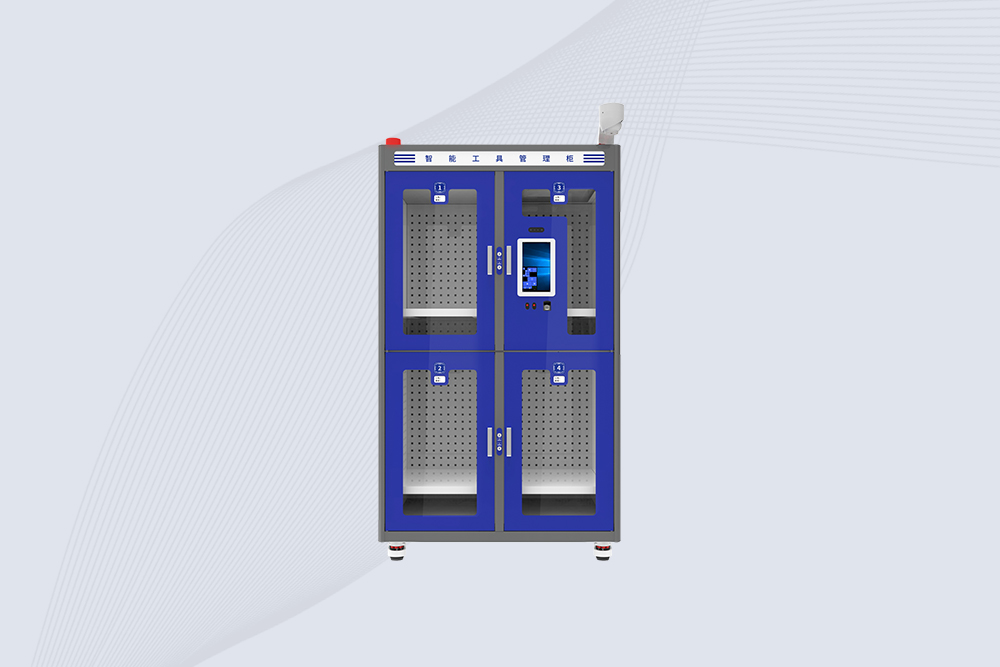
Cykeo’s RFID secure tool cabinet features 4 lockable compartments, ≤150W power, and 24/7 monitoring for pharma/aerospace/electronics industries.
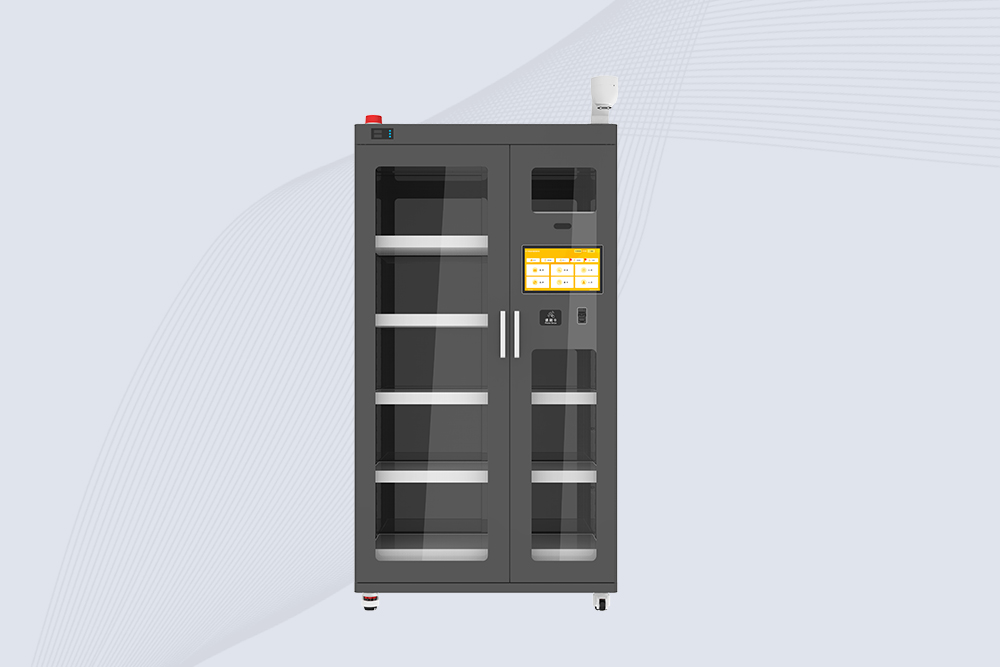
Cykeo’s RFID aviation tool cabinet features triple authentication, 14″ HD touchscreen, and thermostatic control for aircraft MRO/FAA compliance.
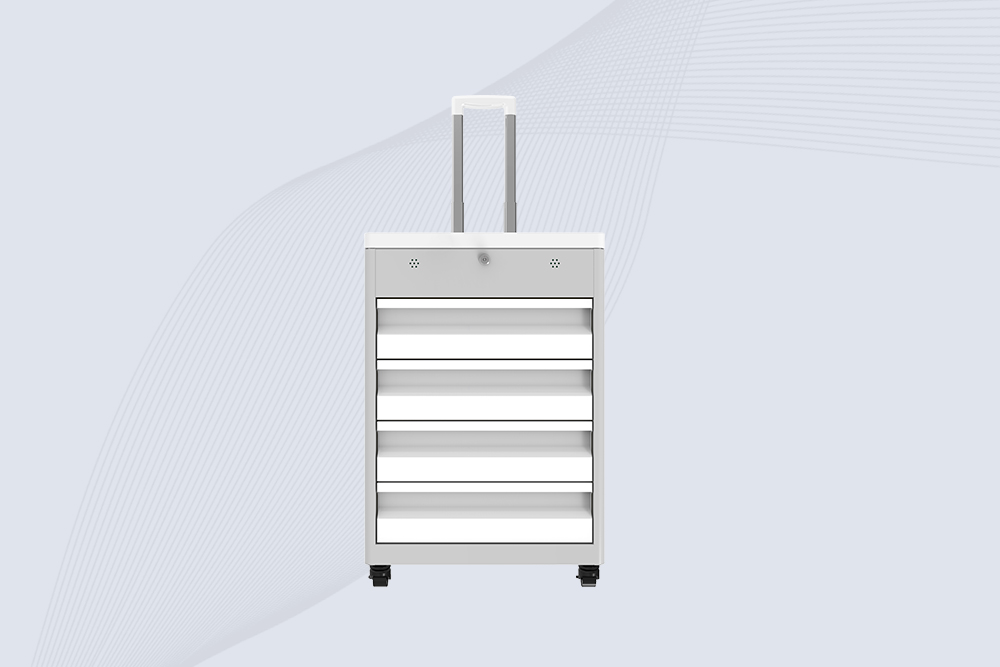
Cykeo’s RFID tool tracking system delivers self-service check-in/out, real-time alerts, and multilingual interface for correctional/military security.
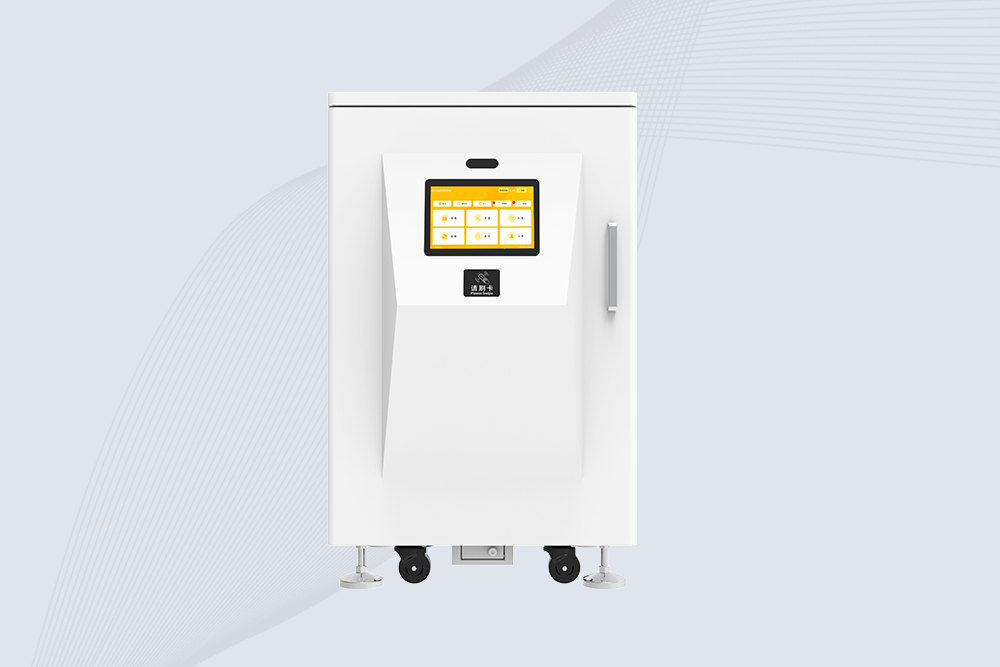
Cykeo’s off-grid RFID tool inventory system features solar/wind power, -30°C~60°C operation, and military-grade durability for mining/energy/military sectors.
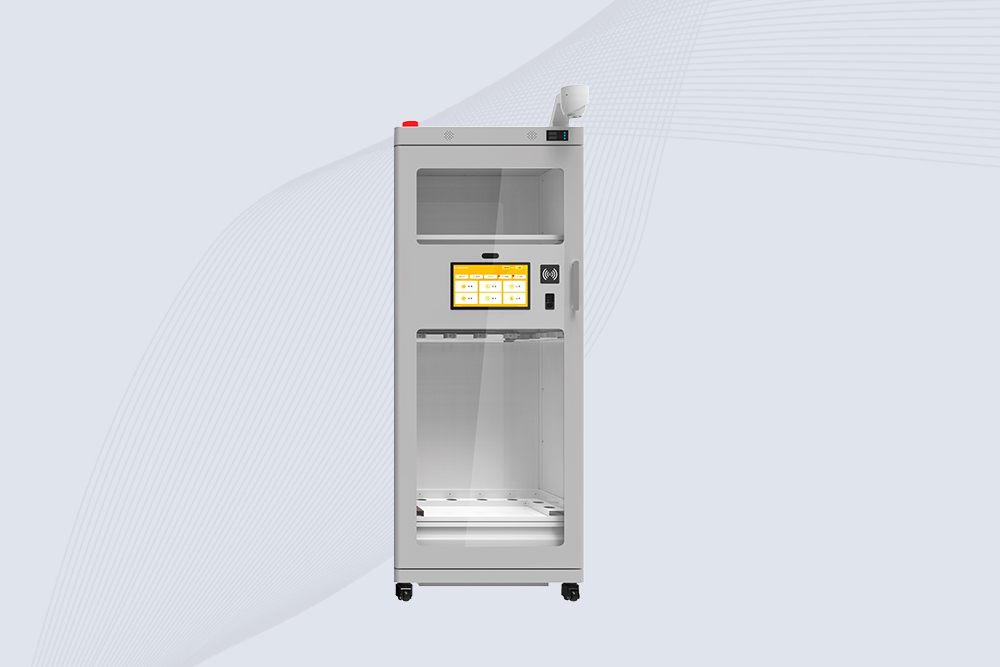
Cykeo’s industrial RFID tool accountability cabinet delivers 99.9% scan accuracy, adjustable shelves, and 24/7 operation for automotive/aerospace manufacturing.
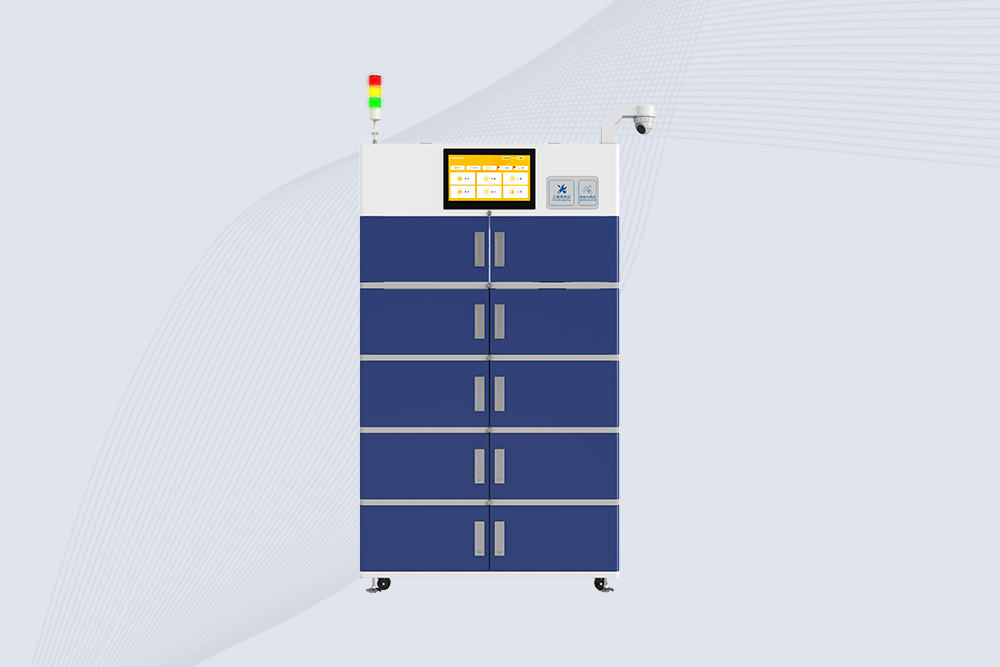
Cykeo’s RFID multi-drawer tool cabinet features 5 adjustable drawers, biometric access, and 99.9% scan accuracy for automotive/aerospace manufacturing.
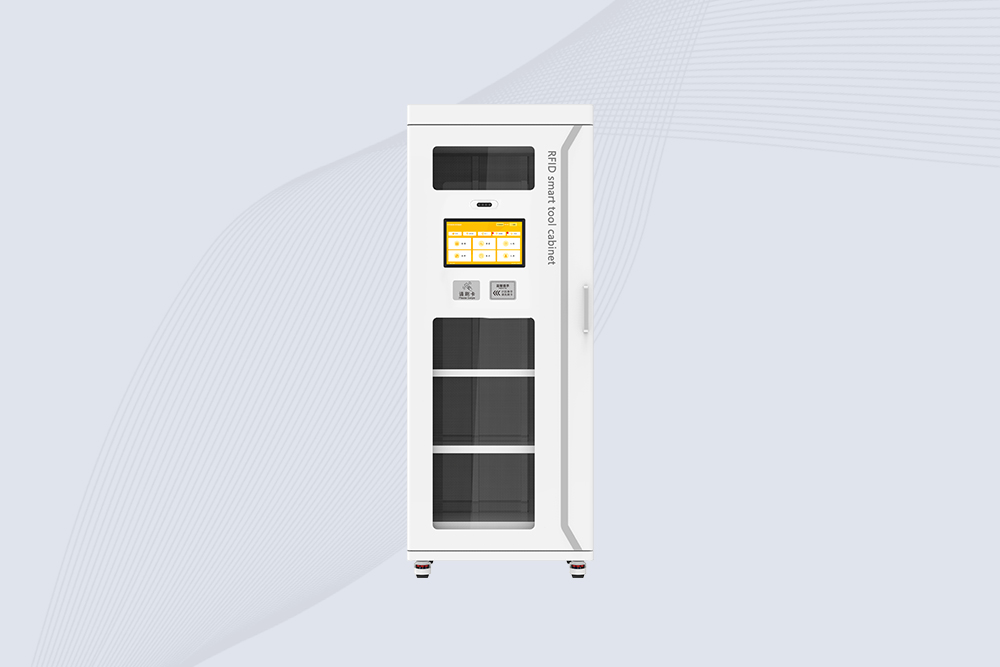
Cykeo’s RFID Automated Tool Cabinet delivers military security, adjustable shelving, and Java/C# SDK integration for defense/aerospace manufacturing.
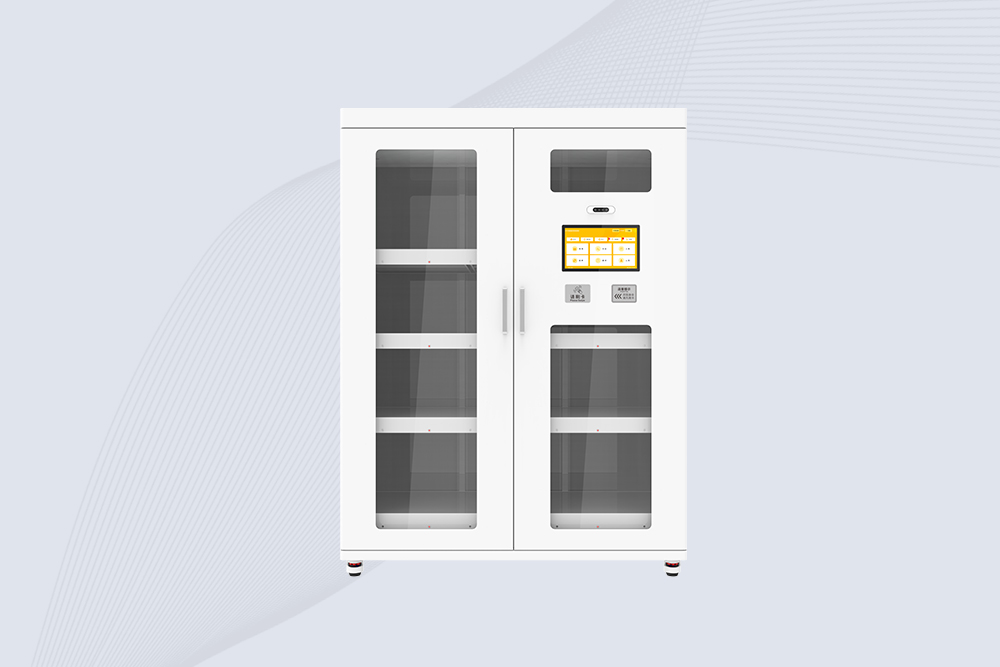
Cykeo’s RFID scalable tool cabinet features multi-unit management, voice guidance, and semi-outdoor durability for automotive/construction/logistics.
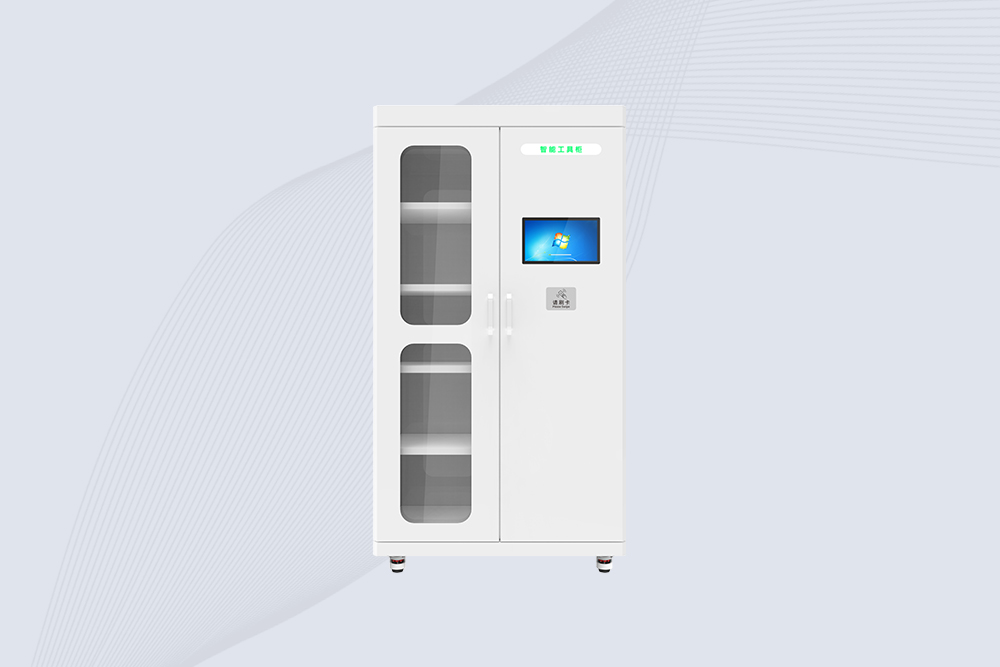
Cykeo CYKEO-GT1B industrial RFID tool storage cabinet features Impinj R2000 UHF technology, 1,000+ tool capacity, IP54 protection, and Windows/Android OS for manufacturing/aviation MRO. Includes auto check-in/out and SAP/Oracle sync.
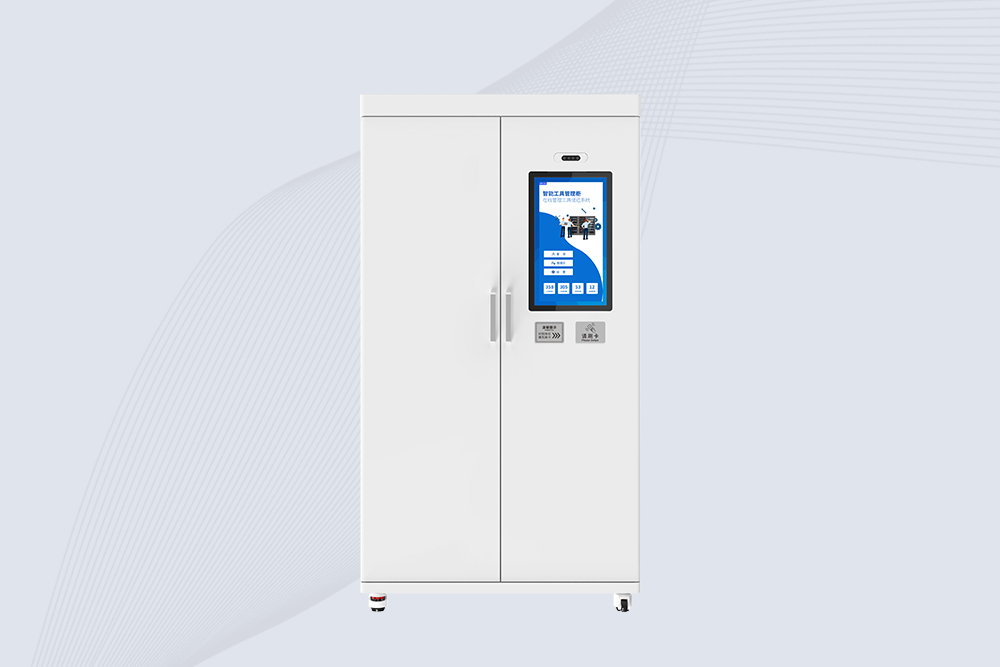
Cykeo CYKEO-GT3C industrial RFID tool checkout system Cabinet features millimeter-wave scanning, 280-layer storage, dual OS, and 99.9% accuracy for aviation/semiconductor sectors. Supports auto check-in/out and real-time SAP sync.
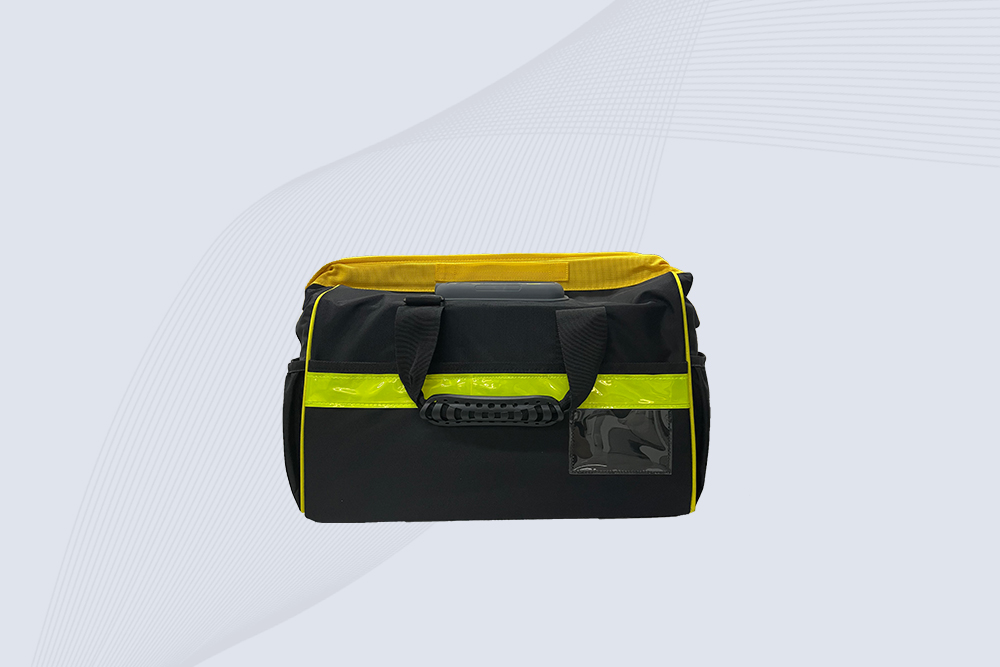
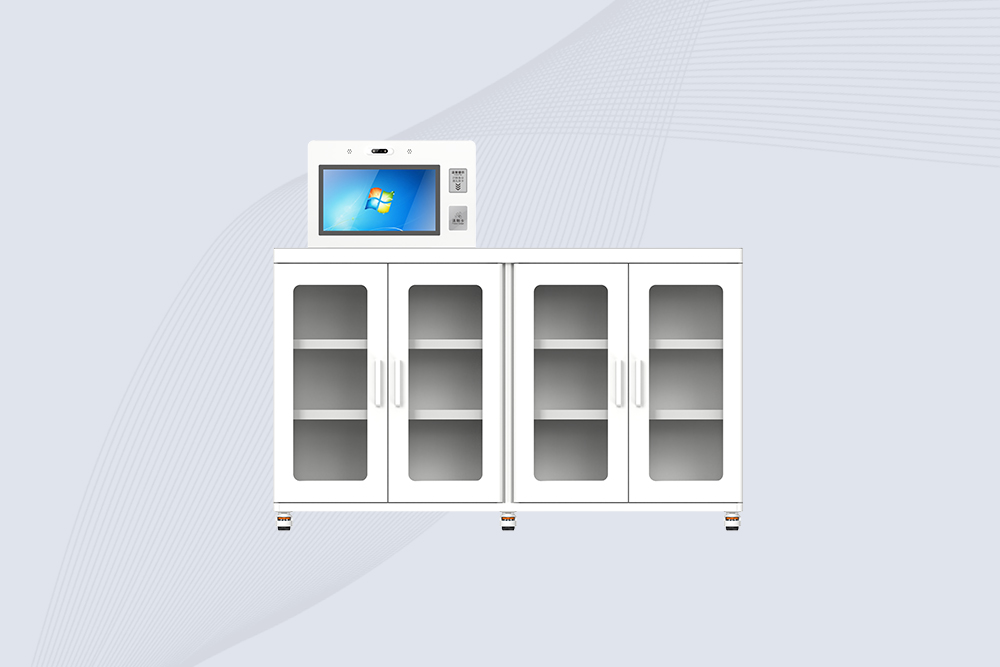
Cykeo CYKEO-GT3D RFID smart tool cabinet offers 5-second inventory scanning for 300+ tools, dual authentication, and 24/7 automated management for industrial facilities.
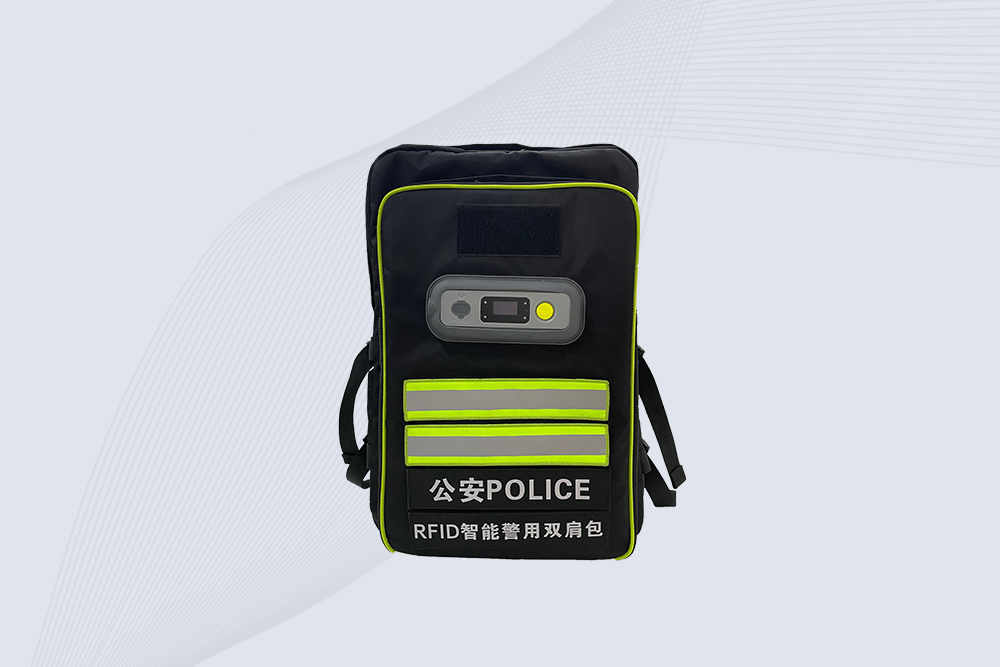
Discover the CYKEO-B1A Industrial RFID Backpack featuring advanced tool tracking technology with 25cm RF shielding, 7-day battery life, and wearable design for field maintenance professionals.
RFID Industry Writer | IoT & Asset Tracking Analyst
James writes about RFID technology, asset tracking, and the practical challenges of digital transformation across warehousing, retail, manufacturing, and logistics.
His work focuses on how RFID is applied in real-world operations—improving inventory visibility, automating workflows, and helping businesses manage assets with greater accuracy and efficiency.
He regularly covers topics including UHF RFID, smart cabinets, RFID portals, tool tracking, warehouse automation, and industrial IoT trends..

USB RFID technology is flexible because the same basic reader concept can support very different industries. The important step is matching the hardware to t...
More
Learn key ISO standards for RFID in supply chain management, including ISO 17363 and 18000-6C. Discover how Cykeo’s solutions ensure global compliance and efficiency.
More
Discover how RFID chips operate: energy harvesting, signal transmission, and real-world applications. Learn about passive, active, and semi-passive chip designs.
More
Discover proven strategies to reduce interference in outdoor long-range RFID systems. Learn how Cykeo’s rugged solutions maintain accuracy in challenging environments.
More