 Cykeo RFID IoT Solution Products R&D Manufacturer

Can an iPhone Read RFID?
303Thinking of using an iPhone for RFID tasks? We answer "can an iPhone read RFID," explaining its severe limitations and why dedicated hardware is essential for asset tracking.
MoreAll RFID Product
If you’ve been sourcing RFID equipment for a warehouse, factory, or retail project, you’ve probably noticed something a little confusing.
Some suppliers call their products RFID scanners.
Others insist they’re RFID readers.
Then distributors use both names on the same product page.
After working with system integrators and wholesalers for years, I’ve realized this isn’t just a wording issue. It actually affects purchasing decisions. I’ve seen buyers request a “scanner” when what they really needed was a fixed industrial reader. The result? Delays, unnecessary returns, and projects that took longer than expected.
So let’s clear up the confusion in plain English.
The easiest way to think about it is this.
An RFID reader is the actual electronic device that communicates with RFID tags using radio waves.
An RFID scanner is usually the product people hold in their hands or use like a barcode scanner. In most cases, there’s an RFID reader inside the scanner.
So every RFID scanner contains an RFID reader.
But not every RFID reader is designed as a scanner.
That distinction becomes important once you’re choosing hardware for a real project.
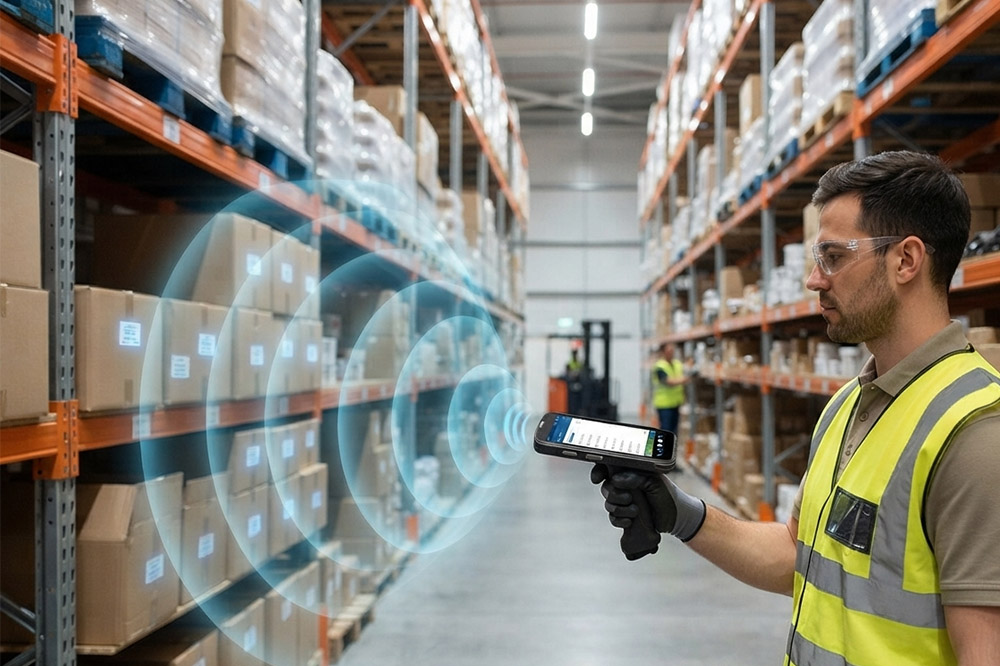
Imagine a distribution center.
At the receiving dock, a pallet moves through a gate without stopping.
The RFID equipment mounted on both sides automatically identifies every tagged carton.
Nobody is holding anything.
This is a fixed RFID reader.
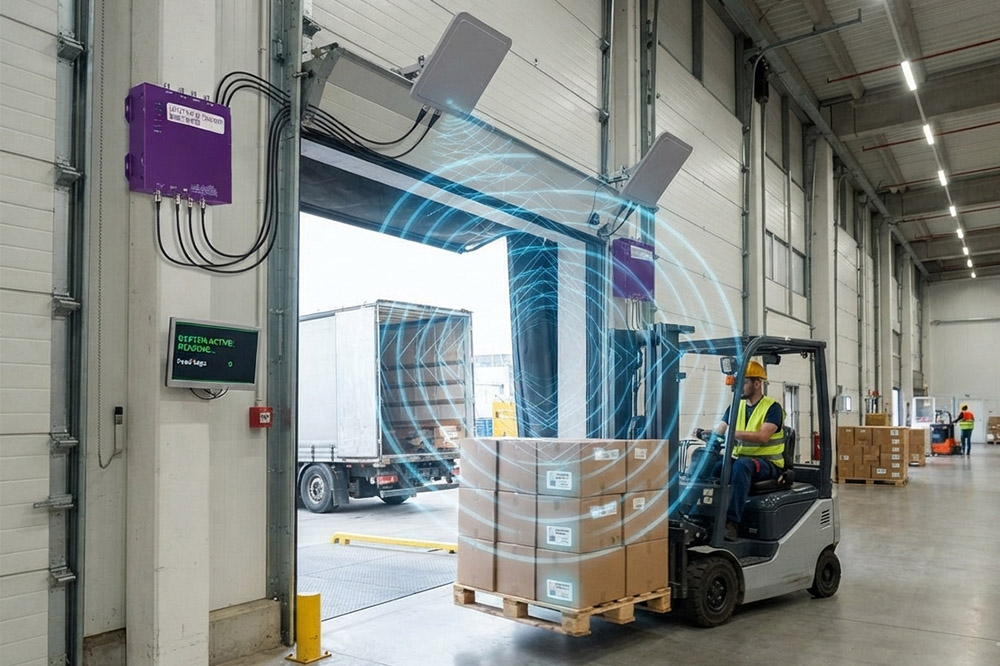
Now imagine a warehouse employee walking through storage aisles counting inventory.
Instead of scanning each barcode individually, they simply walk past shelves with a handheld device.
That’s what most people call an RFID scanner.
Same RFID technology.
Completely different working style.
| RFID Reader | RFID Scanner |
|---|---|
| Core RFID communication device | Usually a handheld device containing an RFID reader |
| Often fixed installation | Usually portable |
| Can support multiple antennas | Normally has one integrated antenna |
| Continuous reading | Operator-triggered reading |
| Used for automation | Used for manual operations |
One thing I often tell buyers is that “scanner” describes how people use it, while “reader” describes what the hardware actually does.
That’s why manufacturers almost always use the word reader, while end users often search for scanner online.
A fixed RFID reader is built for automation.
You install it once, connect power and network, then let it work around the clock.
Typical applications include:
In one manufacturing project, workers previously scanned every toolbox manually before leaving the workshop.
After installing fixed RFID readers above the exits, the process became automatic. Employees didn’t need to stop anymore. Every tagged tool was identified while people simply walked through the doorway.
That kind of workflow isn’t possible with a handheld scanner.
Not every job needs automation.
Sometimes flexibility is far more valuable.
Handheld RFID scanners are commonly used for:
I actually prefer handheld scanners during pilot projects.
Why?
Because they let engineers test different tag positions before committing to permanent installations.
It’s a small detail, but it often saves expensive adjustments later.
Part of the confusion comes from search engines.
People who are familiar with barcode equipment naturally search for RFID scanner because that’s the term they already know.
Manufacturers, however, usually publish products as:
Both sides are talking about similar products—but using different vocabulary.
When wholesalers optimize their websites, they usually include both terms because customers search for both.
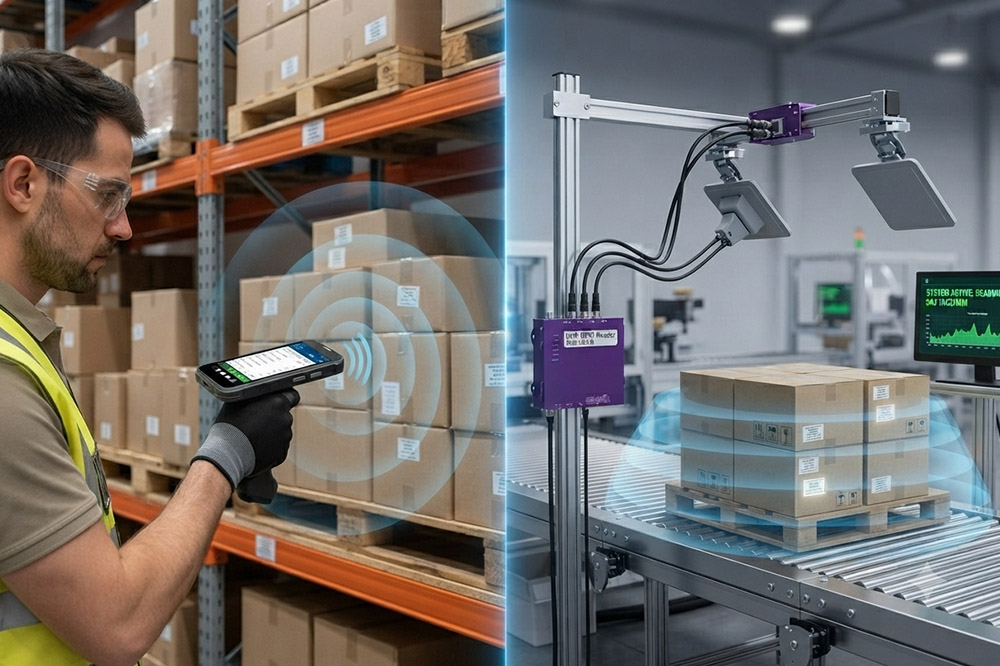
The answer depends on your workflow rather than your budget.
Choose an RFID scanner if:
Choose a fixed RFID reader if:
Sometimes the best solution isn’t choosing one over the other.
Many successful RFID deployments combine both.
A warehouse might use fixed readers at loading doors while supervisors carry handheld scanners for exception handling and inventory verification.
That combination tends to provide the best balance between automation and flexibility.
One mistake I still see is focusing only on reading distance.
Reading range matters, of course, but it isn’t the whole picture.
Before requesting a quotation, it’s worth considering:
A slightly more expensive reader that integrates easily with your software can save weeks of development time.
That’s usually a much better investment than choosing the cheapest hardware available.
Some projects begin with handheld scanners because they’re quick to deploy.
Six months later, inventory volume grows.
Suddenly, employees spend hours walking around with scanners every day.
At that stage, upgrading part of the warehouse to fixed RFID readers often delivers a surprisingly fast return on investment.
I’ve seen companies treat handheld devices as a permanent solution when they were really just a good starting point. There’s nothing wrong with beginning small—as long as the system can scale later.
So, is there really a difference between an RFID scanner and an RFID reader?
Yes—but it’s more about application than technology.
RFID reader is the core hardware that communicates with RFID tags. An RFID scanner is typically a portable device built around that reader, making it easier for operators to perform manual tasks.
If you’re planning a warehouse automation project, manufacturing system, retail inventory platform, or asset management solution, choosing the right hardware at the beginning can prevent unnecessary costs later.
For distributors, OEM brands, and system integrators, it’s also worth working with RFID manufacturer that offers both handheld scanners and fixed readers. That gives you more flexibility as customer requirements evolve.
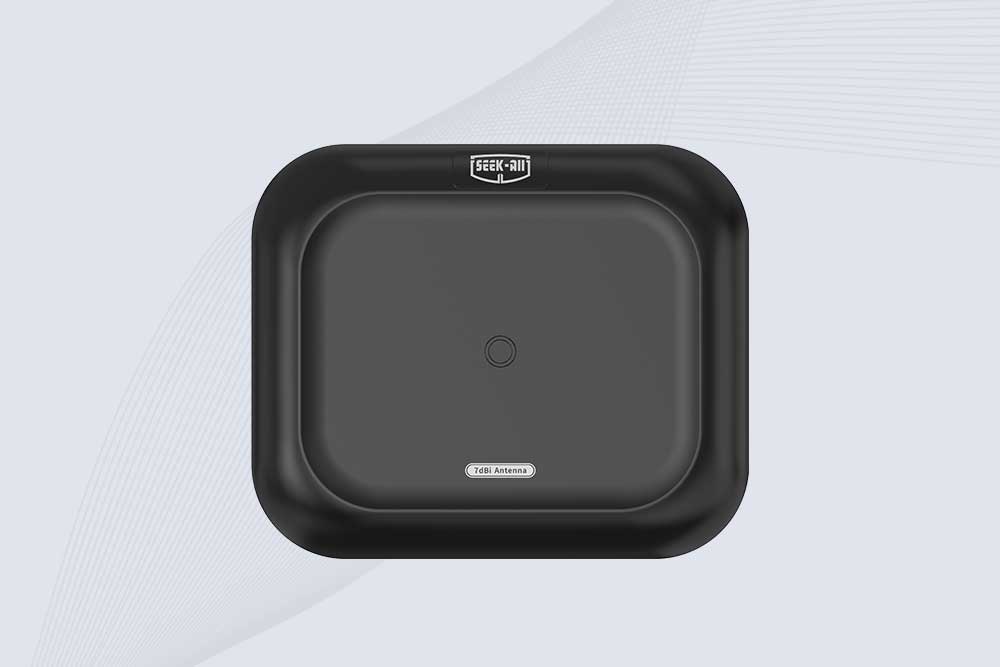
Explore the SSD-A07 UHF RFID antenna with 7 dBi gain, circular polarization, adjustable 840–960 MHz frequency, and 60°/75° beamwidth for stable RFID read/write performance.

SSD-A06 UHF RFID antenna with circular polarization, adjustable 840–960 MHz frequency, ≥4.5 dBi gain, and a compact directional design for RFID systems.
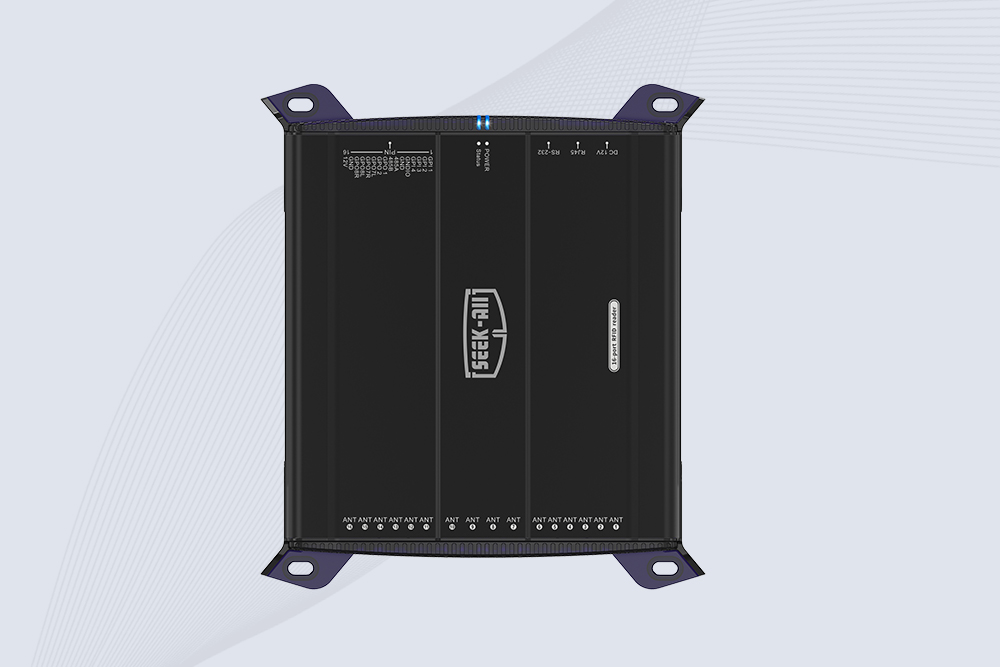
SSD-R16L Multi-Channel RFID Infrastructure for Automated Inventory Management ✔️ 16-Port High-Density RFID Reading Equipped with 16 SMA antenna ports, SSD-R16L supports multi-antenna deployment for warehouses, retail stores, logistics, production lines, and large-area RFID identification. ✔️ High-Speed & Long-Range Performance With up to 33…
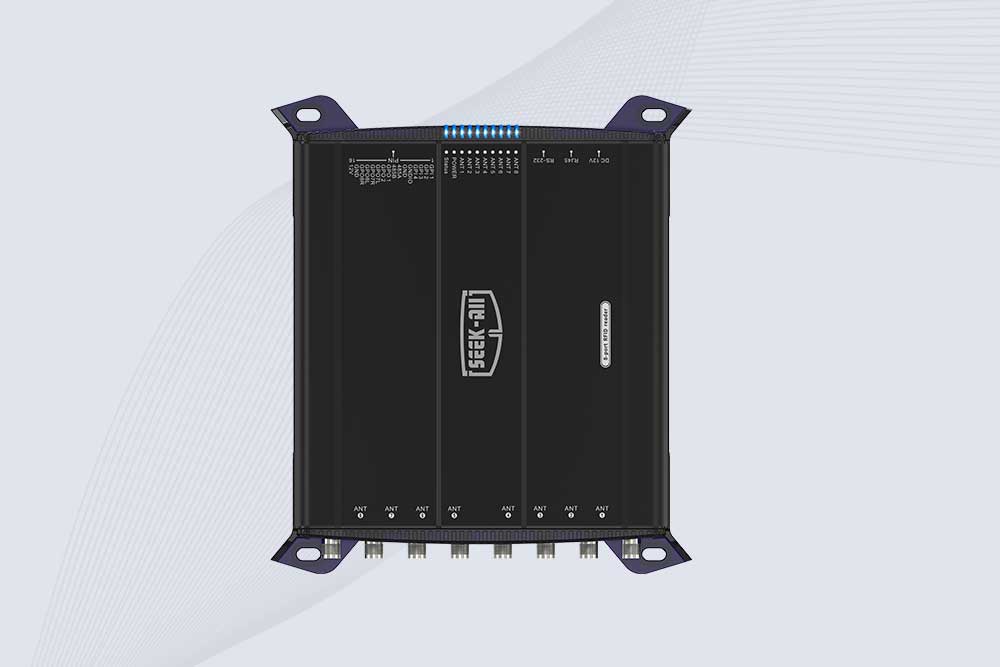
SSD-R8L 8-port UHF RFID reader with 33dBm output, up to 20m reading range and 600+ tags/s recognition. Ideal for warehouse, logistics, retail and asset tracking.
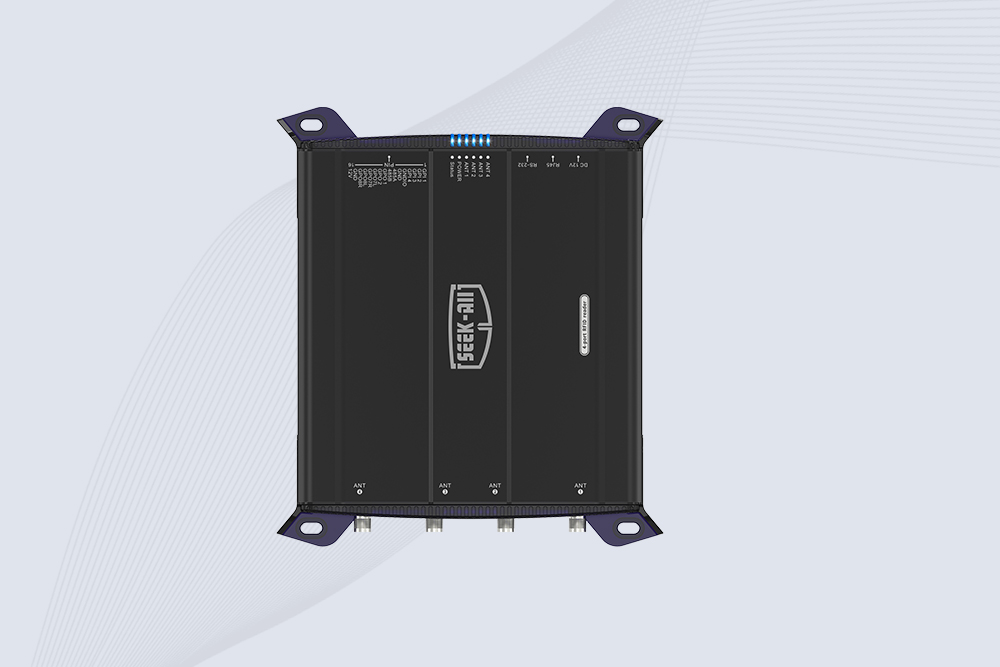
SSD-R4L is a 4-port UHF RFID fixed reader with 33dBm output power, up to 20m reading range, EPC C1G2 support and 600+ tags/s reading speed.
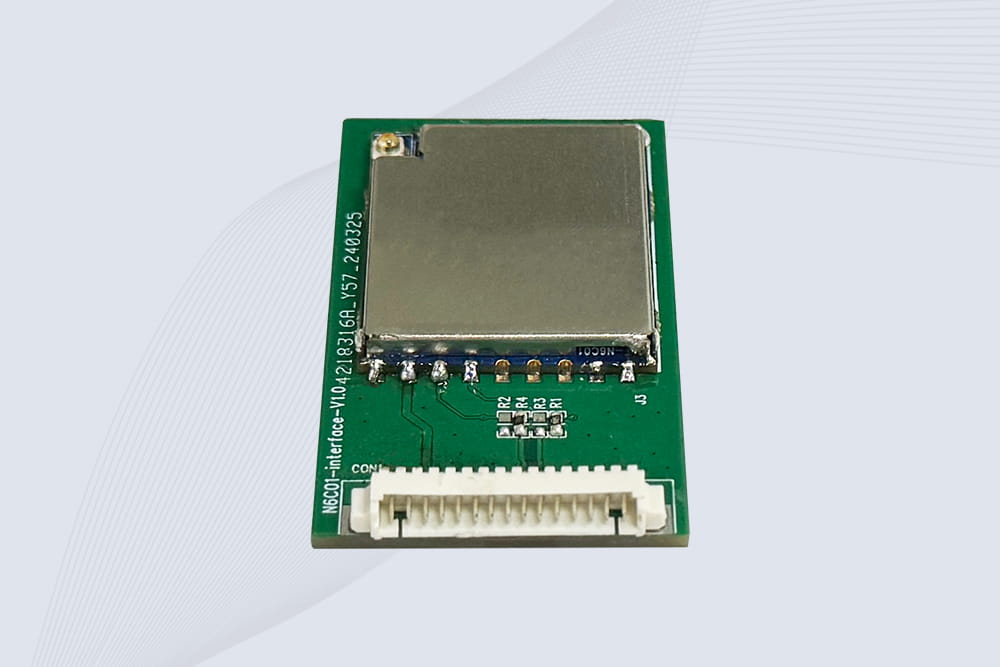
CYKEO Embedded RFID Modules are designed for compact industrial and IoT devices that require stable UHF performance. These UHF RFID Modules support global protocols, flexible power control, and reliable multi-tag reading for smart cabinets, production lines, and asset tracking systems.
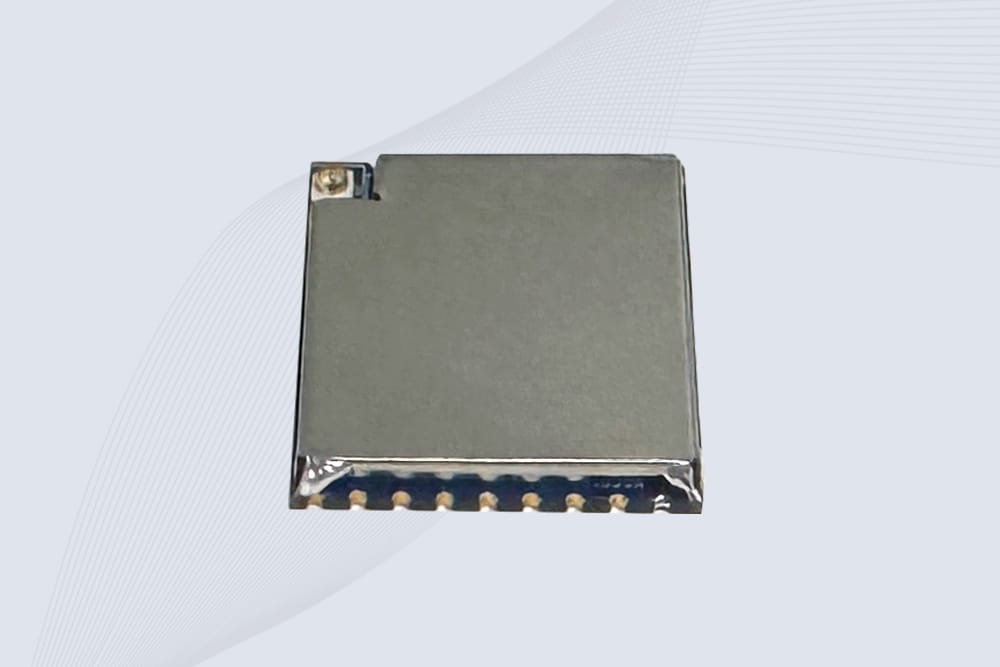
CYKEO Embedded RFID Module is built for compact IoT and industrial devices that need stable UHF performance. This UHF module supports global protocols, low power operation, and reliable multi-tag reading for smart lockers, production lines, and always-on RFID systems.
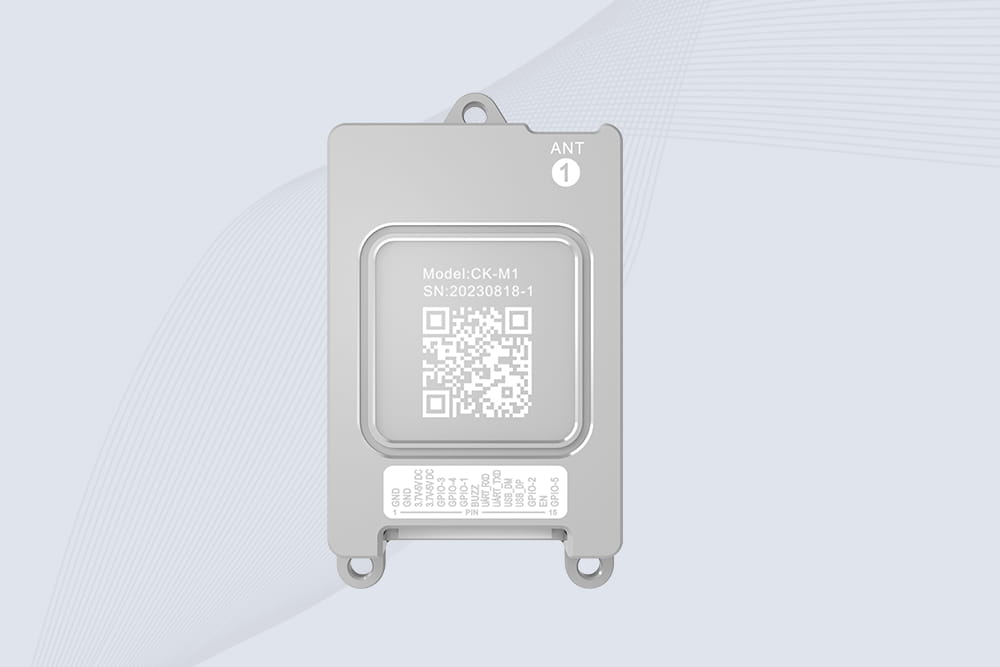
CYKEO CYKEO-M1 drone rfid module is a compact UHF RFID reader module designed for drones and UAV platforms. It supports long-range aerial scanning, fast multi-tag reading, and stable performance in wind, vibration, and outdoor environments.
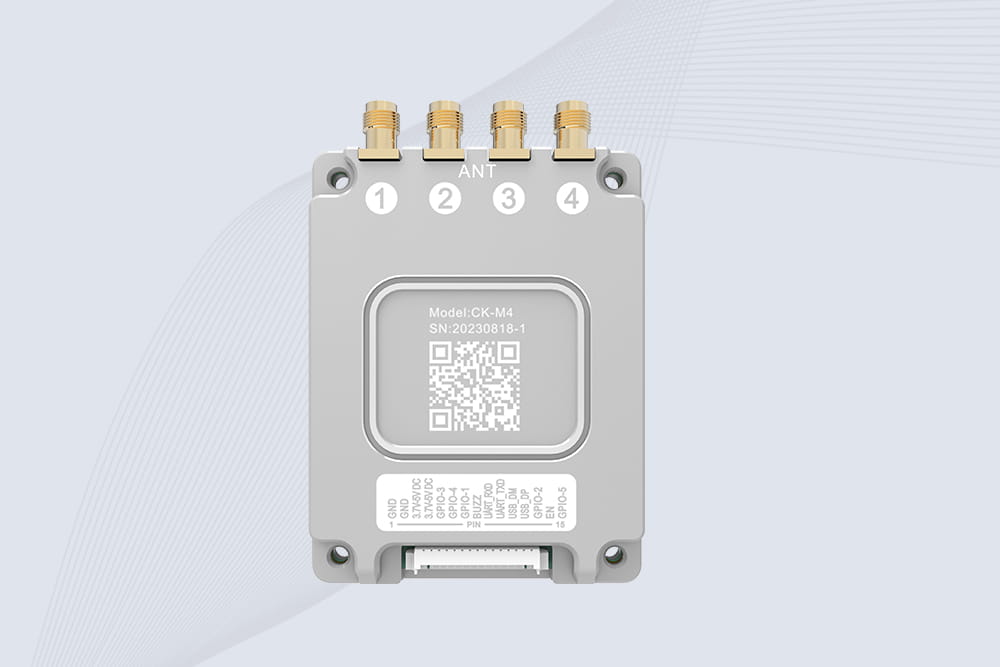
CYKEO CYKEO-M4 RC522 RFID Module is an industrial-grade UHF RFID reader with 4 ports, supporting ISO, EPC, and GB protocols. High-speed, accurate reading for IoT, automation, and warehouse applications.
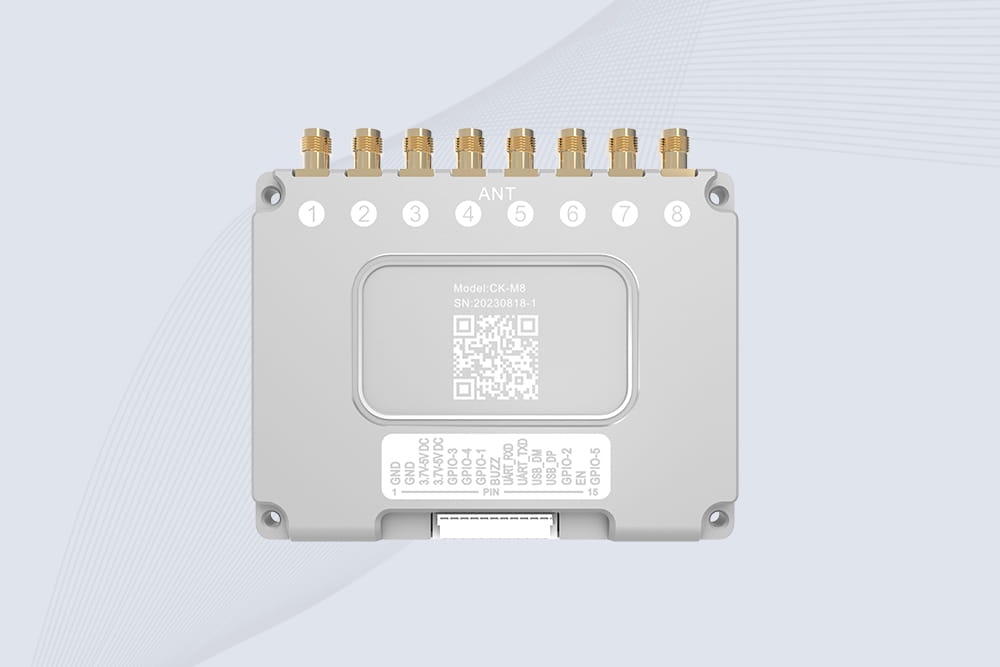
CYKEO CYKEO-M8 Module RFID is an 8-port UHF R2000 RFID Module designed for high-density, multi-tag environments. Stable 33dBm output, ISO & GB protocol support, ideal for warehouses, factories, and automated systems.
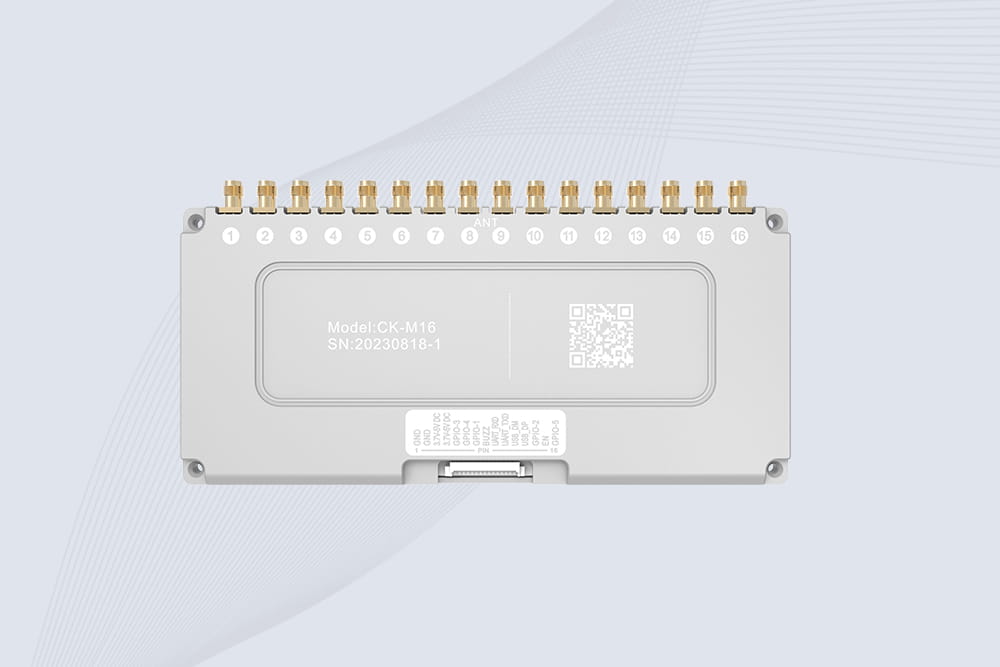
CYKEO CYKEO-M16 RFID Module is a 16-port UHF RFID reader module based on the R2000 chipset. Designed for dense tag environments, it supports ISO and GB standards and delivers stable multi-antenna control for industrial automation.
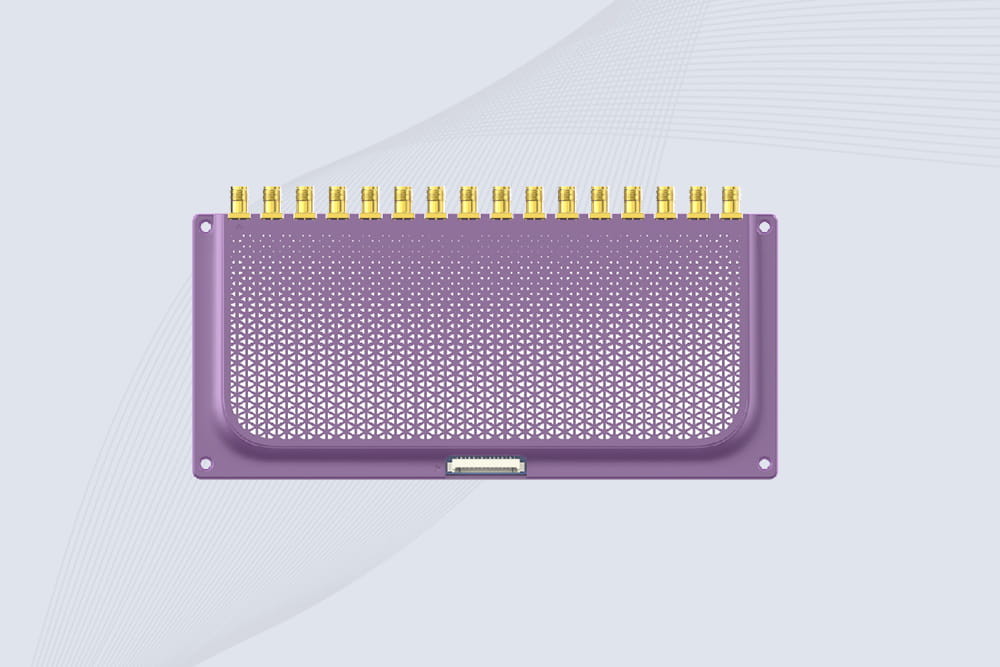
The CYKEO CYKEO-M16L RFID Reader Module is a 16-channel UHF RFID core designed for dense tag environments. With adjustable 33dBm output, multi-protocol support, and stable multi-antenna control, this RFID Tag Reader Module fits industrial automation, warehouse systems, and large-scale IoT deployments.
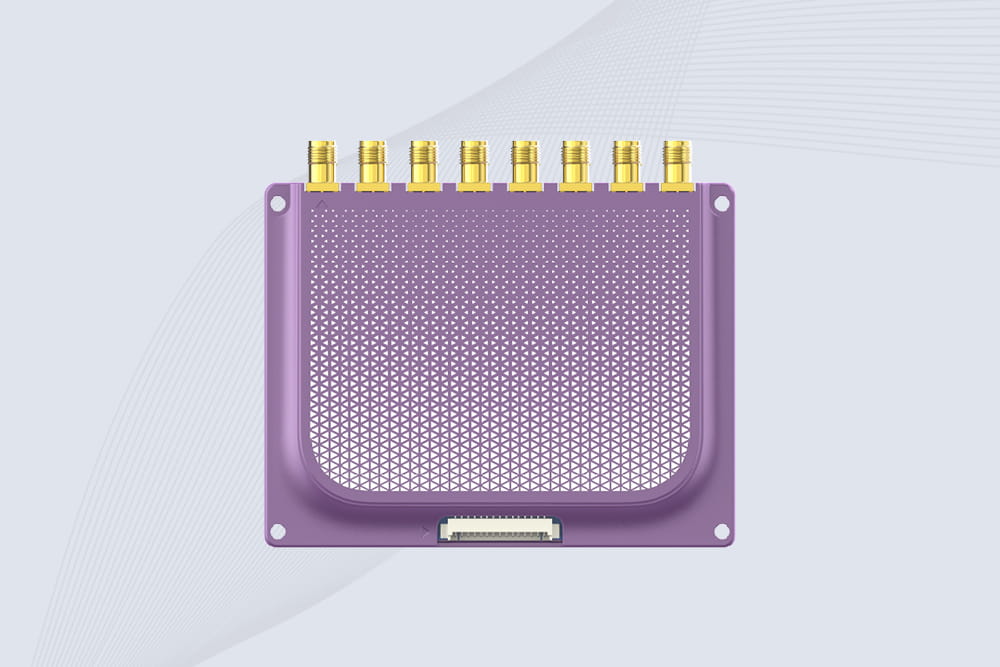
CYKEO CYKEO-M8L module RFID is a compact industrial UHF module built for dense tag and multi-antenna environments. With 8 RF ports, adjustable 33 dBm output, and ISO & GB protocol support, it is widely used in factories, warehouses, and automated tracking systems.
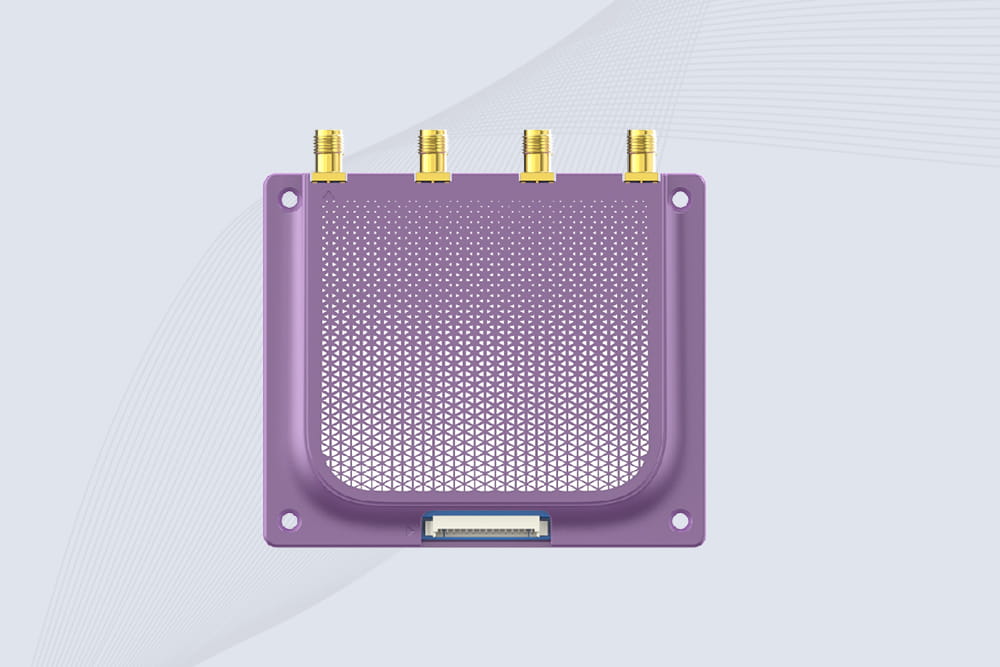
CYKEOCYKEO-M4L UHF RFID Module is a compact 4-channel RFID tag reader module designed for dense tag environments. Supporting ISO and GB protocols, it delivers stable reads up to 10 meters for industrial and IoT systems.
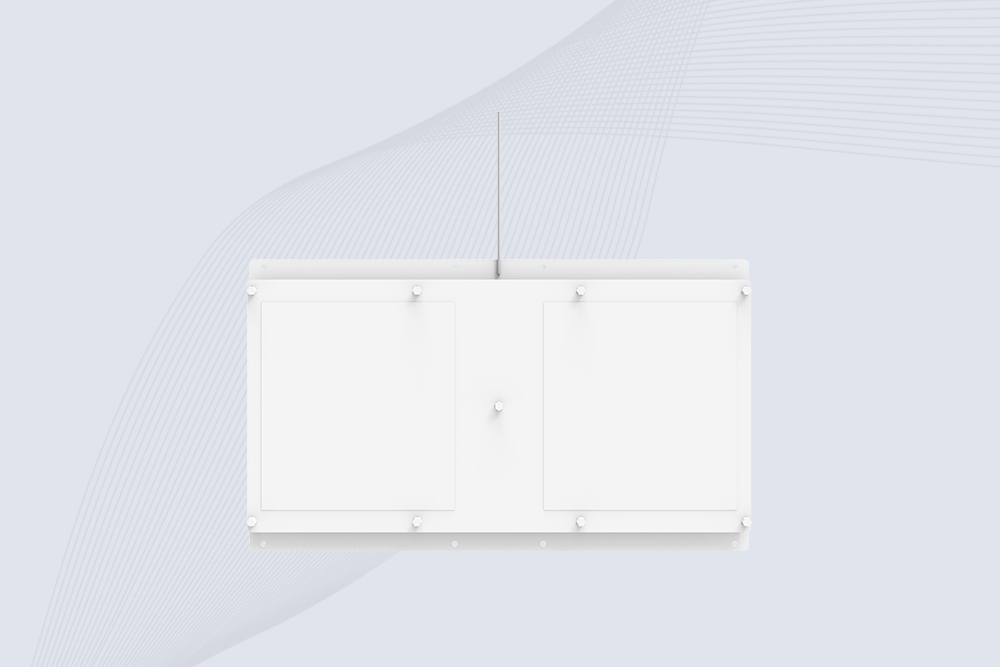
Cykeo CYKEO-A11 UHF RFID reader antenna delivers 11dBi gain, 840-960MHz frequency range, and IP65 ruggedness for retail, logistics, and industrial RFID systems. Features low VSWR and easy installation.
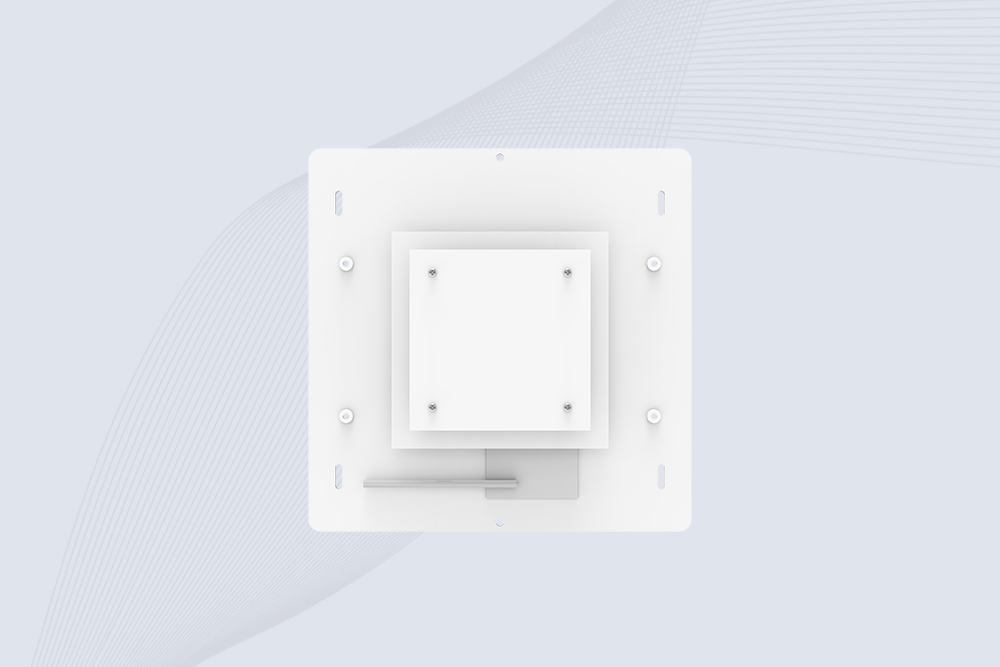
CYKEO Antenna RFID Reader delivers stable long-range UHF performance with a 10.5dBi directional design, built for warehouses, conveyor portals, and industrial RFID systems. This rfid reader antenna provides 20m+ read distance and rugged IP67 protection.

Cykeo CYKEO-PHF3 industrial HF RFID Antenna offers 24-point dynamic tracking, ISO 14443A/15693 protocols, metal-environment stability for archives/libraries/manufacturing.

Cykeo CYKEO-A5B industrial Linear RFID Antenna delivers 5dBi gain, ≤1.5:1 VSWR, and IP65 rugged design for warehouse, production line, and logistics UHF systems.

Cykeo’s CYKEO-B12 Long Range RFID Antenna delivers 15m+ read range with 12dBi gain, IP65 rugged design, and global 840-960MHz UHF support. Ideal for warehouse/logistics asset tracking.
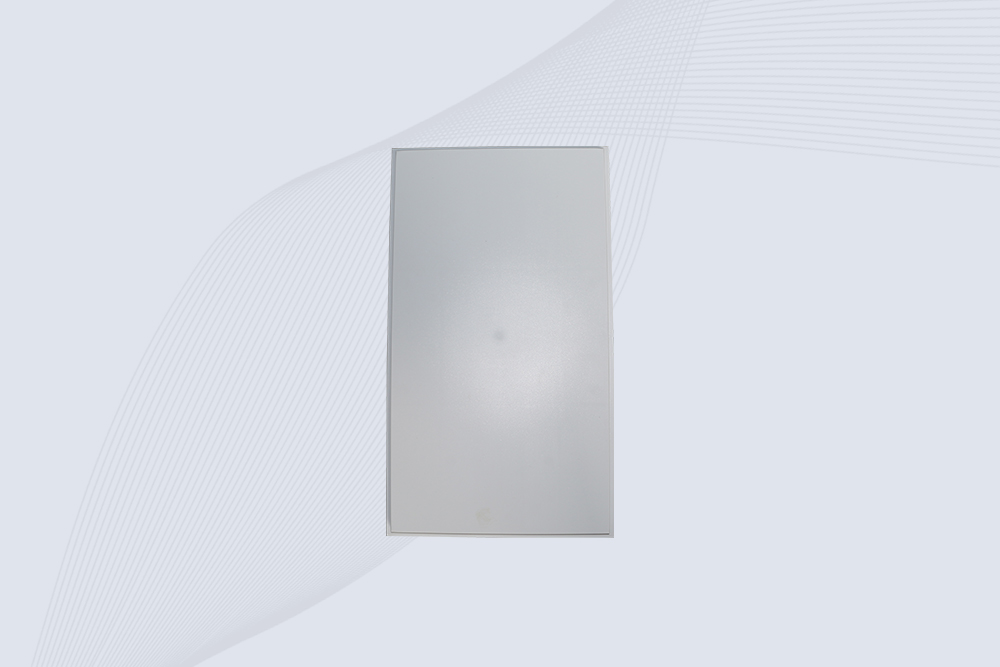
Cykeo CYKEO-B10 Long Distance RFID Antenna offers 10dBi gain, 840-960MHz frequency range, IP65 rating, and 20m+ coverage for logistics/warehousing/ETC systems. Low VSWR ensures stable signal transmission.
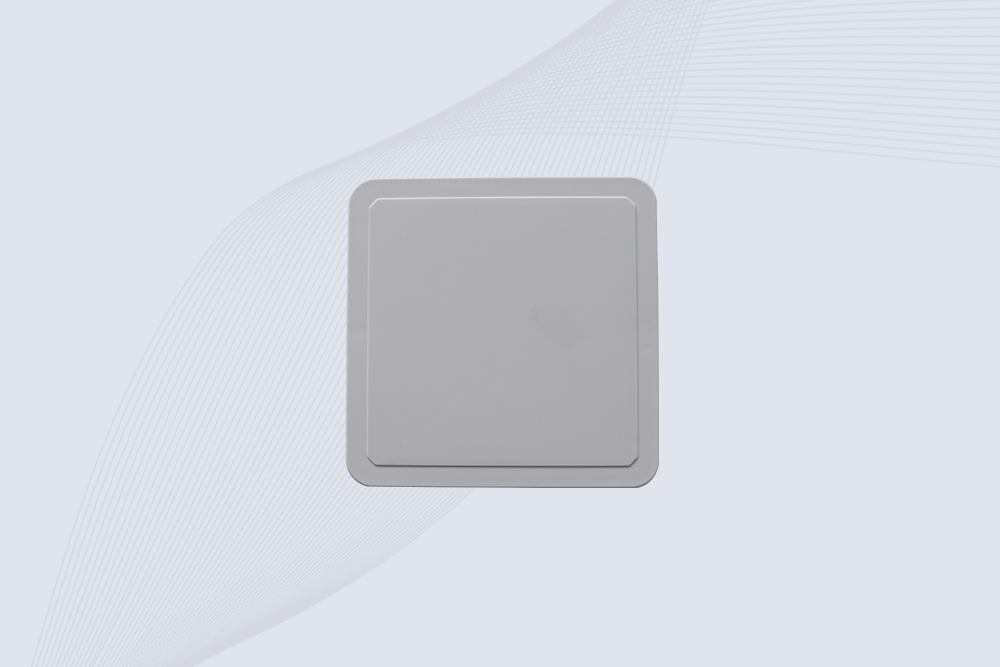
Cykeo CYKEO-A6 UHF RFID panel antenna features 6dBi gain, 840-960MHz broadband, IP65 metal-ready housing for logistics/smart retail. 18mm ultra-thin design with tool-free mounting.

Cykeo CK-A3 industrial antenna RFID UHF offers 5m+ tag detection, ≤1.3:1 VSWR, IP65 rugged design, and global UHF spectrum compatibility (840-960MHz) for warehouses, factories, and retail.
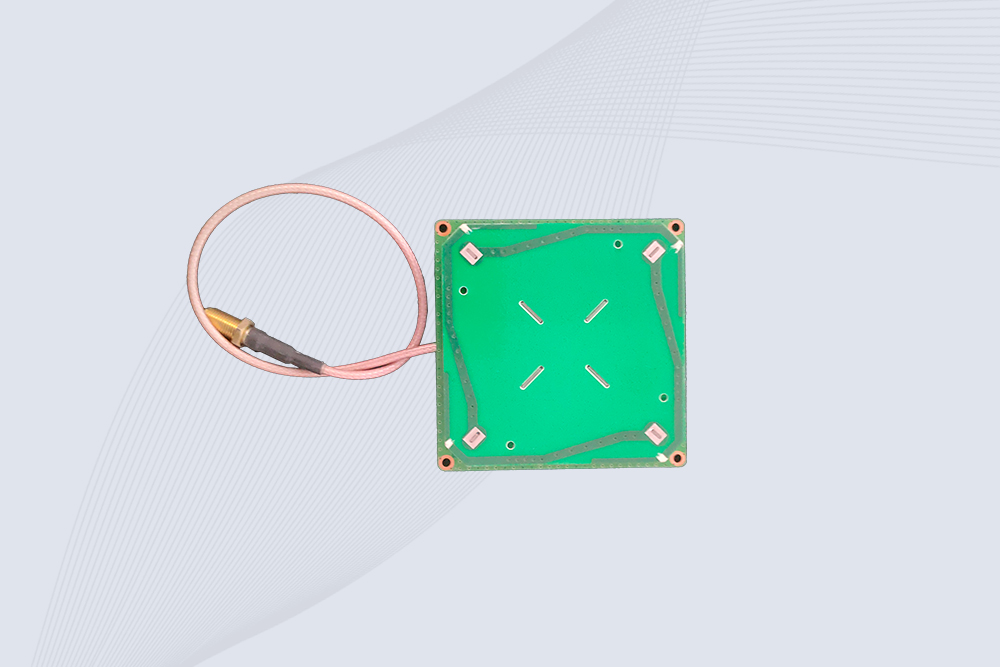
Cykeo CYKEO-B5 directional RFID antenna provides 5dBi gain with 60° narrow beamwidth for precise inventory tracking. IP65-rated, global UHF frequency support, and low VSWR.
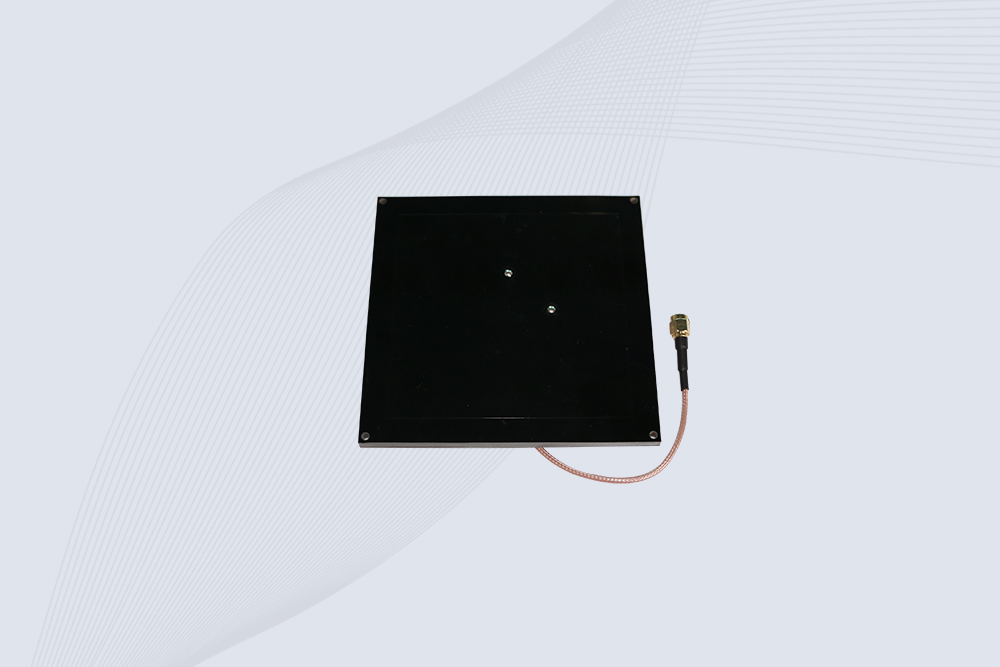
Create your own high-performance DIY RFID antenna! 5dBi gain, 840-960MHz tunable, step-by-step guides. Compatible with Arduino, Raspberry Pi, and commercial UHF readers.
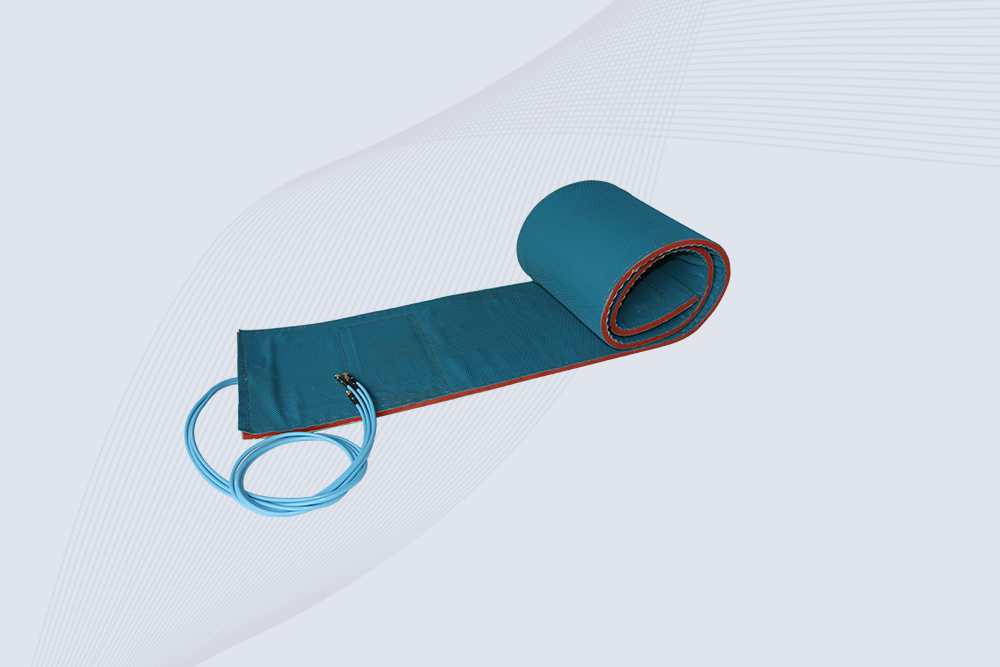
Cykeo CYKEO-A7 Flexible RFID Antenna features 840-960MHz wideband tuning, 7dBi gain, and IP68 rating for medical/retail/industrial curved surface deployments. 98% read accuracy with peel-and-stick installation.
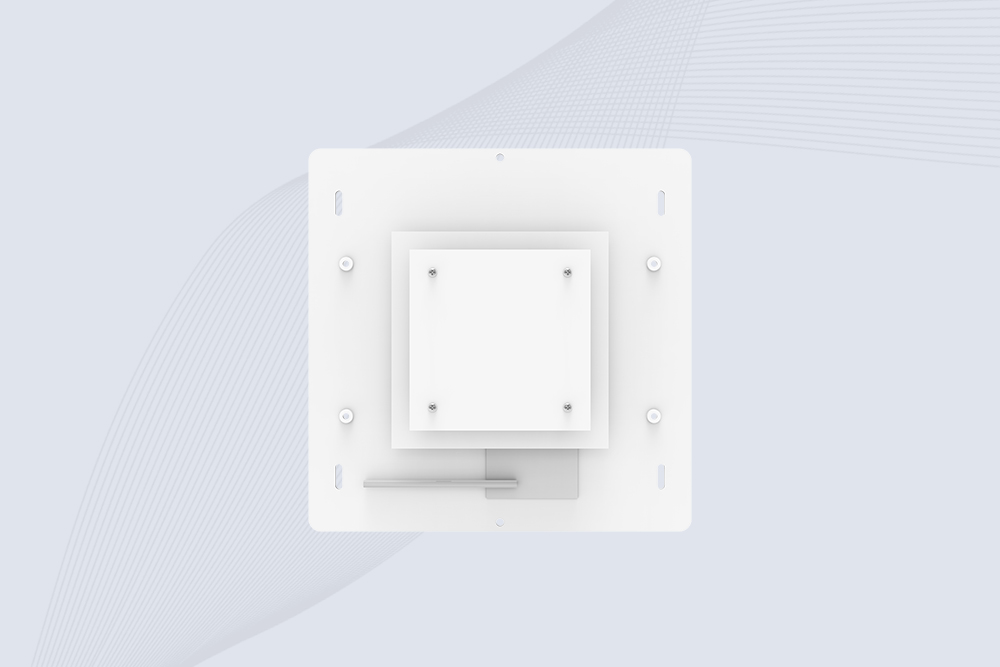
Cykeo CYKEO-B5A industrial Passive RFID Antenna delivers 5dBi gain, 70° beamwidth, and -40°C~55°C operation for warehouses/smart cabinets. Compatible with Zebra/Impinj readers.
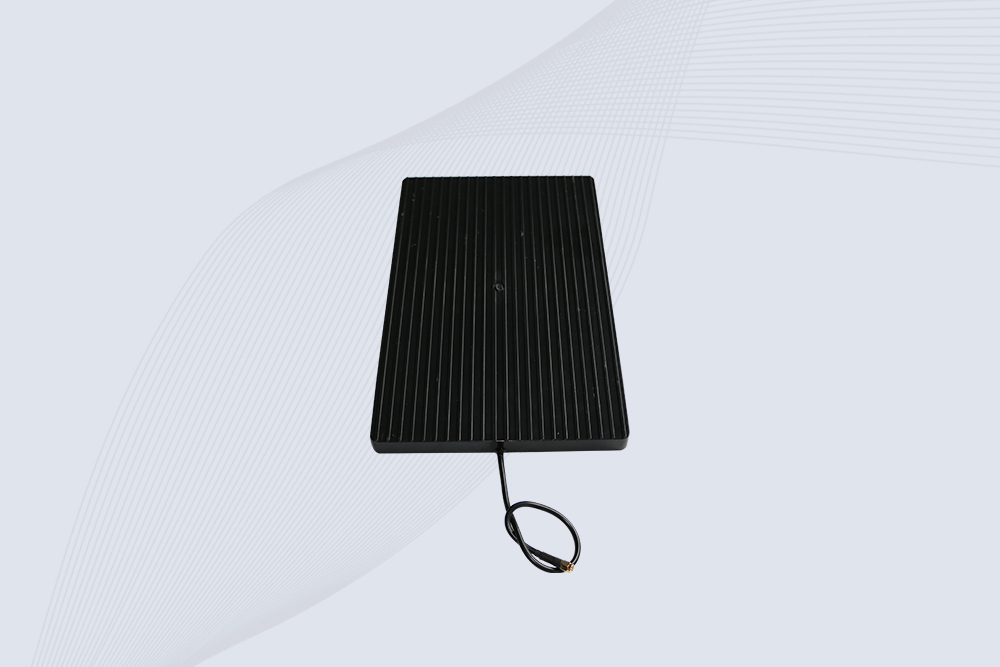
Cykeo’s CYKEO-A9B High Gain RFID Antenna delivers 15m+ read range with 9dBi amplification. Features IP54 rugged design, 840-960MHz bandwidth, and 80° beamwidth for warehouse/manufacturing RFID systems.

Cykeo’s enterprise-grade 8dbi Impinj RFID Antenna 10m+ read range with 840-960MHz tuning. Features IP65 housing, 1.4 VSWR, 35° beamwidth for retail/warehouse RFID systems.
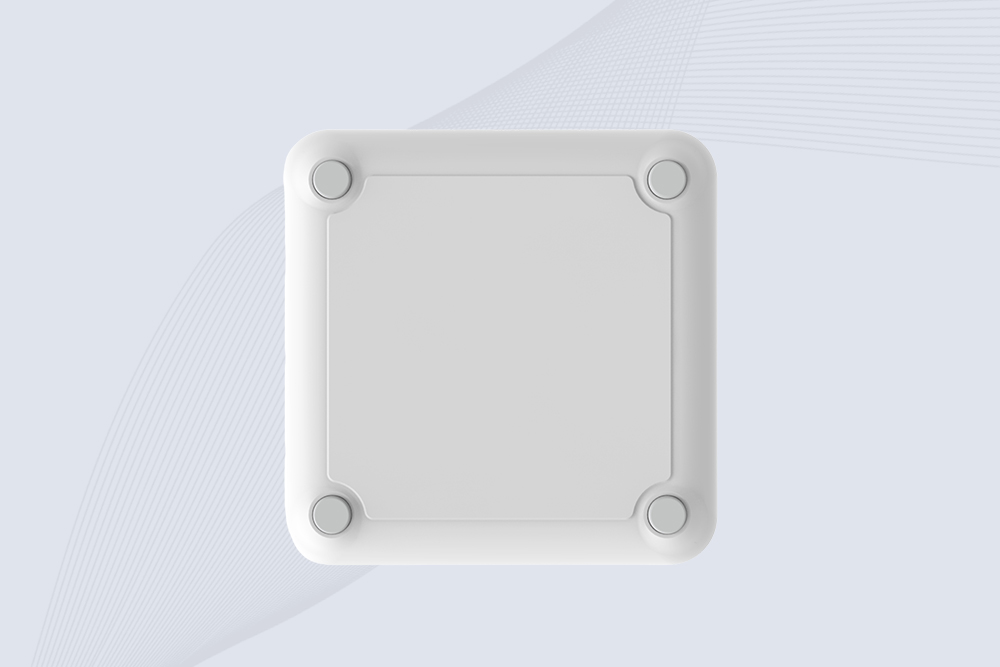
Cykeo CYKEO-A9 industrial UHF RFID antenna delivers 9dBi gain, 840-960MHz frequency range, and IP65 protection for warehouse/logistics/retail RFID systems. Features N-type connector and ≤1.3:1 VSWR.
CYKEO UHF RFID Antenna built for long-distance and industrial applications. This antenna rfid uhf delivers strong gain, outdoor durability, and reliable tag performance in warehouses, yards, and vehicle ID systems.
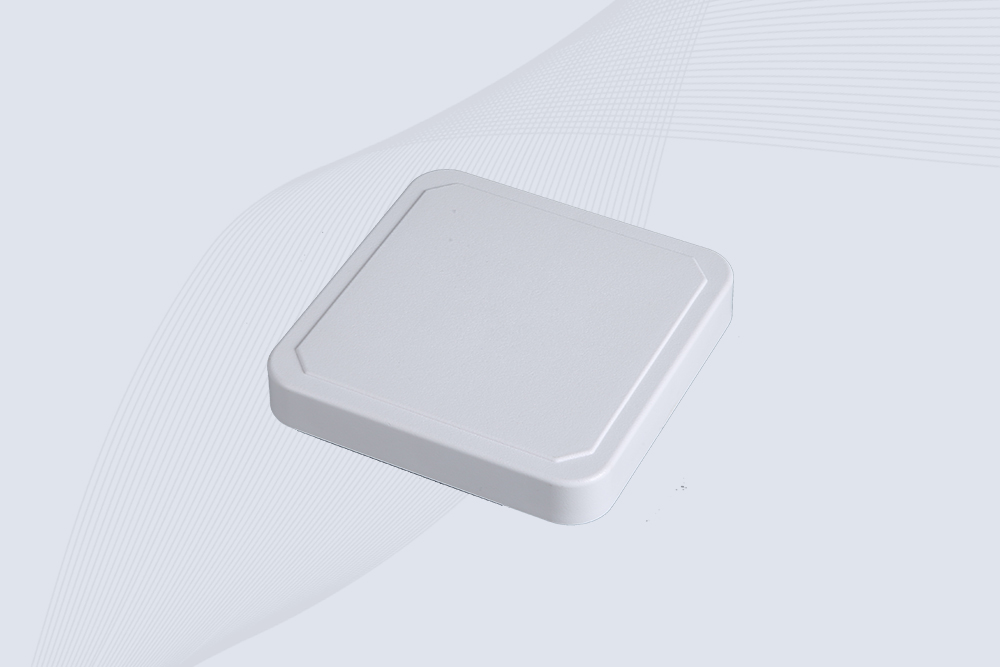
CYKEO Antenna RFID delivers reliable long-range UHF performance in warehouses, retail shelves, and cold-chain environments. This compact uhf rfid antenna provides stable reads with circular polarization and ultra-wide 840–960 MHz support, ideal for industrial tracking, smart shelves, and asset monitoring.
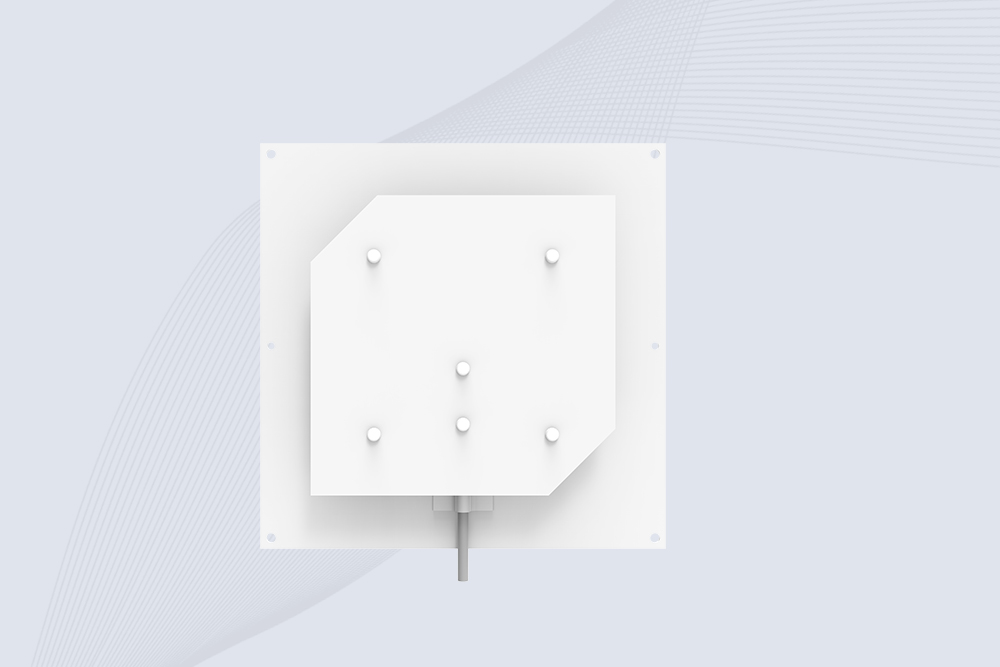
Cykeo’s CYKEO-C8 UHF RFID antennas delivers 8dBi gain, 840-960MHz full-band coverage, and IP65 ruggedness for manufacturing/warehouse RFID systems. Industrial RFID Antennas Features
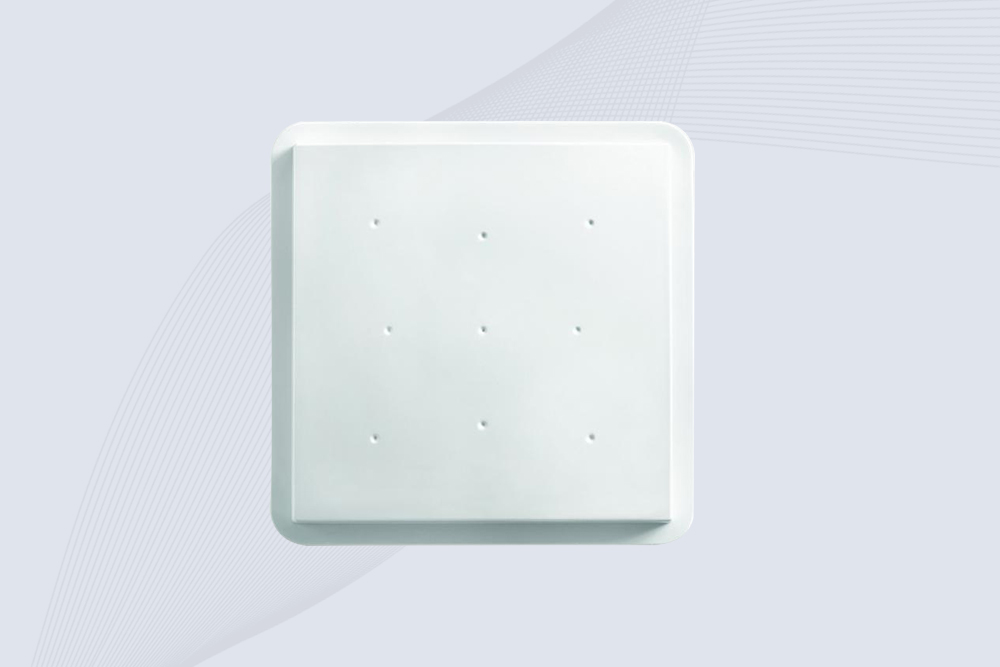
Cykeo’s 8dBi UHF RFID antenna and reader kit delivers 10m+ range, 840-960MHz broadband, and IP65 ruggedness for factories, warehouses, and logistics. ISO 18000-6C & EPC Gen2 certified.
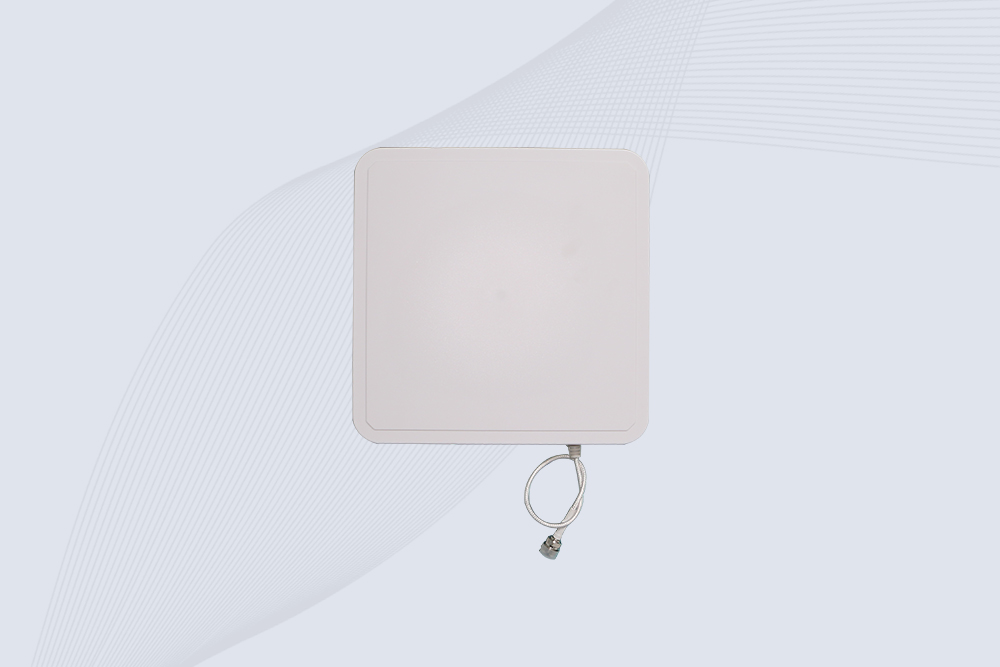
Cykeo CYKEO-A9A industrial UHF RFID reader and antenna kit delivers 10m range, 500 tags/sec, IP65 ruggedness for manufacturing/logistics. Supports EPC Gen2, ISO18000-6C.
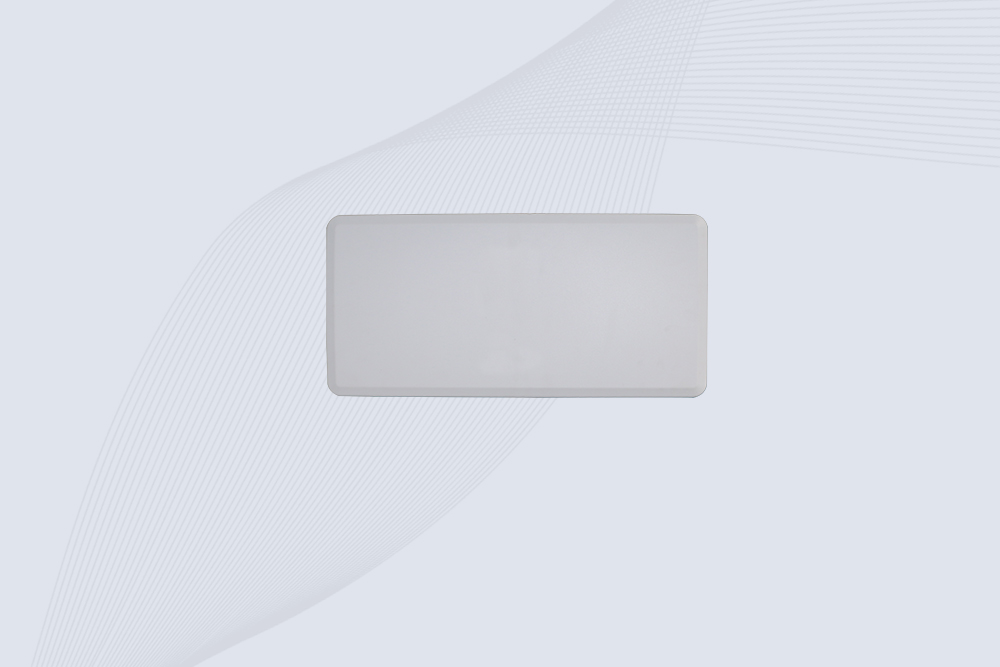
Cykeo’s CYKEO-A12C UHF Large RFID Antenna delivers 12dBi gain, 840-960MHz global frequency, IP65 ruggedness for logistics/warehousing/automotive. 40° beamwidth ensures stable 15m+ tag reads.

CYKEO Near Field RFID Antenna provides precise 5–30 cm reading for shelves, cabinets, and workstations. This compact rfid shelf antenna delivers stable short-range performance around metal and clutter, ideal for pharmacies, libraries, and electronics sorting.
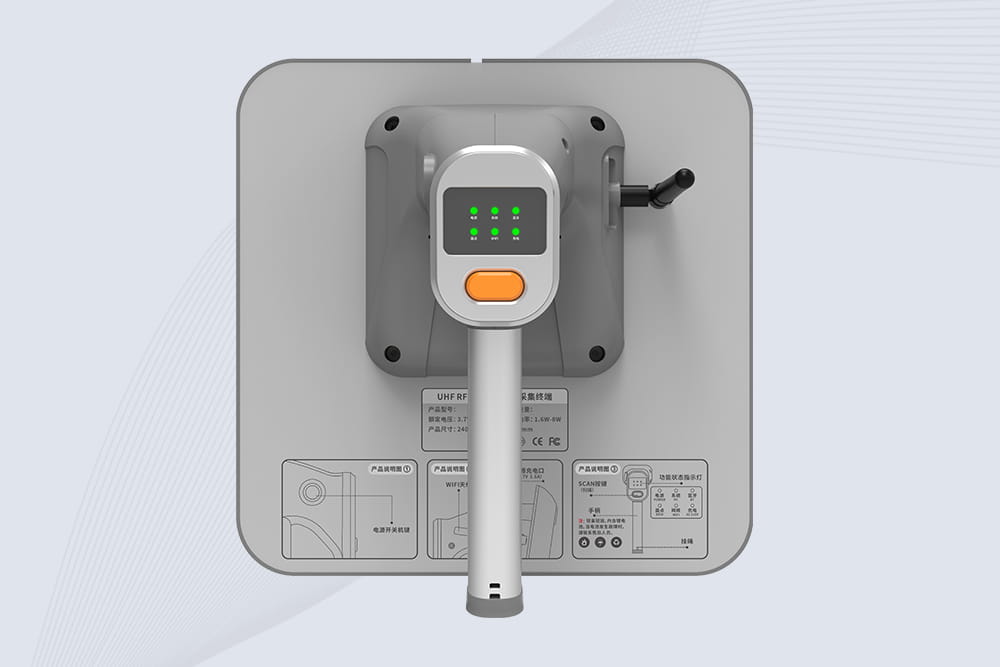
Cykeo CYKEO-B9 UHF Bluetooth handheld RFID scanner features 12m UHF range, 200+ tags/sec scanning, IP67 rugged design for retail/warehouse/pharma. Supports Android SDK & real-time Bluetooth 5.0 transmission.
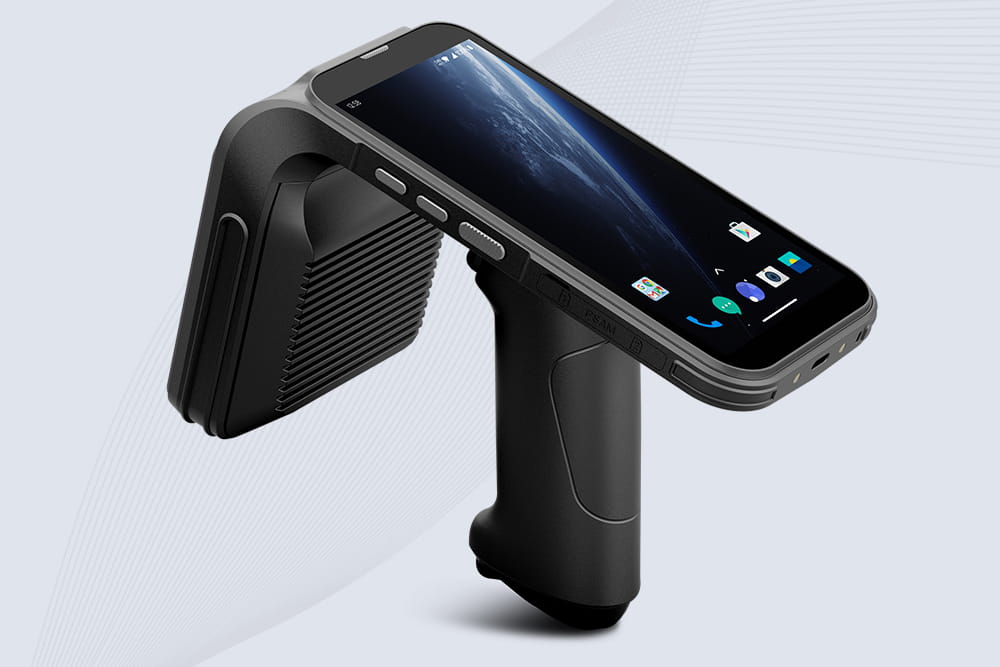
Cykeo CYKEO-B4 UHF Handheld RFID Reader scanner delivers 1300 tags/sec reading, 30m UHF range, and 12-hour battery life. IP65 rugged design with barcode/NFC/ID scanning for retail/manufacturing/logistics.
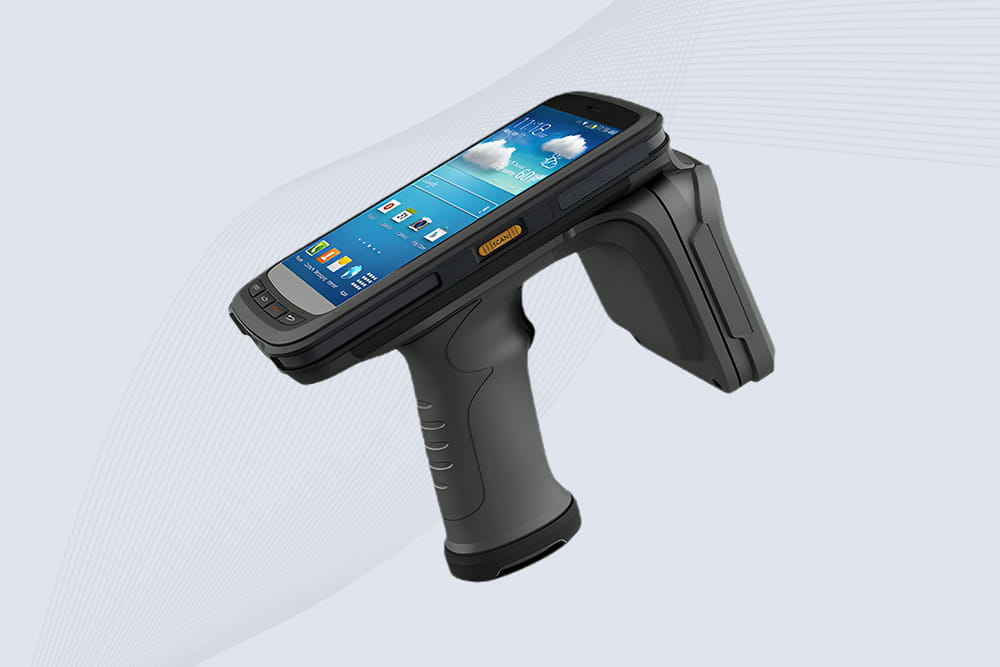
Cykeo CYKEO-B2 industrial UHF RFID handheld Scanner offers 10m range, 500 tags/sec scanning, Android 11 OS, and IP65 rugged design for retail/warehouse/manufacturing.
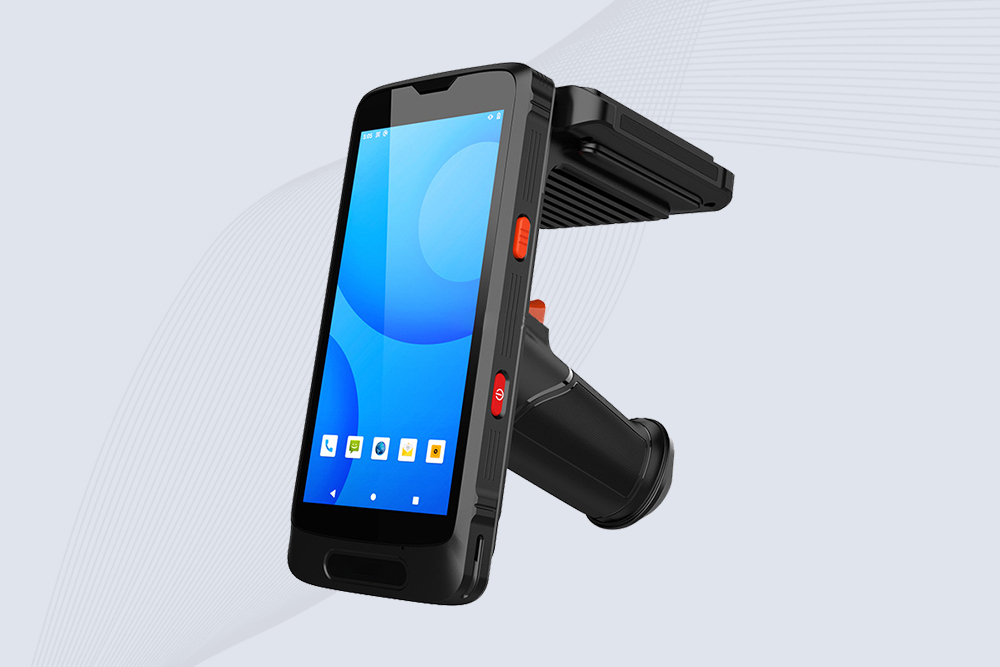
Cykeo CYKEO-B3 industrial RFID Reader Handheld, terminal offers 2m read range, multi-protocol scanning (NFC/barcode/ID), Android 10 OS, and IP65 ruggedness for logistics/retail/manufacturing.
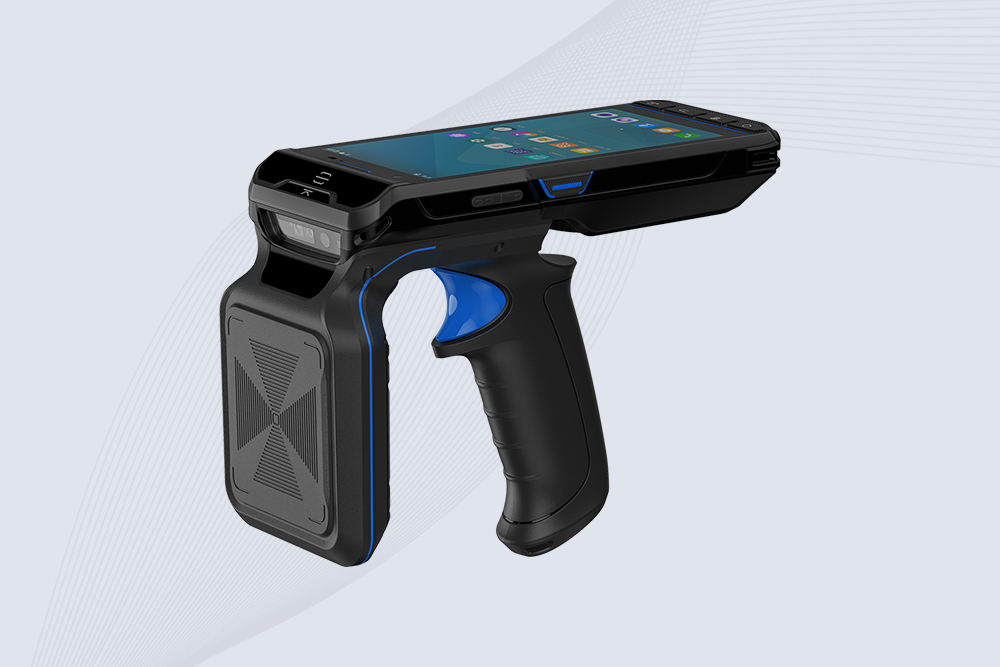
Cykeo CYKEO-B3L industrial handheld UHF RFID Reader terminal features 20m read range, 500 tags/sec scanning, Android 13 OS, 12-hour battery for logistics/retail/manufacturing. Supports barcode/NFC/ID reading.
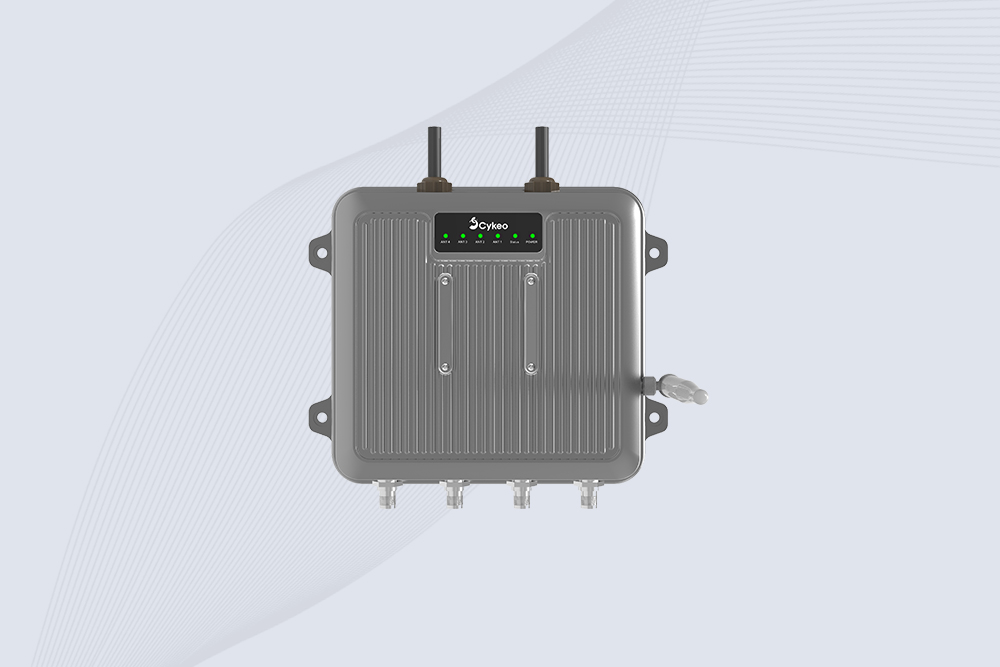
Cykeo CYKEO-C1 industrial Forklift RFID Reader features 20m read range, 600 tags/sec scanning, Impinj R2000 chipset, and IP67 rugged design. Ideal for warehouse logistics and manufacturing. Supports ISO 18000-6C/6B protocols.
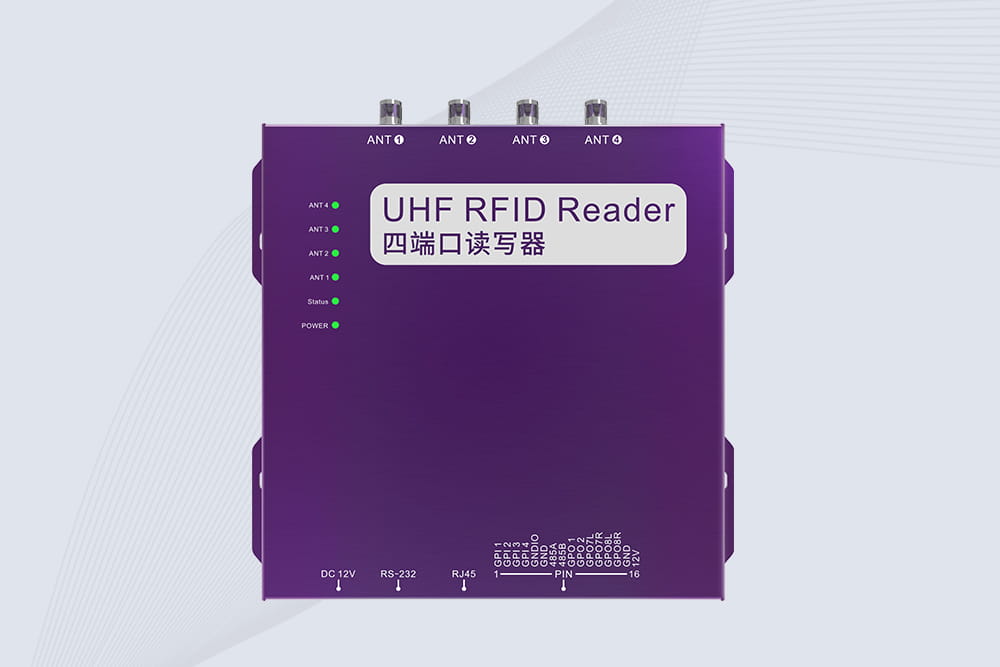
Cykeo CYKEO-R4 industrial UHF RFID Fixed Reader features 4 TNC ports, 400+ tags/sec speed, IP67 housing, and global frequency compliance for vehicle inspection, smart warehouse, and asset management systems.
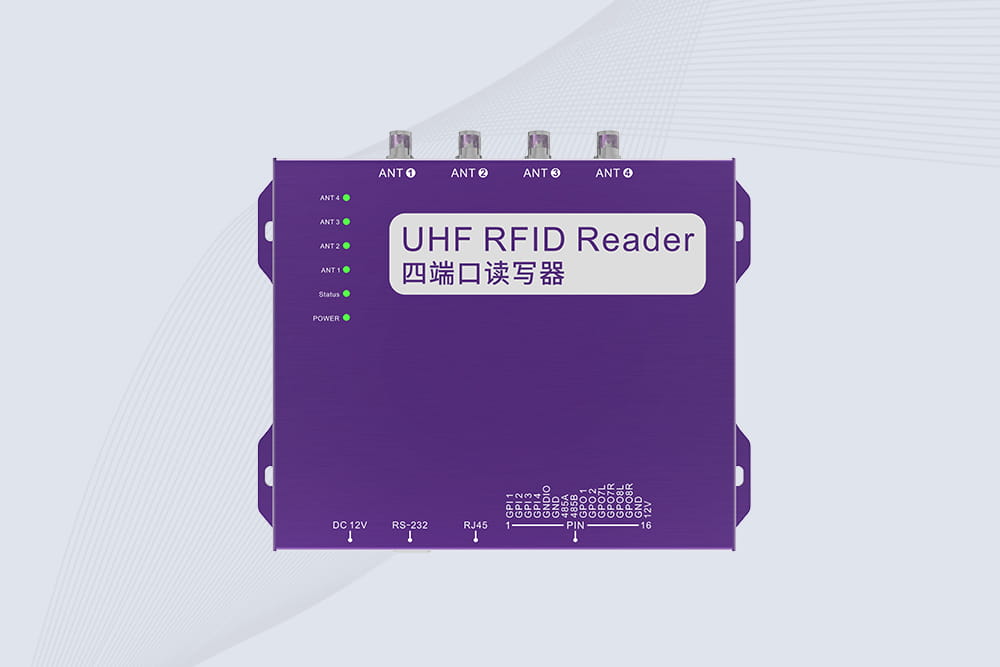
Cykeo’s CYKEO-R4L 4-port Fixed UHF RFID Reader delivers 400 tags/sec scanning, ISO 18000-6C compliance, and IP65 protection. Ideal for warehouse automation, manufacturing WIP tracking, and logistics management.
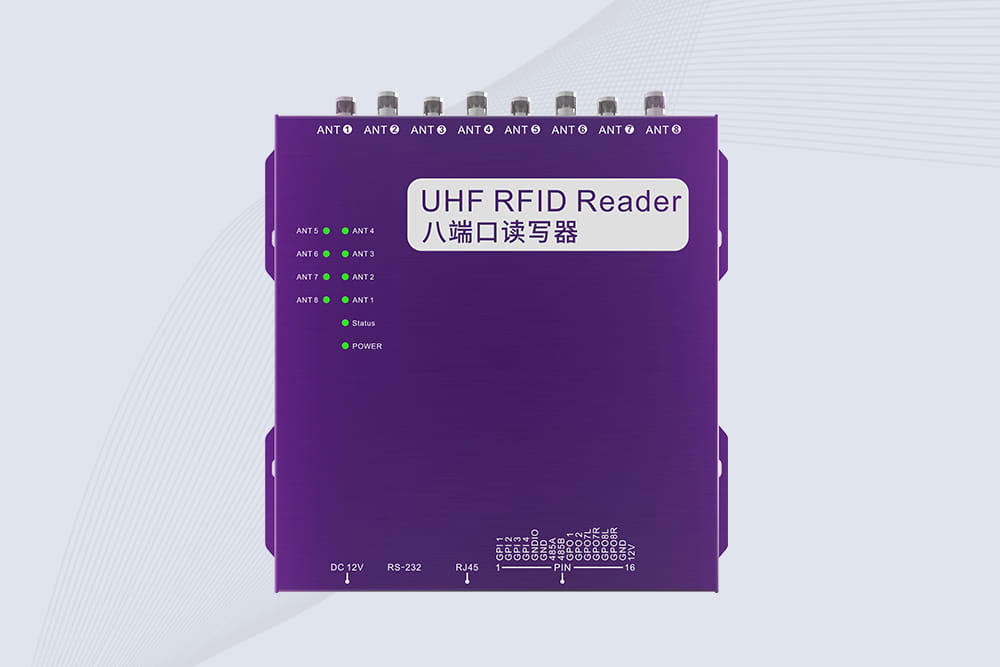
CYKEO CYKEO-R8L Fixed RFID Reader with 8-port UHF design, Impinj-based RF core and up to 20m read range. An industrial Fixed RFID Reader for vehicle inspection, warehouse portals, smart manufacturing lines and secure access checkpoints.
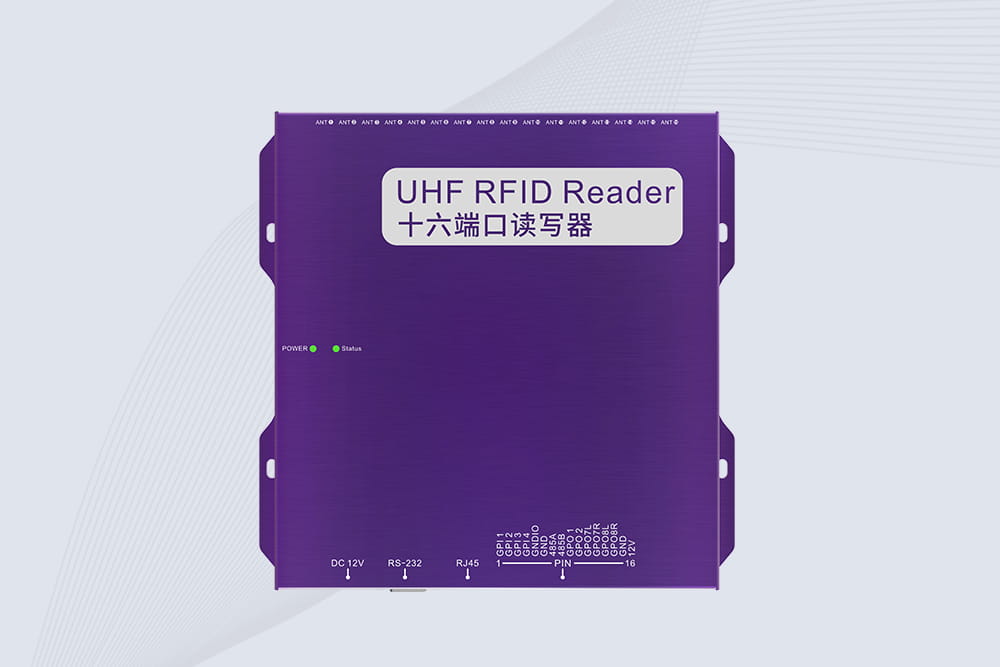
RFID Fixed Reader from CYKEO – the CYKEO-R16L 16-port UHF fixed reader for warehouses, smart cabinets, and production lines. Long-range, multi-tag reading, stable performance for 24/7 industrial use.
RFID Industry Writer | IoT & Asset Tracking Analyst
James writes about RFID technology, asset tracking, and the practical challenges of digital transformation across warehousing, retail, manufacturing, and logistics.
His work focuses on how RFID is applied in real-world operations—improving inventory visibility, automating workflows, and helping businesses manage assets with greater accuracy and efficiency.
He regularly covers topics including UHF RFID, smart cabinets, RFID portals, tool tracking, warehouse automation, and industrial IoT trends..
Thinking of using an iPhone for RFID tasks? We answer "can an iPhone read RFID," explaining its severe limitations and why dedicated hardware is essential for asset tracking.
More
Stop getting lost in theory. Learn what is antenna in RFID systems practically, why its placement matters more than specs, and how it impacts your project's success.
More
RFID Smart Recycling Cabinet designed for hotels, hospitals, and factories. Automate item tracking, reduce losses, and integrate with your existing systems. Perfect for wholesalers and software developers seeking bulk solutions.
More
A hands-on guide to RFID antenna design covering frequency selection, impedance matching, substrate choice, and tuning. Includes real-world pitfalls, on-site testing tips, and lessons from field deployment.
More