Smarter Than a Standard Array: How Adaptive Beamforming Reads What Others Miss
Picture a busy distribution center. You have multiple RFID gates, forklifts with readers, and thousands of tagged items. The radio frequency (RF) environment is pure chaos—signals collide, readers interfere with each other, and tags get missed. Throwing more standard readers at the problem often makes it worse. This is where the intelligence of a multi-antenna rfid reader with blind adaptive beamforming becomes a game-changer. It doesn’t just listen; it actively and intelligently focuses its energy to pick out the right signals from the noise.
From “Shouting” to “Having a Conversation”: The Core Idea
A standard multi-antenna reader (like a basic 4-port model) might cycle through its antennas or use simple diversity. It’s reactive. The “blind adaptive beamforming” system is proactive.
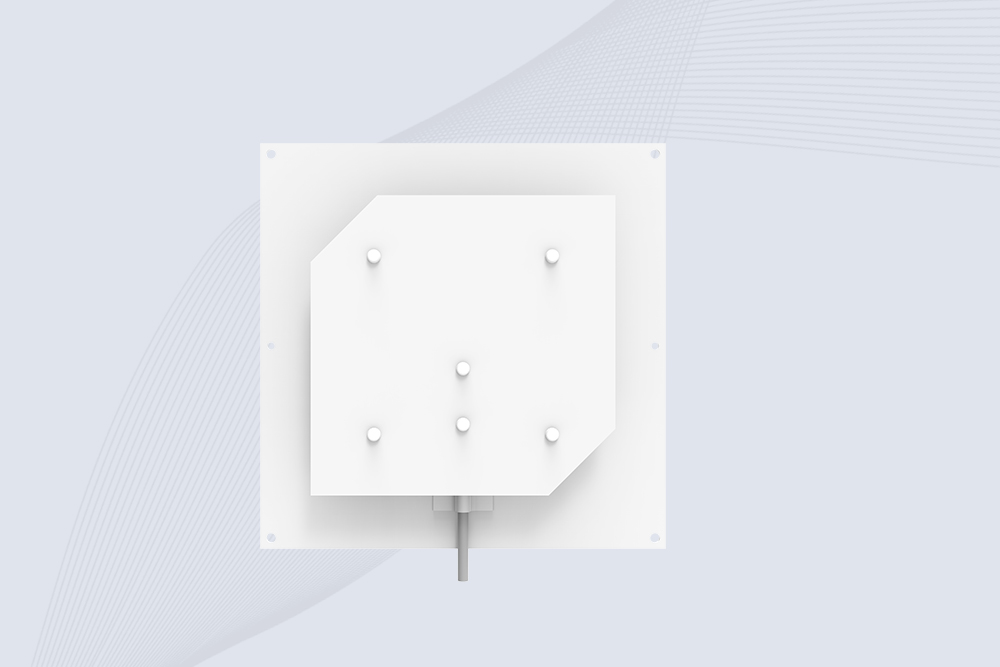
Here’s the simple analogy: Imagine a standard reader is someone shouting in all directions in a crowded room. The a multi-antenna rfid reader with blind adaptive beamforming is like a person with exceptional hearing who can not only focus on one specific conversation across the room but also continuously tune out other voices to hear it better. Technically, it does this by processing signals from its multiple antenna elements in real-time. It automatically and continuously adjusts the phase and amplitude of the signal sent to each antenna, forming a concentrated “beam” of RF energy toward a specific tag or zone, while minimizing energy sent toward sources of interference.
The “blind” part is key—it doesn’t need prior knowledge of the tag locations or the environment. It adapts on the fly.
The Tangible Benefits in Noisy Real-World Settings
The benefits of blind adaptive beamforming RFID translate directly to operational performance where it matters most:
- Dramatically Reduced Reader Collision: In areas with multiple readers, the system can spatially null its signal away from other readers, drastically cutting interference and allowing more readers to operate reliably in the same space.
- Improved Tag Read Rates in Dense Settings: By focusing energy, it can better power and hear hard-to-read tags in cluttered environments (like full pallets or mixed SKU totes) that a standard reader would miss.
- Enhanced Read Range and Reliability: Focusing the signal beam effectively increases the power delivered to a specific point, extending the reliable read range for tags in that beam’s path.
- Better Performance Near Metal and Liquids: The adaptive algorithms can help mitigate the distorting effects of challenging RF environments.
In short, it’s about how adaptive beamforming improves accuracy and throughput in the most demanding scenarios.
Where This Intelligence is Worth the Investment
You don’t need this for every application. But for certain high-stakes or high-density applications for multi-antenna smart readers, it’s transformative:
- High-Speed Conveyor Sortation: Accurately reading a stream of mixed packages traveling at high speed, where a missed tag means a mis-sorted parcel.
- Dense Portal & Dock Door Reading: Achieving near-100% read rates on fully loaded pallets as they pass through a gateway, especially when multiple doors are active.
- Smart Shelving & Inventory Robots: In aisles with thousands of tagged items, focusing reads to a specific shelf bin without interference from adjacent stock.
- Complex Manufacturing & WIP Tracking: Reliably tracking items moving through stages in an RF-noisy factory floor with machinery and other systems.
What to Consider Before Deployment
Selecting an adaptive beamforming reader CYKEO offers requires understanding it’s a system-level solution. The advanced processing happens in the reader’s firmware and requires proper antenna array design. It’s generally a premium solution for solving specific, costly pain points related to accuracy and interference.
The true test is a pilot in your actual environment. The promise of a multi-antenna rfid reader with blind adaptive beamforming is its ability to learn and adapt to your unique RF chaos. It’s the difference between having a powerful tool and having a smart, powerful tool that knows exactly how and where to apply its strength.
RFID Antenna Recommendation
 Cykeo RFID IoT Solution Products R&D Manufacturer