As the demand for digital and intelligent management continues to grow, the RFID Check-In Check-Out System is becoming the preferred choice across industries for managing the movement of people and goods. With its efficiency, accuracy, and convenience, this system helps foreign trade clients understand the technical value and seize market opportunities. It enables governments, institutions, and enterprises to deliver high-quality smart management solutions. The following sections provide a detailed analysis of the system’s working principles, application scenarios, and advantages.
Definition and Key Advantages of the RFID Check-In Check-Out System
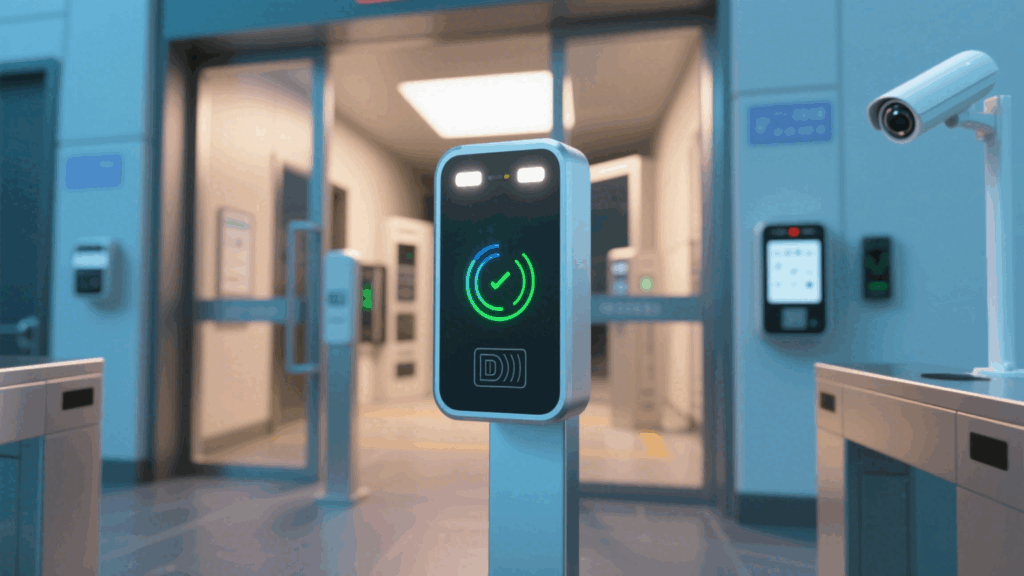
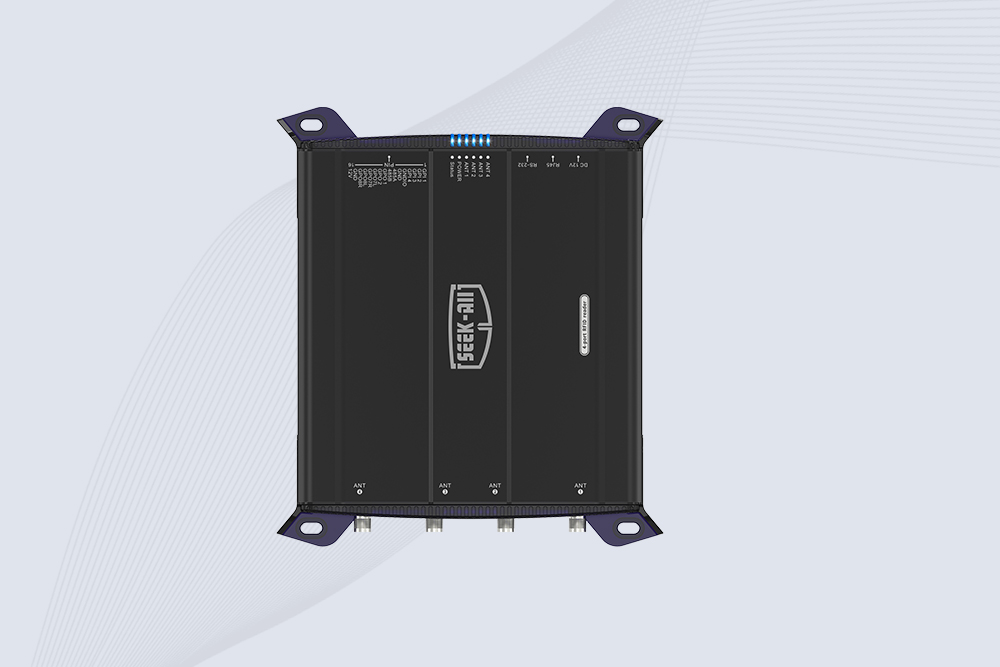
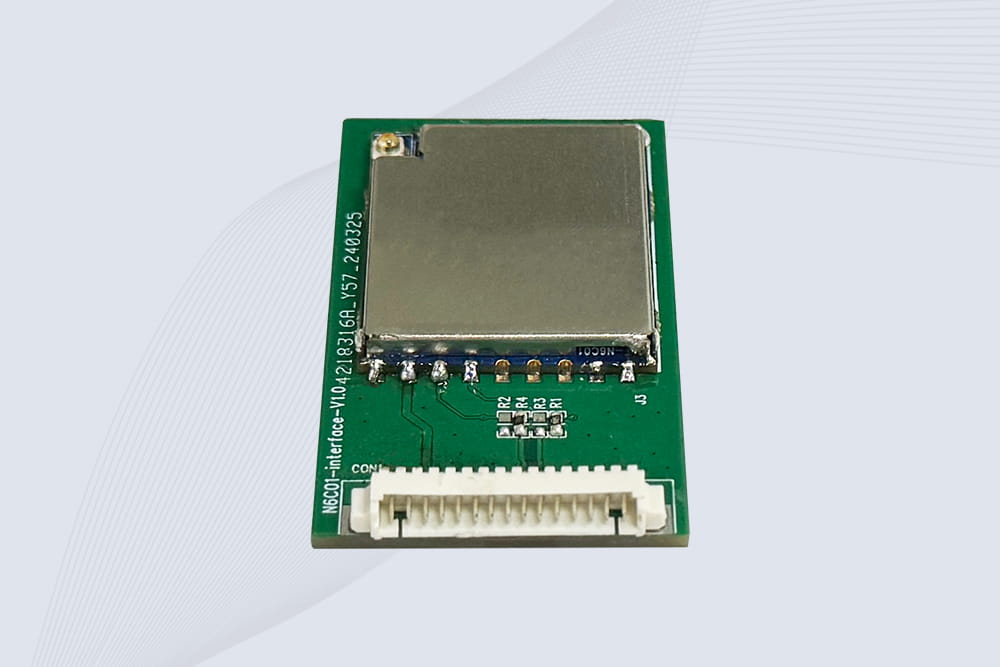
The RFID Check-In Check-Out System uses radio frequency identification technology to automatically record and manage the movement of people and assets through RFID tag recognition. The system consists of RFID tags, readers, antennas, and backend management software. Its key advantages include:
High Efficiency: The system identifies tags without physical contact. People don’t need to stop to check in or out, significantly increasing throughput, especially in high-traffic areas.
High Accuracy: It achieves over 99% accuracy, eliminating errors and omissions that are common in manual records.
Real-Time Monitoring: The backend displays the real-time entry and exit status and location of personnel and goods, enabling managers to track activities effectively.
Strong Scalability: You can integrate the system with access control, attendance, and security systems to achieve unified management.
Working Principle Explained
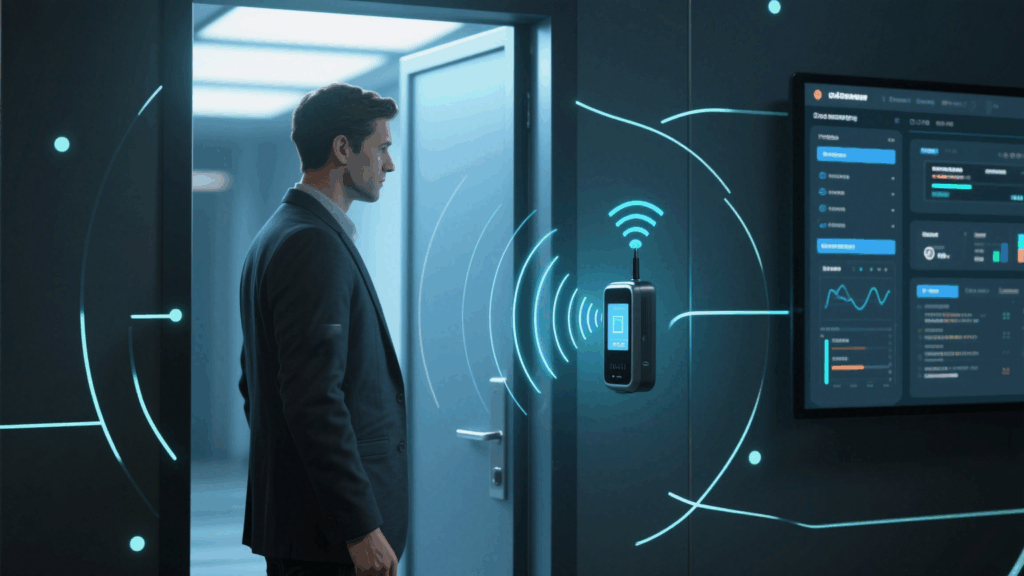
The RFID Check-In Check-Out System operates through the interaction of radio signals. When a person or item carrying an RFID tag enters the signal range of a reader, the reader emits a specific frequency signal through the antenna to activate the tag. Once activated, the tag modulates and returns its stored unique identification information. The reader decodes the signal and transmits the tag data to the backend software. The software checks the information against preset permissions to determine whether the person or item is authorized to enter or exit. If approved, the system records the time, location, and other data and may open doors or trigger notifications. If access is denied, the system triggers an alert.
Wide Application Scenarios
Corporate Offices: Employees check in and out with RFID tags. The system integrates with attendance systems to automatically calculate work hours, supporting payroll. It can also manage visitor access for security.
Schools and Training Institutions: Students use RFID tags to check in and out of school or classrooms. Parents receive real-time notifications about student arrivals and departures. During exams, the system verifies student identity to prevent cheating.
Hotels and Resorts: Guests receive RFID room cards for contactless door access and in-hotel purchases. Employees use RFID tags for controlled access to work areas.
Warehousing and Logistics: Goods entering or leaving warehouses are automatically registered using RFID tags, updating inventory in real time and improving logistics management.
Exhibitions and Events: Attendees use RFID badges to check in quickly. Organizers monitor crowd flow and optimize event management.
Key Implementation Points
Early Planning: Define requirements, determine installation locations and signal coverage, and design a logical system architecture.
Hardware Deployment: Choose appropriate RFID readers and tags based on the environment. Ensure full coverage without dead zones and install wiring to maintain system stability.
Data Entry and Permission Settings: Enter personnel and item data into the backend system and assign permission levels to maintain secure management.
System Testing and Training: Fully test all functions before launching. Train both administrators and users to ensure proper system usage.
Purchasing Recommendations
Performance Assessment: Evaluate reading distance, speed, and multi-tag reading capabilities to match the actual use case.
Compatibility: Choose systems that integrate well with existing platforms like ERP or OA systems to avoid data silos.
Security Features: Ensure the system includes encryption, permission control, and environmental protection features such as waterproofing and dustproofing.
After-Sales Support: Select suppliers that offer installation, configuration, training, and 24/7 technical support to reduce operational risk.
RFID Check-In Check-Out Systems bring efficiency and automation to multiple industries. Whether you’re improving enterprise management or enhancing service delivery in institutions, this system offers significant value. If you have procurement needs or technical questions regarding the RFID Check-In Check-Out System, feel free to contact us anytime.
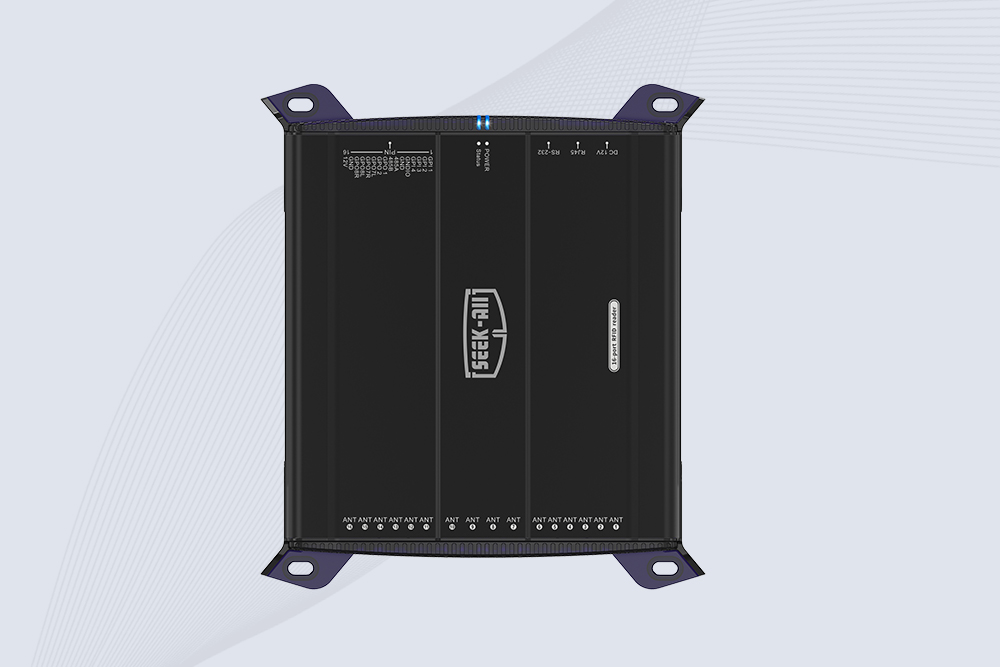
SSD-R16L Multi-Channel RFID Infrastructure for Automated Inventory Management ✔️ 16-Port High-Density RFID Reading Equipped with 16 SMA antenna ports, SSD-R16L supports multi-antenna deployment for warehouses, retail stores, logistics, production lines, and large-area RFID identification. ✔️ High-Speed & Long-Range Performance With up to 33…
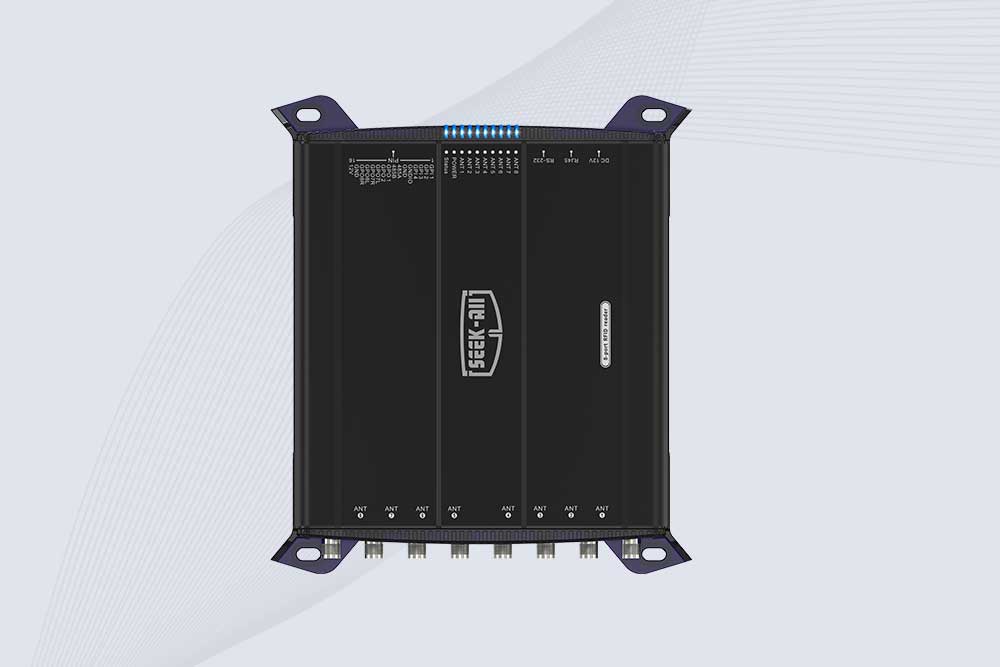
SSD-R8L 8-port UHF RFID reader with 33dBm output, up to 20m reading range and 600+ tags/s recognition. Ideal for warehouse, logistics, retail and asset tracking.
CYKEO Embedded RFID Modules are designed for compact industrial and IoT devices that require stable UHF performance. These UHF RFID Modules support global protocols, flexible power control, and reliable multi-tag reading for smart cabinets, production lines, and asset tracking systems.
Does higher RFID antenna gain improve read distance? Learn how UHF RFID antenna gain affects coverage, beam width, and real-world system performance in warehouse and industrial environments.
what is rfid tracking system? Learn how RFID readers, tags, software, and data events work together to identify assets, improve inventory visibility, and support real-time operations.
Discover how RFID tags enhance automotive security, streamline maintenance, and improve user experiences. Explore Cykeo’s RFID solutions for modern vehicles.
Discover the differences between passive and active RFID tags, their applications, and how to select the best solution for asset tracking, logistics, and industrial use.
 Cykeo RFID IoT Solution Products R&D Manufacturer