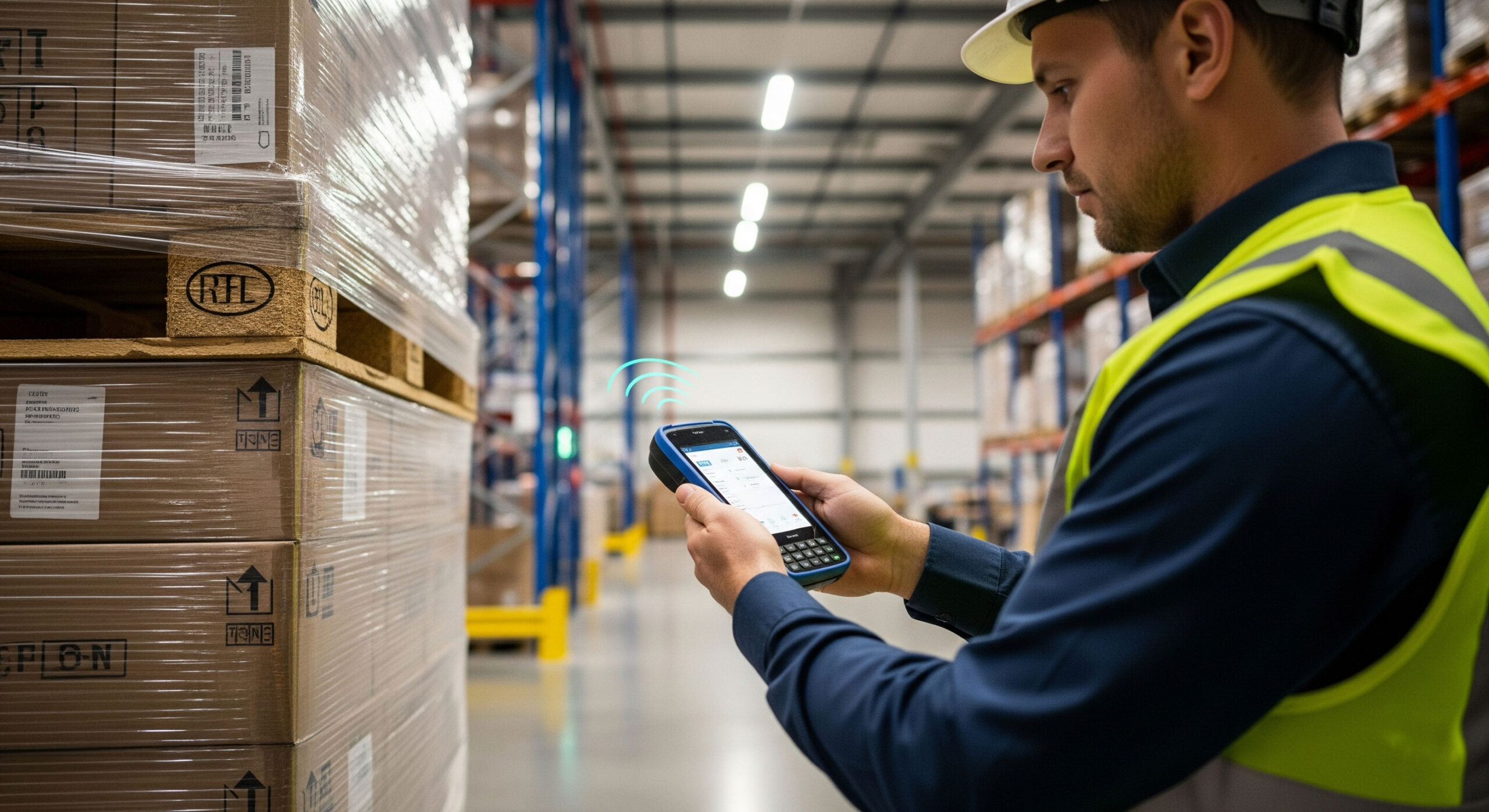
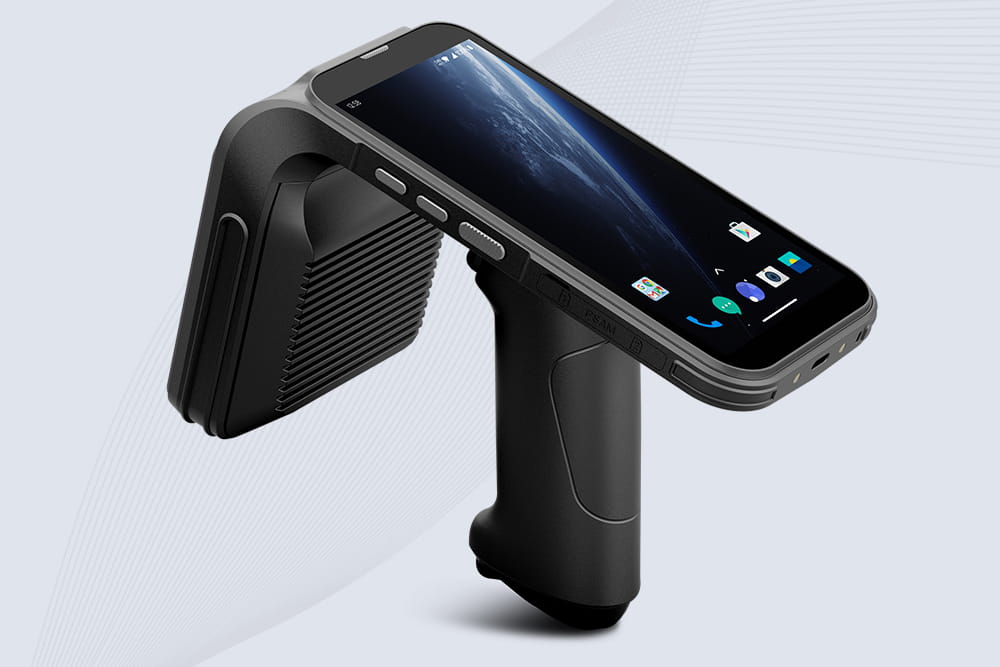
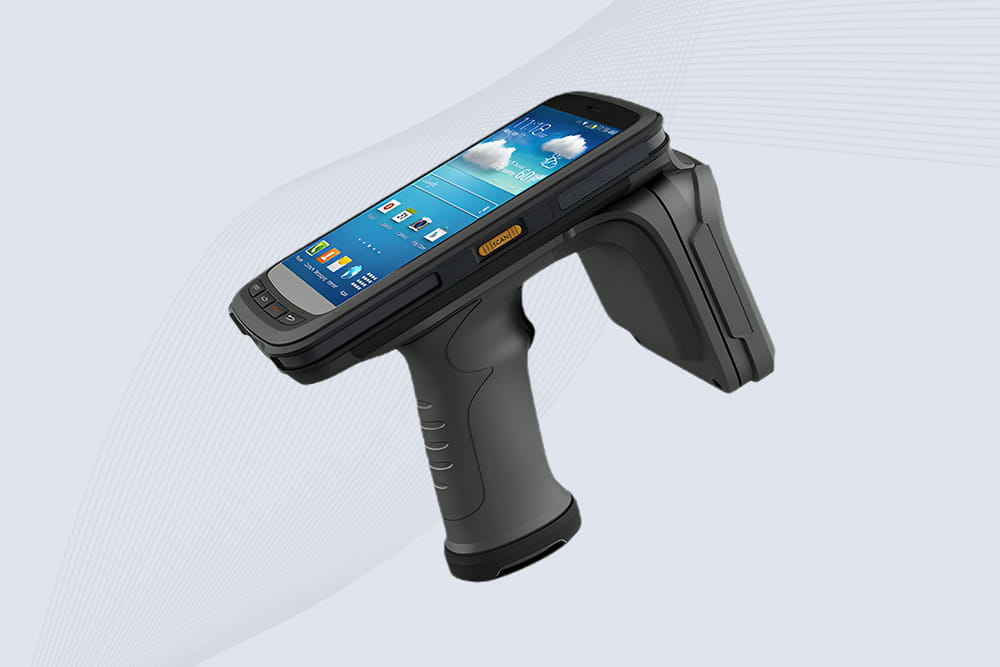
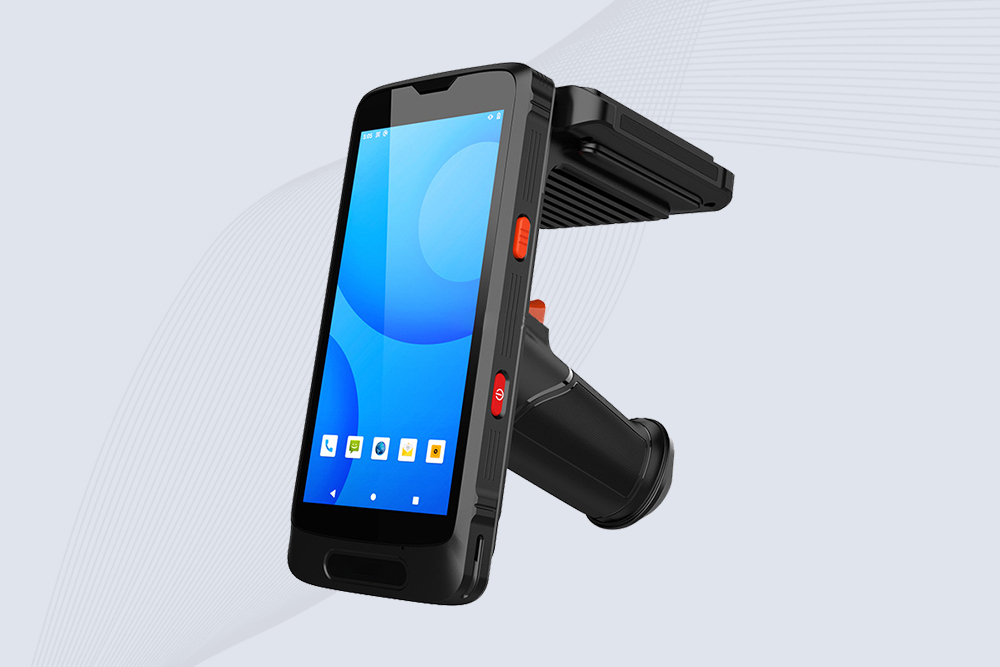
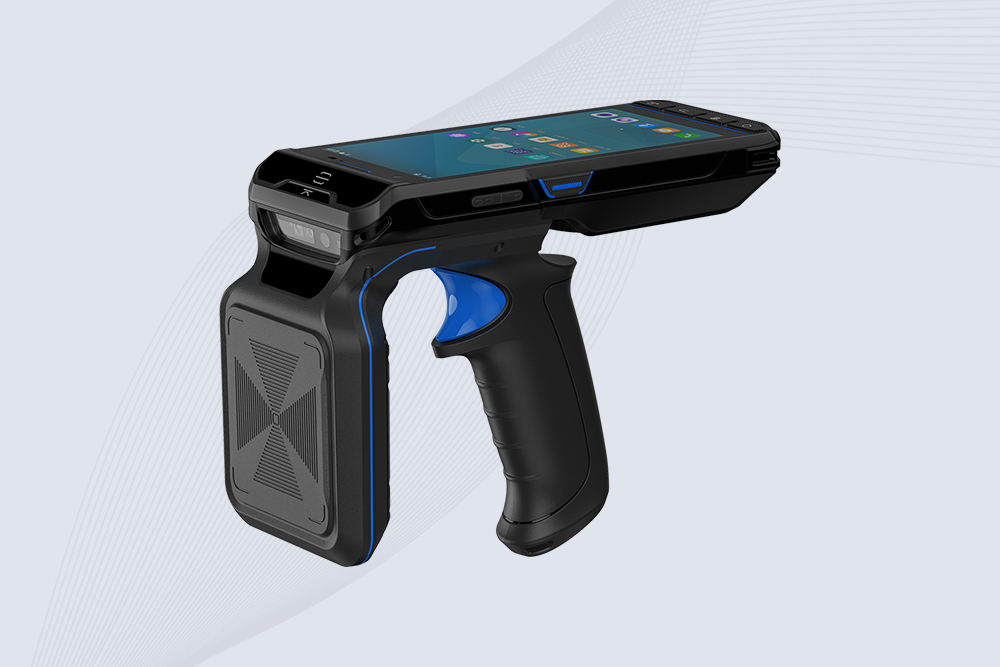
The first time someone handed me an Android RFID handheld reader and said, “Just scan the pallets,” I thought it would be as straightforward as using a barcode gun. I was wrong.
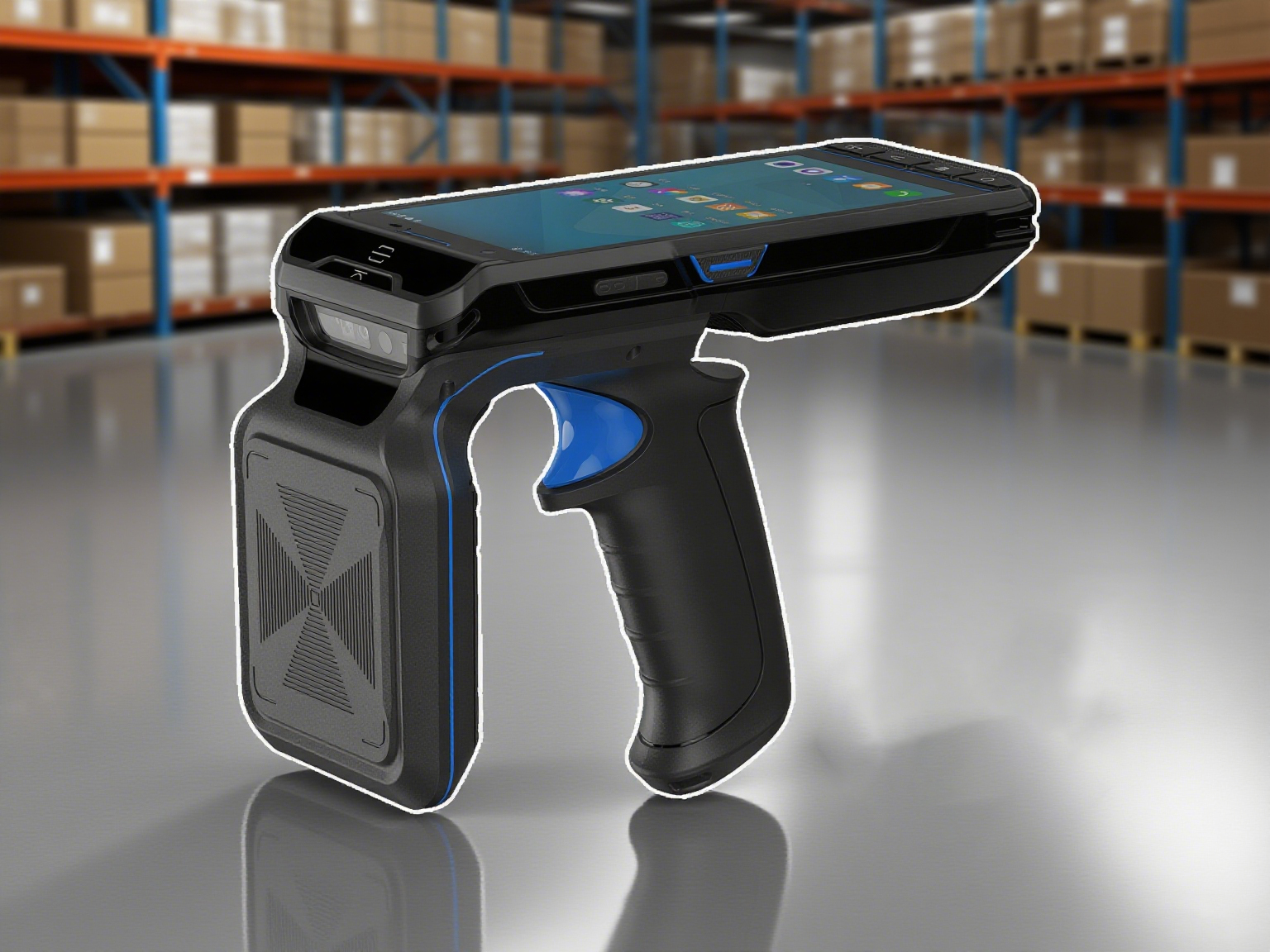
We were rolling out a batch of CykeoCK-B3L units in a 4,000 m² Yiwu distribution hub, with rows of steel racks, spotty Wi-Fi in the back corners, and a night shift that treats devices like disposable coffee trays. The specs were promising — Android 13, 2.0 GHz octa-core CPU, 4 GB RAM, 64 GB storage, 20 m adjustable read range — but I’ve learned that in warehouse conditions, numbers alone don’t tell you if the device will survive.
1. Android Feels Familiar — Until It Doesn’t
Yes, the CK-B3L runs on Android 13 (we had a couple of units still on 10), and yes, you can sideload apps. But the real win was training time: our seasonal hires, who’ve never used anything fancier than WeChat, figured out the 5.5″ capacitive screen in minutes.
The “until it doesn’t” part? Android updates. In week three, one device prompted a system update mid-shift, froze halfway, and the picker thought it was broken. Lesson learned: lock down updates in production environments.
2. Read Range and Antenna Behavior
The brochure says circular-polarized antenna, 4.65 dBi gain, 0–20 m range. In reality, 20 m is a lab number. In our Zone 4 — where you’ve got metal mesh cages — you’ll get clean reads at 8–12 m, and with careful angle work, maybe 15. Still, the >500 tags/sec performance on group reads saved us from bottlenecks when scanning inbound bulk pallets.
3. Battery Strategy Matters More Than People Admit
On paper: 7.6V 4000 mAh (≈8000 mAh @3.8V) removable battery, >12 hours runtime. In practice:
Day shift: lasts the full run, no swap.
Double shift: one hot swap needed. We kept a charging rack in the small office near Zone 2, because walking back to the main dock for a battery swap can kill five minutes — and five minutes in a tight SLA hurts.
4. Drop Specs vs. Real Drops
IP65 rating and 1.2 m drop spec look nice. But our guys managed to bounce one down a metal stairwell. Cracked housing, still scanned. The pistol grip design (we used the extended handle version) made it easier to keep hold of, even with gloves on.
5. Connectivity Is a Silent Productivity Killer
Specs say dual-band Wi-Fi (2.4/5 GHz) with 802.11ac and roaming protocols (k/r/v). This mattered more than we expected. Our old readers would drop connection during zone changes, forcing rescans. The CK-B3L handled roaming better — even in Zone 3’s “dead spot” behind the steel beam.
6. My Take on Android RFID Handheld Reader Selection
If you’re buying purely on spec sheet, you’ll miss the small frictions that add up — update management, battery logistics, antenna handling. The CK-B3L hit that middle ground for us: not the cheapest, not the most overbuilt, but a unit that made it through three months without a single “can’t work today” excuse from the team.
If your device can’t survive your laziest picker, it’s too fragile for real work.
Wondering what block RFID reader means? It could be about tag memory blocks or RFID blocking technology. We explain both meanings and how they apply to your RFID system. Real guidance from CYKEO engineers.
Explore how active RFID solutions deliver real-time location tracking, long-range visibility, asset monitoring, and workforce safety across manufacturing, healthcare, logistics, and industrial facilities.
Explore the real use cases of RFID Gateway Readers across industries. From production lines to New York retail warehouses, we break down pros, cons, and deployment details.
how to test if rfid blocker works using real RFID readers. Learn accurate testing steps, signal loss benchmarks, and field-proven verification methods with Cykeo devices.
 Cykeo RFID IoT Solution Products R&D Manufacturer