 Cykeo RFID IoT Solution Products R&D Manufacturer
How Does an RFID Antenna Work? Think of It as a Two-Way Radio Whisperer
227Curious how does an RFID antenna work? We break down the two-step process of sending power and receiving data that makes wireless tracking possible.
MoreAll RFID Product
Simply put, it’s a “virtual door.” Whenever you pass through with an RFID-tagged item—be it goods, tools, or even an ID card—it automatically detects and records it. In the industry, it’s often called a portal, while some just shorten it to GR (Gateway Reader).
Compared with handheld units (HHUs), it doesn’t need manual scanning. But here’s the catch: placement, antenna angles, and tag density all matter. If not tuned correctly, you’ll face missed reads in no time.
I first encountered an RFID gateway reader at a cold chain warehouse in Los Angeles. At 4 a.m., the operator sipping chilled Americano told me: “Man, without this reader, I’d need three extra guys just to check in shipments.” That’s when I realized the power of this “silent gatekeeper.”
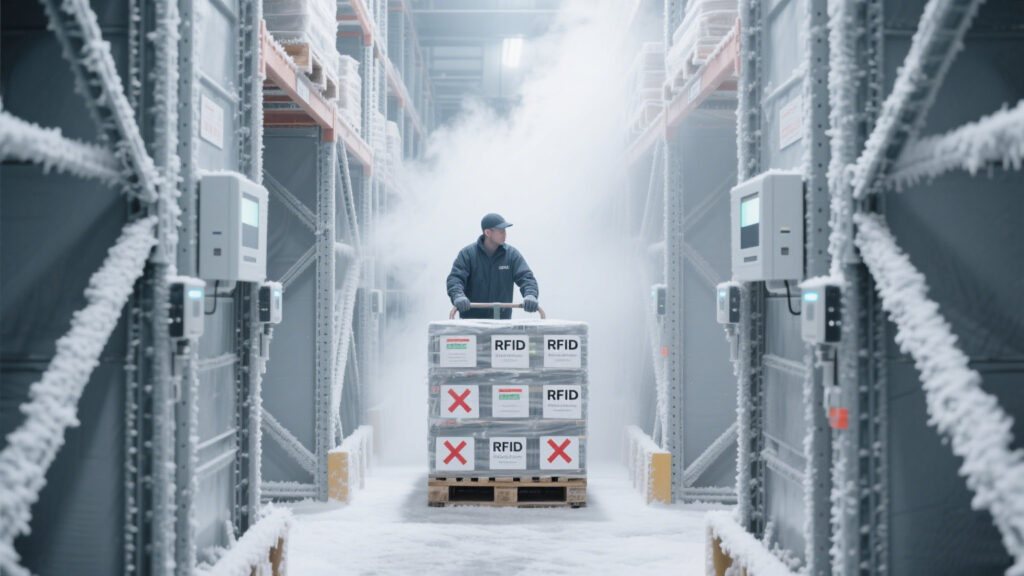
In one line: A gateway reader is the tool that makes “invisible logistics” visible.
This creates a paradox: some clients say “readers replaced manual labor,” while others complain “system maintenance costs more than people.”
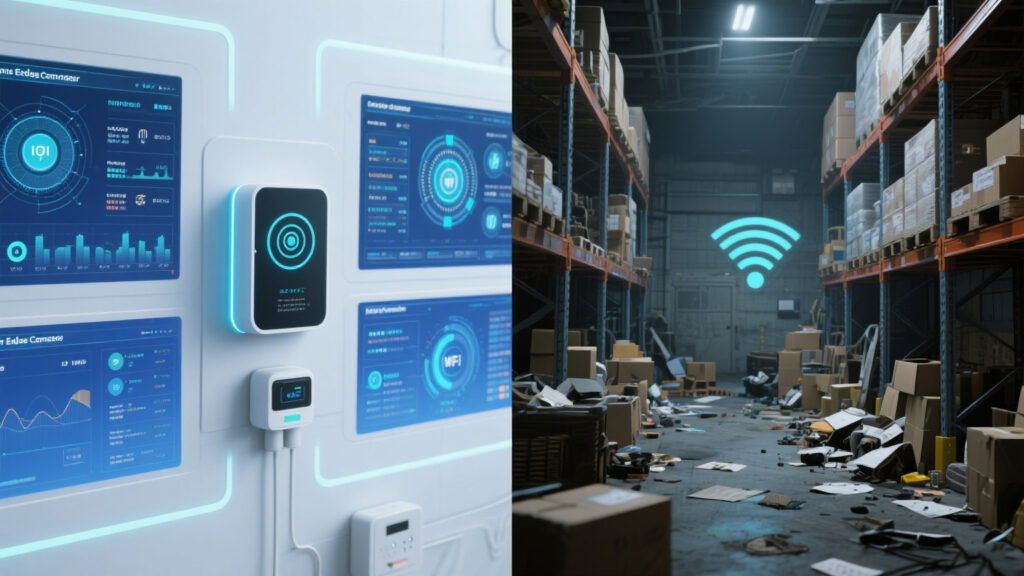
Interestingly, warehouses on the U.S. West Coast embrace gateway readers, while in Midwest agricultural storage, they still rely on manual checks plus handheld units.
Some claim readers will fully replace people, but I believe that—at least in the short term—they only make sense in high-density, high-value asset environments.
The RFID Gateway Reader is like a “silent security guard.” It doesn’t complain, doesn’t need coffee, but a fallen tag can let a truckload slip through. Its value lies not in being hyped as “black tech,” but in how well it’s integrated into processes.
Technology isn’t perfect—but without it, the gaps in manual management are even larger.
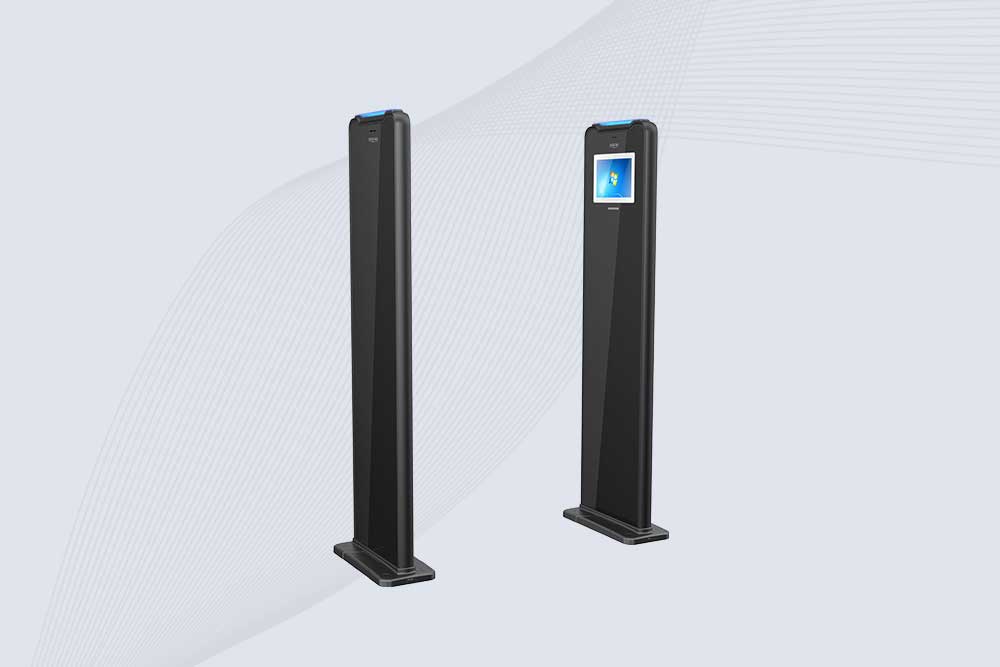
SSD-T4A-P Smart access control with real-time crowd tracking ✔️ AI Tag Filtering for Reduced Misreads SSD-T4A-P supports AI-based tag filtering and up to 6 EPC filtering sets, helping reduce unwanted reads and improve identification accuracy in busy entrances, exits, and retail environments. ✔️ Fast In & Out Detection with Visual & Audio…
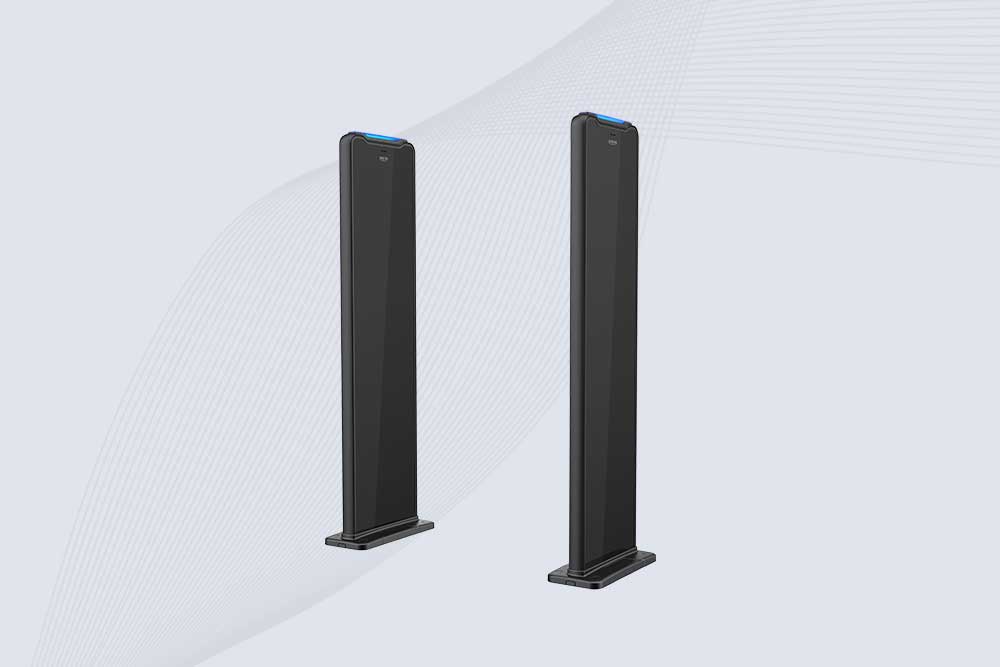
SSD-T4A UHF RFID Gate Reader with 11 dBi antenna, up to 10 m reading distance, AI tag filtering, in/out detection, 300,000 data storage, and TCP/HTTP/MQTT support.
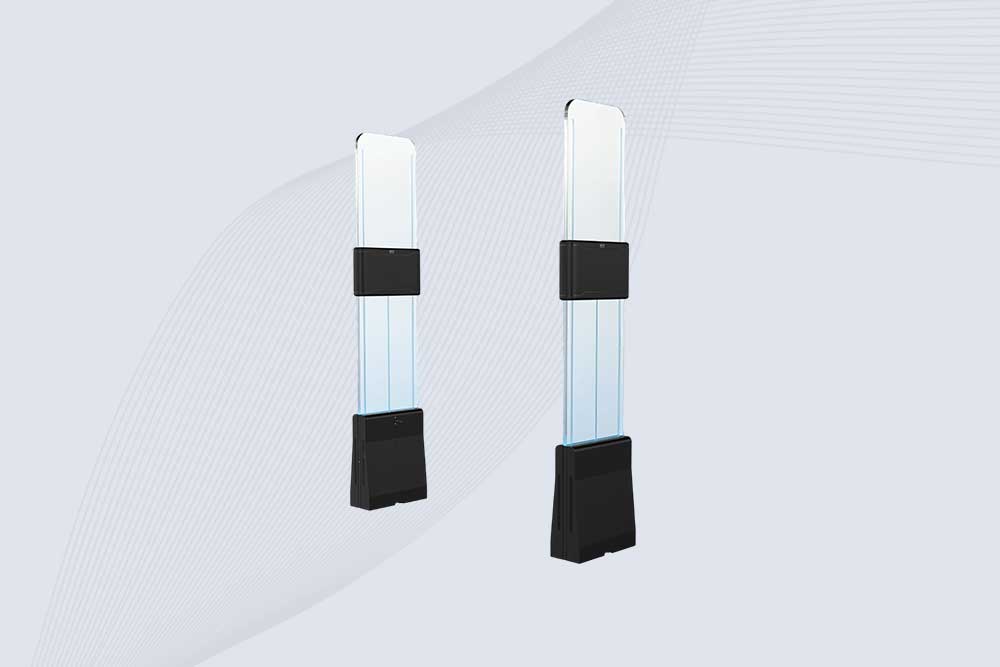
SSD-T2D UHF RFID Gate Reader with 11dBi circular antenna, Impinj E710/X3M1 chipset, up to 10m reading distance, AI tag filtering, in/out detection, and audio-visual alarms.
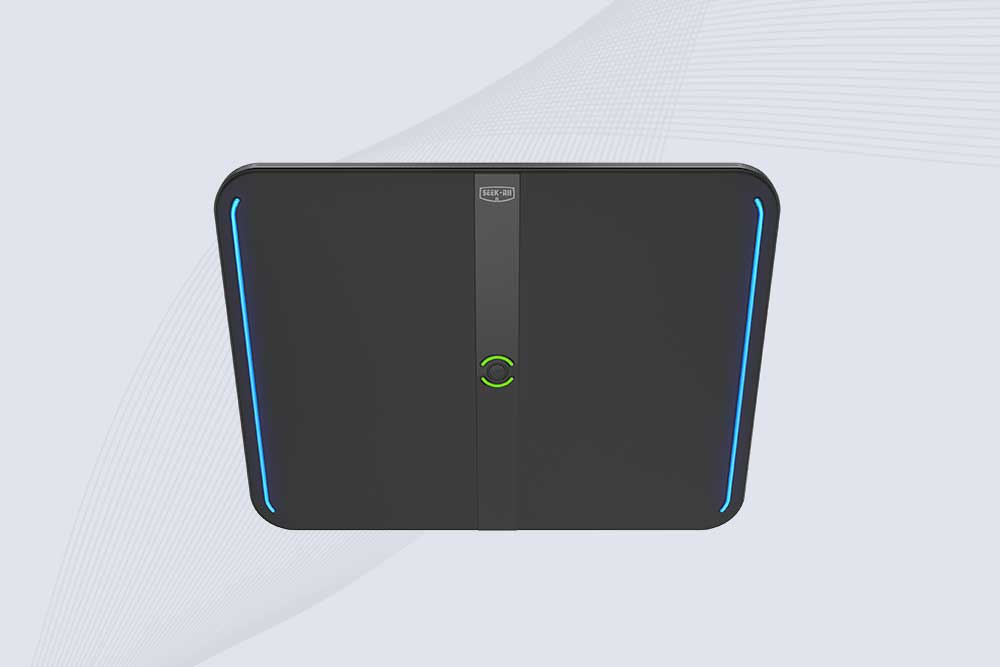
SSD-T1 ✔️ AI-Powered Tag Filtering SSD-T1 supports AI-based tag filtering with up to 6 EPC filtering sets, helping reduce unwanted tag reads and improve identification accuracy in busy retail and access-control environments. ✔️ Reliable In & Out Detection With a 7dBi antenna and a reading range of up to 2.5 meters, SSD-T1 can detect tagged i…
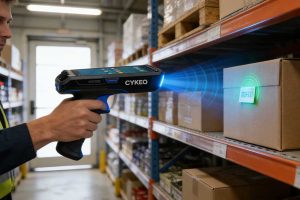
Curious how does an RFID antenna work? We break down the two-step process of sending power and receiving data that makes wireless tracking possible.
More
Learn how to safely update firmware on handheld RFID readers like Zebra or Impinj. Follow our detailed guide to avoid errors, improve performance, and enable new features.
More
Step-by-step guide to installing and configuring industrial RFID readers for maximum efficiency. Learn best practices and avoid common pitfalls with Cykeo’s expertise.
More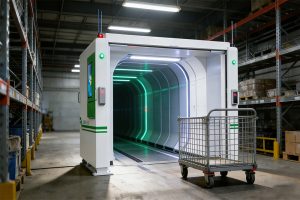
Discover how RFID technology, featuring the CK‑TP4A retractable UHF RFID gate, streamlines warehouse and inventory management. Improve efficiency, accuracy, and real-time tracking for large-scale warehouses and high-volume inventory operations.
More