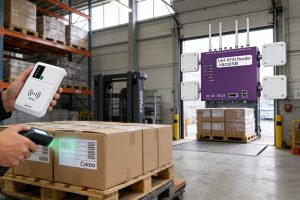
If you’ve ever walked through a warehouse, tapped an access card, or seen inventory scanned without anyone pointing a barcode gun at it, you’ve already seen RFID in action.
The interesting part is that most of it happens without anyone noticing.
So how does an RFID reader actually “see” things that aren’t plugged in, and sometimes not even powered?
Let’s break it down in a practical way.
It starts with a signal, not a scan
An RFID reader doesn’t “scan” like a barcode scanner.
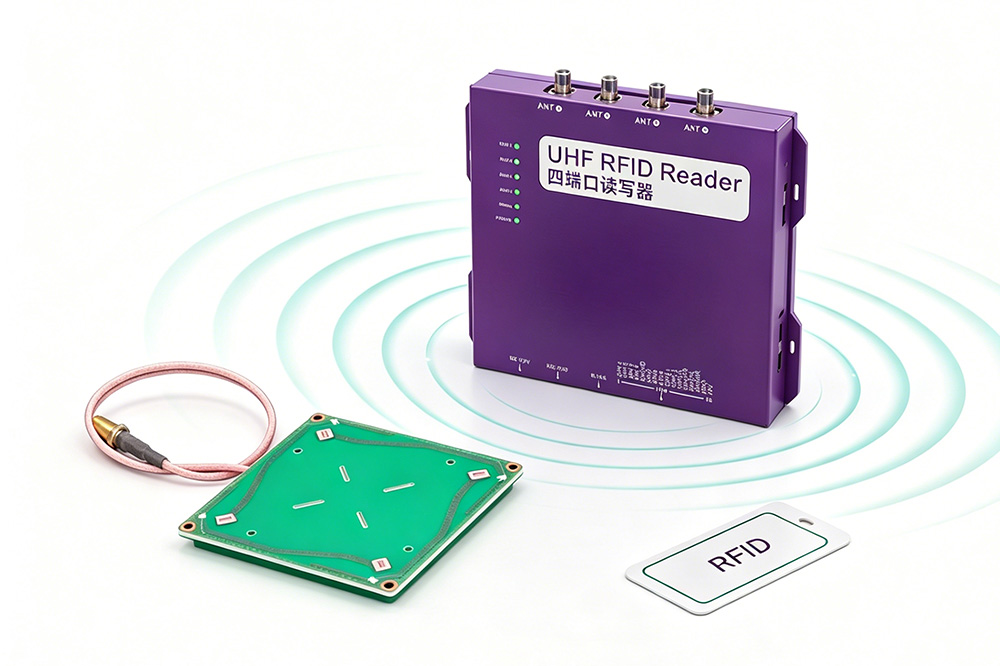
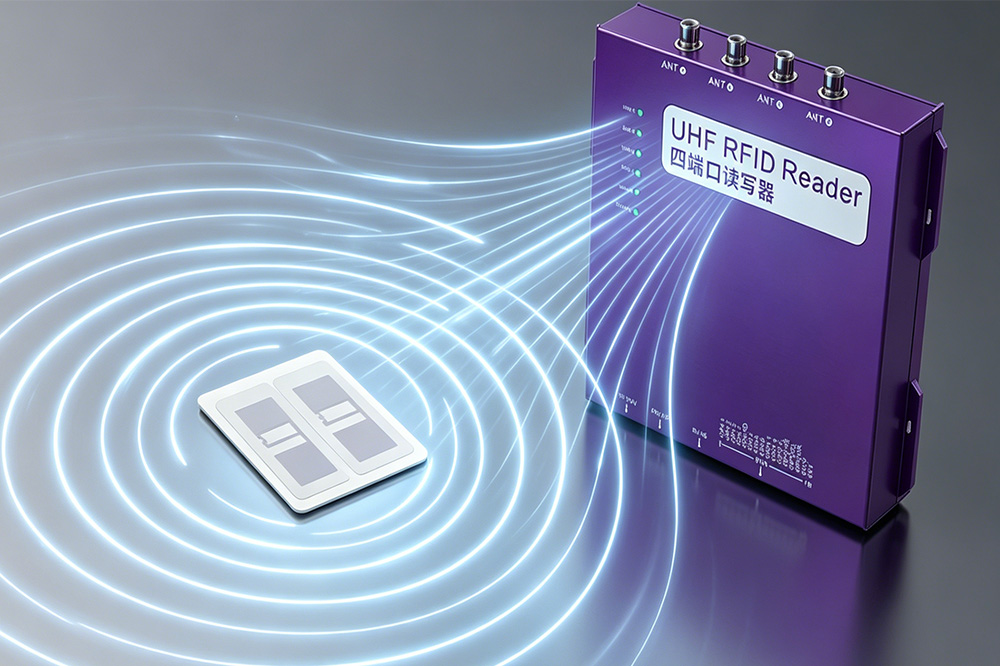
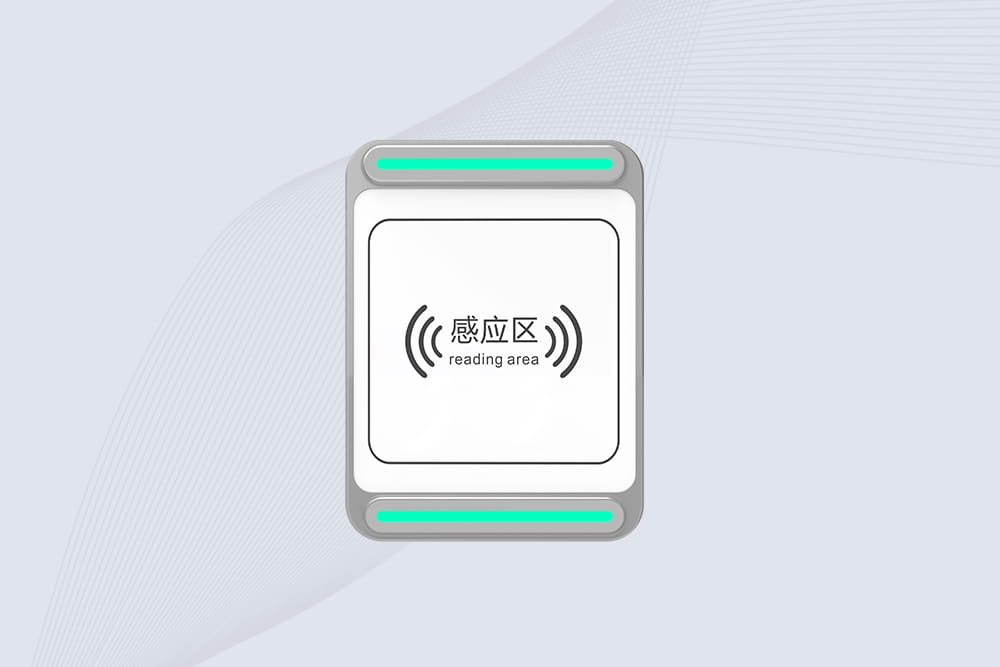
Instead, it constantly sends out radio waves through its antenna. Think of it more like it’s creating a small invisible zone around itself.
Anything with an RFID tag that enters that zone gets “noticed”.
No need for alignment. No need for direct line of sight.
That alone is already a big difference compared to traditional scanning systems.
When the tag enters the reader’s radio field, it picks up a tiny bit of that energy. That energy is just enough to wake the chip inside the tag for a moment.
It’s not running like a phone. It’s more like a very quick “power burst”.
Once active, the tag sends back the information it stores.
This back-and-forth is extremely fast, usually happening in less than a second.
The reader is basically a translator
When the tag sends its signal back, it’s not exactly in a human-readable format.
The reader catches that signal, decodes it, and turns it into something a system can understand—like an ID number, product code, or asset record.
From there, the data usually goes straight into software:
inventory systems
access control systems
tracking dashboards
databases
So the reader isn’t just “detecting” things. It’s converting physical movement into digital records.
Why no battery in most RFID tags?
This is one of the clever parts of the whole system.
Because passive RFID tags don’t need batteries, they can be:
very small
extremely cheap
used in huge quantities
basically maintenance-free
The trade-off is that they rely completely on the reader’s energy field.
So if nothing is powering that field, nothing happens.
That’s also why reader quality matters so much in real-world setups.
Not all RFID systems behave the same
RFID isn’t one fixed thing. There are different setups depending on what you’re trying to do.
Some systems use passive tags (no battery). These are common in inventory, retail, and access cards.
Others use active tags with built-in batteries. Those can broadcast signals much farther, which is useful for tracking large assets like containers or vehicles.
A simple way to think about it:
Passive = short range, cheap, everywhere
Active = long range, more expensive, used when tracking distance matters
Range isn’t just about the reader
People often assume a “stronger reader” automatically means longer range.
It’s not that simple.
Range depends on a mix of things:
antenna design
output power
tag type
frequency used
environment (metal, water, interference)
That’s why an RFID system that works perfectly in one warehouse might struggle in another.
Real-world conditions matter more than specs on paper.
Handheld vs fixed readers (this part actually matters in practice)
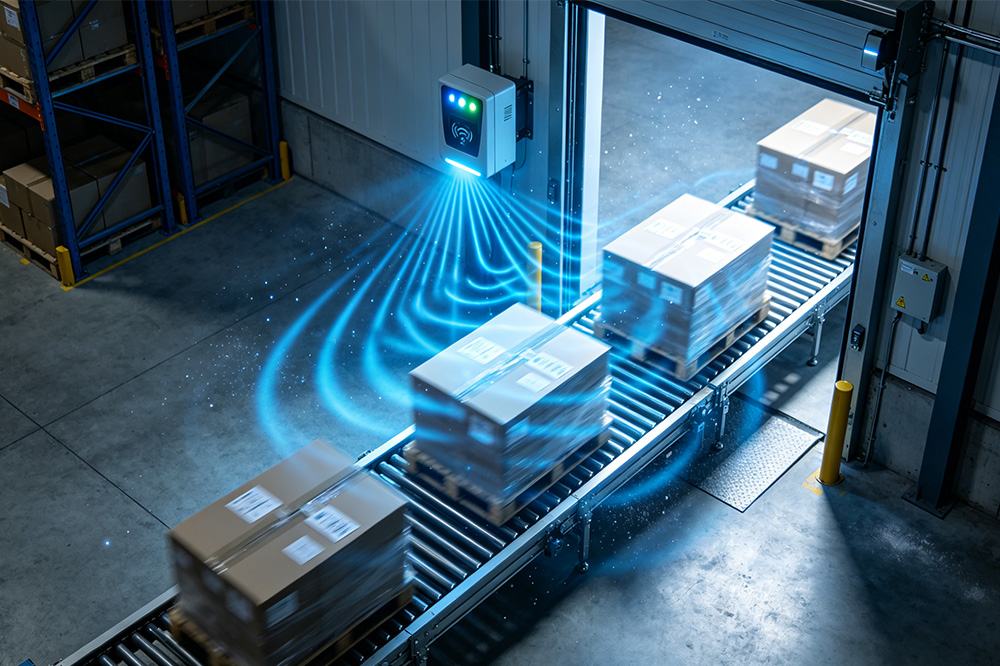
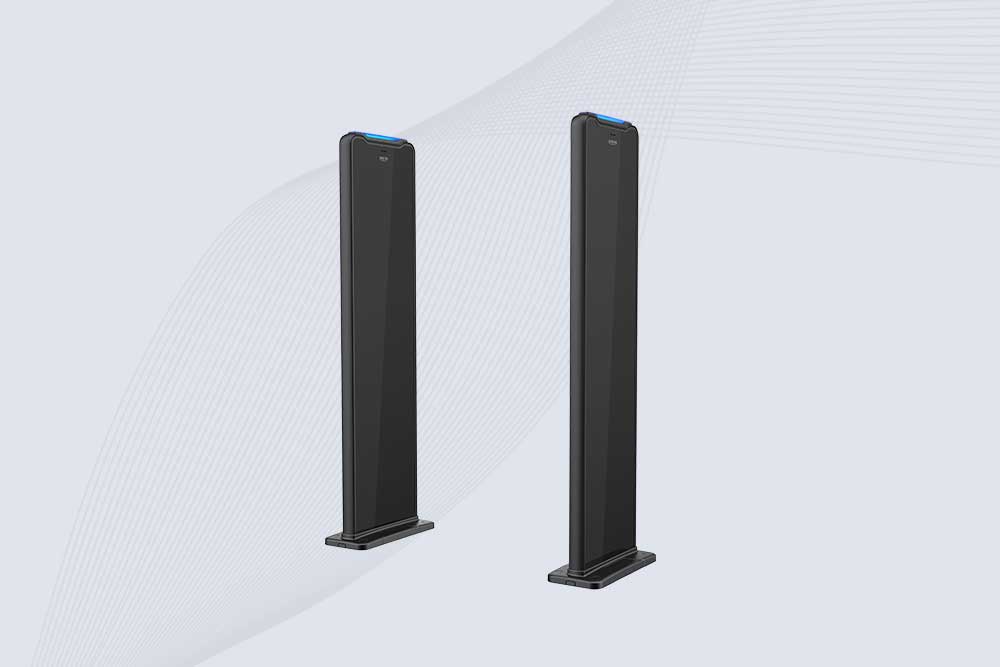
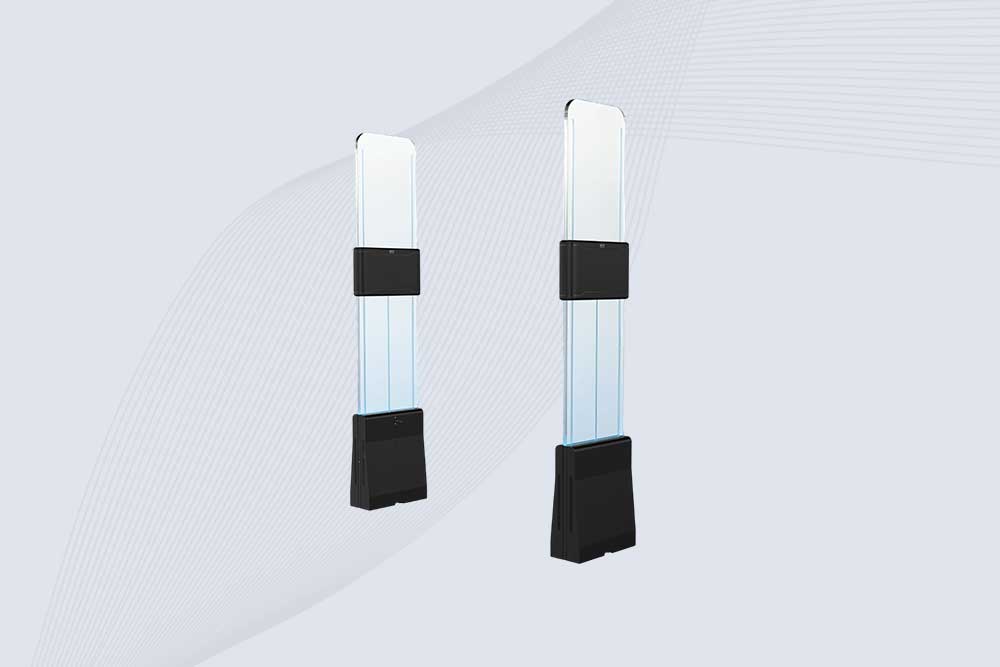
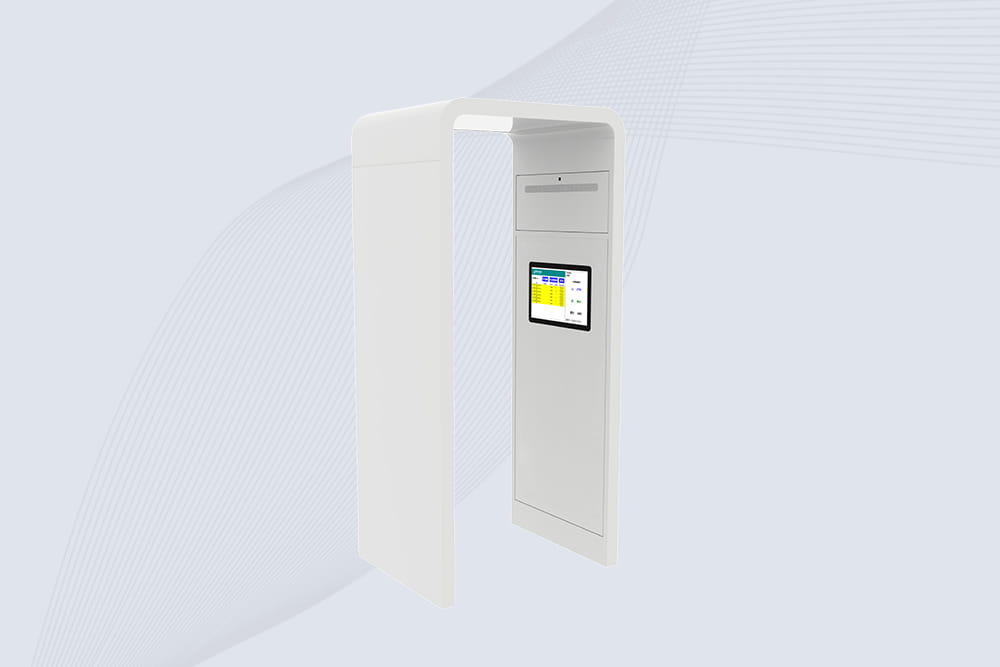
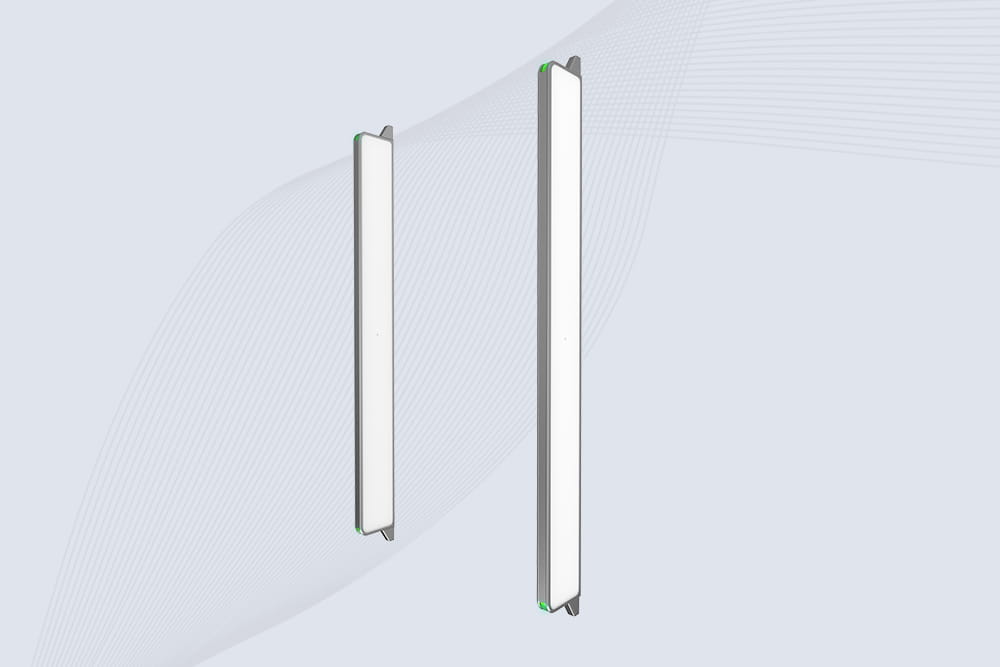
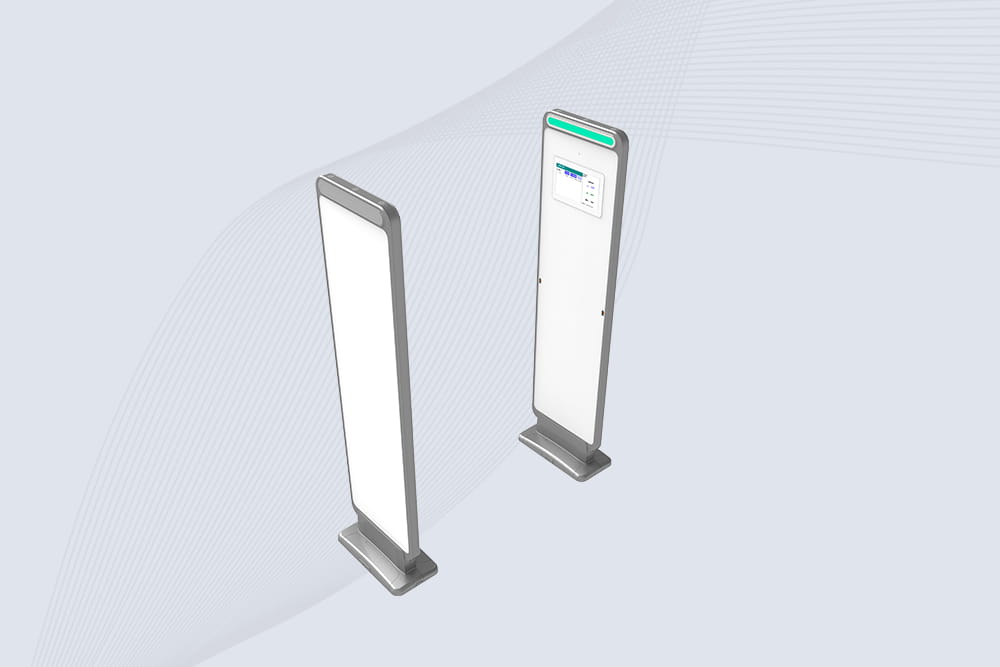
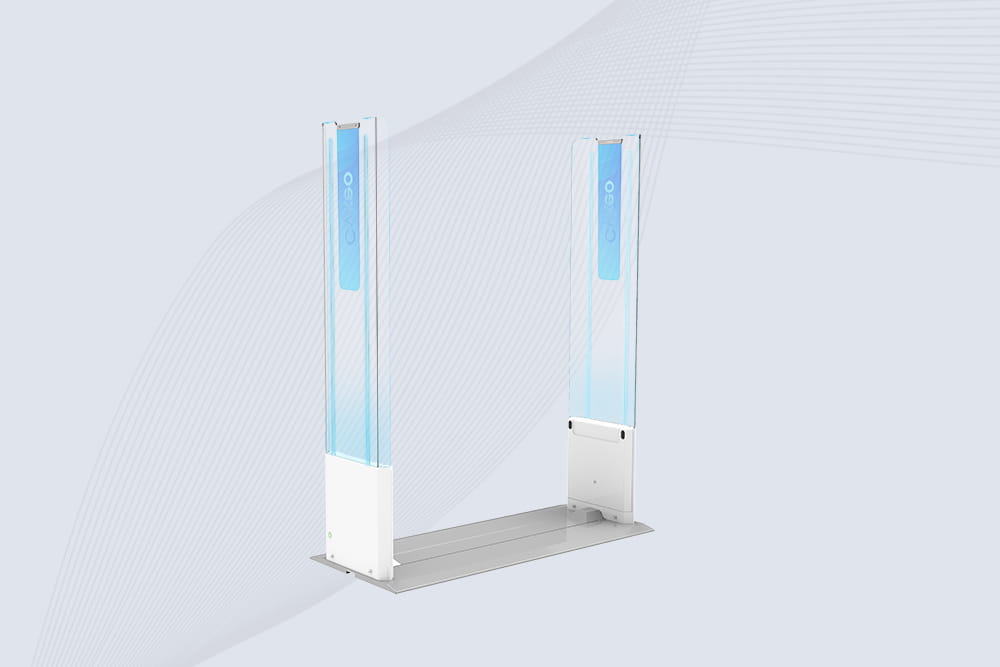
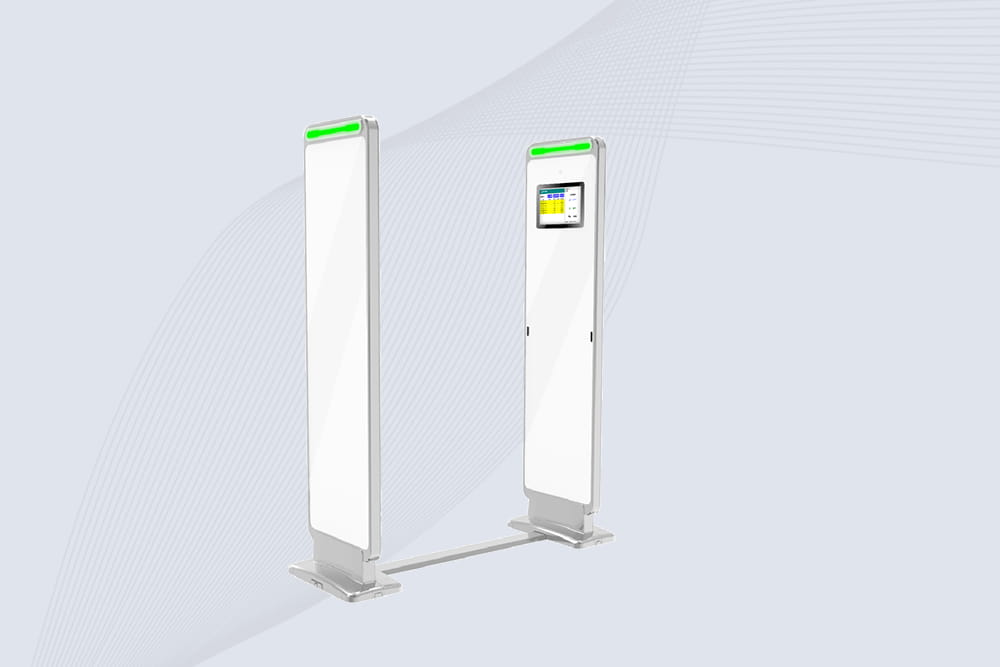
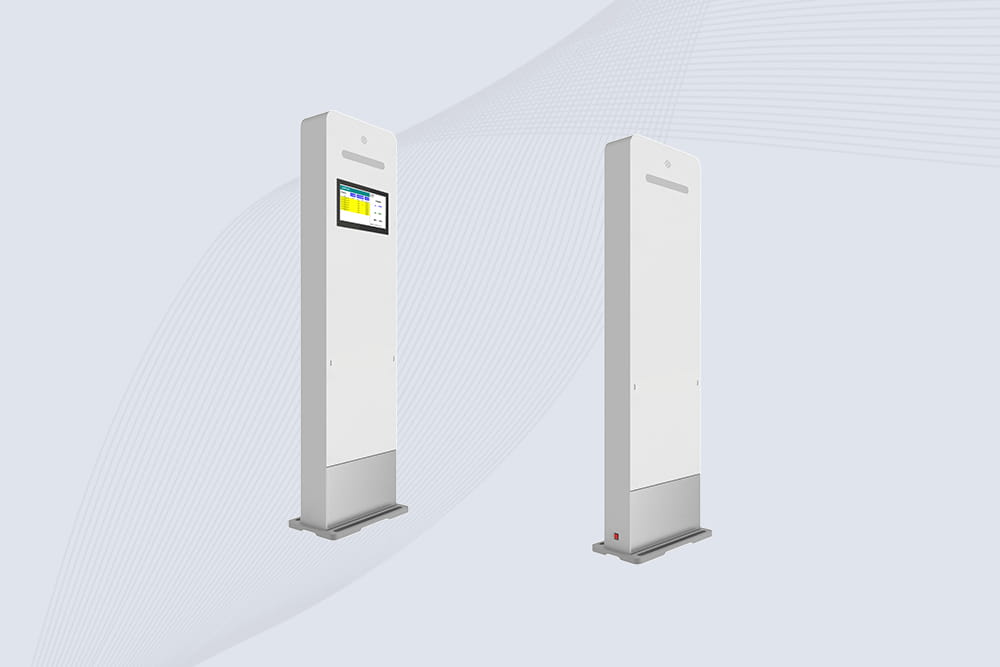
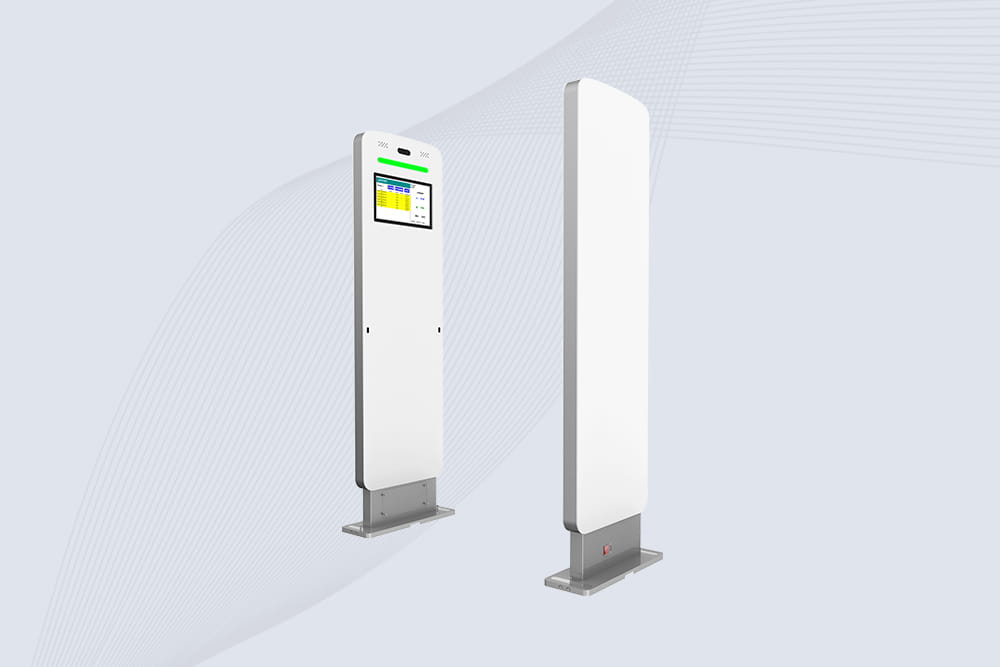
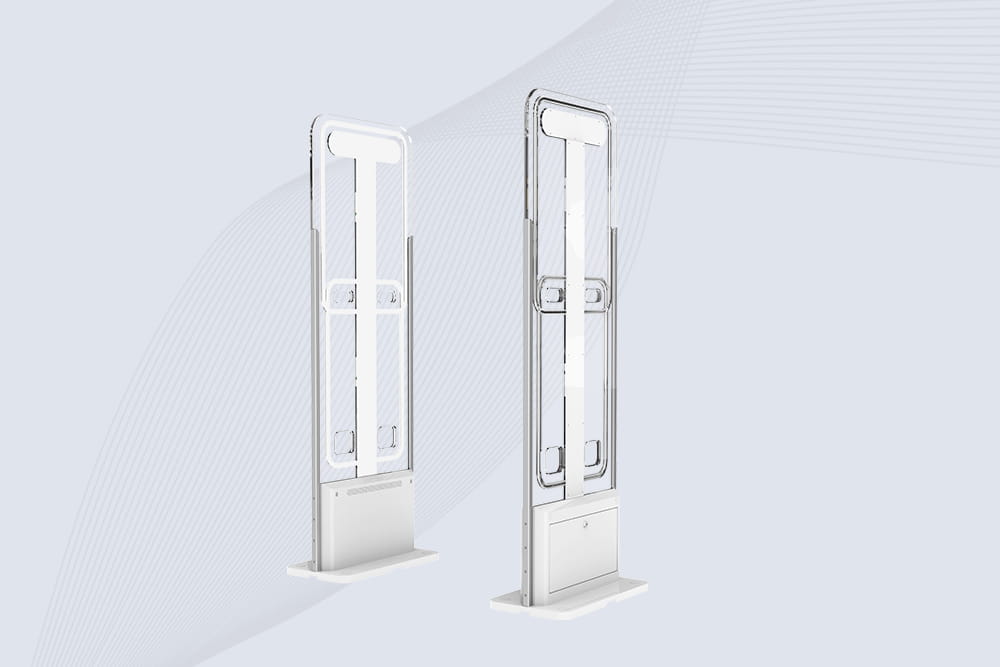
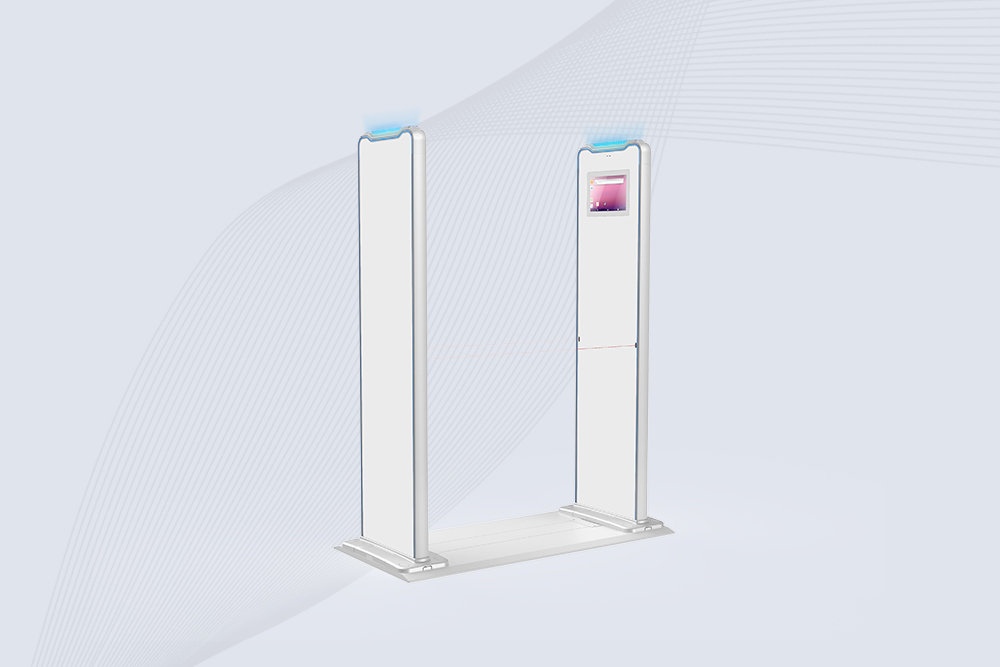
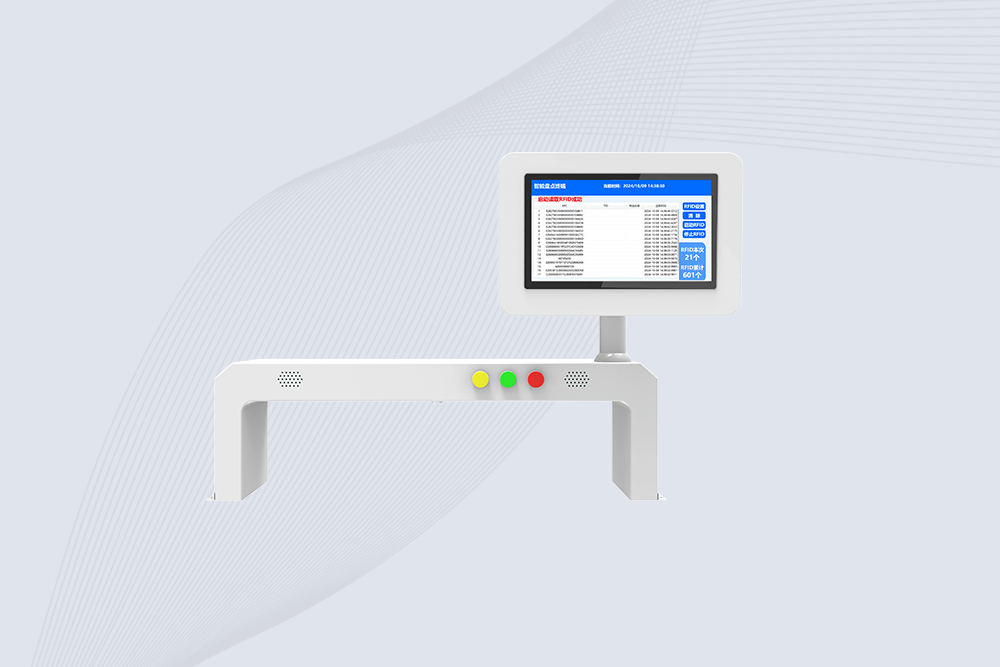
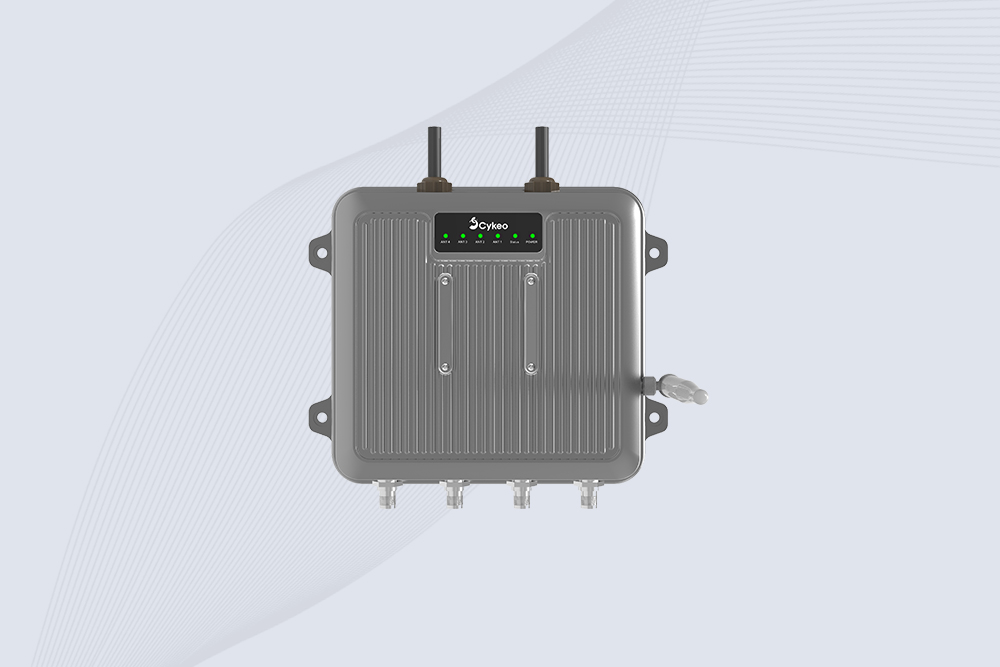
Fixed readers are usually installed at doors, conveyor belts, or choke points. They just sit there and watch everything passing through.
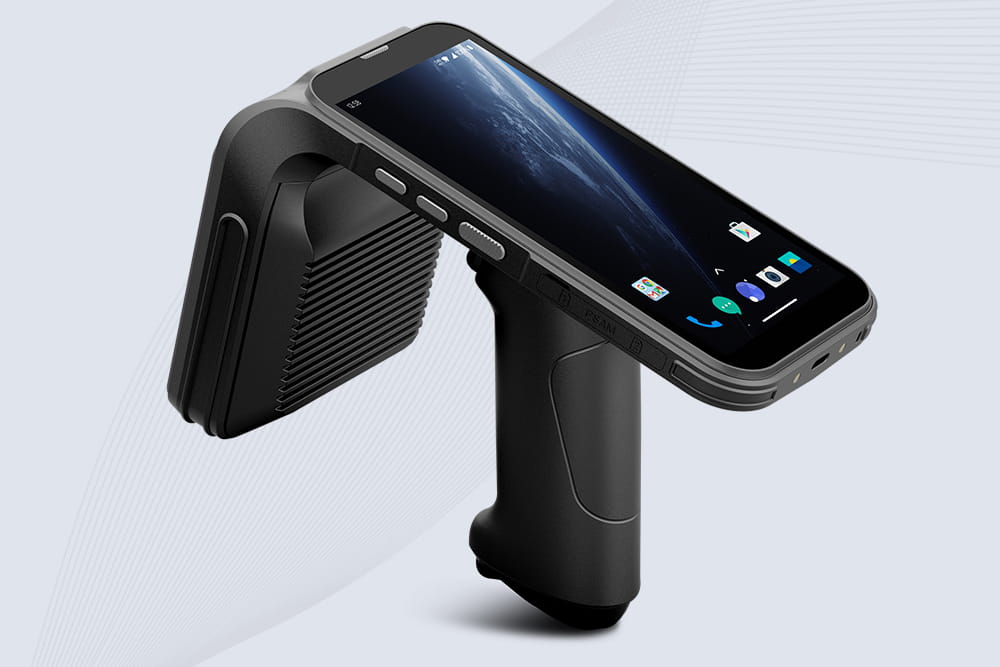
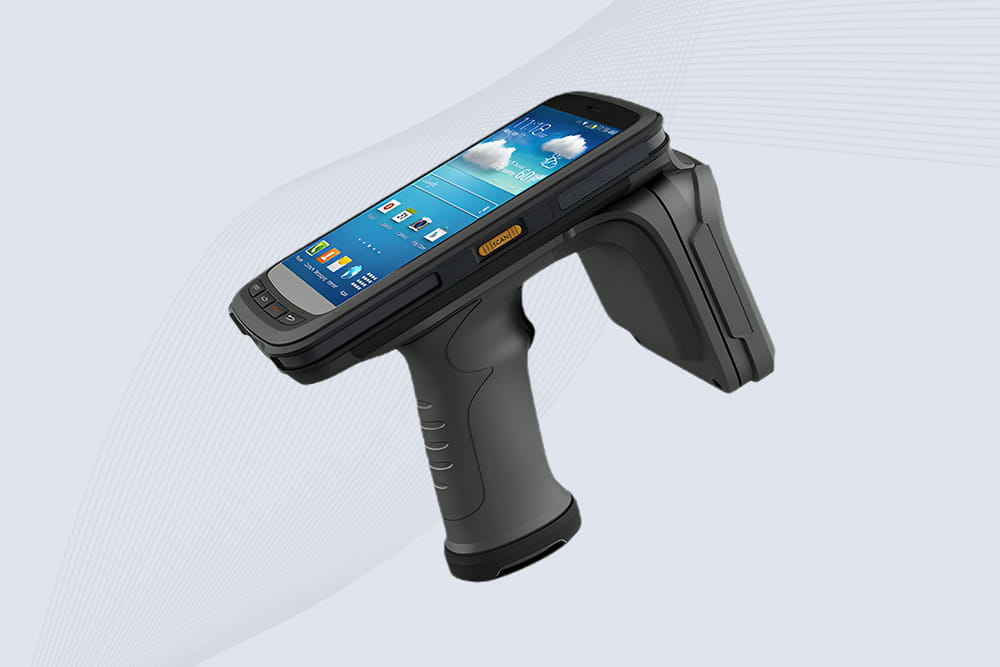
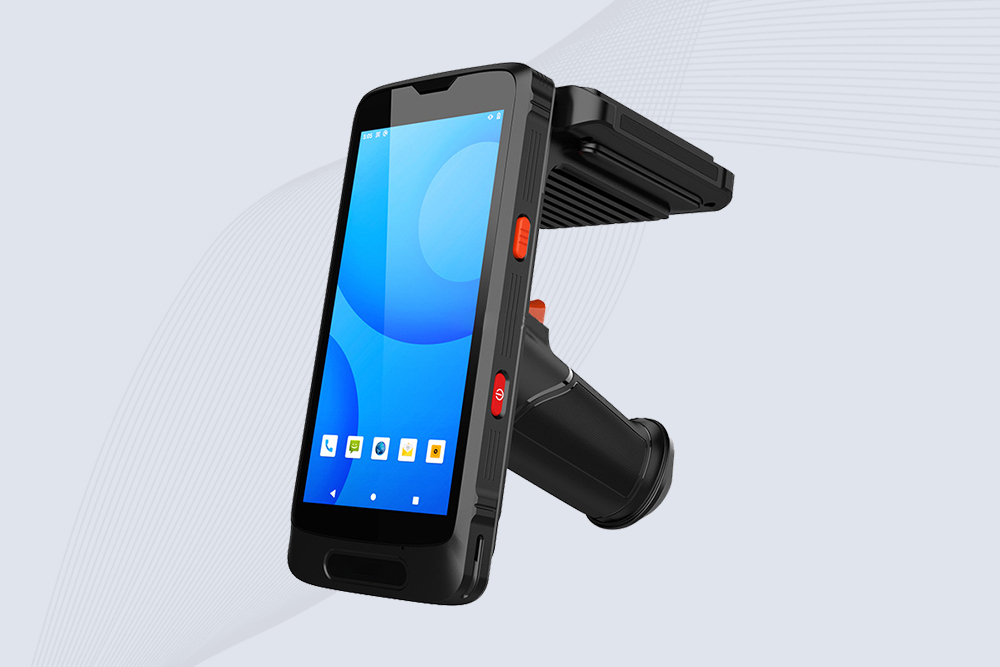
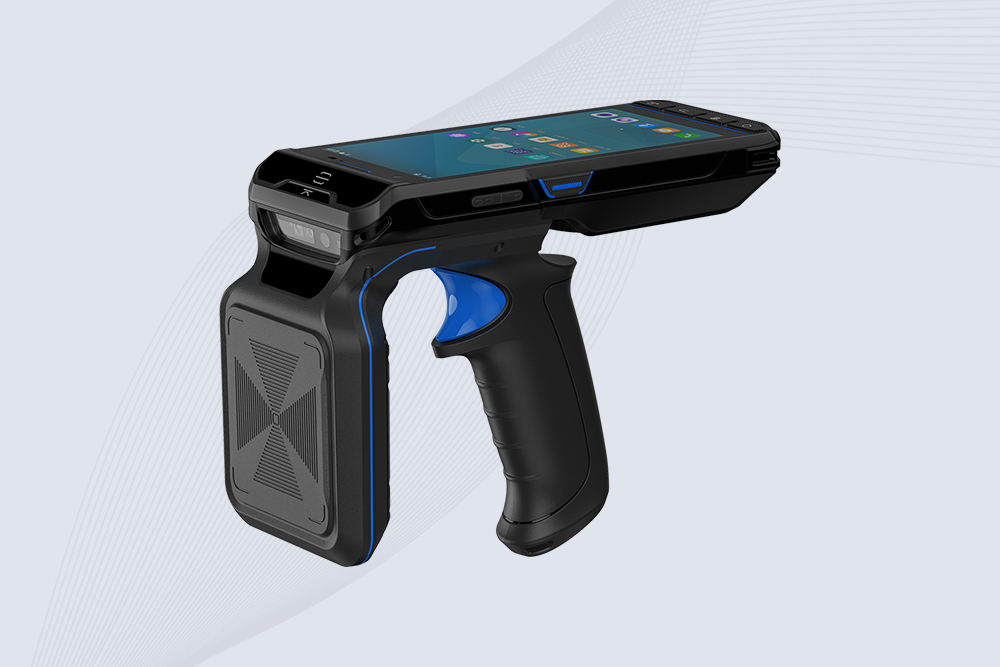
Handheld readers are more flexible. Someone carries them around and physically “goes to” the items.
In practice, handhelds are often used when:
doing inventory counts
checking missing items
verifying stock on shelves
Fixed readers are better when you want automation without human involvement.
Most real systems end up using both.
A simple way to remember the whole system
If you strip away all the technical wording, RFID basically works like this:
The reader creates a radio field
The tag borrows energy from that field
The tag sends back its ID
The reader converts it into data
That’s it.
No scanning, no camera, no contact.
Just short-range radio communication doing all the work quietly in the background.
Related reading (worth checking if you’re comparing systems)
If you’re trying to understand how RFID behaves when paired with smartphones or NFC devices, compatibility can get a bit confusing.
Not all readers or tags respond the same way, and not every phone can actually communicate with every RFID setup.
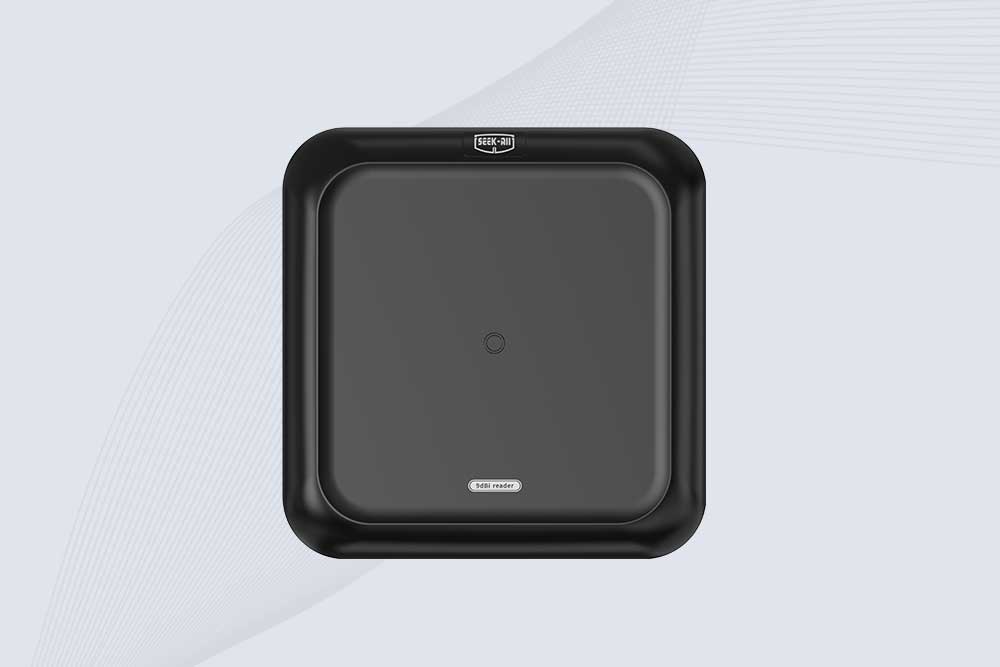
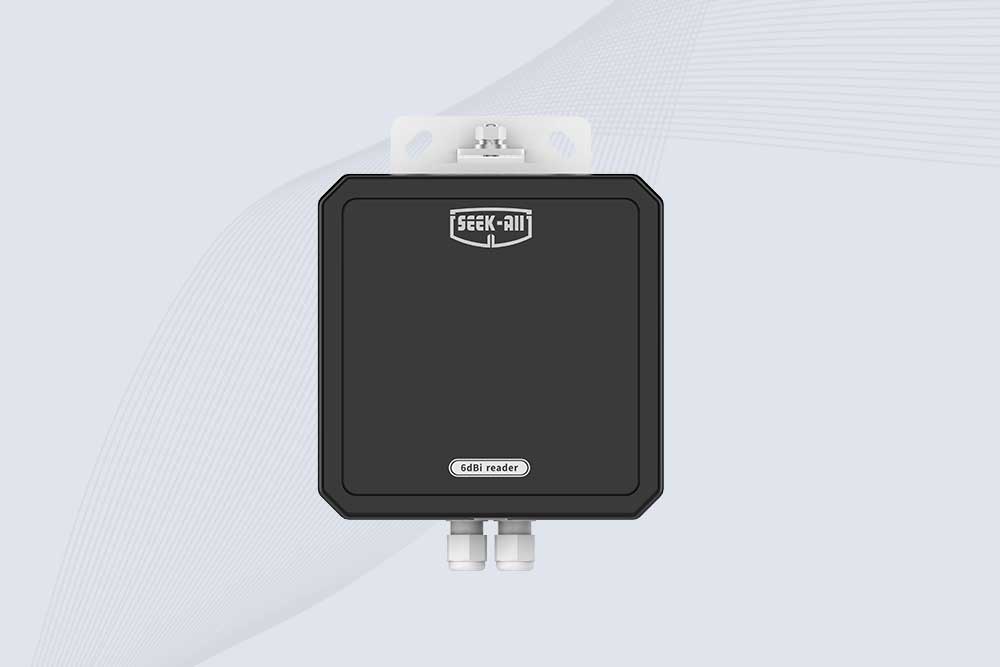
SSD-RA06L is an industrial UHF RFID reader with a built-in 6 dBi antenna, 3 m read range, 600+ tags/s, Ethernet, RS232, and optional Wi-Fi, 4G, and PoE.
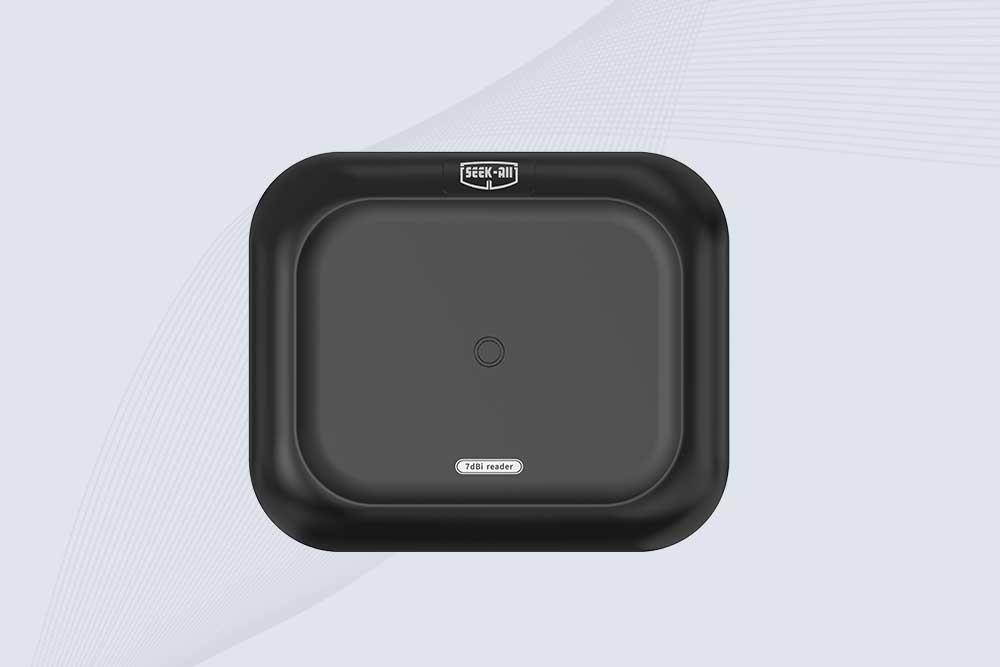
SSD-RA07L industrial UHF RFID reader with integrated 7 dBi antenna, up to 6 m reading distance, over 600 tags/s, Ethernet, RS232, and optional Wi-Fi, 4G, and PoE.
SSD-T4A-P Smart access control with real-time crowd tracking ✔️ AI Tag Filtering for Reduced Misreads SSD-T4A-P supports AI-based tag filtering and up to 6 EPC filtering sets, helping reduce unwanted reads and improve identification accuracy in busy entrances, exits, and retail environments. ✔️ Fast In & Out Detection with Visual & Audio…
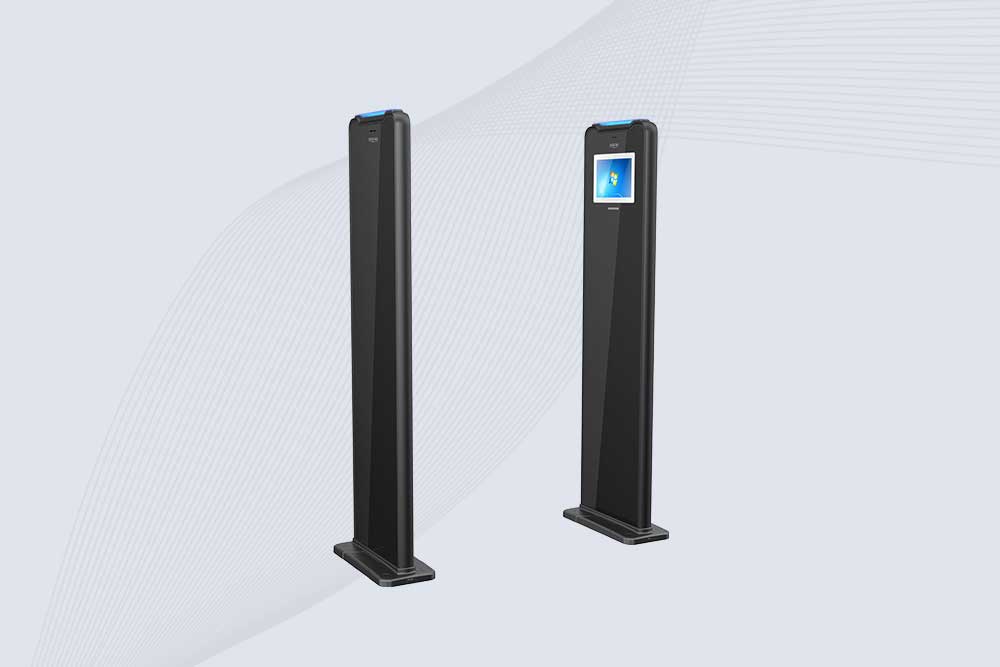
SSD-T4A UHF RFID Gate Reader with 11 dBi antenna, up to 10 m reading distance, AI tag filtering, in/out detection, 300,000 data storage, and TCP/HTTP/MQTT support.
SSD-T2D UHF RFID Gate Reader with 11dBi circular antenna, Impinj E710/X3M1 chipset, up to 10m reading distance, AI tag filtering, in/out detection, and audio-visual alarms.
SSD-T1 ✔️ AI-Powered Tag Filtering SSD-T1 supports AI-based tag filtering with up to 6 EPC filtering sets, helping reduce unwanted tag reads and improve identification accuracy in busy retail and access-control environments. ✔️ Reliable In & Out Detection With a 7dBi antenna and a reading range of up to 2.5 meters, SSD-T1 can detect tagged i…
SSD-T1G is a 12 dBi AI RFID ceiling-mounted reader with 10m reading range, In/Out detection, AI tag filtering, 300,000-record storage, and TCP/HTTP/MQTT support.
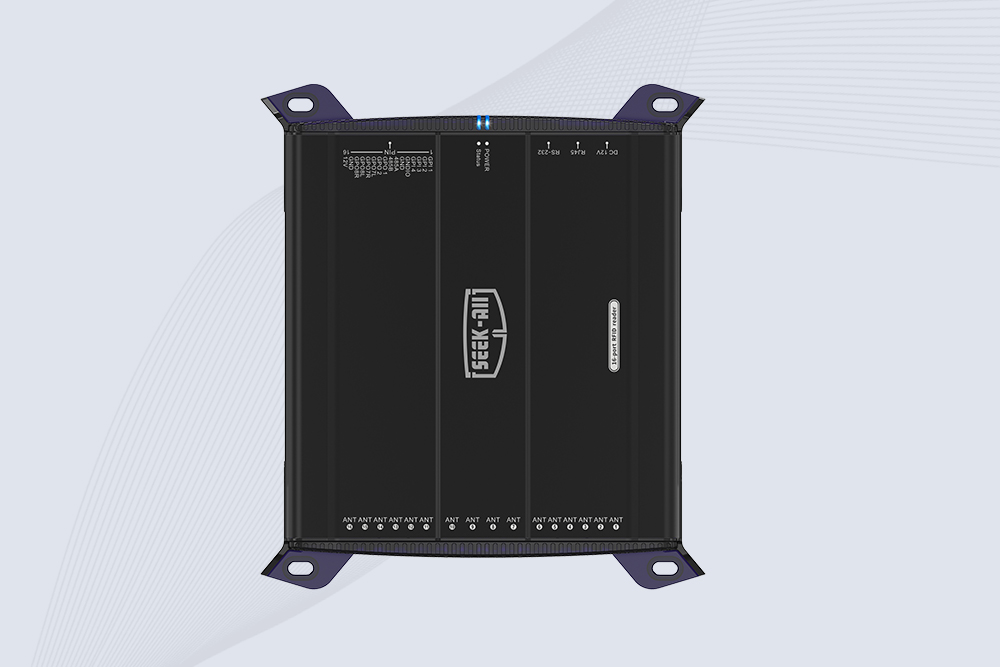
SSD-R16L Multi-Channel RFID Infrastructure for Automated Inventory Management ✔️ 16-Port High-Density RFID Reading Equipped with 16 SMA antenna ports, SSD-R16L supports multi-antenna deployment for warehouses, retail stores, logistics, production lines, and large-area RFID identification. ✔️ High-Speed & Long-Range Performance With up to 33…
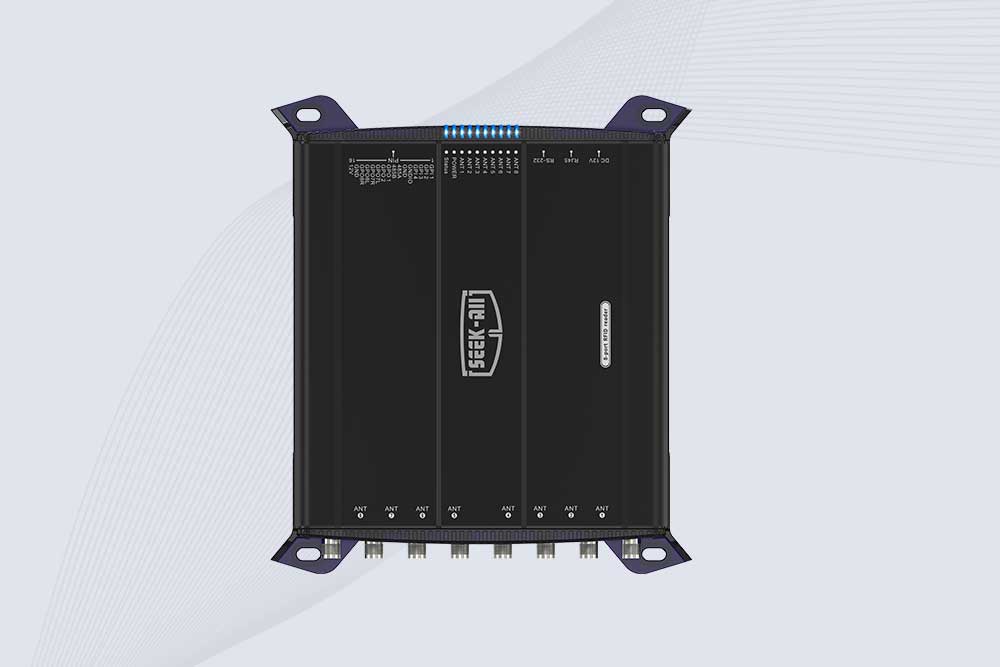
SSD-R8L 8-port UHF RFID reader with 33dBm output, up to 20m reading range and 600+ tags/s recognition. Ideal for warehouse, logistics, retail and asset tracking.
Cykeo’s CYKEO-T1D industrial RFID ceiling reader features 500 tags/sec scanning, IP54 protection, and -20℃~60℃ operation for retail/warehouse security. Supports ISO18000-6C and GB/T29768 protocols.
Cykeo’s ceiling-mounted RFID reader enables hands-free 5m inventory tracking with 500 tags/min speed. Features dual alerts, ERP integration, and IP54 rating for warehouse security.
Cykeo CK-T1E RFID gate system features 120° coverage, AI motion filtering, and 5m detection for retail/warehouse security. IP67 rugged design with ERP integration.
Cykeo CYKEO-T1B ceiling-mounted RFID system delivers 10-20m reading range, 500+ tags/sec processing, and integrated security alarms. Ideal for warehouse/logistics automation with Android-compatible SDK.
Cykeo’s industrial ceiling-mounted RFID reader offers 10m+ automated inventory tracking, ISO-18000 compliance, and anti-theft alarms. Designed for retail/warehouse/logistics facilities.
Cykeo CYKEO-T3 industrial RFID gate reader features 200cm detection, infrared triggering, and dual alarm modes for warehouses/libraries. Supports WiFi/4G and Java/C# SDK integration.
Cykeo CYKEO-T4 industrial RFID gate system features 4-antenna array, 99.9% detection accuracy, dual EAS alarms, and WiFi/4G connectivity for library/warehouse/retail security. ISO 18000-6C compliant.
Cykeo’s CYKEO-T5 UHF RFID gate reader features 600cm detection, infrared tracking, and dual-mode alarms for retail/library security. Supports crowd counting and multi-protocol integration.
Cykeo’s CYKEO-T4 RFID Gate Reader system offers 200+ tags/sec scanning, EAS alarms, and rugged design for libraries/warehouses. Supports WiFi/4G and Windows/Android OS.
Cykeo HF RFID gate reader offers 90cm detection range, ISO15693/18000-6C compliance, and industrial-grade durability for libraries/retail. Features EAS alarms, infrared traffic analysis, and 3D omni-directional scanning.
Cykeo CYKEO-T7 UHF RFID Gate Reader system delivers 600cm read range, 99.9% tag accuracy, real-time personnel counting, and SAP integration for logistics/warehouse/manufacturing. Supports dual OS & offline alarms.
Cykeo CYKEO-T6 gate RFID reader features 1,200+ tags/min scanning, 6m detection range, and industrial-grade durability for libraries/stores/warehouses. Supports ISO 18000-6C and waterproof installations.
Cykeo CYKEO-T9HA industrial HF RFID gate reader offers 100cm range, 100+ tags/sec scanning, ISO 15693/14443A protocols, and IP66 durability for libraries, archives, and retail. Supports offline alarms and SAP integration.
Cykeo CYKEO-T9UH UHF RFID gate reader offers 90cm detection width, EAS/AFI anti-theft alerts, IP54 rugged design, and multi-protocol support for libraries, retail, and logistics.
Cykeo’s Fixed RFID Gate Reader features 60 tags/sec scanning, IP54 rugged design, and dual-mode EAS alarm. Ideal for library/warehouse/event access control with real-time crowd analytics.
Cykeo CYKEO-T8A rfid gate access control system features IP68 enclosure, 400 tags/sec scanning, and 6-antenna array for warehouse/manufacturing security.
Cykeo CYKEO-T8F RFID gate entry systems deliver 200+ tags/sec scanning, EPC C1G2 compliance, and EAS alarms for warehouse/production gates. Supports Windows/Android OS.
Cykeo CYKEO-T8D RFID gate access control system features 4-antenna 99.98% accuracy, ISO 18000-6C compliance, and real-time theft prevention for libraries/warehouses. Supports Windows/Android OS.
Cykeo CYKEO-T2 industrial RFID gate features 500+ tags/sec scanning, 0-3m vertical detection, and cloud management for warehouse automation and inventory control.
Cykeo CYKEO-B5L portable iPhone RFID reader features 8m range, 500 tags/sec scanning, and built-in 10000mAh charger. Perfect for retail/warehouse teams needing iOS integration.
Cykeo CYKEO-B4L Android RFID reader features 37g magnetic phone attachment, 30cm UHF scanning, and Java/C# SDK for mobile asset tracking. Ideal for anti-counterfeit and warehouse verification.
Cykeo’s industrial long range RFID reader delivers 20-meter scanning, 500+ tags/sec speed, and IP67 waterproof design for automated warehouses, logistics, and harsh environment applications.
Cykeo’s CYKEO-RA6L industrial RFID long range reader features 20m read distance, 500 tags/sec speed, and IP67 protection. Ideal for warehouse automation, manufacturing WIP tracking, and smart logistics. Supports ISO 18000-6C/6B protocols.
CYKEO Long Range RFID Tag Reader built for outdoor and industrial operations. This Outdoor RFID Reader delivers 20m read distance, fast tag processing, and IP67 durability for wide-area tracking.
Cykeo CYKEO-RA12L industrial Long Range RFID Reader delivers 20m read range, 200+ tags/sec scanning, and IP67 protection for manufacturing/logistics applications. Supports ISO 18000-6C/GB protocols.
Cykeo CYKEO-C1 industrial Forklift RFID Reader features 20m read range, 600 tags/sec scanning, Impinj R2000 chipset, and IP67 rugged design. Ideal for warehouse logistics and manufacturing. Supports ISO 18000-6C/6B protocols.
Cykeo CYKEO-R4 industrial UHF RFID Fixed Reader features 4 TNC ports, 400+ tags/sec speed, IP67 housing, and global frequency compliance for vehicle inspection, smart warehouse, and asset management systems.
RFID Industry Writer | IoT & Asset Tracking Analyst
James writes about RFID technology, asset tracking, and the practical challenges of digital transformation across warehousing, retail, manufacturing, and logistics.
His work focuses on how RFID is applied in real-world operations—improving inventory visibility, automating workflows, and helping businesses manage assets with greater accuracy and efficiency.
He regularly covers topics including UHF RFID, smart cabinets, RFID portals, tool tracking, warehouse automation, and industrial IoT trends..
Learn how RFID tags inventory tracking transforms warehouse operations. Discover the benefits over barcodes, types of RFID tags, and step-by-step implementation. Expert guidance from CYKEO engineers.
Learn how RFID is used in retail for inventory tracking, faster checkout, theft prevention, warehouse management, and smart retail automation. Discover real retail RFID applications and benefits for modern stores.
 Cykeo RFID IoT Solution Products R&D Manufacturer