 Cykeo RFID IoT Solution Products R&D Manufacturer

Can RFID Chips Be Tracked: How RFID Identification Enables Smart Tracking
111Can rfid chips be tracked? Learn how RFID chip tracking works, its real-world applications, limitations, and how Cykeo RFID solutions enable smart identification.
MoreAll RFID Product
Managing tools in one workshop is already a daily task. Managing them across several workshops, production areas, maintenance rooms, and factory buildings is much harder. Tools move between departments, technicians take equipment to different work areas, and manual records can quickly become outdated.
RFID tool cabinet can help organizations manage this situation by identifying tools automatically and connecting different storage locations through a centralized system. Instead of only knowing that a tool belongs to a company or department, managers can have a clearer view of where the tool was stored, when it was checked out, and where it was last detected.
A factory rarely keeps every tool in one place.
A typical industrial site may have a central tool room, maintenance workshop, production-line cabinets, engineering areas, and temporary storage locations. Different teams may also use the same type of tools.
This creates several common problems.
A technician may take a tool from the maintenance department and use it on a production line. Another employee may return it to a different cabinet. A tool may therefore be physically available somewhere in the factory but still appear as missing in the original inventory record.
Manual spreadsheets do not always keep up with these movements.
The problem becomes larger when the number of tools and storage locations increases. Managers may need to contact different departments simply to find out where a particular tool is located.
This is where RFID-based tool management can provide a more connected workflow.
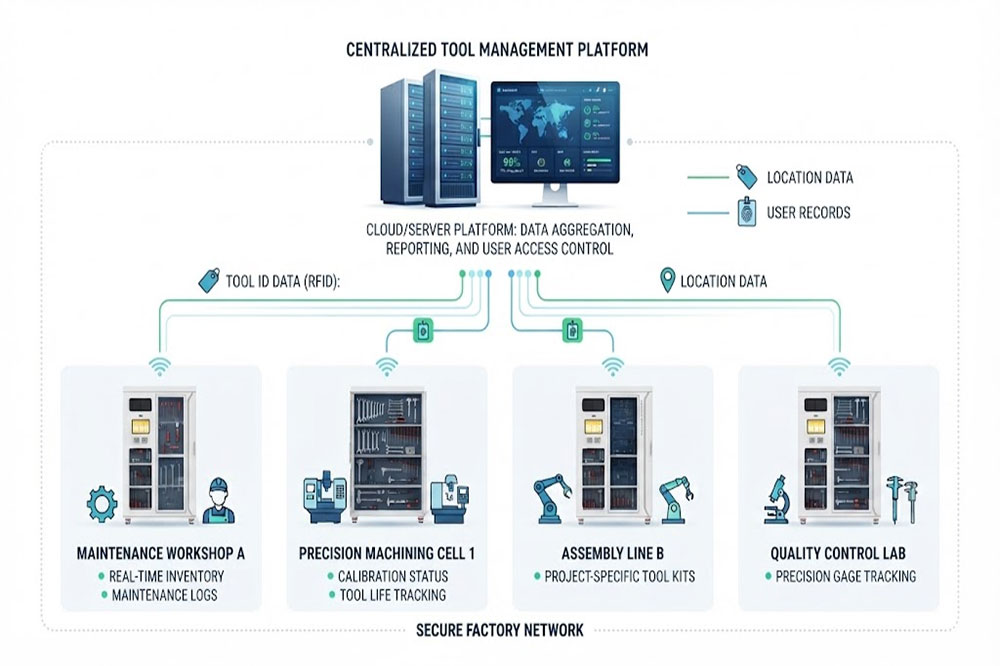
An RFID tool cabinet normally combines RFID tags, an RFID reader, antennas, cabinet hardware, user authentication, and management software.
Each tool receives an RFID tag with a unique identification number. When the tool is placed inside or removed from the cabinet, the RFID system can identify the tagged item.
When several cabinets are connected to the same software platform, each cabinet can also have its own location identity.
For example:
Tool → RFID Tag → Cabinet → Department → Location → User → Transaction
A tool may be recorded as:
Torque Tool 018 → Maintenance Cabinet 02 → Maintenance Department → Checked Out
Later, when the same tool is detected at another connected cabinet, the system can update its location information according to the configured workflow.
This makes the cabinet more than a storage unit. It becomes a tool identification and transaction point within a larger RFID tool management system.
One of the main advantages of a multi-location deployment is that each cabinet does not have to operate independently.
For example, a factory may install:
Each cabinet can maintain its local tool information while sending relevant transaction data to a centralized platform.
The system can then organize information according to cabinet, department, user, or tool.
This is especially useful for organizations that have tools moving between work areas.
Instead of asking, “Which department owns this tool?”, the system can help answer a more practical question:
“Where was this tool last detected?”
Tool movement is one of the more difficult parts of industrial tool management.
Some tools remain in one location for weeks. Others may move several times during a single shift.
For example, a maintenance technician may check out a specialized tool from Cabinet A in the maintenance room. The technician then takes it to Production Area B. After completing the job, the tool may be returned to Cabinet C instead of the original cabinet.
A properly configured RFID system can record these transactions when the tool is detected by another connected cabinet.
The system can potentially distinguish between:
This is more useful than simply maintaining a static list of tools.
For organizations beginning with inventory control, RFID tool inventory management can provide the foundation for this type of location-based tracking.
Inventory counting becomes increasingly difficult as more cabinets are added.
Imagine a factory with 500 tools distributed across ten cabinets. A manual inventory process may require employees to check each cabinet separately and compare the results with spreadsheets or paper records.
With RFID, multiple tagged tools can be identified during a cabinet inventory process.
The management system can then organize the results by location.
For example:
| Location | Tool Status |
|---|---|
| Maintenance Room | 86 tools detected |
| Production Area A | 42 tools detected |
| Production Area B | 38 tools detected |
| Engineering Room | 27 tools detected |
| Central Tool Room | 105 tools detected |
The exact system display depends on the software, but the basic principle is the same: inventory information is connected to physical locations.
This can make it easier to identify missing, unexpected, or misplaced tools.
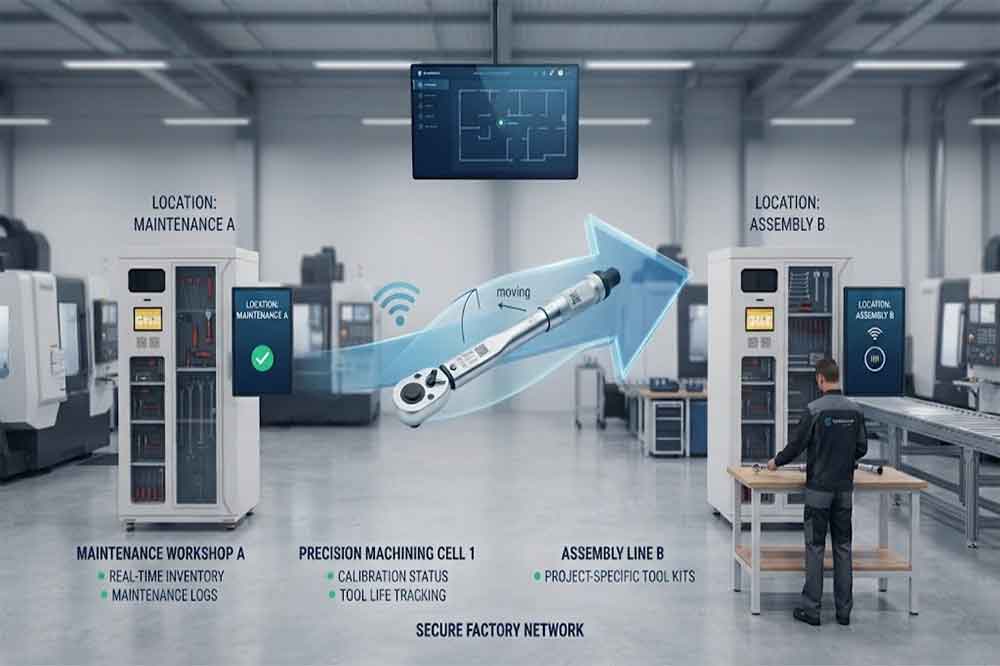
Different departments do not always use tools in the same way.
A maintenance department may need quick access to repair tools. Production teams may require frequently used tools near the production line. Quality teams may handle inspection equipment with additional control requirements.
A multi-location RFID tool cabinet system can support these different workflows while maintaining centralized tool records.
For example:
Maintenance
Tools can be stored close to technicians and tracked during repair work.
Production
Frequently used tools can remain near production lines while their availability is monitored.
Engineering
Specialized tools can be stored in controlled cabinets with defined user permissions.
Quality
Inspection or measurement tools can be associated with specific users, locations, and status records.
Warehouse or Tool Room
The central tool room can act as the main storage location for less frequently used equipment.
The important point is that different cabinet locations can represent different operational roles.
Knowing where a tool is located is useful, but knowing who checked it out can provide additional accountability.
An RFID tool cabinet can combine tool identification with user authentication.
A typical transaction may contain:
User + Tool + Cabinet + Time + Action
For example:
Technician 024 → Tool 018 → Cabinet 03 → 14:25 → Checkout
When the tool is returned, another transaction can be created.
This provides a clearer history of tool usage.
For restricted tools, access permissions can also be configured so that only authorized users can access particular cabinets or tools.
This is where RFID tool cabinet access control becomes important, especially for expensive, specialized, or safety-related equipment.
Not every tool should be expected to return to its original cabinet.
In some factories, tools move between maintenance teams, production areas, and project locations.
The software therefore needs to distinguish between a tool that has moved and a tool that has disappeared.
For example:
A tool is checked out from Cabinet A.
It is used on a production line.
The tool is later detected by Cabinet B.
The system can record Cabinet B as the latest detected location, depending on the configured workflow.
This can reduce unnecessary “missing tool” investigations.
However, RFID does not automatically solve every location problem. The system still depends on suitable cabinet placement, RFID tag performance, reader configuration, network communication, and the actual workflow followed by employees.
Real tools should be tested before large-scale deployment.
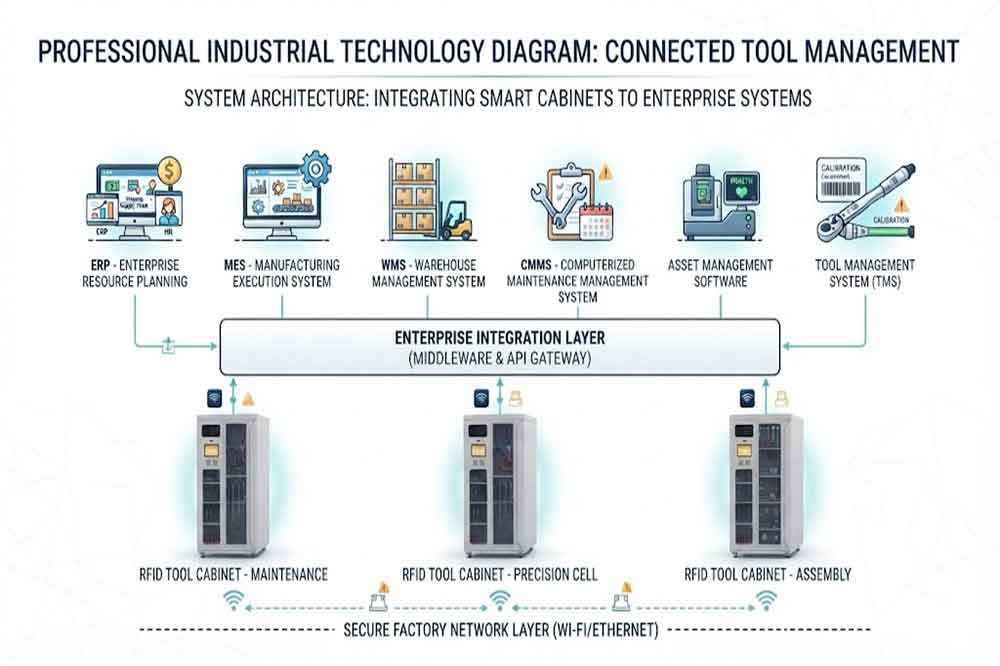
When several cabinets are connected, software becomes increasingly important.
A larger deployment may need to exchange information with existing systems such as:
Useful information may include tool ID, user ID, cabinet ID, transaction time, location, checkout status, and return status.
For example, a maintenance work order may require a specific tool. The system could associate the tool transaction with the maintenance activity, depending on the available software integration.
For projects requiring this type of connection, RFID tool cabinet software integration should be considered during the planning stage rather than added after the hardware has already been installed.
Multi-location systems also need to consider communication problems.
A cabinet in a central office may have a stable network connection, while a cabinet located in a remote production building may experience temporary communication problems.
Before deployment, project teams should define how the system handles:
The exact solution depends on the cabinet hardware and software architecture.
A practical test should simulate a temporary network interruption and verify whether tool transactions are preserved and synchronized correctly after communication is restored.
Installing RFID cabinets throughout an entire factory at once may create unnecessary implementation risks.
A smaller pilot can provide useful information before expansion.
For example, a company could select two locations:
Location A: Maintenance workshop
Location B: Production area
The pilot can include several common tools, specialized tools, different RFID tag types, multiple users, and typical checkout and return scenarios.
During testing, the project team can check:
This approach also provides a better basis for selecting the final cabinet configuration.
The earlier guide on how to choose an RFID tool cabinet can be used as a reference when evaluating cabinet structure, tag compatibility, reading performance, and deployment requirements.
A multi-location RFID project can work well, but several practical details should not be overlooked.
Metal tools, tools with irregular surfaces, and tools with limited tag mounting space may require different RFID tag solutions.
A cabinet used for small hand tools may have different RFID reading requirements from one used for larger equipment.
Employees who work across several departments may require permissions for more than one cabinet.
Every tool should have a clear identification structure. Duplicate or inconsistent IDs can create problems when information is shared between systems.
Remote locations may need additional planning for communication and data synchronization.
The system should fit the way technicians actually work. A technically capable system can still create problems if checking tools in and out takes too much time.
These issues are why pilot testing with real tools and real users is valuable.
Before selecting hardware, project teams should map the actual tool workflow.
Start by listing all tool storage locations.
Then identify:
This information can then be used to determine the number of cabinets, cabinet structure, RFID tags, reader configuration, authentication method, and software requirements.
For a larger project, it is usually better to design the system around the actual workflow instead of simply purchasing the largest cabinet available.
This type of system is particularly relevant when tools are distributed across several areas and managers need better visibility.
Typical environments include:
It may be less necessary for a small workshop with only a few tools and one storage location.
The value of the system depends on the number of tools, frequency of movement, accountability requirements, labor involved in inventory checks, and integration needs.
Managing tools across several locations requires more than a simple storage cabinet. When tools move between maintenance rooms, production lines, engineering areas, and central tool rooms, managers need a way to connect tool identity with location, user, and transaction information.
An RFID tool cabinet can provide this connection by identifying tagged tools and recording cabinet-level activity. Multiple cabinets can then work together as part of a centralized tool management system.
The most important step is not simply installing more cabinets. The system should be designed around real tool movement, user permissions, inventory requirements, software integration, network conditions, and daily working habits.
Starting with a controlled pilot allows companies to test RFID performance and workflow before expanding the system across multiple departments or factory locations.
It is a system that connects RFID-enabled tool cabinets in different departments or locations so tools can be identified and managed through a shared platform.
Yes. When the tool is detected by another connected cabinet, the system can record its new location according to the configured workflow.
Yes. Maintenance, production, engineering, quality, and other departments can use separate cabinets while sharing centralized tool information.
Yes, when suitable interfaces or APIs are available. Tool IDs, users, transactions, and location information can be mapped to existing software.
Not necessarily. A pilot with representative tools and two or more locations can help verify RFID performance, software communication, and employee workflows before expansion.
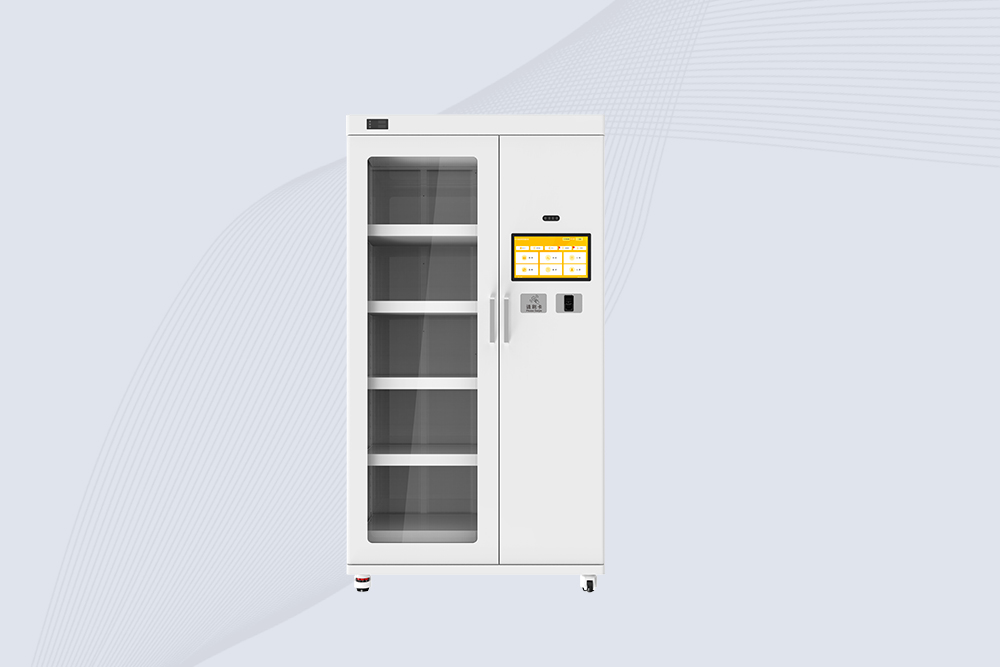
Cykeo’s RFID Smart Tool Cabinet enables 10-second tool audits, user access control & real-time alerts for construction/oil/gas. Features 21.5″ touchscreen, IP54 steel body & -30°C~60°C operation. Supports SAP/Oracle integration.
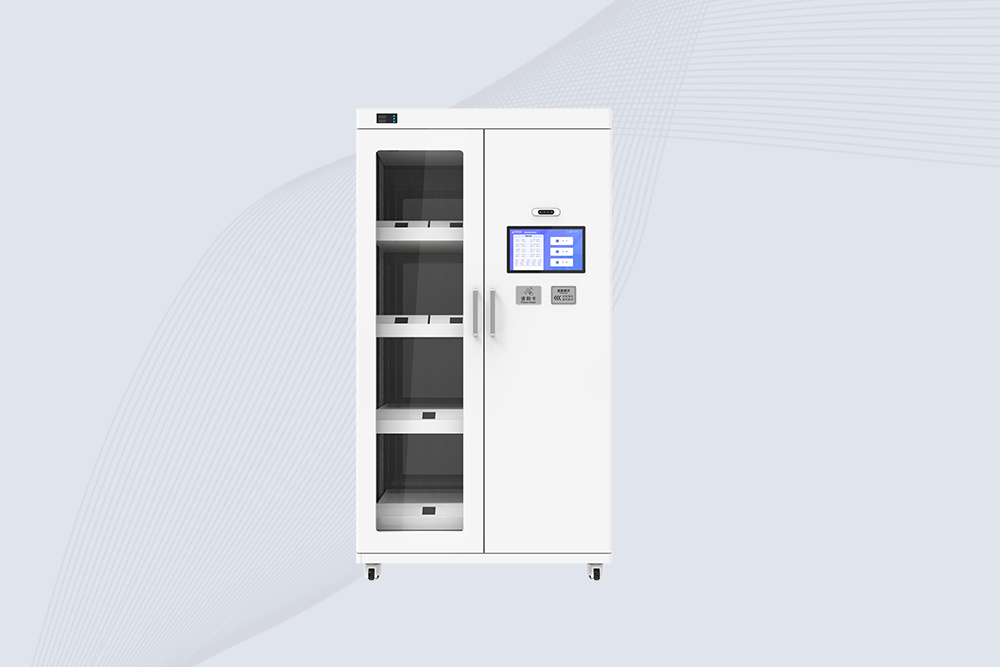
Cykeo’s Intelligent Weighing Tool Cabinet combines weight sensors & RFID for 100% tool accountability. Features solar/4G options, IP54 steel-glass body & nuclear/rail compliance. Supports SAP/Oracle integration.
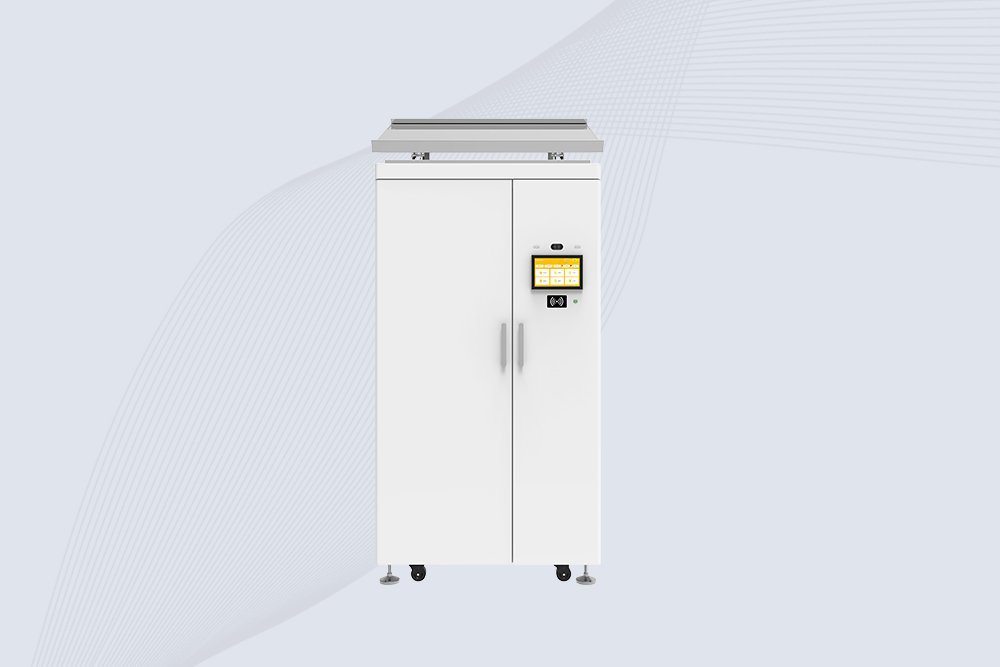
Cykeo’s solar-powered RFID Inventory Tool Cabinet enables 5-second audits for remote sites. Features 160W solar, Android 7.1, 4G & extreme temp operation for oil/energy/mining sectors.
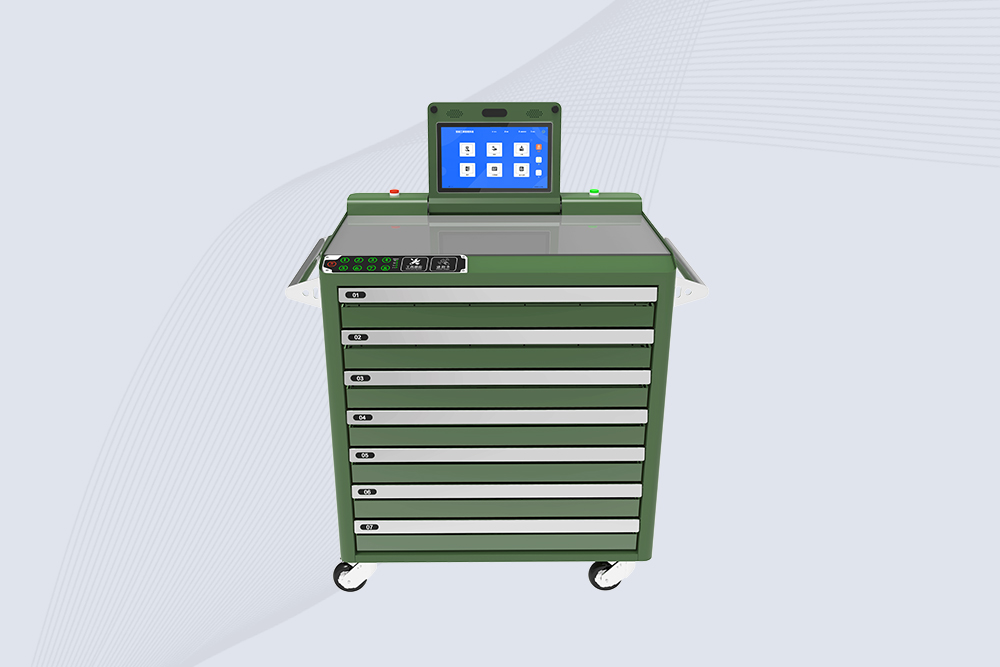
Cykeo’s industrial RFID Tool Cart features 14″ touchscreen, 400+ tool scanning, and carbon steel construction for aviation MRO, power plants and construction sites. 5-second inventory scans.
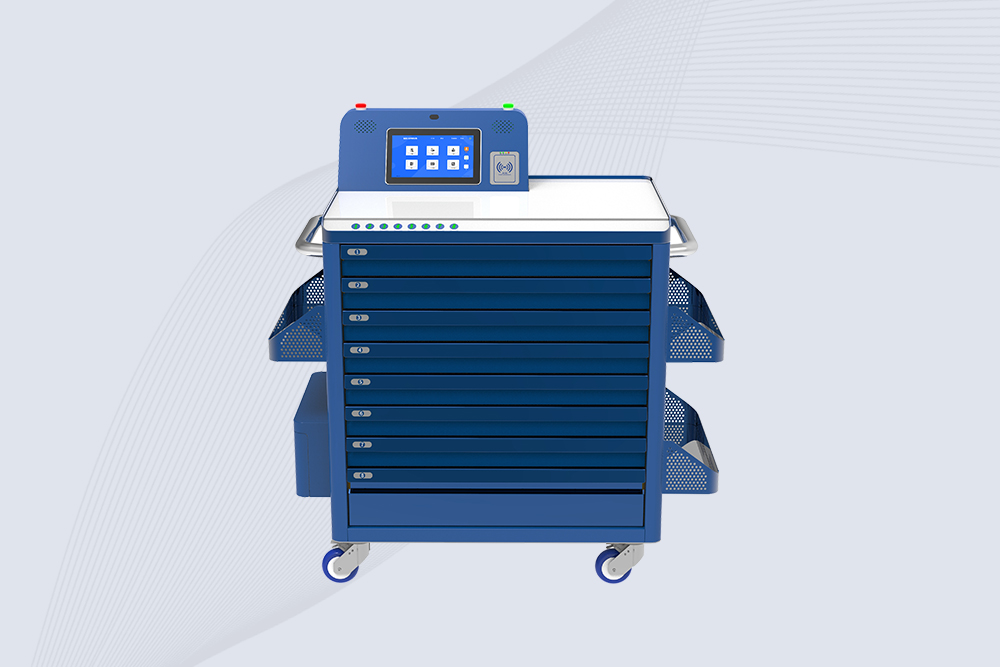
Cykeo CYKEO-TC RFID multi-drawer tool cart manages 300+ tools via UHF RFID, features fingerprint/face recognition, Android/Windows OS, and SAP integration for nuclear/railway/fire safety sectors. IP54 rated for harsh environments.
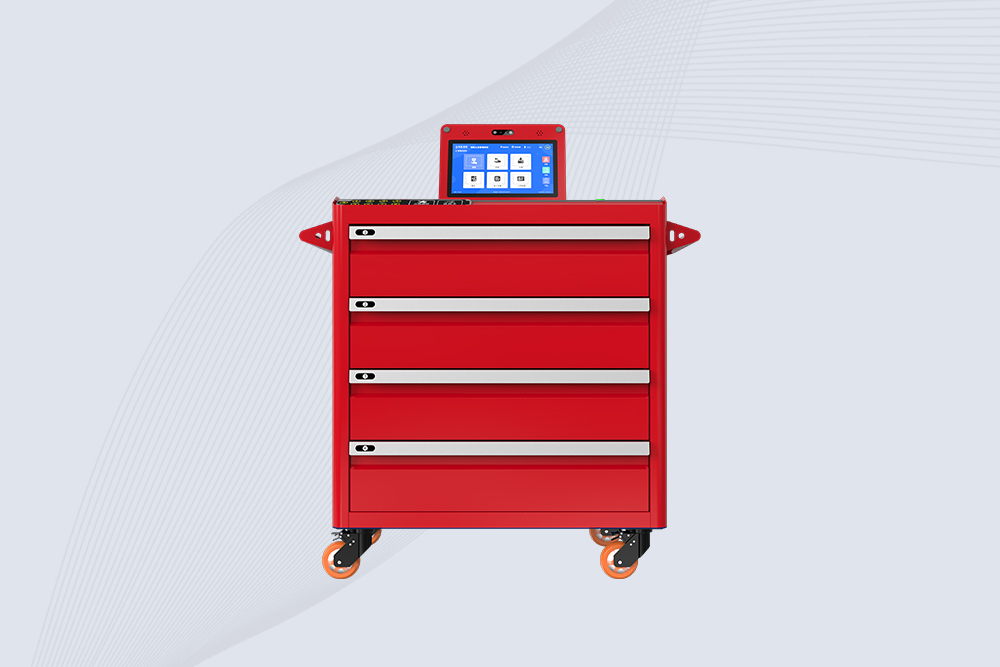
Cykeo CYKEO-GTC4 RFID tool inventory cart manages 300+ tools via UHF RFID, features instant scanning, fingerprint/face recognition, and SAP integration for nuclear/railway/fire safety sectors. IP54 rated for harsh environments.
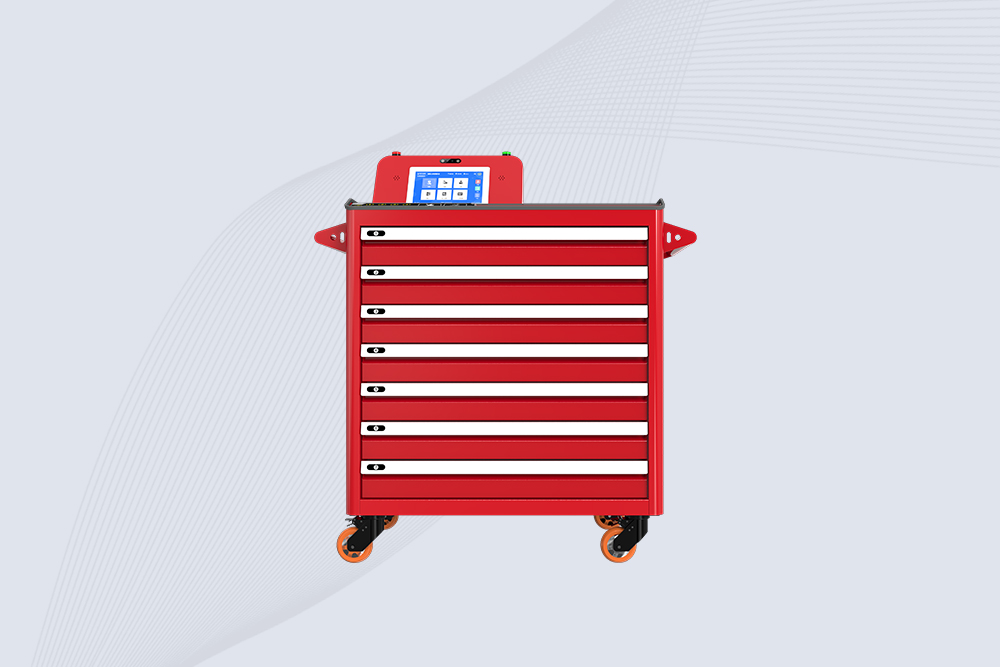
Cykeo CYKEO-GTC7 RFID aviation maintenance cart features military-grade build, blockchain audits, and predictive tool alerts for aircraft MRO. Achieves EASA/FAA compliance.
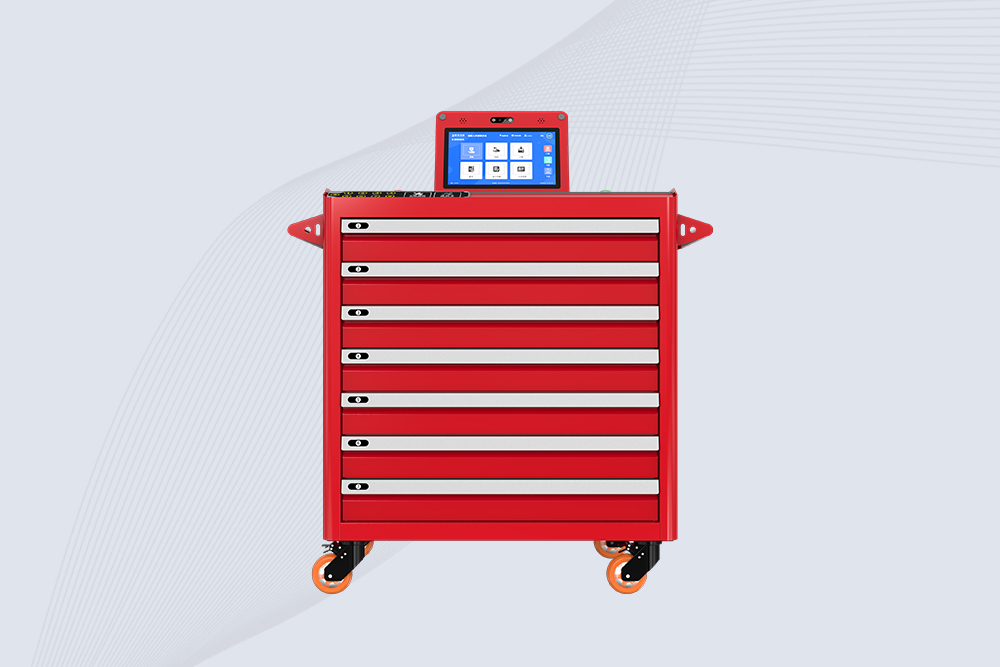
Cykeo CYKEO-GTC7A RFID real-time tool tracking cart features 99.9% accuracy, FOD prevention, and SAP integration for aviation/plant maintenance. Military-grade construction.
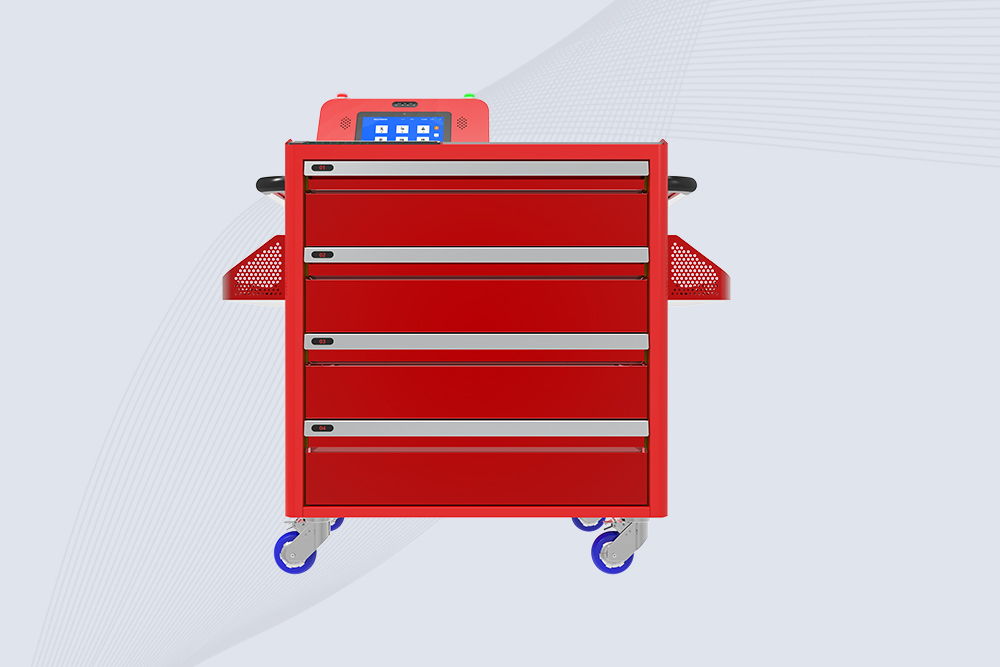
Cykeo CYKEO-GTC4B RFID mobile tool cart delivers 300-tool verification in 7 seconds with modular drawers, ≤150W power, and SAP integration for industrial/aviation use.
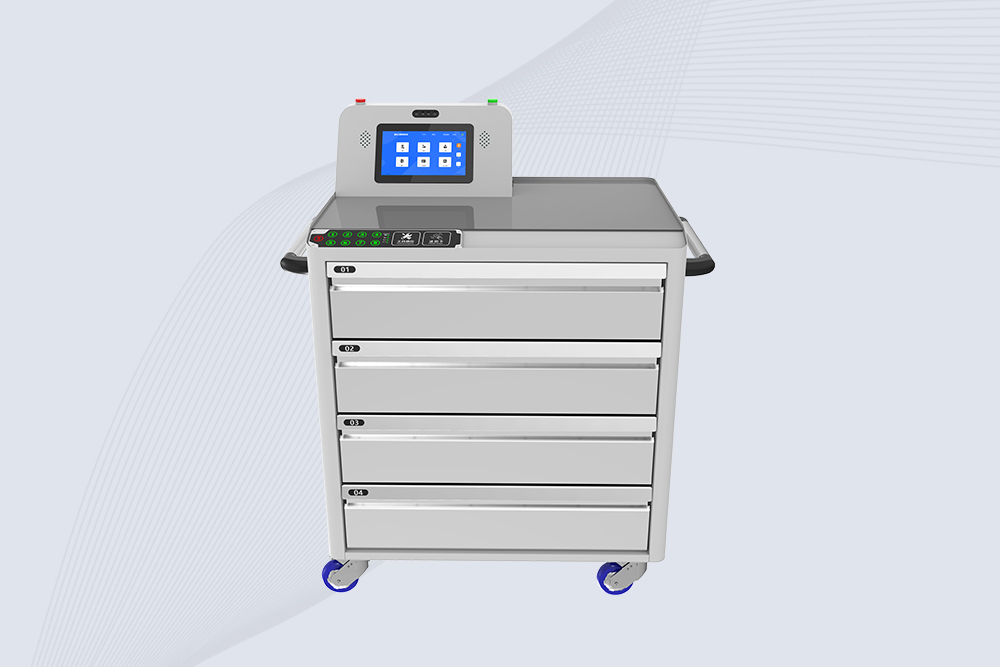
Cykeo CYKEO-GTC4C RFID workshop tool control cart delivers 300-tool inventory in 3 seconds with 10hr battery, SAP integration, and FOD prevention for industrial workshops.
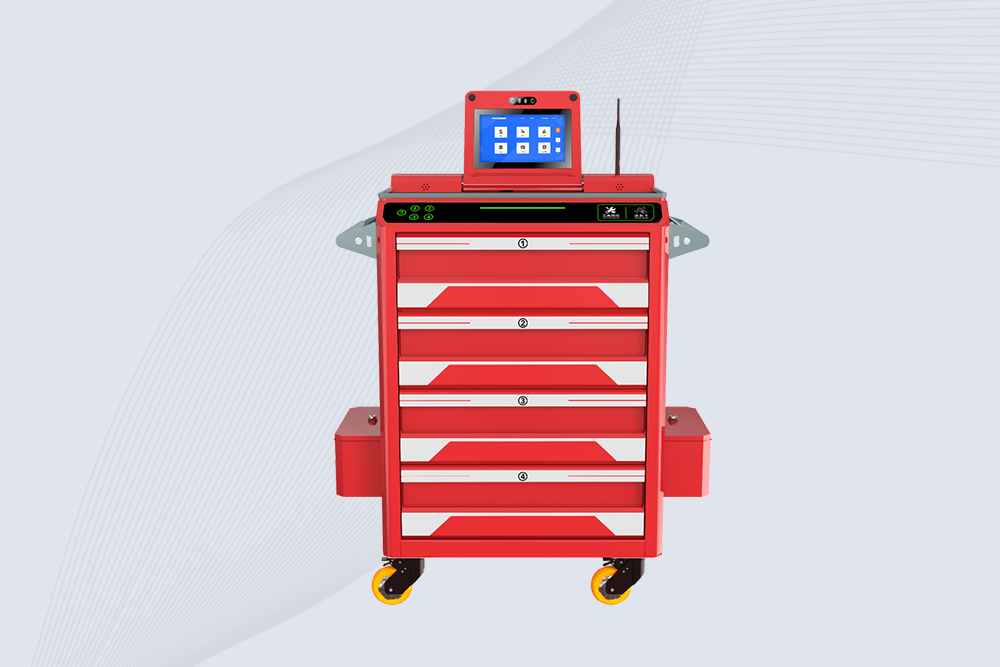
Cykeo’s CYKEO-GTC4A multi-drawer RFID tool cart delivers 7-second aviation tool inventories, 10-hour battery, and dual authentication. ISO 18000-6C compliant for MRO/manufacturing.
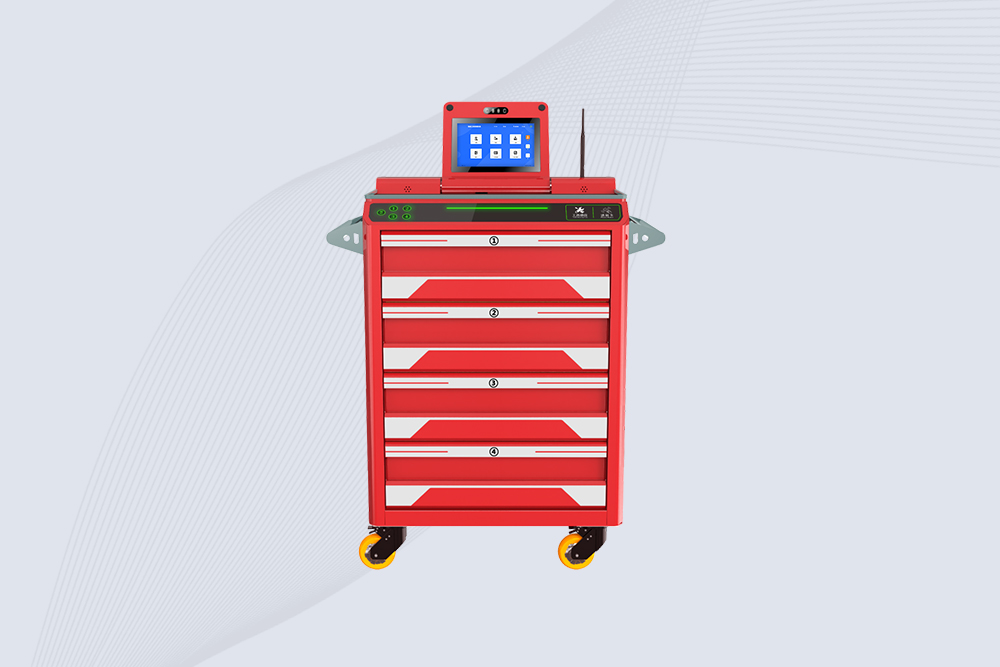
Cykeo’s MIL-STD RFID tool tracking cart scans 300 tools in 7 seconds, with -20°C~60°C operation and FOD prevention for aviation/energy industries.
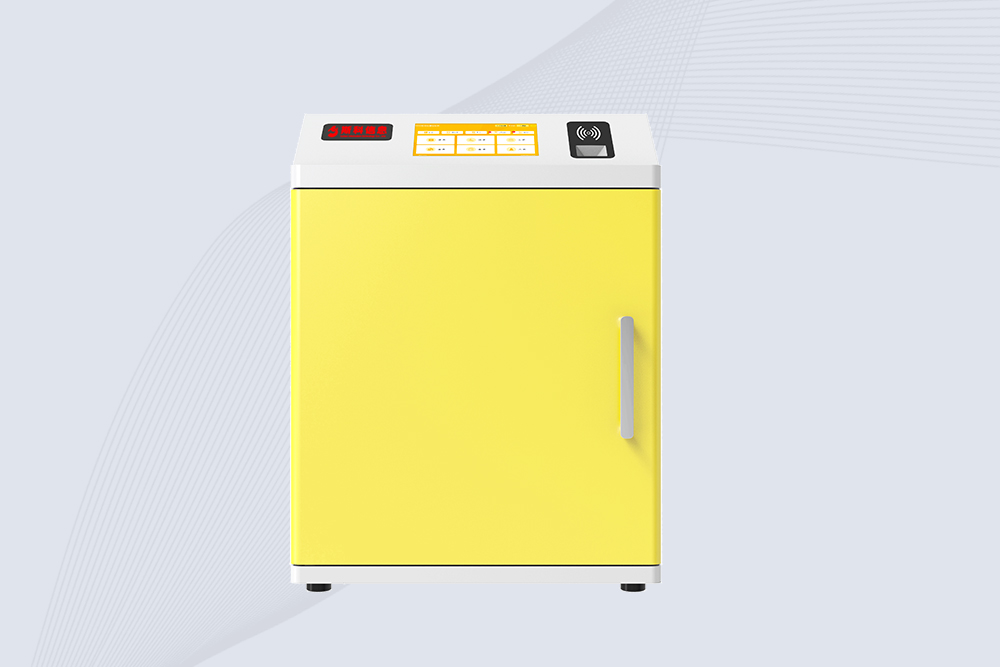
Cykeo’s space-saving RFID tool management cabinet offers 1000-tool capacity, ≤5s scans, and 24/7 unmanned operation for manufacturing/assembly plants.
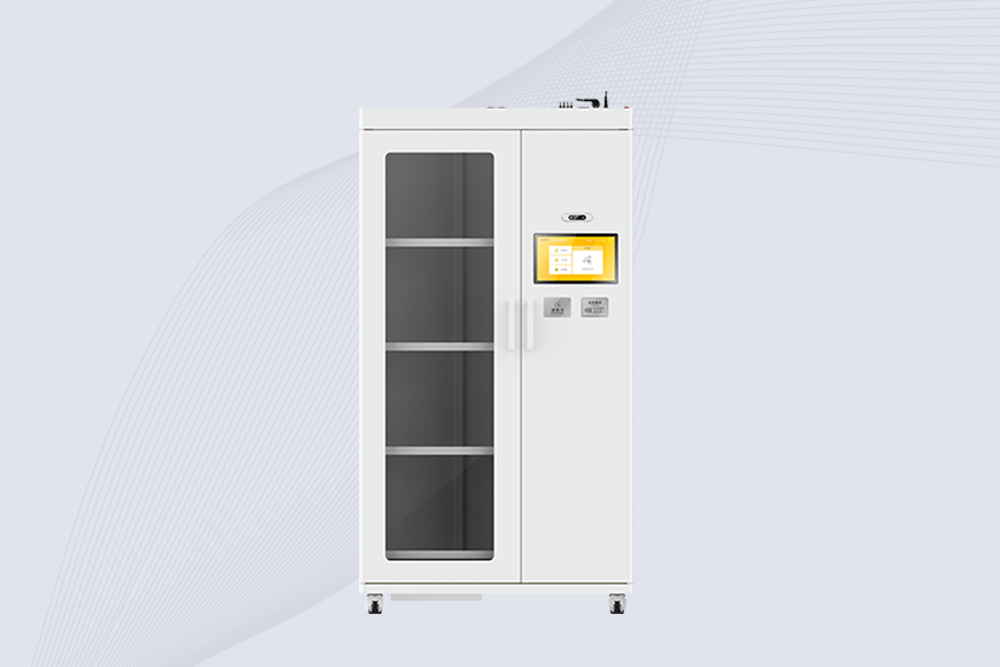
Cykeo’s RFID industrial tool cabinet offers modular shelves, 21.5″ touchscreen, and voice guidance for manufacturing/energy sectors. 24/7 operation with ≤80W power.
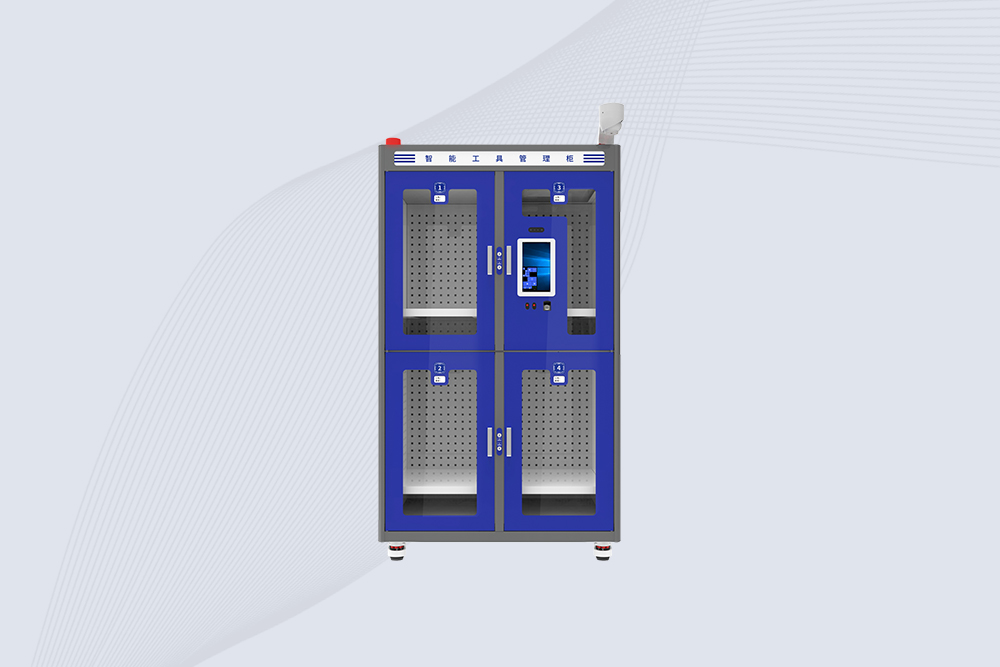
Cykeo’s RFID secure tool cabinet features 4 lockable compartments, ≤150W power, and 24/7 monitoring for pharma/aerospace/electronics industries.
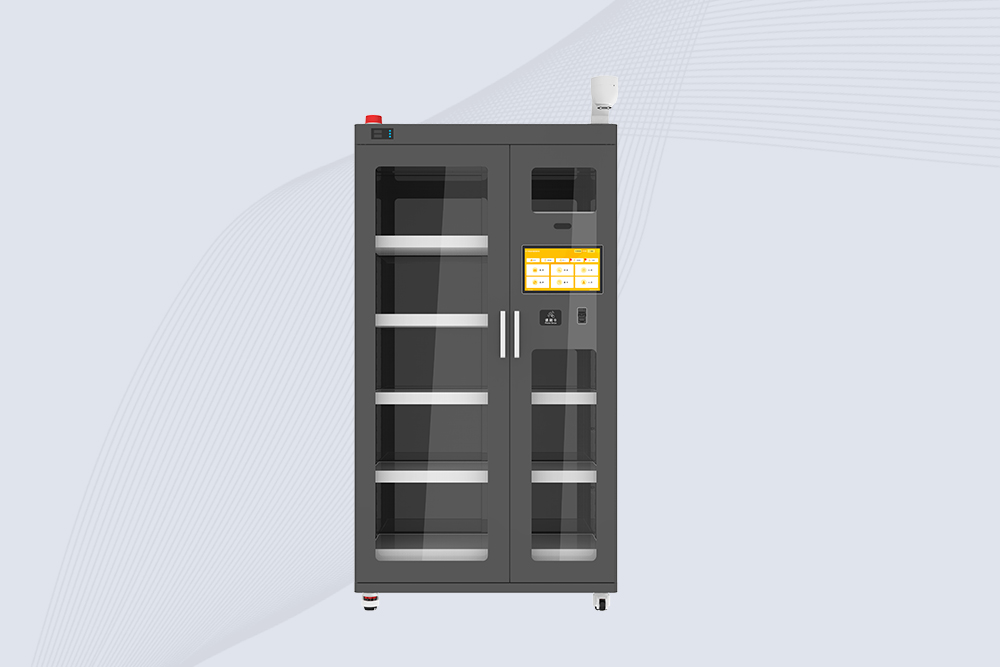
Cykeo’s RFID aviation tool cabinet features triple authentication, 14″ HD touchscreen, and thermostatic control for aircraft MRO/FAA compliance.
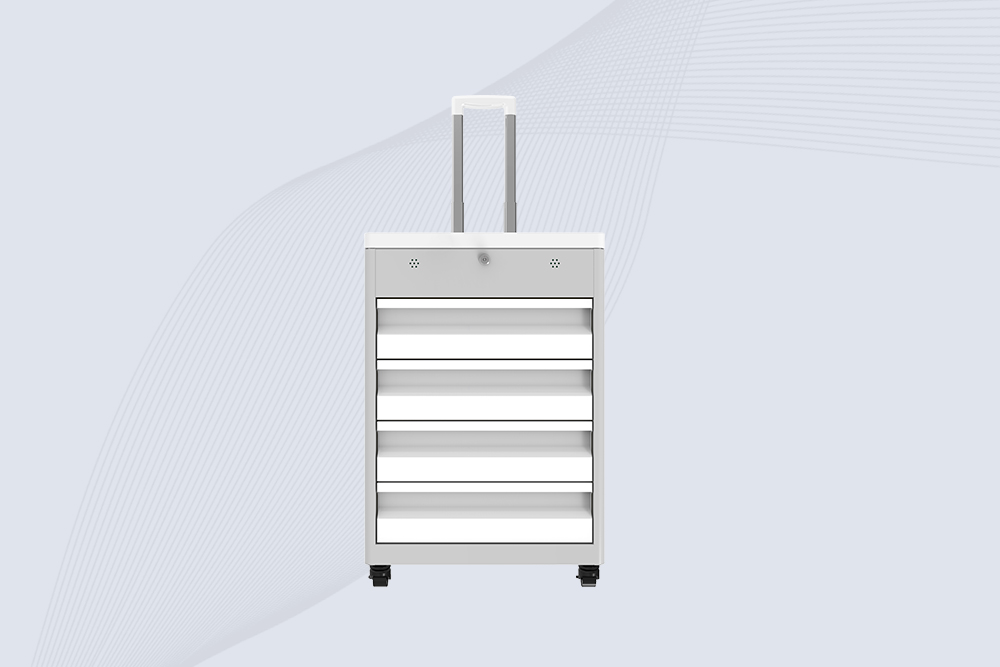
Cykeo’s RFID tool tracking system delivers self-service check-in/out, real-time alerts, and multilingual interface for correctional/military security.
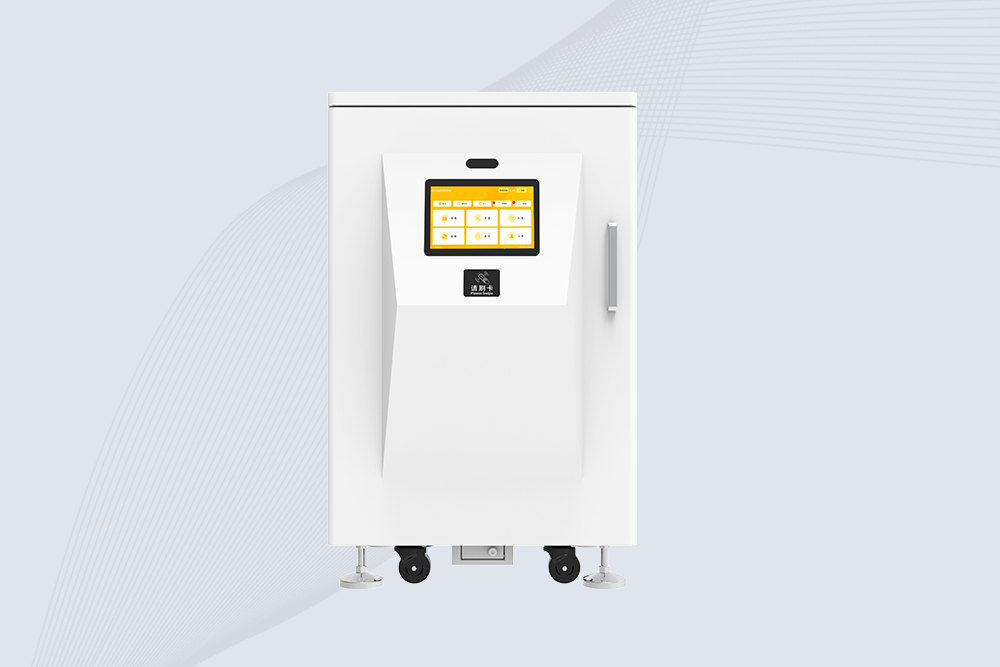
Cykeo’s off-grid RFID tool inventory system features solar/wind power, -30°C~60°C operation, and military-grade durability for mining/energy/military sectors.
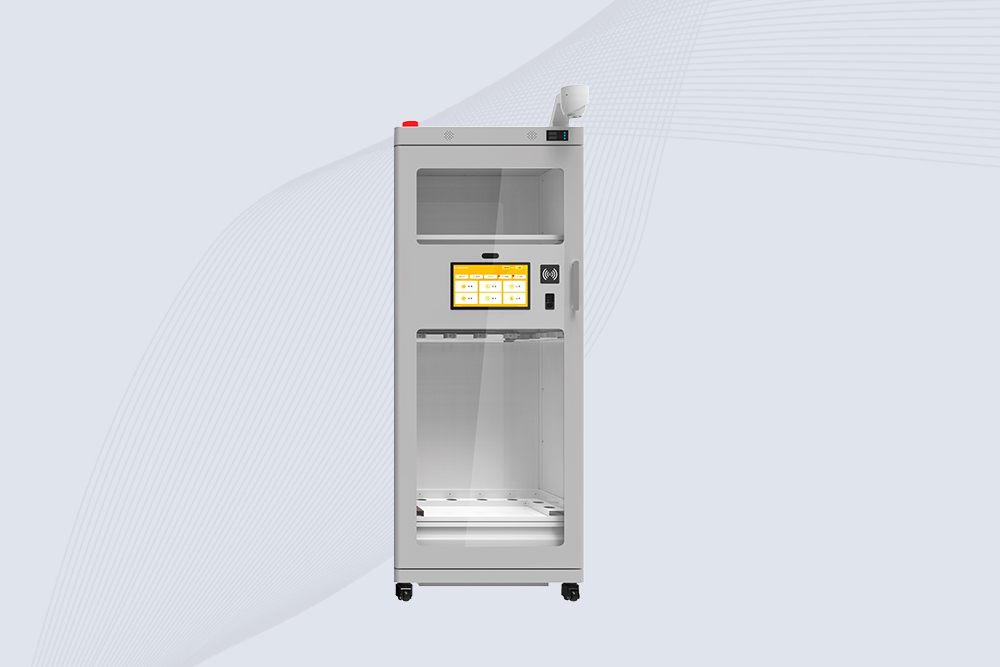
Cykeo’s industrial RFID tool accountability cabinet delivers 99.9% scan accuracy, adjustable shelves, and 24/7 operation for automotive/aerospace manufacturing.
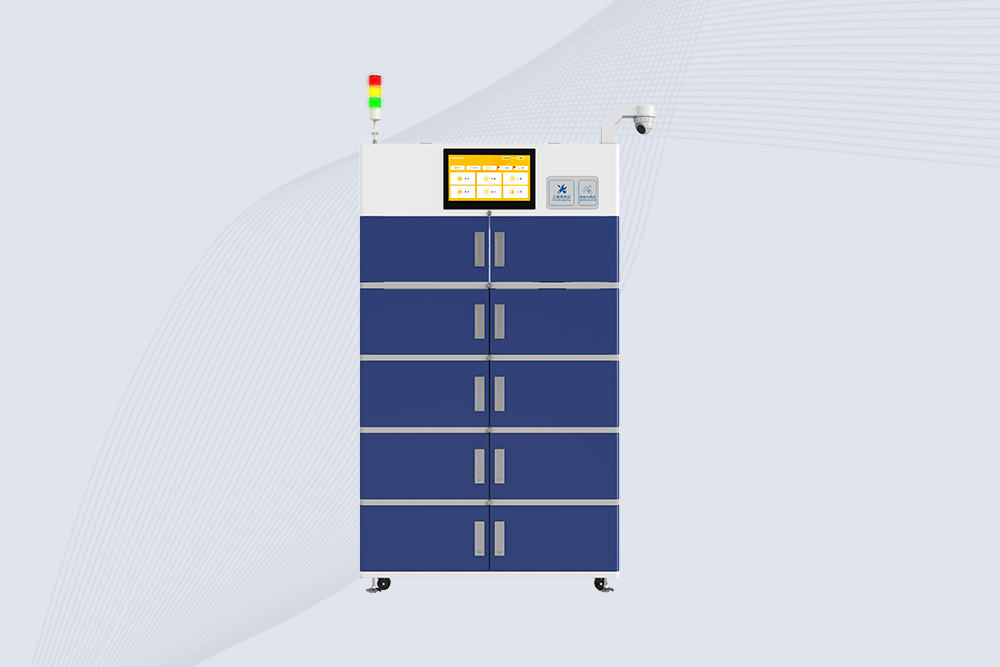
Cykeo’s RFID multi-drawer tool cabinet features 5 adjustable drawers, biometric access, and 99.9% scan accuracy for automotive/aerospace manufacturing.
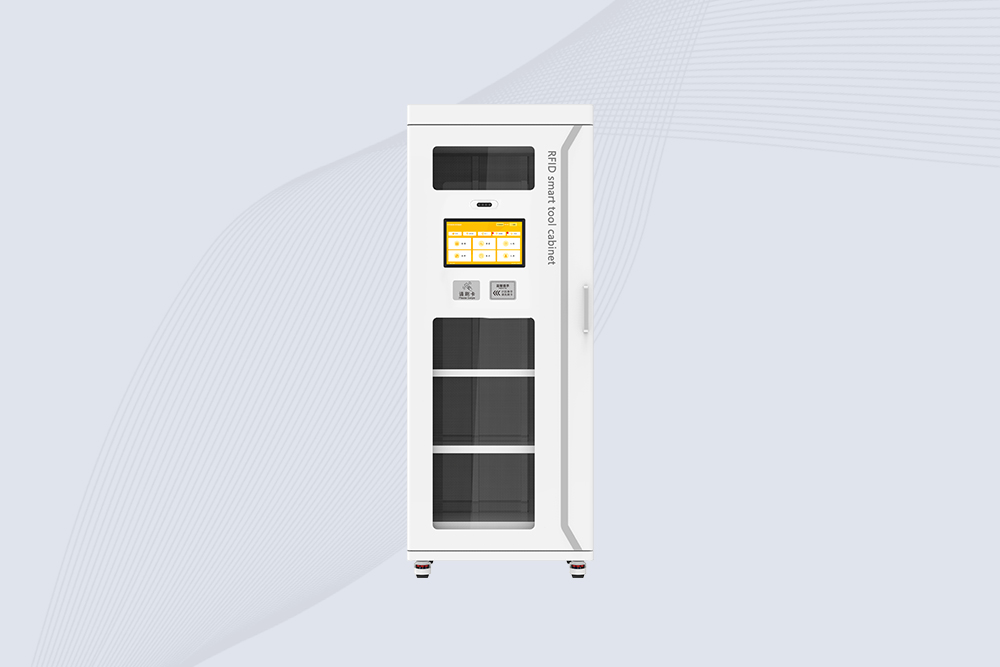
Cykeo’s RFID Automated Tool Cabinet delivers military security, adjustable shelving, and Java/C# SDK integration for defense/aerospace manufacturing.
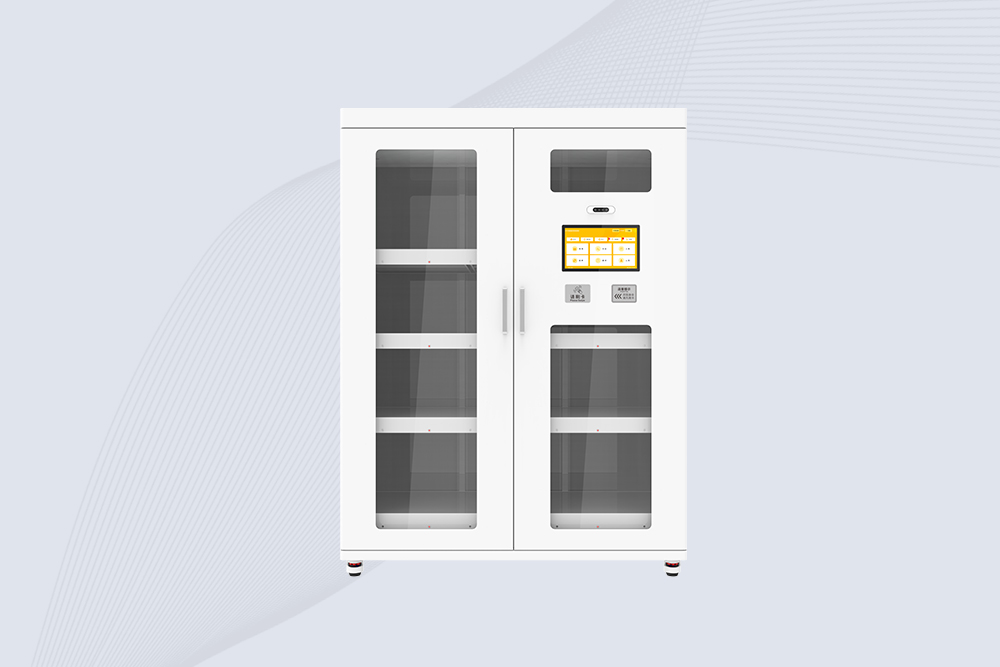
Cykeo’s RFID scalable tool cabinet features multi-unit management, voice guidance, and semi-outdoor durability for automotive/construction/logistics.
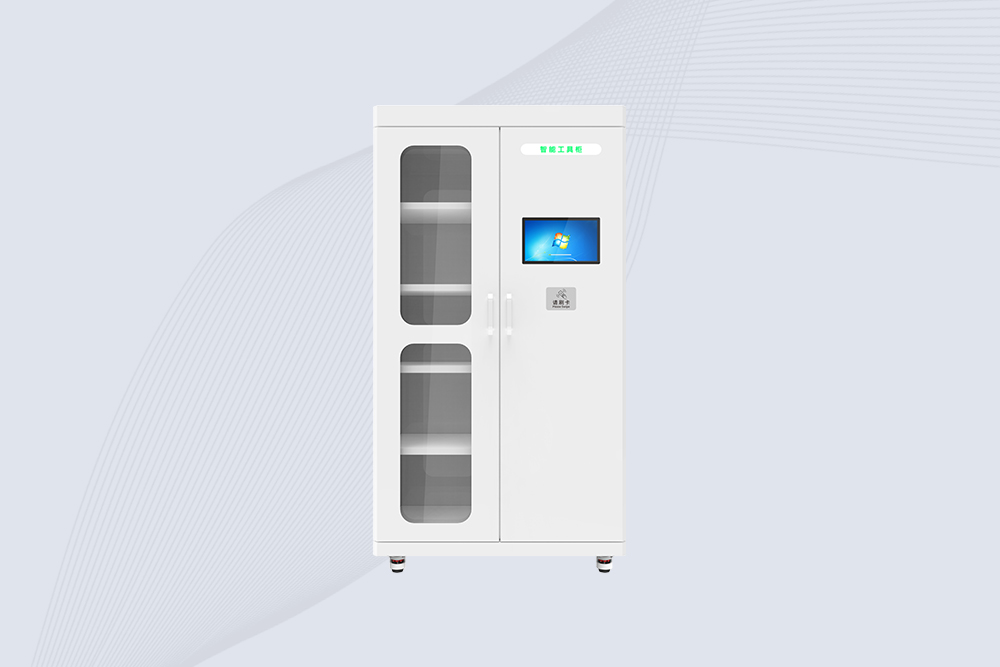
Cykeo CYKEO-GT1B industrial RFID tool storage cabinet features Impinj R2000 UHF technology, 1,000+ tool capacity, IP54 protection, and Windows/Android OS for manufacturing/aviation MRO. Includes auto check-in/out and SAP/Oracle sync.
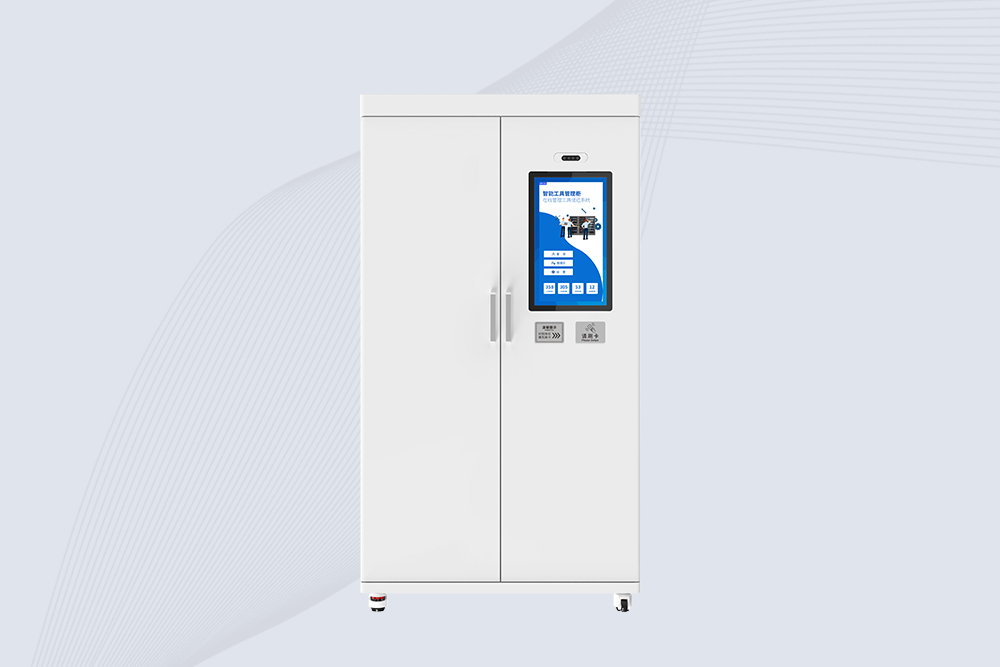
Cykeo CYKEO-GT3C industrial RFID tool checkout system Cabinet features millimeter-wave scanning, 280-layer storage, dual OS, and 99.9% accuracy for aviation/semiconductor sectors. Supports auto check-in/out and real-time SAP sync.
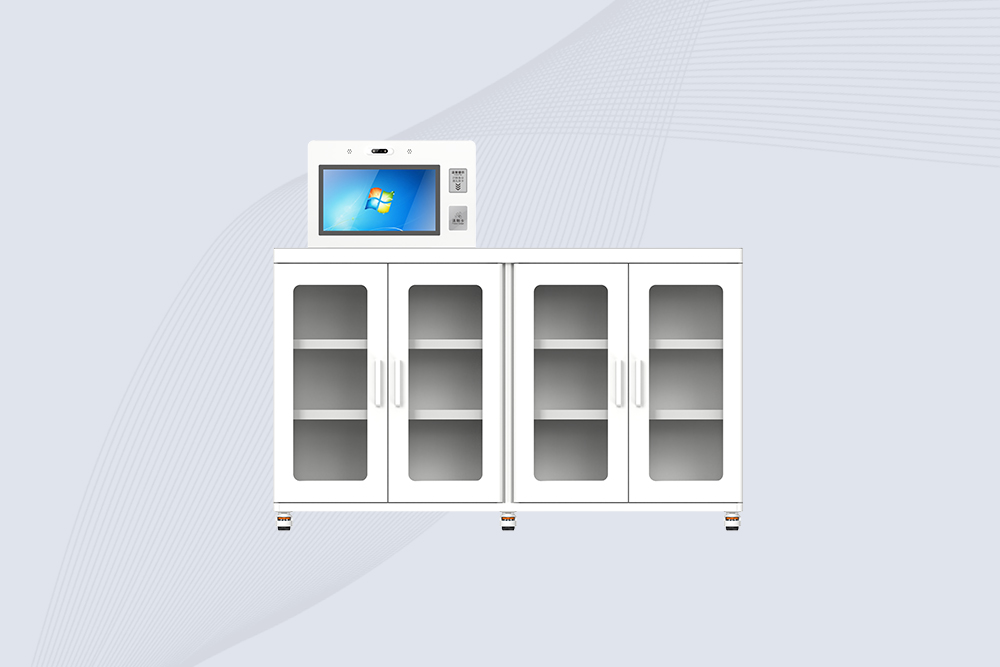
Cykeo CYKEO-GT3D RFID smart tool cabinet offers 5-second inventory scanning for 300+ tools, dual authentication, and 24/7 automated management for industrial facilities.
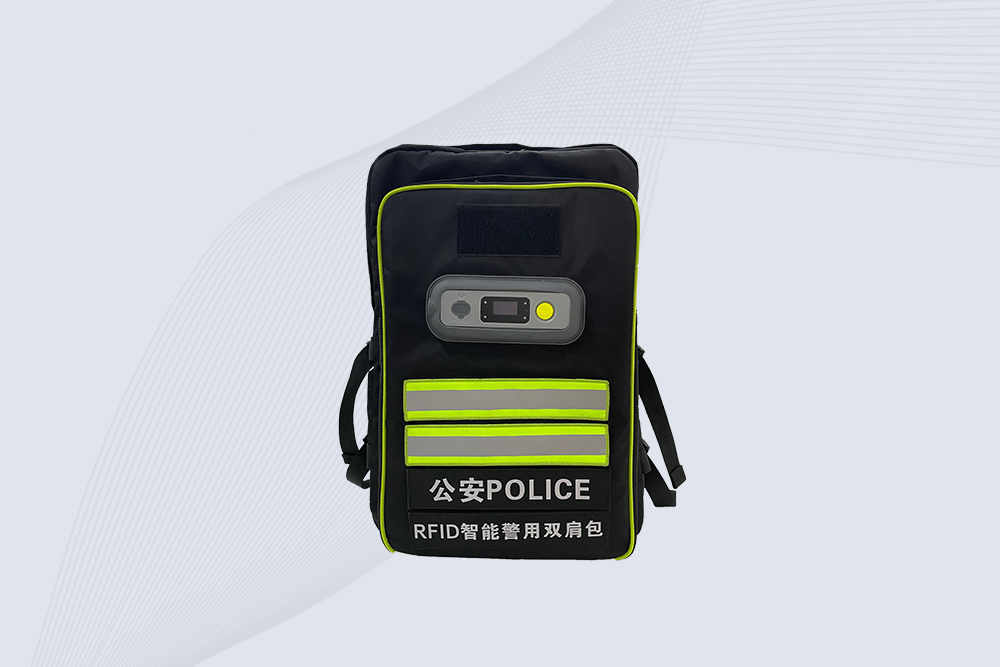
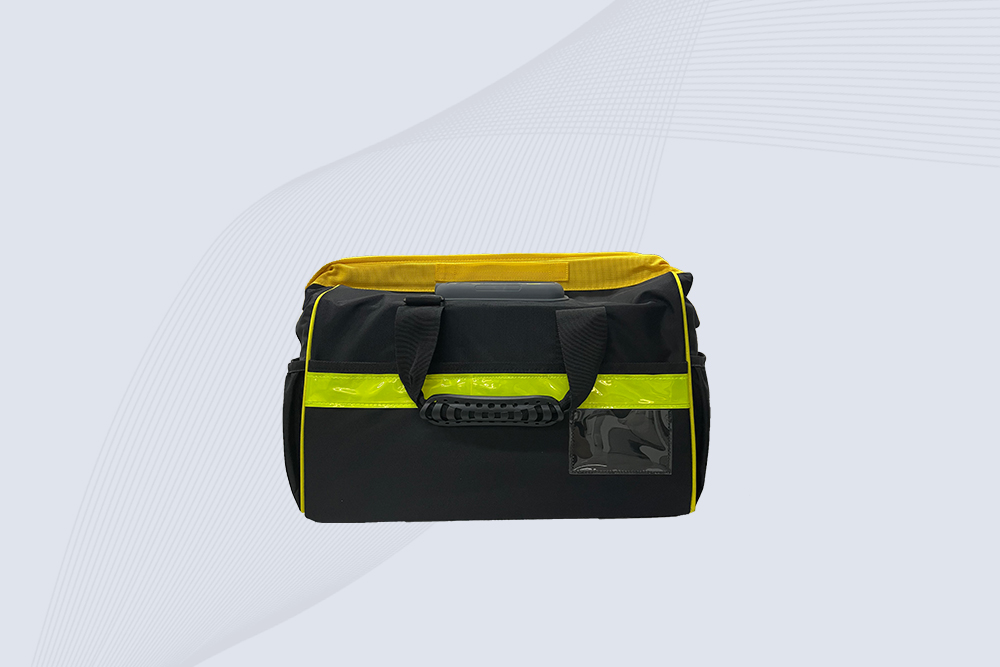
Discover the CYKEO-B1A Industrial RFID Backpack featuring advanced tool tracking technology with 25cm RF shielding, 7-day battery life, and wearable design for field maintenance professionals.
RFID Industry Writer | IoT & Asset Tracking Analyst
James writes about RFID technology, asset tracking, and the practical challenges of digital transformation across warehousing, retail, manufacturing, and logistics.
His work focuses on how RFID is applied in real-world operations—improving inventory visibility, automating workflows, and helping businesses manage assets with greater accuracy and efficiency.
He regularly covers topics including UHF RFID, smart cabinets, RFID portals, tool tracking, warehouse automation, and industrial IoT trends..

Can rfid chips be tracked? Learn how RFID chip tracking works, its real-world applications, limitations, and how Cykeo RFID solutions enable smart identification.
More
Discover how logistics RFID improves warehouse visibility, inventory accuracy, and supply chain efficiency with real-time RFID tracking solutions from Cykeo.
More
retail tag systems protect stores from theft and improve inventory accuracy. Learn real retail deployment insights, loss prevention data, and RFID integration with Cykeo.
More
Explore different RFID antenna types including UHF, near field, far field, circular polarized, and linear polarized antennas. Learn how to select the right RFID antenna for warehouse, industrial, and smart tracking applications.
More