 Cykeo RFID IoT Solution Products R&D Manufacturer

Para qué sirve RFID antenna coil: La espiral que te abre puertas (literalmente)
418Descubre para qué sirve RFID antenna coil en etiquetas y lectores. Te explicamos cómo transfiere energía y datos en sistemas de acceso y pagos sin contacto.
MoreAll RFID Product
RFID tracking works by using radio waves to identify tagged items and send tag data from an RFID reader to tracking software. With a suitable UHF reader, businesses can identify multiple tags, record movement through defined areas, and support inventory or access-control workflows. Tracking accuracy depends on tag compatibility, antenna coverage, reader configuration, and software rules.
A warehouse receiving team may need to verify incoming cartons without scanning every label individually. A records department may need to track files as they move between storage areas. At a vehicle inspection point, staff may need to identify a tagged vehicle or document as it passes a designated checkpoint.
These applications share the same basic principle: RFID turns a radio read into usable identification data. The reader detects a tag, the system matches its identifier to a registered item, and the software records or evaluates the observation according to the workflow.
For businesses choosing a UHF RFID reader, the important question is not simply how far the device can read. It is whether the complete system can identify the intended tags, distinguish relevant movements, and provide dependable information to the application.
RFID stands for radio-frequency identification. An RFID tracking system uses electronic tags, readers, and software to identify physical objects and associate read events with inventory or asset records.
A typical UHF RFID setup includes four components:
GS1 describes RFID as a technology that uses radio waves to capture an object’s identifier. In a passive UHF system, the reader sends a radio signal, the tag responds by modulating the reflected signal, and the reader converts that response into digital information.
That communication does not automatically establish an item’s exact physical location. A reader installed at a warehouse entrance may show that a tag was detected in that reading zone. A handheld reader may show that the tag was found during a stock check. More detailed location tracking requires suitable reader coverage and software logic.
This distinction matters when selecting a system. A business that needs to count inventory at selected times may be well served by handheld UHF RFID. An operation that needs to register movement at a doorway may use fixed readers and antennas. A facility that needs continuous location estimates across a wide area may require a different architecture.
The tag contains a chip and antenna. Depending on its type, it may store a unique identifier and additional supported data. For many inventory applications, passive UHF tags are attractive because they do not require an internal battery.
The tag must be suitable for the object. A label attached to a cardboard carton may work differently from a tag mounted on metal equipment or a liquid-filled container. Tag position, orientation, and nearby materials can affect whether a reader detects it reliably.
The reader transmits a signal through its antenna. A compatible passive tag draws energy from that signal and responds by backscattering information to the reader. The reader then decodes the response.
GS1’s EPC UHF Gen2 standard defines communication for passive-backscatter RFID systems operating in the 860–930 MHz range. The standard provides the technical framework for compatible readers and tags to exchange information.
When multiple compatible tags are within a suitable reading zone, the reader can identify them through repeated inventory cycles and anti-collision procedures. This can reduce the need for staff to handle and scan every item individually.
However, a high read rate does not guarantee that every tag will be detected under all conditions. Dense stock, poor tag orientation, unsuitable mounting surfaces, and overlapping read zones can affect performance. Testing should use the actual products and operating environment.
The reader sends tag data to a connected application, computer, or warehouse system. Software matches the identifier to an item record and evaluates the observation against the intended process.
For example, a reader at a receiving station may compare detected tags with an expected delivery list. A handheld reader may compare the tags found in a storage aisle with the inventory system’s expected items. Missing or unexpected tags can then be flagged for investigation.
A read is evidence that a tag was detected. It should not automatically be treated as proof that a product was shipped, received, or removed from a controlled area. That conclusion requires suitable reader placement and transaction rules.
Ultra-high-frequency RFID is widely used in inventory, logistics, and asset tracking because a suitable system can identify multiple tags across a defined reading zone. For operations handling cartons, tools, files, or tagged assets, this can reduce manual scanning and help automate selected checkpoints.
An integrated UHF RFID reader combines the reader electronics and antenna in one terminal. This design can simplify installation where the reading area and mounting arrangement are known in advance. The reader communicates with compatible tags, while its software interface connects the captured information to the business application.
A product configuration supplied for Cykeo’s UHF RFID reader illustrates the capabilities that may be relevant to these projects:
| Specification | Supplied product specification | Practical meaning |
|---|---|---|
| Maximum read distance | Up to 15 m | Can support longer-range reading in suitable conditions |
| Maximum write distance | Up to 8 m | Supports tag writing within an appropriate operating setup |
| Read rate | More than 400 reads per second | Supports applications involving multiple tagged items |
| Digital outputs | 3 GPO outputs | Can interface with compatible external control equipment |
| Digital inputs | 2 GPI inputs | Can receive signals from supported external devices |
| Protocol support | EPC C1G2, ISO 18000-6B/C, GB/T 29768-2013 | Supports applications using compatible tags and protocols |
| Frequency options | Regional configurations | Must match local radio regulations and the tags in use |
These are supplied product specifications, not independently verified results for every installation. Actual read and write distances depend on tag design, antenna orientation, materials, reader configuration, and the operating environment. Confirm the current model datasheet before specifying equipment.
The digital input and output interfaces can be particularly useful in installations that need to coordinate RFID reads with other equipment. For example, an application may use an external sensor to indicate that an object has reached a reading area, while an output may signal a compatible controller after a defined condition is met. The exact behavior depends on the reader firmware, connected hardware, and application programming.
A longer read range is useful only when it serves the intended tracking task. In a warehouse doorway, the system needs to detect the tags belonging to items passing through that doorway—not tags sitting on a nearby shelf.
An integrated reader-and-antenna terminal can simplify deployment in a defined area, but installation still requires attention to antenna direction, mounting height, tag orientation, and nearby reflective surfaces. A portal may need multiple antennas to cover different sides of a carton or pallet. A compact asset-checking station may require a much smaller reading zone.
For this reason, equipment should be selected based on the required read area and the type of event the application needs to recognize. The highest advertised range is not always the best choice.
RFID tracking can support several different operational workflows. The reader hardware may look similar, but the software rules and installation requirements vary by application.
Tagged cartons or products can be identified during receiving, cycle counting, internal movement, and dispatch. Handheld readers suit mobile checks, while fixed readers may be used at defined checkpoints. The system can compare observed tags against expected stock and highlight discrepancies.
Equipment, tools, or reusable assets can carry RFID tags linked to their registration records. Staff can scan a storage area or use fixed reading points to help verify that tagged assets are present where expected.
RFID-tagged files, folders, or containers can be identified during inventory checks and controlled transfers. Reader observations can help staff reconcile records and locate items within defined storage areas, provided the system has been configured with the relevant location information.
RFID credentials or tags can be detected at designated access points. The application can compare the identifier with authorization records and initiate a configured response. RFID identification alone does not establish a person’s identity beyond the credential presented, nor does a tag read replace appropriate access-control safeguards.
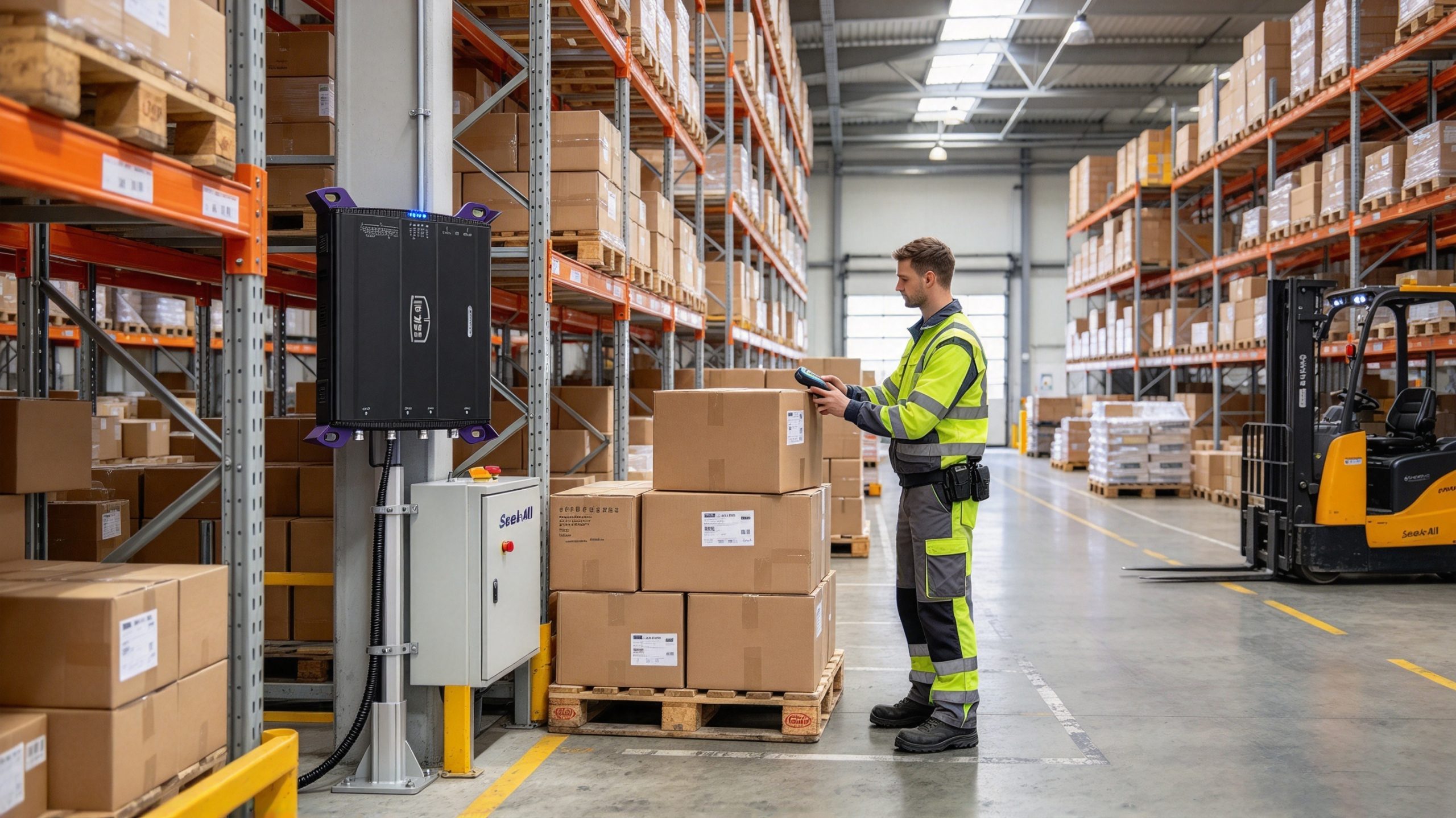
The reader’s specification is only one part of a reliable tracking system. Tag selection, radio conditions, installation, and application logic all affect the final result.
GS1 notes that passive UHF RFID read range depends on factors such as reader power, interference, antenna characteristics, and tag orientation. Although several meters is typical for many passive UHF applications, longer distances are possible only under suitable conditions.
Before deployment, check these points:
A useful pilot tests the whole workflow: tag the actual items, install the reader in its intended position, collect reads under normal operating conditions, and compare the result with a verified manual count. If items are repeatedly missed, investigate tag placement and radio conditions before increasing reader power or changing equipment.
The best reader depends on where tags need to be detected, how items move through the facility, and whether staff need mobile access or automatic reading at a fixed point. GS1 identifies handheld, fixed, integrated, and embedded readers as different form factors designed for different application requirements.
For Cykeo’s integrated UHF RFID reader, the combination of reader electronics and antenna in one terminal can simplify deployment in a defined tracking area. The supplied specifications include a maximum read distance of up to 15 m, a maximum write distance of up to 8 m, a read rate above 400 reads per second, three GPO outputs, and two GPI inputs. These are product specifications rather than guaranteed results at every installation.
| Requirement | Fixed or integrated reader | Handheld RFID reader |
|---|---|---|
| Automatic detection at a checkpoint | Suitable when installed and configured for the intended read zone | Usually requires an operator to scan the area |
| Cycle counting | Useful for defined zones or automated counting stations | Useful for mobile counts across shelves and rooms |
| Receiving and dispatch | Can capture observations at configured portals | Can support manual verification and exception checks |
| Installation | Requires mounting, power, connectivity, and read-zone testing | Requires device management, charging, and a staff workflow |
| Best fit | Repeated, predictable reading points | Flexible inspection, searching, and mobile inventory work |
A fixed reader may be installed at a receiving dock, archive entrance, conveyor, or controlled vehicle checkpoint. A handheld reader is more appropriate when employees need to move between shelves or investigate a missing item.
These approaches can also work together. A fixed reader may record tags detected at receiving, while a handheld device helps staff investigate discrepancies in the storage area. The two systems should share consistent tag identifiers and inventory records.
The supplied Cykeo reader configuration includes three general-purpose outputs (GPOs) and two general-purpose inputs (GPIs). These interfaces can support integration with compatible external devices, subject to the reader’s electrical specifications and software configuration.
For example, a sensor may provide an input when an item reaches a defined position. The application can use that signal to coordinate a read cycle. An output may be used to signal a compatible controller when a configured condition is met.
Before connecting external equipment, confirm the interface voltage, current limits, wiring requirements, and control behavior in the model-specific documentation. Do not assume that every input or output can directly drive a gate, motor, or industrial actuator.
A good deployment starts with a defined business event. “Track assets” is too broad to guide reader placement or software design. “Record tagged toolboxes entering and leaving the maintenance room” is a more useful requirement because it identifies the objects, the read locations, and the events the application needs to record.
Decide what the system must establish:
For a warehouse, the answer may be an inventory reconciliation report. For an archive, it may be a record of tagged files detected during a shelf audit. For an access-control workflow, it may be a credential read followed by an authorization check.
Choose compatible tags and readers for the regional frequency band and supported protocol. Confirm that tags are suitable for the materials to which they will be attached.
A tag intended for cardboard packaging may perform poorly on a metal asset. A reader with a long advertised range may also detect nearby tags that are not part of the intended transaction. Both issues should be tested before rollout.
Mount the reader and antenna in the intended position. Test with actual tagged items, realistic item density, and normal movement speeds. Record missed reads and unintended reads, then adjust tag placement, antenna direction, reader settings, or physical layout as appropriate.
For a checkpoint, test items moving in both directions if both directions matter. For inventory counting, include stock placed at the back of shelves and products with different tag orientations.
The reader must send its observations to the software that maintains the relevant item or inventory records. Integration may use a vendor SDK, API, or supported reader protocol, depending on the device and application architecture.
GS1 identifies Low Level Reader Protocol (LLRP) as one standard used for communication between software and RFID readers. Its suitability depends on the reader’s supported interfaces and the control the application needs.
The software should filter redundant observations, associate reads with the correct reader location, and apply transaction rules before changing inventory or asset status.
Start with reports or supervised transactions. Compare reader results against a verified physical check and investigate unexpected events. Only enable automatic record changes after the system consistently distinguishes valid transactions from ambiguous reads.
This staged approach is especially important for receiving and dispatch. A tag read near a loading dock is useful evidence, but the system may also need to verify the shipment, order, direction of movement, and transaction status before finalizing the event.
| Problem | Possible cause | Recommended action |
|---|---|---|
| Tags are not detected consistently | Tag orientation, unsuitable tag type, shielding, or insufficient coverage | Test representative products and reposition or replace tags where necessary |
| Nearby items are read unintentionally | Reading zone is too broad or antenna direction is unsuitable | Adjust antenna placement, power, shielding, and application filters |
| The same item appears repeatedly | A tag remains within the field or the application treats repeated reads as new events | Apply time-window filtering and event-deduplication rules |
| Inventory records do not match reads | Incorrect item mapping, stale records, or incomplete transaction logic | Check identifier registration and integration rules |
| A reader misses items in dense stock | Tag collisions, radio interference, or difficult product arrangement | Test at realistic density and tune the reader configuration |
| Reader data does not reach the application | Network, interface, configuration, or software errors | Check connectivity, logs, protocol settings, and error handling |
One common mistake is increasing reader power whenever tags are missed. Higher power may help in some cases, but it can also expand the read zone and introduce more unintended detections. First determine whether the problem is tag placement, antenna coverage, environmental interference, or software interpretation.
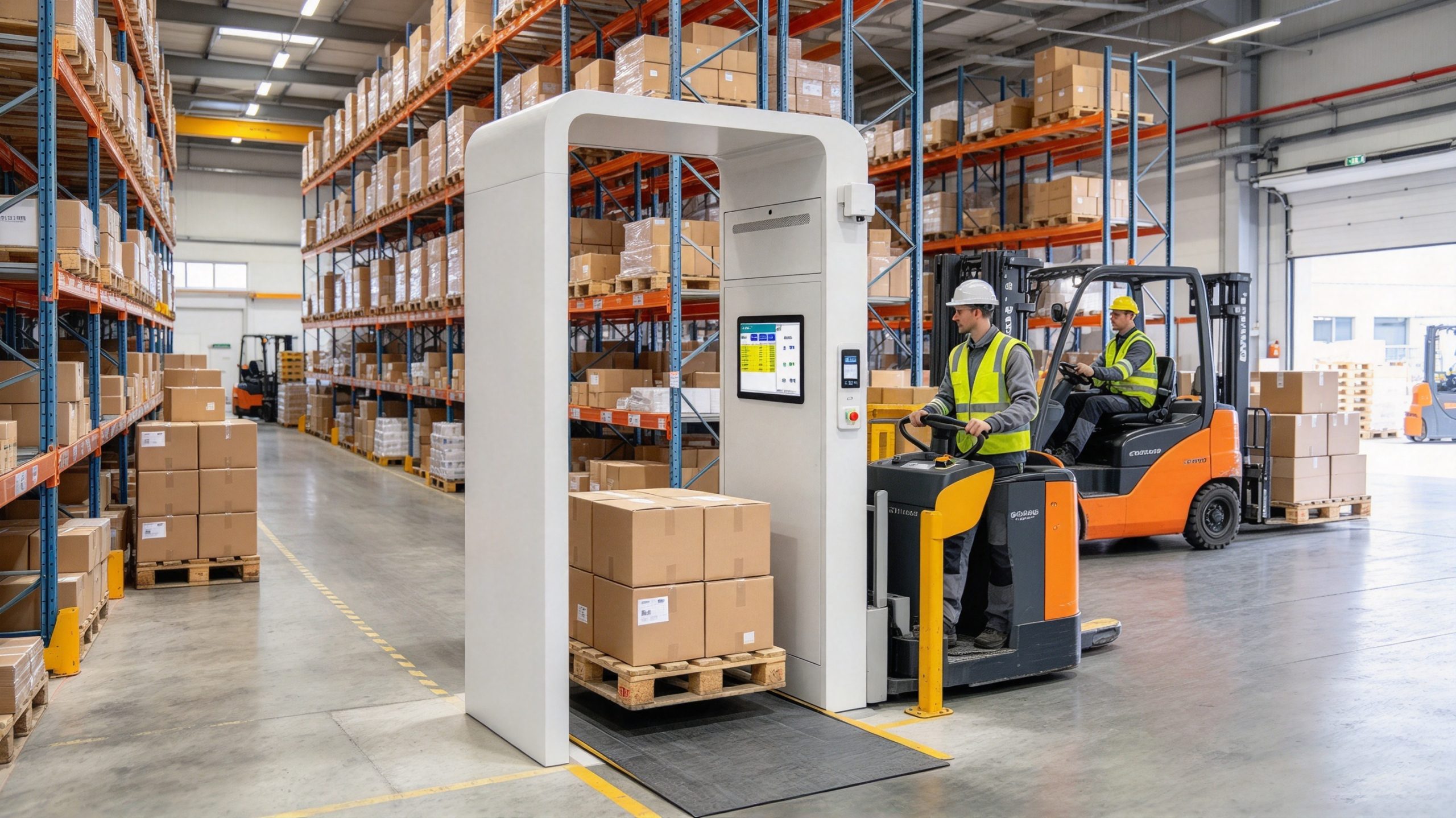
RFID uses radio waves to communicate with compatible tags, so a reader does not normally need to see a barcode or tag visually. However, obstacles, metal, liquids, tag orientation, and radio interference can still affect performance. “No line of sight required” does not mean that every tag can be read through every material.
Range depends on the reader, antenna, tag, regional frequency, and environment. GS1 notes that passive UHF RFID systems can offer ranges up to about 10 m depending on conditions. GS1 GO Customer Service Portal The supplied Cykeo reader specification lists up to 15 m for reading, but that is a maximum specification rather than a guaranteed range for all items or installations.
Not every RFID system can. A fixed reader can show that a tag was detected at a particular point, while a handheld reader can help staff find tagged items during a scan. Continuous location estimates require a suitable location-tracking architecture, reader coverage, and software capable of calculating or estimating position.
Yes. Compatible RFID readers can inventory multiple tags within their effective reading zone using supported anti-collision procedures. The number of tags successfully detected depends on tag density, radio conditions, tag design, reader configuration, and the speed at which items move through the zone.
RFID identifies tags when they communicate with a reader or location infrastructure. GPS-based devices determine location using satellite navigation and are often used for vehicles or outdoor assets. Passive RFID tags do not independently transmit GPS coordinates. The appropriate choice depends on whether the requirement is identification at a checkpoint, indoor asset visibility, or geographic location over distance.
Check the supported protocol and regional frequency, required read area, tag compatibility, antenna arrangement, interface options, and software integration requirements. Test representative items in the intended environment and verify the product’s current datasheet. For the supplied Cykeo model, the stated read distance, write distance, read rate, and GPI/GPO interfaces should all be validated against the intended application.
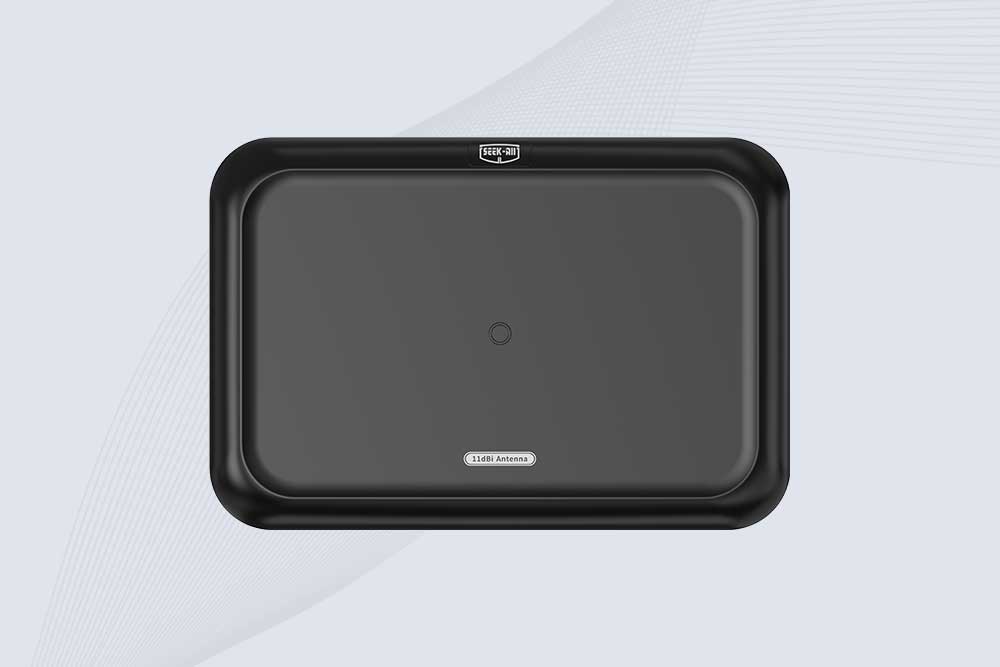
SSD-A11 UHF RFID antenna features 840–960 MHz adjustable frequency, ≥10.5 dBi gain, circular polarization and 50Ω impedance for fixed RFID systems.
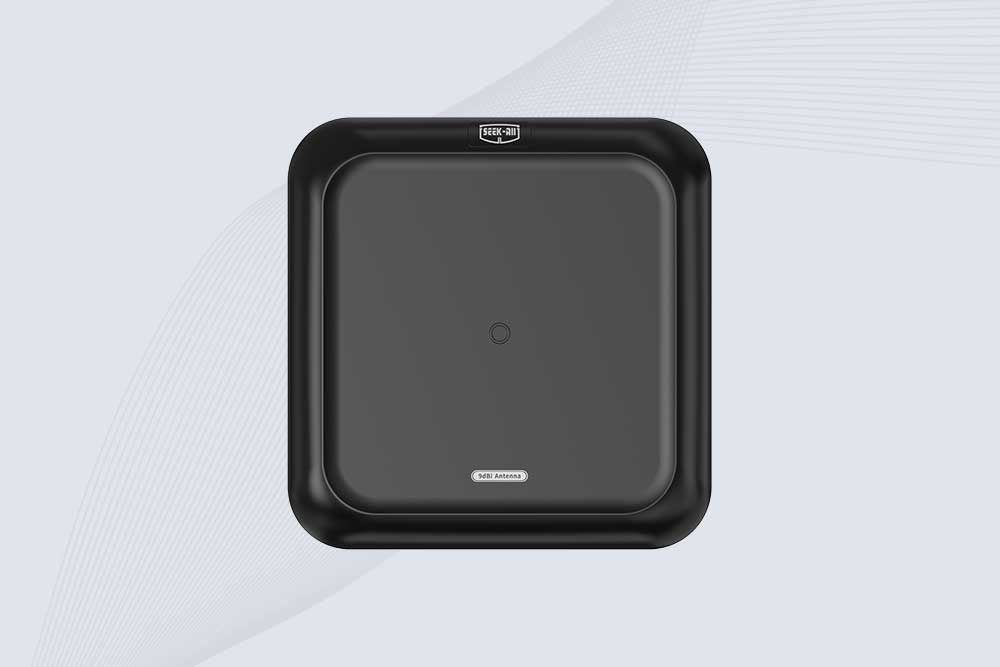
SSD-A09 is a 9 dBi UHF RFID antenna with 840–960 MHz adjustable frequency, circular polarization, 50Ω impedance and directional 60° × 60° coverage.
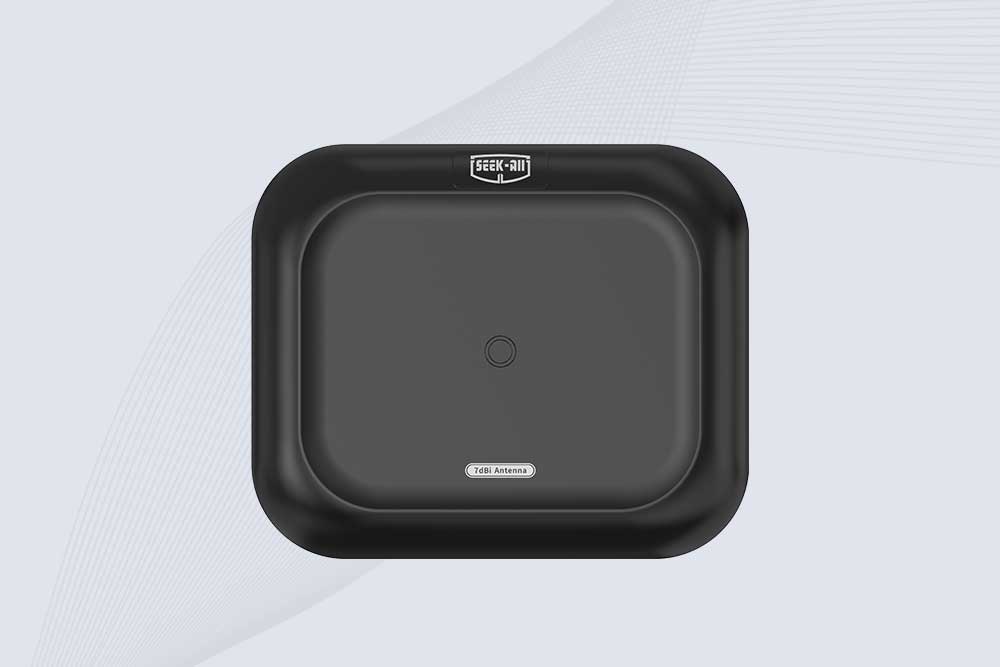
Explore the SSD-A07 UHF RFID antenna with 7 dBi gain, circular polarization, adjustable 840–960 MHz frequency, and 60°/75° beamwidth for stable RFID read/write performance.

SSD-A06 UHF RFID antenna with circular polarization, adjustable 840–960 MHz frequency, ≥4.5 dBi gain, and a compact directional design for RFID systems.

SSD-R16L Multi-Channel RFID Infrastructure for Automated Inventory Management ✔️ 16-Port High-Density RFID Reading Equipped with 16 SMA antenna ports, SSD-R16L supports multi-antenna deployment for warehouses, retail stores, logistics, production lines, and large-area RFID identification. ✔️ High-Speed & Long-Range Performance With up to 33…

SSD-R8L 8-port UHF RFID reader with 33dBm output, up to 20m reading range and 600+ tags/s recognition. Ideal for warehouse, logistics, retail and asset tracking.

SSD-R4L is a 4-port UHF RFID fixed reader with 33dBm output power, up to 20m reading range, EPC C1G2 support and 600+ tags/s reading speed.
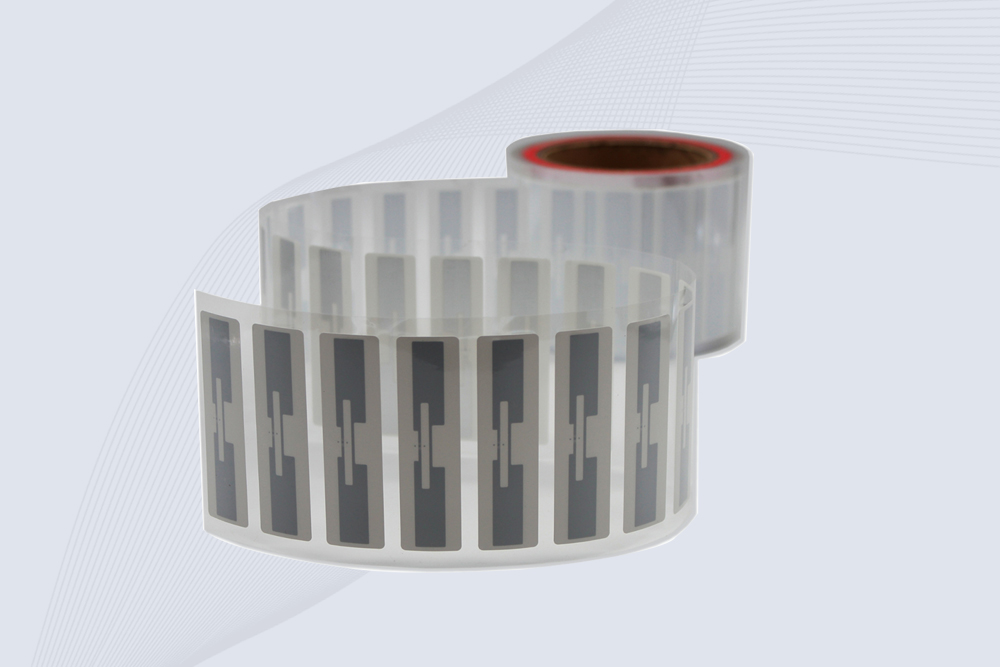
CYKEO Passive RFID Tags are made for wet and high-humidity environments where standard labels do not last. This rfid passive tag is often used around liquids, chemicals and temperature changes, providing stable reading distance and long data life for industrial tracking.
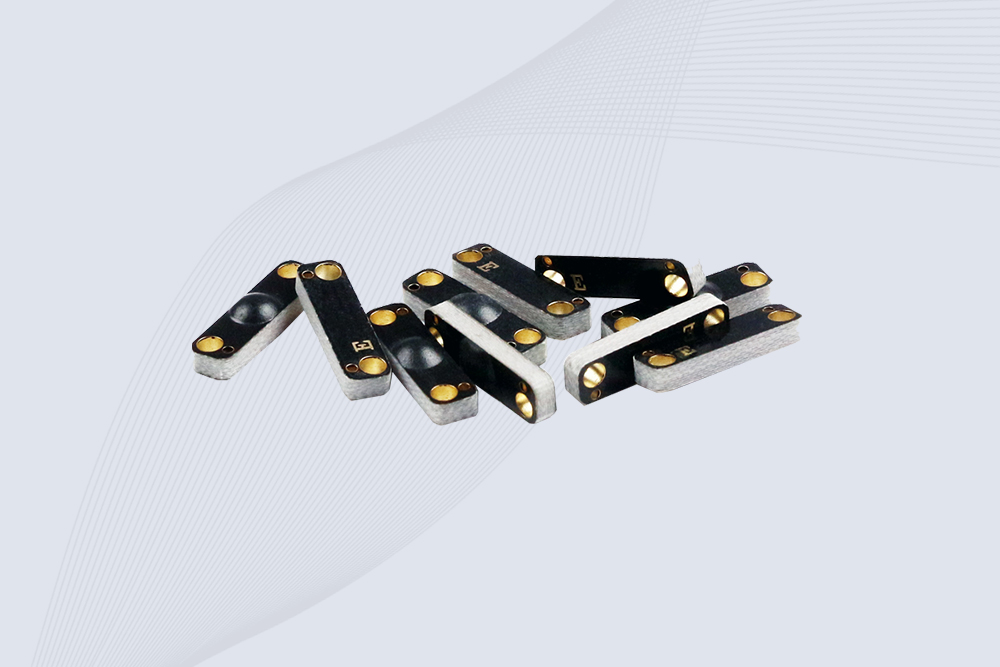
CYKEO CYKEO-PCB1504 Metal RFID Tags is a compact anti-metal UHF RFID solution built for direct mounting on metal surfaces. With stable 8-meter read range, Ucode-8 chip, and long data retention, this rfid metal tag fits tools, containers, automotive parts, and industrial asset tracking.
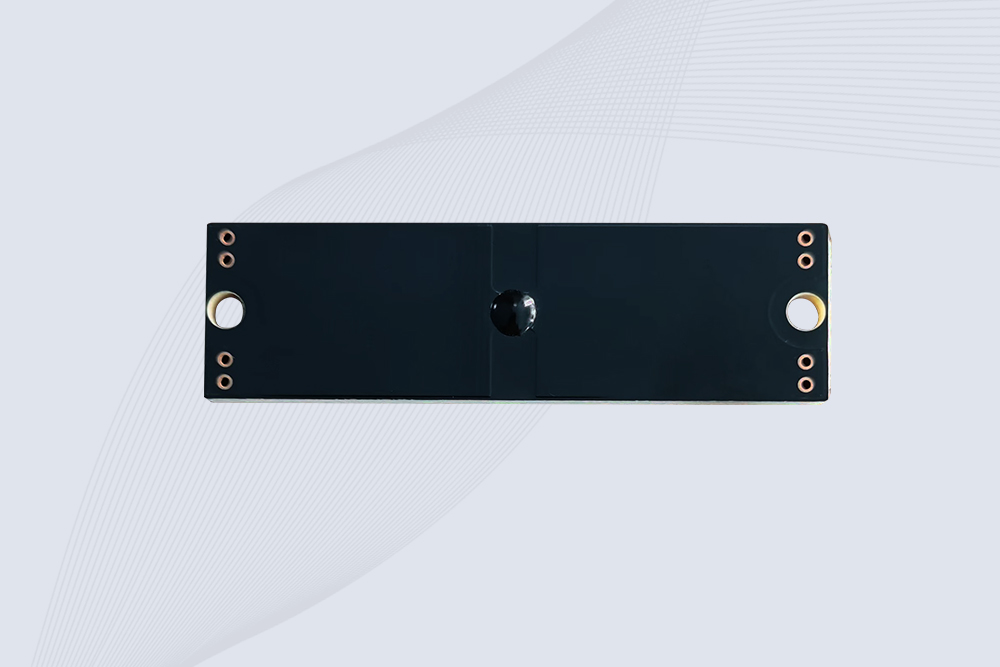
CYKEO CYKEO-PCB7020 On-Metal RFID Tags are designed for reliable tracking on steel and metal surfaces. Built with an FR4 epoxy body and industrial-grade chips, these On-Metal RFID Tags deliver stable performance, long data life, and chemical resistance, making them a dependable RFID anti-metal tag for harsh environments.
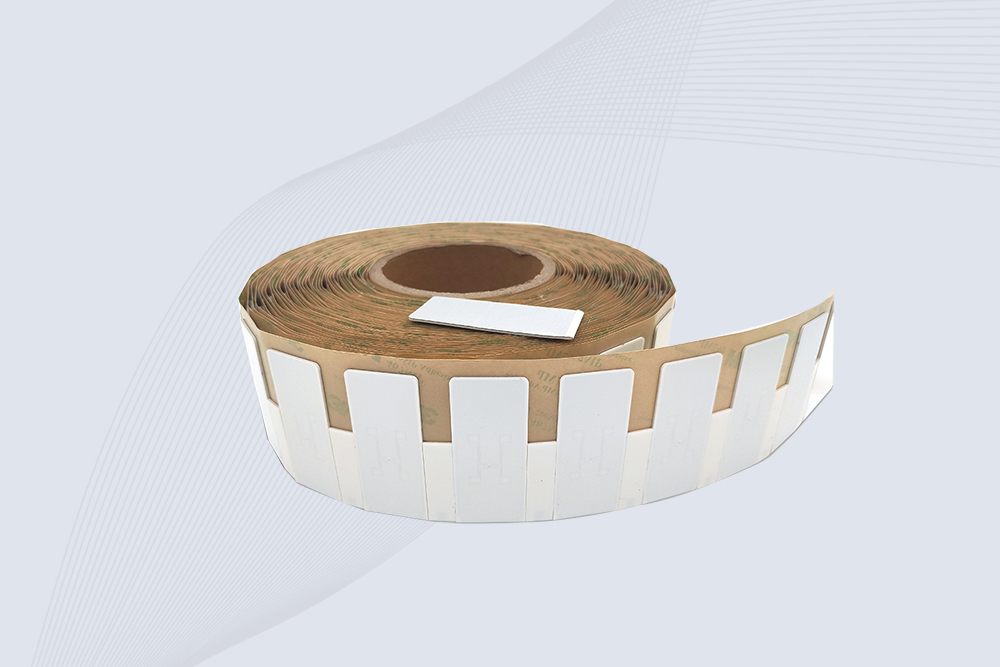
The CYKEO CYKEO-60-25 Anti-Metal RFID Tag is built for metal surfaces where standard tags fail. Designed for long-range performance, harsh environments, and stable data retention, this Anti-Metal RFID Tag is ideal for industrial assets, containers, and equipment tracking using on metal RFID tags.
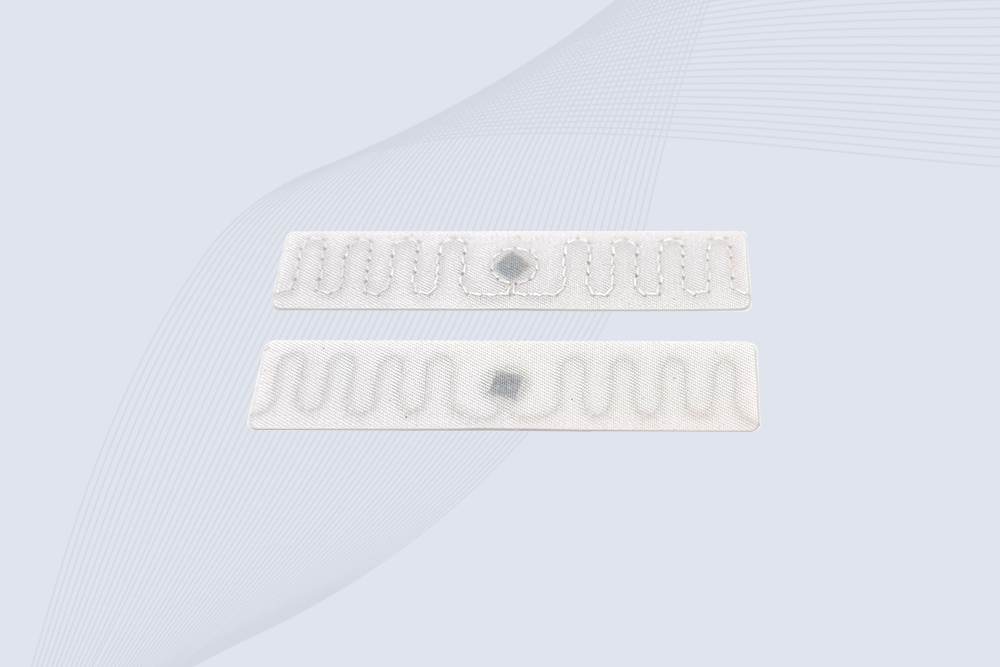
The CYKEO RFID Laundry Tag is designed for long-term textile identification in harsh laundry environments. Built to withstand high heat, chemicals, and repeated washing, this RFID Laundry Tag delivers stable performance for hotels, hospitals, and industrial laundry operations using laundry rfid tags at scale.
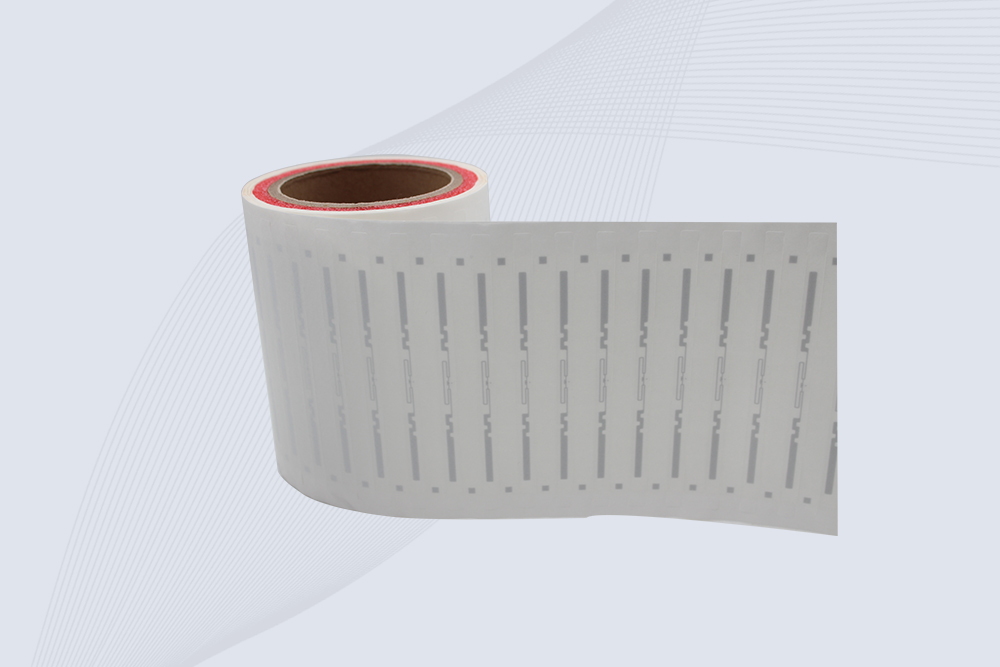
The CYKEO CYKEO-125-7 RFID Book Tag is designed for reliable book and document tracking in libraries and archives. This RFID Book Tag delivers long read range, dense placement support, and stable performance on shelves, making it a practical rfid tag on books for library automation, file management, and archival systems.
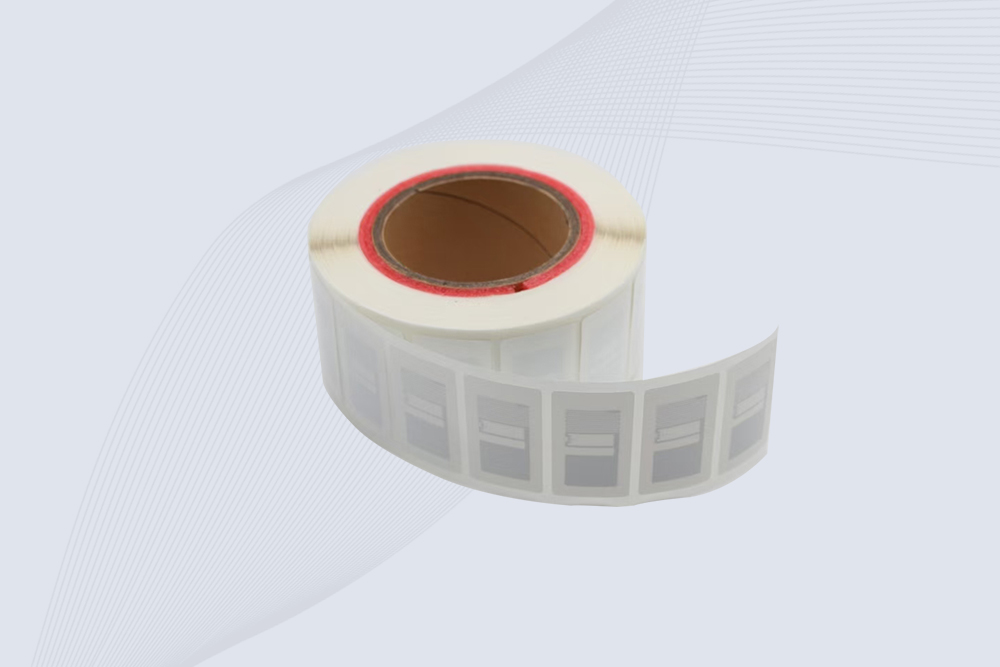
CYKEO RFID tags in hospitals are designed for sterile environments where accuracy matters. These autoclavable RFID tags support long-term tracking of surgical tools, implants, and medications, helping hospitals improve visibility, compliance, and patient safety.

CYKEO RFID Cable Tie Tag is built for reliable identification on metal surfaces. This UHF RFID Cable Tie Tag is widely used in rfid tags for inventory systems, industrial asset management and Hospital RFID Tags, offering stable read performance, long service life and global EPC Gen2 compatibility.
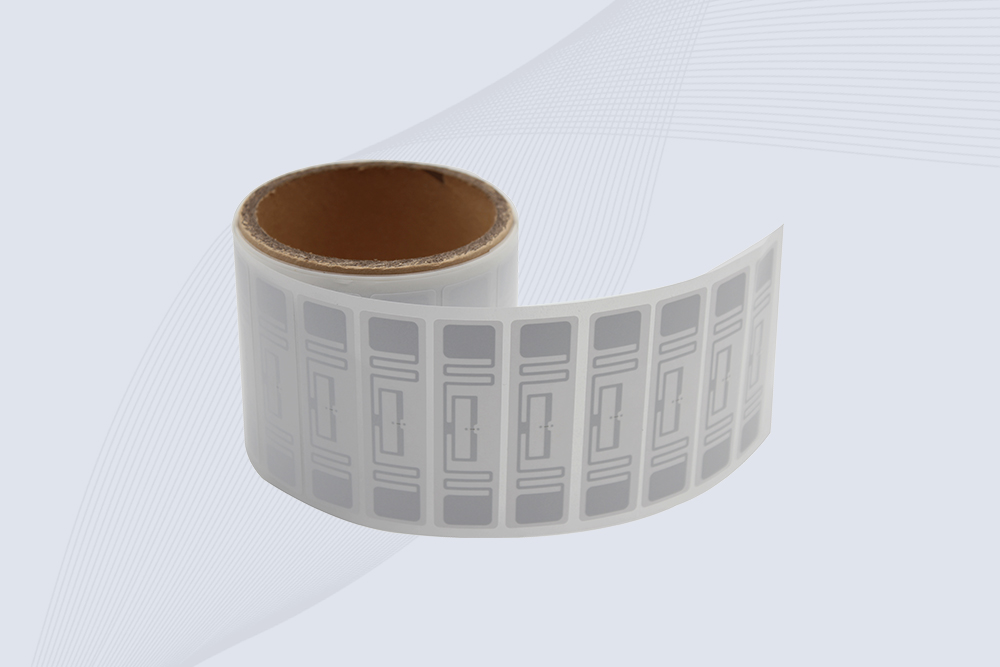
CYKEO RFID Asset Tag is designed for stable identification of metal assets in industrial environments. This UHF RFID Asset Tag is commonly used for rfid tag asset tracking on equipment, tools and containers, providing reliable reads, long service life and ISO/IEC 18000-6C support.

CYKEO UHF RFID Card is designed for fast identification and long-term use in industrial and commercial systems. Supporting ISO 18000-6C, this UHF RFID Card works at 860–960 MHz and is suitable for custom RFID cards used in asset tracking, access control and inventory management.
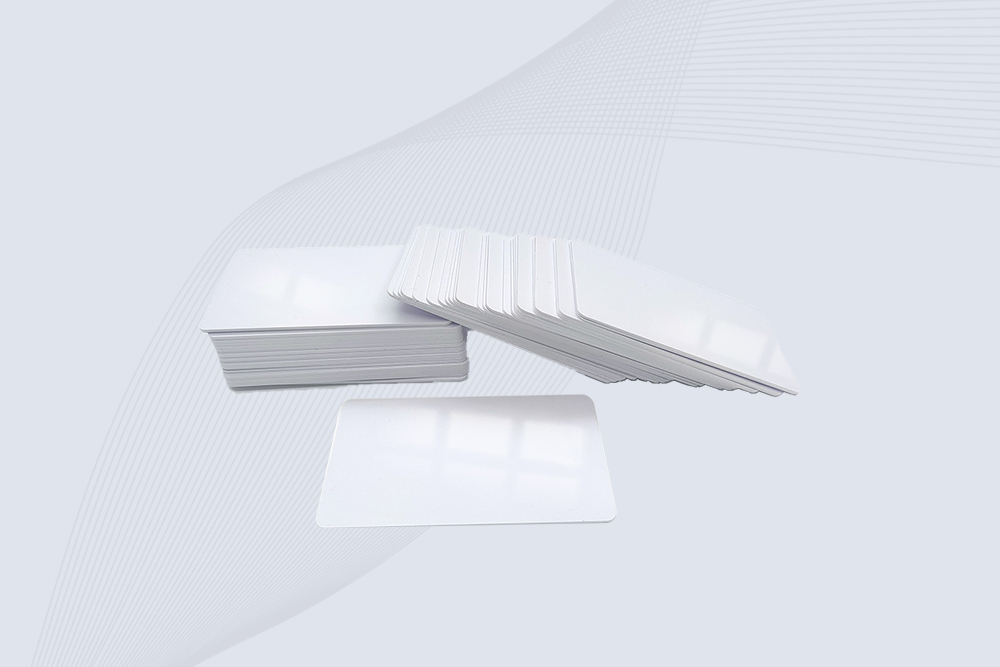
CYKEO HF RFID Cards are designed for secure and stable access control systems. These 13.56 MHz RFID key cards support ISO 14443-A, reliable rewriting and long service life, making HF RFID Cards suitable for offices, campuses, events and membership management.
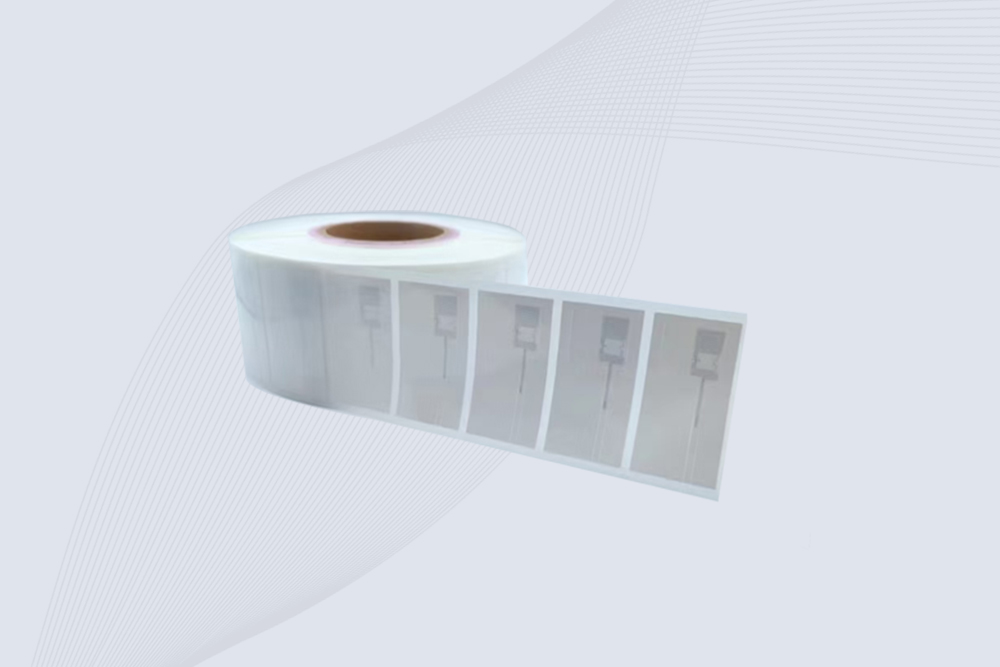
CYKEO UHF RFID Tag is designed for reliable tracking of metal jewelry and high-value items. This Jewelry RFID Tag supports long-range reading up to 8 meters, anti-counterfeit protection and stable performance on metal, making it suitable for retail, inventory control and asset management.
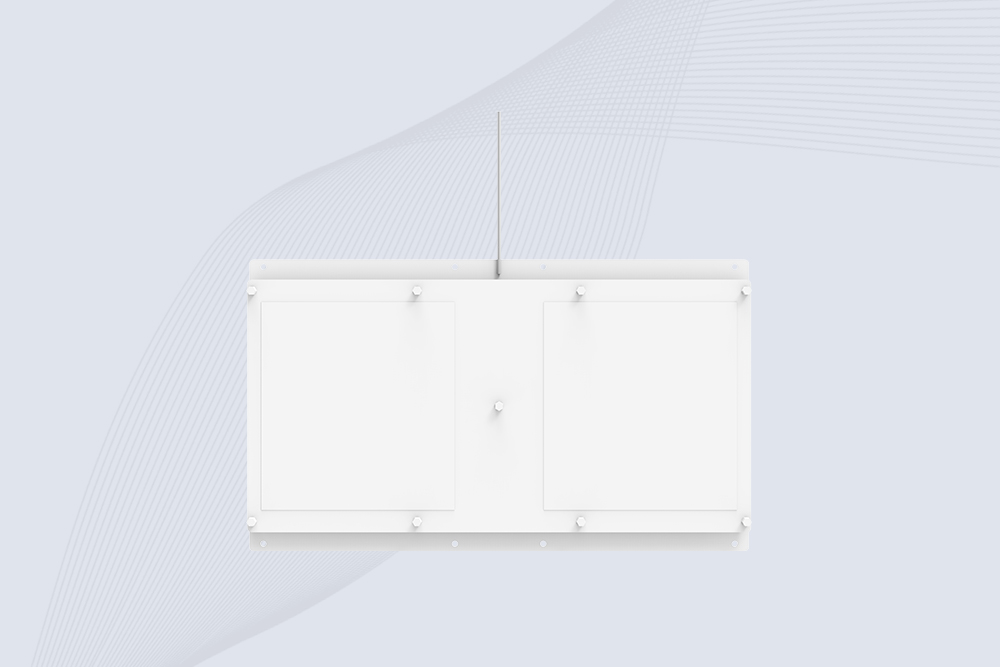
Cykeo CYKEO-A11 UHF RFID reader antenna delivers 11dBi gain, 840-960MHz frequency range, and IP65 ruggedness for retail, logistics, and industrial RFID systems. Features low VSWR and easy installation.

CYKEO Antenna RFID Reader delivers stable long-range UHF performance with a 10.5dBi directional design, built for warehouses, conveyor portals, and industrial RFID systems. This rfid reader antenna provides 20m+ read distance and rugged IP67 protection.

Cykeo CYKEO-PHF3 industrial HF RFID Antenna offers 24-point dynamic tracking, ISO 14443A/15693 protocols, metal-environment stability for archives/libraries/manufacturing.

Cykeo CYKEO-A5B industrial Linear RFID Antenna delivers 5dBi gain, ≤1.5:1 VSWR, and IP65 rugged design for warehouse, production line, and logistics UHF systems.

Cykeo’s CYKEO-B12 Long Range RFID Antenna delivers 15m+ read range with 12dBi gain, IP65 rugged design, and global 840-960MHz UHF support. Ideal for warehouse/logistics asset tracking.
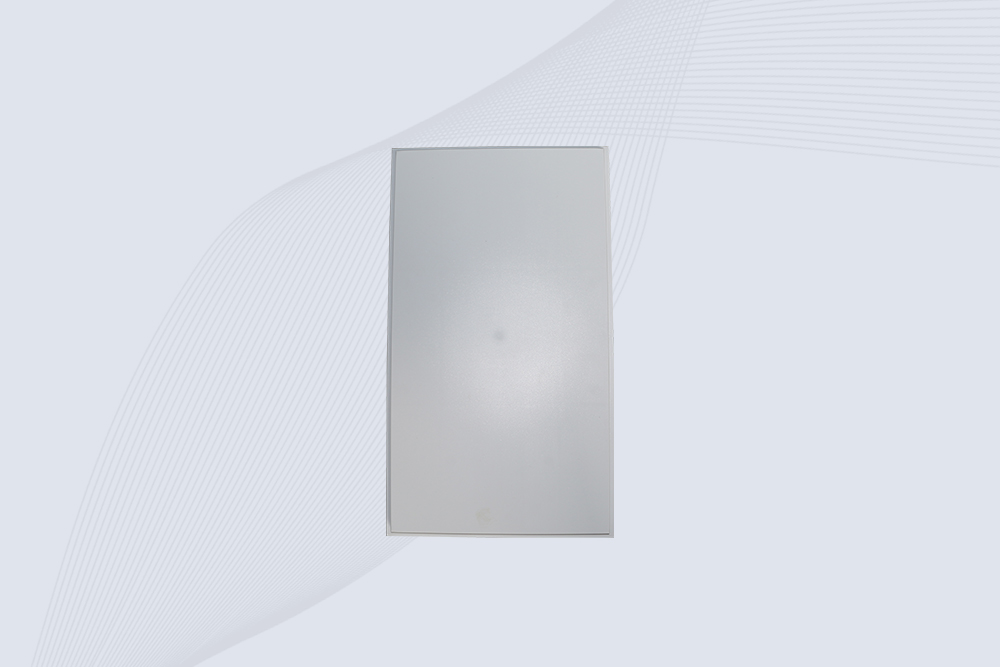
Cykeo CYKEO-B10 Long Distance RFID Antenna offers 10dBi gain, 840-960MHz frequency range, IP65 rating, and 20m+ coverage for logistics/warehousing/ETC systems. Low VSWR ensures stable signal transmission.
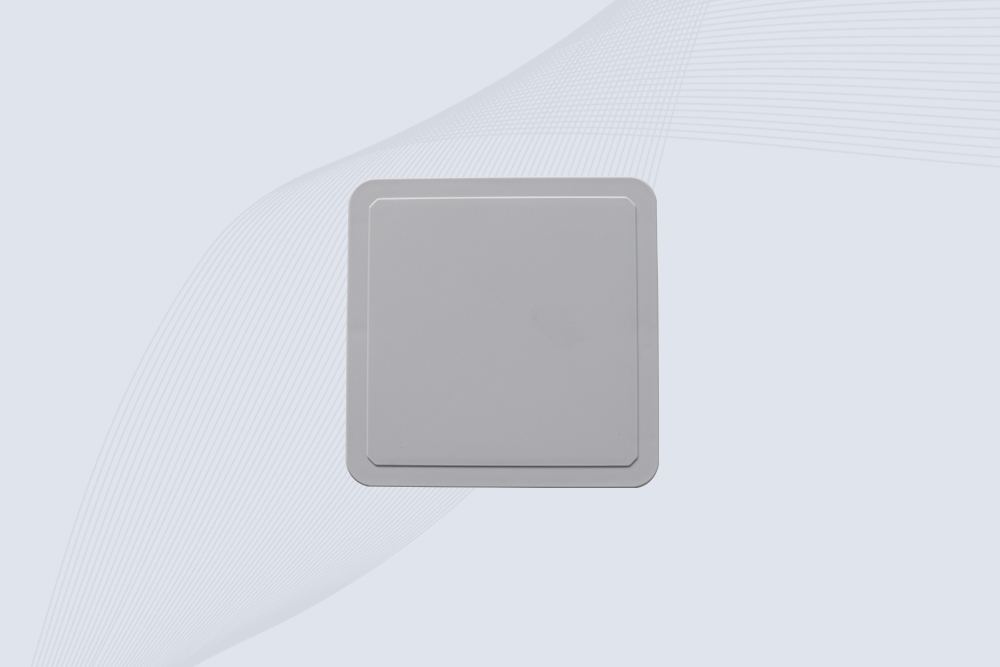
Cykeo CYKEO-A6 UHF RFID panel antenna features 6dBi gain, 840-960MHz broadband, IP65 metal-ready housing for logistics/smart retail. 18mm ultra-thin design with tool-free mounting.

Cykeo CK-A3 industrial antenna RFID UHF offers 5m+ tag detection, ≤1.3:1 VSWR, IP65 rugged design, and global UHF spectrum compatibility (840-960MHz) for warehouses, factories, and retail.
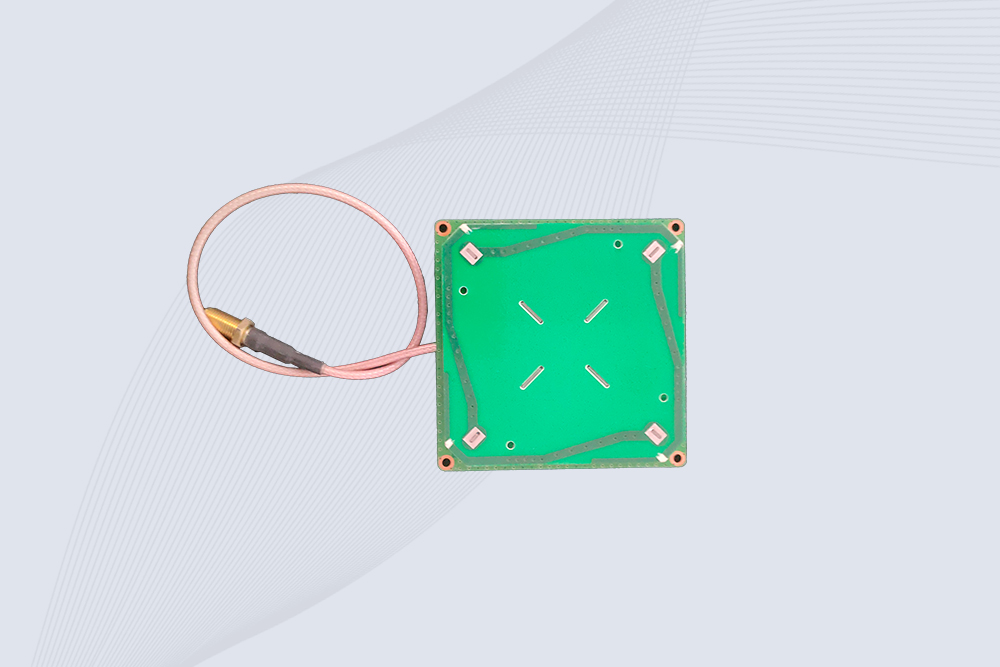
Cykeo CYKEO-B5 directional RFID antenna provides 5dBi gain with 60° narrow beamwidth for precise inventory tracking. IP65-rated, global UHF frequency support, and low VSWR.
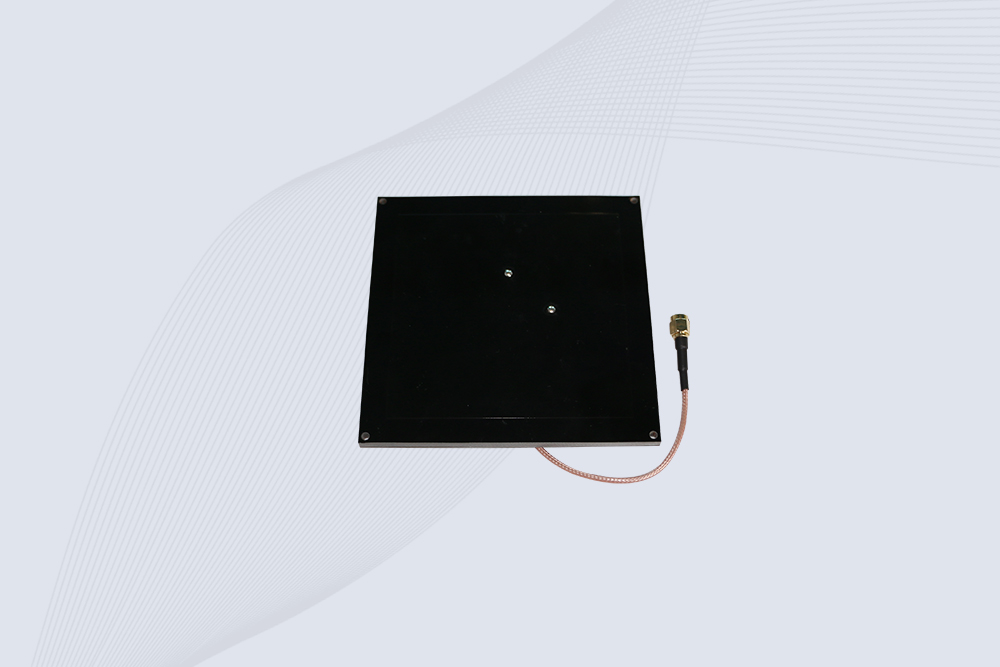
Create your own high-performance DIY RFID antenna! 5dBi gain, 840-960MHz tunable, step-by-step guides. Compatible with Arduino, Raspberry Pi, and commercial UHF readers.
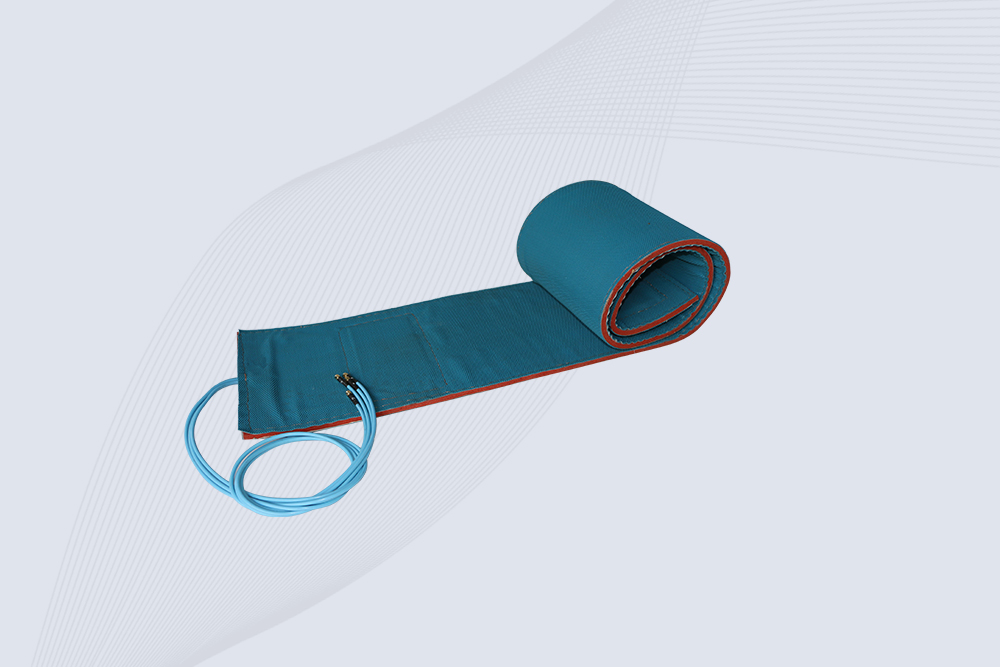
Cykeo CYKEO-A7 Flexible RFID Antenna features 840-960MHz wideband tuning, 7dBi gain, and IP68 rating for medical/retail/industrial curved surface deployments. 98% read accuracy with peel-and-stick installation.

Cykeo CYKEO-B5A industrial Passive RFID Antenna delivers 5dBi gain, 70° beamwidth, and -40°C~55°C operation for warehouses/smart cabinets. Compatible with Zebra/Impinj readers.
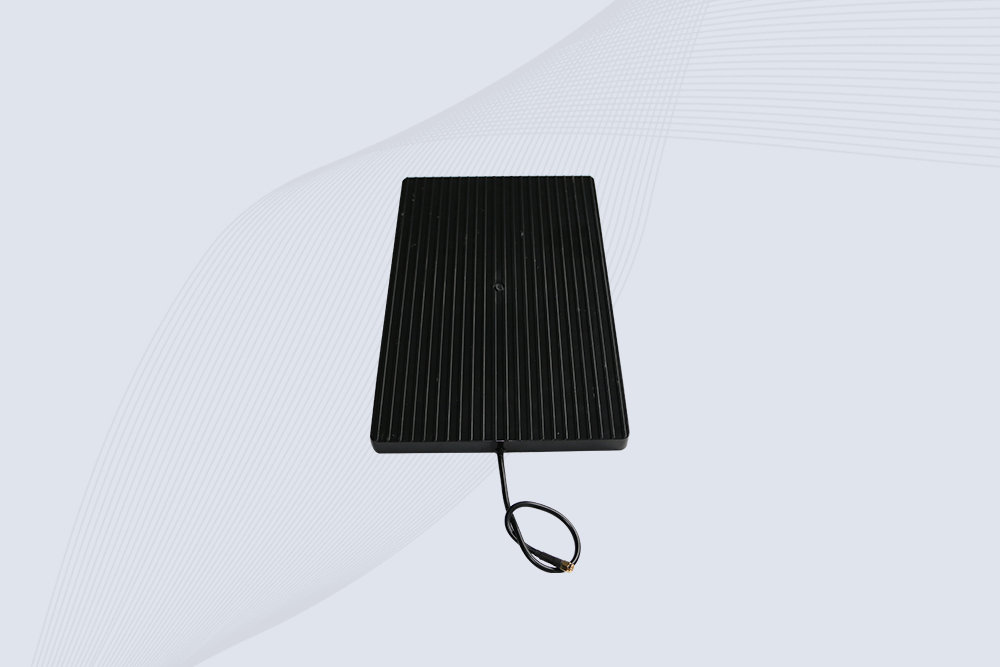
Cykeo’s CYKEO-A9B High Gain RFID Antenna delivers 15m+ read range with 9dBi amplification. Features IP54 rugged design, 840-960MHz bandwidth, and 80° beamwidth for warehouse/manufacturing RFID systems.

Cykeo’s enterprise-grade 8dbi Impinj RFID Antenna 10m+ read range with 840-960MHz tuning. Features IP65 housing, 1.4 VSWR, 35° beamwidth for retail/warehouse RFID systems.
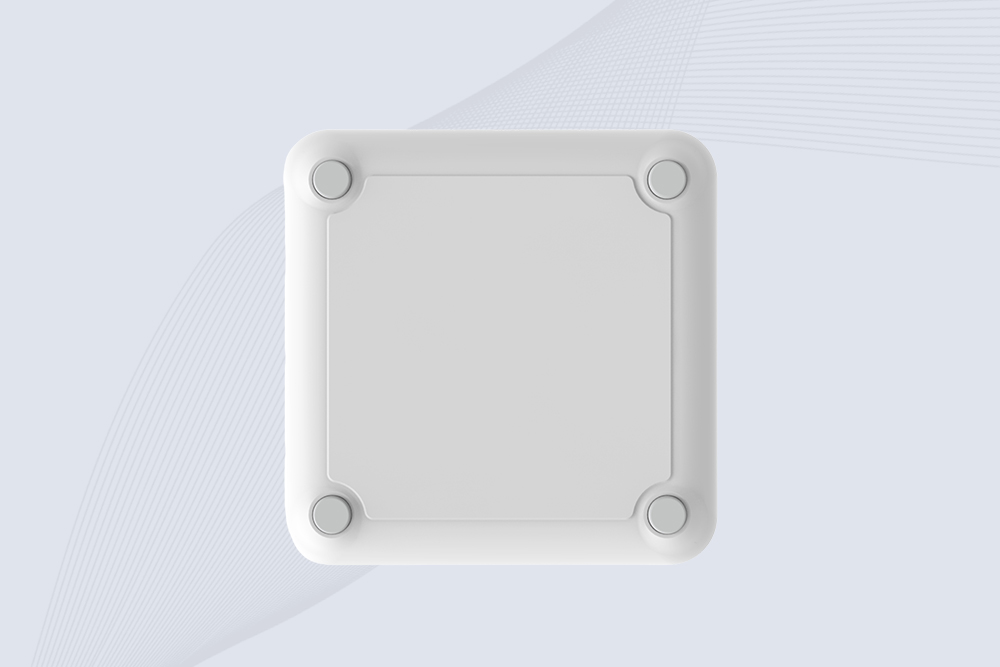
Cykeo CYKEO-A9 industrial UHF RFID antenna delivers 9dBi gain, 840-960MHz frequency range, and IP65 protection for warehouse/logistics/retail RFID systems. Features N-type connector and ≤1.3:1 VSWR.
CYKEO UHF RFID Antenna built for long-distance and industrial applications. This antenna rfid uhf delivers strong gain, outdoor durability, and reliable tag performance in warehouses, yards, and vehicle ID systems.
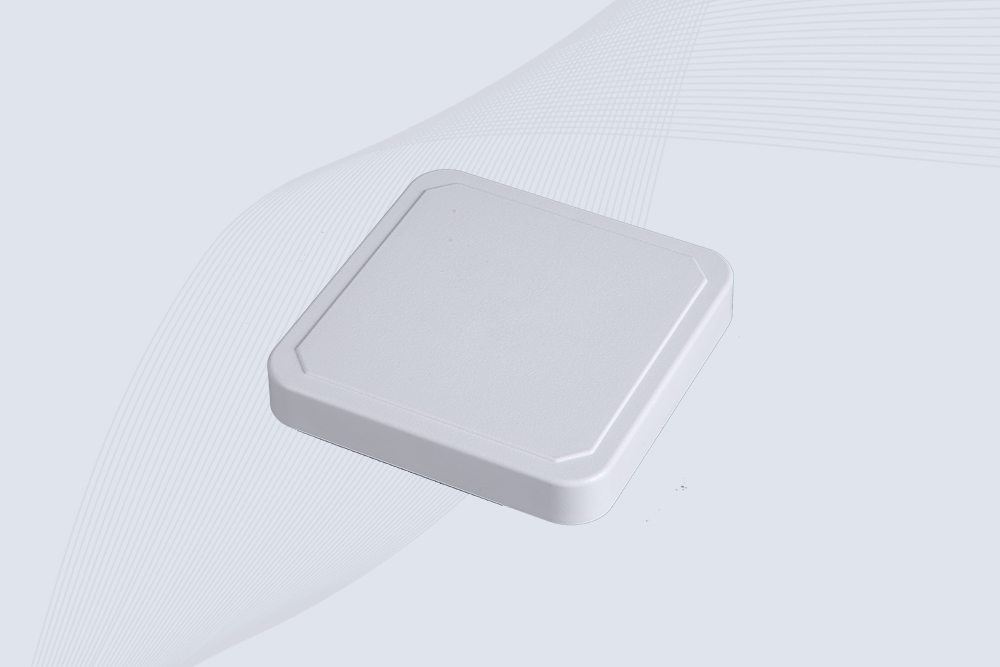
CYKEO Antenna RFID delivers reliable long-range UHF performance in warehouses, retail shelves, and cold-chain environments. This compact uhf rfid antenna provides stable reads with circular polarization and ultra-wide 840–960 MHz support, ideal for industrial tracking, smart shelves, and asset monitoring.
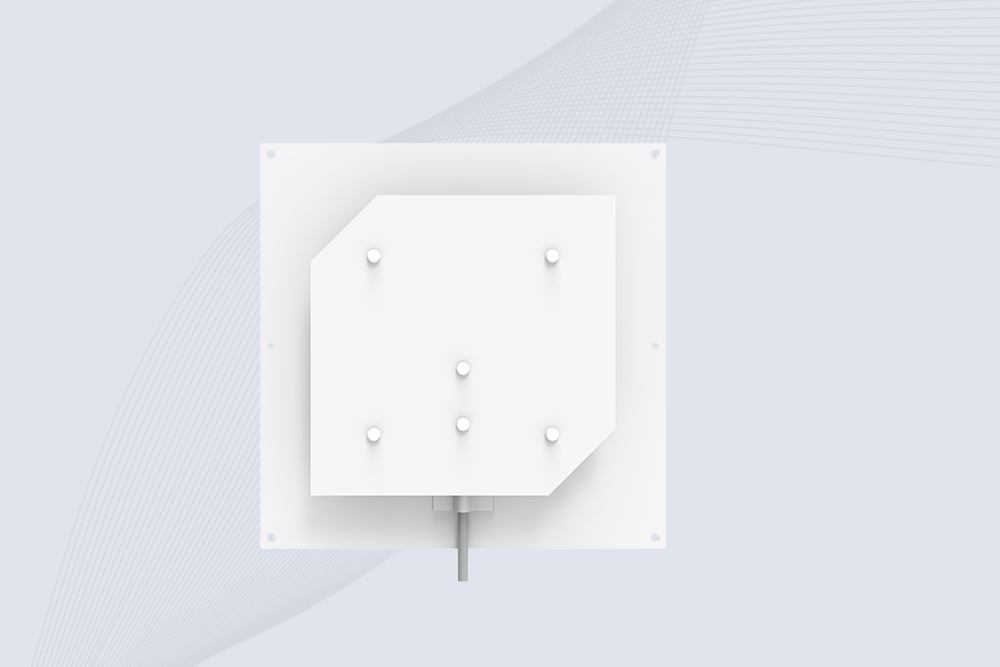
Cykeo’s CYKEO-C8 UHF RFID antennas delivers 8dBi gain, 840-960MHz full-band coverage, and IP65 ruggedness for manufacturing/warehouse RFID systems. Industrial RFID Antennas Features
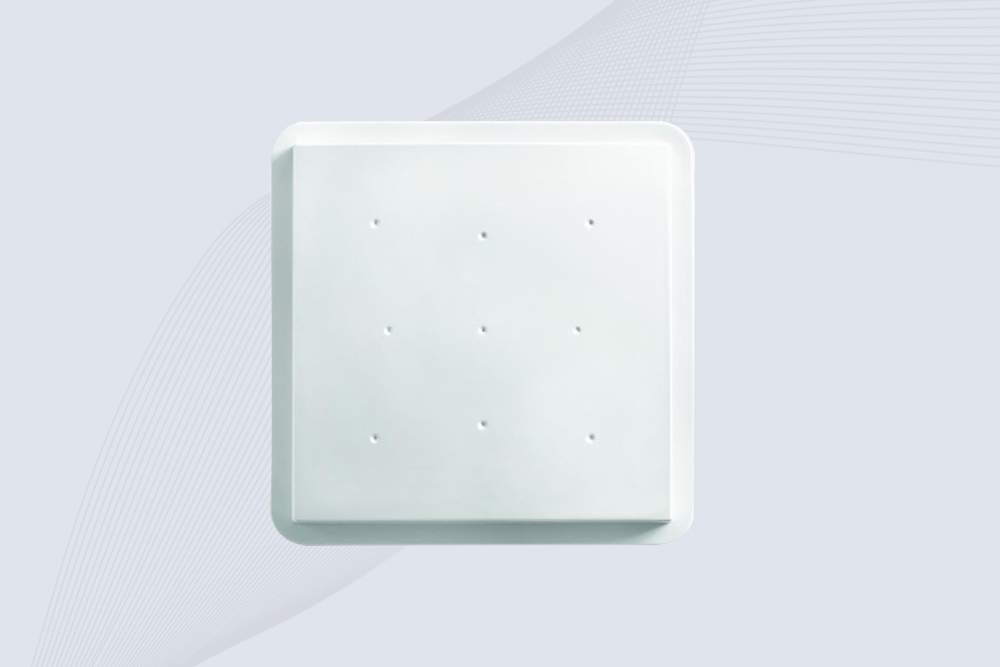
Cykeo’s 8dBi UHF RFID antenna and reader kit delivers 10m+ range, 840-960MHz broadband, and IP65 ruggedness for factories, warehouses, and logistics. ISO 18000-6C & EPC Gen2 certified.
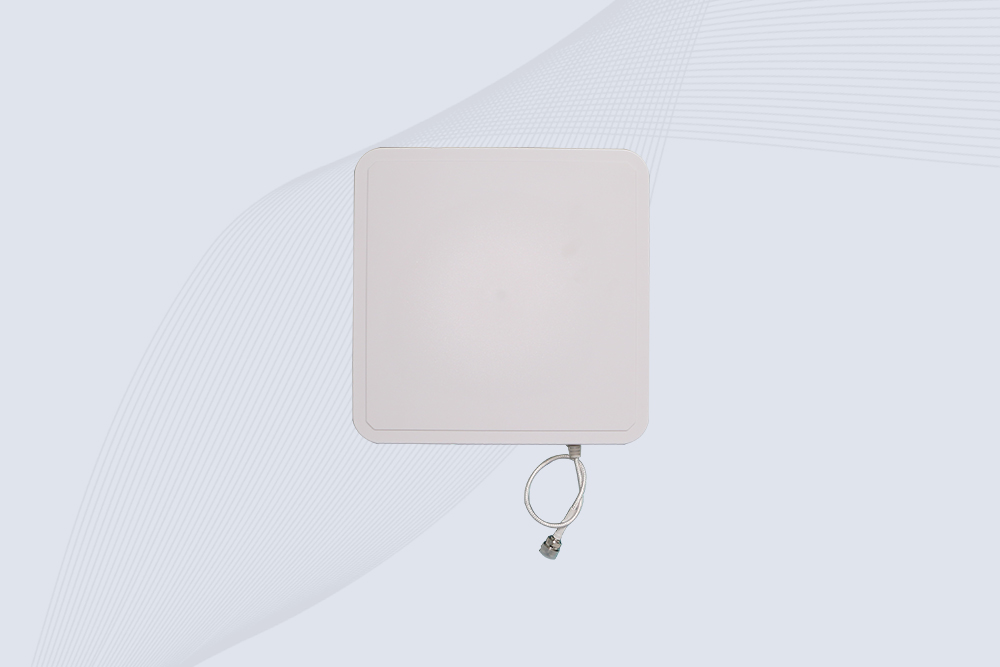
Cykeo CYKEO-A9A industrial UHF RFID reader and antenna kit delivers 10m range, 500 tags/sec, IP65 ruggedness for manufacturing/logistics. Supports EPC Gen2, ISO18000-6C.
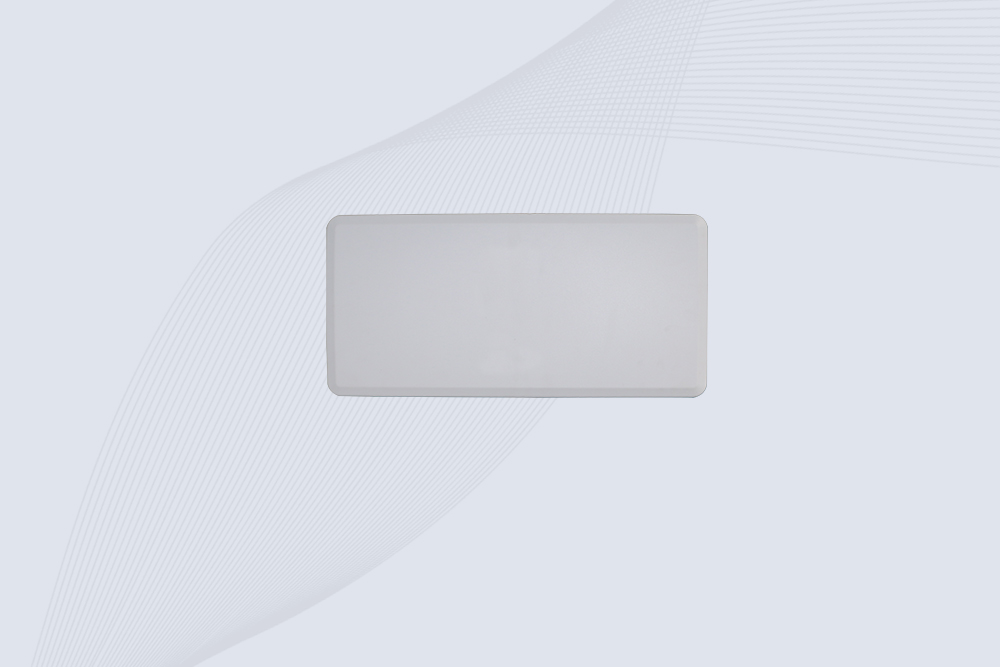
Cykeo’s CYKEO-A12C UHF Large RFID Antenna delivers 12dBi gain, 840-960MHz global frequency, IP65 ruggedness for logistics/warehousing/automotive. 40° beamwidth ensures stable 15m+ tag reads.

CYKEO Near Field RFID Antenna provides precise 5–30 cm reading for shelves, cabinets, and workstations. This compact rfid shelf antenna delivers stable short-range performance around metal and clutter, ideal for pharmacies, libraries, and electronics sorting.
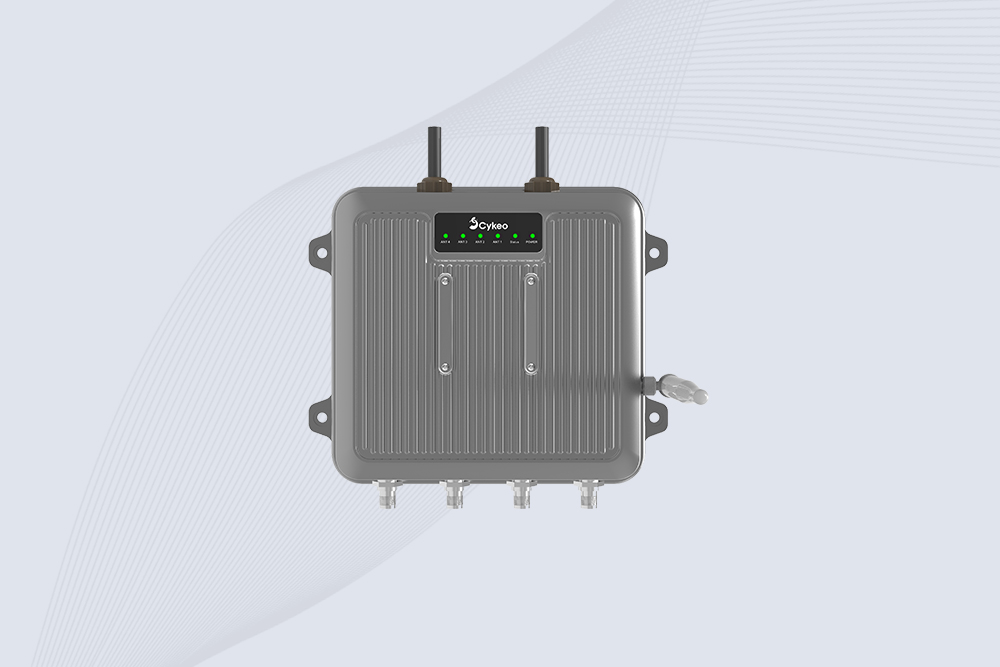
Cykeo CYKEO-C1 industrial Forklift RFID Reader features 20m read range, 600 tags/sec scanning, Impinj R2000 chipset, and IP67 rugged design. Ideal for warehouse logistics and manufacturing. Supports ISO 18000-6C/6B protocols.
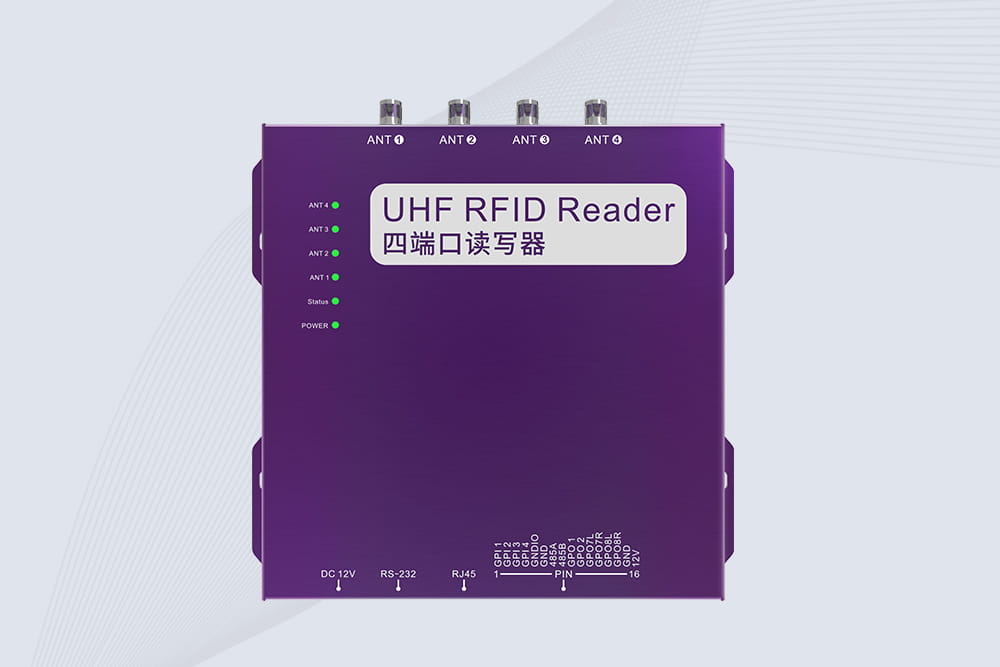
Cykeo CYKEO-R4 industrial UHF RFID Fixed Reader features 4 TNC ports, 400+ tags/sec speed, IP67 housing, and global frequency compliance for vehicle inspection, smart warehouse, and asset management systems.
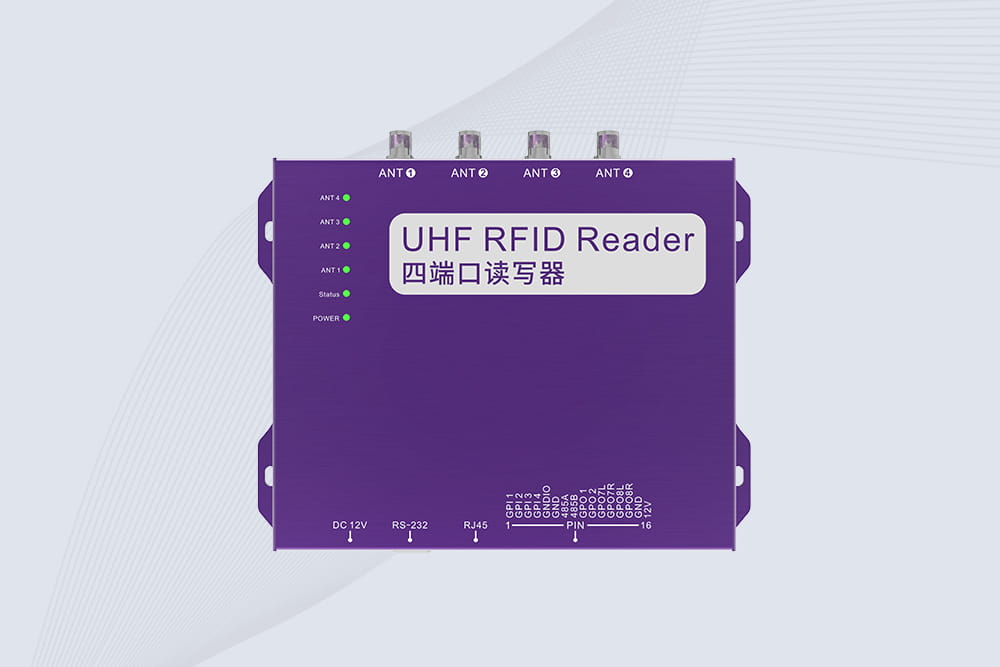
Cykeo’s CYKEO-R4L 4-port Fixed UHF RFID Reader delivers 400 tags/sec scanning, ISO 18000-6C compliance, and IP65 protection. Ideal for warehouse automation, manufacturing WIP tracking, and logistics management.
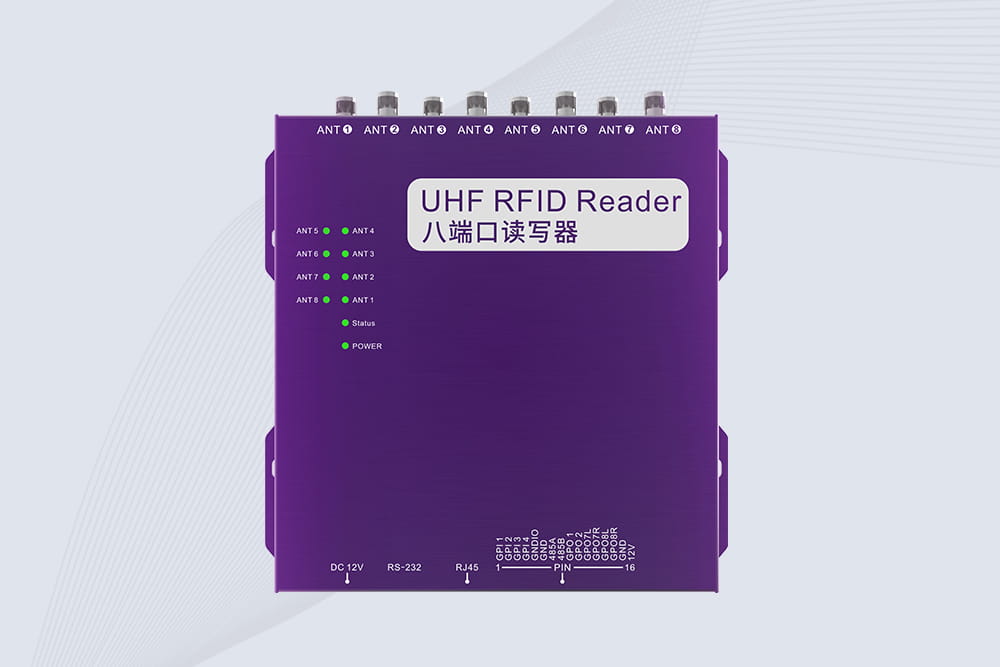
CYKEO CYKEO-R8L Fixed RFID Reader with 8-port UHF design, Impinj-based RF core and up to 20m read range. An industrial Fixed RFID Reader for vehicle inspection, warehouse portals, smart manufacturing lines and secure access checkpoints.
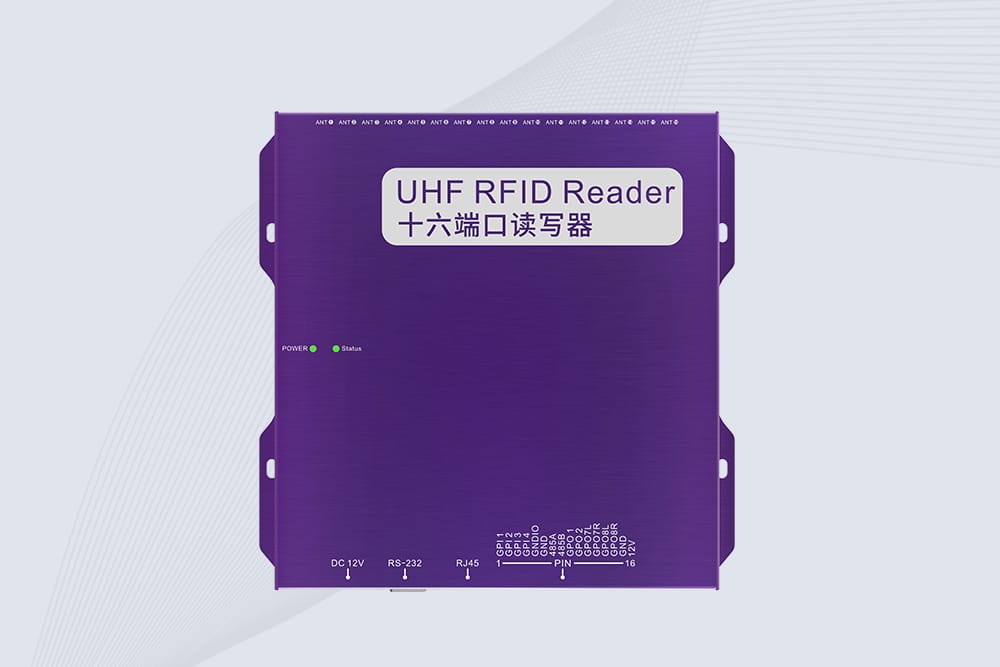
RFID Fixed Reader from CYKEO – the CYKEO-R16L 16-port UHF fixed reader for warehouses, smart cabinets, and production lines. Long-range, multi-tag reading, stable performance for 24/7 industrial use.

Descubre para qué sirve RFID antenna coil en etiquetas y lectores. Te explicamos cómo transfiere energía y datos en sistemas de acceso y pagos sin contacto.
More
Discover the essential features of industrial RFID handheld readers for optimal performance. Learn about durability, read range, battery life, and Cykeo’s rugged solutions.
More
Explore how rfid reader handheld devices improve UHF RFID inventory accuracy, warehouse efficiency, and real-time asset tracking across retail, healthcare, and logistics industries.
More
rfid in medical industry solutions improve hospital inventory visibility, automate medical consumable tracking, and enhance UHF RFID healthcare management efficiency.
More