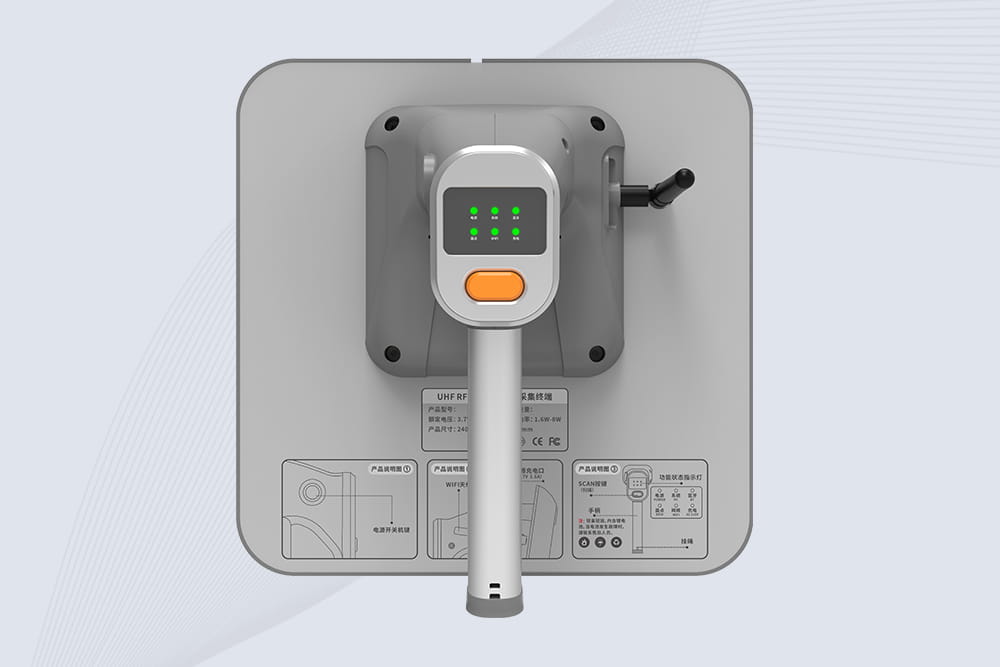
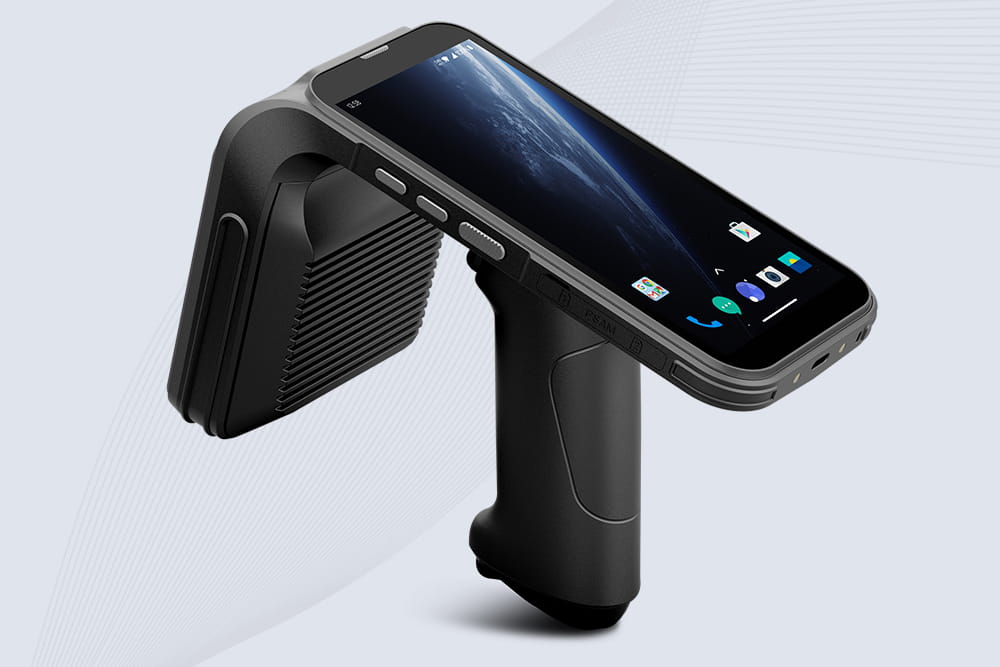
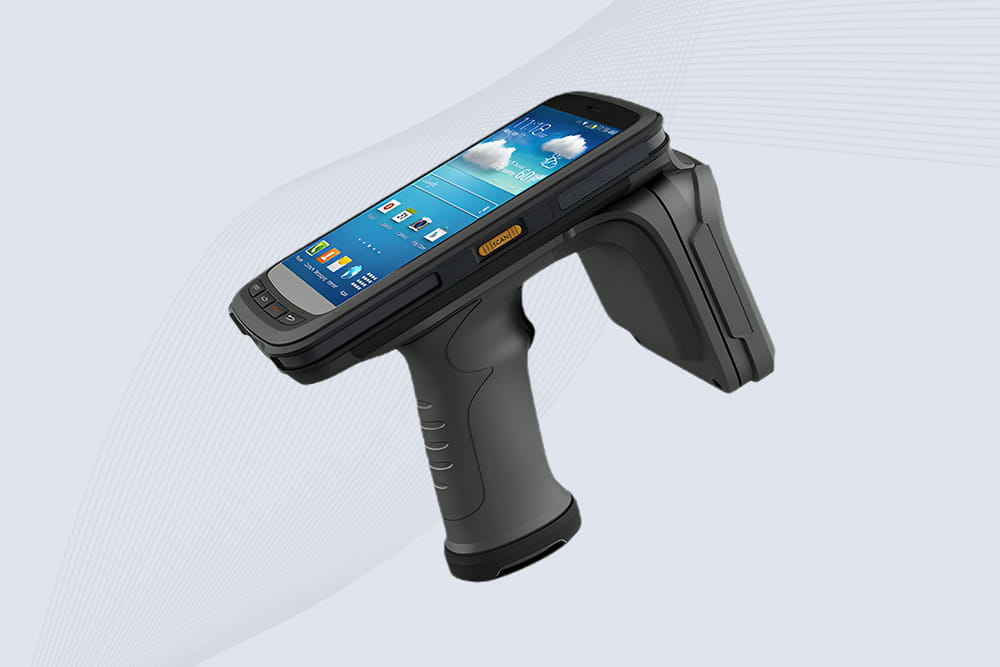
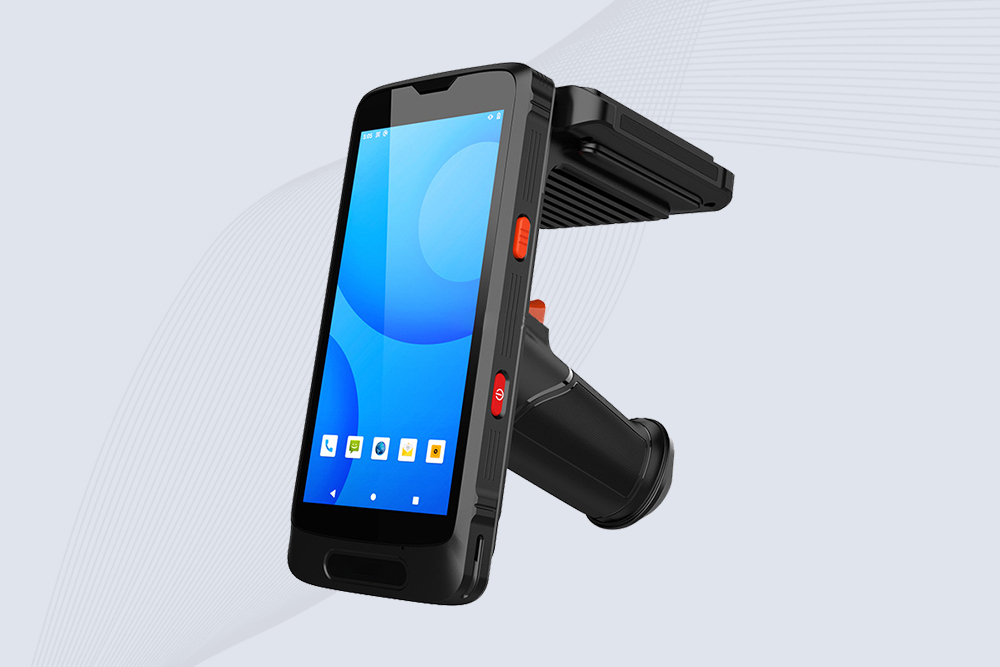
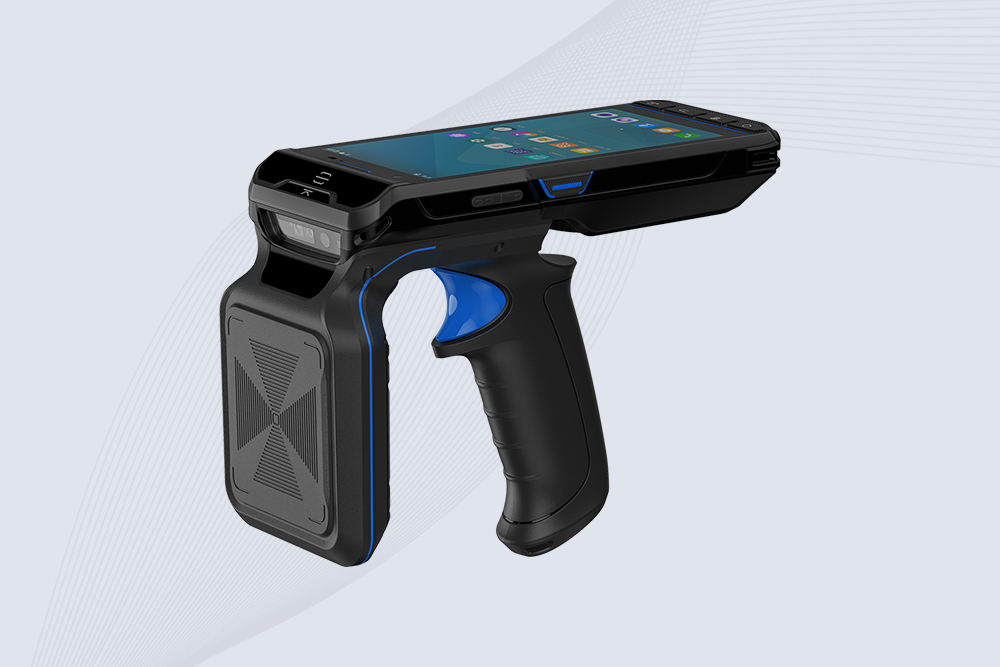
An rfid reader handheld is a portable UHF RFID device designed for fast inventory tracking, asset identification, and real-time RFID data collection in warehouses, healthcare, retail, and industrial environments. Compared with manual barcode scanning, handheld RFID dramatically improves speed and inventory visibility.
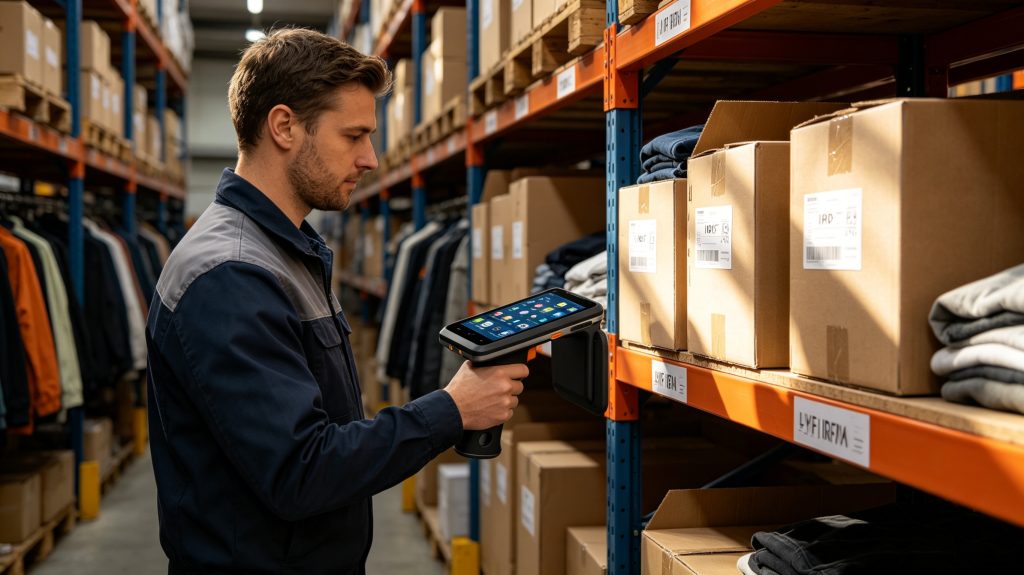
The first time I watched a warehouse operator complete a full apparel inventory count using a UHF handheld RFID device, the difference was almost uncomfortable. What previously required clipboards, barcode scanners, and two exhausted workers suddenly became a fifteen-minute walk through the aisles.
No stopping. No line-of-sight scanning. Just continuous RFID reads.
At Cykeo, we have participated in RFID deployments across textile logistics, manufacturing plants, medical supply management, and industrial asset tracking projects. In real operations, handheld RFID readers are not simply “mobile scanners.” They become decision-making tools on the warehouse floor.
And honestly, most deployment failures have less to do with software than people expect. They usually begin with unstable reading performance in difficult environments.
Why rfid reader handheld Devices Are Growing Rapidly
UHF RFID adoption continues accelerating globally because businesses are under pressure to improve inventory accuracy while reducing labor costs.
According to research from Auburn University RFID Lab, retailers using item-level RFID frequently achieve inventory accuracy rates above 95%.
Meanwhile, GS1 reports that RFID technology significantly improves supply-chain visibility and stock accuracy across logistics operations.
In practice, those numbers matter because inventory errors are expensive in ways accounting systems rarely show immediately.
A missing garment. An untracked surgical consumable. A misplaced industrial tool.
Individually small problems. Operationally huge.
What Makes a Good rfid reader handheld?
Not every handheld RFID device performs equally in industrial conditions.
Some readers work perfectly in clean demo rooms, then collapse inside metal-heavy warehouses or crowded retail stockrooms.
Key Features That Matter
Feature
Operational Benefit
UHF EPC Gen2 support
Global RFID compatibility
Fast multi-tag reading
Large inventory efficiency
Long battery life
Continuous field operation
Anti-collision algorithm
Stable dense-tag reading
WiFi / Bluetooth
Real-time synchronization
Android operating system
Easy application integration
Read Speed Changes Everything
One of our apparel clients previously scanned products one by one using barcode systems.
During seasonal inventory counts:
6 workers
nearly 9 hours
repeated rescanning
constant reconciliation errors
After migrating to UHF handheld RFID readers, inventory time dropped below two hours.
The workers themselves noticed the change first.
Not management.
Real RFID Reader Handheld Deployment Experience
A few years ago, we assisted with an industrial tool-tracking deployment inside a manufacturing workshop. Metal surfaces were everywhere — steel cabinets, aluminum containers, large CNC machines.
Early RFID tests failed repeatedly.
The issue was not tag quality.
It was environmental reflection and unstable handheld reading behavior.
After adjusting antenna polarization and switching to a higher-performance UHF RFID handheld platform, read consistency improved sharply. Operators could finally move naturally instead of stopping at awkward angles to capture tags.
That moment matters more than spec sheets.
Because if workers dislike using the device, the RFID project quietly dies within months.
Common Applications for rfid reader handheld Systems
Warehouse Inventory Management
Handheld RFID readers allow staff to:
perform rapid cycle counting
locate missing inventory
verify inbound shipments
reduce manual reconciliation
Healthcare and Medical Tracking
Hospitals increasingly use RFID handheld devices for:
surgical tool tracking
pharmaceutical management
consumable verification
equipment auditing
According to McKinsey & Company, healthcare organizations continue investing heavily in digital inventory visibility and automation systems.
Retail Apparel Management
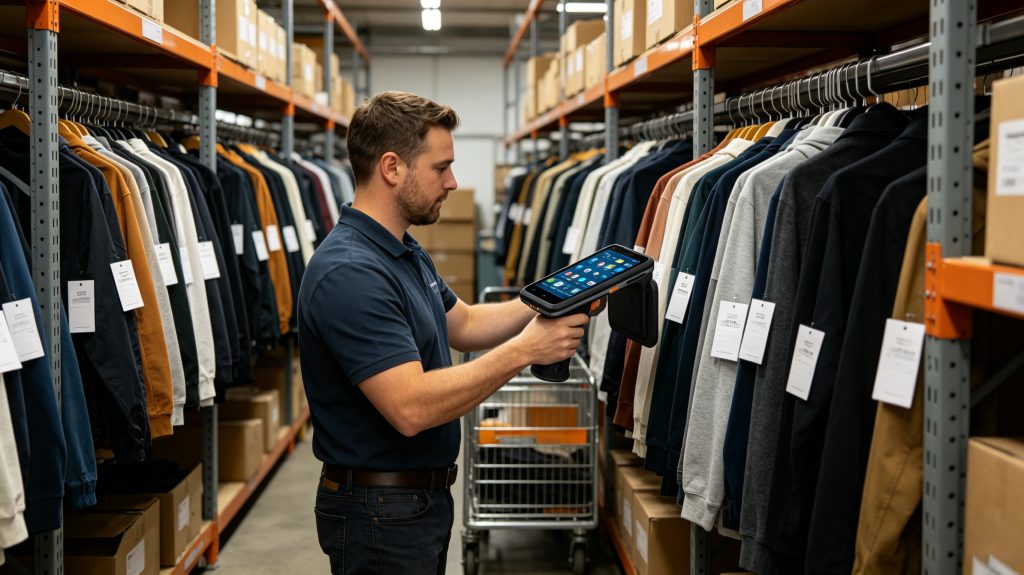
Fashion retailers rely heavily on handheld RFID because clothing inventory changes constantly.
RFID helps staff:
locate missing sizes
replenish shelves faster
reduce stock discrepancies
improve omnichannel fulfillment
Handheld UHF RFID readers improve inventory speed and reduce manual scanning errors.
Why UHF RFID Handheld Devices Outperform Barcode Scanners
Barcode systems still require direct visual alignment.
RFID does not.
That difference becomes dramatic in fast-moving operations.
Barcode Limitations
Requires line-of-sight
One-by-one scanning
Damaged labels cause delays
Slower bulk processing
RFID Advantages
Bulk tag reading
Faster audits
Hidden tag detection
Real-time synchronization
In one logistics center, workers described handheld RFID as “inventory without interruption.”
That phrasing stuck with me because it was accurate.
How Cykeo Approaches Industrial RFID Mobility
Cykeo focuses heavily on practical deployment stability instead of theoretical maximum read range.
In real environments, stable reads matter more than extreme reads.
Especially in:
metal-heavy workshops
retail stockrooms
hospital storage areas
textile warehouses
Industrial handheld RFID systems must balance:
antenna performance
decoding speed
battery endurance
ergonomic handling
software responsiveness
Ignoring any one of those creates operational friction quickly.
Retail RFID handheld devices help staff complete inventory counts faster and more accurately.
FAQ About rfid reader handheld
What is an rfid reader handheld used for?
An RFID reader handheld is used for mobile inventory scanning, asset tracking, warehouse management, and RFID-based identification tasks.
How far can a UHF handheld RFID reader scan?
Typical industrial UHF handheld readers can scan RFID tags from several meters away depending on antenna design, tag type, and environmental conditions.
Are handheld RFID readers better than barcode scanners?
For bulk inventory operations, handheld RFID readers are usually much faster because they do not require line-of-sight scanning.
Which industries use handheld RFID readers most?
Retail, logistics, manufacturing, healthcare, textile management, and warehouse operations widely use handheld RFID systems.
Can RFID handheld devices read multiple tags simultaneously?
Yes. Modern UHF RFID handheld readers support rapid multi-tag reading using EPC Gen2 anti-collision technology.
You know that awkward moment in class or at work when someone has to call out names, and half the time it’s wrong, or you lose track of who’s in or out? Well, that’s where RFID attendance monitoring systems step in, quietly fixing all those little...
Discover how RFID access control systems work—from tags to readers and control panels. Learn how they improve security, automate entry, and enhance facility access management.
Discover how rfid in hospital improves medical supply management with Cykeo RFID smart cabinets, enabling real-time inventory, 99.9% read accuracy, full traceability, and automated hospital workflows.
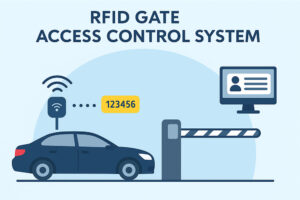
Discover how RFID gate access control systems enhance security and streamline vehicle or personnel entry. Learn practical setup tips, real-world cases, and integration ideas.
 Cykeo RFID IoT Solution Products R&D Manufacturer