 Cykeo RFID IoT Solution Products R&D Manufacturer

RFID Handheld Reader vs. Fixed Reader: Which Is Better for Retail?
1470Compare handheld and fixed RFID readers for retail. Learn pros, cons, and ideal use cases with Cykeo’s solutions to boost inventory accuracy and theft prevention.
MoreAll RFID Product
RFID tags improve inventory accuracy by allowing compatible readers to identify tagged items without scanning each barcode individually. When integrated with inventory software and reliable operating procedures, RFID can make stock counts faster, reveal discrepancies sooner, and keep inventory records closer to physical stock levels. Results depend on tag coverage, read-zone design, and data processing.
Inventory records are often treated as a reliable picture of what is on a shelf, in a storage bin, or waiting at a dispatch station. In practice, that picture can become outdated surprisingly quickly. A product may be received but not recorded, moved to another location without a system update, or sold while the inventory database still shows it as available.
RFID—radio-frequency identification—helps close this gap by collecting item-identification data through radio communication. Instead of requiring a worker to point a scanner at each visible barcode, an RFID reader can detect multiple compatible tags within its effective reading zone. The resulting observations can support stock counts, receiving checks, movement tracking, and inventory reconciliation.
The important distinction is that RFID does not automatically make every inventory record correct. It gives a business a more efficient way to collect stock information. Accuracy improves when those readings are converted into valid business events, exceptions are investigated, and inventory software is updated using appropriate rules.
Inventory accuracy describes how closely the quantity and status recorded in a business system match the stock that physically exists. Depending on the operation, the comparison may also include product identity, storage location, ownership, or availability for sale.
Consider a warehouse system showing 48 units of a product in Bin A-12. A physical count finds 43. The five-unit difference is an inventory discrepancy, even if the warehouse’s overall stock value appears reasonable.
RFID can help detect this kind of mismatch, but businesses need to understand which type of error they are trying to reduce.
| Inventory problem | What it looks like in daily operations | How RFID can help |
|---|---|---|
| Phantom inventory | The system shows stock that cannot be found | More frequent identification and reconciliation can flag missing items |
| Unrecorded stock | Physical items exist but are absent from the system | Receiving or cycle-count reads can identify tagged items that need investigation |
| Wrong-location records | An item is recorded in one zone but stored in another | Properly designed read zones can help confirm movement between locations |
| Quantity discrepancies | System quantity differs from physical quantity | Bulk tag reads can support faster counts and more frequent checks |
| Unrecorded movement | Items move between receiving, storage, picking, or dispatch without a matching transaction | Reader events can provide evidence of movement when the system is designed to capture those transitions |
These are related problems, but they are not interchangeable. A reader detecting a tag does not necessarily prove that an item has been received, sold, or shipped. The tag might be near a doorway without crossing it, for example, or a pallet might be read twice during a movement.
That is why an RFID inventory project should define its accuracy measure before installation. A company focused on quantity accuracy may need a different process from one trying to reduce wrong-location stock or prevent shipments containing the wrong products.
Inventory discrepancies rarely come from one source alone. In a busy warehouse, a rushed receiving transaction can create an error that survives several later processes. A picker may take the correct product but forget to confirm a short pick. Returns may sit in a staging area before staff restore them to available inventory.
Retail stores face similar problems. Items can be moved between shelves, placed in the wrong location by customers, or returned without the system reflecting their current status. Periodic manual counts may discover the problem, but the underlying discrepancy can affect availability and replenishment decisions in the meantime.
Academic research demonstrates why this is more than an occasional operational nuisance. A study published in Management Science by DeHoratius and Raman examined almost 370,000 inventory records from 37 stores and found that 65% of the records in that study were inaccurate. This figure describes the study’s sample, not every retailer or warehouse. It nevertheless illustrates how widely recorded stock can diverge from physical reality.
The practical lesson is straightforward: a business cannot improve inventory accuracy consistently if it only checks stock after a problem becomes visible. It needs a repeatable way to compare system records with physical items and investigate differences before they spread into purchasing, replenishment, and fulfillment.
RFID changes the way item information is collected. A compatible tag stores an identifier, and a reader uses radio signals to obtain that identifier without requiring direct optical line of sight. Depending on the system, the reader may identify many tagged items during one reading cycle.
For inventory control, the benefit is not simply the number of tags read per second. It is the ability to collect useful item-level observations more often, with less manual effort, and at points where stock discrepancies can be detected.
Barcode counting generally requires a worker to expose each barcode and scan it. This works well for many operations, particularly where items are individually presented or where the barcode is already part of a checkout workflow. But counting hundreds of products across dense shelving can be time-consuming.
With UHF RFID, a handheld or fixed reader can identify multiple compatible tags within its effective reading zone. A worker may be able to count a group of tagged items without handling each product separately. That makes more frequent cycle counting practical in suitable environments.
A useful warehouse example is a shelf containing mixed cartons and individual tagged products. A worker scans the zone with a handheld reader, then compares the observed tag IDs with the inventory system’s expected list. The software can highlight items that were expected but not detected, as well as unexpected tags that require investigation.
The result should not be treated as an automatic correction. A missing tag read could mean that the item is absent, but it could also indicate poor tag placement, shielding by metal or liquid, an unsuitable read angle, or an incomplete scan. A discrepancy report gives the team a focused place to start checking.
Inventory accuracy tends to deteriorate when the physical stock and the system records are left unchecked for long periods. If a business can conduct cycle counts more frequently, it may discover discrepancies before they affect multiple downstream tasks.
RFID supports this approach by reducing the effort needed to identify tagged items in a defined area. Rather than waiting for a large annual or quarterly count, a warehouse can schedule checks for high-value items, fast-moving stock, or locations with a history of discrepancies.
The schedule should reflect operational risk, not just reader capability. A high-throughput picking zone may deserve more frequent checks than a slow-moving reserve location. Likewise, products with strict traceability requirements may need transaction-level controls in addition to periodic counting.
The operational advantage is earlier evidence, not guaranteed prevention. RFID may reveal that an item is missing from its expected location, but staff still need to determine whether it was picked, misplaced, damaged, returned, or never recorded correctly in the first place.
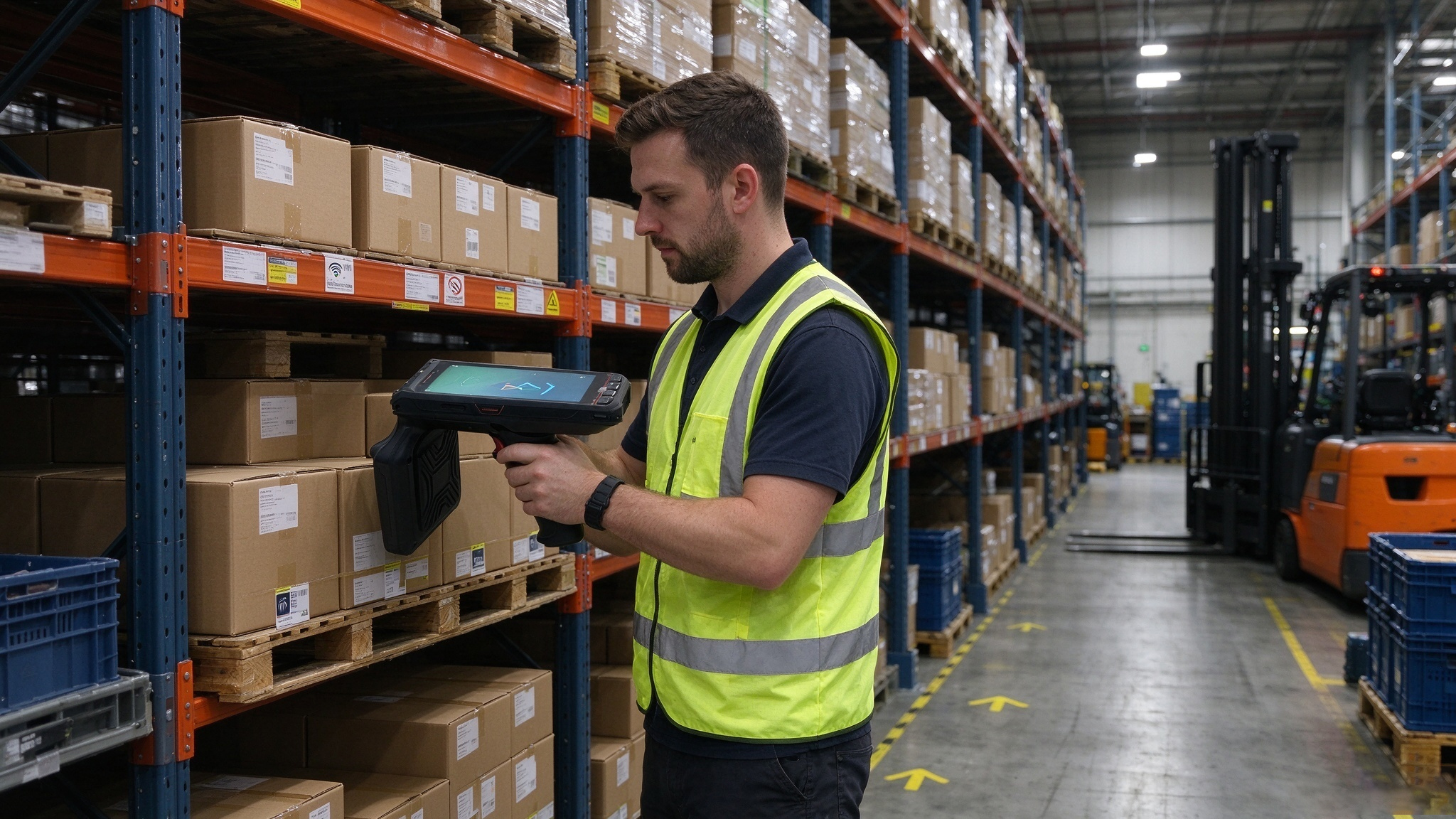
RFID’s effect on inventory accuracy has been examined in retail field studies, rather than only in laboratory demonstrations. The findings are useful because they show both the potential benefit and the importance of implementation details.
A study published in Production and Operations Management examined RFID-enabled inventory visibility in two field experiments. In the first, researchers studied 13 stores over 23 weeks: eight treatment stores used an RFID-enabled inventory adjustment approach, while five served as controls. The reported reduction in inventory record inaccuracy was approximately 26%.
The second experiment covered 62 stores and five product categories. Results differed by category, ranging from no statistically significant improvement in some cases to an improvement of 81% in another. That variation matters: it suggests that RFID’s effect cannot be reduced to one universal percentage for every product, store, or inventory process.
For businesses evaluating RFID, these studies support a more useful question than “How accurate is RFID?” Ask instead: How much can our inventory discrepancies be reduced when RFID readings are integrated into the way our team actually manages stock?
That question directs attention toward the conditions that determine results:
One detail is easy to overlook: a system may become better at detecting discrepancies before its headline accuracy figure improves. More complete RFID reads can expose problems that manual counts previously missed. During the early stages, the number of recorded exceptions may rise because the business is seeing more of its existing errors—not necessarily because the process has become worse.
That is a reason to establish a baseline before rollout and track both the number of discrepancies found and the time required to resolve them.
A tag alone cannot correct a stock record. Reliable results require suitable tags, compatible readers, a properly configured radio environment, and software that understands what each read means.
Passive UHF RFID is commonly used for warehouse and retail inventory because tags do not require their own batteries and readers can identify multiple tags within a suitable reading zone. However, read performance changes with tag design, mounting surface, orientation, surrounding materials, reader power, antenna placement, and the density of nearby tagged items.
Metal shelves, liquid-filled products, closely packed cartons, and overlapping read zones can all affect performance. A configuration that works well for clothing in an open area may need different tags or antenna placement for metal tools, liquid containers, or tightly stacked cases.
The software layer is just as important. If a reader detects an item’s tag, the application must determine whether the observation represents a meaningful event. For example, a tag seen near a dispatch portal should not automatically be treated as a completed shipment unless the workflow confirms the correct direction, order, and business conditions.
For Cykeo RFID projects, the appropriate reader and tag configuration should be selected against the actual application, operating environment, required read area, and host-system interface. A technical test with representative tagged products is more useful than choosing equipment based on maximum read distance alone.
Before deploying RFID for inventory accuracy, record a baseline using a clearly defined method. Useful measures include:
| Metric | What to record |
|---|---|
| Inventory record accuracy | Percentage of checked records matching the defined physical-stock criteria |
| Quantity variance | Difference between recorded and counted quantities |
| Location accuracy | Percentage of checked items found in their expected locations |
| Count labor | Staff time required to count and reconcile a defined set of stock |
| Exception resolution time | Time from identifying a discrepancy to confirming its cause and action |
| Tag read performance | Percentage of expected tagged items detected under the test conditions |
Define the denominator and counting rules consistently. For example, a business should decide in advance whether inventory accuracy means exact quantity agreement per SKU-location record, agreement within a tolerance, or another explicitly defined measure. Otherwise, before-and-after results may not be comparable.
RFID delivers meaningful inventory improvements when the deployment is designed around real stock movements, not simply around installing readers. Before choosing equipment, identify where inventory discrepancies occur, which products must be tracked, and what evidence the system needs to capture at each stage.
A practical rollout can begin with one storage zone, one product category, or one receiving workflow. This gives the team an opportunity to test read performance and software behavior without changing the entire warehouse at once.
Start by examining recent stock discrepancies. Are items missing from their recorded locations? Are receiving quantities frequently incorrect? Does the warehouse discover phantom inventory during picking? Or does the annual stocktake consume too many labor hours?
Each problem calls for a slightly different RFID design.
The goal is not to place readers everywhere. It is to collect reliable data at the points where the information can prevent or resolve a known problem.
Tag selection should reflect the material, size, shape, and environment of the item being tracked. A label-style UHF tag may work well on a cardboard carton, while a product containing metal or liquid may require a different tag design and placement.
Check compatibility between the tag’s frequency and protocol and the reader. For many item-level inventory applications, passive UHF systems use standards such as EPC Class 1 Gen 2 / ISO/IEC 18000-63. Confirm the applicable regional frequency requirements and the specifications of the equipment before purchasing.
During a pilot, test representative items rather than a single ideal sample. Include tightly packed cartons, products at the back of shelves, different tag orientations, and any packaging that could affect radio performance.
This is where many deployments need more attention. A reader reports tag observations; the application must decide what those observations mean.
For example, when a shipment arrives, the system may need to:
A tag detected near a doorway should not automatically mean that a shipment has left the building. It may be on a nearby shelf, inside a staging area, or moving in the opposite direction. Read zones, antenna placement, timing, and software rules must work together to distinguish these cases.
Before using RFID counts to update stock records automatically, compare the system’s results with a carefully conducted physical count.
For each test location, record the expected quantity, the number of unique tag IDs detected, any unread tags, and discrepancies found during manual verification. Repeat the test under realistic working conditions, including normal stock density and employee movement.
If a product is repeatedly missed, investigate the tag and read environment before concluding that the item is absent. If unexpected tags are detected, check whether they belong to nearby inventory outside the intended zone.
The pilot should also test what happens when the reader loses connectivity, a transaction is interrupted, or the same item is observed more than once. Good inventory software should handle these conditions predictably instead of creating duplicate movements or silently overwriting records.
RFID and barcode scanning both support inventory control, but they collect item information in different ways. RFID is often useful when teams need to identify many tagged products quickly. Barcodes remain a practical choice where products are scanned individually, tags are not available, or the existing workflow already meets accuracy and speed requirements.
| Comparison | RFID inventory tracking | Barcode inventory tracking |
|---|---|---|
| Item identification | Radio communication with compatible tags | Optical scanning of printed codes |
| Line of sight | Not normally required, though radio conditions affect reads | Scanner generally needs to see the barcode |
| Multiple items | Can identify multiple tags within a suitable read zone | Typically scanned one code at a time |
| Read reliability | Depends on tag design, placement, environment, and reader setup | Depends on barcode quality, visibility, and scanner performance |
| Typical use | Bulk counting, selected portals, item movement visibility | Checkout, individual picking, receiving, and low-volume counting |
| Implementation considerations | Tag costs, reader infrastructure, integration, read-zone testing | Barcode printing, scanners, labeling, and workflow integration |
RFID is not automatically the better choice for every inventory operation. A small storeroom with a manageable number of items may achieve excellent results using barcodes and disciplined procedures. A large retail operation with frequent stock movement may benefit more from RFID-assisted counts.
The decision should account for the cost of inaccurate inventory as well as the cost of equipment. If staff spend substantial time locating missing products or repeatedly counting the same shelves, the value of faster identification may be significant.
A useful RFID business case compares the current process with a defined pilot. Avoid relying only on reader specifications or vendor estimates of reading speed. The business benefit depends on what changes after deployment.
Track these areas:
A simple calculation can help frame the decision:
To calculate payback, divide the initial implementation cost by the expected net benefit per year, provided the annual net benefit is positive. Use measured pilot data where possible, and avoid counting the same benefit twice. For instance, labor saved during cycle counting should not also be counted as a separate saving under reconciliation if the two figures represent the same staff hours.
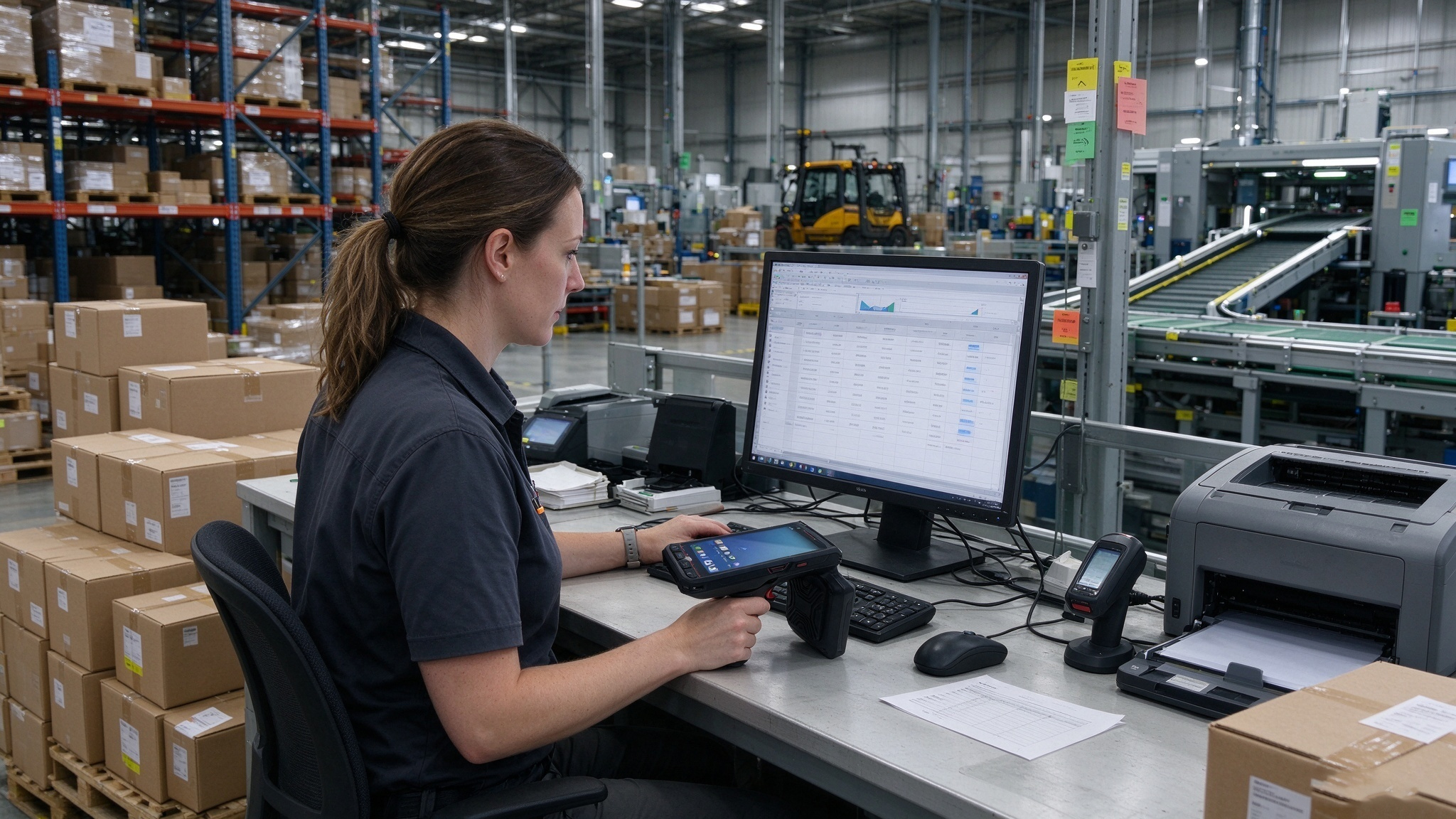
Even a capable RFID system can produce disappointing results if the workflow is poorly designed. These issues deserve attention during testing.
Assuming every missed read means missing stock. A tag may be shielded or poorly oriented. Verify the item and the read conditions before changing its inventory status.
Treating every read as a completed transaction. Detecting a tag near a portal does not by itself prove that the item was received or shipped. Use location, direction, timing, order data, and transaction rules as appropriate.
Testing only easy-to-read products. Include difficult packaging, metal surfaces, liquids, dense shelving, and realistic tag positions in the pilot.
Automating corrections before validating the data. Begin with comparison reports and supervised adjustments. Introduce automated inventory updates only after the rules have been tested and exceptions are understood.
Ignoring untagged inventory. RFID can only identify items that carry compatible, readable tags. Businesses need a process for untagged goods, damaged tags, and products whose identifiers cannot be read reliably.
There is no single percentage that applies to every business. A published retail field experiment reported an approximately 26% reduction in inventory record inaccuracy across 13 stores over 23 weeks. A second experiment involving 62 stores found that results varied by product category, from no statistically significant improvement to 81%. These are study-specific findings, not guaranteed outcomes.
No. RFID can reduce the effort needed to identify tagged items and support more frequent cycle counts, but physical verification remains important when tags are missed, records conflict, or items are damaged or misplaced. A well-designed RFID process makes counting more efficient rather than making verification unnecessary.
RFID can provide near-real-time observations when readers are installed and configured to capture relevant events. Actual visibility depends on reader coverage, tag readability, network connectivity, software processing, and how frequently the system updates records. A handheld reader used periodically for cycle counts does not provide continuous real-time tracking by itself.
UHF RFID is commonly used for warehouse inventory because it can identify multiple compatible passive tags within a suitable reading zone. Its performance depends on the tag, product materials, mounting position, reader and antenna configuration, and surrounding radio environment. Testing with representative products is essential before full deployment.
Neither technology guarantees accurate inventory records on its own. RFID can make bulk identification and frequent counts easier, while barcodes provide a reliable option for many item-by-item workflows. Accuracy depends on the collection method, process discipline, data integration, and how discrepancies are handled.
Choose a clearly defined inventory problem and establish a baseline. Measure the current discrepancy rate, counting labor, and time needed to resolve errors. Then test compatible tags and readers on representative products, compare the results against a verified physical count, and expand only when the pilot demonstrates a measurable benefit.
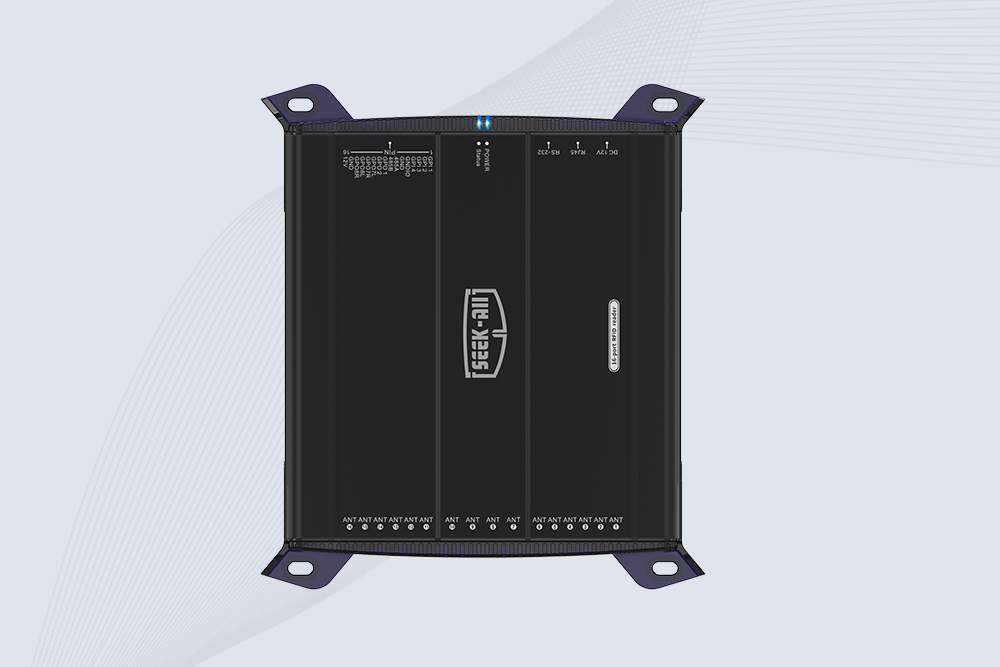
SSD-R16L Multi-Channel RFID Infrastructure for Automated Inventory Management ✔️ 16-Port High-Density RFID Reading Equipped with 16 SMA antenna ports, SSD-R16L supports multi-antenna deployment for warehouses, retail stores, logistics, production lines, and large-area RFID identification. ✔️ High-Speed & Long-Range Performance With up to 33…
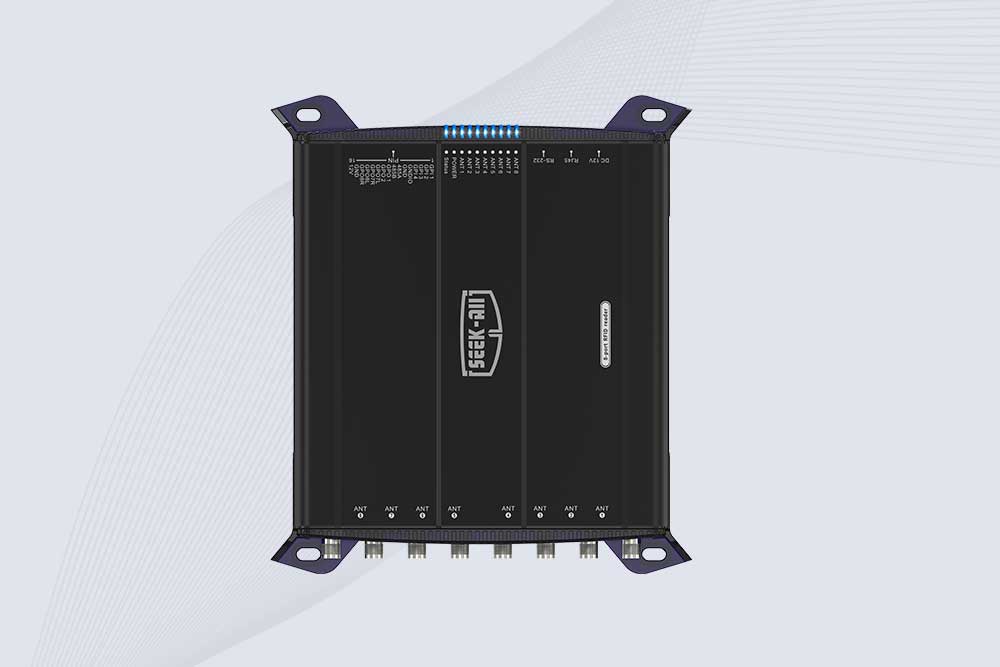
SSD-R8L 8-port UHF RFID reader with 33dBm output, up to 20m reading range and 600+ tags/s recognition. Ideal for warehouse, logistics, retail and asset tracking.
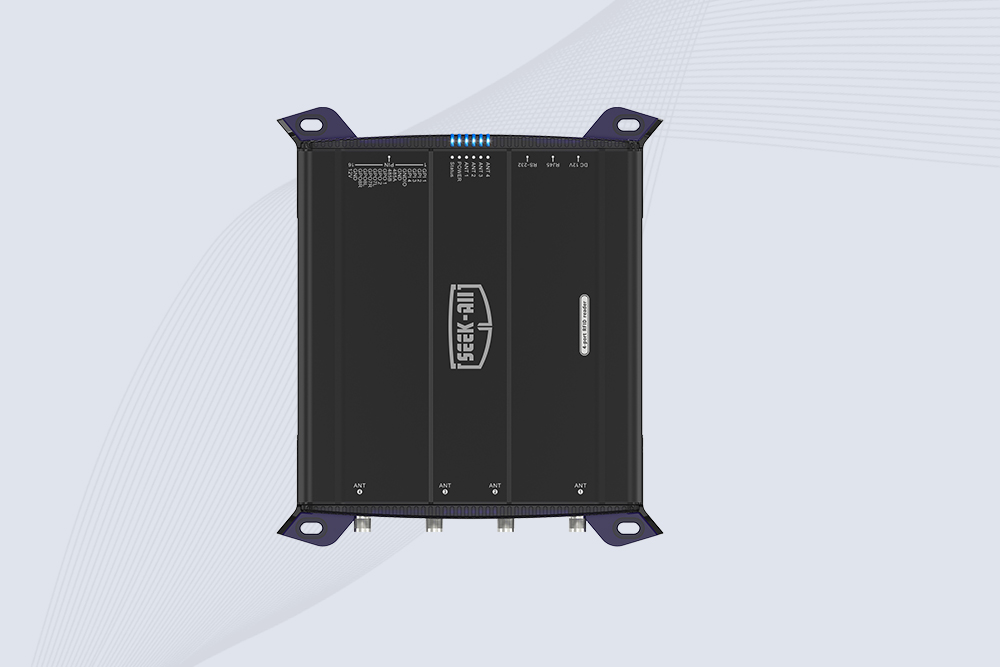
SSD-R4L is a 4-port UHF RFID fixed reader with 33dBm output power, up to 20m reading range, EPC C1G2 support and 600+ tags/s reading speed.
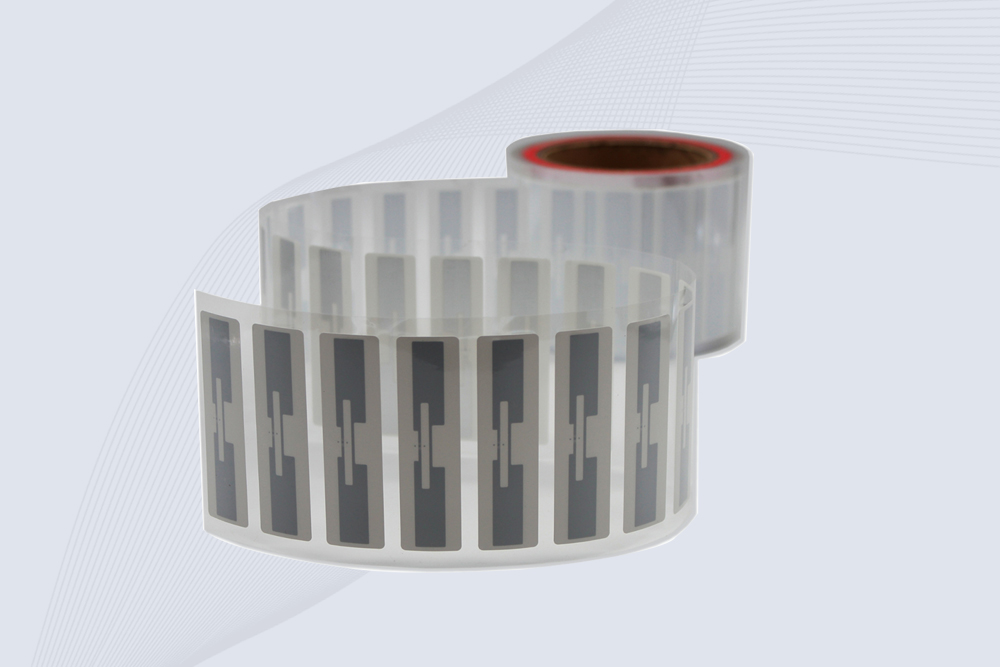
CYKEO Passive RFID Tags are made for wet and high-humidity environments where standard labels do not last. This rfid passive tag is often used around liquids, chemicals and temperature changes, providing stable reading distance and long data life for industrial tracking.
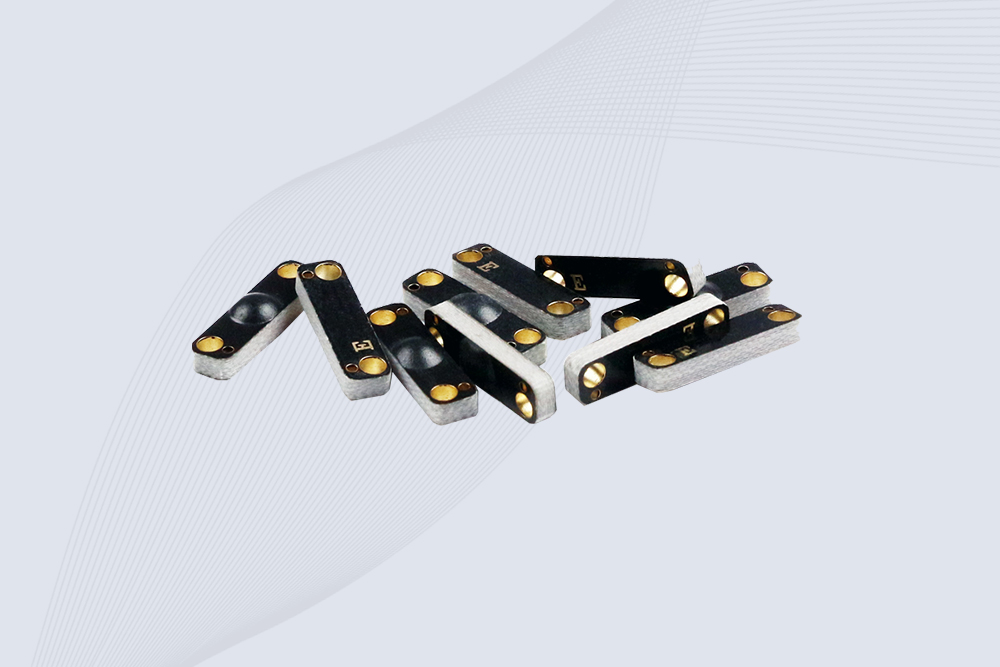
CYKEO CYKEO-PCB1504 Metal RFID Tags is a compact anti-metal UHF RFID solution built for direct mounting on metal surfaces. With stable 8-meter read range, Ucode-8 chip, and long data retention, this rfid metal tag fits tools, containers, automotive parts, and industrial asset tracking.
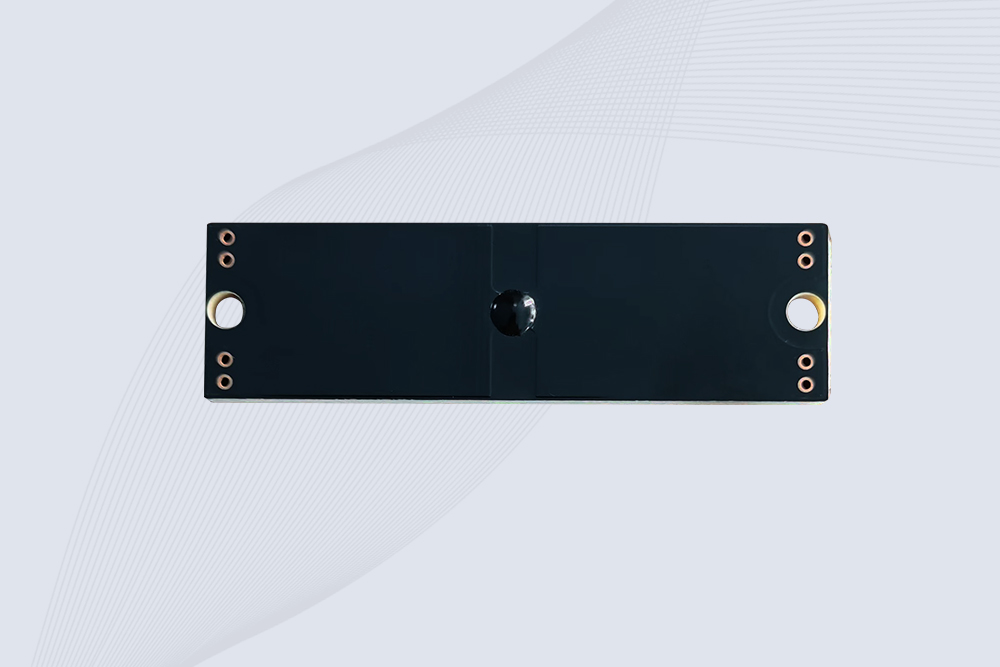
CYKEO CYKEO-PCB7020 On-Metal RFID Tags are designed for reliable tracking on steel and metal surfaces. Built with an FR4 epoxy body and industrial-grade chips, these On-Metal RFID Tags deliver stable performance, long data life, and chemical resistance, making them a dependable RFID anti-metal tag for harsh environments.
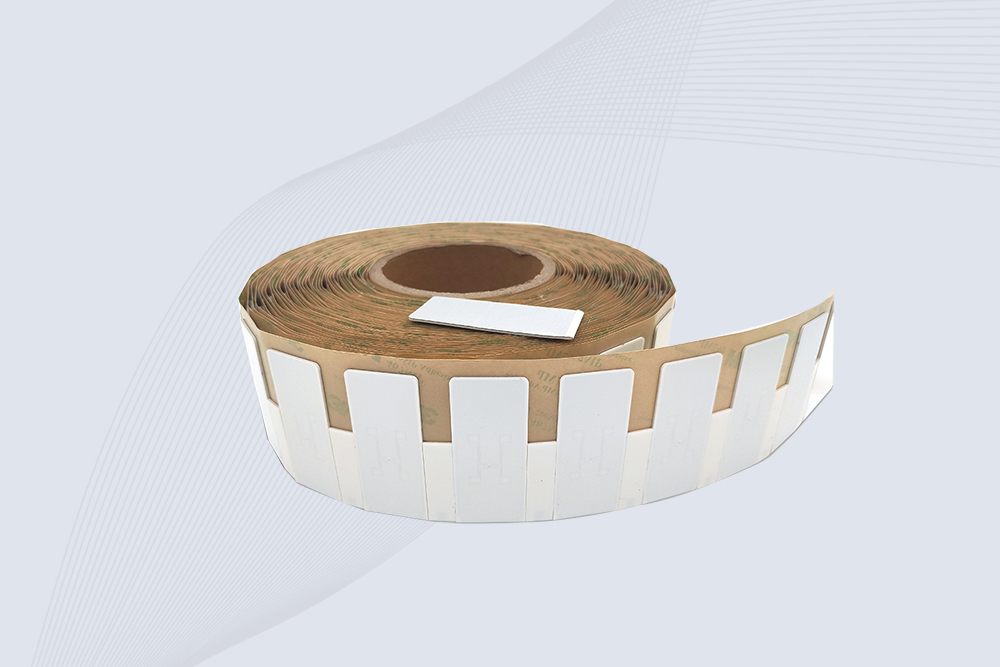
The CYKEO CYKEO-60-25 Anti-Metal RFID Tag is built for metal surfaces where standard tags fail. Designed for long-range performance, harsh environments, and stable data retention, this Anti-Metal RFID Tag is ideal for industrial assets, containers, and equipment tracking using on metal RFID tags.
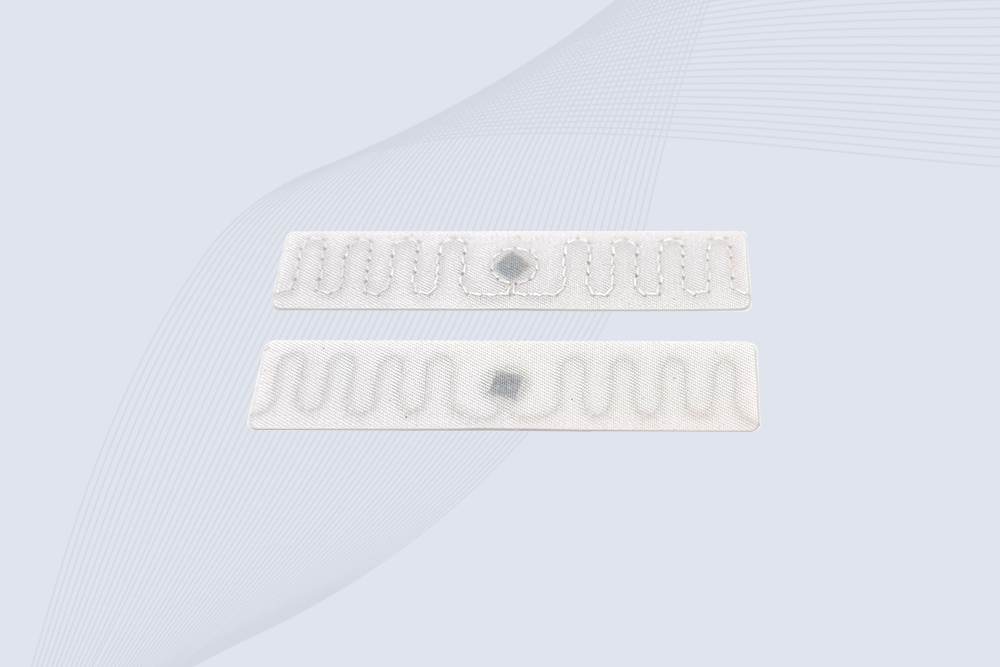
The CYKEO RFID Laundry Tag is designed for long-term textile identification in harsh laundry environments. Built to withstand high heat, chemicals, and repeated washing, this RFID Laundry Tag delivers stable performance for hotels, hospitals, and industrial laundry operations using laundry rfid tags at scale.
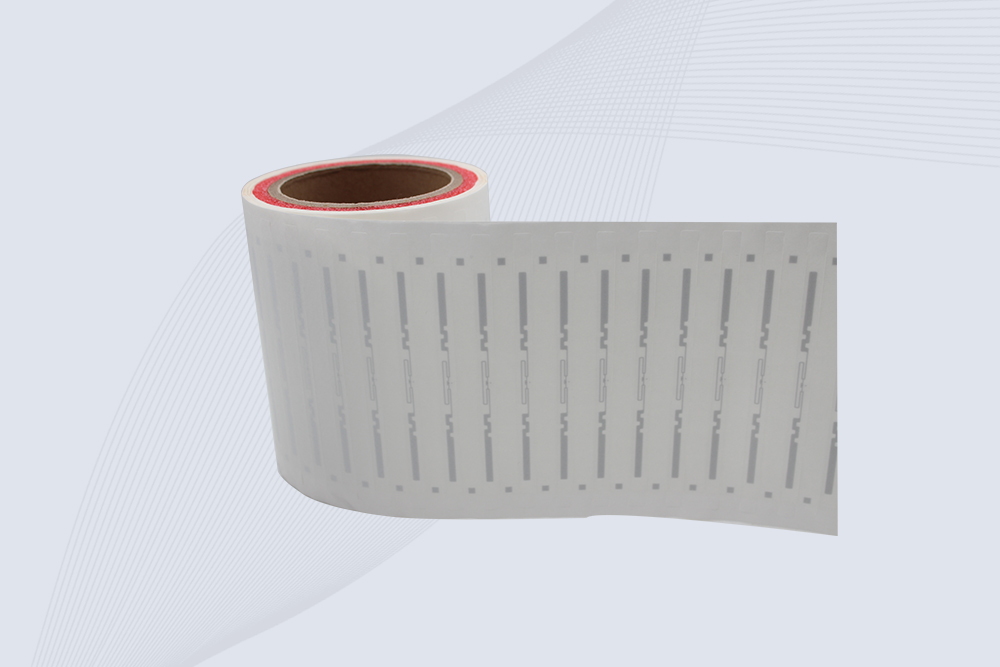
The CYKEO CYKEO-125-7 RFID Book Tag is designed for reliable book and document tracking in libraries and archives. This RFID Book Tag delivers long read range, dense placement support, and stable performance on shelves, making it a practical rfid tag on books for library automation, file management, and archival systems.
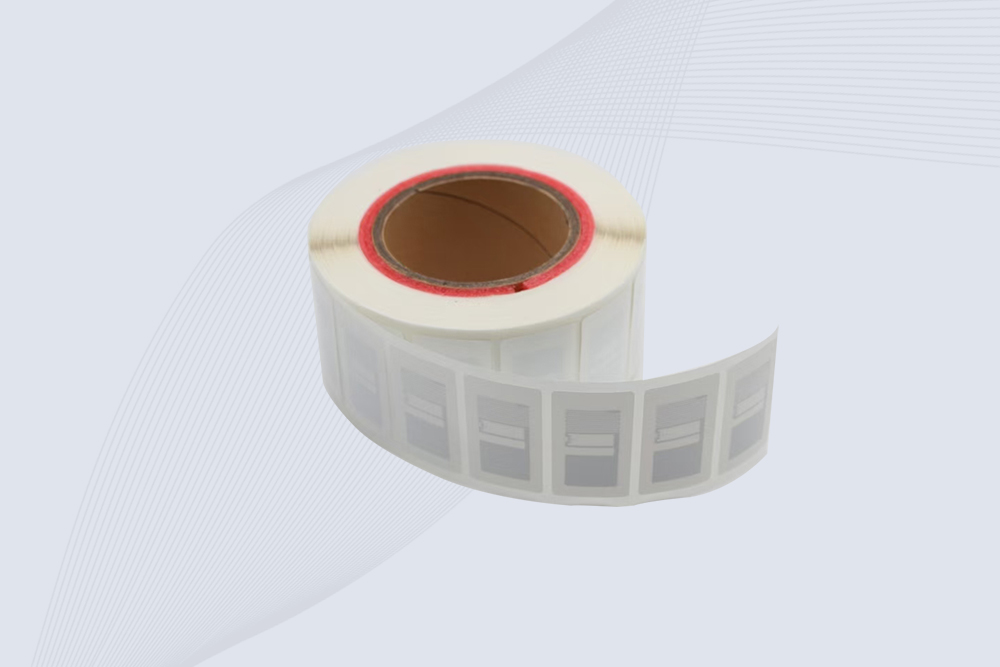
CYKEO RFID tags in hospitals are designed for sterile environments where accuracy matters. These autoclavable RFID tags support long-term tracking of surgical tools, implants, and medications, helping hospitals improve visibility, compliance, and patient safety.

CYKEO RFID Cable Tie Tag is built for reliable identification on metal surfaces. This UHF RFID Cable Tie Tag is widely used in rfid tags for inventory systems, industrial asset management and Hospital RFID Tags, offering stable read performance, long service life and global EPC Gen2 compatibility.
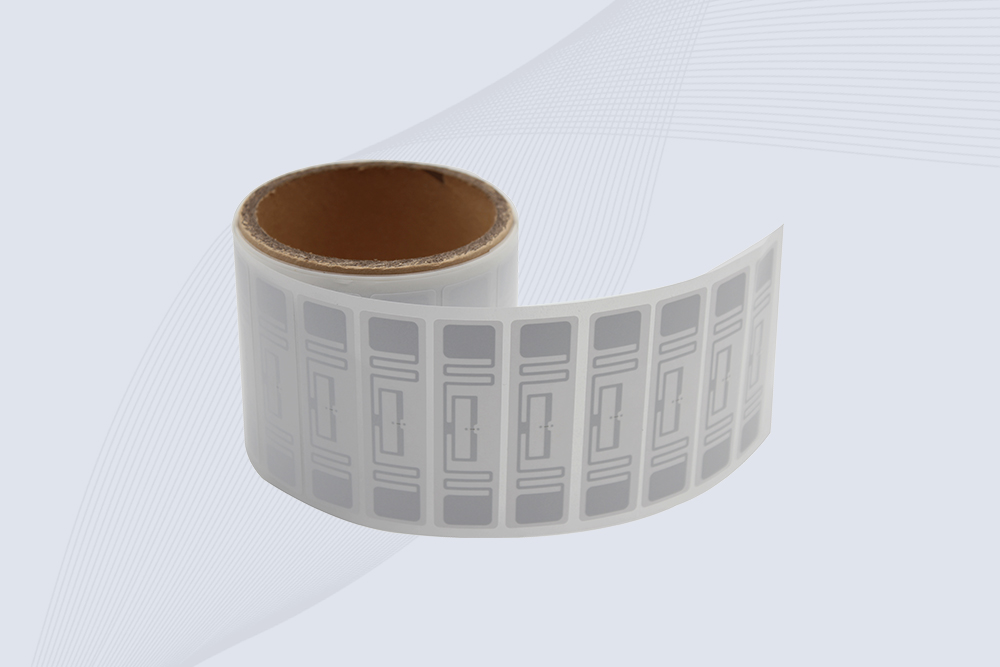
CYKEO RFID Asset Tag is designed for stable identification of metal assets in industrial environments. This UHF RFID Asset Tag is commonly used for rfid tag asset tracking on equipment, tools and containers, providing reliable reads, long service life and ISO/IEC 18000-6C support.

CYKEO UHF RFID Card is designed for fast identification and long-term use in industrial and commercial systems. Supporting ISO 18000-6C, this UHF RFID Card works at 860–960 MHz and is suitable for custom RFID cards used in asset tracking, access control and inventory management.

CYKEO HF RFID Cards are designed for secure and stable access control systems. These 13.56 MHz RFID key cards support ISO 14443-A, reliable rewriting and long service life, making HF RFID Cards suitable for offices, campuses, events and membership management.
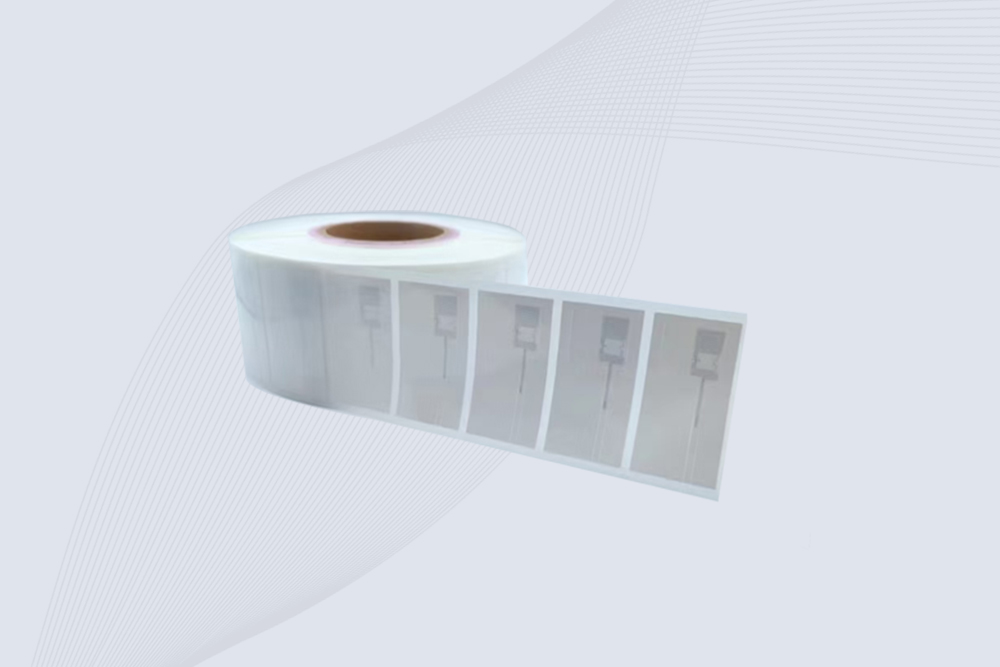
CYKEO UHF RFID Tag is designed for reliable tracking of metal jewelry and high-value items. This Jewelry RFID Tag supports long-range reading up to 8 meters, anti-counterfeit protection and stable performance on metal, making it suitable for retail, inventory control and asset management.
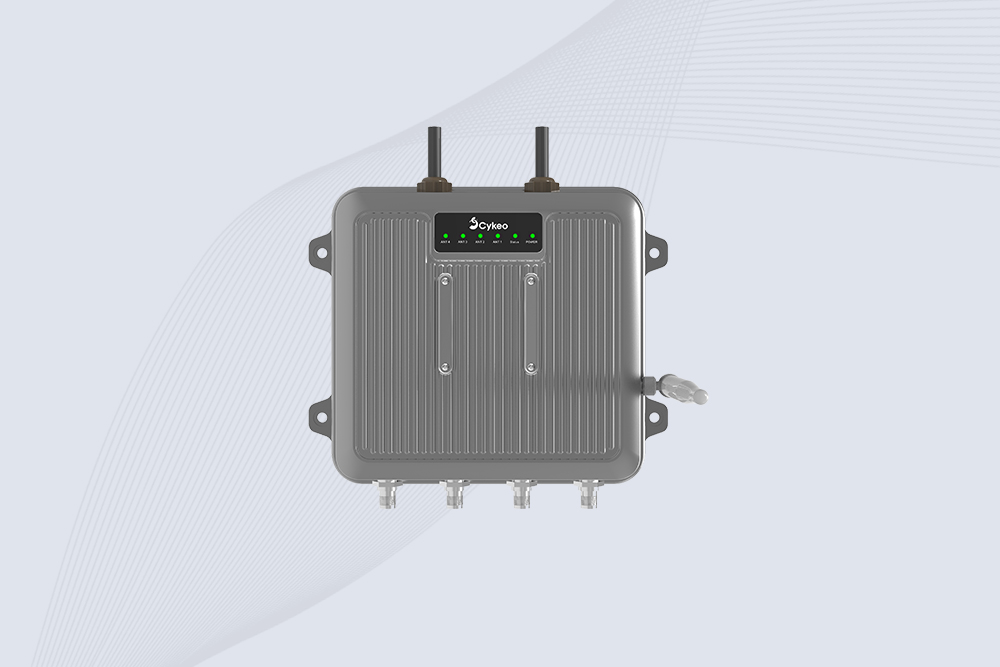
Cykeo CYKEO-C1 industrial Forklift RFID Reader features 20m read range, 600 tags/sec scanning, Impinj R2000 chipset, and IP67 rugged design. Ideal for warehouse logistics and manufacturing. Supports ISO 18000-6C/6B protocols.
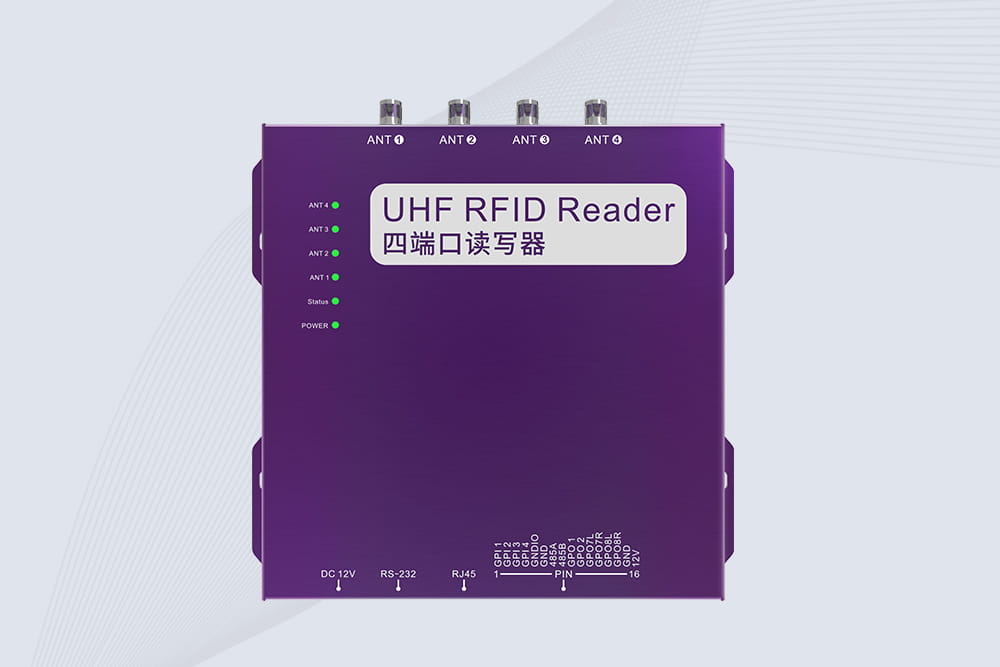
Cykeo CYKEO-R4 industrial UHF RFID Fixed Reader features 4 TNC ports, 400+ tags/sec speed, IP67 housing, and global frequency compliance for vehicle inspection, smart warehouse, and asset management systems.
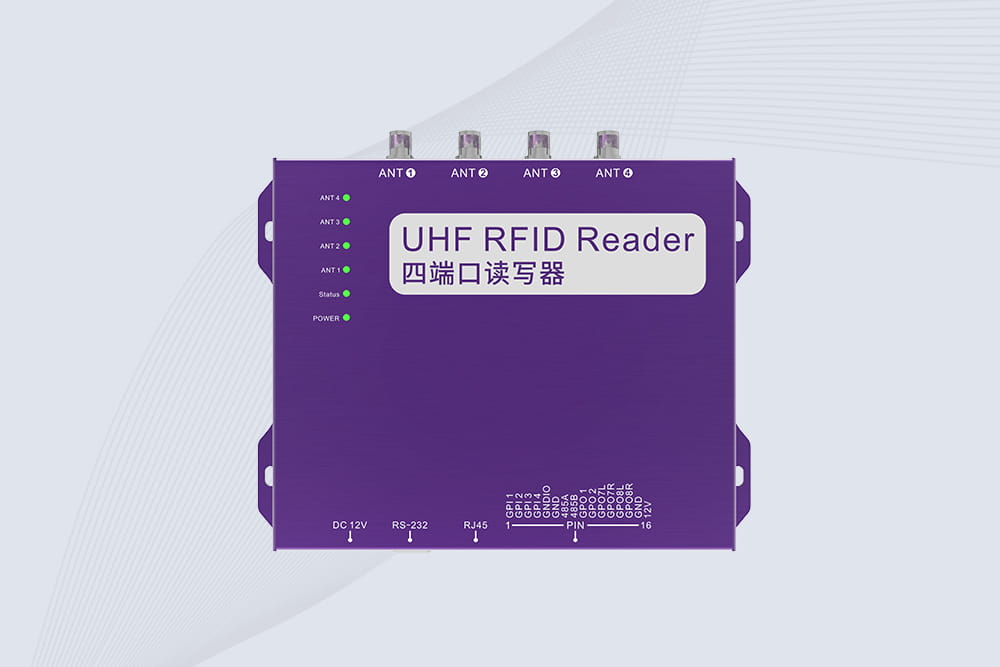
Cykeo’s CYKEO-R4L 4-port Fixed UHF RFID Reader delivers 400 tags/sec scanning, ISO 18000-6C compliance, and IP65 protection. Ideal for warehouse automation, manufacturing WIP tracking, and logistics management.
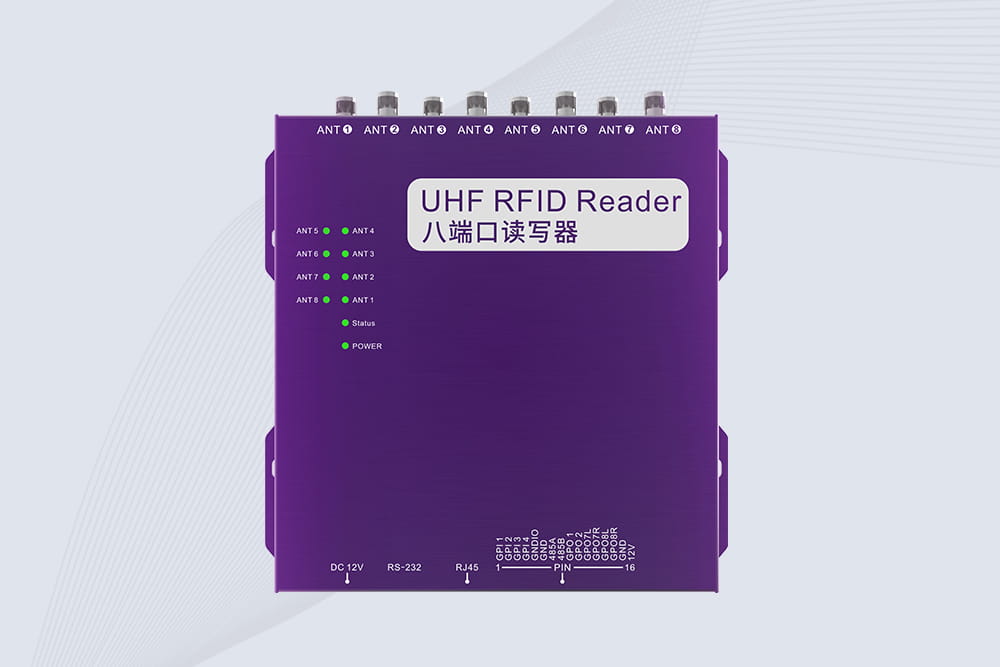
CYKEO CYKEO-R8L Fixed RFID Reader with 8-port UHF design, Impinj-based RF core and up to 20m read range. An industrial Fixed RFID Reader for vehicle inspection, warehouse portals, smart manufacturing lines and secure access checkpoints.
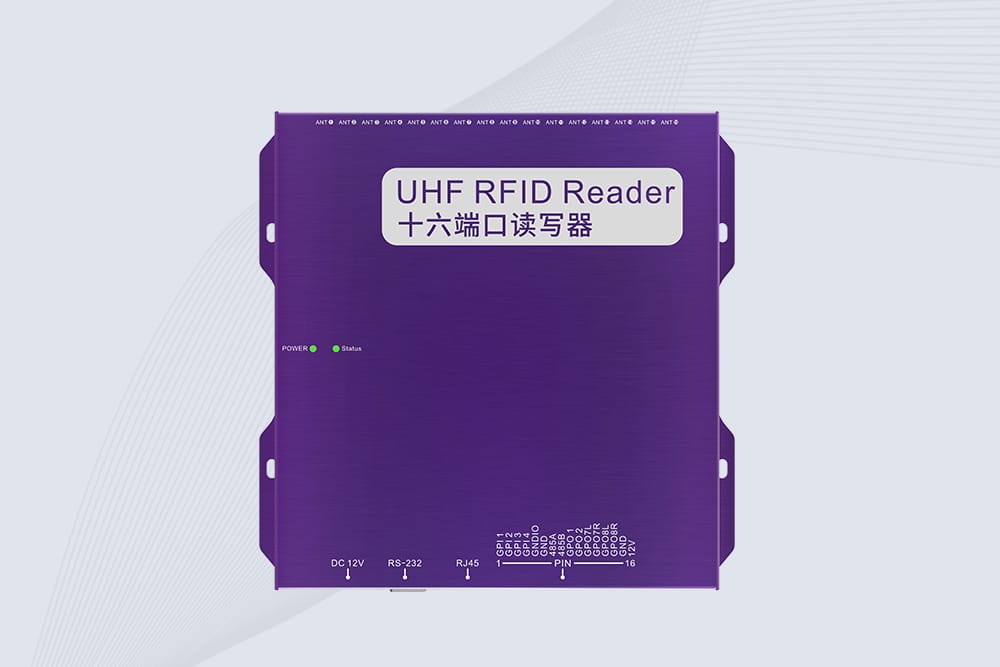
RFID Fixed Reader from CYKEO – the CYKEO-R16L 16-port UHF fixed reader for warehouses, smart cabinets, and production lines. Long-range, multi-tag reading, stable performance for 24/7 industrial use.

Compare handheld and fixed RFID readers for retail. Learn pros, cons, and ideal use cases with Cykeo’s solutions to boost inventory accuracy and theft prevention.
More
RFID readers use RF energy and backscatter communication to identify multiple tags and convert their responses into digital inventory
More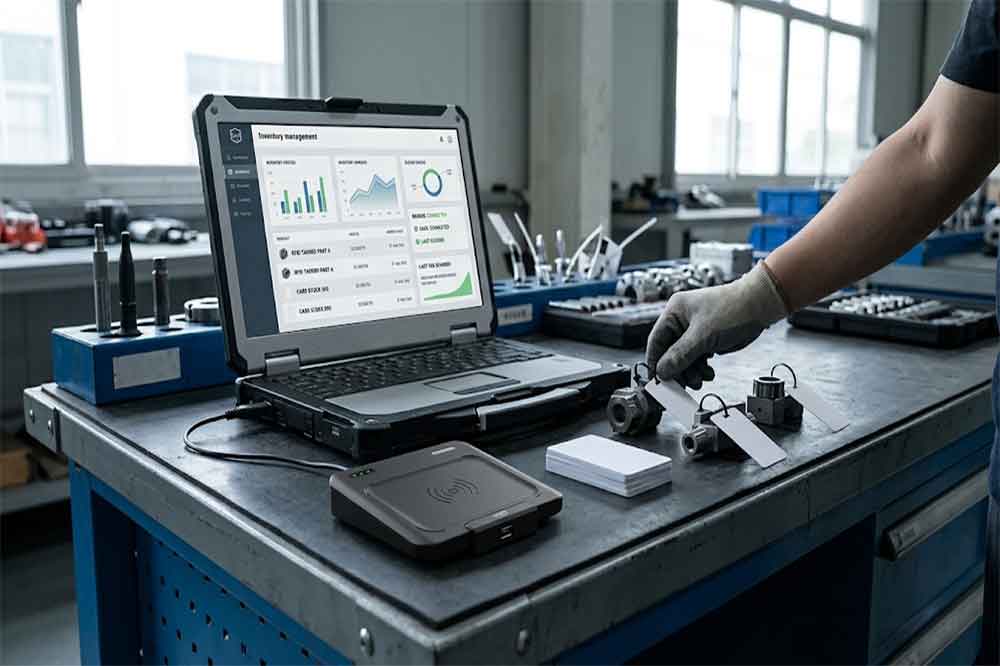
USB RFID reader integration connects tag identification with inventory, ERP, production, and asset management software. This article explains HID keyboard em...
More
Discover why low-power RFID modules are critical for IoT devices and learn how to select the right one for battery life, efficiency, and seamless integration.
More