 Cykeo RFID IoT Solution Products R&D Manufacturer

how to set up rfid card
51UHF RFID cards are set up by matching the card and reader, configuring regional frequency parameters, writing supported EPC or user data, and verifying the r...
MoreAll RFID Product
RFID tool cabinet does more than identify tools when they enter or leave a storage area. Every tool transaction can create useful information about tool usage, inventory, users, locations, and exceptions.
When several RFID tool cabinets are connected, the amount of data can increase quickly. Without a practical reporting system, managers may have many records but still struggle to understand what is happening.
RFID tool cabinet reporting and analytics can turn these records into information that is easier to review and use for daily tool management.
Traditional tool storage usually provides limited information.
A manager may know that a tool is supposed to be in a cabinet, but not necessarily know:
An RFID system can record these events automatically when tools are identified during checkout, return, inventory, or other configured operations.
The purpose of reporting is not simply to collect more data.
The useful part is turning that data into a clearer picture of daily tool operations.
The exact information depends on the hardware and software configuration, but a tool management system may record information such as:
Tool information
Transaction information
Location information
Inventory information
This information can become the foundation of RFID tool inventory management and tool usage reporting.
One of the most useful reports is a checkout and return history.
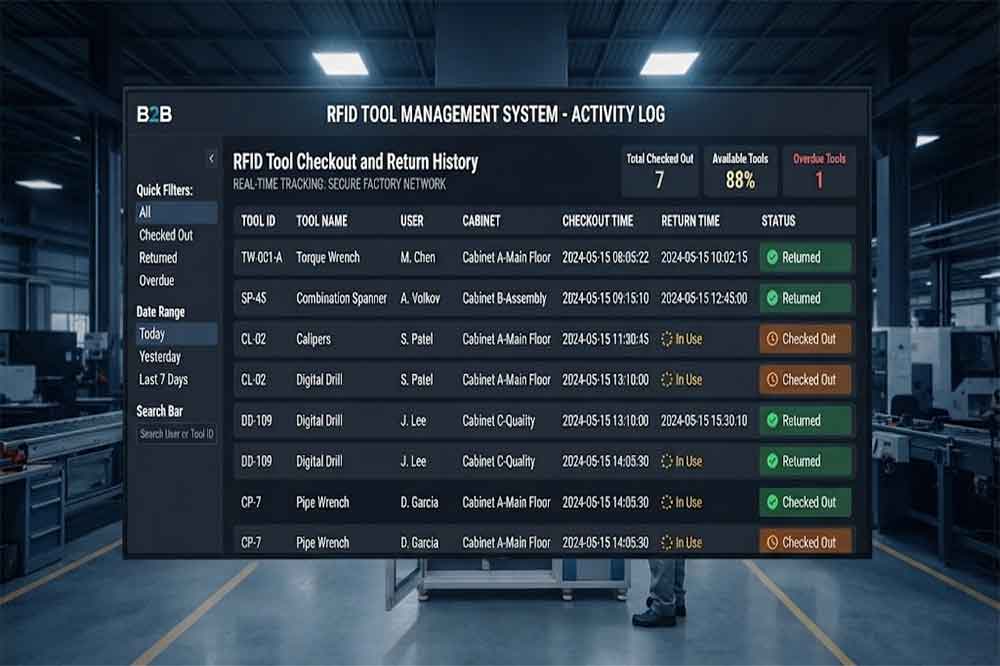
A manager may want to know how many tools were checked out during a specific shift or which tools are currently outside the cabinet.
For example:
| Tool | User | Cabinet | Checkout | Return |
|---|---|---|---|---|
| Tool 018 | User A | Cabinet 02 | 08:35 | 11:42 |
| Tool 026 | User B | Cabinet 02 | 09:10 | 13:25 |
| Tool 041 | User C | Cabinet 03 | 10:18 | — |
The missing return time may indicate that the tool is still checked out, depending on the configured workflow.
These records can also support an RFID tool checkout system by providing a history of tool transactions rather than relying on handwritten records.
Not every tool is used at the same frequency.
Some tools may be checked out several times every day, while specialized equipment may remain inside the cabinet for weeks.
Usage reports can help identify these differences.
For example:
This information may help managers review cabinet layouts or storage locations.
A frequently used tool may be better positioned for quick access, while rarely used equipment may not need the same storage priority.
The report does not automatically determine the correct decision. It provides operational information that managers can evaluate alongside their actual workflow.
A tool that remains checked out for a long period may need attention.
This does not necessarily mean that the tool is missing.
A technician may legitimately need the tool for several hours or even several days.
However, a long checkout record can become an exception for review.
For example:
Normal transaction:
Tool checked out at 09:00 and returned at 10:15.
Long transaction:
Tool checked out at 09:00 and still outside the cabinet at 18:00.
The system can flag the second transaction according to a configured threshold.
Managers can then check whether the tool is:
This approach is more practical than treating every long checkout as a problem.
Inventory reports can also identify differences between expected and detected tools.
For example, a cabinet may be expected to contain 50 tools but detect only 48 during an inventory check.
The system can highlight the two tools that were not detected.
An unexpected tool can also be identified if a tool appears in a cabinet where it was not expected.
This can be useful in factories where tools frequently move between departments.
Instead of reviewing every tool manually, managers can focus on the exceptions first.
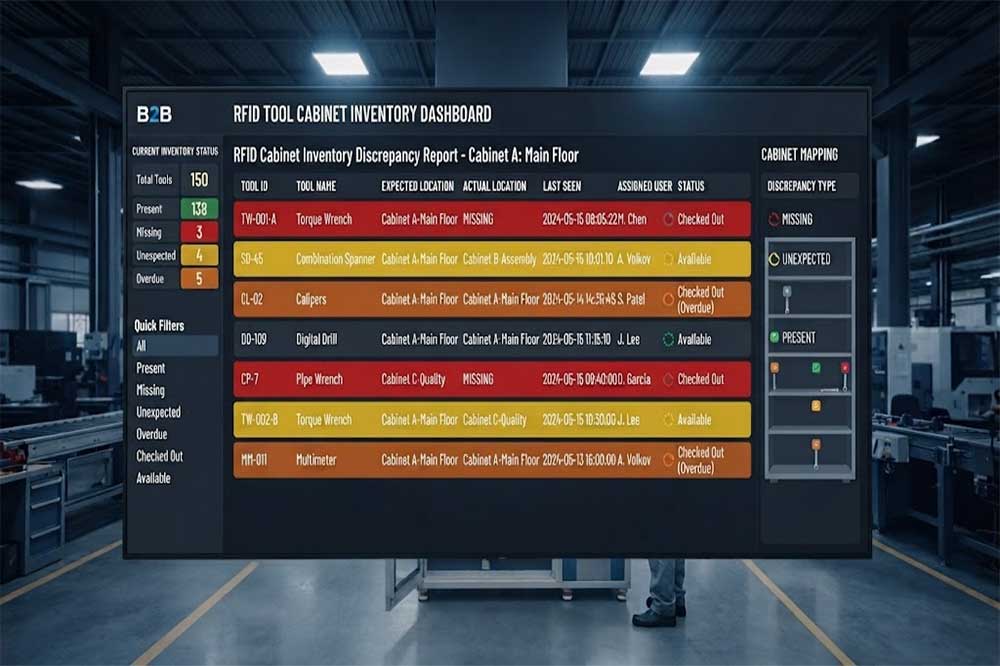
For organizations using several RFID tool cabinets, location reporting becomes increasingly important.
A location report may show:
Tool 018
This does not necessarily mean the tool is physically in the location shown at every moment.
It represents the latest available system record.
That distinction matters.
RFID tool tracking depends on where RFID readers are installed and where the tool is detected. If a tool is moved into an area without RFID coverage, the system may not immediately know its new physical location.
This is why RFID deployment planning and cabinet placement are important.
RFID tool cabinets can also generate reports based on users.
A report may show:
This information can help administrators understand how the tool management system is being used.
For restricted cabinets, user activity records can also support access-control reviews.
For example, managers may review whether users still require access to a particular cabinet after changing departments or job responsibilities.
The goal is not to monitor employees unnecessarily. The useful purpose is to maintain appropriate access, accountability, and tool records.
Different departments may have different tool requirements.
A maintenance department may generate many transactions involving repair tools, while an engineering department may have fewer transactions but more specialized equipment.
Department-level reports can organize tool activity by:
This becomes particularly useful in multi-location deployments.
Instead of viewing hundreds of transactions in one large list, managers can filter the information by department or cabinet.
For organizations using multiple locations, the previous article on RFID tool cabinet for multi-location tool management provides additional information about connecting cabinets across different areas.
The cabinet itself can also become part of the analysis.
Managers may want to know:
For example, if one production-area cabinet handles significantly more transactions than another, the company may review its layout, tool capacity, or user workflow.
Again, the report provides evidence for discussion rather than automatically deciding what the factory should change.
Tool usage data can also support future planning.
Suppose a particular tool is checked out repeatedly every day. The company may investigate whether:
Similarly, tools that are rarely accessed may be reviewed for storage optimization.
This is especially useful when organizations manage hundreds or thousands of tools across several locations.
Reports are useful for historical analysis, while alerts can support immediate action.
Depending on system capabilities, possible exceptions include:
A simple alert structure can help employees focus on unusual events instead of continuously reviewing normal transactions.
However, too many alerts can become another problem.
Alert rules should therefore be based on actual operational requirements.
Maintenance departments can benefit from tool reports because technicians often work under time pressure.
Managers may want to know whether a required tool is currently available, checked out, or located in another maintenance area.
Reports can also be connected with maintenance workflows when the RFID system integrates with a CMMS.
For example:
Work Order → Technician → Required Tool → Checkout → Return
This creates a connection between tool usage and maintenance activity.
For larger projects, RFID tool cabinet software integration should be planned so that tool records can communicate with existing systems.
High-value tools may require more detailed transaction records.
A report can show:
This can support accountability when expensive or specialized equipment is involved.
For more information about this use case, the article RFID tool cabinet for high-value tools can be linked naturally from this section.
When multiple cabinets are connected, centralized reporting becomes more useful.
Instead of checking Cabinet A, Cabinet B, and Cabinet C separately, managers can potentially filter information by:
For example, a manager could search for all checked-out tools across the maintenance department.
This can provide a broader view than cabinet-level records alone.
The system should still clearly identify where each record came from so that users can trace the information back to the correct cabinet.
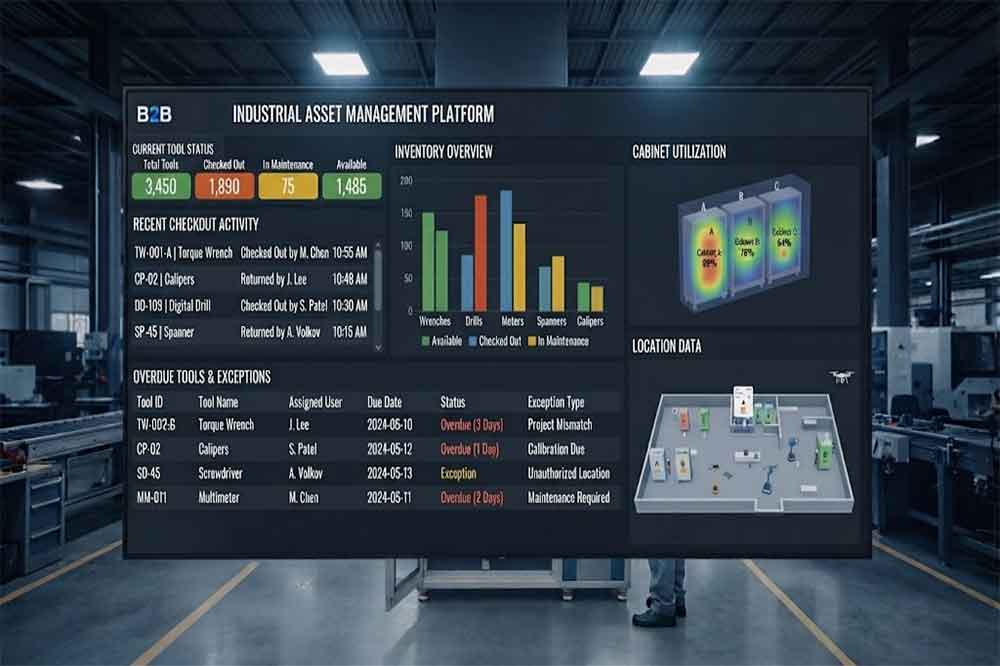
A dashboard does not need to display every available data field.
A practical dashboard may focus on information that managers actually use.
For example:
The interface should make important information easy to find without forcing users to read hundreds of individual records.
A report is only useful when the underlying data is reliable.
Several factors can affect RFID tool data:
For example, if a tag is not detected correctly, the resulting inventory report may not accurately represent the physical tool status.
This is why RFID performance testing should be completed with the actual tools and cabinet configuration before relying heavily on automated reports.
A practical implementation can follow several steps.
Start by identifying what managers actually need to know.
Examples:
Determine which fields need to be recorded.
Link RFID identification with checkout, return, inventory, and access events.
Allow users to filter by tool, user, location, department, and time.
Set practical thresholds for overdue tools and other unusual events.
Run normal and unusual workflows before full deployment.
Ask managers and technicians whether the reports actually answer their daily questions.
This last step is easy to overlook. A technically complete dashboard may still be inconvenient if it does not match the way the factory operates.
More data does not automatically mean better management.
If every event generates an alert, important exceptions can become difficult to notice.
A tool status without cabinet or department information may be difficult to interpret.
Incorrect RFID detection can affect inventory and transaction reports.
Reports should be connected to actual management tasks.
Some tool investigations require transaction history rather than only the current status.
A good reporting system should balance detail with usability.
RFID tool cabinet reporting and analytics can turn routine RFID events into useful information about tool inventory, location, usage, users, and exceptions.
For a single cabinet, simple checkout and inventory records may be enough. As the number of tools, users, departments, and cabinet locations increases, structured reporting becomes more important.
The most useful reports focus on practical questions: where a tool is, who is using it, when it was checked out, whether it has been returned, and whether anything unusual needs attention.
Reliable reporting also depends on reliable RFID identification, appropriate tag selection, cabinet configuration, software integration, and real-world testing.
When these elements work together, RFID tool cabinets can provide a clearer operational view of tools across workshops, production areas, and maintenance locations.
It can report tool IDs, checkout and return records, users, cabinet locations, inventory status, and configured exceptions such as missing or overdue tools.
Yes, when the system combines RFID tool identification with user authentication. The resulting transaction can associate a tool with a user and time.
Yes. Connected cabinets can send data to a centralized platform, allowing reports to be filtered by cabinet, department, location, tool, or user.
It can identify tools that are not detected during a configured inventory check. The result should be treated as an exception for investigation rather than automatic proof that a tool is physically lost.
Yes, when suitable integration interfaces or APIs are available. Tool transactions can potentially be exchanged with ERP, MES, WMS, CMMS, or custom software.
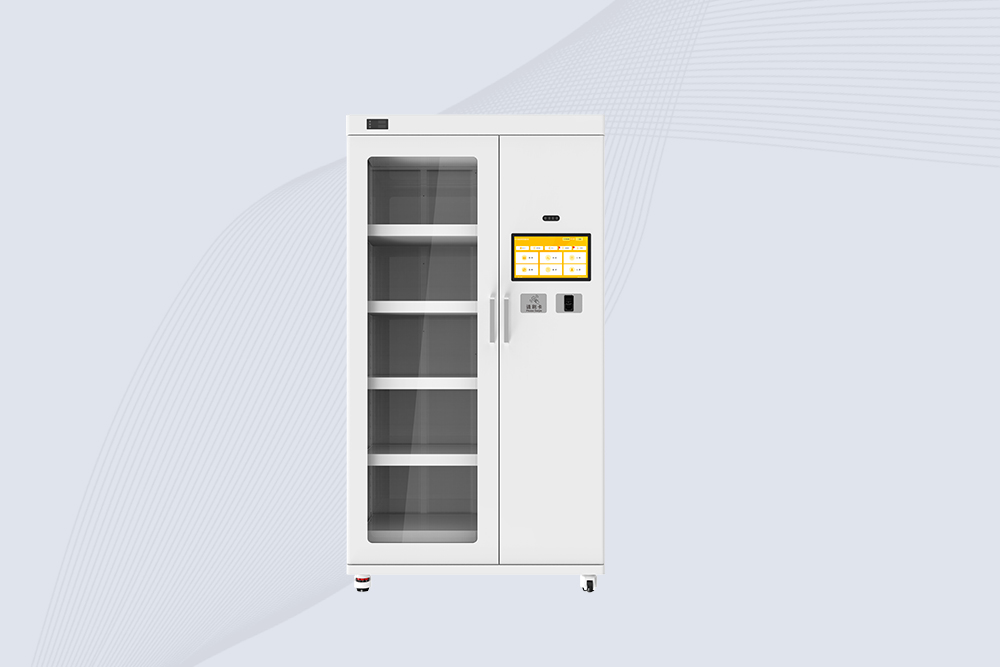
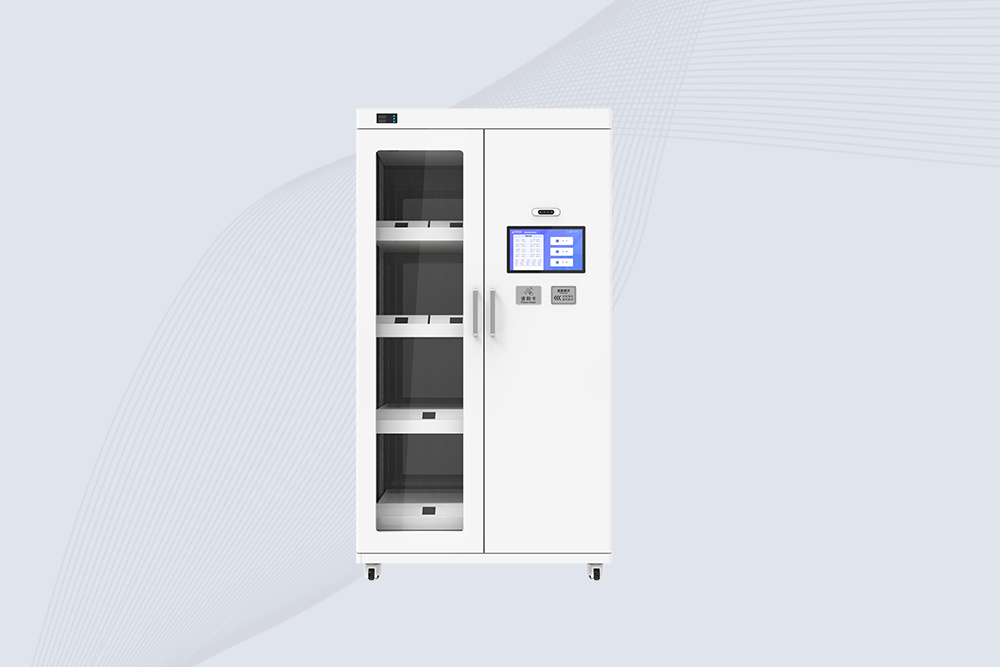
Cykeo’s RFID Smart Tool Cabinet enables 10-second tool audits, user access control & real-time alerts for construction/oil/gas. Features 21.5″ touchscreen, IP54 steel body & -30°C~60°C operation. Supports SAP/Oracle integration.
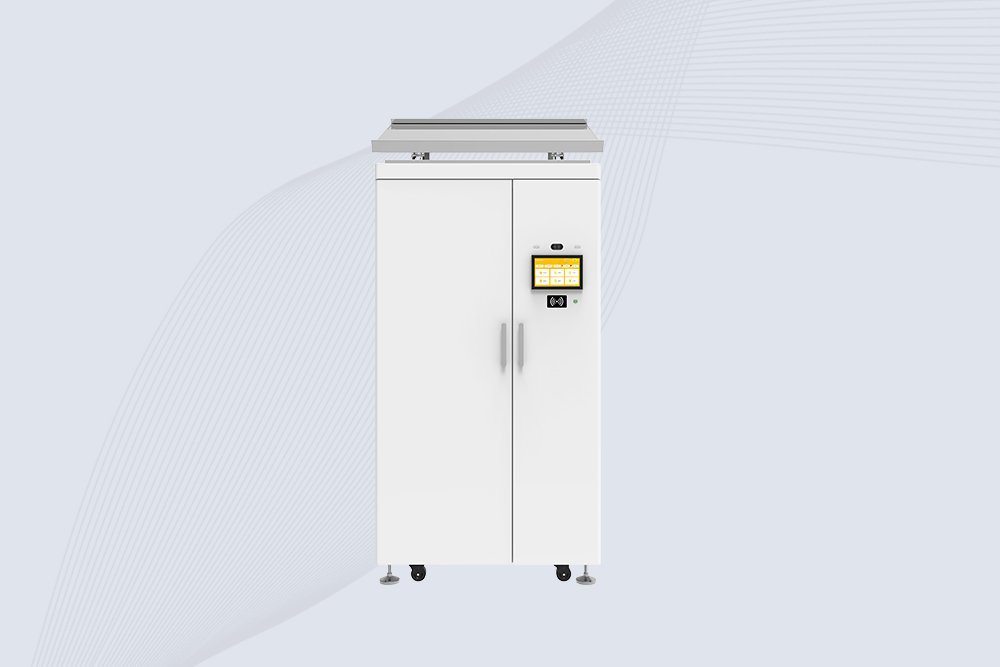
Cykeo’s Intelligent Weighing Tool Cabinet combines weight sensors & RFID for 100% tool accountability. Features solar/4G options, IP54 steel-glass body & nuclear/rail compliance. Supports SAP/Oracle integration.
Cykeo’s solar-powered RFID Inventory Tool Cabinet enables 5-second audits for remote sites. Features 160W solar, Android 7.1, 4G & extreme temp operation for oil/energy/mining sectors.
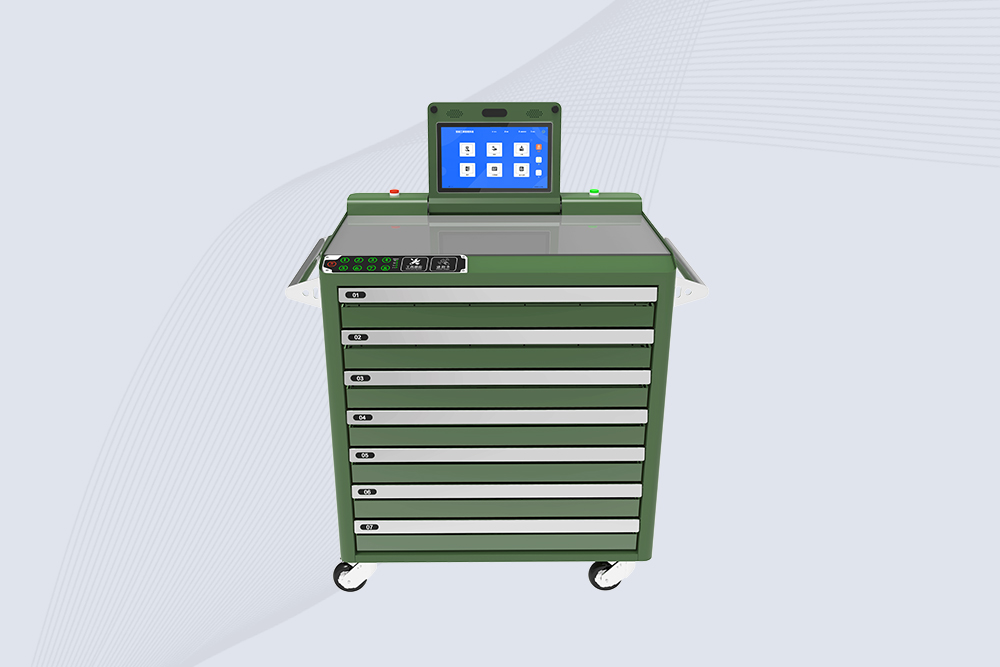
Cykeo’s industrial RFID Tool Cart features 14″ touchscreen, 400+ tool scanning, and carbon steel construction for aviation MRO, power plants and construction sites. 5-second inventory scans.
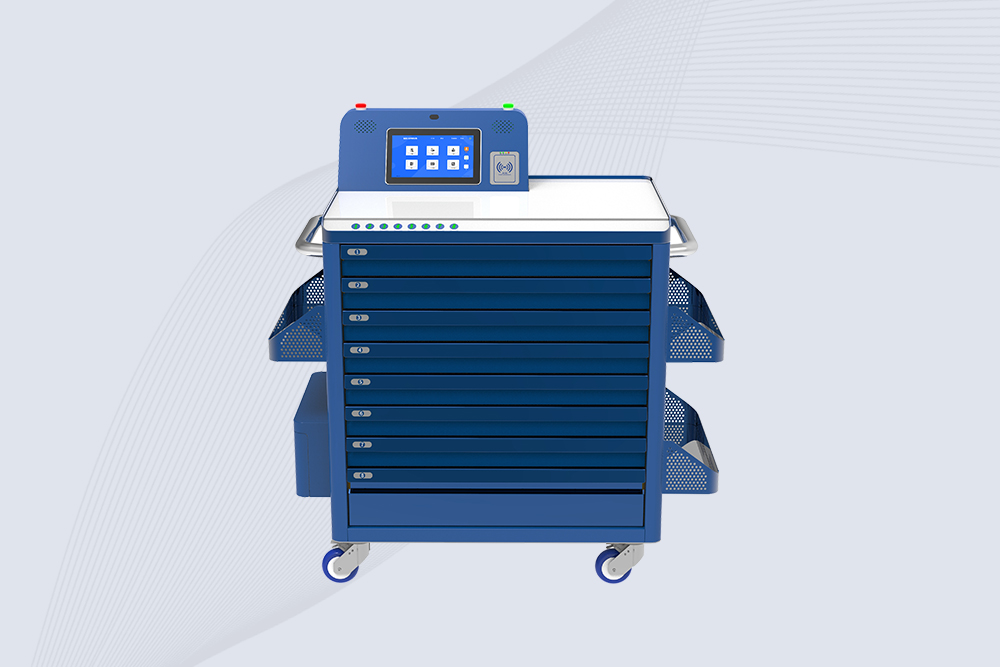
Cykeo CYKEO-TC RFID multi-drawer tool cart manages 300+ tools via UHF RFID, features fingerprint/face recognition, Android/Windows OS, and SAP integration for nuclear/railway/fire safety sectors. IP54 rated for harsh environments.
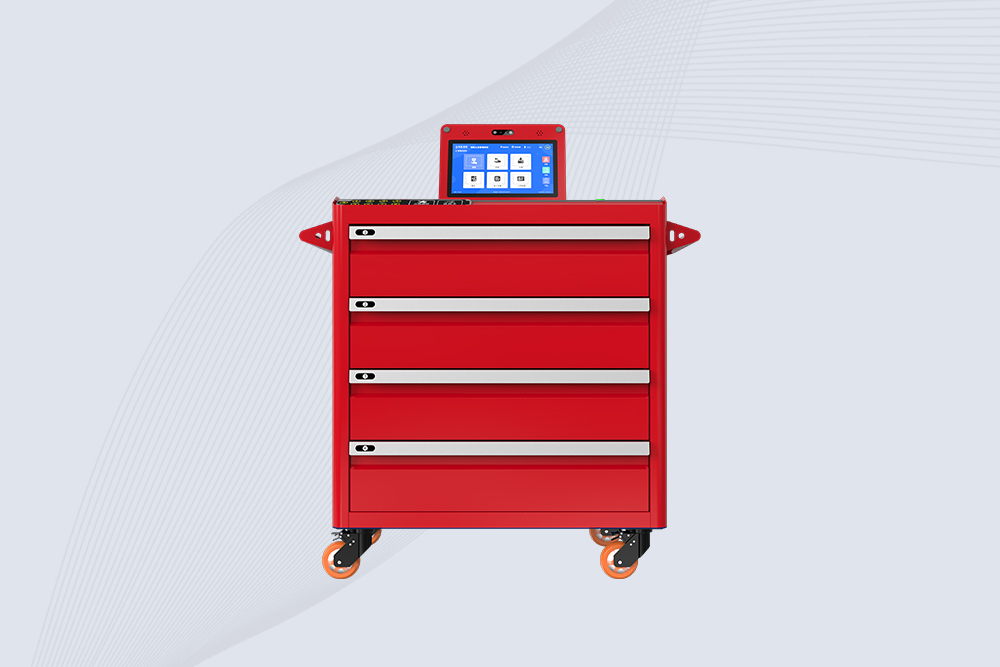
Cykeo CYKEO-GTC4 RFID tool inventory cart manages 300+ tools via UHF RFID, features instant scanning, fingerprint/face recognition, and SAP integration for nuclear/railway/fire safety sectors. IP54 rated for harsh environments.
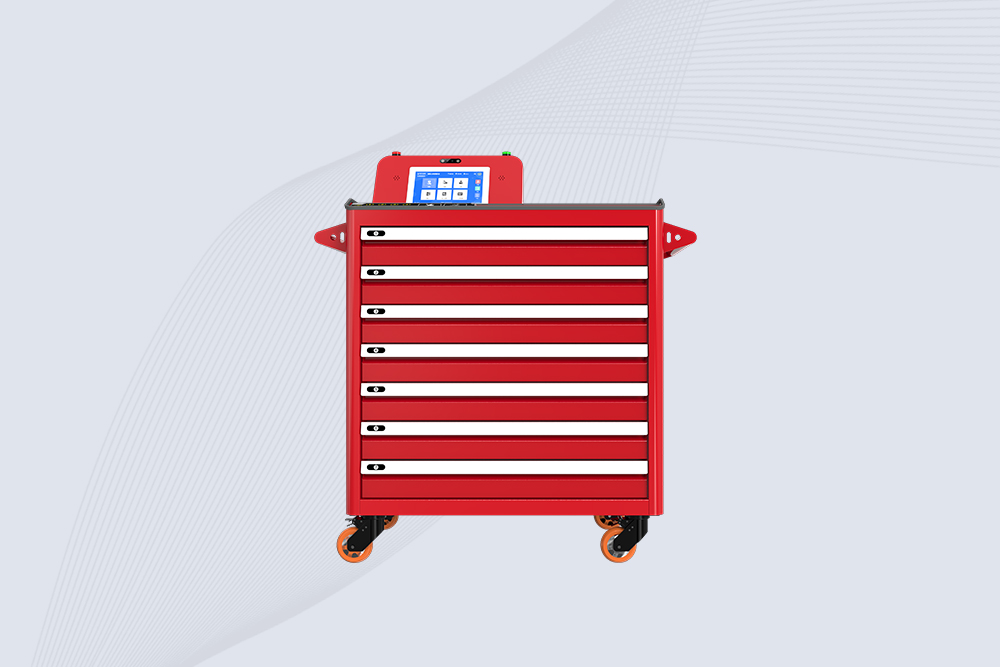
Cykeo CYKEO-GTC7 RFID aviation maintenance cart features military-grade build, blockchain audits, and predictive tool alerts for aircraft MRO. Achieves EASA/FAA compliance.
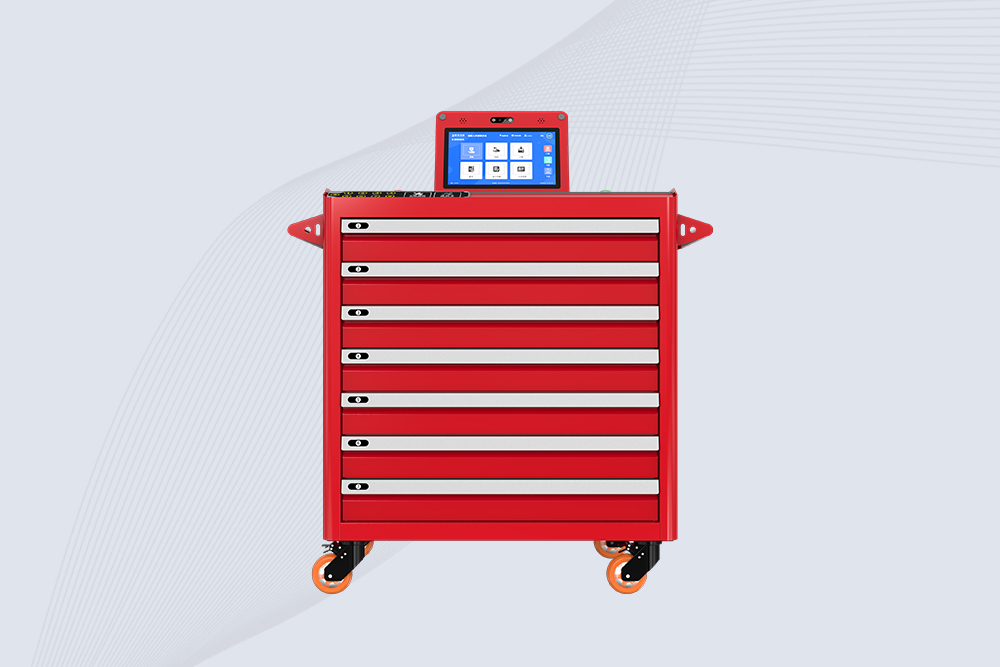
Cykeo CYKEO-GTC7A RFID real-time tool tracking cart features 99.9% accuracy, FOD prevention, and SAP integration for aviation/plant maintenance. Military-grade construction.
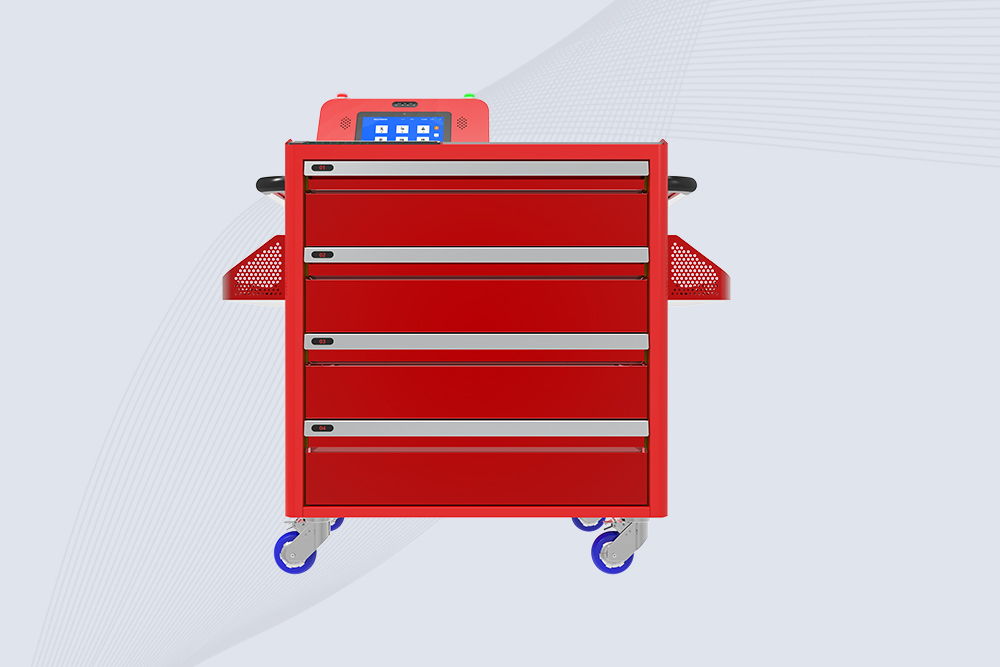
Cykeo CYKEO-GTC4B RFID mobile tool cart delivers 300-tool verification in 7 seconds with modular drawers, ≤150W power, and SAP integration for industrial/aviation use.
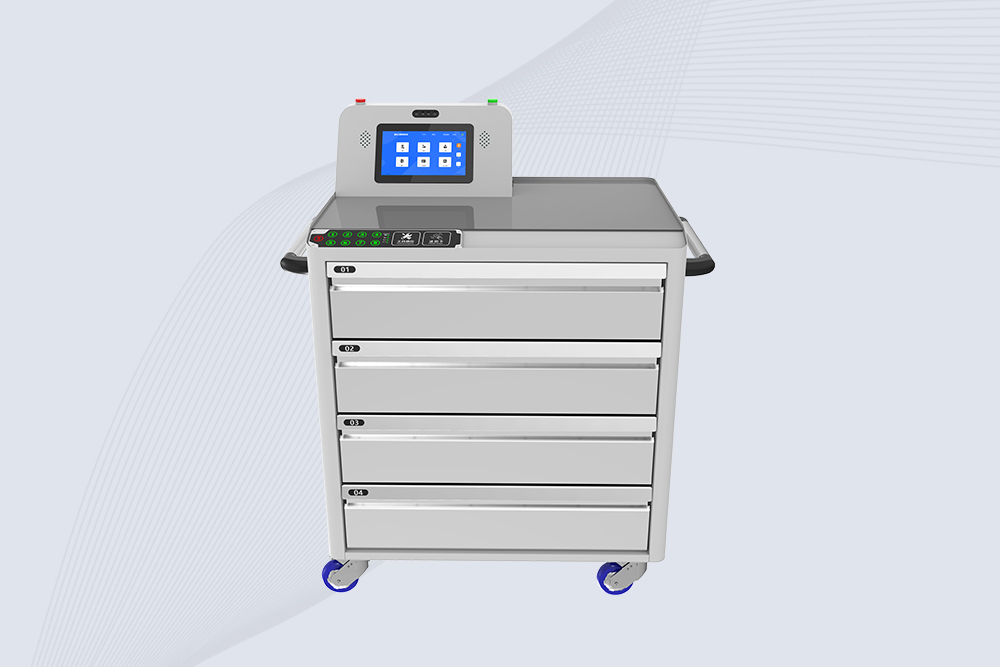
Cykeo CYKEO-GTC4C RFID workshop tool control cart delivers 300-tool inventory in 3 seconds with 10hr battery, SAP integration, and FOD prevention for industrial workshops.
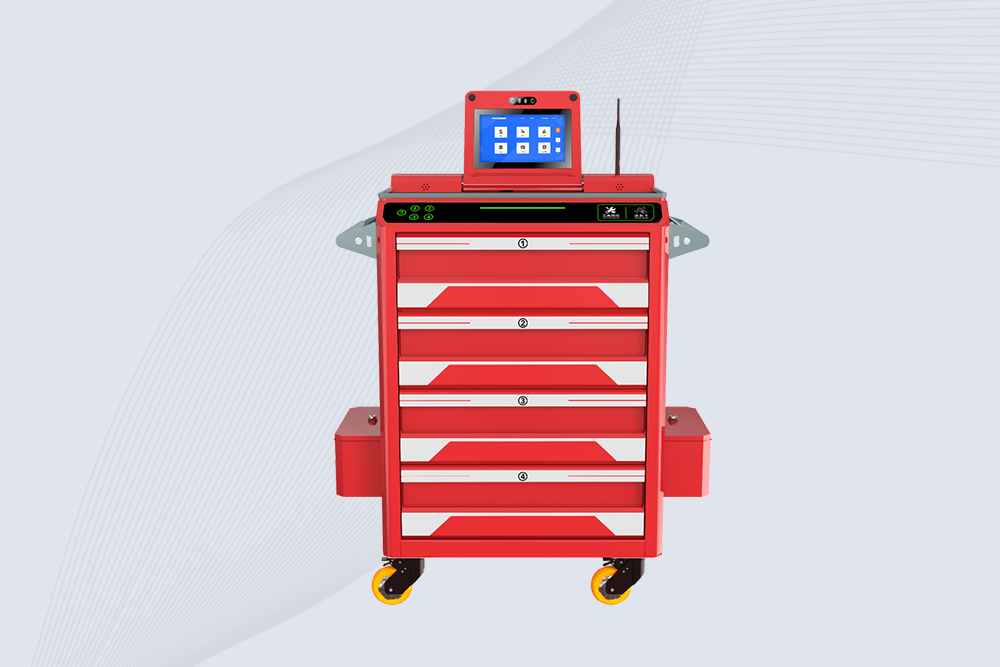
Cykeo’s CYKEO-GTC4A multi-drawer RFID tool cart delivers 7-second aviation tool inventories, 10-hour battery, and dual authentication. ISO 18000-6C compliant for MRO/manufacturing.
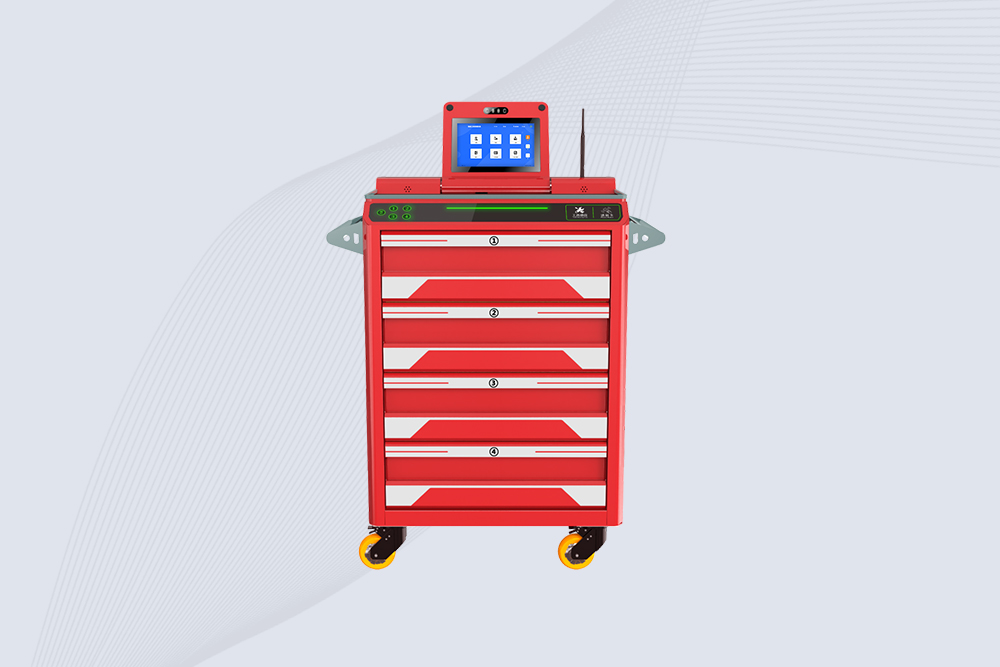
Cykeo’s MIL-STD RFID tool tracking cart scans 300 tools in 7 seconds, with -20°C~60°C operation and FOD prevention for aviation/energy industries.
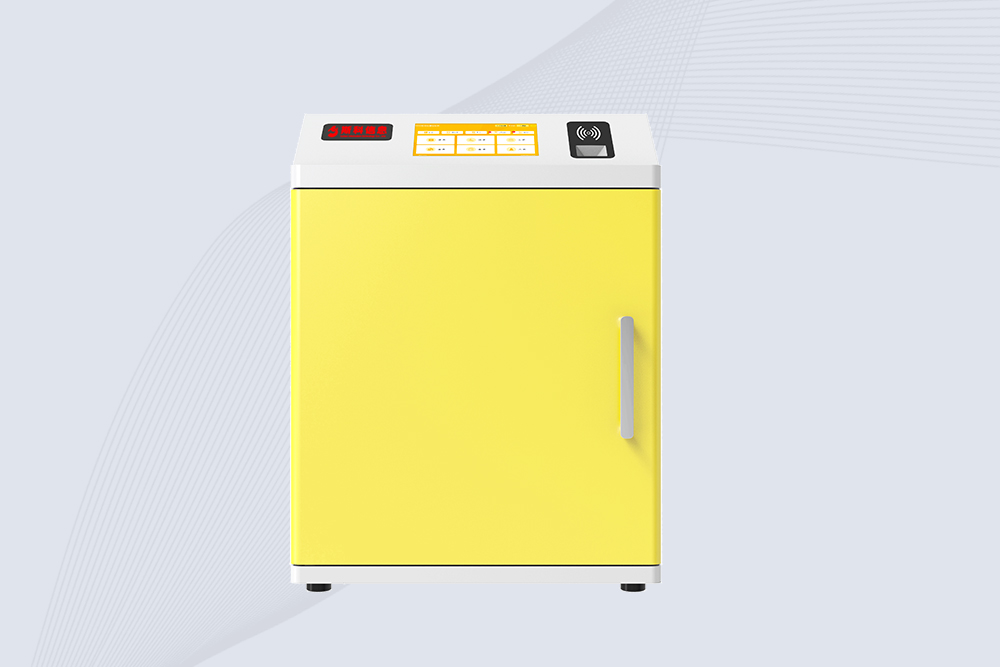
Cykeo’s space-saving RFID tool management cabinet offers 1000-tool capacity, ≤5s scans, and 24/7 unmanned operation for manufacturing/assembly plants.
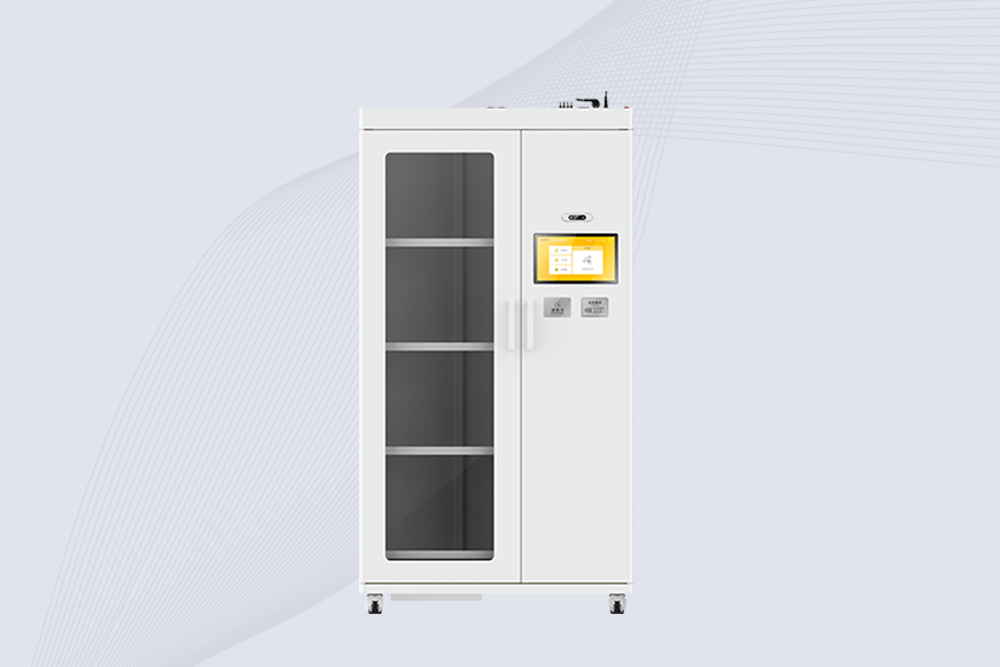
Cykeo’s RFID industrial tool cabinet offers modular shelves, 21.5″ touchscreen, and voice guidance for manufacturing/energy sectors. 24/7 operation with ≤80W power.
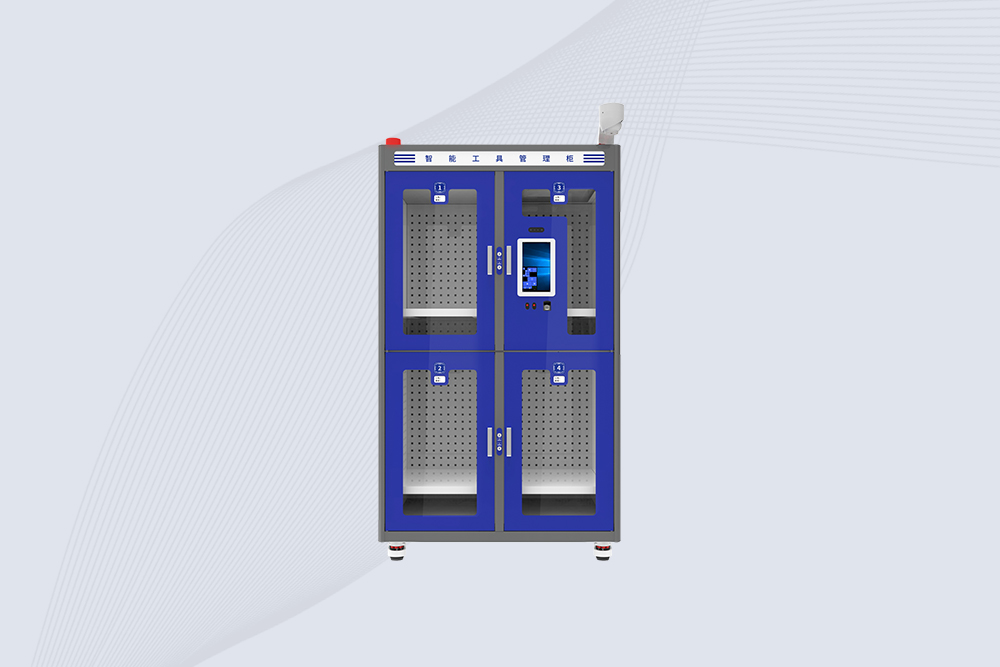
Cykeo’s RFID secure tool cabinet features 4 lockable compartments, ≤150W power, and 24/7 monitoring for pharma/aerospace/electronics industries.
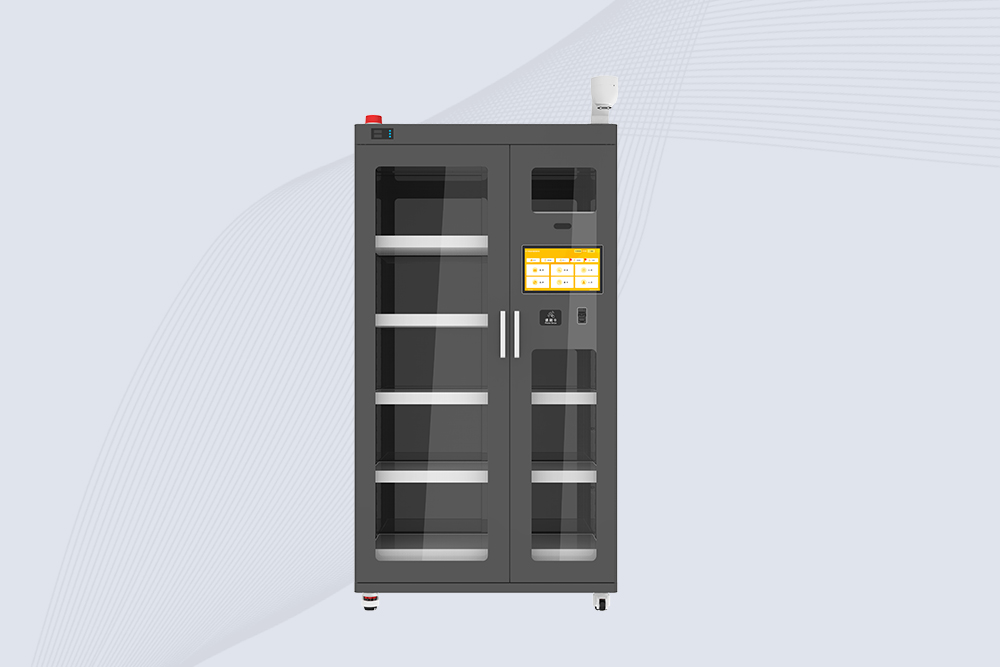
Cykeo’s RFID aviation tool cabinet features triple authentication, 14″ HD touchscreen, and thermostatic control for aircraft MRO/FAA compliance.
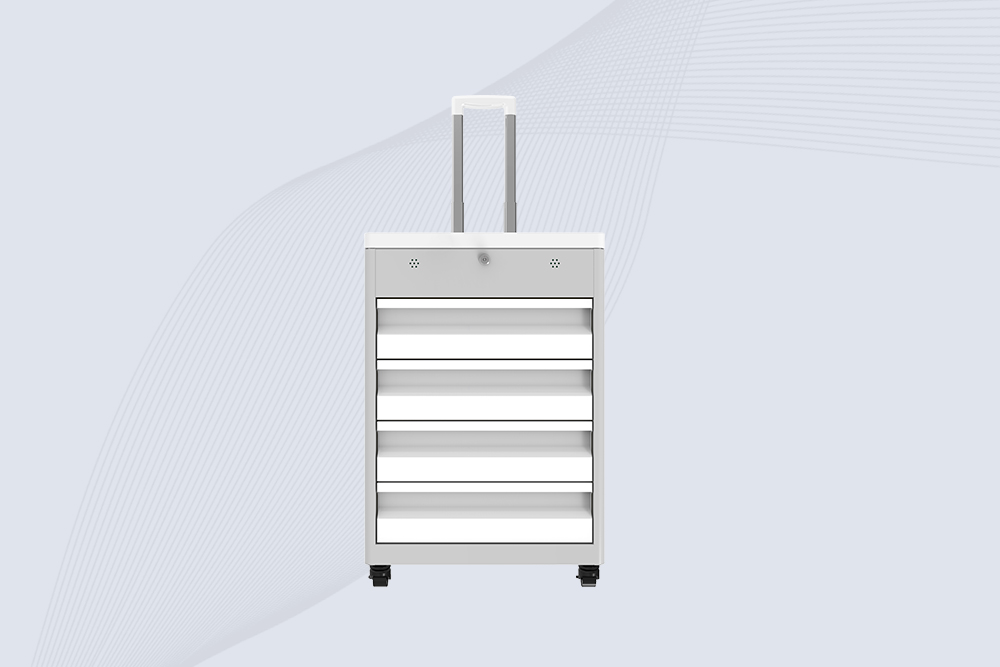
Cykeo’s RFID tool tracking system delivers self-service check-in/out, real-time alerts, and multilingual interface for correctional/military security.
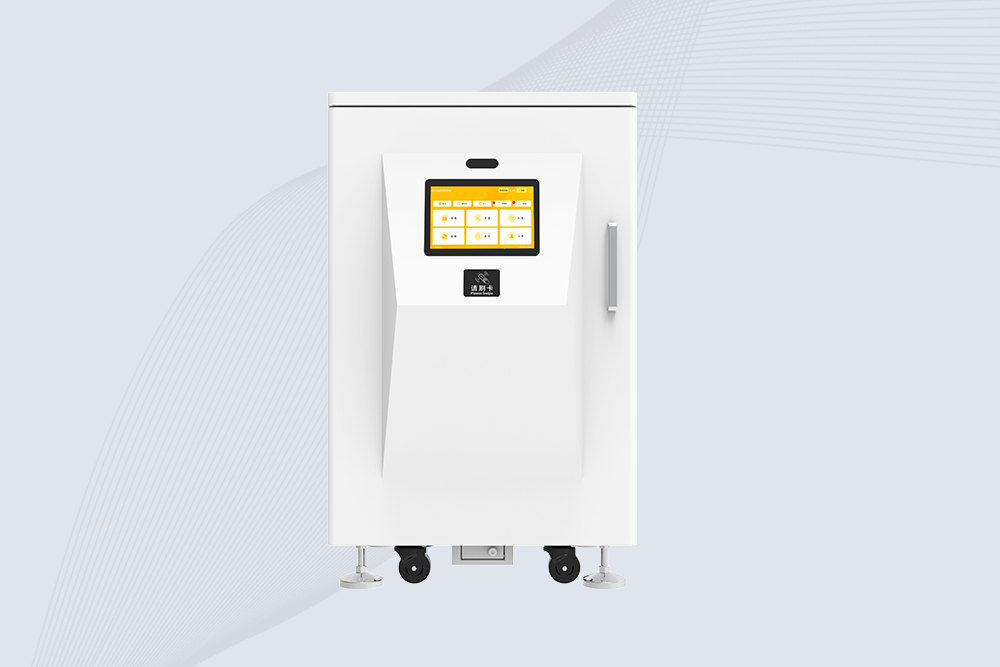
Cykeo’s off-grid RFID tool inventory system features solar/wind power, -30°C~60°C operation, and military-grade durability for mining/energy/military sectors.
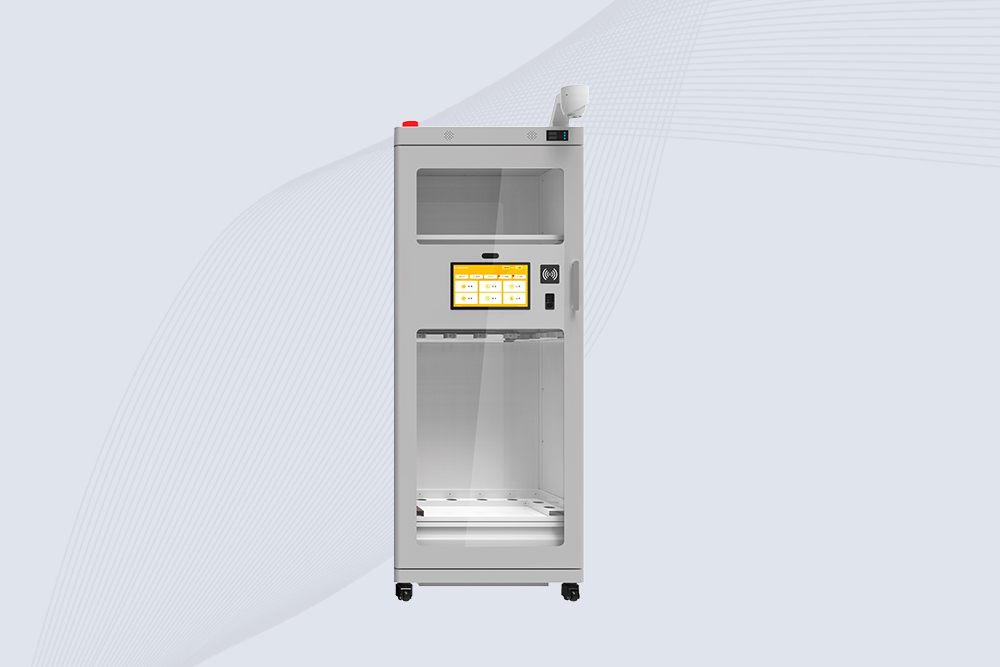
Cykeo’s industrial RFID tool accountability cabinet delivers 99.9% scan accuracy, adjustable shelves, and 24/7 operation for automotive/aerospace manufacturing.
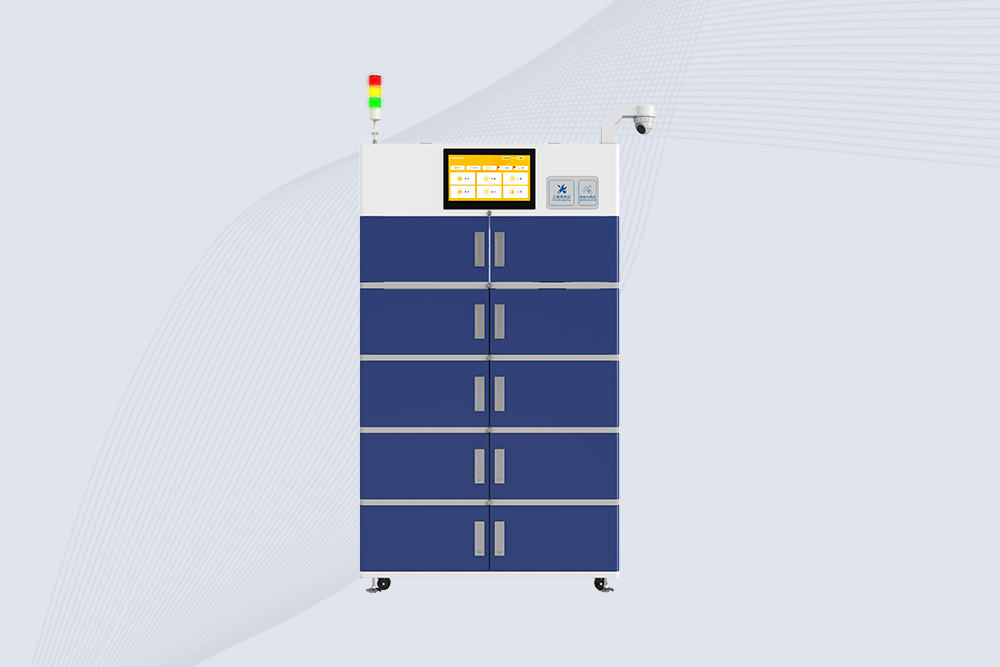
Cykeo’s RFID multi-drawer tool cabinet features 5 adjustable drawers, biometric access, and 99.9% scan accuracy for automotive/aerospace manufacturing.
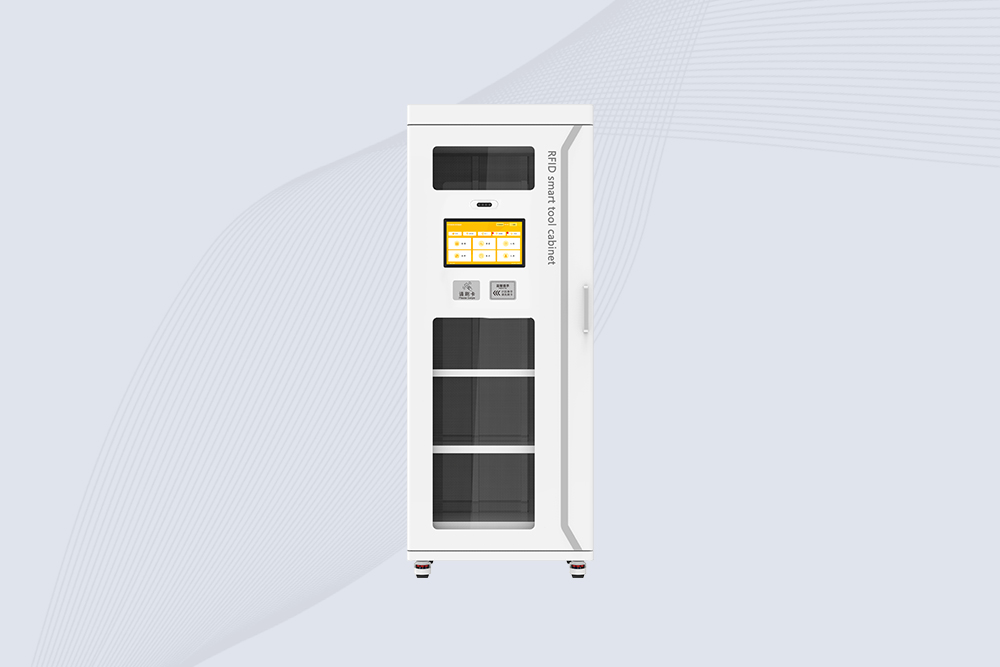
Cykeo’s RFID Automated Tool Cabinet delivers military security, adjustable shelving, and Java/C# SDK integration for defense/aerospace manufacturing.
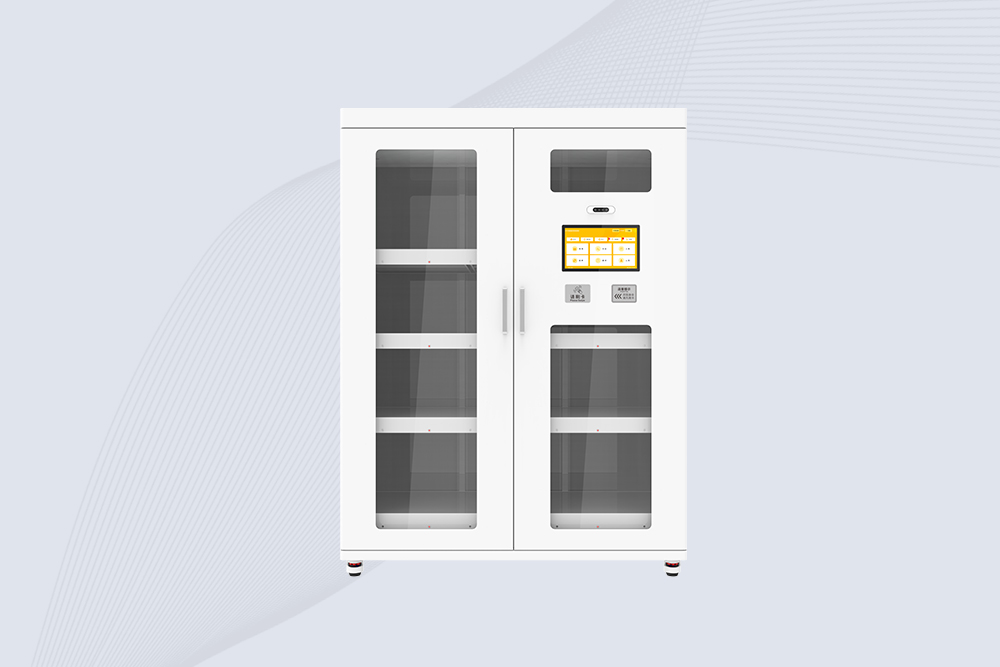
Cykeo’s RFID scalable tool cabinet features multi-unit management, voice guidance, and semi-outdoor durability for automotive/construction/logistics.
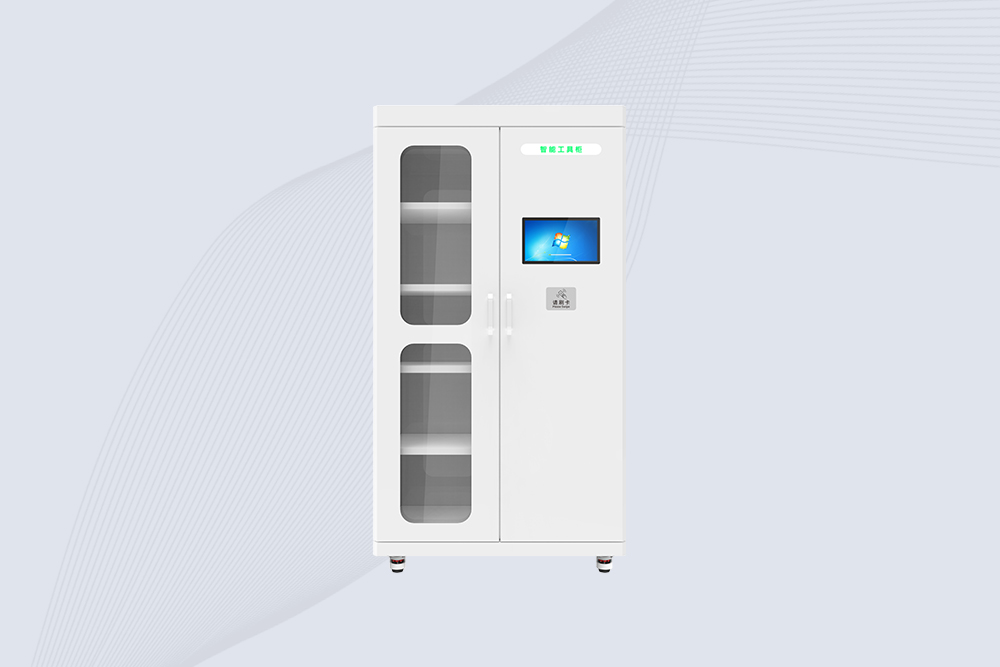
Cykeo CYKEO-GT1B industrial RFID tool storage cabinet features Impinj R2000 UHF technology, 1,000+ tool capacity, IP54 protection, and Windows/Android OS for manufacturing/aviation MRO. Includes auto check-in/out and SAP/Oracle sync.
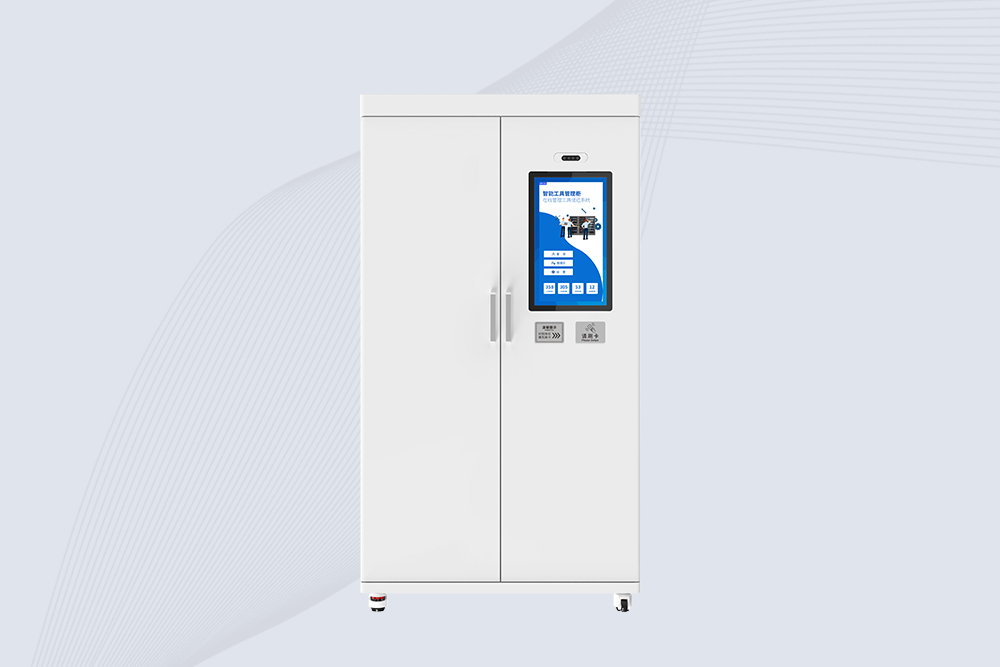
Cykeo CYKEO-GT3C industrial RFID tool checkout system Cabinet features millimeter-wave scanning, 280-layer storage, dual OS, and 99.9% accuracy for aviation/semiconductor sectors. Supports auto check-in/out and real-time SAP sync.
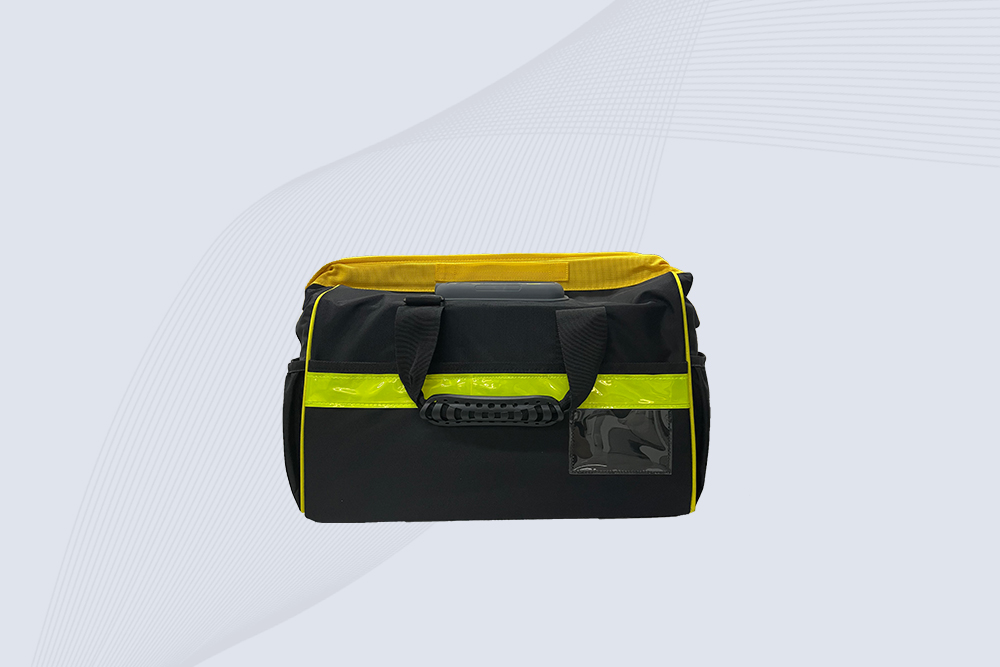
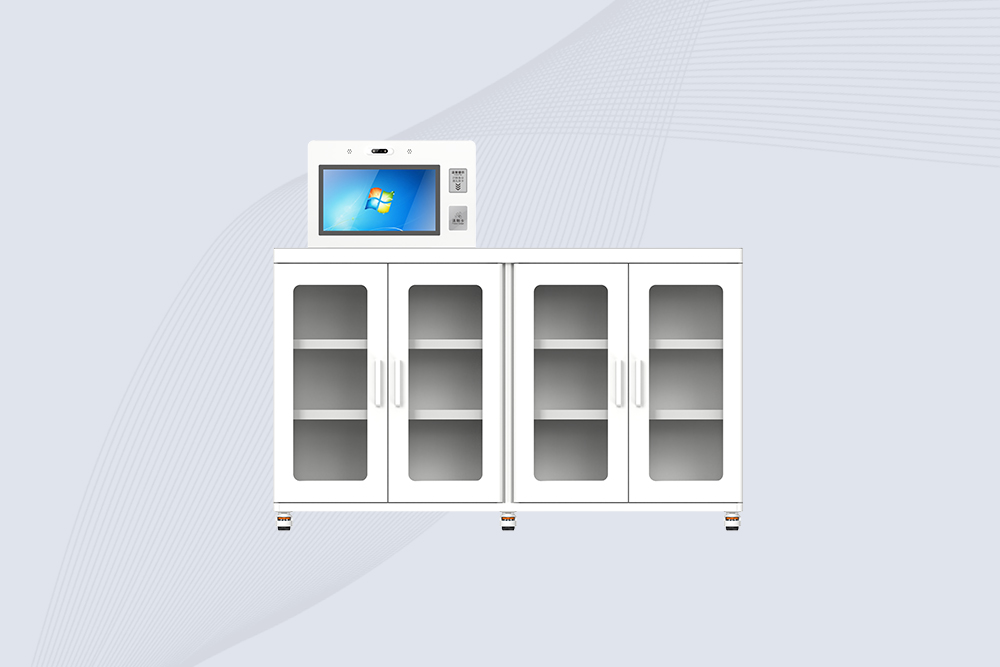
Cykeo CYKEO-GT3D RFID smart tool cabinet offers 5-second inventory scanning for 300+ tools, dual authentication, and 24/7 automated management for industrial facilities.
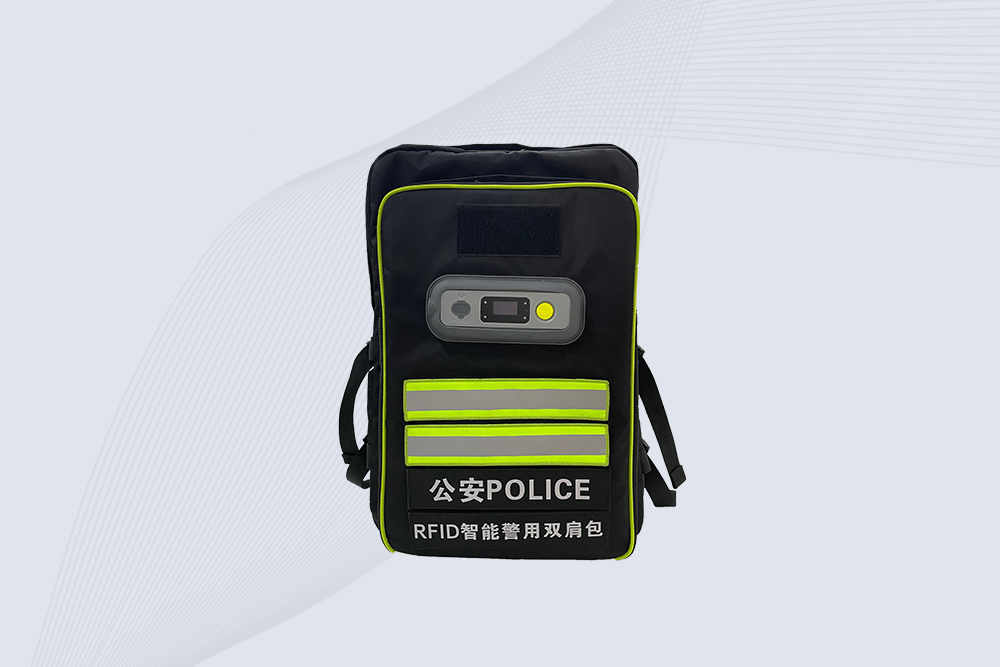
Discover the CYKEO-B1A Industrial RFID Backpack featuring advanced tool tracking technology with 25cm RF shielding, 7-day battery life, and wearable design for field maintenance professionals.
RFID Industry Writer | IoT & Asset Tracking Analyst
James writes about RFID technology, asset tracking, and the practical challenges of digital transformation across warehousing, retail, manufacturing, and logistics.
His work focuses on how RFID is applied in real-world operations—improving inventory visibility, automating workflows, and helping businesses manage assets with greater accuracy and efficiency.
He regularly covers topics including UHF RFID, smart cabinets, RFID portals, tool tracking, warehouse automation, and industrial IoT trends..

UHF RFID cards are set up by matching the card and reader, configuring regional frequency parameters, writing supported EPC or user data, and verifying the r...
More
Learn how RFID reader modules are used in production line tracking, manufacturing automation, conveyor systems, and industrial process verification applications.
More
Stuck between solar and lithium-ion batteries for your portable RFID reader? We tested both in deserts, warehouses, and forests—see which survives 24/7 scans.
More
A practical look at how integrators deploy networked RFID key cabinets across multiple sites, including connectivity, system monitoring, and lessons from real projects.
More