 Cykeo RFID IoT Solution Products R&D Manufacturer
How to Choose the Best Handheld RFID Scanner for Your Business
811Discover the key factors to consider when selecting a handheld RFID scanner for your business, from durability to software compatibility. Make an informed choice.
MoreAll RFID Product
A RFID tag is a small electronic identification device containing a microchip and antenna that communicates wirelessly with an RFID reader. Depending on its design, it can identify products, tools, assets, cartons, garments, medical supplies, and other physical objects without requiring direct line-of-sight scanning.
That is the short answer. The physical reality is more interesting.
A tag attached to a cotton shirt is a relatively forgiving application. Put another tag onto a steel tool, place it beside liquid-filled containers, or bury it inside dense packaging, and the engineering problem changes immediately.
At Cykeo, I look at the object before looking at the tag specification. Where will the tag be attached? What will surround it? How will it be read? How many tags need to respond at the same time? Those questions usually determine the right tag architecture faster than a generic “read range” number.
GS1 defines RFID as a family of technologies using radio waves to automatically capture an object’s identifier. In a typical RFID transponder, the microchip and antenna work together to communicate with an RFID reader.
A conventional passive UHF RFID tag has three fundamental elements:
| Component | Function |
|---|---|
| RFID IC / chip | Stores and processes identification data |
| RFID Antenna | Receives RF energy and communicates with the reader |
| Substrate / inlay structure | Holds the antenna and chip in the required physical configuration |
The visible tag can therefore be misleading.
What looks like a simple adhesive label may contain a carefully designed antenna pattern, integrated circuit, adhesive layer, protective material, and sometimes a specialized structure for difficult surfaces.
GS1’s EPC Tag Data Standard defines information carried by RAIN RFID tags, including EPC data, user memory, control information, and tag-manufacturer information.
The EPC is particularly important in item-level identification because it can provide a serialized identity rather than simply repeating the same product number across every unit.
That distinction becomes valuable when a retailer has 200 identical shirts.
A barcode may identify the SKU.
A serialized RFID tag can identify this particular shirt.
For passive UHF RFID, the tag does not normally need its own battery.
The reader creates an RF field. The passive tag receives energy from that field, powers its chip, and responds by modulating the reflection of the reader’s signal—a process known as backscatter. The reader then converts that response into digital information.
The visualization above is not an RFID signal model; the important physical principle is the reader-to-tag RF field and the tag’s backscattered response.
In practical terms:
Reader transmits → tag receives energy → chip responds → antenna backscatters → reader decodes → software processes the event
For EPC Gen2 UHF RFID, the standardized operating range is within the 860–960 MHz frequency range, and the tag receives both information and operating energy from the reader’s RF signal.
This is why passive UHF RFID can be so small.
There is no conventional battery pack sitting inside a normal retail RFID label.
Not every RFID tag behaves the same way.
Passive tags have no independent radio transmitter and normally obtain operating energy from the reader.
They are widely used for:
Their lack of a conventional battery makes them attractive for large-scale item-level deployment. GS1 notes that passive tags can have a theoretically very long service life because they do not depend on a battery for normal operation.
Active tags have their own power source and radio transmitter.
They are more appropriate where longer-range communication or periodic broadcasting is required, particularly for higher-value assets.
Battery-assisted passive tags occupy the middle ground. A battery can assist the tag’s circuitry or sensing functions, while communication can still use backscatter.
The choice is therefore not simply “cheap tag versus expensive tag.” It depends on the physical object, required range, read environment, and business value.
There is no universal RFID tag read distance.
This is one of the specifications I would treat carefully during project evaluation.
GS1 states that passive UHF/RAIN RFID tags typically operate over several meters, with up to around 15 meters in special cases, while highly sensitive systems with specialized antennas can achieve greater distances under suitable conditions.
The actual read zone depends on:
A 10-meter theoretical reading distance is not necessarily desirable.
Imagine a retail checkout station beside a merchandise display. If the system reads clothing three meters away, that is not impressive performance. It is a system-design problem.
For a checkout, controlled detection can be more important than maximum range.
This is where field experience matters.
A standard paper or synthetic RFID label is often sufficient.
The tag is typically attached to a garment hangtag or sewn into the product label. The environment is relatively RF-friendly.
A conventional paper RFID inlay may perform poorly when attached directly to metal.
An on-metal RFID tag uses a different antenna structure and spacing strategy to maintain usable RF performance near conductive surfaces.
Packaging density becomes important. Some supplies may contain liquids, metal components, foil packaging, or tightly stacked containers.
The tag must be validated in the actual package—not merely on a sample sheet.
Temperature, abrasion, vibration, chemicals, outdoor exposure, and cleaning procedures can determine whether the tag survives long enough to justify the deployment.
A beautiful RFID label that falls off after three months is a failed identification system.
This is where field experience matters.
A standard paper or synthetic RFID label is often sufficient.
The tag is typically attached to a garment hangtag or sewn into the product label. The environment is relatively RF-friendly.
A conventional paper RFID inlay may perform poorly when attached directly to metal.
An on-metal RFID tag uses a different antenna structure and spacing strategy to maintain usable RF performance near conductive surfaces.
Packaging density becomes important. Some supplies may contain liquids, metal components, foil packaging, or tightly stacked containers.
The tag must be validated in the actual package—not merely on a sample sheet.
Temperature, abrasion, vibration, chemicals, outdoor exposure, and cleaning procedures can determine whether the tag survives long enough to justify the deployment.
RFID becomes particularly useful when manual identification starts consuming time.
Typical applications include:
There is credible field evidence behind the inventory argument. Auburn University’s RFID Lab conducted a 23-week field experiment across 13 retail stores and found that RFID-enabled automatic inventory-record adjustment reduced inventory record inaccuracy by approximately 26%. A later experiment expanded the study to 62 stores and five product categories.
That number should not be presented as a universal RFID guarantee.
It is better understood as evidence that RFID can improve the quality of the digital inventory record when the tagging process, reading process, and store execution are properly aligned.
RFID and barcode are both automatic identification technologies, but their physical behavior is different.
| Characteristic | RFID Tag | Barcode |
|---|---|---|
| Line of sight | Usually unnecessary | Normally required |
| Batch identification | Strong advantage | Usually sequential |
| Item serialization | Supported | Supported |
| Optical visibility | Not required | Required |
| Dirty label tolerance | Often better | Can be affected |
| Metal/liquid sensitivity | Must be engineered | Primarily visual |
| Initial infrastructure | Higher | Lower |
| Best use | Automated identification at scale | Simple visual scanning |
GS1 treats both barcodes and RFID as data carriers within the broader automatic identification and data capture ecosystem. The appropriate carrier depends on the physical and business application.
That is a useful way to think about the choice.
RFID does not make barcode obsolete.
It gives the operation another way to identify physical objects when optical scanning becomes too slow, too manual, or too restrictive.
One of the most common mistakes during early RFID projects is purchasing tags first and testing them later.
I prefer the opposite sequence.
GS1’s RFID architecture makes the same broader point: a functioning RFID infrastructure consists of tags, readers, standardized communication, and the surrounding data architecture—not simply a label attached to an object.
A tag can pass a bench test and fail inside a warehouse.
A tag can read perfectly in free air and struggle when attached to metal.
A reader can show excellent range and still create false reads if the antenna field is poorly contained.
Those are not unusual exceptions. They are normal engineering considerations.
For Cykeo RFID projects, I would normally reduce tag selection to five physical questions:
| Question | Why it matters |
|---|---|
| What is being tagged? | Determines physical tag format |
| What is underneath the tag? | Metal and liquids can alter RF behavior |
| How is it attached? | Adhesive, sewing, embedding, fastening |
| How will it be read? | Handheld, fixed, portal, desktop, shelf |
| What happens after the read? | Inventory, checkout, tracking, authentication |
This prevents the conversation from becoming a race toward the longest advertised read distance.
A retail label, industrial on-metal tag, medical-supply tag, and embedded RFID tag may all use the same fundamental identification principle. Their physical engineering can be completely different.
That is the point worth remembering when evaluating a RFID tag.
An RFID tag is only as good as the environment in which it is installed. In real deployments, tag selection determines whether the reader sees a clean signal or a frustrating stream of missed reads.
Cykeo approaches RFID tags from the application side rather than treating every tag as interchangeable.
For a typical UHF RFID deployment, the tag contains an antenna and IC, with the IC storing identification data such as an EPC. Passive UHF tags do not require their own battery; the reader supplies operating energy through the RF field, and the tag responds through backscatter. GS1 identifies EPC Gen2/RAIN RFID as a major foundation for passive UHF deployments and notes that the standard operates in the 860–930 MHz range.
GS1 also emphasizes that RFID tags are not one-size-fits-all products: UHF, HF, NFC, active and passive tags serve different application requirements.
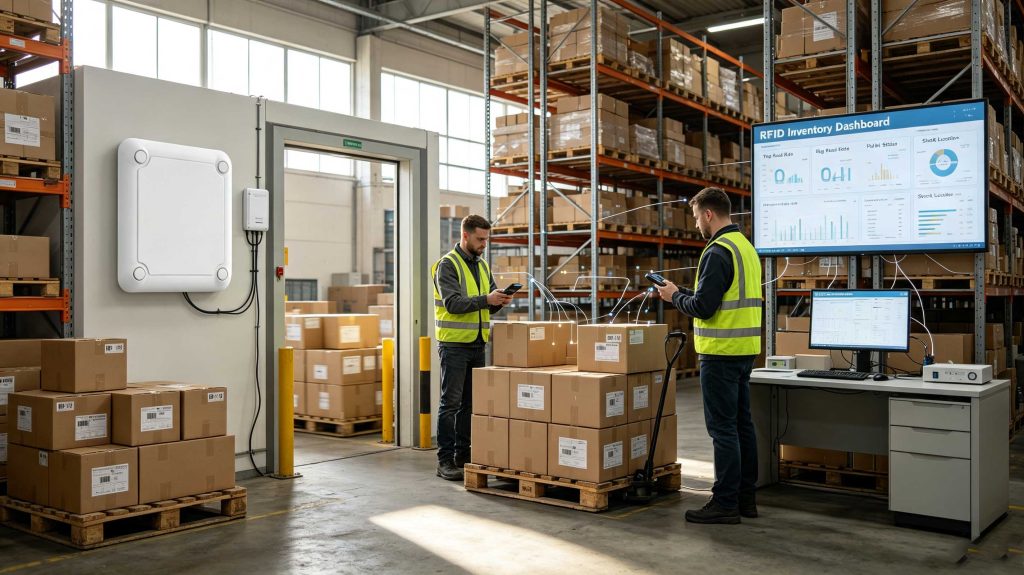
The architecture can be viewed in five practical layers:
| Layer | Main function | Typical components |
|---|---|---|
| RFID Tag Layer | Identifies the physical item | UHF RFID tag, EPC memory |
| Reader Layer | Captures tag responses | Fixed reader, handheld reader, desktop reader |
| Antenna Layer | Creates the RF coverage zone | Linear/circular polarized antennas |
| Edge / Middleware Layer | Filters and interprets reads | Read filtering, duplicate suppression, event logic |
| Business Layer | Converts reads into business actions | WMS, ERP, POS, MES, inventory platform |
GS1 describes RFID infrastructure as consisting of readers and tags, with readers transmitting commands and providing energy to passive tags. The tag then modulates its reflected signal to return information to the reader.
That distinction matters.
A reader may detect a tag. The software still has to decide whether that detection means receiving inventory, shipping inventory, moving an asset, completing a sale, or triggering an exception.
This is where many RFID projects become software projects rather than RF projects.
There is no single “best” RFID tag. Performance depends heavily on the object and installation surface.
| Application | Preferred tag characteristic | Main concern |
|---|---|---|
| Apparel | Thin, flexible UHF tag | Fabric placement and orientation |
| Cardboard cartons | General-purpose UHF inlay | Read consistency through stacked goods |
| Plastic containers | High-sensitivity general tag | Curved mounting surface |
| Metal tools | On-metal RFID tag | Detuning caused by metal |
| Medical supplies | Compact application-specific tag | Packaging density and read isolation |
| Warehouse pallets | Long-range UHF tag | Bulk reading and portal coverage |
| Reusable assets | Durable industrial construction | Adhesive and mechanical life |
| Retail checkout | Compact high-read-rate tag | Dense multi-tag reading |
GS1 notes that RAIN RFID can capture unique identifiers at high rates and at distances well beyond 10 metres in appropriate deployments, without requiring line-of-sight contact. That is a system capability, not a guaranteed distance for every tag.
In field testing, I would rather see a tag maintain predictable reads at the required distance than chase an impressive maximum-distance number that only appears under laboratory conditions.
A 12-metre read is useless if the system also reads the pallet behind the intended pallet.
Barcode remains extremely useful. RFID is not simply a replacement for it.
| Factor | RFID | Barcode |
|---|---|---|
| Line of sight | Not normally required | Usually required |
| Multiple-item reading | Yes | Generally one at a time |
| Manual scanning | Often reduced | Required |
| Individual identification | Excellent | Excellent with unique codes |
| Dirty/obscured label | Can still operate | Can become difficult to scan |
| Infrastructure cost | Higher | Lower |
| Item-level inventory | Strong fit | More labor-intensive |
| Metal/liquid applications | Requires tag engineering | Often simpler |
| Automated portals | Strong fit | Limited |
| Existing POS compatibility | Requires integration | Widely established |
GS1 US specifically identifies the difference between RAIN RFID and barcode operation: RFID enables automatic, high-speed capture without the direct scanning action required by conventional barcode workflows.
For many businesses, the best architecture is RFID + barcode, not RFID instead of barcode.
The barcode remains visible to people and conventional POS systems. RFID provides bulk identification, inventory visibility and automated event capture.
A clothing store is one of the cleanest environments for item-level RFID.
Tags can be attached to garments without adding significant bulk. Staff can perform inventory counts with handheld readers, while RFID-enabled checkout equipment can identify several tagged products in a single transaction.
The commercial value is not merely faster scanning. It is knowing whether an item that the system says exists is actually on the sales floor.
GS1 identifies retail and apparel as important areas for RAIN RFID adoption, particularly for inventory management.
In a hospital, the problem is often not “where is the product?” but which product was taken, when, and by whom?
RFID can associate an item with:
For high-value or frequently moved supplies, this can provide a more useful audit trail than manual recording.
Industrial tools are difficult RFID objects because many are metal.
This is exactly where tag selection becomes important. An ordinary paper-label RFID inlay mounted directly onto a steel tool may perform poorly. An appropriately designed on-metal tag changes the RF environment around the antenna.
The same principle applies to production fixtures, maintenance equipment, transport containers and reusable bins.
At receiving docks, RFID can automatically associate tagged cartons or pallets with a receiving event.
At shipping points, the same infrastructure can validate outbound goods.
The important design issue is containment: the reader should capture the intended movement event without accidentally registering inventory sitting several metres away.
That requires antenna placement, RF power, tag orientation, shielding considerations and software filtering to be designed together.
I recommend starting with one operational event, not the entire enterprise.
Examples:
Test the actual product.
Do not approve a tag based only on an inlay datasheet.
Measure:
RFID data should enter the system as meaningful events rather than an uncontrolled list of EPC numbers.
A useful pilot should reproduce the actual operating environment: real cartons, real workers, real shelving, real product movement.
That is where hidden problems appear.
Cykeo’s RFID approach can be adapted around the application rather than forcing one tag construction across every deployment.
Key considerations include:
GS1’s EPC Tag Data Standard defines how EPC information and other data can be represented within Gen2 RFID tag memory, providing an established framework for connecting physical objects with enterprise information systems.

A typical UHF RFID tag can contain an EPC identifier, tag-related information and, depending on the tag and application, user memory. The EPC provides the unique identity used by business systems
Yes. Multi-tag identification is one of the major advantages of UHF RFID. The practical quantity depends on reader configuration, tag density, RF environment, antenna design and software settings.
Passive UHF RFID tags generally do not. The reader provides RF energy, and the tag responds using backscatter. Active RFID tags are a different category and use their own power source.
Yes, but ordinary RFID inlays are not automatically suitable for direct metal mounting. On-metal RFID tags use constructions designed to maintain usable RF performance near conductive surfaces.
For bulk identification, automated inventory and non-line-of-sight reading, RFID has clear advantages. Barcode remains cheaper and simpler for many individual scanning tasks. In mature deployments, both technologies can coexist.
There is no universal answer. Frequency, tag design, reader power, antenna gain, polarization, orientation and surrounding materials all affect the result. GS1 notes that appropriately deployed RAIN RFID can operate at distances well beyond 10 metres, but application testing remains essential.
Start with the physical object and operating environment. Identify the material, required distance, mounting position, temperature, movement speed and reader geometry. Then test several tag constructions under real conditions.
A useful RFID tag is not defined by its appearance or a single maximum read-distance specification. Its value comes from whether it consistently identifies the right physical object at the right operational point.
That is the principle behind Cykeo RFID development and deployment: match the tag, reader, antenna, software and business process as one system.
If you are asking what is an RFID tag, the short answer is simple. It is the physical identification point that allows an RFID system to connect a real object with digital information. The engineering begins after that definition.
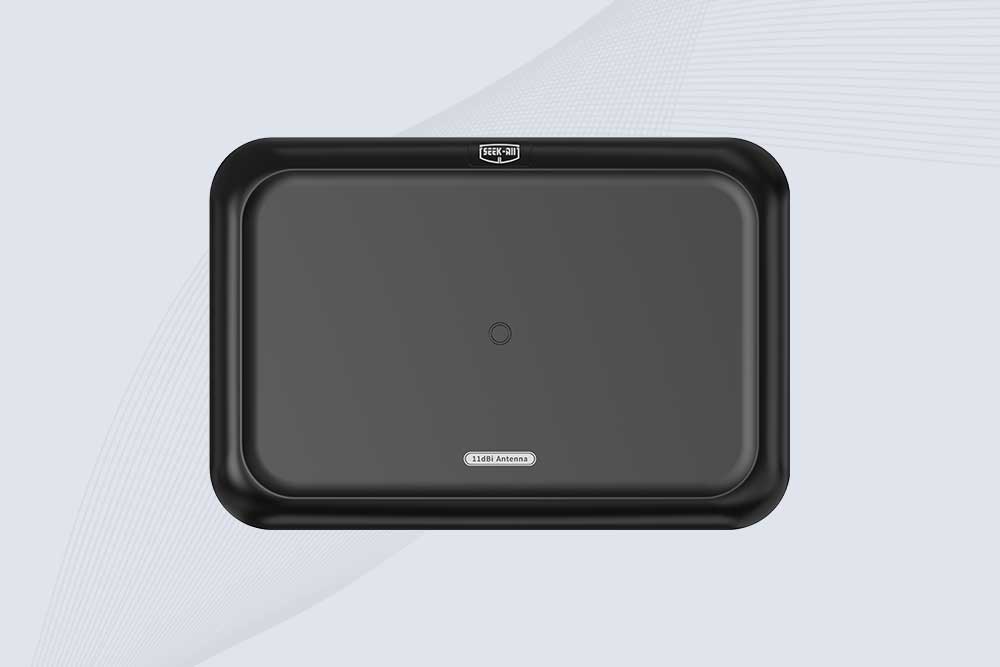
SSD-A11 UHF RFID antenna features 840–960 MHz adjustable frequency, ≥10.5 dBi gain, circular polarization and 50Ω impedance for fixed RFID systems.
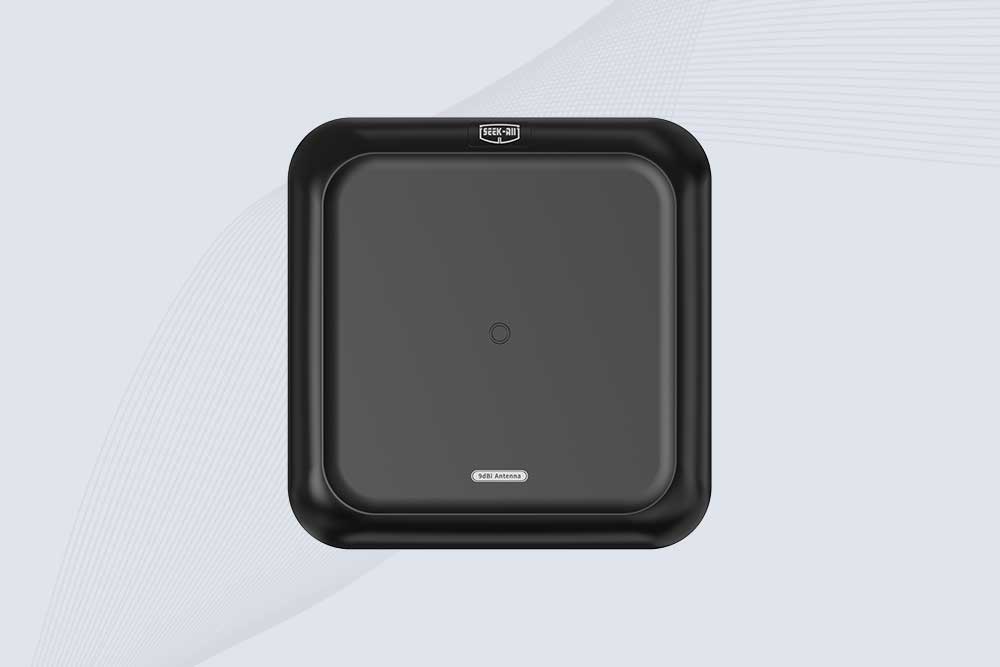
SSD-A09 is a 9 dBi UHF RFID antenna with 840–960 MHz adjustable frequency, circular polarization, 50Ω impedance and directional 60° × 60° coverage.
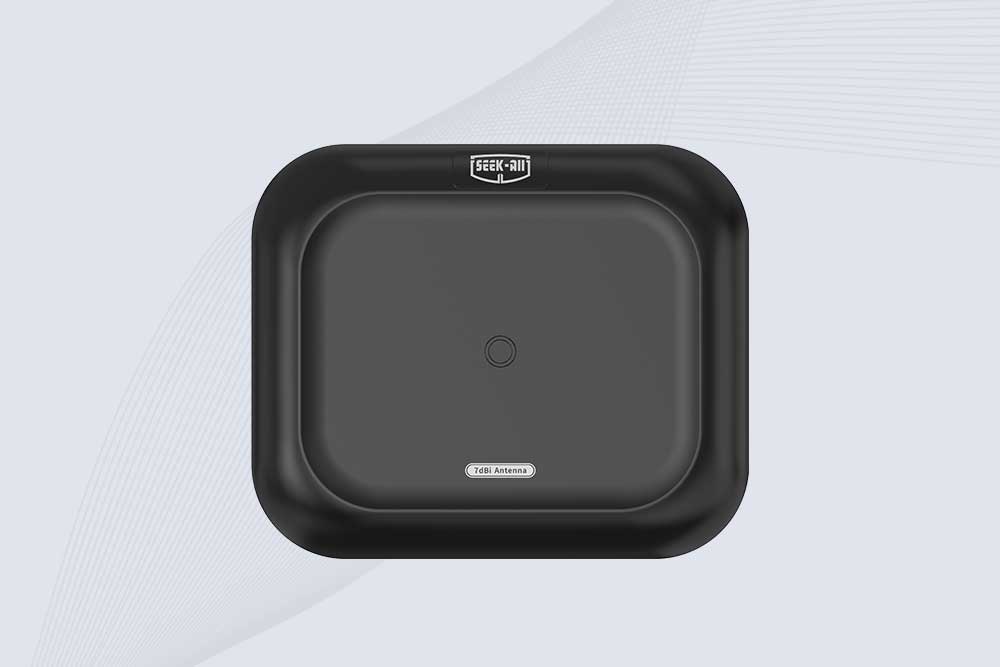
Explore the SSD-A07 UHF RFID antenna with 7 dBi gain, circular polarization, adjustable 840–960 MHz frequency, and 60°/75° beamwidth for stable RFID read/write performance.

SSD-A06 UHF RFID antenna with circular polarization, adjustable 840–960 MHz frequency, ≥4.5 dBi gain, and a compact directional design for RFID systems.
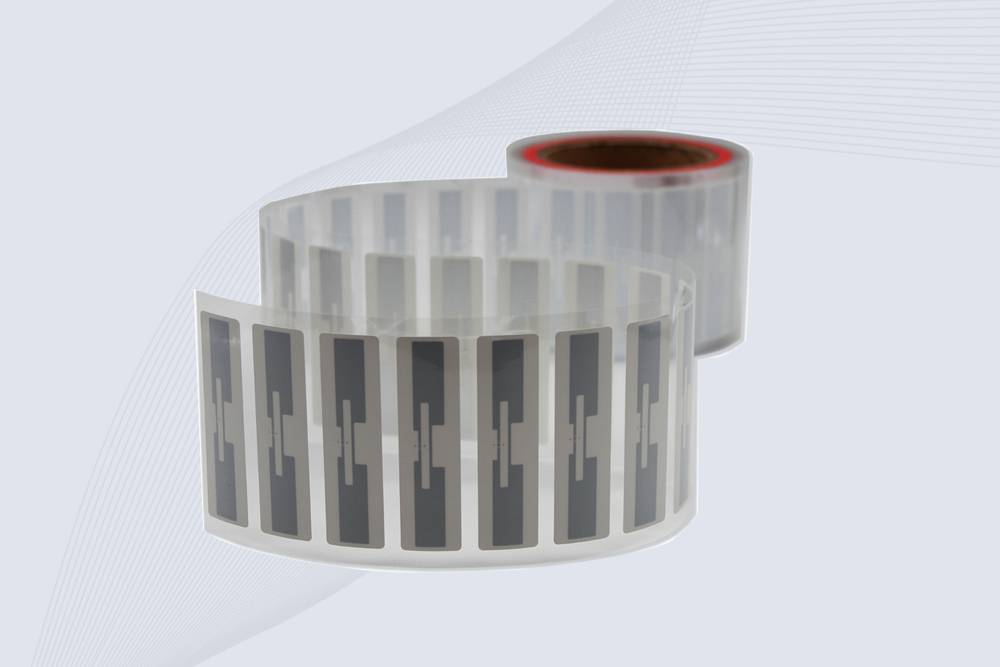
CYKEO Passive RFID Tags are made for wet and high-humidity environments where standard labels do not last. This rfid passive tag is often used around liquids, chemicals and temperature changes, providing stable reading distance and long data life for industrial tracking.
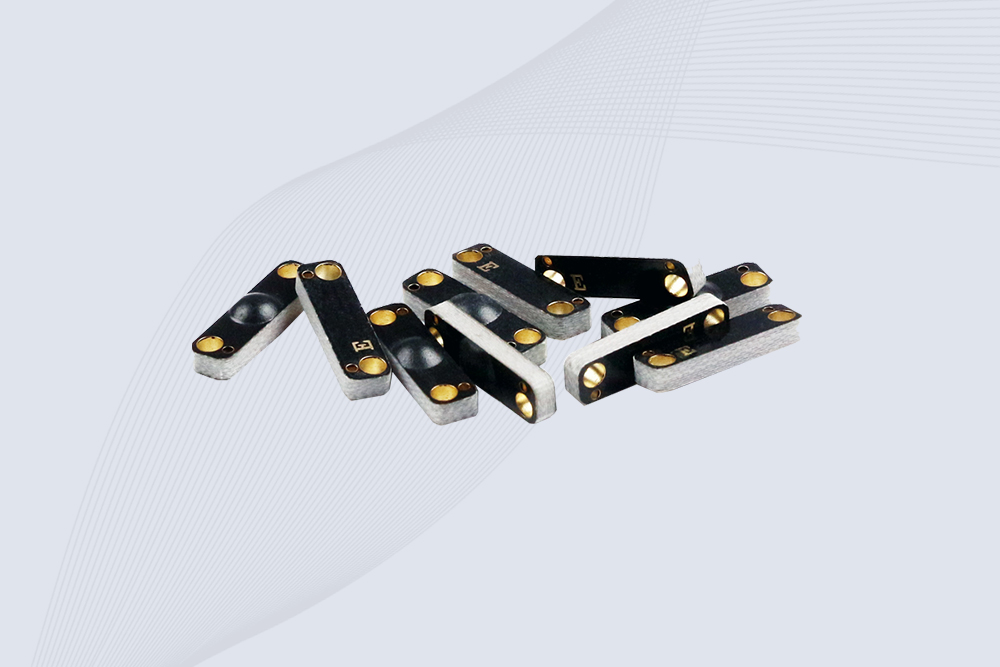
CYKEO CYKEO-PCB1504 Metal RFID Tags is a compact anti-metal UHF RFID solution built for direct mounting on metal surfaces. With stable 8-meter read range, Ucode-8 chip, and long data retention, this rfid metal tag fits tools, containers, automotive parts, and industrial asset tracking.
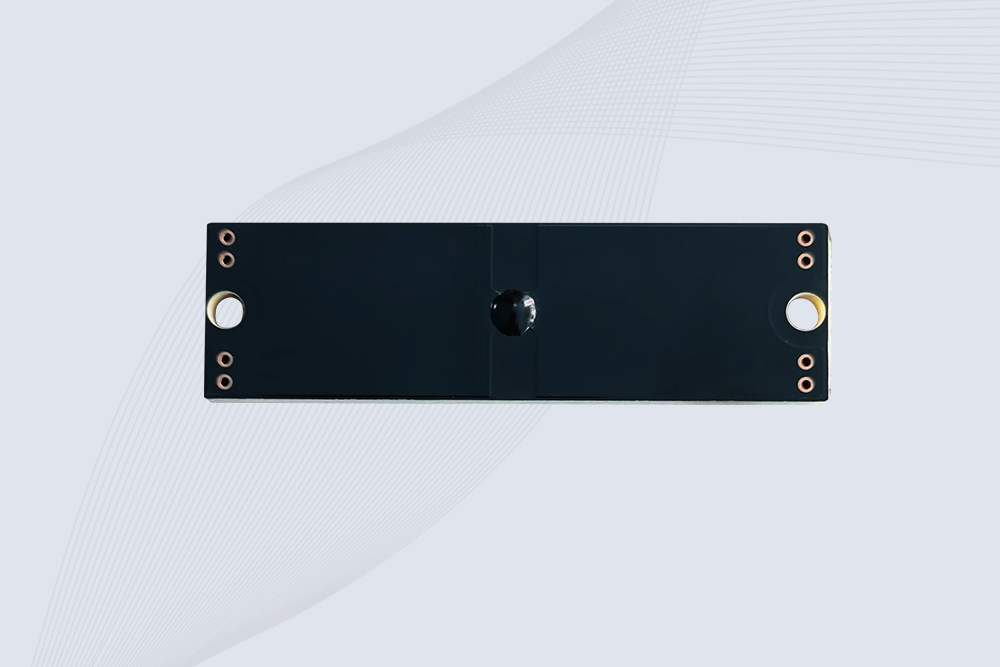
CYKEO CYKEO-PCB7020 On-Metal RFID Tags are designed for reliable tracking on steel and metal surfaces. Built with an FR4 epoxy body and industrial-grade chips, these On-Metal RFID Tags deliver stable performance, long data life, and chemical resistance, making them a dependable RFID anti-metal tag for harsh environments.
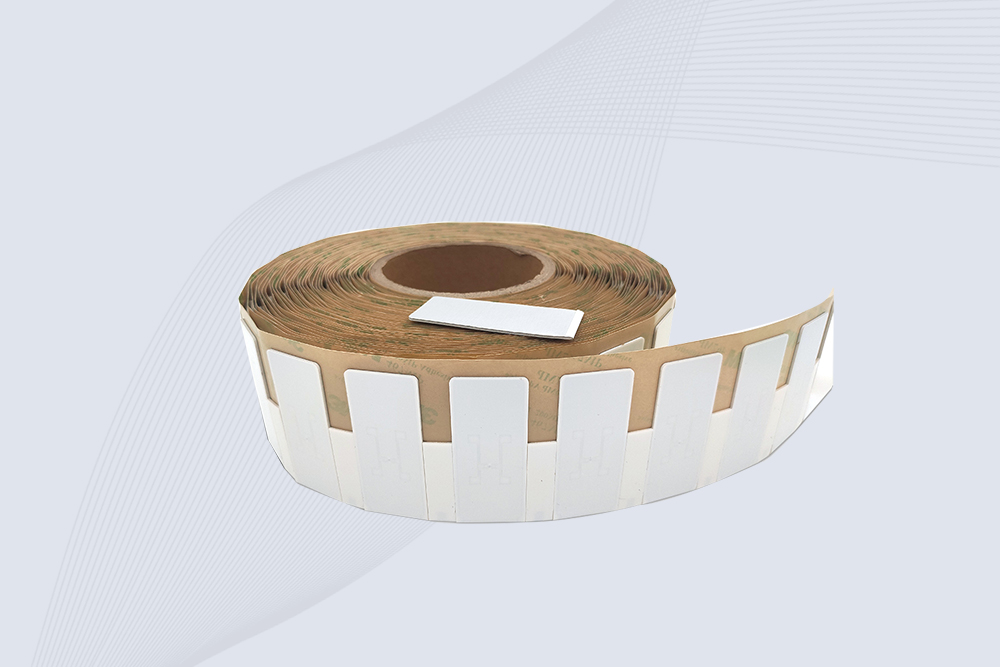
The CYKEO CYKEO-60-25 Anti-Metal RFID Tag is built for metal surfaces where standard tags fail. Designed for long-range performance, harsh environments, and stable data retention, this Anti-Metal RFID Tag is ideal for industrial assets, containers, and equipment tracking using on metal RFID tags.
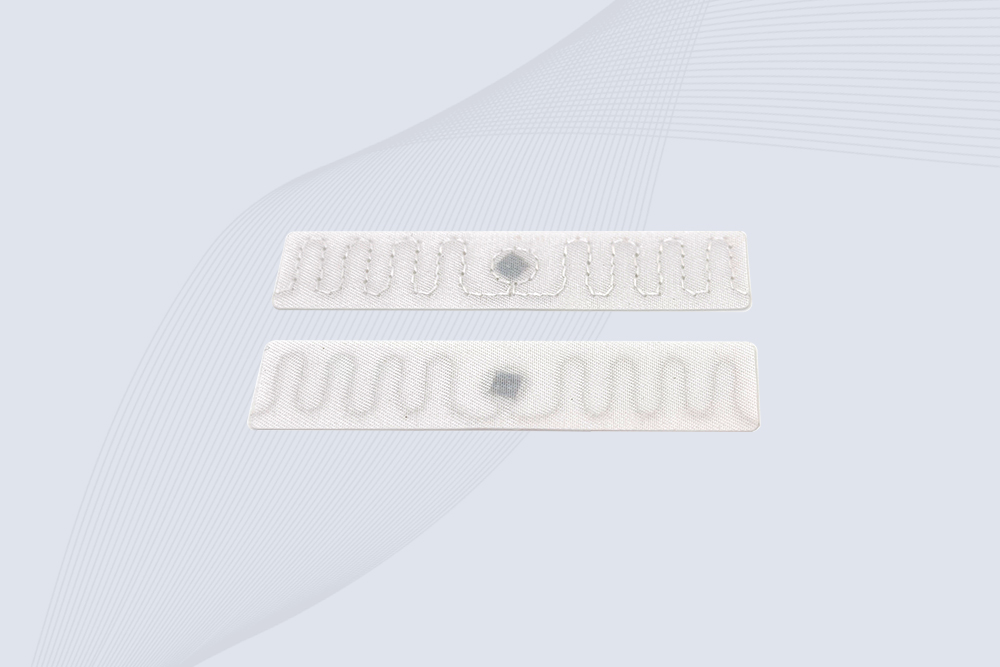
The CYKEO RFID Laundry Tag is designed for long-term textile identification in harsh laundry environments. Built to withstand high heat, chemicals, and repeated washing, this RFID Laundry Tag delivers stable performance for hotels, hospitals, and industrial laundry operations using laundry rfid tags at scale.
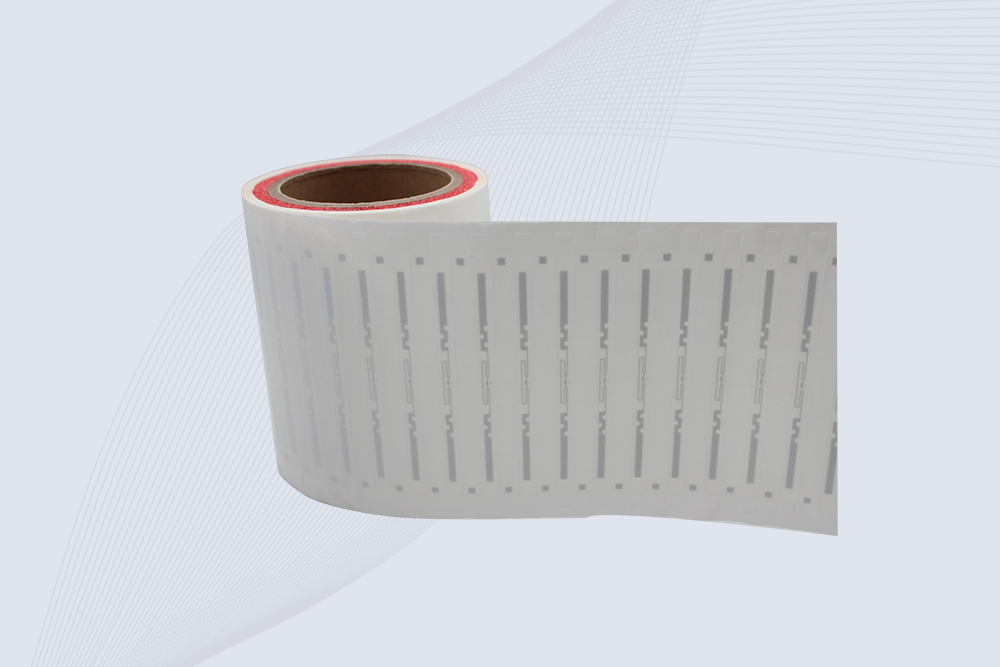
The CYKEO CYKEO-125-7 RFID Book Tag is designed for reliable book and document tracking in libraries and archives. This RFID Book Tag delivers long read range, dense placement support, and stable performance on shelves, making it a practical rfid tag on books for library automation, file management, and archival systems.
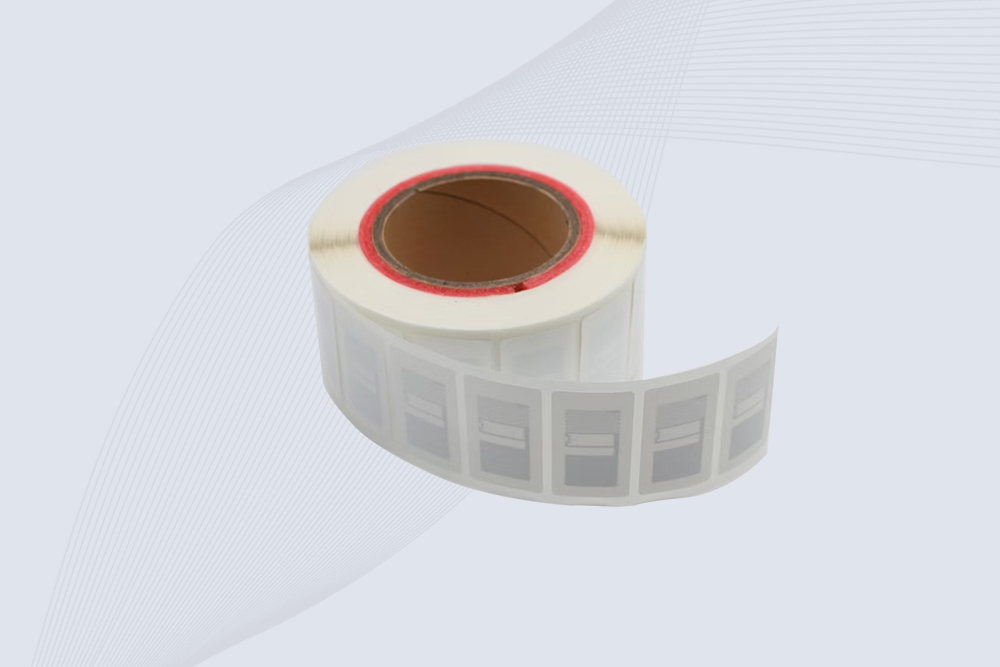
CYKEO RFID tags in hospitals are designed for sterile environments where accuracy matters. These autoclavable RFID tags support long-term tracking of surgical tools, implants, and medications, helping hospitals improve visibility, compliance, and patient safety.

CYKEO RFID Cable Tie Tag is built for reliable identification on metal surfaces. This UHF RFID Cable Tie Tag is widely used in rfid tags for inventory systems, industrial asset management and Hospital RFID Tags, offering stable read performance, long service life and global EPC Gen2 compatibility.
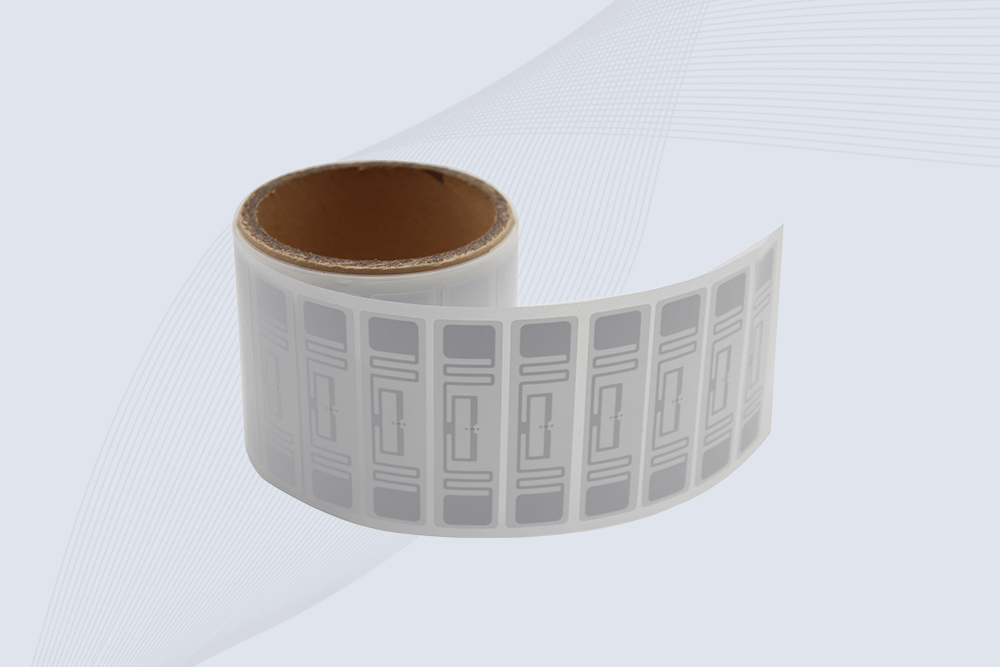
CYKEO RFID Asset Tag is designed for stable identification of metal assets in industrial environments. This UHF RFID Asset Tag is commonly used for rfid tag asset tracking on equipment, tools and containers, providing reliable reads, long service life and ISO/IEC 18000-6C support.

CYKEO UHF RFID Card is designed for fast identification and long-term use in industrial and commercial systems. Supporting ISO 18000-6C, this UHF RFID Card works at 860–960 MHz and is suitable for custom RFID cards used in asset tracking, access control and inventory management.
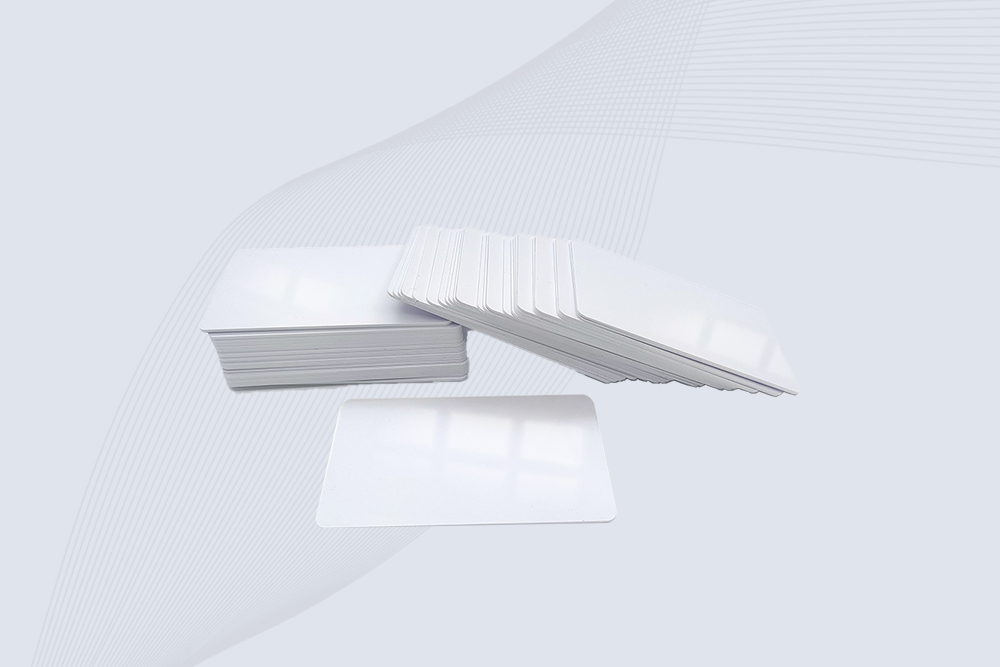
CYKEO HF RFID Cards are designed for secure and stable access control systems. These 13.56 MHz RFID key cards support ISO 14443-A, reliable rewriting and long service life, making HF RFID Cards suitable for offices, campuses, events and membership management.
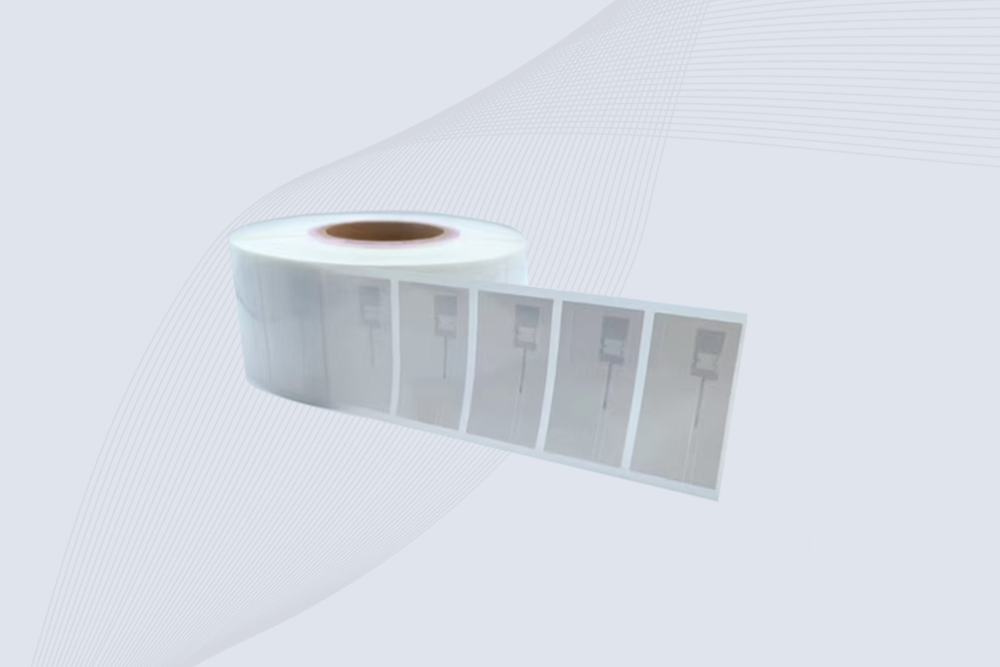
CYKEO UHF RFID Tag is designed for reliable tracking of metal jewelry and high-value items. This Jewelry RFID Tag supports long-range reading up to 8 meters, anti-counterfeit protection and stable performance on metal, making it suitable for retail, inventory control and asset management.
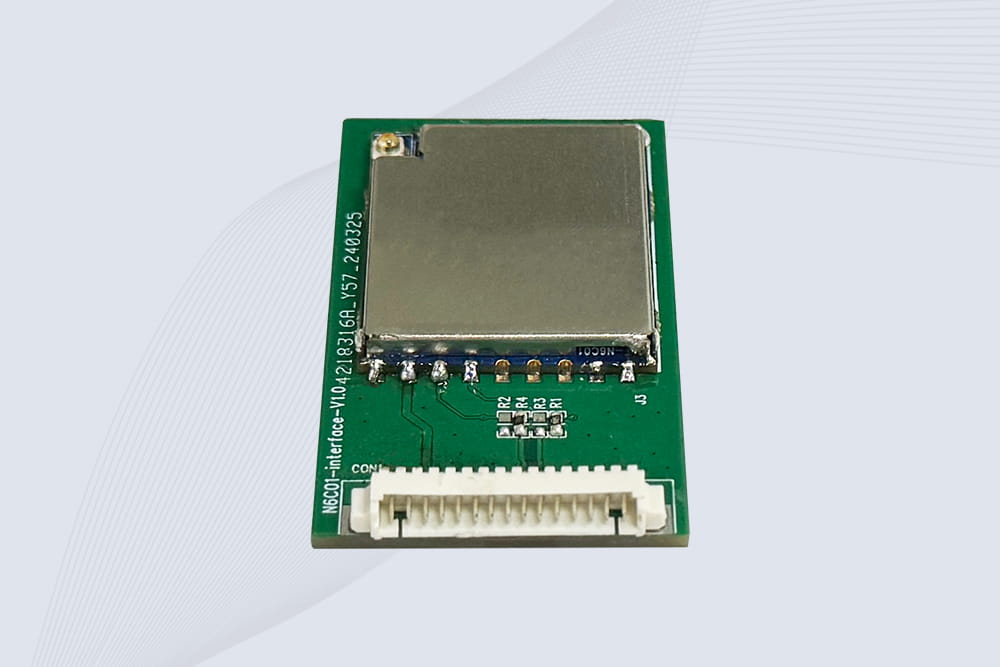
CYKEO Embedded RFID Modules are designed for compact industrial and IoT devices that require stable UHF performance. These UHF RFID Modules support global protocols, flexible power control, and reliable multi-tag reading for smart cabinets, production lines, and asset tracking systems.
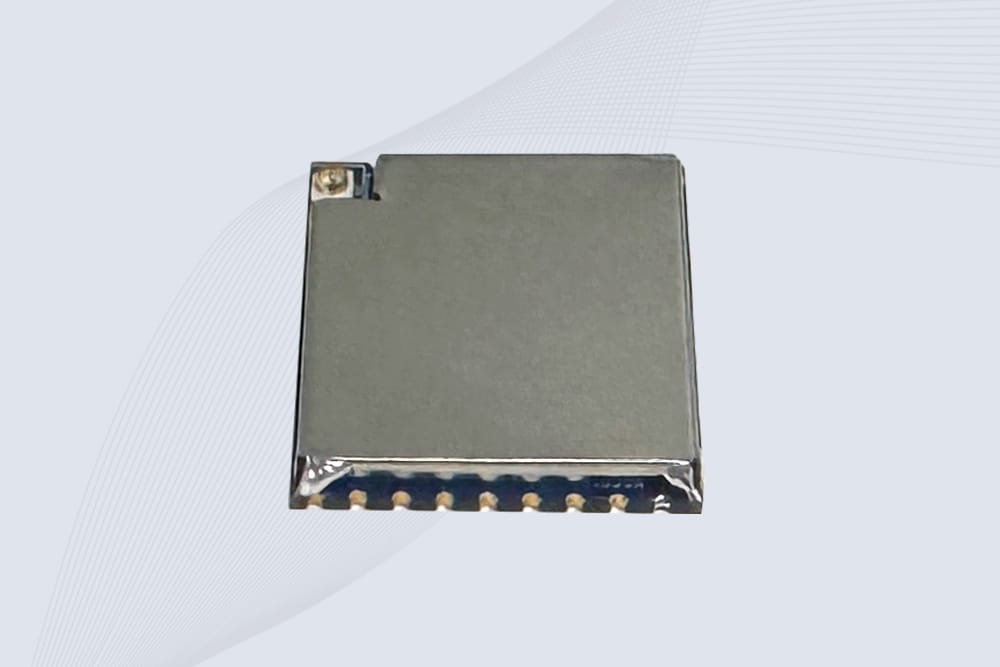
CYKEO Embedded RFID Module is built for compact IoT and industrial devices that need stable UHF performance. This UHF module supports global protocols, low power operation, and reliable multi-tag reading for smart lockers, production lines, and always-on RFID systems.
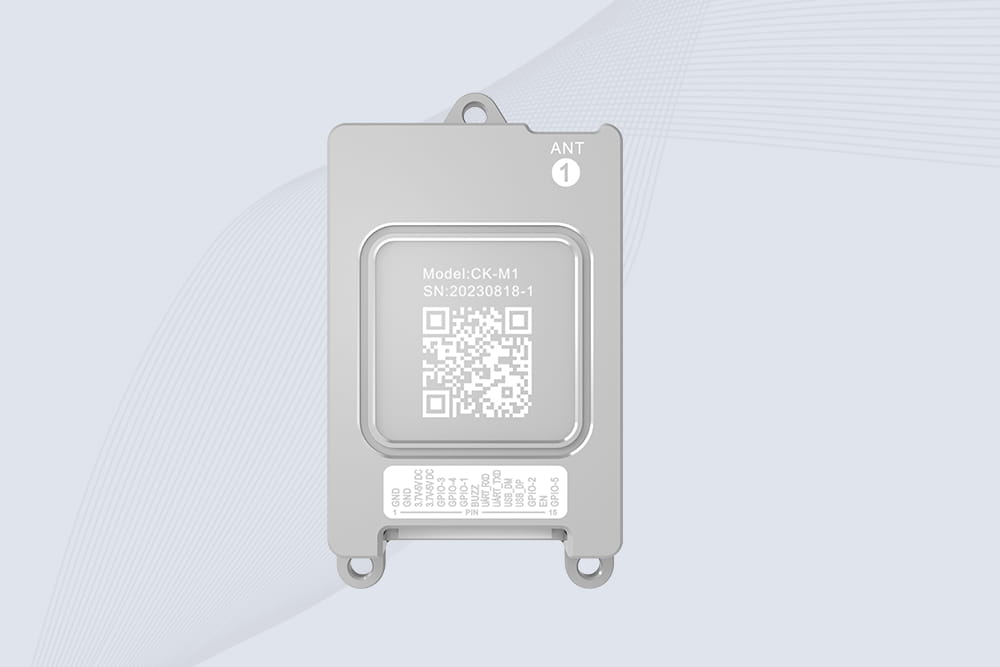
CYKEO CYKEO-M1 drone rfid module is a compact UHF RFID reader module designed for drones and UAV platforms. It supports long-range aerial scanning, fast multi-tag reading, and stable performance in wind, vibration, and outdoor environments.
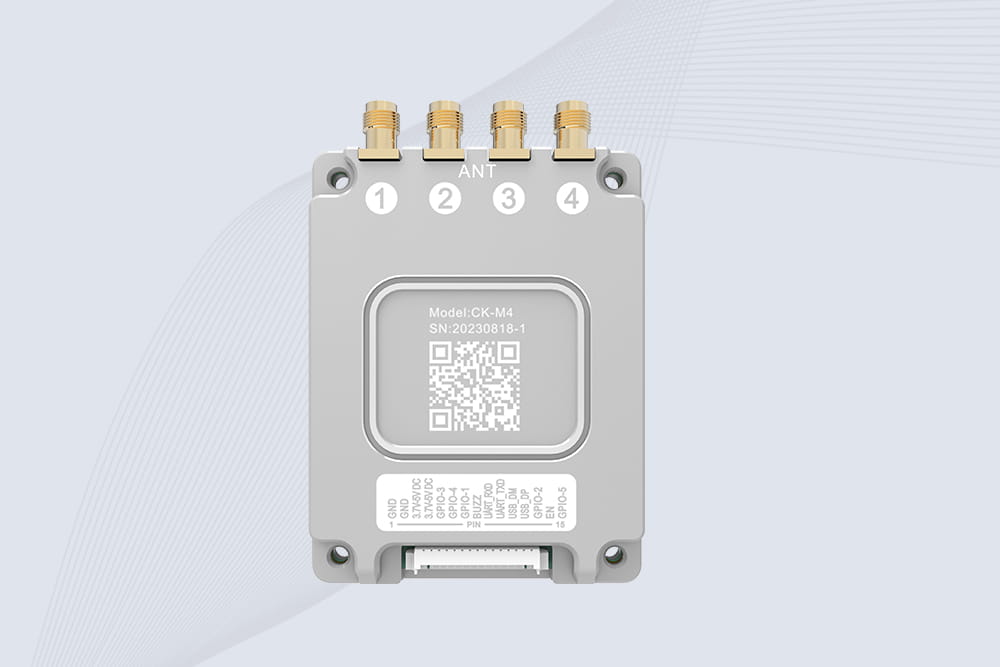
CYKEO CYKEO-M4 RC522 RFID Module is an industrial-grade UHF RFID reader with 4 ports, supporting ISO, EPC, and GB protocols. High-speed, accurate reading for IoT, automation, and warehouse applications.
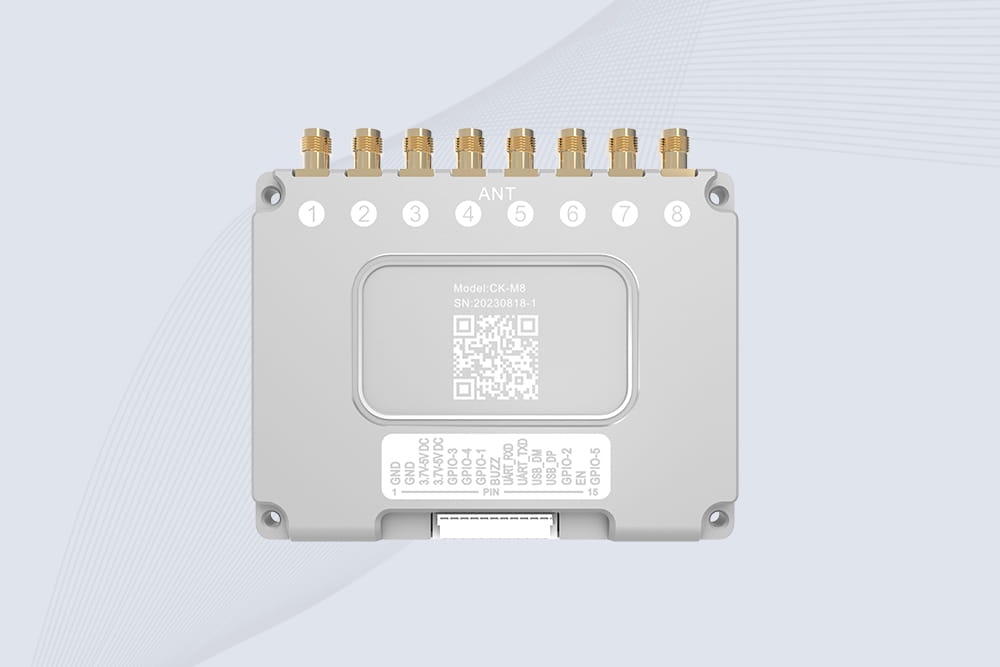
CYKEO CYKEO-M8 Module RFID is an 8-port UHF R2000 RFID Module designed for high-density, multi-tag environments. Stable 33dBm output, ISO & GB protocol support, ideal for warehouses, factories, and automated systems.
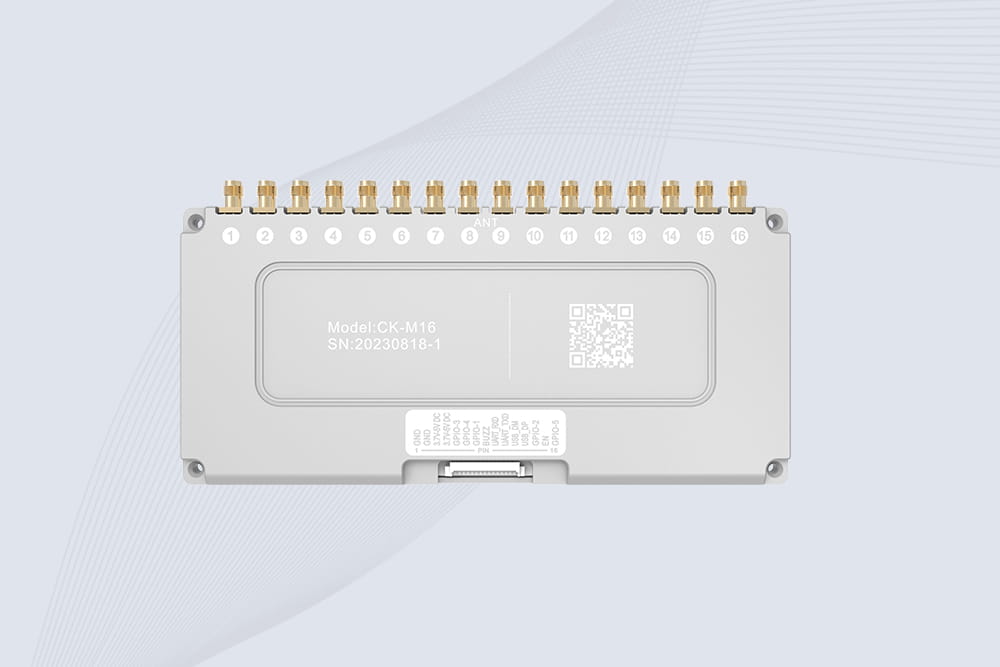
CYKEO CYKEO-M16 RFID Module is a 16-port UHF RFID reader module based on the R2000 chipset. Designed for dense tag environments, it supports ISO and GB standards and delivers stable multi-antenna control for industrial automation.
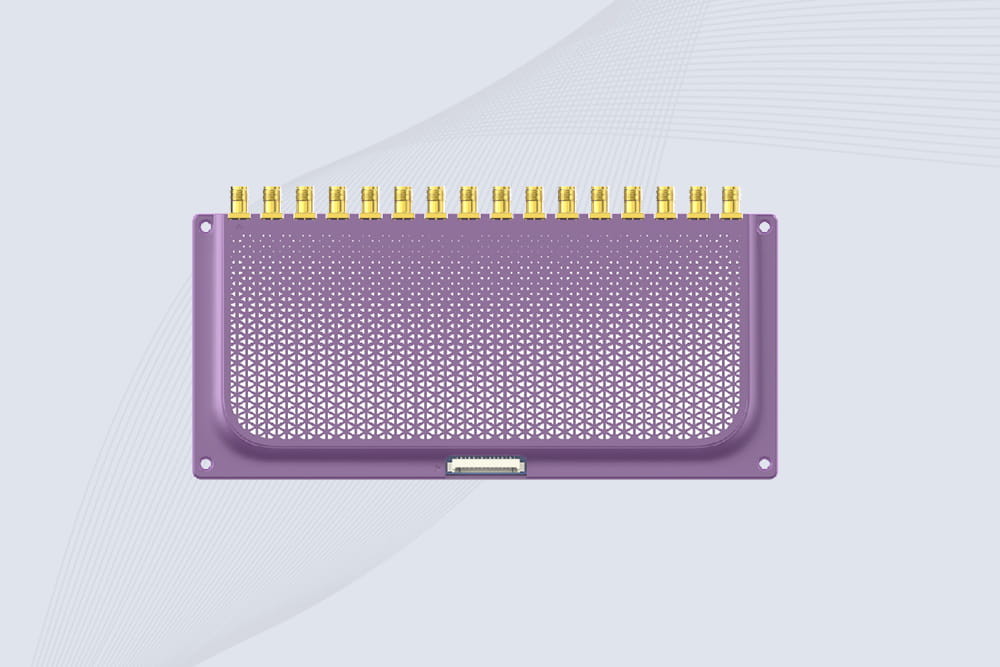
The CYKEO CYKEO-M16L RFID Reader Module is a 16-channel UHF RFID core designed for dense tag environments. With adjustable 33dBm output, multi-protocol support, and stable multi-antenna control, this RFID Tag Reader Module fits industrial automation, warehouse systems, and large-scale IoT deployments.
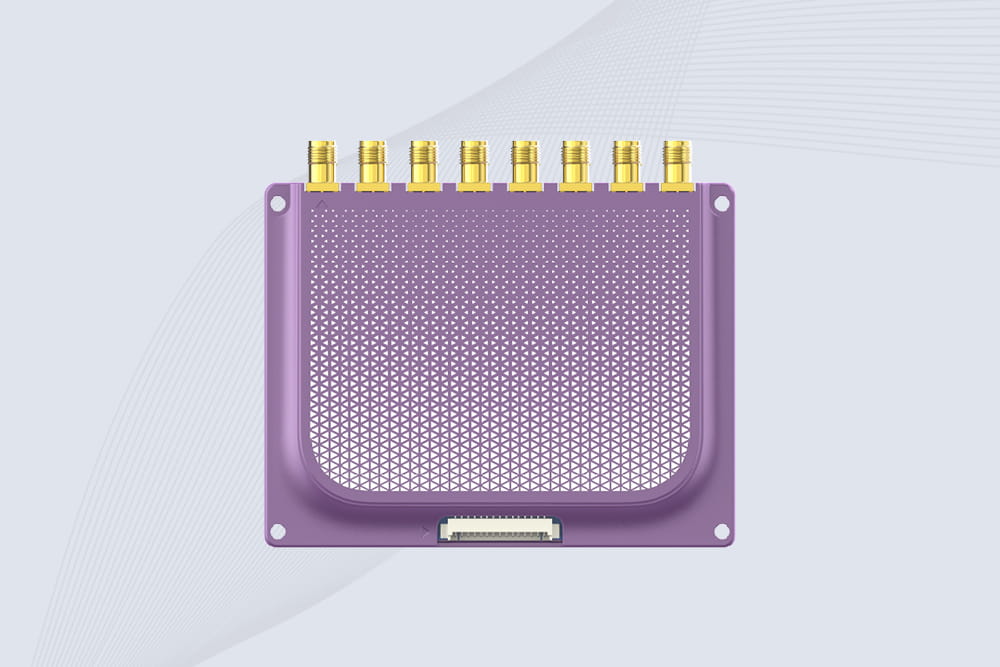
CYKEO CYKEO-M8L module RFID is a compact industrial UHF module built for dense tag and multi-antenna environments. With 8 RF ports, adjustable 33 dBm output, and ISO & GB protocol support, it is widely used in factories, warehouses, and automated tracking systems.
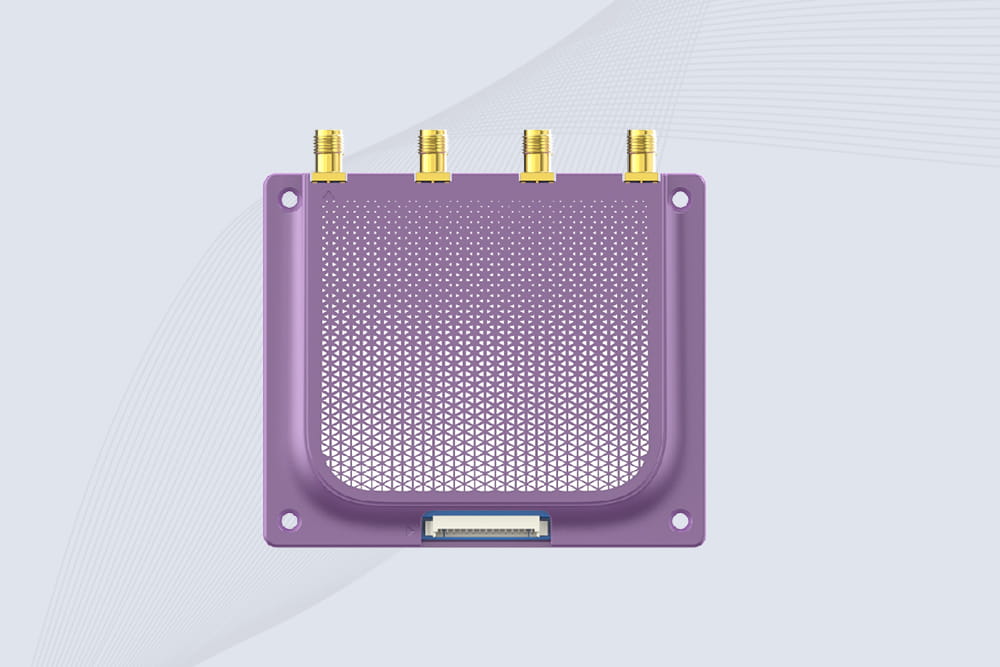
CYKEOCYKEO-M4L UHF RFID Module is a compact 4-channel RFID tag reader module designed for dense tag environments. Supporting ISO and GB protocols, it delivers stable reads up to 10 meters for industrial and IoT systems.

Cykeo CYKEO-A11 UHF RFID reader antenna delivers 11dBi gain, 840-960MHz frequency range, and IP65 ruggedness for retail, logistics, and industrial RFID systems. Features low VSWR and easy installation.

CYKEO Antenna RFID Reader delivers stable long-range UHF performance with a 10.5dBi directional design, built for warehouses, conveyor portals, and industrial RFID systems. This rfid reader antenna provides 20m+ read distance and rugged IP67 protection.

Cykeo CYKEO-PHF3 industrial HF RFID Antenna offers 24-point dynamic tracking, ISO 14443A/15693 protocols, metal-environment stability for archives/libraries/manufacturing.

Cykeo CYKEO-A5B industrial Linear RFID Antenna delivers 5dBi gain, ≤1.5:1 VSWR, and IP65 rugged design for warehouse, production line, and logistics UHF systems.

Cykeo’s CYKEO-B12 Long Range RFID Antenna delivers 15m+ read range with 12dBi gain, IP65 rugged design, and global 840-960MHz UHF support. Ideal for warehouse/logistics asset tracking.

Cykeo CYKEO-B10 Long Distance RFID Antenna offers 10dBi gain, 840-960MHz frequency range, IP65 rating, and 20m+ coverage for logistics/warehousing/ETC systems. Low VSWR ensures stable signal transmission.

Cykeo CYKEO-A6 UHF RFID panel antenna features 6dBi gain, 840-960MHz broadband, IP65 metal-ready housing for logistics/smart retail. 18mm ultra-thin design with tool-free mounting.

Cykeo CK-A3 industrial antenna RFID UHF offers 5m+ tag detection, ≤1.3:1 VSWR, IP65 rugged design, and global UHF spectrum compatibility (840-960MHz) for warehouses, factories, and retail.

Cykeo CYKEO-B5 directional RFID antenna provides 5dBi gain with 60° narrow beamwidth for precise inventory tracking. IP65-rated, global UHF frequency support, and low VSWR.

Create your own high-performance DIY RFID antenna! 5dBi gain, 840-960MHz tunable, step-by-step guides. Compatible with Arduino, Raspberry Pi, and commercial UHF readers.

Cykeo CYKEO-A7 Flexible RFID Antenna features 840-960MHz wideband tuning, 7dBi gain, and IP68 rating for medical/retail/industrial curved surface deployments. 98% read accuracy with peel-and-stick installation.

Cykeo CYKEO-B5A industrial Passive RFID Antenna delivers 5dBi gain, 70° beamwidth, and -40°C~55°C operation for warehouses/smart cabinets. Compatible with Zebra/Impinj readers.

Cykeo’s CYKEO-A9B High Gain RFID Antenna delivers 15m+ read range with 9dBi amplification. Features IP54 rugged design, 840-960MHz bandwidth, and 80° beamwidth for warehouse/manufacturing RFID systems.

Cykeo’s enterprise-grade 8dbi Impinj RFID Antenna 10m+ read range with 840-960MHz tuning. Features IP65 housing, 1.4 VSWR, 35° beamwidth for retail/warehouse RFID systems.

Cykeo CYKEO-A9 industrial UHF RFID antenna delivers 9dBi gain, 840-960MHz frequency range, and IP65 protection for warehouse/logistics/retail RFID systems. Features N-type connector and ≤1.3:1 VSWR.

CYKEO UHF RFID Antenna built for long-distance and industrial applications. This antenna rfid uhf delivers strong gain, outdoor durability, and reliable tag performance in warehouses, yards, and vehicle ID systems.

CYKEO Antenna RFID delivers reliable long-range UHF performance in warehouses, retail shelves, and cold-chain environments. This compact uhf rfid antenna provides stable reads with circular polarization and ultra-wide 840–960 MHz support, ideal for industrial tracking, smart shelves, and asset monitoring.

Cykeo’s CYKEO-C8 UHF RFID antennas delivers 8dBi gain, 840-960MHz full-band coverage, and IP65 ruggedness for manufacturing/warehouse RFID systems. Industrial RFID Antennas Features

Cykeo’s 8dBi UHF RFID antenna and reader kit delivers 10m+ range, 840-960MHz broadband, and IP65 ruggedness for factories, warehouses, and logistics. ISO 18000-6C & EPC Gen2 certified.

Cykeo CYKEO-A9A industrial UHF RFID reader and antenna kit delivers 10m range, 500 tags/sec, IP65 ruggedness for manufacturing/logistics. Supports EPC Gen2, ISO18000-6C.
Cykeo’s CYKEO-A12C UHF Large RFID Antenna delivers 12dBi gain, 840-960MHz global frequency, IP65 ruggedness for logistics/warehousing/automotive. 40° beamwidth ensures stable 15m+ tag reads.

CYKEO Near Field RFID Antenna provides precise 5–30 cm reading for shelves, cabinets, and workstations. This compact rfid shelf antenna delivers stable short-range performance around metal and clutter, ideal for pharmacies, libraries, and electronics sorting.

Discover the key factors to consider when selecting a handheld RFID scanner for your business, from durability to software compatibility. Make an informed choice.
More
Learn how to track tools and equipment using RFID technology. Improve visibility, automate tool management, reduce losses, and achieve real-time inventory control with Cykeo RFID solutions.
More
can you use rfid for forklift tracking? Learn how UHF RFID identifies forklifts, records movement events, improves fleet visibility, and supports smarter warehouse operations with Cykeo.
More
Can RFID track location? Learn how RFID location tracking works, including UHF RFID, asset monitoring, and Cykeo solutions for smart tracking systems.
More