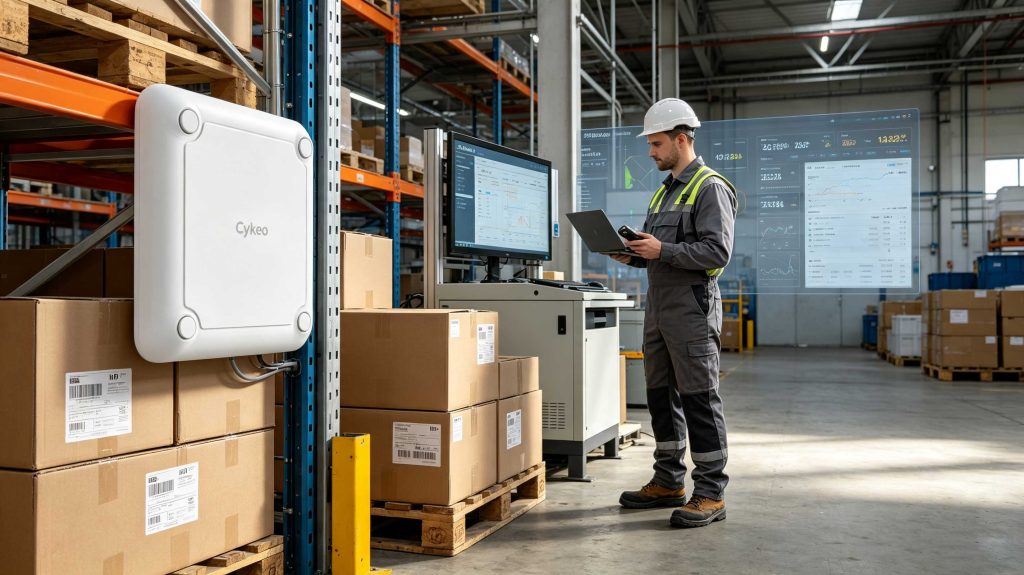
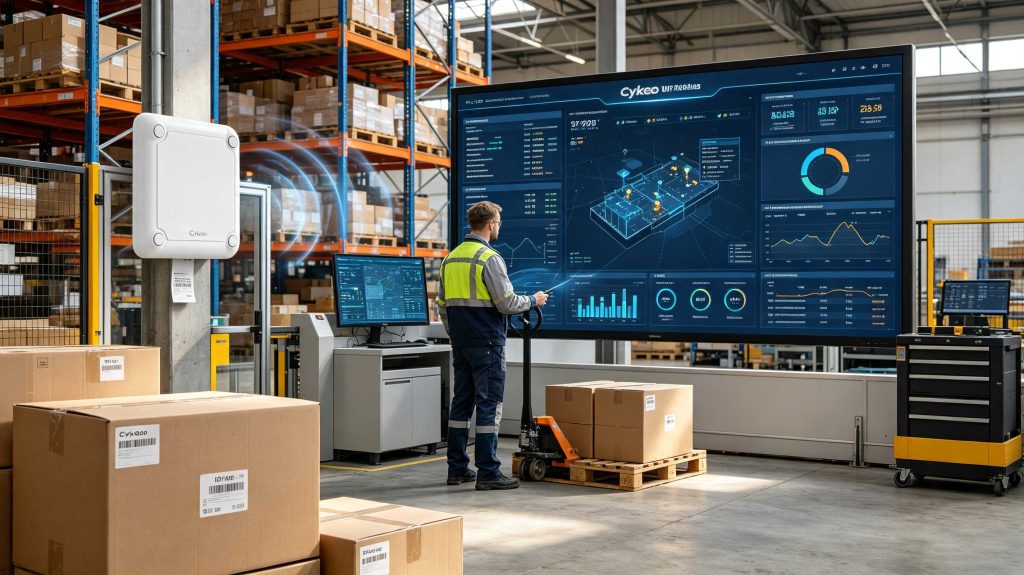
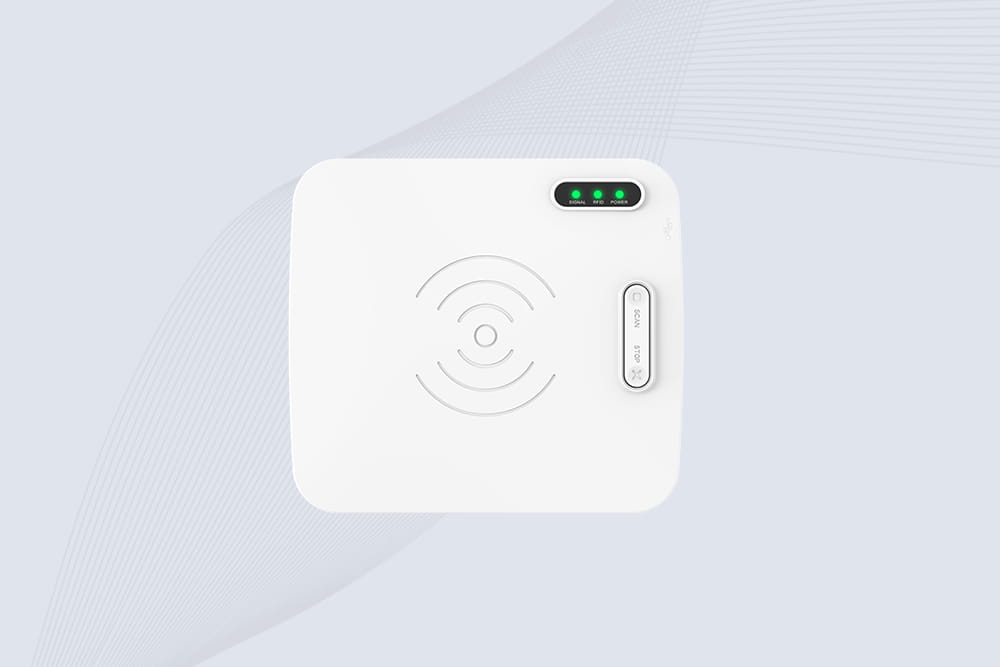
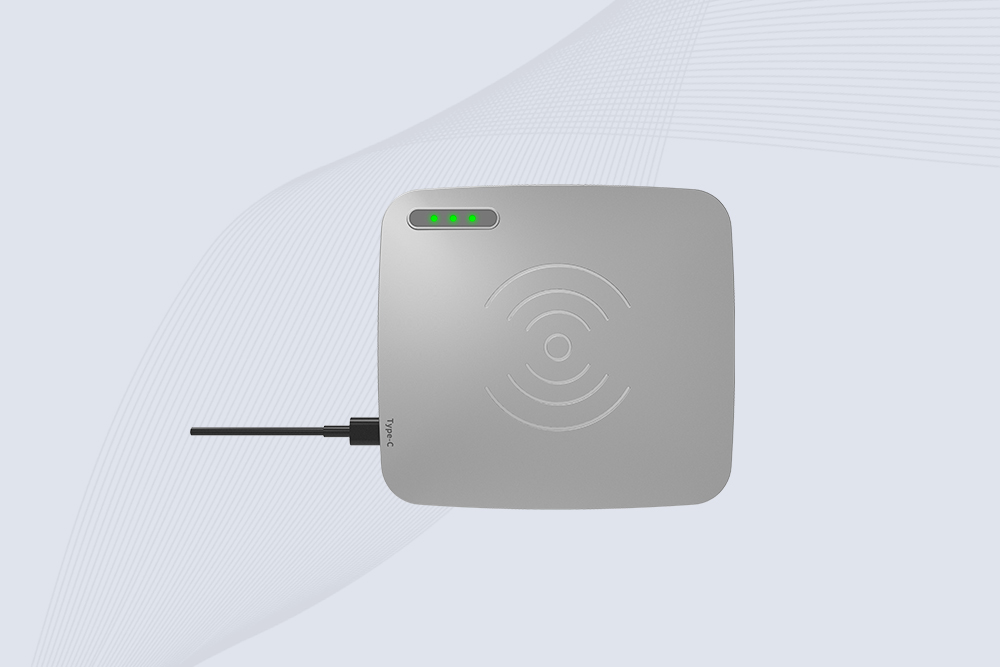
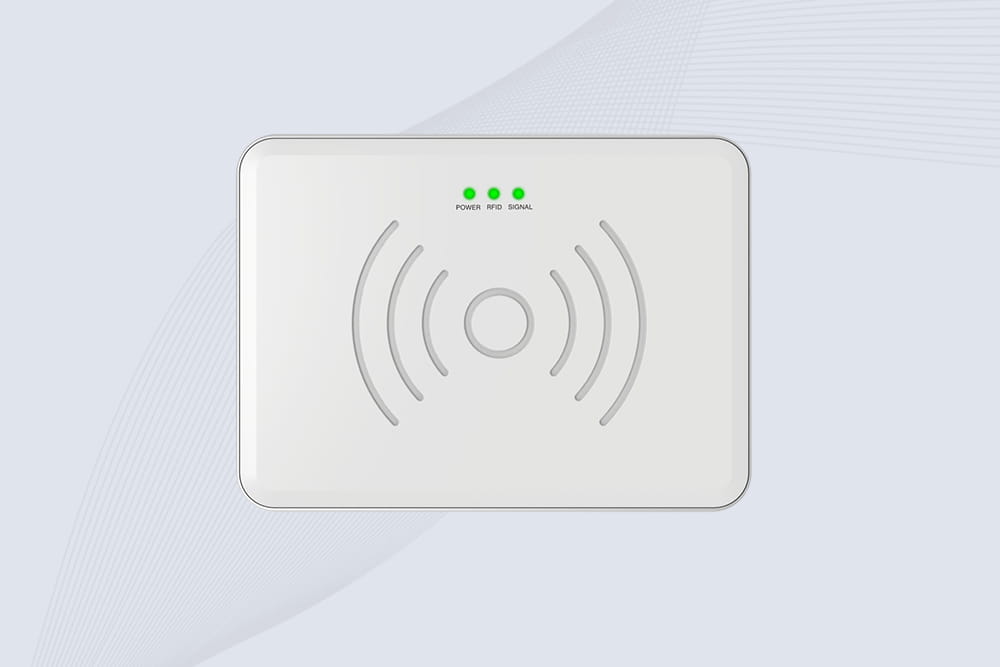
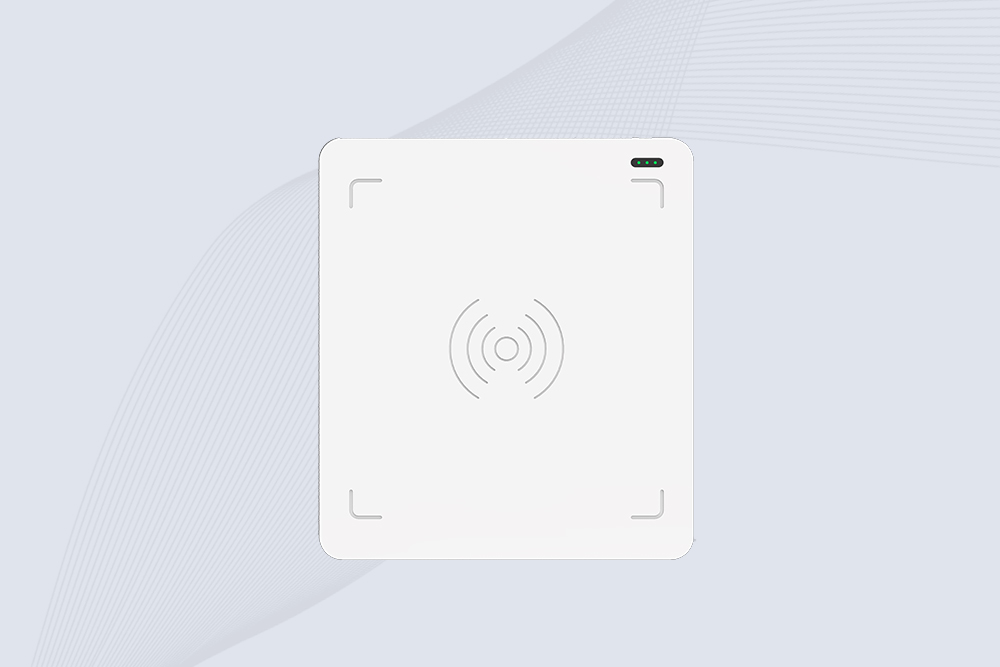
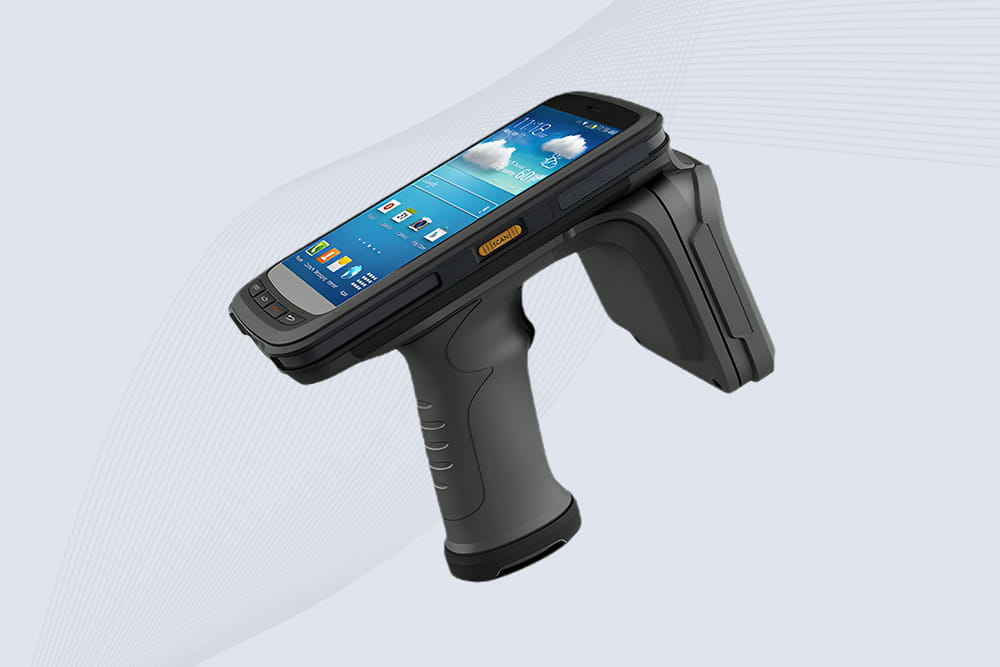
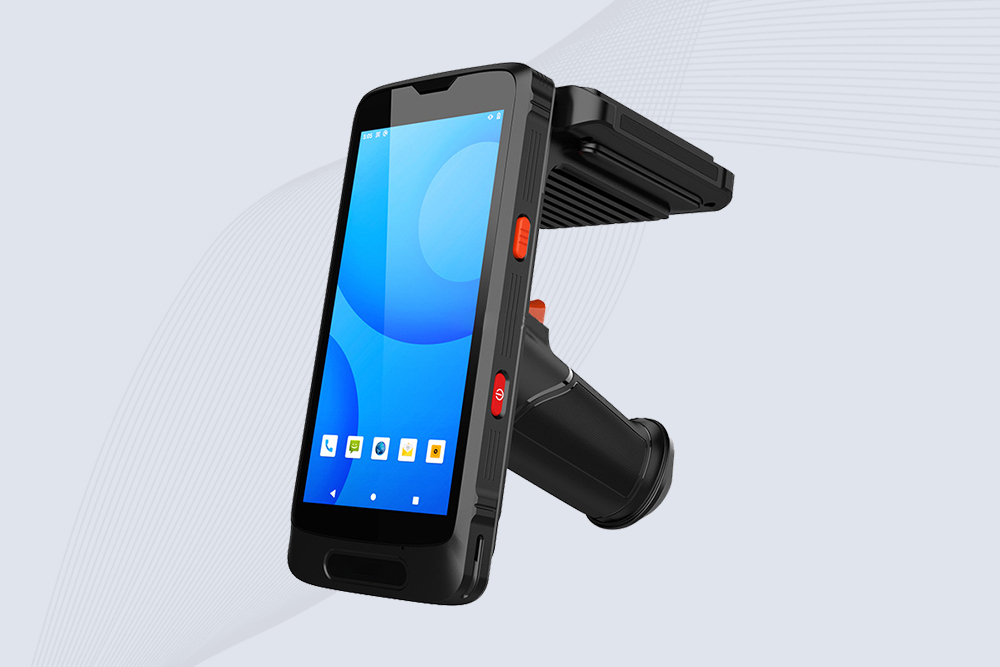
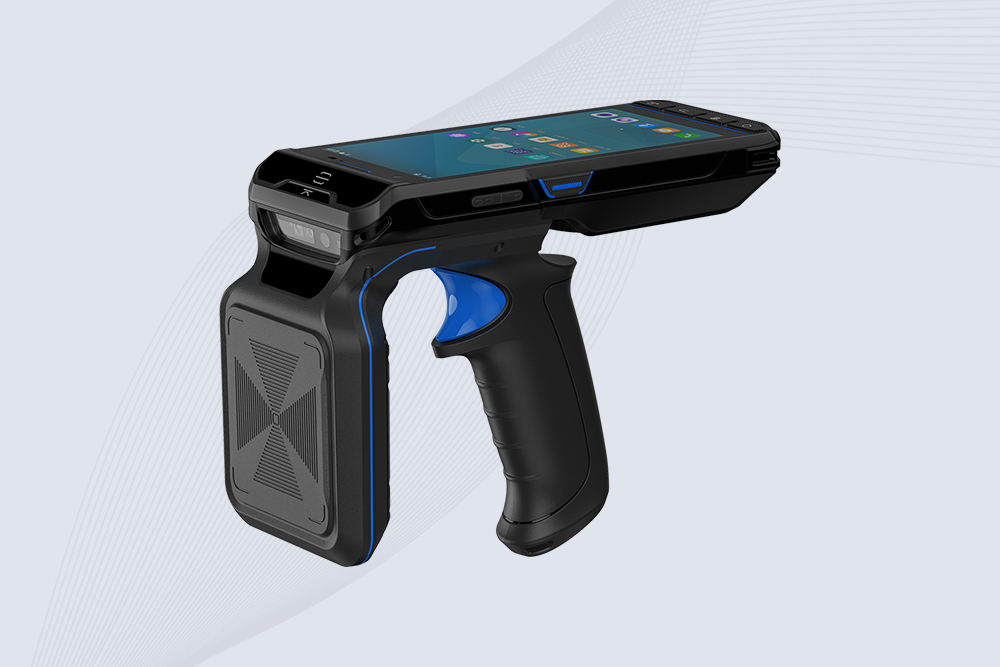
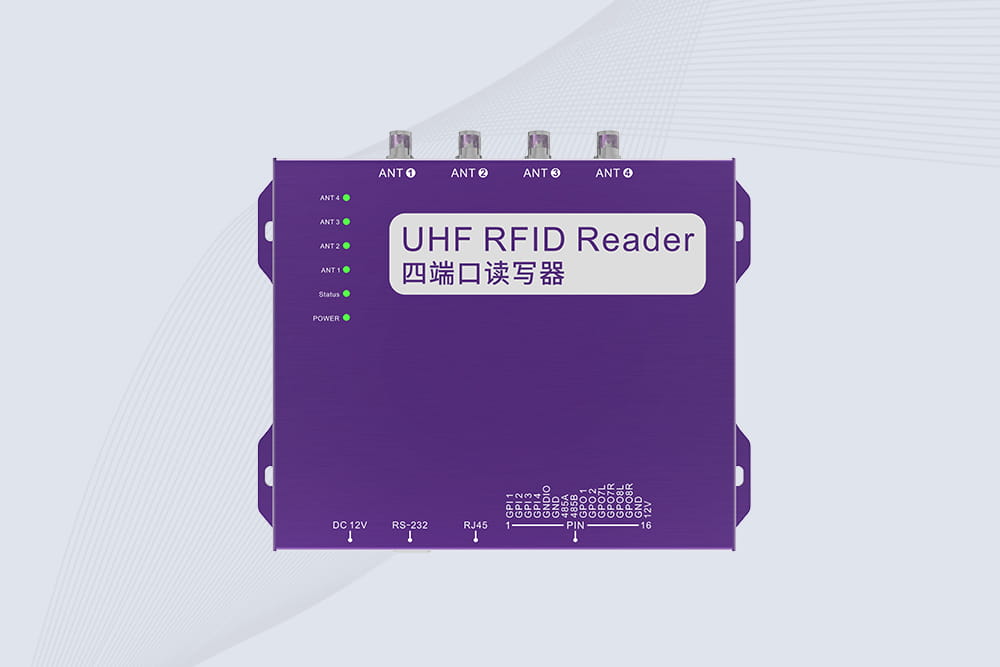
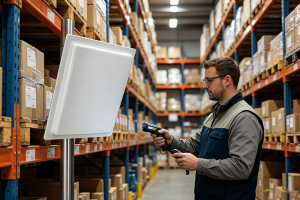
RFID stands for Radio Frequency Identification, a wireless technology that uses radio waves, RFID tags, and readers to identify and track objects automatically. It enables real-time data collection without direct scanning, improving inventory, logistics, retail, and asset management efficiency.
What Are RFID Systems and Why Are They Used?
When companies ask what are rfid, the answer goes beyond a simple definition. RFID is a complete identification system that connects physical objects with digital information.
In practical deployments, RFID allows products, tools, medical supplies, and industrial assets to carry a unique digital identity. A reader captures this identity through radio frequency communication, then transfers the information to software platforms for tracking and management.
I have participated in RFID system evaluation and deployment projects covering warehouses, retail environments, industrial equipment management, and smart inventory applications. One thing becomes clear after working with real sites: the biggest value of RFID is not only reading tags faster. It is reducing the invisible gaps between what a company owns and what its systems actually know.
A warehouse may show 10,000 units in its database, while several hundred items may have already moved to another location. RFID creates a continuous information connection between the physical world and the digital system.
According to GS1, RFID based on EPC standards provides a globally recognized method for identifying individual items throughout supply chains. This item-level visibility has become an important foundation for modern logistics and retail automation.
How RFID Technology Works in Real Applications
RFID technology operates through three main components:
1. RFID Tags: The Digital Identity of Objects
An RFID tag stores identification information and attaches to an item.
A typical RFID tag contains:
Component
Function
RFID Chip
Stores identification data
Antenna
Receives and sends radio signals
Substrate
Supports physical structure
Depending on the application, RFID tags can be designed for:
Retail clothing labels
Warehouse cartons
Metal equipment
Medical supplies
Industrial tools
Vehicle management
Different environments require different tag designs. A clothing tag and a metal equipment tag may both use RFID technology, but their materials and antenna structures are completely different.
2. RFID Readers: The Communication Bridge
RFID readers communicate with tags by transmitting radio signals and receiving tag responses.
Companies can understand where important assets are located.
Higher Operational Efficiency
Employees spend less time searching and more time managing processes.
A study from Auburn University RFID Lab has researched RFID applications in retail supply chains and demonstrated improvements in inventory accuracy and product visibility through RFID adoption.
RFID vs Barcode: Understanding the Difference
Many businesses compare RFID with traditional barcode systems.
Feature
RFID
Barcode
Reading Method
Radio frequency
Optical scanning
Direct Visibility Required
No
Yes
Multiple Item Reading
Yes
Usually No
Data Capacity
Higher
Limited
Automation Capability
Strong
Moderate
Barcodes remain useful for simple identification tasks. However, when companies need automatic inventory tracking, RFID provides greater flexibility.
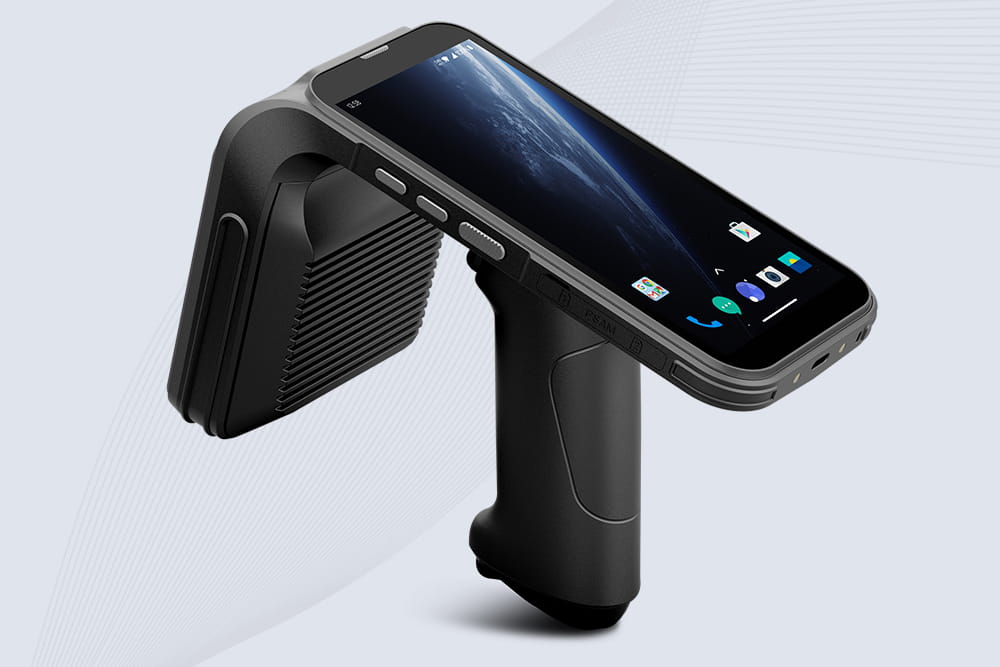
A worker walking through a warehouse with an RFID reader can capture information from many tagged products without physically scanning each label.
My Experience with RFID System Implementation
A common mistake in RFID projects is treating RFID as only a hardware purchase.
A powerful reader does not automatically create a successful system.
During deployment planning, I usually examine:
Where products enter and leave
How employees move inventory
Which materials affect radio signals
Where accuracy problems occur
For example, metal storage racks can influence RFID performance. Dense product stacking can change tag readability. Even the position of a reader antenna can affect the final result.
The best RFID systems are designed around real workflows, not only technical specifications.
After years of RFID deployment testing in logistics warehouses, retail inventory rooms, manufacturing lines, and smart asset management projects, the biggest challenge is rarely whether RFID can read tags. The real challenge is whether the complete RFID system can maintain stable performance when environments become complicated: dense tag stacking, metal interference, moving objects, and continuous operation.
Cykeo RFID solutions focus on solving these practical deployment problems through optimized hardware architecture, high-performance readers, and application-oriented software integration.
1. High-Speed Multi-Tag Reading Performance
Traditional barcode systems require manual scanning one by one. RFID changes this workflow by allowing multiple tagged items to be identified simultaneously without direct visual alignment.
Cykeo UHF RFID readers support EPC Class 1 Gen 2 / ISO 18000-6C protocols and are designed for high-density inventory environments.
Key technical advantages:
Technical Feature
Cykeo RFID Capability
RFID Protocol
EPC C1G2 / ISO 18000-6C
Reading Method
Non-contact batch identification
Multi-tag Recognition
More than 400 tags/second in optimized environments
Output Power
Up to 33 dBm adjustable
Communication
Ethernet, RS232, USB options
Application
Warehouse, retail, manufacturing, healthcare
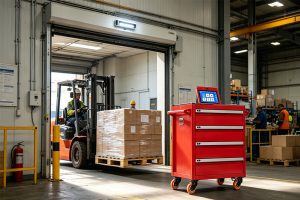
In warehouse testing scenarios, the difference is obvious. A worker moving a cart containing hundreds of products does not need to stop and scan every barcode. The RFID reader captures the tag information while the cart passes through the reading zone.
RFID System Architecture Deep Dive
A complete RFID deployment is not only a reader and a tag. It is an integrated identification system consisting of several layers.
RFID System Components
1. RFID Tags
RFID tags store product identification information. Depending on application requirements, tags may include:
UHF RFID labels for retail products
Anti-metal RFID tags for industrial equipment
High-temperature tags for manufacturing environments
Special tags for medical assets
A typical UHF RFID tag contains:
Antenna
RFID chip
Substrate material
Protective layer
The chip stores EPC information, while the antenna enables wireless communication with the RFID reader.
2. RFID Readers
The reader generates RF energy and communicates with tags through radio frequency signals.
Cykeo RFID readers are designed for different deployment environments:
Fixed RFID readers for warehouse gates
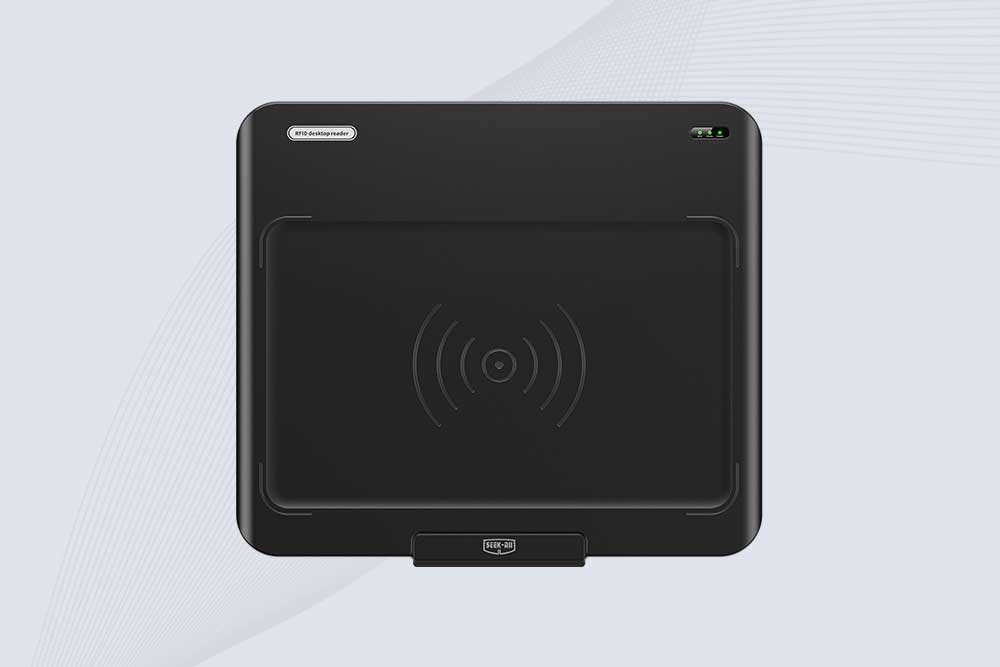
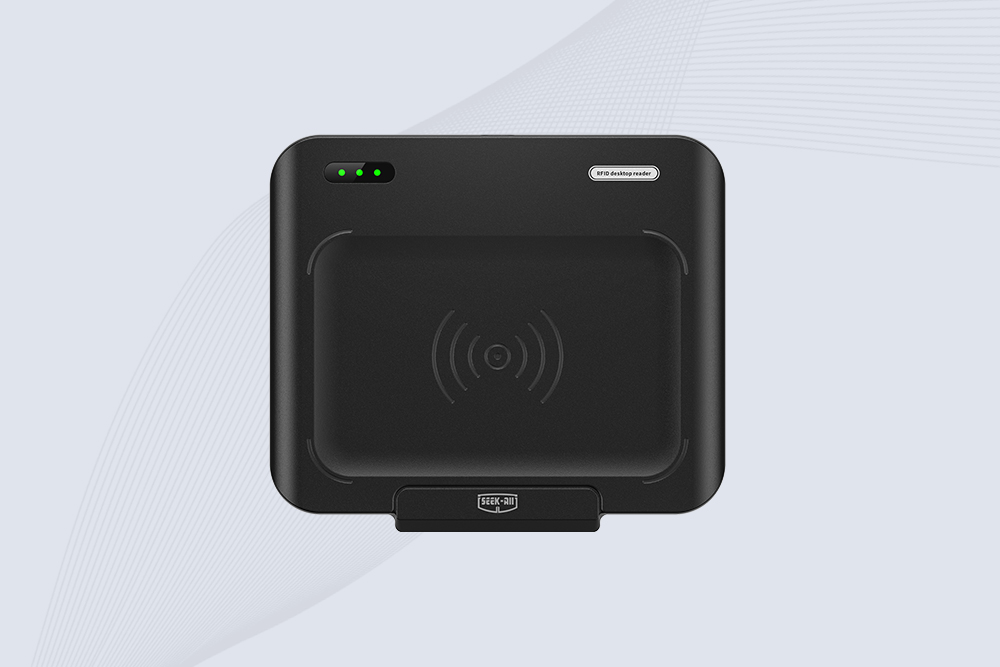
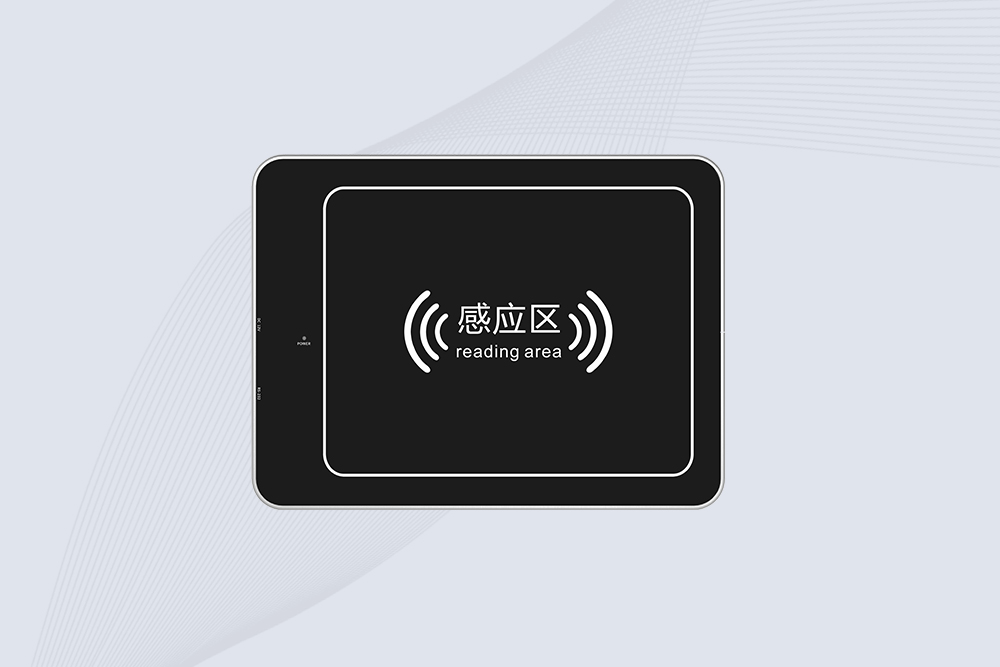
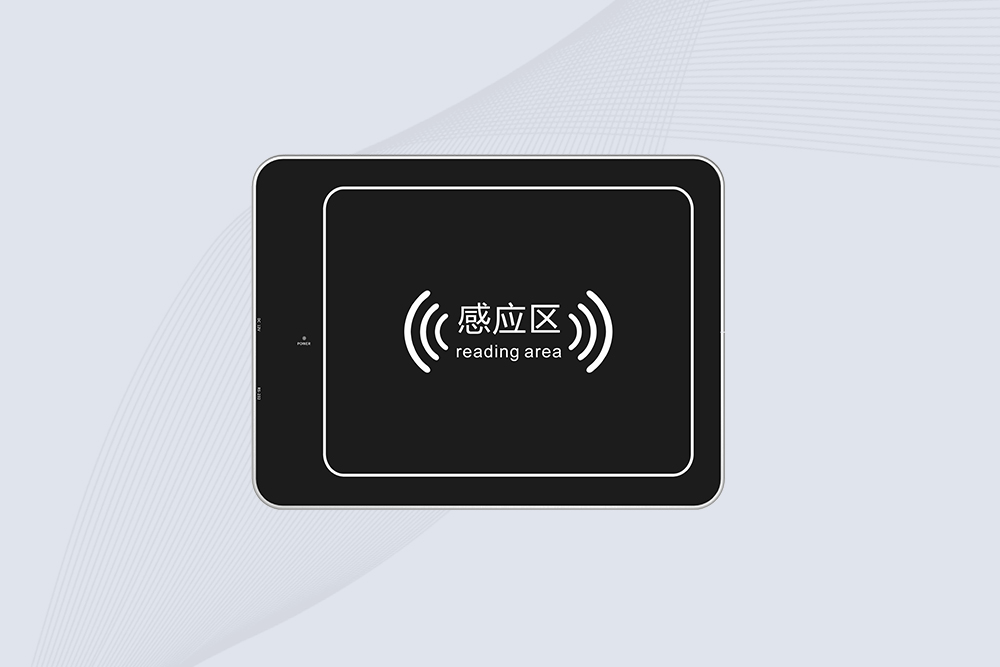
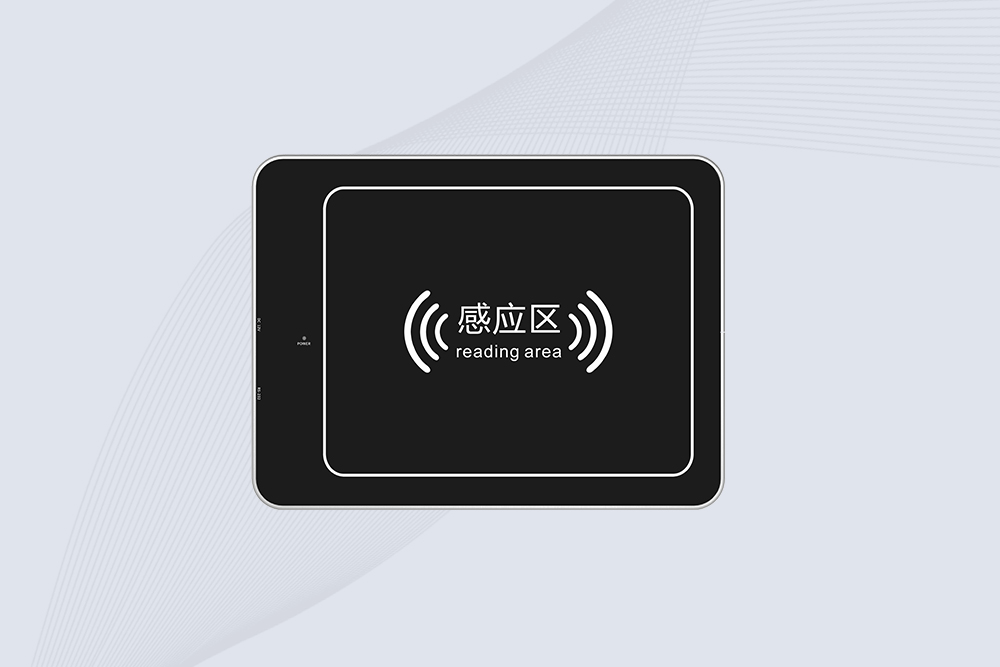
Desktop RFID readers for tag encoding
Integrated readers for retail self-checkout
Industrial readers for harsh environments
The reader sends interrogation signals, receives tag responses, filters duplicate information, and transfers data to enterprise systems.
3. Software Platform Integration
The RFID system becomes valuable when connected with business software.
Common integrations include:
Warehouse Management System (WMS)
Enterprise Resource Planning (ERP)
Retail POS systems
Manufacturing execution systems (MES)
Hospital asset management platforms
RFID data can update inventory status automatically instead of depending on manual input.
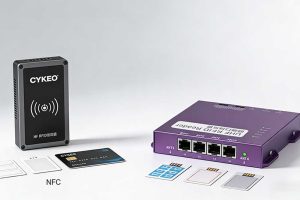
RFID vs Barcode vs NFC Comparison
RFID, barcode, and NFC solve different identification problems. Choosing the correct technology depends on reading distance, speed, and application environment.
Feature
RFID
Barcode
NFC
Reading Method
Radio frequency
Optical scanning
Near-field communication
Line of Sight Required
No
Yes
Usually yes
Multiple Tag Reading
Yes
No
Limited
Typical Distance
Several meters
Few centimeters
Few centimeters
Data Capacity
Higher
Low
Medium
Best Application
Inventory tracking
Product labeling
Mobile interaction
For large-scale inventory operations, RFID provides a significant efficiency advantage because employees can identify multiple items simultaneously.
According to GS1, RFID adoption has expanded across retail and supply chains because organizations require better item-level visibility and automated data capture.
RFID Industry Application Cases
1. Smart Retail Inventory Management
Retail stores often struggle with inaccurate stock counts.
A clothing store may have thousands of individual items distributed across:
Store shelves
Fitting rooms
Backrooms
Distribution centers
RFID enables employees to perform rapid inventory checks using handheld or fixed readers.
Practical improvements include:
Faster stock counting
Reduced out-of-stock situations
Improved replenishment decisions
Better anti-theft management
Large retailers such as Zara have used RFID technology to improve inventory visibility across stores and supply chains.
2. Warehouse and Logistics Tracking
Modern warehouses require real-time inventory information.
A typical RFID warehouse workflow:
RFID tags are attached to cartons or pallets.
Fixed readers identify incoming goods.
Software updates inventory records automatically.
Workers receive accurate picking information.
Shipping status updates in real time.
Compared with manual barcode processes, RFID reduces repetitive scanning operations and improves operational visibility.
3. Healthcare Asset Management
Hospitals manage thousands of valuable assets:
Medical equipment
Surgical instruments
Consumables
Pharmaceutical supplies
RFID helps hospitals locate equipment faster and maintain accurate inventory records.
Common applications:
Medical cabinet tracking
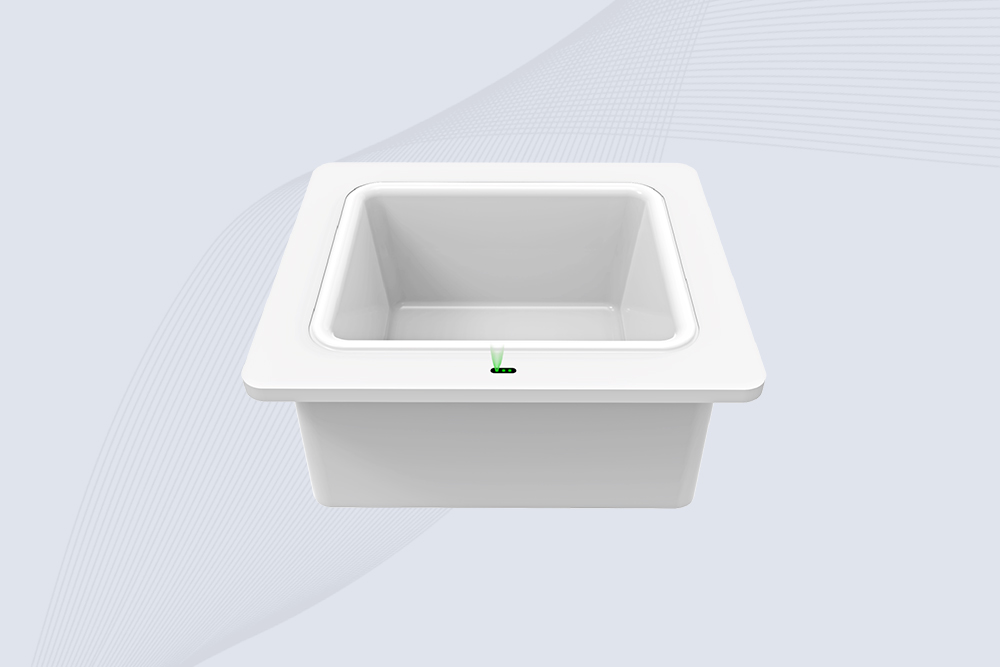
RFID smart shelves
Drug inventory management
Equipment lifecycle monitoring
RFID Deployment Strategy
A successful RFID project requires more than purchasing readers.
Step 1: Analyze the Application Environment
Before installation, evaluate:
Material type
Metal interference
Reading distance requirement
Tag attachment method
Data integration needs
Metal environments often require special RFID tags and antenna optimization.
Step 2: Select Suitable RFID Hardware
Example selection:
Application
Recommended RFID Solution
Retail checkout
Integrated RFID reader platform
Warehouse entrance
Fixed UHF RFID reader
Tag encoding
Desktop RFID writer
Tool tracking
Industrial RFID reader
Medical inventory
RFID smart shelf
Step 3: Test Before Large Deployment
Professional RFID deployment should include:
Reading distance testing
Multi-tag collision testing
Environmental interference testing
Software integration verification
A small pilot project usually reveals problems that cannot be predicted during planning.
RFID technology connects physical products with digital systems through real-time identification and automated data collection.
FAQ: RFID Technology
1. What is RFID mainly used for?
RFID is mainly used for automatic identification, inventory tracking, asset management, logistics monitoring, and retail automation.
2. Can RFID read multiple tags at the same time?
Yes. Unlike barcode systems, RFID readers can identify multiple tags simultaneously without scanning each item individually.
3. Does RFID require batteries?
Most UHF RFID tags are passive and do not require batteries. They receive energy from the RFID reader signal.
4. How far can RFID tags be read?
Reading distance depends on frequency, antenna design, reader power, and environment. UHF RFID systems can typically achieve several meters of reading distance.
5. Is RFID better than barcode?
RFID is more suitable for automated inventory environments requiring fast batch identification. Barcode remains suitable for low-cost manual identification.
6. Can RFID work on metal products?
Yes, but standard tags may not perform well on metal surfaces. Anti-metal RFID tags are designed specifically for these applications.
SEO Ending
Modern supply chains require more than simple identification. They need accurate, automated, and real-time visibility. RFID provides the connection between physical products and digital management systems.
From retail inventory to industrial asset tracking, Cykeo RFID solutions combine reliable hardware performance with flexible system integration.
Understanding what are rfid technologies means understanding how businesses transform manual processes into intelligent operations. RFID is no longer only a tracking method; it has become a foundation for smart inventory, automation, and digital transformation.
SSD-D3AL is a USB-HID UHF RFID reader with 0–30 cm reading, 0–15 cm writing, over 600 tags/s recognition, USB plug-and-play operation and OEM Logo customization.
SSD-D1AL is a compact USB UHF RFID reader with Impinj E710/X3M1 chipset, USB-HID, 600+ tags/s recognition, 4/8/16 antenna support and plug-and-play USB power.
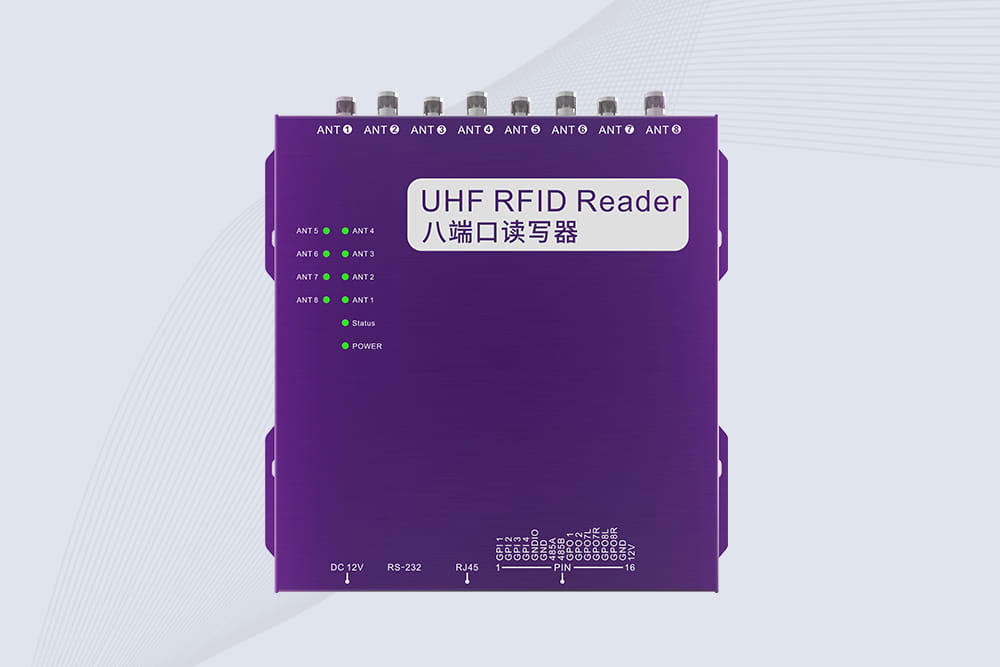
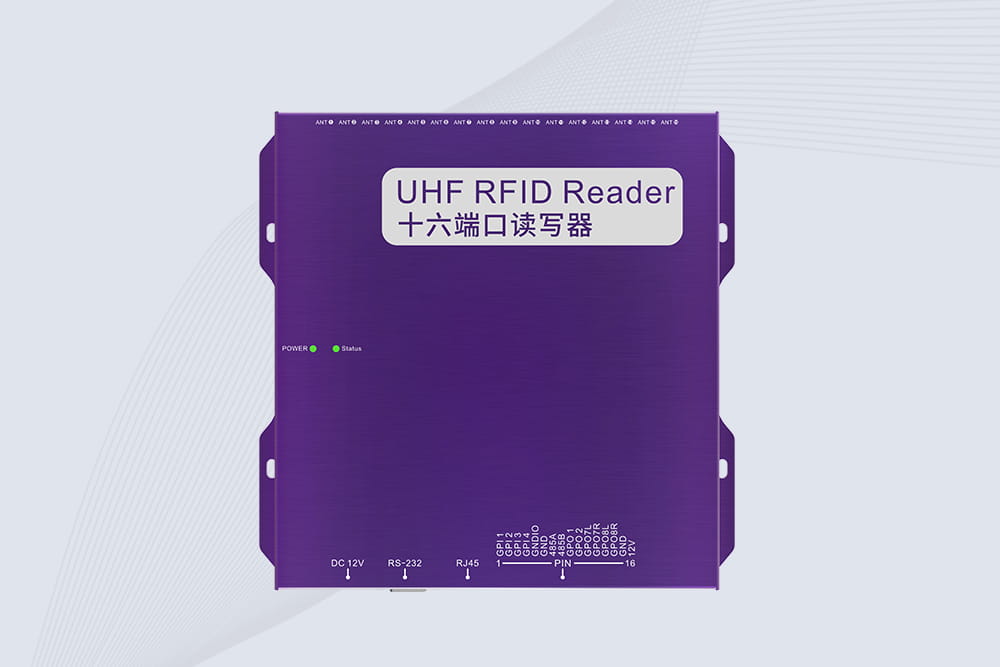
SSD-R16L Multi-Channel RFID Infrastructure for Automated Inventory Management ✔️ 16-Port High-Density RFID Reading Equipped with 16 SMA antenna ports, SSD-R16L supports multi-antenna deployment for warehouses, retail stores, logistics, production lines, and large-area RFID identification. ✔️ High-Speed & Long-Range Performance With up to 33…
SSD-R8L 8-port UHF RFID reader with 33dBm output, up to 20m reading range and 600+ tags/s recognition. Ideal for warehouse, logistics, retail and asset tracking.
CYKEO CYKEO-D1LA USB RFID Reader is a compact desktop solution with near-field control for precise tag reading and encoding. Powered by USB, supporting ISO 18000-6C, and built for stable batch writing, this usb rfid tag reader fits retail, libraries, offices, and controlled RFID encoding tasks.
CYKEO CYKEO-D1L RFID scanner USB is a compact desktop UHF RFID scanner designed for short-range tag writing and verification. This usb rfid scanner supports batch encoding, stable 0–26 dBm output, and works across Windows, Linux, and Android systems.
CYKEO CYKEO-D1C USB RFID Card Reader is a near-field UHF desktop writer designed for secure, short-range tag encoding. With USB-C connectivity and stable 26 dBm output, this rfid reader usb c is ideal for badge issuance, label encoding, and controlled desktop RFID workflows.
CYKEO CYKEO-D2L RFID Reader USB is a compact desktop encoder built on the Impinj R500 chip. With near-field control and stable USB power, this usb rfid card reader delivers precise tag writing for offices, retail counters, and small-scale logistics encoding tasks.
CYKEO CYKEO-D3L USB RFID Tag Reader delivers stable UHF tag reading and writing for daily desktop and light industrial tasks. Designed for controlled short-range operation, this USB RFID Tag Reader works reliably with rfid tag and reader systems in libraries, tool tracking, and inventory registration.
The CYKEO CYKEO-D4L UHF RFID Tag Reader is a stable Desktop RFID Reader designed for accurate tag registration, borrowing, and return workflows. Built with the Impinj R2000 chip, this UHF RFID Tag Reader delivers controlled short-range reads for libraries, asset tracking, and inventory management environments.
The CYKEO CYKEO-D5L Desktop RFID Card Reader is a stable UHF RFID Card Reader designed for controlled short-range reading and writing. Built for libraries, tool rooms, and asset desks, this UHF RFID Card Reader supports dense tag handling, secure data processing, and easy USB integration.
The CYKEO CYKEO-D6L RFID Reader Writer is a heavy-duty Desktop RFID Reader designed for short-range, high-accuracy tag programming. Built for libraries, labs, and asset desks, this RFID Reader Writer supports batch processing, stable 33dBm output, and seamless integration with existing management systems.
Cykeo CYKEO-D8A embedded RFID badge reader offers 30+ tags/sec scanning, 20cm anti-crosstalk precision, and DC 12V power for unmanned stores, warehouses, and smart inventory systems.
Cykeo’s CYKEO-D8C UHF RFID gate reader achieves 200-tag/batch scanning with adjustable power control, ideal for retail inventory and smart warehouse management.
Cykeo CYKEO-C1 industrial Forklift RFID Reader features 20m read range, 600 tags/sec scanning, Impinj R2000 chipset, and IP67 rugged design. Ideal for warehouse logistics and manufacturing. Supports ISO 18000-6C/6B protocols.
Cykeo CYKEO-R4 industrial UHF RFID Fixed Reader features 4 TNC ports, 400+ tags/sec speed, IP67 housing, and global frequency compliance for vehicle inspection, smart warehouse, and asset management systems.
CYKEO CYKEO-R8L Fixed RFID Reader with 8-port UHF design, Impinj-based RF core and up to 20m read range. An industrial Fixed RFID Reader for vehicle inspection, warehouse portals, smart manufacturing lines and secure access checkpoints.
RFID Fixed Reader from CYKEO – the CYKEO-R16L 16-port UHF fixed reader for warehouses, smart cabinets, and production lines. Long-range, multi-tag reading, stable performance for 24/7 industrial use.
Discover how RFID logistics sorting antenna systems improve parcel tracking, conveyor automation, and warehouse efficiency. Learn how RFID gate antennas help logistics providers track thousands of packages in real time.
Looking for a UHF RFID reader for warehouse automation or asset tracking? This guide shares practical selection tips, deployment insights, and wholesale considerations for system integrators and distributors.
 Cykeo RFID IoT Solution Products R&D Manufacturer