 Cykeo RFID IoT Solution Products R&D Manufacturer
RFID Key Cabinet in Real Deployments: Insights for System Integrators
185A field perspective on RFID key cabinets, how integrators implement them, and the practical lessons from real installations in offices, hospitals, and industrial sites.
MoreAll RFID Product
Yes, you can use RFID for forklift tracking. A UHF RFID system can identify forklifts at defined checkpoints, record movement events, and connect those events with warehouse software. In practice, the strongest deployments use RFID for automatic identification rather than treating it as a standalone GPS replacement.
That distinction matters.
A forklift moving through a warehouse does not need its position estimated every second to create useful operational data. In many facilities, knowing which forklift passed which zone, when it passed, and what workflow event followed is already valuable.
GS1 notes that RAIN RFID can capture unique identifiers without line-of-sight and, depending on conditions, at distances well beyond 10 metres. Its EPC/RFID architecture also supports readers, tags, and standardized event data for identifying physical objects and recording movement.
A typical Cykeo deployment can place an RFID tag on each forklift and install fixed UHF readers around loading bays, production entrances, warehouse aisles, charging stations, or controlled access points.
When forklift FL-023 enters a reader’s interrogation zone, the system receives its RFID identity. The software can then associate that read with a location and timestamp.
| Tracking element | Typical RFID implementation |
|---|---|
| Forklift identity | UHF RFID tag mounted on vehicle |
| Detection | Fixed UHF RFID reader + rfid antenna |
| Location logic | Reader zone or checkpoint |
| Event data | Forklift ID + time + location |
| Software | WMS, fleet platform, or middleware |
| Advanced tracking | Multiple readers and zone-based positioning |
The important engineering decision is not simply where to attach the tag. It is where the reader should see the forklift—and where it must not see it.
During warehouse deployments, this is where otherwise promising RFID projects often become messy. A reader facing an open dock may capture tags on nearby vehicles, pallets, or returnable containers. Antenna orientation, power level, shielding, mounting height, and read-zone geometry therefore deserve as much attention as the tag itself.
GS1 states that RFID read distance can vary substantially with absorbing or shielding materials. That is particularly relevant around forklifts because metal structures can alter RF behavior.
RFID is especially effective when a warehouse needs zone-level visibility.
GPS can provide outdoor positioning, while RFID can create highly controlled detection points indoors. A practical system may therefore use RFID at warehouse entrances and operational zones, while another positioning technology handles continuous location where required.
This hybrid approach is often more useful than forcing one technology to do everything.
For example:
GS1’s EPCIS framework is designed around visibility information such as what, where, when, and why, which fits this event-based approach to forklift monitoring.
UHF RFID is practical for this application because passive tags do not require their own battery. The reader supplies the RF energy needed for communication, while the tag returns its identifier through backscatter.
For industrial forklift applications, Cykeo recommends evaluating:
The last point is easy to underestimate. A reader may generate many valid reads while a forklift remains inside one detection zone. The application layer should turn those repeated reads into one operational event instead of flooding the warehouse database.
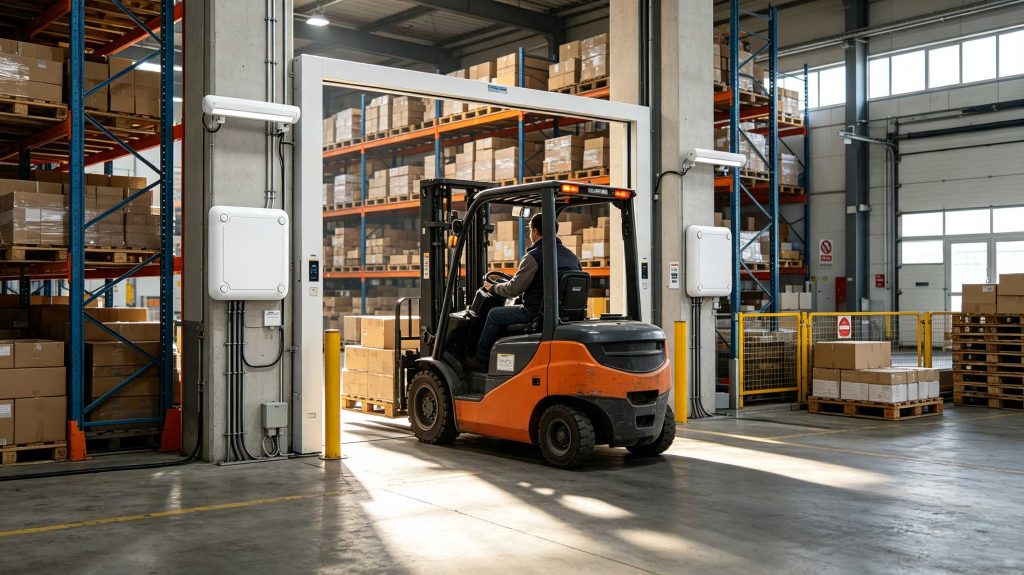
A forklift RFID tracking system should be designed around controlled detection zones, not simply maximum reading distance. GS1 states that UHF passive RFID can typically reach several metres, with up to 15 metres possible in special cases; antenna gain, tag orientation, reader power, and surrounding materials all affect the actual read volume.
That is why Cykeo engineers normally treat the warehouse floor as an RF environment rather than a blank map.
A practical installation can use:
GS1 describes the RFID interrogation zone as the area in which tags are captured by a reader, while EPCIS provides a standardized way to represent event information such as where and when an identified object was observed.
Do not mount the tag directly behind a large metal component and assume a powerful reader will compensate.
In a warehouse, the forklift mast, counterweight, overhead racks, pallets, liquids, and even the direction of vehicle travel can change RF behavior. GS1 specifically notes that absorbing and shielding materials can substantially reduce or alter RFID read distance.
A better commissioning process is to drive the actual forklift through the intended route repeatedly, at normal operating speed, with representative loads. Record where the tag is detected, where it disappears, and whether adjacent lanes produce false reads.
That test is much more valuable than a specification-sheet reading-distance number.
Cykeo’s UHF RFID architecture is suited to industrial identification because the system can be configured around fixed readers, directional antennas, adjustable RF output, anti-collision processing, and software-level tag filtering.
For forklift tracking, the useful advantage is not simply “long range.” It is the ability to turn multiple RFID observations into a clean operational event.
For example:
Raw reads
FL-023 → Reader A → 14:02:11FL-023 → Reader A → 14:02:12FL-023 → Reader A → 14:02:13
Application event
FL-023 entered Receiving Zone A at 14:02
This distinction becomes important as fleet size increases. GS1’s architecture explicitly describes application-level filtering of captured EPC data before it is passed into business applications.
Cykeo UHF readers can also be integrated into existing software through standard communication and API approaches, allowing RFID events to become part of a broader warehouse management workflow rather than creating another isolated monitoring screen.
RFID tracking becomes particularly useful when a company needs a reliable answer to a very ordinary question: Where was this forklift last seen?
Install readers at selected zone boundaries and create a movement history for every forklift.
Useful for:
A reader positioned at a loading-bay entrance can automatically record forklift arrivals and departures.
This is useful when several vehicles share the same dock and manual records become inconsistent.
RFID events can be combined with timestamps to identify:
RFID does not measure every second of vehicle operation by itself. It provides the identification events from which operational patterns can be reconstructed.
A more advanced architecture places RFID readers or antennas directly on the forklift. Research published in Applied Sciences demonstrated a smart-forklift concept using onboard UHF RFID to recognize pallets, combined with UWB, inertial and optical-flow sensing for localization in a warehouse of approximately 4,000 m².
That research is important because it shows where RFID becomes more powerful: not merely identifying the forklift, but connecting forklift + pallet + movement + location.
OSHA identifies powered industrial trucks as a significant warehouse safety concern and requires trained and certified operators under 29 CFR 1910.178. OSHA also reports that forklift overturns account for about 25% of forklift-related deaths.
RFID should not be presented as a substitute for operator training, pedestrian controls, speed management, or safety systems. Its role is different: it can provide objective movement records that help managers understand how vehicles actually circulate through a facility.
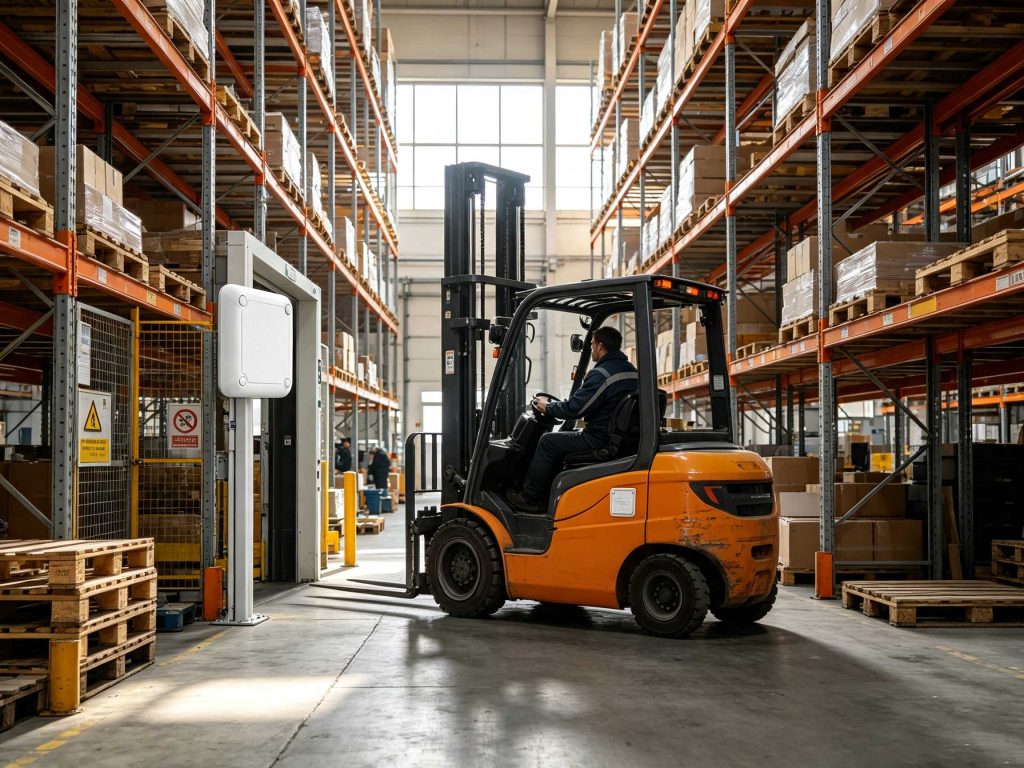
Not with passive UHF RFID alone. Passive RFID is strongest at defined detection zones. Continuous indoor positioning generally requires additional technologies such as UWB, inertial sensing, optical systems, or sensor fusion.
UHF passive RFID can operate over several metres, and GS1 notes that special deployments can reach approximately 15 metres or more. Actual performance depends heavily on antenna configuration, tag orientation, RF power, and surrounding materials.
No. Passive UHF RFID tags can identify forklifts without an onboard tag battery. This can reduce tag maintenance compared with active tracking devices.
Yes, but tag selection and mounting are critical. A metal-compatible RFID tag is generally preferable when the tag is mounted directly on a metal surface.
Yes. UHF RFID uses anti-collision mechanisms to identify multiple tags within a reader’s interrogation zone. The software layer should still filter repeated reads and distinguish meaningful movement events.
Yes. RFID reader data can be passed through middleware, APIs, or industrial communication interfaces into warehouse and fleet-management software. GS1 EPCIS 2.0 also provides a standardized event model for supply-chain visibility and event data exchange.
For indoor checkpoint and zone identification, RFID can be more practical than GPS. For continuous location, neither technology should be selected by assumption; the warehouse layout, accuracy requirement, vehicle count, and required update frequency should determine the architecture.
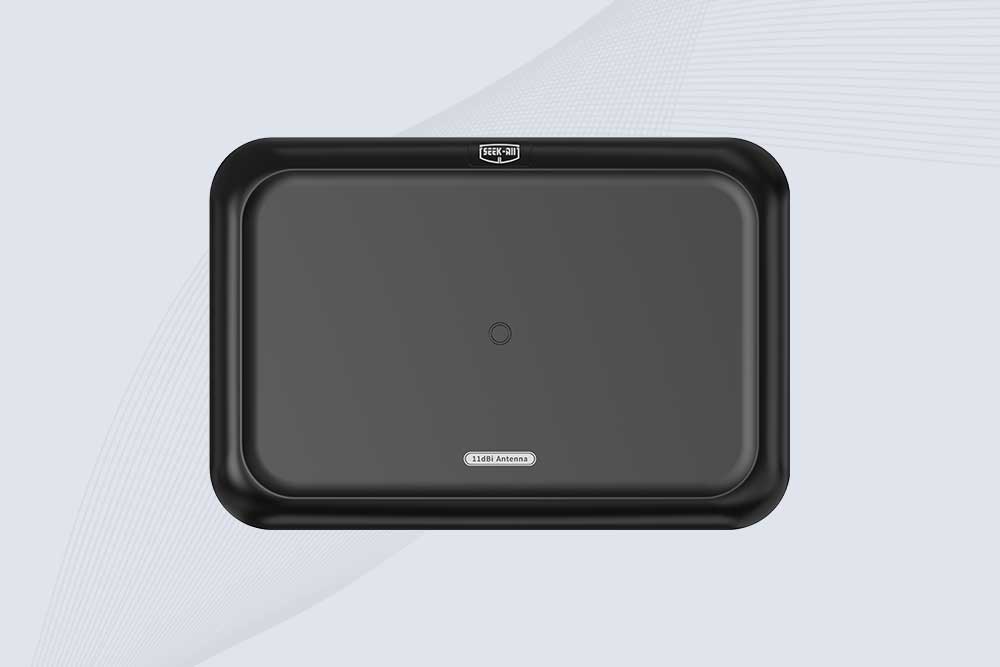
SSD-A11 UHF RFID antenna features 840–960 MHz adjustable frequency, ≥10.5 dBi gain, circular polarization and 50Ω impedance for fixed RFID systems.
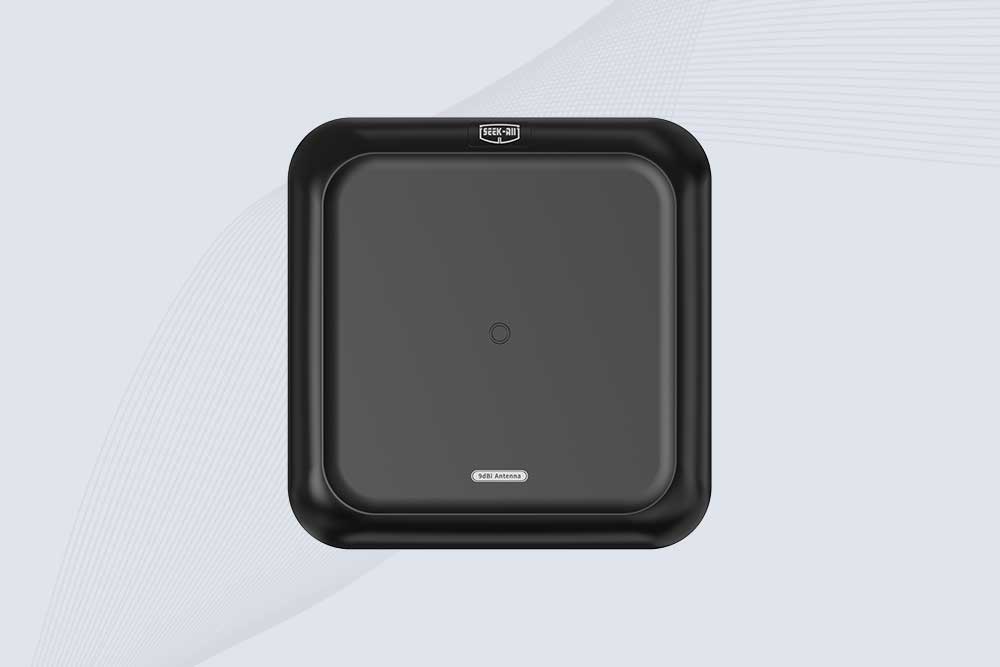
SSD-A09 is a 9 dBi UHF RFID antenna with 840–960 MHz adjustable frequency, circular polarization, 50Ω impedance and directional 60° × 60° coverage.
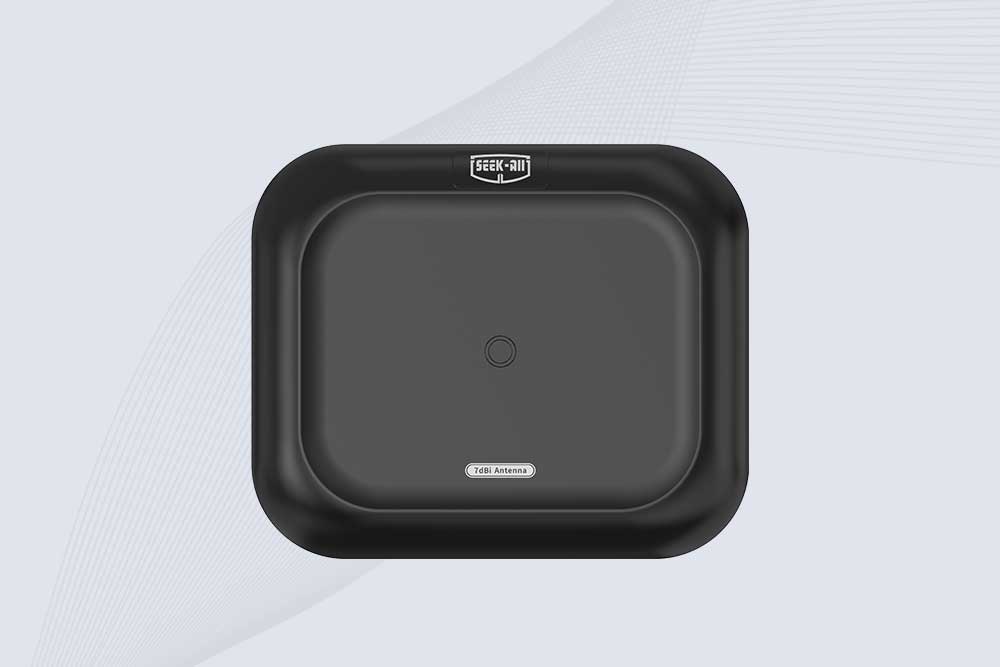
Explore the SSD-A07 UHF RFID antenna with 7 dBi gain, circular polarization, adjustable 840–960 MHz frequency, and 60°/75° beamwidth for stable RFID read/write performance.

SSD-A06 UHF RFID antenna with circular polarization, adjustable 840–960 MHz frequency, ≥4.5 dBi gain, and a compact directional design for RFID systems.
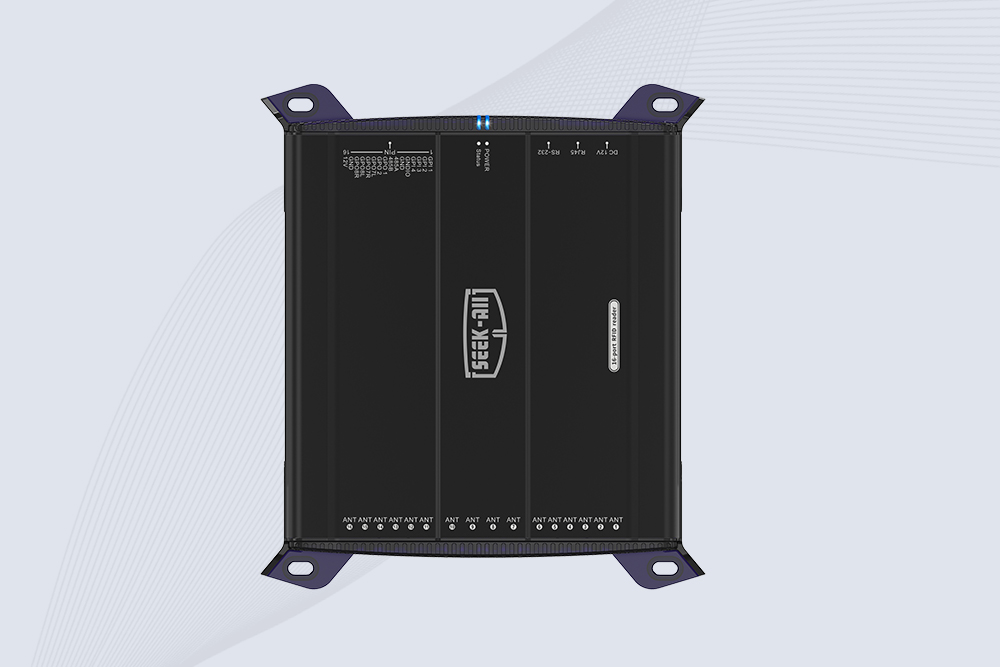
SSD-R16L Multi-Channel RFID Infrastructure for Automated Inventory Management ✔️ 16-Port High-Density RFID Reading Equipped with 16 SMA antenna ports, SSD-R16L supports multi-antenna deployment for warehouses, retail stores, logistics, production lines, and large-area RFID identification. ✔️ High-Speed & Long-Range Performance With up to 33…
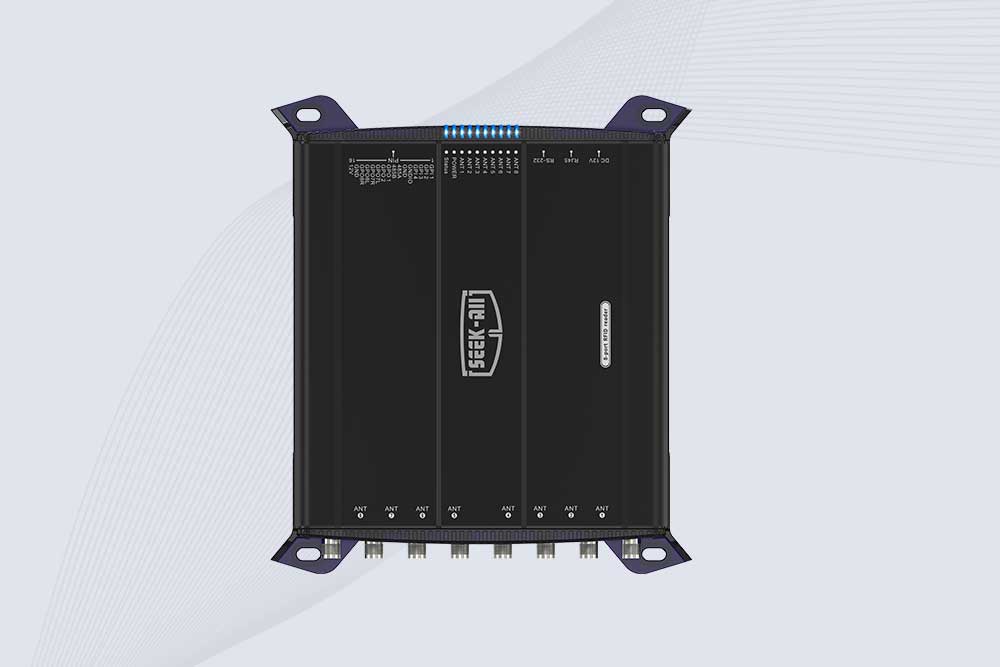
SSD-R8L 8-port UHF RFID reader with 33dBm output, up to 20m reading range and 600+ tags/s recognition. Ideal for warehouse, logistics, retail and asset tracking.
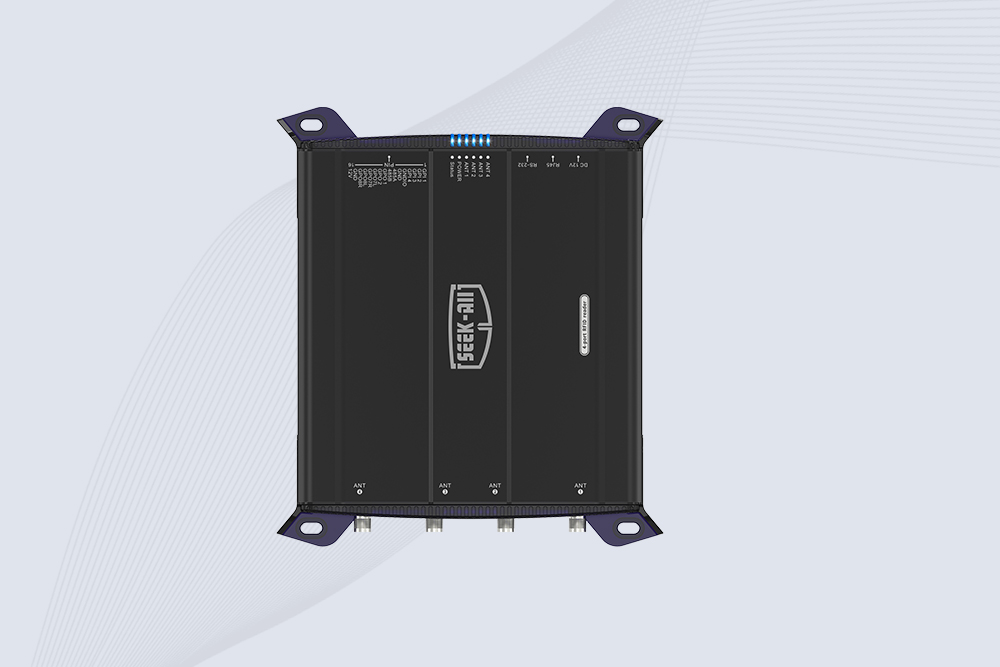
SSD-R4L is a 4-port UHF RFID fixed reader with 33dBm output power, up to 20m reading range, EPC C1G2 support and 600+ tags/s reading speed.
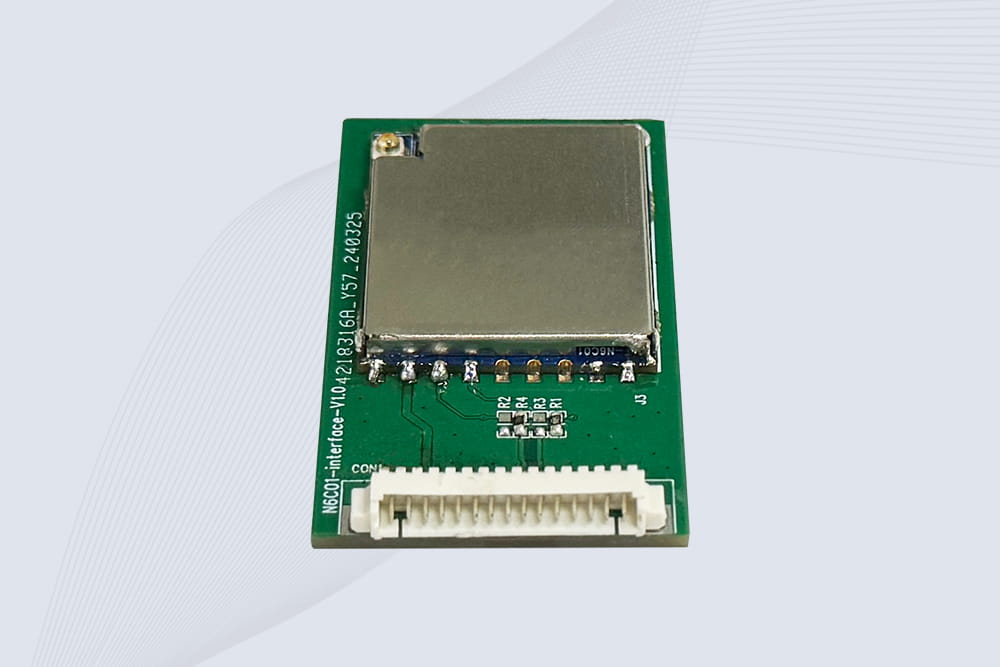
CYKEO Embedded RFID Modules are designed for compact industrial and IoT devices that require stable UHF performance. These UHF RFID Modules support global protocols, flexible power control, and reliable multi-tag reading for smart cabinets, production lines, and asset tracking systems.
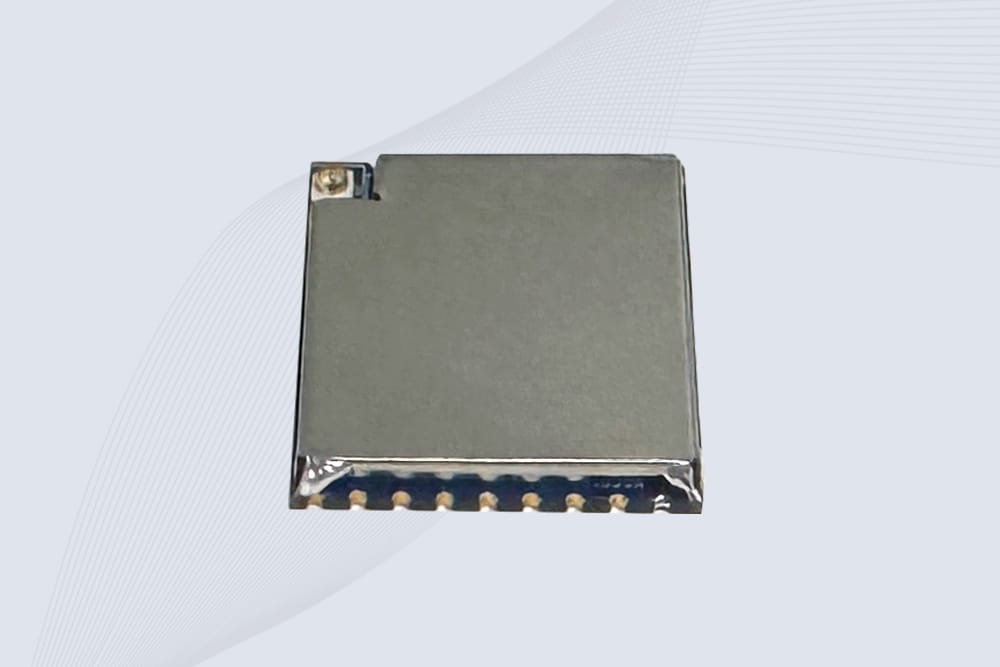
CYKEO Embedded RFID Module is built for compact IoT and industrial devices that need stable UHF performance. This UHF module supports global protocols, low power operation, and reliable multi-tag reading for smart lockers, production lines, and always-on RFID systems.
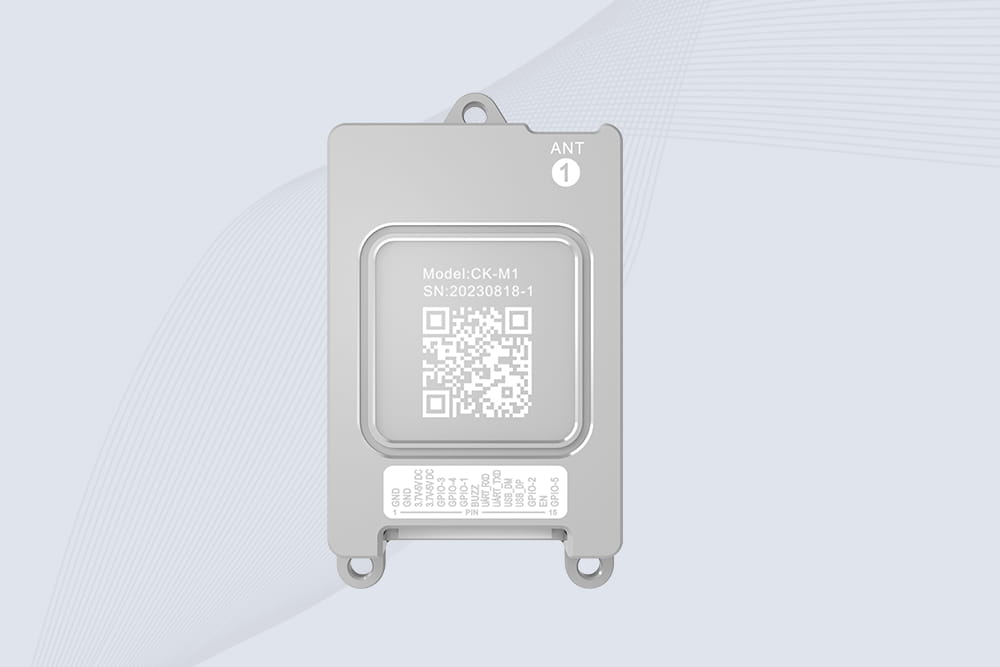
CYKEO CYKEO-M1 drone rfid module is a compact UHF RFID reader module designed for drones and UAV platforms. It supports long-range aerial scanning, fast multi-tag reading, and stable performance in wind, vibration, and outdoor environments.
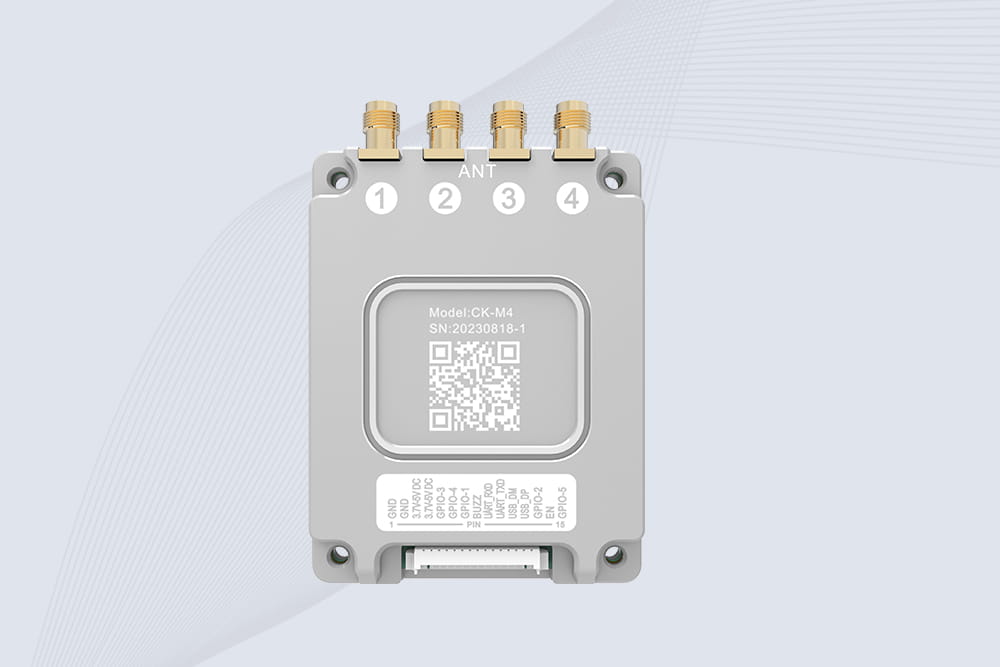
CYKEO CYKEO-M4 RC522 RFID Module is an industrial-grade UHF RFID reader with 4 ports, supporting ISO, EPC, and GB protocols. High-speed, accurate reading for IoT, automation, and warehouse applications.
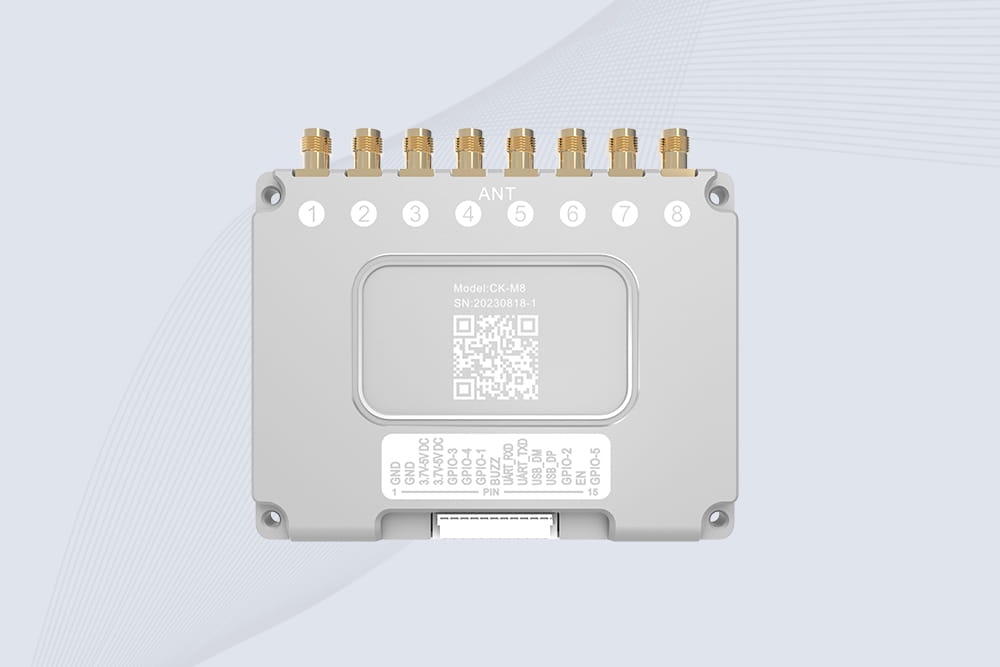
CYKEO CYKEO-M8 Module RFID is an 8-port UHF R2000 RFID Module designed for high-density, multi-tag environments. Stable 33dBm output, ISO & GB protocol support, ideal for warehouses, factories, and automated systems.
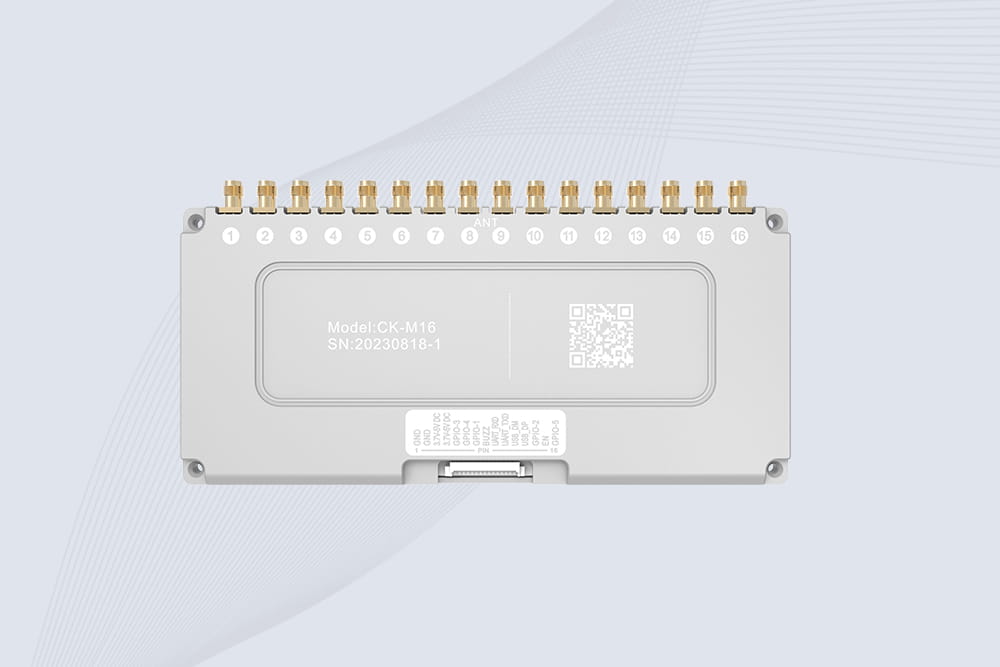
CYKEO CYKEO-M16 RFID Module is a 16-port UHF RFID reader module based on the R2000 chipset. Designed for dense tag environments, it supports ISO and GB standards and delivers stable multi-antenna control for industrial automation.
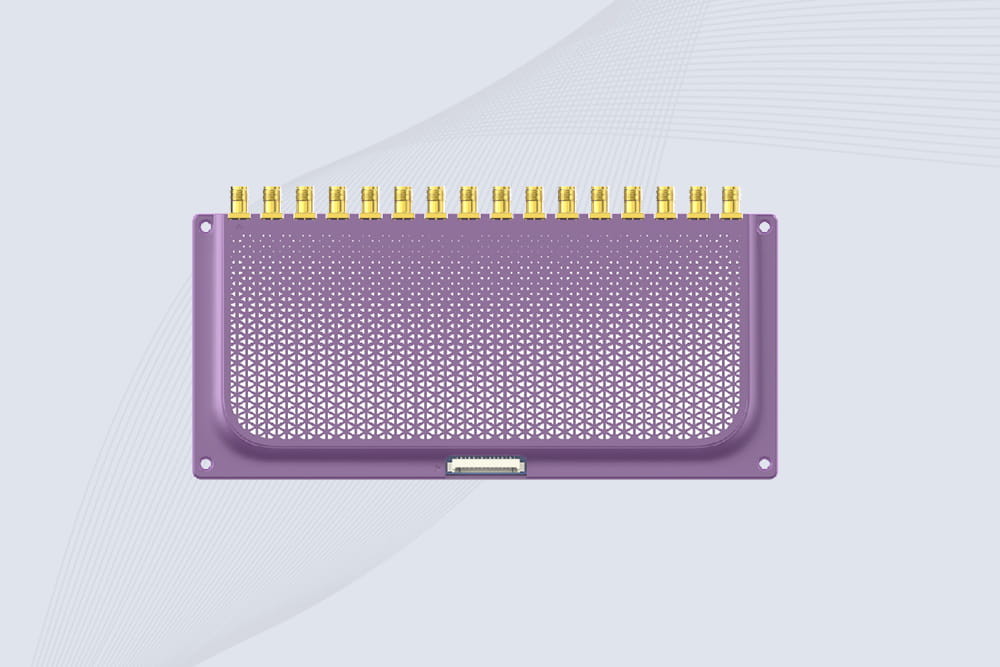
The CYKEO CYKEO-M16L RFID Reader Module is a 16-channel UHF RFID core designed for dense tag environments. With adjustable 33dBm output, multi-protocol support, and stable multi-antenna control, this RFID Tag Reader Module fits industrial automation, warehouse systems, and large-scale IoT deployments.
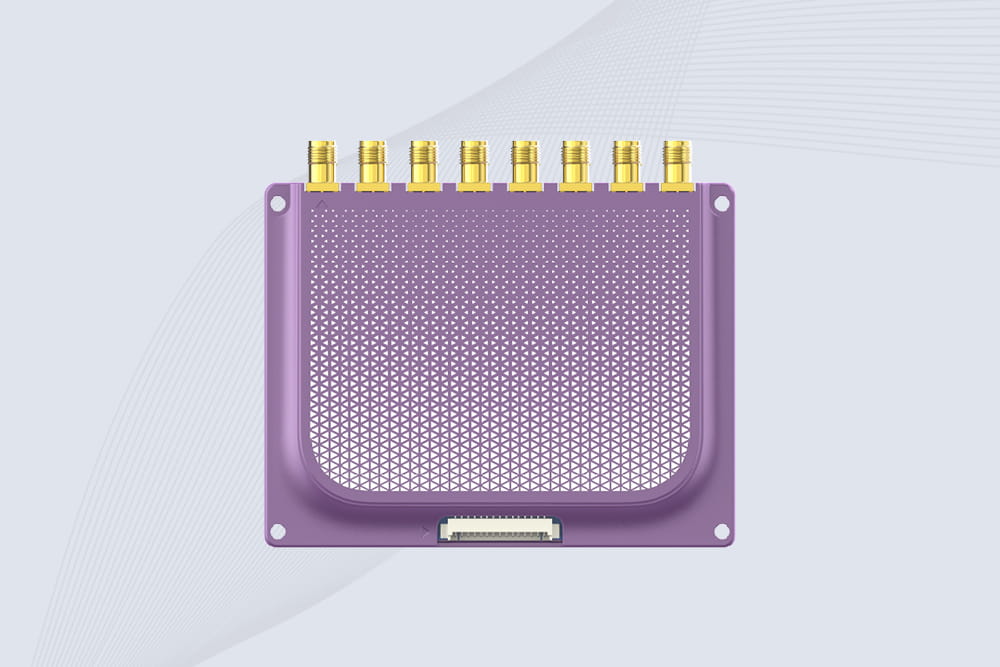
CYKEO CYKEO-M8L module RFID is a compact industrial UHF module built for dense tag and multi-antenna environments. With 8 RF ports, adjustable 33 dBm output, and ISO & GB protocol support, it is widely used in factories, warehouses, and automated tracking systems.
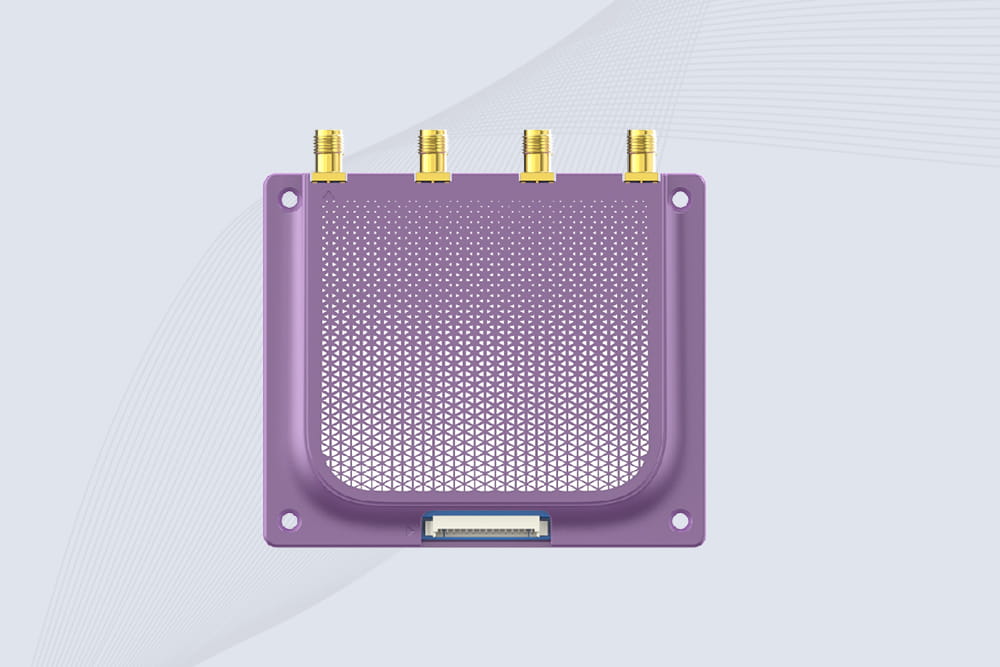
CYKEOCYKEO-M4L UHF RFID Module is a compact 4-channel RFID tag reader module designed for dense tag environments. Supporting ISO and GB protocols, it delivers stable reads up to 10 meters for industrial and IoT systems.
Cykeo CYKEO-A11 UHF RFID reader antenna delivers 11dBi gain, 840-960MHz frequency range, and IP65 ruggedness for retail, logistics, and industrial RFID systems. Features low VSWR and easy installation.

CYKEO Antenna RFID Reader delivers stable long-range UHF performance with a 10.5dBi directional design, built for warehouses, conveyor portals, and industrial RFID systems. This rfid reader antenna provides 20m+ read distance and rugged IP67 protection.

Cykeo CYKEO-PHF3 industrial HF RFID Antenna offers 24-point dynamic tracking, ISO 14443A/15693 protocols, metal-environment stability for archives/libraries/manufacturing.

Cykeo CYKEO-A5B industrial Linear RFID Antenna delivers 5dBi gain, ≤1.5:1 VSWR, and IP65 rugged design for warehouse, production line, and logistics UHF systems.

Cykeo’s CYKEO-B12 Long Range RFID Antenna delivers 15m+ read range with 12dBi gain, IP65 rugged design, and global 840-960MHz UHF support. Ideal for warehouse/logistics asset tracking.
Cykeo CYKEO-B10 Long Distance RFID Antenna offers 10dBi gain, 840-960MHz frequency range, IP65 rating, and 20m+ coverage for logistics/warehousing/ETC systems. Low VSWR ensures stable signal transmission.
Cykeo CYKEO-A6 UHF RFID panel antenna features 6dBi gain, 840-960MHz broadband, IP65 metal-ready housing for logistics/smart retail. 18mm ultra-thin design with tool-free mounting.

Cykeo CK-A3 industrial antenna RFID UHF offers 5m+ tag detection, ≤1.3:1 VSWR, IP65 rugged design, and global UHF spectrum compatibility (840-960MHz) for warehouses, factories, and retail.
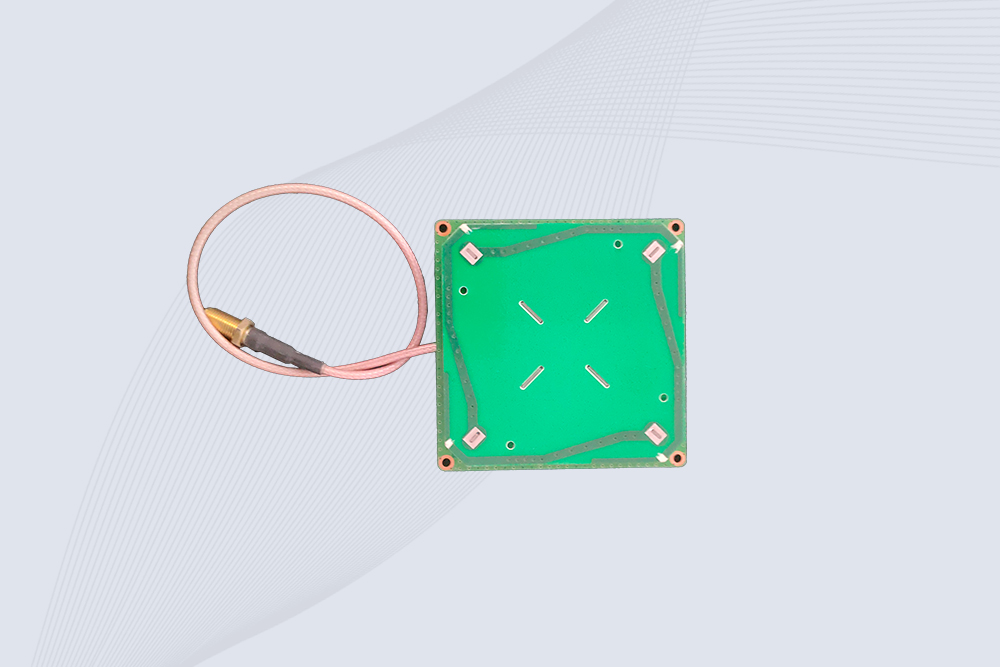
Cykeo CYKEO-B5 directional RFID antenna provides 5dBi gain with 60° narrow beamwidth for precise inventory tracking. IP65-rated, global UHF frequency support, and low VSWR.
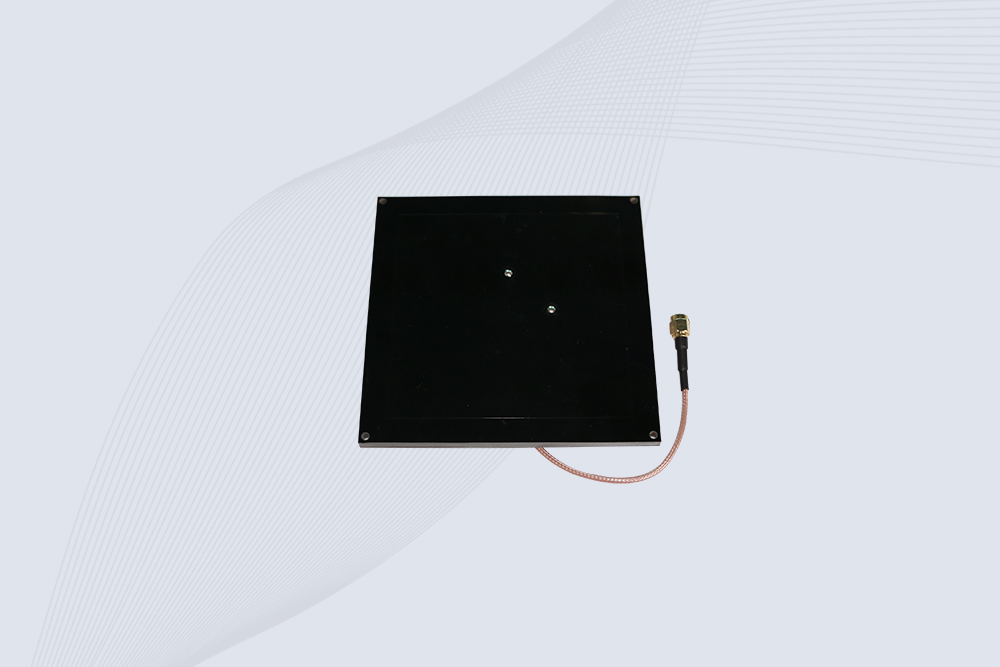
Create your own high-performance DIY RFID antenna! 5dBi gain, 840-960MHz tunable, step-by-step guides. Compatible with Arduino, Raspberry Pi, and commercial UHF readers.
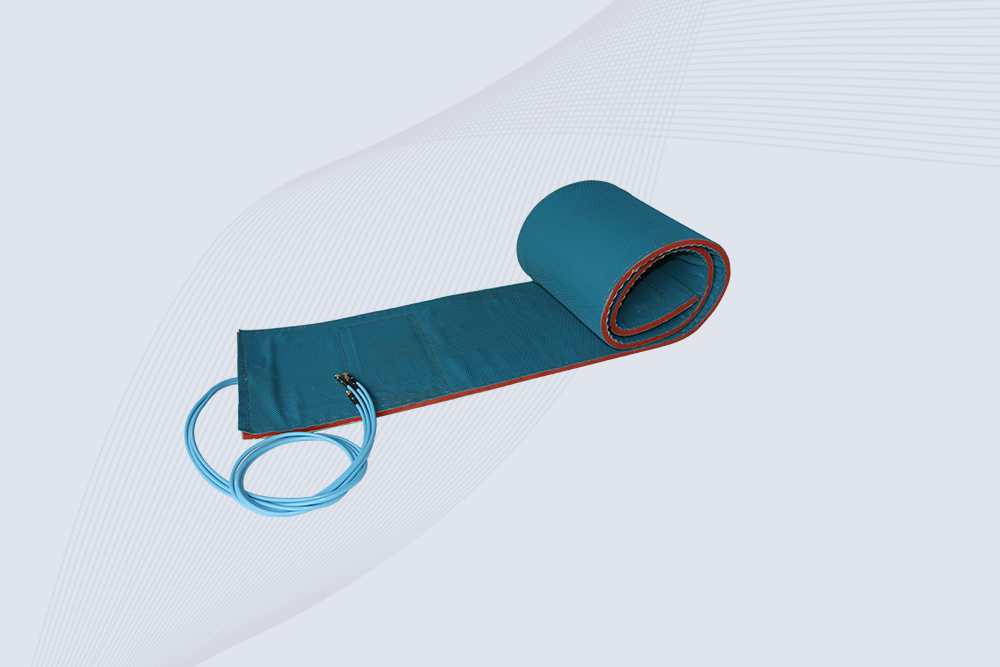
Cykeo CYKEO-A7 Flexible RFID Antenna features 840-960MHz wideband tuning, 7dBi gain, and IP68 rating for medical/retail/industrial curved surface deployments. 98% read accuracy with peel-and-stick installation.

Cykeo CYKEO-B5A industrial Passive RFID Antenna delivers 5dBi gain, 70° beamwidth, and -40°C~55°C operation for warehouses/smart cabinets. Compatible with Zebra/Impinj readers.
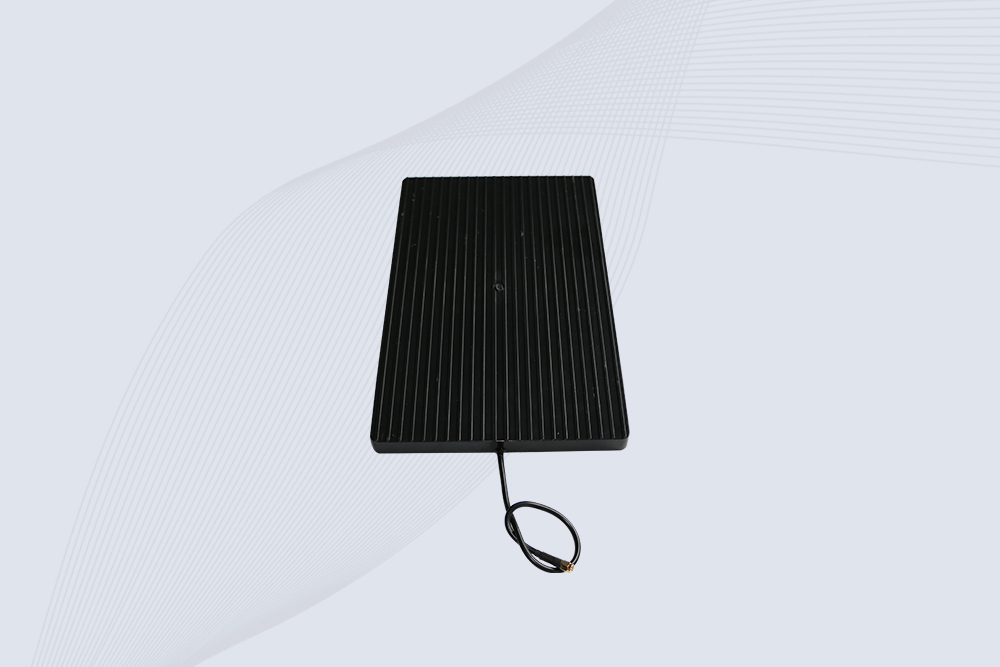
Cykeo’s CYKEO-A9B High Gain RFID Antenna delivers 15m+ read range with 9dBi amplification. Features IP54 rugged design, 840-960MHz bandwidth, and 80° beamwidth for warehouse/manufacturing RFID systems.

Cykeo’s enterprise-grade 8dbi Impinj RFID Antenna 10m+ read range with 840-960MHz tuning. Features IP65 housing, 1.4 VSWR, 35° beamwidth for retail/warehouse RFID systems.
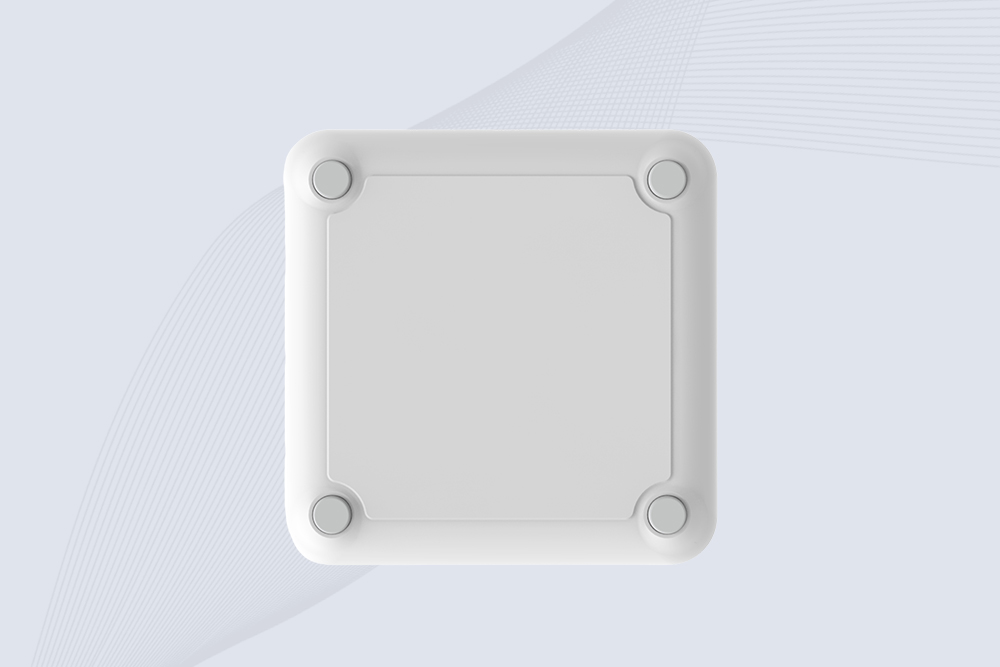
Cykeo CYKEO-A9 industrial UHF RFID antenna delivers 9dBi gain, 840-960MHz frequency range, and IP65 protection for warehouse/logistics/retail RFID systems. Features N-type connector and ≤1.3:1 VSWR.
CYKEO UHF RFID Antenna built for long-distance and industrial applications. This antenna rfid uhf delivers strong gain, outdoor durability, and reliable tag performance in warehouses, yards, and vehicle ID systems.
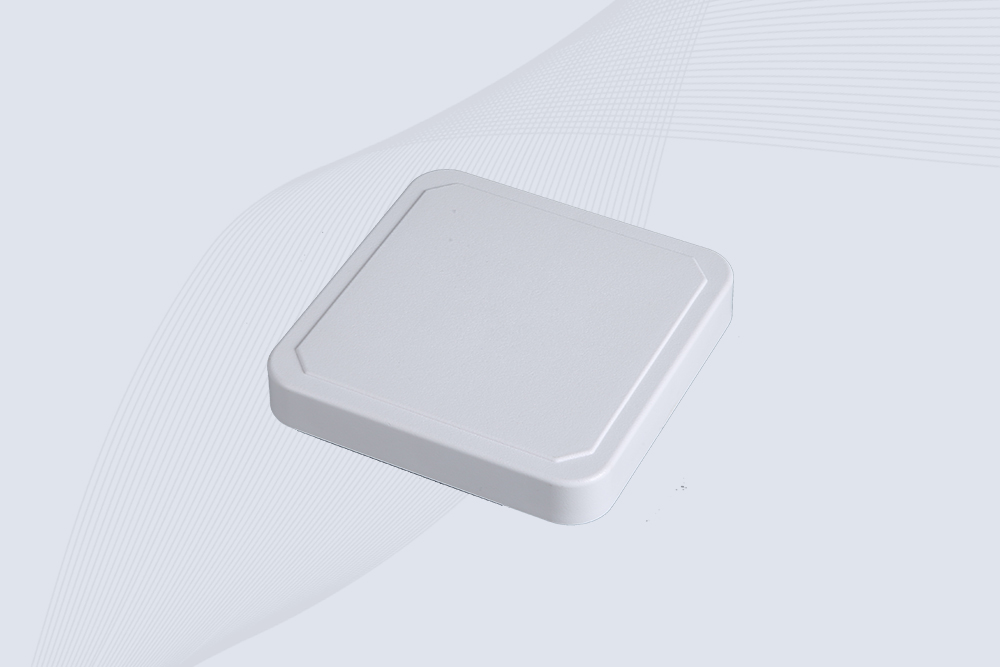
CYKEO Antenna RFID delivers reliable long-range UHF performance in warehouses, retail shelves, and cold-chain environments. This compact uhf rfid antenna provides stable reads with circular polarization and ultra-wide 840–960 MHz support, ideal for industrial tracking, smart shelves, and asset monitoring.
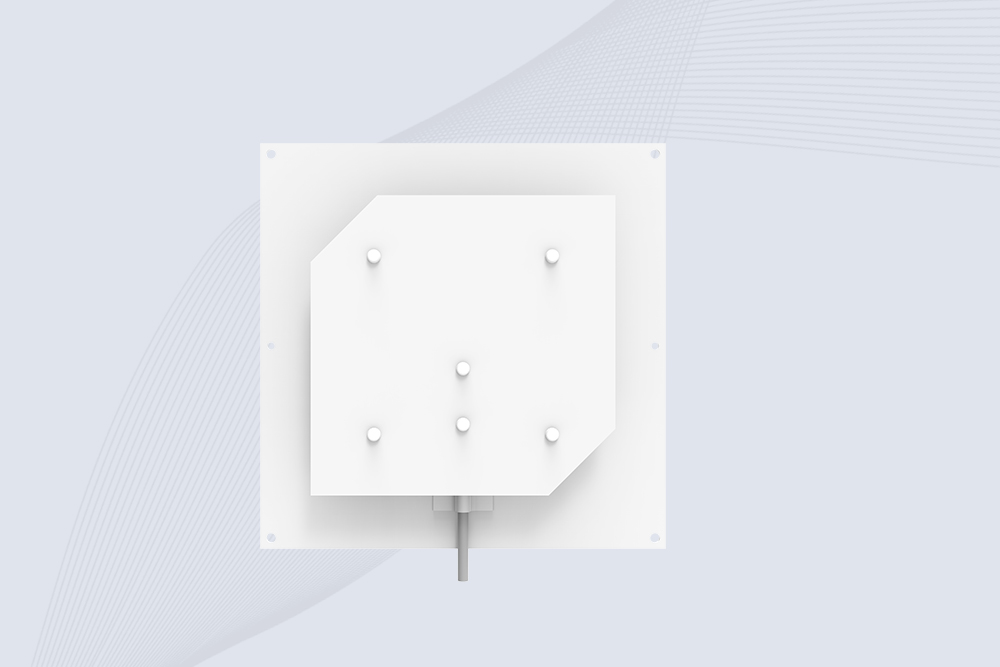
Cykeo’s CYKEO-C8 UHF RFID antennas delivers 8dBi gain, 840-960MHz full-band coverage, and IP65 ruggedness for manufacturing/warehouse RFID systems. Industrial RFID Antennas Features
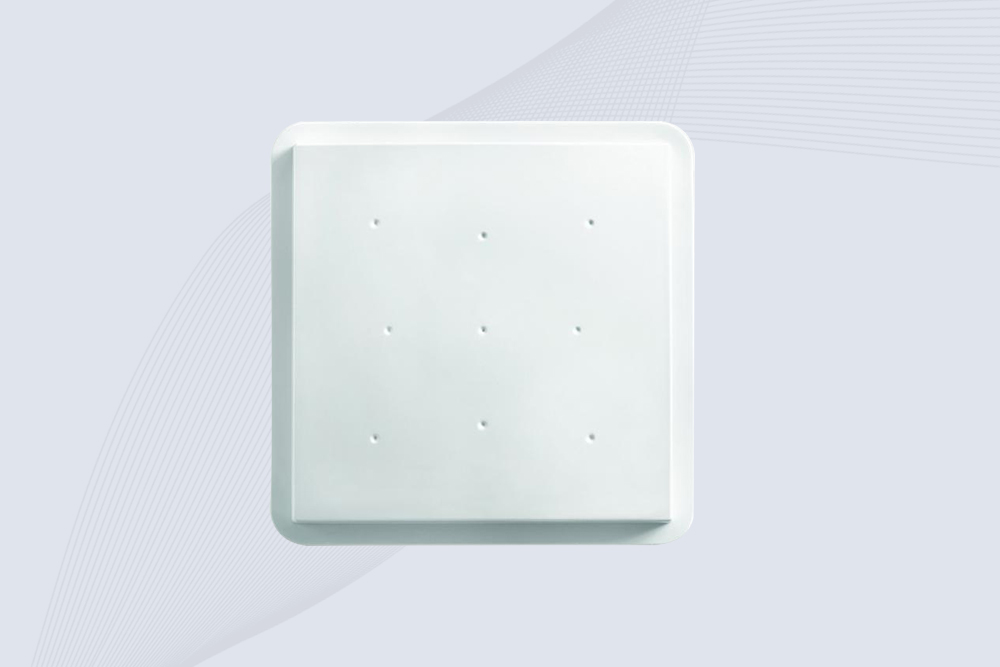
Cykeo’s 8dBi UHF RFID antenna and reader kit delivers 10m+ range, 840-960MHz broadband, and IP65 ruggedness for factories, warehouses, and logistics. ISO 18000-6C & EPC Gen2 certified.
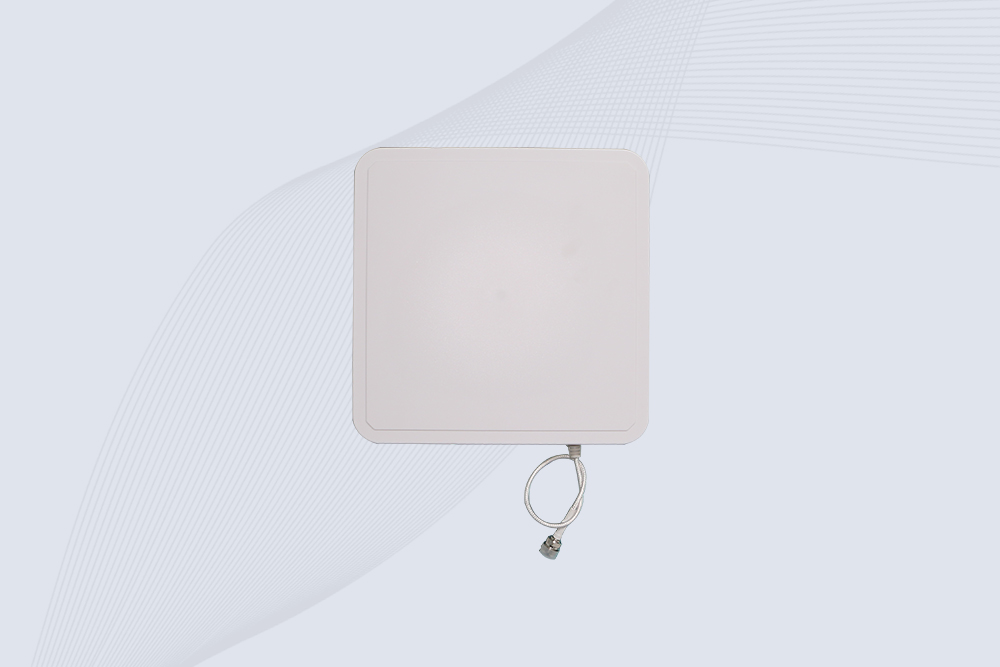
Cykeo CYKEO-A9A industrial UHF RFID reader and antenna kit delivers 10m range, 500 tags/sec, IP65 ruggedness for manufacturing/logistics. Supports EPC Gen2, ISO18000-6C.
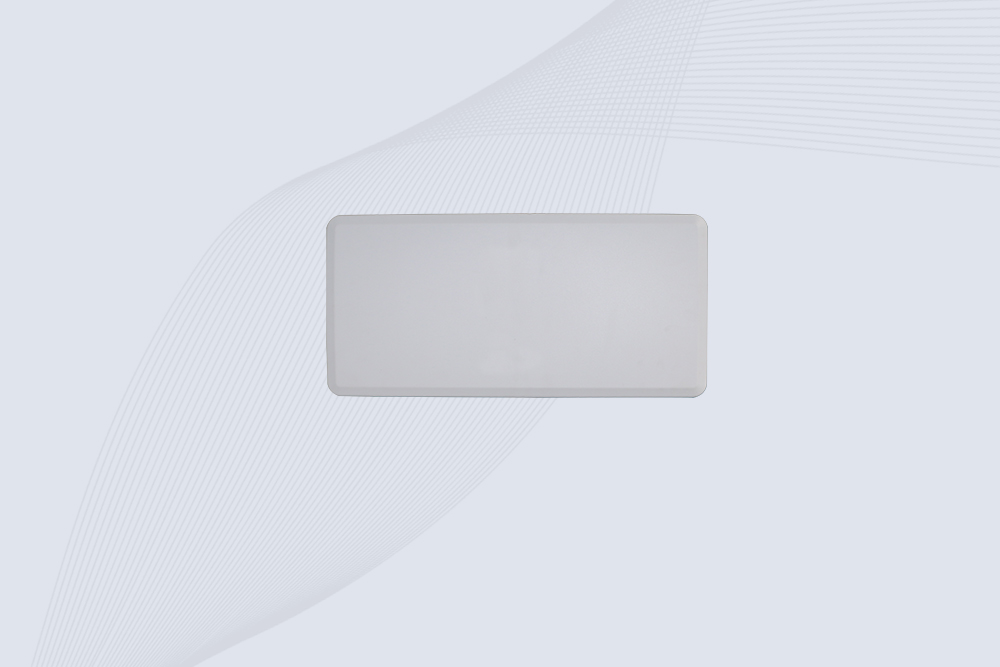
Cykeo’s CYKEO-A12C UHF Large RFID Antenna delivers 12dBi gain, 840-960MHz global frequency, IP65 ruggedness for logistics/warehousing/automotive. 40° beamwidth ensures stable 15m+ tag reads.

CYKEO Near Field RFID Antenna provides precise 5–30 cm reading for shelves, cabinets, and workstations. This compact rfid shelf antenna delivers stable short-range performance around metal and clutter, ideal for pharmacies, libraries, and electronics sorting.
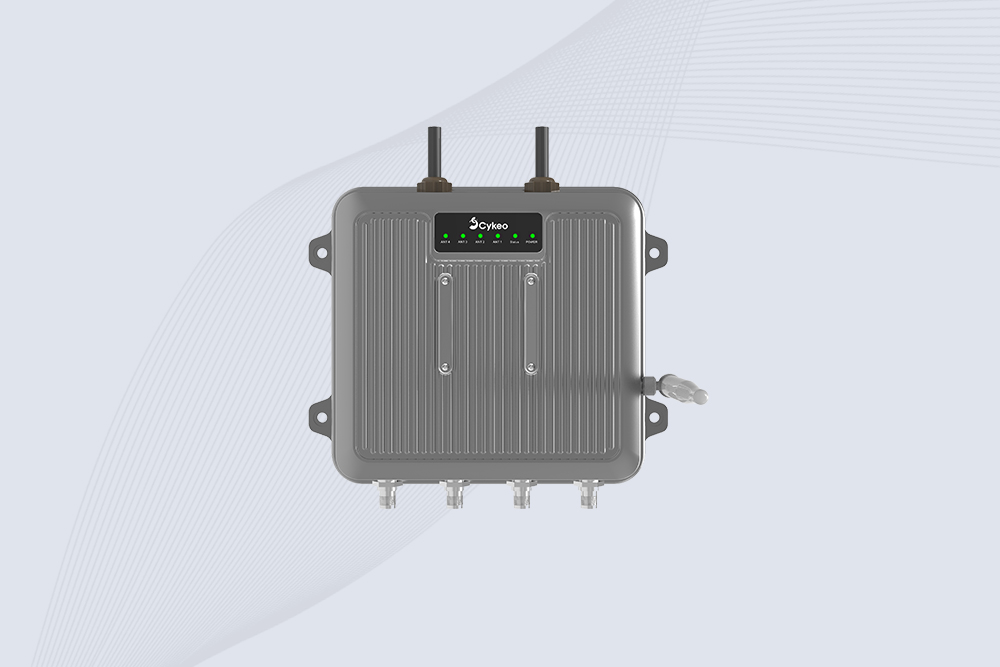
Cykeo CYKEO-C1 industrial Forklift RFID Reader features 20m read range, 600 tags/sec scanning, Impinj R2000 chipset, and IP67 rugged design. Ideal for warehouse logistics and manufacturing. Supports ISO 18000-6C/6B protocols.
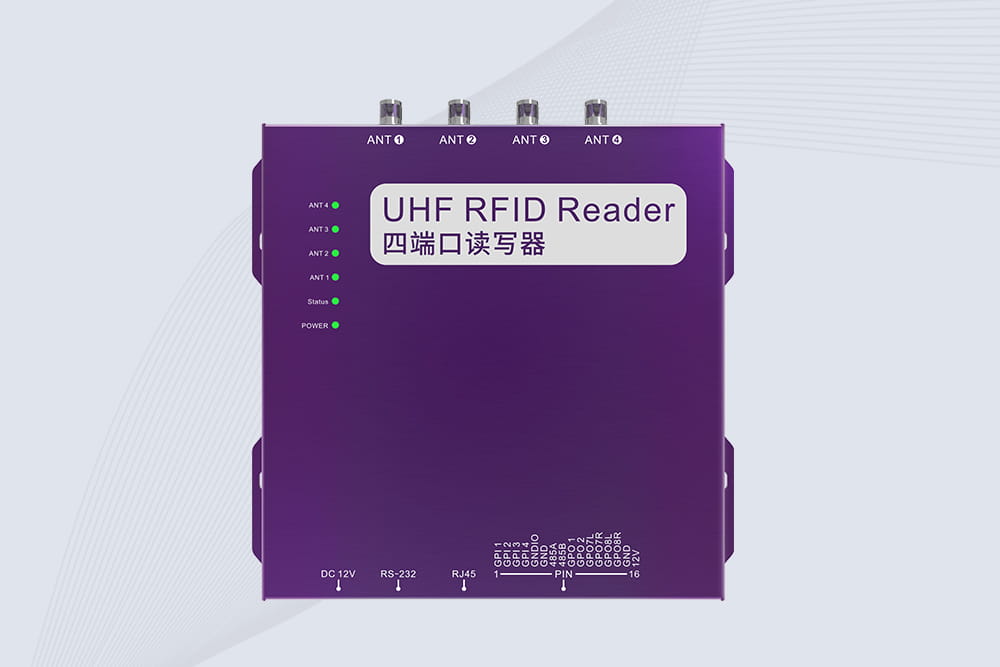
Cykeo CYKEO-R4 industrial UHF RFID Fixed Reader features 4 TNC ports, 400+ tags/sec speed, IP67 housing, and global frequency compliance for vehicle inspection, smart warehouse, and asset management systems.
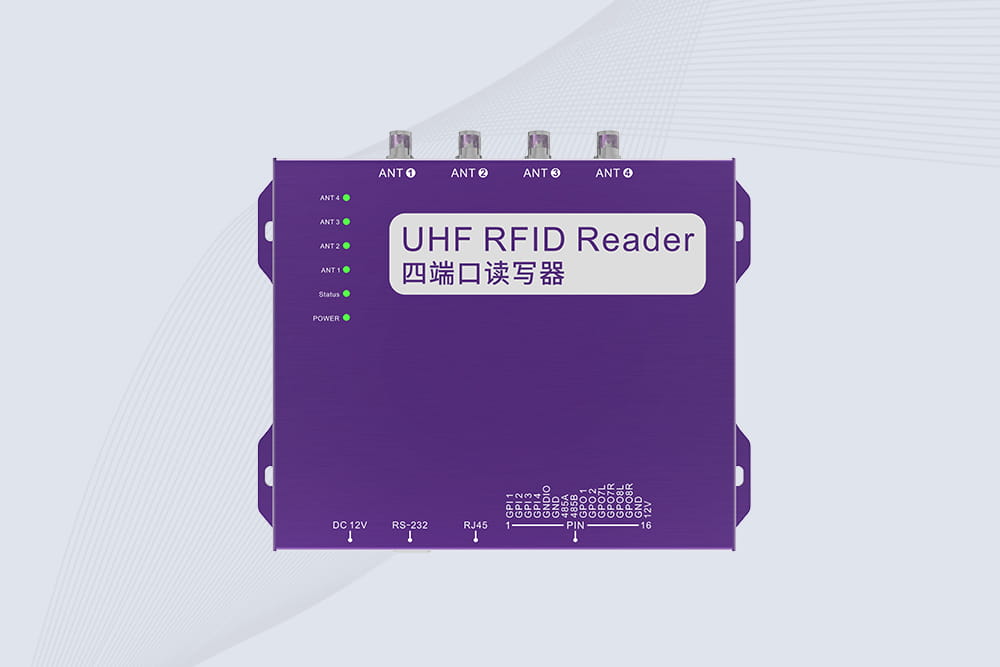
Cykeo’s CYKEO-R4L 4-port Fixed UHF RFID Reader delivers 400 tags/sec scanning, ISO 18000-6C compliance, and IP65 protection. Ideal for warehouse automation, manufacturing WIP tracking, and logistics management.
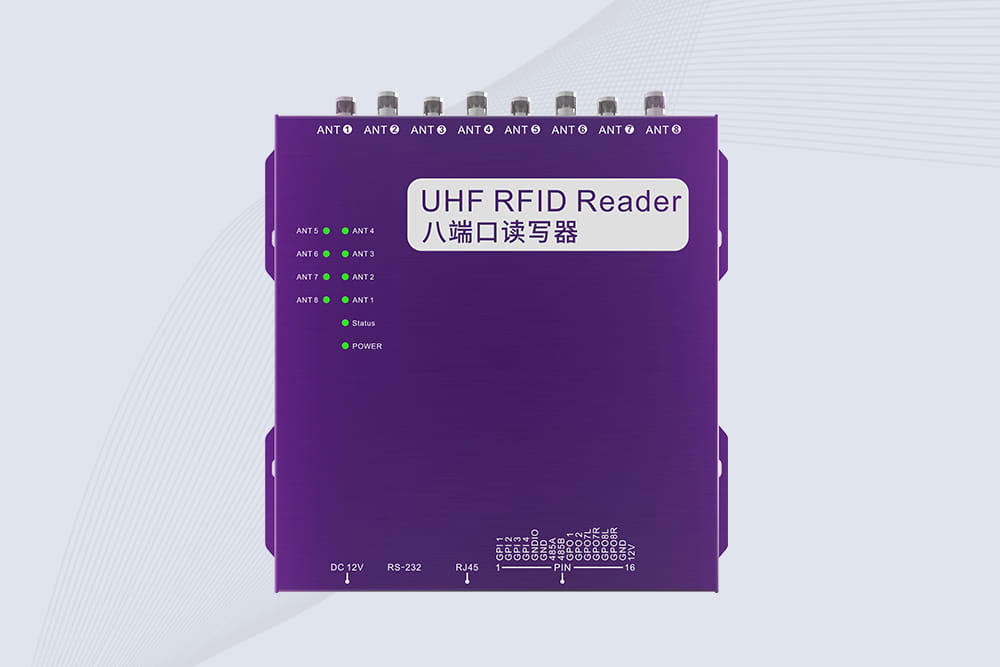
CYKEO CYKEO-R8L Fixed RFID Reader with 8-port UHF design, Impinj-based RF core and up to 20m read range. An industrial Fixed RFID Reader for vehicle inspection, warehouse portals, smart manufacturing lines and secure access checkpoints.
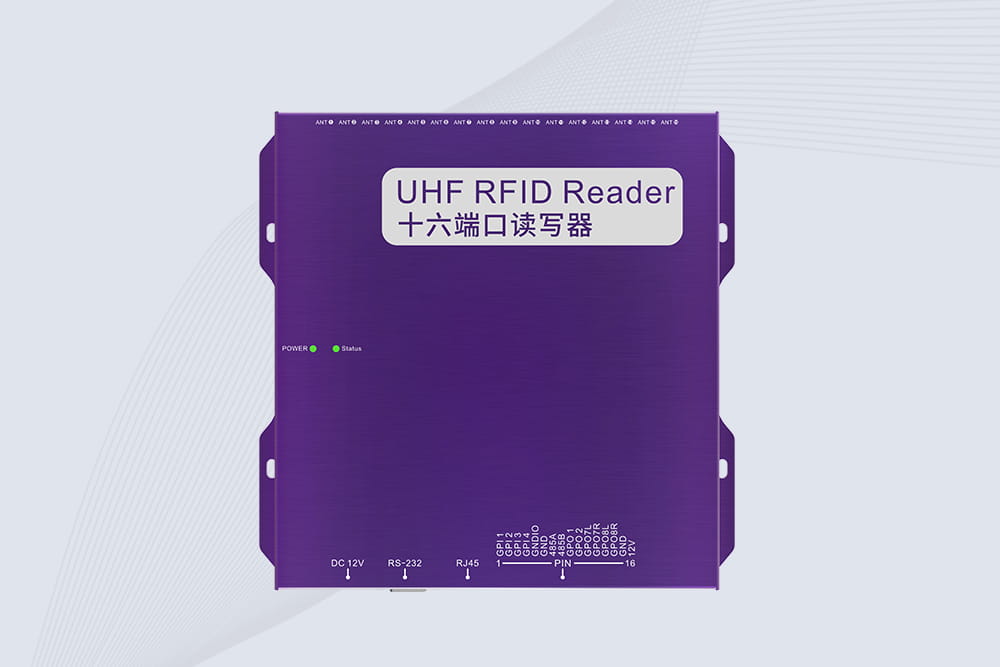
RFID Fixed Reader from CYKEO – the CYKEO-R16L 16-port UHF fixed reader for warehouses, smart cabinets, and production lines. Long-range, multi-tag reading, stable performance for 24/7 industrial use.

A field perspective on RFID key cabinets, how integrators implement them, and the practical lessons from real installations in offices, hospitals, and industrial sites.
More
RFID in warehouses uses UHF tags, readers, antennas, and software to automatically identify goods during receiving, storage, picking, and shipping without li...
More
Learn how to read RFID data correctly. We detail the messy reality of raw data streams and the crucial steps to filter and use them in your business. Get the full process.
More
Learn how to deactivate RFID tags safely and effectively. Explore proven methods, real-world insights, and professional tools for secure RFID tag deactivation.
More