Yes, RFID can work around metal, but ordinary RFID signals generally do not pass through solid metal reliably. Metal reflects and absorbs RF energy, so the result depends on the RFID frequency, tag construction, metal thickness, and reader configuration. For equipment enclosed by metal, the practical solution is usually to position the tag outside the metal or use a purpose-built RFID design.
That distinction becomes important on a factory floor. A technician may ask whether an RFID tag can be placed inside a steel cabinet and read from outside. The answer is very different from attaching an RFID tag to the outside of that same cabinet.
From an engineering perspective, I treat metal penetration and metal mounting as two separate RFID problems. The first concerns whether electromagnetic energy can reach the tag through the metal. The second concerns whether a tag can operate correctly while sitting on a conductive surface.
Why RFID Signals Struggle to Pass Through Metal
Metal is conductive. When an RF wave encounters a substantial metallic barrier, part of the electromagnetic energy is reflected rather than transmitted through it. The amount of attenuation depends on the metal itself, its thickness, frequency, geometry, and the surrounding RF environment.
This is especially important with UHF RFID. RAIN RFID systems commonly operate in the UHF region, where the wavelength is relatively short and metallic structures can produce strong reflections and multipath effects.
GS1 explicitly identifies metal as one of the materials that can affect RFID readability and recommends testing RFID implementations in their actual environment rather than assuming that laboratory performance will translate directly to production.
The practical result can be dramatic:
A tag outside a steel cabinet may read normally.
The same tag inside a closed steel cabinet may become unreadable.
A tag mounted directly on steel can work if it is an on-metal design.
A small opening, mesh structure, or non-metallic section can completely change the RF environment.
Solid Metal Is Not the Same as Metal Structure
It is tempting to say “RFID cannot go through metal.” That is too broad.
A thin metallic structure, perforated metal panel, metal mesh, or enclosure with openings does not behave exactly like a solid steel plate. The dimensions of the openings relative to the RF wavelength matter.
Likewise, the question changes when the RFID antenna is intentionally positioned outside the enclosure while the tracked object remains inside.
This is why an RFID site survey should examine the actual cabinet, rack, enclosure, and tag position, not just the material specification.
RFID Through Metal: What Happens at Different Frequencies?
RFID does not operate at one universal frequency. HF, UHF, and other RFID systems use different portions of the electromagnetic spectrum, so metal affects them differently.
RFID technology
Typical characteristic around metal
Practical consideration
LF RFID
Near-field magnetic coupling
Can work in specialized metal environments, but metal still affects antenna behavior
HF RFID / NFC
Near-field magnetic coupling
Ferrite-backed designs can improve operation near metal
UHF RFID
Far-field electromagnetic coupling
Solid metal can strongly reflect or attenuate the signal
UHF on-metal RFID
Antenna specifically engineered for metal
Designed for direct attachment to metallic assets
For UHF systems, the tag antenna is especially important. A conventional label antenna can become detuned when placed directly against steel or aluminum. A dedicated on-metal antenna introduces a different electromagnetic structure that allows the tag to operate near the conductive surface.
A peer-reviewed review of RFID antennas for metallic environments notes that metal can alter antenna impedance and radiation characteristics, while specialized antenna structures and isolation layers are used to maintain acceptable performance.
Can UHF RFID Read Through a Steel Cabinet?
Usually not through a closed solid steel cabinet using a conventional external reader and passive tag inside.
The steel enclosure can substantially attenuate the RF path between the reader antenna and the tag. Increasing reader power is not a dependable solution because the metal barrier remains part of the propagation path.
A more reliable architecture is to change the physical arrangement:
Place the RFID tag outside the metal enclosure.
Install the reader antenna outside the enclosure with a suitable read zone.
Use a non-metallic RF window where practical.
Use a purpose-designed antenna or coupling structure when the tag must remain enclosed.
Test the complete enclosure and reader geometry before production deployment.
This is one of the recurring lessons from field work: when an RFID installation fails around metal, the first instinct is often to increase transmit power. The better question is usually where is the RF path being broken?
What About RFID Inside Metal Containers?
A closed steel container is one of the more difficult environments for conventional passive UHF RFID.
If the tag is attached to an object inside the container, the reader outside may have little or no usable RF path to the tag. Opening the container changes the result immediately because the reader can then illuminate the tag directly.
For logistics applications, this is why RFID portals are often designed around the opening of the container or movement path, rather than trying to read through the container wall.
The same principle applies to metal cabinets, lockers, toolboxes, machinery housings, and vehicle compartments.
A solid steel enclosure can severely weaken the RF path between an external UHF RFID reader and a tag positioned inside.
Does Metal Block All RFID Frequencies?
No. The effect depends on the RFID technology and the physical construction of the metal environment.
HF RFID provides a useful example. Near-field magnetic coupling behaves differently from UHF far-field communication, which is why specialized HF/NFC tags can be engineered for use on metallic surfaces.
The same concept appears in industrial RFID design: metal does not simply switch RFID “off.” It changes the electromagnetic environment in which the antenna must operate.
For this reason, saying “RFID works through metal” without specifying the frequency, tag type, metal thickness, and installation geometry is technically incomplete.
Metal Mounting vs. Reading Through Metal
These two applications are frequently confused.
Situation
Can RFID work?
Recommended approach
Tag attached to cardboard
Yes
Standard RFID label
Tag attached directly to steel
Yes
On-metal RFID tag
Tag attached to aluminum
Yes
Metal-compatible RFID tag
Tag inside closed steel cabinet
Usually difficult
Move tag/antenna or redesign enclosure
Tag inside open metal rack
Often yes
Optimize antenna placement
Tag inside metal toolbox
Difficult when closed
Read during opening or use engineered coupling
Tag on metal vehicle component
Yes
Rugged on-metal RFID tag
The distinction is central to does rfid work through metal. An RFID tag can absolutely operate on metal while the same technology struggles to communicate through a solid metal barrier.
Cykeo Field Perspective: Test the Physical Installation
At Cykeo, RFID deployment should be evaluated as a physical RF system rather than a specification-sheet exercise.
For metal-heavy environments, I would record at least:
Metal material and thickness
Tag model and antenna design
Reader output power
Reader antenna type and orientation
Distance between reader and tag
Tag orientation
Enclosure dimensions
Presence of liquids or other conductive materials
Number and location of surrounding metal objects
Read consistency during movement
Missed-read rate under actual operating conditions
A reader that identifies a tag ten times on an empty workbench has not yet proved the production installation.
The useful test is harsher: put the asset where it actually belongs, close the cabinet, move the forklift, fill the rack, add neighboring equipment, and repeat the read cycle.
That is where the real RF behavior appears.
What Engineers Should Check Before Using RFID Around Metal
Tag selection
Use a dedicated on-metal RFID tag when the tag itself will be bonded to a conductive surface.
Antenna placement
Do not assume that moving the reader a few centimeters will produce the same result. Metal structures can create reflections and nulls that make antenna positioning unusually important.
Enclosure design
If the RFID tag must remain inside a metal housing, consider whether an RF-transparent window, external tag position, or engineered antenna feed-through can provide a better solution.
Validation
Use the exact tag, exact reader, exact antenna, and exact asset. Published read ranges are useful references, but they are not substitutes for application testing.
Author Expertise & Technical Basis
This article is written from an RFID engineering perspective focused on UHF reader deployment, tag selection, antenna positioning, and industrial asset identification. In practical installations, the most useful performance measurement is rarely the manufacturer’s maximum range alone. Repeatability under the actual mechanical and RF conditions is more valuable.
GS1’s RFID guidance supports this approach by emphasizing environmental and tagged-item testing, while published RFID research documents the effect of metallic surfaces on antenna performance.
The engineering takeaway is straightforward: a metal object can be RFID-compatible without being RF-transparent.
Does RFID work through metal? Sometimes, but solid metal is normally a major RF barrier. Reliable deployment depends on frequency, tag design, enclosure geometry, antenna placement, and real-world testing.
How to Make RFID Work Around Metal
The most reliable approach is not to force a conventional RFID system through a metal barrier. Change the RF path, change the tag construction, or put the antenna inside the enclosure.
GS1 notes that metallic objects can reflect and diffract electromagnetic waves, making conventional RFID tags difficult to read. It also confirms that dedicated tags are now available for operation directly on metallic items such as medical devices and automotive or aerospace components.
For industrial deployment, I normally separate the problem into three situations:
Tag on metal: use an on-metal RFID tag.
Tag near metal: control the surrounding metal and antenna geometry.
Tag behind solid metal: redesign the RF path or place an antenna/reader inside the enclosure.
That sounds simple. The installation details are where most failures occur.
RFID Through Metal vs. RFID on Metal
These terms should never be treated as interchangeable.
Application
Expected performance
Recommended solution
RFID tag on cardboard
High potential
Standard UHF RFID label
RFID tag on steel
Good with correct tag
On-metal RFID tag
RFID tag on aluminum
Good with correct design
On-metal RFID tag
RFID tag behind solid steel
Generally poor
External RF window or internal antenna
RFID tag inside open metal rack
Often workable
Antenna and tag-position optimization
RFID tag inside closed metal cabinet
Difficult from outside
Internal antenna/reader architecture
RFID tag embedded inside metal tool
Application dependent
Metal-embeddable RFID tag
The U.S. Federal Highway Administration explains that conventional RFID tags have historically experienced problems on metal because metal reflects energy and detunes the antenna. It also notes that manufacturers have developed spacers and specialized tag designs for metal applications.
Use an On-Metal RFID Tag When the Asset Is Metal
This is the easiest problem to solve.
If the tracked object is a steel tool, machine, vehicle component, metal container, rack, or cabinet, the tag does not need to communicate through the metal. It needs to operate while mounted on the metal.
That is precisely what on-metal tags are designed to do.
The RAIN Alliance explains that tag antennas are application-specific and may be designed for mounting on metal or around liquids. Its field guidance further warns that large metal surfaces can create multipath reflections and localized signal cancellation.
This distinction changes the design conversation immediately.
What If the RFID Tag Must Be Inside a Metal Cabinet?
This is a much harder application.
A closed steel cabinet can prevent a conventional external UHF reader from delivering sufficient RF energy to a passive tag inside. RFID Journal’s technical guidance describes sealed metal containers as a fundamental RF barrier for conventional RFID communication.
There are, however, engineered ways to build RFID into metal cabinets.
One approach is to place the RFID antenna inside the cabinet and connect it to a reader located elsewhere. This architecture removes the solid metal wall from the direct tag-to-antenna path.
Another approach is to create an intentionally non-metallic RF window or opening.
A third is to design the cabinet and RFID antenna as one integrated system. This is more specialized, but it can be appropriate for smart tool cabinets, controlled-access storage, and automated inventory systems.
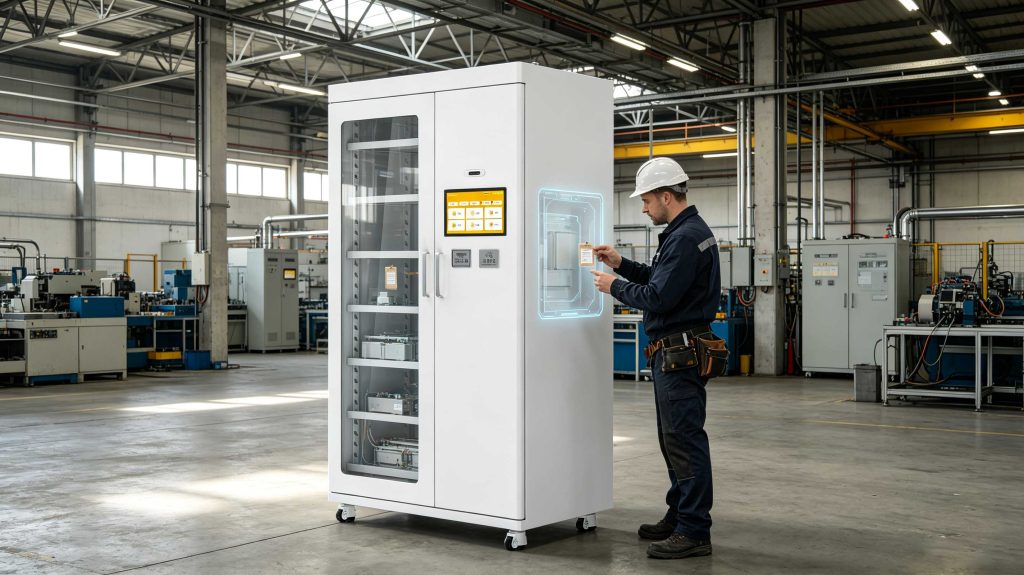
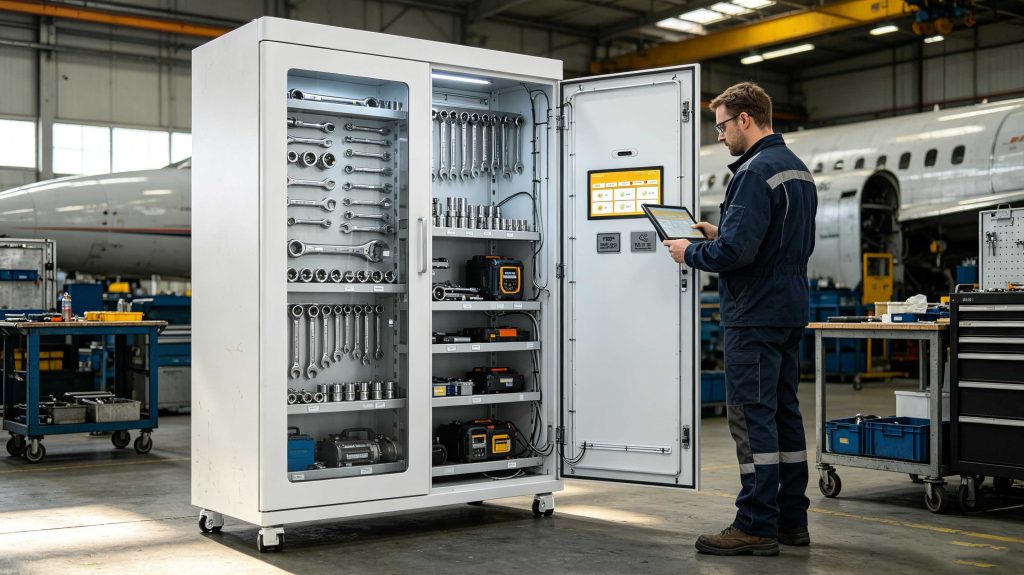
Cykeo’s CYKEO-G17 UHF RFID smart cabinet is an example of this type of integrated application: the cabinet uses a 1.2 mm carbon-steel body while incorporating UHF RFID inventory functionality, Ethernet connectivity, and software integration capabilities.
That is an important practical distinction. The question is not always “Can an RFID signal penetrate the cabinet?” Sometimes the correct engineering answer is “Don’t make it penetrate the cabinet.”
Cykeo RFID Architecture for Metal Environments
For industrial projects involving metal equipment, Cykeo can approach the system as a complete RFID identification zone rather than treating the tag as an isolated component.
For a cabinet or enclosed storage system, the antenna position becomes particularly important. For a warehouse or factory portal, the antenna orientation and physical boundaries of the read zone matter just as much.
RAIN Alliance field guidance specifically recommends controlling read zones and considering large metal surfaces because reflections can create unexpected read areas or local signal cancellation.
Why Increasing Reader Power Is Not Always the Answer
A common troubleshooting sequence is:
missed read → increase power → still inconsistent → increase power again.
That is usually the wrong direction.
If the problem is a steel barrier, antenna detuning, destructive multipath, or poor tag orientation, additional RF power does not automatically repair the underlying geometry.
In some cases, excessive reflected energy can make the RF environment harder to control. RAIN Alliance specifically warns that large metal surfaces can create strong reflections and multipath effects within a read zone.
A better field sequence is:
Verify the tag type.
Check whether the tag is intended for metal.
Inspect tag orientation.
Map the reader antenna position.
Identify nearby large metal surfaces.
Test with the enclosure open and closed.
Test at the actual operating distance.
Measure repeated reads rather than a single successful read.
An integrated UHF RFID antenna inside a steel tool cabinet can identify tagged tools without requiring RF signals to pass through the cabinet wall.
Metal RFID Applications That Make Sense
1. Smart Tool Cabinets
Metal tool cabinets are a strong RFID application because tools can be individually identified and inventoried without relying on visual scanning.
A cabinet can use internal antennas to communicate with tags while the cabinet itself remains a metal enclosure.
2. Industrial Equipment Tracking
Large machines, maintenance equipment, fixtures, and production assets can use rugged on-metal tags. The tag remains externally accessible, avoiding the need to transmit through the equipment housing.
3. Vehicle and Fleet Components
Metal vehicle components are suitable for specialized on-metal RFID tags. The FHWA specifically identifies metal applications as an established RFID use case when appropriate tag designs are used.
4. Metal Containers and Logistics Assets
Steel returnable containers, industrial bins, racks, and shipping assets can carry dedicated on-metal RFID tags. The RAIN Alliance identifies vehicles and shipping containers among the metal-object applications requiring careful tag and antenna consideration.
5. Medical and Industrial Components
GS1 notes that dedicated RFID tags can be designed for metallic items including medical devices and aerospace and automotive parts.
Field Validation: What Should Be Measured?
A proper RFID test should go beyond asking whether the reader sees a tag.
I recommend recording:
Read rate: how consistently the tag is detected.
Read distance: distance at which repeatable identification occurs.
Orientation sensitivity: performance after rotating the asset.
Closed/open condition: especially for cabinets and containers.
Movement: whether the tag remains readable while the asset moves.
False reads: whether nearby tags enter the read zone unintentionally.
Environmental changes: doors, racks, machinery, liquids, and neighboring metal assets.
Long-duration stability: whether performance changes after hours of operation.
GS1’s RFID implementation guidance states that readability is affected by the chip, antenna, complete tag construction, and the reading environment. It specifically recommends testing RFID solutions to document functionality.
GS1 also cites testing of EPC Gen2V2 UHF RFID tags showing reading distances up to 20 meters for standard solutions under specified test conditions. That figure is useful as a technology benchmark, but it should not be interpreted as a guaranteed distance through metal.
FAQ: Does RFID Work Through Metal?
1. Can RFID pass through a steel wall?
Generally, a conventional passive UHF RFID system should not be expected to reliably communicate through a solid steel wall. The better approach is to move the antenna, create an RF-transparent opening, or place the RFID antenna inside the enclosure.
2. Can RFID work on metal?
Yes. Dedicated on-metal RFID tags are specifically engineered for conductive surfaces. The tag antenna and construction are designed to remain functional when mounted on metal.
3. Can RFID read tags inside a metal cabinet?
Yes, with an engineered cabinet system. One practical solution is to place RFID antennas inside the cabinet and connect them to a reader, rather than trying to transmit through the steel enclosure.
4. Will increasing RFID reader power make it work through metal?
Not necessarily. More power cannot eliminate a solid metal barrier or correct poor antenna geometry. Reflections and multipath can also complicate a high-metal environment.
5. Can UHF RFID work inside a metal container?
Yes, but the antenna normally needs to be positioned inside the container or the container needs an engineered RF opening. A conventional external reader should not be expected to reliably read passive tags through a closed solid-metal container.
6. Why does an RFID tag work on metal but not through metal?
Because these are different RF conditions. An on-metal tag is engineered so its antenna can operate adjacent to the conductive surface. A tag inside a sealed metal enclosure may have no usable RF path to an external reader.
7. Should RFID be tested on the actual metal equipment?
Yes. This is especially important for industrial installations. GS1 recommends testing RFID solutions because the complete tag and the surrounding environment can materially affect readability.
Technical Conclusion
The phrase does rfid work through metal needs one important qualification: RFID generally does not reliably penetrate a solid metal barrier, but RFID can work extremely well on metal and inside metal enclosures when the system is engineered around the RF environment.
That means the solution may be an on-metal tag, an internal antenna, an RF window, a different antenna orientation, or a redesigned read zone.
The strongest installations are rarely the ones that simply turn up reader power. They are the ones where the physical asset, tag antenna, reader antenna, enclosure, and software workflow were considered together.
For Cykeo industrial RFID projects, that distinction is particularly relevant to smart tool cabinets, metal asset tracking, industrial equipment identification, vehicle components, warehouse containers, and automated inventory systems.
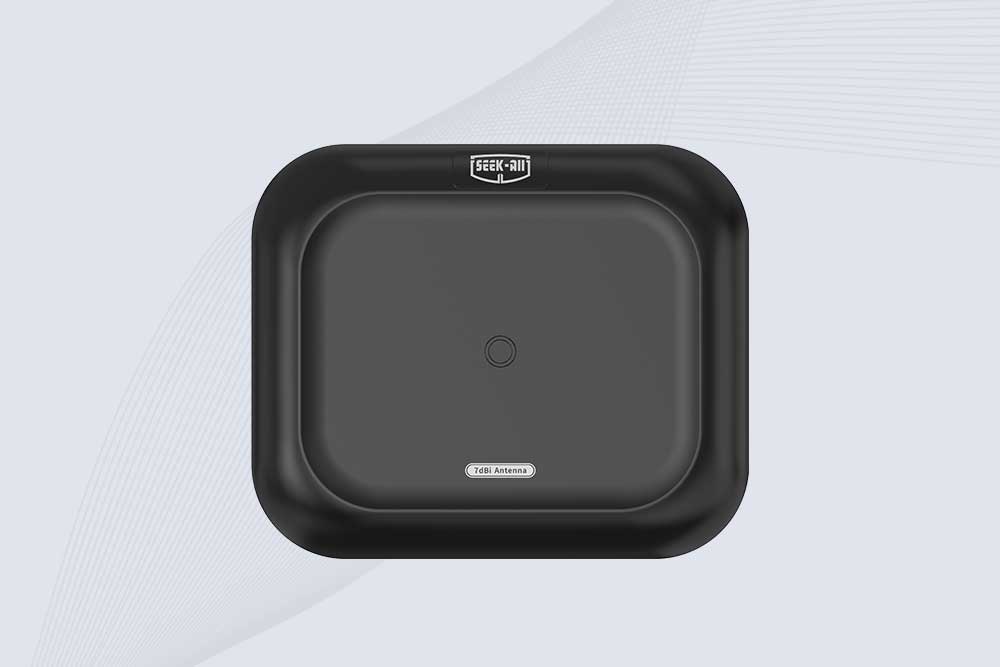
Explore the SSD-A07 UHF RFID antenna with 7 dBi gain, circular polarization, adjustable 840–960 MHz frequency, and 60°/75° beamwidth for stable RFID read/write performance.
SSD-A06 UHF RFID antenna with circular polarization, adjustable 840–960 MHz frequency, ≥4.5 dBi gain, and a compact directional design for RFID systems.
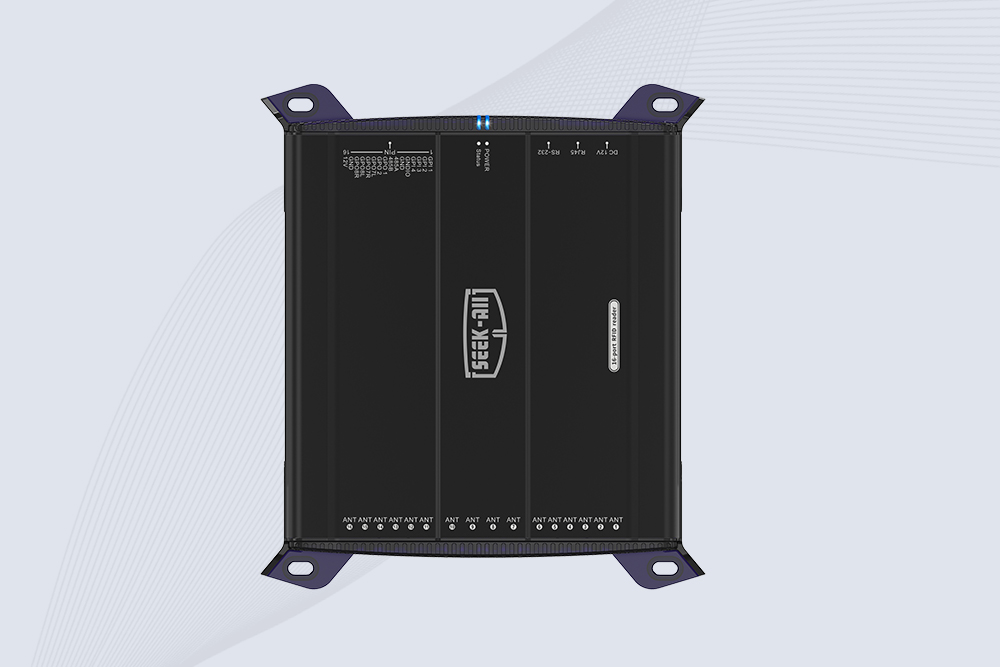
SSD-R16L Multi-Channel RFID Infrastructure for Automated Inventory Management ✔️ 16-Port High-Density RFID Reading Equipped with 16 SMA antenna ports, SSD-R16L supports multi-antenna deployment for warehouses, retail stores, logistics, production lines, and large-area RFID identification. ✔️ High-Speed & Long-Range Performance With up to 33…
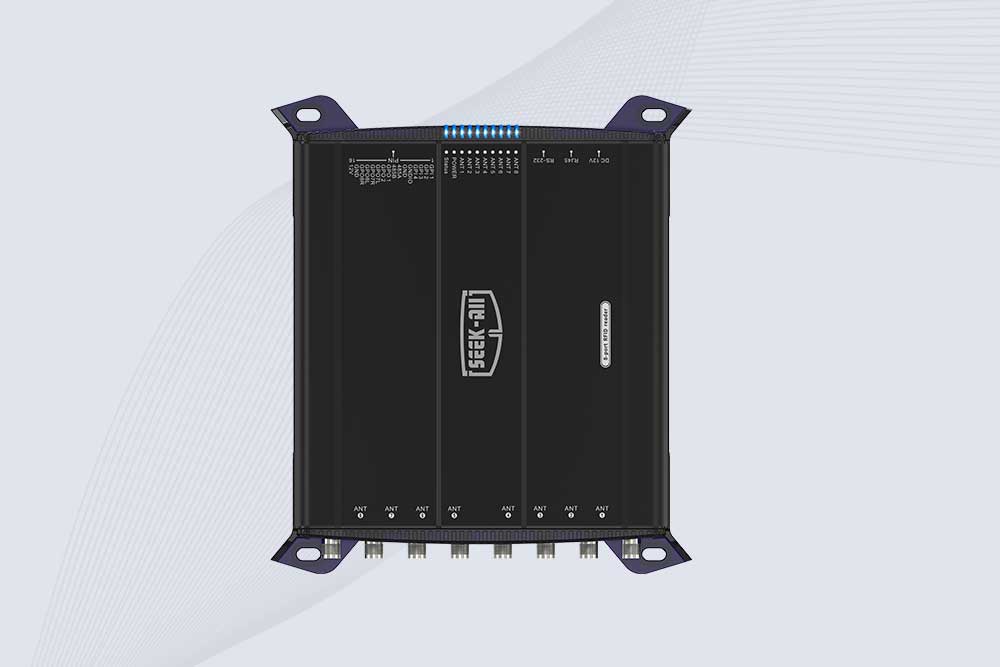
SSD-R8L 8-port UHF RFID reader with 33dBm output, up to 20m reading range and 600+ tags/s recognition. Ideal for warehouse, logistics, retail and asset tracking.
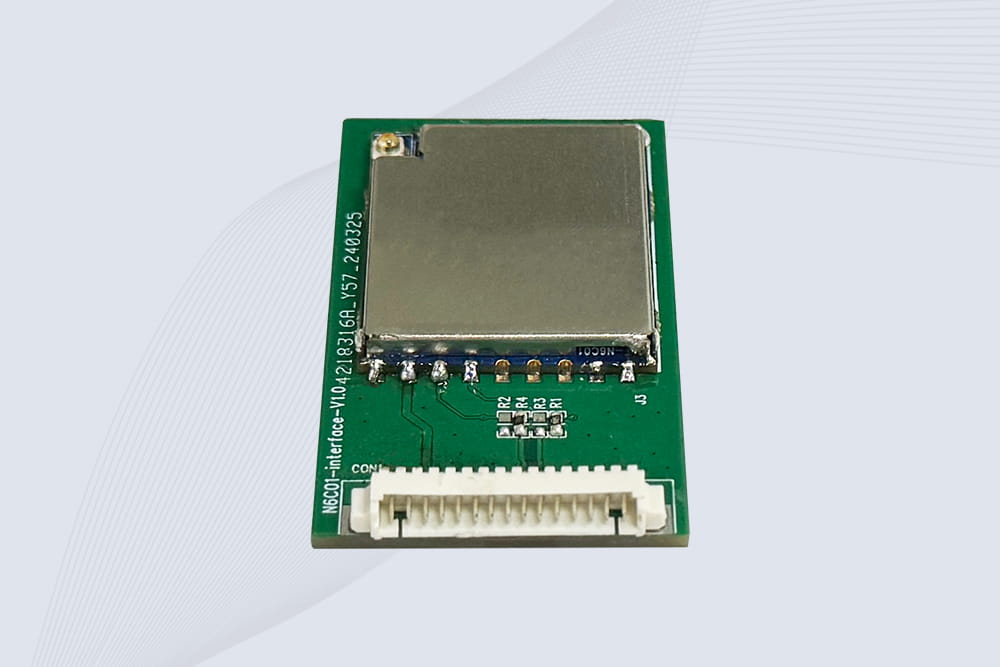
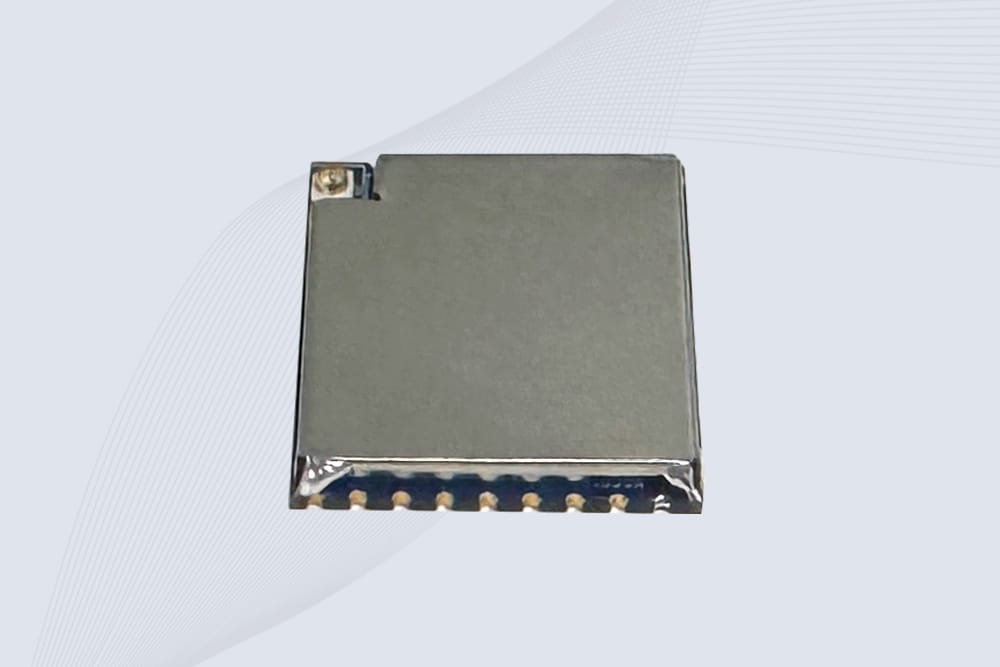
CYKEO Embedded RFID Modules are designed for compact industrial and IoT devices that require stable UHF performance. These UHF RFID Modules support global protocols, flexible power control, and reliable multi-tag reading for smart cabinets, production lines, and asset tracking systems.
CYKEO Embedded RFID Module is built for compact IoT and industrial devices that need stable UHF performance. This UHF module supports global protocols, low power operation, and reliable multi-tag reading for smart lockers, production lines, and always-on RFID systems.
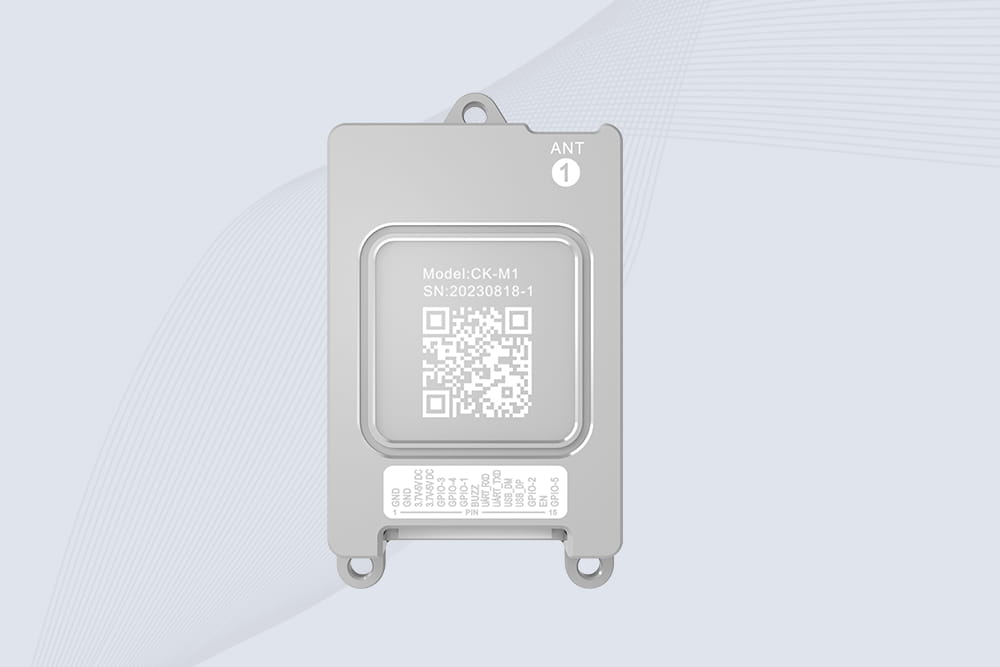
CYKEO CYKEO-M1 drone rfid module is a compact UHF RFID reader module designed for drones and UAV platforms. It supports long-range aerial scanning, fast multi-tag reading, and stable performance in wind, vibration, and outdoor environments.
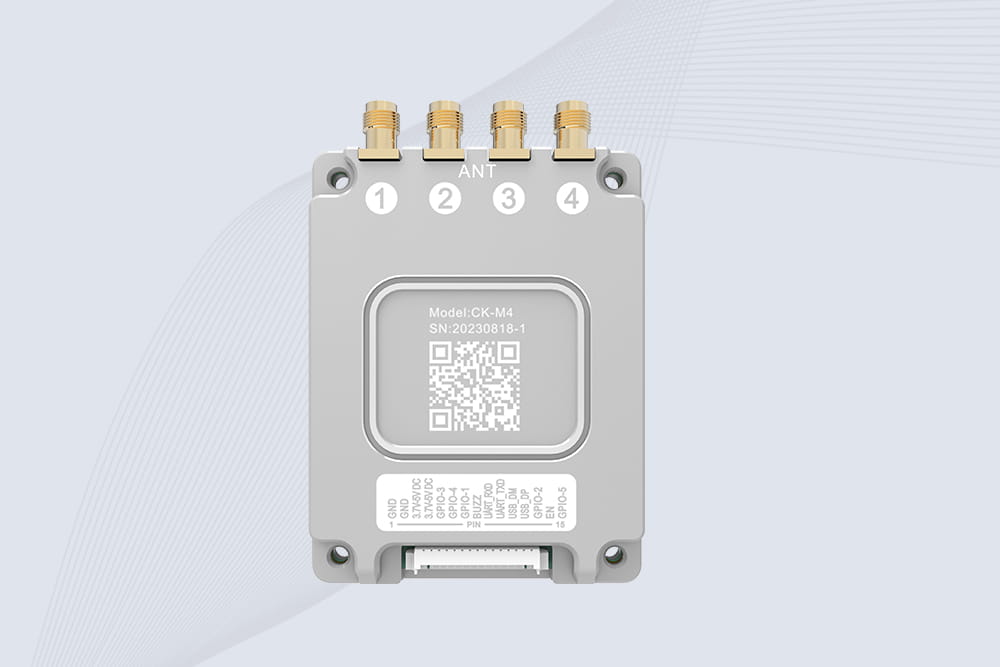
CYKEO CYKEO-M4 RC522 RFID Module is an industrial-grade UHF RFID reader with 4 ports, supporting ISO, EPC, and GB protocols. High-speed, accurate reading for IoT, automation, and warehouse applications.
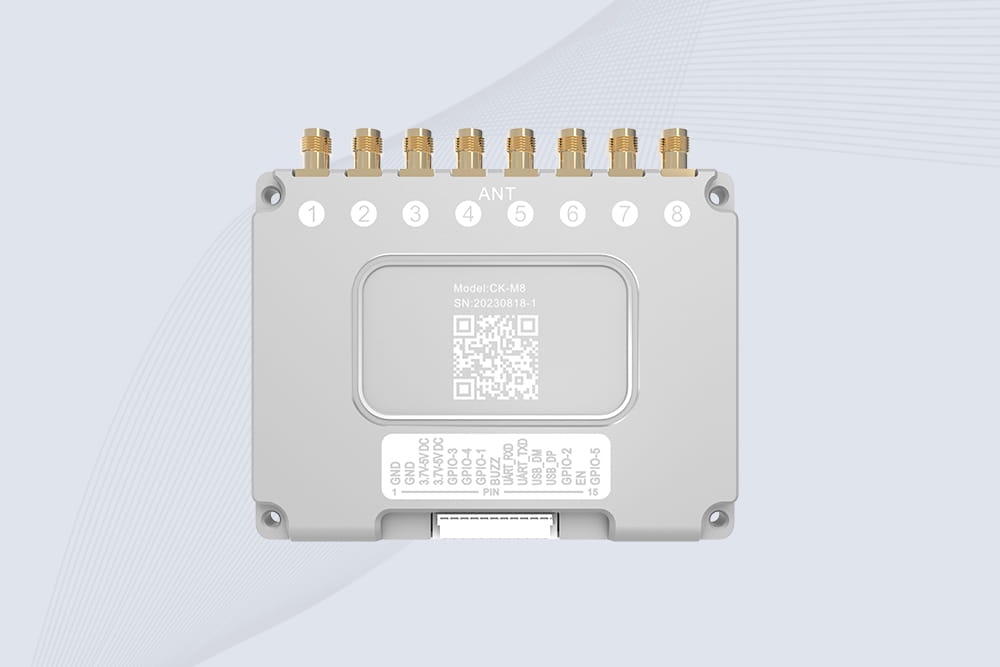
CYKEO CYKEO-M8 Module RFID is an 8-port UHF R2000 RFID Module designed for high-density, multi-tag environments. Stable 33dBm output, ISO & GB protocol support, ideal for warehouses, factories, and automated systems.
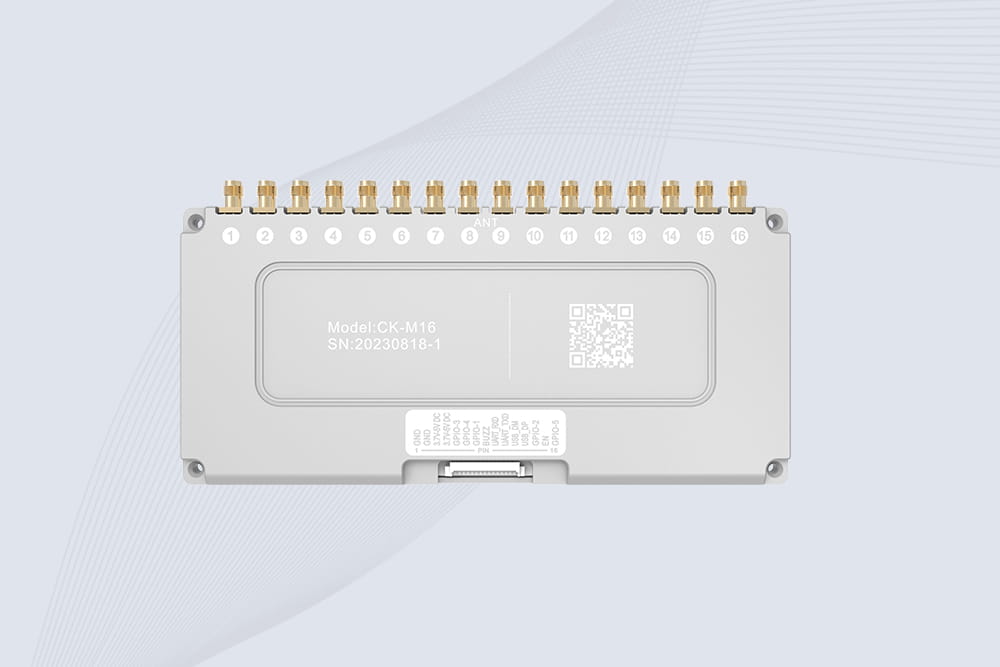
CYKEO CYKEO-M16 RFID Module is a 16-port UHF RFID reader module based on the R2000 chipset. Designed for dense tag environments, it supports ISO and GB standards and delivers stable multi-antenna control for industrial automation.
The CYKEO CYKEO-M16L RFID Reader Module is a 16-channel UHF RFID core designed for dense tag environments. With adjustable 33dBm output, multi-protocol support, and stable multi-antenna control, this RFID Tag Reader Module fits industrial automation, warehouse systems, and large-scale IoT deployments.
CYKEO CYKEO-M8L module RFID is a compact industrial UHF module built for dense tag and multi-antenna environments. With 8 RF ports, adjustable 33 dBm output, and ISO & GB protocol support, it is widely used in factories, warehouses, and automated tracking systems.
CYKEOCYKEO-M4L UHF RFID Module is a compact 4-channel RFID tag reader module designed for dense tag environments. Supporting ISO and GB protocols, it delivers stable reads up to 10 meters for industrial and IoT systems.
Cykeo CYKEO-A11 UHF RFID reader antenna delivers 11dBi gain, 840-960MHz frequency range, and IP65 ruggedness for retail, logistics, and industrial RFID systems. Features low VSWR and easy installation.
CYKEO Antenna RFID Reader delivers stable long-range UHF performance with a 10.5dBi directional design, built for warehouses, conveyor portals, and industrial RFID systems. This rfid reader antenna provides 20m+ read distance and rugged IP67 protection.
Cykeo CYKEO-A5B industrial Linear RFID Antenna delivers 5dBi gain, ≤1.5:1 VSWR, and IP65 rugged design for warehouse, production line, and logistics UHF systems.
Cykeo’s CYKEO-B12 Long Range RFID Antenna delivers 15m+ read range with 12dBi gain, IP65 rugged design, and global 840-960MHz UHF support. Ideal for warehouse/logistics asset tracking.
Cykeo CYKEO-B10 Long Distance RFID Antenna offers 10dBi gain, 840-960MHz frequency range, IP65 rating, and 20m+ coverage for logistics/warehousing/ETC systems. Low VSWR ensures stable signal transmission.
Cykeo CYKEO-A6 UHF RFID panel antenna features 6dBi gain, 840-960MHz broadband, IP65 metal-ready housing for logistics/smart retail. 18mm ultra-thin design with tool-free mounting.
Cykeo CK-A3 industrial antenna RFID UHF offers 5m+ tag detection, ≤1.3:1 VSWR, IP65 rugged design, and global UHF spectrum compatibility (840-960MHz) for warehouses, factories, and retail.
Cykeo CYKEO-B5 directional RFID antenna provides 5dBi gain with 60° narrow beamwidth for precise inventory tracking. IP65-rated, global UHF frequency support, and low VSWR.
Create your own high-performance DIY RFID antenna! 5dBi gain, 840-960MHz tunable, step-by-step guides. Compatible with Arduino, Raspberry Pi, and commercial UHF readers.
Cykeo CYKEO-A7 Flexible RFID Antenna features 840-960MHz wideband tuning, 7dBi gain, and IP68 rating for medical/retail/industrial curved surface deployments. 98% read accuracy with peel-and-stick installation.
Cykeo CYKEO-B5A industrial Passive RFID Antenna delivers 5dBi gain, 70° beamwidth, and -40°C~55°C operation for warehouses/smart cabinets. Compatible with Zebra/Impinj readers.
Cykeo’s CYKEO-A9B High Gain RFID Antenna delivers 15m+ read range with 9dBi amplification. Features IP54 rugged design, 840-960MHz bandwidth, and 80° beamwidth for warehouse/manufacturing RFID systems.
Cykeo’s enterprise-grade 8dbi Impinj RFID Antenna 10m+ read range with 840-960MHz tuning. Features IP65 housing, 1.4 VSWR, 35° beamwidth for retail/warehouse RFID systems.
Cykeo CYKEO-A9 industrial UHF RFID antenna delivers 9dBi gain, 840-960MHz frequency range, and IP65 protection for warehouse/logistics/retail RFID systems. Features N-type connector and ≤1.3:1 VSWR.
CYKEO UHF RFID Antenna built for long-distance and industrial applications. This antenna rfid uhf delivers strong gain, outdoor durability, and reliable tag performance in warehouses, yards, and vehicle ID systems.
CYKEO Antenna RFID delivers reliable long-range UHF performance in warehouses, retail shelves, and cold-chain environments. This compact uhf rfid antenna provides stable reads with circular polarization and ultra-wide 840–960 MHz support, ideal for industrial tracking, smart shelves, and asset monitoring.
Cykeo’s CYKEO-C8 UHF RFID antennas delivers 8dBi gain, 840-960MHz full-band coverage, and IP65 ruggedness for manufacturing/warehouse RFID systems. Industrial RFID Antennas Features
Cykeo’s 8dBi UHF RFID antenna and reader kit delivers 10m+ range, 840-960MHz broadband, and IP65 ruggedness for factories, warehouses, and logistics. ISO 18000-6C & EPC Gen2 certified.
Cykeo’s CYKEO-A12C UHF Large RFID Antenna delivers 12dBi gain, 840-960MHz global frequency, IP65 ruggedness for logistics/warehousing/automotive. 40° beamwidth ensures stable 15m+ tag reads.
CYKEO Near Field RFID Antenna provides precise 5–30 cm reading for shelves, cabinets, and workstations. This compact rfid shelf antenna delivers stable short-range performance around metal and clutter, ideal for pharmacies, libraries, and electronics sorting.
Cykeo CYKEO-C1 industrial Forklift RFID Reader features 20m read range, 600 tags/sec scanning, Impinj R2000 chipset, and IP67 rugged design. Ideal for warehouse logistics and manufacturing. Supports ISO 18000-6C/6B protocols.
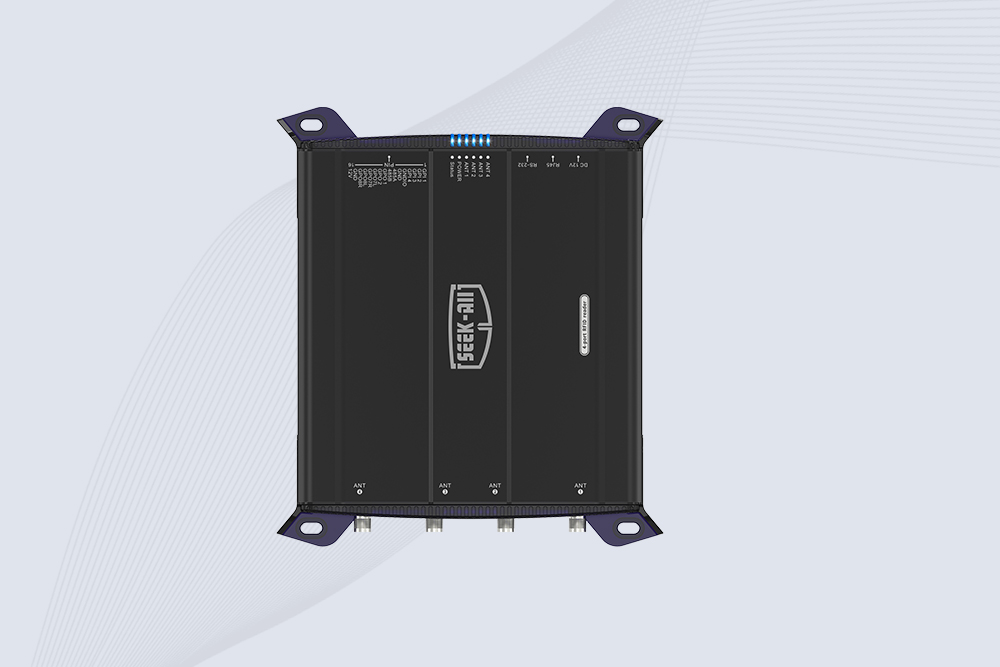
Cykeo CYKEO-R4 industrial UHF RFID Fixed Reader features 4 TNC ports, 400+ tags/sec speed, IP67 housing, and global frequency compliance for vehicle inspection, smart warehouse, and asset management systems.
CYKEO CYKEO-R8L Fixed RFID Reader with 8-port UHF design, Impinj-based RF core and up to 20m read range. An industrial Fixed RFID Reader for vehicle inspection, warehouse portals, smart manufacturing lines and secure access checkpoints.
RFID Fixed Reader from CYKEO – the CYKEO-R16L 16-port UHF fixed reader for warehouses, smart cabinets, and production lines. Long-range, multi-tag reading, stable performance for 24/7 industrial use.
Explore the Cykeo reader writer machine for fast and reliable RFID tag read/write, asset registration, and management. Ideal for libraries, tools, and inventory tracking with high efficiency.
Wondering what is output of RFID reader? We explain the data types, common formats, and output interfaces. From raw tag data to formatted strings for applications. Real guidance from CYKEO engineers.
Is your RFID antenna reading tags in the next room or outside the intended area? Learn the common causes of unstable RFID performance, oversized read zones, and cross-reading, plus practical solutions for gate control and warehouse deployments.
 Cykeo RFID IoT Solution Products R&D Manufacturer