 Cykeo RFID IoT Solution Products R&D Manufacturer
How rfid protect security for warehouses ?
108RFID and security systems improve asset protection, access control, and inventory visibility using UHF RFID technology for real-time monitoring.
MoreAll RFID Product
How accurate is RFID tracking? It depends on what “accuracy” means. RFID identification can achieve read rates close to 100% in a properly engineered installation, while location accuracy varies from zone-level identification to sub-meter positioning. Tag design, reader placement, antenna geometry, orientation, interference, and software all affect the result.
That distinction is often missed in project discussions.
A warehouse manager may say, “I need to know where every pallet is.” An RFID engineer hears a different question: Do you need to know which reader zone last detected it, its aisle, its bay, or its physical position within 30 centimeters?
Those are four different accuracy requirements.
GS1 reports that RFID read rates are commonly in the 95–99% range, while mature deployments have reported read rates around 99.95% over time. GS1 also stresses that distance, tag orientation, tag design, the material surrounding the tag, and installation quality affect readability.
The first thing I establish during an RFID deployment is the accuracy metric.
| Accuracy measurement | What it tells you | Typical RFID use |
|---|---|---|
| Tag read rate | Whether a tag is successfully detected | Inventory |
| Identification accuracy | Whether the correct item is identified | Asset tracking |
| Zone accuracy | Which reader/area detected the item | Warehouse tracking |
| Position accuracy | Estimated physical location | RTLS |
| Event accuracy | Whether movement events are correctly recorded | Logistics |
| Inventory accuracy | Whether the database reflects the physical inventory | Retail/warehouse |
These measurements should not be mixed together.
A system can have an excellent tag read rate but mediocre location accuracy. Conversely, a sophisticated localization system can estimate position precisely while still suffering from missed tag reads in a difficult RF environment.
GS1’s traceability framework makes a similar distinction between identification and the granularity of recorded location/event data. Higher-granularity visibility data can provide more precise traceability, but the quality depends on what the system actually records.
UHF RFID, also known as RAIN RFID, is particularly effective when the requirement is to identify tagged objects moving through a defined area.
GS1 states that passive UHF RFID systems can operate at ranges of up to around 10 meters depending on the environment, while its RFID guidance notes that specially tested EPC Gen2V2 tags have demonstrated reading distances of up to 20 meters for standard solutions.
Distance, however, is not location accuracy.
If a reader detects a pallet from eight meters away, that does not mean the pallet is physically located within an eight-meter circle with equal probability. The actual read zone depends heavily on antenna directivity, gain, polarization, tag orientation, and the surrounding environment. GS1 specifically highlights these factors when discussing RFID read range.
That is why a well-designed warehouse deployment often uses controlled reader zones rather than trying to calculate an exact coordinate from a single reader.
Consider a simple loading dock.
A fixed RFID reader detects pallet EPC 3008 when the pallet passes through Door 4.
The system can confidently record:
Pallet 3008 — detected at Door 4 — 14:32:18.
That is highly useful tracking information.
It does not necessarily mean:
Pallet 3008 — physically located at X: 14.82 m, Y: 7.31 m.
The second statement requires a different localization architecture.
UHF RFID tags are not equally readable from every angle. GS1 specifically identifies tag orientation and antenna polarization as important factors affecting the usable read volume.
This becomes obvious with forklifts and pallets.
A tag facing the reader may perform beautifully. Rotate the pallet 90 degrees and the same tag may behave differently.
In field deployment, this is one reason I prefer testing the actual movement pattern, not just placing a stationary sample in front of an antenna.
Not every RFID tag behaves the same way.
Metal, liquids, dense materials, and packaging can affect the RF field. GS1 notes that metal objects can reflect and diffract electromagnetic waves, while liquids can absorb RF energy and detune RFID tags. Dedicated tag antenna designs can mitigate some of these effects.
For industrial asset tracking, selecting the tag based purely on chip memory or price is usually a mistake.
The antenna is part of the system.
Two readers with identical specifications can produce very different results when installed differently.
Antenna height, polarization, tilt, spacing, mounting surface, cable routing, and nearby metal all influence the interrogation zone.
GS1’s implementation guidance specifically recommends testing RFID installations because environmental metal can create unwanted reflections and even cause the wrong object to be read.
Warehouses are not RF laboratories.
Steel racks, forklifts, machinery, pipes, concrete, liquids, and moving people create reflections. The resulting multipath environment can produce localized weak points in the read zone.
Published research on passive UHF RFID localization has measured this effect directly. One study reported mean localization errors of approximately 20.1 cm and 19.6 cm in two test trajectories before filtering; its tracking algorithm reduced those errors to approximately 11.6 cm and 5.3 cm. The researchers attributed the original ranging error partly to multipath propagation and phase noise.
That is useful evidence—but it should not be presented as a universal RFID accuracy specification. It was a controlled research system, not a generic promise for every warehouse.
A useful example comes from a retail RFID deployment reported by RFID Journal.
In a Falabella pilot, the retailer achieved 98.4% inventory accuracy, while functional RFID tags achieved a 99.7% successful read rate. The difference came partly from faulty or incorrectly encoded inlays and tags that detached from merchandise.
That example illustrates an important engineering lesson:
RF performance and system accuracy are not identical.
The reader may successfully read the tag, but the overall inventory record can still be wrong if the tag is incorrectly encoded, attached to the wrong item, or physically removed.
Not automatically.
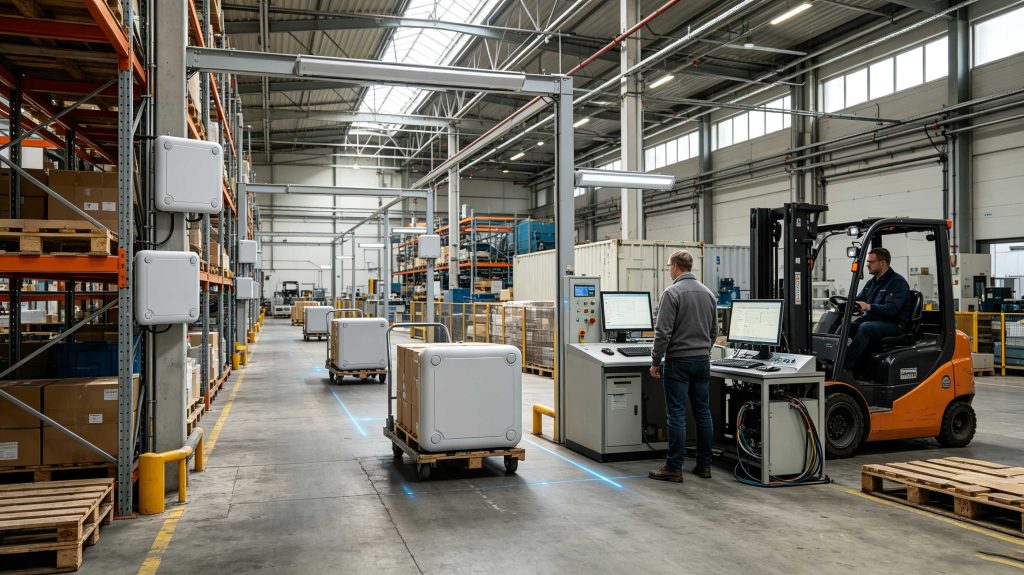
A conventional fixed UHF RFID reader normally tells the software that a tag was detected within its effective interrogation zone. It does not inherently provide GPS-style coordinates.
For true location tracking, systems can use multiple readers, antenna arrays, phase information, RSSI, time-based methods, reference tags, or other positioning techniques.
GS1 distinguishes ordinary RAIN RFID identification from active-RFID real-time locating systems. Active RFID tags can transmit their own signals, allowing multiple readers and software to calculate a tag’s position.
Research systems demonstrate how accurate specialized RFID localization can become. One published UHF RFID study achieved a median localization error of 0.24 m in a controlled indoor experiment using an array of RFID tags and an optimization algorithm.
Another study of phase-based passive UHF RFID localization reported mean errors below 30 cm under its experimental conditions.
These results demonstrate technical feasibility—not a universal guarantee for commercial deployments.
In practical Cykeo RFID deployment work, I would rather see a system produce repeatable 98–99%+ event capture in the actual operating zone than hear a theoretical claim about a 20-meter read range.
The site test should include:
A single successful read proves very little.
A hundred or a thousand controlled passes begin to reveal the real behavior of the installation.
That is also why GS1 recommends testing the complete RFID solution in its operating environment and states that properly tested installations can achieve very low error rates.
There is no single percentage that applies to every RFID tracking system.
For inventory identification, a properly engineered UHF RFID installation can achieve read rates in the high 90s, with GS1 citing typical RFID read rates around 95–99% and historical mature deployments reaching approximately 99.95% over time.
For zone tracking, accuracy depends heavily on controlling where the reader can see the tag.
For sub-meter localization, specialized multi-antenna or phase-based systems can achieve centimeter-to-decimeter performance in research environments, but deployment conditions matter enormously.
The right specification therefore looks more like this:
Required event capture rate + required location granularity + defined operating environment
rather than simply:
“RFID accuracy: 99%.”
That second statement is too vague to be useful in an engineering contract.
A specification such as “10-meter read range” says surprisingly little about tracking accuracy.
GS1 explains that passive UHF RFID read range depends on reader power, interference, antenna characteristics, polarization, and tag orientation. It also emphasizes that the shape of the readable volume can matter more than maximum distance. Typical passive UHF RFID tags can be read several meters away, with up to 15 meters possible in special cases; phased-array readers with high sensitivity can reach farther under suitable conditions.
For an actual deployment, I normally look at the physical read zone first.
A pallet entering a dock lane should trigger one predictable event. A tool placed inside a cabinet should belong to one controlled inventory zone. A tagged container passing a doorway should not appear simultaneously in three unrelated locations.
That is what makes RFID tracking useful.
| Requirement | What RFID must accomplish | Appropriate architecture |
|---|---|---|
| Inventory accuracy | Identify tagged items | Handheld or fixed RFID |
| Gate tracking | Detect movement through a point | Fixed reader + directional antennas |
| Zone tracking | Determine which area contains an asset | Multiple controlled reader zones |
| Aisle tracking | Distinguish nearby warehouse areas | Multiple readers + antenna zoning |
| Sub-meter positioning | Estimate physical coordinates | Specialized localization system |
| Real-time location | Continuously estimate moving assets | RTLS-oriented RFID architecture |
A conventional UHF reader is primarily an identification device. It does not automatically become a precision positioning system simply because it can read a tag from several meters away.
That distinction is particularly important when writing an RFP or technical specification.
For warehouse inventory, RFID can provide very high identification accuracy when the tag population, reader zones, and operating procedures are engineered correctly.
GS1 reports that RFID read rates commonly average 95–99%, while early deployments reached approximately 99.95% over time. The same guidance identifies distance, material, tag orientation, and tag design among the factors affecting read performance.
Those figures should be interpreted as system-performance references rather than a promise for every installation.
A warehouse has too many variables for that.
Steel racks can reflect RF energy. Liquid products can attenuate UHF signals. A tag can be rotated behind a pallet. Two pallets can overlap. A forklift can temporarily change the propagation environment.
The site that looked perfect at 10 a.m. may behave differently when the afternoon receiving operation fills every aisle.
This sounds counterintuitive, but it is important.
Suppose an individual read event has a 98% capture rate. If the same tagged asset passes a controlled read point repeatedly over its lifecycle, the probability of eventually observing it can become much higher.
GS1 makes precisely this distinction in its RFID guidance: repeated opportunities to capture a tagged unit can produce an overall probability of seeing the item approaching 100% over time, even though every individual read is not perfect.
For tracking systems, this is a major advantage.
You do not necessarily need to “see” a pallet every millisecond. You need dependable event capture at the points where its state changes.
When the requirement changes from “Was the item detected?” to “Where exactly is the item?”, the engineering becomes more sophisticated.
Research has demonstrated impressive positioning performance with passive UHF RFID.
A peer-reviewed study using a commercial UHF RFID reader and a phased-array antenna reported an average distance error of approximately 21 cm, reduced to about 13 cm using an optimized approach. The experiment was conducted in an indoor office environment, so these values should not be treated as a universal warehouse specification.
Another University of Twente doctoral study reported approximately 0.4 m average localization error using RFID phase-based and RSSI-based approaches. Its phased-array experiments also measured range errors around 0.3 m, with performance strongly influenced by the environment.
There are even research demonstrations with substantially smaller errors. One peer-reviewed system using phase and amplitude measurements reported a 1.1 cm median error and 2.0 cm RMS error in a controlled 3.5 m × 2.5 m indoor measurement zone.
These numbers are valuable because they show what RFID localization can technically achieve.
They are not a reason to promise every customer centimeter-level accuracy.
Zone-based tracking is often more robust than trying to calculate exact coordinates from ordinary fixed readers.
Imagine a distribution center divided into:
Each transition can become an RFID event.
The database does not need to know that a pallet is exactly 4.72 meters from a wall. It needs to know that pallet EPC 3008 left receiving and entered storage.
GS1 US describes RFID warehouse applications where fixed readers automatically capture tagged products as they move through locations such as loading docks, forklifts, and conveyor systems.
That architecture is usually easier to maintain, easier to troubleshoot, and more meaningful operationally.
For Cykeo industrial deployments, tracking accuracy should be designed from the event definition backward.
A practical architecture may contain:
| System element | Accuracy contribution |
| RFID tag | Stable electronic identity |
| Fixed RFID reader | Captures tag responses |
| Directional antenna | Controls read-zone geometry |
| Handheld rfid reader | Handles exceptions and verification |
| Middleware | Filters duplicate and unwanted reads |
| Event engine | Converts reads into movement events |
| Database | Maintains asset/location history |
| Application software | Presents operational status |
The reader does not have to solve every problem.
For example, if a pallet is repeatedly detected by the same antenna for several seconds, the software can treat those reads as one movement event rather than hundreds of separate location changes.
That is where RFID tracking accuracy becomes a software problem as much as an RF problem.
Raw RFID reads are not necessarily business events.
A reader may detect the same tag dozens or hundreds of times while it remains inside the interrogation zone. A good middleware layer can aggregate those observations into a meaningful event such as:
Pallet 3008 — Entered Zone B — 14:32:18
rather than generating a noisy stream of repeated reads.
This distinction is often overlooked when organizations compare readers only by maximum read rate.
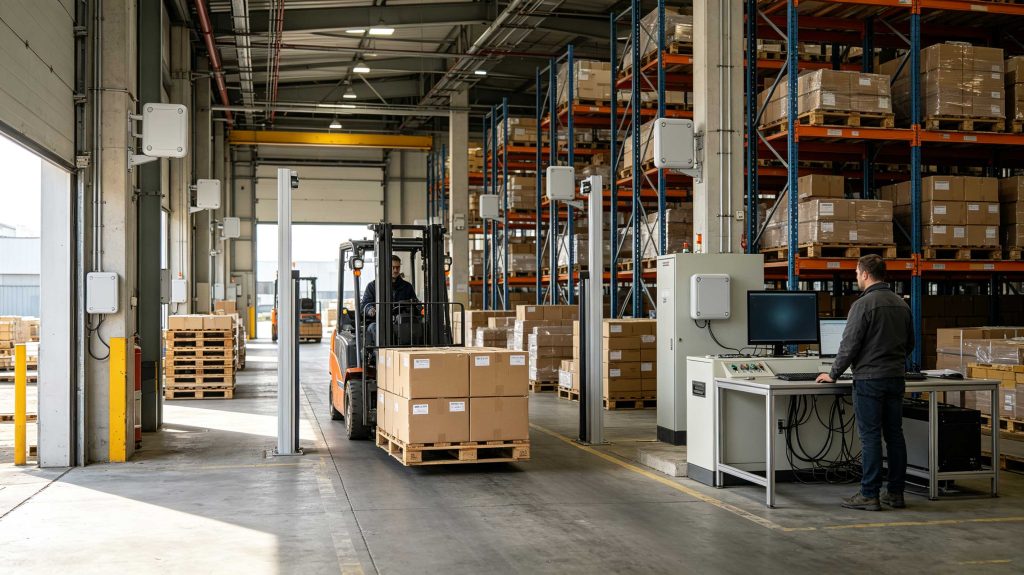
A reliable RFID deployment usually comes from controlling several small variables rather than depending on one exceptionally powerful component.
Cykeo’s UHF RFID reader solutions can be integrated into fixed identification points, warehouse portals, equipment tracking stations, and industrial asset-management systems.
For demanding environments, the practical focus should be:
GS1 identifies the RFID system as a combination of tag, antenna, reader, and host system, rather than a reader operating independently.
That system-level view is important.
A high-performance reader cannot compensate for an unsuitable tag. A good tag cannot compensate for a poorly positioned antenna. A technically excellent RF installation can still produce bad business data if the software maps EPCs to the wrong assets.
RFID is particularly strong when the goal is automated identification and inventory visibility. GS1 US reports that RFID can automatically capture tagged products as they move through warehouse areas without requiring manual line-of-sight scanning.
Forklift-mounted or fixed reader configurations can record pallet movement as forklifts enter controlled zones. The important measurement is usually event accuracy, not centimeter-level positioning.
Tool cabinets and maintenance areas benefit from controlled RFID zones because each tool can have a unique electronic identity. The system can record check-in, check-out, and inventory events.
Production lines can use RFID to associate components, containers, work-in-process items, or fixtures with manufacturing stations.
RFID has demonstrated strong inventory accuracy improvements in retail. GS1 reported research covering ten global retailers in which retailers reported 93–99% inventory accuracy with RFID, with inventory accuracy improving by more than 50% in the studied environments.
No identification technology should be assumed to provide 100% capture on every individual read. GS1 reports typical RFID read rates of approximately 95–99%, with mature deployments historically reaching around 99.95% over time.
For identification, properly engineered UHF RFID systems can achieve read rates in the high 90% range. Location accuracy is a separate metric and depends on the positioning architecture.
Yes, specialized RFID localization systems can achieve this level of precision. One published system reported that 90% of tags were localized within one meter and 67% within 50 cm under its experimental conditions.
Research systems have demonstrated centimeter-level errors using specialized phase-based RFID localization architectures. However, these results depend on controlled environments, antenna configuration, algorithms, and calibration. They should not be treated as the normal accuracy of a standard warehouse RFID reader.
RFID can operate through some non-metallic materials, but wall construction, reinforcement, liquids, metal, and other obstacles can affect performance. A real installation should be tested with the actual building materials and tag location.
Common causes include poor tag orientation, unsuitable tag construction, excessive distance, metal or liquid near the tag, antenna positioning, interference, and uncontrolled read zones. GS1 specifically identifies distance, material, orientation, and tag design as important factors.
For automated identification of multiple items, RFID can reduce dependence on manual line-of-sight scanning and can capture tagged items automatically. GS1 US notes that RFID can improve information accuracy and reduce operational errors in warehouse processes.
Avoid writing:
“RFID tracking accuracy must be 99%.”
That requirement is incomplete.
A better technical specification might say:
This is much closer to how RFID should be commissioned in a real facility.
The best answer to how accurate is rfid tracking is not a single percentage.
For ordinary identification, well-engineered RFID systems can achieve 95–99% individual read rates, with mature deployments reaching approximately 99.95% over time.
For location tracking, accuracy depends on architecture. Research has demonstrated errors around 0.4 m, approximately 13 cm, and even much smaller errors under specialized controlled conditions.
For commercial warehouse projects, the most valuable target is usually not theoretical centimeter positioning. It is repeatable identification, controlled read zones, clean movement events, and trustworthy asset history.
That is where RFID becomes operationally accurate—not simply technically impressive.
How accurate is RFID tracking? With the right tags, reader, antenna layout, software filtering, and site validation, RFID can deliver highly reliable asset identification and precise zone-level tracking, while sub-meter positioning requires a specialized localization architecture.
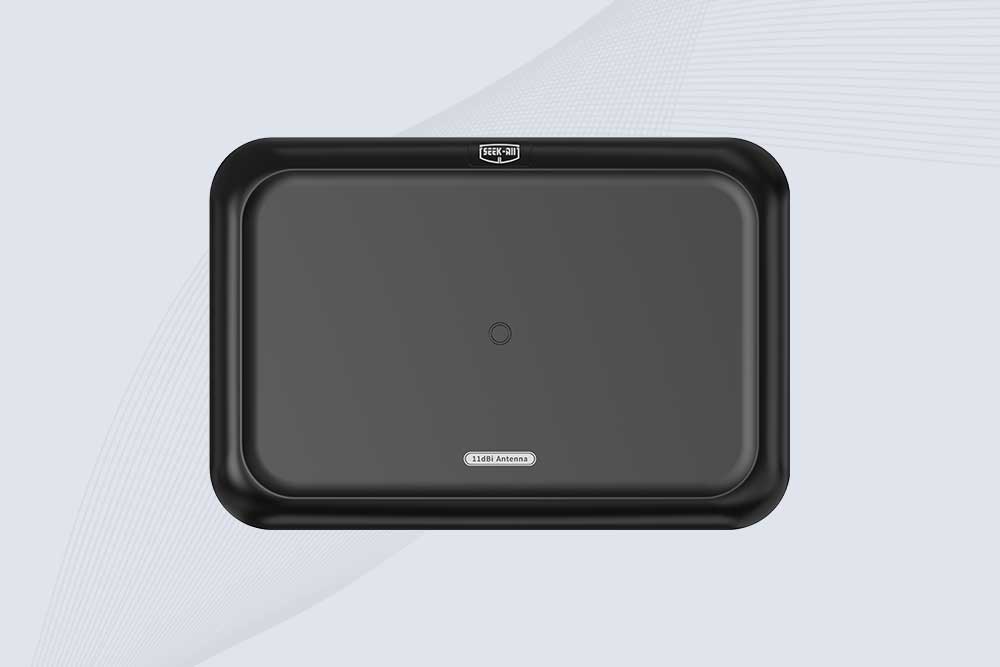
SSD-A11 UHF RFID antenna features 840–960 MHz adjustable frequency, ≥10.5 dBi gain, circular polarization and 50Ω impedance for fixed RFID systems.
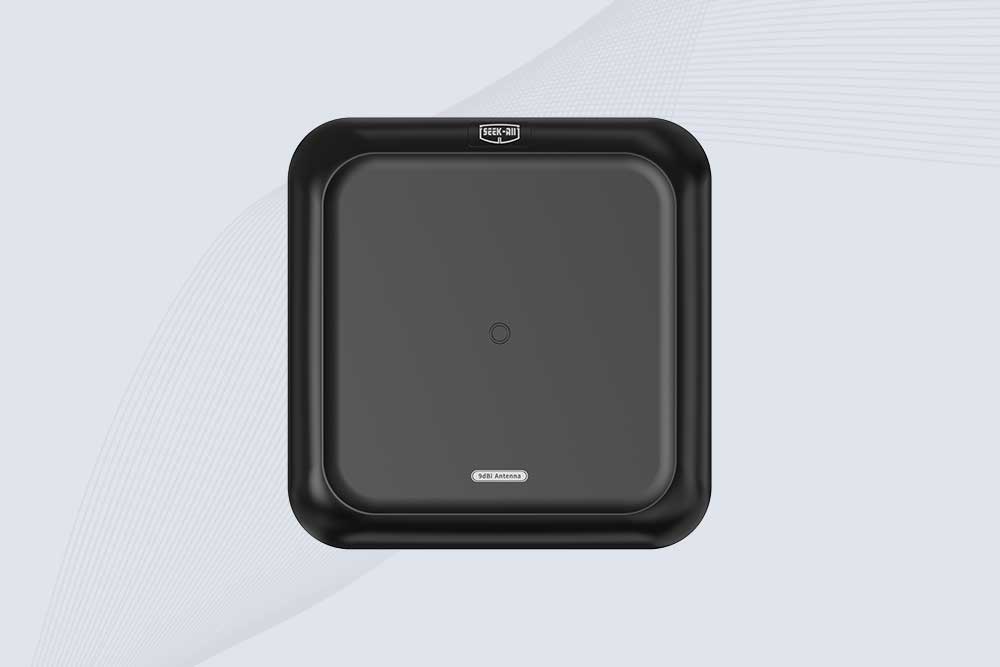
SSD-A09 is a 9 dBi UHF RFID antenna with 840–960 MHz adjustable frequency, circular polarization, 50Ω impedance and directional 60° × 60° coverage.
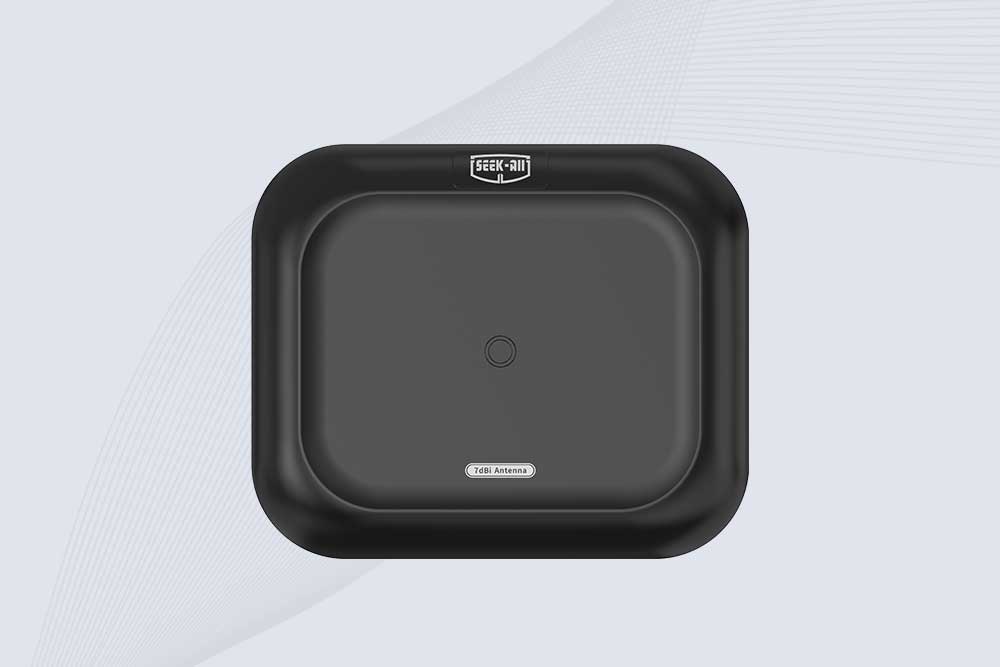
Explore the SSD-A07 UHF RFID antenna with 7 dBi gain, circular polarization, adjustable 840–960 MHz frequency, and 60°/75° beamwidth for stable RFID read/write performance.

SSD-A06 UHF RFID antenna with circular polarization, adjustable 840–960 MHz frequency, ≥4.5 dBi gain, and a compact directional design for RFID systems.

SSD-R16L Multi-Channel RFID Infrastructure for Automated Inventory Management ✔️ 16-Port High-Density RFID Reading Equipped with 16 SMA antenna ports, SSD-R16L supports multi-antenna deployment for warehouses, retail stores, logistics, production lines, and large-area RFID identification. ✔️ High-Speed & Long-Range Performance With up to 33…

SSD-R8L 8-port UHF RFID reader with 33dBm output, up to 20m reading range and 600+ tags/s recognition. Ideal for warehouse, logistics, retail and asset tracking.

SSD-R4L is a 4-port UHF RFID fixed reader with 33dBm output power, up to 20m reading range, EPC C1G2 support and 600+ tags/s reading speed.
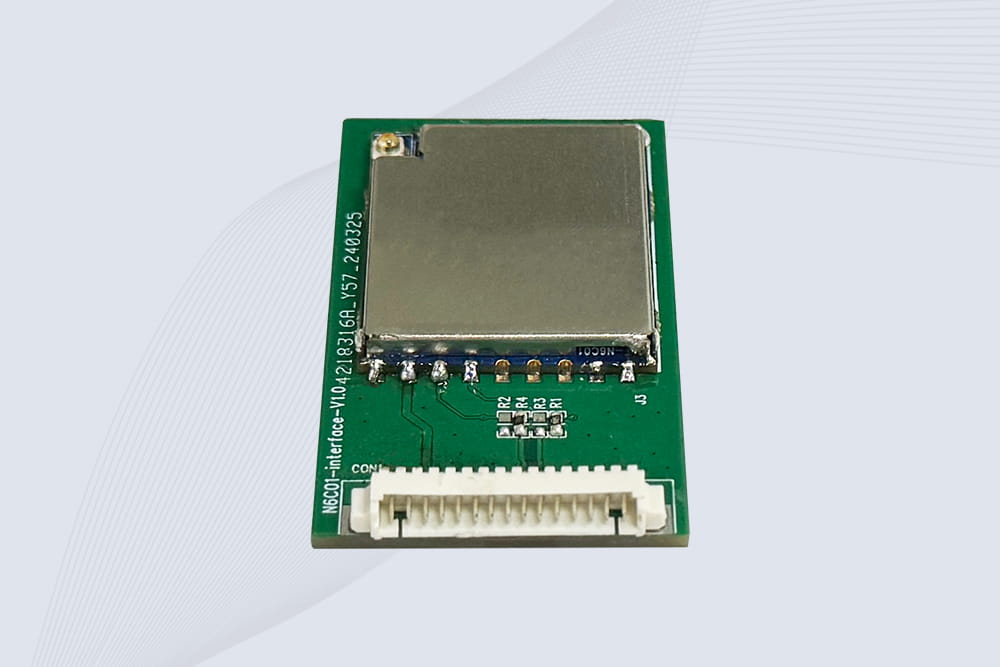
CYKEO Embedded RFID Modules are designed for compact industrial and IoT devices that require stable UHF performance. These UHF RFID Modules support global protocols, flexible power control, and reliable multi-tag reading for smart cabinets, production lines, and asset tracking systems.
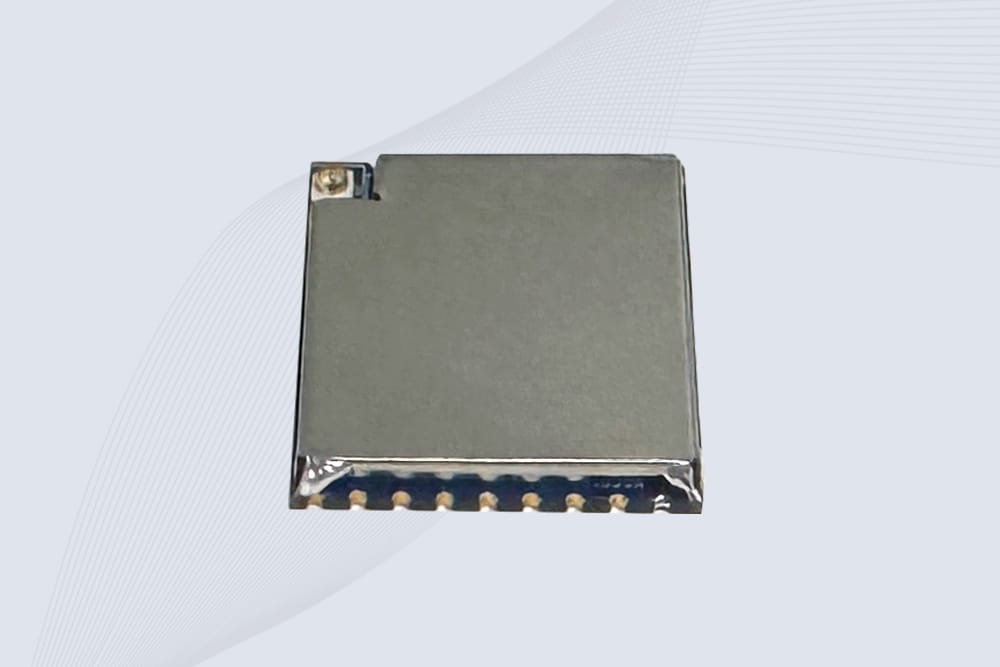
CYKEO Embedded RFID Module is built for compact IoT and industrial devices that need stable UHF performance. This UHF module supports global protocols, low power operation, and reliable multi-tag reading for smart lockers, production lines, and always-on RFID systems.
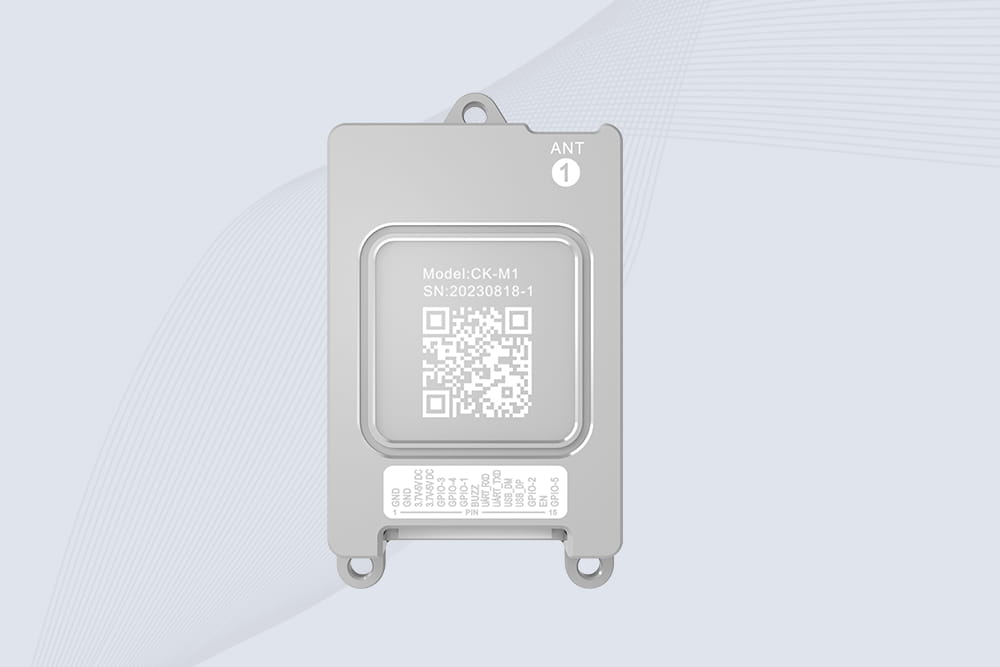
CYKEO CYKEO-M1 drone rfid module is a compact UHF RFID reader module designed for drones and UAV platforms. It supports long-range aerial scanning, fast multi-tag reading, and stable performance in wind, vibration, and outdoor environments.
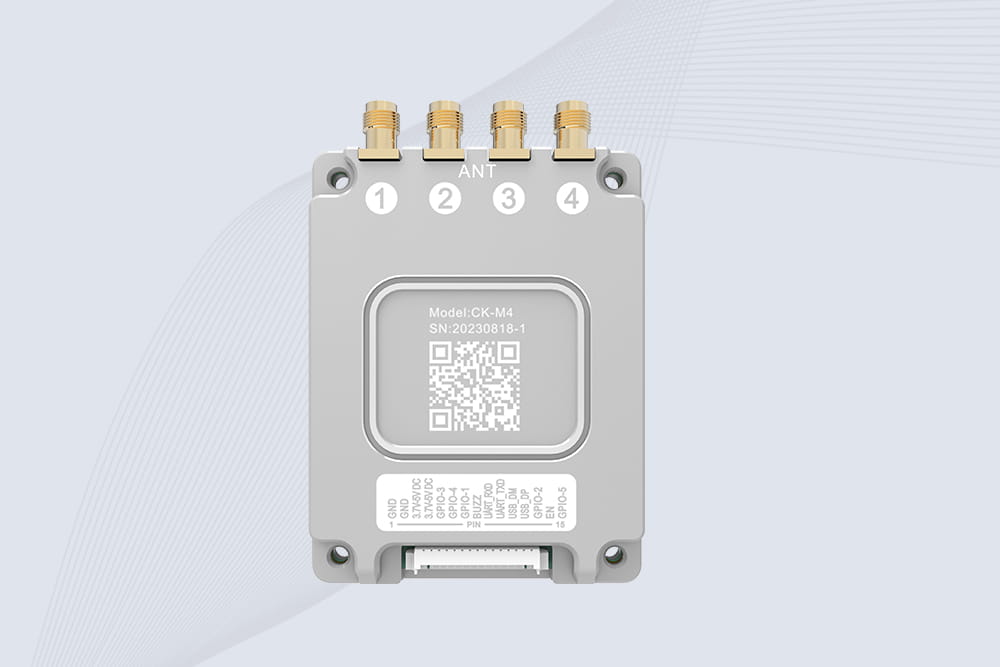
CYKEO CYKEO-M4 RC522 RFID Module is an industrial-grade UHF RFID reader with 4 ports, supporting ISO, EPC, and GB protocols. High-speed, accurate reading for IoT, automation, and warehouse applications.
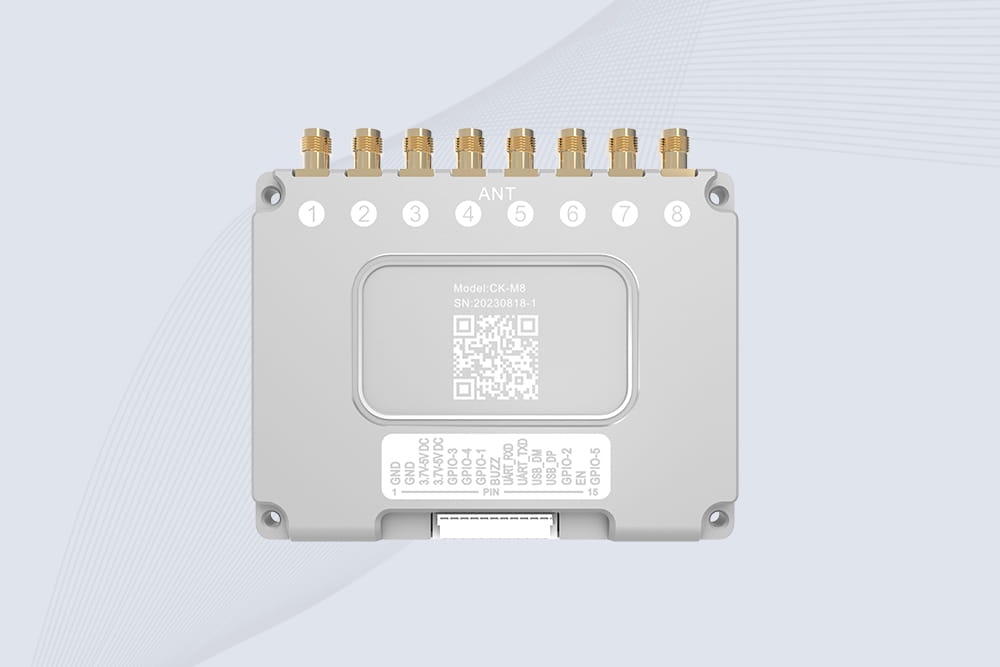
CYKEO CYKEO-M8 Module RFID is an 8-port UHF R2000 RFID Module designed for high-density, multi-tag environments. Stable 33dBm output, ISO & GB protocol support, ideal for warehouses, factories, and automated systems.
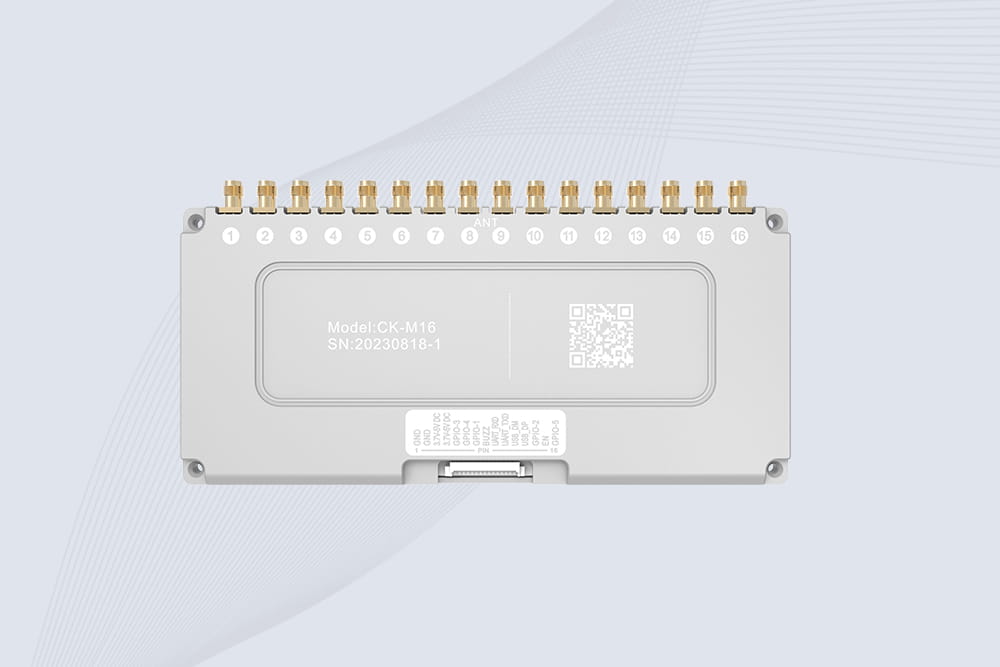
CYKEO CYKEO-M16 RFID Module is a 16-port UHF RFID reader module based on the R2000 chipset. Designed for dense tag environments, it supports ISO and GB standards and delivers stable multi-antenna control for industrial automation.
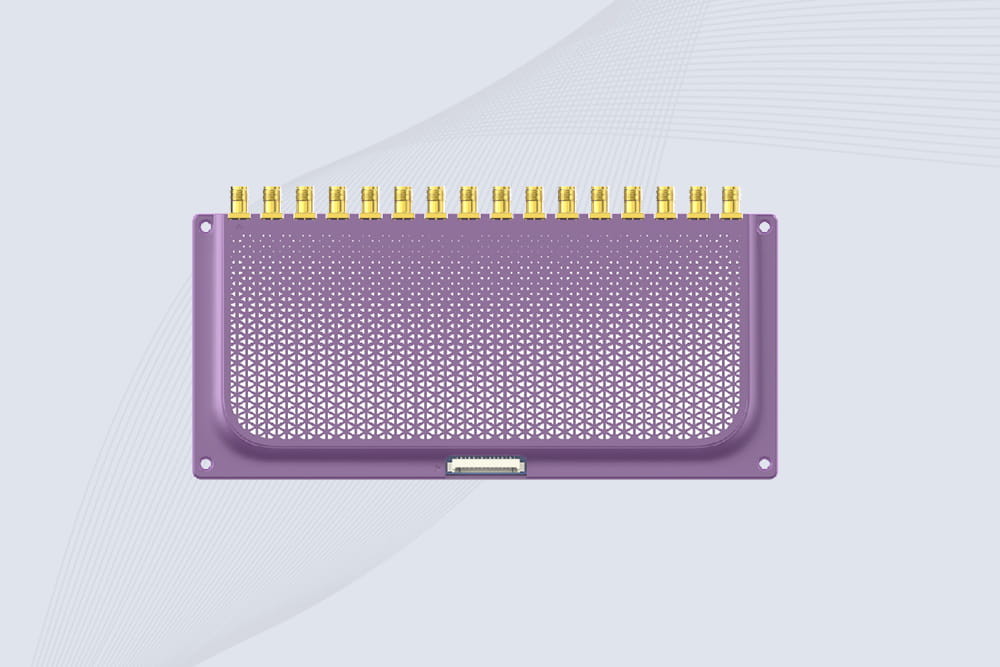
The CYKEO CYKEO-M16L RFID Reader Module is a 16-channel UHF RFID core designed for dense tag environments. With adjustable 33dBm output, multi-protocol support, and stable multi-antenna control, this RFID Tag Reader Module fits industrial automation, warehouse systems, and large-scale IoT deployments.
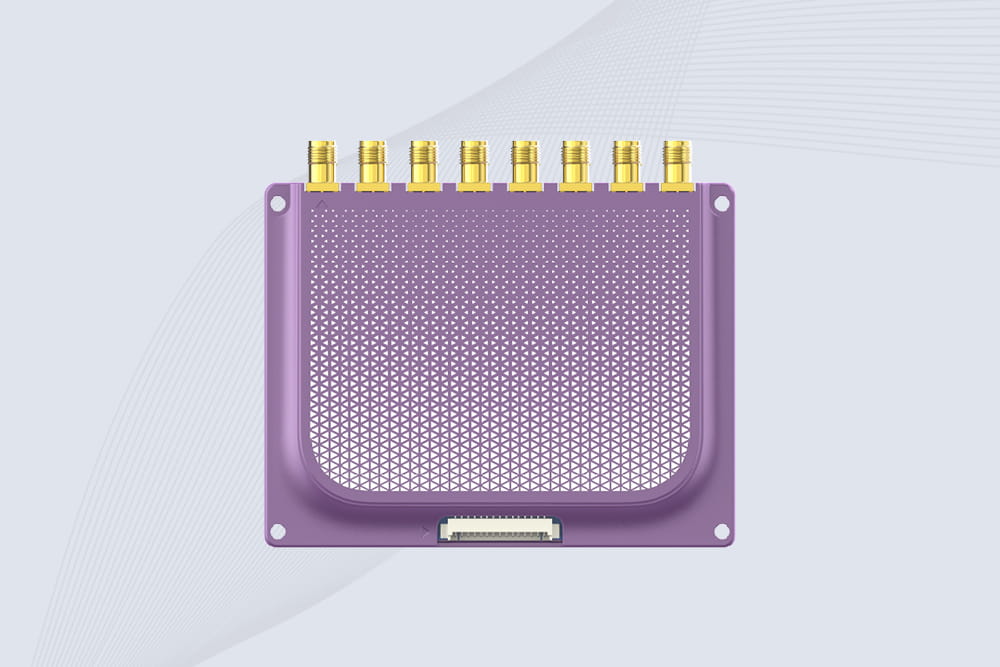
CYKEO CYKEO-M8L module RFID is a compact industrial UHF module built for dense tag and multi-antenna environments. With 8 RF ports, adjustable 33 dBm output, and ISO & GB protocol support, it is widely used in factories, warehouses, and automated tracking systems.
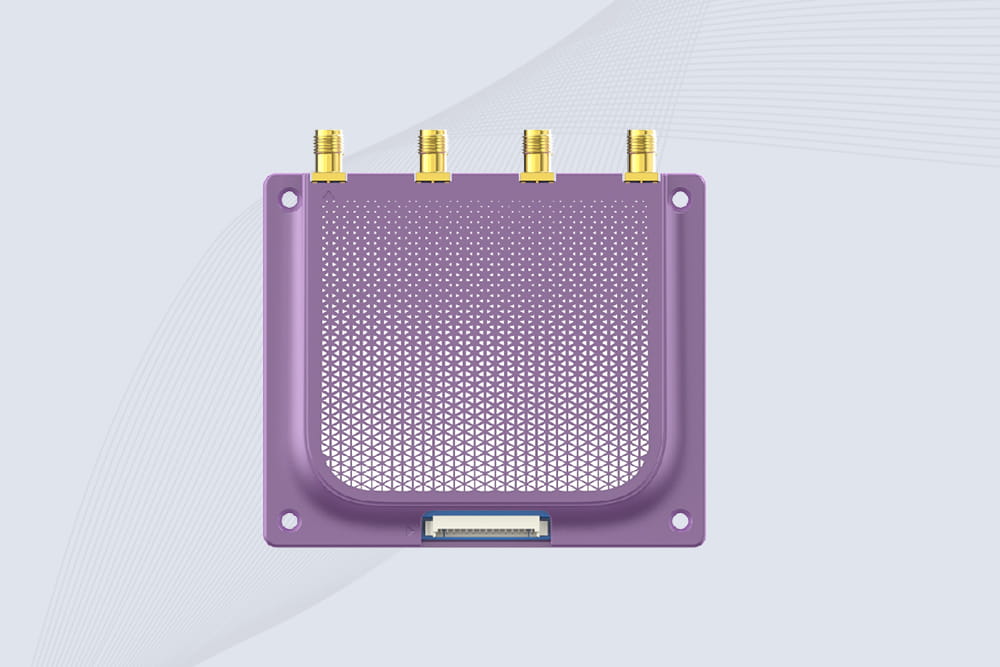
CYKEOCYKEO-M4L UHF RFID Module is a compact 4-channel RFID tag reader module designed for dense tag environments. Supporting ISO and GB protocols, it delivers stable reads up to 10 meters for industrial and IoT systems.
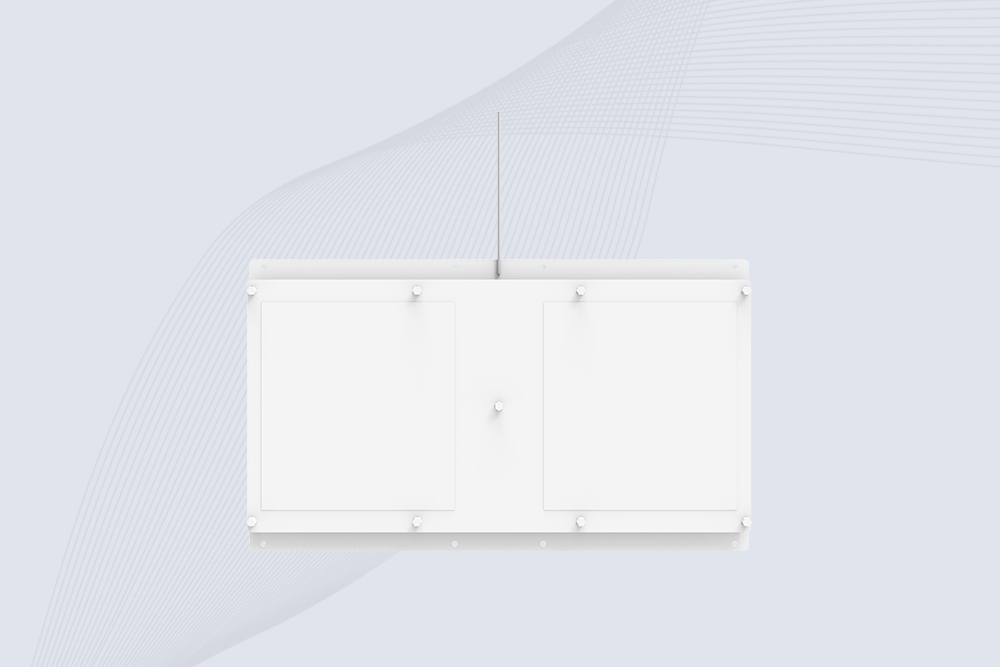
Cykeo CYKEO-A11 UHF RFID reader antenna delivers 11dBi gain, 840-960MHz frequency range, and IP65 ruggedness for retail, logistics, and industrial RFID systems. Features low VSWR and easy installation.

CYKEO Antenna RFID Reader delivers stable long-range UHF performance with a 10.5dBi directional design, built for warehouses, conveyor portals, and industrial RFID systems. This rfid reader antenna provides 20m+ read distance and rugged IP67 protection.

Cykeo CYKEO-PHF3 industrial HF RFID Antenna offers 24-point dynamic tracking, ISO 14443A/15693 protocols, metal-environment stability for archives/libraries/manufacturing.

Cykeo CYKEO-A5B industrial Linear RFID Antenna delivers 5dBi gain, ≤1.5:1 VSWR, and IP65 rugged design for warehouse, production line, and logistics UHF systems.

Cykeo’s CYKEO-B12 Long Range RFID Antenna delivers 15m+ read range with 12dBi gain, IP65 rugged design, and global 840-960MHz UHF support. Ideal for warehouse/logistics asset tracking.
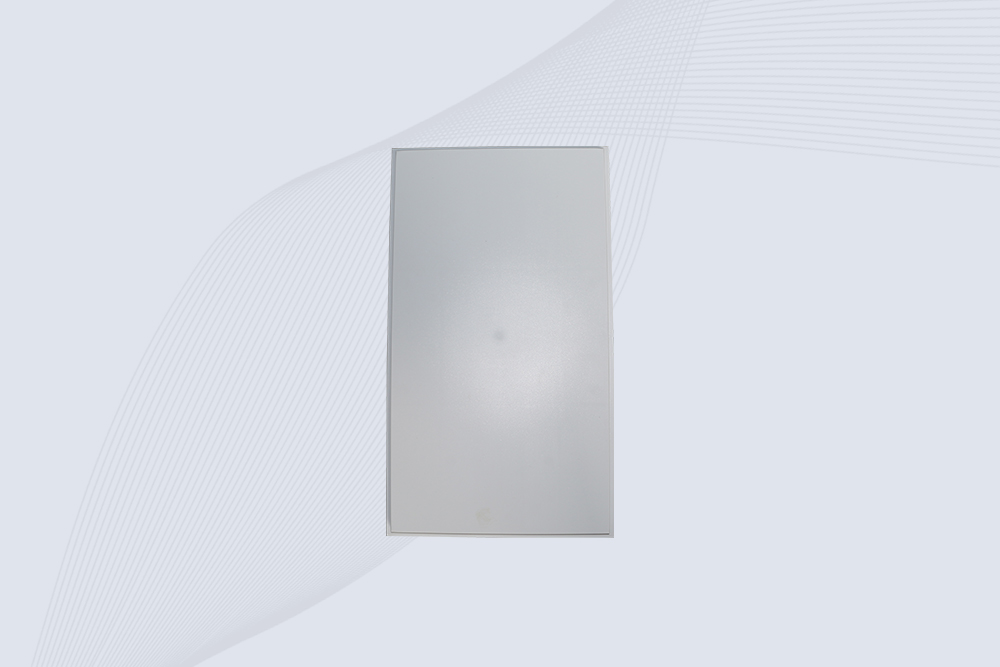
Cykeo CYKEO-B10 Long Distance RFID Antenna offers 10dBi gain, 840-960MHz frequency range, IP65 rating, and 20m+ coverage for logistics/warehousing/ETC systems. Low VSWR ensures stable signal transmission.
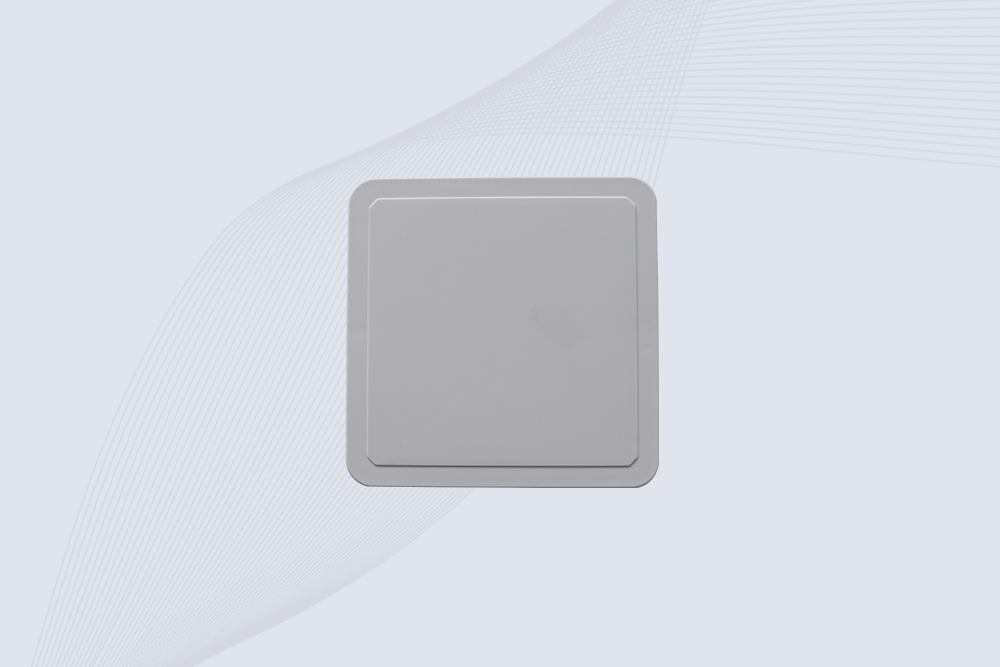
Cykeo CYKEO-A6 UHF RFID panel antenna features 6dBi gain, 840-960MHz broadband, IP65 metal-ready housing for logistics/smart retail. 18mm ultra-thin design with tool-free mounting.

Cykeo CK-A3 industrial antenna RFID UHF offers 5m+ tag detection, ≤1.3:1 VSWR, IP65 rugged design, and global UHF spectrum compatibility (840-960MHz) for warehouses, factories, and retail.
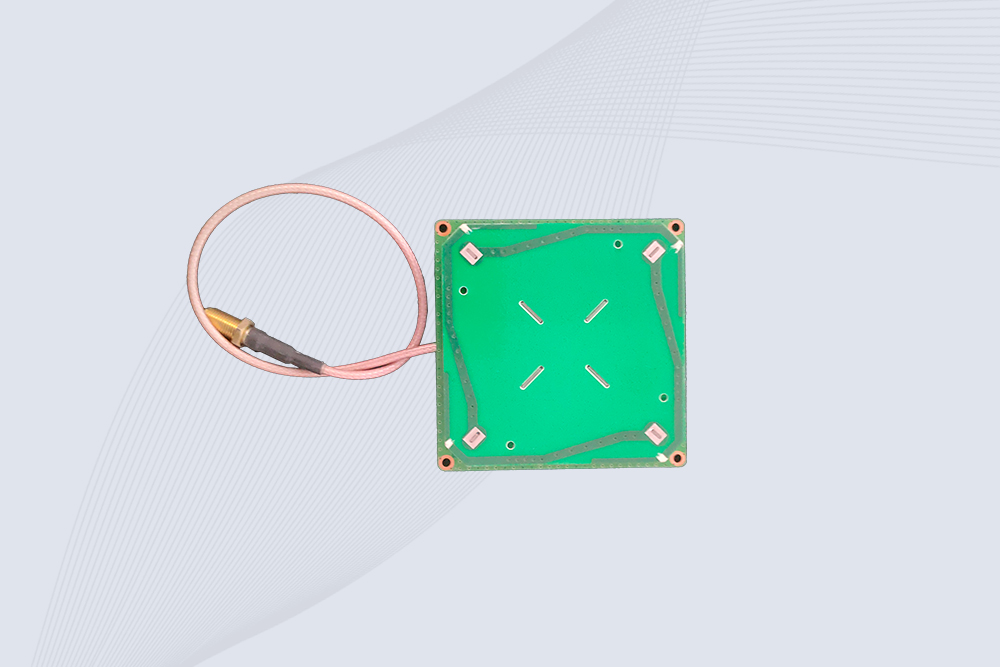
Cykeo CYKEO-B5 directional RFID antenna provides 5dBi gain with 60° narrow beamwidth for precise inventory tracking. IP65-rated, global UHF frequency support, and low VSWR.
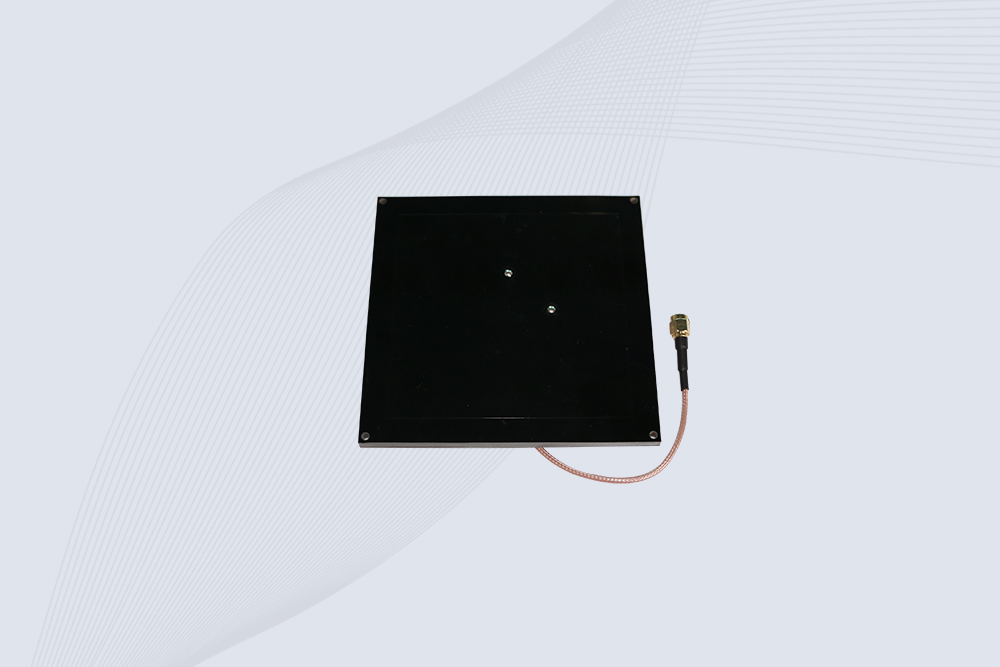
Create your own high-performance DIY RFID antenna! 5dBi gain, 840-960MHz tunable, step-by-step guides. Compatible with Arduino, Raspberry Pi, and commercial UHF readers.
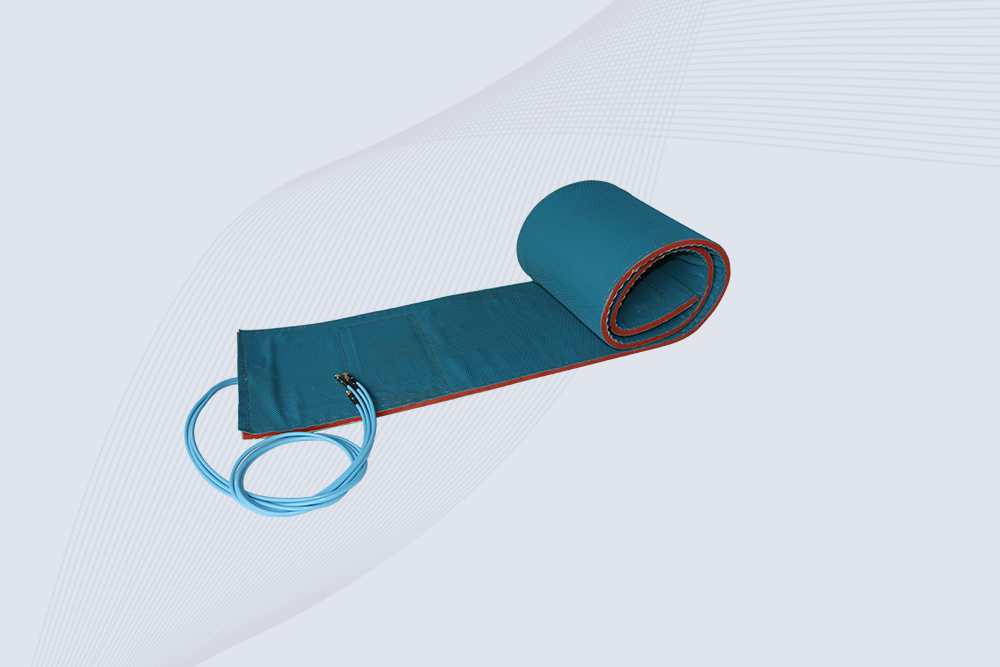
Cykeo CYKEO-A7 Flexible RFID Antenna features 840-960MHz wideband tuning, 7dBi gain, and IP68 rating for medical/retail/industrial curved surface deployments. 98% read accuracy with peel-and-stick installation.

Cykeo CYKEO-B5A industrial Passive RFID Antenna delivers 5dBi gain, 70° beamwidth, and -40°C~55°C operation for warehouses/smart cabinets. Compatible with Zebra/Impinj readers.
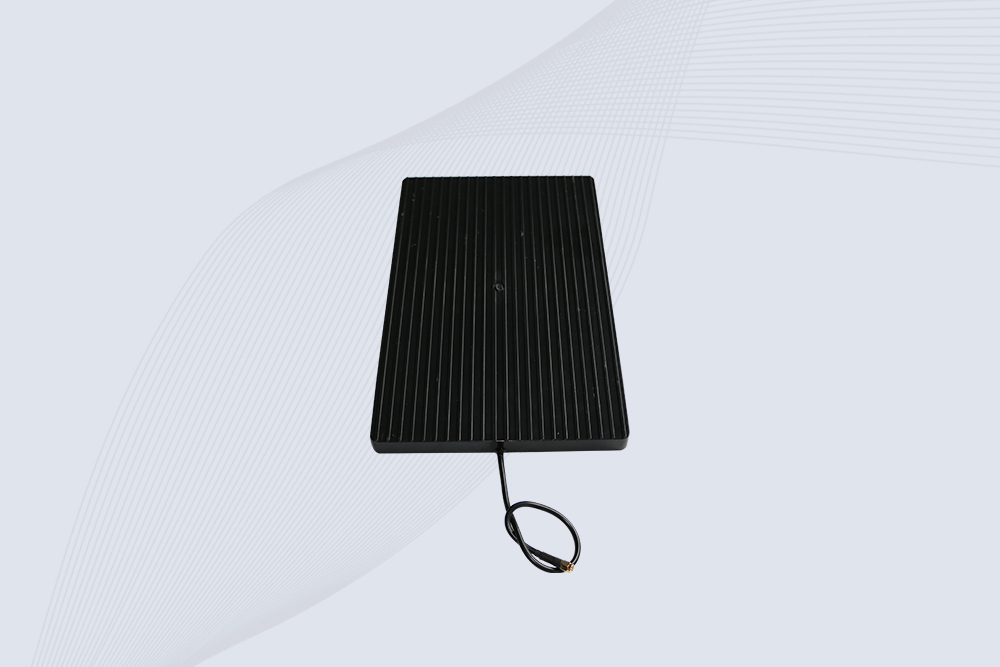
Cykeo’s CYKEO-A9B High Gain RFID Antenna delivers 15m+ read range with 9dBi amplification. Features IP54 rugged design, 840-960MHz bandwidth, and 80° beamwidth for warehouse/manufacturing RFID systems.

Cykeo’s enterprise-grade 8dbi Impinj RFID Antenna 10m+ read range with 840-960MHz tuning. Features IP65 housing, 1.4 VSWR, 35° beamwidth for retail/warehouse RFID systems.
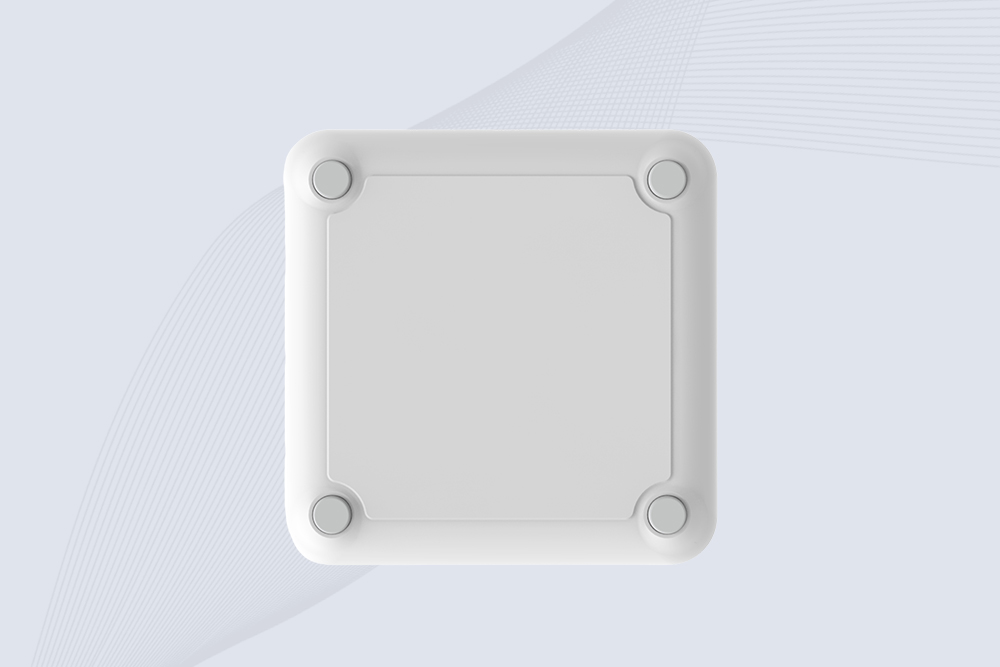
Cykeo CYKEO-A9 industrial UHF RFID antenna delivers 9dBi gain, 840-960MHz frequency range, and IP65 protection for warehouse/logistics/retail RFID systems. Features N-type connector and ≤1.3:1 VSWR.
CYKEO UHF RFID Antenna built for long-distance and industrial applications. This antenna rfid uhf delivers strong gain, outdoor durability, and reliable tag performance in warehouses, yards, and vehicle ID systems.
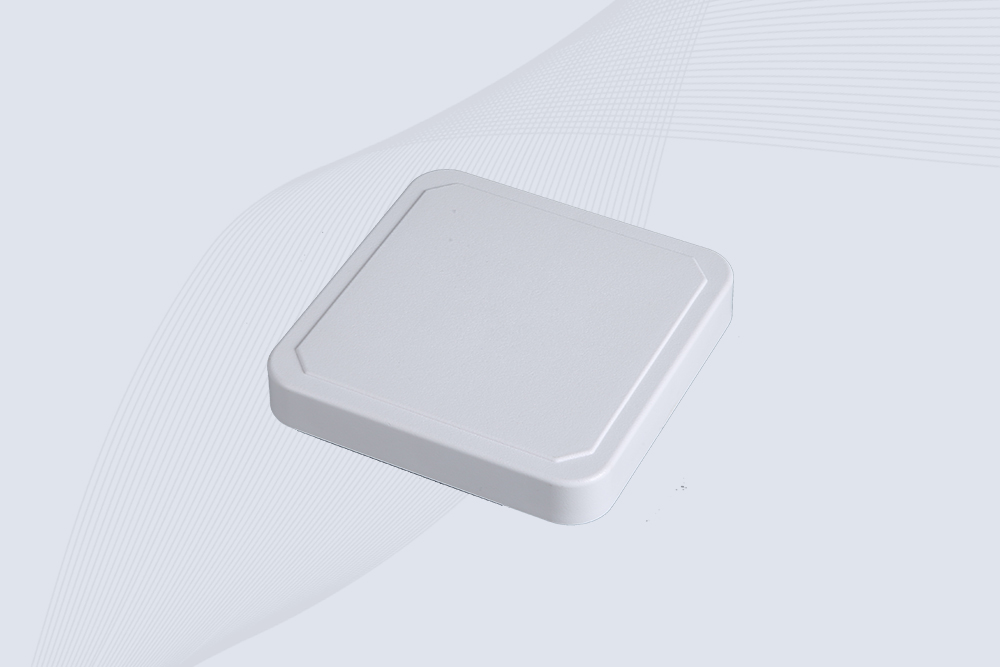
CYKEO Antenna RFID delivers reliable long-range UHF performance in warehouses, retail shelves, and cold-chain environments. This compact uhf rfid antenna provides stable reads with circular polarization and ultra-wide 840–960 MHz support, ideal for industrial tracking, smart shelves, and asset monitoring.
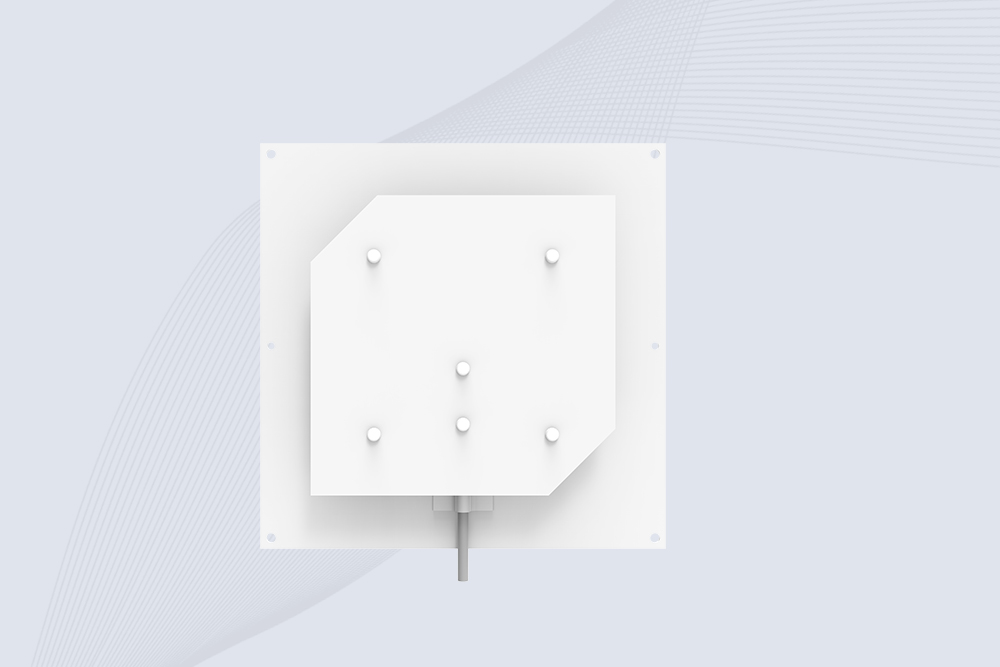
Cykeo’s CYKEO-C8 UHF RFID antennas delivers 8dBi gain, 840-960MHz full-band coverage, and IP65 ruggedness for manufacturing/warehouse RFID systems. Industrial RFID Antennas Features
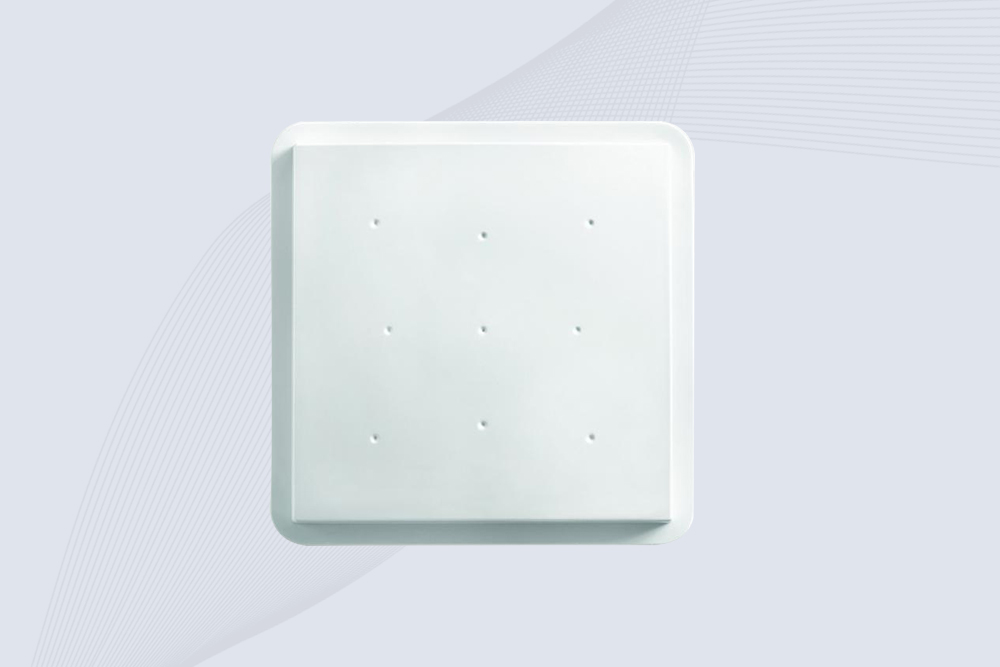
Cykeo’s 8dBi UHF RFID antenna and reader kit delivers 10m+ range, 840-960MHz broadband, and IP65 ruggedness for factories, warehouses, and logistics. ISO 18000-6C & EPC Gen2 certified.
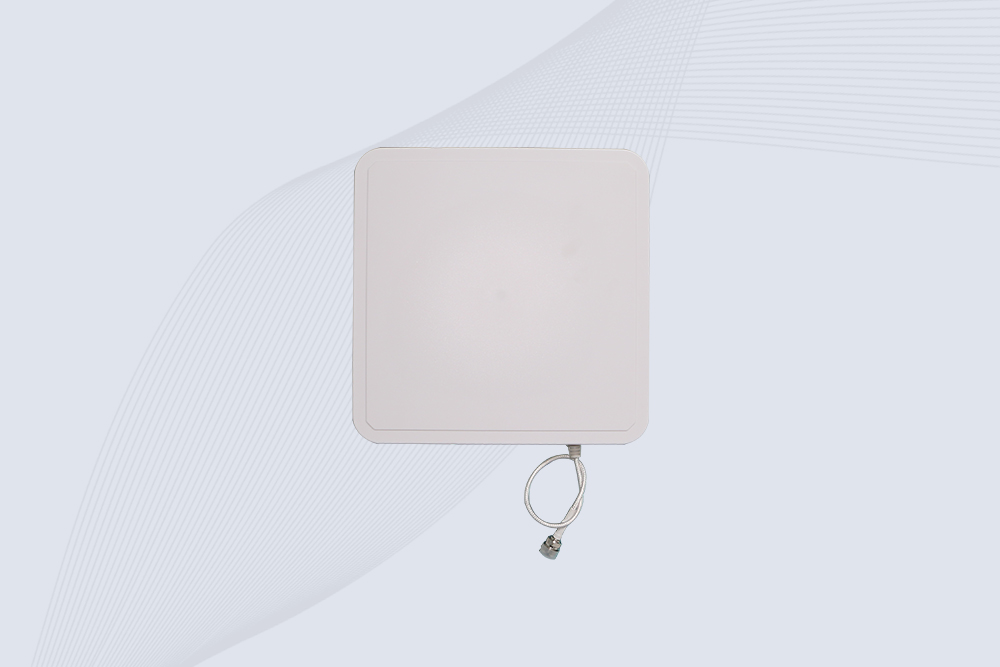
Cykeo CYKEO-A9A industrial UHF RFID reader and antenna kit delivers 10m range, 500 tags/sec, IP65 ruggedness for manufacturing/logistics. Supports EPC Gen2, ISO18000-6C.
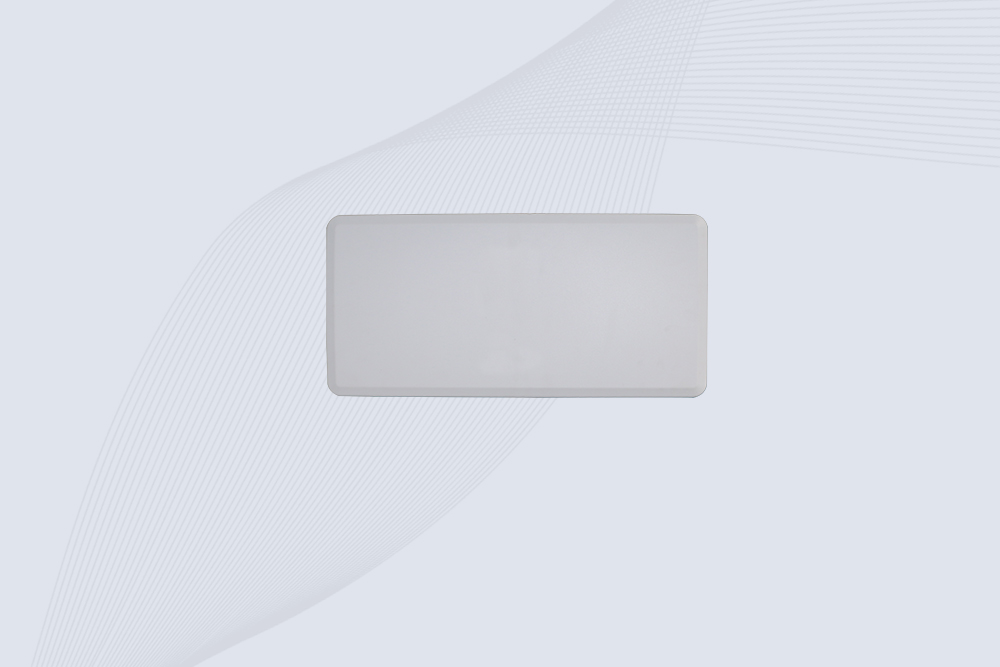
Cykeo’s CYKEO-A12C UHF Large RFID Antenna delivers 12dBi gain, 840-960MHz global frequency, IP65 ruggedness for logistics/warehousing/automotive. 40° beamwidth ensures stable 15m+ tag reads.

CYKEO Near Field RFID Antenna provides precise 5–30 cm reading for shelves, cabinets, and workstations. This compact rfid shelf antenna delivers stable short-range performance around metal and clutter, ideal for pharmacies, libraries, and electronics sorting.
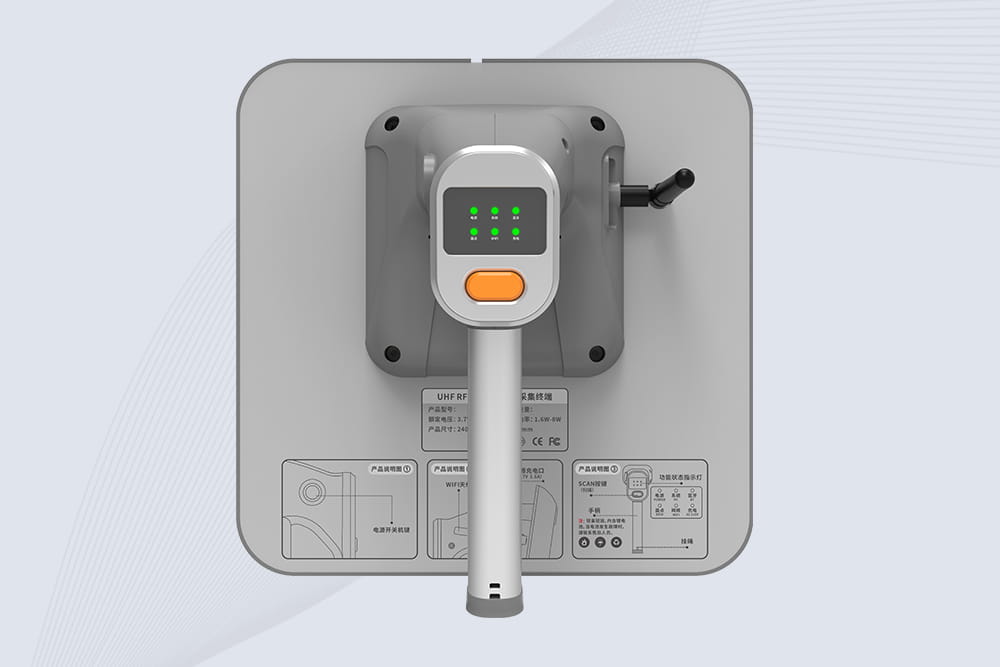
Cykeo CYKEO-B9 UHF Bluetooth handheld RFID scanner features 12m UHF range, 200+ tags/sec scanning, IP67 rugged design for retail/warehouse/pharma. Supports Android SDK & real-time Bluetooth 5.0 transmission.
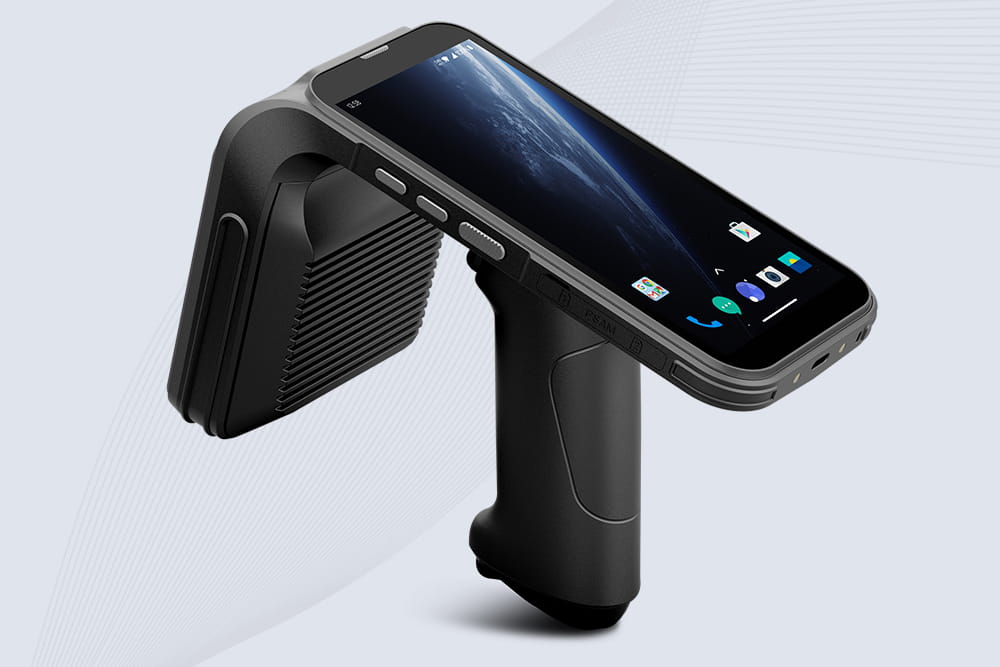
Cykeo CYKEO-B4 UHF Handheld RFID Reader scanner delivers 1300 tags/sec reading, 30m UHF range, and 12-hour battery life. IP65 rugged design with barcode/NFC/ID scanning for retail/manufacturing/logistics.
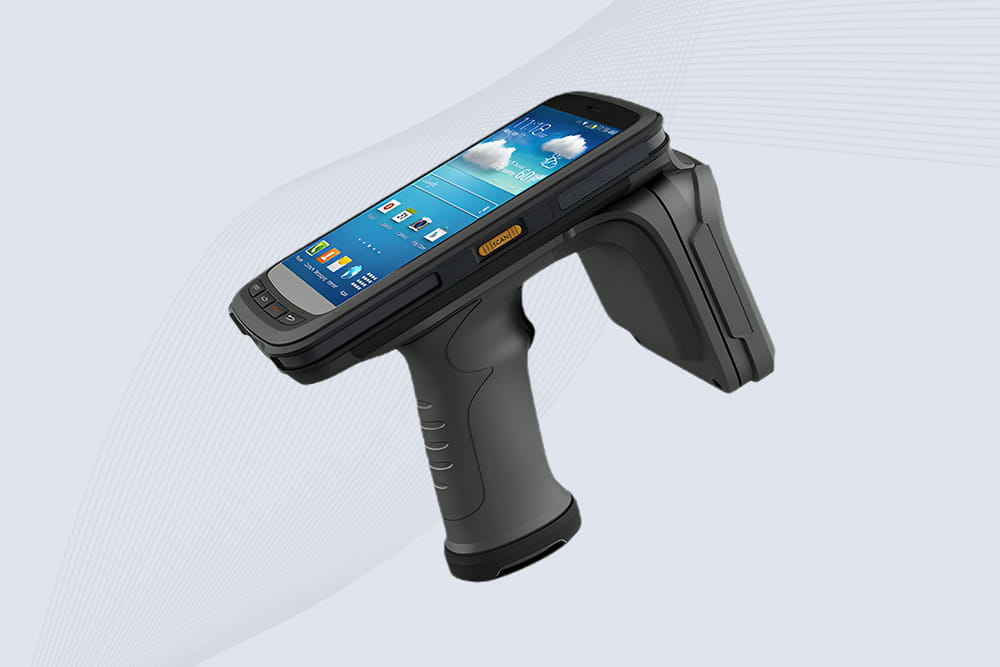
Cykeo CYKEO-B2 industrial UHF RFID handheld Scanner offers 10m range, 500 tags/sec scanning, Android 11 OS, and IP65 rugged design for retail/warehouse/manufacturing.
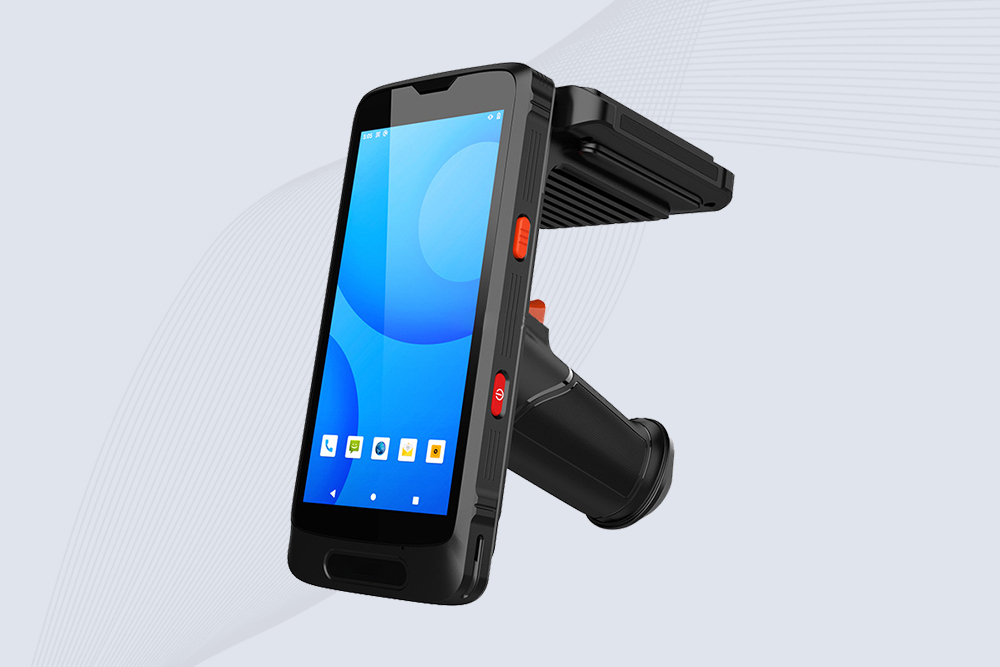
Cykeo CYKEO-B3 industrial RFID Reader Handheld, terminal offers 2m read range, multi-protocol scanning (NFC/barcode/ID), Android 10 OS, and IP65 ruggedness for logistics/retail/manufacturing.
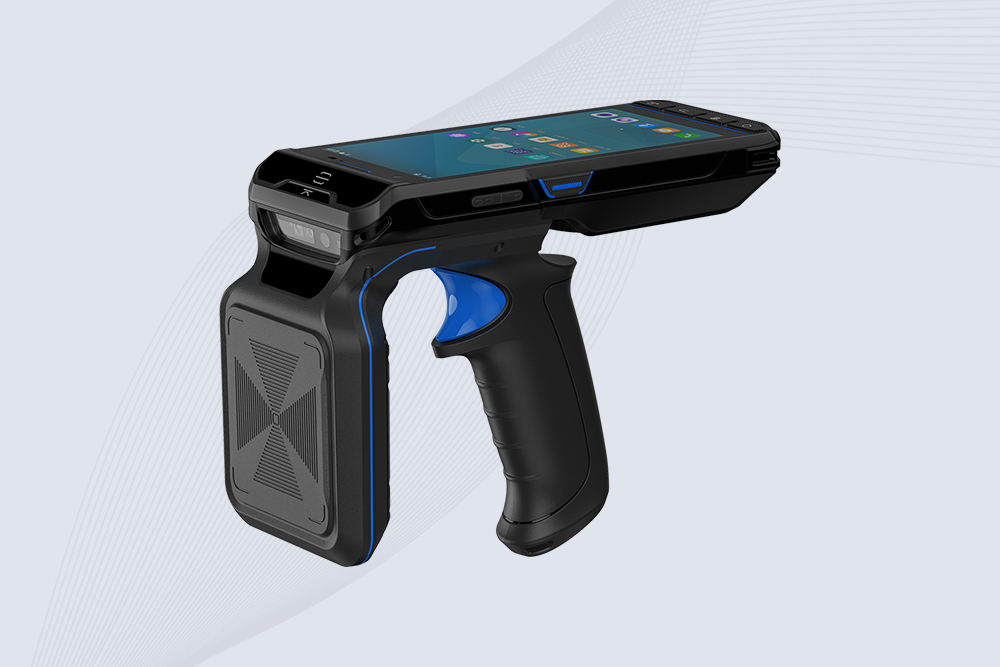
Cykeo CYKEO-B3L industrial handheld UHF RFID Reader terminal features 20m read range, 500 tags/sec scanning, Android 13 OS, 12-hour battery for logistics/retail/manufacturing. Supports barcode/NFC/ID reading.

Cykeo CYKEO-C1 industrial Forklift RFID Reader features 20m read range, 600 tags/sec scanning, Impinj R2000 chipset, and IP67 rugged design. Ideal for warehouse logistics and manufacturing. Supports ISO 18000-6C/6B protocols.

Cykeo CYKEO-R4 industrial UHF RFID Fixed Reader features 4 TNC ports, 400+ tags/sec speed, IP67 housing, and global frequency compliance for vehicle inspection, smart warehouse, and asset management systems.
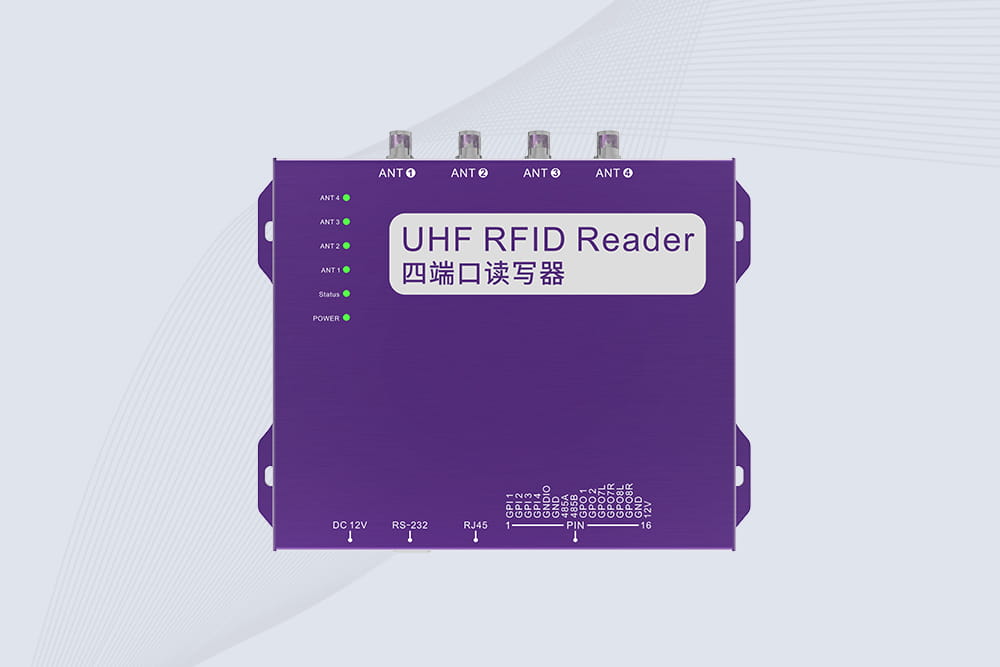
Cykeo’s CYKEO-R4L 4-port Fixed UHF RFID Reader delivers 400 tags/sec scanning, ISO 18000-6C compliance, and IP65 protection. Ideal for warehouse automation, manufacturing WIP tracking, and logistics management.
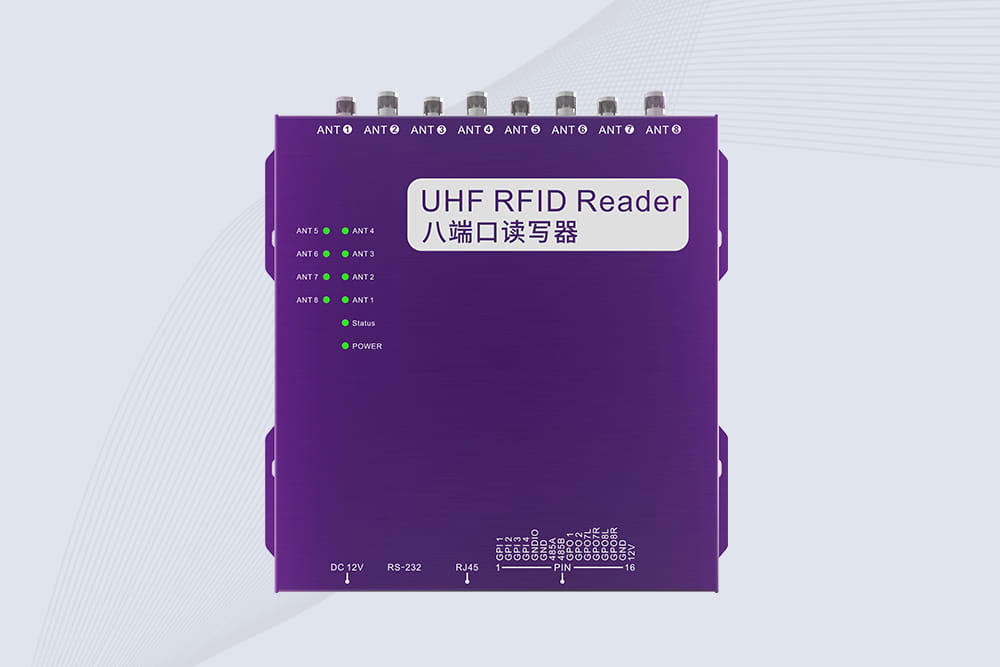
CYKEO CYKEO-R8L Fixed RFID Reader with 8-port UHF design, Impinj-based RF core and up to 20m read range. An industrial Fixed RFID Reader for vehicle inspection, warehouse portals, smart manufacturing lines and secure access checkpoints.
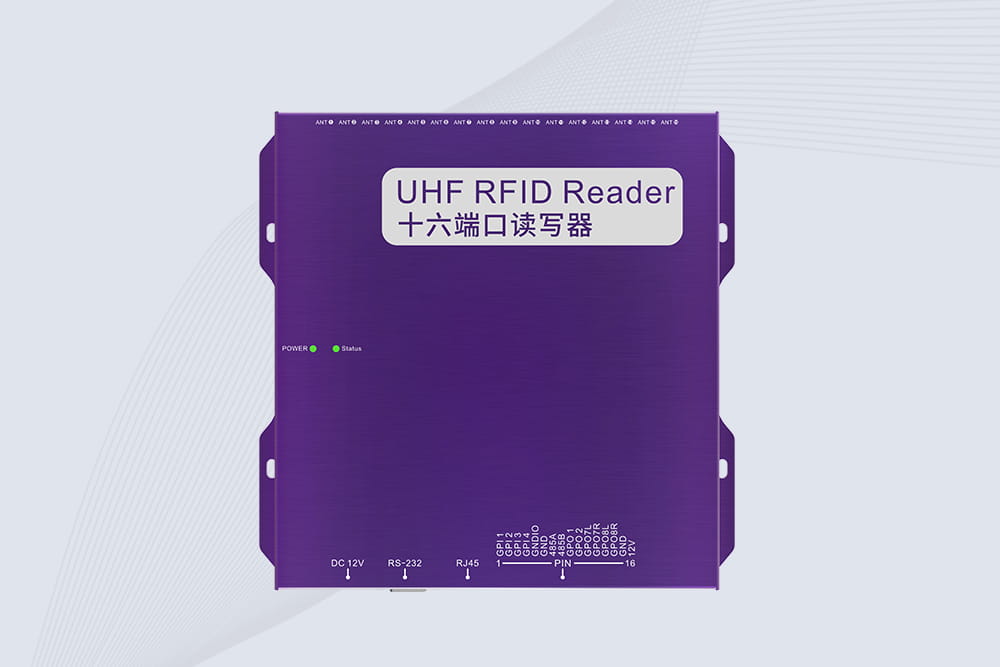
RFID Fixed Reader from CYKEO – the CYKEO-R16L 16-port UHF fixed reader for warehouses, smart cabinets, and production lines. Long-range, multi-tag reading, stable performance for 24/7 industrial use.
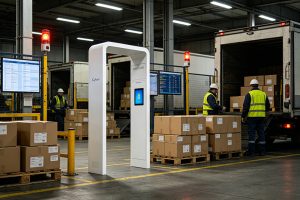
RFID and security systems improve asset protection, access control, and inventory visibility using UHF RFID technology for real-time monitoring.
More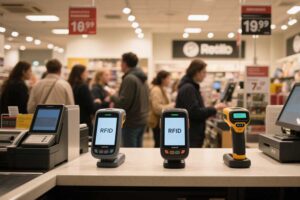
Discover the key factors to consider when selecting a handheld RFID scanner for your business, from durability to software compatibility. Make an informed choice.
More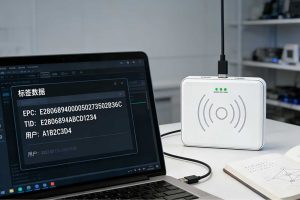
Learn how to get data from an RFID reader and understand what it means. Our guide covers software setup, data parsing (EPC, TID, User Memory), and sending data to your app.
More
Learn how long range RFID scanners are used for vehicle tracking, parking access, and logistics management. A practical guide for RFID integrators, distributors, and industrial buyers.
More