When purchasing RFID antennas, one specification that often attracts attention is antenna gain.
Many buyers see a higher number and naturally think:
“Higher gain must mean better performance.”
It sounds reasonable, but in real RFID projects, things are usually not that simple.
A high gain RFID antenna can improve reading distance in the right environment. However, it may also create problems if the application requires wider coverage or more flexible tag reading.
This is something we often see during project discussions.
A customer may ask for the strongest antenna available because they want maximum distance. After checking the actual installation, the better solution is sometimes a lower gain antenna with a wider reading area.
So what exactly is RFID antenna gain? And how should system integrators and bulk buyers choose the right option?
What Is RFID Antenna Gain?
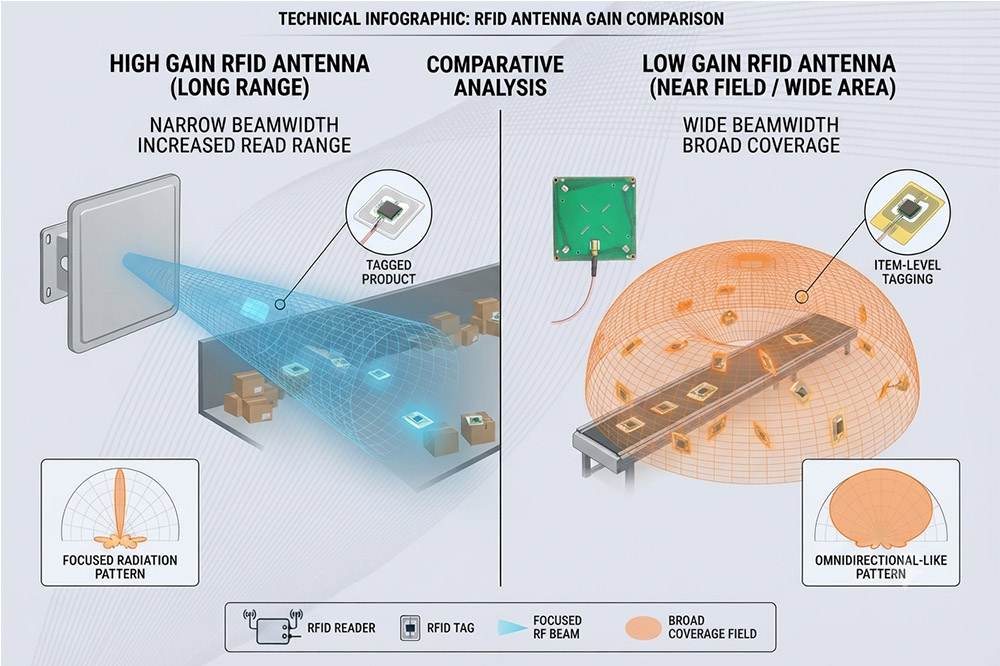
RFID antenna gain describes how efficiently an antenna focuses RF energy compared with a reference antenna.
In simple words, gain shows how concentrated the transmitted signal is.
A higher gain antenna does not create extra power by itself.
Instead, it focuses available energy into a specific direction.
Imagine using a garden hose.
A normal nozzle sprays water over a wider area.
A focused nozzle sends water farther but covers a smaller area.
RFID antenna gain works in a similar way.
Higher gain:
More focused signal
Longer possible reading distance
Narrower coverage area
Lower gain:
Wider signal coverage
Shorter reading distance
More flexible reading area
Why Antenna Gain Affects RFID Reading Distance
One of the first questions customers ask is:
“How far can this RFID antenna read?”
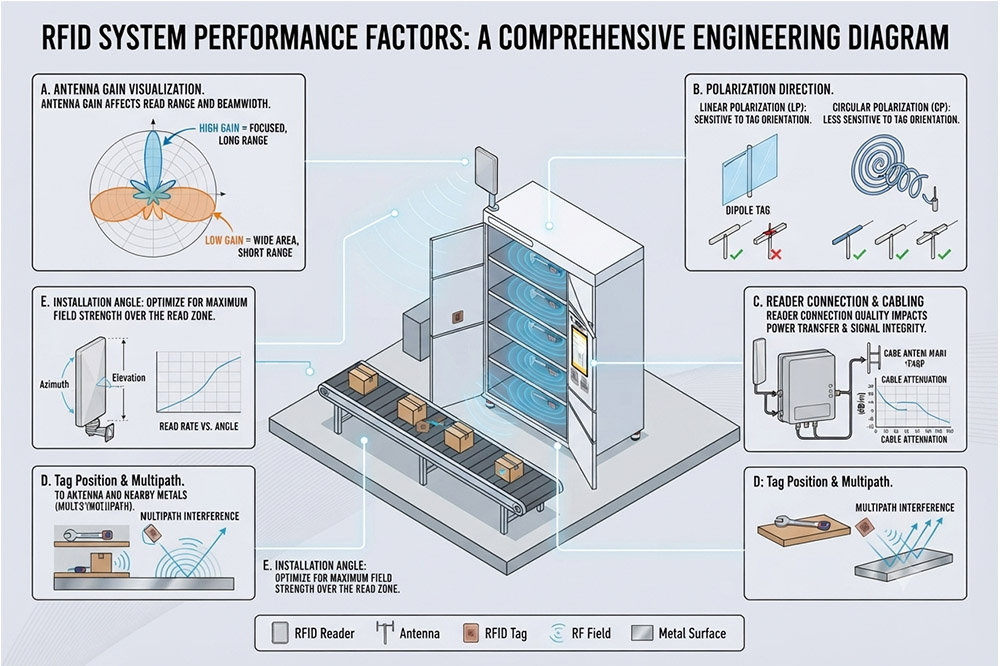
The answer depends on several factors:
Antenna gain
Reader output power
RFID tag sensitivity
Installation height
Environment interference
Cable loss
A high gain antenna can help extend reading distance because more RF energy is concentrated toward the target area.
For example, in an open warehouse entrance, a directional high gain antenna may read pallets several meters away.
However, the same antenna might not work well in a small production area where products move in different directions.
The distance is longer, but the coverage becomes less forgiving.
High Gain RFID Antenna: When Does It Make Sense?
High gain antennas are often suitable for applications where the reading direction is predictable.
Typical examples:
Warehouse Gate Reading
Imagine a logistics company installing RFID antennas at a loading entrance.
Trucks and pallets move through a fixed path.
The company needs:
Longer reading distance
Focused coverage
Reduced unnecessary reads
A high gain UHF RFID antenna can be a good choice here.
The antenna focuses the RF field toward the entrance area instead of spreading energy everywhere.
Vehicle Identification
For vehicle tracking, antennas are usually installed at a fixed position.
The vehicle passes through a defined area.
A directional antenna with higher gain can improve reliability because the reading zone is more concentrated.
Why Higher Gain Is Not Always Better
This is where many RFID projects run into trouble.
A customer may install a high gain antenna expecting better results, but the system starts reading incorrectly.
Why?
Because the reading area becomes too narrow.
For example:
A manufacturing line may have products moving on a conveyor.
The tag position changes slightly every time.
A very focused antenna may miss tags that are slightly outside the main beam.
In this case, a lower gain or wider coverage antenna may actually perform better.
RFID Antenna Gain and Coverage Area
Choosing antenna gain is really about balancing:
Distance
Coverage
Accuracy
A simple comparison:
High Gain Antenna
Advantages:
Longer reading range
Strong directional signal
Good for fixed paths
Possible limitations:
Smaller coverage area
Requires accurate installation
Low Gain Antenna
Advantages:
Wider coverage
More tolerant of tag position changes
Easier deployment
Possible limitations:
Shorter reading distance
How RFID Antenna Gain Affects Different Applications
Warehouse Inventory
Warehouse environments can vary a lot.
For a large open warehouse gate:
High gain antennas may work well.
For shelf-level inventory:
A wider coverage solution may be better.
The right choice depends on whether the system needs distance or area coverage.
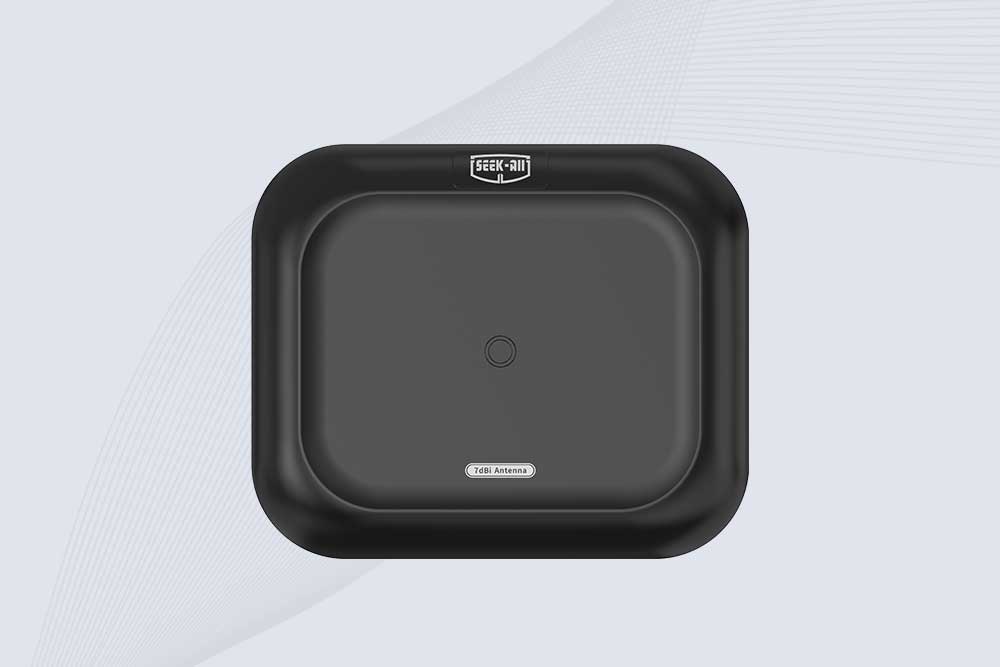
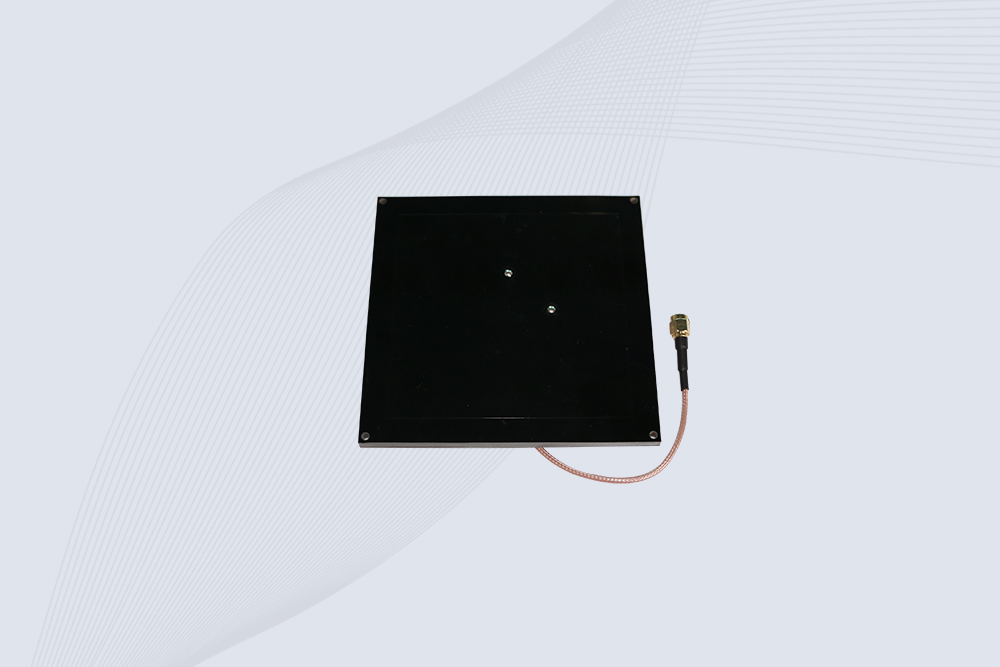
Explore the SSD-A07 UHF RFID antenna with 7 dBi gain, circular polarization, adjustable 840–960 MHz frequency, and 60°/75° beamwidth for stable RFID read/write performance.
SSD-A06 UHF RFID antenna with circular polarization, adjustable 840–960 MHz frequency, ≥4.5 dBi gain, and a compact directional design for RFID systems.
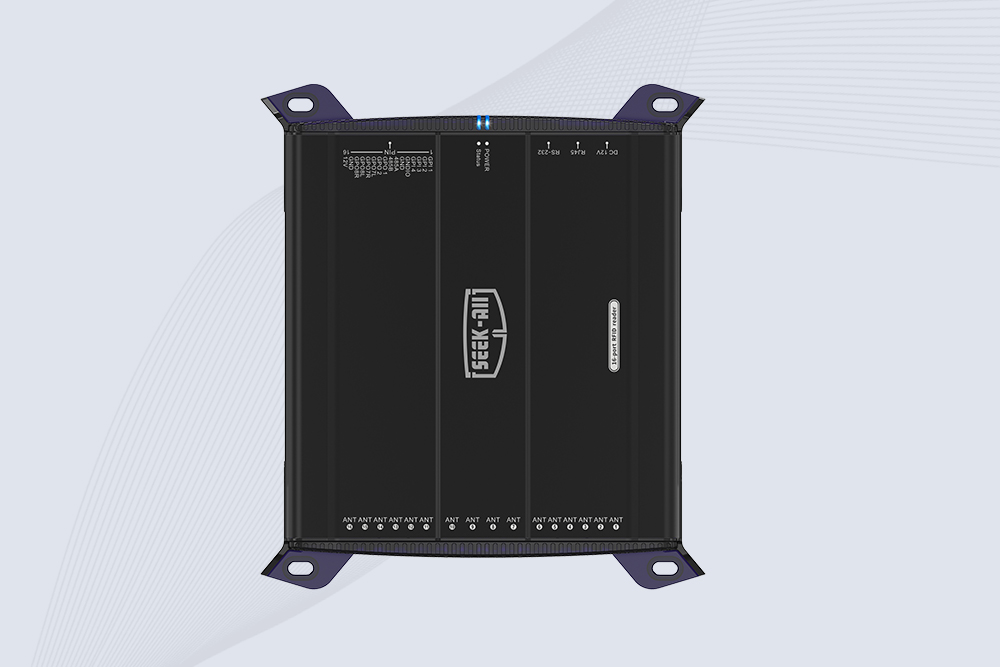
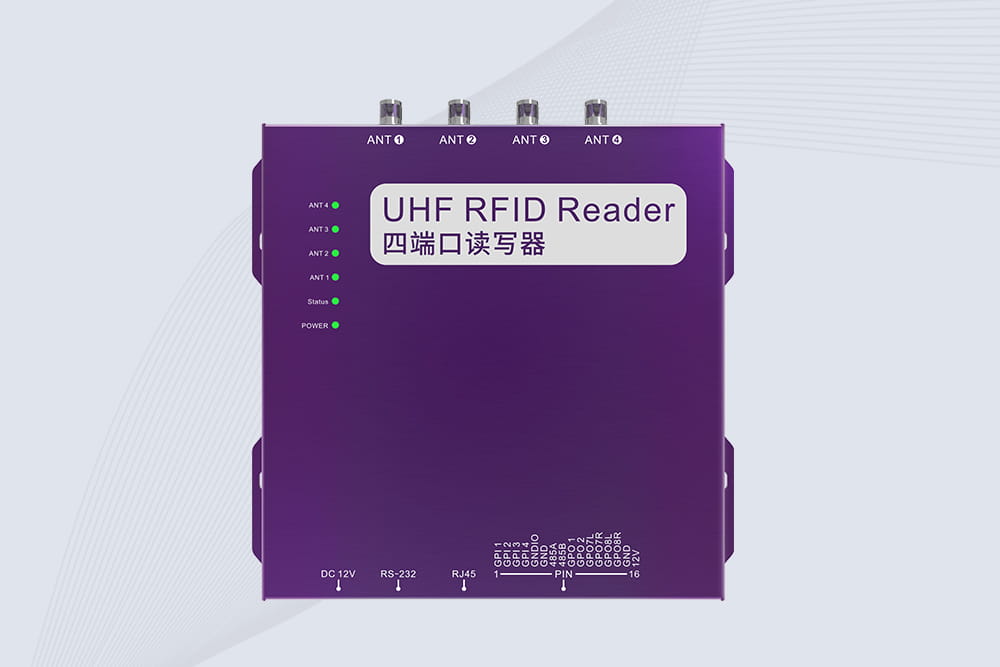
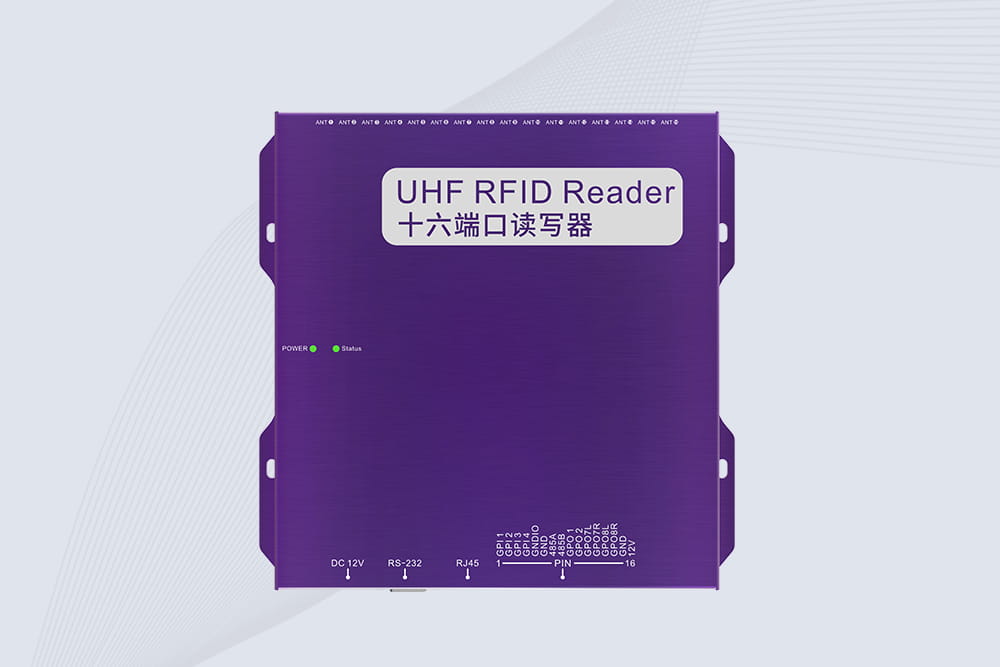
SSD-R16L Multi-Channel RFID Infrastructure for Automated Inventory Management ✔️ 16-Port High-Density RFID Reading Equipped with 16 SMA antenna ports, SSD-R16L supports multi-antenna deployment for warehouses, retail stores, logistics, production lines, and large-area RFID identification. ✔️ High-Speed & Long-Range Performance With up to 33…
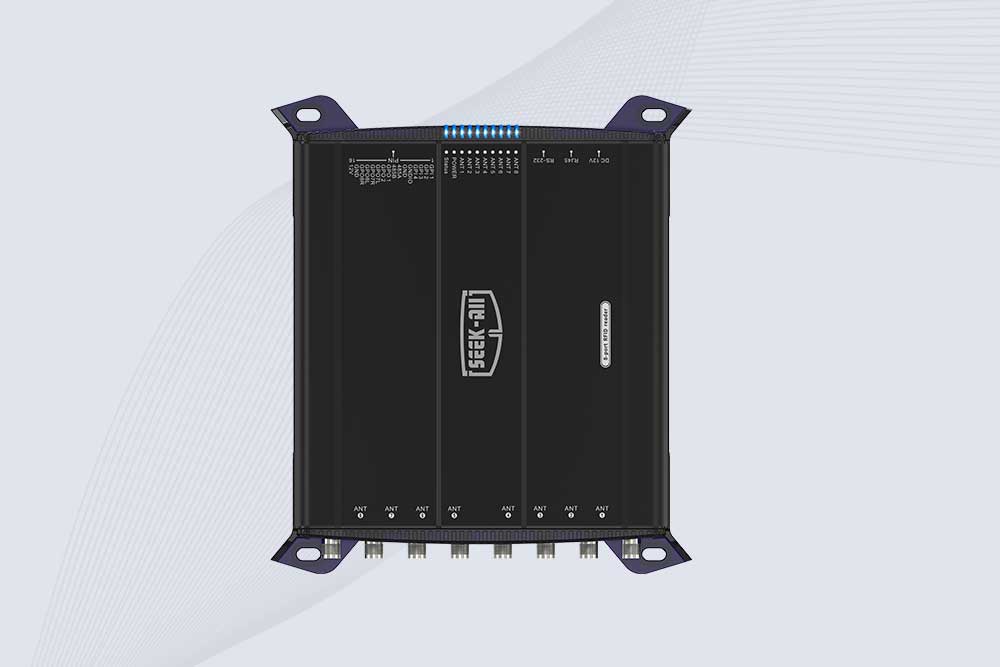
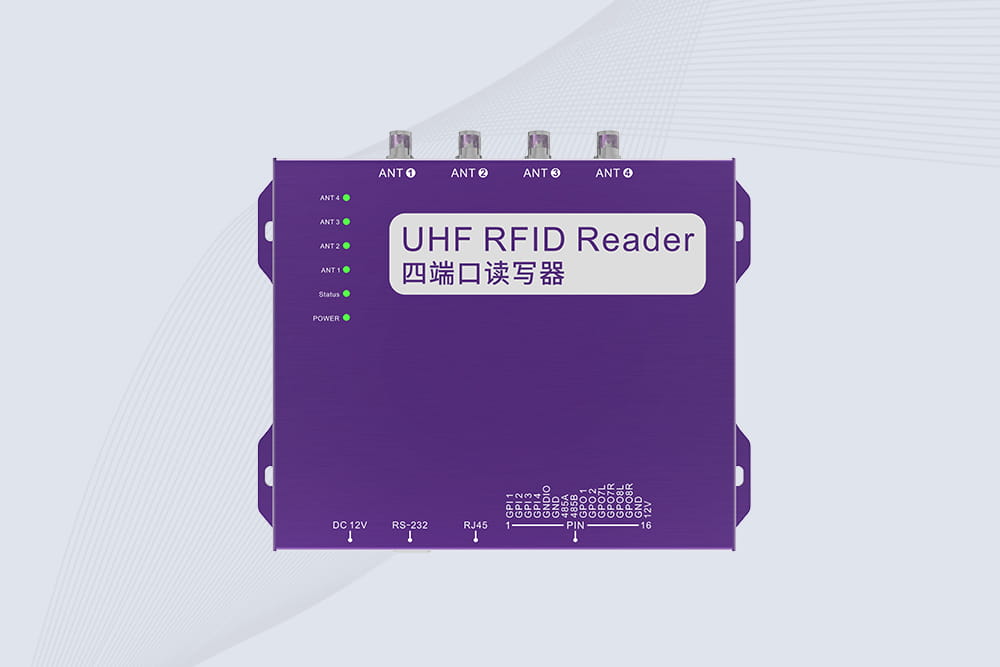
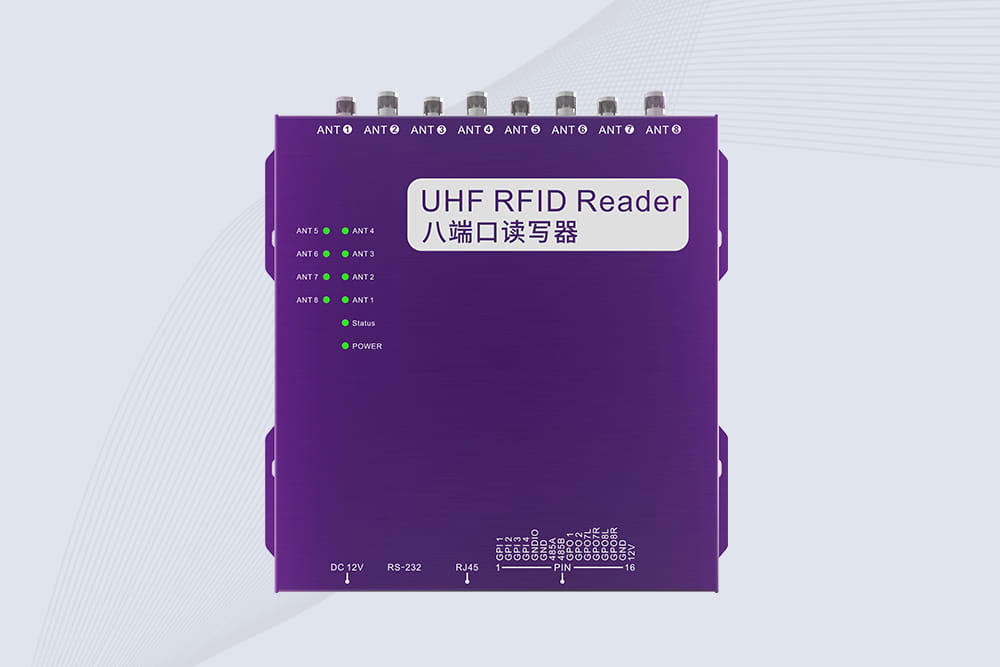
SSD-R8L 8-port UHF RFID reader with 33dBm output, up to 20m reading range and 600+ tags/s recognition. Ideal for warehouse, logistics, retail and asset tracking.
Cykeo CYKEO-A11 UHF RFID reader antenna delivers 11dBi gain, 840-960MHz frequency range, and IP65 ruggedness for retail, logistics, and industrial RFID systems. Features low VSWR and easy installation.
CYKEO Antenna RFID Reader delivers stable long-range UHF performance with a 10.5dBi directional design, built for warehouses, conveyor portals, and industrial RFID systems. This rfid reader antenna provides 20m+ read distance and rugged IP67 protection.
Cykeo CYKEO-A5B industrial Linear RFID Antenna delivers 5dBi gain, ≤1.5:1 VSWR, and IP65 rugged design for warehouse, production line, and logistics UHF systems.
Cykeo’s CYKEO-B12 Long Range RFID Antenna delivers 15m+ read range with 12dBi gain, IP65 rugged design, and global 840-960MHz UHF support. Ideal for warehouse/logistics asset tracking.
Cykeo CYKEO-B10 Long Distance RFID Antenna offers 10dBi gain, 840-960MHz frequency range, IP65 rating, and 20m+ coverage for logistics/warehousing/ETC systems. Low VSWR ensures stable signal transmission.
Cykeo CYKEO-A6 UHF RFID panel antenna features 6dBi gain, 840-960MHz broadband, IP65 metal-ready housing for logistics/smart retail. 18mm ultra-thin design with tool-free mounting.
Cykeo CK-A3 industrial antenna RFID UHF offers 5m+ tag detection, ≤1.3:1 VSWR, IP65 rugged design, and global UHF spectrum compatibility (840-960MHz) for warehouses, factories, and retail.
Cykeo CYKEO-B5 directional RFID antenna provides 5dBi gain with 60° narrow beamwidth for precise inventory tracking. IP65-rated, global UHF frequency support, and low VSWR.
Create your own high-performance DIY RFID antenna! 5dBi gain, 840-960MHz tunable, step-by-step guides. Compatible with Arduino, Raspberry Pi, and commercial UHF readers.
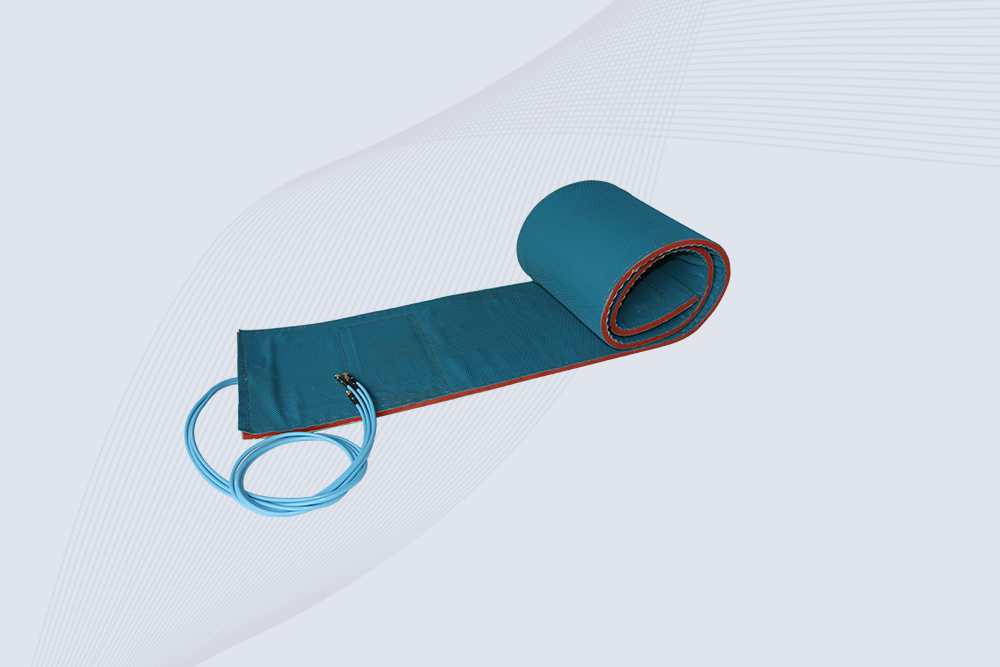
Cykeo CYKEO-A7 Flexible RFID Antenna features 840-960MHz wideband tuning, 7dBi gain, and IP68 rating for medical/retail/industrial curved surface deployments. 98% read accuracy with peel-and-stick installation.
Cykeo CYKEO-B5A industrial Passive RFID Antenna delivers 5dBi gain, 70° beamwidth, and -40°C~55°C operation for warehouses/smart cabinets. Compatible with Zebra/Impinj readers.
Cykeo’s CYKEO-A9B High Gain RFID Antenna delivers 15m+ read range with 9dBi amplification. Features IP54 rugged design, 840-960MHz bandwidth, and 80° beamwidth for warehouse/manufacturing RFID systems.
Cykeo’s enterprise-grade 8dbi Impinj RFID Antenna 10m+ read range with 840-960MHz tuning. Features IP65 housing, 1.4 VSWR, 35° beamwidth for retail/warehouse RFID systems.
Cykeo CYKEO-A9 industrial UHF RFID antenna delivers 9dBi gain, 840-960MHz frequency range, and IP65 protection for warehouse/logistics/retail RFID systems. Features N-type connector and ≤1.3:1 VSWR.
CYKEO UHF RFID Antenna built for long-distance and industrial applications. This antenna rfid uhf delivers strong gain, outdoor durability, and reliable tag performance in warehouses, yards, and vehicle ID systems.
CYKEO Antenna RFID delivers reliable long-range UHF performance in warehouses, retail shelves, and cold-chain environments. This compact uhf rfid antenna provides stable reads with circular polarization and ultra-wide 840–960 MHz support, ideal for industrial tracking, smart shelves, and asset monitoring.
Cykeo’s CYKEO-C8 UHF RFID antennas delivers 8dBi gain, 840-960MHz full-band coverage, and IP65 ruggedness for manufacturing/warehouse RFID systems. Industrial RFID Antennas Features
Cykeo’s 8dBi UHF RFID antenna and reader kit delivers 10m+ range, 840-960MHz broadband, and IP65 ruggedness for factories, warehouses, and logistics. ISO 18000-6C & EPC Gen2 certified.
Cykeo’s CYKEO-A12C UHF Large RFID Antenna delivers 12dBi gain, 840-960MHz global frequency, IP65 ruggedness for logistics/warehousing/automotive. 40° beamwidth ensures stable 15m+ tag reads.
CYKEO Near Field RFID Antenna provides precise 5–30 cm reading for shelves, cabinets, and workstations. This compact rfid shelf antenna delivers stable short-range performance around metal and clutter, ideal for pharmacies, libraries, and electronics sorting.
Cykeo CYKEO-C1 industrial Forklift RFID Reader features 20m read range, 600 tags/sec scanning, Impinj R2000 chipset, and IP67 rugged design. Ideal for warehouse logistics and manufacturing. Supports ISO 18000-6C/6B protocols.
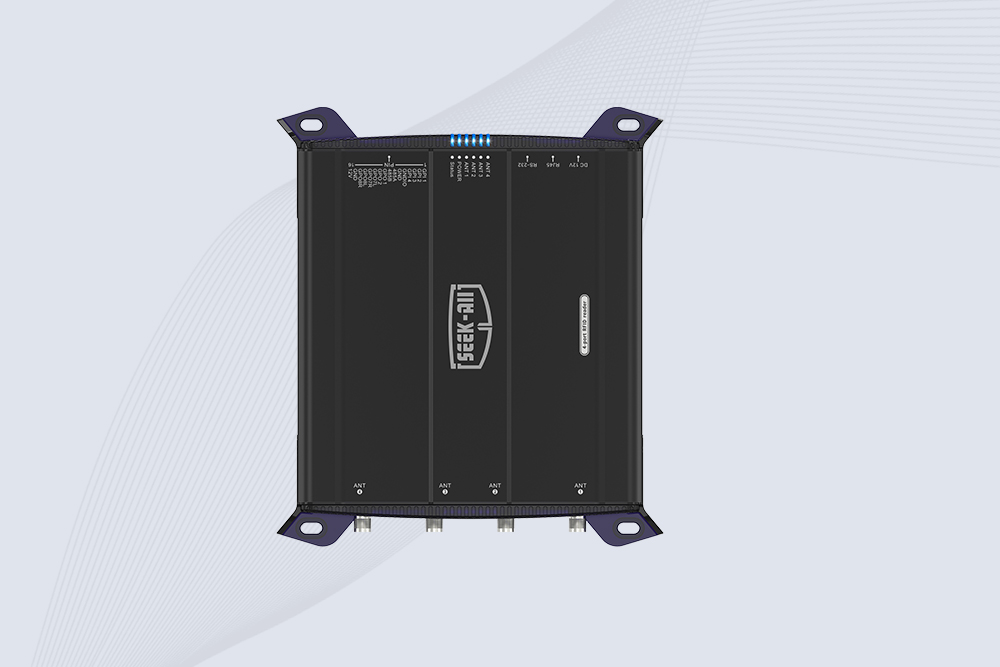
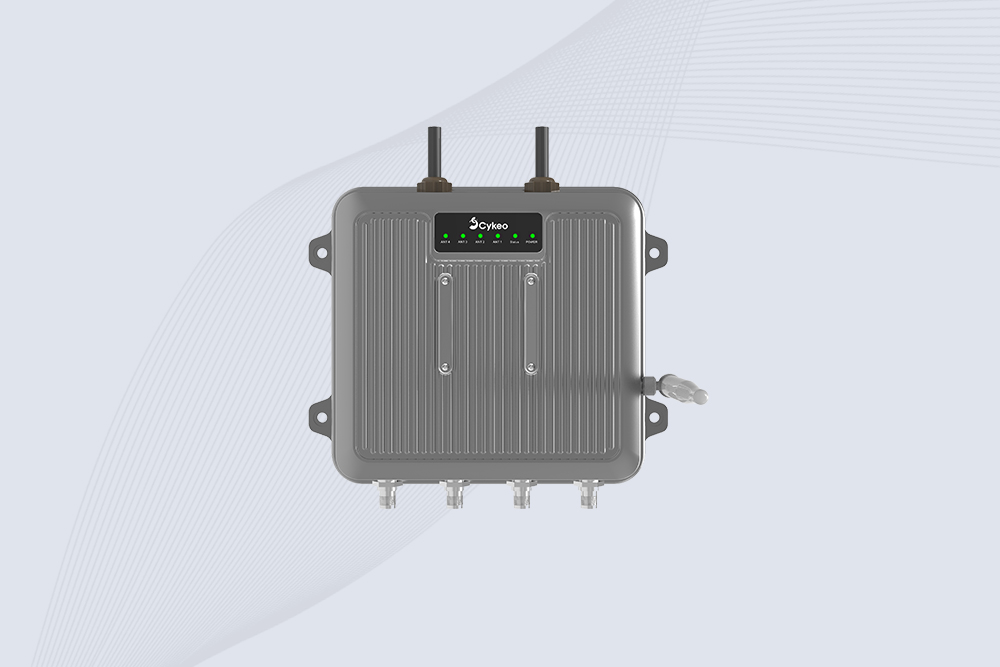
Cykeo CYKEO-R4 industrial UHF RFID Fixed Reader features 4 TNC ports, 400+ tags/sec speed, IP67 housing, and global frequency compliance for vehicle inspection, smart warehouse, and asset management systems.
CYKEO CYKEO-R8L Fixed RFID Reader with 8-port UHF design, Impinj-based RF core and up to 20m read range. An industrial Fixed RFID Reader for vehicle inspection, warehouse portals, smart manufacturing lines and secure access checkpoints.
RFID Fixed Reader from CYKEO – the CYKEO-R16L 16-port UHF fixed reader for warehouses, smart cabinets, and production lines. Long-range, multi-tag reading, stable performance for 24/7 industrial use.
RFID Industry Writer | IoT & Asset Tracking Analyst
James writes about RFID technology, asset tracking, and the practical challenges of digital transformation across warehousing, retail, manufacturing, and logistics.
His work focuses on how RFID is applied in real-world operations—improving inventory visibility, automating workflows, and helping businesses manage assets with greater accuracy and efficiency.
He regularly covers topics including UHF RFID, smart cabinets, RFID portals, tool tracking, warehouse automation, and industrial IoT trends..
A practical buying guide for long range RFID readers. Learn how system integrators select UHF RFID readers for warehouse, parking, logistics, and industrial automation projects based on real field experience.
RFID is quietly becoming the backbone of modern textile and apparel operations. From production floors to warehouses, retail stores, and even recycling centers, it streamlines processes that were once time-consuming and error-prone.
Get past the theory. See exactly what is RFID antenna used for in daily operations—from speeding up shipping to stopping theft. Learn why it’s your system's workhorse.
Curious how is RFID circular polarized patch antenna works? We explain the clever engineering behind its consistent performance in warehouses and logistics.
 Cykeo RFID IoT Solution Products R&D Manufacturer