 Cykeo RFID IoT Solution Products R&D Manufacturer
What is Inventory Control Tag
74Inventory control tag solutions from Cykeo use UHF RFID technology to improve warehouse accuracy, reduce manual counting time, and enable real-time asset visibility.
MoreAll RFID Product
How is RFID used for animal tracking? RFID is used for animal tracking by attaching electronic tags to animals and using RFID readers to collect identification data, monitor livestock records, improve traceability, and automate farm management processes.
RFID animal tracking does not work like satellite GPS tracking. Instead, it creates a unique digital identity for each animal and records information whenever the animal enters a defined RFID reading area.
In practical agricultural projects, Cykeo engineers have found that RFID delivers the greatest value when farms need reliable identification rather than constant location monitoring. A dairy operation, for example, may install RFID readers near milking stations, feeding areas, or gates. Every time an animal passes through the detection zone, its identity can be recorded automatically.
This approach reduces manual recording work and creates a more accurate history of each animal.
According to Food and Agriculture Organization of the United Nations, animal identification and traceability systems are important tools for improving livestock disease control, food safety, and agricultural management.
When discussing how is RFID used for animal tracking, the key point is that RFID connects physical animals with digital records.
A complete RFID animal tracking system usually contains:
| System Element | Function |
|---|---|
| RFID Animal Tag | Provides unique animal identification information |
| RFID Reader | Detects and reads nearby animal tags |
| Antenna System | Creates communication coverage areas |
| Management Software | Stores and analyzes animal records |
The working process includes:
The tag itself does not continuously broadcast location information. Instead, RFID creates checkpoints where animal movement and identification can be captured.
This difference is important in livestock applications. A farm does not always need to know the exact position of every animal every second. More often, farmers need accurate answers to practical
questions:
RFID provides these answers through automated identification.
Modern farms use RFID technology for more than simple identification. The collected information supports daily management decisions.
Each RFID tag contains a unique identification number connected to an animal record.
Farm managers can associate data such as:
This creates a complete digital profile for each animal.
RFID readers installed at important locations help farms understand animal movement patterns.
Typical reading points include:
For example, when cattle pass through an RFID-enabled gate, the system can automatically identify the animal without requiring workers to manually check ear numbers.
Fast identification becomes especially valuable during disease control situations.
When every animal has a digital identity, farms can quickly review:
This improves response speed and reduces administrative workload.
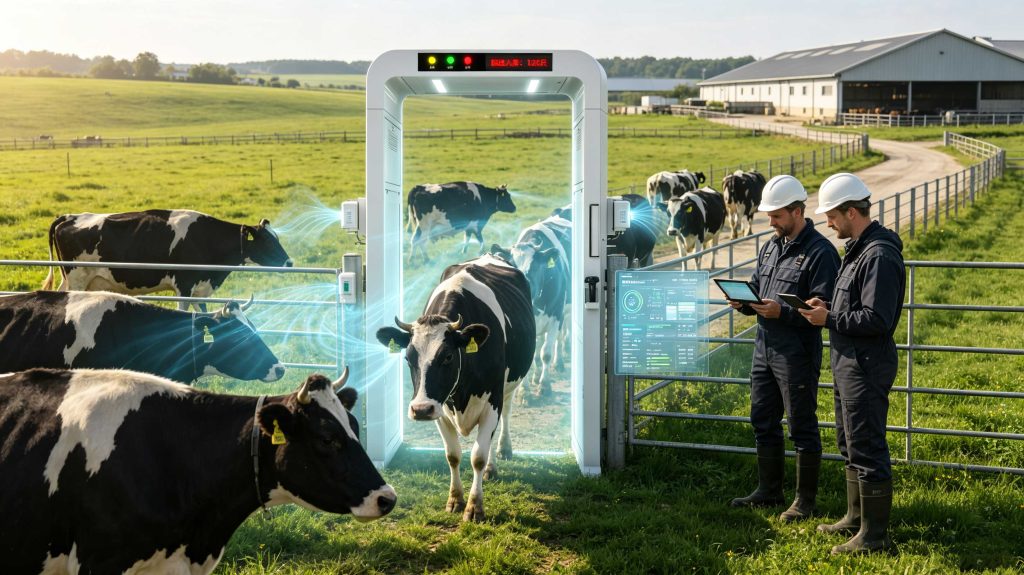
Different RFID frequencies are selected according to farm requirements.
| RFID Frequency | Typical Use | Characteristics |
|---|---|---|
| LF RFID (125–134 kHz) | Livestock identification | Reliable close-range animal identification |
| HF RFID (13.56 MHz) | Smart cards and specialized applications | Short-range communication |
| UHF RFID (860–960 MHz) | Large-scale livestock management | Longer reading distance and faster identification |
LF RFID has traditionally been widely used for animal identification because it performs reliably around biological materials.
UHF RFID is increasingly used where farms need faster identification of multiple animals and integration with automated systems.
Traditional livestock records often depend on visual inspection and manual data entry. This creates challenges when farms expand.
RFID improves management through:
| Advantage | Practical Impact |
|---|---|
| Automatic identification | Reduces manual recording |
| Individual animal identity | Improves record accuracy |
| Faster data collection | Saves operational time |
| Digital traceability | Supports food safety management |
| Software integration | Enables smart farming systems |
According to International Committee for Animal Recording (ICAR), electronic identification systems are widely adopted in livestock recording to improve accuracy and data management.
Cykeo approaches animal tracking from an engineering perspective.
In real deployments, the difficult part is rarely attaching the RFID tag. The challenge is creating a system that works reliably when animals move naturally.
Engineers evaluate:
A farm gate, for example, may look like a simple RFID checkpoint. In practice, the antenna angle, animal speed, and surrounding materials influence performance.
This field experience helps Cykeo design RFID solutions that match real agricultural environments rather than theoretical conditions.
RFID animal tracking systems must work in environments where conditions constantly change. Animals move unpredictably, outdoor temperatures fluctuate, and identification points may experience dust, moisture, and physical interference.
Cykeo focuses on designing RFID identification solutions that combine reliable hardware performance with practical agricultural workflows.
A complete animal tracking deployment depends on several technical factors:
| Technical Capability | Cykeo RFID Application Value |
|---|---|
| High-performance RFID readers | Stable animal identification at farm checkpoints |
| Multi-tag recognition capability | Supports group livestock identification |
| Flexible antenna configuration | Creates effective reading zones |
| Industrial communication interfaces | Enables connection with farm software |
| Customized RFID solutions | Supports different animal management scenarios |
One of the most overlooked parts of animal tracking is reader installation.
A livestock farm is not a controlled laboratory. Animals change speed, direction, and distance constantly.
Cykeo engineers usually analyze:
A reader installed near a feeding station has a different purpose from one installed at a transportation gate.
For example, a dairy farm may require automatic identification during milking, while a breeding facility may focus on individual animal records. The RFID system must follow the farming workflow, not force the workflow to follow the technology.
UHF RFID technology is becoming increasingly valuable in large livestock operations because it supports faster identification and wider coverage.
Typical applications include:
When combined with Cykeo UHF RFID readers, farms can create automated identification points where animal data is collected without interrupting daily operations.
This is especially useful in large farms where manually recording thousands of animals becomes inefficient.
The RFID tag itself only provides identification information. The real value comes from connecting that information with digital management systems.
Cykeo RFID solutions can support integration with:
The data flow becomes:
Animal RFID Tag → RFID Reader → Communication Network → Management Software → Farm Decision
This allows managers to transform identification data into practical actions.
A common misunderstanding is that RFID and GPS provide the same function.
They solve different problems.
| Technology | Main Function | Typical Application |
|---|---|---|
| RFID | Identification within reading zones | Livestock records, farm management |
| GPS | Location positioning over large areas | Wildlife monitoring, outdoor tracking |
RFID answers:
“Which animal is this?”
GPS answers:
“Where is this animal located?”
Many advanced agricultural systems combine different technologies depending on operational needs.
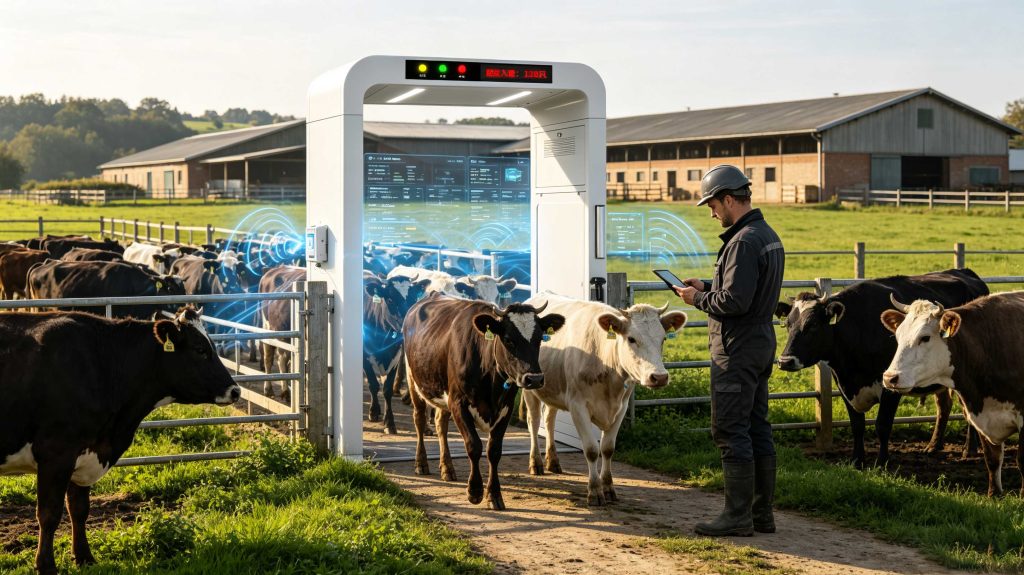
Agriculture is becoming increasingly data-driven.
Future RFID animal tracking systems will integrate with:
The role of RFID is expanding from simple identification toward intelligent agricultural decision support.
A modern farm may need to understand not only animal identity, but also:
RFID provides the identification foundation that allows these systems to work.
RFID is used by attaching electronic tags to animals and using RFID readers to collect identification data. The system records animal information, movement events, and management records automatically.
Standard RFID does not provide continuous GPS-style location tracking. It identifies animals when they enter RFID reading areas such as gates, feeding stations, or monitoring points
RFID tracking can be applied to cattle, sheep, pigs, poultry, pets, laboratory animals, and wildlife research projects.
Properly designed RFID animal tags are widely used for livestock identification. They are designed to provide identification while minimizing impact on normal animal activity.
RFID systems can record identification numbers, health records, breeding information, feeding data, movement events, and management history.
RFID reduces manual recording tasks, improves identification accuracy, and allows farms to manage larger numbers of animals with better data visibility.
Yes. Industrial RFID equipment can be designed for outdoor agricultural environments when suitable tags, readers, and installation methods are selected.
How is RFID used for animal tracking represents an important question in modern smart agriculture. RFID technology gives each animal a unique digital identity and helps farms improve traceability, health management, and operational efficiency.
From livestock farms to agricultural research environments, RFID provides a reliable connection between physical animals and digital management systems.
Cykeo continues developing RFID readers, tags, and customized identification solutions for industries that require accurate and dependable tracking technology.
RFID does not replace every tracking method. Instead, it provides the identification foundation that makes intelligent animal management possible.
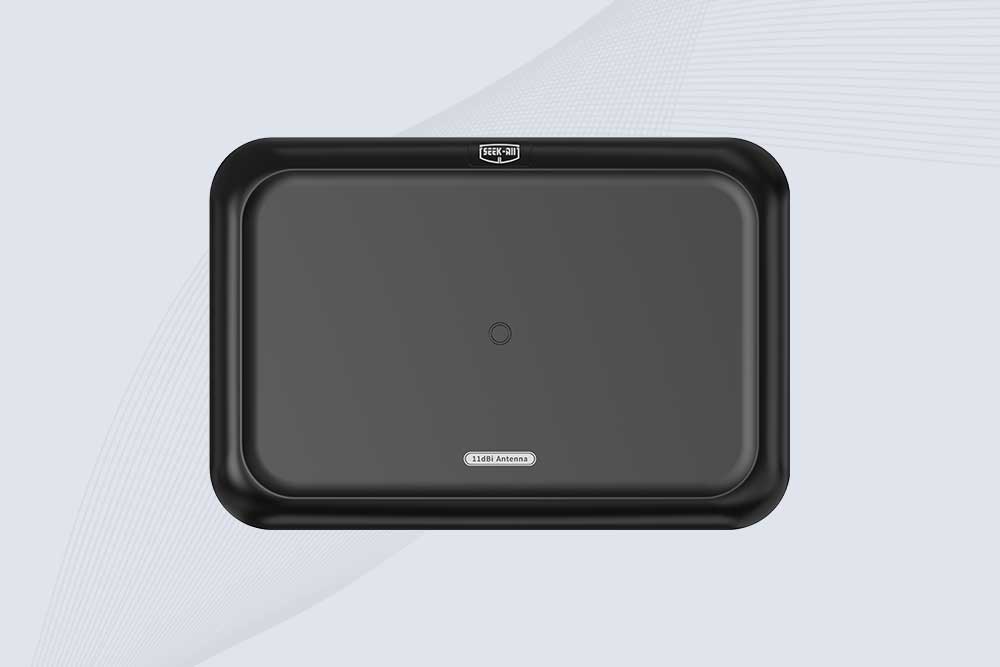
SSD-A11 UHF RFID antenna features 840–960 MHz adjustable frequency, ≥10.5 dBi gain, circular polarization and 50Ω impedance for fixed RFID systems.
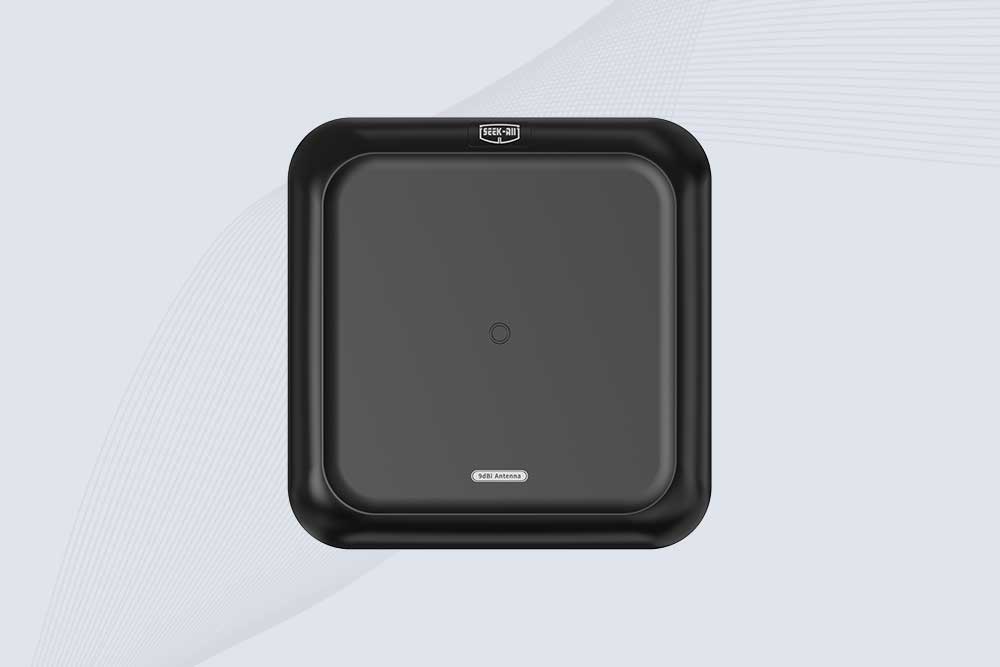
SSD-A09 is a 9 dBi UHF RFID antenna with 840–960 MHz adjustable frequency, circular polarization, 50Ω impedance and directional 60° × 60° coverage.
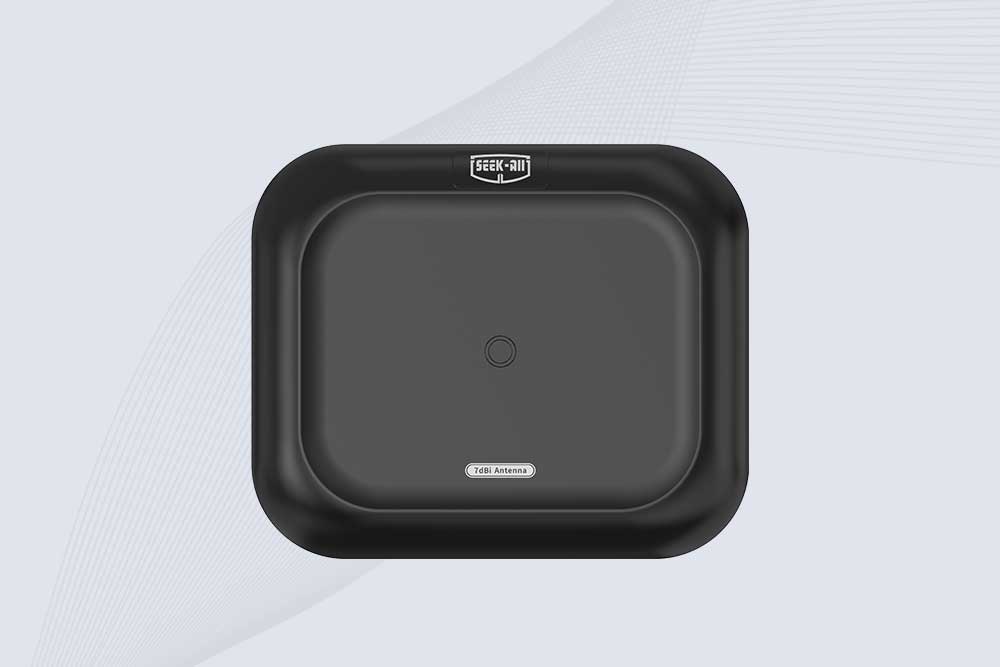
Explore the SSD-A07 UHF RFID antenna with 7 dBi gain, circular polarization, adjustable 840–960 MHz frequency, and 60°/75° beamwidth for stable RFID read/write performance.

SSD-A06 UHF RFID antenna with circular polarization, adjustable 840–960 MHz frequency, ≥4.5 dBi gain, and a compact directional design for RFID systems.
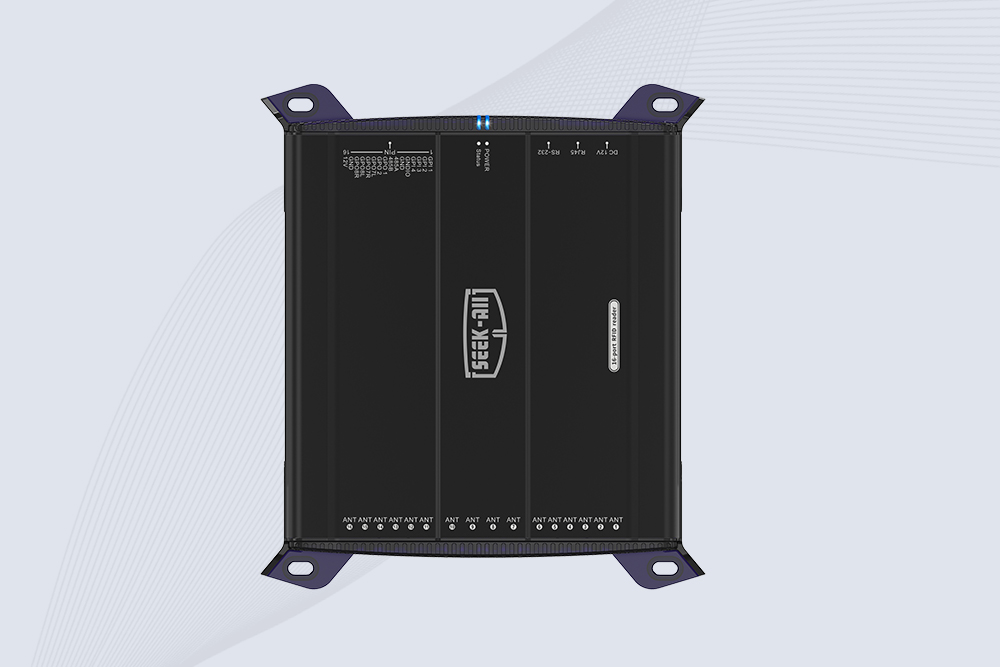
SSD-R16L Multi-Channel RFID Infrastructure for Automated Inventory Management ✔️ 16-Port High-Density RFID Reading Equipped with 16 SMA antenna ports, SSD-R16L supports multi-antenna deployment for warehouses, retail stores, logistics, production lines, and large-area RFID identification. ✔️ High-Speed & Long-Range Performance With up to 33…
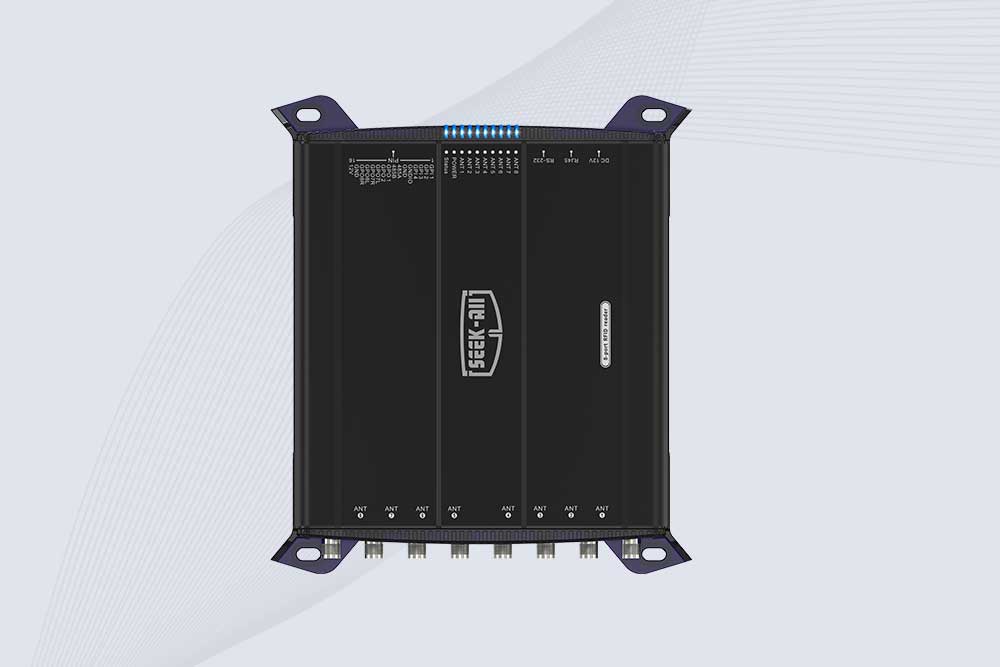
SSD-R8L 8-port UHF RFID reader with 33dBm output, up to 20m reading range and 600+ tags/s recognition. Ideal for warehouse, logistics, retail and asset tracking.
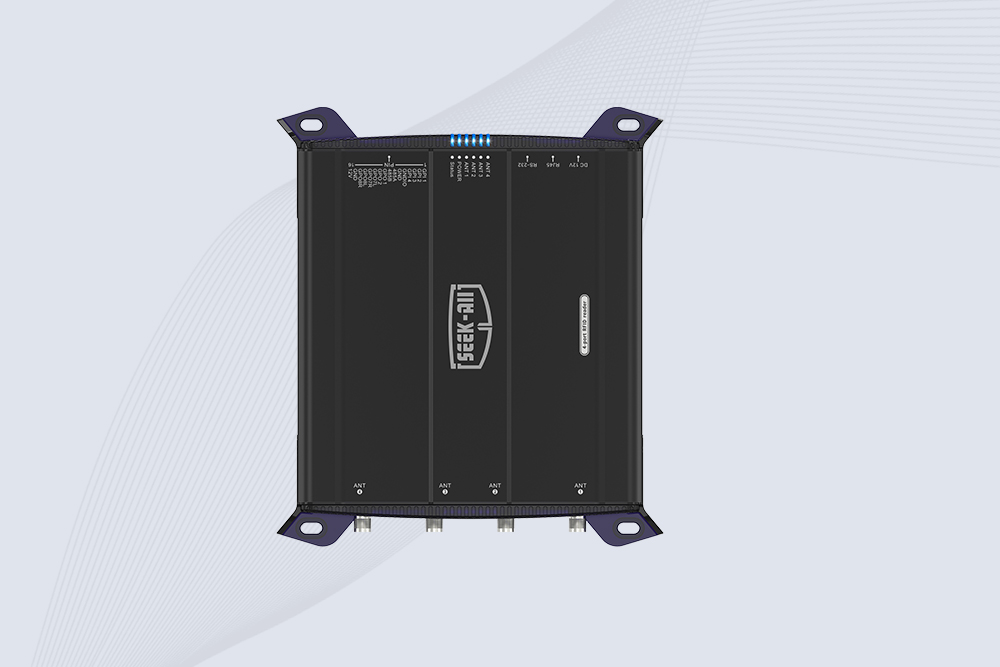
SSD-R4L is a 4-port UHF RFID fixed reader with 33dBm output power, up to 20m reading range, EPC C1G2 support and 600+ tags/s reading speed.
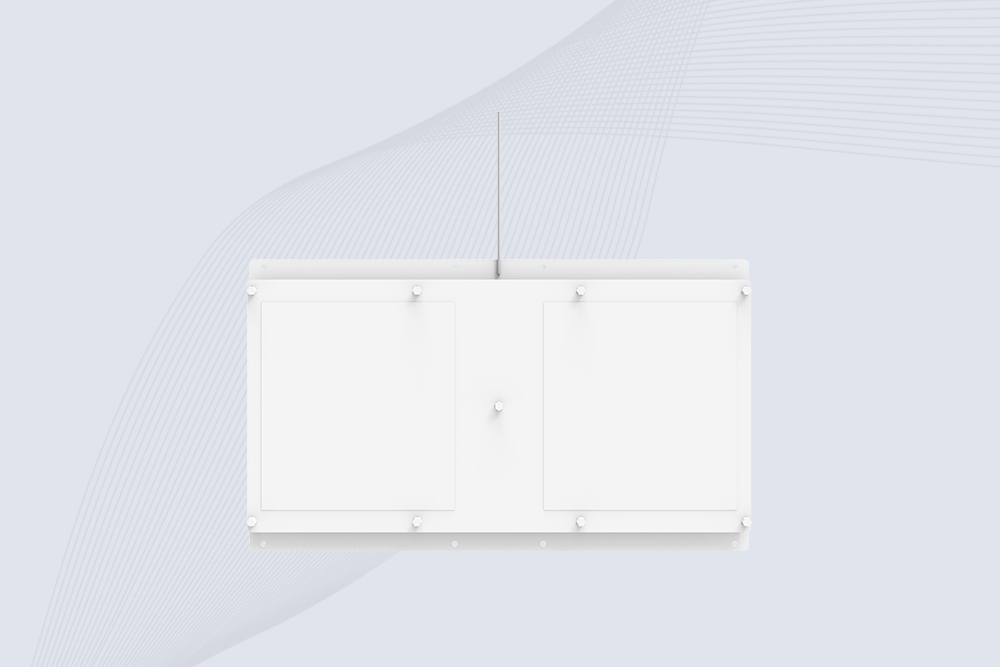
Cykeo CYKEO-A11 UHF RFID reader antenna delivers 11dBi gain, 840-960MHz frequency range, and IP65 ruggedness for retail, logistics, and industrial RFID systems. Features low VSWR and easy installation.

CYKEO Antenna RFID Reader delivers stable long-range UHF performance with a 10.5dBi directional design, built for warehouses, conveyor portals, and industrial RFID systems. This rfid reader antenna provides 20m+ read distance and rugged IP67 protection.

Cykeo CYKEO-PHF3 industrial HF RFID Antenna offers 24-point dynamic tracking, ISO 14443A/15693 protocols, metal-environment stability for archives/libraries/manufacturing.

Cykeo CYKEO-A5B industrial Linear RFID Antenna delivers 5dBi gain, ≤1.5:1 VSWR, and IP65 rugged design for warehouse, production line, and logistics UHF systems.

Cykeo’s CYKEO-B12 Long Range RFID Antenna delivers 15m+ read range with 12dBi gain, IP65 rugged design, and global 840-960MHz UHF support. Ideal for warehouse/logistics asset tracking.
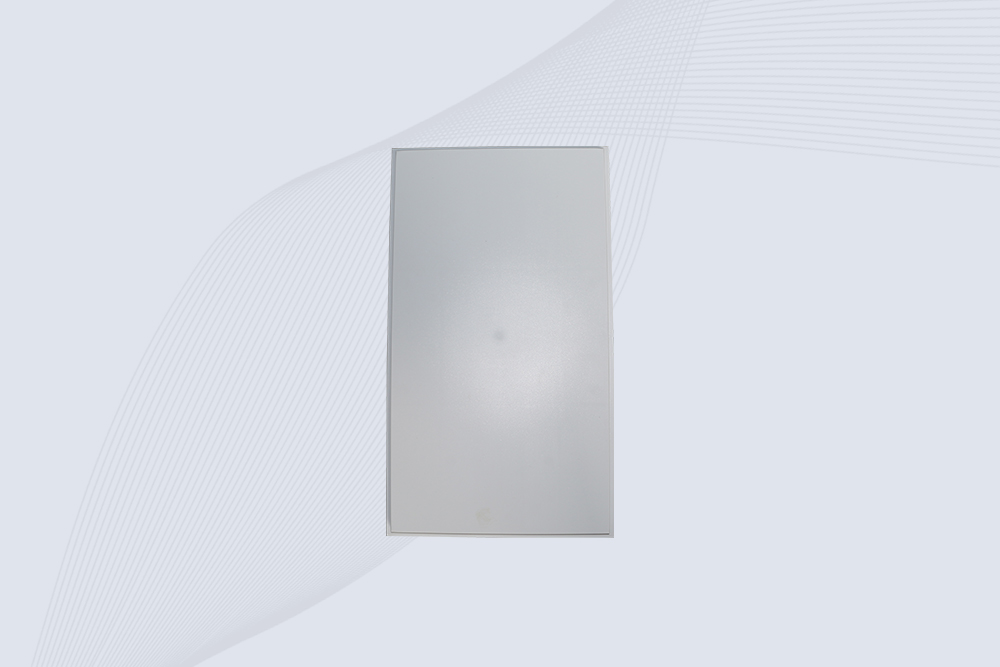
Cykeo CYKEO-B10 Long Distance RFID Antenna offers 10dBi gain, 840-960MHz frequency range, IP65 rating, and 20m+ coverage for logistics/warehousing/ETC systems. Low VSWR ensures stable signal transmission.
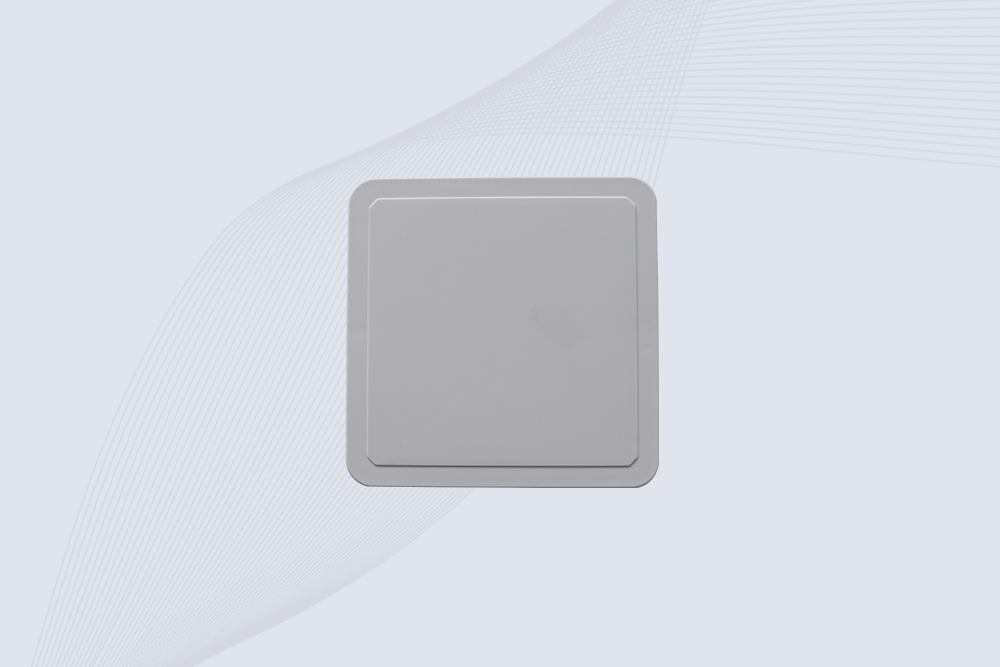
Cykeo CYKEO-A6 UHF RFID panel antenna features 6dBi gain, 840-960MHz broadband, IP65 metal-ready housing for logistics/smart retail. 18mm ultra-thin design with tool-free mounting.

Cykeo CK-A3 industrial antenna RFID UHF offers 5m+ tag detection, ≤1.3:1 VSWR, IP65 rugged design, and global UHF spectrum compatibility (840-960MHz) for warehouses, factories, and retail.
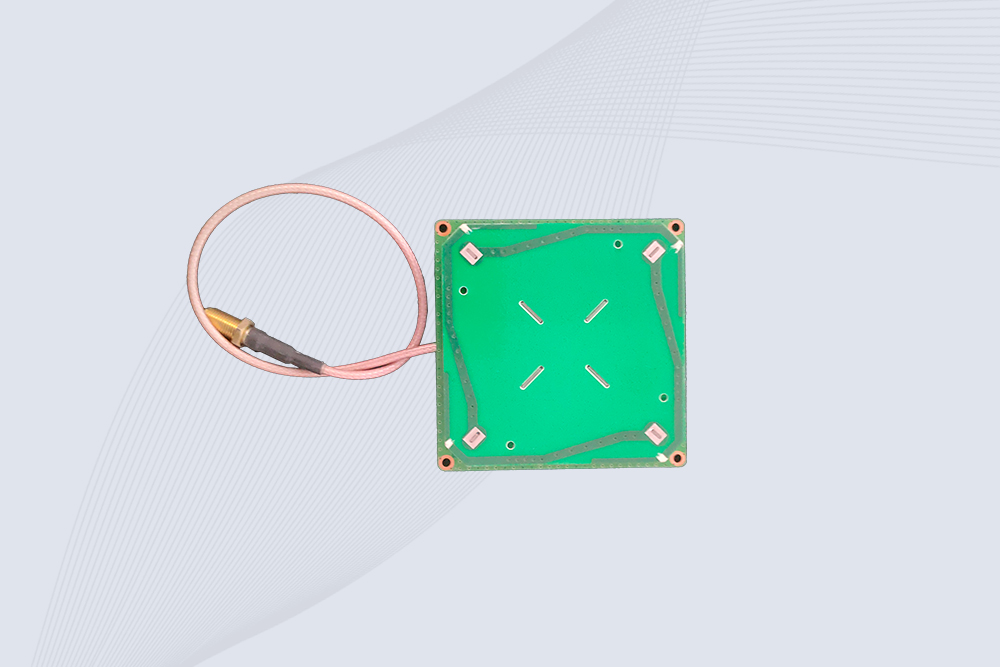
Cykeo CYKEO-B5 directional RFID antenna provides 5dBi gain with 60° narrow beamwidth for precise inventory tracking. IP65-rated, global UHF frequency support, and low VSWR.
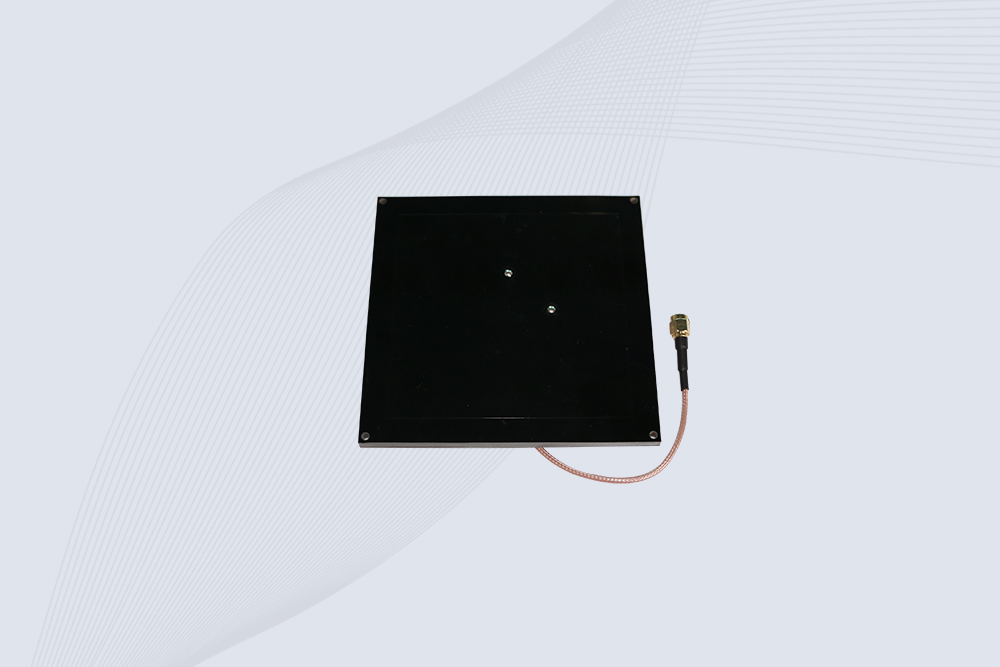
Create your own high-performance DIY RFID antenna! 5dBi gain, 840-960MHz tunable, step-by-step guides. Compatible with Arduino, Raspberry Pi, and commercial UHF readers.
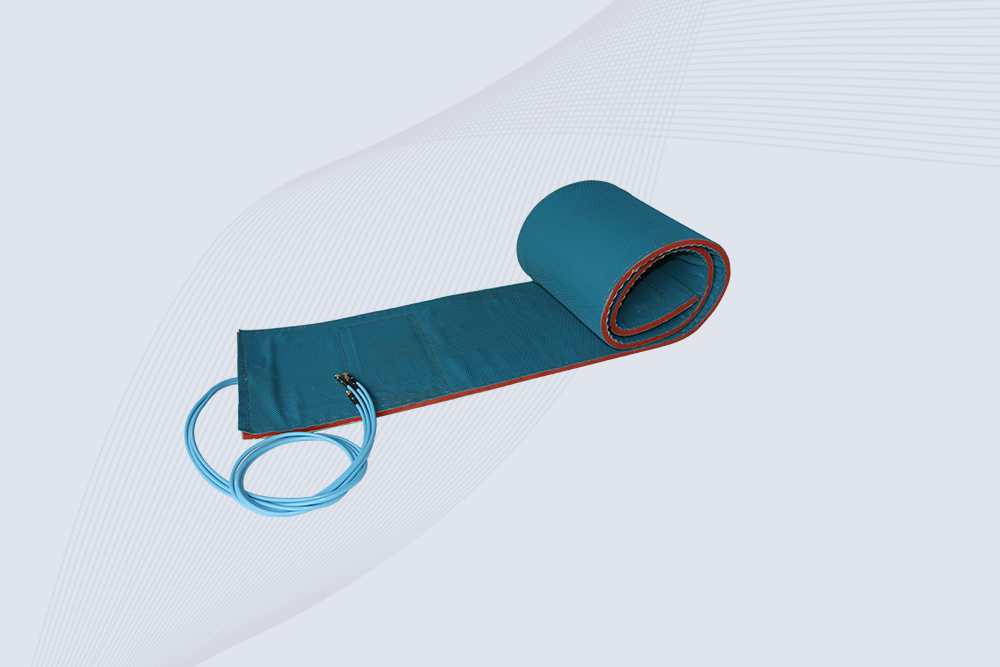
Cykeo CYKEO-A7 Flexible RFID Antenna features 840-960MHz wideband tuning, 7dBi gain, and IP68 rating for medical/retail/industrial curved surface deployments. 98% read accuracy with peel-and-stick installation.

Cykeo CYKEO-B5A industrial Passive RFID Antenna delivers 5dBi gain, 70° beamwidth, and -40°C~55°C operation for warehouses/smart cabinets. Compatible with Zebra/Impinj readers.
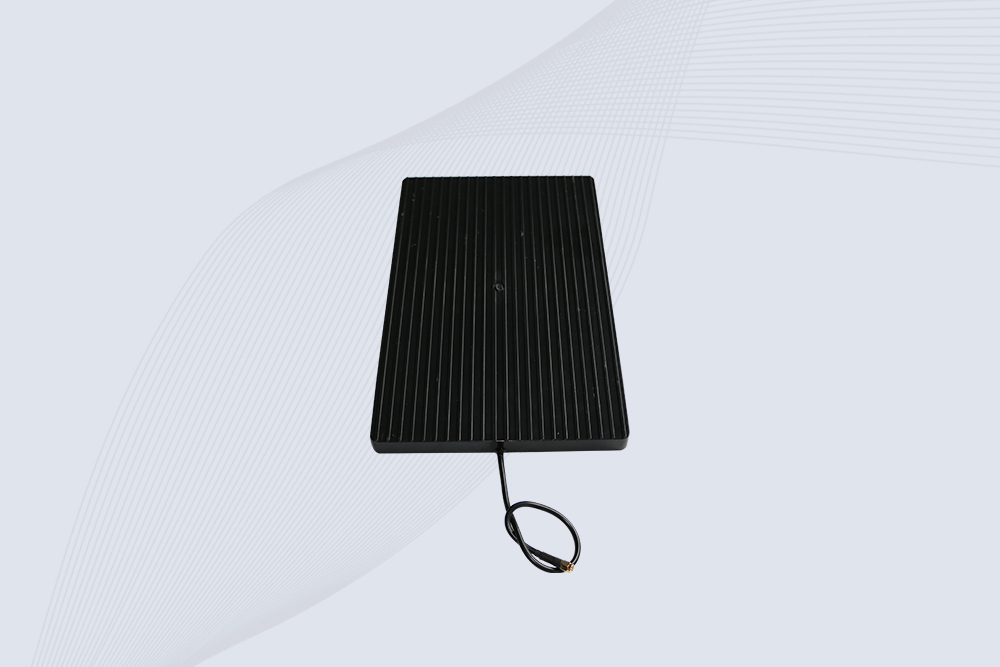
Cykeo’s CYKEO-A9B High Gain RFID Antenna delivers 15m+ read range with 9dBi amplification. Features IP54 rugged design, 840-960MHz bandwidth, and 80° beamwidth for warehouse/manufacturing RFID systems.

Cykeo’s enterprise-grade 8dbi Impinj RFID Antenna 10m+ read range with 840-960MHz tuning. Features IP65 housing, 1.4 VSWR, 35° beamwidth for retail/warehouse RFID systems.
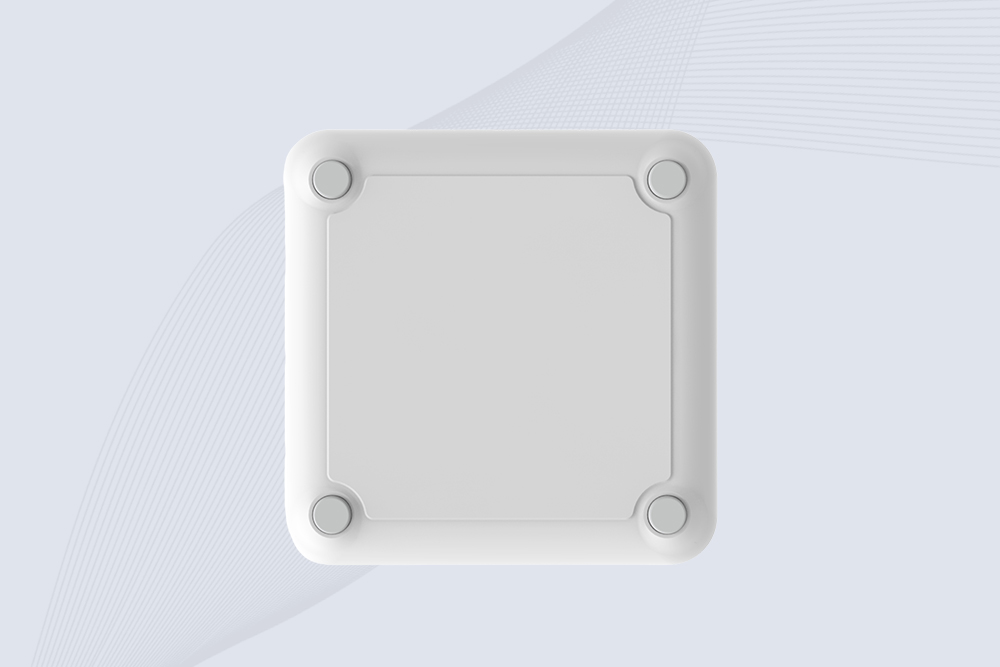
Cykeo CYKEO-A9 industrial UHF RFID antenna delivers 9dBi gain, 840-960MHz frequency range, and IP65 protection for warehouse/logistics/retail RFID systems. Features N-type connector and ≤1.3:1 VSWR.
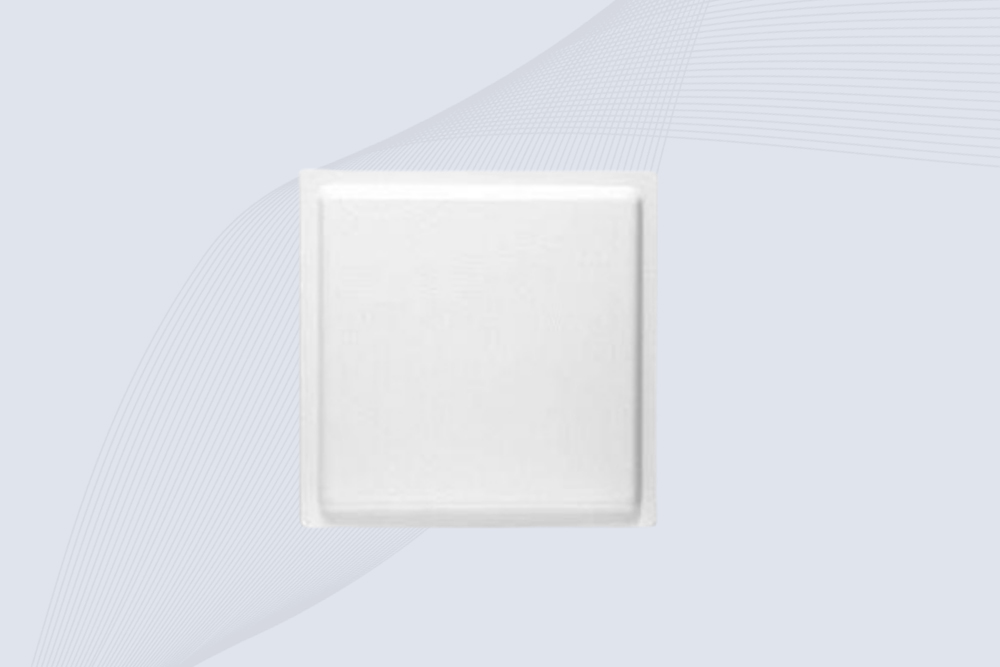
CYKEO UHF RFID Antenna built for long-distance and industrial applications. This antenna rfid uhf delivers strong gain, outdoor durability, and reliable tag performance in warehouses, yards, and vehicle ID systems.
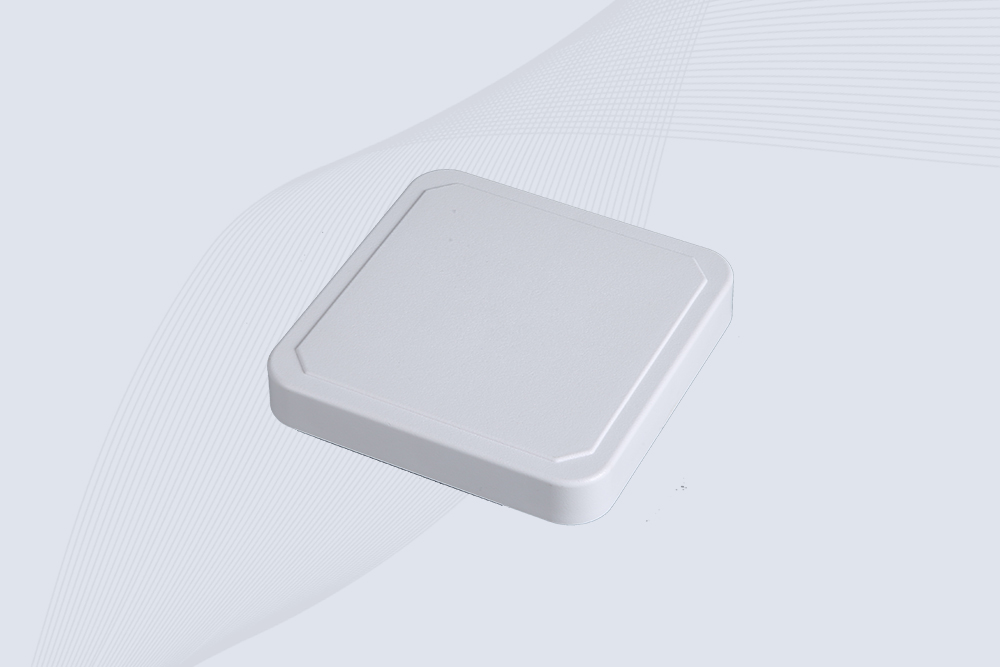
CYKEO Antenna RFID delivers reliable long-range UHF performance in warehouses, retail shelves, and cold-chain environments. This compact uhf rfid antenna provides stable reads with circular polarization and ultra-wide 840–960 MHz support, ideal for industrial tracking, smart shelves, and asset monitoring.
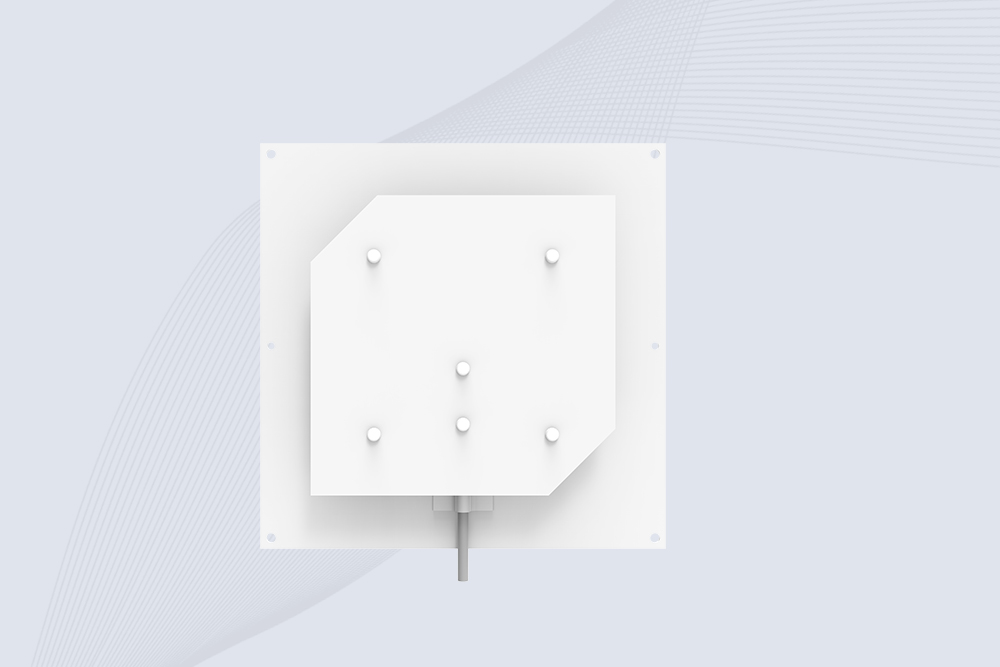
Cykeo’s CYKEO-C8 UHF RFID antennas delivers 8dBi gain, 840-960MHz full-band coverage, and IP65 ruggedness for manufacturing/warehouse RFID systems. Industrial RFID Antennas Features
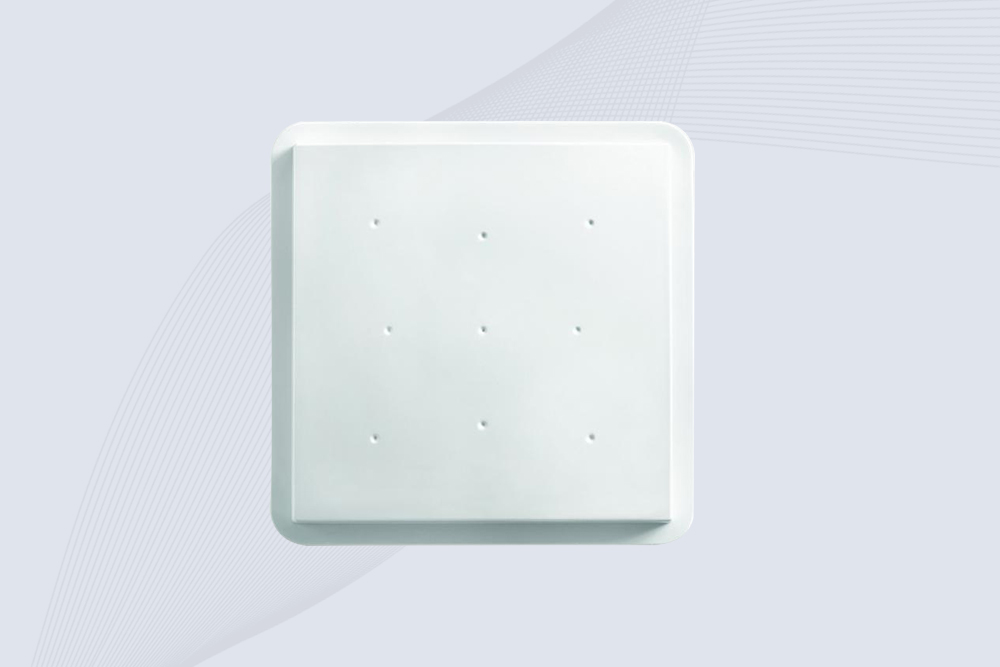
Cykeo’s 8dBi UHF RFID antenna and reader kit delivers 10m+ range, 840-960MHz broadband, and IP65 ruggedness for factories, warehouses, and logistics. ISO 18000-6C & EPC Gen2 certified.
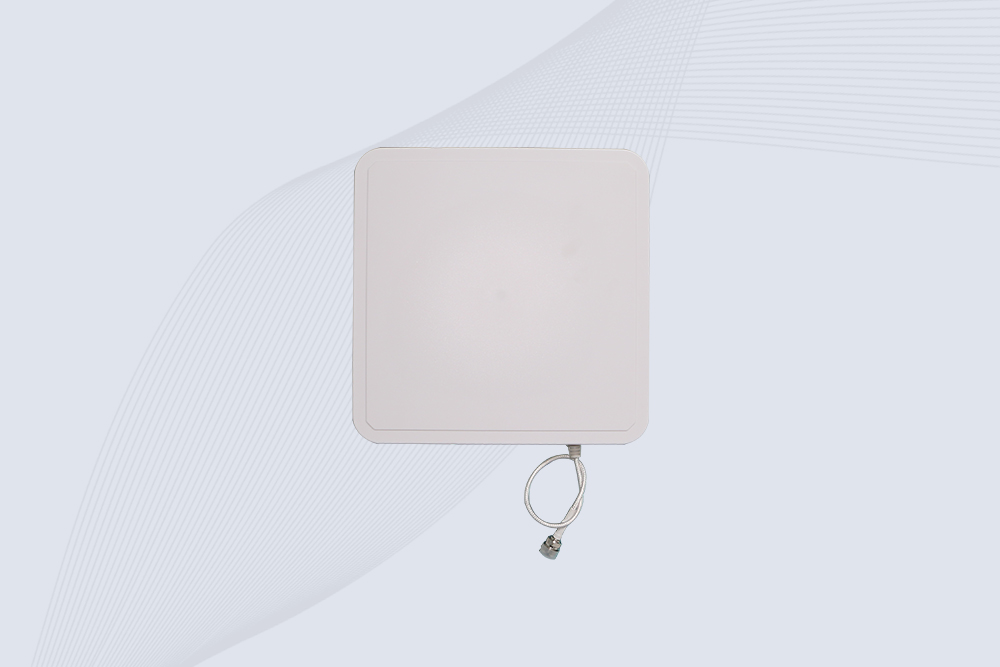
Cykeo CYKEO-A9A industrial UHF RFID reader and antenna kit delivers 10m range, 500 tags/sec, IP65 ruggedness for manufacturing/logistics. Supports EPC Gen2, ISO18000-6C.
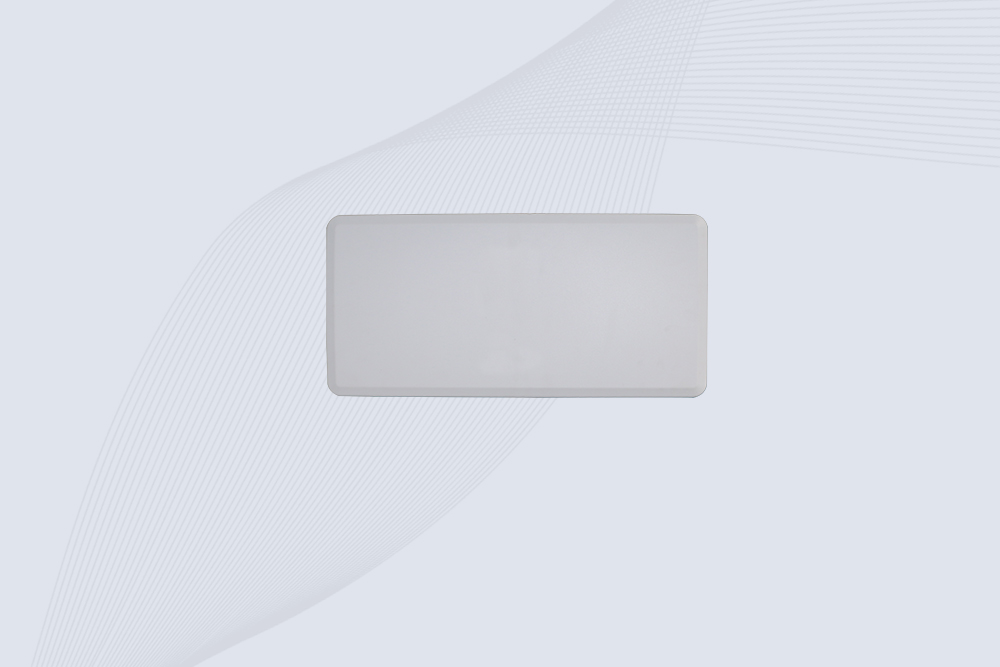
Cykeo’s CYKEO-A12C UHF Large RFID Antenna delivers 12dBi gain, 840-960MHz global frequency, IP65 ruggedness for logistics/warehousing/automotive. 40° beamwidth ensures stable 15m+ tag reads.

CYKEO Near Field RFID Antenna provides precise 5–30 cm reading for shelves, cabinets, and workstations. This compact rfid shelf antenna delivers stable short-range performance around metal and clutter, ideal for pharmacies, libraries, and electronics sorting.
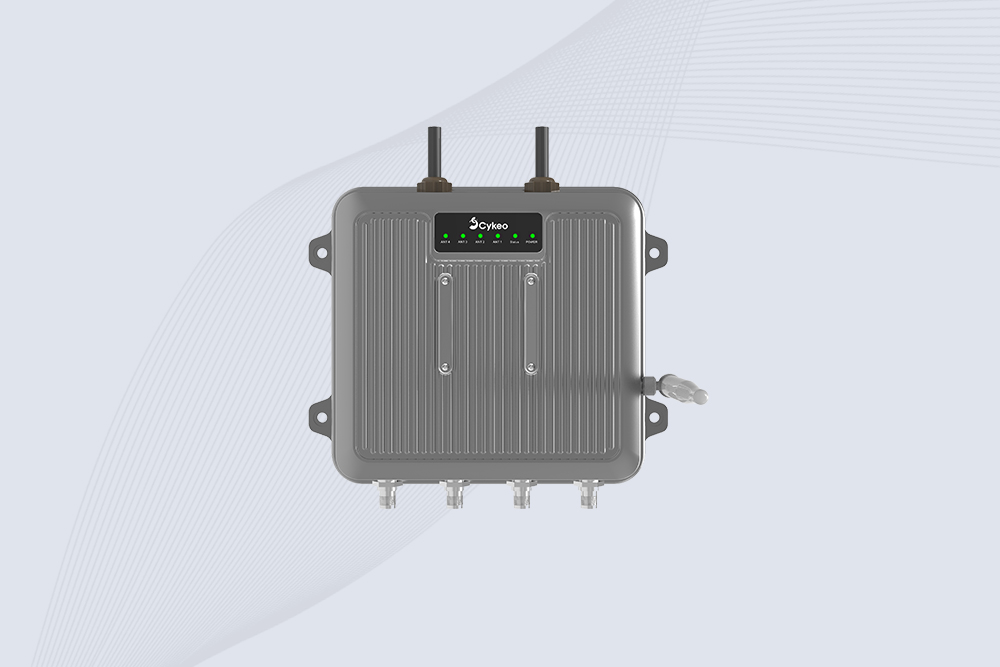
Cykeo CYKEO-C1 industrial Forklift RFID Reader features 20m read range, 600 tags/sec scanning, Impinj R2000 chipset, and IP67 rugged design. Ideal for warehouse logistics and manufacturing. Supports ISO 18000-6C/6B protocols.
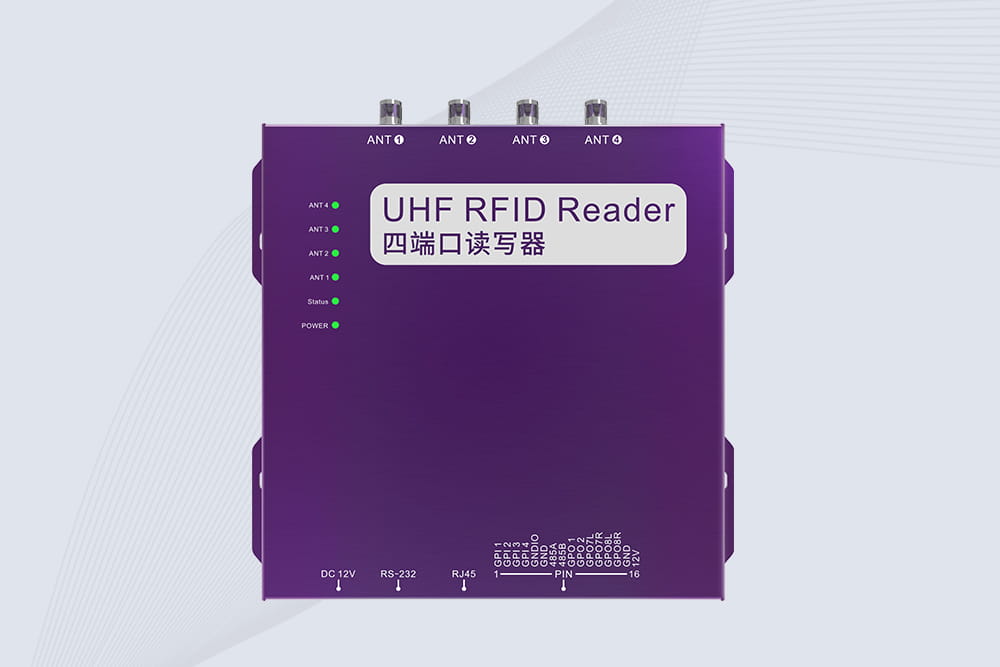
Cykeo CYKEO-R4 industrial UHF RFID Fixed Reader features 4 TNC ports, 400+ tags/sec speed, IP67 housing, and global frequency compliance for vehicle inspection, smart warehouse, and asset management systems.
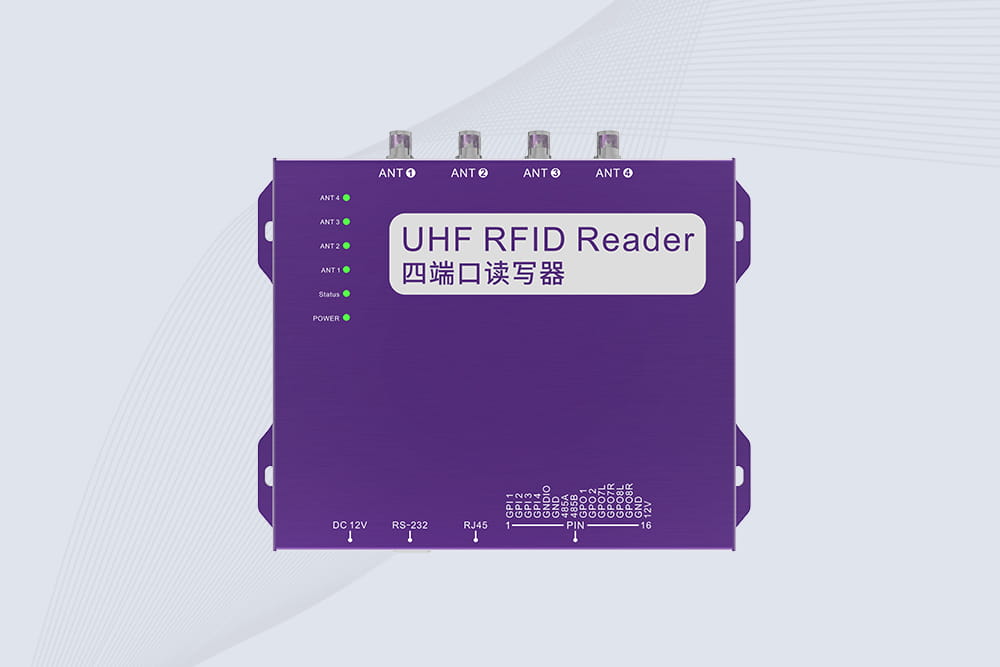
Cykeo’s CYKEO-R4L 4-port Fixed UHF RFID Reader delivers 400 tags/sec scanning, ISO 18000-6C compliance, and IP65 protection. Ideal for warehouse automation, manufacturing WIP tracking, and logistics management.
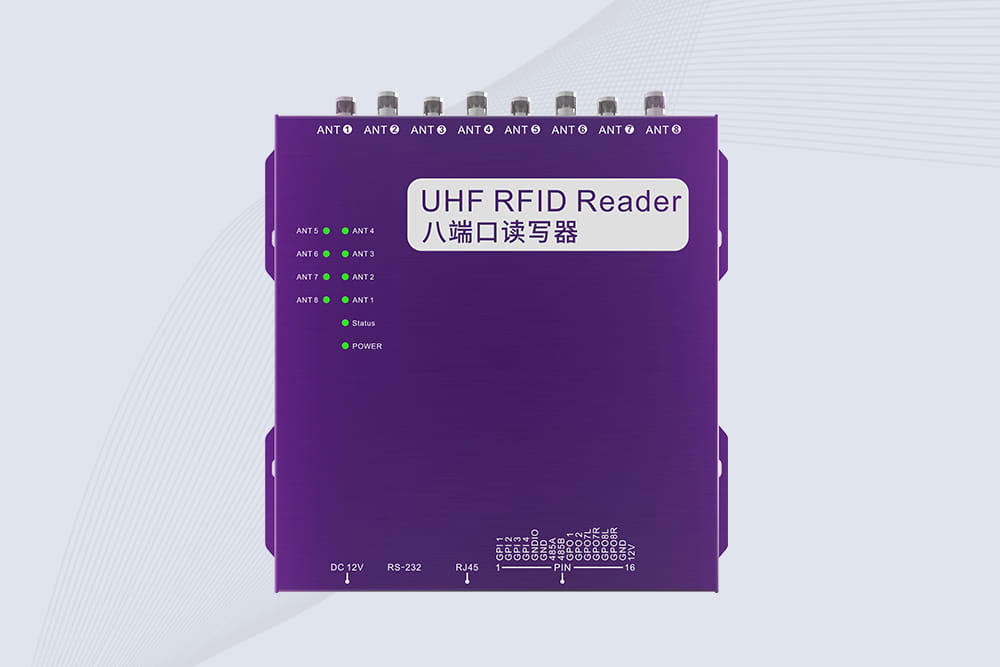
CYKEO CYKEO-R8L Fixed RFID Reader with 8-port UHF design, Impinj-based RF core and up to 20m read range. An industrial Fixed RFID Reader for vehicle inspection, warehouse portals, smart manufacturing lines and secure access checkpoints.
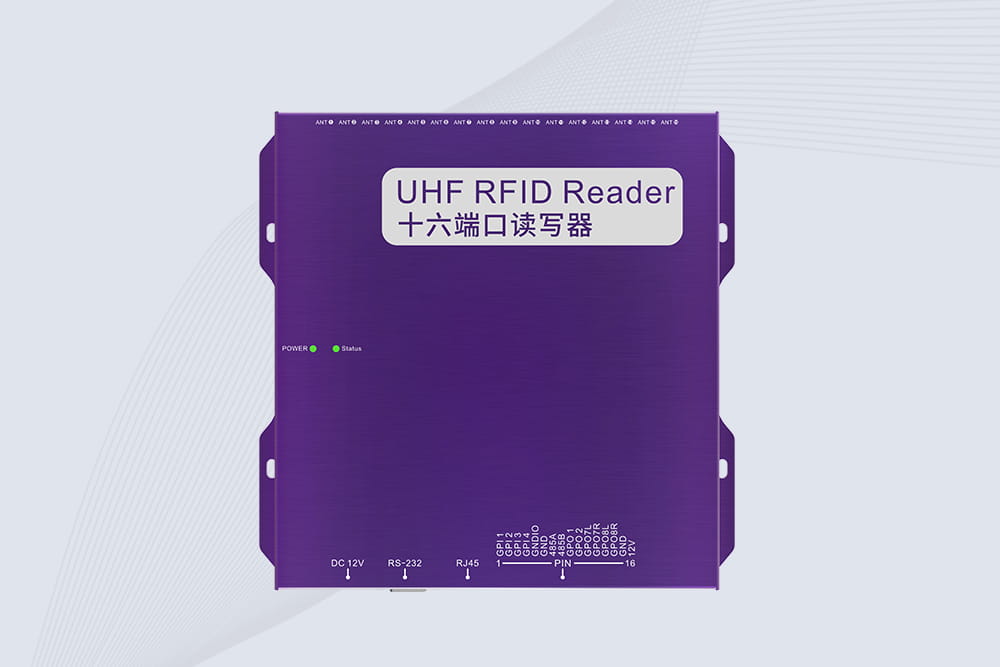
RFID Fixed Reader from CYKEO – the CYKEO-R16L 16-port UHF fixed reader for warehouses, smart cabinets, and production lines. Long-range, multi-tag reading, stable performance for 24/7 industrial use.
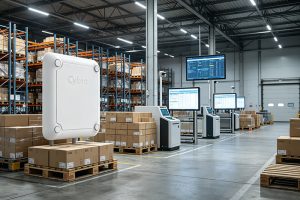
Inventory control tag solutions from Cykeo use UHF RFID technology to improve warehouse accuracy, reduce manual counting time, and enable real-time asset visibility.
More
Discover how tools and equipment tracking systems improve asset visibility, reduce losses, and automate inventory management using RFID technology for industrial operations.
More
RFID card enables secure contactless access control and identification in offices, transport, and industry. Learn real deployments, standards, and insights with Cykeo.
More
Learn how RFID retail inventory antenna systems improve shelf monitoring and warehouse inventory accuracy. Discover practical RFID shelf zone control methods and smart inventory solutions for retail and distribution centers.
More