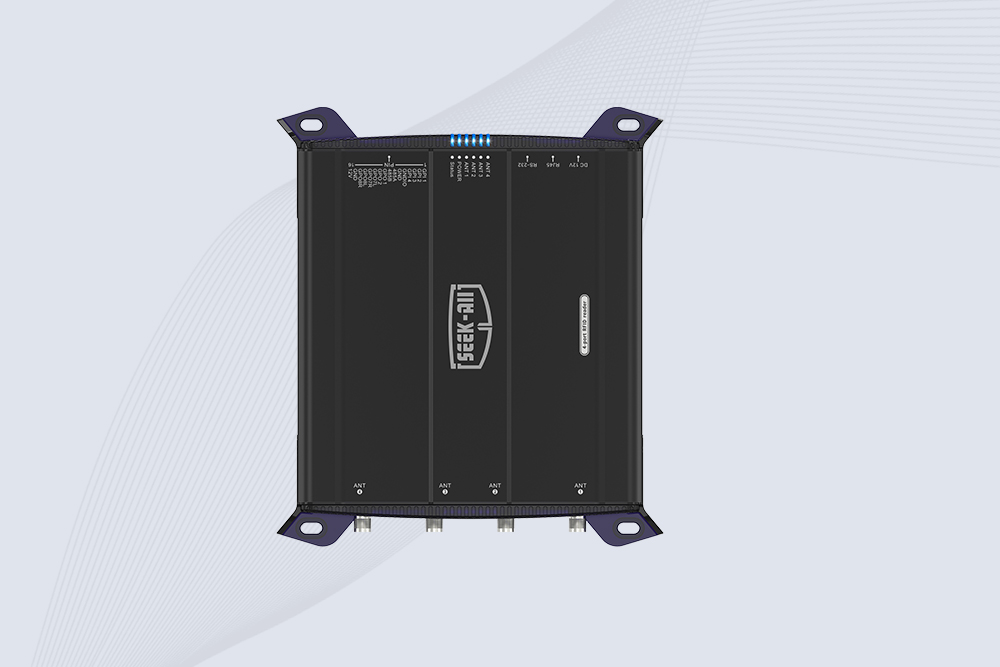
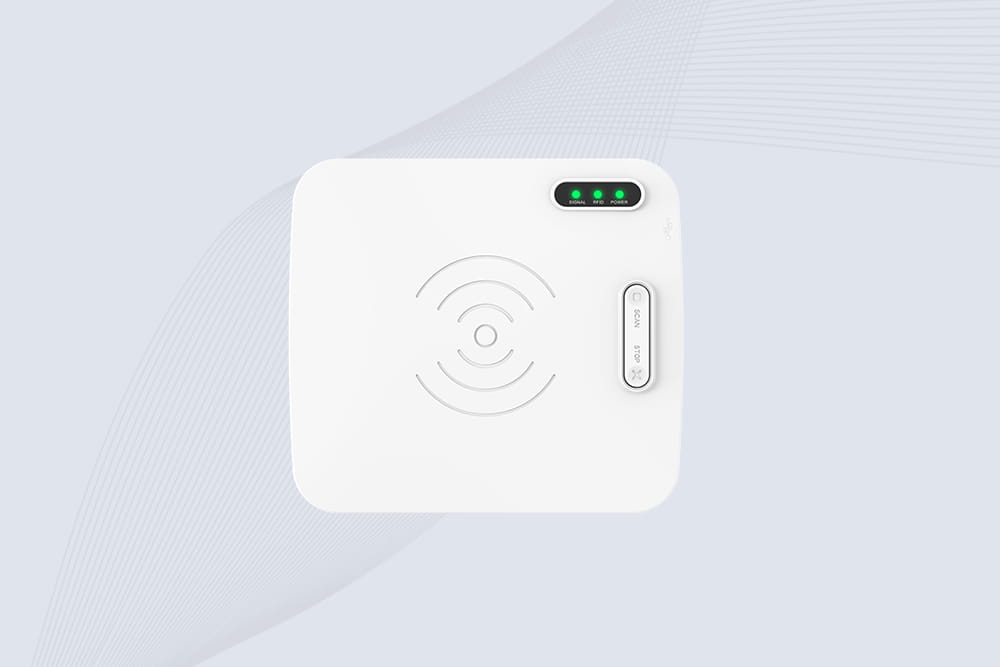
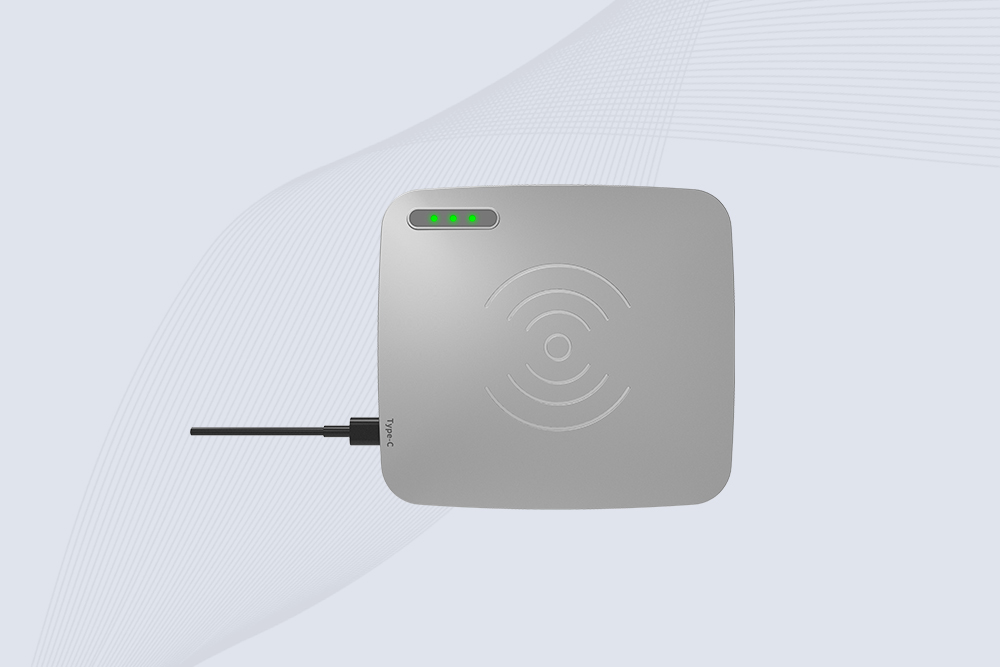
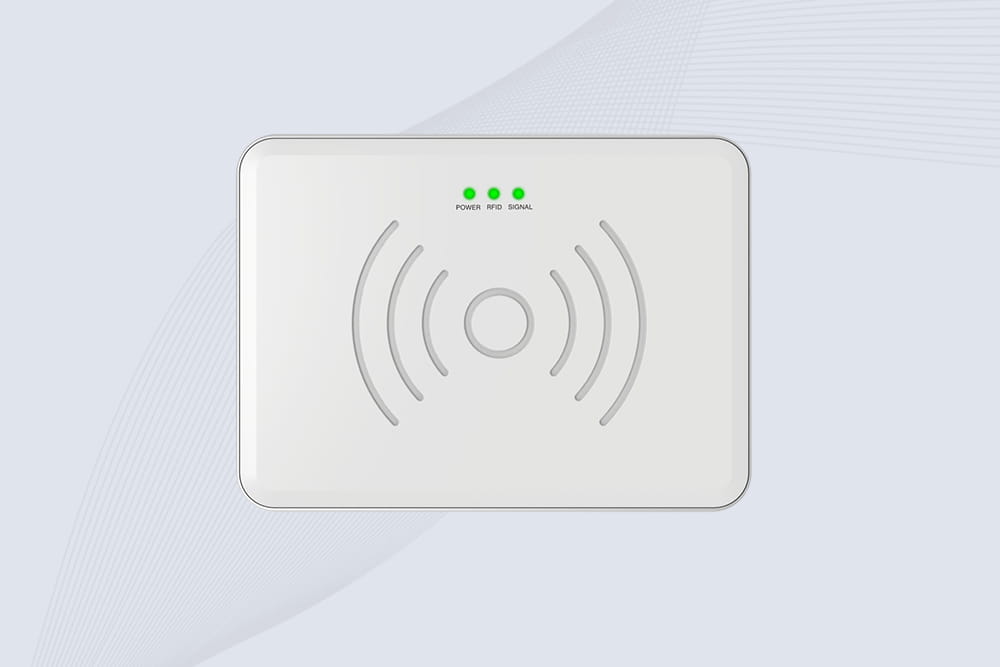
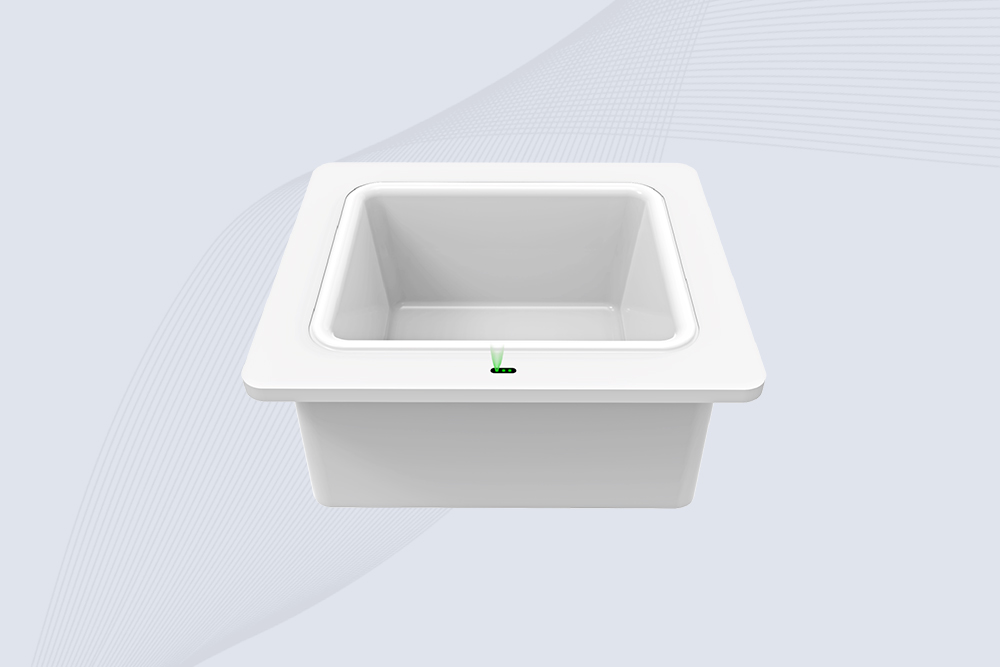
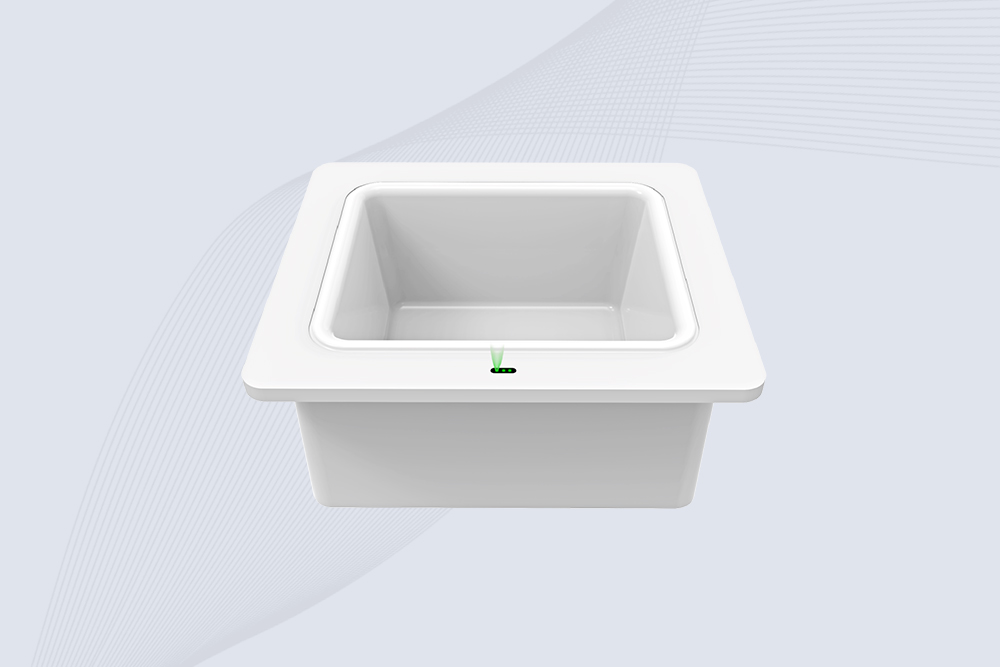
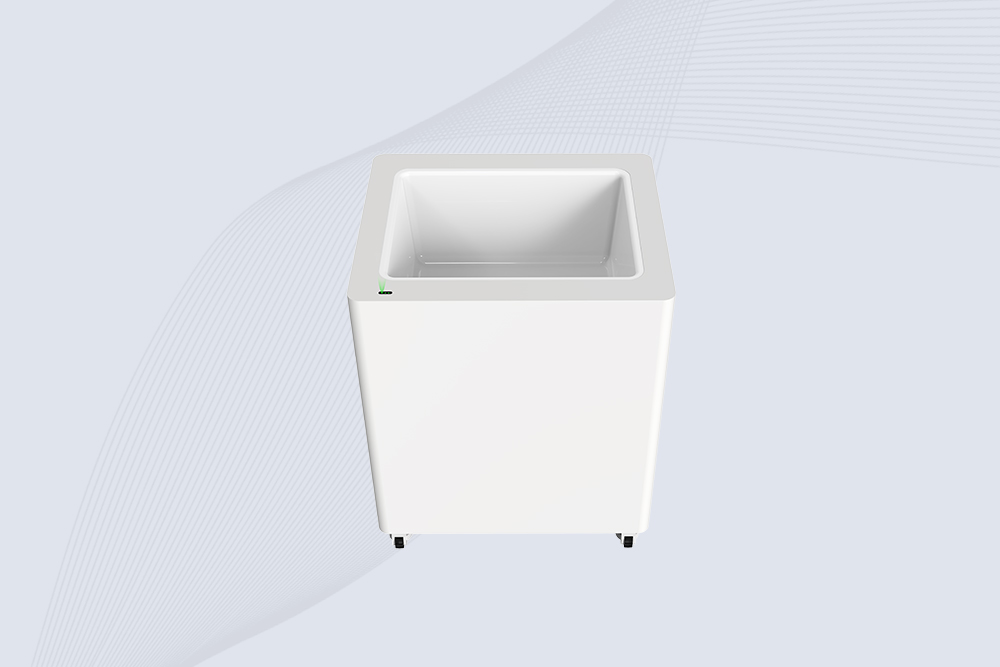
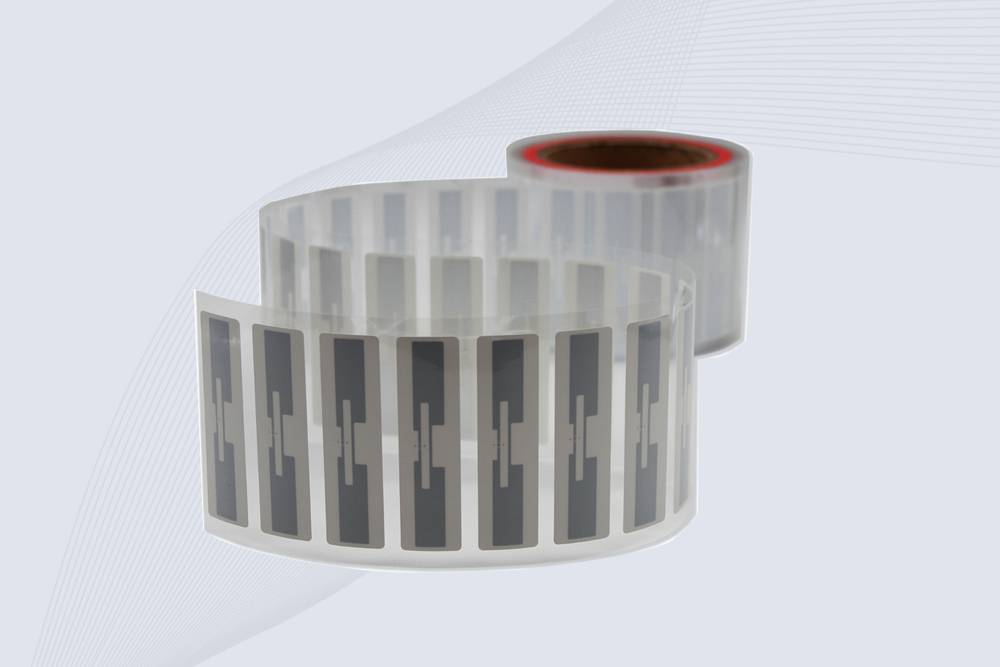
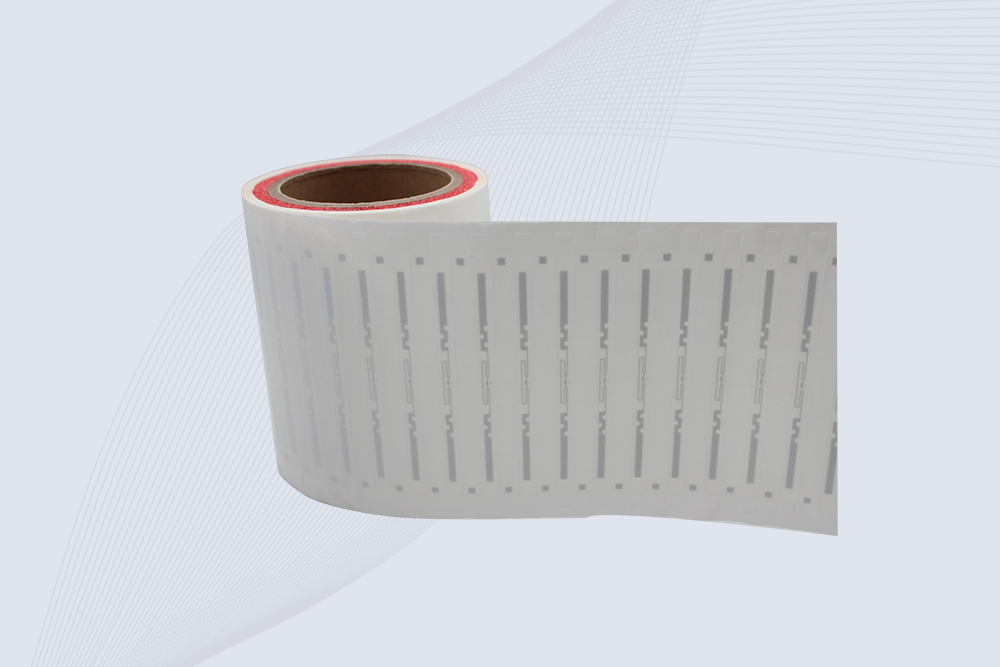
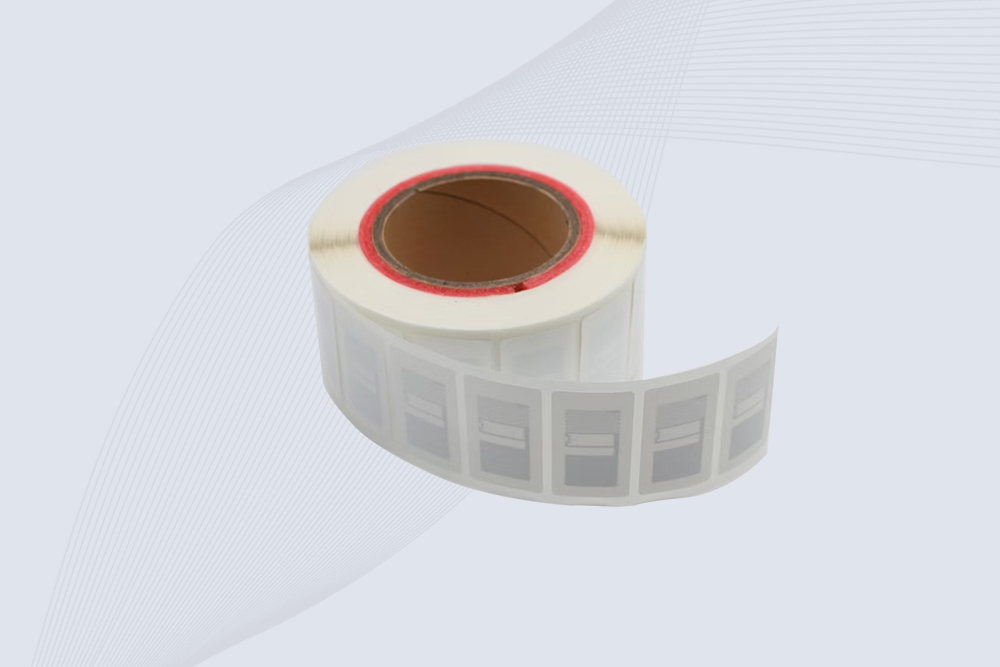
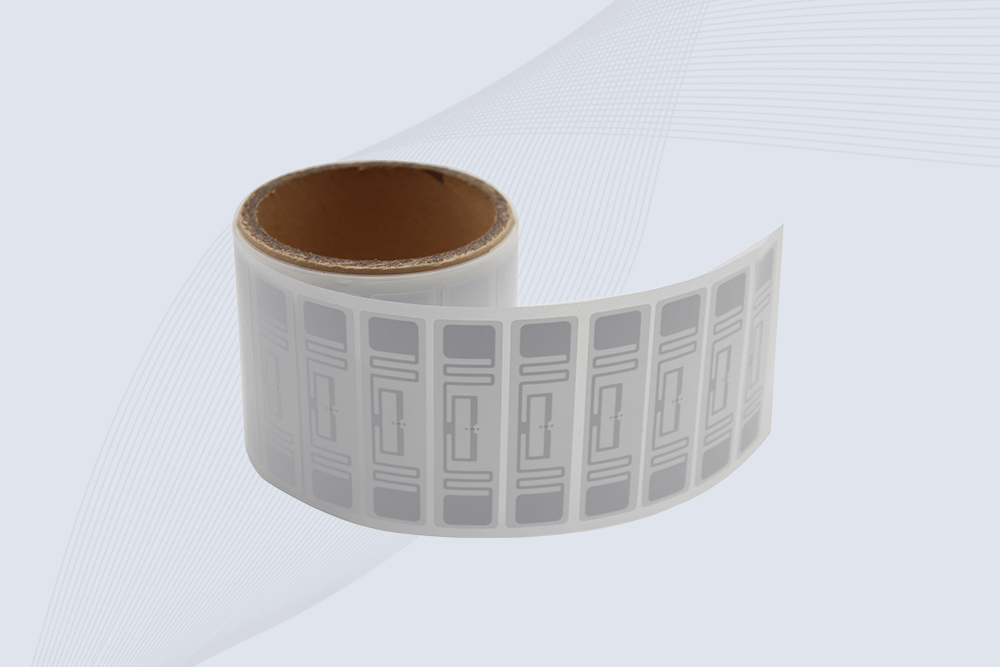
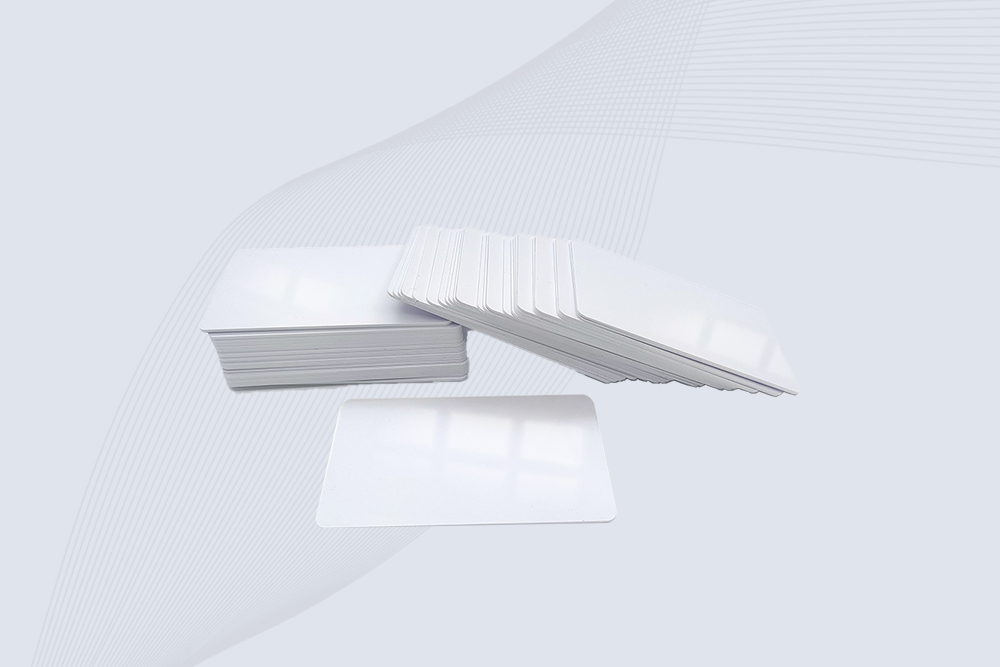
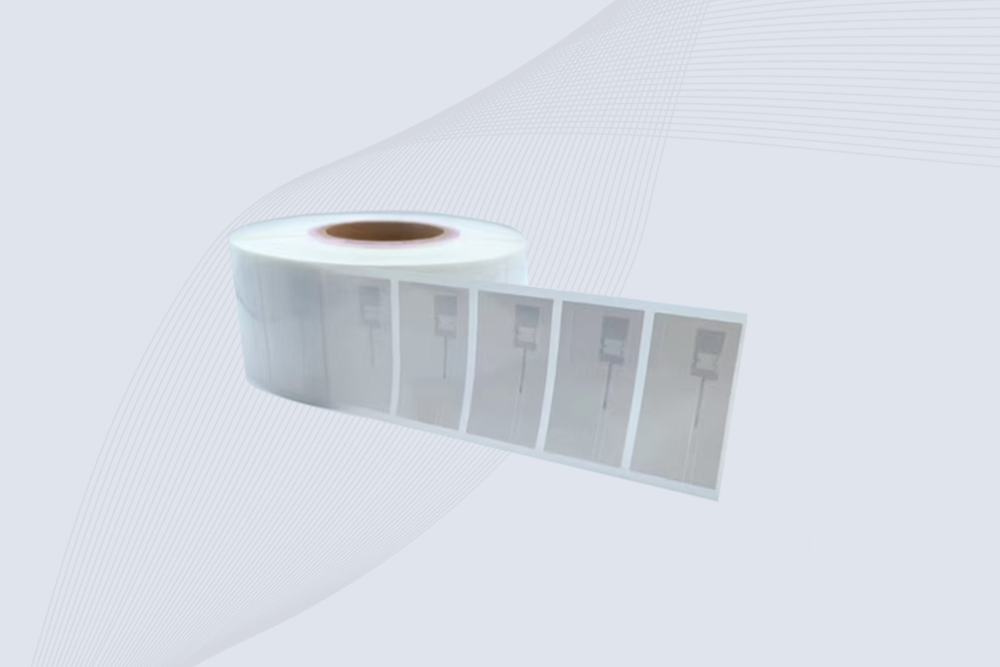
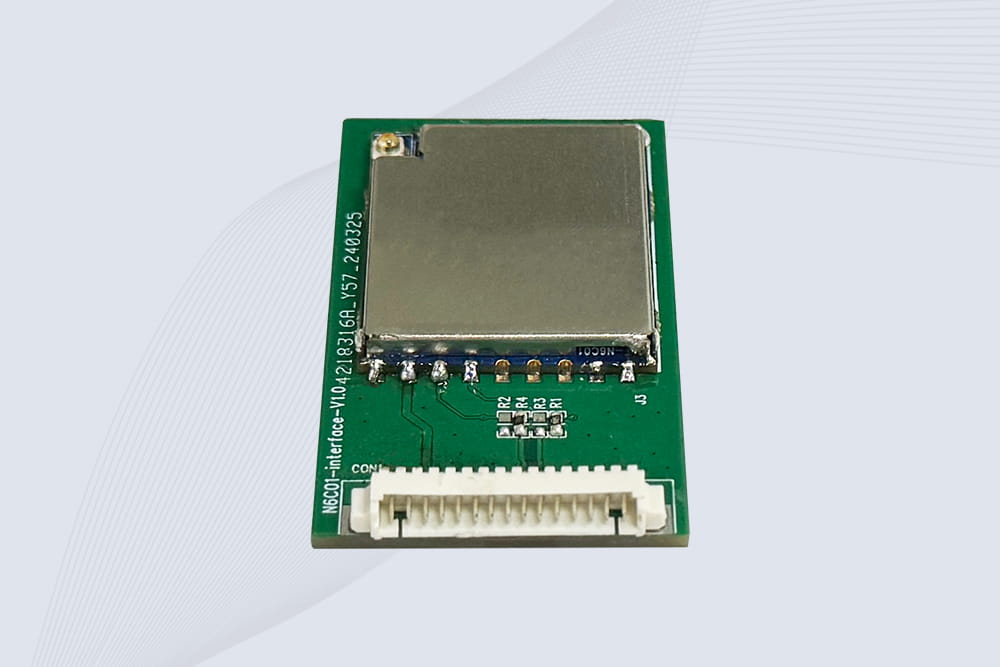
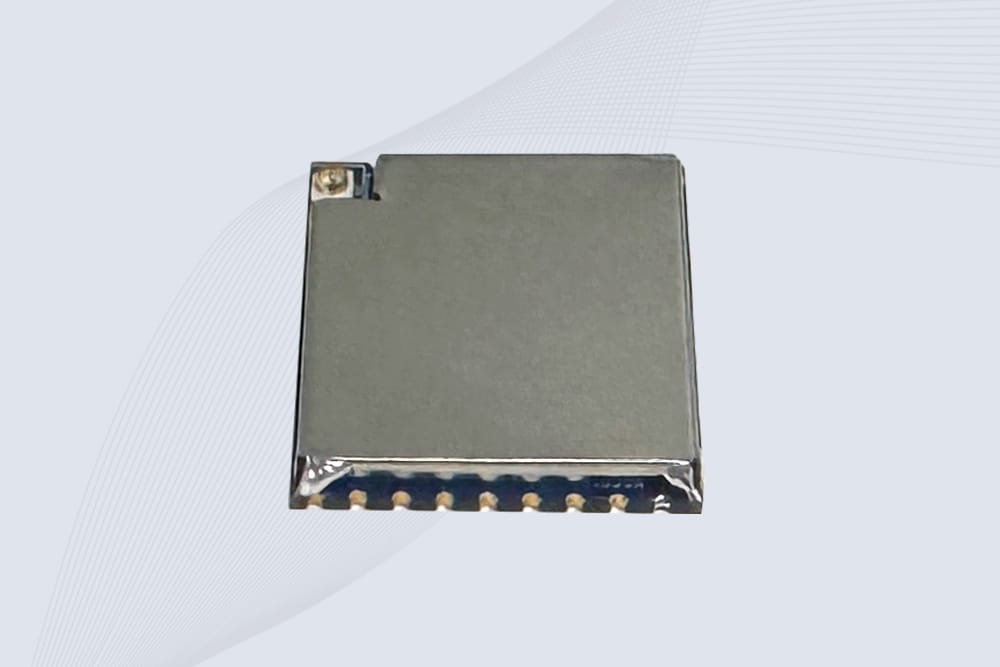
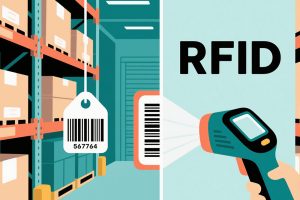
RFID tags are programmed wirelessly with an RFID reader/writer. The reader sends commands to the tag, writes data into its EPC or user-memory bank, then reads the tag back to verify the result. A desktop RFID encoder makes this process practical for individual or batch tag programming.
How RFID Tag Programming Actually Works
RFID programming is often described as “writing a number to a tag.” That is technically incomplete.
For UHF Gen2 RFID tags, the rfid reader communicates with the tag over the air and accesses defined memory banks. GS1 identifies four logical memory areas: Reserved, EPC, TID, and User Memory. EPC memory normally contains the identifier associated with the physical object, while User Memory can store additional application data.
The programming process normally looks like this:
Place the blank RFID tag within the reader’s controlled write field.
Detect and select the intended tag.
Prepare the EPC or application data.
Write the data to the appropriate memory bank.
Read the tag again.
Compare the returned data with the intended value.
Lock the memory when the application requires write protection.
Record the programmed tag in the management system.
The physical action is wireless. There is no electrical contact between the desktop encoder and the RFID inlay.
RFID Tag Programming: EPC, TID and User Memory
EPC Memory
The EPC is normally the most important field when assigning an RFID tag to a product, asset, carton, pallet, or other object.
GS1 describes the EPC memory bank as the location used for the Electronic Product Code, which identifies the object to which the tag is attached. EPC encoding can follow standardized structures such as SGTIN, SSCC, GRAI, and GIAI.
This is where a desktop RFID tag writer becomes useful: the operator can assign a unique identifier without manually handling each tag’s electronic memory.
User Memory
User Memory is optional and is intended for additional application information.
GS1 states that a RAIN RFID tag typically carries no more than 8 KB of data, although the actual capacity depends on the chip and tag design. Simple tags may only provide a 96-bit or 128-bit identifier, while higher-memory tags can store additional information.
For most asset-management applications, I would not fill User Memory simply because space is available.
Keep the primary identifier in EPC memory and let the enterprise database carry the detailed asset record. It is easier to update, search, audit, and integrate.
TID Memory Is Different
TID is not normally the field an operator programs during routine card or label issuance.
GS1 explains that TID identifies information about the RFID chip itself, including manufacturer and model information. TID may also contain a manufacturer-programmed serial number and is generally locked at manufacture.
That makes TID useful for tag identity and verification, but it should not be confused with the EPC assigned to the physical asset.
What Happens During an RFID Write?
A reliable write operation involves more than sending data once.
The reader must first identify the intended tag, select it, and issue the appropriate write command. The EPC Gen2 specification defines Read and Write operations for memory banks including EPC, TID, and User Memory.
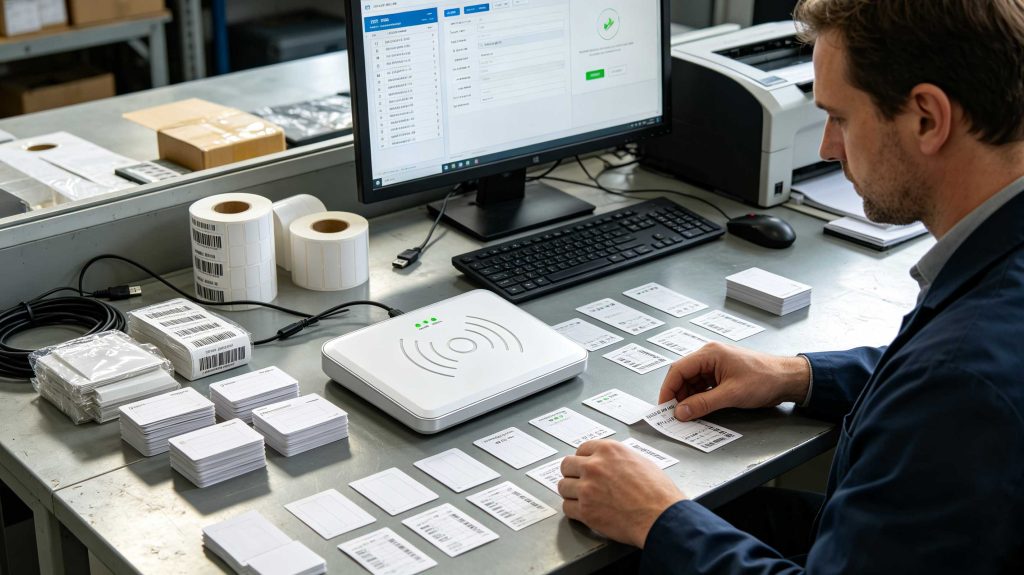
In an actual desktop issuing station, the operator may place a stack of blank tags near the reader and start a programming task.
The critical point is tag isolation.
If several writable tags are simultaneously inside the write field, the system must correctly select the intended tag. Otherwise, the wrong EPC can be written to the wrong physical label.
This is one reason a controlled near-field desktop antenna is valuable.
Why Near-Field RFID Antennas Matter for Programming
A desktop encoder does not need a huge read range.
It needs a predictable one.
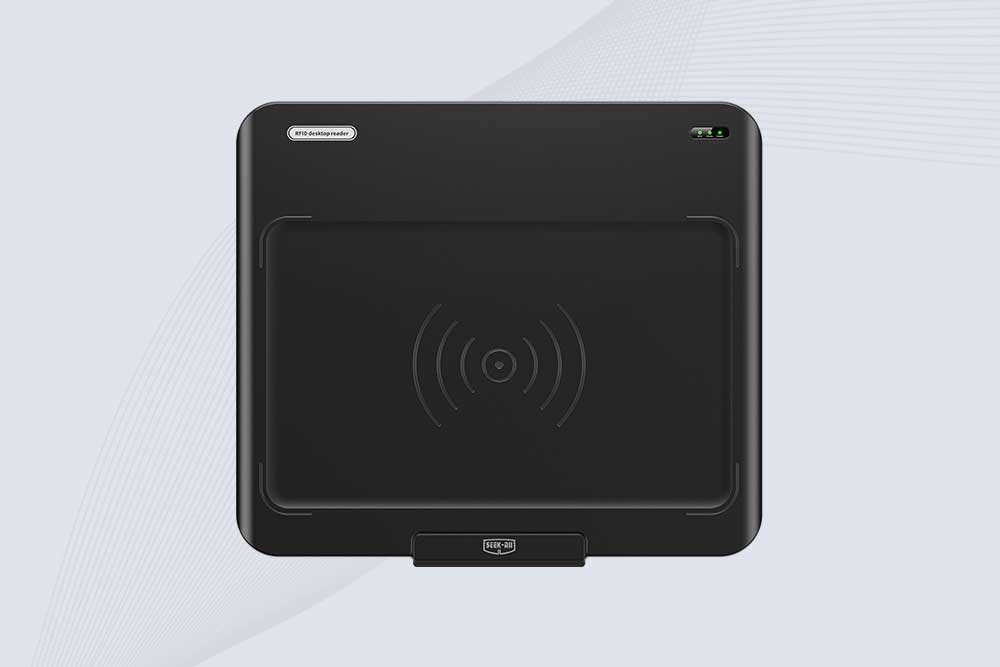
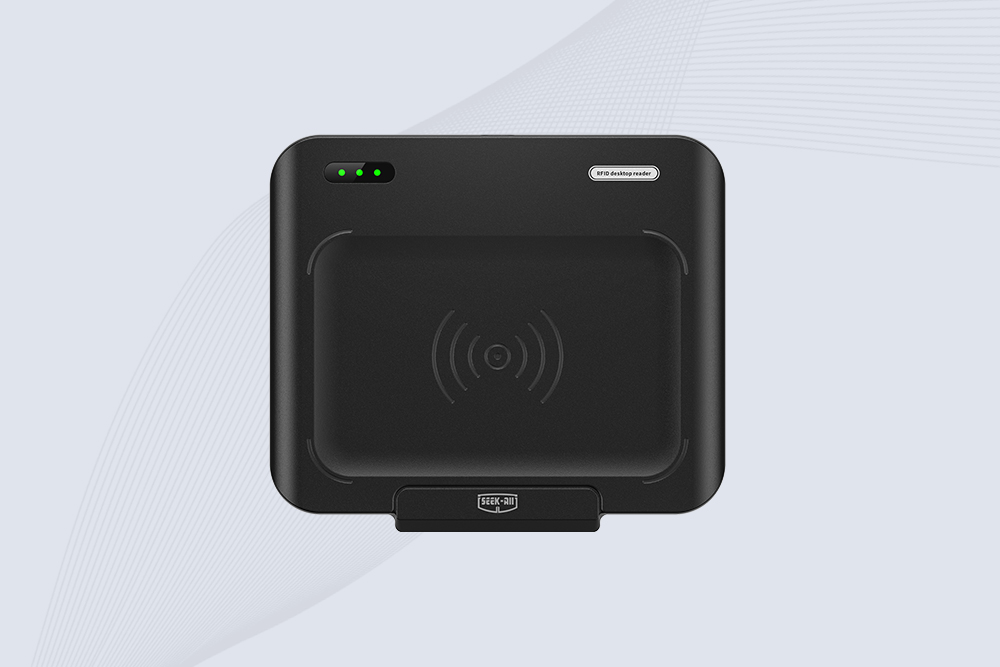
Cykeo’s RFID desktop issuing platform uses a near-field antenna to keep the effective read range within approximately 30 cm and the write range within approximately 10 cm. That distinction is useful when the operator is issuing tags one by one at a workstation.
The smaller writing field helps reduce accidental writes to nearby tags.
For a tag-issuing desk, this can matter more than maximum reading distance.
The device is designed around practical work: register the tag, write the identifier, verify it, and move to the next one.
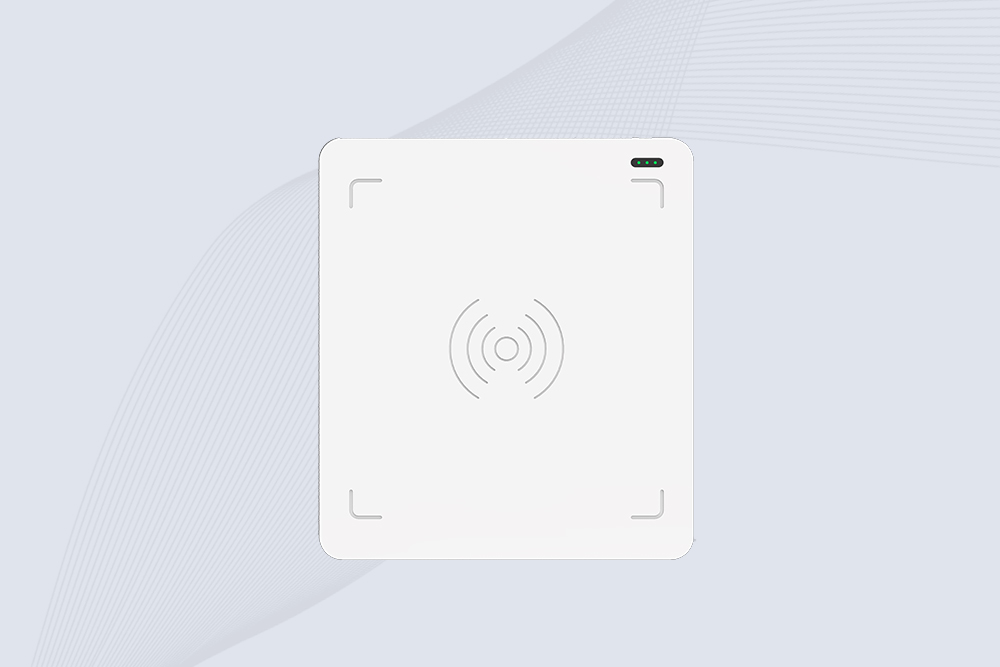
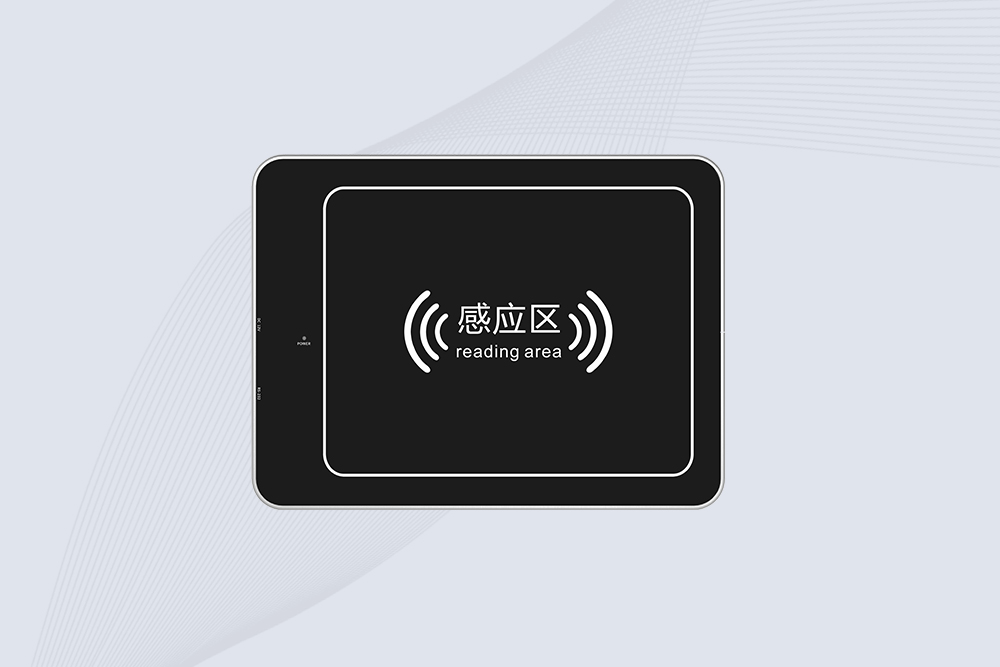
A controlled near-field RFID desktop encoder allows operators to write and verify UHF RFID tags at a workstation.
How Are RFID Tags Programmed in Bulk?
Batch programming follows the same principle but changes the workflow.
Instead of manually entering each EPC, the software can prepare a sequence of identifiers and automatically write them to successive tags.
A practical batch process may be:
Import an EPC list.
Detect the next available tag.
Select the tag.
Write the assigned EPC.
Read back the EPC.
Confirm the match.
Record the result.
Move automatically to the next tag.
GS1’s RFIDcoder provides a useful example of standardized encoding: an application can provide an identifier such as a GTIN and serial number, and the system converts it into the binary representation required for EPC memory.
That separation between business data and binary tag data is important. Operators should not have to understand hexadecimal memory structures to issue an RFID label correctly.
RFID Tag Filtering During Programming
Filtering becomes particularly useful when multiple RFID tags are physically close to the desktop reader.
A tag-writing application can filter detected tags according to criteria such as:
EPC prefix
EPC length
Tag ID
TID information
Expected identifier
Previously programmed status
Application-defined selection rules
The purpose is straightforward: write to the right tag and avoid writing to an unintended tag.
Cykeo’s desktop RFID issuing platform supports rapid tag filtering alongside reading and writing functions, making it suitable for tag registration, batch programming, and small desktop settlement or identification operations.
RFID Programming Is More Than Writing
The most useful desktop RFID station is not simply a “tag writer.”
It should support the complete issuing cycle.
Function
Purpose
Tag detection
Finds tags in the antenna field
EPC reading
Confirms existing tag identity
EPC writing
Assigns a new identifier
User-memory writing
Stores application data when required
Verification
Confirms written information
Filtering
Selects the intended tag
Batch writing
Programs multiple tags efficiently
Data export
Records issued tags
Software demo
Simplifies customer deployment
For long-term use, verification deserves special attention.
A successful command does not automatically mean the operator has a useful business record. The software should confirm the written EPC and associate it with the corresponding item, card, asset, or account.
That small step prevents a surprising number of downstream problems.
Cykeo Desktop RFID Encoder for Practical Tag Issuing
Cykeo’s desktop RFID issuing platform is designed around exactly this type of workflow.
Key characteristics include:
Compact desktop form factor for everyday tag issuance.
Near-field antenna with read range controlled to approximately 30 cm.
Write range controlled to approximately 10 cm, helping isolate the target tag.
Up to 33 dBm maximum port output for stable RFID operation.
Impinj R500-based RFID performance for reliable reading and writing.
Automatic card/tag writing software for practical issuance.
Demo software for reading and writing during evaluation and deployment.
Batch fast-writing support for larger tag quantities.
Rapid tag filtering when multiple tags are detected.
C# and Java development materials for application integration.
Mini USB communication for straightforward desktop connectivity.
The near-field design is particularly relevant here.
A warehouse portal wants distance.
A tag-issuing desk wants control.
Those are very different RF requirements.
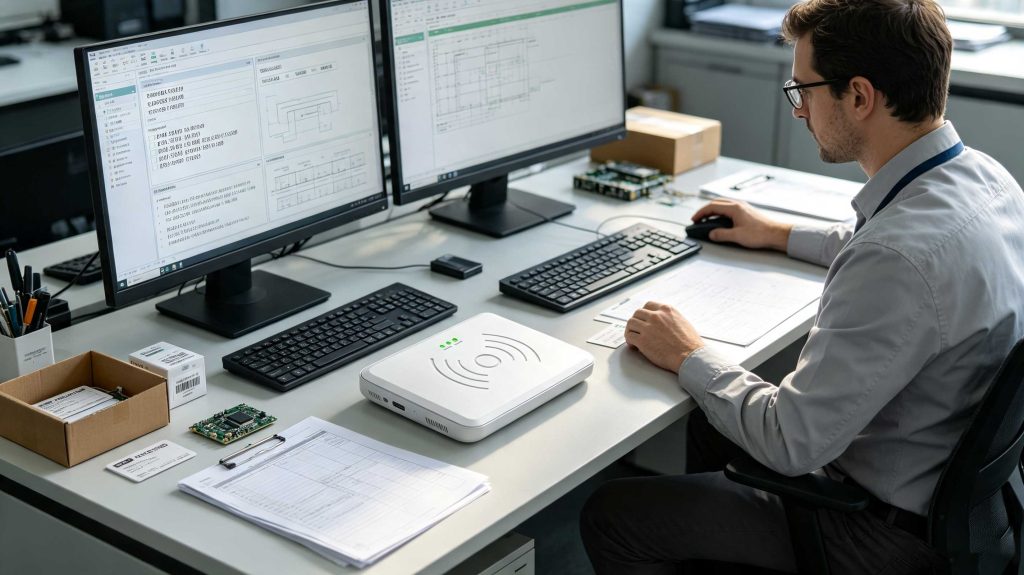
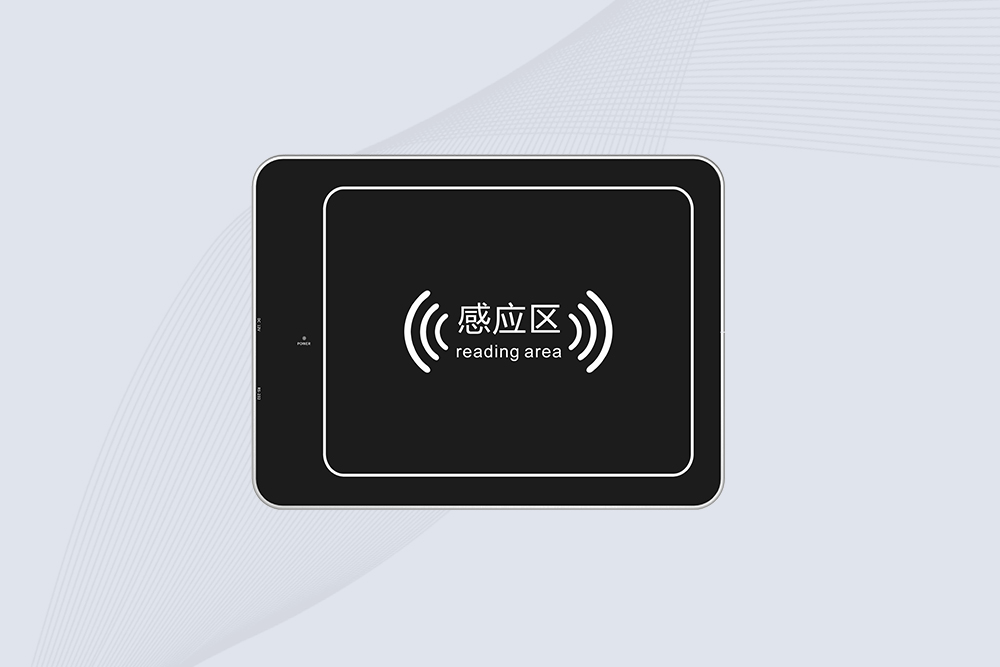
Batch RFID encoding allows operators to assign and verify multiple unique tag identifiers efficiently.
Technical Validation Before Production
Before putting a desktop RFID encoder into continuous service, test more than the first successful write.
A practical commissioning test should include:
Repeated writing — program a statistically meaningful batch rather than five sample tags.
Read-after-write verification — confirm the EPC actually stored in the tag.
Multiple-tag test — deliberately place nearby tags around the operating area.
Filtering test — confirm the software selects only the intended tag.
Range test — verify the practical write boundary.
Communication test — test Mini USB stability during continuous operation.
Application test — verify the C# or Java integration if the reader is embedded into customer software.
Failure recovery — confirm that a failed write is clearly reported rather than silently accepted.
GS1’s Gen2 standard defines memory-bank access and write operations, while GS1 also provides encoding tools specifically because application-level data must be transformed into the format stored in RFID memory.
For a production issuing station, that is the right level of validation.
Not “the reader wrote a tag.”
The complete process issued, verified, recorded, and recovered correctly.
How RFID Tags Are Programmed in a Real Desktop Workflow
The programming command itself is only one part of the job. A production-grade RFID issuing process has to control which tag is selected, what data is written, whether the write succeeded, and whether that tag is recorded correctly in the application.
The GS1 EPC Gen2 specification defines the Write command for Reserved, EPC, TID, and User memory. Each write operates on a specified memory bank and word address.
For a desktop issuing station, the practical workflow is usually:
Detect the RFID tag.
Filter the detected tags.
Select the target tag.
Generate or import the EPC.
Write the EPC or User Memory.
Read the tag again.
Compare the returned value with the intended value.
Save the tag-to-item relationship.
Lock the memory when required.
Move to the next tag.
The difference between a demonstration and a dependable production station is usually found in steps 6–9.
Why RFID Write Verification Matters
A successful software command should not automatically be treated as a successful production record.
GS1 US’s EPC Write-Protection Recommendation explicitly calls for the EPC to be read back after writing and verified. If the value is incorrect, the recommendation calls for another write attempt and verification. It also recommends checking that the intended tag is in the reader field and that unintended tags are not present.
That is exactly the behavior I would expect from a serious tag-issuing workflow.
For example:
Operation
System action
EPC assigned
Generate unique identifier
Write
Send EPC to selected tag
Verify
Read EPC from tag
Match
Accept programming
Mismatch
Retry or reject
Record
Link EPC to asset
Lock
Prevent unauthorized rewriting
This is especially important when hundreds or thousands of tags are being issued.
A bad write that is detected immediately is a minor production exception.
A bad write that enters the asset database unnoticed can become a traceability problem weeks later.
When Should RFID Memory Be Locked?
Not every RFID tag needs permanent locking.
Some applications need the EPC to remain editable because tags are reused during testing or internal processes. Other applications require the identifier to remain unchanged once issued.
GS1 explains that RAIN RFID tags support password-based memory locking, including reversible locking and permanent locking. EPC memory can be protected from overwriting while remaining readable, depending on the configuration.
The practical choices are:
Unlocked: useful during development and commissioning.
Reversibly locked: useful when controlled future changes may be necessary.
Permanently locked: appropriate when the identifier must never change.
I would not permanently lock production tags until the EPC has been verified and the business system has confirmed the correct asset association.
Once permanently locked, the mistake is no longer a normal editing task.
How Much Data Can an RFID Tag Store?
For most applications, RFID should not be treated as a replacement for a full database.
GS1 states that a RAIN RFID tag typically stores no more than 8 KB, while simple tags may contain only a 96-bit or 128-bit identifier. The EPC memory generally carries the serialized identifier, while additional application information can be stored in User Memory.
For an asset-management system, a sensible structure might be:
RFID tag: EPC = 3034.123456.000982
Enterprise database: Asset ID → Equipment type → Owner → Location → Maintenance history → Status
The RFID tag identifies the physical object.
The database provides the context.
This approach also makes bulk programming much faster because the writer does not need to push an entire asset record into the tag.
Batch RFID Tag Programming
Batch encoding becomes valuable when a customer needs to issue hundreds or thousands of RFID labels.
Instead of manually entering every EPC, the desktop application can import a prepared identifier sequence.
For example:
Tag
EPC
Result
001
3008.00100001
Verified
002
3008.00100002
Verified
003
3008.00100003
Verified
004
3008.00100004
Verified
005
3008.00100005
Verified
The operator does not need to type each value manually.
A more useful implementation automatically:
Generates sequential EPCs.
Filters unwanted tags.
Writes one selected tag.
Verifies the result.
Records the programming result.
Moves to the next tag.
GS1 provides an official User Memory Encoder that converts application data into the binary representation suitable for programming into Gen 2 RFID User Memory.
That is an important reminder that RFID programming is data encoding as well as RF communication.
Cykeo RFID Desktop Issuing Platform
Cykeo’s desktop RFID issuing platform is designed for this exact working environment: a compact RFID writer positioned at an operator’s desk, where tags are registered, written, verified, and processed repeatedly throughout the day.
Its practical configuration includes:
Impinj R500 RFID reader architecture
Maximum port output of 33 dBm
Near-field antenna
Read range controlled to within approximately 30 cm
Write range controlled to within approximately 10 cm
Mini USB communication
Automatic RFID card/tag writing demo software
Read/write demonstration software
Batch fast-writing capability
Rapid tag filtering
C# development resources
Java development resources
Impinj describes the R500 as an Indy RAIN RFID reader IC designed for proximal applications and used in devices including POS systems, access control, shelf readers, gateways, and fixed readers. Impinj’s current documentation also notes that the R500 is now in its end-of-life process and is not recommended for new designs, an important consideration when evaluating a new product architecture.
For an existing Cykeo platform based on R500, its value is therefore best considered in the context of the current product design, established deployment, and intended desktop/proximal use case, rather than treating R500 as a recommendation for all new RFID hardware designs.
Why a 10 cm Write Range Can Be an Advantage
For long-range RFID inventory, 10 cm sounds restrictive.
For tag programming, it can be exactly what the operator needs.
A desktop issuing station should not accidentally write the tag sitting on the next pile.
Cykeo’s near-field antenna design limits the effective write area to approximately 10 cm, providing a more controlled programming zone. The reading area can extend to approximately 30 cm, giving the operator enough room to detect and verify tags while keeping the workstation manageable.
This is a different design philosophy from a portal reader.
Portal: maximize coverage.
Desktop encoder: maximize control.
That distinction makes the device suitable for long-term tag writing, card issuance, small desktop settlement equipment, and registration work.
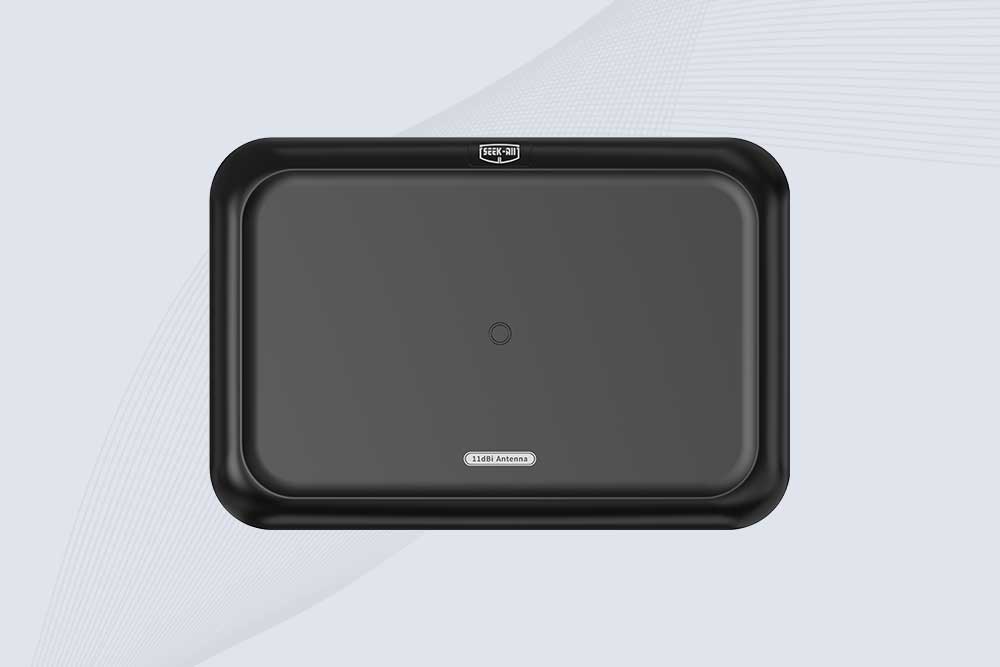
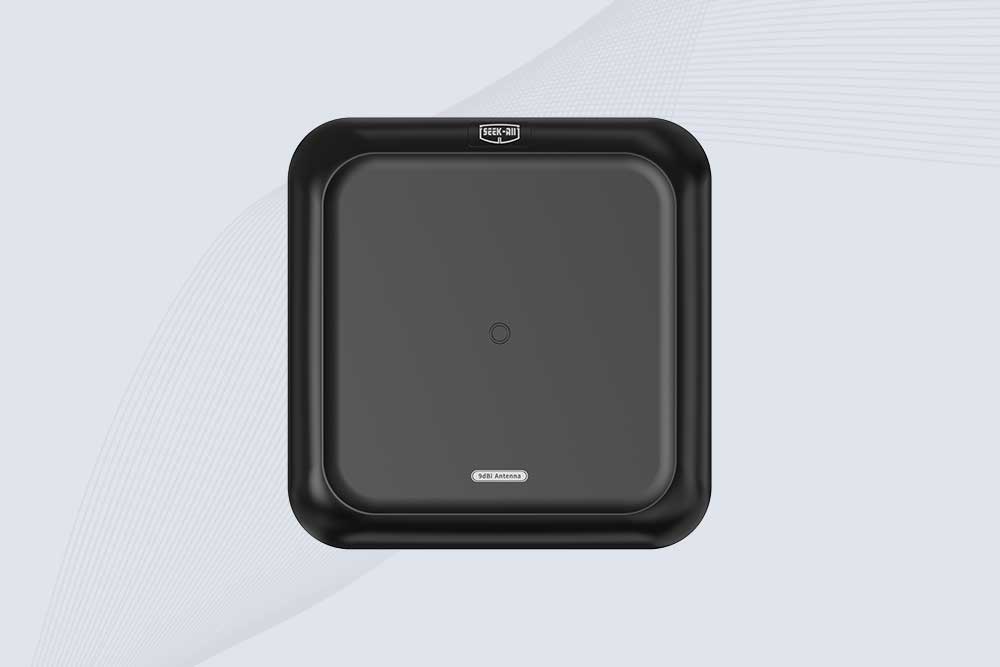
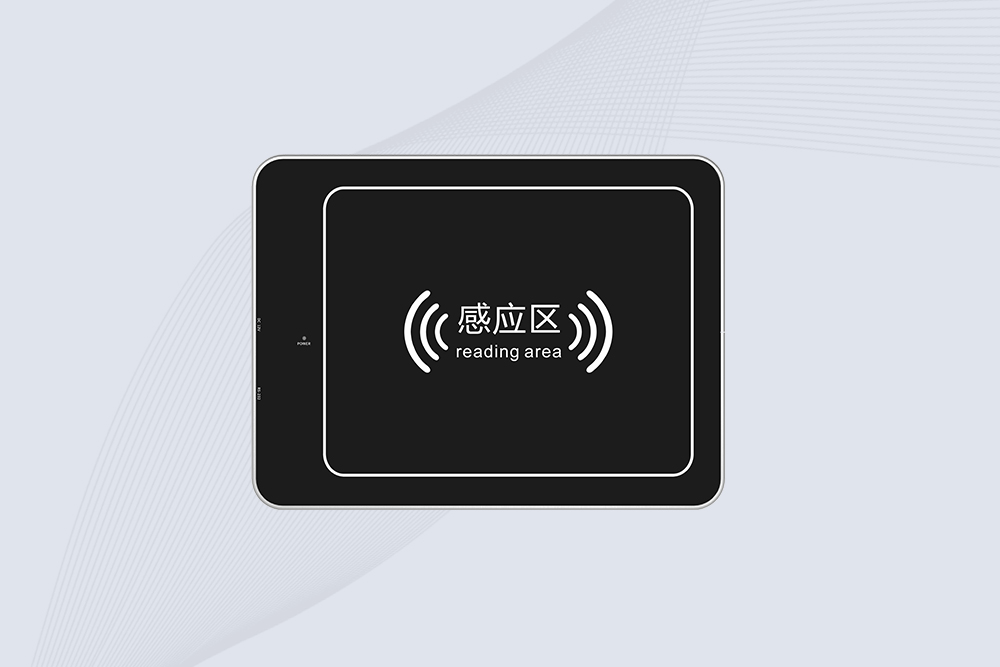
A compact near-field RFID desktop writer provides controlled tag programming, verification, filtering, and batch encoding.
RFID Programming Applications
RFID Card Issuing
A desktop encoder can write identifiers to RFID cards before they are issued to employees, students, members, visitors, or customers.
The controlled write area is particularly useful when multiple cards are sitting on a desk.
Asset Tag Registration
A newly tagged tool, device, container, or equipment item can be assigned an EPC and immediately associated with its database record.
Library RFID Tag Conversion
Desktop RFID platforms can support tag registration and conversion workflows where labels need to be encoded and verified before being attached to books or other assets.
Small Desktop Settlement Devices
A compact reader/writer can also serve as an embedded identification point for small desktop transaction or settlement equipment where tags need to be read and written repeatedly at close range.
Production Tag Encoding
For manufacturing and packaging operations, batch programming can reduce repetitive manual data entry and provide a consistent EPC assignment workflow.
FAQ: How Are RFID Tags Programmed?
1. Can RFID tags be programmed more than once?
Yes, provided the relevant memory has not been locked or permanently locked. Gen2 RFID supports memory locking mechanisms, including reversible and permanent protection.
2. What information is normally programmed into an RFID tag?
The EPC is commonly programmed as the unique electronic identifier. Additional application information can be stored in User Memory when the chip supports it.
3. Can RFID tags be programmed in batches?
Yes. A desktop RFID writer can process a sequence of EPCs automatically, writing and verifying tags one after another. Batch programming is especially useful for large tag-registration jobs.
4. Does RFID programming require physical contact?
No. Passive UHF RFID tags are programmed wirelessly through the reader’s RF interface. The reader sends the write command and the tag stores the supplied data.
5. How do you know an RFID tag was programmed correctly?
Read the tag after writing and compare the returned EPC or memory data with the intended value. GS1 US specifically recommends read-back verification after EPC encoding.
6. Can RFID tags store product information?
Yes, if the tag provides User Memory. However, most systems are better designed with a unique EPC on the tag and detailed product information maintained in an external database. GS1 notes that typical RAIN RFID tags carry no more than 8 KB.
7. Why use a desktop RFID writer instead of a long-range reader?
Because programming requires control. A short near-field write zone reduces the chance of accidentally writing a nearby tag and makes individual or batch tag issuance easier to manage.
Technical Takeaway
How are RFID tags programmed? They are programmed wirelessly through an RFID reader/writer that selects the intended tag, writes data into the appropriate memory bank, reads the result back, and optionally locks the memory.
The most important detail is not simply how much RF power the writer can produce.
It is whether the complete workstation can select, write, verify, filter, record, and repeat without introducing tag-assignment errors.
For desktop RFID issuing, Cykeo’s combination of a controlled near-field antenna, up to 33 dBm port output, RFID writing and reading demo software, batch programming, tag filtering, Mini USB communication, and C#/Java development resources is designed around that practical requirement.
GS1’s standards provide the underlying data and memory framework; the desktop RFID system turns those standards into a repeatable operator workflow.
How are RFID tags programmed? The answer begins with wireless writing, but reliable RFID issuance depends on controlled tag selection, verified memory programming, accurate database association, and disciplined production software.
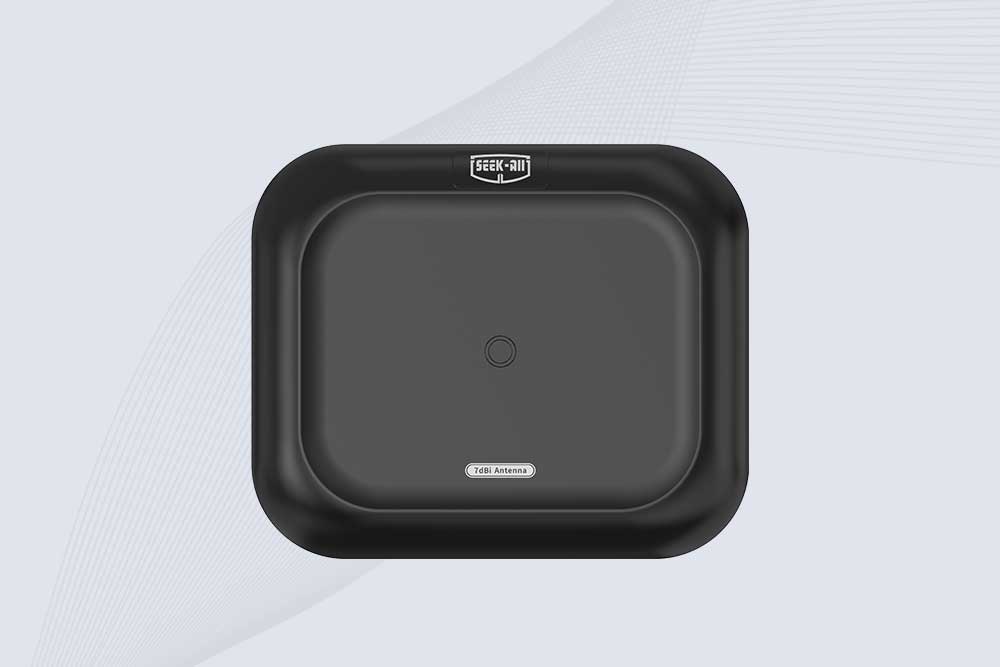
Explore the SSD-A07 UHF RFID antenna with 7 dBi gain, circular polarization, adjustable 840–960 MHz frequency, and 60°/75° beamwidth for stable RFID read/write performance.
SSD-A06 UHF RFID antenna with circular polarization, adjustable 840–960 MHz frequency, ≥4.5 dBi gain, and a compact directional design for RFID systems.
SSD-D3AL is a USB-HID UHF RFID reader with 0–30 cm reading, 0–15 cm writing, over 600 tags/s recognition, USB plug-and-play operation and OEM Logo customization.
SSD-D1AL is a compact USB UHF RFID reader with Impinj E710/X3M1 chipset, USB-HID, 600+ tags/s recognition, 4/8/16 antenna support and plug-and-play USB power.
SSD-R16L Multi-Channel RFID Infrastructure for Automated Inventory Management ✔️ 16-Port High-Density RFID Reading Equipped with 16 SMA antenna ports, SSD-R16L supports multi-antenna deployment for warehouses, retail stores, logistics, production lines, and large-area RFID identification. ✔️ High-Speed & Long-Range Performance With up to 33…
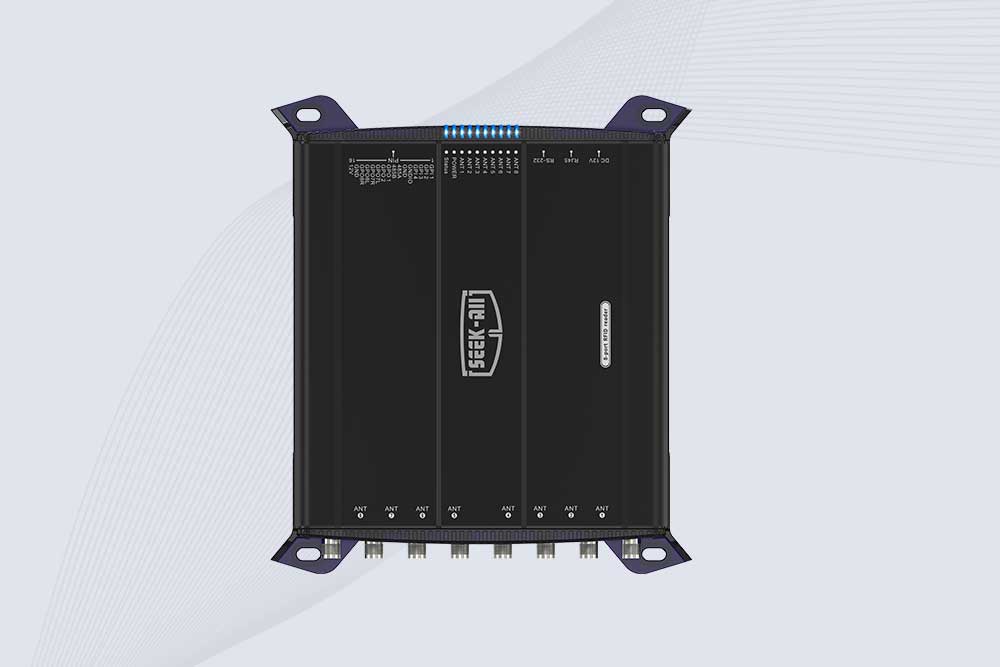
SSD-R8L 8-port UHF RFID reader with 33dBm output, up to 20m reading range and 600+ tags/s recognition. Ideal for warehouse, logistics, retail and asset tracking.
CYKEO CYKEO-D1LA USB RFID Reader is a compact desktop solution with near-field control for precise tag reading and encoding. Powered by USB, supporting ISO 18000-6C, and built for stable batch writing, this usb rfid tag reader fits retail, libraries, offices, and controlled RFID encoding tasks.
CYKEO CYKEO-D1L RFID scanner USB is a compact desktop UHF RFID scanner designed for short-range tag writing and verification. This usb rfid scanner supports batch encoding, stable 0–26 dBm output, and works across Windows, Linux, and Android systems.
CYKEO CYKEO-D1C USB RFID Card Reader is a near-field UHF desktop writer designed for secure, short-range tag encoding. With USB-C connectivity and stable 26 dBm output, this rfid reader usb c is ideal for badge issuance, label encoding, and controlled desktop RFID workflows.
CYKEO CYKEO-D2L RFID Reader USB is a compact desktop encoder built on the Impinj R500 chip. With near-field control and stable USB power, this usb rfid card reader delivers precise tag writing for offices, retail counters, and small-scale logistics encoding tasks.
CYKEO CYKEO-D3L USB RFID Tag Reader delivers stable UHF tag reading and writing for daily desktop and light industrial tasks. Designed for controlled short-range operation, this USB RFID Tag Reader works reliably with rfid tag and reader systems in libraries, tool tracking, and inventory registration.
The CYKEO CYKEO-D4L UHF RFID Tag Reader is a stable Desktop RFID Reader designed for accurate tag registration, borrowing, and return workflows. Built with the Impinj R2000 chip, this UHF RFID Tag Reader delivers controlled short-range reads for libraries, asset tracking, and inventory management environments.
The CYKEO CYKEO-D5L Desktop RFID Card Reader is a stable UHF RFID Card Reader designed for controlled short-range reading and writing. Built for libraries, tool rooms, and asset desks, this UHF RFID Card Reader supports dense tag handling, secure data processing, and easy USB integration.
The CYKEO CYKEO-D6L RFID Reader Writer is a heavy-duty Desktop RFID Reader designed for short-range, high-accuracy tag programming. Built for libraries, labs, and asset desks, this RFID Reader Writer supports batch processing, stable 33dBm output, and seamless integration with existing management systems.
Cykeo CYKEO-D8A embedded RFID badge reader offers 30+ tags/sec scanning, 20cm anti-crosstalk precision, and DC 12V power for unmanned stores, warehouses, and smart inventory systems.
Cykeo’s CYKEO-D8C UHF RFID gate reader achieves 200-tag/batch scanning with adjustable power control, ideal for retail inventory and smart warehouse management.
CYKEO Passive RFID Tags are made for wet and high-humidity environments where standard labels do not last. This rfid passive tag is often used around liquids, chemicals and temperature changes, providing stable reading distance and long data life for industrial tracking.
CYKEO CYKEO-PCB1504 Metal RFID Tags is a compact anti-metal UHF RFID solution built for direct mounting on metal surfaces. With stable 8-meter read range, Ucode-8 chip, and long data retention, this rfid metal tag fits tools, containers, automotive parts, and industrial asset tracking.
CYKEO CYKEO-PCB7020 On-Metal RFID Tags are designed for reliable tracking on steel and metal surfaces. Built with an FR4 epoxy body and industrial-grade chips, these On-Metal RFID Tags deliver stable performance, long data life, and chemical resistance, making them a dependable RFID anti-metal tag for harsh environments.
The CYKEO CYKEO-60-25 Anti-Metal RFID Tag is built for metal surfaces where standard tags fail. Designed for long-range performance, harsh environments, and stable data retention, this Anti-Metal RFID Tag is ideal for industrial assets, containers, and equipment tracking using on metal RFID tags.
The CYKEO RFID Laundry Tag is designed for long-term textile identification in harsh laundry environments. Built to withstand high heat, chemicals, and repeated washing, this RFID Laundry Tag delivers stable performance for hotels, hospitals, and industrial laundry operations using laundry rfid tags at scale.
The CYKEO CYKEO-125-7 RFID Book Tag is designed for reliable book and document tracking in libraries and archives. This RFID Book Tag delivers long read range, dense placement support, and stable performance on shelves, making it a practical rfid tag on books for library automation, file management, and archival systems.
CYKEO RFID tags in hospitals are designed for sterile environments where accuracy matters. These autoclavable RFID tags support long-term tracking of surgical tools, implants, and medications, helping hospitals improve visibility, compliance, and patient safety.
CYKEO RFID Cable Tie Tag is built for reliable identification on metal surfaces. This UHF RFID Cable Tie Tag is widely used in rfid tags for inventory systems, industrial asset management and Hospital RFID Tags, offering stable read performance, long service life and global EPC Gen2 compatibility.
CYKEO RFID Asset Tag is designed for stable identification of metal assets in industrial environments. This UHF RFID Asset Tag is commonly used for rfid tag asset tracking on equipment, tools and containers, providing reliable reads, long service life and ISO/IEC 18000-6C support.
CYKEO UHF RFID Card is designed for fast identification and long-term use in industrial and commercial systems. Supporting ISO 18000-6C, this UHF RFID Card works at 860–960 MHz and is suitable for custom RFID cards used in asset tracking, access control and inventory management.
CYKEO HF RFID Cards are designed for secure and stable access control systems. These 13.56 MHz RFID key cards support ISO 14443-A, reliable rewriting and long service life, making HF RFID Cards suitable for offices, campuses, events and membership management.
CYKEO UHF RFID Tag is designed for reliable tracking of metal jewelry and high-value items. This Jewelry RFID Tag supports long-range reading up to 8 meters, anti-counterfeit protection and stable performance on metal, making it suitable for retail, inventory control and asset management.
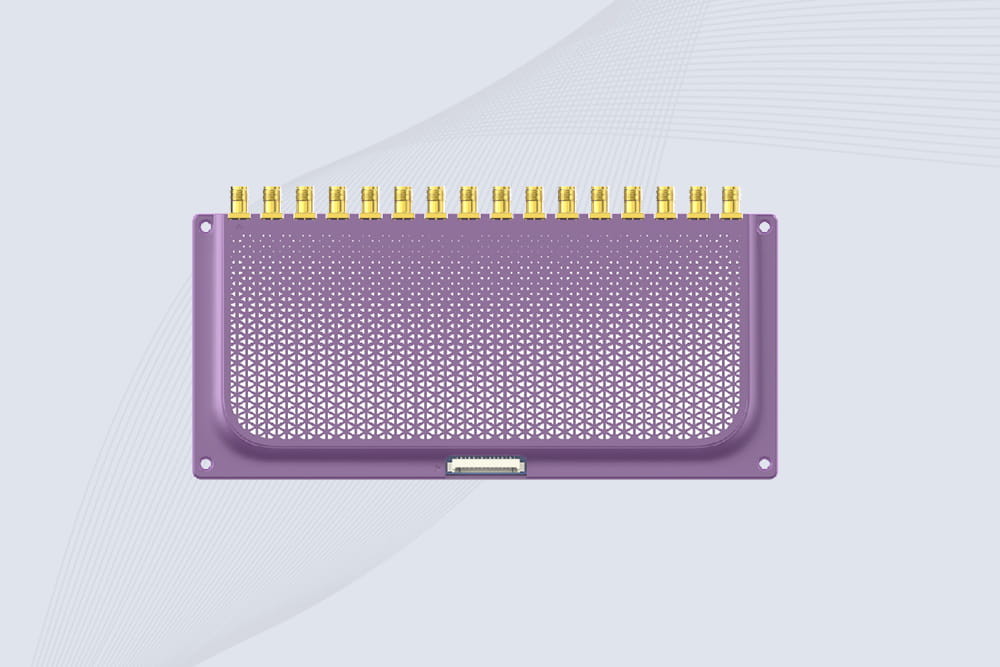
CYKEO Embedded RFID Modules are designed for compact industrial and IoT devices that require stable UHF performance. These UHF RFID Modules support global protocols, flexible power control, and reliable multi-tag reading for smart cabinets, production lines, and asset tracking systems.
CYKEO Embedded RFID Module is built for compact IoT and industrial devices that need stable UHF performance. This UHF module supports global protocols, low power operation, and reliable multi-tag reading for smart lockers, production lines, and always-on RFID systems.
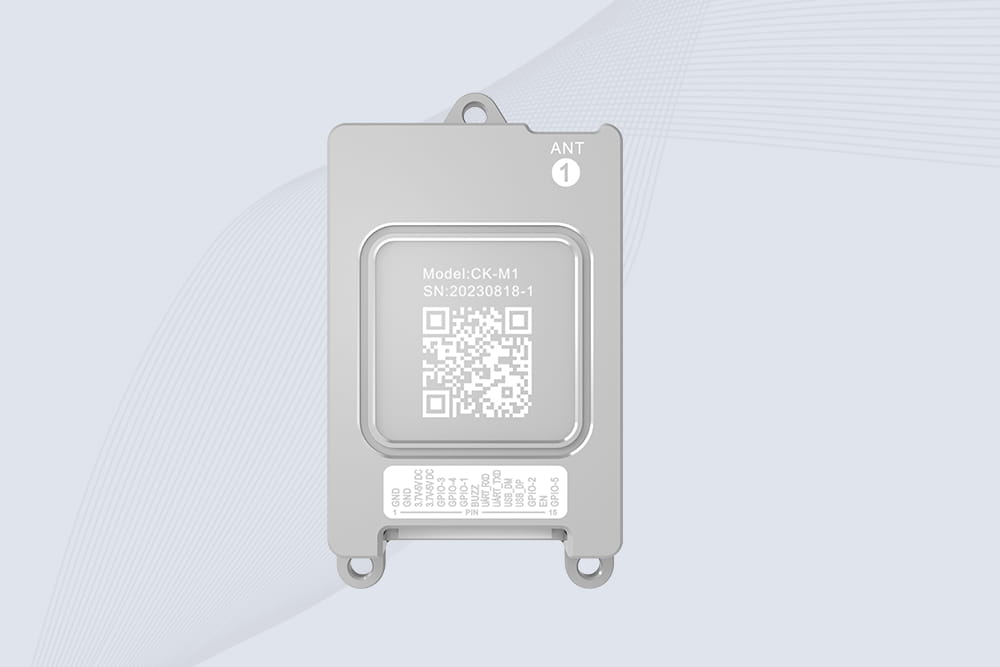
CYKEO CYKEO-M1 drone rfid module is a compact UHF RFID reader module designed for drones and UAV platforms. It supports long-range aerial scanning, fast multi-tag reading, and stable performance in wind, vibration, and outdoor environments.
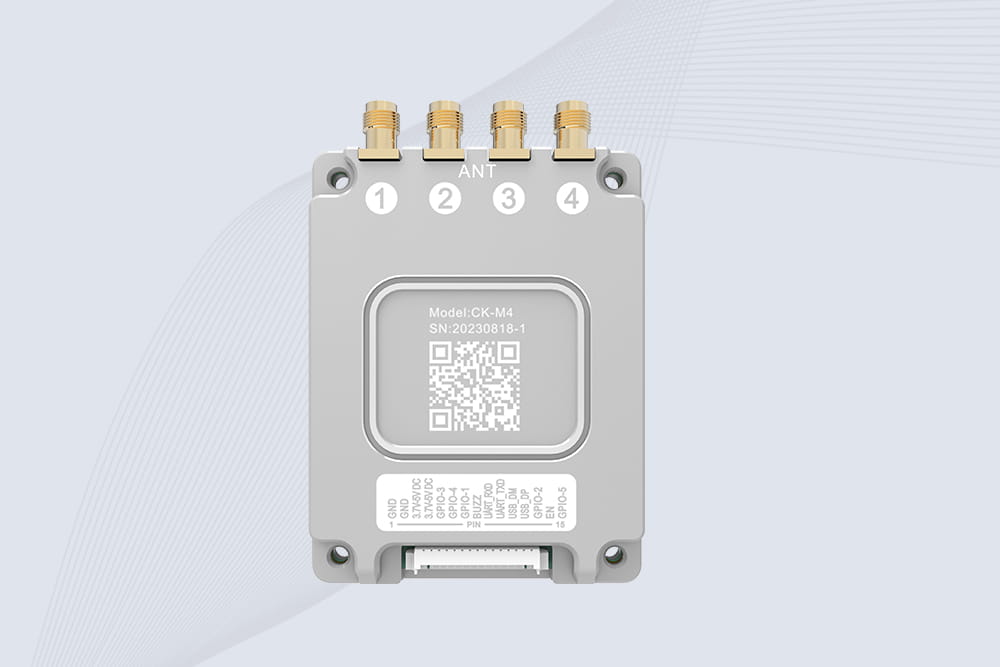
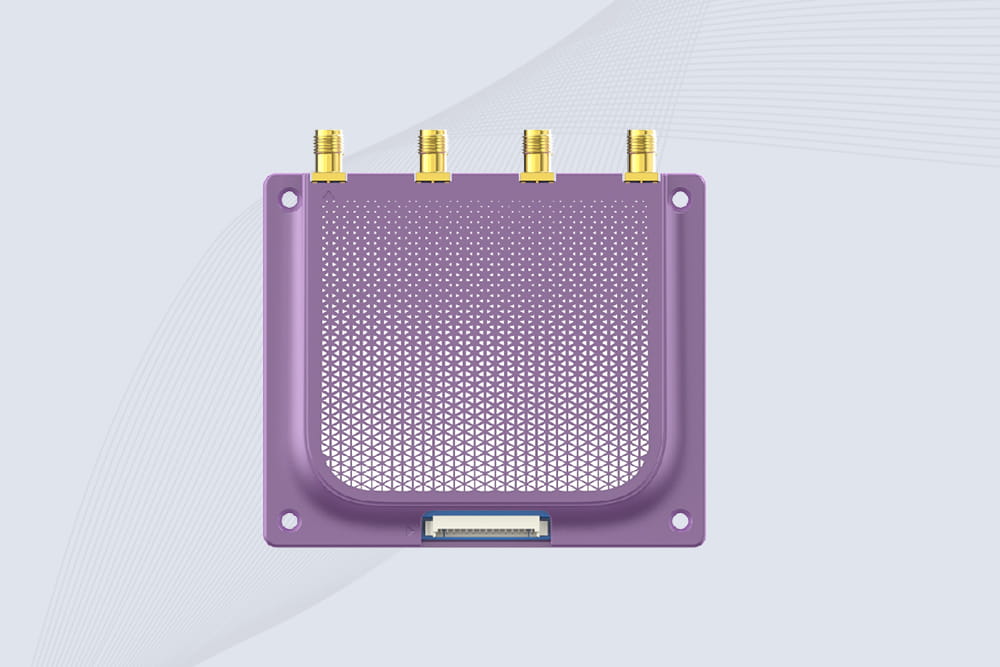
CYKEO CYKEO-M4 RC522 RFID Module is an industrial-grade UHF RFID reader with 4 ports, supporting ISO, EPC, and GB protocols. High-speed, accurate reading for IoT, automation, and warehouse applications.
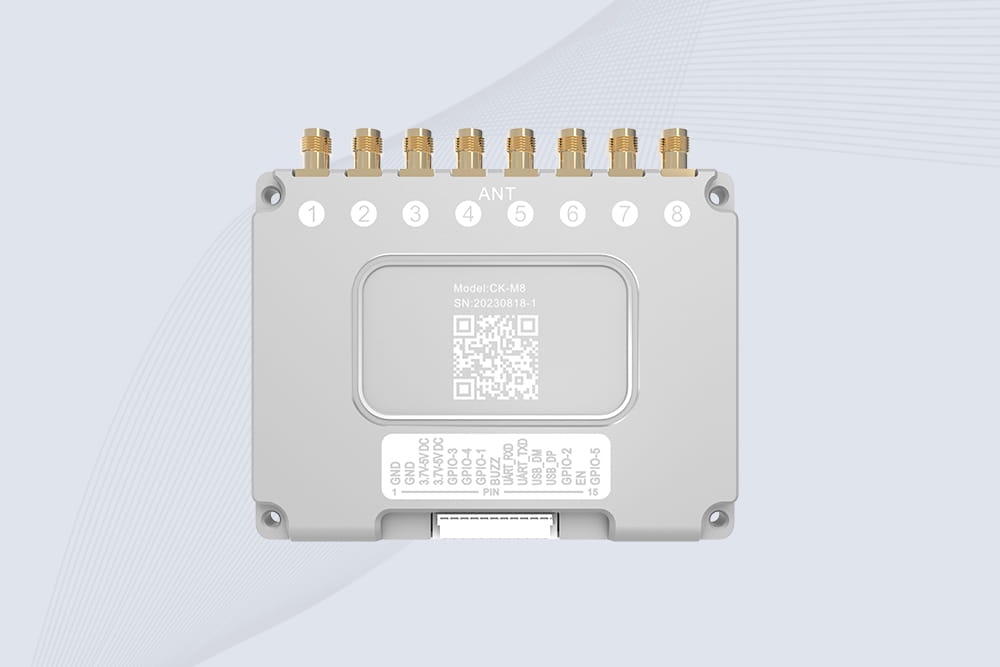
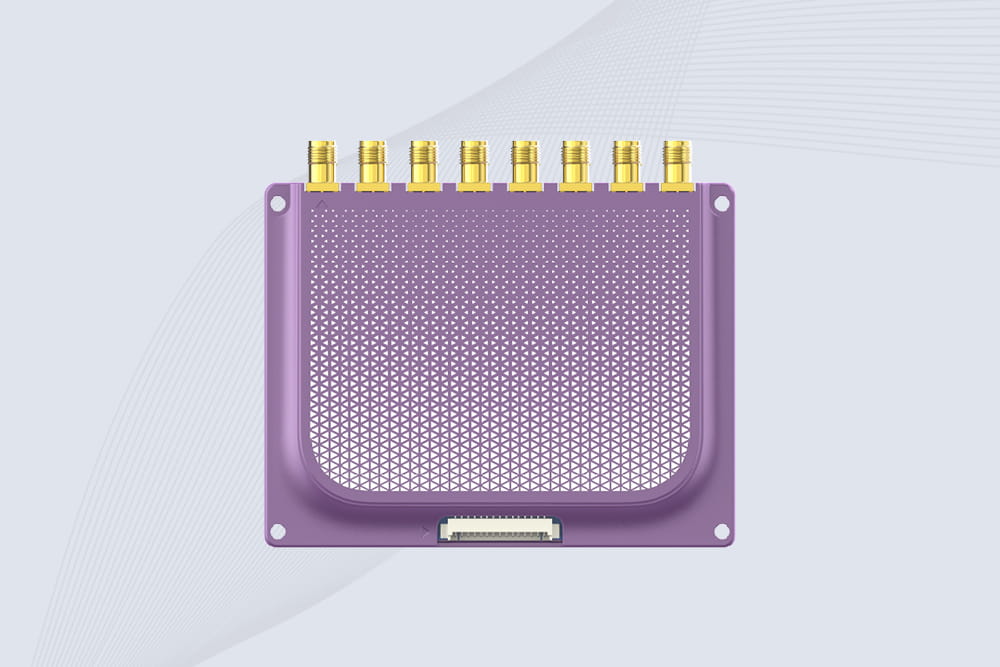
CYKEO CYKEO-M8 Module RFID is an 8-port UHF R2000 RFID Module designed for high-density, multi-tag environments. Stable 33dBm output, ISO & GB protocol support, ideal for warehouses, factories, and automated systems.
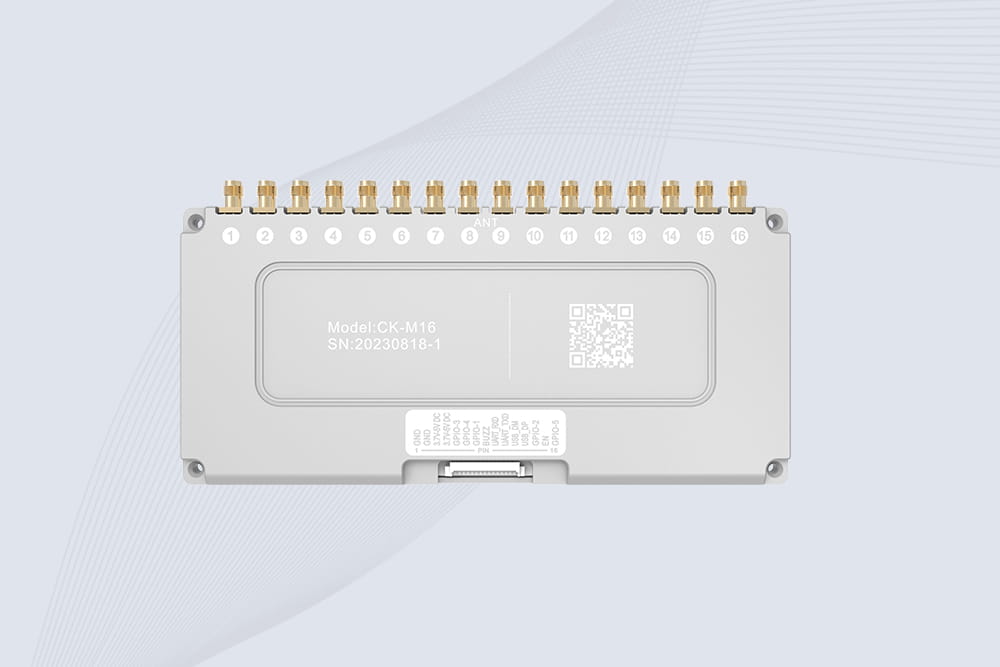
CYKEO CYKEO-M16 RFID Module is a 16-port UHF RFID reader module based on the R2000 chipset. Designed for dense tag environments, it supports ISO and GB standards and delivers stable multi-antenna control for industrial automation.
The CYKEO CYKEO-M16L RFID Reader Module is a 16-channel UHF RFID core designed for dense tag environments. With adjustable 33dBm output, multi-protocol support, and stable multi-antenna control, this RFID Tag Reader Module fits industrial automation, warehouse systems, and large-scale IoT deployments.
CYKEO CYKEO-M8L module RFID is a compact industrial UHF module built for dense tag and multi-antenna environments. With 8 RF ports, adjustable 33 dBm output, and ISO & GB protocol support, it is widely used in factories, warehouses, and automated tracking systems.
CYKEOCYKEO-M4L UHF RFID Module is a compact 4-channel RFID tag reader module designed for dense tag environments. Supporting ISO and GB protocols, it delivers stable reads up to 10 meters for industrial and IoT systems.
Cykeo CYKEO-A11 UHF RFID reader antenna delivers 11dBi gain, 840-960MHz frequency range, and IP65 ruggedness for retail, logistics, and industrial RFID systems. Features low VSWR and easy installation.
CYKEO Antenna RFID Reader delivers stable long-range UHF performance with a 10.5dBi directional design, built for warehouses, conveyor portals, and industrial RFID systems. This rfid reader antenna provides 20m+ read distance and rugged IP67 protection.
Cykeo CYKEO-A5B industrial Linear RFID Antenna delivers 5dBi gain, ≤1.5:1 VSWR, and IP65 rugged design for warehouse, production line, and logistics UHF systems.
Cykeo’s CYKEO-B12 Long Range RFID Antenna delivers 15m+ read range with 12dBi gain, IP65 rugged design, and global 840-960MHz UHF support. Ideal for warehouse/logistics asset tracking.
Cykeo CYKEO-B10 Long Distance RFID Antenna offers 10dBi gain, 840-960MHz frequency range, IP65 rating, and 20m+ coverage for logistics/warehousing/ETC systems. Low VSWR ensures stable signal transmission.
Cykeo CYKEO-A6 UHF RFID panel antenna features 6dBi gain, 840-960MHz broadband, IP65 metal-ready housing for logistics/smart retail. 18mm ultra-thin design with tool-free mounting.
Cykeo CK-A3 industrial antenna RFID UHF offers 5m+ tag detection, ≤1.3:1 VSWR, IP65 rugged design, and global UHF spectrum compatibility (840-960MHz) for warehouses, factories, and retail.
Chipless RFID is emerging as next-generation identification technology. This article compares its structure, working principle, frequency, data capacity, and cost with traditional RFID, helping businesses evaluate its use cases.
RFID reader is the device that sends radio signals to RFID tags, receives their responses, and passes the tag data to a software system. The right reader dep...
Discover whether RFID or barcode systems deliver higher ROI for inventory management. Compare costs, accuracy, scalability, and real-world efficiency with Cykeo’s insights.
Discover the differences between passive and active RFID readers. Learn which system suits your business needs with Cykeo’s expert guide. Optimize asset tracking today!
 Cykeo RFID IoT Solution Products R&D Manufacturer