 Cykeo RFID IoT Solution Products R&D Manufacturer
How RFID Helps in Inventory Management: Faster, More Accurate Stock Control
123RFID improves inventory management by identifying multiple tagged items without line-of-sight scanning, enabling faster receiving, counting, shipment verific...
MoreAll RFID Product
What is passive RFID? Passive RFID is a radio-frequency identification technology in which tags have no internal battery and receive the energy needed for communication from an RFID reader. A passive tag contains an integrated circuit and antenna, allowing it to respond when the reader’s RF field reaches it.
This battery-free design is one reason passive RFID is practical for tagging large numbers of products. A label can remain attached to a carton, garment, book, tool, or asset for months or years without a battery replacement cycle.
The technology is not limited to one frequency. Passive RFID exists in LF, HF, and UHF forms, with different operating characteristics and applications. In modern supply-chain deployments, UHF RAIN RFID is particularly important because it supports wireless identification of multiple tagged objects.
GS1 identifies RAIN RFID as a wireless technology based on the EPC Gen2 air-interface protocol and used for automatic identification and data capture.
From Cykeo’s RFID engineering work, one practical point repeatedly stands out: battery-free does not mean range-free. A passive tag depends heavily on the reader, antenna, tag design, mounting surface, orientation, and surrounding RF environment. A tag that performs well on cardboard may behave very differently when attached directly to metal.
A passive RFID tag does not carry a conventional battery.
Instead, the RFID reader creates an RF field. When a compatible passive tag enters that field, its antenna receives energy and the chip uses the harvested energy to operate and communicate.
The basic sequence is:
The tag therefore does not need to generate its own continuous radio transmission.
That makes the physical construction relatively simple compared with battery-powered tracking devices.
For a UHF passive RFID system, the reader and antenna configuration become particularly important. Increasing reader power alone does not guarantee better system performance. In a warehouse, for example, excessive read distance can cause tags outside the intended zone to be captured.
That is why RFID engineers normally define the read zone before optimizing the maximum possible range.
A typical passive RFID tag contains several basic elements:
| Component | Role |
|---|---|
| RFID IC | Stores and processes tag data |
| Antenna | Receives reader energy and communicates with the reader |
| Substrate | Supports the antenna and chip |
| Adhesive or Encapsulation | Attaches and protects the tag |
The RFID IC may contain memory for identification information. In UHF applications, this can include an EPC stored in the EPC memory bank.
The antenna is equally important.
It is tempting to think of the chip as the “RFID tag,” but the antenna and its physical construction have a major influence on how effectively the tag couples with the reader’s RF field.
This becomes obvious during tag testing.
A label placed flat on a corrugated cardboard carton may perform normally. Put that same label against a steel cabinet, and the reading behavior can change dramatically. The chip has not changed. The RF environment has.
Passive RFID is a broad category rather than a single frequency.
| Frequency | Typical Frequency | Common Applications |
|---|---|---|
| LF | Around 125–134 kHz | Animal identification, access applications |
| HF | 13.56 MHz | Libraries, cards, NFC-related applications |
| UHF | Approximately 860–960 MHz | Logistics, retail, inventory, supply chain |
The exact frequency allocation for UHF RFID varies by region.
For enterprise supply-chain RFID, UHF is widely used because the technology is suited to identifying multiple objects over controlled reading areas.
GS1’s EPC Gen2 standard defines the air-interface protocol used by RAIN RFID systems, while ISO/IEC 18000-63 covers the UHF RFID air interface.
The distinction matters when selecting hardware.
A 13.56 MHz HF reader cannot simply be substituted for a UHF reader because both are called “RFID.” Their antennas, tags, communication characteristics, and application environments are different.
Active RFID tags contain their own power source. Passive RFID tags do not.
| Characteristic | Passive RFID | Active RFID |
|---|---|---|
| Internal battery | No | Yes |
| Tag power | Harvested from reader/system | Internal battery |
| Typical tag size | Small | Usually larger |
| Maintenance | Generally low | Battery management required |
| Large-volume item tagging | Well suited | Less common |
| Typical applications | Inventory, retail, logistics | Asset tracking, location systems |
This does not mean active RFID is “better.”
The two technologies are designed around different requirements.
If a manufacturer needs to label 100,000 cartons, a battery-free passive label can be much more practical than maintaining batteries on every individual carton.
If the application requires a tag to transmit independently or support battery-powered sensing, an active architecture may make more sense.
The decision starts with the operational requirement, not the technology label.

Passive RFID is particularly useful where organizations need to identify many objects without putting a battery into every item.
Common applications include:
The tag construction changes according to the application.
A paper UHF label may be suitable for a cardboard carton. A textile tag needs a different physical structure. An industrial asset mounted on steel may require an on-metal RFID tag.
The passive RFID principle remains the same, but the physical tag design cannot be treated as interchangeable.
Passive RFID read range depends on multiple variables rather than one fixed number.
Important factors include:
This is why a manufacturer should avoid choosing a passive RFID tag solely by its advertised maximum reading distance.
During a Cykeo deployment test, for example, a tag may perform strongly when placed on a carton but lose substantial performance after the same carton is replaced by a metal container. The tag’s nominal specification has not changed. Its operating environment has.
For this reason, professional RFID validation should use the actual tagged object and actual reader installation, not just a loose sample tag on a laboratory table.
A passive RFID tag does not necessarily return a detailed product description every time it is read.
In many UHF deployments, the reader captures an identifier such as an EPC.
The business system can then associate that EPC with:
| Captured RFID Data | Related Business Information |
|---|---|
| EPC | Product or asset record |
| TID | RFID chip/tag information |
| Read timestamp | Event time |
| Reader ID | Detection point |
| RSSI or signal data | RF observation |
GS1 explains that EPC provides identification for physical objects, while EPCIS can be used to exchange visibility-event information associated with those objects.
This distinction is important.
The passive tag provides an identity. The reader observes it. The software decides what that observation means.
That architecture is why passive RFID can scale beyond simple tag detection into inventory and supply-chain systems.
Passive RFID has a practical advantage that becomes important at scale: the tag does not need its own battery. The reader supplies the RF energy required for the tag to respond, so there is no routine battery replacement program for ordinary passive tags. GS1 defines passive Gen2 tags as receiving their operating energy from the interrogator’s RF signal.
That simplicity does not make every passive RFID installation simple. A tag that reads reliably on a cardboard carton may behave very differently after being attached to a liquid container, metal tool, folded garment, or densely packed pallet. Tag antenna design, mounting position, reader power, antenna orientation, reader sensitivity, and the surrounding RF environment all matter.
The last point is often overlooked. “Passive RFID” describes how the tag is powered, not what the tag physically looks like. A thin paper label and a rugged encapsulated industrial tag can both be passive RFID devices.
Passive RFID still depends on a reader-generated RF field. The tag cannot independently transmit like an active RFID device. Performance can therefore change with tag placement, material, orientation, distance, interference, and reader configuration.
For this reason, specifying a passive RFID system only by advertised read distance is risky. In an actual deployment, the more useful question is whether the required tag can be read consistently at the intended position and speed.
Passive RFID exists across different frequency ranges, and the frequency affects the behavior of the complete system.
| Technology | Typical frequency | Typical characteristics | Common applications |
|---|---|---|---|
| Passive LF RFID | Around 125–134 kHz | Short-range identification | Access, animal identification, specialized identification |
| Passive HF RFID | 13.56 MHz | Shorter read range, near-field applications | Cards, ticketing, documents, item identification |
| Passive UHF RFID / RAIN RFID | 860–930 MHz | Longer-range, fast inventory identification | Logistics, retail, warehouse and asset tracking |
GS1 identifies passive UHF RFID, also known as RAIN RFID, with the 860–930 MHz band and notes that it is mainly used for fast asset identification, inventory, and tracking. Depending on the environment, read ranges can reach up to 10 meters.
The current GS1 EPC Gen2 standard is version 3.0.1, ratified in February 2026. It specifies the UHF RFID air-interface protocol used between interrogators and passive tags.
That distinction matters when selecting equipment. A UHF reader should not be treated as simply a longer-range version of an HF reader. The antenna arrangement, tag design, operating environment, regional frequency requirements, and intended read zone are different.
In warehouse projects, one of the first engineering decisions is usually not “How far can the reader read?” It is “Where should the read zone end?”
For example, a fixed UHF reader installed beside a conveyor may need to capture cartons passing through a defined portal while avoiding nearby cartons waiting in the staging area. Increasing reader power without controlling the antenna pattern can create unwanted reads rather than solving the problem.
At Cykeo, this is where reader, antenna, tag, and software settings have to be considered together. A fixed rfid reader such as the CYKEO-RA9L/CK-D9L can be integrated with antennas and host systems through interfaces such as Ethernet or RS-232, while UHF modules such as the CYKEO-M4L can be integrated into OEM equipment through their software and hardware interfaces.
The test should be performed with the actual tag on the actual material. Cardboard, plastic, metal, liquid, and tightly packed products can produce very different results. A laboratory reading at an exposed tag position is not enough evidence for a production installation.

Passive RFID is useful when an organization needs repeated identification without requiring a battery-powered tag on every object.
Typical applications include:
For UHF systems, the EPC is commonly used as the electronic identity associated with the tagged object. GS1 explains that EPC memory is one of the logical memory banks in a RAIN RFID tag, while the EPC Tag Data Standard defines how EPC information is encoded.
Passive RFID and barcodes solve some of the same identification problems, but they behave differently in operation.
A barcode normally requires the scanner to see the printed symbol. Passive RFID communicates electronically between the reader and tag, so physical line-of-sight is not required in the same way. UHF RFID is also designed for rapid identification of multiple tagged objects, which is why it is frequently considered for inventory and logistics workflows.
However, RFID should not automatically replace every barcode. If a process already works efficiently with inexpensive printed labels and individual scanning is acceptable, barcode may remain the better fit. Passive RFID becomes more compelling when repeated manual scanning, item visibility, bulk identification, or automated capture creates a measurable operational problem.
No. Ordinary passive RFID tags receive the energy needed for communication from the RF signal transmitted by the reader. Battery-assisted passive tags are a different category and should not be confused with conventional passive tags.
There is no single universal distance. Read performance depends on frequency, tag design, reader configuration, antenna, orientation, mounting material, and the surrounding environment. GS1 notes that passive UHF/RAIN RFID can reach up to 10 meters depending on conditions.
Passive UHF RFID is commonly used for fast identification, inventory, asset tracking, retail, warehouse, and logistics applications. Its operating characteristics make it particularly useful where many tagged objects need to be identified without individually presenting each tag to a scanner.
No. Passive RFID does not require the same visual line of sight as a barcode. The RF field must still interact effectively with the tag, however. Materials, orientation, distance, shielding, and the physical installation can significantly affect whether the tag responds.
It depends on the chip and application. GS1 states that RAIN RFID tags typically carry no more than 8 KB of data, while simple “license plate” tags may use a 96-bit or 128-bit identifier.
So, what is passive RFID? It is a battery-free RFID technology in which the reader provides the energy that allows the tag to respond. Its real value is not simply that the tags have no batteries. The important engineering question is whether the tag, reader, antenna, mounting position, RF environment, and software can work together reliably for the intended operation.
For warehouse and supply-chain applications, passive UHF RFID—also known as RAIN RFID—provides a standardized approach for identifying tagged objects electronically. GS1’s current EPC Gen2 standard remains the key reference for this class of passive UHF RFID system.
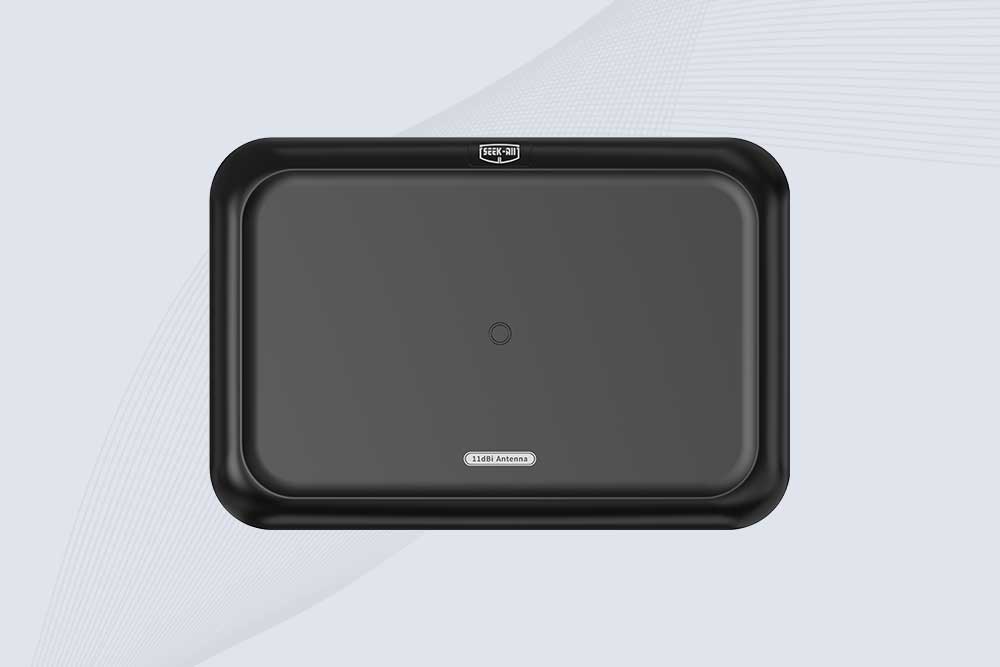
SSD-A11 UHF RFID antenna features 840–960 MHz adjustable frequency, ≥10.5 dBi gain, circular polarization and 50Ω impedance for fixed RFID systems.
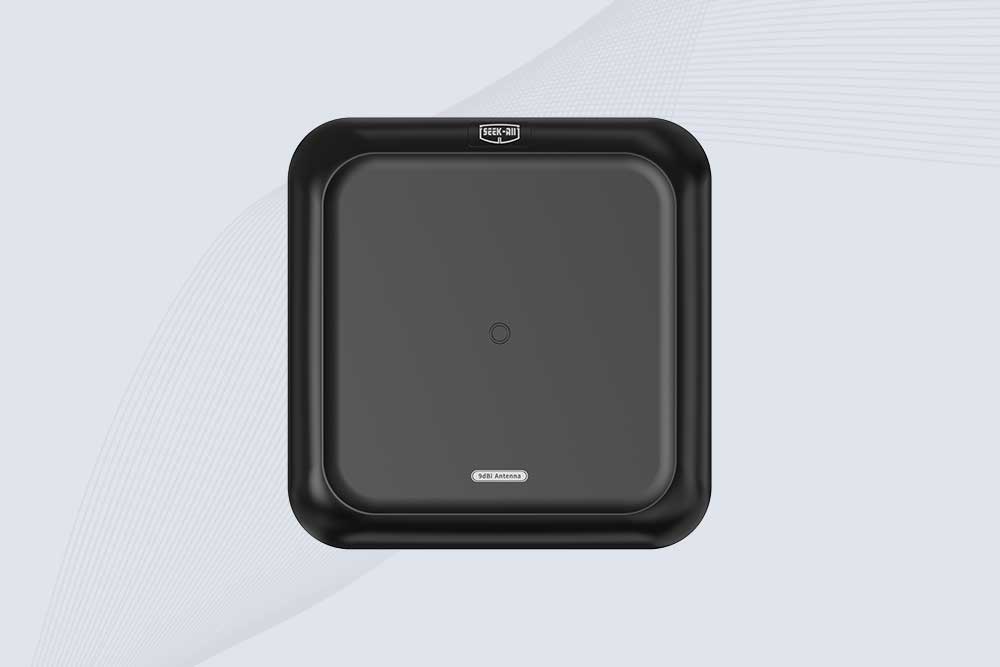
SSD-A09 is a 9 dBi UHF RFID antenna with 840–960 MHz adjustable frequency, circular polarization, 50Ω impedance and directional 60° × 60° coverage.
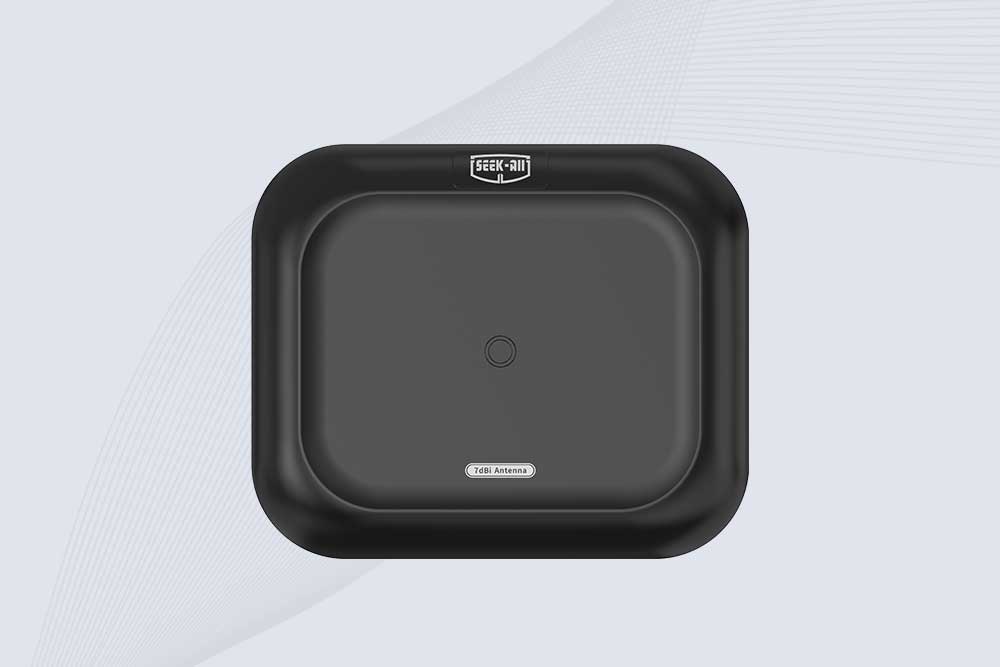
Explore the SSD-A07 UHF RFID antenna with 7 dBi gain, circular polarization, adjustable 840–960 MHz frequency, and 60°/75° beamwidth for stable RFID read/write performance.

SSD-A06 UHF RFID antenna with circular polarization, adjustable 840–960 MHz frequency, ≥4.5 dBi gain, and a compact directional design for RFID systems.
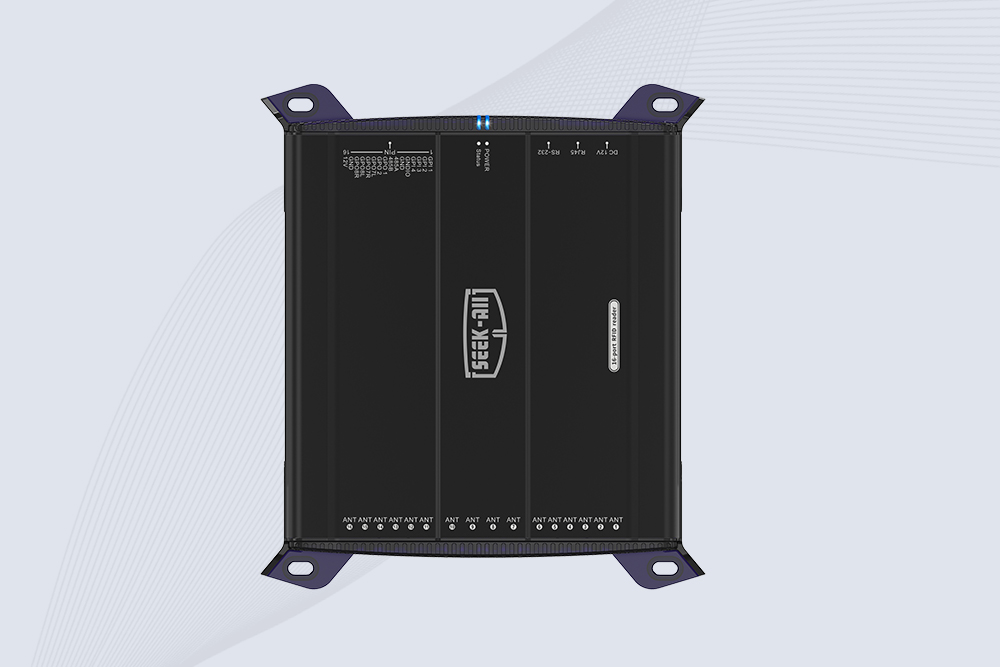
SSD-R16L Multi-Channel RFID Infrastructure for Automated Inventory Management ✔️ 16-Port High-Density RFID Reading Equipped with 16 SMA antenna ports, SSD-R16L supports multi-antenna deployment for warehouses, retail stores, logistics, production lines, and large-area RFID identification. ✔️ High-Speed & Long-Range Performance With up to 33…
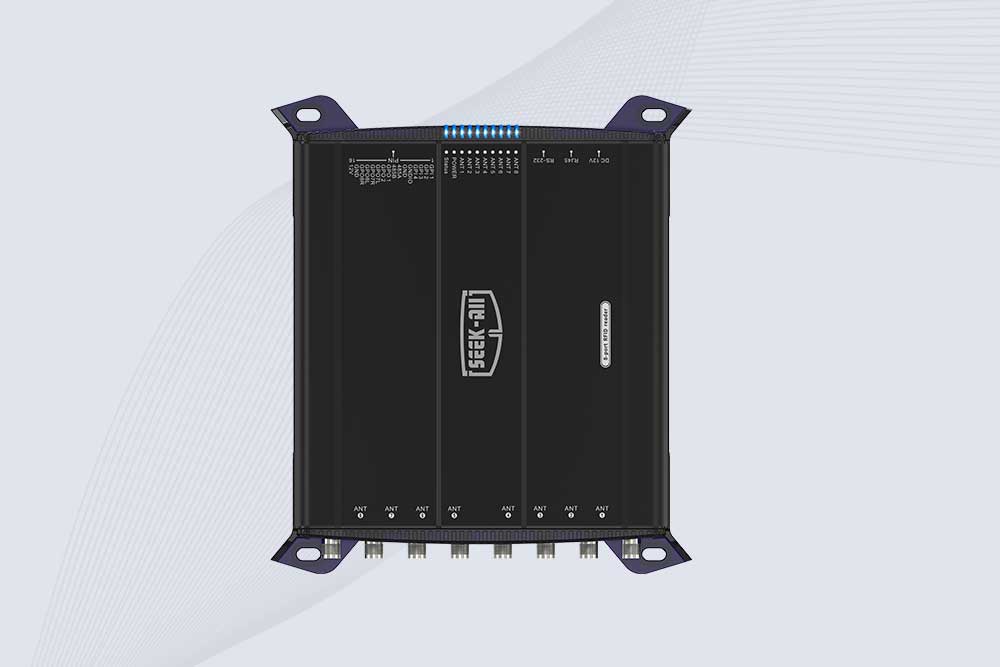
SSD-R8L 8-port UHF RFID reader with 33dBm output, up to 20m reading range and 600+ tags/s recognition. Ideal for warehouse, logistics, retail and asset tracking.
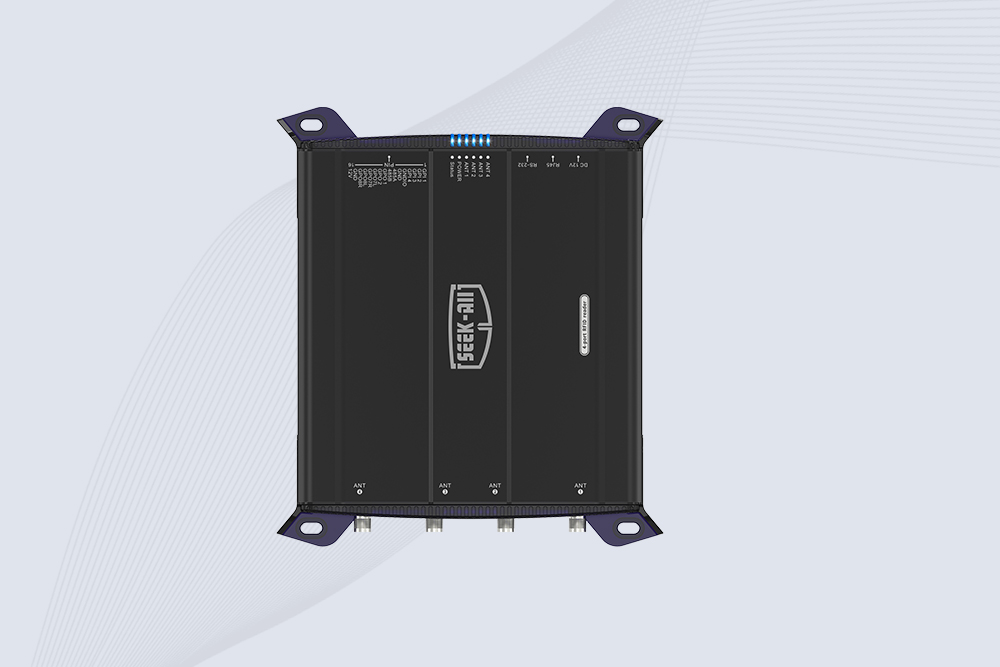
SSD-R4L is a 4-port UHF RFID fixed reader with 33dBm output power, up to 20m reading range, EPC C1G2 support and 600+ tags/s reading speed.
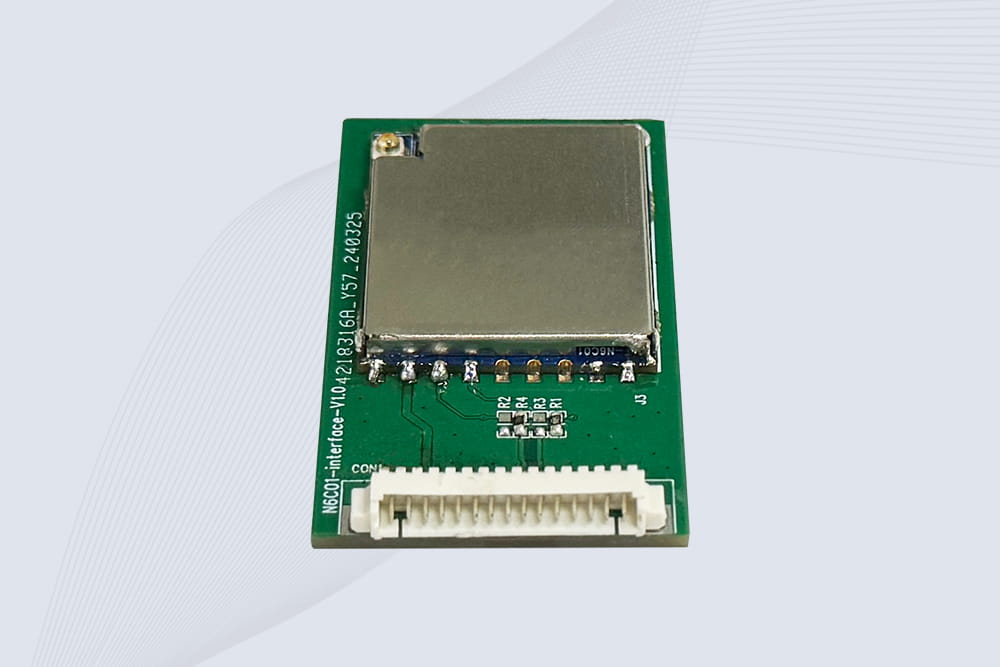
CYKEO Embedded RFID Modules are designed for compact industrial and IoT devices that require stable UHF performance. These UHF RFID Modules support global protocols, flexible power control, and reliable multi-tag reading for smart cabinets, production lines, and asset tracking systems.
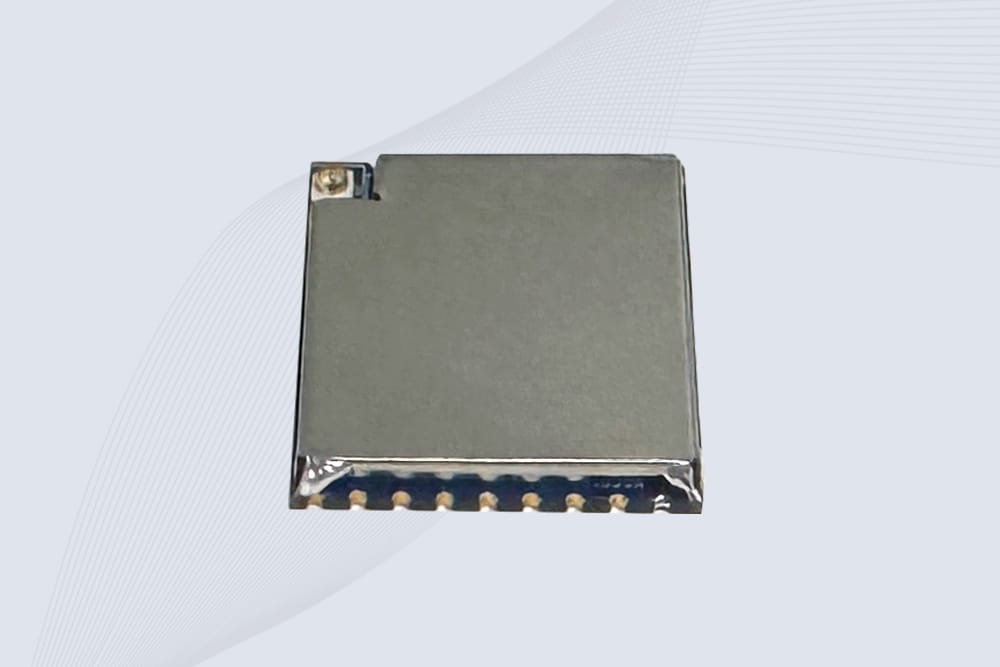
CYKEO Embedded RFID Module is built for compact IoT and industrial devices that need stable UHF performance. This UHF module supports global protocols, low power operation, and reliable multi-tag reading for smart lockers, production lines, and always-on RFID systems.
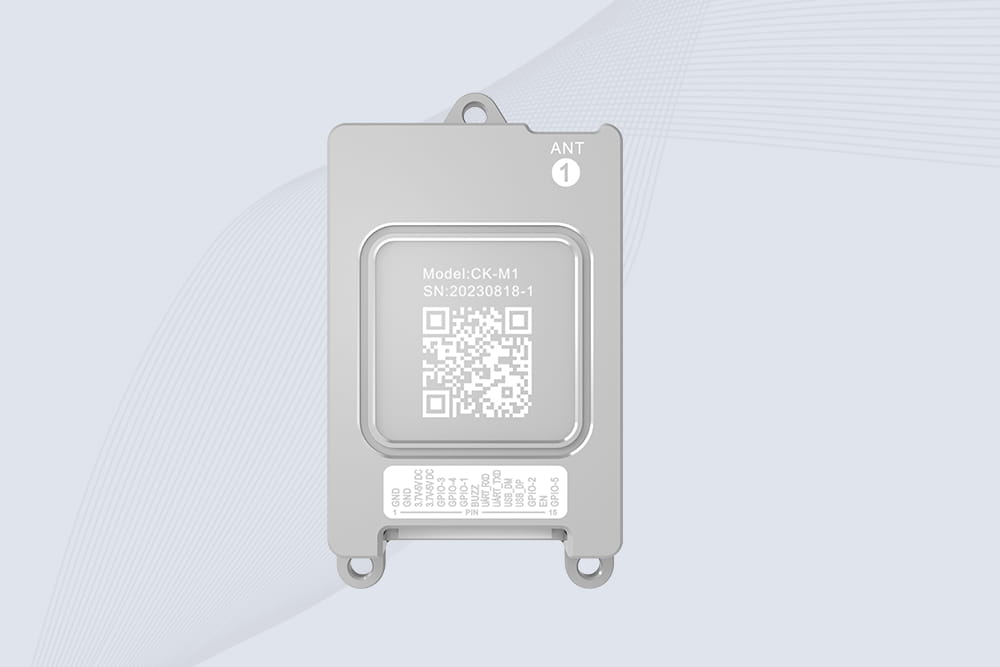
CYKEO CYKEO-M1 drone rfid module is a compact UHF RFID reader module designed for drones and UAV platforms. It supports long-range aerial scanning, fast multi-tag reading, and stable performance in wind, vibration, and outdoor environments.
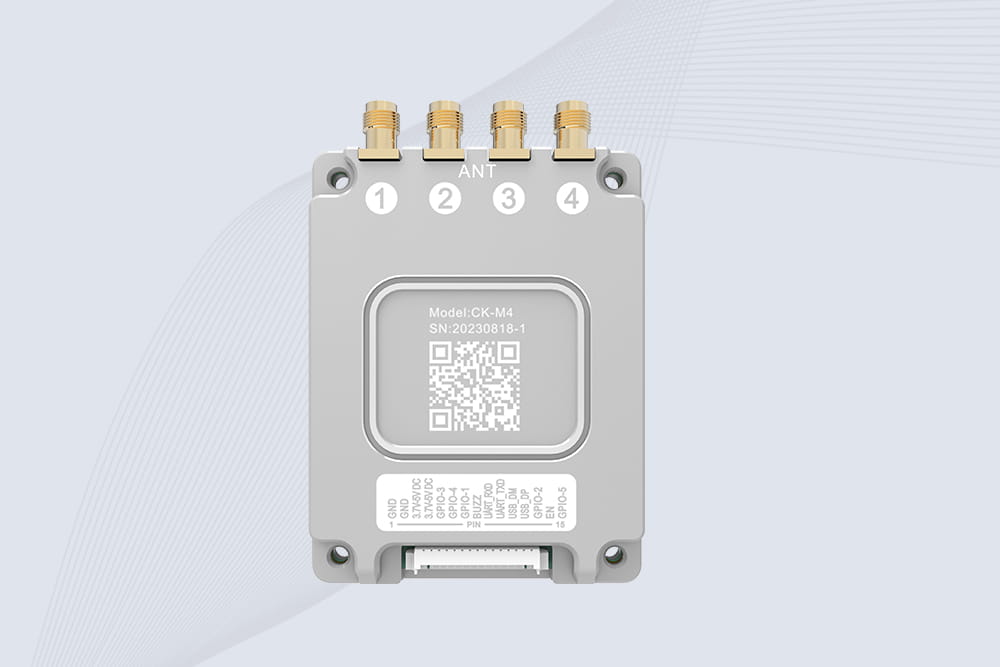
CYKEO CYKEO-M4 RC522 RFID Module is an industrial-grade UHF RFID reader with 4 ports, supporting ISO, EPC, and GB protocols. High-speed, accurate reading for IoT, automation, and warehouse applications.
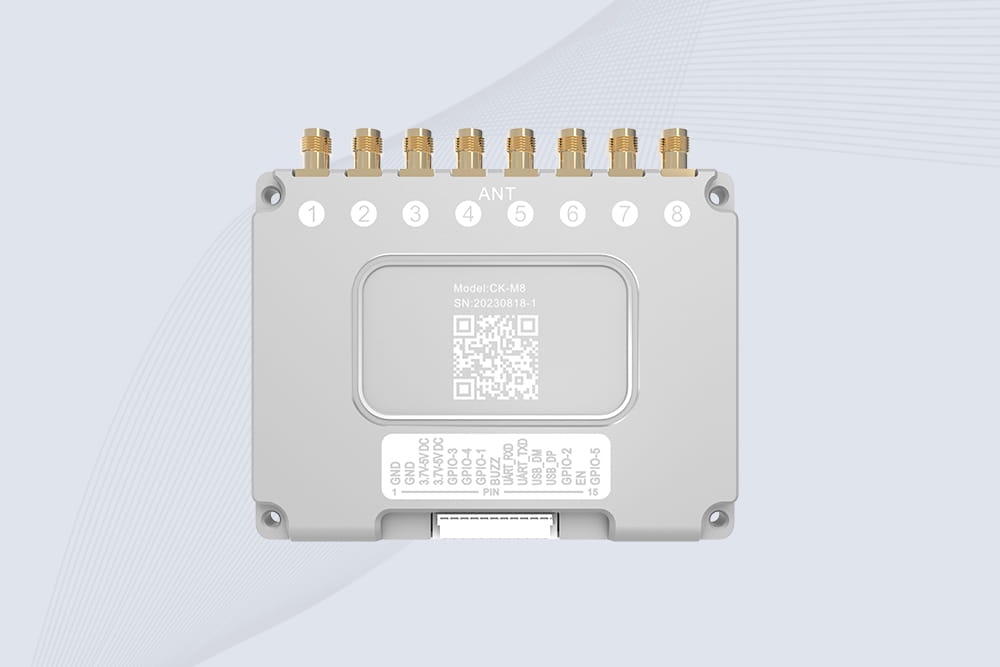
CYKEO CYKEO-M8 Module RFID is an 8-port UHF R2000 RFID Module designed for high-density, multi-tag environments. Stable 33dBm output, ISO & GB protocol support, ideal for warehouses, factories, and automated systems.
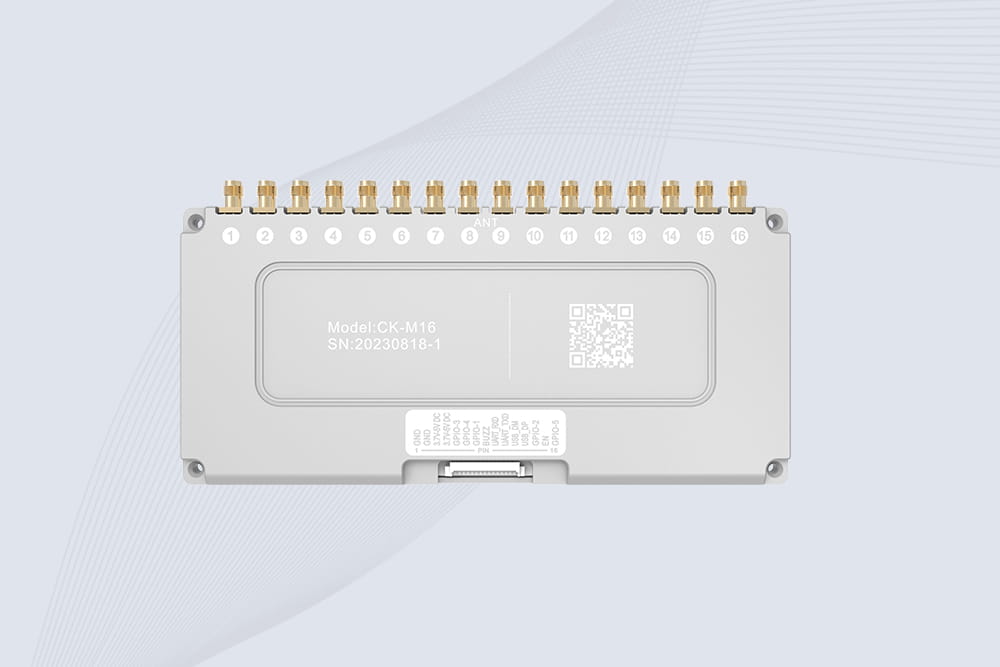
CYKEO CYKEO-M16 RFID Module is a 16-port UHF RFID reader module based on the R2000 chipset. Designed for dense tag environments, it supports ISO and GB standards and delivers stable multi-antenna control for industrial automation.
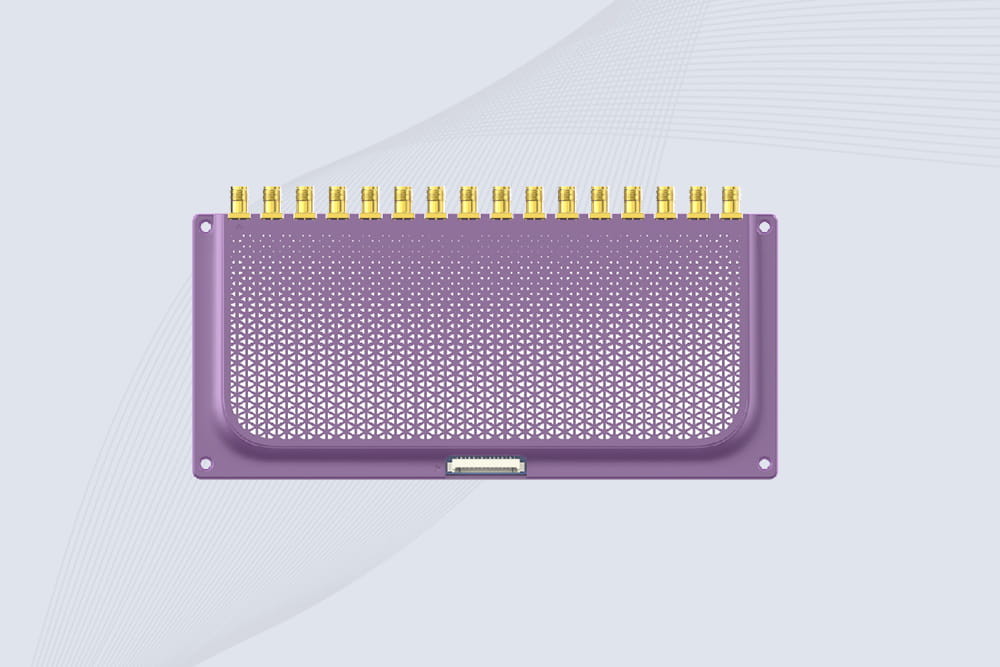
The CYKEO CYKEO-M16L RFID Reader Module is a 16-channel UHF RFID core designed for dense tag environments. With adjustable 33dBm output, multi-protocol support, and stable multi-antenna control, this RFID Tag Reader Module fits industrial automation, warehouse systems, and large-scale IoT deployments.
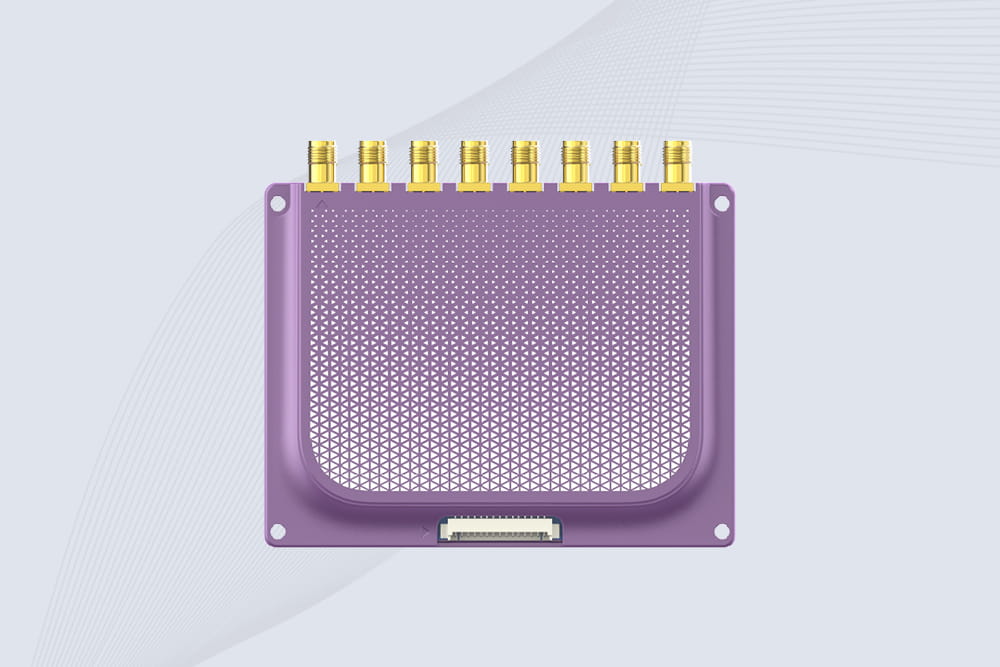
CYKEO CYKEO-M8L module RFID is a compact industrial UHF module built for dense tag and multi-antenna environments. With 8 RF ports, adjustable 33 dBm output, and ISO & GB protocol support, it is widely used in factories, warehouses, and automated tracking systems.
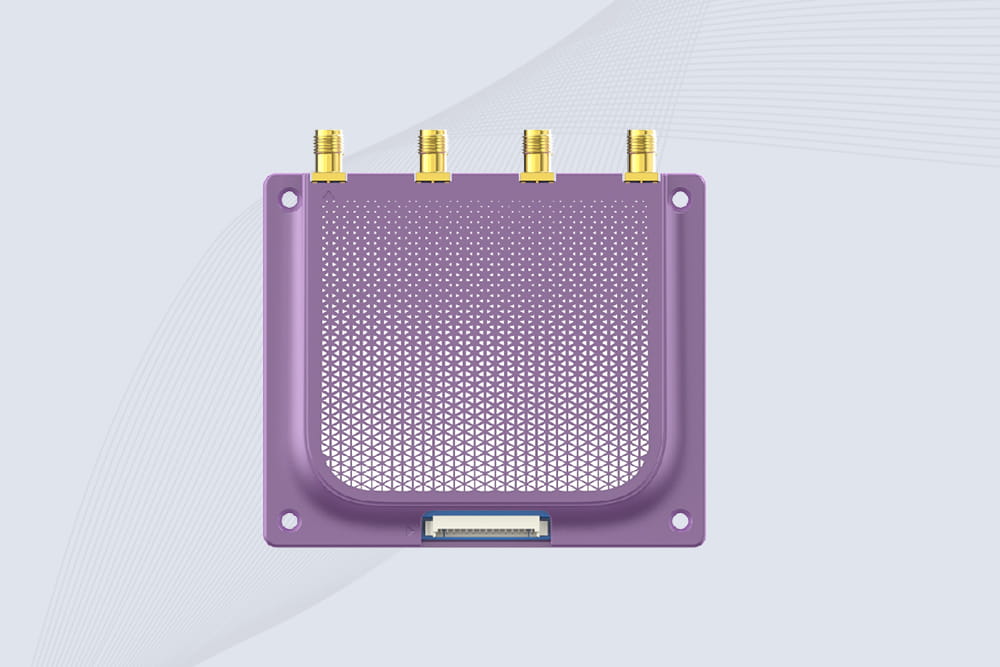
CYKEOCYKEO-M4L UHF RFID Module is a compact 4-channel RFID tag reader module designed for dense tag environments. Supporting ISO and GB protocols, it delivers stable reads up to 10 meters for industrial and IoT systems.
Cykeo CYKEO-A11 UHF RFID reader antenna delivers 11dBi gain, 840-960MHz frequency range, and IP65 ruggedness for retail, logistics, and industrial RFID systems. Features low VSWR and easy installation.

CYKEO Antenna RFID Reader delivers stable long-range UHF performance with a 10.5dBi directional design, built for warehouses, conveyor portals, and industrial RFID systems. This rfid reader antenna provides 20m+ read distance and rugged IP67 protection.

Cykeo CYKEO-PHF3 industrial HF RFID Antenna offers 24-point dynamic tracking, ISO 14443A/15693 protocols, metal-environment stability for archives/libraries/manufacturing.

Cykeo CYKEO-A5B industrial Linear RFID Antenna delivers 5dBi gain, ≤1.5:1 VSWR, and IP65 rugged design for warehouse, production line, and logistics UHF systems.

Cykeo’s CYKEO-B12 Long Range RFID Antenna delivers 15m+ read range with 12dBi gain, IP65 rugged design, and global 840-960MHz UHF support. Ideal for warehouse/logistics asset tracking.
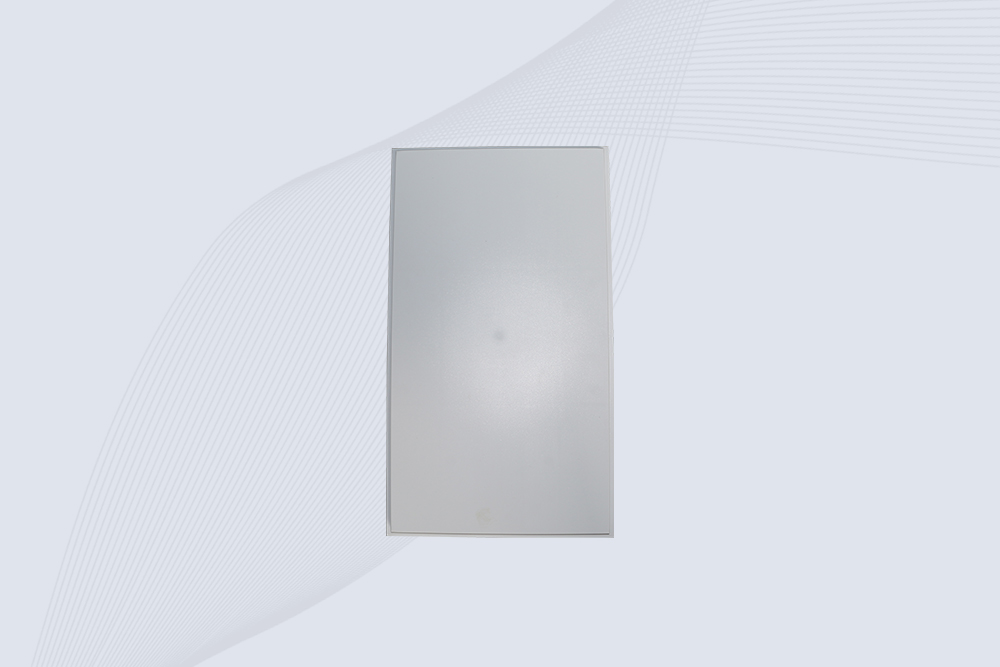
Cykeo CYKEO-B10 Long Distance RFID Antenna offers 10dBi gain, 840-960MHz frequency range, IP65 rating, and 20m+ coverage for logistics/warehousing/ETC systems. Low VSWR ensures stable signal transmission.
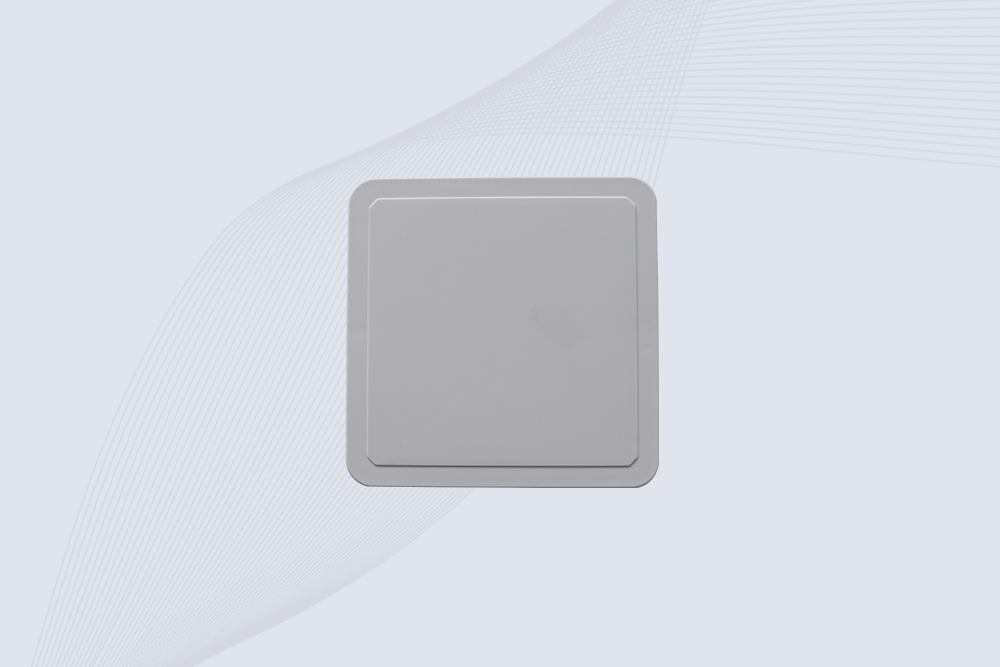
Cykeo CYKEO-A6 UHF RFID panel antenna features 6dBi gain, 840-960MHz broadband, IP65 metal-ready housing for logistics/smart retail. 18mm ultra-thin design with tool-free mounting.

Cykeo CK-A3 industrial antenna RFID UHF offers 5m+ tag detection, ≤1.3:1 VSWR, IP65 rugged design, and global UHF spectrum compatibility (840-960MHz) for warehouses, factories, and retail.
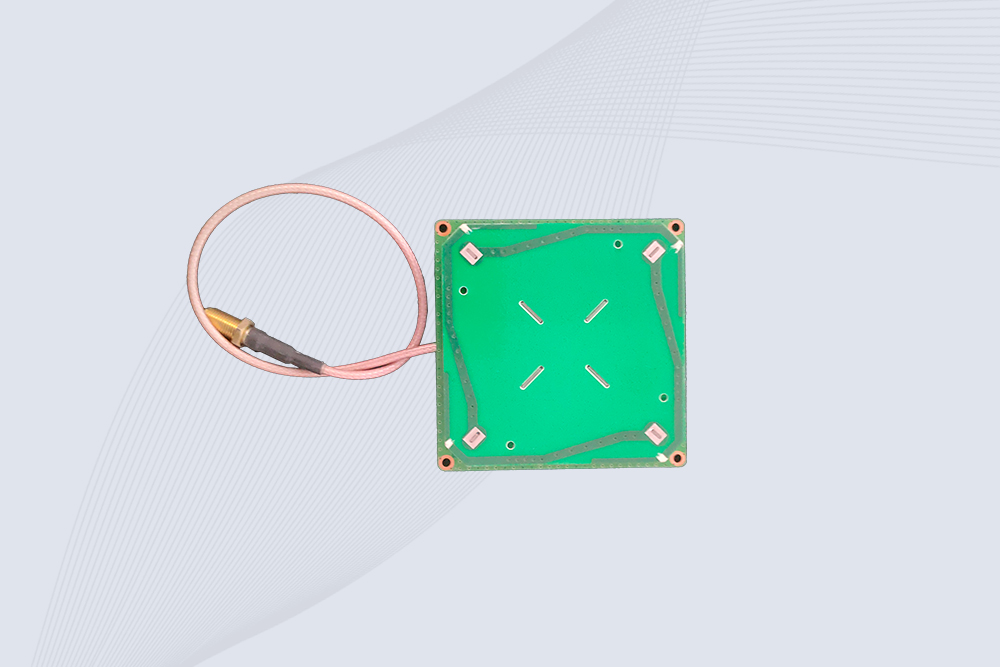
Cykeo CYKEO-B5 directional RFID antenna provides 5dBi gain with 60° narrow beamwidth for precise inventory tracking. IP65-rated, global UHF frequency support, and low VSWR.
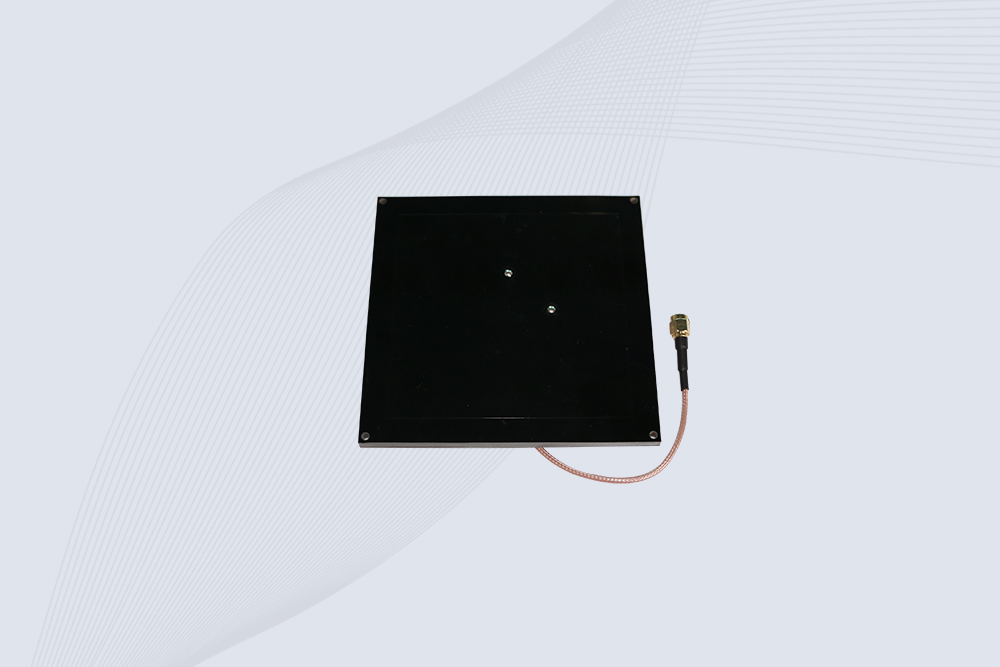
Create your own high-performance DIY RFID antenna! 5dBi gain, 840-960MHz tunable, step-by-step guides. Compatible with Arduino, Raspberry Pi, and commercial UHF readers.
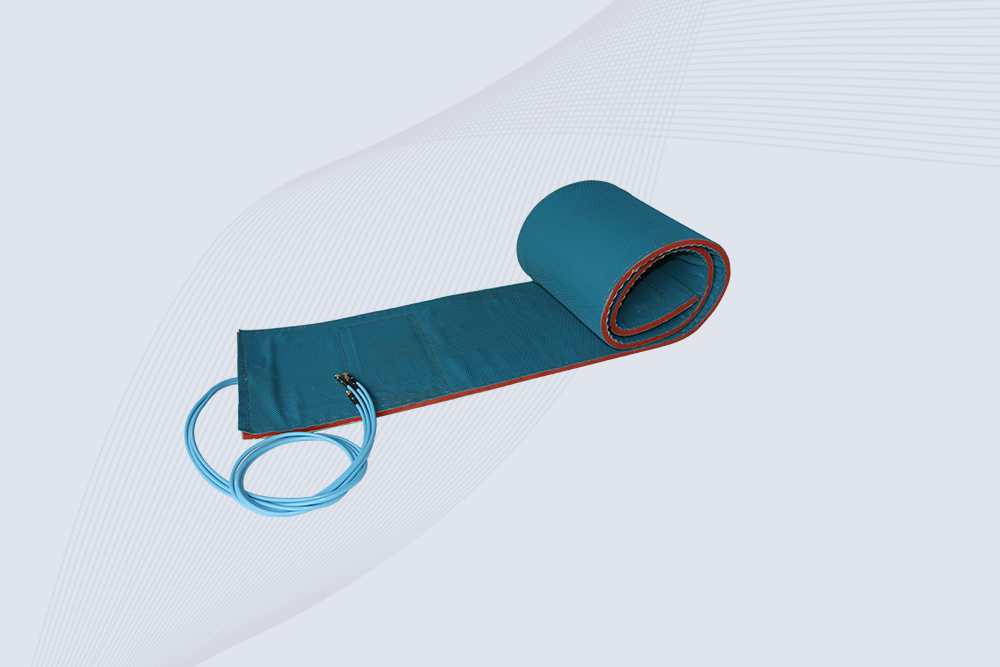
Cykeo CYKEO-A7 Flexible RFID Antenna features 840-960MHz wideband tuning, 7dBi gain, and IP68 rating for medical/retail/industrial curved surface deployments. 98% read accuracy with peel-and-stick installation.

Cykeo CYKEO-B5A industrial Passive RFID Antenna delivers 5dBi gain, 70° beamwidth, and -40°C~55°C operation for warehouses/smart cabinets. Compatible with Zebra/Impinj readers.
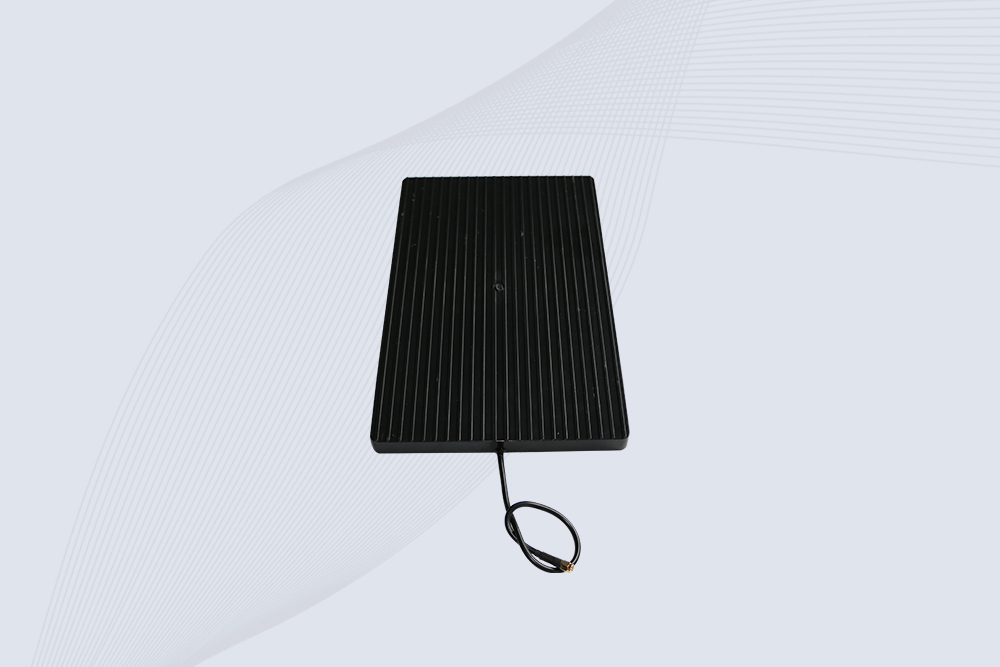
Cykeo’s CYKEO-A9B High Gain RFID Antenna delivers 15m+ read range with 9dBi amplification. Features IP54 rugged design, 840-960MHz bandwidth, and 80° beamwidth for warehouse/manufacturing RFID systems.

Cykeo’s enterprise-grade 8dbi Impinj RFID Antenna 10m+ read range with 840-960MHz tuning. Features IP65 housing, 1.4 VSWR, 35° beamwidth for retail/warehouse RFID systems.

Cykeo CYKEO-A9 industrial UHF RFID antenna delivers 9dBi gain, 840-960MHz frequency range, and IP65 protection for warehouse/logistics/retail RFID systems. Features N-type connector and ≤1.3:1 VSWR.

CYKEO UHF RFID Antenna built for long-distance and industrial applications. This antenna rfid uhf delivers strong gain, outdoor durability, and reliable tag performance in warehouses, yards, and vehicle ID systems.
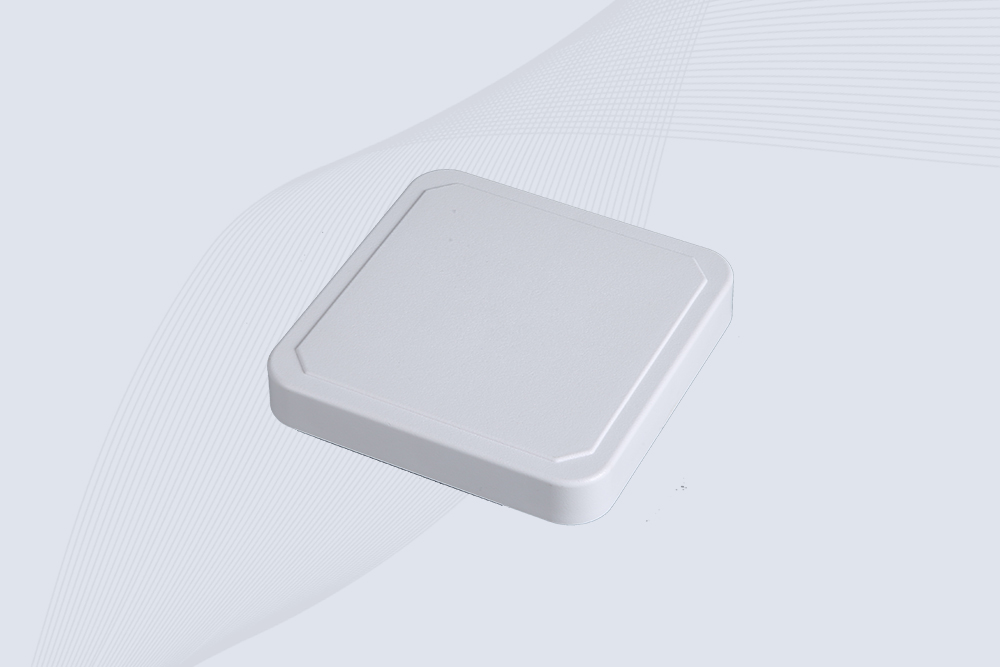
CYKEO Antenna RFID delivers reliable long-range UHF performance in warehouses, retail shelves, and cold-chain environments. This compact uhf rfid antenna provides stable reads with circular polarization and ultra-wide 840–960 MHz support, ideal for industrial tracking, smart shelves, and asset monitoring.

Cykeo’s CYKEO-C8 UHF RFID antennas delivers 8dBi gain, 840-960MHz full-band coverage, and IP65 ruggedness for manufacturing/warehouse RFID systems. Industrial RFID Antennas Features

Cykeo’s 8dBi UHF RFID antenna and reader kit delivers 10m+ range, 840-960MHz broadband, and IP65 ruggedness for factories, warehouses, and logistics. ISO 18000-6C & EPC Gen2 certified.
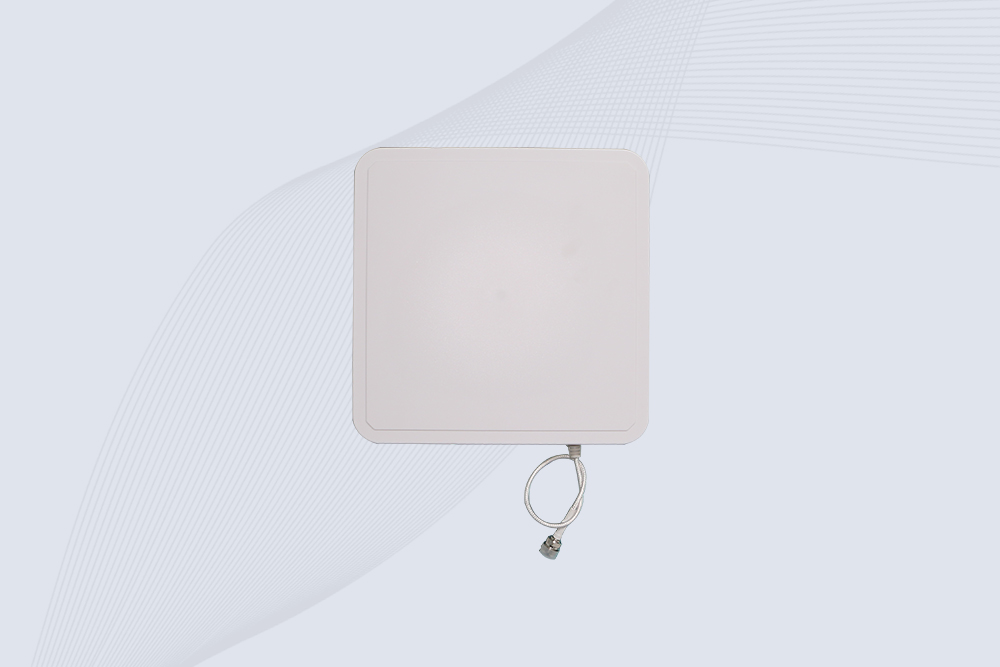
Cykeo CYKEO-A9A industrial UHF RFID reader and antenna kit delivers 10m range, 500 tags/sec, IP65 ruggedness for manufacturing/logistics. Supports EPC Gen2, ISO18000-6C.
Cykeo’s CYKEO-A12C UHF Large RFID Antenna delivers 12dBi gain, 840-960MHz global frequency, IP65 ruggedness for logistics/warehousing/automotive. 40° beamwidth ensures stable 15m+ tag reads.

CYKEO Near Field RFID Antenna provides precise 5–30 cm reading for shelves, cabinets, and workstations. This compact rfid shelf antenna delivers stable short-range performance around metal and clutter, ideal for pharmacies, libraries, and electronics sorting.
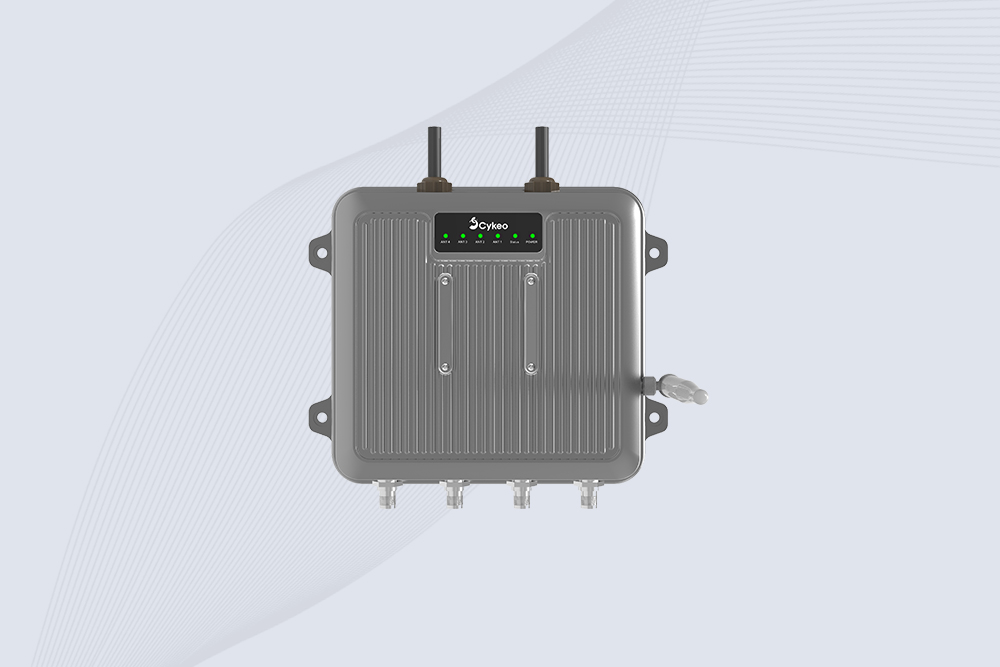
Cykeo CYKEO-C1 industrial Forklift RFID Reader features 20m read range, 600 tags/sec scanning, Impinj R2000 chipset, and IP67 rugged design. Ideal for warehouse logistics and manufacturing. Supports ISO 18000-6C/6B protocols.
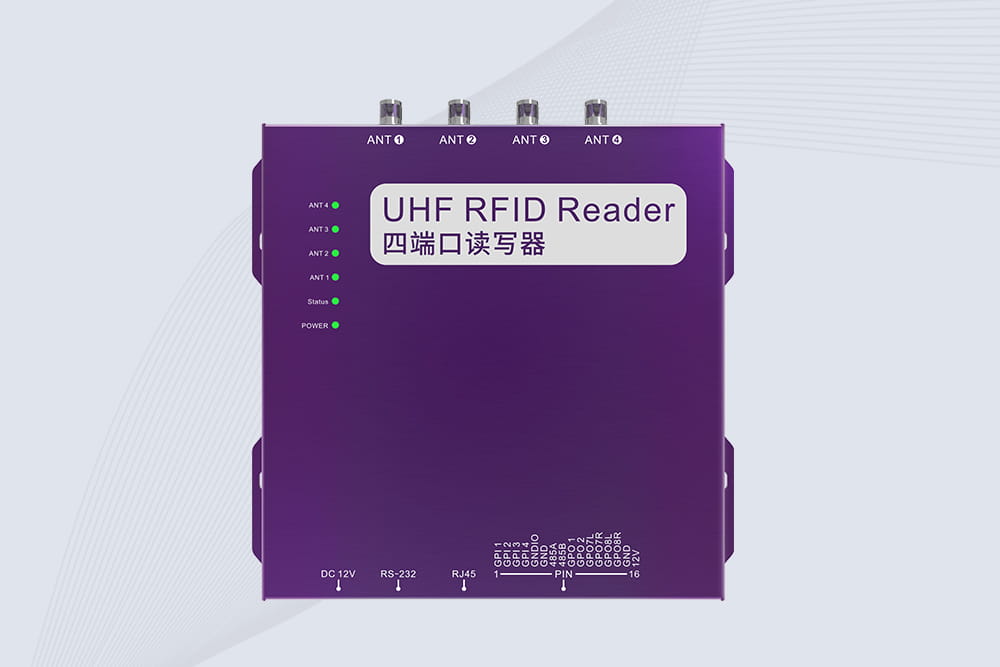
Cykeo CYKEO-R4 industrial UHF RFID Fixed Reader features 4 TNC ports, 400+ tags/sec speed, IP67 housing, and global frequency compliance for vehicle inspection, smart warehouse, and asset management systems.
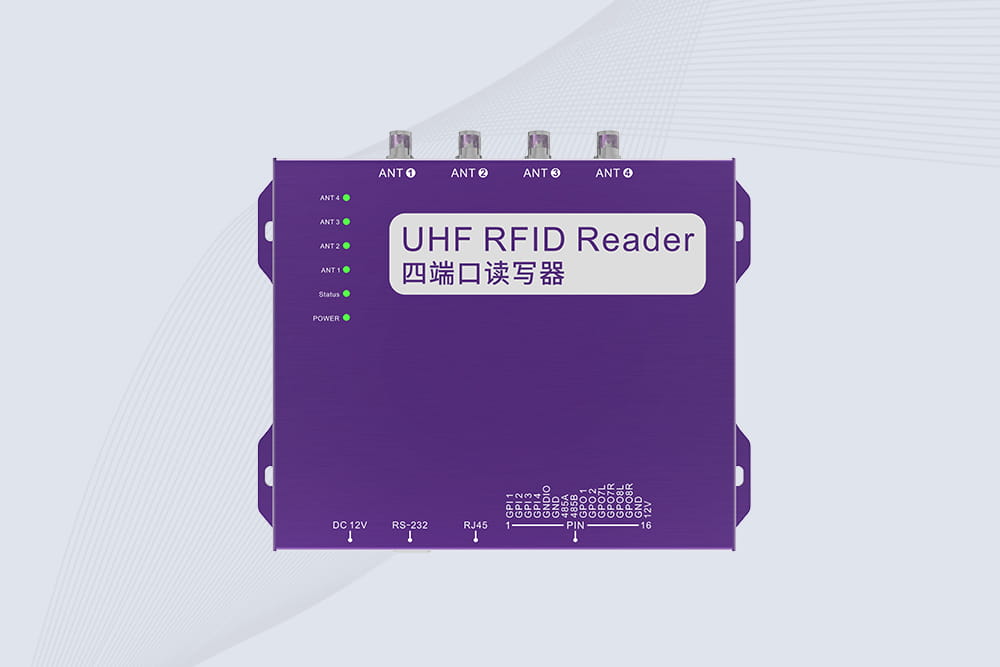
Cykeo’s CYKEO-R4L 4-port Fixed UHF RFID Reader delivers 400 tags/sec scanning, ISO 18000-6C compliance, and IP65 protection. Ideal for warehouse automation, manufacturing WIP tracking, and logistics management.
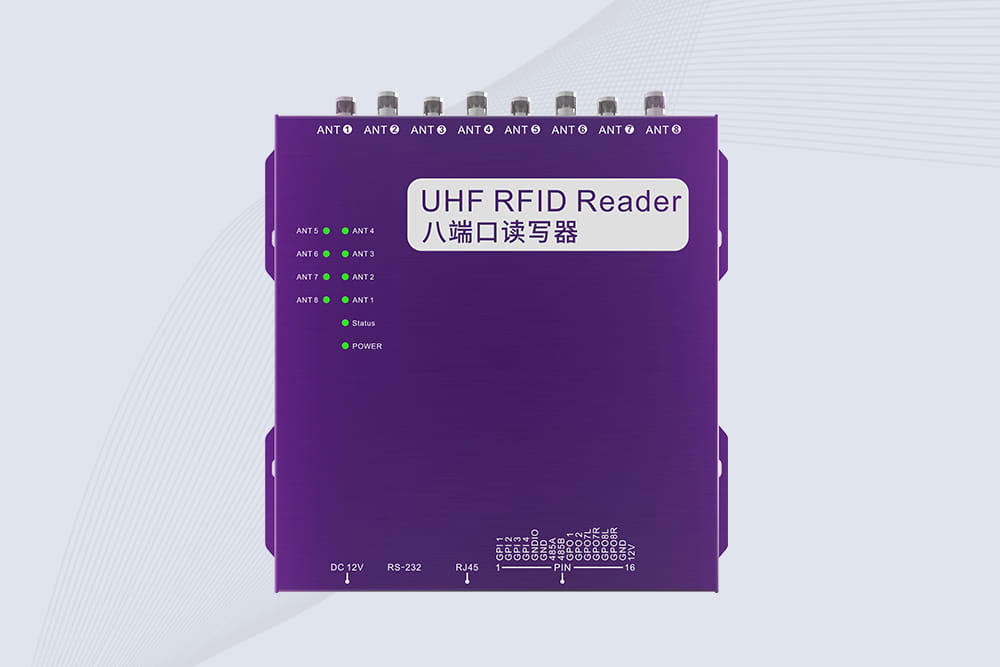
CYKEO CYKEO-R8L Fixed RFID Reader with 8-port UHF design, Impinj-based RF core and up to 20m read range. An industrial Fixed RFID Reader for vehicle inspection, warehouse portals, smart manufacturing lines and secure access checkpoints.
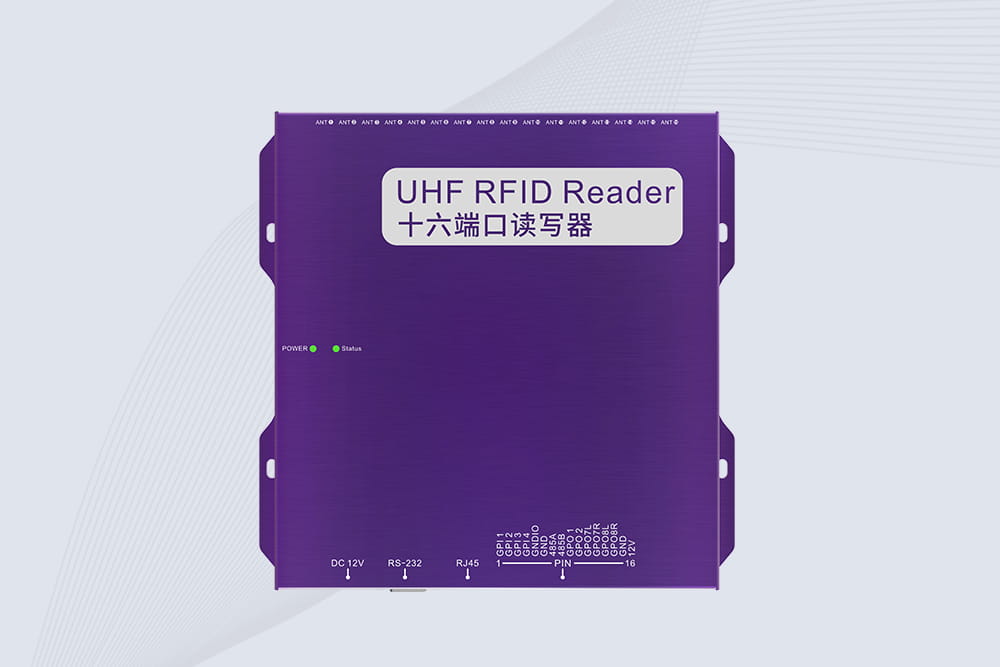
RFID Fixed Reader from CYKEO – the CYKEO-R16L 16-port UHF fixed reader for warehouses, smart cabinets, and production lines. Long-range, multi-tag reading, stable performance for 24/7 industrial use.

RFID improves inventory management by identifying multiple tagged items without line-of-sight scanning, enabling faster receiving, counting, shipment verific...
More
Discover how RFID asset tracking cuts losses, improves efficiency, and delivers ROI. Learn key strategies, tools, and best practices for seamless implementation.
More
Learn how to configure UHF RFID readers for library book checkout systems. Optimize settings, integrate with ILS, and ensure seamless patron workflows with Cykeo solutions.
More
Secure and HIPAA-compliant fentanyl storage with the FTNG‑L‑CK‑02 RFID Anesthesia Medication Cabinet. Features real-time drug tracking, blockchain audit logs, rugged MIL-STD-810G design, and developer support with RESTful/native APIs and SDK. Perf...
More