RFID helps in inventory management by automatically identifying multiple tagged items without requiring line-of-sight scanning, making inbound receiving, outbound verification, and inventory counting faster and more consistent. In a UHF RFID environment, a reader can capture multiple item identities as goods pass through a controlled reading area rather than requiring an operator to scan each barcode individually.
That difference becomes particularly obvious when the inventory is not a neat row of cartons.
A hotel linen cart, clothing trolley, electrical meter shipment, or warehouse garment rack can contain a large number of individually tagged items. Manually checking them one by one introduces a familiar problem: the physical count may be finished, but nobody is completely sure whether every item was actually recorded.
Why RFID Changes the Inventory Counting Process
Traditional barcode inventory work depends heavily on operator positioning. The scanner needs to see the barcode, and the operator needs to move through the stock systematically.
RAIN RFID works differently. GS1 notes that RFID can capture tagged products without direct line of sight and can provide visibility into inventory levels and product locations.
For item-level inventory, that changes the physical workflow:
Multiple tags can be identified in one reading operation
Individual line-of-sight scanning is reduced
Inbound and outbound verification can be automated
Inventory records can be updated from reader data
Missing or unexpected items become easier to detect
Large batches can be processed through a defined reading zone
GS1 specifically describes RAIN RFID as a technology capable of reading hundreds of assets quickly, while its guidance reports that average inventory time can be reduced by approximately 95% in appropriate applications.
That figure should not be treated as a universal project guarantee. Tag placement, reader configuration, item density, materials, antenna positioning, and the physical environment all affect actual performance.
What matters inside a warehouse
In real deployments, the difficult part is rarely getting an RFID tag to respond once.
The difficult part is controlling where, when, and which tags are allowed to respond.
This is why a dedicated UHF RFID inventory passage can be more useful than simply placing a reader beside a warehouse door. The reading zone needs to match the movement of the goods.
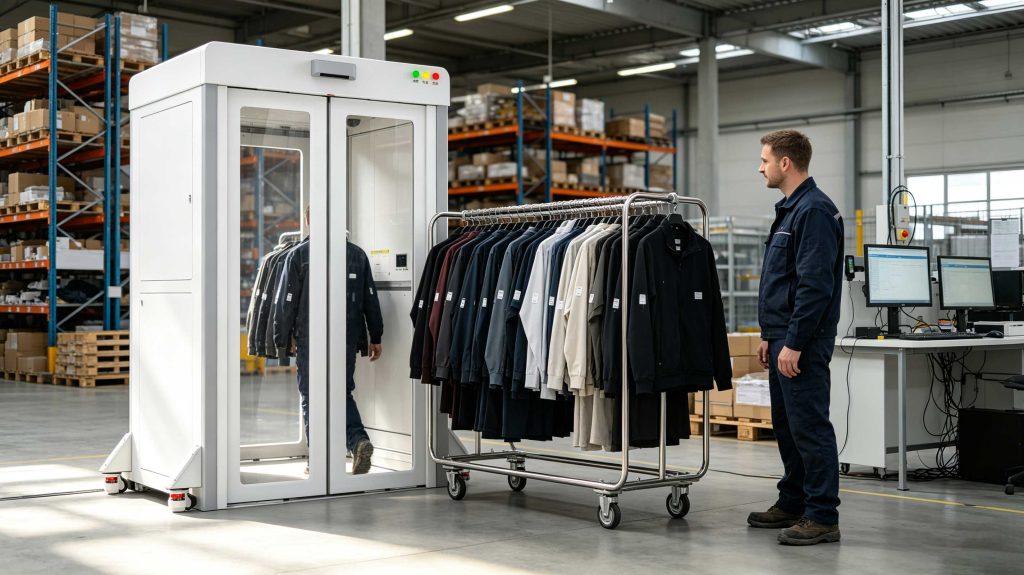
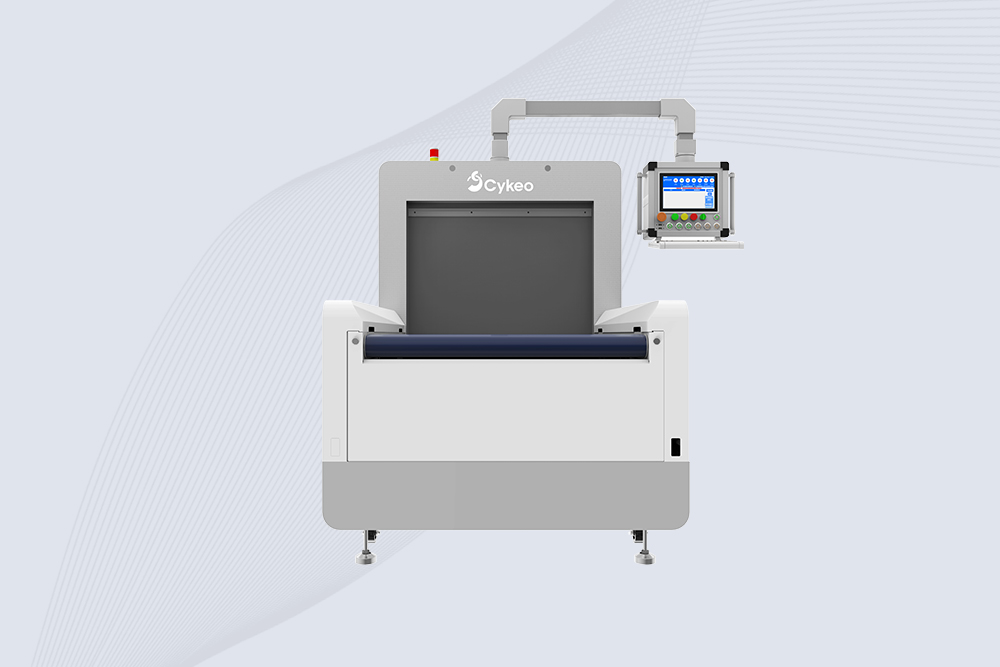
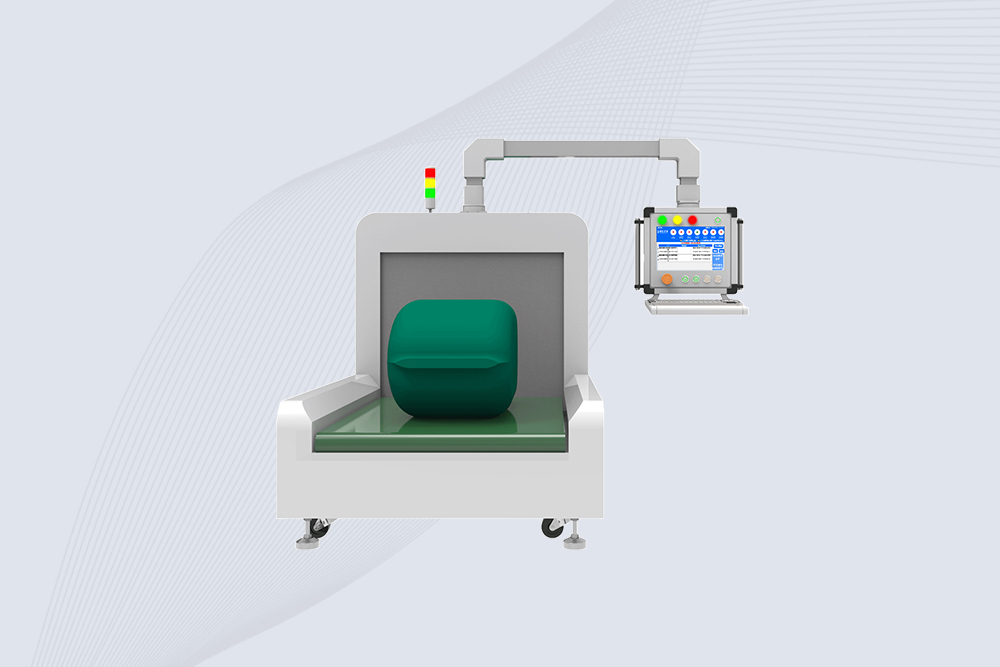
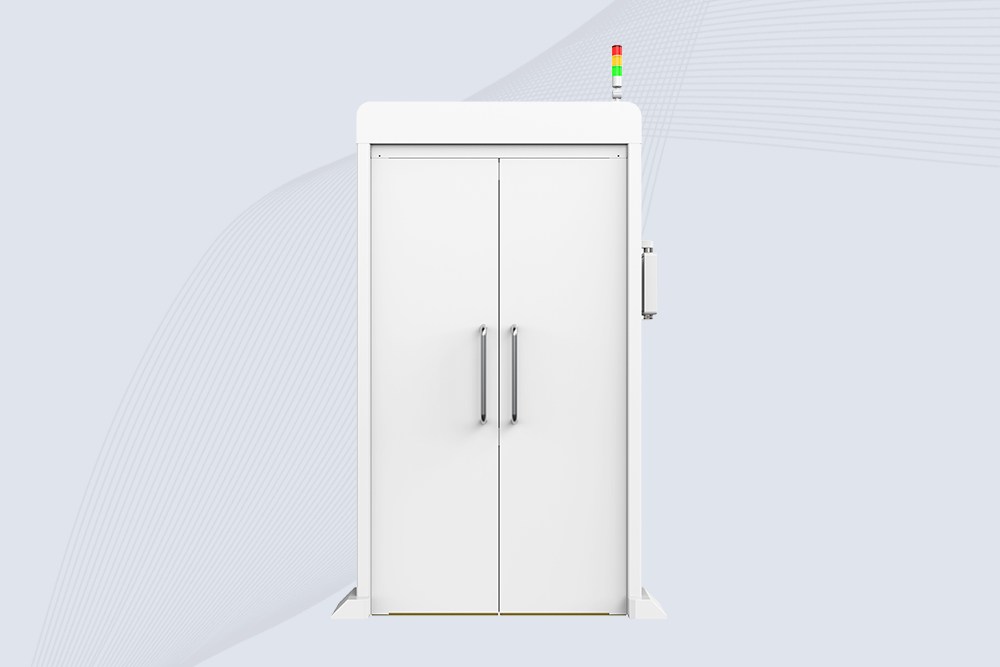
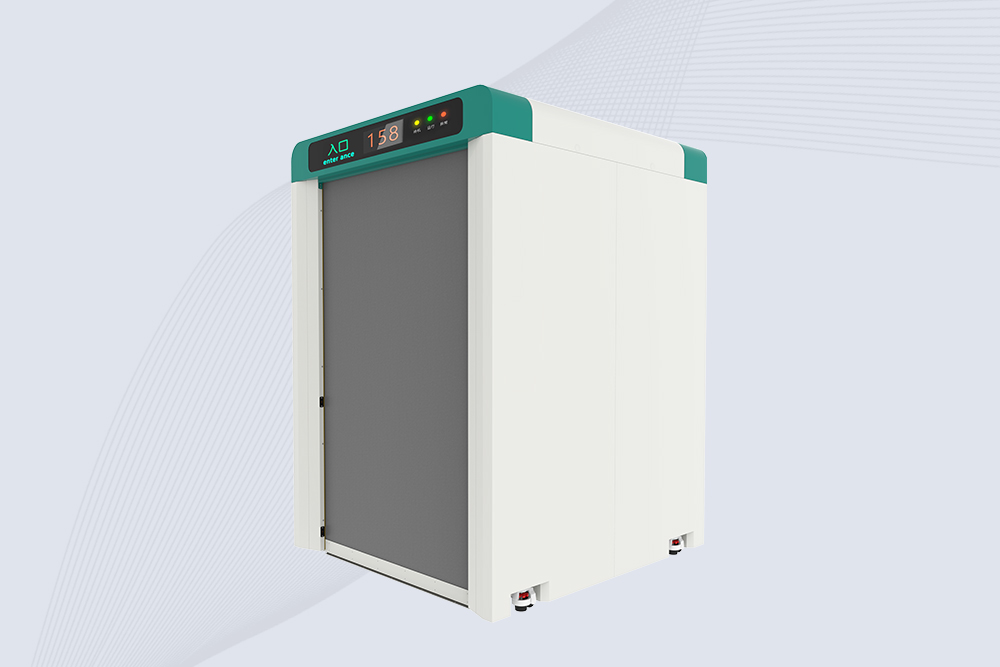
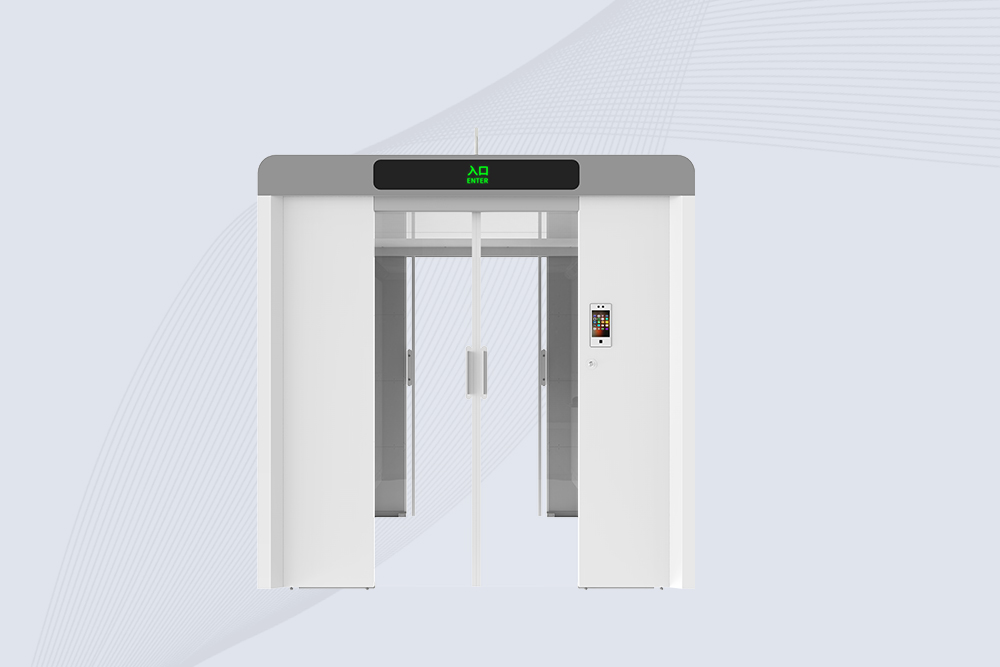
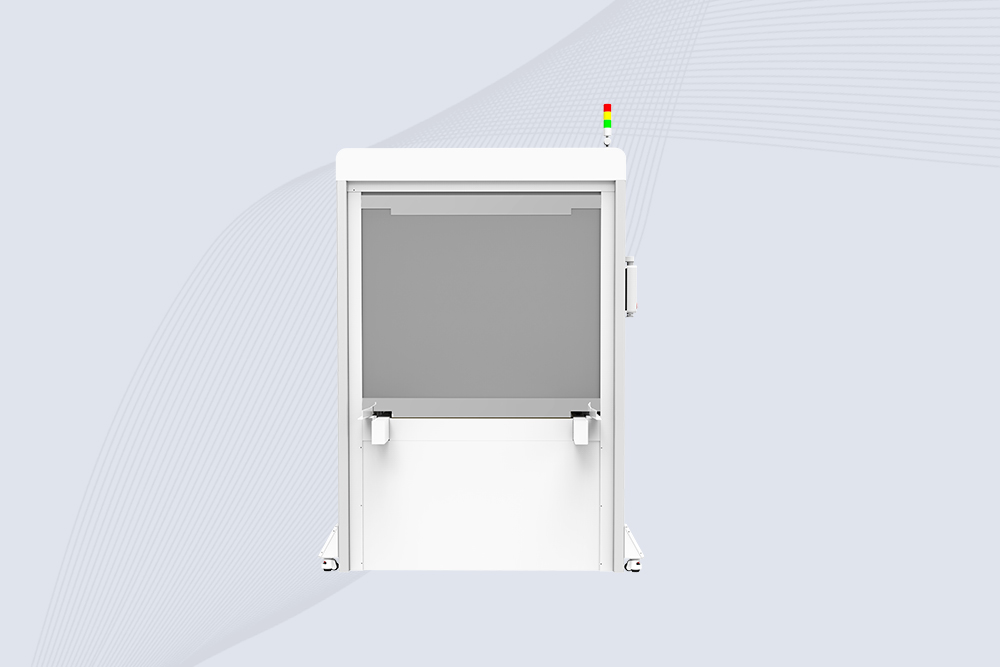
For a Cykeo UHF inventory channel, the equipment described for this application uses ISO 18000-6C / EPC C1G2, supports multi-tag reading, and is designed for batch identification. Its PLC-controlled roller shutter can close the passage during reading, creating an enclosed identification area and helping prevent tags outside the target batch from being captured.
That detail matters when a trolley carrying 300 tagged garments passes close to another storage area containing hundreds of additional tags.
RFID Inventory Management Is About the Exceptions
A useful inventory system does not merely tell the operator, “300 tags were detected.”
It needs to answer more practical questions:
Inventory question
RFID contribution
What arrived?
Automatically identifies tagged items
What was shipped?
Verifies the outbound batch
What is missing?
Compares detected IDs against expected inventory
What was counted?
Creates a digital inventory record
Are there unexpected items?
Flags tag IDs outside the expected list
Can the whole trolley be checked?
Supports simultaneous multi-tag identification
This is where RFID warehouse inventory tracking becomes more than a faster counting method. It creates a direct connection between the physical movement of goods and the inventory database.
GS1 reports that RFID deployments commonly achieve read rates in the 95–99% range, while emphasizing that performance depends on factors such as tag distance, tag orientation, and the material on which the tag is attached.
The engineering implication is straightforward: inventory accuracy is a system-design issue, not simply a reader specification.
A Practical Example: Clothing, Linen and Electrical Meters
Consider a warehouse receiving a wheeled rack of RFID-tagged clothing.
With conventional manual counting, an operator may need to locate each garment, expose its barcode, scan it, and make sure the scanned item belongs to the correct shipment.
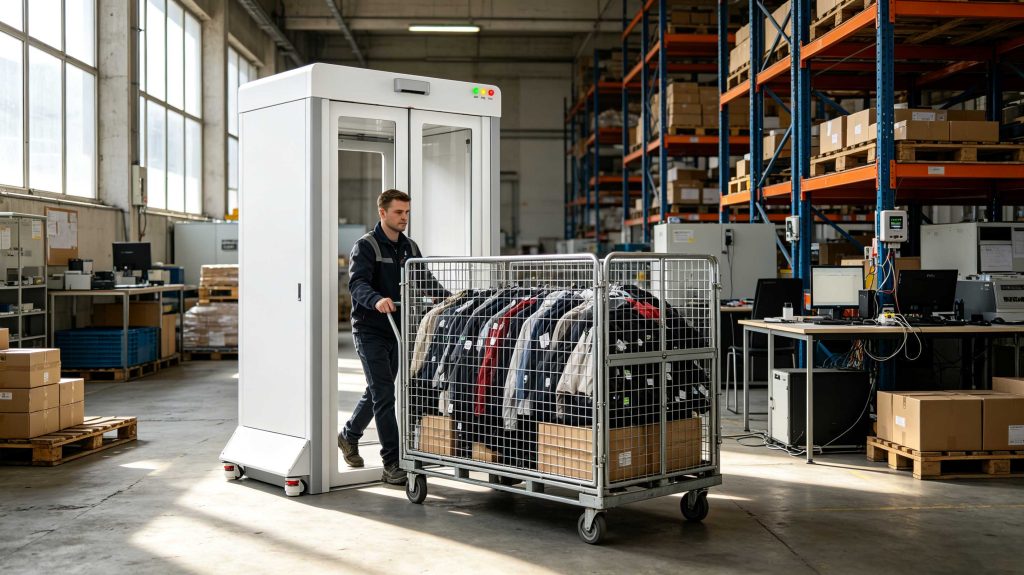
With a properly configured UHF RFID channel, the rack can be moved through the reading zone as a batch. The system identifies the tags, compares them with the expected shipment data, and records the result.
Hotel linen: laundry circulation, batch receiving, dispatch control
Electrical meters: warehouse receiving and product inventory
Leather goods and luggage: item-level stock visibility
Alcohol products: batch identification and movement control
GS1’s research involving ten global retailers found that inventory accuracy improved to 93–99% with RFID, compared with substantially lower accuracy before deployment.
For warehouse managers, that is the more important metric. Faster scanning is useful; fewer unexplained inventory differences are better.
A controlled UHF RFID reading channel identifies multiple tagged garments as a trolley passes through the enclosed inventory zone.
RFID Inventory Accuracy Depends on the Reading Environment
A common mistake is to treat “read hundreds of tags” as the entire technical requirement.
It is not.
Dense batches behave differently from isolated products. Metal electrical meters, stacked clothing, folded linen and liquid-containing products can present very different RF conditions. Tag orientation also changes the coupling between the tag and reader antenna.
Cykeo’s described channel-machine configuration addresses the operational side of this problem through an enclosed reading area, automatic shutter control, network communication and batch-oriented identification. The stated configuration uses conventional 220V power, Ethernet communication and optional Wi-Fi expansion, with batch capacity described as more than 800 items.
That makes the equipment particularly relevant where inventory arrives as a cart, rack, or concentrated batch, rather than as isolated pieces presented individually to a scanner.
How Cykeo Applies RFID to High-Volume Inventory Operations
The practical value of an RFID inventory channel appears when goods move in batches rather than individually.
Cykeo’s UHF RFID inventory channel is designed around this operating condition. It supports ISO 18000-6C / EPC C1G2, uses PLC control for automatic roller-shutter opening and closing, and creates an enclosed reading environment. This is important when a warehouse door is surrounded by other RFID-tagged stock: the objective is not simply to read more tags, but to read the correct batch.
The stated configuration supports more than 800 tagged items per batch, uses standard 220V power, provides Ethernet communication and can be expanded with Wi-Fi.
Feature
Inventory management value
UHF RFID
Suitable for fast, non-contact identification
ISO 18000-6C / EPC C1G2
Supports widely used UHF RFID tag applications
Multi-tag reading
Processes many tagged items together
Enclosed channel
Helps reduce unintended reads from nearby tags
PLC-controlled shutter
Automates opening, closing and reading-zone control
800+ item batch capacity
Suitable for concentrated high-volume inventory
Ethernet communication
Connects the equipment with warehouse software
Optional Wi-Fi
Provides an additional communication option
220V power
Fits conventional facility power infrastructure
Where RFID Inventory Management Delivers the Most Value
RFID does not need to replace every existing inventory process. It is particularly effective at repetitive points where many individually identified products cross the same physical boundary.
Apparel and Fashion Warehouses
Clothing is a strong RFID inventory application because garments are individually identifiable and frequently moved between receiving, storage, distribution and retail locations.
A trolley containing dozens or hundreds of tagged garments can pass through the reading channel as one operational event. The warehouse team can then compare the detected EPCs with the expected shipment or inventory list.
For RFID stock counting, the important improvement is not merely speed. It is the ability to associate a physical batch with a digital record without requiring an employee to handle every garment.
Hotel Linen Management
Hotel linen creates a different challenge. Sheets, towels and uniforms circulate continuously between rooms, laundry facilities, storage areas and external service providers.
The RFID process can be positioned at controlled transfer points. Instead of manually checking every piece during a high-volume return, staff can move the tagged linen through the designated reading area and capture the batch electronically.
The operational benefit becomes particularly noticeable when inventory consists of thousands of low-value individual pieces whose disappearance is difficult to trace manually.
Electrical Meter Warehouses
Electrical meters are another suitable item-level application.
A shipment may contain a large number of individually tagged meters. Because the inventory channel is designed for batch identification, operators can verify incoming or outgoing products without relying exclusively on visual inspection and manual scanning.
The physical product itself remains unchanged; the RFID tag supplies the digital identity.
Leather Goods, Luggage and Other Individual Products
The same principle extends to leather goods, luggage and other products where each physical item needs its own inventory identity.
For these environments, RFID can support:
Receiving verification
Outbound checking
Periodic stock counting
Item-level inventory records
Batch reconciliation
Exception identification
Technical Deployment: What Should Be Checked Before Installation?
A reliable RFID inventory management system begins with the physical site, not the reader datasheet.
Before installing a channel, engineers should examine:
Doorway dimensions — Confirm that the channel accommodates the actual trolley, cage or rack.
Tag position — Standardize tag placement where possible.
Product composition — Metal, liquid and dense materials can affect RF performance.
Reading-zone isolation — Prevent nearby tagged inventory from entering the measurement result.
Expected batch size — Test the maximum realistic load rather than an empty-cart scenario.
Software integration — Define how EPC data is transferred to WMS, ERP or inventory software.
Exception handling — Establish what happens when expected tags are missing or unexpected tags appear.
This is also where site testing matters. A reader that performs well on a laboratory bench may behave differently when surrounded by metal shelving, packed cartons, moving people and adjacent RFID-tagged products.
What the Operator Actually Sees
A well-designed RFID workflow should feel almost uneventful.
The operator moves the loaded trolley toward the channel. The system controls the passage. RFID tags are captured automatically. The software receives the EPC data and compares it with the relevant inventory transaction.
If everything matches, the operator continues.
If several expected tags are missing, the system provides a reason to stop and investigate.
That is a more useful role for automation than simply producing a larger number on a screen.
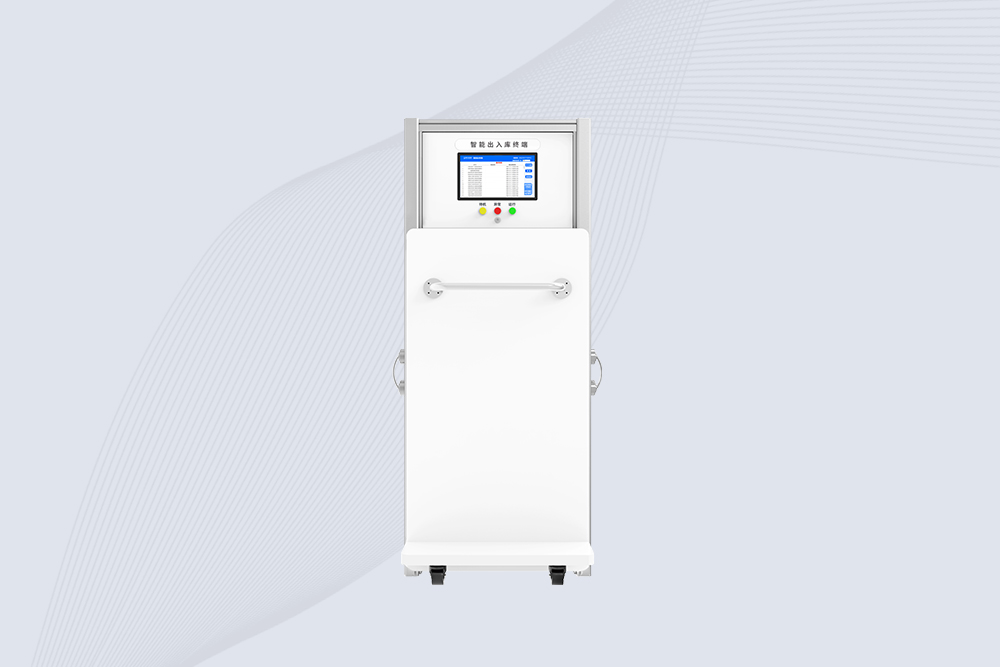
RFID enables warehouse staff to verify a large batch of individually tagged products during inbound or outbound movement.
RFID Inventory Management FAQs
1. How does RFID help with inventory management?
RFID automates the identification of tagged products and allows multiple items to be read together. This reduces dependence on individual barcode scans during receiving, dispatch and inventory counting.
2. Can RFID read multiple inventory items at once?
Yes. UHF RFID is designed for multi-tag identification. Cykeo’s described inventory channel supports batch reading and is specified for batches exceeding 800 items.
3. Does RFID require line of sight?
No. Unlike conventional barcode scanning, RFID does not fundamentally require the reader to visually see the tag. However, tag orientation, material, distance and surrounding RF conditions still influence performance.
4. Can RFID prevent incorrect tags from being counted?
A controlled reading environment can significantly reduce unintended reads. Cykeo’s channel uses PLC-controlled shutters to create an enclosed reading area, helping separate the target batch from surrounding RFID-tagged inventory.
5. Is UHF RFID suitable for clothing inventory?
Yes. Apparel is a common item-level RFID application because individual garments can carry RFID tags and can be identified in groups during receiving, stock counting and outbound processing.
6. Can RFID connect with warehouse management software?
Yes. RFID readers can transfer tag identification data to software through communication interfaces such as Ethernet. The actual integration depends on the WMS, ERP and interface architecture used by the facility.
7. Is RFID inventory accuracy always 100%?
No technology should be presented as automatically guaranteeing 100% accuracy. Actual RFID performance depends on tag selection, placement, product density, antenna configuration, reader settings and the surrounding environment.
Authoritative RFID References
For technical and industry validation, useful reference material includes guidance from GS1 on RAIN RFID and supply-chain identification. GS1’s published materials discuss non-line-of-sight identification, inventory visibility and RFID implementation considerations.
For EPC/RFID standards and implementation work, the GS1 ecosystem remains a useful starting point because EPC-related identification standards are designed for supply-chain interoperability rather than a single equipment vendor.
Cykeo Perspective: Design the Reading Zone Around the Movement of Goods
From an engineering perspective, the most important question is not “How far can the RFID reader read?”
It is:
“Can the system reliably distinguish the batch that is moving through this point from everything around it?”
That distinction changes the design.
For a clothing warehouse, it may mean a trolley-sized enclosed passage. For hotel linen, it may mean a controlled transfer point between storage and laundry. For electrical meters, it may mean a batch verification station at receiving or dispatch.
RFID becomes valuable when the identification event follows the physical workflow instead of forcing employees to work around the technology.
For organizations handling apparel, leather goods, hotel linen, electrical meters, alcohol products and other individually identifiable goods, how RFID helps in inventory management ultimately comes down to turning repeated physical counting and verification into controlled, data-driven movement events.
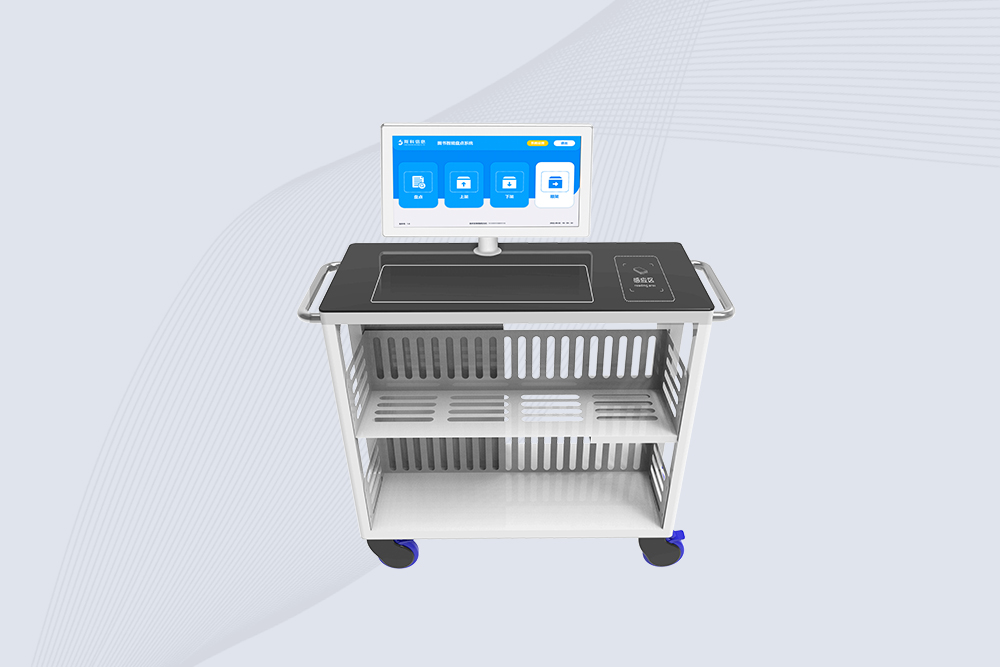
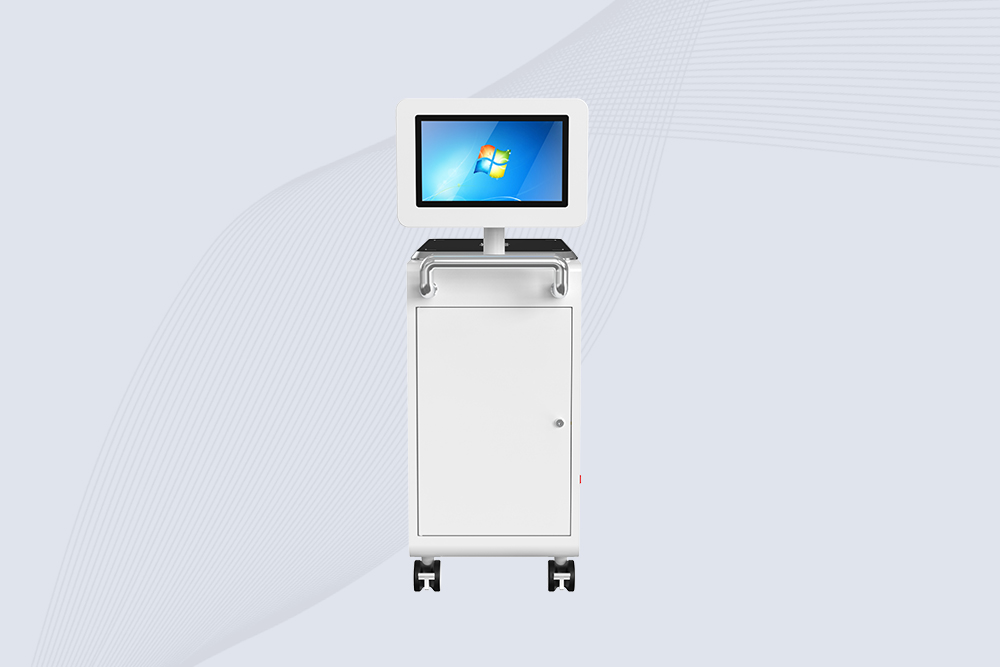
Cykeo CYKEO-C2 UHF RFID inventory cart features 10 UHF readers, 500 tags/sec scanning, Windows/Android OS, and hybrid power for warehouses/libraries. Supports ISO 18000-6C protocols and customization.
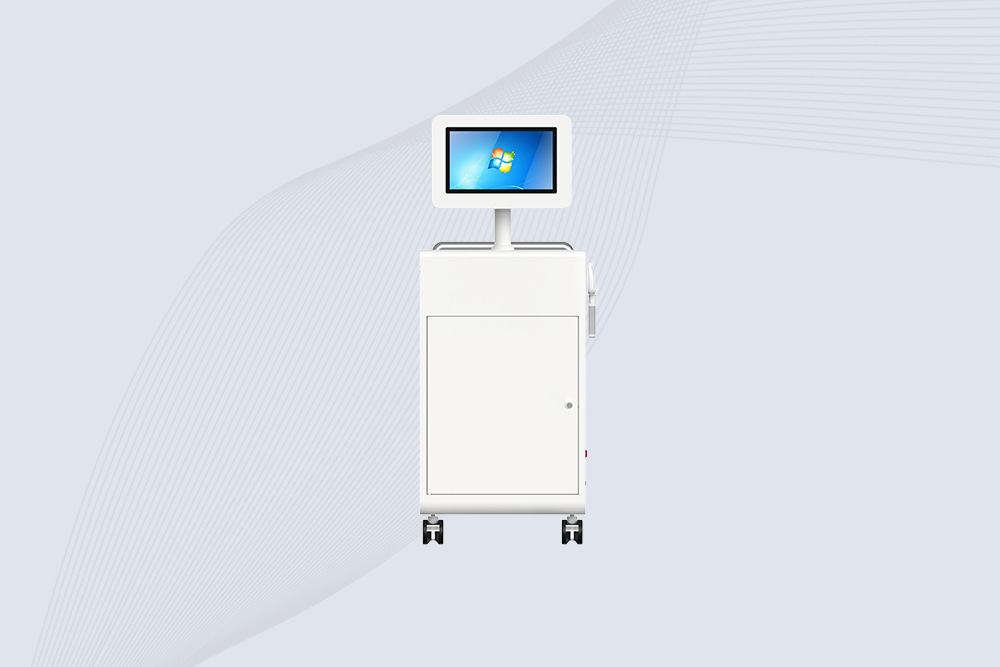
Cykeo’s industrial RFID Inventory Tracking station features dual scanning modes, 200+ items/sec bulk reading, and SAP integration for precise warehouse management. MIL-STD-810G certified with Windows/Android OS.
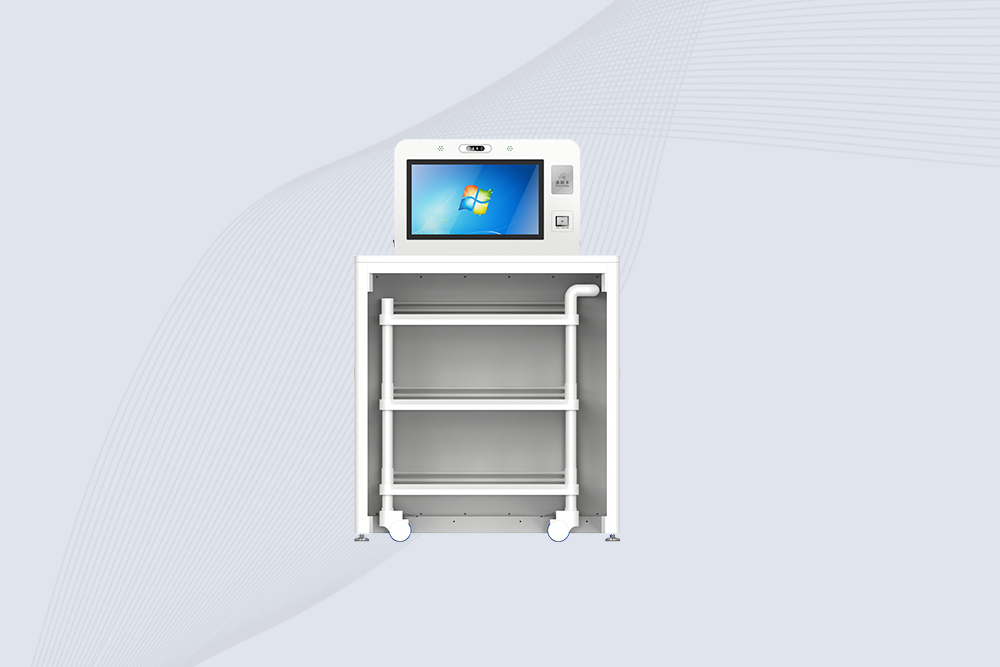
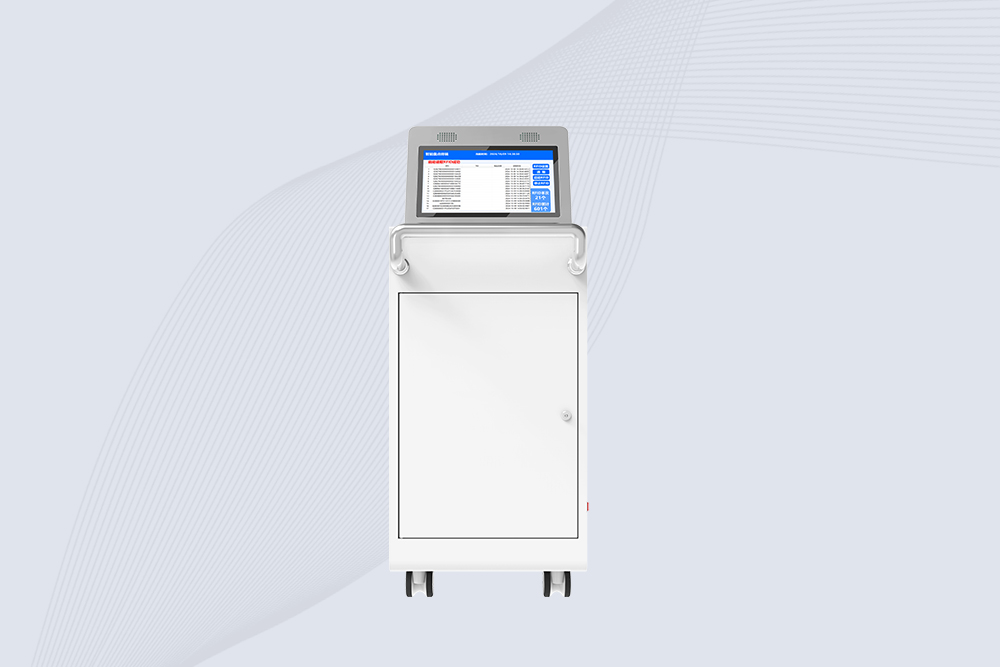
Cykeo CYKEO-D7 RFID system for inventory offers 40+ tags/sec scanning, 150L secure storage, and Impinj R2000 chipset for warehouses, toolrooms, and retail. Global frequency compliance (840-960MHz).
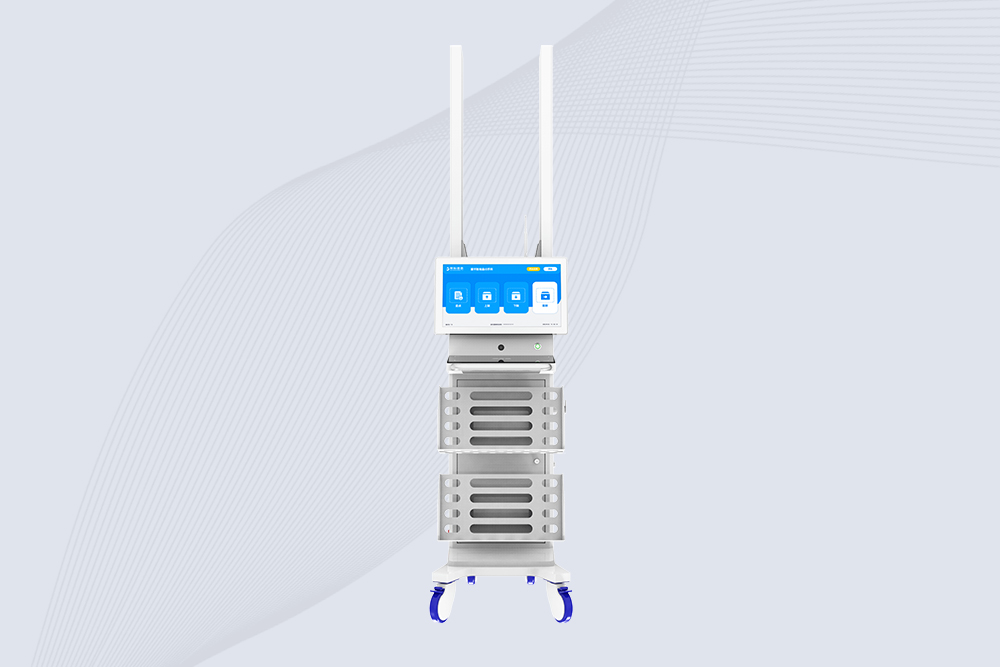
Cykeo CYKEO-C1 mobile RFID scanner cart features PLC-controlled antenna lifting, 10-tag/sec reading, and 21.5″ touchscreen for libraries, hospitals, and warehouses. Supports Windows/Android and multi-protocol RFID.
Cykeo CYKEO-C3 industrial warehouse RFID scanner features motorized lift (2.2m height), 800+ tags/min scanning, Windows/Android OS, and ERP integration. Ideal for high-shelf inventory in logistics/manufacturing.
Cykeo’s CYKEO-TP2 automated RFID Inventory Management Tunnel System features 80kg capacity conveyor, 400 tags/sec scanning, and real-time data validation for warehouse/logistics operations.
Cykeo’s CYKEO-TP3BC RFID inventory tunnel System management machine delivers 400+ tags/sec counting with ISO 18000-6C compliance. Features 80kg conveyor, -20°C~60°C operation, and ERP integration for apparel/electronics warehouses.
Cykeo’s industrial RFID tunnel scanner enables bulk inventory management for apparel, utilities, and hospitality. Features 10cm anti-interference, ISO18000-6C compliance, and SAP/Oracle integration.
Cykeo CYKEO-TP4 industrial RFID tunnel system features 800-tag/batch processing, PLC-automated shutters, and SAP integration for apparel/hotel/power industries. 3-second verification with 99.9% accuracy.
Cykeo CYKEO-TP5A industrial RFID tunnel system features 800-tag/batch processing, PLC-automated shutters, and SAP integration for apparel/hotel/power industries. 3-second verification with 99.9% accuracy.
Cykeo CYKEO-GP industrial RFID tunnel achieves 300pcs/sec bulk RFID tags inventory tracking with ISO 18000-6C protocol. 1.9m tunnel height for cage carts, 20cm anti-crosshield tech.
Cykeo CYKEO-C4A RFID inventory systems Cart feature dual-band scanning, 10-antenna array, and SAP integration for warehouse/hospital/supermarket asset audits. 300+ items/min accuracy with industrial reliability.
Cykeo CYKEO-C4B RFID inventory managment cart features dual-band scanning, 10-antenna array, and SAP integration for real-time asset tracking in warehouses/hospitals.
Cykeo CYKEO-C4C RFID inventory tracking cart features 10-antenna array, 300+ items/min scanning, and SAP integration for real-time asset visibility in warehouses/hospitals.
Cykeo CYKEO-T8B industrial rfid gate access system offers 1.85m scanning corridor, 99.6% read accuracy, and Windows/Android OS for production line verification. Supports SAP/Oracle integration.
Cykeo CYKEO-C1A RFID tag inventory system features vertical 2.2m manual lift, dual antennas, and Android/Windows OS for warehouse/library inventory. Supports SAP/Oracle integration.
Cykeo CYKEO-TP4A retractable RFID gate processes 1000+ items in 10 seconds with expandable width design. Ideal for large-scale utility, hotel linen, and apparel inventory management.
Cykeo CYKEO-S1 RFID library book return sorting system processes 1200 books/hour with modular design and dual-frequency RFID support. Ideal for automated library book sorting and categorization.
Cykeo CYKEO-TP2C RFID tunnel reader verifies 400+ items in 3 seconds with 4-antenna array and PLC control. Ideal for warehouse inventory management with 99.9% accuracy.
Cykeo CYKEO-TP2D compact RFID tunnel scanner reader offers enclosed scanning with auto-shutter door and IR-activated conveyor. Ideal for mid-scale warehouse inventory management.
Cykeo CYKEO-TP2A RFID tunnel reader verifies 400+ items in 3 seconds. Integrates RFID, barcode, weighing, and automated sorting for warehouse logistics. Boosts accuracy to 100%.
Learn how RFID reader modules are used in industrial automation systems including conveyors, AGVs, smart cabinets, and production tracking environments.
How RFID work explained with real technology insights. Learn how RFID tags, readers, and systems communicate for tracking, automation, and industrial applications.
A practical guide on how to use RFID module with Mega Board (Arduino Mega 2560). Learn wiring, coding, and project ideas for advanced RFID applications.
Discover the most durable RFID handheld readers for construction sites. Explore rugged features, weather resistance, and Cykeo’s solutions for harsh environments.
 Cykeo RFID IoT Solution Products R&D Manufacturer