 Cykeo RFID IoT Solution Products R&D Manufacturer
How to Choose the Best Handheld RFID Scanner for Your Business
766Discover the key factors to consider when selecting a handheld RFID scanner for your business, from durability to software compatibility. Make an informed choice.
MoreAll RFID Product
How rfid work is based on wireless communication between RFID tags and readers, where radio waves transfer identification data from tagged objects to a connected system for automatic tracking, inventory management, and real-time information processing.
In RFID system projects I have worked with through Cykeo technical evaluations, many customers initially ask about reading distance or tag size. However, the core of RFID performance comes from understanding the communication process between the tag, reader, antenna, and software platform.
RFID is not a single device.
It is a complete identification ecosystem.
A warehouse gate, retail shelf, production station, or smart cabinet works because several technical components operate together. The reader creates a radio field, the tag responds with stored information, and the software converts that signal into usable business data.
From industrial testing experience, small changes in antenna position, tag orientation, or environment can influence actual performance. A successful RFID deployment depends on engineering the entire system, not simply selecting a powerful reader.
RFID uses radio frequency communication to identify objects automatically.
A standard RFID system contains three main elements:
| Component | Function |
|---|---|
| RFID Tag | Stores identification data and communicates with readers |
| RFID Reader | Sends radio signals and receives tag responses |
| Software Platform | Processes RFID data for tracking and management |
The communication process generally follows these steps:
The RFID reader generates radio frequency energy through its antenna.
For passive RFID tags, this signal provides the energy required for the tag to respond.
When a tag enters the reader’s communication area, its internal chip activates and sends stored information back.
The information may include:
The reader transfers collected information to software systems.
These systems can connect with:
The result is automatic identification without manually scanning each item.
The relationship between RFID tags and readers determines system performance.
Unlike barcode technology, RFID does not require direct visual contact.
A barcode scanner needs:
RFID can often identify multiple items simultaneously.
This makes RFID valuable in environments where thousands of objects move daily.
Examples include:
According to GS1, EPC-based UHF RFID technology is widely used in supply chain applications because it enables automatic identification and data capture across logistics processes.
RFID systems operate at different frequencies depending on application requirements.
| RFID Type | Frequency | Typical Application |
|---|---|---|
| LF RFID | 125–134 kHz | Animal tracking, access control |
| HF RFID | 13.56 MHz | Cards, libraries, NFC |
| UHF RFID | 860–960 MHz | Logistics, retail, manufacturing |
| Microwave RFID | GHz range | Specialized industrial systems |
Among these technologies, UHF RFID is commonly selected for industrial tracking because it supports longer reading distances and faster identification.
Cykeo focuses mainly on industrial UHF RFID solutions designed for applications requiring reliable identification in complex environments.
UHF RFID systems are widely used in factories, warehouses, and retail environments.
A typical industrial workflow:
For example, in a manufacturing facility:
A component enters a production station.
The RFID reader automatically identifies the component.
The system verifies production information.
The manufacturing record updates immediately.
No employee needs to manually enter the information.
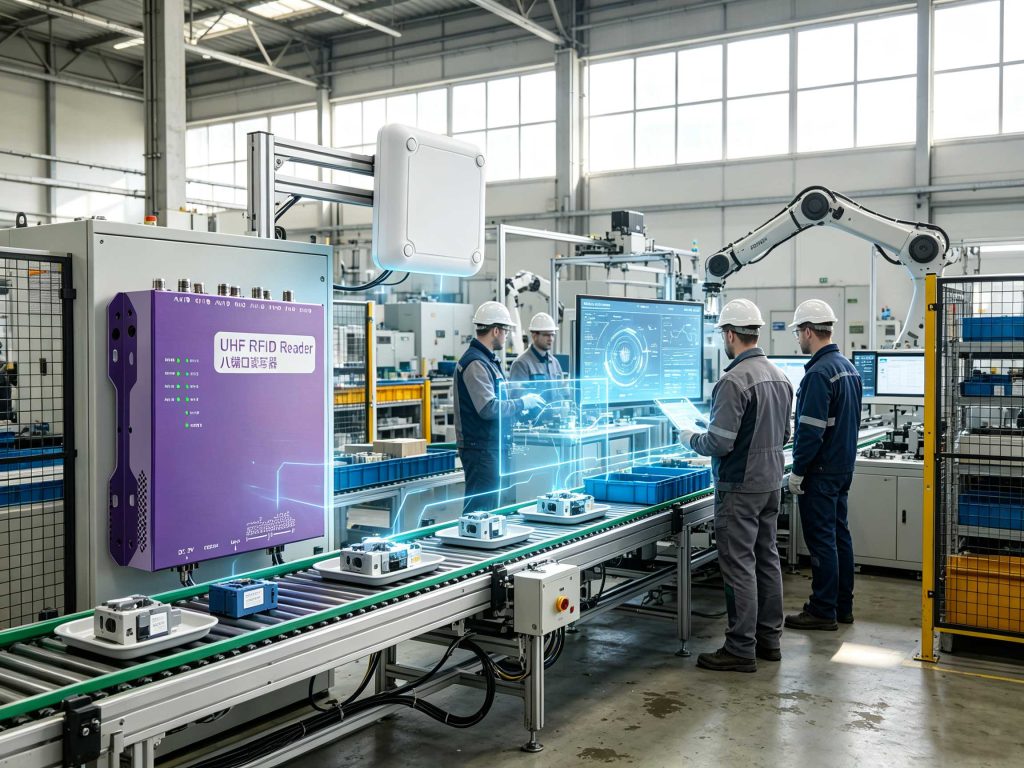
The theoretical RFID process is simple. Real deployment requires deeper engineering.
Important factors include:
Different applications require different tags.
Examples:
Reader quality affects:
Materials influence RFID performance.
Metal and liquid can affect radio signals, requiring specialized tag designs and antenna planning.
Professional RFID deployment requires:
Cykeo develops RFID readers, rfid modules, and identification solutions for industrial and commercial applications.
Based on practical deployment experience, successful RFID systems usually share several characteristics:
The strongest RFID systems are not necessarily the most complex. They are the systems that accurately solve a specific operational problem.
Understanding how rfid work in real applications requires analyzing the complete communication chain: tag response, reader sensitivity, antenna performance, and software processing capability.
In professional RFID deployments, engineers evaluate more than whether a tag can be detected. They measure:
According to RAIN RFID Alliance, RAIN RFID technology enables battery-free identification solutions using UHF radio communication, supporting applications across retail, logistics, manufacturing, and asset management.
A typical industrial RFID performance evaluation includes:
| Parameter | Typical RFID System Requirement |
|---|---|
| Frequency Range | 860–960 MHz for UHF RFID |
| Communication Protocol | EPC Class 1 Gen2 / ISO 18000-6C |
| Identification Method | Contactless wireless communication |
| Reading Distance | Depends on antenna, tag, and environment |
| Processing Capability | Multi-tag identification |
| Integration | API, SDK, enterprise software connection |
The most reliable RFID systems are designed around actual operating conditions, not only laboratory specifications.
Cykeo RFID systems are designed around the interaction between:
Each part affects the final identification result.
For example, a high-performance reader cannot compensate for an unsuitable tag installed on metal equipment. Likewise, a good tag cannot deliver reliable results if antenna placement is incorrect.
Cykeo focuses on complete system matching during deployment.
Cykeo focuses on complete system matching during deployment.
One major advantage of RFID compared with traditional identification methods is simultaneous reading.
In warehouses and factories, hundreds of items may move through a checkpoint.
RFID enables:
For applications such as retail inventory, manufacturing tracking, and logistics management, this capability creates measurable efficiency improvements.
Modern companies rarely use RFID as an isolated technology.
RFID data usually connects with:
Cykeo RFID readers and modules support integration approaches suitable for OEM developers and system integrators.
This allows companies to build RFID solutions around existing workflows instead of replacing their entire infrastructure.
Factories use RFID to connect physical production activities with digital records.
Applications include:
Example:
A component enters an assembly station.
The RFID readerdentifies the component automatically.
The production system checks process information.
The manufacturing record updates without manual input.
Warehouses use RFID for:
Unlike manual inventory methods, RFID enables companies to collect operational data continuously.
Retail businesses use RFID for:
A retailer can understand whether an item exists physically before promising availability online.
Hospitals and medical facilities use RFID to manage:
Industrial organizations use RFID to monitor:
This reduces time spent searching for equipment and improves accountability.
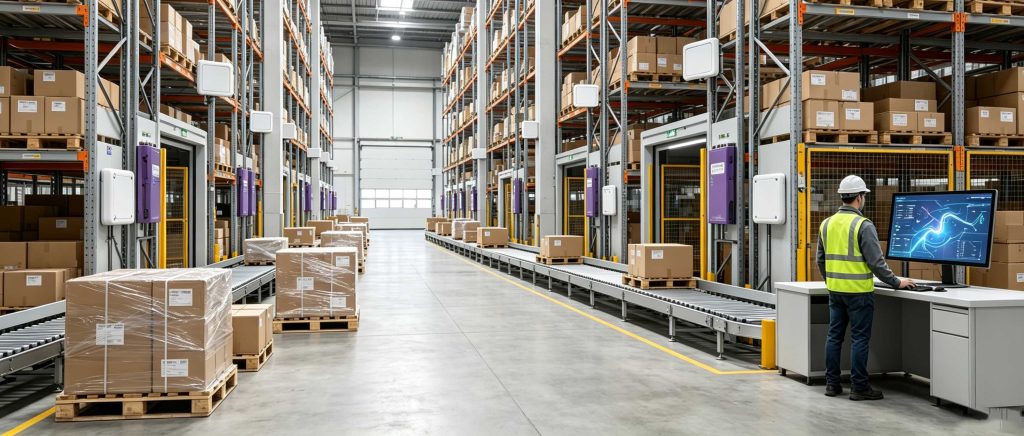
RFID works by using radio waves between a reader and a tag. The reader sends a signal, the tag responds with stored information, and software processes the data for identification and tracking.
Not always. Many passive RFID tags do not contain batteries. They receive energy from the reader’s radio signal and respond using backscatter communication.
RFID reading distance depends on frequency, tag type, reader power, and environment. UHF RFID systems can typically achieve several meters of reading range.
Yes. Modern RFID systems use anti-collision technology to identify multiple tags simultaneously, making them suitable for inventory and logistics operations.
An RFID tag usually stores identification information such as:
The database connected to the RFID system stores additional information.
RFID provides advantages when businesses require automatic identification, multiple-item reading, and tracking without direct visual scanning.
RFID is used in:
The answer to how rfid work is based on the cooperation between wireless communication, identification hardware, and intelligent software systems.
RFID has developed from a simple tracking technology into a foundation for modern automation. Companies use RFID to improve visibility, reduce manual operations, and connect physical assets with digital information.
Cykeo provides professional RFID readers, modules, and industrial identification solutions for businesses requiring reliable tracking performance.
From smart factories and warehouses to retail inventory and asset management, Cykeo RFID technology helps organizations create accurate, connected, and efficient operational environments.
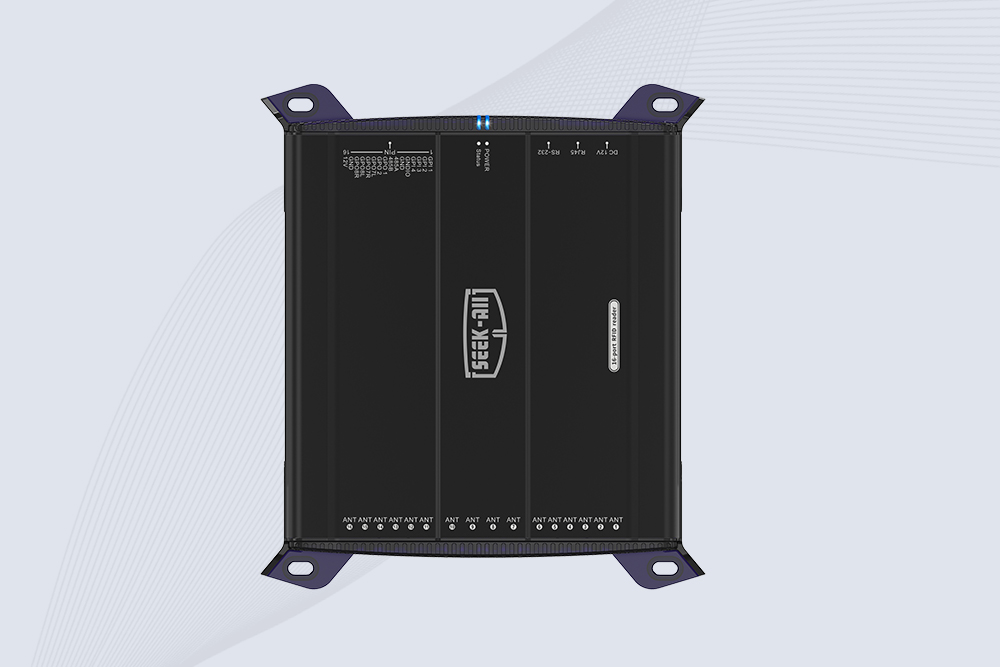
SSD-R16L Multi-Channel RFID Infrastructure for Automated Inventory Management ✔️ 16-Port High-Density RFID Reading Equipped with 16 SMA antenna ports, SSD-R16L supports multi-antenna deployment for warehouses, retail stores, logistics, production lines, and large-area RFID identification. ✔️ High-Speed & Long-Range Performance With up to 33…
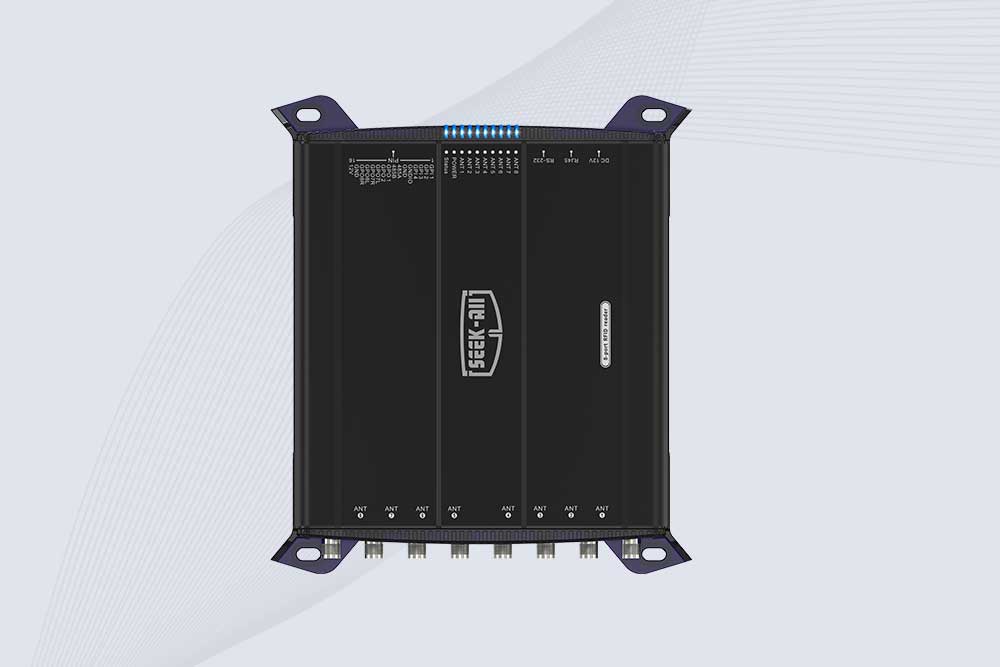
SSD-R8L 8-port UHF RFID reader with 33dBm output, up to 20m reading range and 600+ tags/s recognition. Ideal for warehouse, logistics, retail and asset tracking.
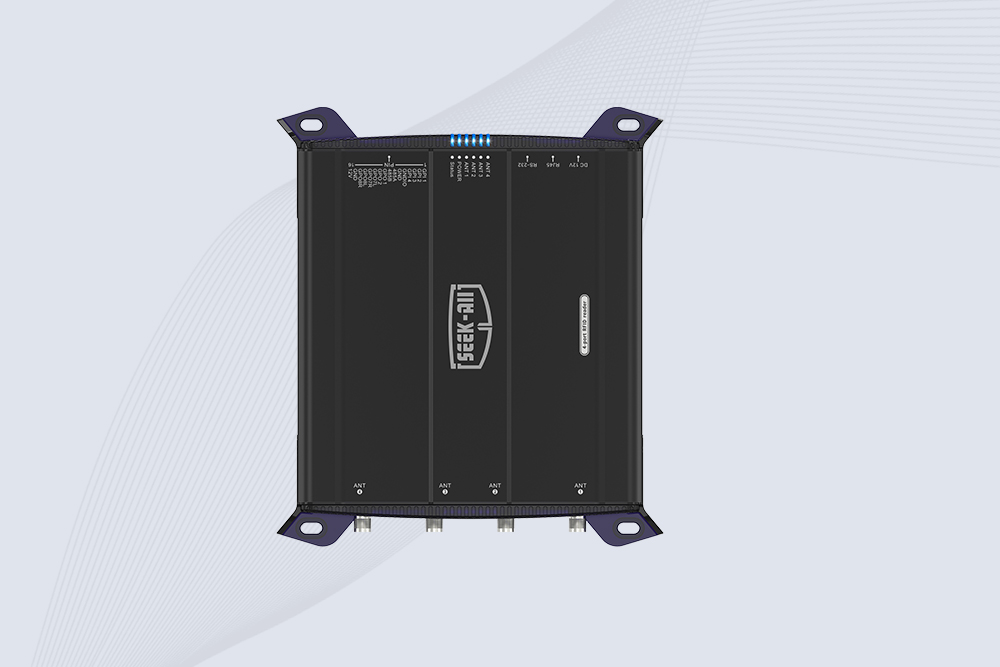
SSD-R4L is a 4-port UHF RFID fixed reader with 33dBm output power, up to 20m reading range, EPC C1G2 support and 600+ tags/s reading speed.
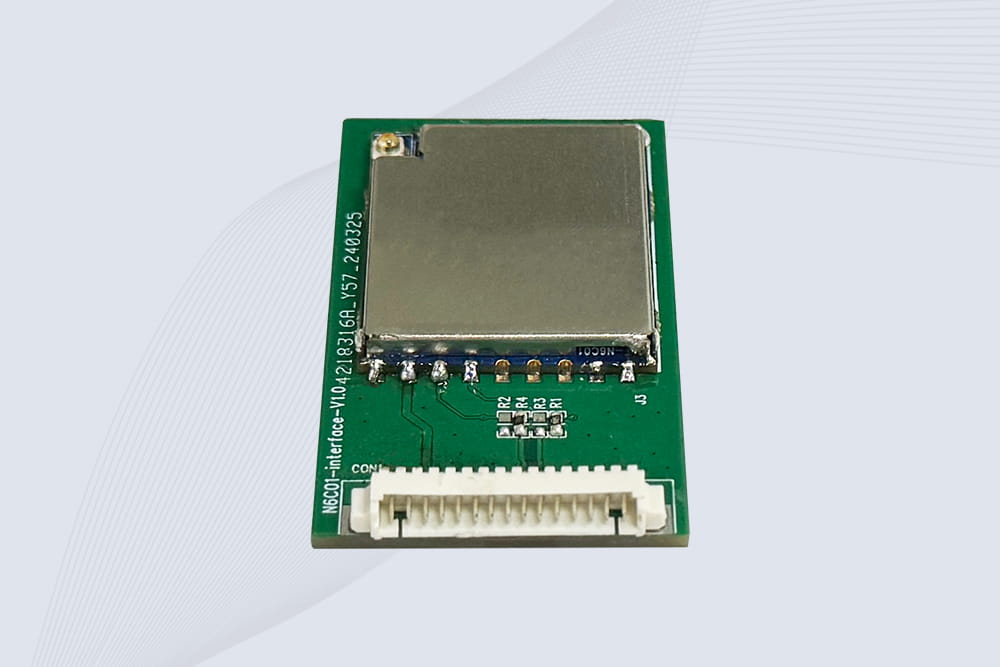
CYKEO Embedded RFID Modules are designed for compact industrial and IoT devices that require stable UHF performance. These UHF RFID Modules support global protocols, flexible power control, and reliable multi-tag reading for smart cabinets, production lines, and asset tracking systems.
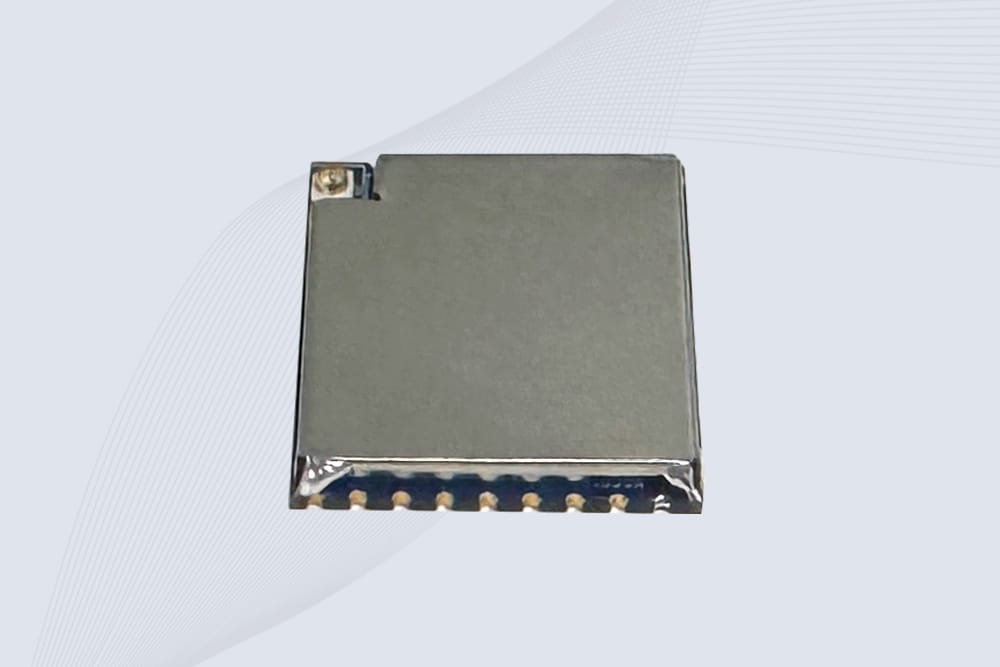
CYKEO Embedded RFID Module is built for compact IoT and industrial devices that need stable UHF performance. This UHF module supports global protocols, low power operation, and reliable multi-tag reading for smart lockers, production lines, and always-on RFID systems.
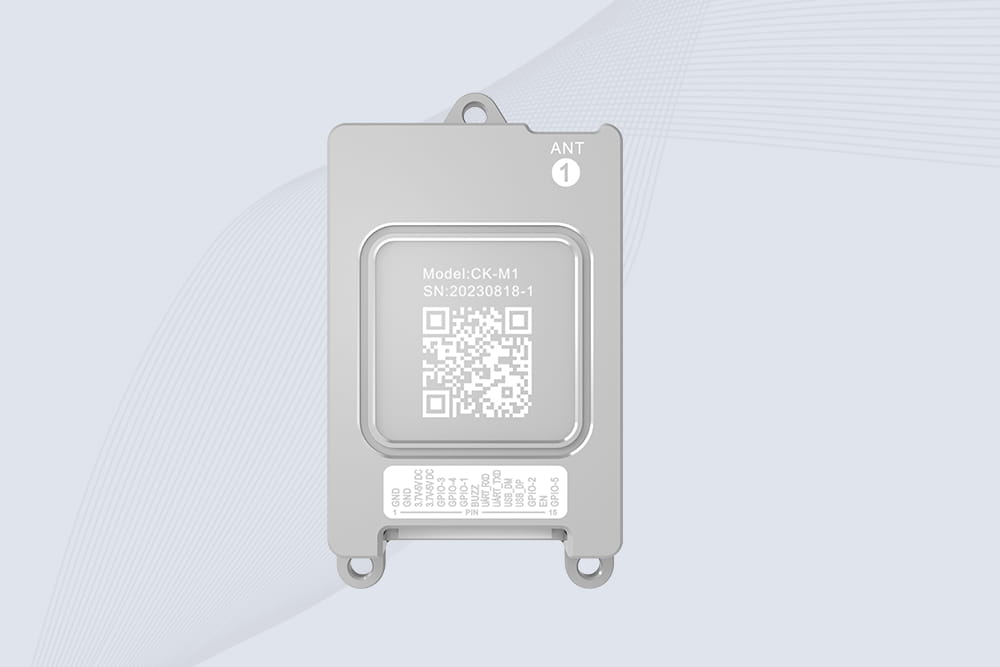
CYKEO CYKEO-M1 drone rfid module is a compact UHF RFID reader module designed for drones and UAV platforms. It supports long-range aerial scanning, fast multi-tag reading, and stable performance in wind, vibration, and outdoor environments.
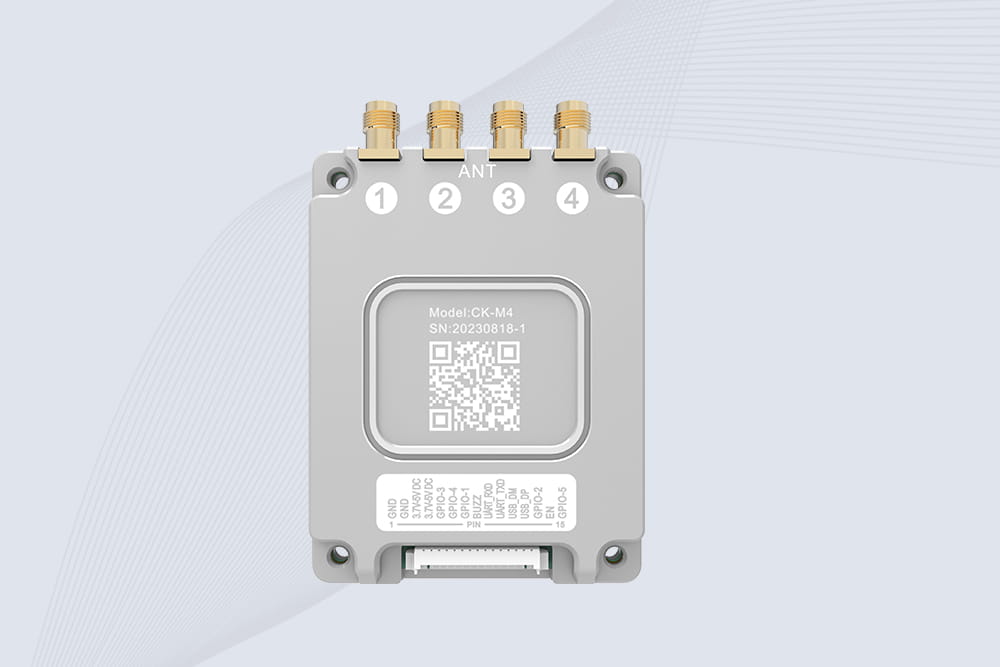
CYKEO CYKEO-M4 RC522 RFID Module is an industrial-grade UHF RFID reader with 4 ports, supporting ISO, EPC, and GB protocols. High-speed, accurate reading for IoT, automation, and warehouse applications.
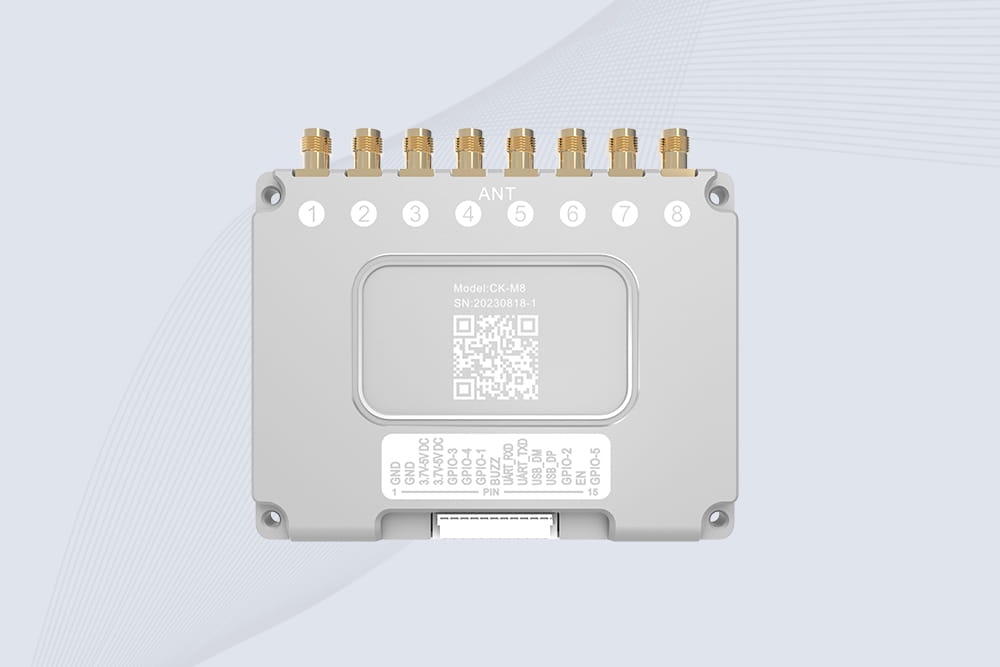
CYKEO CYKEO-M8 Module RFID is an 8-port UHF R2000 RFID Module designed for high-density, multi-tag environments. Stable 33dBm output, ISO & GB protocol support, ideal for warehouses, factories, and automated systems.
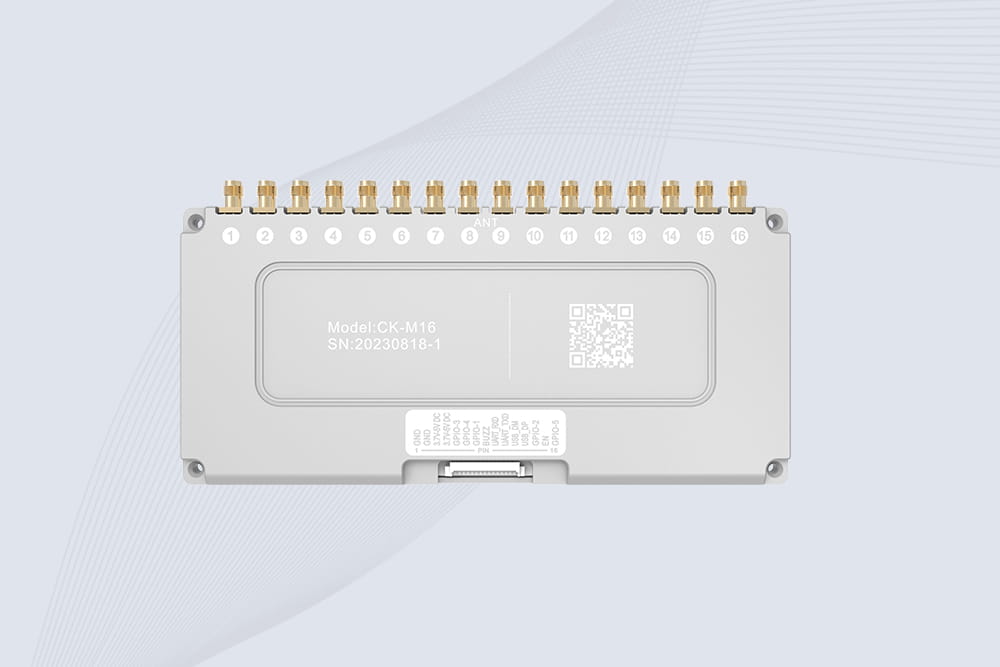
CYKEO CYKEO-M16 RFID Module is a 16-port UHF RFID reader module based on the R2000 chipset. Designed for dense tag environments, it supports ISO and GB standards and delivers stable multi-antenna control for industrial automation.
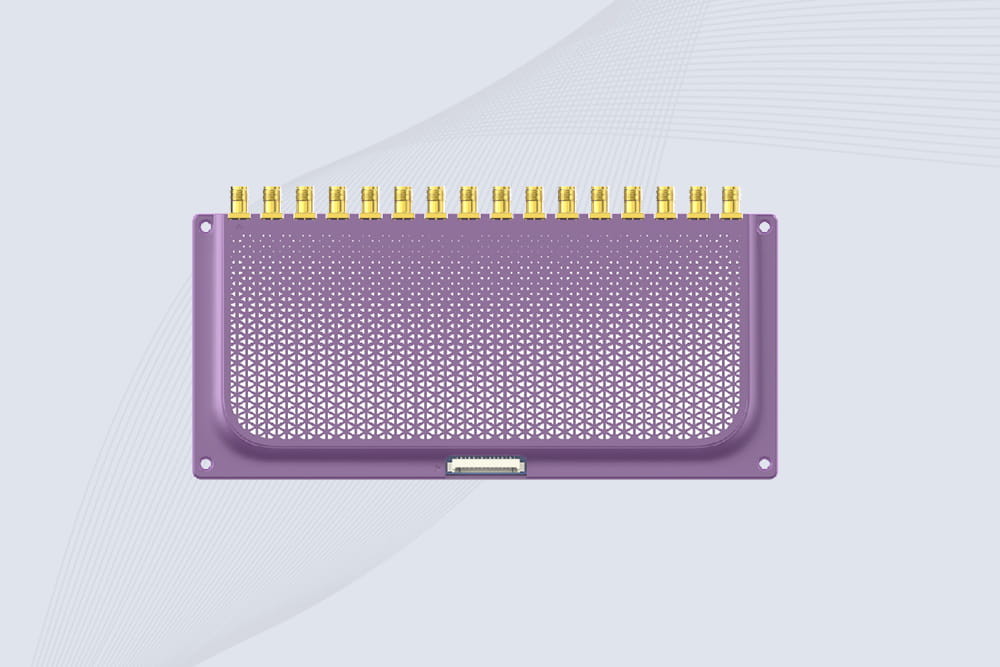
The CYKEO CYKEO-M16L RFID Reader Module is a 16-channel UHF RFID core designed for dense tag environments. With adjustable 33dBm output, multi-protocol support, and stable multi-antenna control, this RFID Tag Reader Module fits industrial automation, warehouse systems, and large-scale IoT deployments.
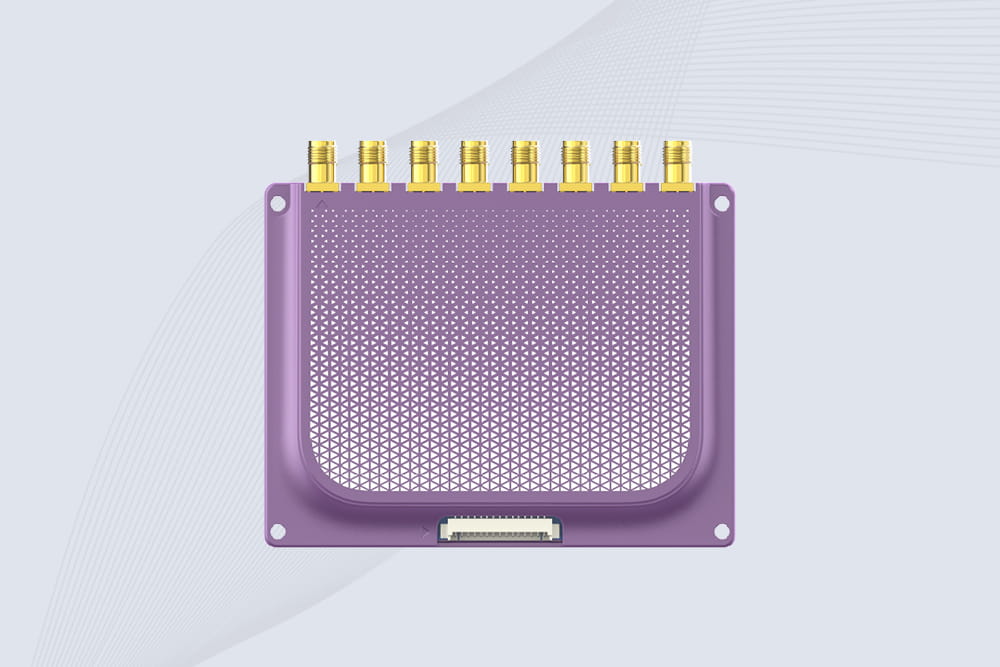
CYKEO CYKEO-M8L module RFID is a compact industrial UHF module built for dense tag and multi-antenna environments. With 8 RF ports, adjustable 33 dBm output, and ISO & GB protocol support, it is widely used in factories, warehouses, and automated tracking systems.
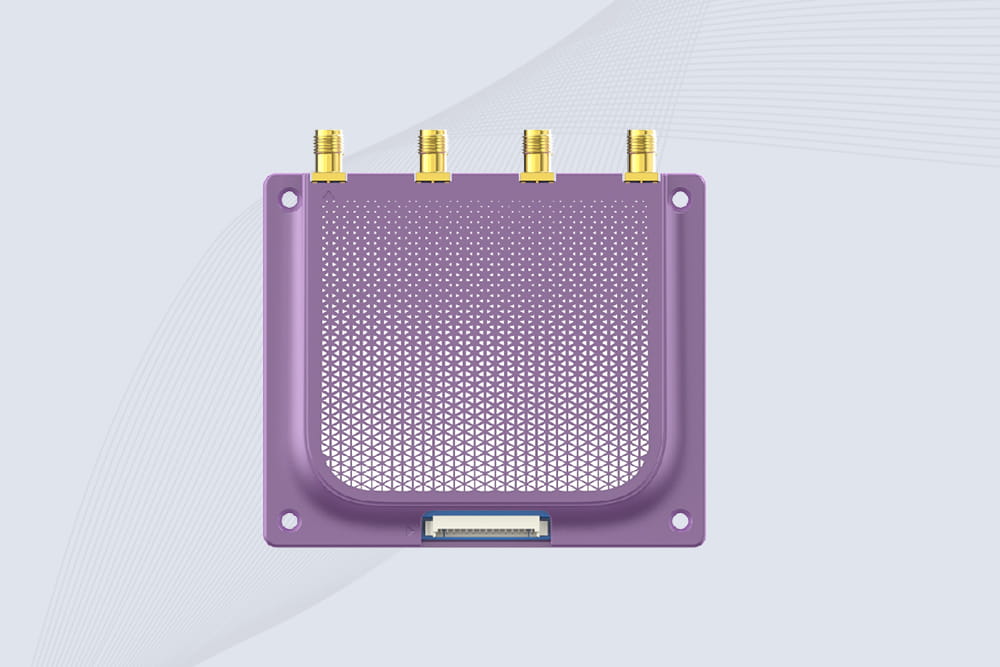
CYKEOCYKEO-M4L UHF RFID Module is a compact 4-channel RFID tag reader module designed for dense tag environments. Supporting ISO and GB protocols, it delivers stable reads up to 10 meters for industrial and IoT systems.
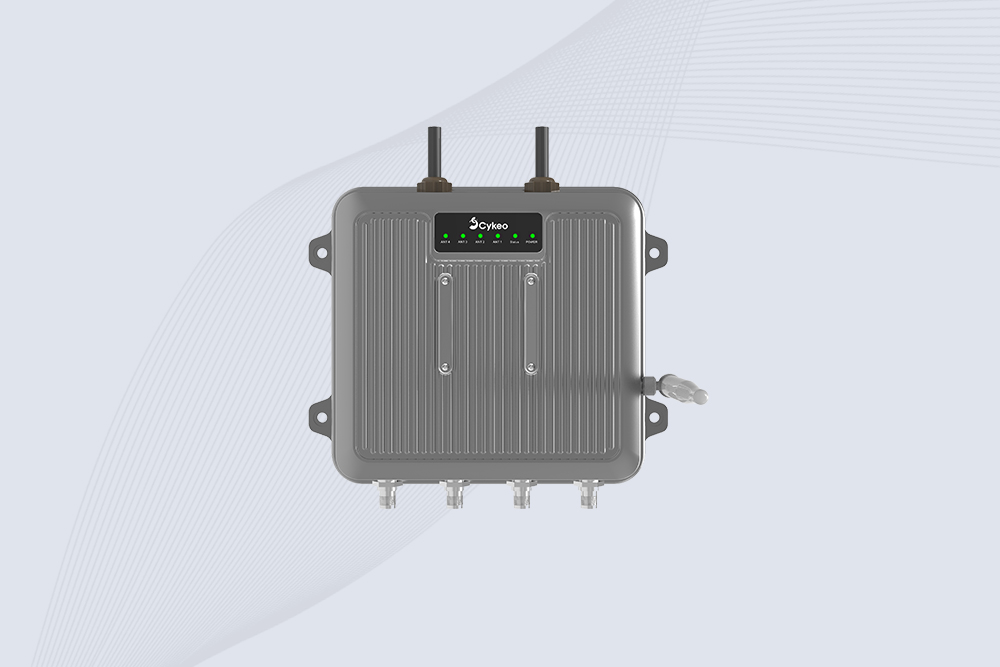
Cykeo CYKEO-C1 industrial Forklift RFID Reader features 20m read range, 600 tags/sec scanning, Impinj R2000 chipset, and IP67 rugged design. Ideal for warehouse logistics and manufacturing. Supports ISO 18000-6C/6B protocols.
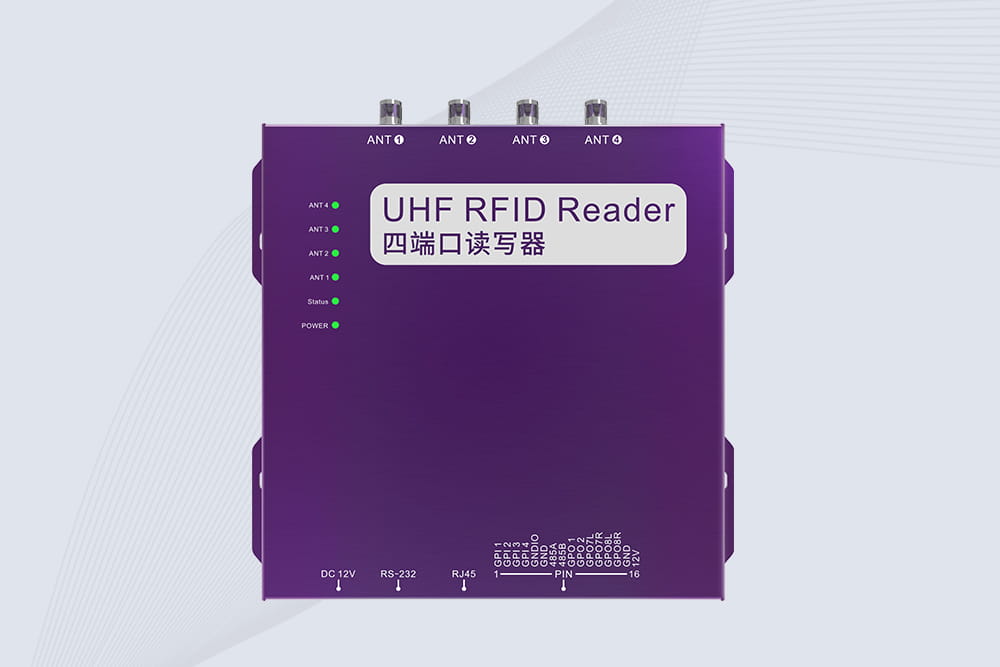
Cykeo CYKEO-R4 industrial UHF RFID Fixed Reader features 4 TNC ports, 400+ tags/sec speed, IP67 housing, and global frequency compliance for vehicle inspection, smart warehouse, and asset management systems.
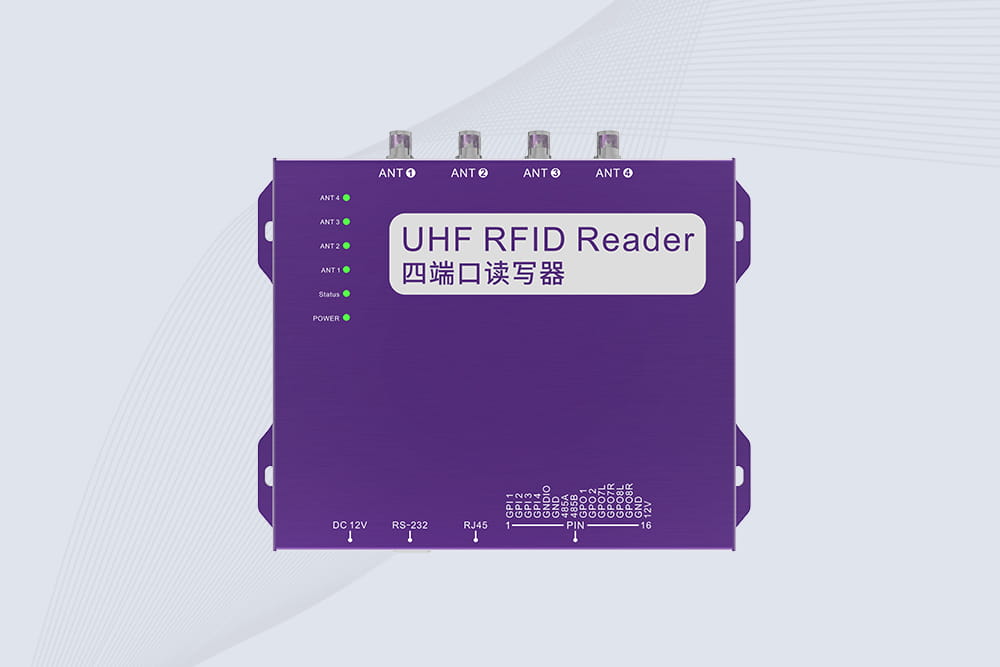
Cykeo’s CYKEO-R4L 4-port Fixed UHF RFID Reader delivers 400 tags/sec scanning, ISO 18000-6C compliance, and IP65 protection. Ideal for warehouse automation, manufacturing WIP tracking, and logistics management.
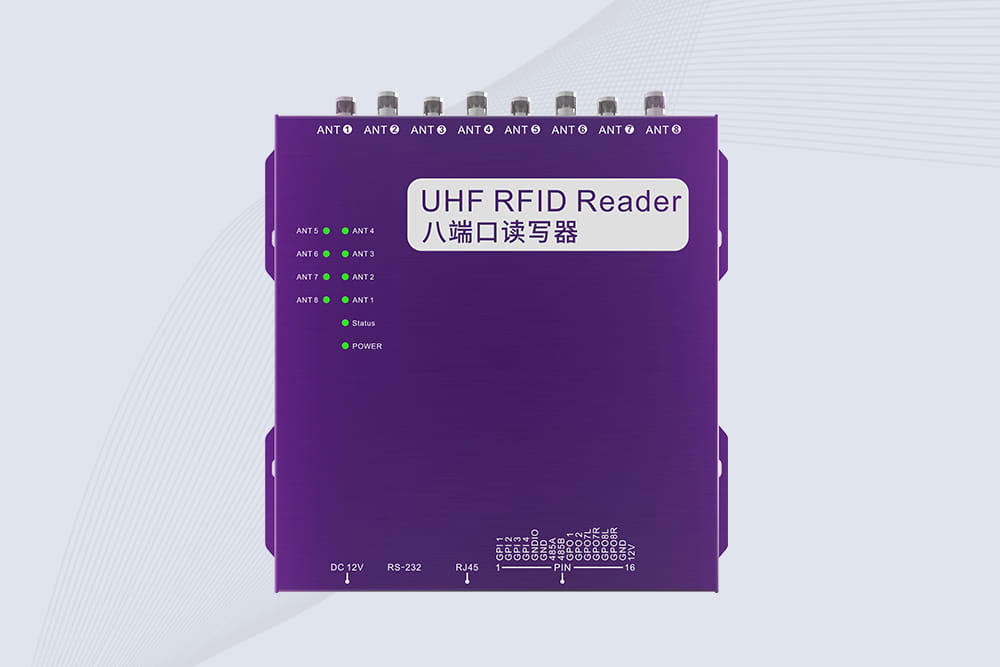
CYKEO CYKEO-R8L Fixed RFID Reader with 8-port UHF design, Impinj-based RF core and up to 20m read range. An industrial Fixed RFID Reader for vehicle inspection, warehouse portals, smart manufacturing lines and secure access checkpoints.
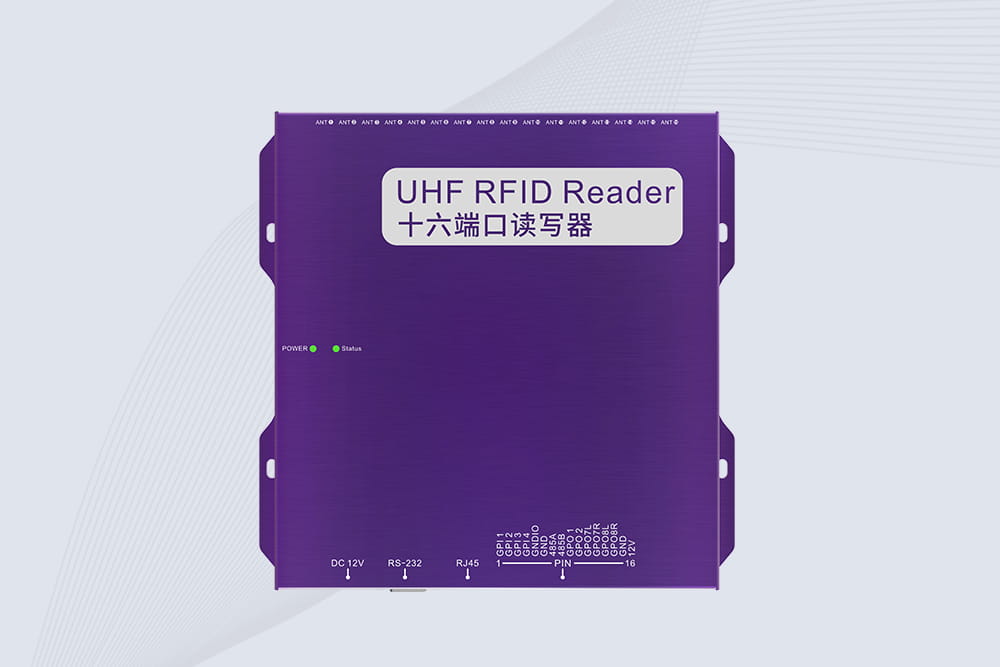
RFID Fixed Reader from CYKEO – the CYKEO-R16L 16-port UHF fixed reader for warehouses, smart cabinets, and production lines. Long-range, multi-tag reading, stable performance for 24/7 industrial use.

Discover the key factors to consider when selecting a handheld RFID scanner for your business, from durability to software compatibility. Make an informed choice.
More
Learning how to capture data from RFID reader? Stop wrestling with raw packets. Learn socket programming or use the CYKEO SDK to capture RFID reader data in Python/Java with deduplication.
More
Discover whether GPS or RFID is the most effective technology for tracking inventory in stores. Compare accuracy, cost, and use cases for retail operations.
More
does rfid work through metal? Learn when RFID signals can pass through metal, why metal blocks or reflects RF energy, and which tag designs improve reliable industrial reading.
More