 Cykeo RFID IoT Solution Products R&D Manufacturer
What is bracelet rfid ?
129bracelet rfid technology improves event management, hospital identification, and access control with fast UHF RFID tracking and real-time visibility by Cykeo.
MoreAll RFID Product
An RFID chip is a small electronic component that stores identification data and communicates wirelessly with an RFID reader through radio frequency signals. It enables automatic identification, tracking, and data management without direct contact or line-of-sight scanning. <h2>Understanding the Basic Structure of an RFID Chip</h2>
When customers ask what is rfid chip, they are usually referring to the core component inside an RFID tag or card that makes wireless identification possible. An RFID chip is not a standalone tracking device. It works together with an antenna and an RFID reader to create a complete identification system.
During years of RFID system deployment at Cykeo, one detail repeatedly appeared in real projects: many users initially focused on the external tag design but overlooked the chip performance inside. In warehouses, libraries, hospitals, and industrial facilities, the chip determines how efficiently information can be captured, stored, and transferred.
A typical RFID chip contains:
| Component | Function |
|---|---|
| Integrated Circuit (IC) | Stores identification data and processes communication commands |
| Memory Area | Saves EPC codes, user information, or security data |
| Antenna Connection | Enables wireless communication with RFID readers |
| Control Logic | Manages power activation, data transmission, and anti-collision functions |
Unlike traditional barcodes, RFID chips do not require optical scanning. Multiple tagged items can be identified simultaneously, even when tags are inside boxes, containers, or equipment cabinets.
The operating principle of an RFID chip is based on radio frequency communication between the chip and the reader.
A passive RFID chip, which is widely used in logistics and asset tracking, does not contain a battery. Instead, it receives energy from the electromagnetic field generated by the RFID reader antenna. Once activated, the chip sends stored information back to the reader.
The communication process usually follows these steps:
In Cykeo RFID projects, this process is often visible during tag registration. For example, before hospital equipment or archive files enter management systems, each RFID tag receives a unique EPC identifier. The RFID workstation reads the chip data, associates it with the physical item, and stores the relationship inside the management database.
This approach reduces manual recording errors and creates a reliable digital connection between physical assets and software systems.
RFID chips are designed for different frequency ranges and application environments.
| RFID Chip Type | Frequency | Typical Applications |
|---|---|---|
| Low Frequency (LF) RFID Chip | 125–134 kHz | Animal identification, access control |
| High Frequency (HF) RFID Chip | 13.56 MHz | RFID cards, libraries, smart documents |
| Ultra High Frequency (UHF) RFID Chip | 860–960 MHz | Logistics, manufacturing, asset tracking |
For enterprise applications, UHF RFID chips are often selected because they provide longer reading distances and faster bulk identification.
According to the RAIN Alliance, UHF RAIN RFID technology is based on the ISO/IEC 18000-63 standard and is designed for large-scale item identification. The organization reports that billions of RFID chips are deployed globally every year across retail, healthcare, manufacturing, and supply chain industries.
The real advantage is not simply reading a chip. The value comes from connecting every chip ID with operational data.
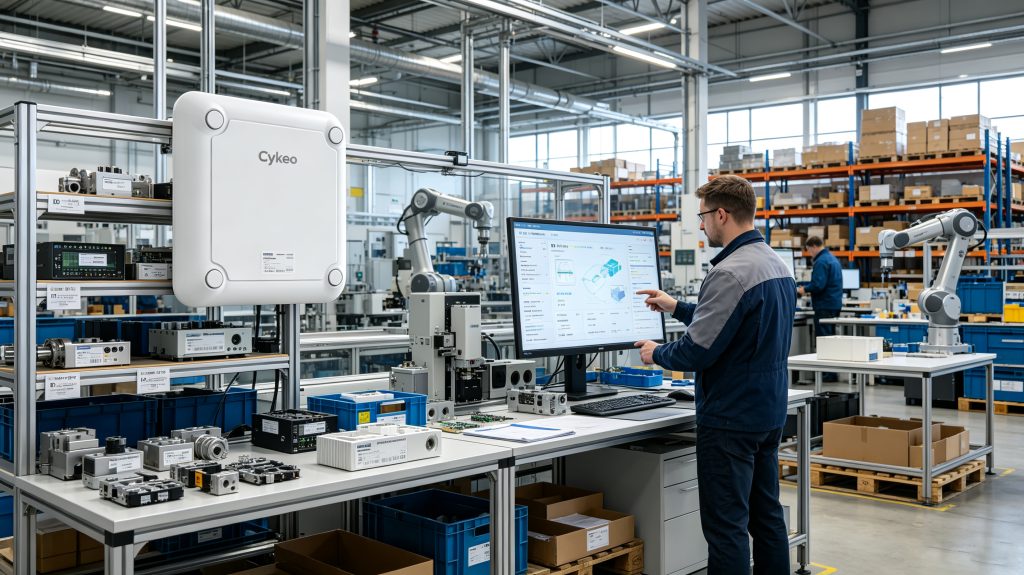
From practical implementation experience, RFID chip selection often determines whether a project succeeds after deployment.
A warehouse may initially appear simple: thousands of products entering and leaving every day. However, once the number of items increases, manual identification becomes difficult. Employees may spend hours checking serial numbers, locating equipment, or updating records.
RFID chips change this workflow.
Common enterprise benefits include:
The GS1 EPC standards provide a globally recognized identification framework that allows RFID systems to assign unique identities to physical objects. This standardization is one reason RFID technology has expanded across industries.
At Cykeo, engineers often evaluate RFID chips based on more than reading distance. Environmental factors such as metal interference, liquid exposure, tag placement, reader power settings, and database integration can affect actual performance.
A chip that performs well in laboratory testing may require different antenna designs or reader configurations in a real warehouse or archive room.
Libraries use RFID chips embedded in labels to identify books, manage circulation, and accelerate inventory operations.
A librarian can process multiple tagged books at once instead of scanning each barcode individually. RFID workstations can write, verify, and associate chip data with catalog information.
Hospitals use RFID chips for medical equipment tracking, pharmaceutical management, and asset control.
Critical equipment such as infusion pumps and emergency devices can be assigned unique RFID identities, helping staff locate resources faster.
Manufacturers use RFID chips for production tracking, component management, and quality control.
During production line operations, RFID systems can record movement history and connect physical components with digital manufacturing records.

No. An RFID chip is the electronic component inside an RFID tag. A complete RFID tag usually includes the chip, antenna, and protective material.
Yes. RFID chips contain memory areas that can store identification data such as EPC codes and other application-specific information.
Not always. Passive RFID chips receive energy from RFID readers, while active RFID systems use batteries for longer communication ranges.
High-quality RFID chips can operate for many years depending on environmental conditions, tag materials, and application requirements.
Understanding what is rfid chip helps businesses choose the right identification technology for their operations. The chip itself may be extremely small, but its role in connecting physical assets with digital systems is significant.
From Cykeo RFID workstations used for professional tag registration to industrial RFID tracking platforms, reliable chip technology creates the foundation for accurate identification, automation, and smarter management.
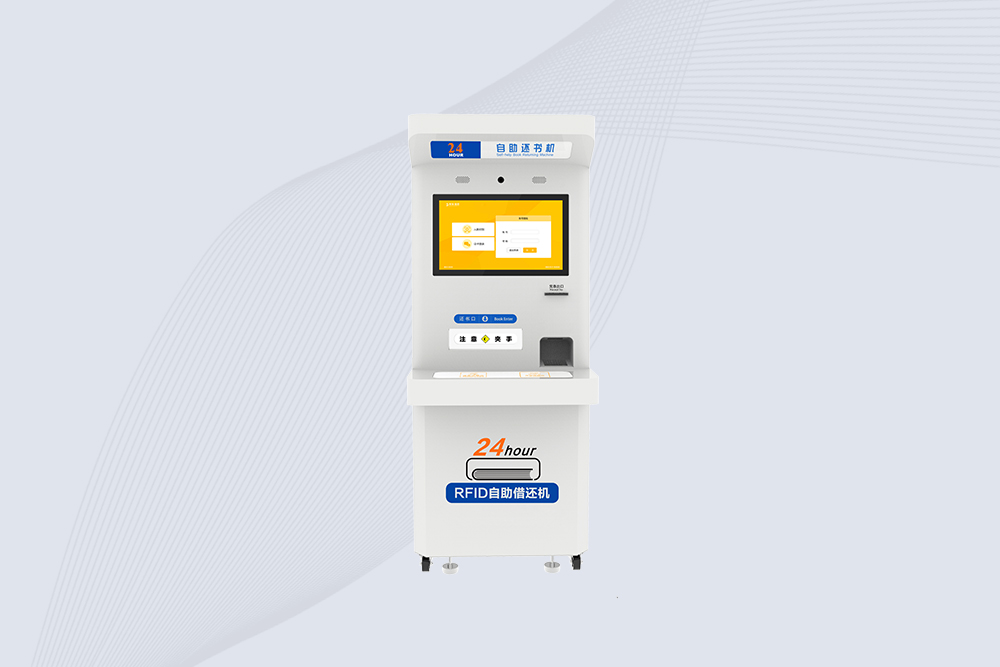
Cykeo’s CYKEO-DP10 library RFID Writer Reader terminal features HF/UHF dual-frequency, 10-channel scanning, automatic book sorting, and self-service payment. Ideal for 24/7 unmanned library operations.
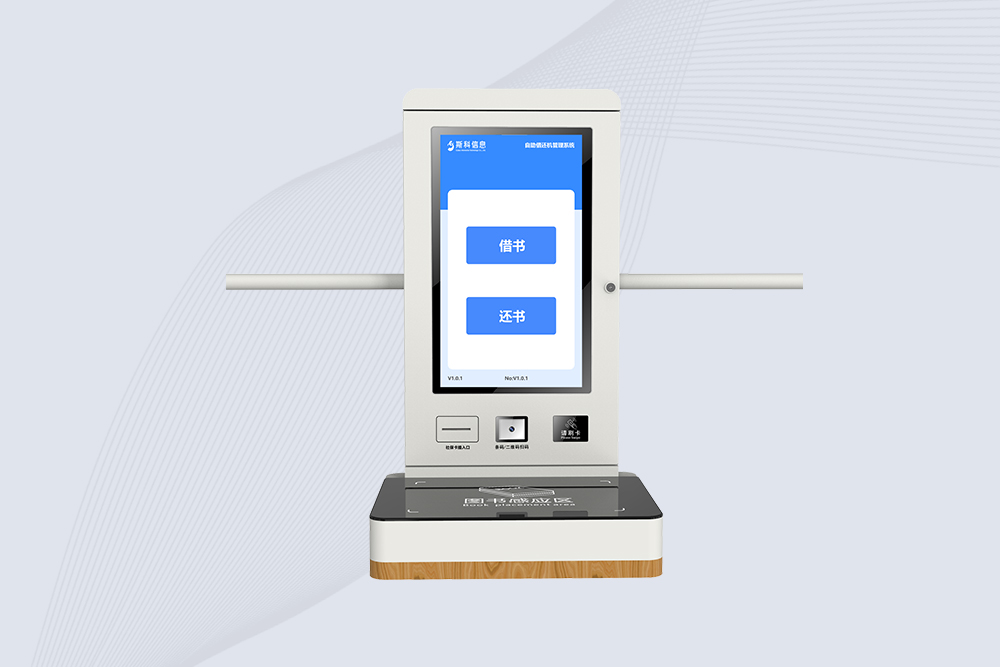
Cykeo’s CYKEO-DP4B RFID chip scanner kiosk offers 60+ tags/sec scanning, 21.5″ touchscreen, and wall-mounted design for libraries, warehouses, and retail. Supports ISO 18000-6C and customizable protocols.
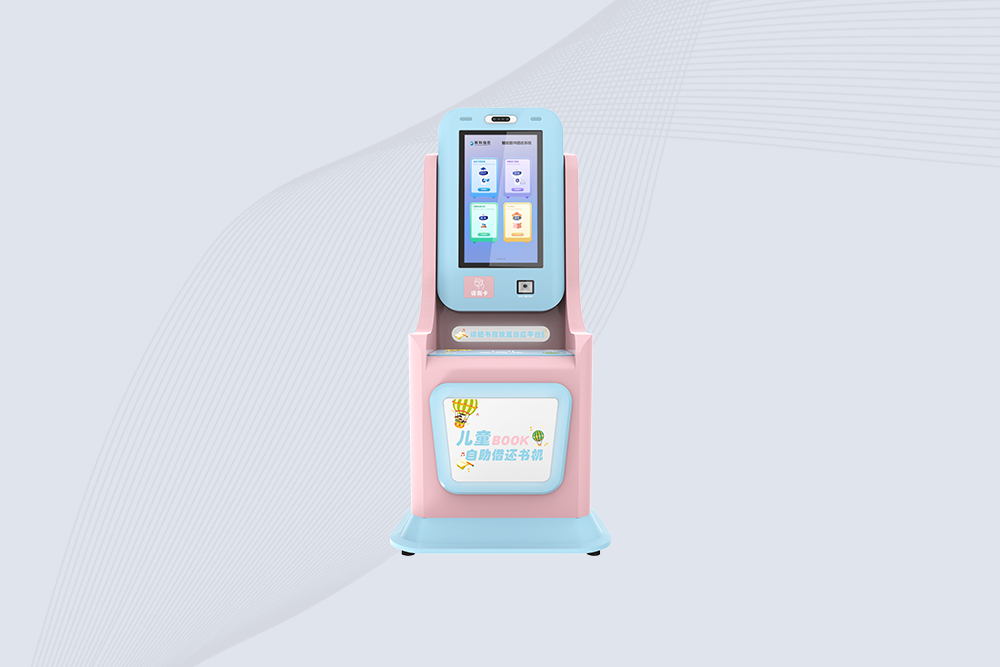
Cykeo CYKEO-DP5A passive RFID tag reader offers 10-tag/sec batch scanning, 840–960MHz frequency, and Windows/Android OS for libraries/archives. Features 4G/WiFi, self-service kiosk, and carbon steel housing.
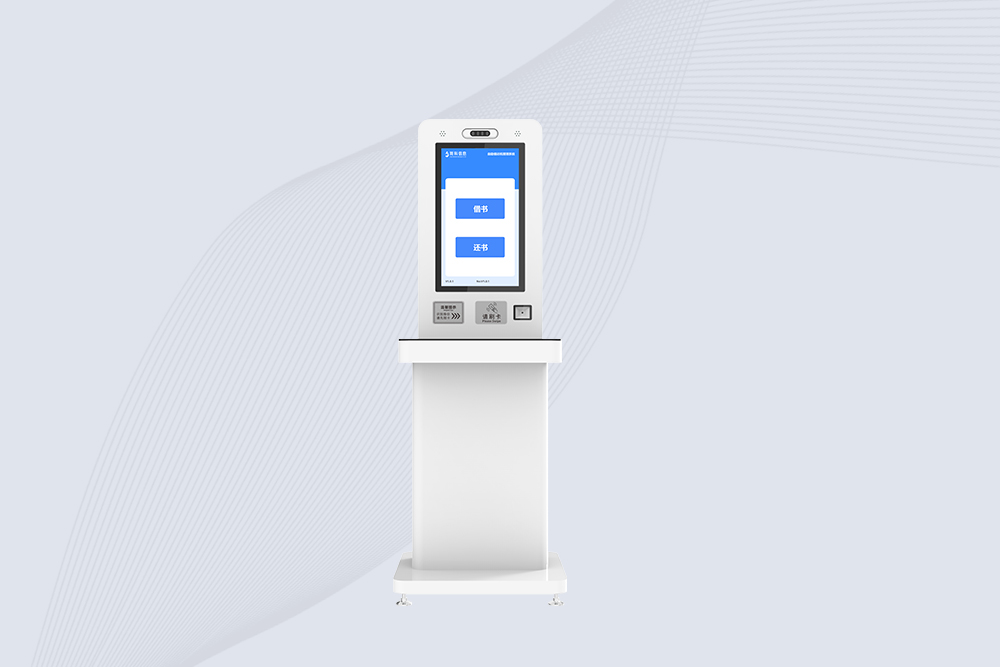
Cykeo CYKEO-DP6 vertical RFID Card and Reader terminal combines HF/UHF technology, 22″ touchscreen, and Windows/Android OS for libraries, archives, and retail. Features multi-protocol support, rugged design, and global certifications.
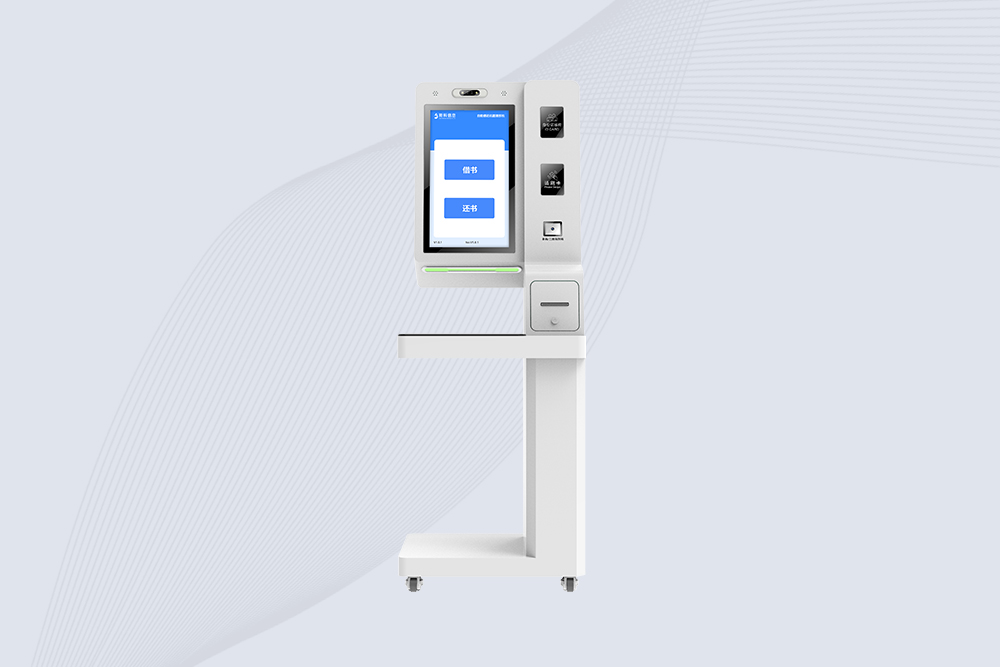
Cykeo’s CYKEO-DP6A library kiosk features UHF RFID tags reader technology, 21.5″ touchscreen, and Windows/Android OS for 24/7 book circulation. Achieves 99.9% inventory accuracy with ISO 18000-6C compliance.
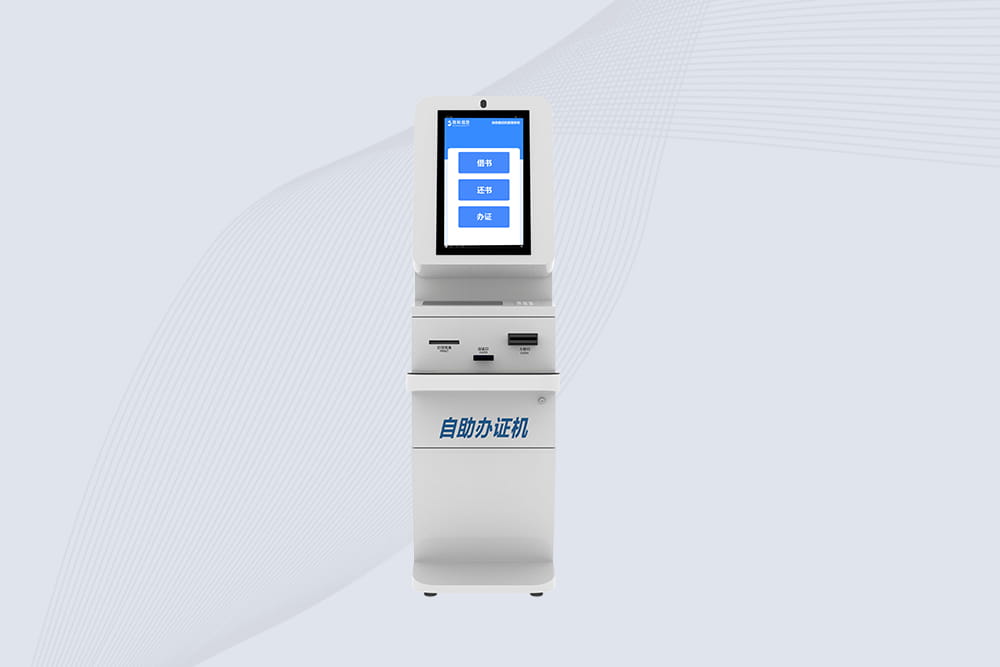
Cykeo’s CYKEO-DP9 card reader RFID kiosk enables 50-card issuance, book loans, and cash handling. Features ISO 18000-6C RFID, Windows/Android OS, 24/7 operation.
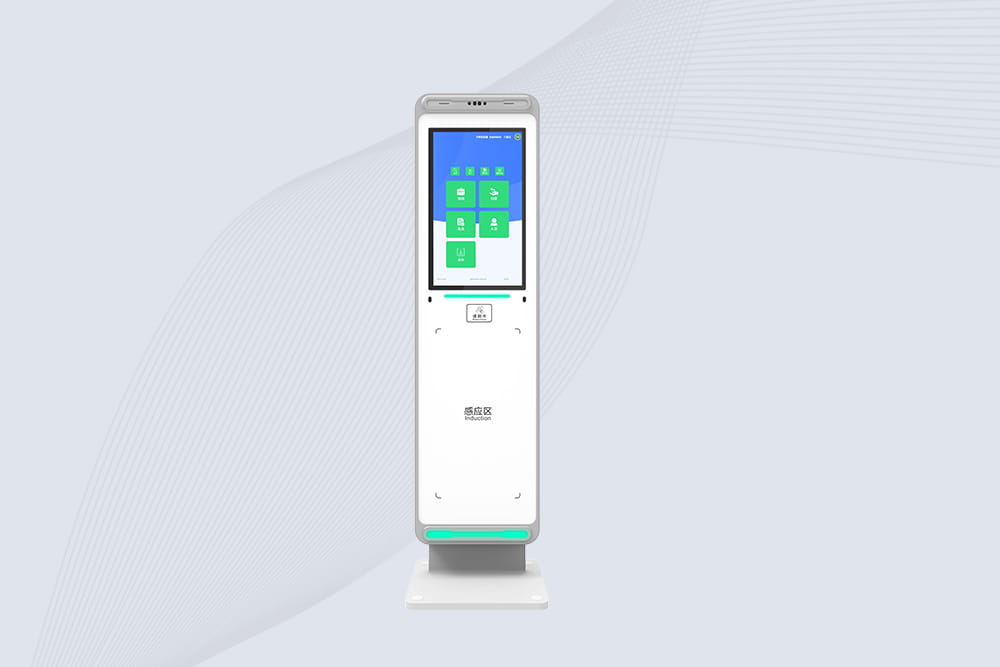
Cykeo’s medical-grade RFID scanner station features bulk UHF RFID scanning, anti-crosstalk technology, and dual OS compatibility for hospital inventory management and smart warehouses.
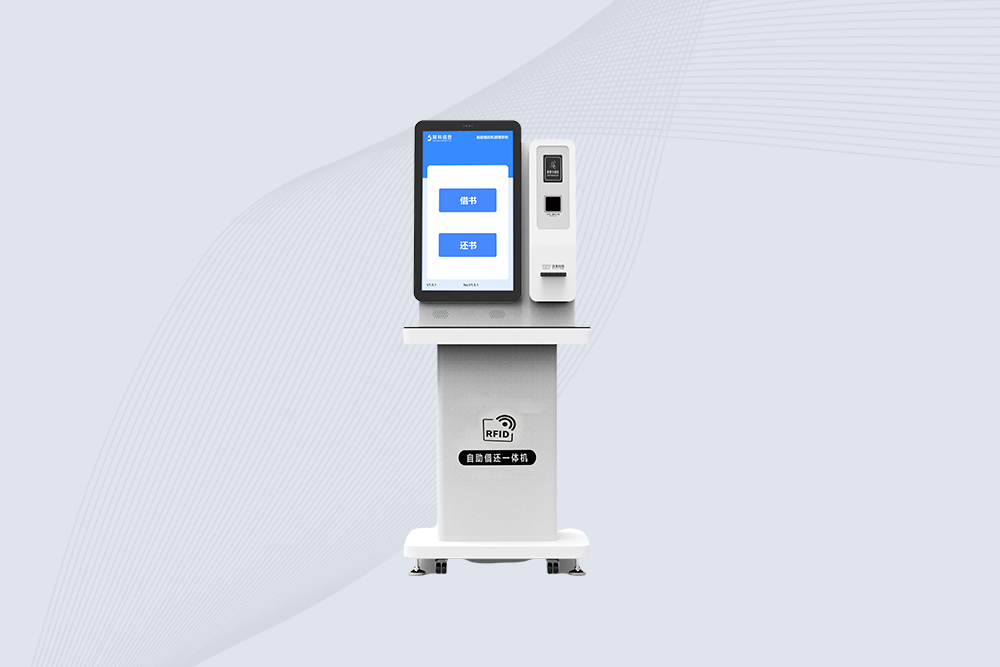
Cykeo CYKEO-DP7 UHF RFID scanner features 27″ touchscreen, 10-book simultaneous scanning, and ISO 18000-6C protocol for libraries. Supports receipt printing and SAP/Oracle integration.

Cykeo’s CYKEO-DP8 professional RFID card reader writer features dual-band operation, 300 cards/min encoding speed, and military-grade encryption. Ideal for library systems/access control.
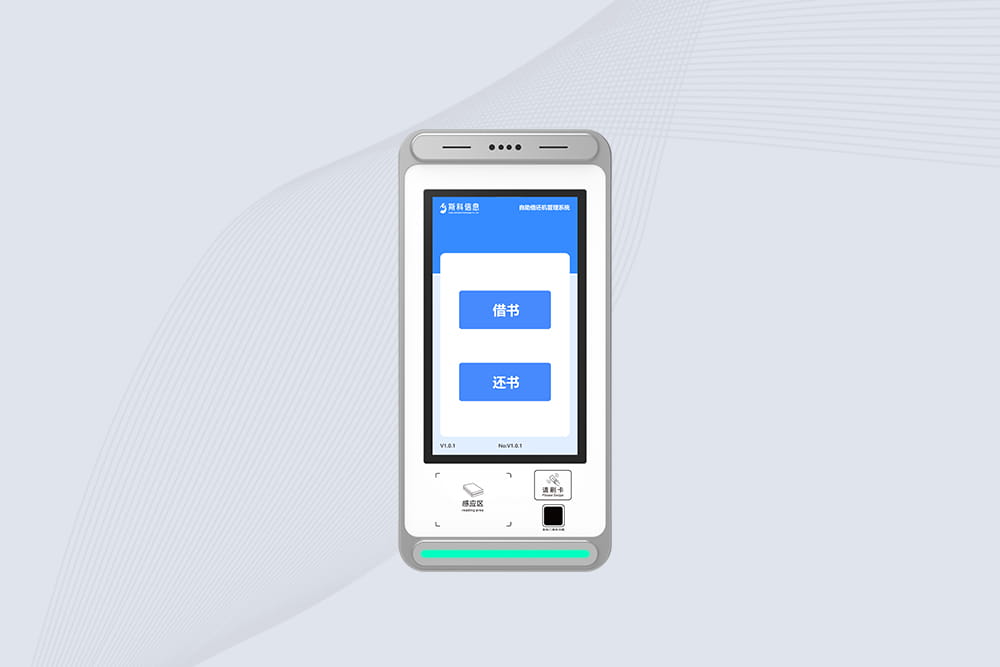
Cykeo CYKEO-DP4 wall-mounted RFID card scanner features 21.5″ touchscreen, 100+ tags/sec scanning, dual authentication (card/face), perfect for libraries/archives. IP54 rated with -20℃~60℃ operation.

Cykeo’s UHF reader RFID weighing scales combine 840-960MHz RFID scanning, 30kg/±1g precision, and SAP connectivity for chemical/pharma inventory. IP65 rated with biometric login.
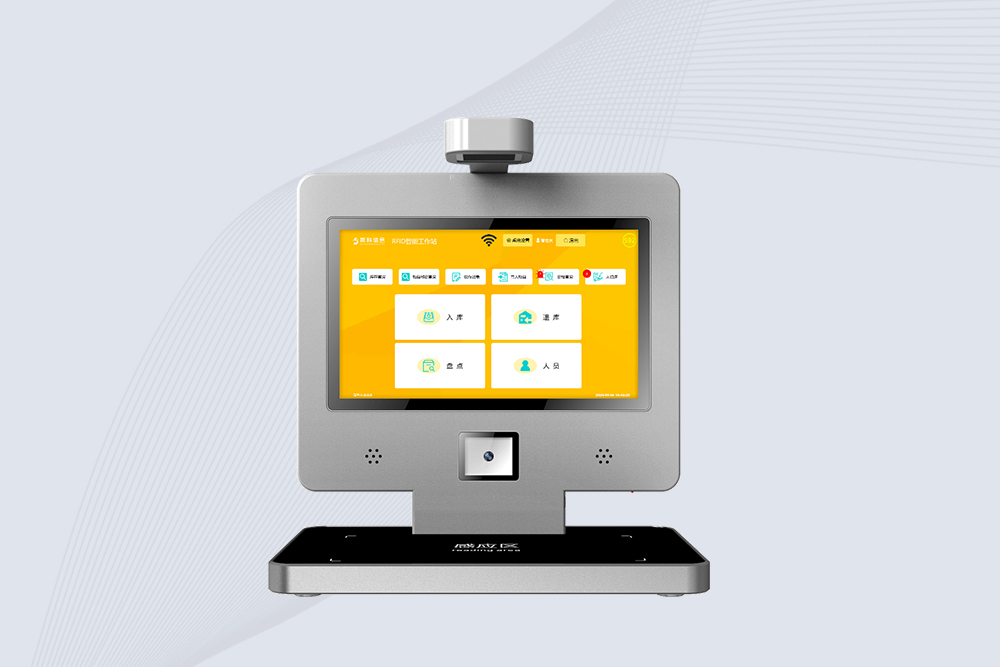
Cykeo CYKEO-DPA Desktop Reader RFID Workstation features 50+ tags/sec batch processing, IP65 rugged design, and Windows IoT for manufacturing/warehouse RFID operations. Supports ISO 18000-6C.
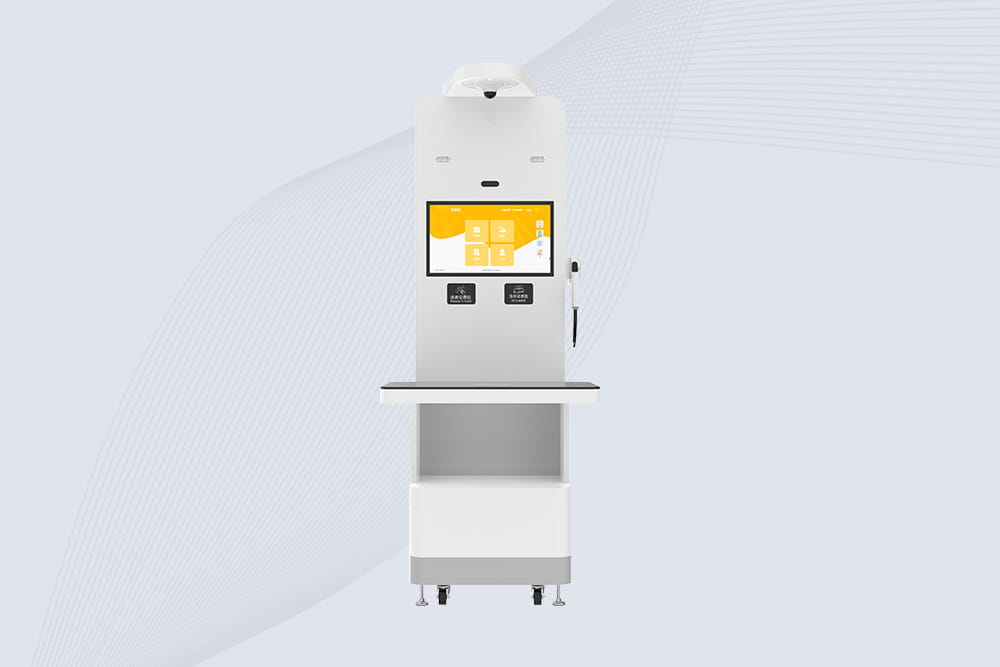
Cykeo CYKEO-DP12 vertical RFID workstation features 21.5″ touchscreen, 30-tool simultaneous tracking, and military-grade -20℃~70℃ operation for manufacturing/aviation/automotive sectors. Supports Windows & Android OS.
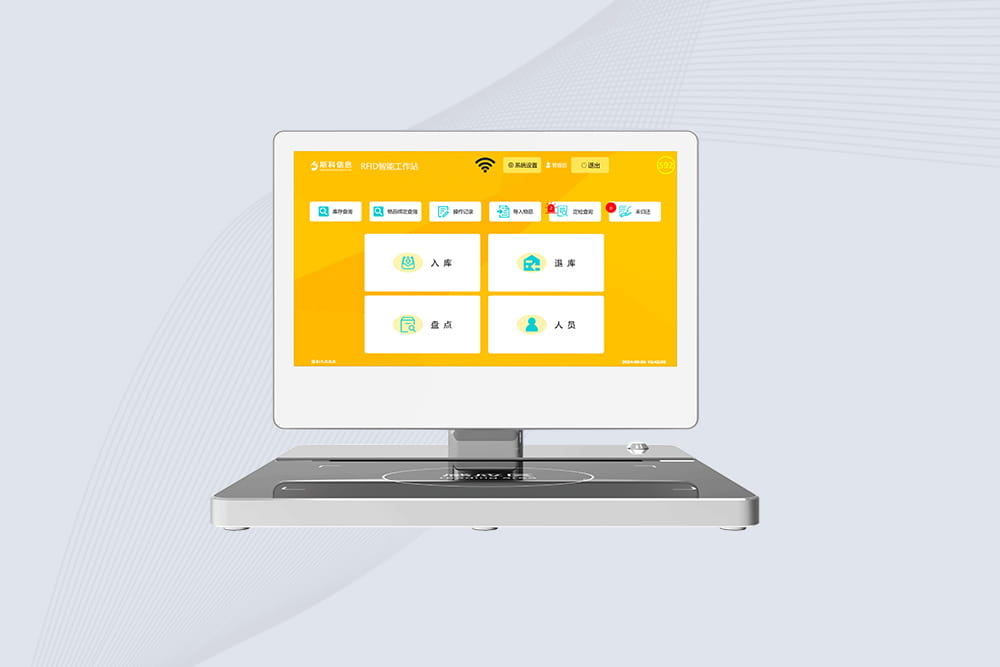
Cykeo’s professional RFID workstation features controlled 50cm encoding field, 50+ tags/batch processing, and integrated 12MP camera. Ideal for medical/library/archival asset registration.

Cykeo’s CYKEO-DP13 industrial RFID Smart workstation features 24″ touchscreen, UHF/HF dual-frequency scanning, military-grade durability for manufacturing/pharma/logistics. Supports batch-tagging of 200+ items with ERP integration.
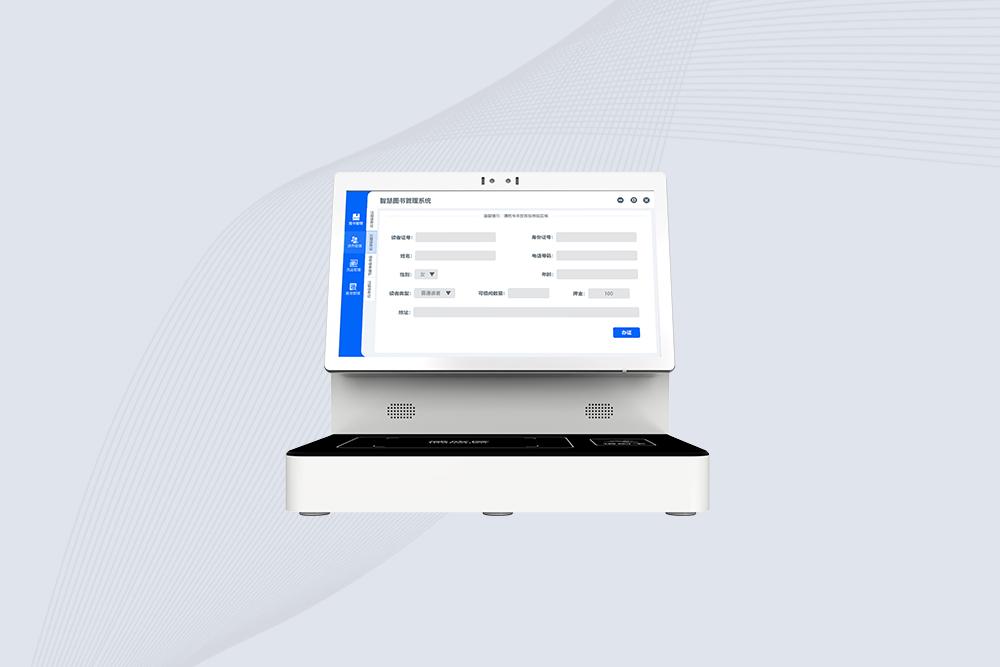
Cykeo’sCYKEO-DP3 RFID desktop reader workstation features 22″ touchscreen, multi-protocol UHF RFID, dual OS, and industrial connectivity for libraries, retail, and healthcare. Supports 10-tag simultaneous reading.

Cykeo CYKEO-DP2 Desktop RFID Reader workstation features 22″ touchscreen, 15+ tags/sec scanning, Windows/Android OS, and customizable protocols for libraries/archives. Supports face recognition and anti-theft integration.
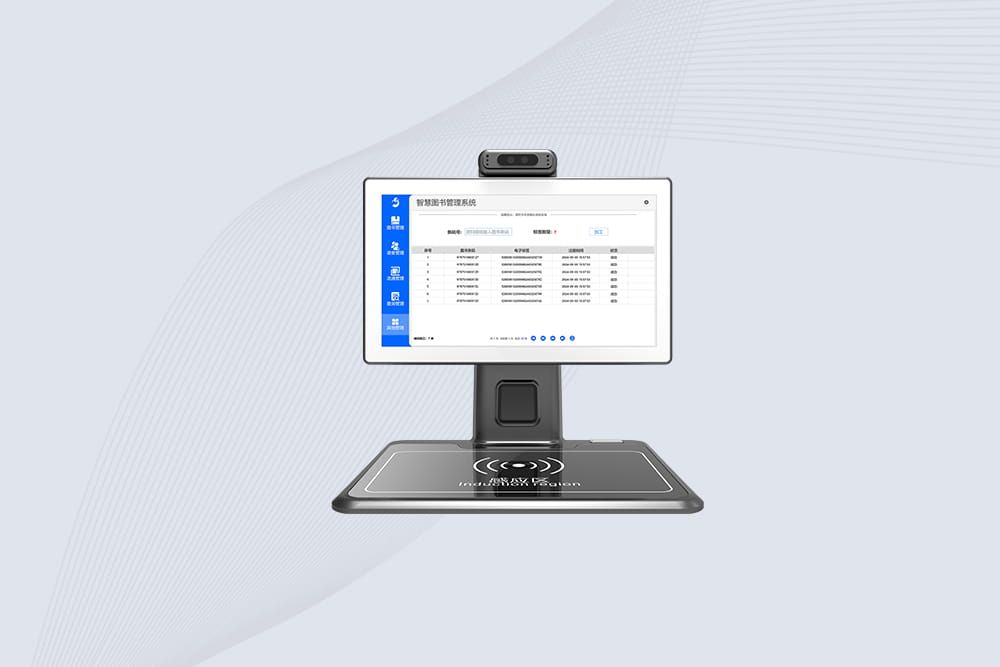
Cykeo CYKEO-DP2A Desktop UHF RFID Reader Workstation offers precision batch encoding of 50+ tags, 21.5″ touch interface, and ISO 18000-6C compliance. Ideal for libraries/archives with metal-environment adaptability.
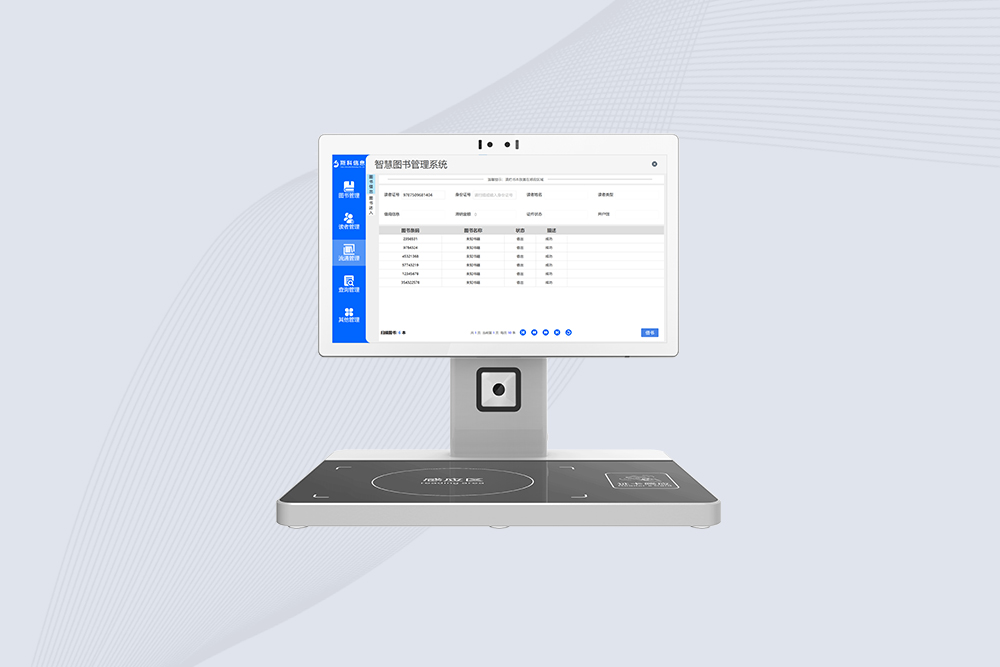
Cykeo CYKEO-DP2B industrial UHF RFID desktop Reader workstation features 15+ tag reading, 2m UHF range, Windows/Android OS, and IP54 design for libraries/warehouses. Supports ISO 18000-6B/6C protocols.
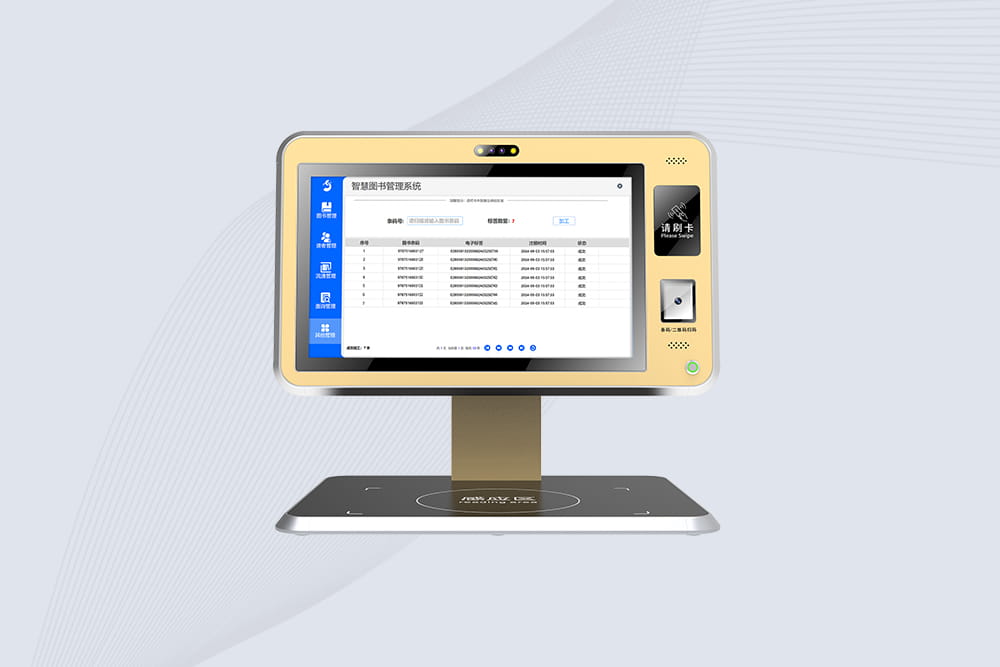
Cykeo CYKEO-DP3B industrial UHF RFID Desktop Reader Writer workstation features 15-tag batch processing, 840-960MHz frequency range, payment/voucher printing for libraries/hospitals/retail. Supports ISO 18000-6B/C protocols.
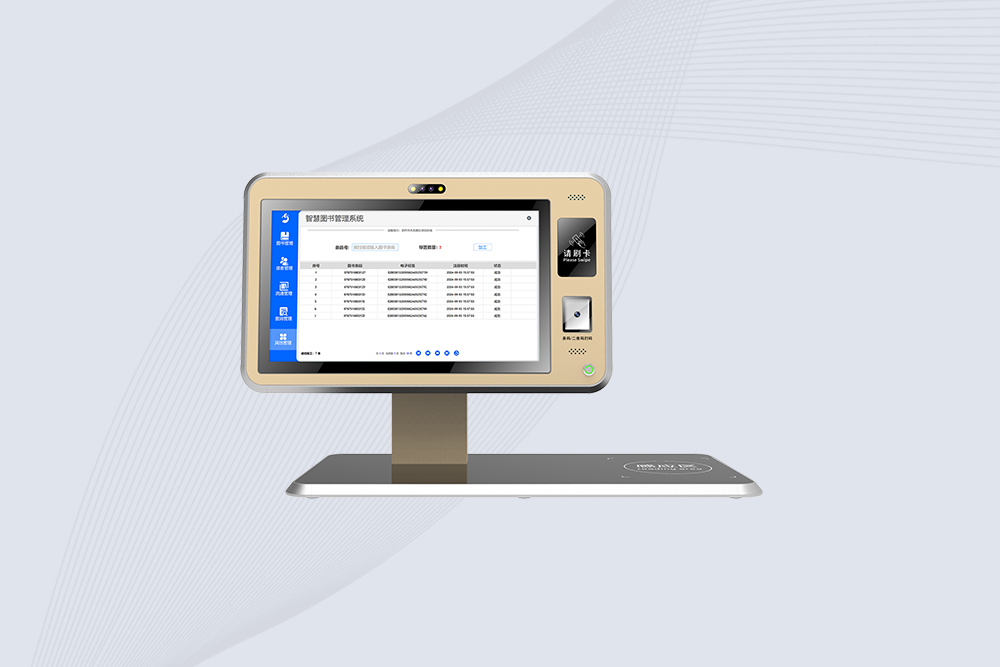
Cykeo CYKEO-DP3A library Desktop RFID Card Reader workstation features 21.5″ dual touchscreens, 10-item batch processing, and Windows/Android OS for archival/library asset management. UHF RFID card reader with ISO 18000-6C/B compliance.
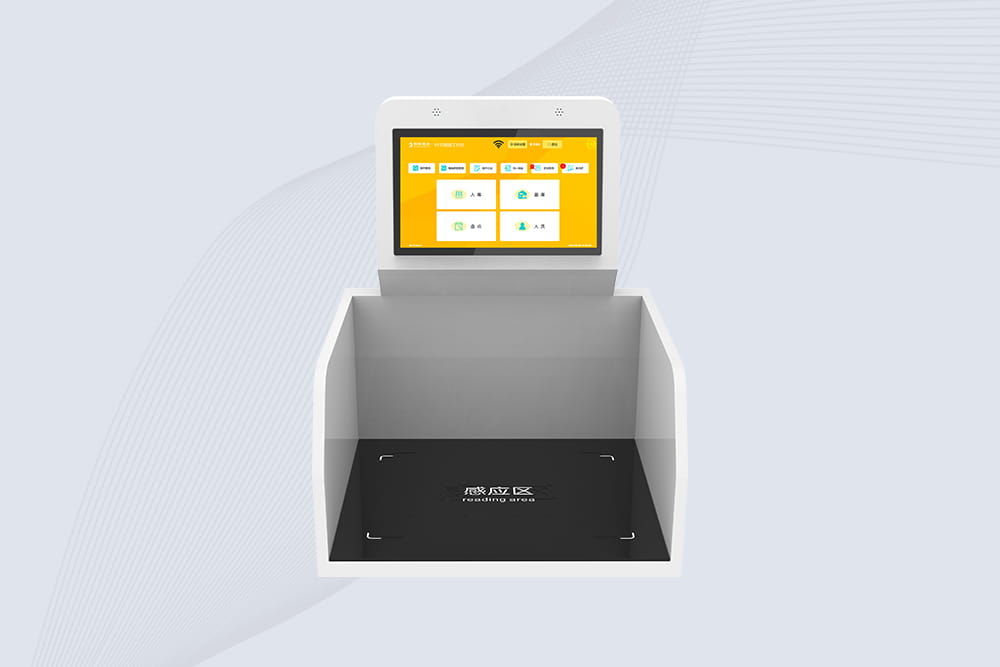
Cykeo’s industrial UHF Reader RFID Workstation features 40+ tags/sec RFID processing, Windows/Android OS, and bulk scanning for apparel/logistics operations.
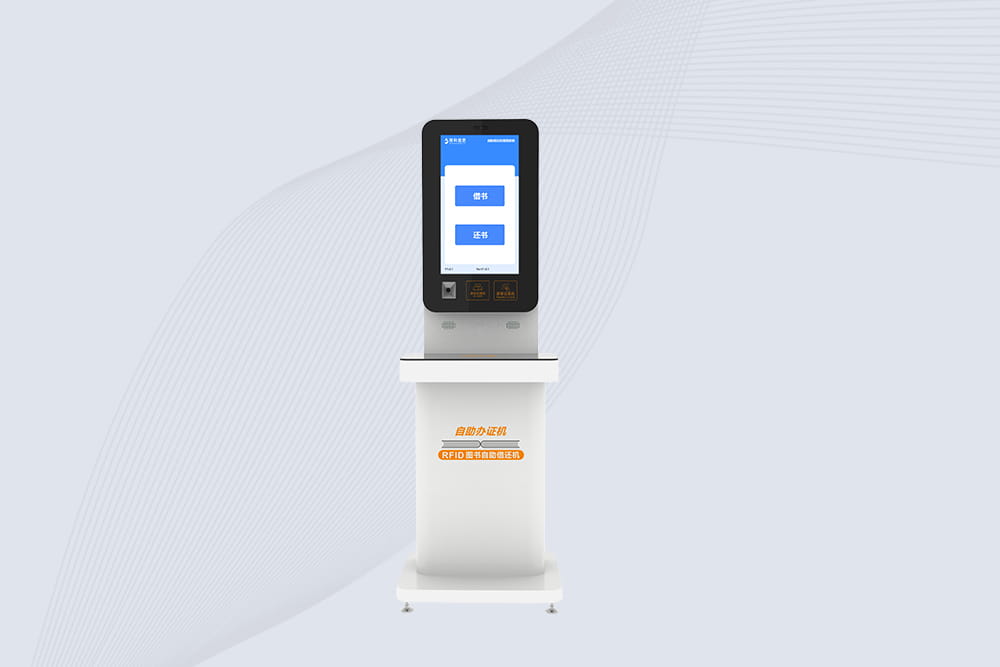
Cykeo CYKEO-DP6 Pro industrial RFID card reader offers dual-frequency scanning, MIL-STD ruggedness, and smart card compatibility for access control and payment systems.
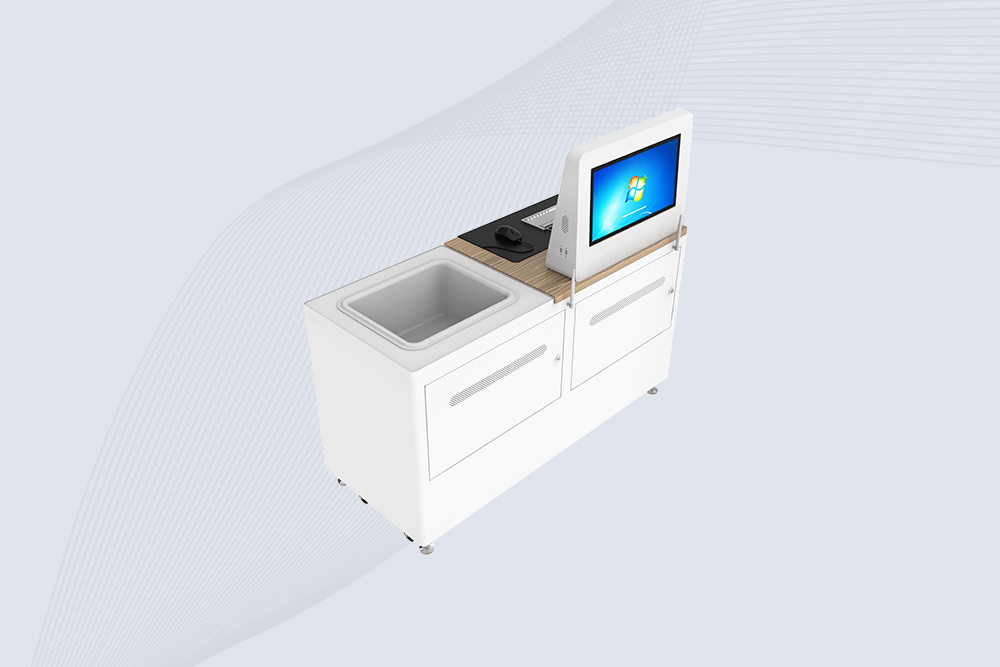
Cykeo CYKEO-DP13B dual-screen RFID workstation features dual 21.5″ touchscreens, 100-tag capacity, and integrated camera system for comprehensive asset tracking and management.
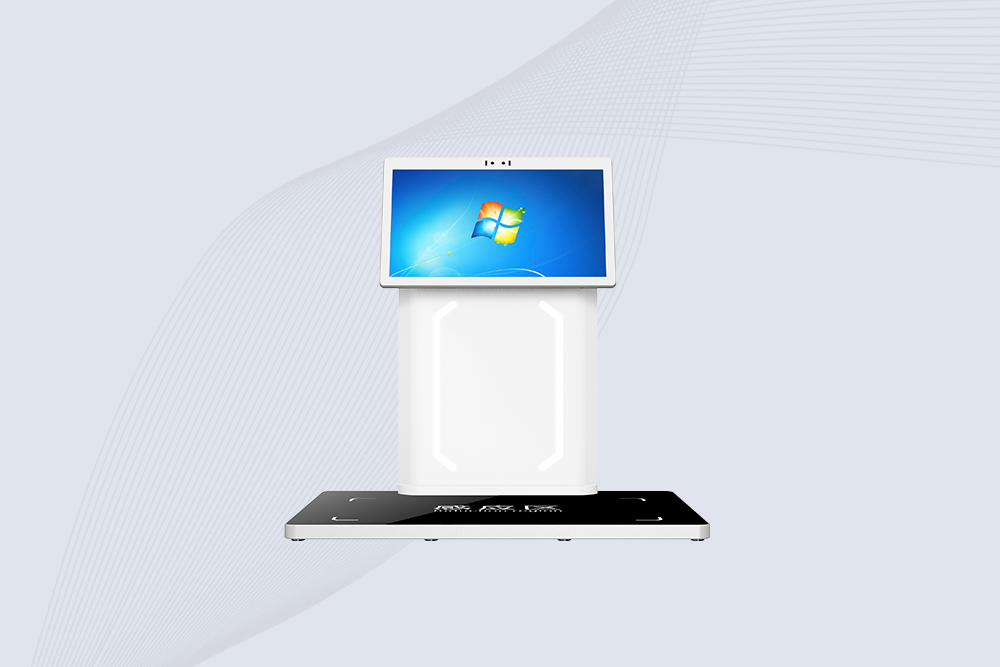
Cykeo CYKEO-DP14B desktop RFID workstation manages 200+ assets per scan. Features a 21.5″ touchscreen, UHF RFID, HF access control, and Windows/Android OS for secure tool tracking in police, medical, and bank environments.
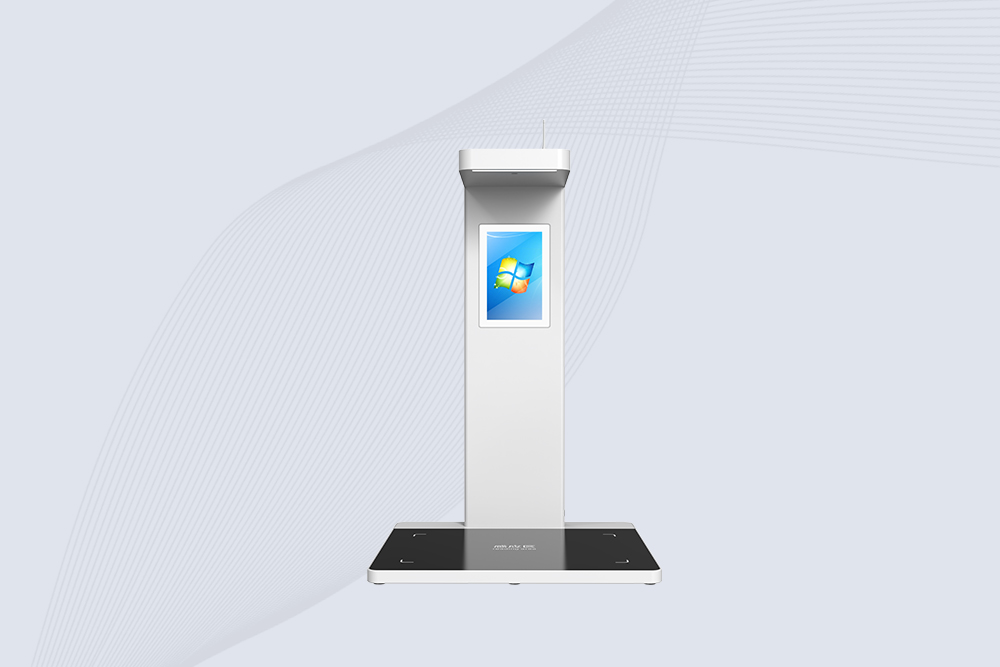
Cykeo CYKEO-DP1 RFID settlement station enables bulk UHF RFID and barcode verification for warehouse shipping. Features 10.1″ touchscreen, automatic data binding, and supports Windows/Android OS for seamless WMS integration. Ideal for inventory management and logistics.
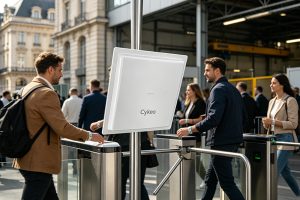
bracelet rfid technology improves event management, hospital identification, and access control with fast UHF RFID tracking and real-time visibility by Cykeo.
More
USB RFID reader and USB RFID scanner are usually the same type of RFID device. The main difference is terminology: “reader” describes the hardware, while “sc...
More
RFID is used to identify, track, and manage tagged items through radio waves. Businesses apply it to inventory management, asset tracking, supply-chain visib...
More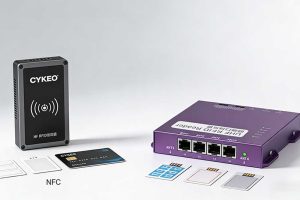
Confused about RFID and NFC? We answer "can a RFID reader read NFC" by explaining the technology relationship and which readers are compatible.
More