 Cykeo RFID IoT Solution Products R&D Manufacturer
How RFID Tags Work: A Complete Guide to RFID Identification Technology
218How rfid tags work explained with real RFID engineering insights. Learn how RFID chips, readers, EPC codes and smart workstations create accurate identification systems.
MoreAll RFID Product
How to check if RFID wallet works? You can test an RFID wallet by placing an RFID-enabled card inside the wallet and attempting to scan it with an RFID reader or NFC device. If the signal is blocked, the wallet is working properly and preventing unauthorized RFID communication.
RFID wallets are designed to reduce unwanted wireless communication between RFID chips and external readers. At Cykeo, our RFID testing experience comes from developing and evaluating RFID readers, antennas, and identification systems used in commercial applications. This background helps us understand both sides of RFID technology: how signals are transmitted and how they can be blocked.
Many consumers test RFID wallets only with online “tap” methods, but professional evaluation requires understanding frequency, reader distance, tag type, and environmental factors.
An RFID wallet works by creating a protective barrier that reduces electromagnetic communication between an RFID card and an external reader.
Most payment cards using contactless technology operate at 13.56 MHz HF RFID/NFC frequency, while some identification and access systems use other frequencies.
According to International Organization for Standardization, RFID communication systems operate under different frequency ranges depending on application requirements and regional standards.
Source: https://www.iso.org/standards.html
The protection level depends on:
A good RFID wallet should reduce the reader’s ability to communicate with the card while the card remains inside the wallet.
This is the easiest method for most users.
Follow these steps:
If your phone cannot detect the card while it is inside the wallet but detects it outside, the RFID blocking layer is likely working.
However, this method has limitations. Smartphone NFC readers usually have short reading distances and lower power compared with dedicated RFID readers.
A dedicated RFID reader provides a more reliable result.
Professional testing steps:
| Step | Action |
|---|---|
| 1 | Place RFID card inside wallet |
| 2 | Turn on RFID reader |
| 3 | Scan wallet from different angles |
| 4 | Compare reading distance |
| 5 | Record successful or failed scans |
At Cykeo, when testing RFID equipment, we often adjust antenna position and reader power because RFID performance changes significantly depending on distance and surrounding materials.
A wallet that blocks a weak smartphone NFC signal may not perform equally against a stronger RFID reader.
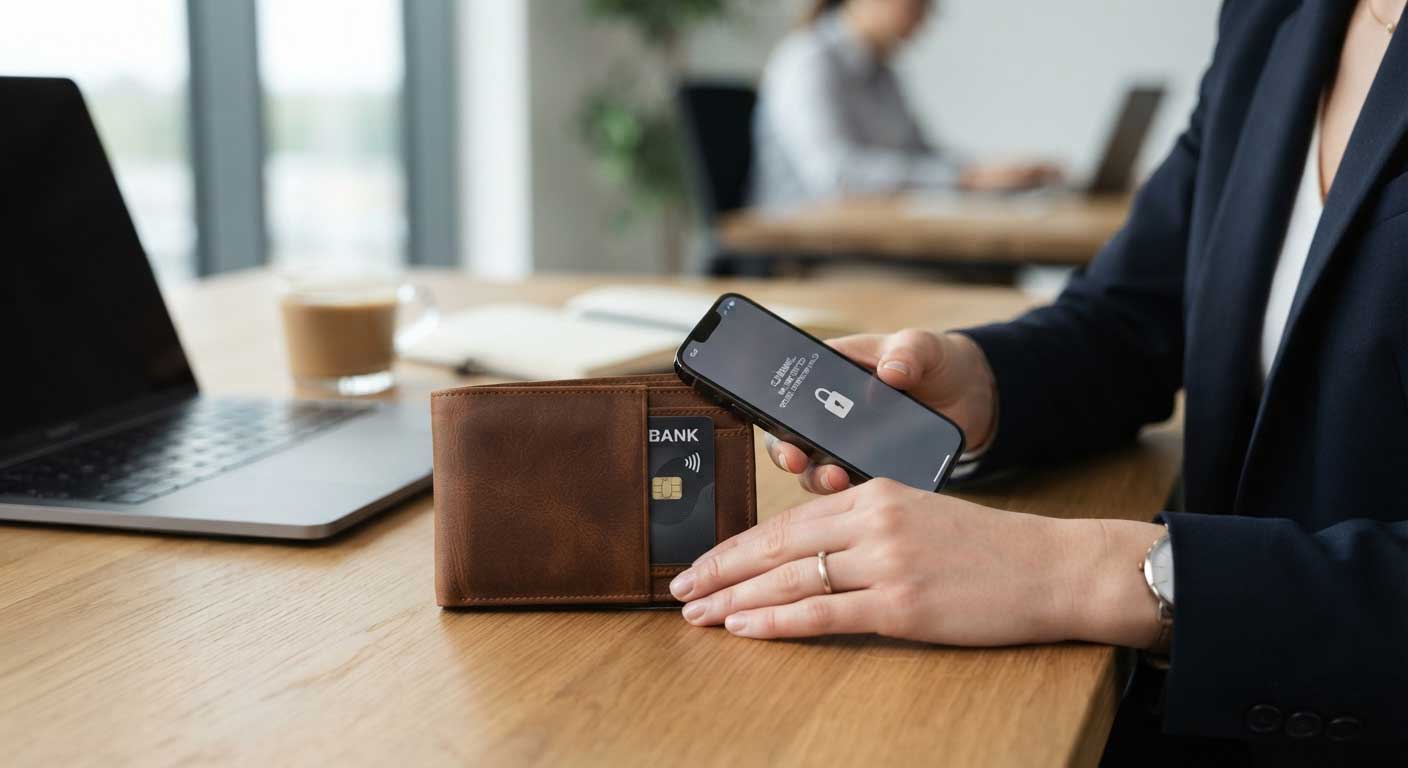
The internal shielding layer is the key component.
Common RFID blocking materials include:
The thickness and structure of the shielding material influence performance. A poorly designed wallet may block some signals but fail under stronger readers.
Not every RFID wallet blocks every RFID system.
| RFID Type | Frequency | Common Use |
|---|---|---|
| NFC / HF RFID | 13.56 MHz | Contactless cards, mobile payments |
| UHF RFID | 860–960 MHz | Inventory, logistics tracking |
| LF RFID | 125 kHz | Access cards, animal tags |
Most consumer RFID wallets are designed mainly for 13.56 MHz NFC cards, not industrial UHF RFID applications.
This distinction is often overlooked when people ask how to check if rfid wallet works. The test method must match the RFID technology being protected.
A wallet may look like an RFID blocking product, but appearance does not guarantee performance.
During RFID hardware testing projects, Cykeo engineers have seen how small changes in antenna distance, material placement, and signal environment can affect RFID communication.
Real-world conditions matter:
A practical test should simulate actual usage rather than only laboratory conditions.
For businesses, security teams, or product manufacturers, using an RFID reader provides a more measurable testing method.
A professional RFID wallet test normally evaluates:
For example, an NFC card may be readable several centimeters away without protection, but the reading distance should drop significantly when placed inside a properly designed RFID blocking wallet.
The key point is not whether the card can be detected in every possible situation. The goal is whether the wallet creates enough signal attenuation to prevent normal unauthorized scanning.
Many people use only a phone NFC function and assume the result represents all RFID systems.
This can be misleading because smartphones and RFID readers have different antenna designs, power levels, and operating ranges.
A wallet may block one device but behave differently with another reader.
Not every card uses the same RFID technology.
Before testing, confirm the card type:
An RFID wallet designed for payment cards is not necessarily designed to block industrial UHF RFID signals.
A wallet usually contains multiple cards, cash, and personal items.
Testing only an empty wallet may produce different results from daily use.
A better test includes:
A quality RFID wallet should have:
| Feature | Why It Matters |
|---|---|
| Shielding layer | Reduces RFID signal transmission |
| Quality construction | Prevents gaps in protection |
| Tested performance | Confirms real blocking ability |
| Suitable frequency range | Matches your RFID card type |
Consumers should look for products that provide actual testing information instead of only marketing claims.
Cykeo focuses on RFID hardware development, including RFID readers, modules, and identification solutions. Through years of working with RFID systems, we have tested how different materials influence signal behavior.
One practical observation from hardware testing is that RFID protection is rarely about completely “stopping” electromagnetic waves. Instead, effective shielding reduces communication reliability between the card and reader.
This difference explains why professional RFID evaluation measures signal reduction rather than simply asking whether a card works or does not work.

You can check an RFID wallet by placing an RFID-enabled card inside it and trying to scan the card with an NFC smartphone or RFID reader. If the reader cannot communicate with the card, the wallet is blocking the signal.
Yes. An NFC-enabled smartphone can provide a basic RFID wallet test. Place a contactless card inside the wallet and try reading it with the phone. However, professional RFID readers provide more accurate results.
No. Most consumer RFID wallets are designed mainly for 13.56 MHz NFC payment cards. They may not block every RFID frequency, especially industrial UHF RFID systems.
Possible reasons include:
Testing with different readers can help identify the cause.
Detection distance depends on RFID frequency, reader power, antenna design, and environment. NFC cards usually work at short distances, while UHF RFID systems can operate over much longer ranges.
RFID wallets can provide an additional layer of protection for contactless cards, but users should understand their actual protection range and limitations. Proper testing helps confirm whether a wallet performs as expected.
The most reliable method is using an RFID reader that matches the card frequency. Smartphone NFC testing is convenient, but professional equipment provides more detailed performance evaluation.
Most modern smartphones—especially Android devices—are equipped with an NFC (Near Field Communication) module, which is a form of RFID technology. This makes it possible to test RFID tags under certain conditions.
Important Notes:
How to check if RFID wallet works depends on using the correct testing method for the RFID technology inside your card. A smartphone NFC test is convenient for everyday users, while an RFID reader provides more accurate verification.
From Cykeo’s experience developing RFID identification products, the biggest misunderstanding is assuming every RFID system works the same way. Frequency, antenna design, reader power, and shielding material all influence the final result.
A reliable RFID wallet should be tested under realistic conditions, not only by appearance or marketing claims. Understanding how RFID communication works allows users to choose better protection and avoid false security assumptions.
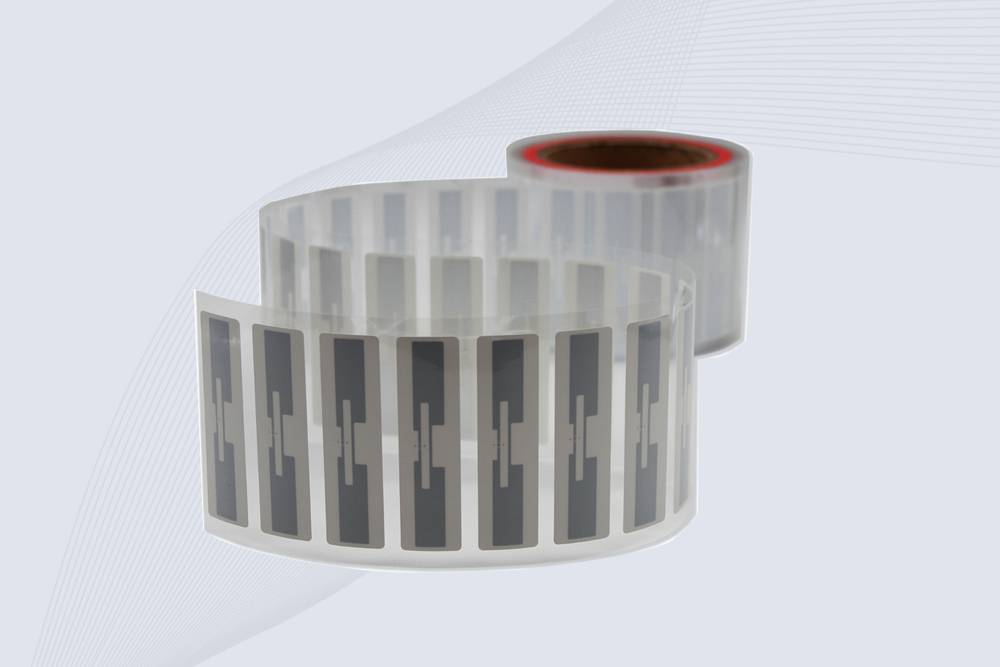
CYKEO Passive RFID Tags are made for wet and high-humidity environments where standard labels do not last. This rfid passive tag is often used around liquids, chemicals and temperature changes, providing stable reading distance and long data life for industrial tracking.
More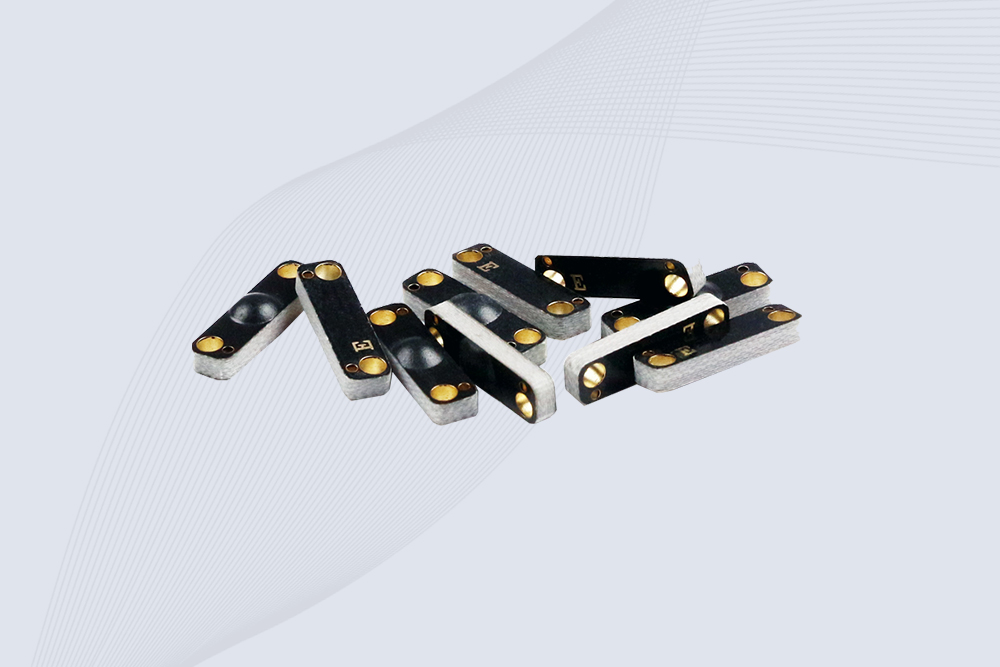
CYKEO CYKEO-PCB1504 Metal RFID Tags is a compact anti-metal UHF RFID solution built for direct mounting on metal surfaces. With stable 8-meter read range, Ucode-8 chip, and long data retention, this rfid metal tag fits tools, containers, automotive parts, and industrial asset tracking.
More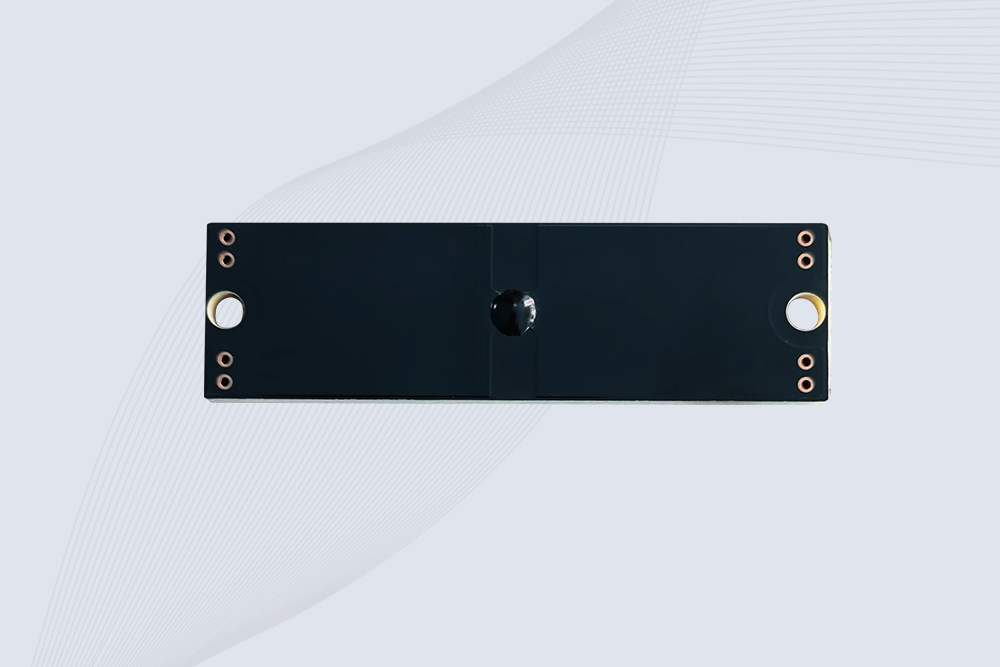
CYKEO CYKEO-PCB7020 On-Metal RFID Tags are designed for reliable tracking on steel and metal surfaces. Built with an FR4 epoxy body and industrial-grade chips, these On-Metal RFID Tags deliver stable performance, long data life, and chemical resistance, making them a dependable RFID anti-metal tag for harsh environments.
More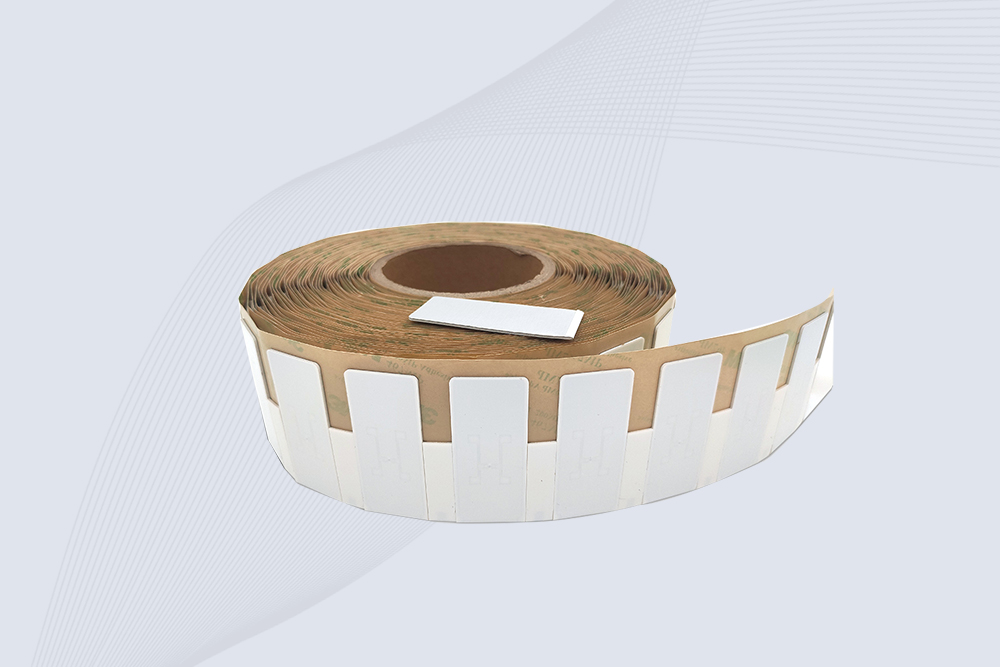
The CYKEO CYKEO-60-25 Anti-Metal RFID Tag is built for metal surfaces where standard tags fail. Designed for long-range performance, harsh environments, and stable data retention, this Anti-Metal RFID Tag is ideal for industrial assets, containers, and equipment tracking using on metal RFID tags.
More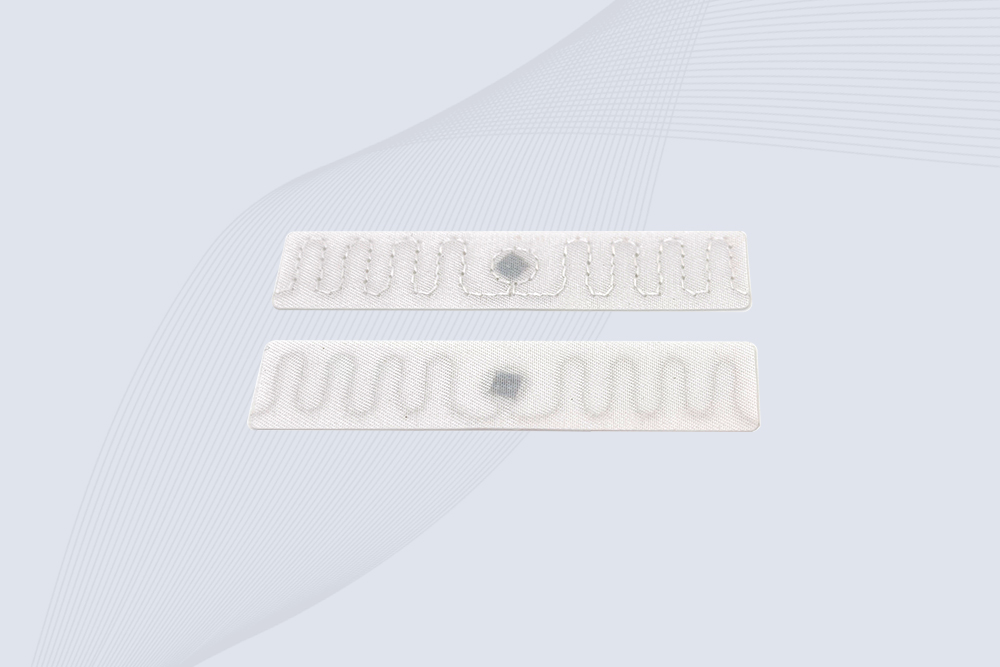
The CYKEO RFID Laundry Tag is designed for long-term textile identification in harsh laundry environments. Built to withstand high heat, chemicals, and repeated washing, this RFID Laundry Tag delivers stable performance for hotels, hospitals, and industrial laundry operations using laundry rfid tags at scale.
More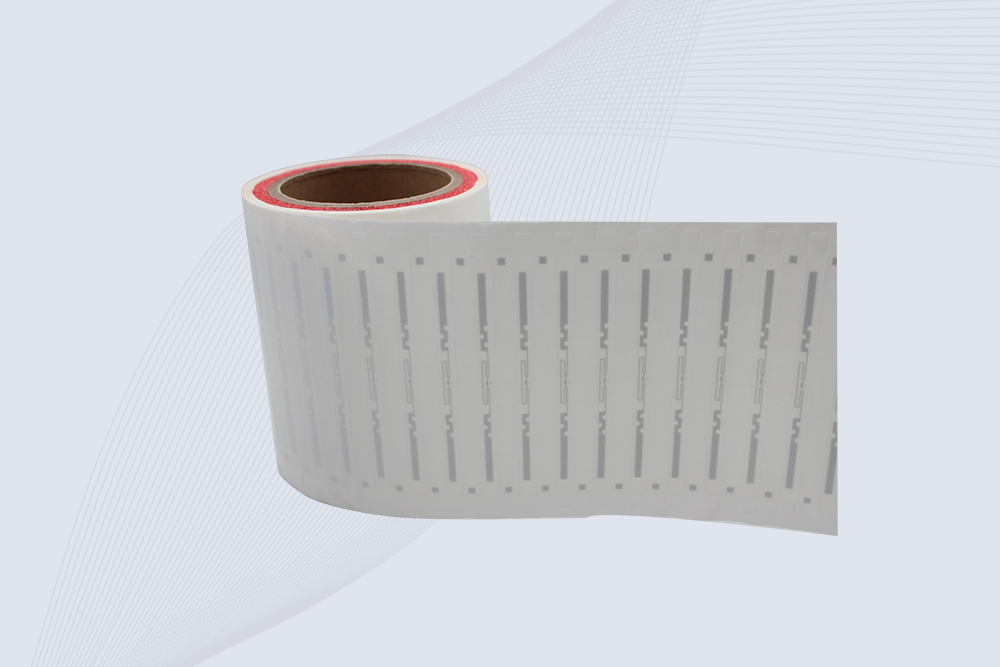
The CYKEO CYKEO-125-7 RFID Book Tag is designed for reliable book and document tracking in libraries and archives. This RFID Book Tag delivers long read range, dense placement support, and stable performance on shelves, making it a practical rfid tag on books for library automation, file management, and archival systems.
More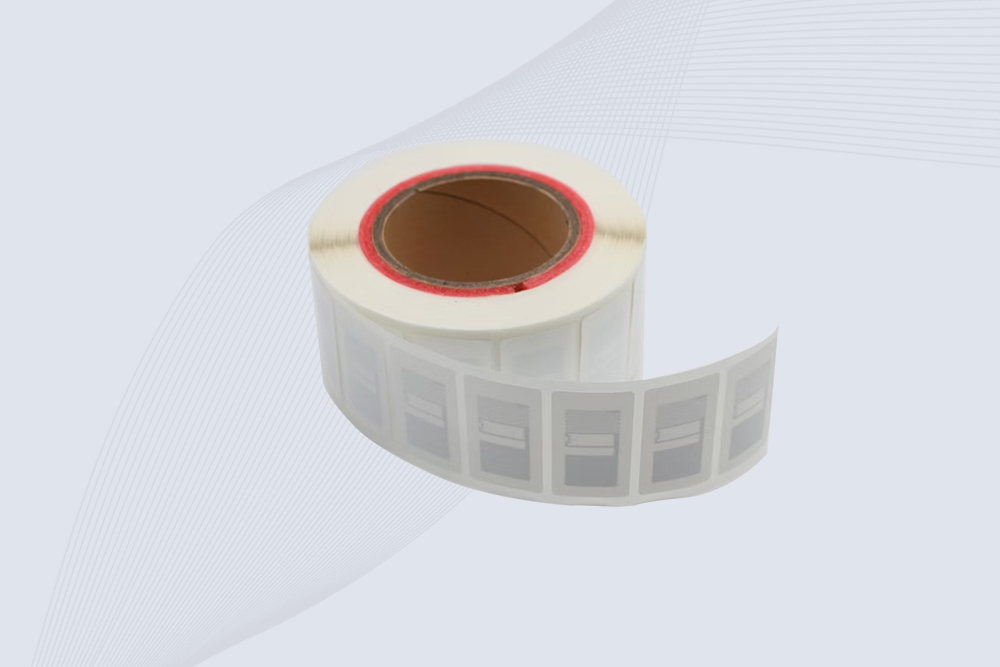
CYKEO RFID tags in hospitals are designed for sterile environments where accuracy matters. These autoclavable RFID tags support long-term tracking of surgical tools, implants, and medications, helping hospitals improve visibility, compliance, and patient safety.
More
CYKEO RFID Cable Tie Tag is built for reliable identification on metal surfaces. This UHF RFID Cable Tie Tag is widely used in rfid tags for inventory systems, industrial asset management and Hospital RFID Tags, offering stable read performance, long service life and global EPC Gen2 compatibility.
More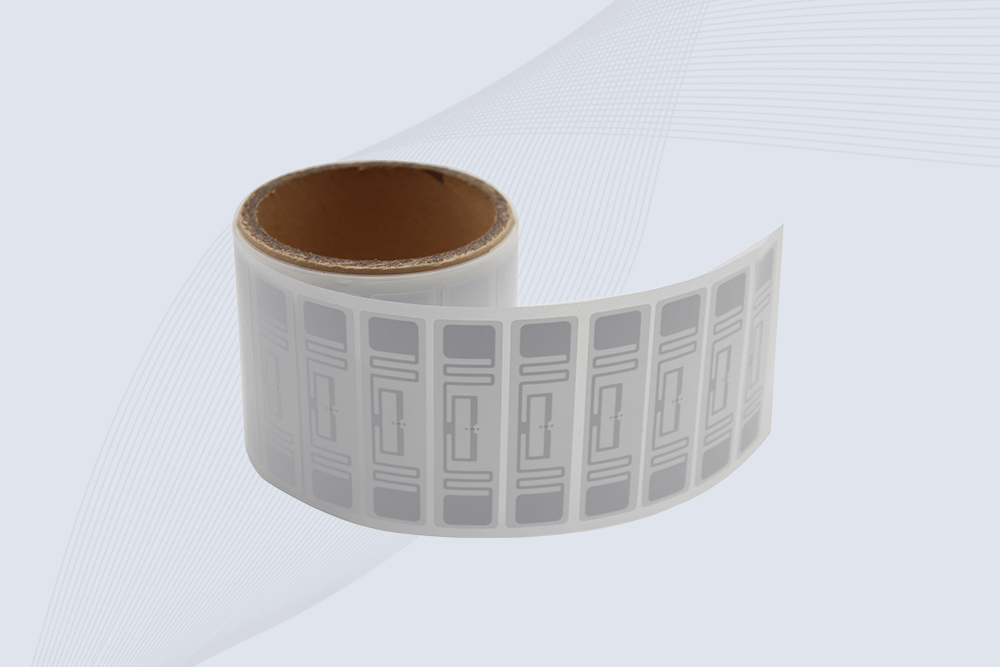
CYKEO RFID Asset Tag is designed for stable identification of metal assets in industrial environments. This UHF RFID Asset Tag is commonly used for rfid tag asset tracking on equipment, tools and containers, providing reliable reads, long service life and ISO/IEC 18000-6C support.
More
CYKEO UHF RFID Card is designed for fast identification and long-term use in industrial and commercial systems. Supporting ISO 18000-6C, this UHF RFID Card works at 860–960 MHz and is suitable for custom RFID cards used in asset tracking, access control and inventory management.
More
CYKEO HF RFID Cards are designed for secure and stable access control systems. These 13.56 MHz RFID key cards support ISO 14443-A, reliable rewriting and long service life, making HF RFID Cards suitable for offices, campuses, events and membership management.
More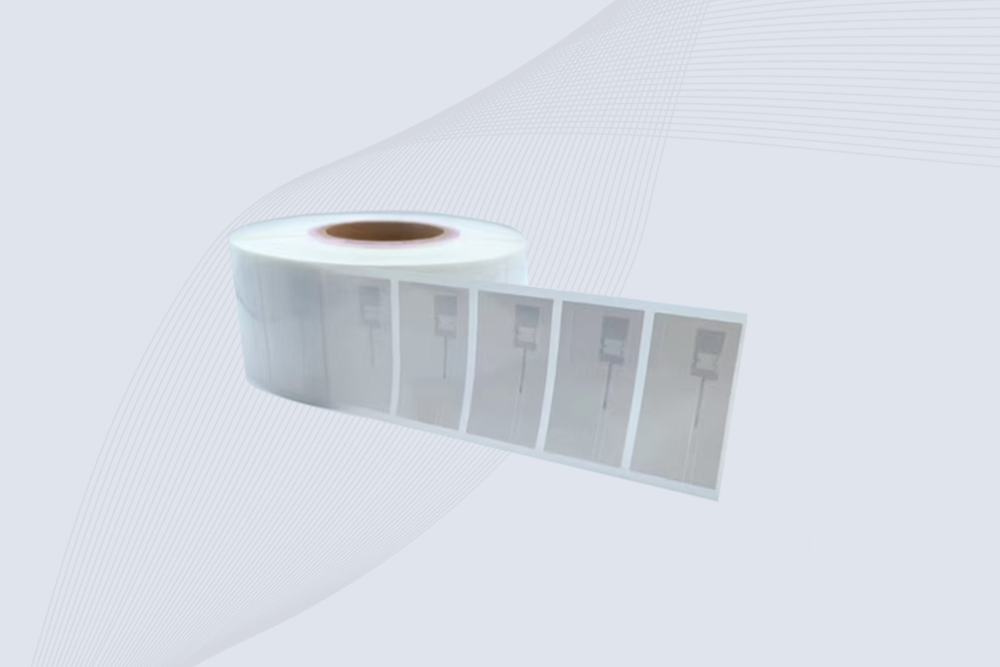
CYKEO UHF RFID Tag is designed for reliable tracking of metal jewelry and high-value items. This Jewelry RFID Tag supports long-range reading up to 8 meters, anti-counterfeit protection and stable performance on metal, making it suitable for retail, inventory control and asset management.
More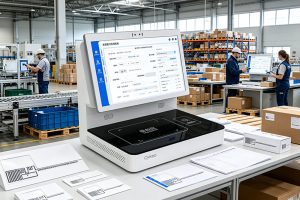
How rfid tags work explained with real RFID engineering insights. Learn how RFID chips, readers, EPC codes and smart workstations create accurate identification systems.
More
tool tracking tool for mining improves underground asset visibility, reduces equipment loss, and enables RFID-based control in harsh mining environments.
More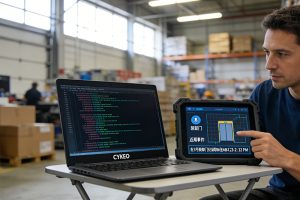
Learn how to read RFID data correctly. We detail the messy reality of raw data streams and the crucial steps to filter and use them in your business. Get the full process.
More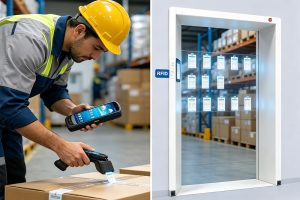
Compare RFID fixed readers and handheld readers in terms of cost, efficiency, and applications. Find out which RFID solution is right for your project.
More