USB RFID Reader vs RFID Scanner: Are They the Same?
In most cases, a USB RFID reader and a USB RFID scanner refer to the same type of RFID device. “RFID reader” is the more technical term, while “RFID scanner” is commonly used to describe the process of scanning or identifying RFID tags. The actual difference should be determined by frequency, reading range, tag compatibility, communication interface, and read/write capability rather than the product name alone.
If your project is mainly about identifying RFID cards rather than tracking large numbers of tagged products, the requirements are a little different. In that case, a USB RFID card reader may be a better fit for desktop identification, membership systems, employee ID, or access-control applications. We take a closer look at card compatibility and reader selection in our guide to USB RFID Card Readers.
USB RFID reader and USB RFID scanner are usually different names for similar RFID identification hardware. The better purchasing decision depends on RFID frequency, tag compatibility, reading distance, communication interface, software integration, and application requirements—not simply whether the product is called a reader or scanner.
If you have been looking for RFID hardware, you have probably noticed something slightly confusing: some suppliers call the device a USB RFID reader, while others call almost the same type of product a USB RFID scanner.
So, are they actually different?
Usually, not as much as the names suggest.
The word “scanner” is often used because the device scans or identifies RFID tags. “Reader” is the more technically common term because the hardware is reading information from an RFID tag. In a real purchasing conversation, both terms may point to a similar device.
The important part is not really the name. It is what the reader can do, which RFID frequency it uses, how far it can read, and how it communicates with your software.
USB RFID Reader vs USB RFID Scanner
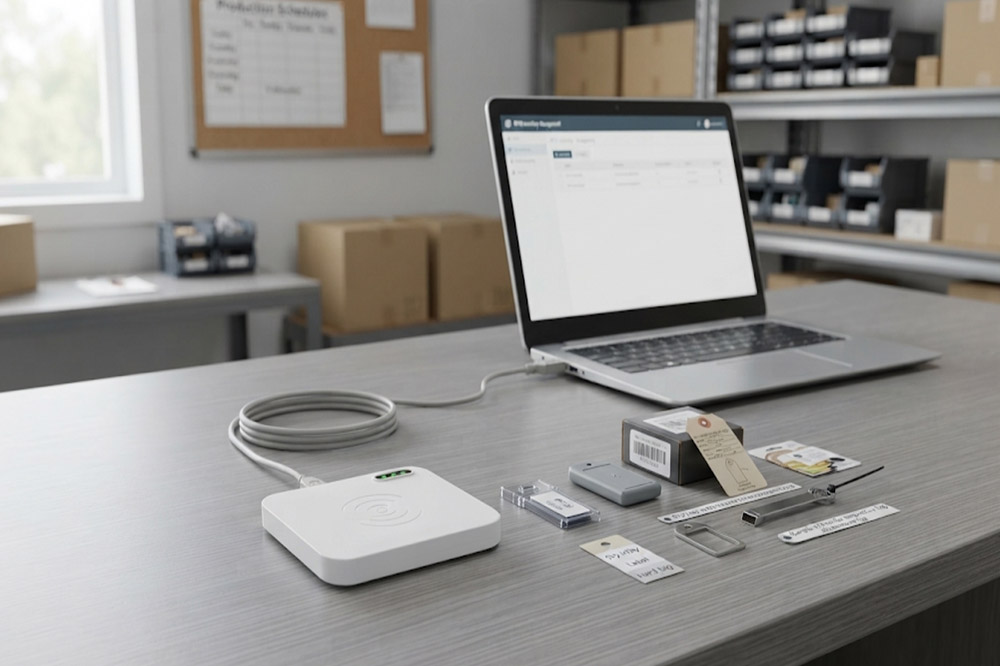
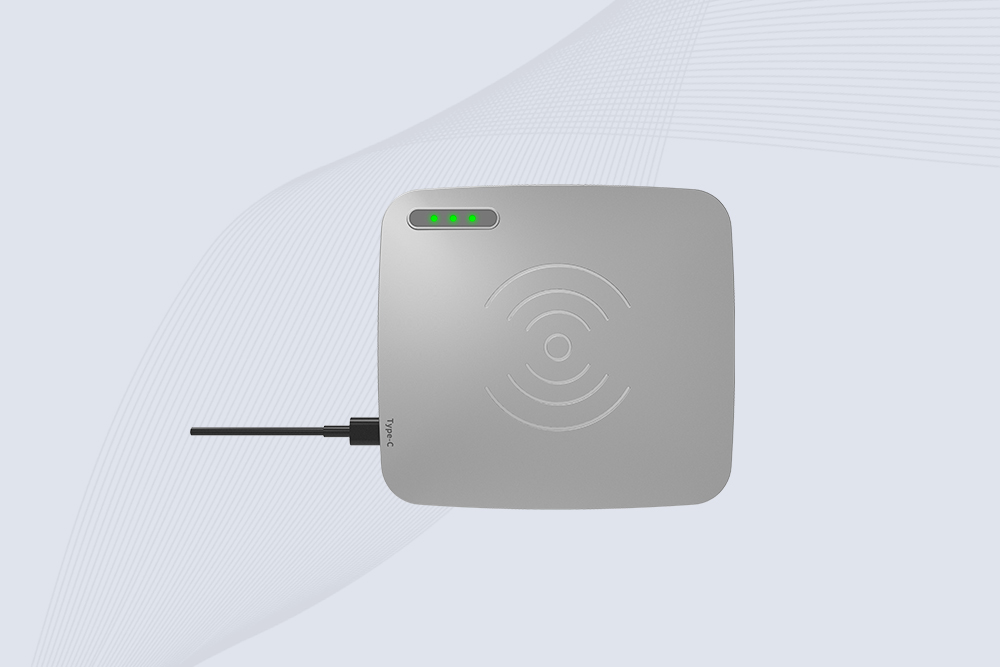
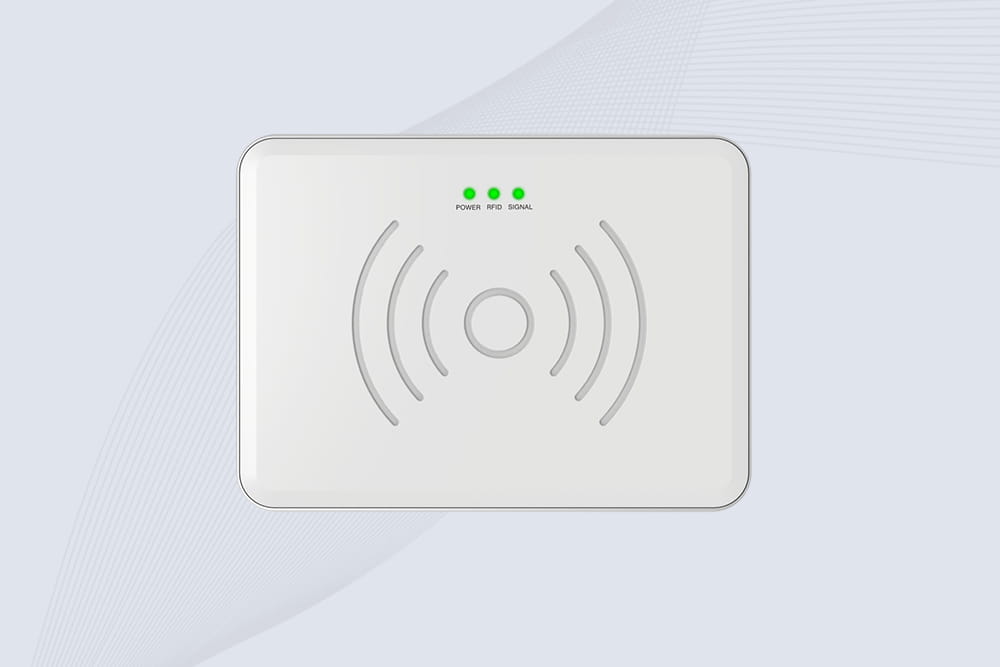
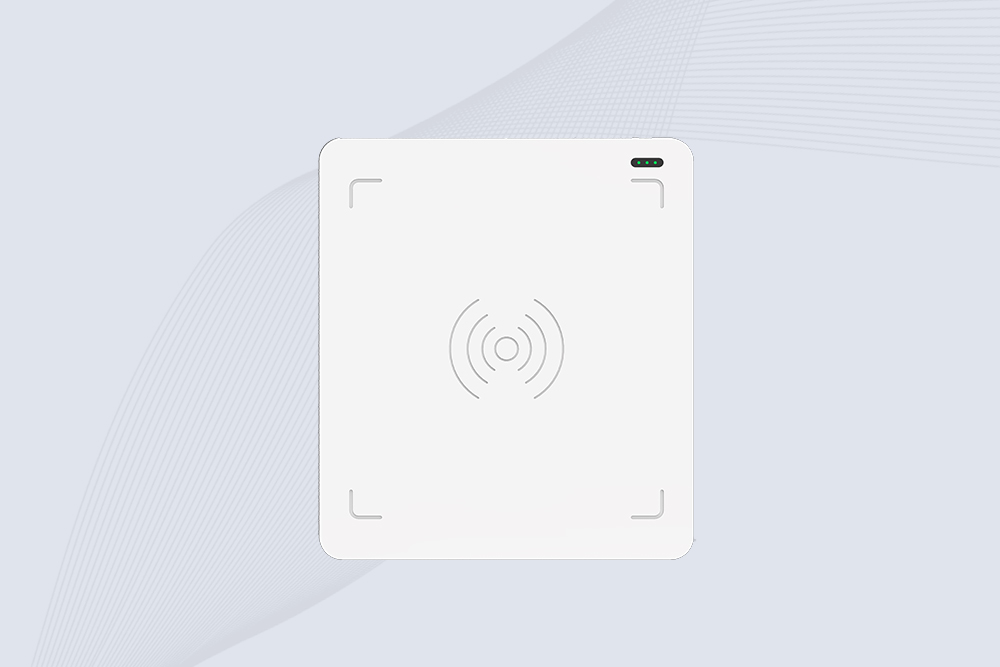
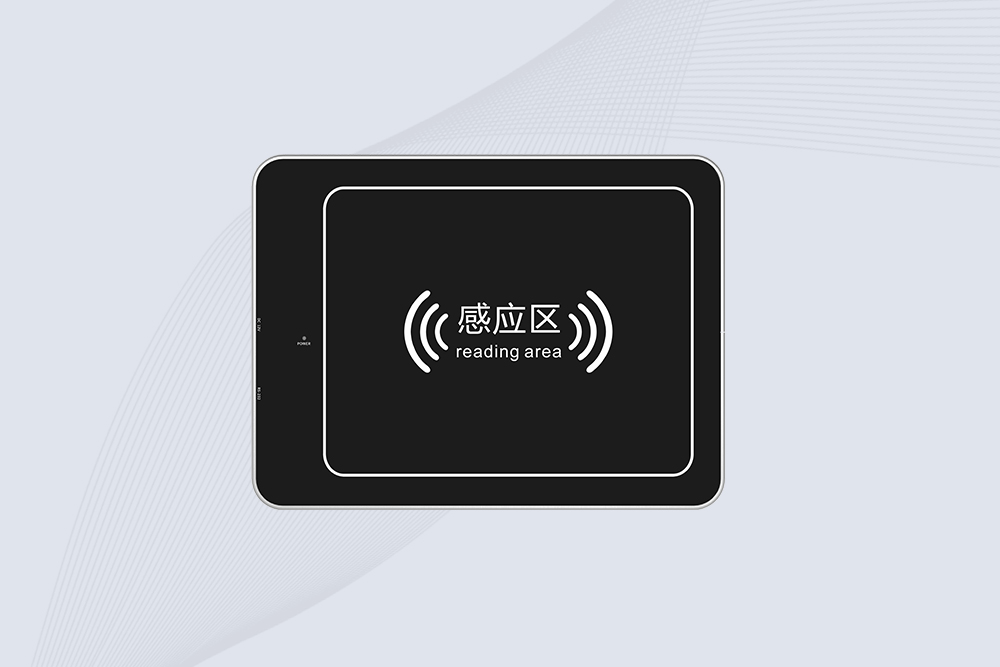
A USB RFID reader is an RFID device that connects to a computer or other host system through USB. It communicates with RFID tags and sends the captured tag information to the connected software.
A USB RFID scanner normally describes the same idea from a more application-focused angle.
For example, someone searching “USB RFID scanner” may be looking for a device to scan products on a desk. A system integrator searching for “USB RFID reader” may already know that they need an RFID reader module with USB communication and SDK support.
In practice, don’t choose a product simply because its page says “scanner.”
Look at the specifications.
Feature
USB RFID Reader
USB RFID Scanner
RFID tag identification
Yes
Yes
USB connection
Common
Common
Computer connection
Yes
Yes
Multiple tag reading
Model dependent
Model dependent
Tag writing
Some models
Some models
Software integration
Usually available
Model dependent
Typical use
Integration and identification
Scanning and identification
So, for most projects, the two terms overlap.
Key Takeaways
USB RFID reader and USB RFID scanner usually refer to similar RFID hardware. “Reader” is the more technical term, while “scanner” is often used by customers searching for RFID identification equipment.
The main difference is usually terminology, not hardware. A USB RFID scanner can be a USB RFID reader designed for desktop tag identification.
USB RFID readers connect RFID systems to computers or other host devices, commonly through USB, HID, virtual COM, SDK, or API interfaces.
The RFID frequency matters more than the word “scanner” or “reader.” LF, HF, and UHF RFID readers serve different applications.
UHF USB RFID readers are commonly considered for inventory and asset tracking, especially when longer reading distances or multiple-tag reading are required.
Actual RFID reading distance depends on more than reader power. Tag design, antenna, material, metal interference, reader settings, and installation environment can all affect performance.
For wholesale buyers and system integrators, software integration is an important purchasing factor. SDK, API, communication interface, supported protocols, and operating-system compatibility should be checked before ordering.
A USB RFID reader is often suitable for desktop RFID applications, including inventory registration, asset identification, tag programming, testing, and software development.
Why Do People Search for “RFID Scanner” Instead of “RFID Reader”?
This comes down to user habits.
Someone managing a warehouse may search “RFID scanner” because they are thinking about scanning inventory. A developer may search for an “RFID reader” because they are looking for hardware to integrate into software.
I have seen this kind of wording difference quite often with industrial equipment. The person who uses the product and the person who buys the product don’t always use the same technical language.
That is why businesses selling RFID hardware should not focus on only one keyword.
A customer looking for a USB RFID scanner may eventually buy a USB RFID reader.
When Should You Choose USB RFID Reader?
A USB RFID reader makes sense when the RFID device will be used near a computer, workstation, or development system.
Typical examples include:
Product registration
Inventory checking
Asset identification
RFID tag programming
Tool management
Library management
RFID software testing
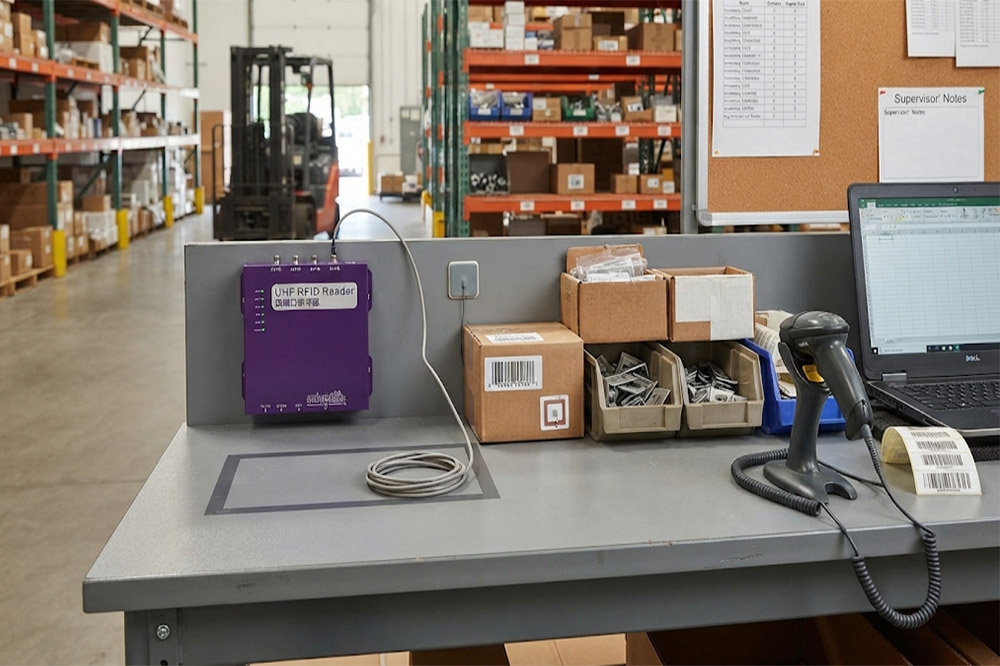
Imagine a warehouse employee sitting at a workstation with 30 tagged products waiting to be registered. There is no need to install a large fixed RFID gate just for this job. A compact USB reader may be enough.
That is where this type of RFID hardware becomes practical.
For businesses comparing different models, you can also look at our USB RFID Reader product range to see the available form factors and applications.
What About USB RFID Scanner?
A USB RFID scanner is particularly useful when the main task is quick tag identification.
For example, a distributor may receive a batch of RFID-tagged products and need to check the tag IDs before putting them into inventory.
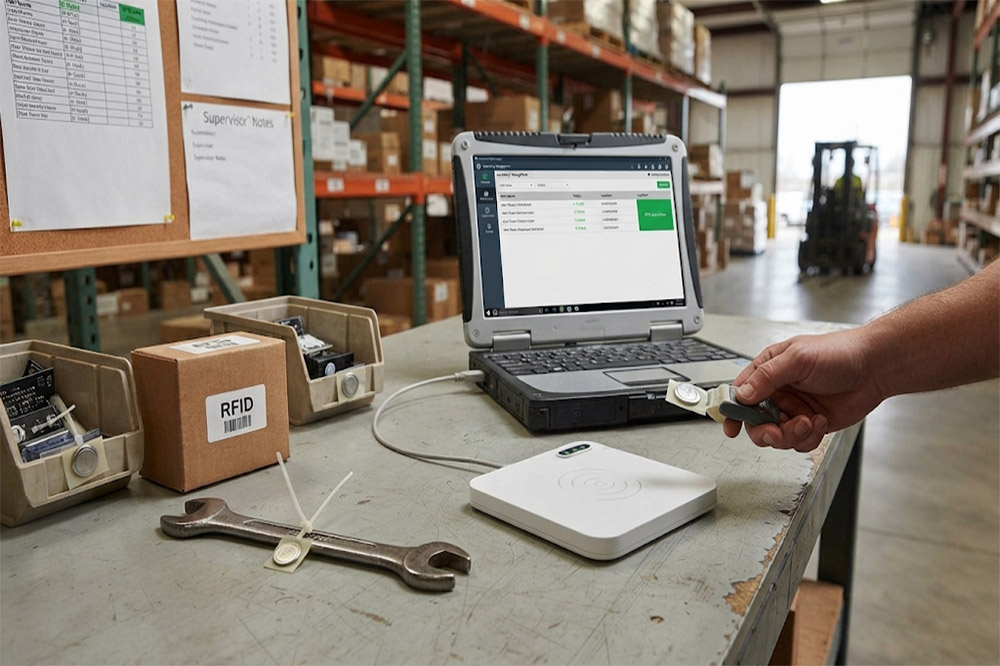
The operator connects the reader to a computer, places the products near the reading area, and the software receives the tag information.
It sounds simple, and that is actually the point.
Not every RFID application needs a complicated automated system.
Don’t Ignore RFID Frequency
This is where product selection becomes more important.
A USB RFID reader can use different RFID technologies, including LF, HF, or UHF, depending on the model.
For short-range card identification, HF RFID may be suitable.
For warehouse inventory and longer-distance tag identification, UHF RFID is often considered instead.
So if a supplier tells you that a USB RFID scanner has a certain reading distance, ask one more question:
With which RFID tag?
The tag itself, antenna, surrounding materials, metal surfaces, reader power, and installation position can all affect the actual result.
A specification sheet is useful, but testing your own tags is still the safer approach for a serious project.
USB RFID Reader or RFID Scanner: Which One Should You Buy?
If your application is simple desktop identification, start by looking for a USB RFID reader.
If your search began with “USB RFID scanner,” don’t worry about the terminology. Check the actual specifications instead:
RFID frequency
Supported tag protocols
Reading distance
Single or multiple tag reading
Read/write capability
USB interface
SDK or API support
Compatibility with your software
For system integrators and distributors, software support can become especially important. A reader that performs well but is difficult to integrate can create more work later.
A Practical Way to Think About It
The easiest way to remember the difference is this:
“RFID reader” describes the hardware. “RFID scanner” often describes how the hardware is being used.
They are not always two completely different products.
If you are sourcing RFID equipment for inventory, asset tracking, retail, tool management, or an OEM project, it is better to discuss the application first and then select the reader.
For larger orders, distributors and system integrators should also confirm the communication interface, SDK/API requirements, tag type, working environment, and customization needs before placing a bulk order.
Cykeo provides USB RFID reader solutions for RFID identification, inventory, asset tracking, and system integration projects. If you already know the tag type and application, the right reader can usually be narrowed down much faster.
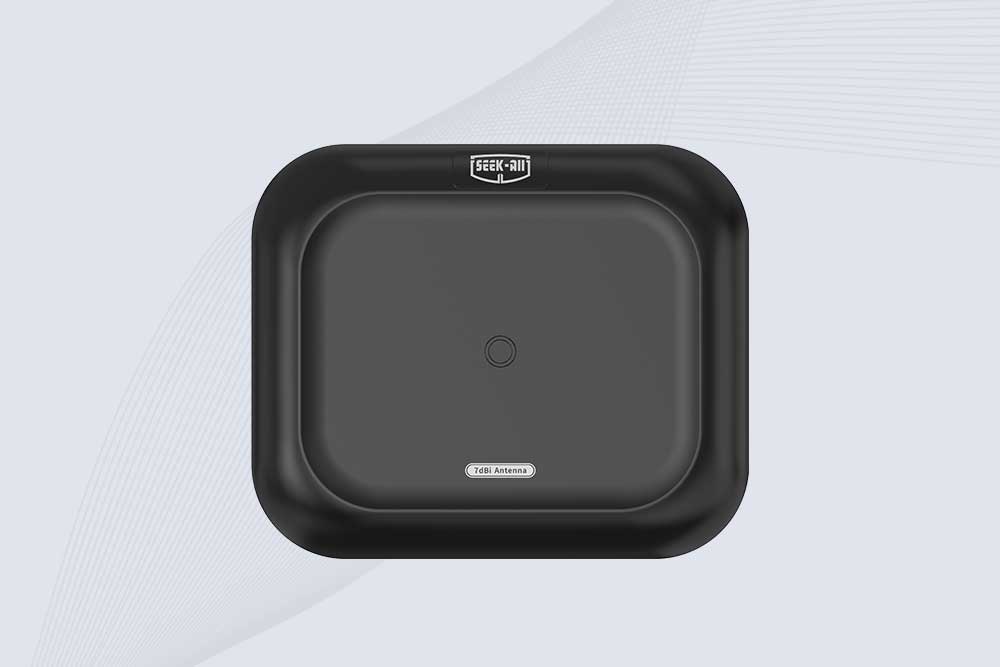
Explore the SSD-A07 UHF RFID antenna with 7 dBi gain, circular polarization, adjustable 840–960 MHz frequency, and 60°/75° beamwidth for stable RFID read/write performance.
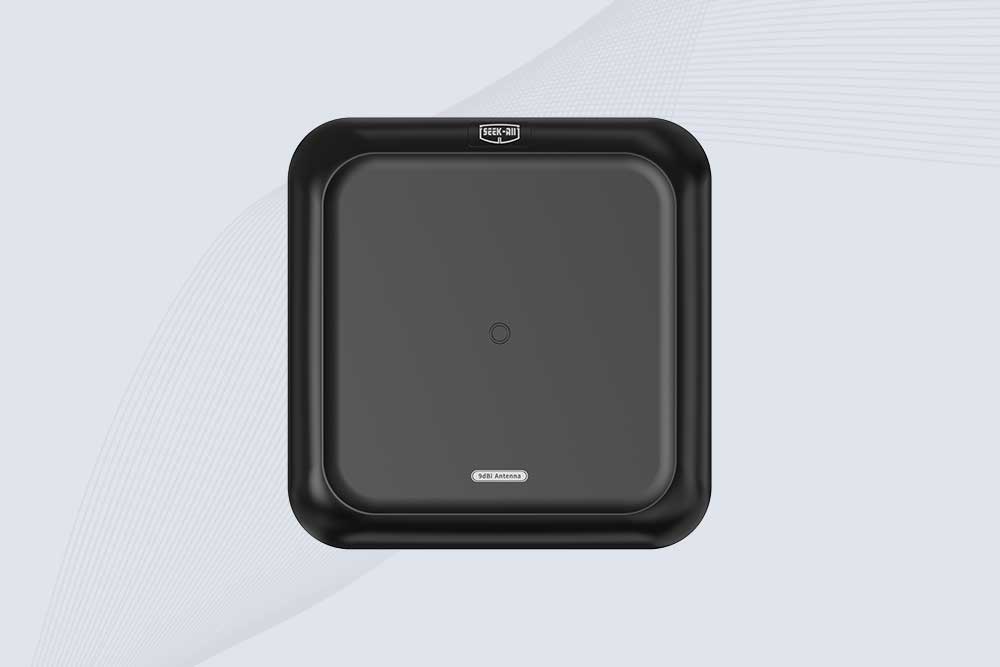
SSD-A06 UHF RFID antenna with circular polarization, adjustable 840–960 MHz frequency, ≥4.5 dBi gain, and a compact directional design for RFID systems.
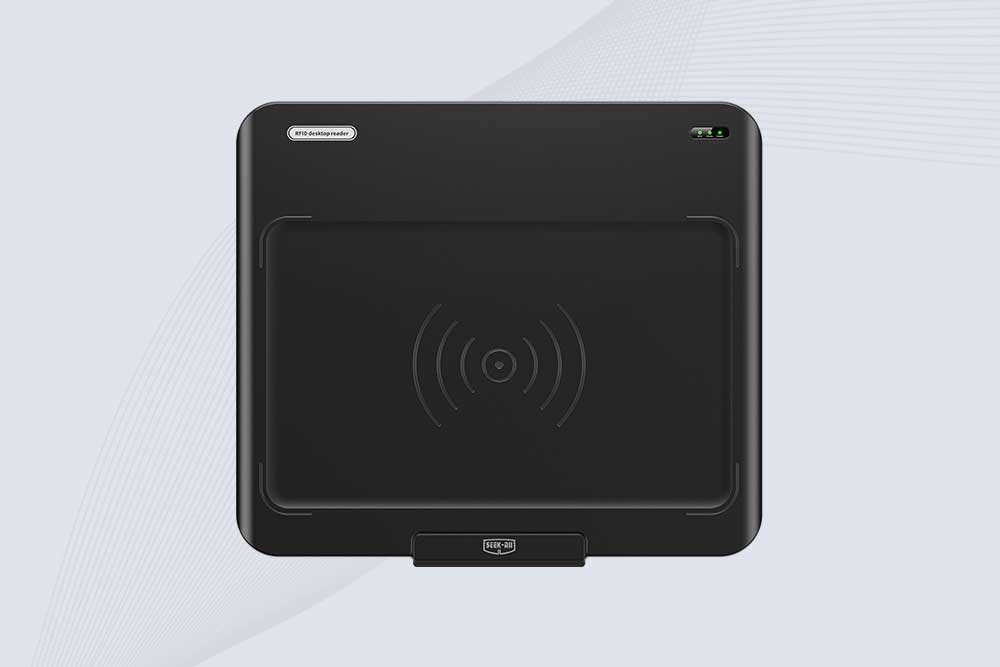
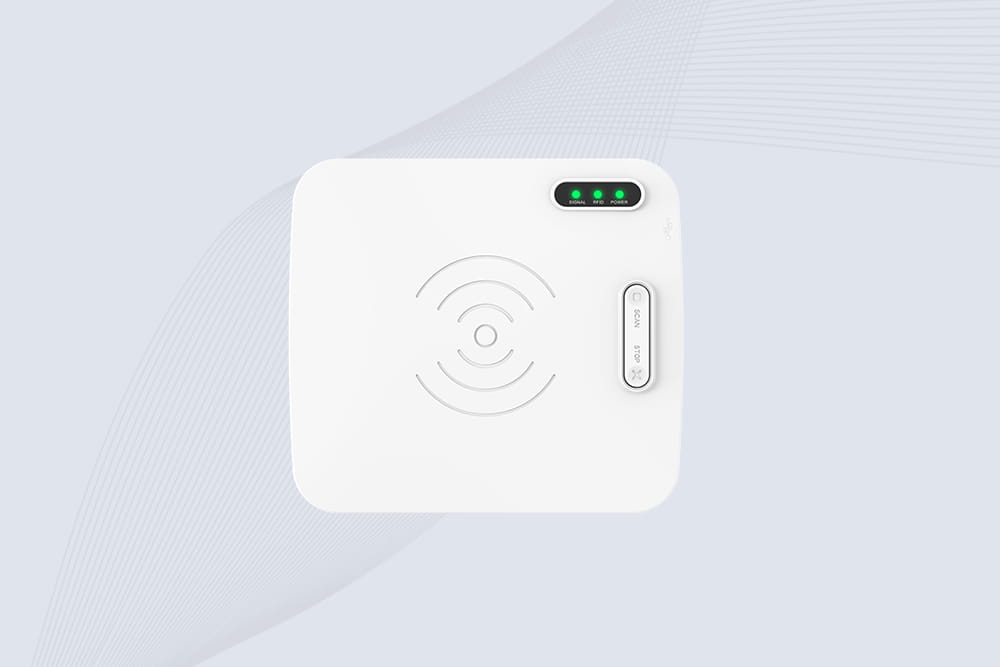
SSD-D3AL is a USB-HID UHF RFID reader with 0–30 cm reading, 0–15 cm writing, over 600 tags/s recognition, USB plug-and-play operation and OEM Logo customization.
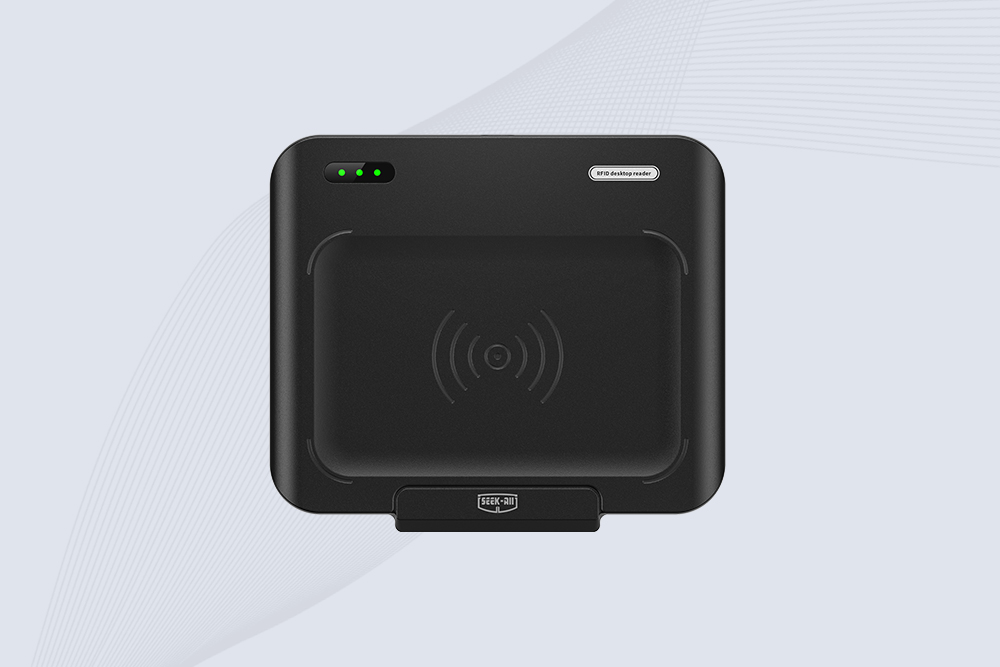
SSD-D1AL is a compact USB UHF RFID reader with Impinj E710/X3M1 chipset, USB-HID, 600+ tags/s recognition, 4/8/16 antenna support and plug-and-play USB power.
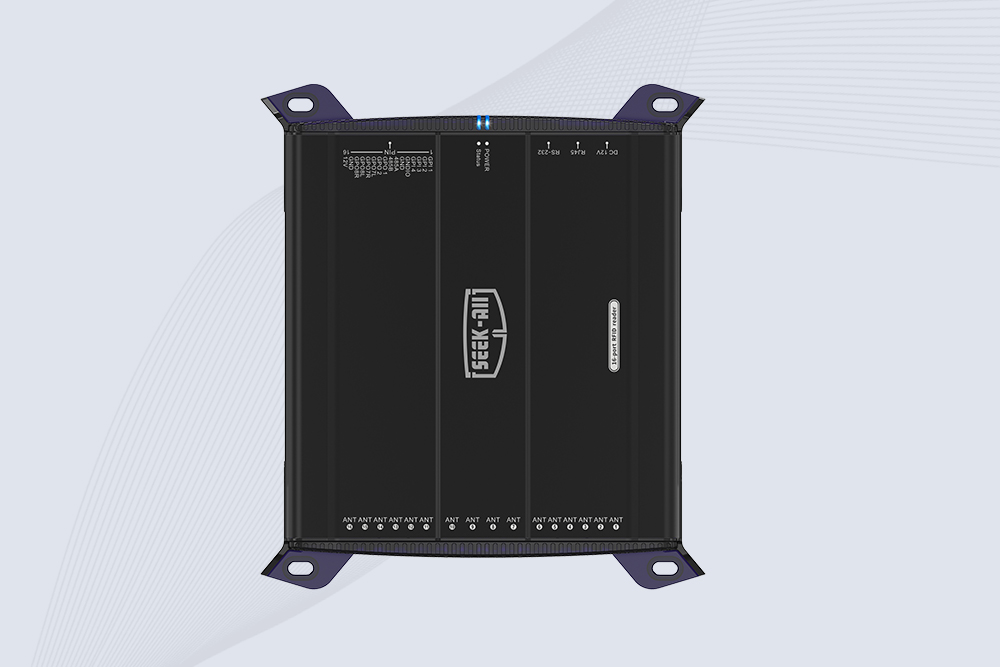
SSD-R16L Multi-Channel RFID Infrastructure for Automated Inventory Management ✔️ 16-Port High-Density RFID Reading Equipped with 16 SMA antenna ports, SSD-R16L supports multi-antenna deployment for warehouses, retail stores, logistics, production lines, and large-area RFID identification. ✔️ High-Speed & Long-Range Performance With up to 33…
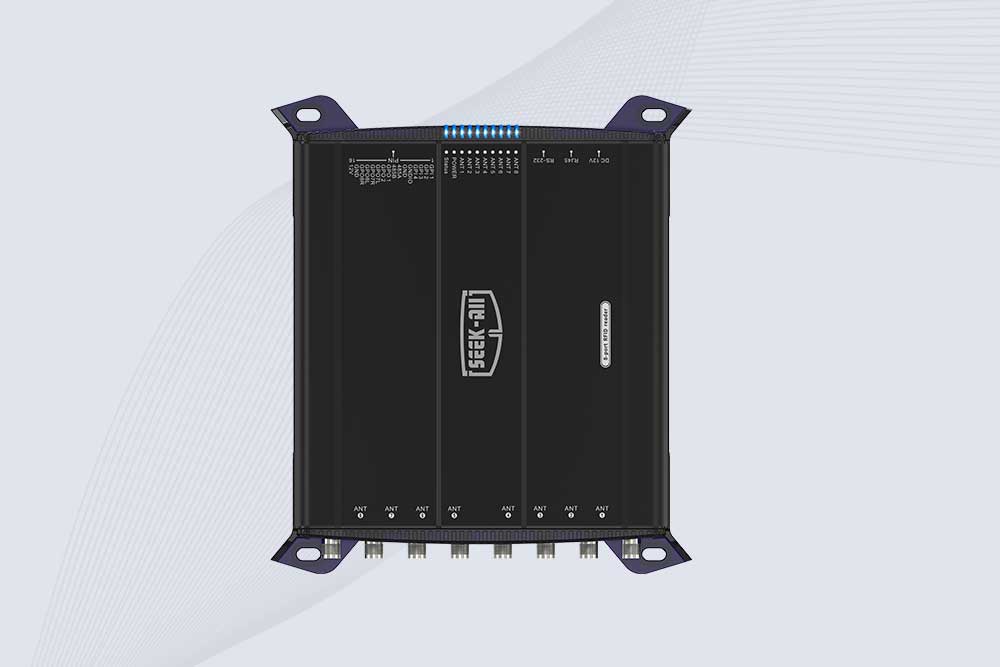
SSD-R8L 8-port UHF RFID reader with 33dBm output, up to 20m reading range and 600+ tags/s recognition. Ideal for warehouse, logistics, retail and asset tracking.
CYKEO CYKEO-D1LA USB RFID Reader is a compact desktop solution with near-field control for precise tag reading and encoding. Powered by USB, supporting ISO 18000-6C, and built for stable batch writing, this usb rfid tag reader fits retail, libraries, offices, and controlled RFID encoding tasks.
CYKEO CYKEO-D1L RFID scanner USB is a compact desktop UHF RFID scanner designed for short-range tag writing and verification. This usb rfid scanner supports batch encoding, stable 0–26 dBm output, and works across Windows, Linux, and Android systems.
CYKEO CYKEO-D1C USB RFID Card Reader is a near-field UHF desktop writer designed for secure, short-range tag encoding. With USB-C connectivity and stable 26 dBm output, this rfid reader usb c is ideal for badge issuance, label encoding, and controlled desktop RFID workflows.
CYKEO CYKEO-D2L RFID Reader USB is a compact desktop encoder built on the Impinj R500 chip. With near-field control and stable USB power, this usb rfid card reader delivers precise tag writing for offices, retail counters, and small-scale logistics encoding tasks.
CYKEO CYKEO-D3L USB RFID Tag Reader delivers stable UHF tag reading and writing for daily desktop and light industrial tasks. Designed for controlled short-range operation, this USB RFID Tag Reader works reliably with rfid tag and reader systems in libraries, tool tracking, and inventory registration.
The CYKEO CYKEO-D4L UHF RFID Tag Reader is a stable Desktop RFID Reader designed for accurate tag registration, borrowing, and return workflows. Built with the Impinj R2000 chip, this UHF RFID Tag Reader delivers controlled short-range reads for libraries, asset tracking, and inventory management environments.
The CYKEO CYKEO-D5L Desktop RFID Card Reader is a stable UHF RFID Card Reader designed for controlled short-range reading and writing. Built for libraries, tool rooms, and asset desks, this UHF RFID Card Reader supports dense tag handling, secure data processing, and easy USB integration.
The CYKEO CYKEO-D6L RFID Reader Writer is a heavy-duty Desktop RFID Reader designed for short-range, high-accuracy tag programming. Built for libraries, labs, and asset desks, this RFID Reader Writer supports batch processing, stable 33dBm output, and seamless integration with existing management systems.
Cykeo CYKEO-D8A embedded RFID badge reader offers 30+ tags/sec scanning, 20cm anti-crosstalk precision, and DC 12V power for unmanned stores, warehouses, and smart inventory systems.
Cykeo’s CYKEO-D8C UHF RFID gate reader achieves 200-tag/batch scanning with adjustable power control, ideal for retail inventory and smart warehouse management.
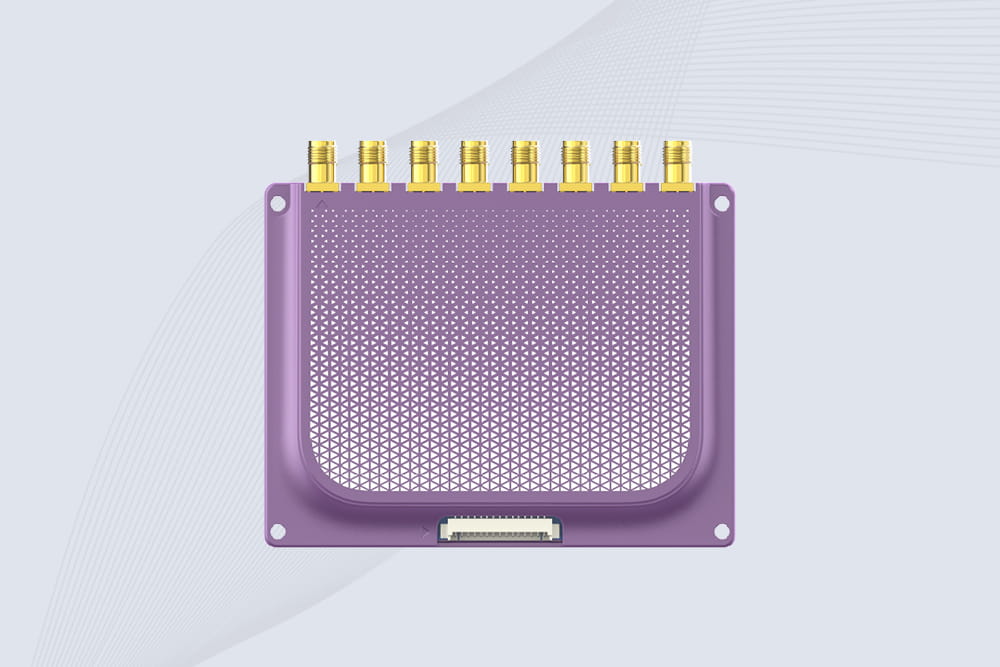
CYKEO Embedded RFID Modules are designed for compact industrial and IoT devices that require stable UHF performance. These UHF RFID Modules support global protocols, flexible power control, and reliable multi-tag reading for smart cabinets, production lines, and asset tracking systems.
CYKEO Embedded RFID Module is built for compact IoT and industrial devices that need stable UHF performance. This UHF module supports global protocols, low power operation, and reliable multi-tag reading for smart lockers, production lines, and always-on RFID systems.
CYKEO CYKEO-M1 drone rfid module is a compact UHF RFID reader module designed for drones and UAV platforms. It supports long-range aerial scanning, fast multi-tag reading, and stable performance in wind, vibration, and outdoor environments.
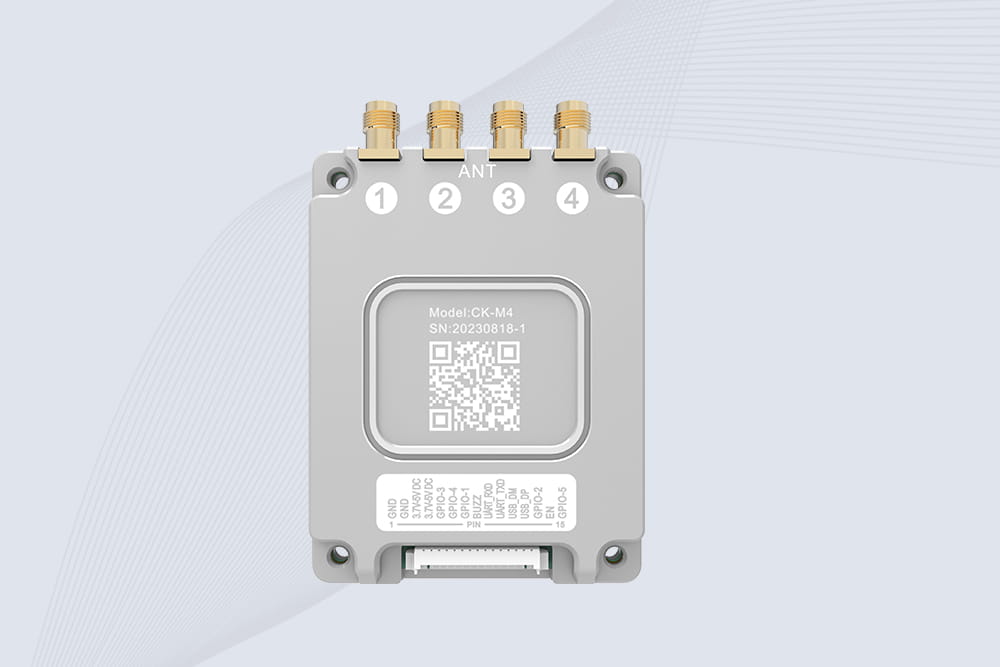
CYKEO CYKEO-M4 RC522 RFID Module is an industrial-grade UHF RFID reader with 4 ports, supporting ISO, EPC, and GB protocols. High-speed, accurate reading for IoT, automation, and warehouse applications.
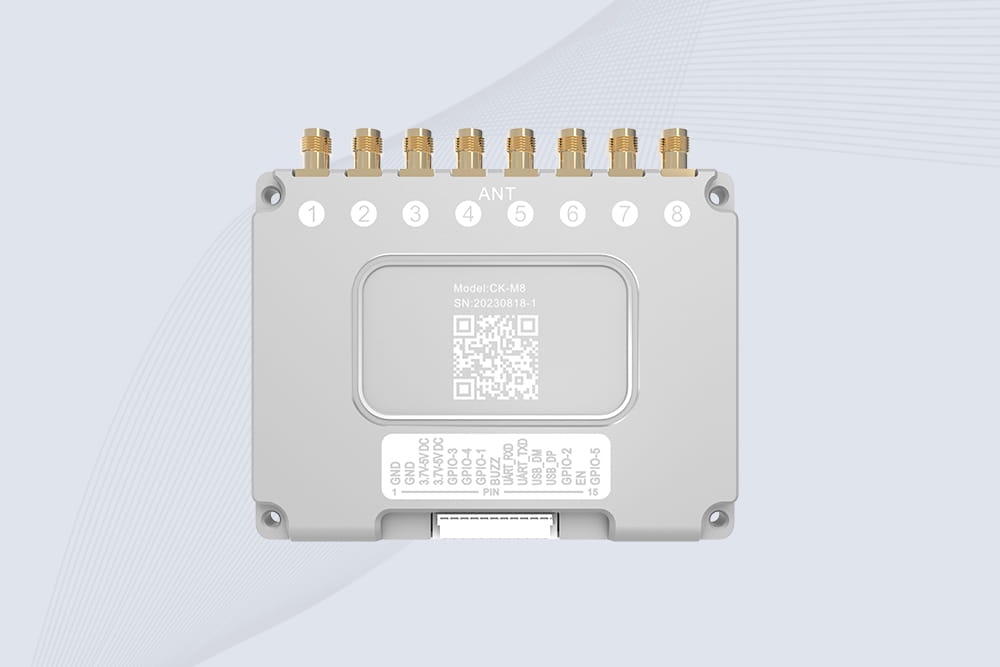
CYKEO CYKEO-M8 Module RFID is an 8-port UHF R2000 RFID Module designed for high-density, multi-tag environments. Stable 33dBm output, ISO & GB protocol support, ideal for warehouses, factories, and automated systems.
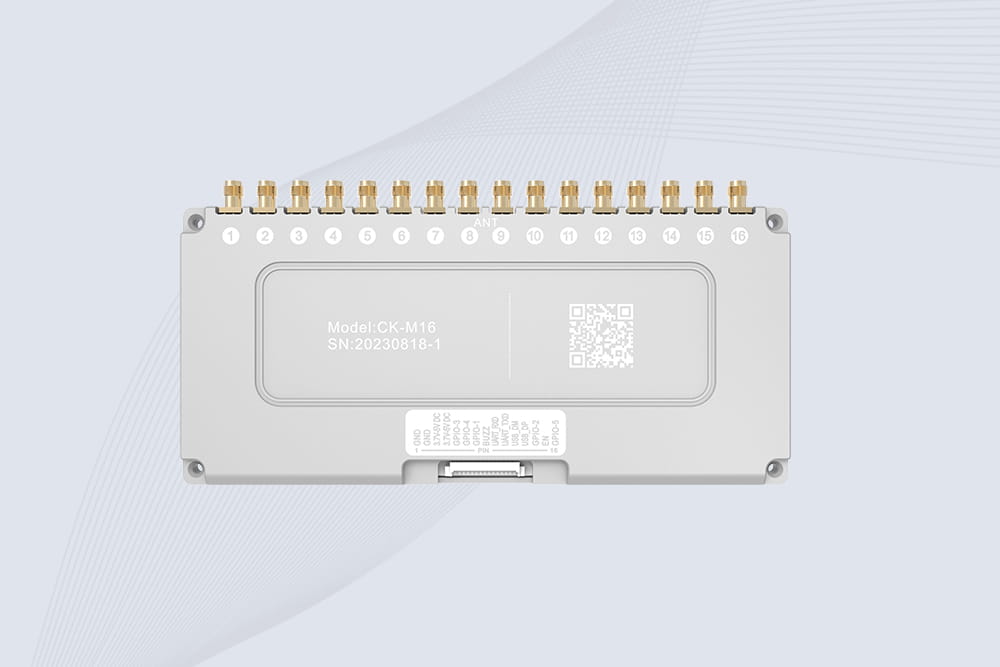
CYKEO CYKEO-M16 RFID Module is a 16-port UHF RFID reader module based on the R2000 chipset. Designed for dense tag environments, it supports ISO and GB standards and delivers stable multi-antenna control for industrial automation.
The CYKEO CYKEO-M16L RFID Reader Module is a 16-channel UHF RFID core designed for dense tag environments. With adjustable 33dBm output, multi-protocol support, and stable multi-antenna control, this RFID Tag Reader Module fits industrial automation, warehouse systems, and large-scale IoT deployments.
CYKEO CYKEO-M8L module RFID is a compact industrial UHF module built for dense tag and multi-antenna environments. With 8 RF ports, adjustable 33 dBm output, and ISO & GB protocol support, it is widely used in factories, warehouses, and automated tracking systems.
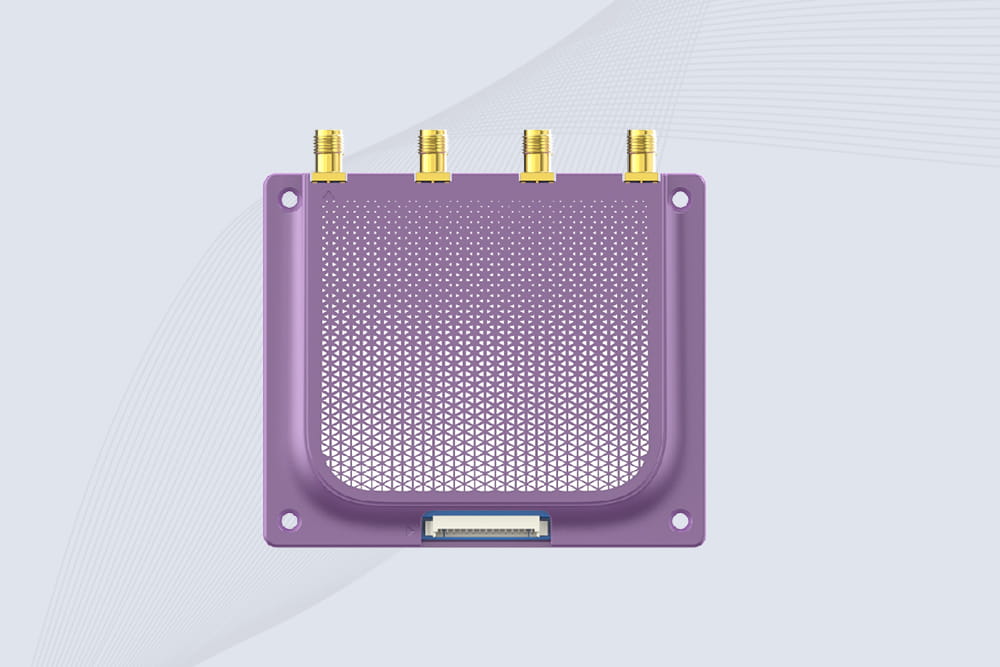
CYKEOCYKEO-M4L UHF RFID Module is a compact 4-channel RFID tag reader module designed for dense tag environments. Supporting ISO and GB protocols, it delivers stable reads up to 10 meters for industrial and IoT systems.
Cykeo CYKEO-A11 UHF RFID reader antenna delivers 11dBi gain, 840-960MHz frequency range, and IP65 ruggedness for retail, logistics, and industrial RFID systems. Features low VSWR and easy installation.
CYKEO Antenna RFID Reader delivers stable long-range UHF performance with a 10.5dBi directional design, built for warehouses, conveyor portals, and industrial RFID systems. This rfid reader antenna provides 20m+ read distance and rugged IP67 protection.
Cykeo CYKEO-A5B industrial Linear RFID Antenna delivers 5dBi gain, ≤1.5:1 VSWR, and IP65 rugged design for warehouse, production line, and logistics UHF systems.
Cykeo’s CYKEO-B12 Long Range RFID Antenna delivers 15m+ read range with 12dBi gain, IP65 rugged design, and global 840-960MHz UHF support. Ideal for warehouse/logistics asset tracking.
Cykeo CYKEO-B10 Long Distance RFID Antenna offers 10dBi gain, 840-960MHz frequency range, IP65 rating, and 20m+ coverage for logistics/warehousing/ETC systems. Low VSWR ensures stable signal transmission.
Cykeo CYKEO-A6 UHF RFID panel antenna features 6dBi gain, 840-960MHz broadband, IP65 metal-ready housing for logistics/smart retail. 18mm ultra-thin design with tool-free mounting.
Cykeo CK-A3 industrial antenna RFID UHF offers 5m+ tag detection, ≤1.3:1 VSWR, IP65 rugged design, and global UHF spectrum compatibility (840-960MHz) for warehouses, factories, and retail.
Cykeo CYKEO-B5 directional RFID antenna provides 5dBi gain with 60° narrow beamwidth for precise inventory tracking. IP65-rated, global UHF frequency support, and low VSWR.
Create your own high-performance DIY RFID antenna! 5dBi gain, 840-960MHz tunable, step-by-step guides. Compatible with Arduino, Raspberry Pi, and commercial UHF readers.
Cykeo CYKEO-A7 Flexible RFID Antenna features 840-960MHz wideband tuning, 7dBi gain, and IP68 rating for medical/retail/industrial curved surface deployments. 98% read accuracy with peel-and-stick installation.
Cykeo CYKEO-B5A industrial Passive RFID Antenna delivers 5dBi gain, 70° beamwidth, and -40°C~55°C operation for warehouses/smart cabinets. Compatible with Zebra/Impinj readers.
Cykeo’s CYKEO-A9B High Gain RFID Antenna delivers 15m+ read range with 9dBi amplification. Features IP54 rugged design, 840-960MHz bandwidth, and 80° beamwidth for warehouse/manufacturing RFID systems.
Cykeo’s enterprise-grade 8dbi Impinj RFID Antenna 10m+ read range with 840-960MHz tuning. Features IP65 housing, 1.4 VSWR, 35° beamwidth for retail/warehouse RFID systems.
Cykeo CYKEO-A9 industrial UHF RFID antenna delivers 9dBi gain, 840-960MHz frequency range, and IP65 protection for warehouse/logistics/retail RFID systems. Features N-type connector and ≤1.3:1 VSWR.
CYKEO UHF RFID Antenna built for long-distance and industrial applications. This antenna rfid uhf delivers strong gain, outdoor durability, and reliable tag performance in warehouses, yards, and vehicle ID systems.
CYKEO Antenna RFID delivers reliable long-range UHF performance in warehouses, retail shelves, and cold-chain environments. This compact uhf rfid antenna provides stable reads with circular polarization and ultra-wide 840–960 MHz support, ideal for industrial tracking, smart shelves, and asset monitoring.
Cykeo’s CYKEO-C8 UHF RFID antennas delivers 8dBi gain, 840-960MHz full-band coverage, and IP65 ruggedness for manufacturing/warehouse RFID systems. Industrial RFID Antennas Features
Cykeo’s 8dBi UHF RFID antenna and reader kit delivers 10m+ range, 840-960MHz broadband, and IP65 ruggedness for factories, warehouses, and logistics. ISO 18000-6C & EPC Gen2 certified.
RFID Industry Writer | IoT & Asset Tracking Analyst
James writes about RFID technology, asset tracking, and the practical challenges of digital transformation across warehousing, retail, manufacturing, and logistics.
His work focuses on how RFID is applied in real-world operations—improving inventory visibility, automating workflows, and helping businesses manage assets with greater accuracy and efficiency.
He regularly covers topics including UHF RFID, smart cabinets, RFID portals, tool tracking, warehouse automation, and industrial IoT trends..
Learn how RFID parking systems improve vehicle access control for hospitals, commercial buildings, and smart parking projects using long range RFID readers and automated gate management.
Improve hospital workflows with the CK-GY2A Medical RFID Cabinet. Touchscreen control, dual-door design, RESTful and native API, Java/C# SDK for ERP and IoT integration. Perfect for clinical teams and storage equipment providers.
Learn how to integrate RFID readers with legacy systems without disruptions. Discover Cykeo’s solutions for seamless compatibility and operational efficiency.
rfid tag frequency affects reading distance, speed, and inventory accuracy. Learn how UHF RFID improves warehouse and asset tracking efficiency with Cykeo.
 Cykeo RFID IoT Solution Products R&D Manufacturer