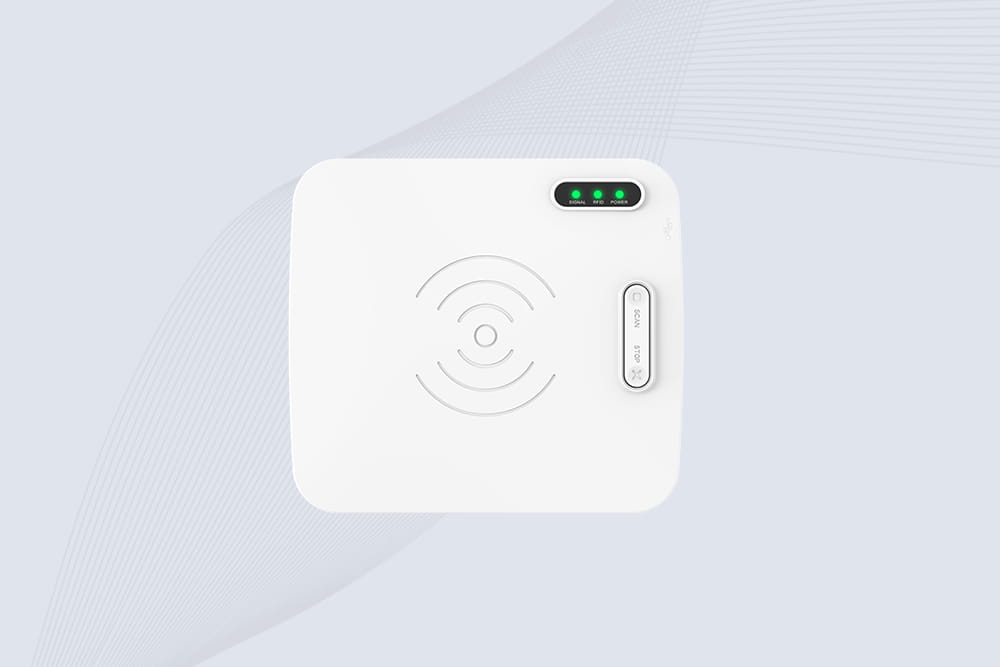
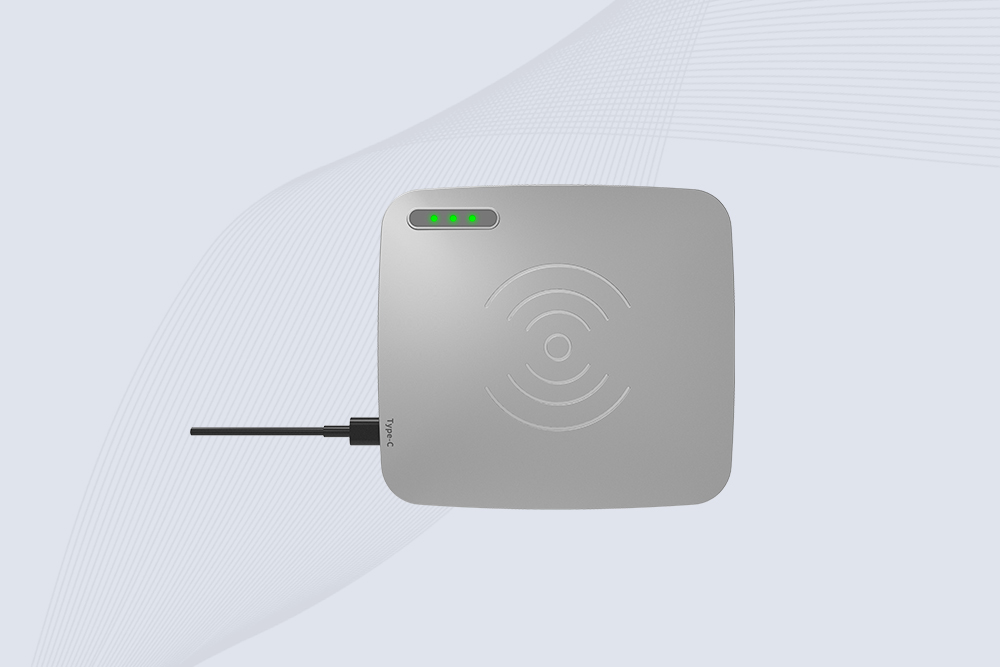
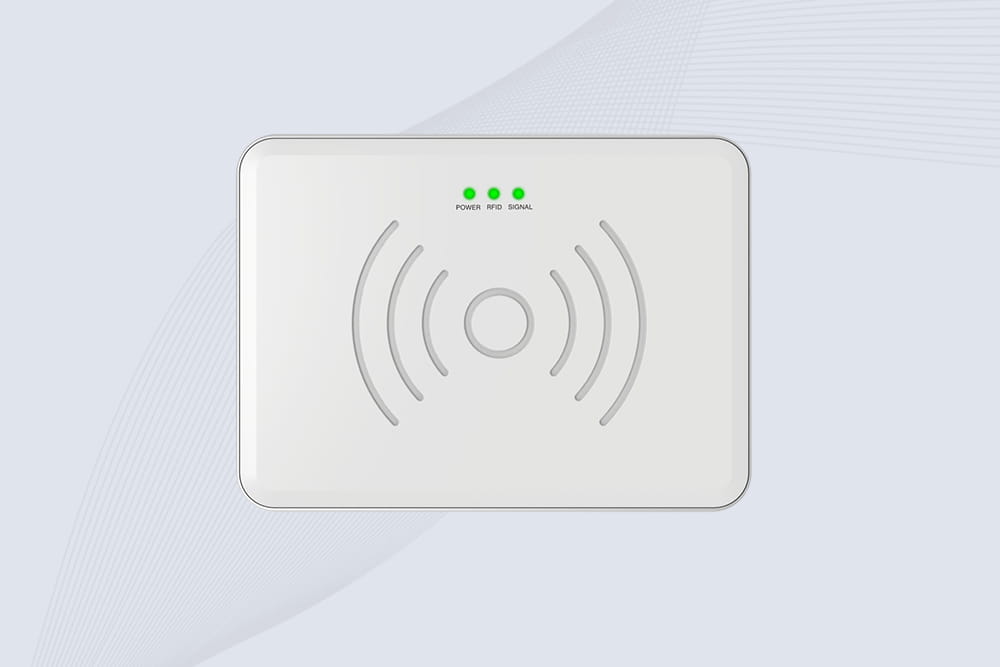
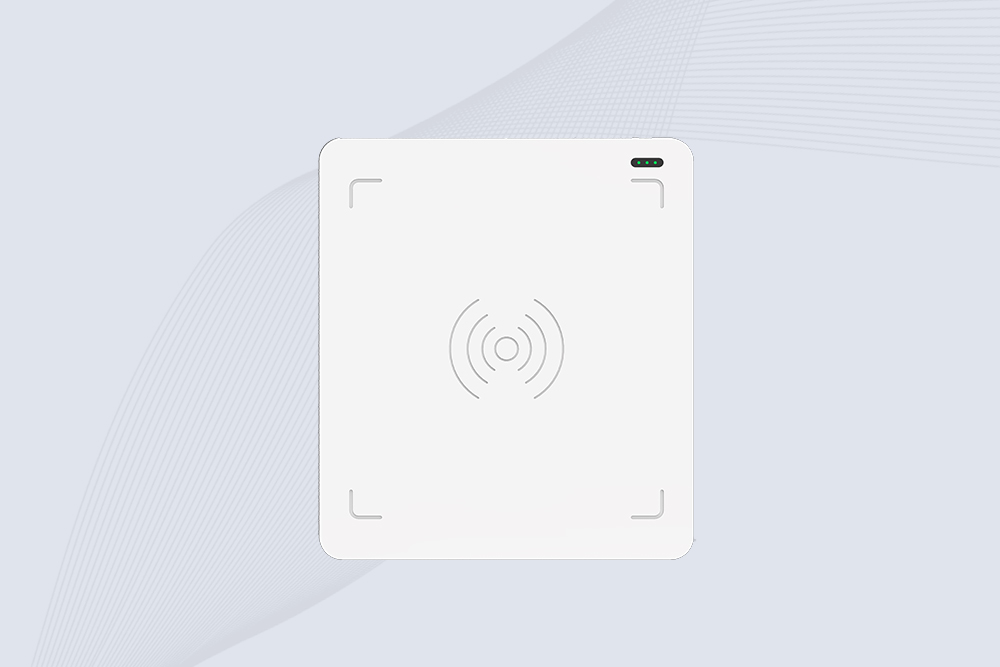
Answer: An RFID read writer is a device that can both read data from RFID tags and write new information to them, enabling fast asset identification, inventory automation, and real-time tracking across logistics, manufacturing, healthcare, and retail environments.
In practical deployments, an RFID read writer is often the starting point of a successful RFID system. Whether encoding thousands of tags before shipment or verifying assets at a warehouse gate, the ability to read and write data accurately determines the reliability of the entire operation.
What Is an RFID Read Writer?
An RFID read writer combines two essential functions:
Unlike barcode scanners that require line-of-sight scanning, RFID read writers communicate using radio frequency signals, allowing multiple tagged items to be processed simultaneously.
In my experience working with RFID deployments in warehouses and industrial environments, the biggest operational improvement comes from eliminating manual data entry. Once tags are encoded correctly, inventory transactions become nearly automatic.
Common RFID Read Writer Functions
Function
Description
Tag Reading
Retrieve EPC, TID, and user memory data
Tag Writing
Encode product or asset information
Data Verification
Confirm successful encoding
Inventory Counting
Read multiple tags simultaneously
Asset Tracking
Associate tags with software records
Security Control
Verify authorized items
Why Businesses Use RFID Read Writer Technology
Organizations adopt RFID read writer systems because manual identification methods struggle to scale.
According to the official website of GS1, RFID technology improves inventory visibility and supports real-time product identification across supply chains.
Research published by Auburn University RFID Lab has documented inventory accuracy levels exceeding 95% in many RFID-enabled retail environments, compared with significantly lower accuracy rates often associated with manual inventory methods.
These improvements translate directly into:
Reduced labor costs
Faster stock audits
Better inventory accuracy
Lower shrinkage rates
Improved traceability
UHF RFID Read Writer Applications
Asset Management
Companies use RFID read writers to encode asset tags before attaching them to:
Laptops
Tools
Medical devices
Test equipment
IT infrastructure
Once registered, assets can be tracked automatically throughout their lifecycle.
Warehouse Operations
In distribution centers, RFID read writers are used for:
Pallet identification
Carton tracking
Shipping verification
Receiving inspections
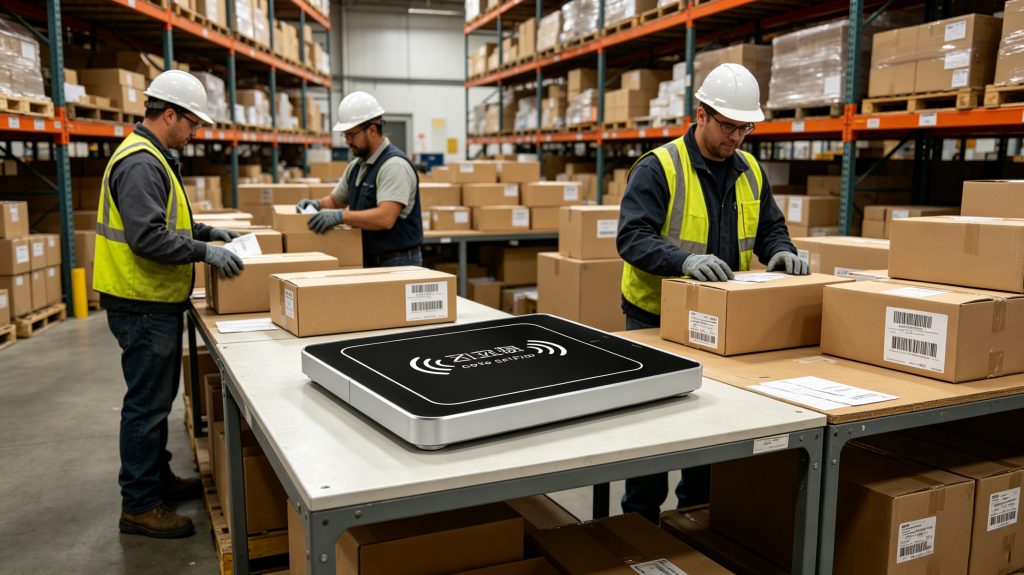
A properly configured RFID workflow can process hundreds of tagged items in seconds.
Healthcare Tracking
Hospitals increasingly deploy RFID systems for:
Medical equipment tracking
Surgical instrument management
Consumable inventory control
Patient asset identification
The visibility gained helps reduce equipment loss and improve utilization.
RFID tags are programmed before entering the logistics tracking system.
How an RFID Read Writer Works
Step 1: Tag Initialization
Blank RFID tags receive a unique identifier.
Step 2: Data Encoding
The RFID read writer stores:
Product information
Asset numbers
Serial numbers
Location data
Step 3: Verification
The device immediately re-reads the tag to confirm successful programming.
Step 4: Deployment
The encoded tag is attached to the item and enters the tracking system.
This verification step is frequently overlooked, yet it is one of the most important safeguards against future tracking errors.
Key Features to Look for in an RFID Read Writer
High Read Sensitivity
Better sensitivity enables reliable performance in challenging environments.
Fast Write Speed
High-volume operations depend on rapid encoding.
Multi-Tag Processing
Modern systems should support simultaneous tag reading.
Software Integration
Integration with ERP, WMS, MES, and asset management platforms is critical.
Industrial Reliability
Look for:
Stable RF performance
Long operating life
Industrial-grade components
Continuous operation capability
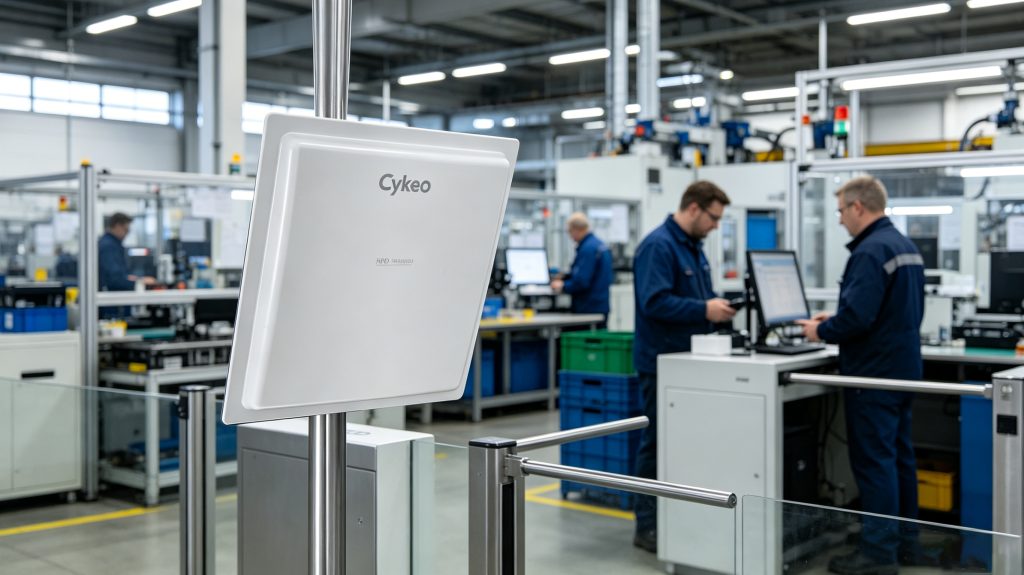
RFID technology enables automated asset tracking and production visibility.
RFID Read Writer vs Barcode Scanner
Feature
RFID Read Writer
Barcode Scanner
Line of Sight Required
No
Yes
Multi-Item Reading
Yes
No
Data Writing
Yes
No
Reading Speed
Very Fast
Moderate
Automation Capability
High
Limited
Long-Range Operation
Yes
Limited
For organizations managing thousands of assets daily, RFID provides a significant operational advantage.
Expert Insight from Cykeo
As RFID projects become larger and more automated, the role of the RFID read writer becomes increasingly important. The most successful deployments are not necessarily those with the highest read range, but those with the most reliable tag encoding process.
At Cykeo, we have observed that encoding accuracy during the initial tagging phase often determines long-term system performance. A well-programmed tag can remain traceable throughout years of operation, while encoding mistakes create costly downstream issues.
FAQ
What does an RFID read writer do?
An RFID read writer reads information from RFID tags and writes new data to them, enabling identification, tracking, and inventory management.
Can an RFID read writer update existing tags?
Yes. Most RFID read writers can modify EPC memory, user memory, and other writable areas depending on tag specifications.
What industries use RFID read writers?
Common industries include logistics, manufacturing, healthcare, retail, libraries, utilities, and asset management.
How many tags can an RFID read writer process?
Industrial UHF RFID systems can read hundreds of tags simultaneously, depending on tag density, antenna design, and environmental conditions.
Is RFID better than barcodes?
For large-scale automation and non-line-of-sight identification, RFID generally provides faster and more efficient operation than traditional barcode systems.
Conclusion
An RFID read writer is the foundation of modern RFID deployments, enabling accurate tag encoding, fast identification, and automated tracking. From warehouse inventory control to manufacturing asset management, organizations that implement reliable RFID read writer solutions gain better visibility, improved accuracy, and significantly higher operational efficiency. For businesses seeking scalable RFID infrastructure, Cykeo RFID read writer technology delivers the performance required for real-world industrial applications.
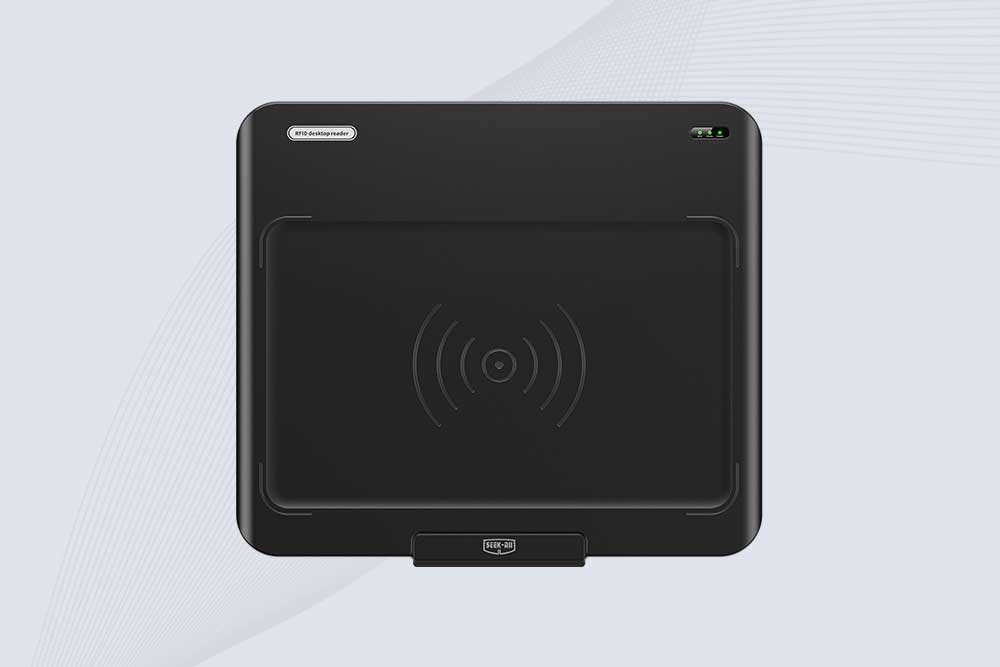
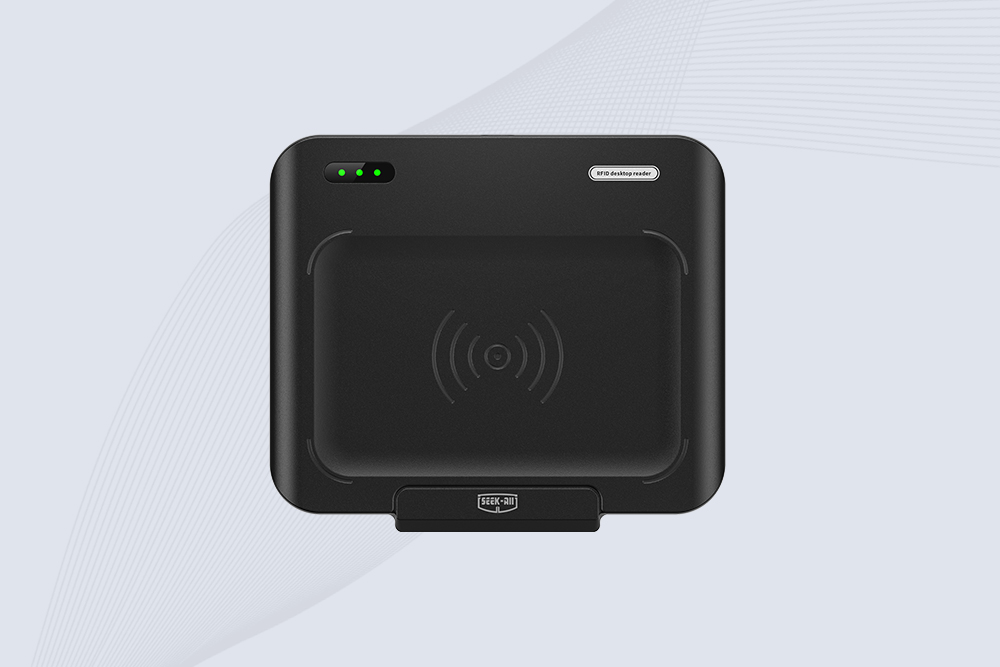
SSD-D3AL is a USB-HID UHF RFID reader with 0–30 cm reading, 0–15 cm writing, over 600 tags/s recognition, USB plug-and-play operation and OEM Logo customization.
SSD-D1AL is a compact USB UHF RFID reader with Impinj E710/X3M1 chipset, USB-HID, 600+ tags/s recognition, 4/8/16 antenna support and plug-and-play USB power.
CYKEO CYKEO-D1LA USB RFID Reader is a compact desktop solution with near-field control for precise tag reading and encoding. Powered by USB, supporting ISO 18000-6C, and built for stable batch writing, this usb rfid tag reader fits retail, libraries, offices, and controlled RFID encoding tasks.
CYKEO CYKEO-D1L RFID scanner USB is a compact desktop UHF RFID scanner designed for short-range tag writing and verification. This usb rfid scanner supports batch encoding, stable 0–26 dBm output, and works across Windows, Linux, and Android systems.
CYKEO CYKEO-D1C USB RFID Card Reader is a near-field UHF desktop writer designed for secure, short-range tag encoding. With USB-C connectivity and stable 26 dBm output, this rfid reader usb c is ideal for badge issuance, label encoding, and controlled desktop RFID workflows.
CYKEO CYKEO-D2L RFID Reader USB is a compact desktop encoder built on the Impinj R500 chip. With near-field control and stable USB power, this usb rfid card reader delivers precise tag writing for offices, retail counters, and small-scale logistics encoding tasks.
CYKEO CYKEO-D3L USB RFID Tag Reader delivers stable UHF tag reading and writing for daily desktop and light industrial tasks. Designed for controlled short-range operation, this USB RFID Tag Reader works reliably with rfid tag and reader systems in libraries, tool tracking, and inventory registration.
The CYKEO CYKEO-D4L UHF RFID Tag Reader is a stable Desktop RFID Reader designed for accurate tag registration, borrowing, and return workflows. Built with the Impinj R2000 chip, this UHF RFID Tag Reader delivers controlled short-range reads for libraries, asset tracking, and inventory management environments.
The CYKEO CYKEO-D5L Desktop RFID Card Reader is a stable UHF RFID Card Reader designed for controlled short-range reading and writing. Built for libraries, tool rooms, and asset desks, this UHF RFID Card Reader supports dense tag handling, secure data processing, and easy USB integration.
The CYKEO CYKEO-D6L RFID Reader Writer is a heavy-duty Desktop RFID Reader designed for short-range, high-accuracy tag programming. Built for libraries, labs, and asset desks, this RFID Reader Writer supports batch processing, stable 33dBm output, and seamless integration with existing management systems.
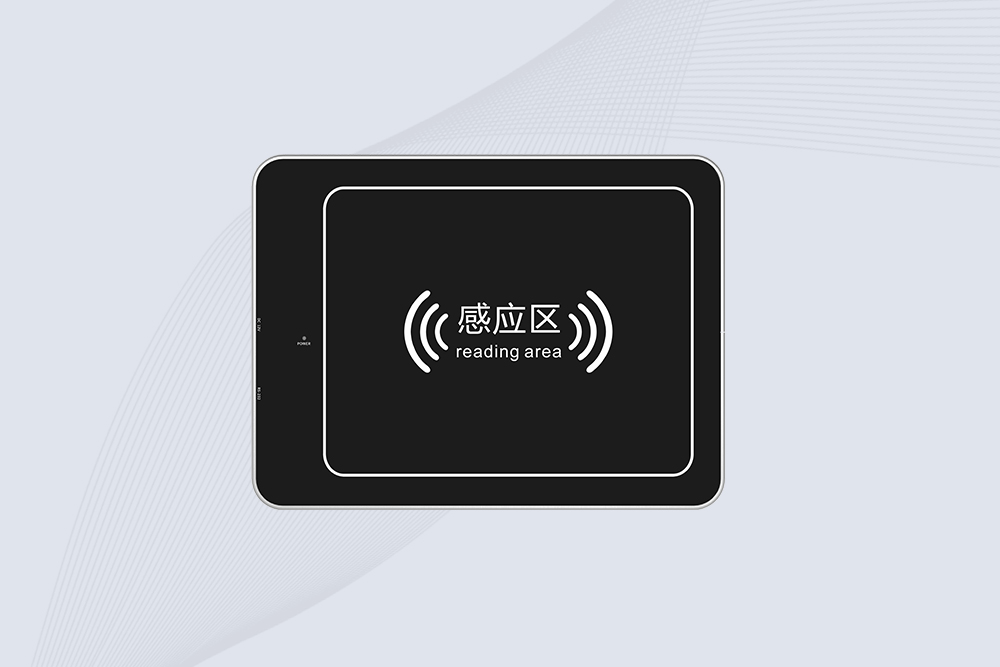
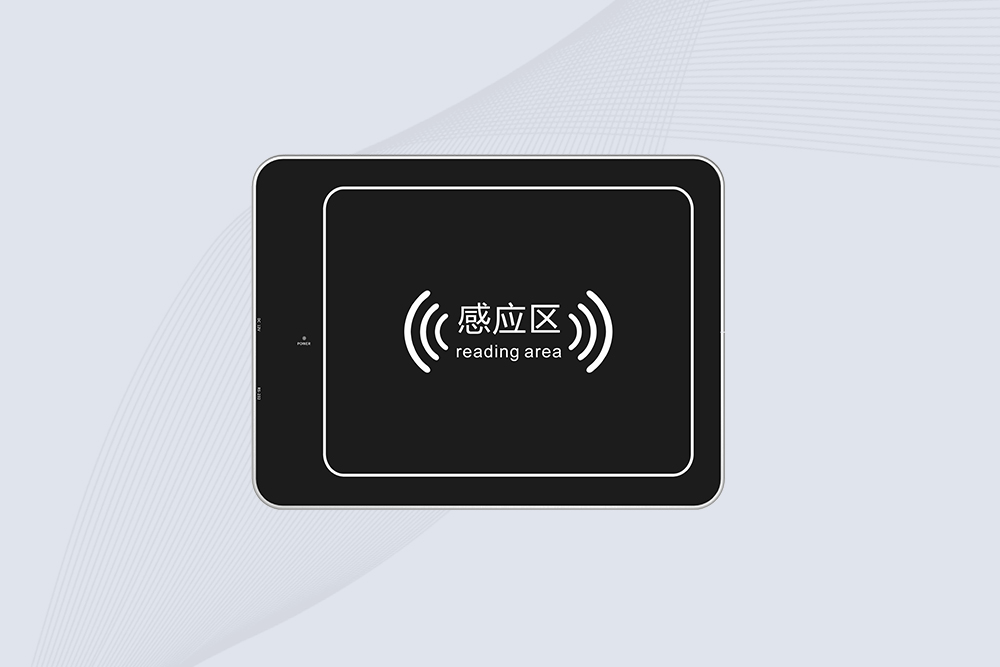
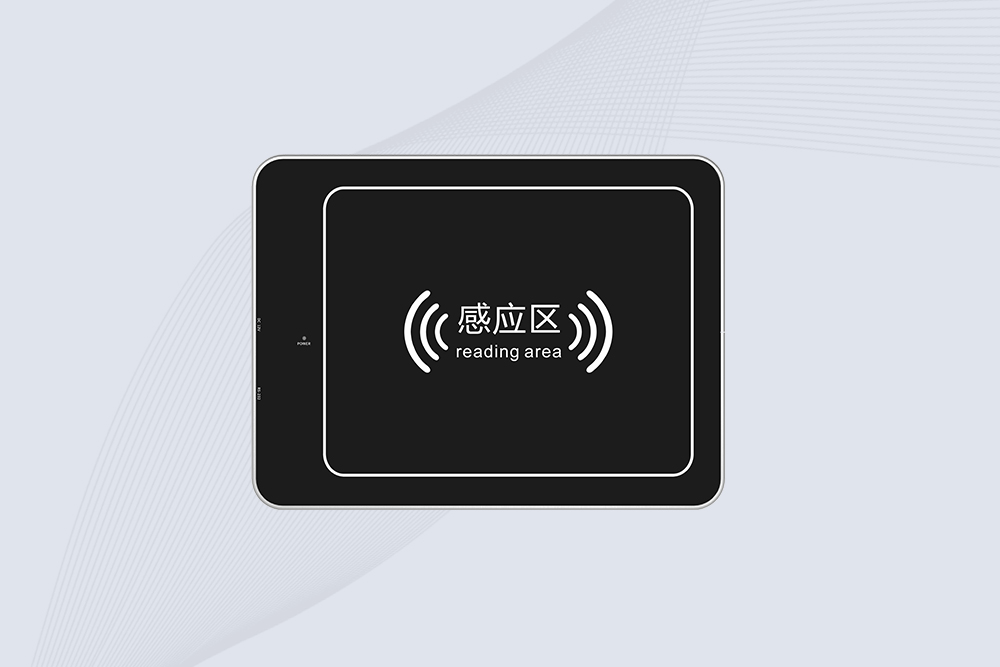
Cykeo CYKEO-D8A embedded RFID badge reader offers 30+ tags/sec scanning, 20cm anti-crosstalk precision, and DC 12V power for unmanned stores, warehouses, and smart inventory systems.
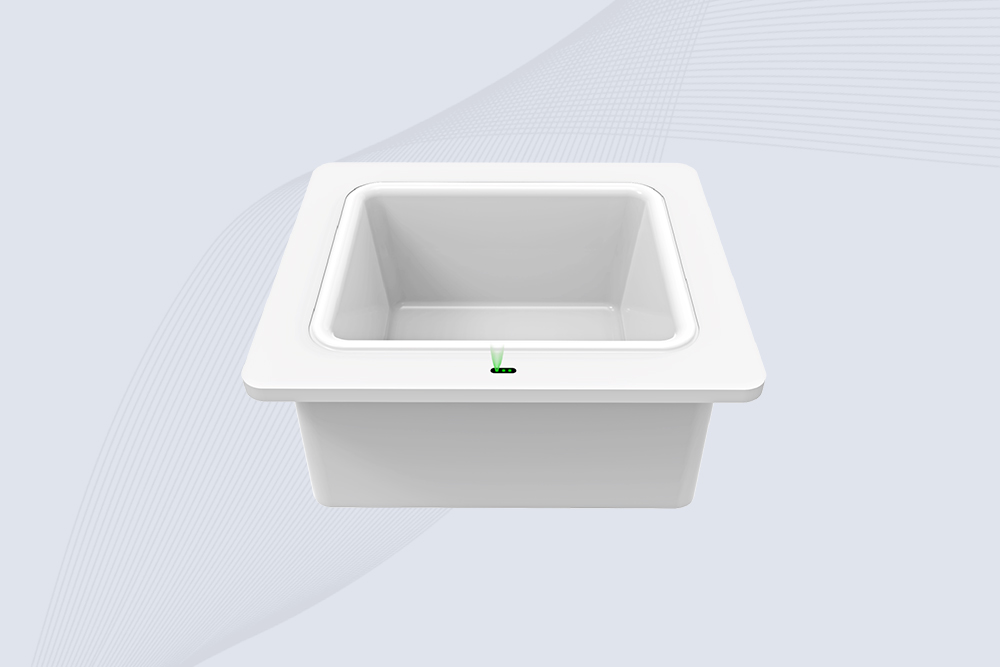
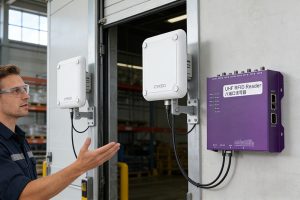
Cykeo’s CYKEO-D8C UHF RFID gate reader achieves 200-tag/batch scanning with adjustable power control, ideal for retail inventory and smart warehouse management.
Wondering what is RFID reader antenna? We explain the definition, how it works with readers, circular vs linear polarization, gain, beam width, and how to choose the right antenna for your application. Real guidance from CYKEO engineers.
The right RFID reader is usually the one that fits the customer's workflow rather than the one with the most impressive specification. For B2B buyers, especi...
Discover actionable strategies to maximize warehouse efficiency using handheld RFID scanners—reduce errors, save time, and optimize inventory management.
Discover the most durable RFID handheld readers for construction sites. Explore rugged features, weather resistance, and Cykeo’s solutions for harsh environments.
 Cykeo RFID IoT Solution Products R&D Manufacturer