A few months ago, I visited a factory where the maintenance manager carried what looked like an old-school janitor’s key ring. It probably held forty or fifty metal keys. Every time someone needed access to a machine room, a storage cage, or an electrical cabinet, he had to dig through the bundle and hope he picked the right one.
He laughed and said, “The keys weigh more than my phone.”
That scene stuck with me because it shows how many companies still rely on systems that haven’t changed in decades. Meanwhile, RFID key systems have quietly become the preferred option for offices, warehouses, hotels, campuses, and industrial sites that want faster access control without sacrificing security.
The interesting part isn’t that RFID is new. It isn’t. The interesting part is that businesses have finally found practical ways to use it every day.
So, What Exactly Is an RFID Key System?
Despite the name, there isn’t always a physical “key.”
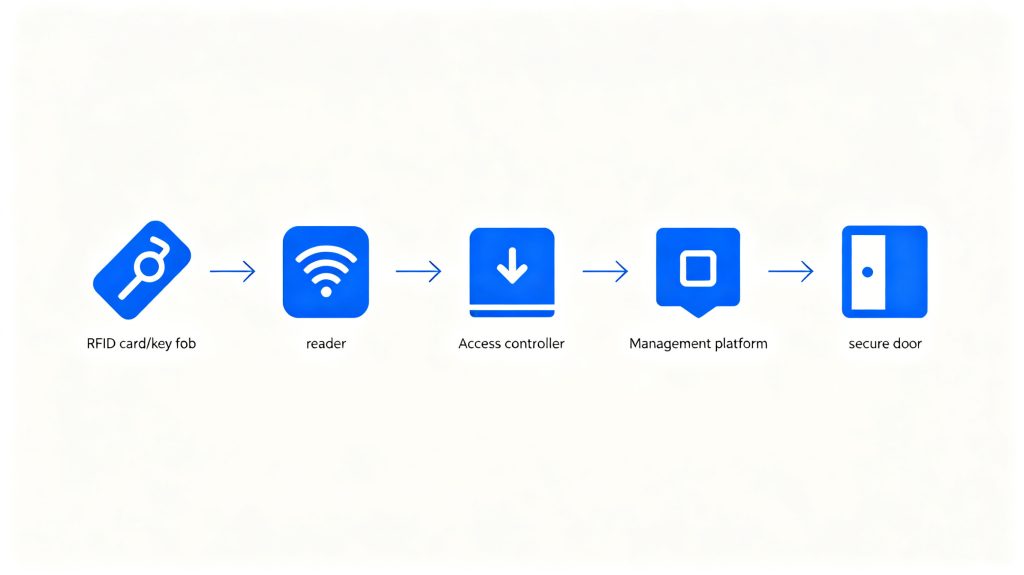
An RFID key system uses a credential—often a card, fob, wristband, or embedded tag—that communicates with an RFID reader when it comes within range. If the credential is authorized, the controller unlocks the door, cabinet, locker, or gate.
From the user’s perspective, the process feels almost effortless. There’s no need to insert a key or remember a complicated code. A quick tap or close-range presentation is usually enough.
Behind the scenes, however, every access event can be logged, time-stamped, and linked to a specific user.
That audit trail ends up being one of the biggest advantages.
Why Companies Switch From Mechanical Keys
Replacing locks every time an employee leaves is expensive.
Replacing a lost RFID credential is usually much easier.
That simple difference changes how many organizations think about security. Instead of worrying that a missing metal key might still open a restricted area, administrators can often deactivate a lost credential in software and issue a new one.
In one logistics center I toured, seasonal workers changed almost every quarter. Managing physical keys had become a headache. After moving to RFID credentials, onboarding and offboarding took minutes rather than days.
The hardware mattered, of course, but the flexibility mattered more.
RFID Doesn’t Mean the Same Thing Everywhere
One mistake buyers sometimes make is assuming every RFID system works identically.
In reality, frequency, reading distance, credential type, and security features vary by application.
A hotel room door might use a short-range RFID card designed for guest convenience.
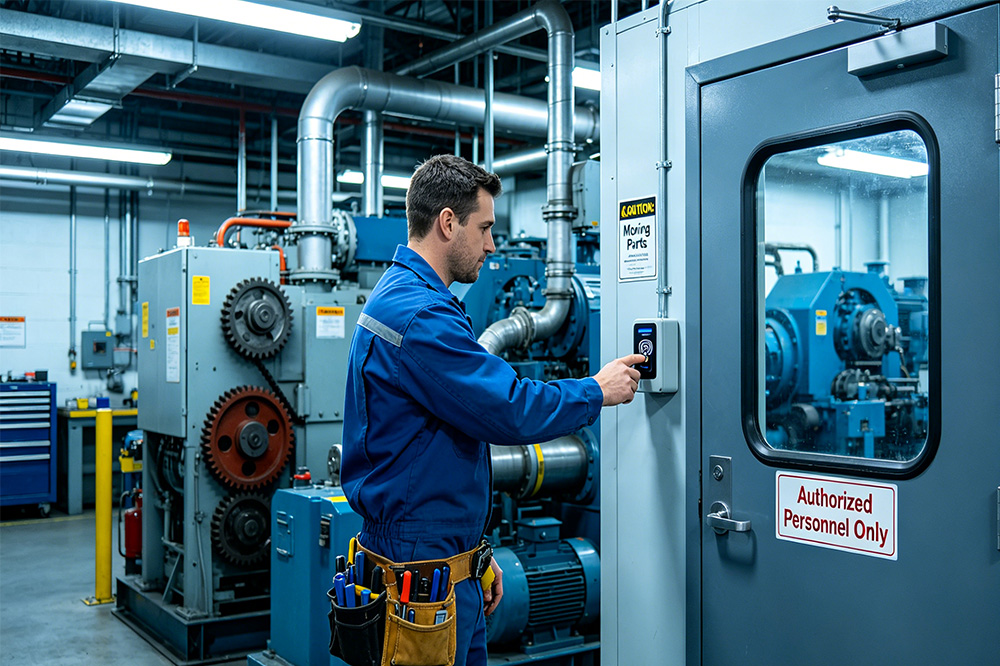
An industrial facility may rely on encrypted credentials tied to employee identities and integrated with attendance records.
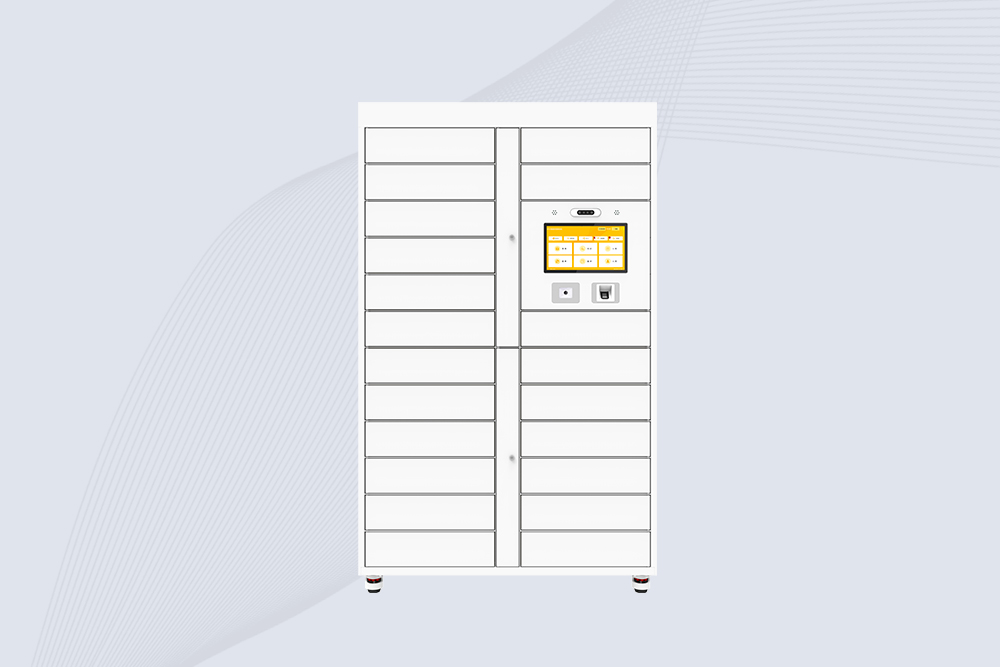
A locker system inside a fitness center could use waterproof wristbands instead of cards.
The underlying idea is similar, but the implementation changes with the environment.
Readers Are the Quiet Workhorses
People often notice the cards or key fobs first, but the reader is where much of the intelligence lives.
Readers detect credentials, verify permissions, communicate with controllers, and trigger actions such as unlocking a door or recording an event.
Placement matters more than many buyers expect.
Install a reader too close to large metal structures or electronic interference sources, and read performance may become inconsistent. Experienced installers usually perform site testing before finalizing locations rather than relying solely on specifications.
Are RFID Systems Actually More Secure Than Keys?
The answer depends on design rather than technology alone.
A traditional key can be copied, borrowed, or forgotten inside a lock.
An RFID credential can be lost as well, but modern systems often allow administrators to disable it immediately. Some deployments also combine RFID with PIN codes, mobile credentials, or biometric verification for higher security.
No access method is perfect.
The stronger approach is usually layering technologies and maintaining clear user management policies instead of assuming any single credential solves every problem.
Everyday Places You Already Encounter RFID
People sometimes think RFID belongs only in large factories.
Actually, it’s surprisingly common.
You may use it when:
Entering an office building with a badge
Opening a hotel room
Accessing a fitness club locker
Passing through an employee entrance
Unlocking a parking gate
Entering a university laboratory
Accessing equipment storage areas
The technology often goes unnoticed because it blends into daily routines.
Touchless Access Has Practical Benefits
During busy periods, nobody enjoys fumbling for keys while carrying packages or equipment.
RFID allows faster movement through controlled spaces and reduces physical wear associated with traditional locks.
Some facility managers I’ve spoken with say the convenience factor ended up being more valuable than expected. Employees stopped propping doors open because authentication became quick enough that shortcuts were no longer necessary.
That’s a behavioral improvement rather than a technical one, but it still matters.
What Should You Look for When Buying an RFID Key System?
Price is rarely the deciding factor over the long run.
Instead, buyers often ask questions like:
Can it integrate with our existing software?
Can permissions be updated remotely?
How many users can it support?
Does it produce audit reports?
Can different facilities share the same credential?
Will the system continue working if network connectivity is interrupted?
The answers vary by deployment, so planning ahead saves expensive upgrades later.
A Small Story From a Distribution Center
One warehouse supervisor told me that employees used to queue every morning waiting for a security guard to unlock restricted storage.
After installing RFID-controlled access, authorized staff could enter independently while every event was automatically recorded.
The guard’s workload dropped noticeably, but something else changed too: disputes over “who opened the room” practically disappeared because the logs answered the question within seconds.
Technology didn’t eliminate human mistakes, but it made them easier to understand.
RFID Key Systems and Wholesale Opportunities
Demand continues to grow across logistics, manufacturing, hospitality, education, healthcare, and commercial real estate.
Distributors and project integrators are increasingly looking for suppliers capable of providing:
For wholesale buyers, long-term supply consistency and technical support often matter just as much as unit pricing.
Final Thought
A metal key opens a door.
A well-designed RFID key system does something broader: it records access, simplifies administration, reduces manual work, and gives managers visibility they simply didn’t have before.
In fast-moving environments where dozens or hundreds of people share facilities every day, that extra visibility can quietly become one of the most valuable parts of the entire security strategy.
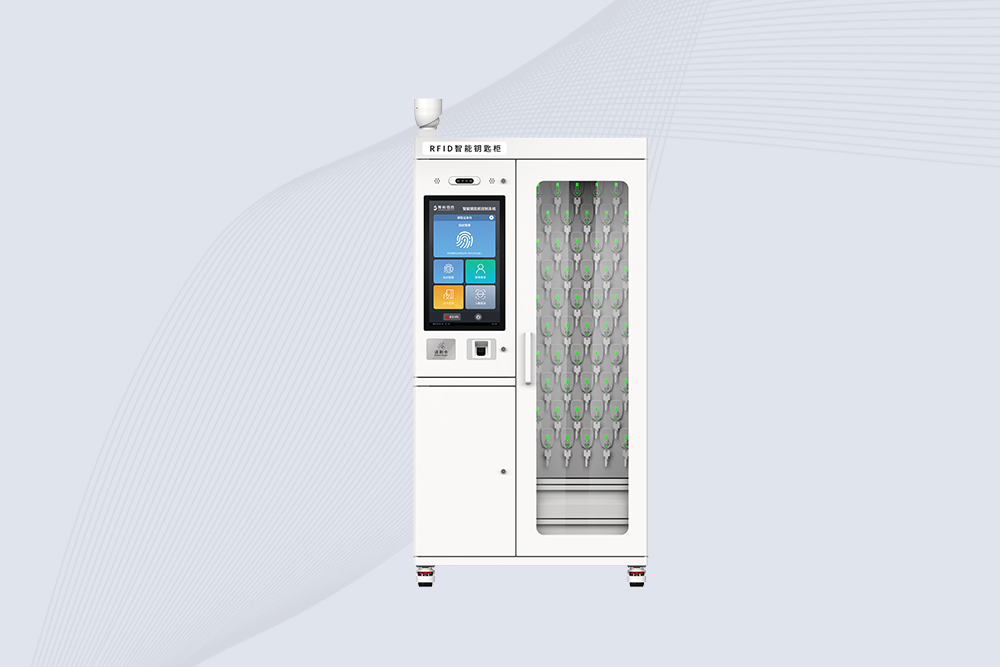
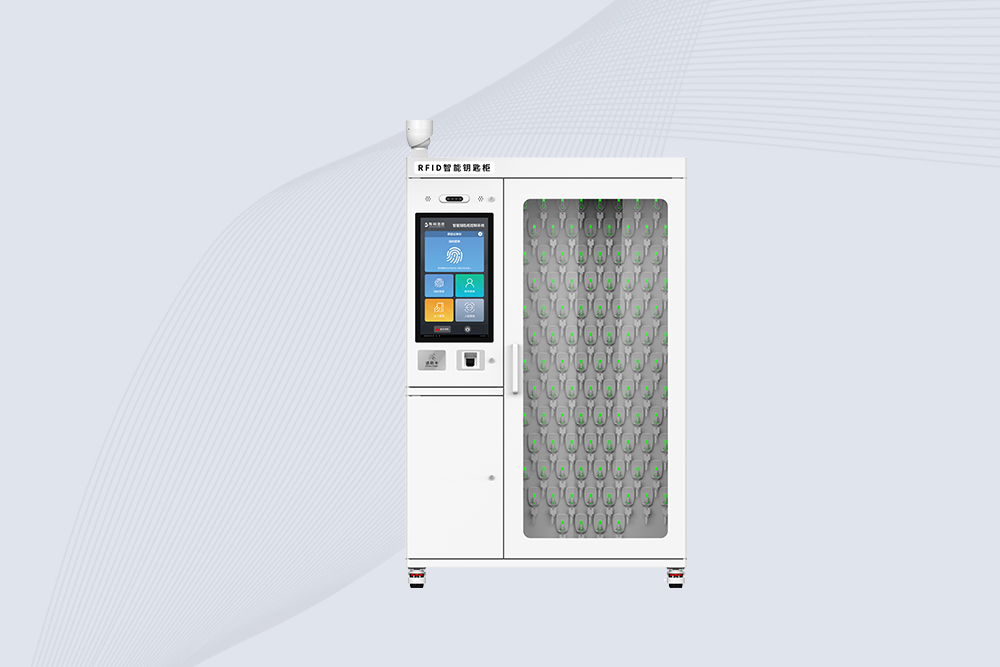
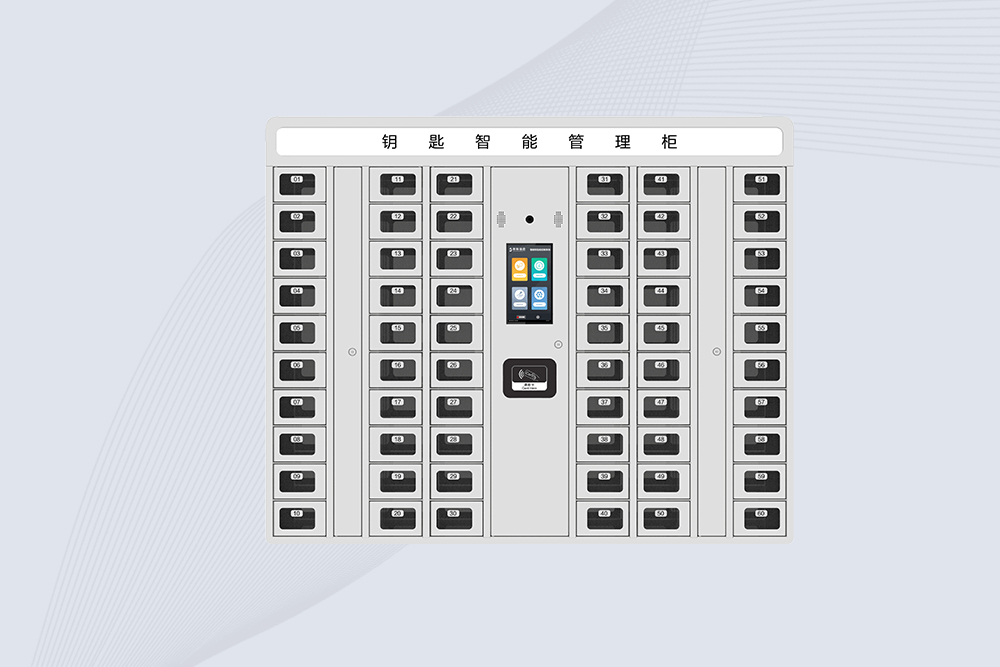
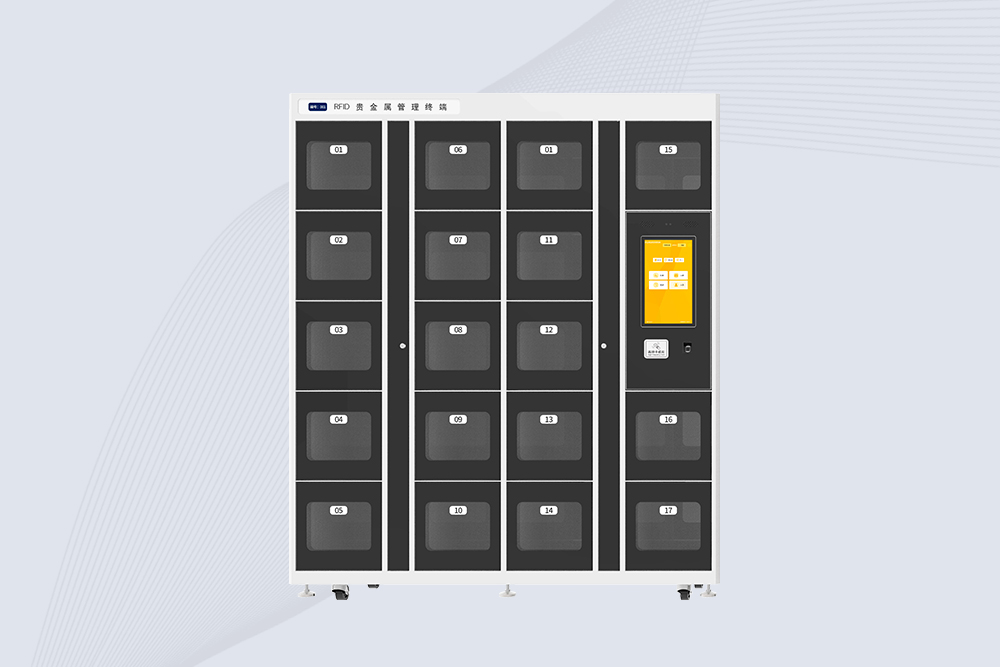
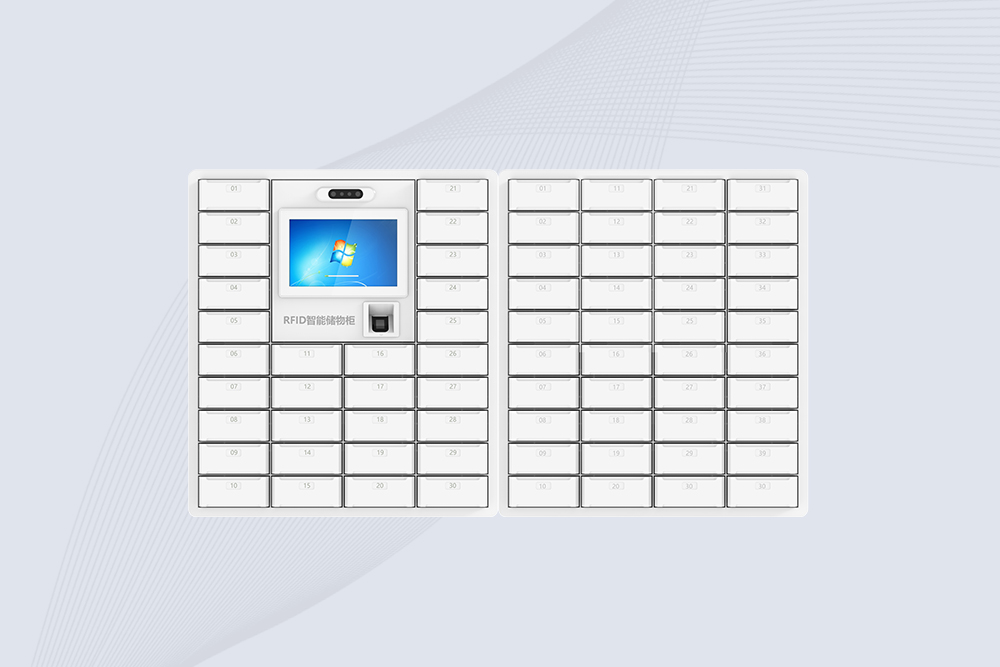
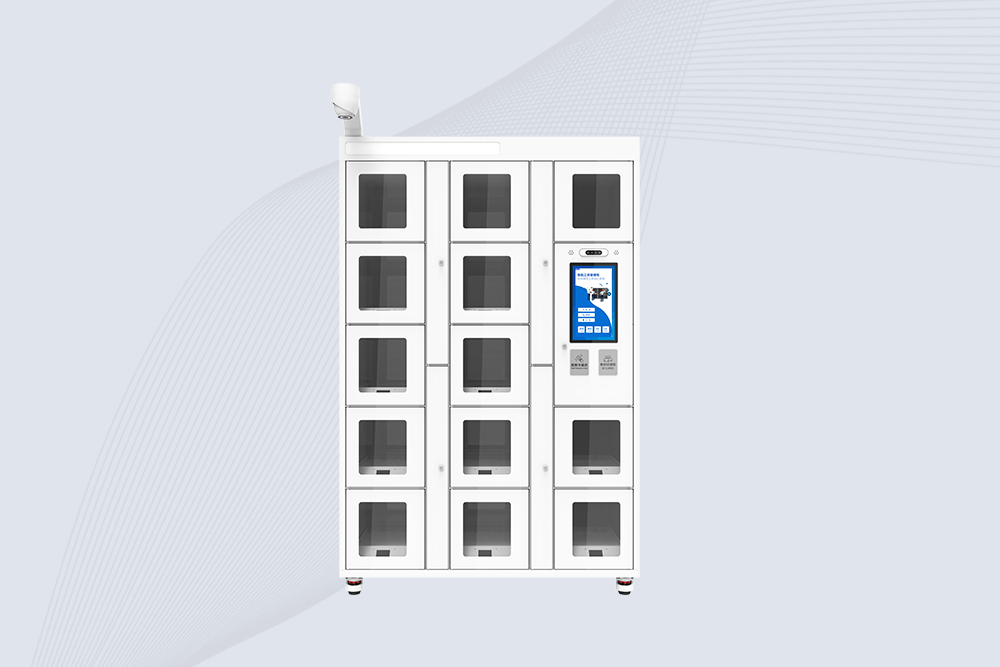
Cykeo’s RFID Key Cabinet offers biometric security & solar options for corporate/rental sectors. Tracks 50 keys with ISO 15693 compliance & ERP integration.
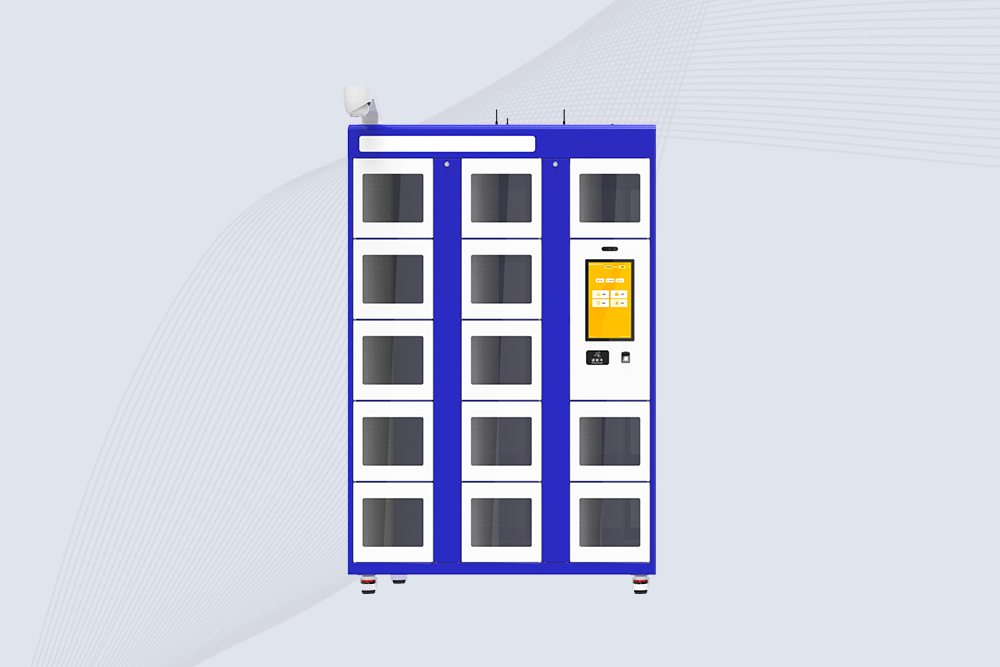
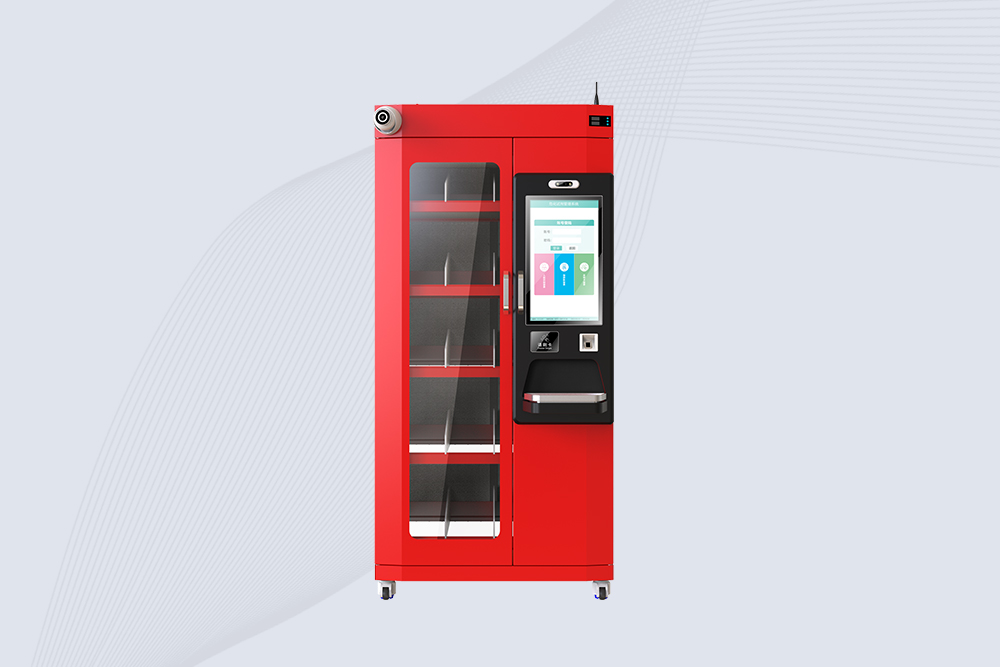
Industrial RFID Key Management Cabinet with biometric auth, unlimited expansion, -30°C operation, and 22″ touchscreen for prisons/utilities. Manages 100+ keys.
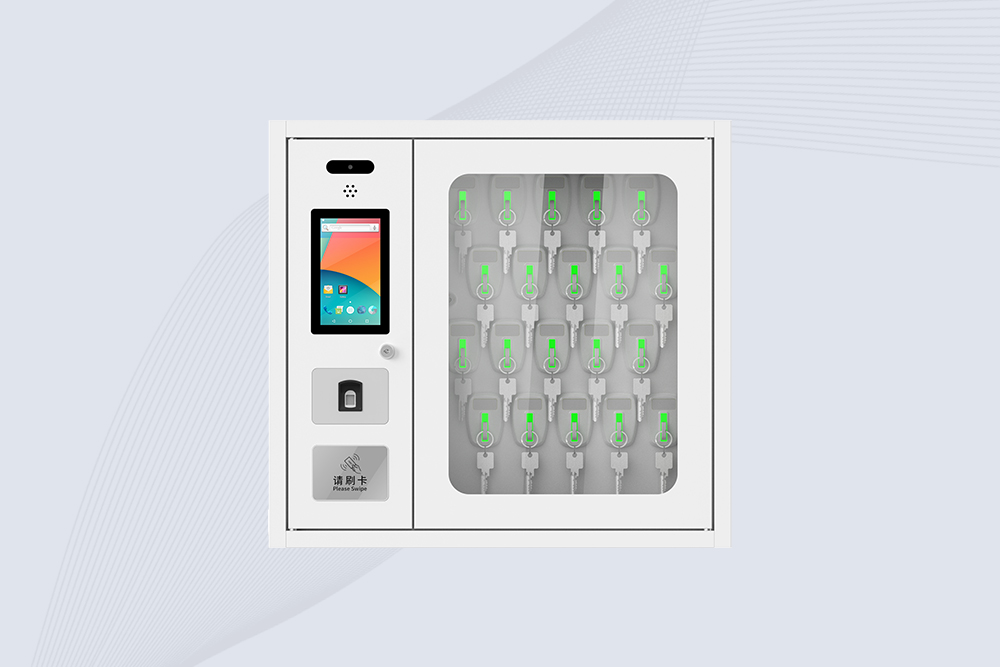
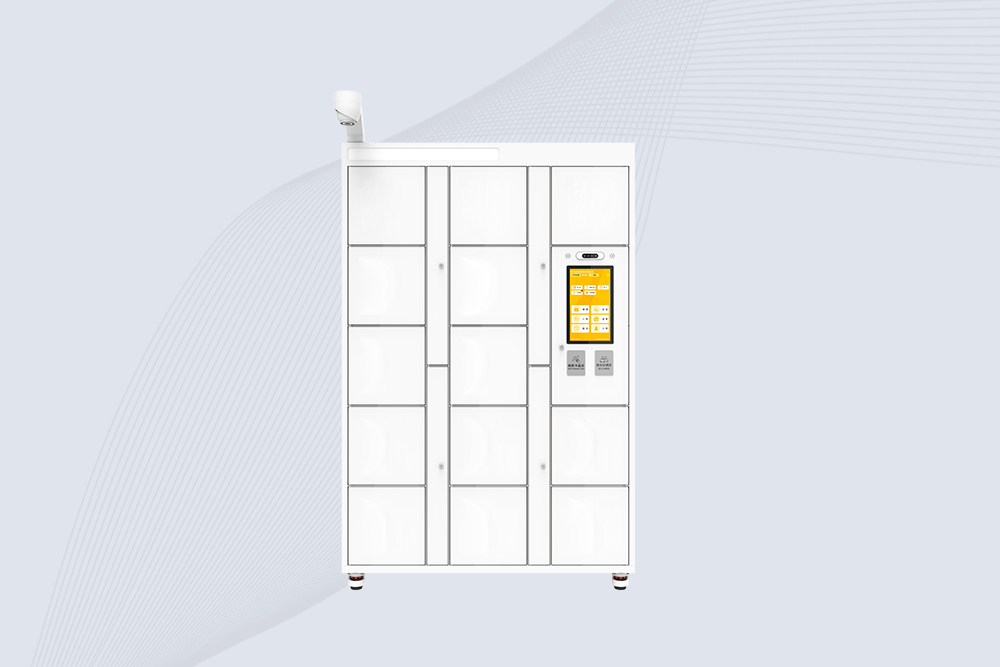
Industrial RFID Smart Key Cabinet with face/fingerprint recognition, 10.1″ touchscreen, SAP integration, and IP54 rating for prisons/utilities. Manages 60+ keys.
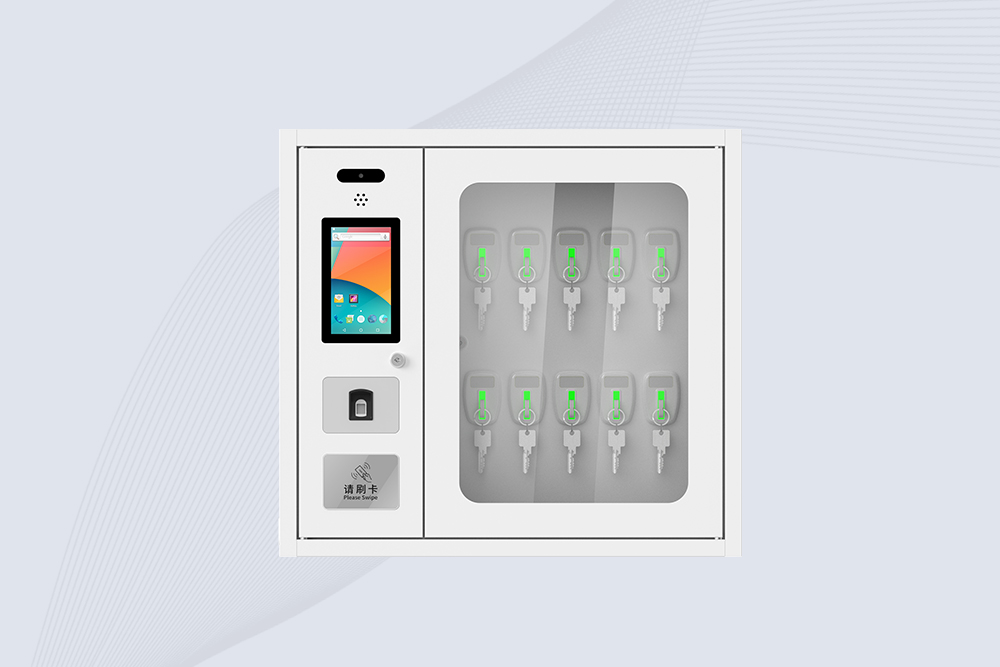
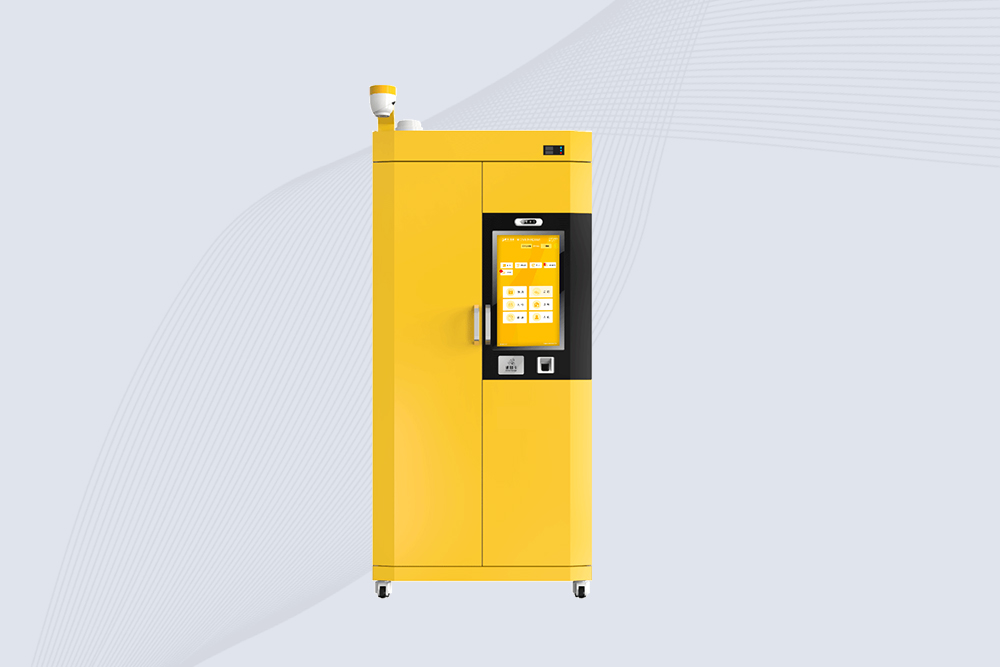
Industrial RFID Biometric Key Cabinet with fingerprint/face recognition, 10.1″ touchscreen, SAP integration, and IP54 rating for fleet/retail key control.
Cykeo’s industrial RFID storage cabinet features UHF tracking, 21.5″ touchscreen, Windows/Android OS, and face/fingerprint access for secure asset management. Real-time alerts for archives, labs, and tool control.
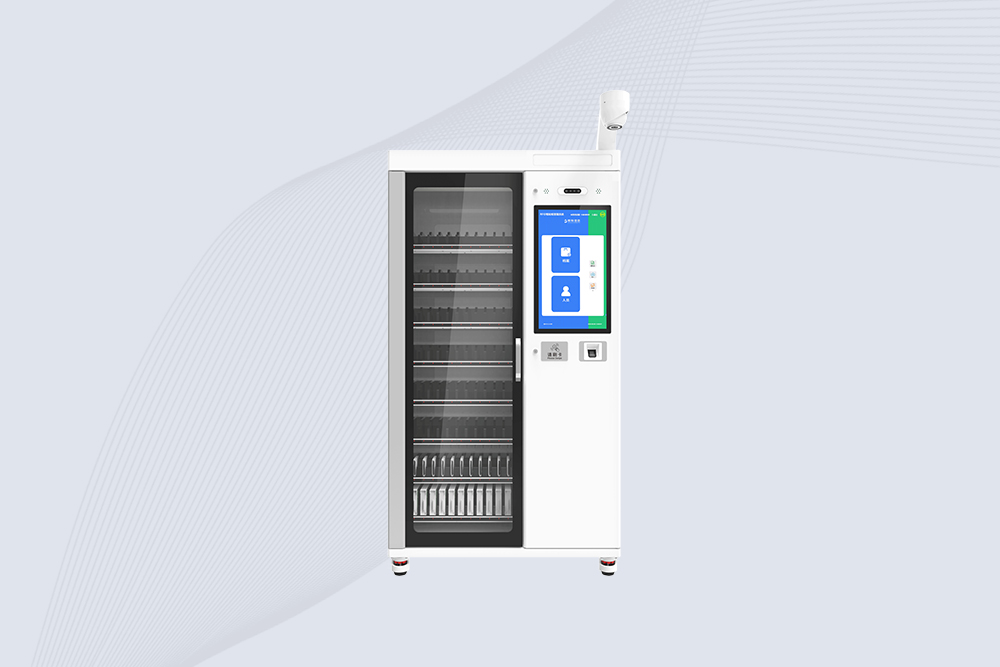
Cykeo’s industrial RFID loss prevention cabinet features UHF sensors, multi-factor authentication, -30°C~60°C operation for pharma/retail/archives. Stops theft with real-time alerts & SAP integration.
Cykeo’s RFID Seal Management Cabinet offers 100-tag/sec scanning, biometric security, SAP integration, and audit trails for government/banking/compliance.
Cykeo’s RFID Chemical Management Cabinet offers 400-tag/sec scanning, VOC leak detection, corrosion-resistant design, and SAP integration for labs/pharma/industrial plants.
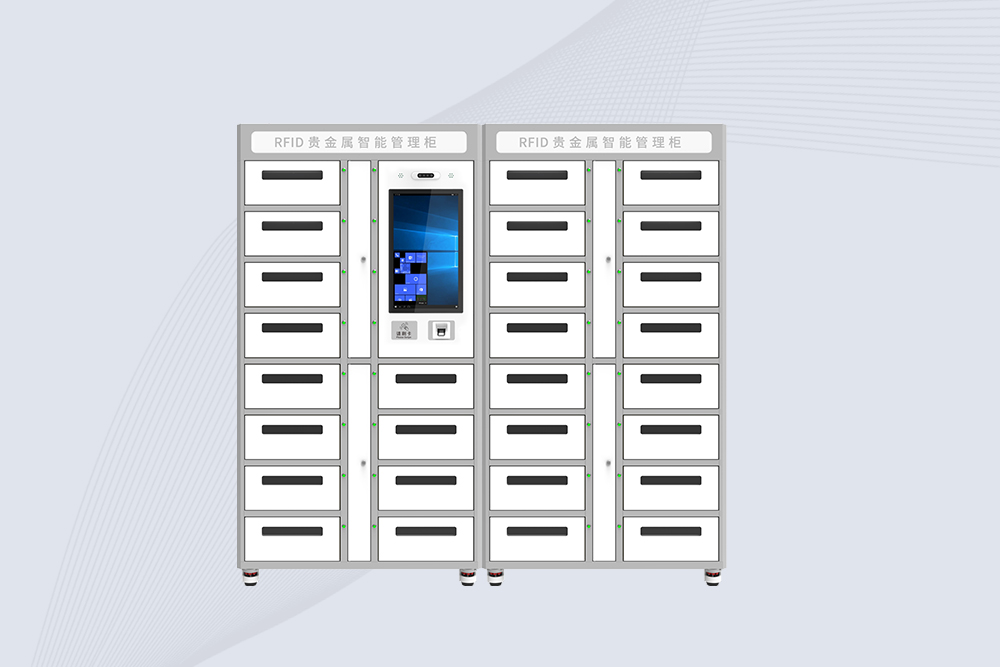
Cykeo’s UHF RFID precious metal cabinet offers drawer-level tracking, biometric access, and SAP integration for banks/vaults/bullion storage. ISO 27001 certified.
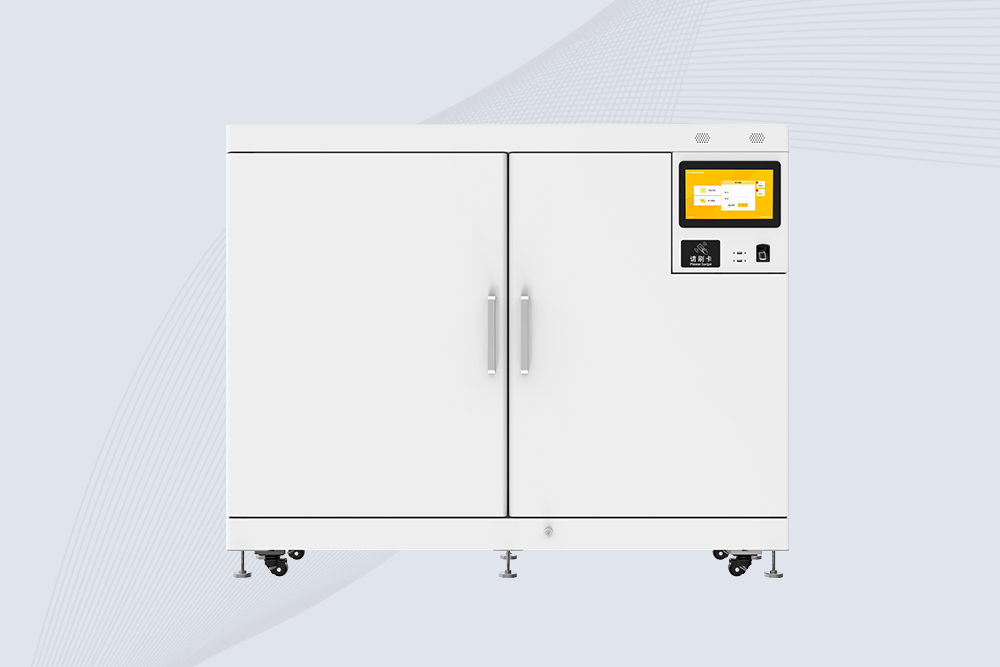
Cykeo’s RFID hard disk cabinet offers military-grade steel, HF RFID tracking, chain-of-custody audits, and Splunk/QRadar integration for government/financial sectors.
Cykeo’s RFID hard disk management cabinet offers 140-drive capacity, multi-factor authentication, NIST compliance, and Splunk integration for government/financial sectors.
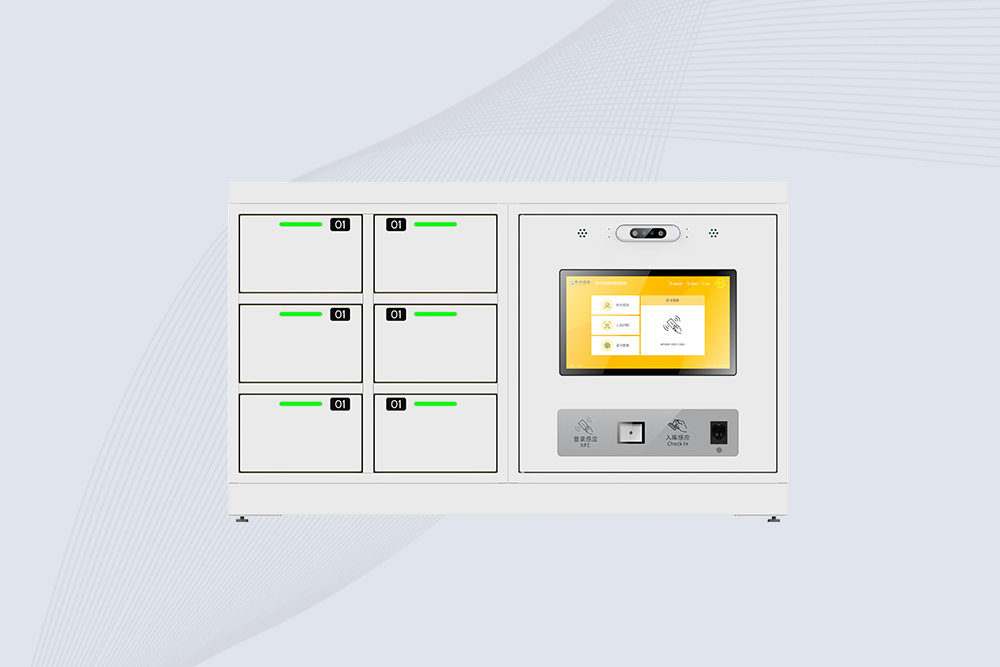
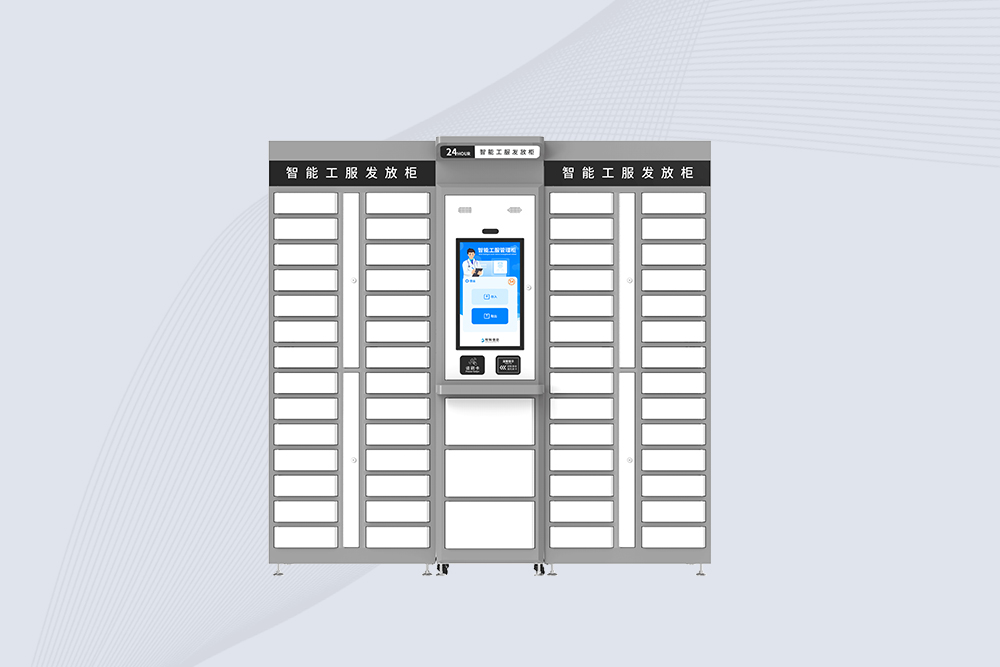
Cykeo CYKEO-MG28 smart rfid locker system features IP54 cabinet, 21.5″ touchscreen, and RFID/QR/biometric authentication for industrial asset security.
Cykeo CYKEO-G0628 uhf rfid locker system features 21.5″ touchscreen, fingerprint/RFID authentication, and modular cabinets for industrial asset security.
RFID Industry Writer | IoT & Asset Tracking Analyst
James writes about RFID technology, asset tracking, and the practical challenges of digital transformation across warehousing, retail, manufacturing, and logistics.
His work focuses on how RFID is applied in real-world operations—improving inventory visibility, automating workflows, and helping businesses manage assets with greater accuracy and efficiency.
He regularly covers topics including UHF RFID, smart cabinets, RFID portals, tool tracking, warehouse automation, and industrial IoT trends..
Learn how RFID reader modules are used in smart tool management systems for automated inventory tracking, industrial maintenance, and RFID-enabled storage cabinets.
A UHF RFID reader can rapidly inventory hundreds of tags, but actual capacity depends on tag density, reader speed, antenna design, RF conditions, orientatio...
CYKEO CK-R16L is a fixed UHF RFID reader designed for software systems. With 16 antenna ports and Ethernet, RS232, RS485, and Wi-Fi connectivity, it works with UHF RFID antennas to deliver stable tag data for smart cabinets, warehouse shelves, and...
In today digital era, businesses are increasingly demanding efficient management and precise data collection. As key technology in the age of the Internet of Things (IoT), RFID tag readers offer transformative benefits across industries through fe...
 Cykeo RFID IoT Solution Products R&D Manufacturer