 Cykeo RFID IoT Solution Products R&D Manufacturer
How Integrators Choose and Deploy RFID Key Cabinets in Real Projects
199A field perspective on selecting, configuring, and deploying RFID key cabinets, including real-world considerations, integration tips, and system setup.
MoreAll RFID Product
RFID laundry tags enable automatic linen tracking, reduce textile loss, and improve laundry inventory accuracy across hospitals, hotels, industrial laundries, and uniform management systems.
Laundry rooms are louder than most people expect.
Industrial dryers run continuously. Steam hangs in the air. Carts full of sheets and uniforms move quickly between sorting zones. Staff rarely stop moving for long.
That environment is exactly why barcode systems often struggle there.
Wet fabric folds over labels. Manual scanning slows workflow. Missing linens disappear quietly into operational gaps nobody notices until replacement budgets increase months later.
RFID laundry tags changed that process more than many operators anticipated.
Not because they looked advanced.
Because they removed unnecessary manual handling.
RFID laundry tags are washable electronic tags embedded into textiles such as:
These tags store unique digital identification data that can be automatically read using RFID readers during washing, sorting, storage, and distribution processes.
Unlike paper labels or barcodes, RFID tags do not require direct visual scanning.
That matters when thousands of textiles move through a facility daily.
According to Venture Development Corporation and healthcare textile management studies, RFID adoption in linen management continues growing due to rising operational costs and textile replacement expenses.
One hospital laundry manager told us something surprisingly simple:
“We didn’t realize how many sheets disappeared until RFID showed us.”
That pattern appears repeatedly.
Losses rarely happen dramatically. They happen gradually:
RFID makes those invisible movements visible.
Hospitals process enormous linen volumes daily.
Bed sheets, surgical garments, patient gowns, towels — all moving constantly between wards, storage rooms, and laundry facilities.
Manual counting eventually becomes unreliable under pressure.
RFID laundry tags automate that process.
At one medical textile project we observed, incoming linen carts passed through RFID reading zones automatically before entering wash sorting. Staff no longer needed to stop for manual counting.
The atmosphere felt noticeably less chaotic afterward.
Not slower.
Just more controlled.
Hotels face a different issue.
Guest turnover.
Large hotels may circulate thousands of linen items simultaneously across housekeeping, laundry vendors, storage rooms, and guest floors.
RFID tags help operators track:
| Textile Type | Common RFID Use |
|---|---|
| Bed sheets | Inventory circulation |
| Towels | Usage tracking |
| Uniforms | Staff assignment |
| Robes | Loss prevention |
According to Hospitality Net, textile loss remains a significant operational expense in hospitality management worldwide.
RFID systems reduce that uncertainty.
Laundry RFID tags are built to withstand:
Some tags survive hundreds of wash cycles.
That durability is not optional in industrial laundry environments.
It is survival.
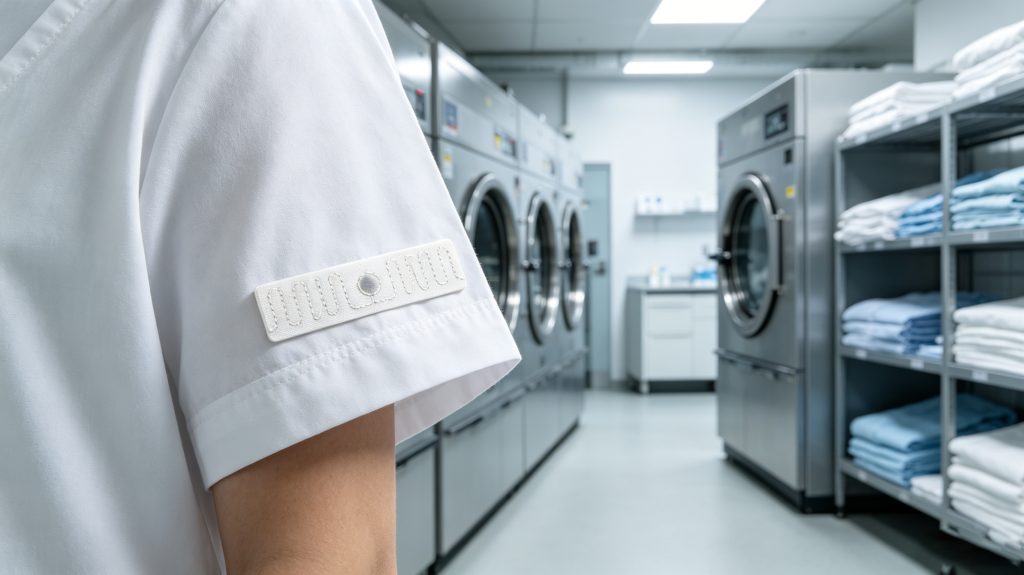
RFID systems can identify large batches of linens simultaneously.
Instead of scanning items individually, entire laundry carts can be processed automatically.
That workflow difference becomes huge during peak operating hours.
One industrial laundry facility processing hospitality textiles reduced inbound counting time from nearly 40 minutes per batch to only several minutes after RFID implementation.
Nobody there described the technology as “innovative.”
They described it as “less exhausting.”
| Feature | RFID Laundry Tags | Barcode Labels |
| Wash Resistance | High | Moderate |
| Bulk Reading | Yes | No |
| Non-Line-of-Sight Reading | Yes | No |
| Manual Scanning Needed | No | Yes |
| Lifespan | Long | Shorter |
Barcodes still work in some textile environments.
But once linen volume increases significantly, manual scanning usually becomes the bottleneck.
One thing that surprised us during an RFID laundry deployment:
Managers initially focused heavily on theft prevention.
But the bigger improvement came from process visibility.
They finally understood:
RFID did not just track linens.
It exposed operational habits.
That is a very different kind of value.
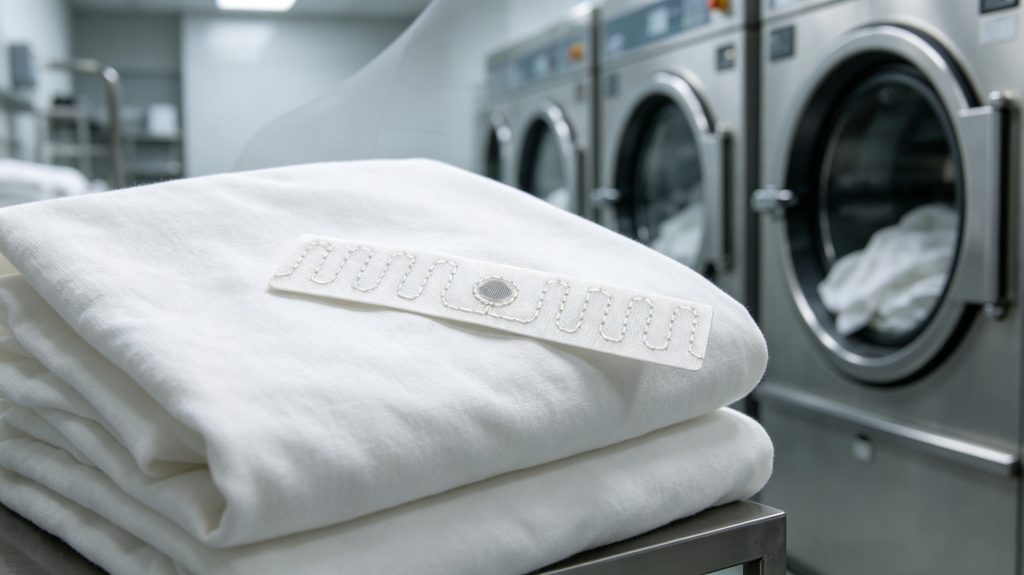
RFID laundry tags are used to track linens, uniforms, towels, and textiles automatically during washing, storage, and distribution processes.
Yes. Industrial RFID laundry tags are designed to withstand high-temperature washing, drying, water, and detergent exposure.
Hospitals, hotels, industrial laundries, and uniform rental companies commonly use RFID laundry tracking systems.
Yes. RFID systems improve inventory visibility and help reduce missing textile items significantly.
RFID laundry tags rarely attract attention from outside the laundry industry.
But inside large textile operations, they quietly solve problems that have existed for decades.
Missing linens. Inaccurate counts. Delayed returns. Inventory arguments nobody can fully verify.
At Cykeo, we have noticed that the strongest RFID deployments are not always the most technically complex ones.
Usually, they are the systems workers stop thinking about after several weeks because operations simply flow more smoothly.
Laundry management is repetitive, physical, and fast-moving.
That environment leaves very little room for manual errors.
RFID laundry tags help close those gaps before they become expensive habits.
And in large-scale textile operations, that difference compounds surprisingly quickly.
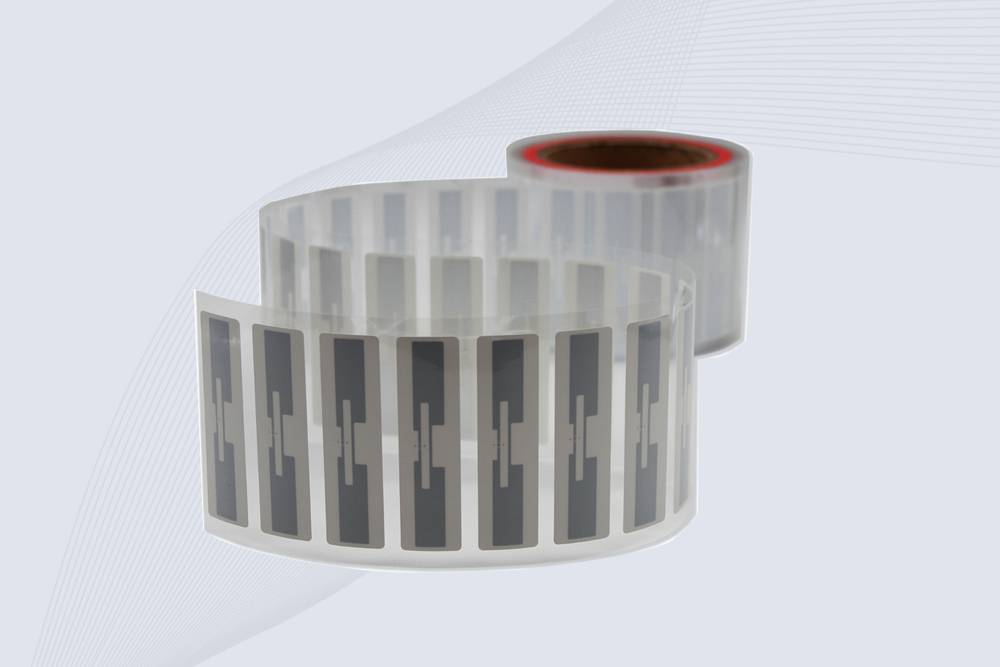
CYKEO Passive RFID Tags are made for wet and high-humidity environments where standard labels do not last. This rfid passive tag is often used around liquids, chemicals and temperature changes, providing stable reading distance and long data life for industrial tracking.
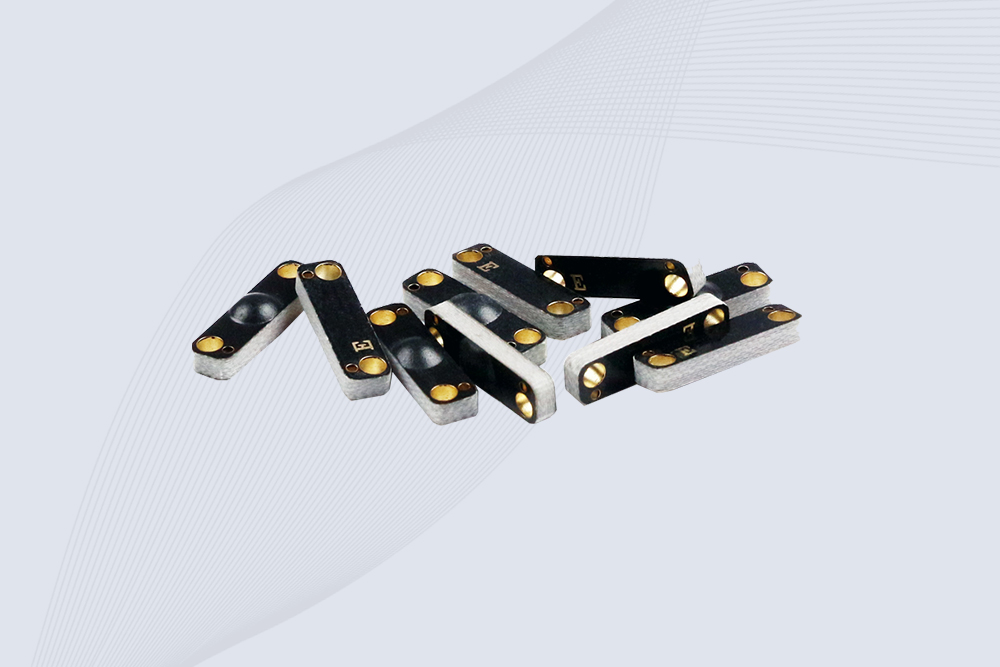
CYKEO CYKEO-PCB1504 Metal RFID Tags is a compact anti-metal UHF RFID solution built for direct mounting on metal surfaces. With stable 8-meter read range, Ucode-8 chip, and long data retention, this rfid metal tag fits tools, containers, automotive parts, and industrial asset tracking.
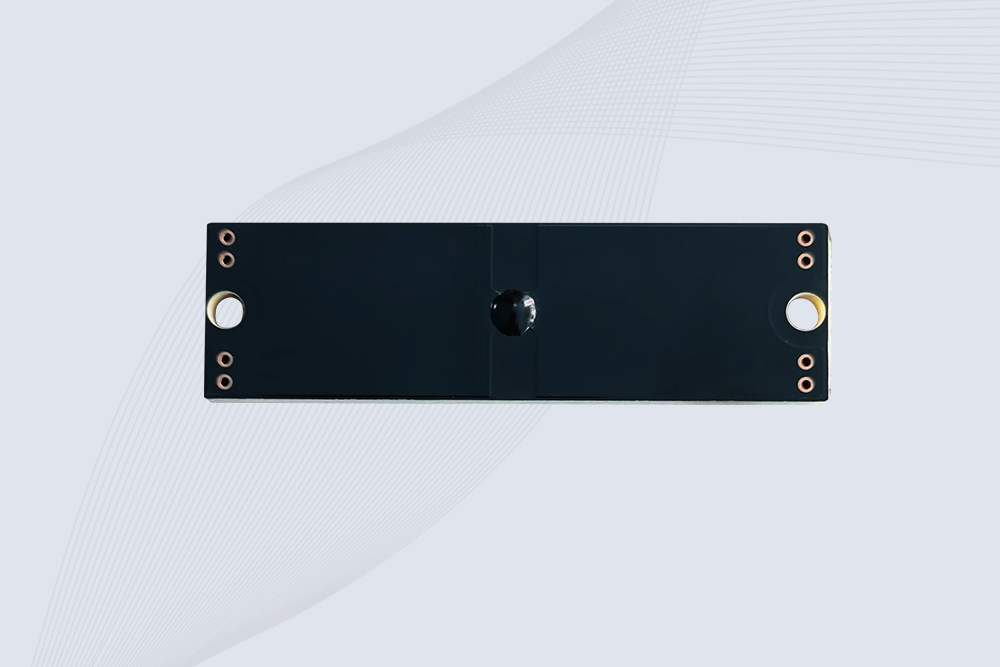
CYKEO CYKEO-PCB7020 On-Metal RFID Tags are designed for reliable tracking on steel and metal surfaces. Built with an FR4 epoxy body and industrial-grade chips, these On-Metal RFID Tags deliver stable performance, long data life, and chemical resistance, making them a dependable RFID anti-metal tag for harsh environments.
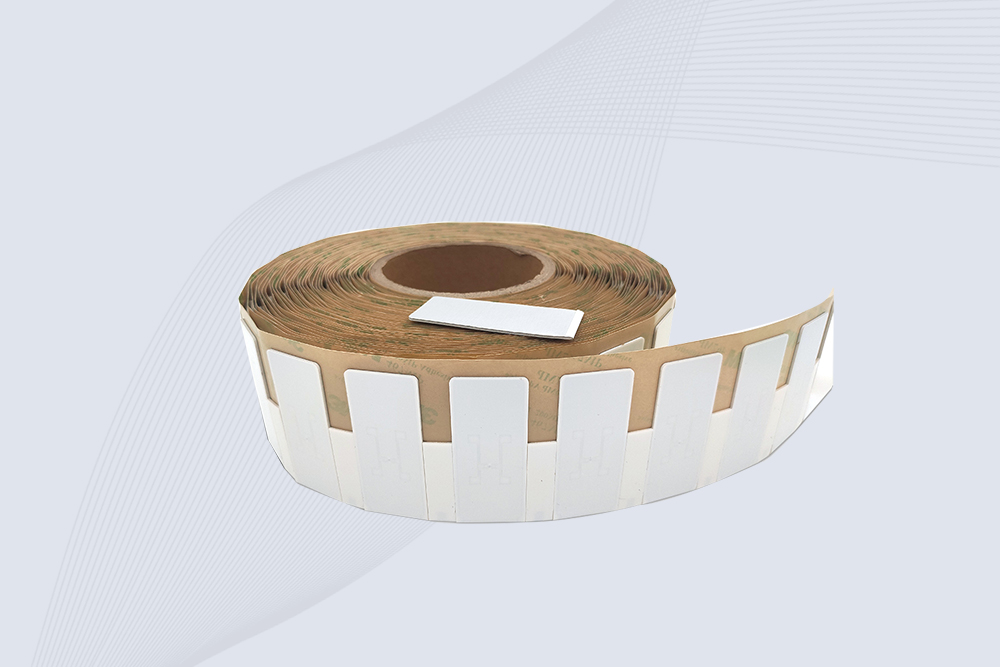
The CYKEO CYKEO-60-25 Anti-Metal RFID Tag is built for metal surfaces where standard tags fail. Designed for long-range performance, harsh environments, and stable data retention, this Anti-Metal RFID Tag is ideal for industrial assets, containers, and equipment tracking using on metal RFID tags.
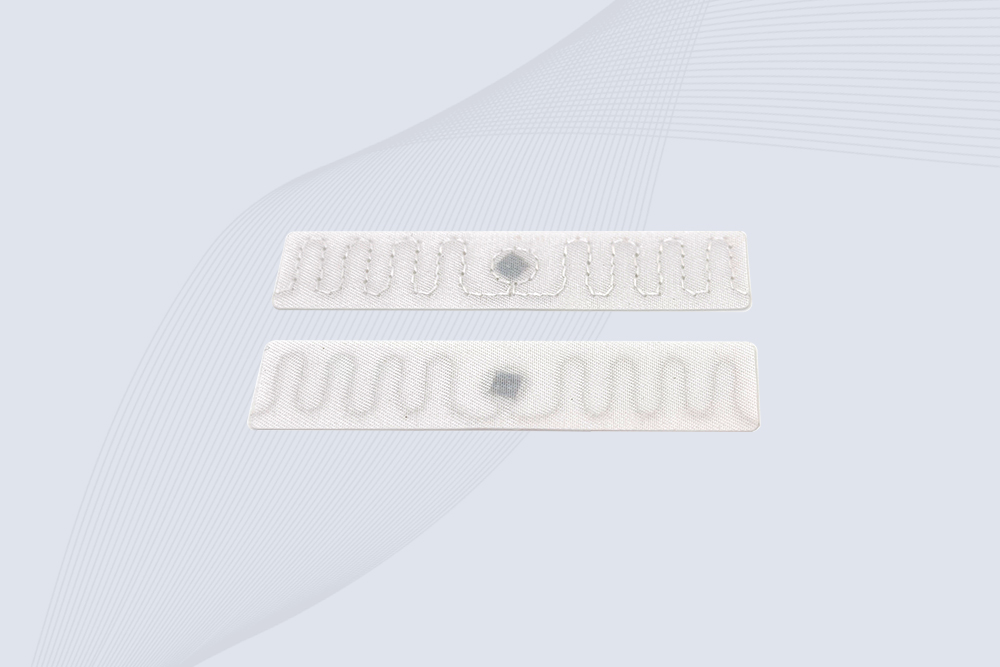
The CYKEO RFID Laundry Tag is designed for long-term textile identification in harsh laundry environments. Built to withstand high heat, chemicals, and repeated washing, this RFID Laundry Tag delivers stable performance for hotels, hospitals, and industrial laundry operations using laundry rfid tags at scale.
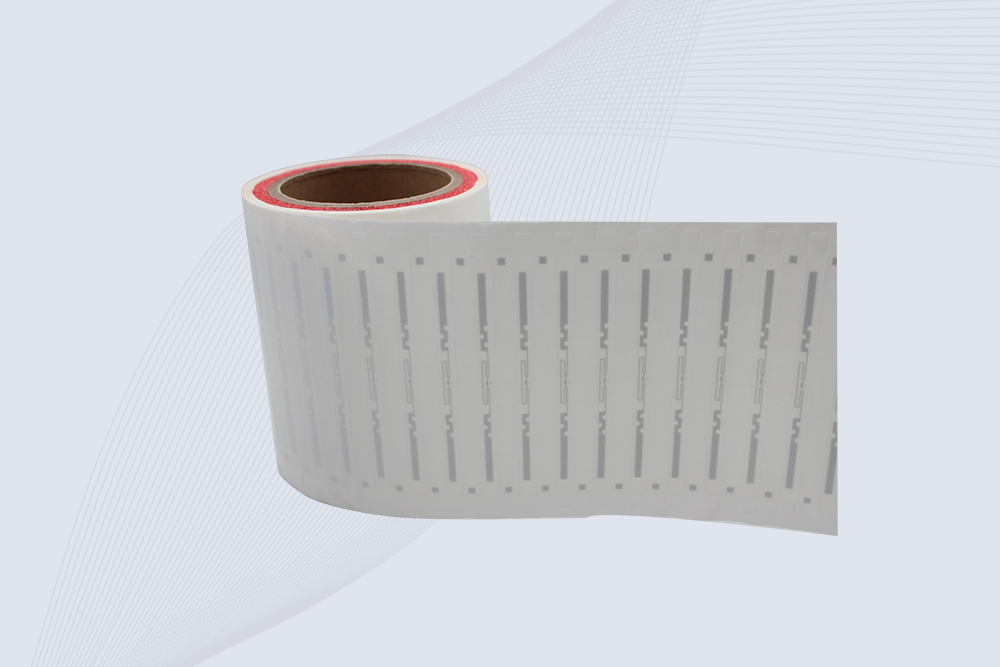
The CYKEO CYKEO-125-7 RFID Book Tag is designed for reliable book and document tracking in libraries and archives. This RFID Book Tag delivers long read range, dense placement support, and stable performance on shelves, making it a practical rfid tag on books for library automation, file management, and archival systems.
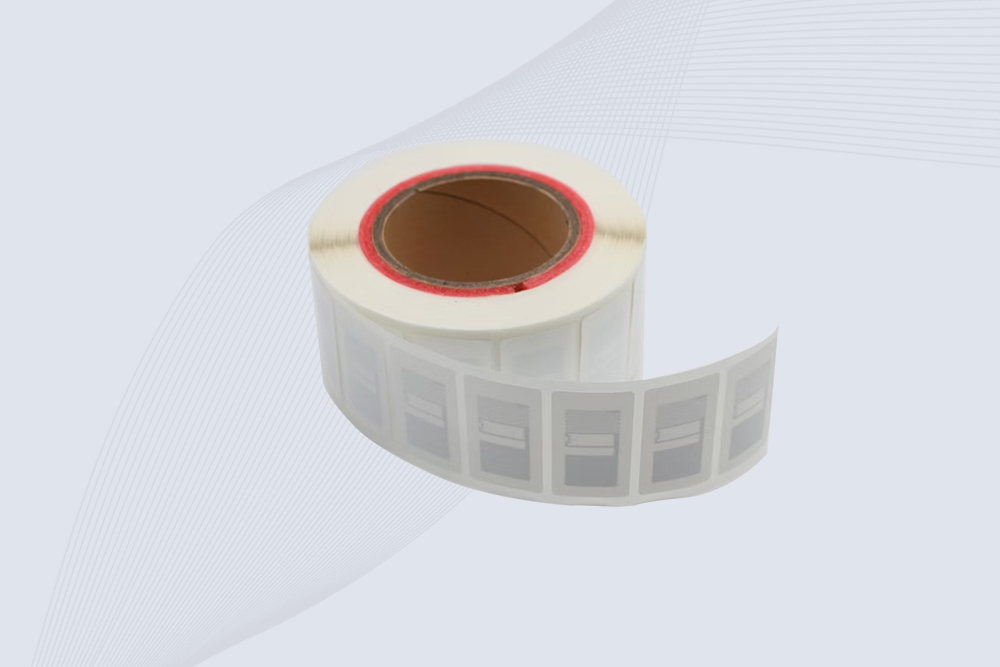
CYKEO RFID tags in hospitals are designed for sterile environments where accuracy matters. These autoclavable RFID tags support long-term tracking of surgical tools, implants, and medications, helping hospitals improve visibility, compliance, and patient safety.

CYKEO RFID Cable Tie Tag is built for reliable identification on metal surfaces. This UHF RFID Cable Tie Tag is widely used in rfid tags for inventory systems, industrial asset management and Hospital RFID Tags, offering stable read performance, long service life and global EPC Gen2 compatibility.
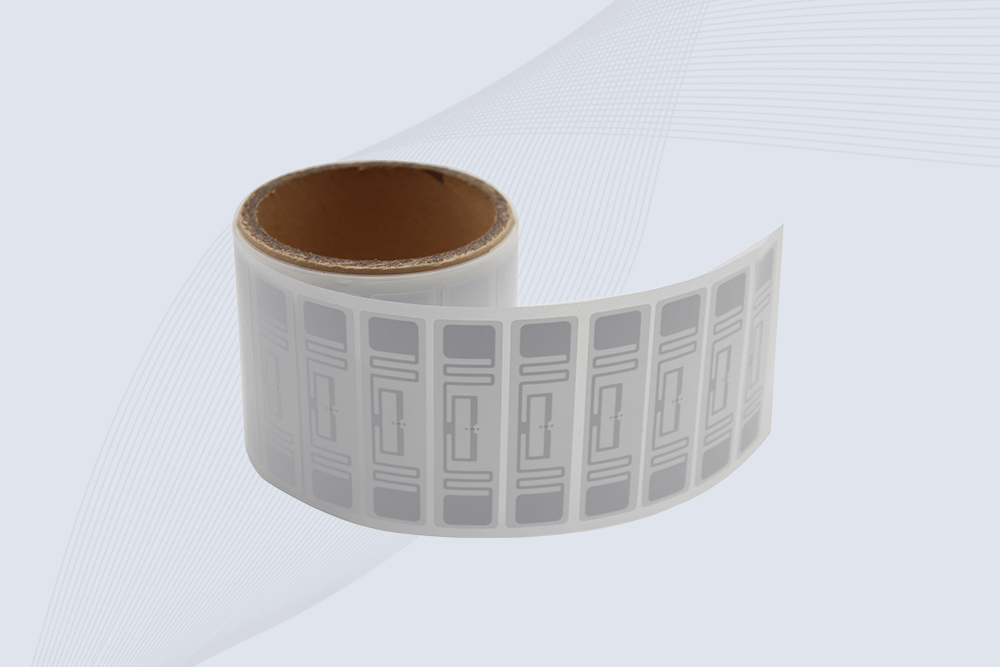
CYKEO RFID Asset Tag is designed for stable identification of metal assets in industrial environments. This UHF RFID Asset Tag is commonly used for rfid tag asset tracking on equipment, tools and containers, providing reliable reads, long service life and ISO/IEC 18000-6C support.
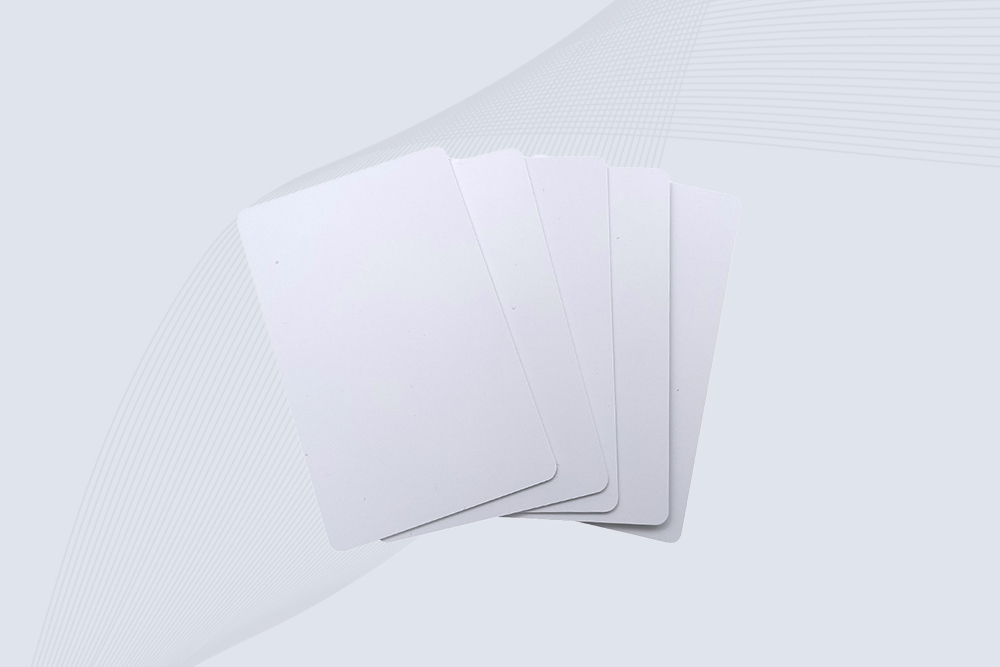
CYKEO UHF RFID Card is designed for fast identification and long-term use in industrial and commercial systems. Supporting ISO 18000-6C, this UHF RFID Card works at 860–960 MHz and is suitable for custom RFID cards used in asset tracking, access control and inventory management.
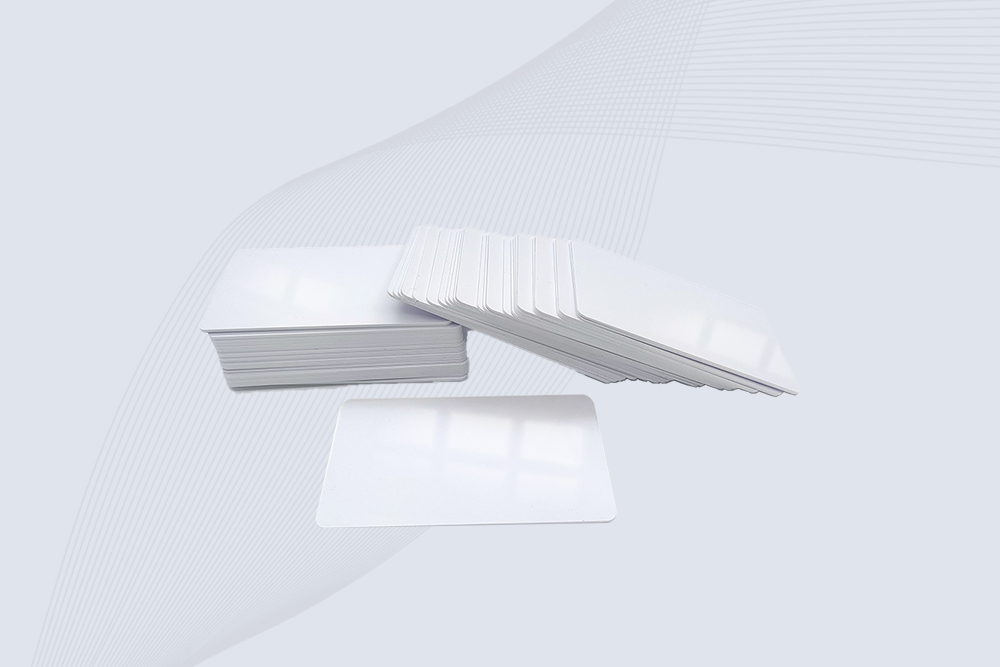
CYKEO HF RFID Cards are designed for secure and stable access control systems. These 13.56 MHz RFID key cards support ISO 14443-A, reliable rewriting and long service life, making HF RFID Cards suitable for offices, campuses, events and membership management.
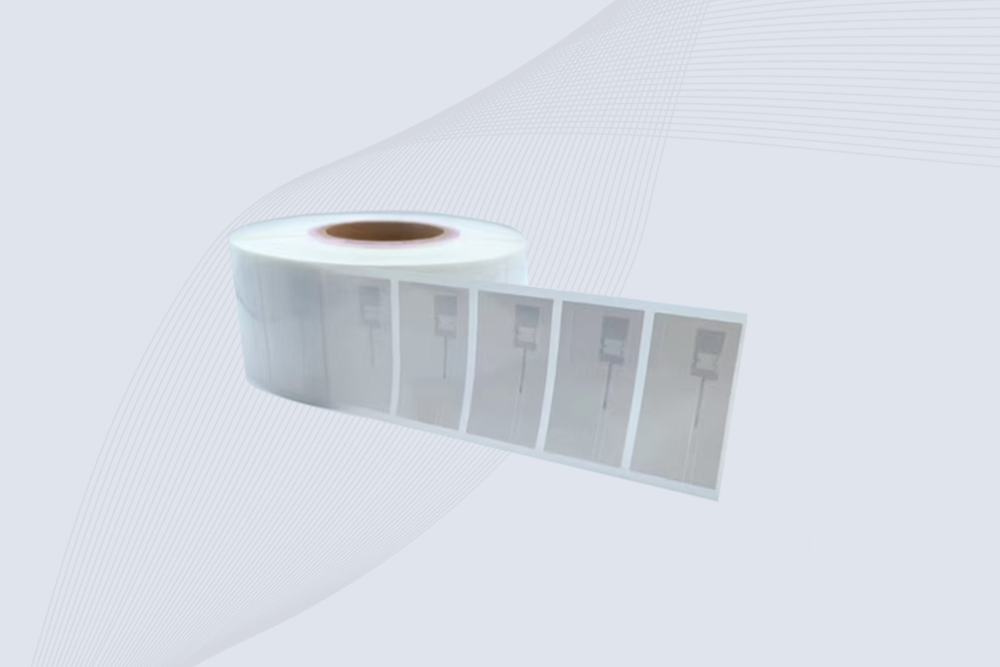
CYKEO UHF RFID Tag is designed for reliable tracking of metal jewelry and high-value items. This Jewelry RFID Tag supports long-range reading up to 8 meters, anti-counterfeit protection and stable performance on metal, making it suitable for retail, inventory control and asset management.

A field perspective on selecting, configuring, and deploying RFID key cabinets, including real-world considerations, integration tips, and system setup.
More
Plate RFID systems improve warehouse visibility and automated inventory control with long-range UHF identification, ceiling RFID readers, and real-time asset tracking.
More
Discover what does rfid do and how RFID technology improves asset tracking, inventory accuracy, and automation with Cykeo professional RFID solutions.
More
Learn how RFID frequency range affects read distance, speed, and performance. Compare LF, HF, and UHF RFID systems with real-world insights from Cykeo RFID experts.
More