 Cykeo RFID IoT Solution Products R&D Manufacturer

Mastering RFID: A Step-by-Step Guide to Train Your Team on Handheld RFID Scanners
1252Learn proven strategies to train your team on handheld RFID scanners—boost efficiency, reduce errors, and ensure seamless adoption.
MoreAll RFID Product
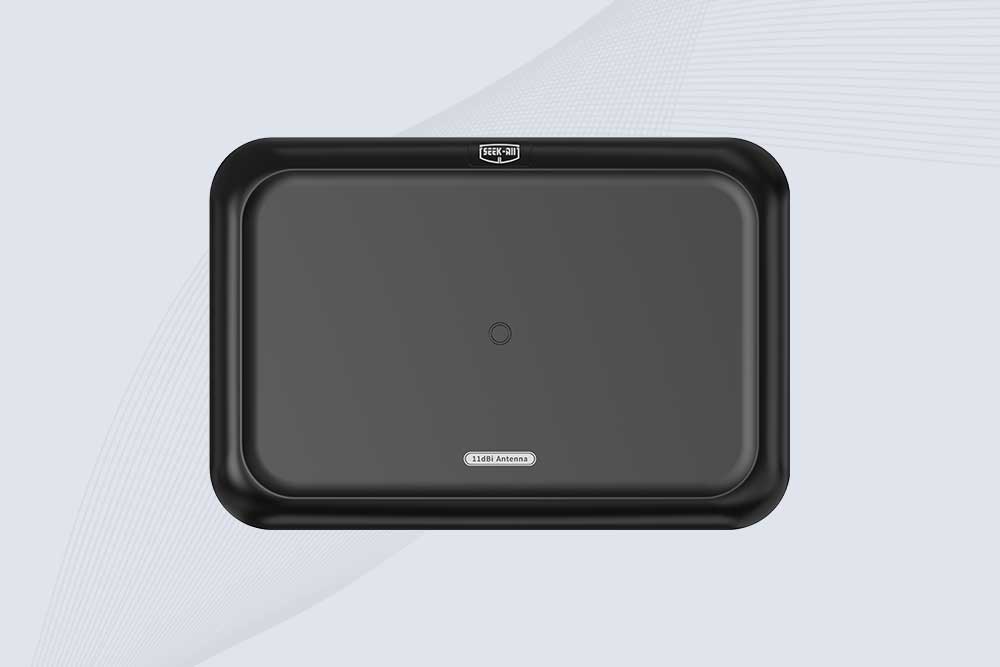
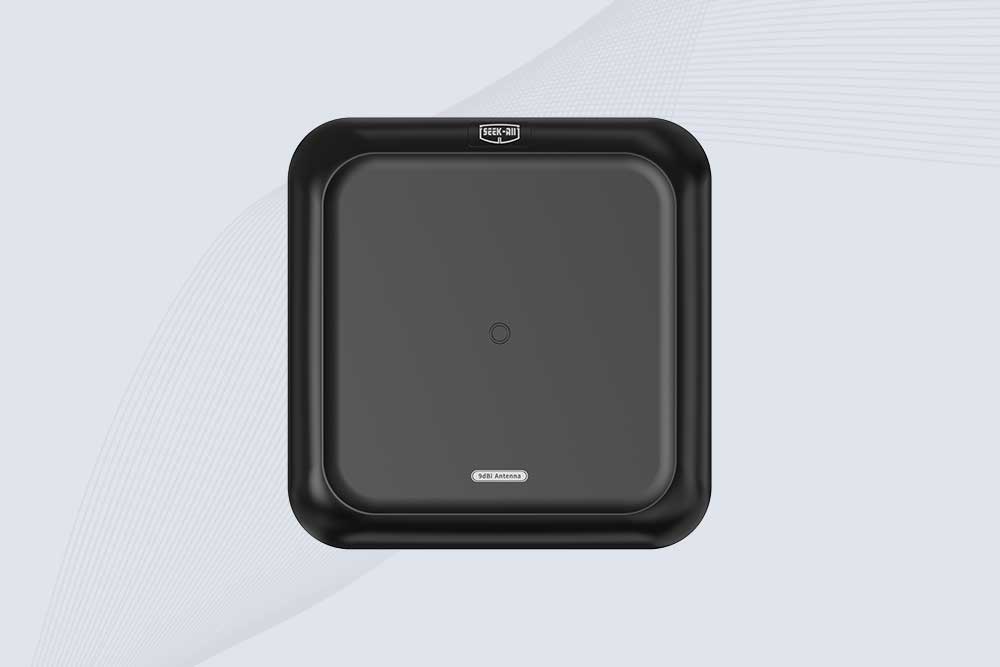
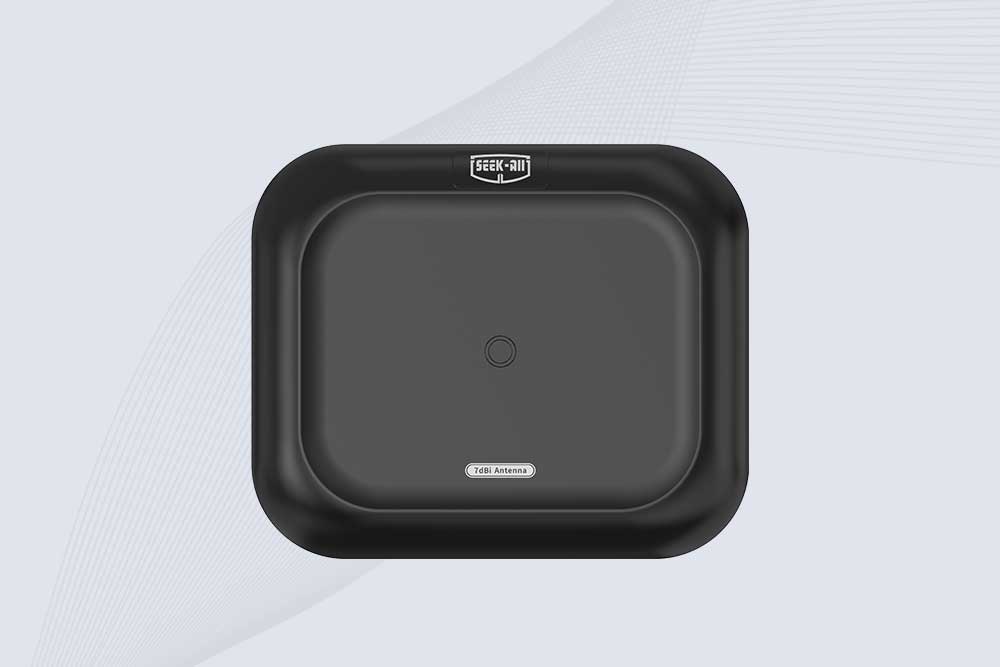
Selecting the optimal RFID antenna for warehouse inventory management requires evaluating five critical factors:
Metal shelves, concrete walls, and stacked inventory can block RFID signals. Choose circular polarized antennas (e.g., our AR-2610 model) to mitigate interference in metal-rich environments. For open warehouses, linear polarized antennas provide longer read ranges.
Most warehouses use UHF RFID antennas (860-960 MHz) for long-range tracking (up to 12 meters). Ensure compliance with regional regulations (e.g., FCC in the US, CE in the EU).
Install antennas 3-6 meters above ground to cover maximum storage zones. Pair with fixed RFID readers like the Cykeo for seamless integration with warehouse management systems (WMS).
Large warehouses often deploy 4-8 antennas connected to a single RFID reader module to eliminate blind spots. Use RFID multiplexers to manage antenna sequencing.
Pro Tip: Test antenna placement with a portable RFID reader first to validate coverage before permanent installation.

Learn proven strategies to train your team on handheld RFID scanners—boost efficiency, reduce errors, and ensure seamless adoption.
More
how to scan rfid using handheld readers. Learn real-world scanning steps, accuracy tips, and high-efficiency workflows with Cykeo UHF RFID devices.
More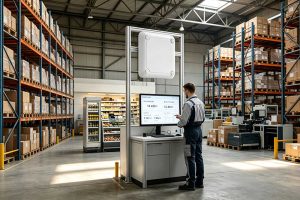
Can rfid tags be tracked? Learn how RFID tags enable asset tracking, inventory visibility, and smart identification with Cykeo RFID solutions for industry.
More
what is rfid tracking system? Learn how RFID readers, tags, software, and data events work together to identify assets, improve inventory visibility, and support real-time operations.
More