 Cykeo RFID IoT Solution Products R&D Manufacturer
RFID Passive and Active Tags: What You Need to Know
662Learn the key differences between RFID passive and active tags, how they work, and where each type is used. Find out which RFID tag suits your project best.
MoreAll RFID Product
Real-time asset tracking is no longer a luxury—it’s a necessity for industries like logistics, healthcare, and retail. But choosing the right technology can make or break your operations. RFID readers and GPS systems are two popular options, but they serve very different purposes. Let’s break down their strengths, weaknesses, and ideal use cases—and why Cykeo’s RFID solutions often emerge as the smarter choice for businesses prioritizing accuracy and cost-efficiency.
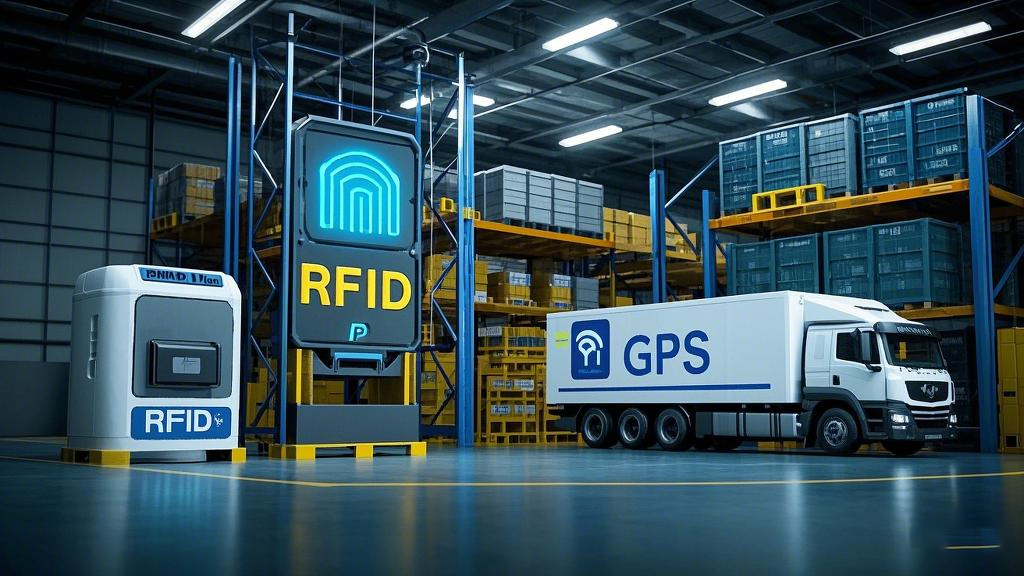
RFID Readers:
RFID (Radio-Frequency Identification) uses electromagnetic fields to automatically identify tags attached to assets. These tags don’t require batteries (in passive systems) and transmit data to readers within a range of a few inches to 30+ feet, depending on the model.
GPS Systems:
GPS (Global Positioning System) relies on satellites to track assets’ geographic locations. Devices need cellular or satellite connectivity to transmit real-time data, making them ideal for long-distance outdoor tracking.
Cykeo’s Take:
RFID excels in indoor environments (e.g., warehouses, hospitals) where GPS signals weaken. Cykeo’s UHF RFID readers, for example, track items with millimeter precision on factory floors, while GPS struggles with walls or metal interference.
RFID’s Edge Indoors:
GPS signals can’t penetrate thick walls or metal shelves, leading to “dead zones” in warehouses. RFID readers, however, thrive in these environments. Cykeo’s models filter interference from machinery and metals, achieving 99%+ read accuracy even in challenging setups.
GPS’s Strengths Outdoors:
For tracking shipping containers or vehicles across highways, GPS is unbeatable. But it lacks RFID’s granularity—you’ll know a truck’s location, not whether a specific pallet is inside.
Cykeo’s Hybrid Solution:
Some Cykeo clients combine RFID for indoor tracking and GPS for outdoor transit, using integrated software to bridge both systems.
RFID:
GPS:
Cykeo’s ROI Example:
A logistics company saved $12,000/year by replacing GPS trackers on 200 pallets with Cykeo’s RFID tags. No batteries, no subscriptions—just seamless warehouse tracking.
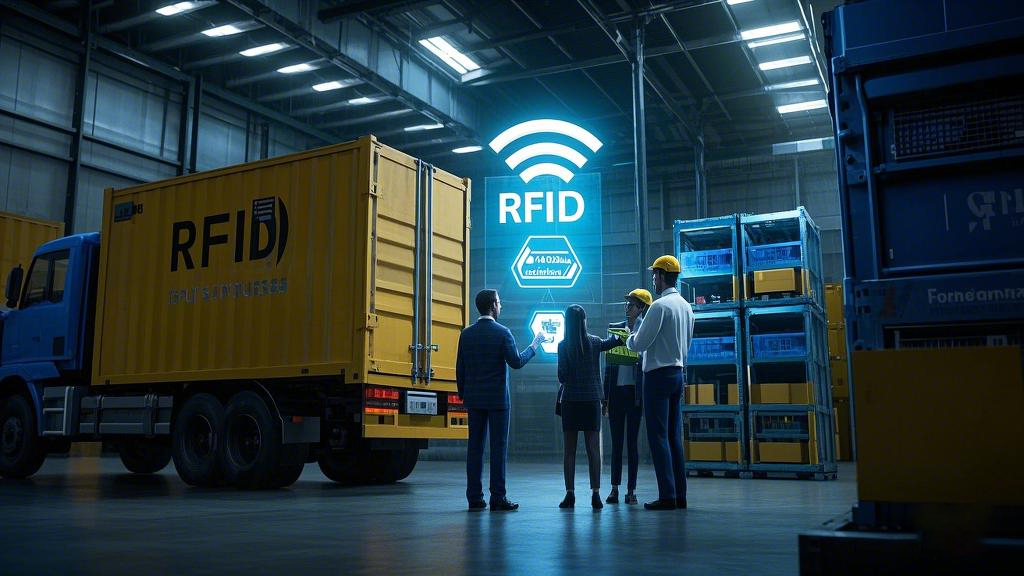
RFID Scalability:
Adding more tags is cheap (as low as $0.10/tag). Cykeo’s cloud-based systems let you scale from 100 to 10,000 assets without hardware upgrades.
GPS Scalability:
Each new tracker means another cellular plan and device to maintain. Scaling to 1,000+ assets becomes a billing nightmare.
Cykeo’s Approach:
Start with a single RFID reader and expand as needed. Our modular designs prevent costly overhauls.
RFID Flexibility:
Cykeo’s RFID readers integrate with most inventory management (e.g., SAP, Oracle) and IoT platforms. Real-time data syncs instantly, reducing manual entry.
GPS Limitations:
GPS often requires custom APIs to connect with warehouse software, delaying implementation.
Choose RFID if:
Choose GPS if:
For most businesses, a hybrid approach with Cykeo’s RFID systems at the core delivers the best balance of accuracy and affordability.
Still Unsure? Let Cykeo Guide You!
Whether you’re tracking medical equipment in a hospital or managing a retail supply chain, Cykeo’s RFID solutions are designed to adapt to your needs—without hidden fees or compatibility headaches.
Contact us at contact@cykeo.com to discuss your real-time tracking challenges. Our team will help you design a system that’s accurate, scalable, and future-proof.
Learn the key differences between RFID passive and active tags, how they work, and where each type is used. Find out which RFID tag suits your project best.
More
provide detailed analysis from the perspectives of installation preparation, methods, and precautions.
More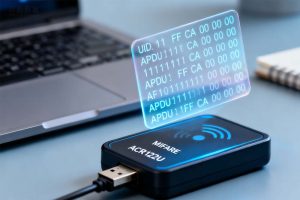
Read and write MIFARE (ISO14443-A) cards using PC/SC readers like ACR122U and Omnikey. Includes the GET DATA APDU, SCard flow, sample code (C++, Python, C#) and practical troubleshooting.
More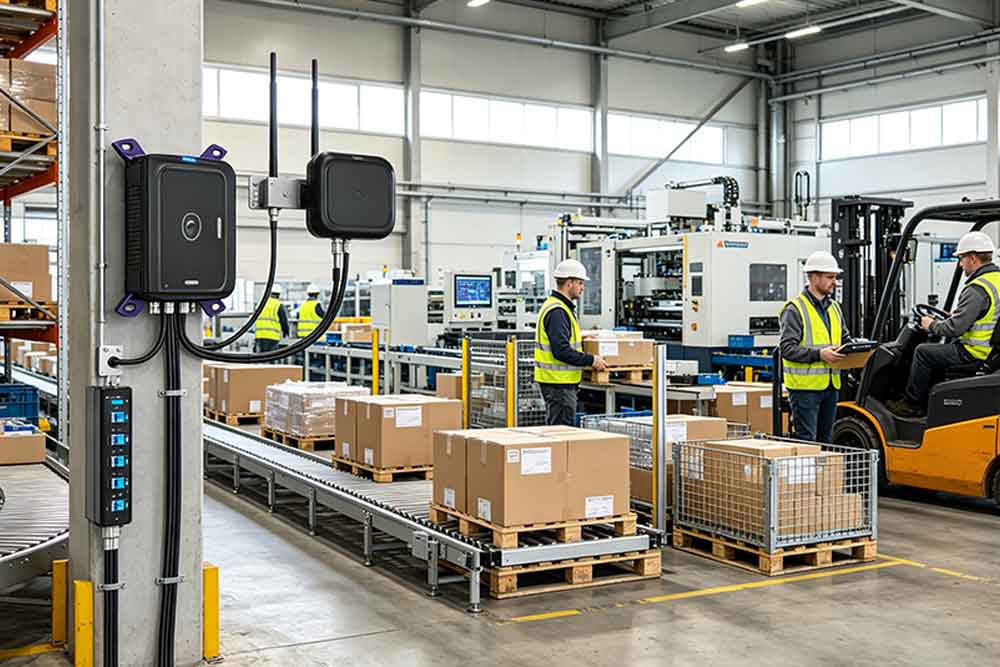
RFID enables automatic identification, tracking, and management of physical objects by connecting RFID tags, readers, software, and business workflows.
More