 Cykeo RFID IoT Solution Products R&D Manufacturer
RFID Tag Examples: Which Types Are Actually Used in Real Operations?
229RFID tag examples from retail, manufacturing, healthcare, and logistics. See how different RFID tags are actually used in real operations.
MoreAll RFID Product
To read rfid card information, use a compatible RFID reader that communicates with the embedded chip through radio frequency signals. The reader captures stored card data and transfers it to software for identification, authentication, or management.
RFID cards are widely used in access control, employee identification, smart payment, transportation, healthcare, and asset management systems. Unlike magnetic cards or barcodes, RFID cards do not require physical contact or direct visual scanning. The reader communicates with the internal RFID chip through radio waves and retrieves stored information automatically.
In real RFID deployments, reading an RFID card is not only about detecting whether the card exists. A professional system must ensure that the correct card is identified, data is transferred accurately, and the reading process remains stable during daily operation.
I have participated in RFID equipment testing and application optimization projects involving desktop card registration stations, industrial identification systems, and smart management applications. One practical observation from field testing is that many reading failures are not caused by the RFID card itself. They usually come from unsuitable reader selection, incorrect distance settings, environmental interference, or poor software integration.
For example, in an employee card issuance project, the reader must identify one specific card placed on the desktop instead of capturing every card nearby. In this scenario, controlled reading distance becomes more valuable than maximum reading range.
According to GS1 RFID Technology Overview, RFID technology enables automatic identification and data capture by exchanging information between RFID tags or cards and readers, supporting applications across supply chains and operational management.
An RFID card contains an integrated circuit and antenna. When the card enters the electromagnetic field generated by an RFID reader, the chip activates and communicates stored information back to the reader.
The basic reading process includes:
| Step | Operation |
|---|---|
| 1 | RFID reader sends RF signals |
| 2 | Card antenna receives energy |
| 3 | RFID chip processes stored information |
| 4 | Card transmits response data |
| 5 | Reader sends information to software |
This communication happens without direct physical connection.
The user simply places or moves the RFID card near the reader, and the system automatically processes the card information.
Depending on the RFID card type and security settings, readable information may include:
| Data Type | Application |
|---|---|
| Card UID | Unique card identification |
| User information | Employee or member identification |
| Application data | Business-specific information |
| Stored records | Management information |
Not all RFID cards expose the same information. Some cards contain encrypted areas that require authentication before data access.
The first requirement is matching the RFID card with the correct reader technology.
Common RFID frequencies include:
| Frequency | Typical Usage |
|---|---|
| LF 125 kHz | Basic identification cards |
| HF 13.56 MHz | Smart cards, NFC applications |
| UHF 860–960 MHz | Inventory and industrial tracking |
A reader designed for one frequency cannot normally communicate with cards operating at another frequency.
Correct frequency matching is the foundation of reliable RFID card reading.
Different environments require different RFID readers.
| Reader Type | Application Scenario |
|---|---|
| Desktop RFID reader | Card registration, programming, office applications |
| Fixed RFID reader | Industrial automation and logistics |
| Handheld RFID reader | Mobile inspection and inventory |
| Embedded RFID module | OEM product integration |
For daily card management, desktop RFID readers are often preferred because they provide stable operation and controlled communication distance.
Cykeo RFID desktop readers are designed for RFID card reading, writing, registration, and small-scale identification applications.
The product focuses on practical operational requirements:
Compact desktop structure
Stable RFID card reading performance
Near-field antenna design
Controlled reading and writing range
USB communication support
Software demo tools for testing and integration
A major advantage of desktop RFID equipment is communication control.
In many office and production environments, the goal is not to read every RFID card nearby. The goal is to read the intended card accurately.
Cykeo desktop RFID readers use near-field antenna technology to control the reading area, making them suitable for card issuing, RFID tag registration, and desktop identification applications.
The distance between the card and reader directly affects communication stability.
A longer distance may sound better, but in many desktop applications it creates unnecessary problems:
For controlled card applications, a shorter and stable reading area is often preferred.
Cykeo desktop RFID readers control the reading range within approximately 30 cm and writing range within approximately 10 cm through near-field antenna design.
The physical environment influences RFID performance.
Common issues include:
During deployment testing, engineers should evaluate the actual working environment rather than relying only on laboratory results.
A reader that performs well on a clean desk may require adjustment when installed near electronic equipment or metal structures.
RF power affects communication reliability.
Higher power does not always mean better performance. The correct power level depends on application requirements.
Desktop RFID systems usually require:
Cykeo desktop RFID readers support up to 33 dBm maximum output power, helping maintain stable RFID communication during reading and writing operations.
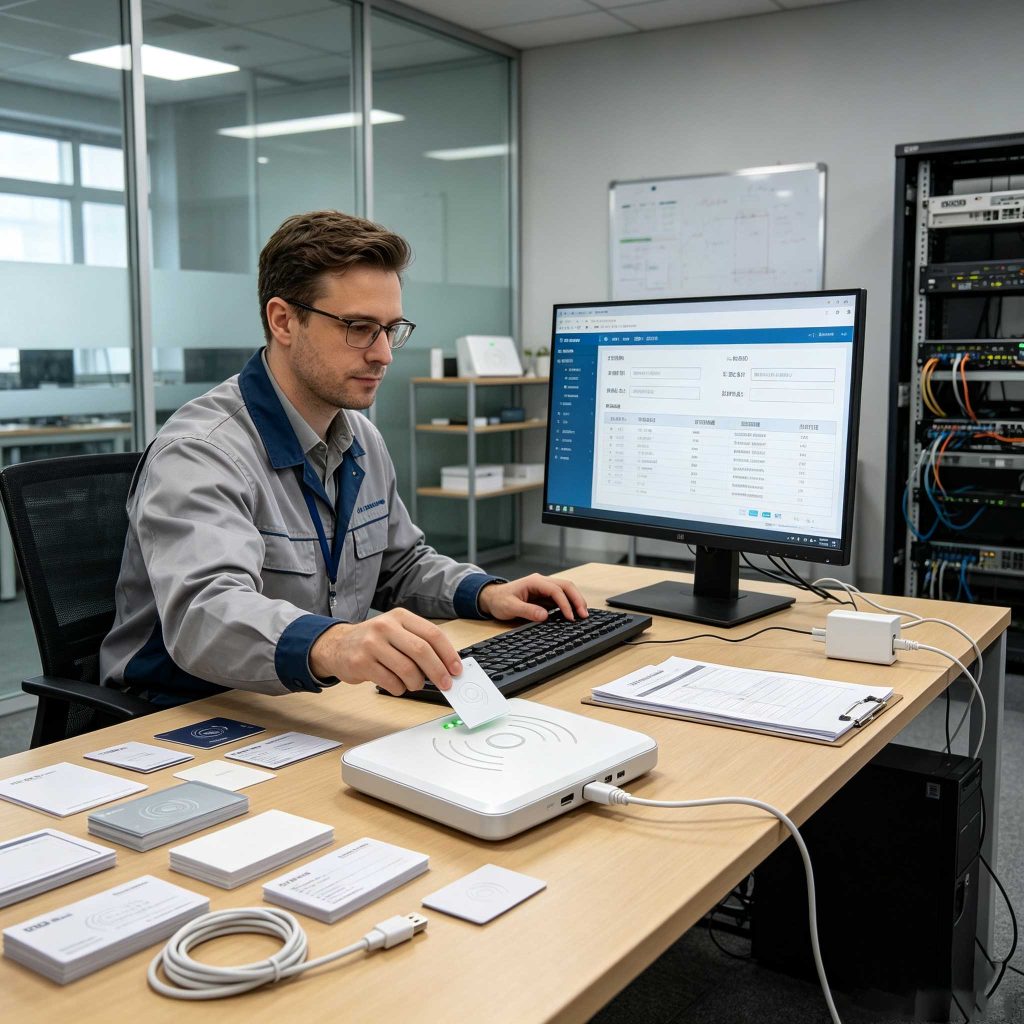
RFID cards are commonly used for identity verification.
Applications include:
The RFID reader retrieves card information and compares it with authorized records.
Organizations use RFID cards for:
Automatic card reading reduces manual data entry and improves operational efficiency.
RFID cards are used in:
The ability to quickly identify users makes RFID suitable for environments requiring fast authentication.
A reliable RFID card reading process usually includes:
For commercial applications, the final step is important because RFID data must connect with existing management systems.
Cykeo provides C# and Java development resources, allowing developers to integrate RFID reading functions into customized applications.
The difficult part of RFID card reading usually appears after the first successful test.
A card reads correctly on the engineer’s desk. Then the same reader is installed at a registration counter, next to a monitor, metal table frame, USB cables, and several unused cards. The result changes.
That is why professional RFID deployment should evaluate repeatability, not simply whether the card can be detected once.
For contactless proximity cards, ISO/IEC 14443 defines the RF interface and communication characteristics between the reader-side coupling device and the card. ISO/IEC 14443-3 also defines polling, initialization, and anticollision procedures for selecting a card when more than one card is present.
Before troubleshooting the reader, identify the card technology.
Check:
A reader cannot compensate for an incompatible card technology.
For UHF RFID applications, GS1 standards define data structures such as EPC, User Memory, and TID, while LLRP provides a standardized interface between software and RFID readers.
For proximity cards, ISO/IEC 14443 is another important reference because it specifies characteristics of contactless proximity-card communication.
For a desktop card registration station, maximum range is rarely the primary objective.
The operator normally wants this:
one card placed on the reader → one card detected → correct data returned.
A large uncontrolled RF field can produce the opposite result, particularly when several cards are placed close together.
Cykeo’s desktop RFID reader uses a near-field antenna to keep the reading area controlled, with a specified reading range of up to approximately 30 cm and writing range within approximately 10 cm. This makes the architecture suitable for card registration, tag initialization, and desktop RFID operations.
A reader detecting a card does not automatically mean that the application has received the information correctly.
A practical verification workflow is:
| Stage | Check |
|---|---|
| Card detection | Is the intended card recognized? |
| Identification | Is the returned ID correct? |
| Data retrieval | Can required memory be accessed? |
| Software transfer | Does the application receive the data? |
| Database matching | Is the card linked to the correct record? |
This distinction matters when an RFID system becomes part of an operational process rather than a laboratory demonstration.
Cykeo RFID desktop equipment is intended for practical RFID card and tag management rather than simply demonstrating RF communication.
Its design combines:
The near-field antenna is particularly useful when an operator is working with individual cards.
There is a practical difference between reading as far as possible and reading exactly what the operator intends. For a desktop registration station, the second objective is usually more important.
The Cykeo desktop RFID reader supports maximum port output power of 33 dBm.
Power, however, should not be treated as an isolated performance number. Antenna design, card position, reader configuration, and the surrounding environment all influence actual communication.
The Impinj R500 platform used in the solution is designed for UHF RFID reader applications. The reader architecture is intended to support stable tag communication and is particularly relevant when the same desktop unit is used for both reading and writing.

The reader is only the first layer.
In a commercial application, the captured RFID information normally needs to move into another system, such as:
GS1 notes that LLRP provides software with low-level control of individual RFID readers, illustrating why the interface between reader hardware and application software matters in a complete RFID architecture.
Cykeo provides C# and Java development materials, allowing developers to build RFID card-reading functions into their own applications.
A simple integration sequence can be structured as:
RFID card → reader → SDK/application → database → business operation
The useful part is not the diagram itself. It is keeping each transition predictable.
Check the physical setup first.
Possible causes include:
For desktop applications, a fixed card placement area is often more effective than simply increasing output power.
This usually points to an uncontrolled reading zone or multiple cards being present.
Try:
ISO/IEC 14443-3 specifically addresses anticollision and selection of one proximity card when multiple cards are present in the RF field.
Card detection and memory access are different operations.
The card may respond to the initial communication while protected application data remains inaccessible because of authentication, memory permissions, or card-specific security mechanisms.
The solution is not necessarily a stronger reader. First determine the card’s protocol, memory structure, and access requirements.
You need an RFID reader compatible with the card’s frequency and protocol, together with software capable of receiving and processing the reader’s output.
Yes. Contactless RFID cards communicate with compatible readers through RF coupling. ISO/IEC 14443 specifies the RF power and bidirectional communication interface for proximity cards.
Some RFID technologies support multiple-card identification. However, desktop registration applications often benefit from a controlled reading area when the objective is to identify one specific card.
First check frequency and protocol compatibility. Then examine card position, reading distance, reader configuration, and environmental interference.
Yes. RFID readers can be integrated into customized applications when the device provides an appropriate SDK, API, or communication interface. Cykeo provides C# and Java development materials for application development.
Some RFID cards and tags support writable memory, while others have fixed or protected data. The exact capability depends on the card technology and memory configuration.
The most useful RFID reader is not necessarily the one with the longest range. In a desktop environment, predictable behavior matters more: the intended card should be recognized, surrounding cards should remain outside the workflow, and the returned data should reach the application correctly.
That is the engineering principle behind Cykeo’s near-field desktop RFID approach.
When evaluating how to read rfid card, start with compatibility and the actual operating scene. Then validate reading distance, antenna behavior, software communication, and repeated operation with real cards.

SSD-A06 UHF RFID antenna with circular polarization, adjustable 840–960 MHz frequency, ≥4.5 dBi gain, and a compact directional design for RFID systems.
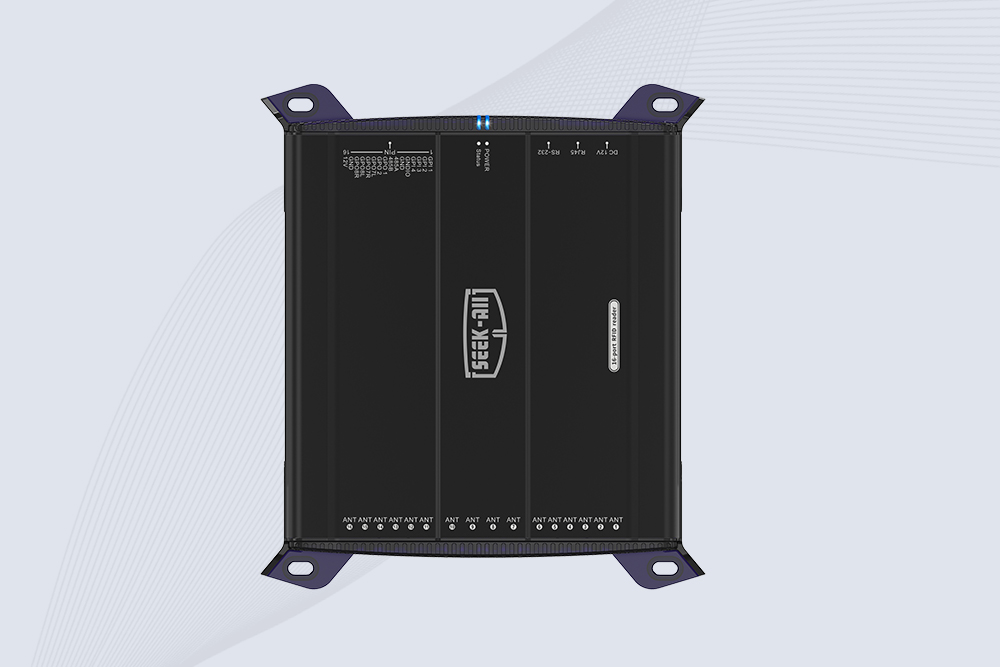
SSD-R16L Multi-Channel RFID Infrastructure for Automated Inventory Management ✔️ 16-Port High-Density RFID Reading Equipped with 16 SMA antenna ports, SSD-R16L supports multi-antenna deployment for warehouses, retail stores, logistics, production lines, and large-area RFID identification. ✔️ High-Speed & Long-Range Performance With up to 33…
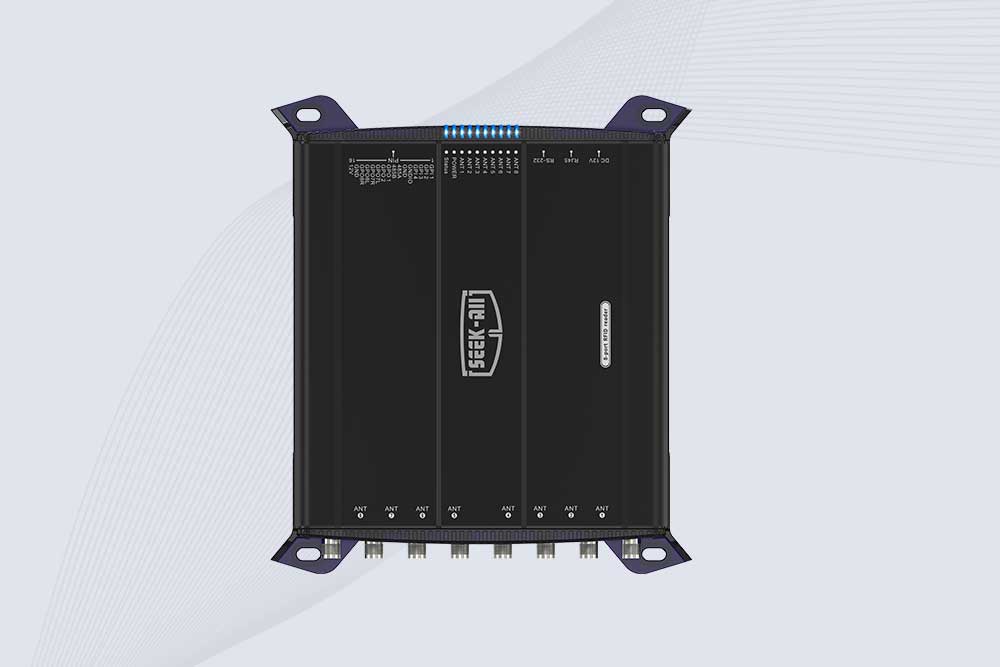
SSD-R8L 8-port UHF RFID reader with 33dBm output, up to 20m reading range and 600+ tags/s recognition. Ideal for warehouse, logistics, retail and asset tracking.
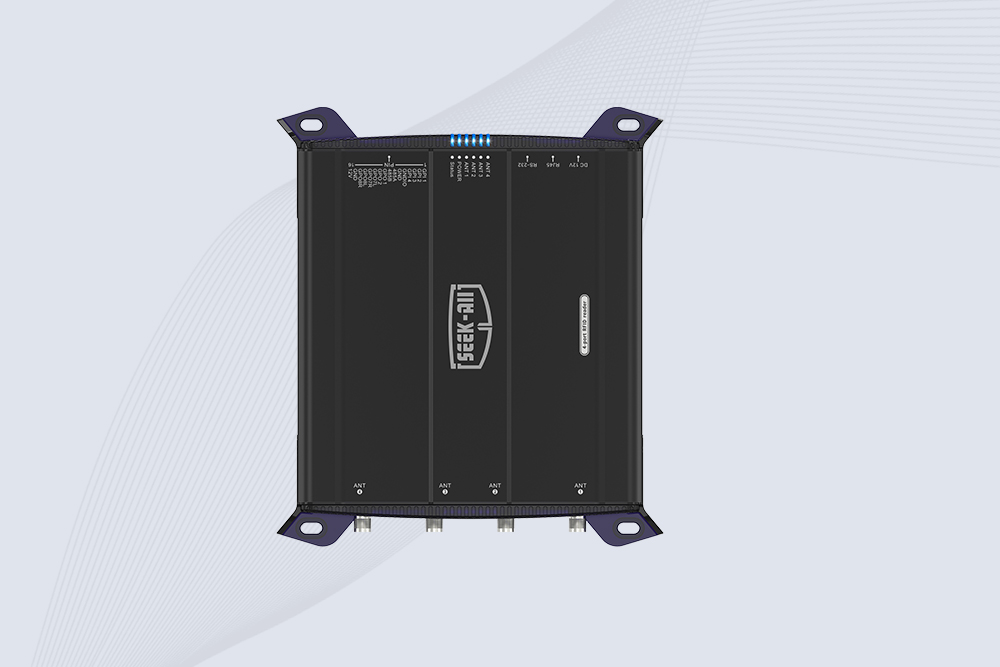
SSD-R4L is a 4-port UHF RFID fixed reader with 33dBm output power, up to 20m reading range, EPC C1G2 support and 600+ tags/s reading speed.
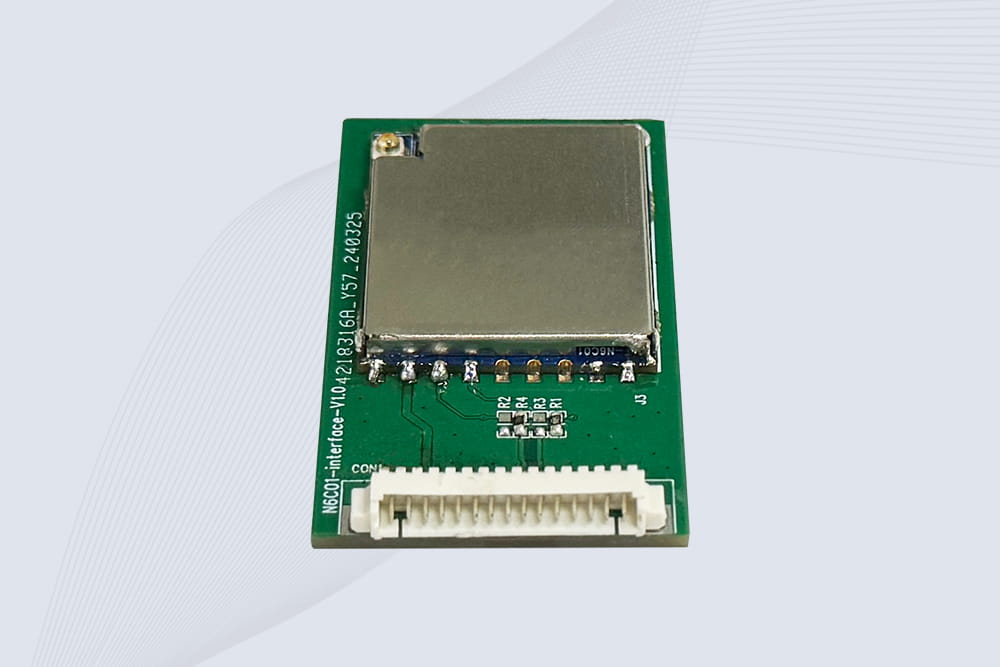
CYKEO Embedded RFID Modules are designed for compact industrial and IoT devices that require stable UHF performance. These UHF RFID Modules support global protocols, flexible power control, and reliable multi-tag reading for smart cabinets, production lines, and asset tracking systems.
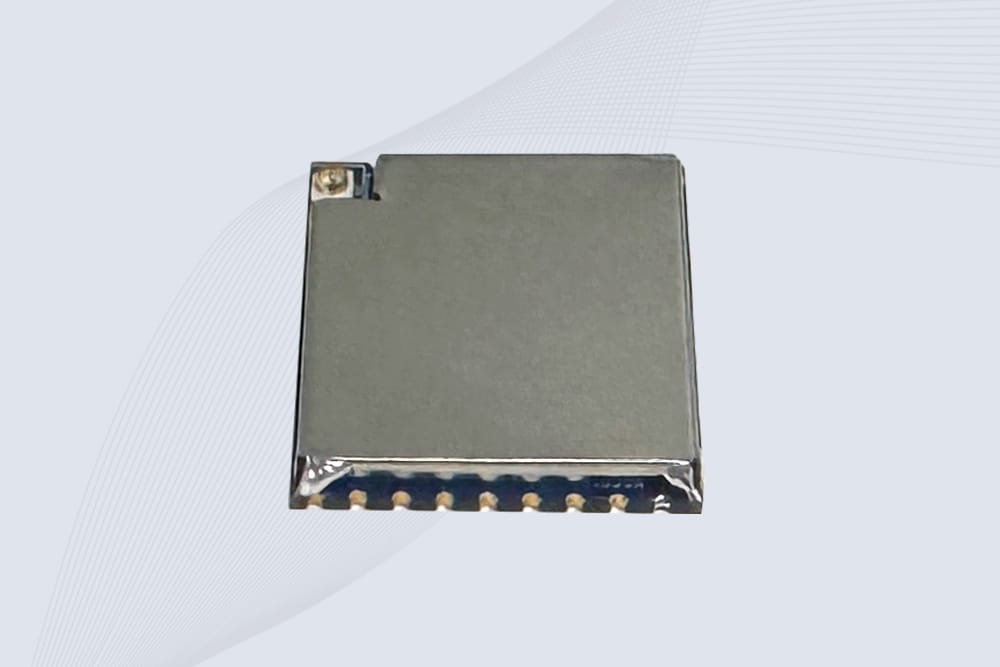
CYKEO Embedded RFID Module is built for compact IoT and industrial devices that need stable UHF performance. This UHF module supports global protocols, low power operation, and reliable multi-tag reading for smart lockers, production lines, and always-on RFID systems.
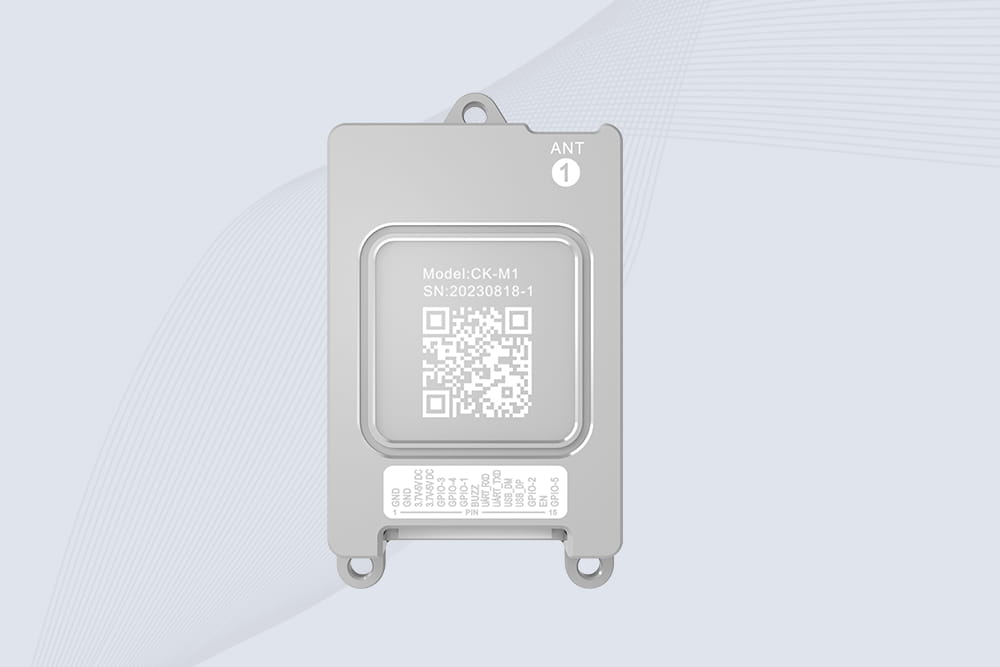
CYKEO CYKEO-M1 drone rfid module is a compact UHF RFID reader module designed for drones and UAV platforms. It supports long-range aerial scanning, fast multi-tag reading, and stable performance in wind, vibration, and outdoor environments.
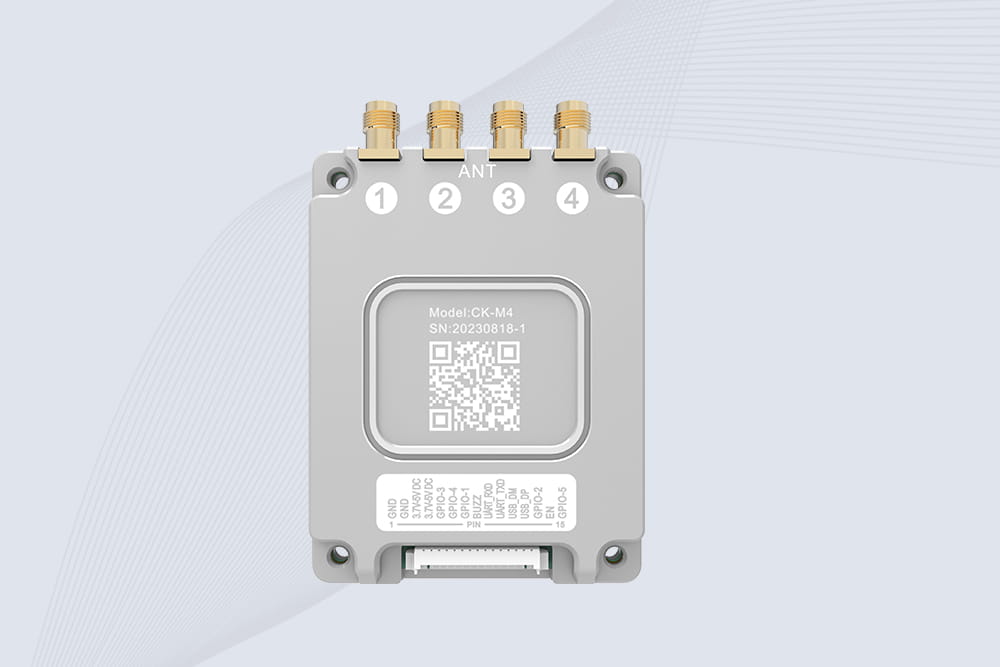
CYKEO CYKEO-M4 RC522 RFID Module is an industrial-grade UHF RFID reader with 4 ports, supporting ISO, EPC, and GB protocols. High-speed, accurate reading for IoT, automation, and warehouse applications.
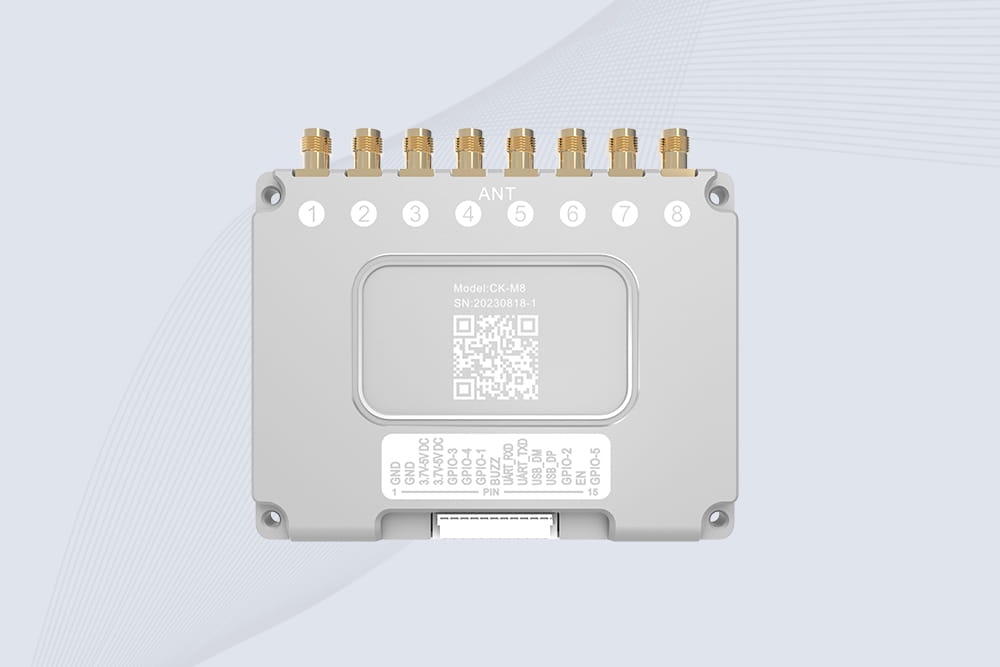
CYKEO CYKEO-M8 Module RFID is an 8-port UHF R2000 RFID Module designed for high-density, multi-tag environments. Stable 33dBm output, ISO & GB protocol support, ideal for warehouses, factories, and automated systems.
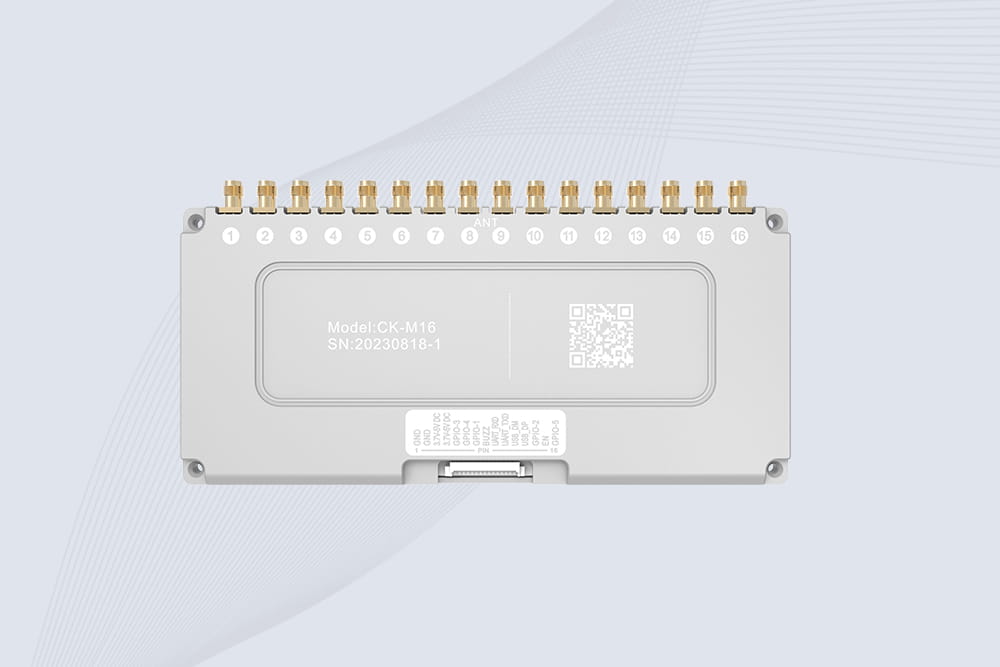
CYKEO CYKEO-M16 RFID Module is a 16-port UHF RFID reader module based on the R2000 chipset. Designed for dense tag environments, it supports ISO and GB standards and delivers stable multi-antenna control for industrial automation.
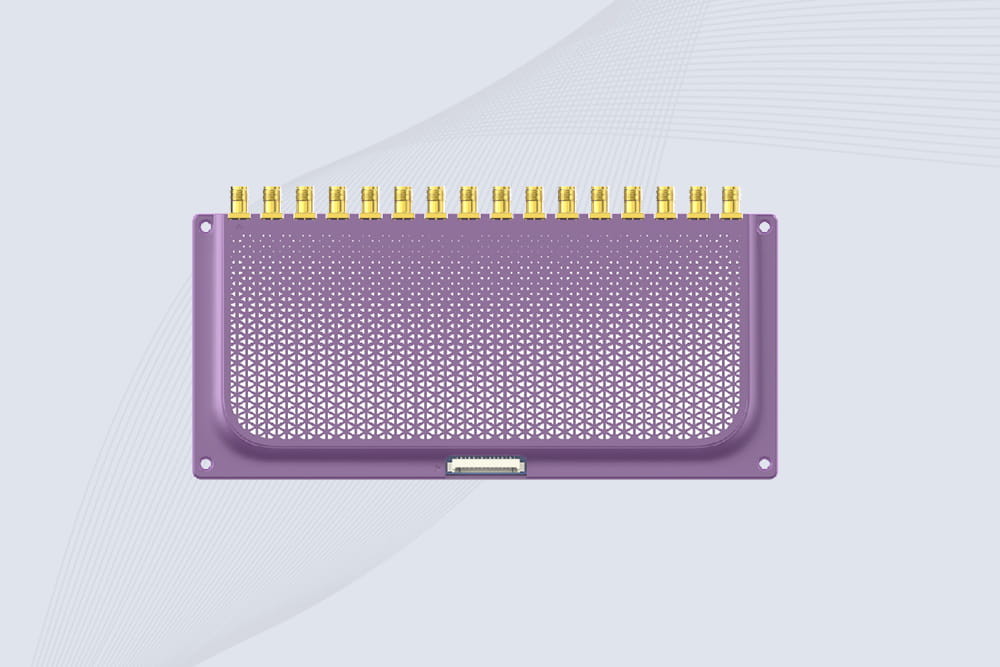
The CYKEO CYKEO-M16L RFID Reader Module is a 16-channel UHF RFID core designed for dense tag environments. With adjustable 33dBm output, multi-protocol support, and stable multi-antenna control, this RFID Tag Reader Module fits industrial automation, warehouse systems, and large-scale IoT deployments.
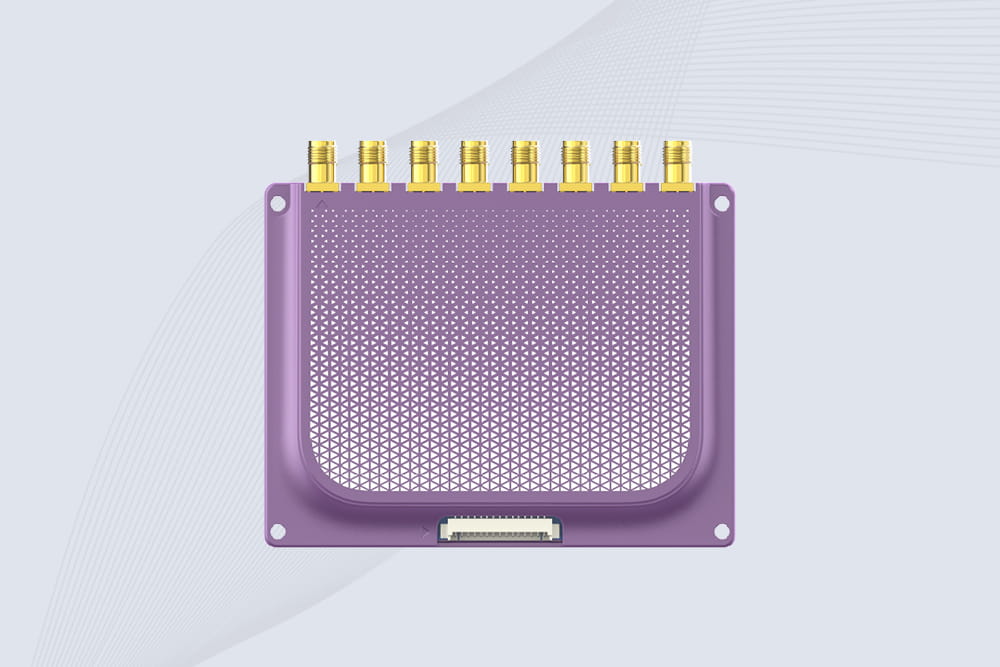
CYKEO CYKEO-M8L module RFID is a compact industrial UHF module built for dense tag and multi-antenna environments. With 8 RF ports, adjustable 33 dBm output, and ISO & GB protocol support, it is widely used in factories, warehouses, and automated tracking systems.
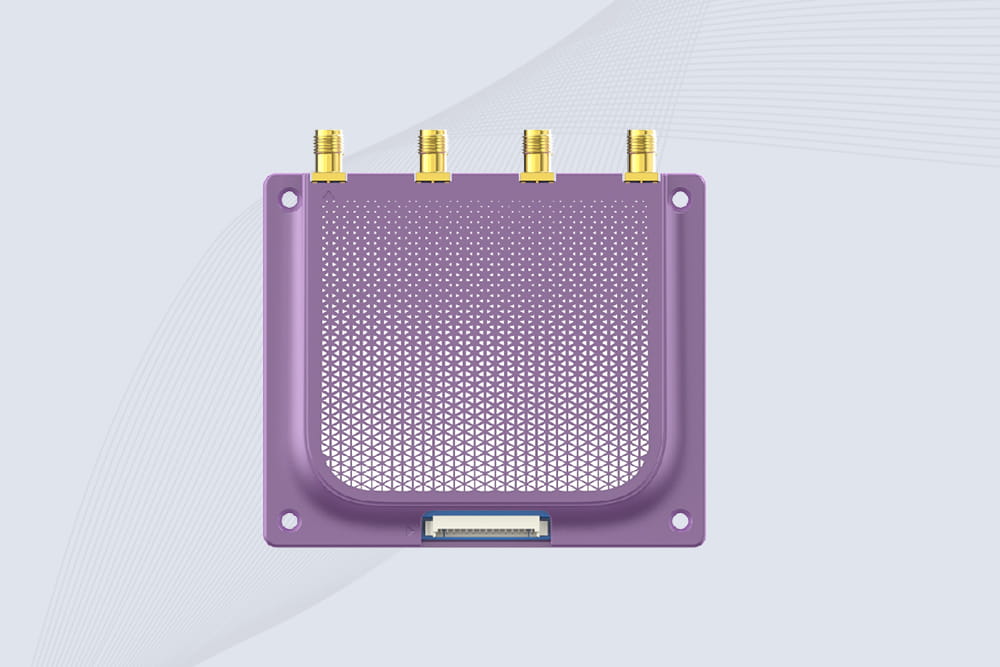
CYKEOCYKEO-M4L UHF RFID Module is a compact 4-channel RFID tag reader module designed for dense tag environments. Supporting ISO and GB protocols, it delivers stable reads up to 10 meters for industrial and IoT systems.

Cykeo CYKEO-A11 UHF RFID reader antenna delivers 11dBi gain, 840-960MHz frequency range, and IP65 ruggedness for retail, logistics, and industrial RFID systems. Features low VSWR and easy installation.

CYKEO Antenna RFID Reader delivers stable long-range UHF performance with a 10.5dBi directional design, built for warehouses, conveyor portals, and industrial RFID systems. This rfid reader antenna provides 20m+ read distance and rugged IP67 protection.

Cykeo CYKEO-PHF3 industrial HF RFID Antenna offers 24-point dynamic tracking, ISO 14443A/15693 protocols, metal-environment stability for archives/libraries/manufacturing.

Cykeo CYKEO-A5B industrial Linear RFID Antenna delivers 5dBi gain, ≤1.5:1 VSWR, and IP65 rugged design for warehouse, production line, and logistics UHF systems.

Cykeo’s CYKEO-B12 Long Range RFID Antenna delivers 15m+ read range with 12dBi gain, IP65 rugged design, and global 840-960MHz UHF support. Ideal for warehouse/logistics asset tracking.

Cykeo CYKEO-B10 Long Distance RFID Antenna offers 10dBi gain, 840-960MHz frequency range, IP65 rating, and 20m+ coverage for logistics/warehousing/ETC systems. Low VSWR ensures stable signal transmission.

Cykeo CYKEO-A6 UHF RFID panel antenna features 6dBi gain, 840-960MHz broadband, IP65 metal-ready housing for logistics/smart retail. 18mm ultra-thin design with tool-free mounting.

Cykeo CK-A3 industrial antenna RFID UHF offers 5m+ tag detection, ≤1.3:1 VSWR, IP65 rugged design, and global UHF spectrum compatibility (840-960MHz) for warehouses, factories, and retail.

Cykeo CYKEO-B5 directional RFID antenna provides 5dBi gain with 60° narrow beamwidth for precise inventory tracking. IP65-rated, global UHF frequency support, and low VSWR.

Create your own high-performance DIY RFID antenna! 5dBi gain, 840-960MHz tunable, step-by-step guides. Compatible with Arduino, Raspberry Pi, and commercial UHF readers.

Cykeo CYKEO-A7 Flexible RFID Antenna features 840-960MHz wideband tuning, 7dBi gain, and IP68 rating for medical/retail/industrial curved surface deployments. 98% read accuracy with peel-and-stick installation.

Cykeo CYKEO-B5A industrial Passive RFID Antenna delivers 5dBi gain, 70° beamwidth, and -40°C~55°C operation for warehouses/smart cabinets. Compatible with Zebra/Impinj readers.

Cykeo’s CYKEO-A9B High Gain RFID Antenna delivers 15m+ read range with 9dBi amplification. Features IP54 rugged design, 840-960MHz bandwidth, and 80° beamwidth for warehouse/manufacturing RFID systems.

Cykeo’s enterprise-grade 8dbi Impinj RFID Antenna 10m+ read range with 840-960MHz tuning. Features IP65 housing, 1.4 VSWR, 35° beamwidth for retail/warehouse RFID systems.

Cykeo CYKEO-A9 industrial UHF RFID antenna delivers 9dBi gain, 840-960MHz frequency range, and IP65 protection for warehouse/logistics/retail RFID systems. Features N-type connector and ≤1.3:1 VSWR.

CYKEO UHF RFID Antenna built for long-distance and industrial applications. This antenna rfid uhf delivers strong gain, outdoor durability, and reliable tag performance in warehouses, yards, and vehicle ID systems.

CYKEO Antenna RFID delivers reliable long-range UHF performance in warehouses, retail shelves, and cold-chain environments. This compact uhf rfid antenna provides stable reads with circular polarization and ultra-wide 840–960 MHz support, ideal for industrial tracking, smart shelves, and asset monitoring.

Cykeo’s CYKEO-C8 UHF RFID antennas delivers 8dBi gain, 840-960MHz full-band coverage, and IP65 ruggedness for manufacturing/warehouse RFID systems. Industrial RFID Antennas Features

Cykeo’s 8dBi UHF RFID antenna and reader kit delivers 10m+ range, 840-960MHz broadband, and IP65 ruggedness for factories, warehouses, and logistics. ISO 18000-6C & EPC Gen2 certified.

Cykeo CYKEO-A9A industrial UHF RFID reader and antenna kit delivers 10m range, 500 tags/sec, IP65 ruggedness for manufacturing/logistics. Supports EPC Gen2, ISO18000-6C.
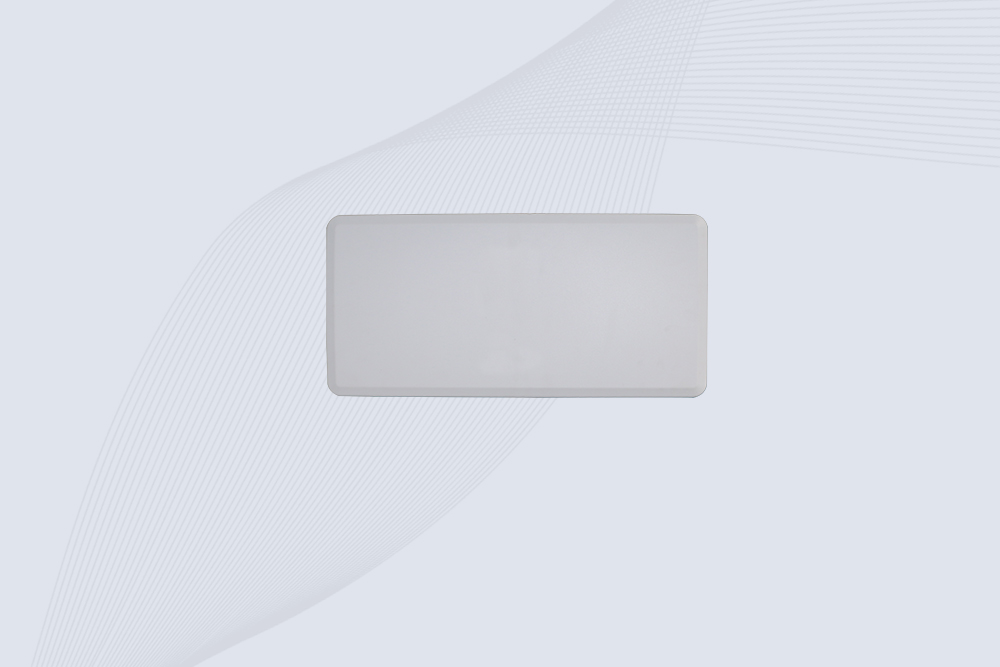
Cykeo’s CYKEO-A12C UHF Large RFID Antenna delivers 12dBi gain, 840-960MHz global frequency, IP65 ruggedness for logistics/warehousing/automotive. 40° beamwidth ensures stable 15m+ tag reads.

CYKEO Near Field RFID Antenna provides precise 5–30 cm reading for shelves, cabinets, and workstations. This compact rfid shelf antenna delivers stable short-range performance around metal and clutter, ideal for pharmacies, libraries, and electronics sorting.
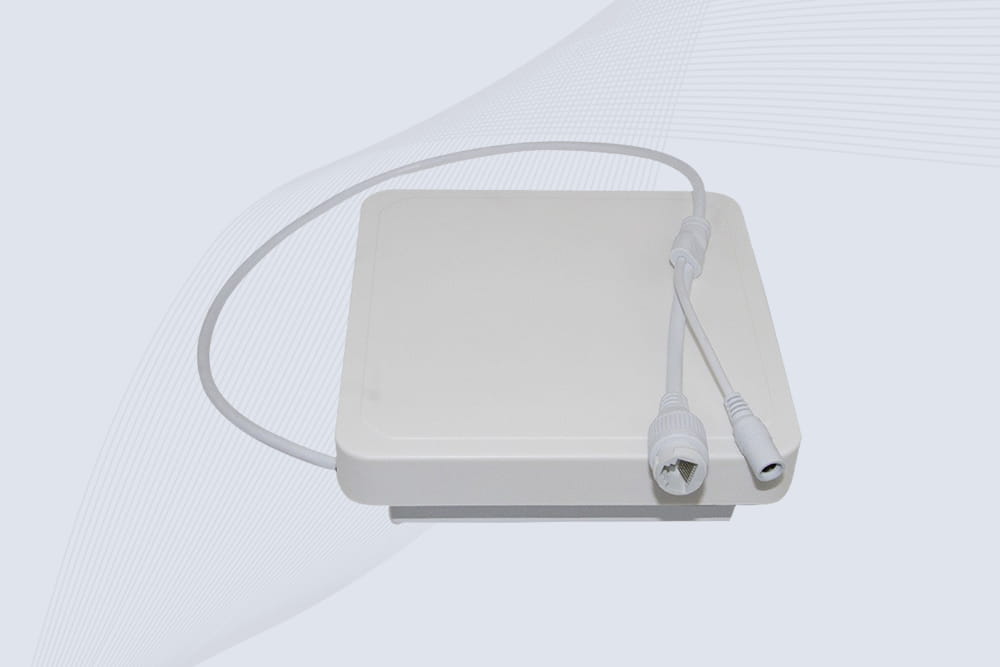
Cykeo’s industrial long range RFID reader delivers 20-meter scanning, 500+ tags/sec speed, and IP67 waterproof design for automated warehouses, logistics, and harsh environment applications.
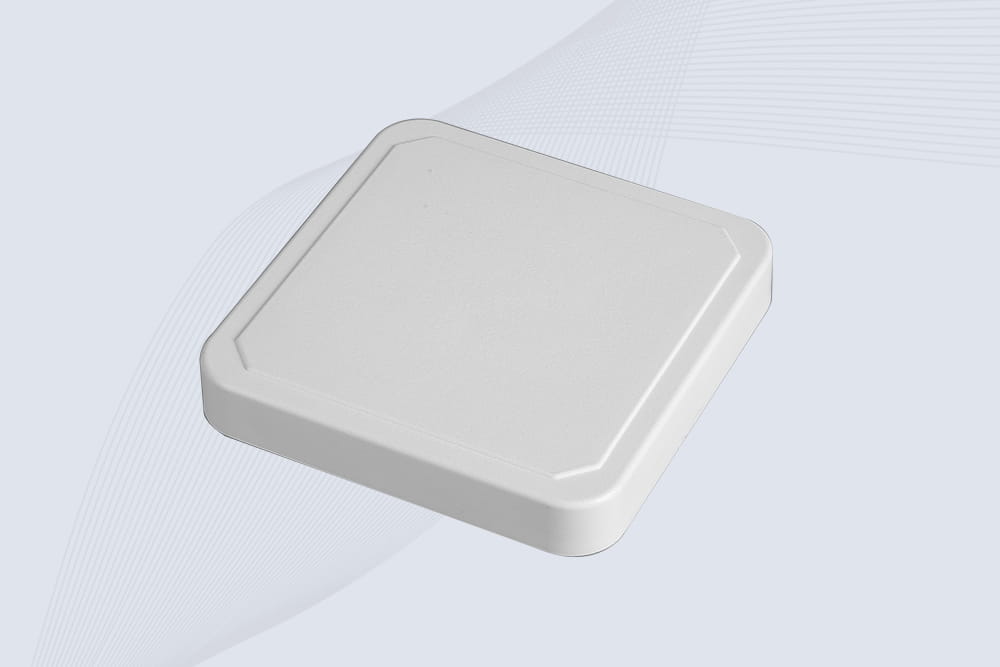
Cykeo’s CYKEO-RA6L industrial RFID long range reader features 20m read distance, 500 tags/sec speed, and IP67 protection. Ideal for warehouse automation, manufacturing WIP tracking, and smart logistics. Supports ISO 18000-6C/6B protocols.
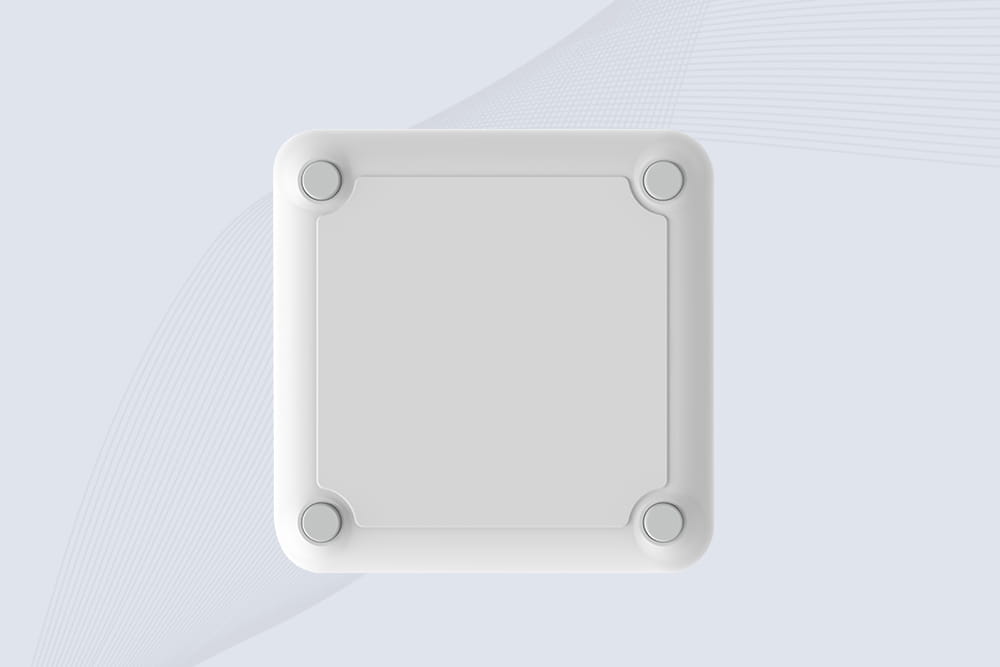
CYKEO Long Range RFID Tag Reader built for outdoor and industrial operations. This Outdoor RFID Reader delivers 20m read distance, fast tag processing, and IP67 durability for wide-area tracking.
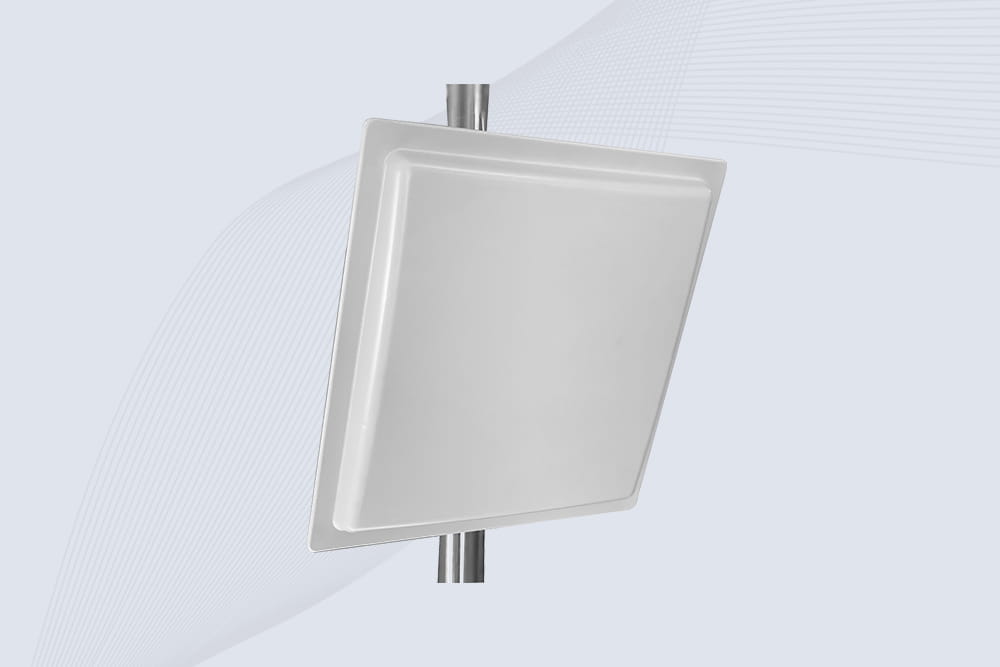
Cykeo CYKEO-RA12L industrial Long Range RFID Reader delivers 20m read range, 200+ tags/sec scanning, and IP67 protection for manufacturing/logistics applications. Supports ISO 18000-6C/GB protocols.
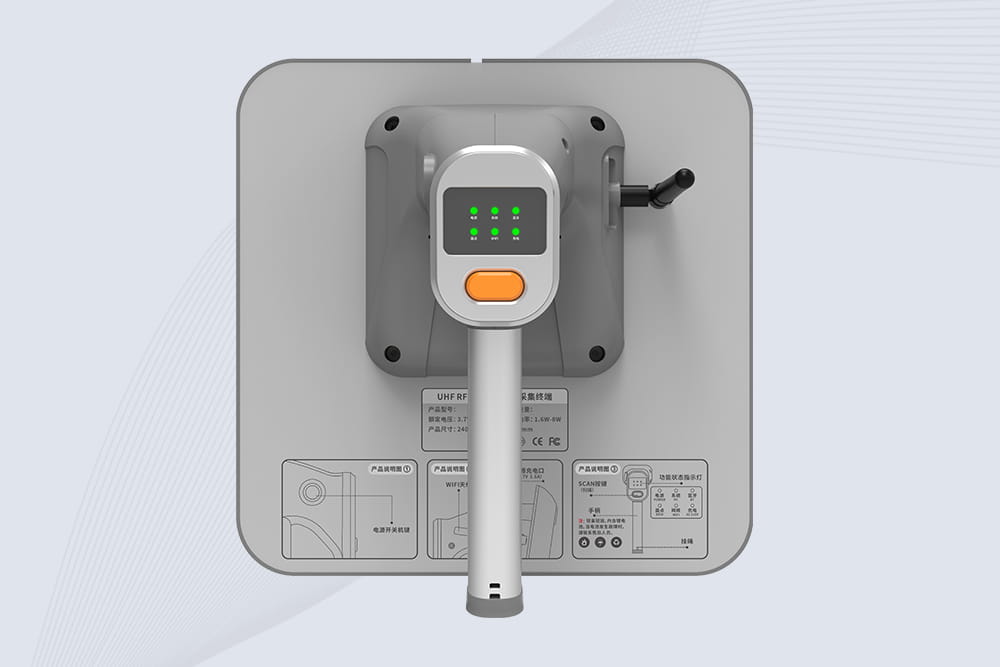
Cykeo CYKEO-B9 UHF Bluetooth handheld RFID scanner features 12m UHF range, 200+ tags/sec scanning, IP67 rugged design for retail/warehouse/pharma. Supports Android SDK & real-time Bluetooth 5.0 transmission.
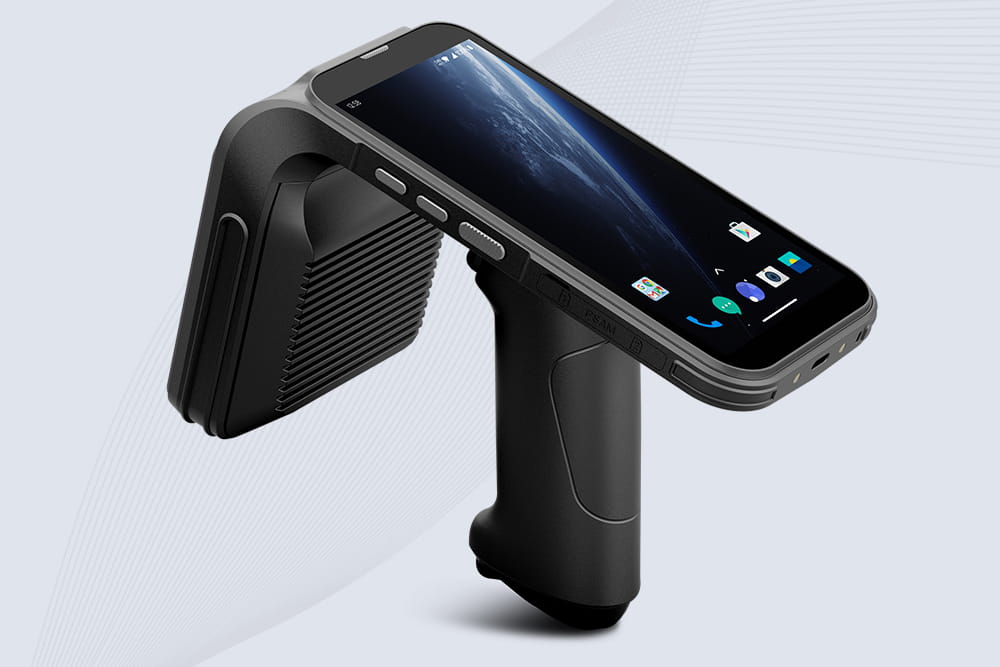
Cykeo CYKEO-B4 UHF Handheld RFID Reader scanner delivers 1300 tags/sec reading, 30m UHF range, and 12-hour battery life. IP65 rugged design with barcode/NFC/ID scanning for retail/manufacturing/logistics.
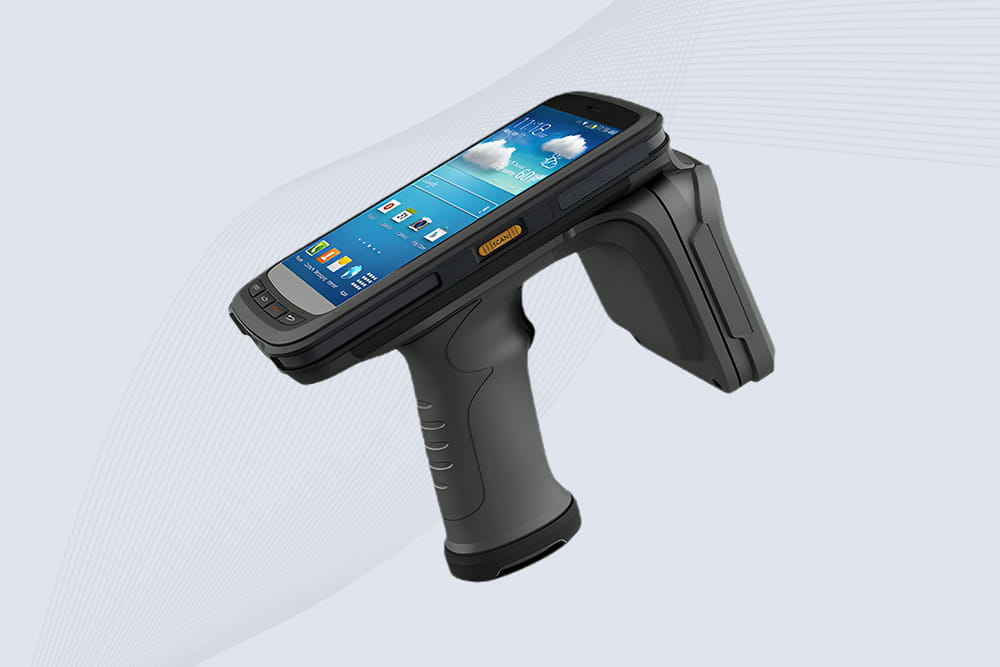
Cykeo CYKEO-B2 industrial UHF RFID handheld Scanner offers 10m range, 500 tags/sec scanning, Android 11 OS, and IP65 rugged design for retail/warehouse/manufacturing.
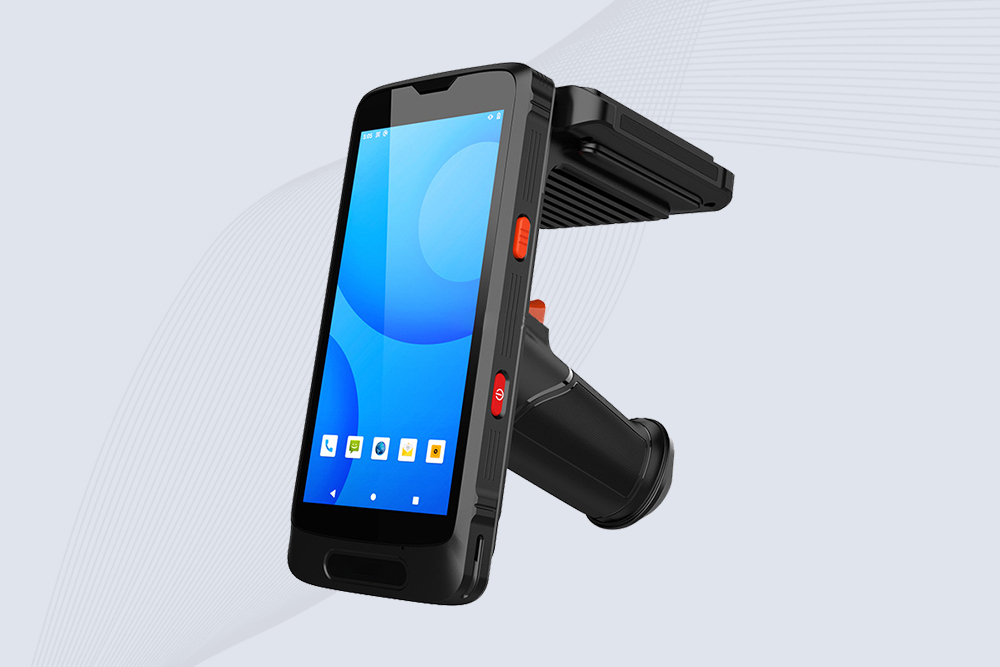
Cykeo CYKEO-B3 industrial RFID Reader Handheld, terminal offers 2m read range, multi-protocol scanning (NFC/barcode/ID), Android 10 OS, and IP65 ruggedness for logistics/retail/manufacturing.
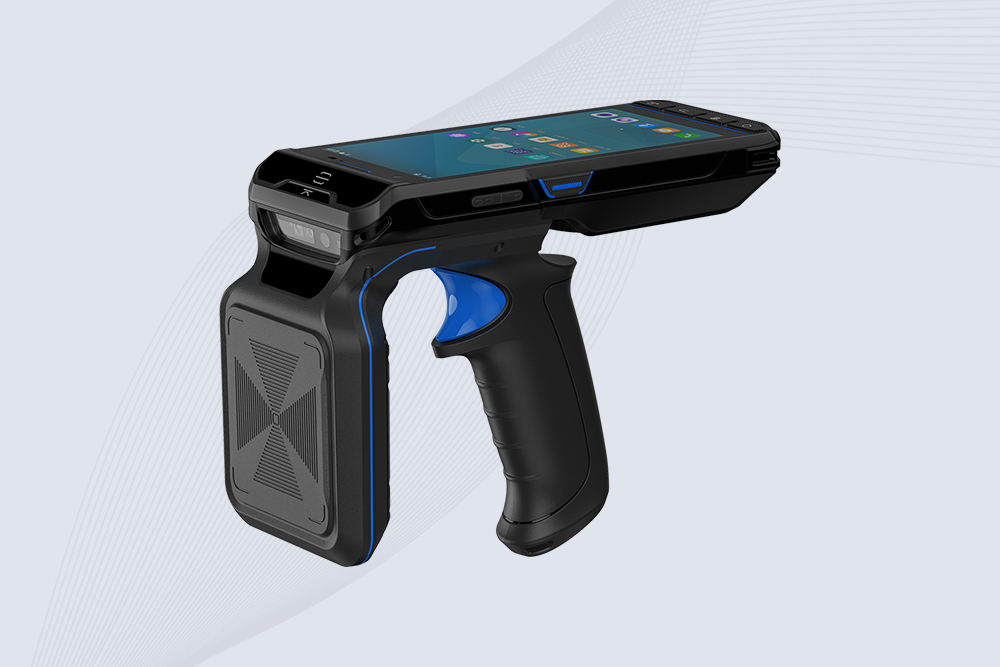
Cykeo CYKEO-B3L industrial handheld UHF RFID Reader terminal features 20m read range, 500 tags/sec scanning, Android 13 OS, 12-hour battery for logistics/retail/manufacturing. Supports barcode/NFC/ID reading.
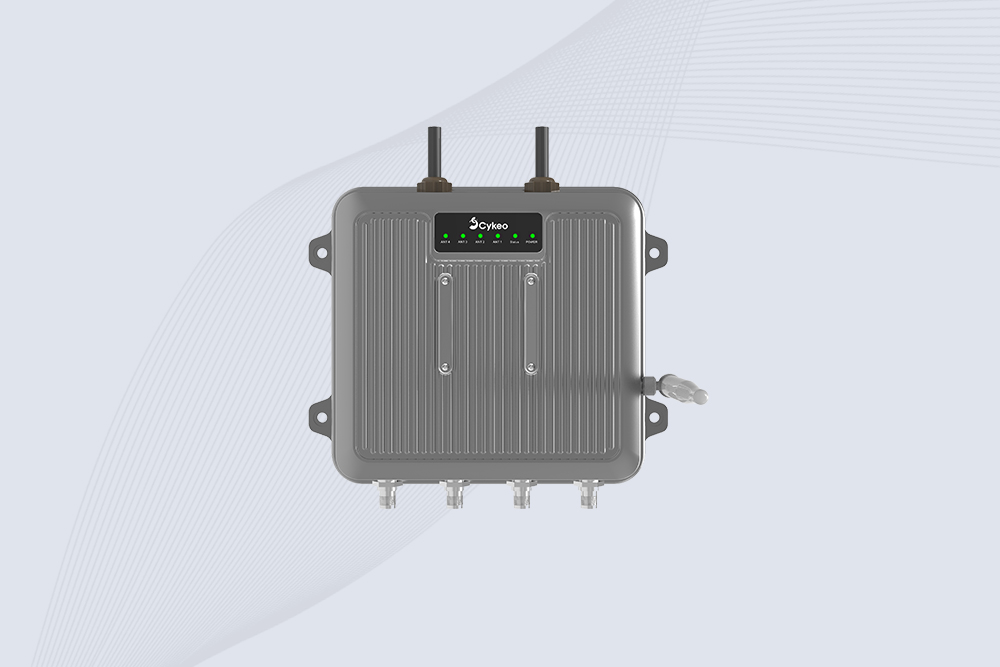
Cykeo CYKEO-C1 industrial Forklift RFID Reader features 20m read range, 600 tags/sec scanning, Impinj R2000 chipset, and IP67 rugged design. Ideal for warehouse logistics and manufacturing. Supports ISO 18000-6C/6B protocols.
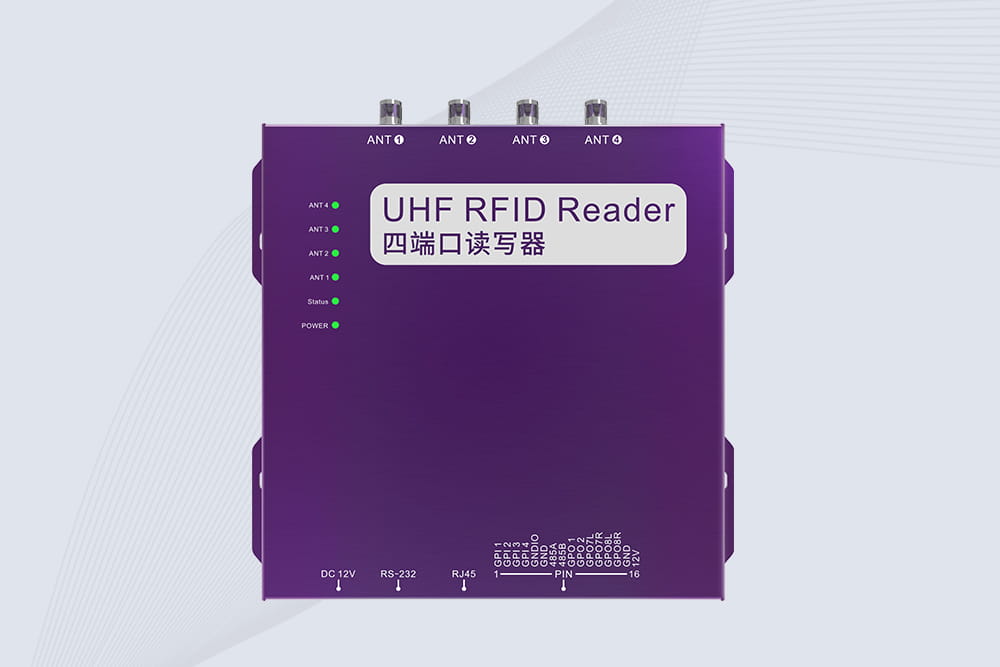
Cykeo CYKEO-R4 industrial UHF RFID Fixed Reader features 4 TNC ports, 400+ tags/sec speed, IP67 housing, and global frequency compliance for vehicle inspection, smart warehouse, and asset management systems.
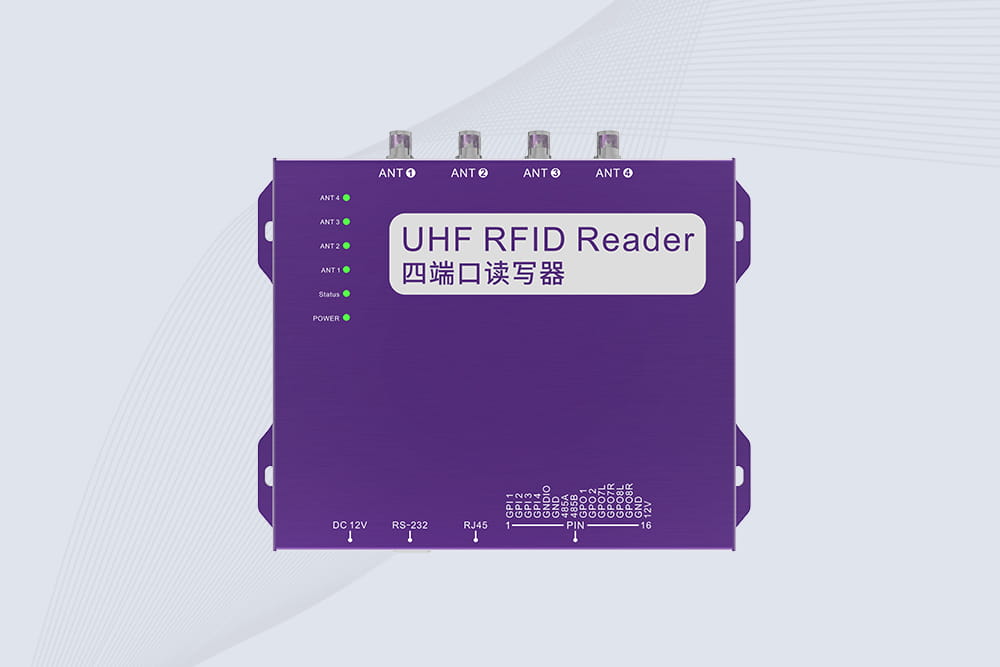
Cykeo’s CYKEO-R4L 4-port Fixed UHF RFID Reader delivers 400 tags/sec scanning, ISO 18000-6C compliance, and IP65 protection. Ideal for warehouse automation, manufacturing WIP tracking, and logistics management.
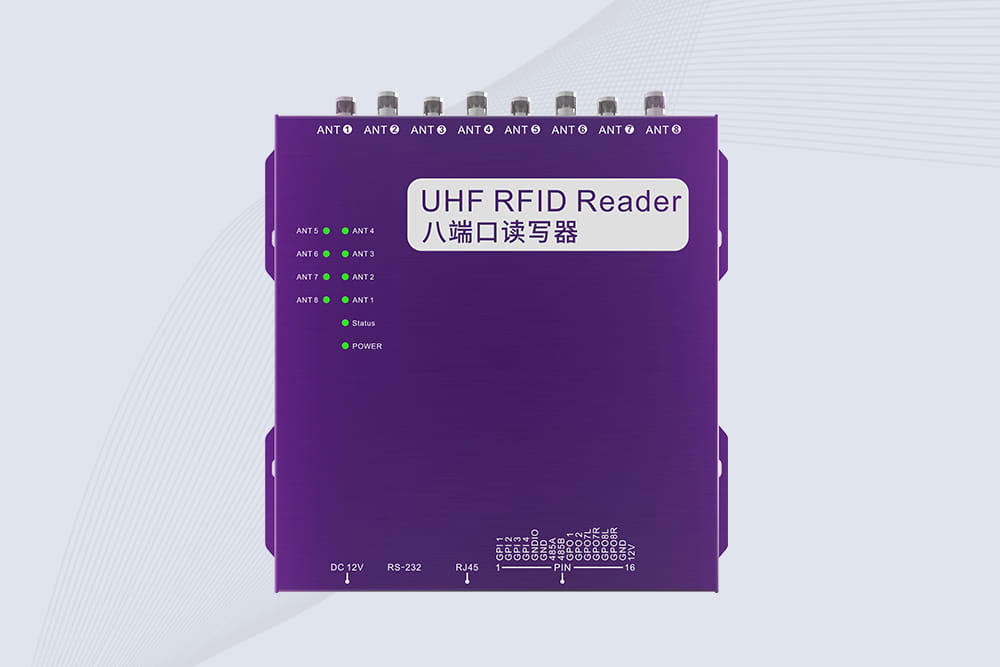
CYKEO CYKEO-R8L Fixed RFID Reader with 8-port UHF design, Impinj-based RF core and up to 20m read range. An industrial Fixed RFID Reader for vehicle inspection, warehouse portals, smart manufacturing lines and secure access checkpoints.
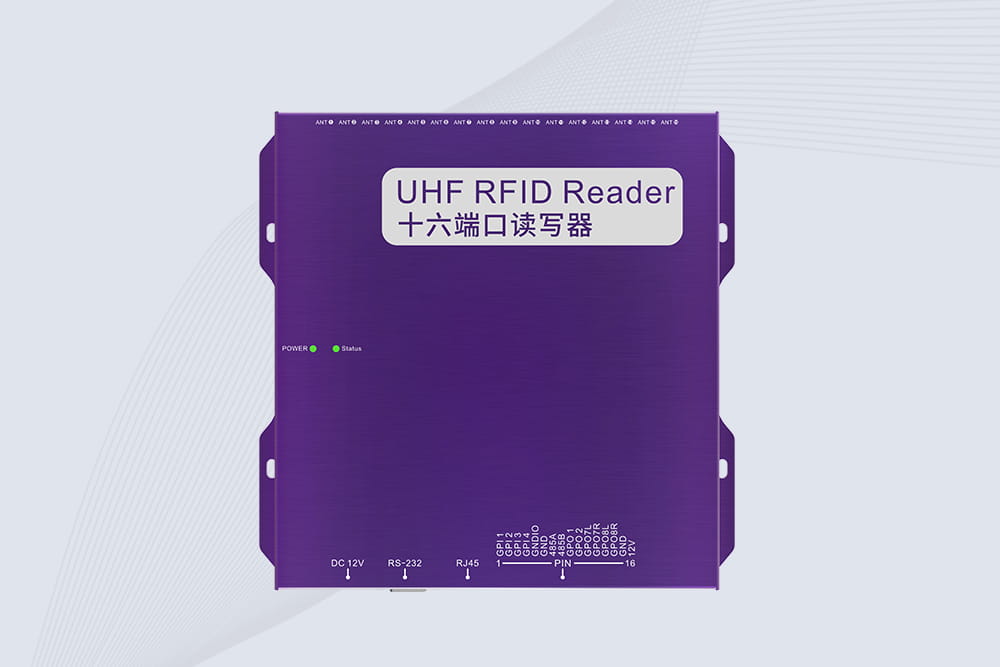
RFID Fixed Reader from CYKEO – the CYKEO-R16L 16-port UHF fixed reader for warehouses, smart cabinets, and production lines. Long-range, multi-tag reading, stable performance for 24/7 industrial use.

RFID tag examples from retail, manufacturing, healthcare, and logistics. See how different RFID tags are actually used in real operations.
More
Learn how to distinguish fake RFID tags from genuine ones. Discover security features, performance differences, and Cykeo’s solutions for counterfeit detection.
More
RFID integration with SAP uncovered: Learn why 60% of projects overrun budgets. See real timelines, SAP transaction fixes, and how Cykeo clients avoid IDoc hell.
More
Learn how to integrate a long range RFID reader SDK with Java, C#, Android, Linux and Windows. Explore REST API, TCP, Serial communication, development examples and logistics integration tips.
More