If you ask hospital managers where inventory control really matters, the answer is usually not “everything.”
It’s specific categories — especially high-value consumables.
Things like implants, specialized surgical kits, or certain controlled medical items. These are not used in huge volumes, but each unit matters. A small tracking issue can quickly turn into a cost problem or a compliance risk.
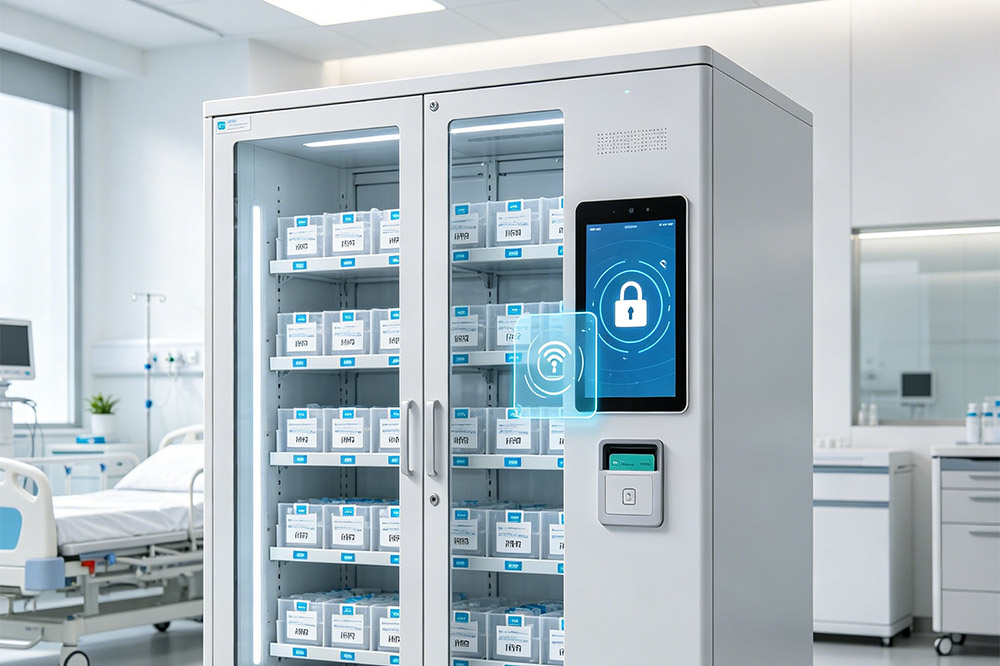
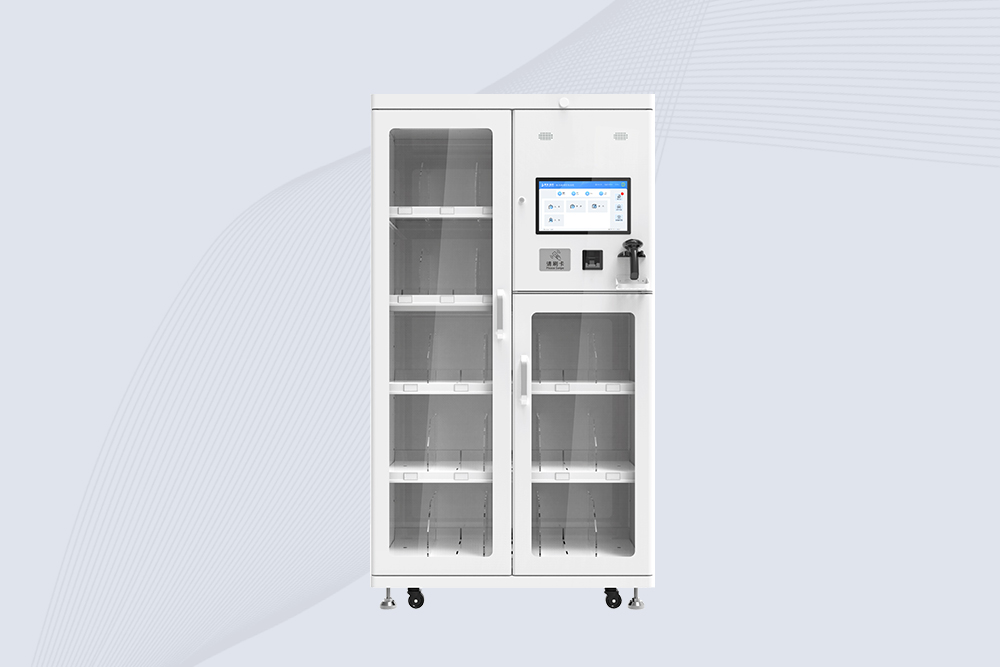
That’s where RFID-based systems, particularly RFID medical cabinets, are being used more often.
Why high-value consumables are harder to manage
Compared to general supplies, these items come with a few extra challenges:
Higher unit cost
Strict usage tracking requirements
Limited stock but high importance
Often stored in multiple locations
Strong audit and compliance pressure
In many hospitals, these items are still tracked manually or semi-digitally.
Which means the system depends heavily on people doing everything correctly — every time.
Where traditional control methods fall short
Even with strict procedures, issues still happen:
Items taken without immediate recording
Usage linked to the wrong patient or procedure
Stock discrepancies discovered too late
Time-consuming audits to trace missing items
For high-value consumables, these are not small problems.
They affect both cost control and regulatory compliance.
How RFID medical cabinets change the control approach
Instead of trying to enforce stricter manual processes, RFID systems change the structure.
This creates a closed-loop system where inventory movement is always recorded.
What hospitals gain from this setup
The benefits are not just “better tracking” — they’re more practical than that:
1. Clear accountability
You can see exactly who accessed which item and when.
2. Better traceability
Important for implants and regulated consumables.
3. Reduced financial loss
Fewer unrecorded or misplaced items.
4. Faster audits
Data is already available, no need to reconstruct usage manually.
5. More controlled access
Only authorized staff can retrieve specific items.
Typical use cases inside hospitals
RFID medical cabinets are most commonly used for:
Surgical implants (orthopedic, cardiac, etc.)
High-value disposable surgical kits
Specialty medical devices
Controlled or restricted-use consumables
These are areas where both cost and compliance matter at the same time.
A practical scenario
Before RFID:
A high-value implant is taken during surgery. Recording is delayed or partially missed. Later, inventory doesn’t match. Staff spend time checking logs and trying to trace usage.
After RFID:
The item is automatically recorded when removed from the cabinet. User identity and timestamp are stored. Inventory updates immediately.
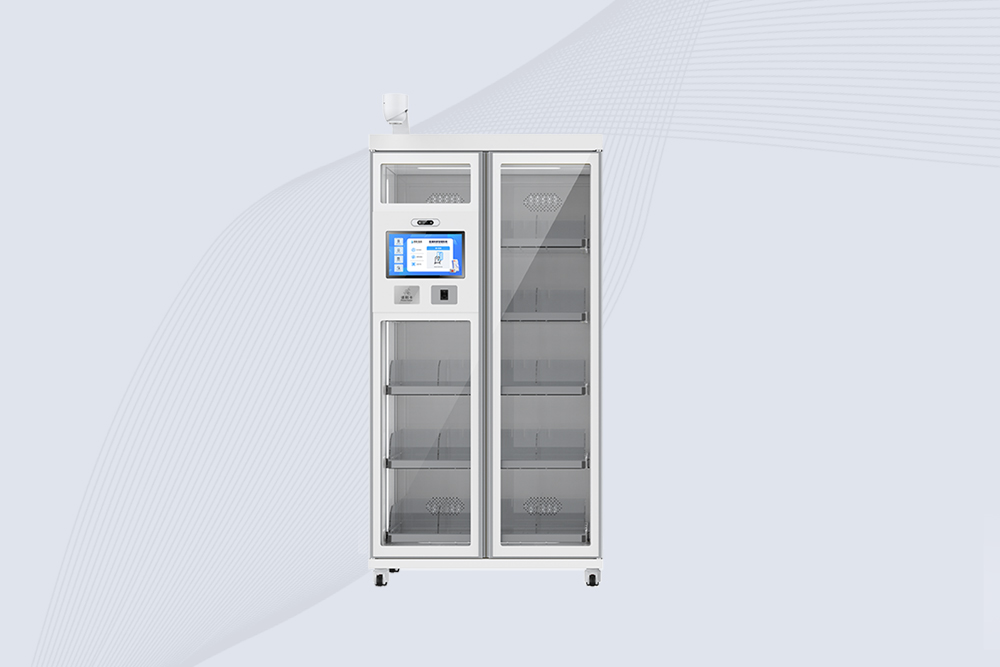
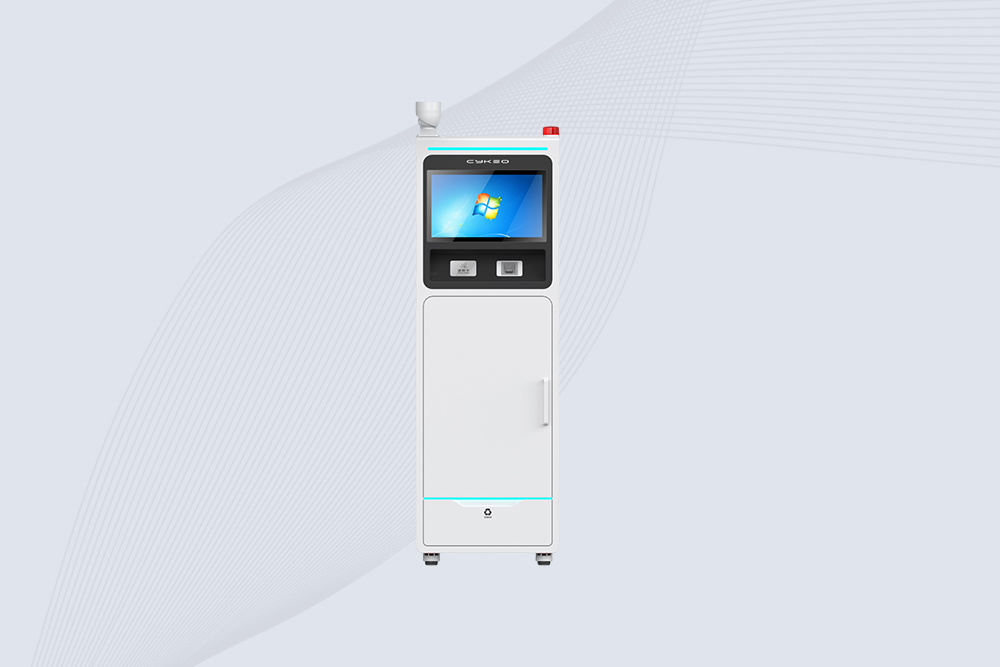
Cykeo’s smart medical cabinet RFID features 21.5″ touchscreen & 99.9% accuracy for OR instrument tracking. Modular shelves for 500+ items. HIPAA compliant. Request demo.
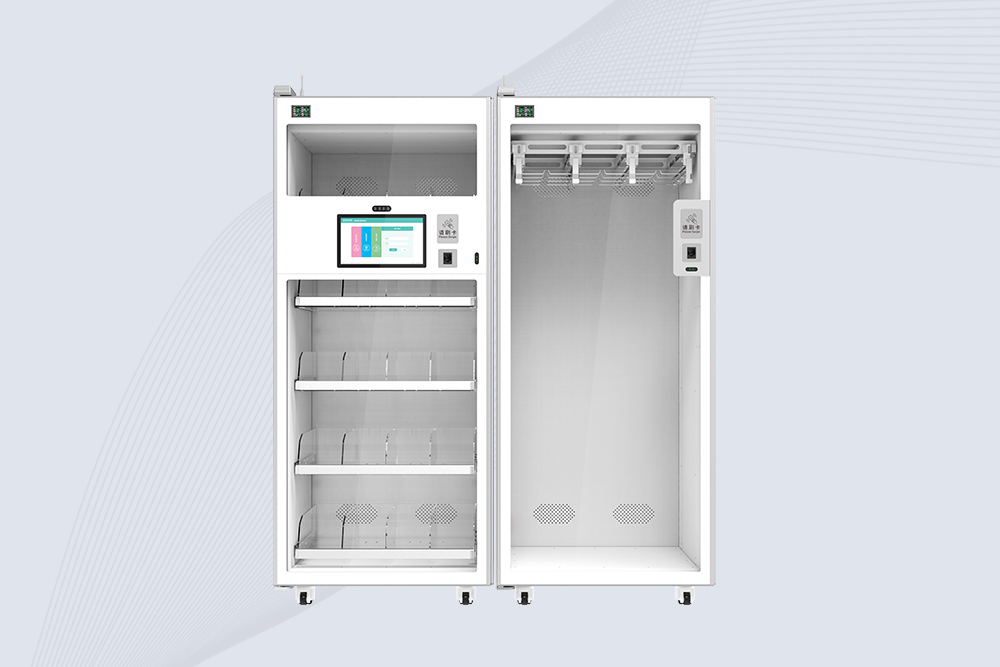
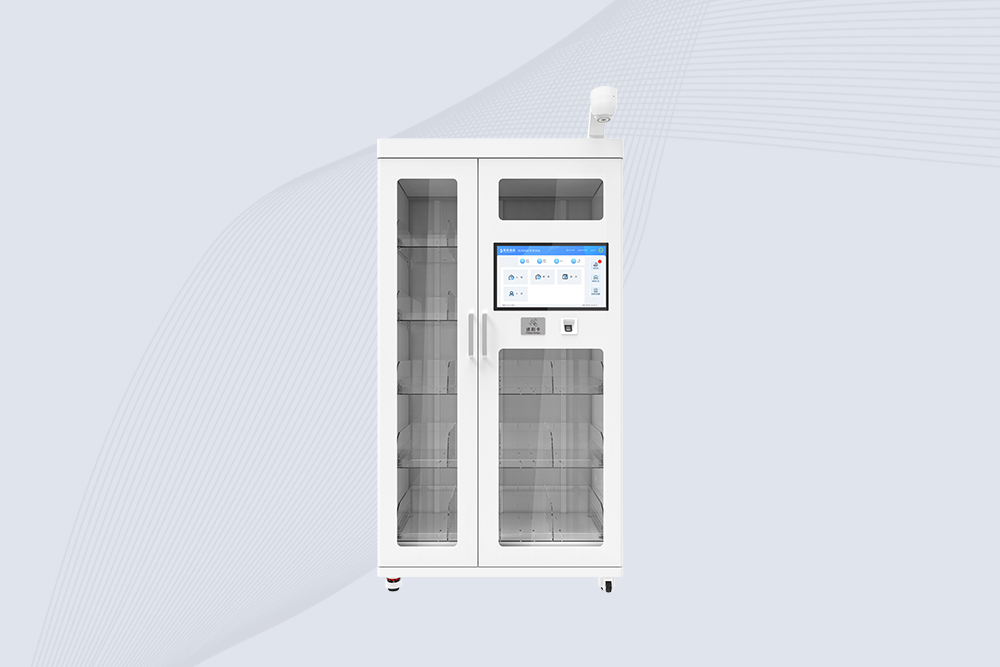
Cykeo’s UHF RFID hospital asset cabinet features dual-door security, antibacterial coating & 99.9% accuracy for OR implants. ISO 13485 compliant. Tracks 2000+ items.
Cykeo medical RFID medicine cabinet features ≤5cm drug tracking, real-time HIS sync, military security, and USP-compliant climate control for Schedule II drugs.
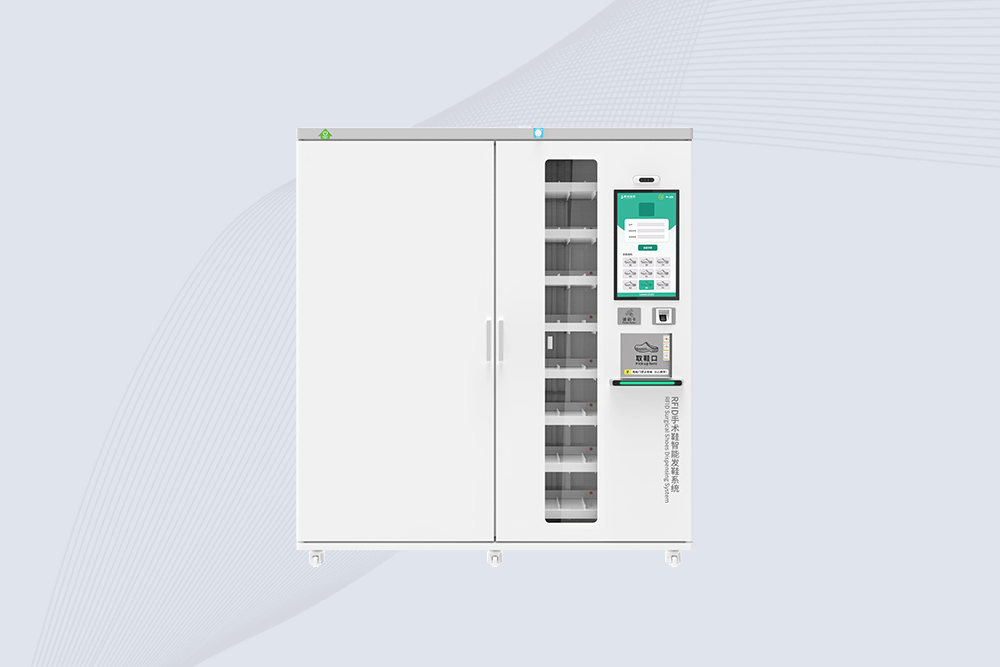
Cykeo RFID operating room cabinet features ≤55s shoe delivery, UHF RFID inventory control, ISO 13485 certification, and biometric access for OR workflow optimization.
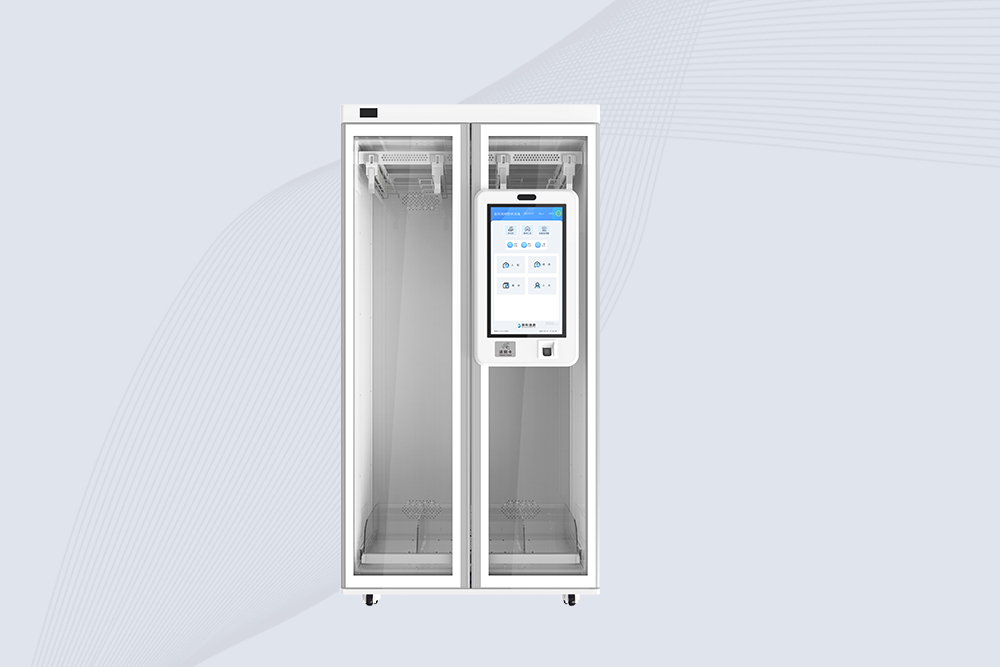
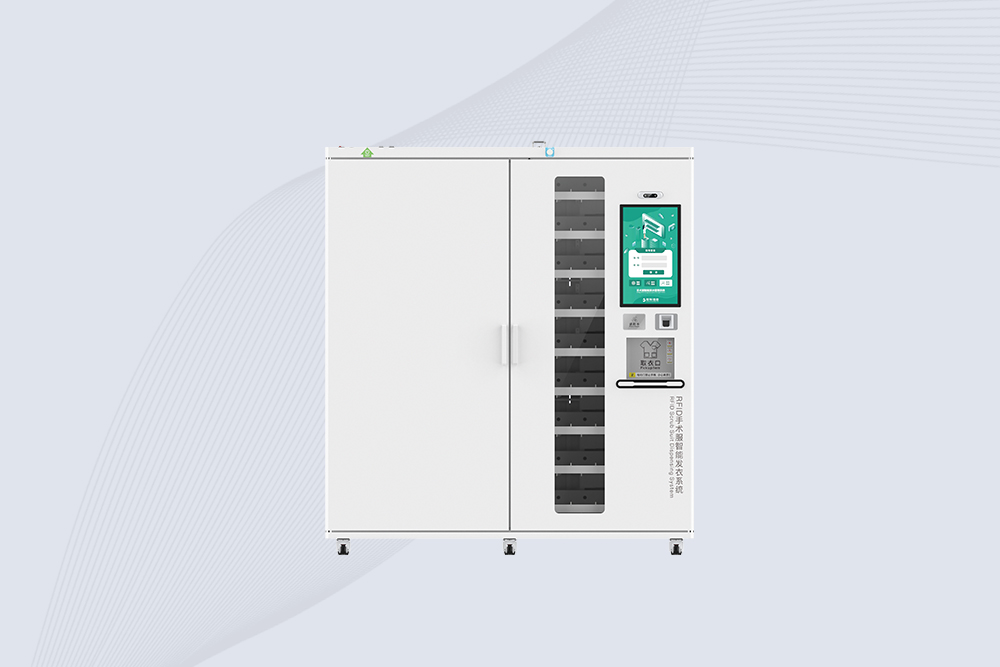
Cykeo operating room RFID cabinet features 108-gown capacity, UHF RFID tracking, real-time SPD integration, and biometric access for sterile OR management.
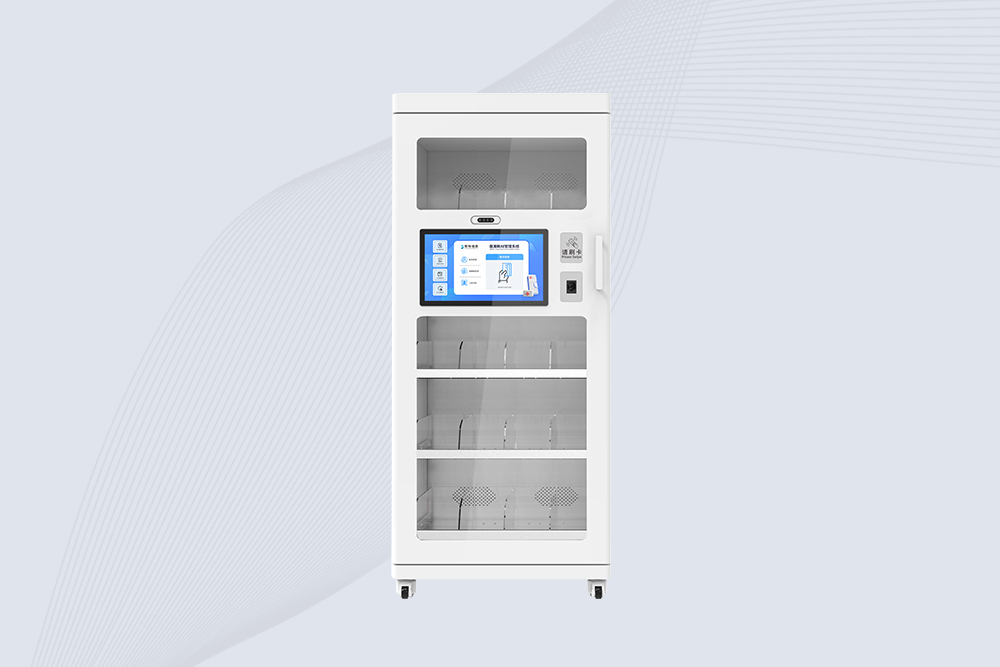
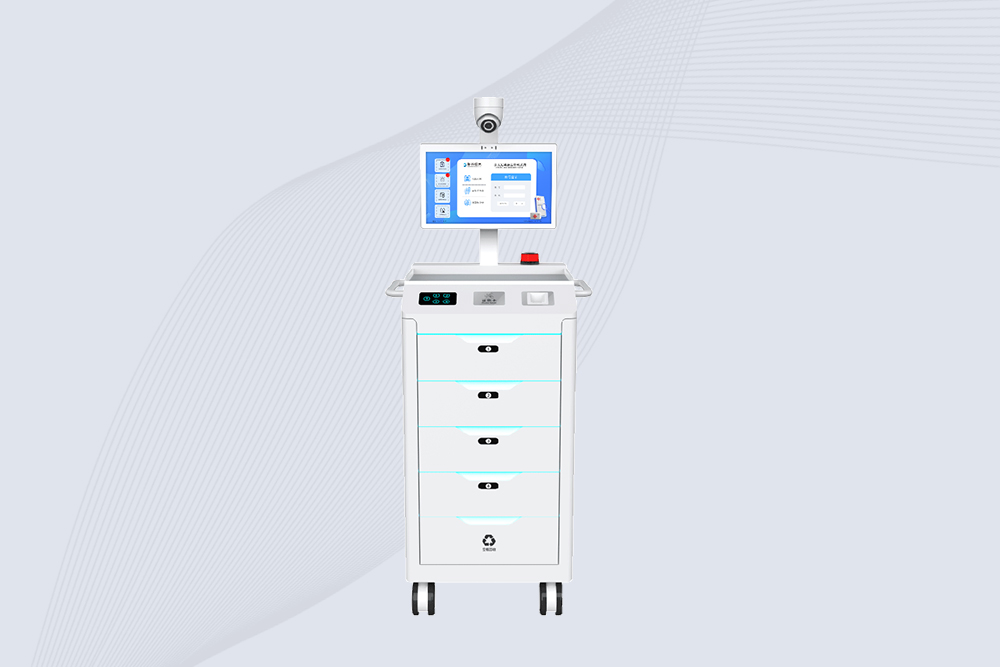
Cykeo’s low-value consumables cabinet offers 5-tier storage, HIPAA encryption, FDA compliance, and SAP integration for hospitals/clinics. Reduces stockouts by 70%.
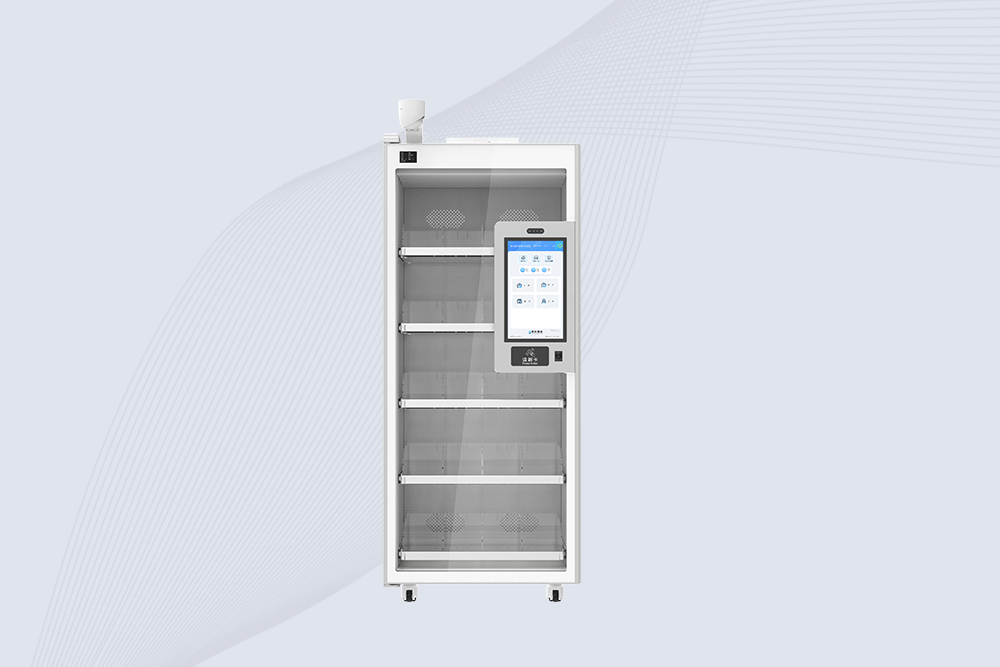
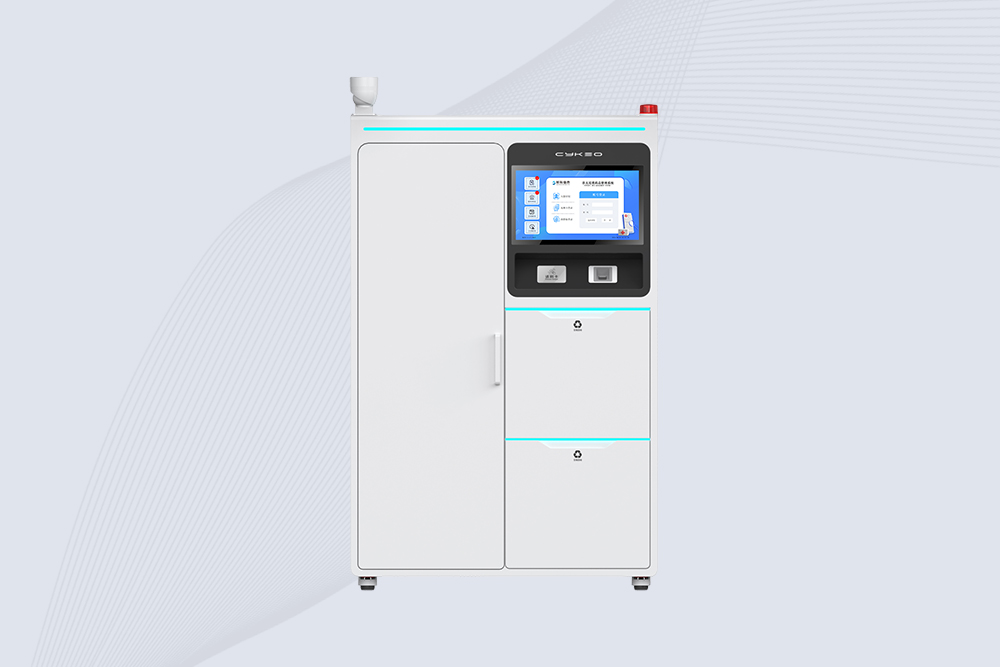
Cykeo’s RFID high-value consumables cabinet offers 500-implant capacity, FDA compliance, real-time Epic sync, and theft prevention for ORs/surgery centers.
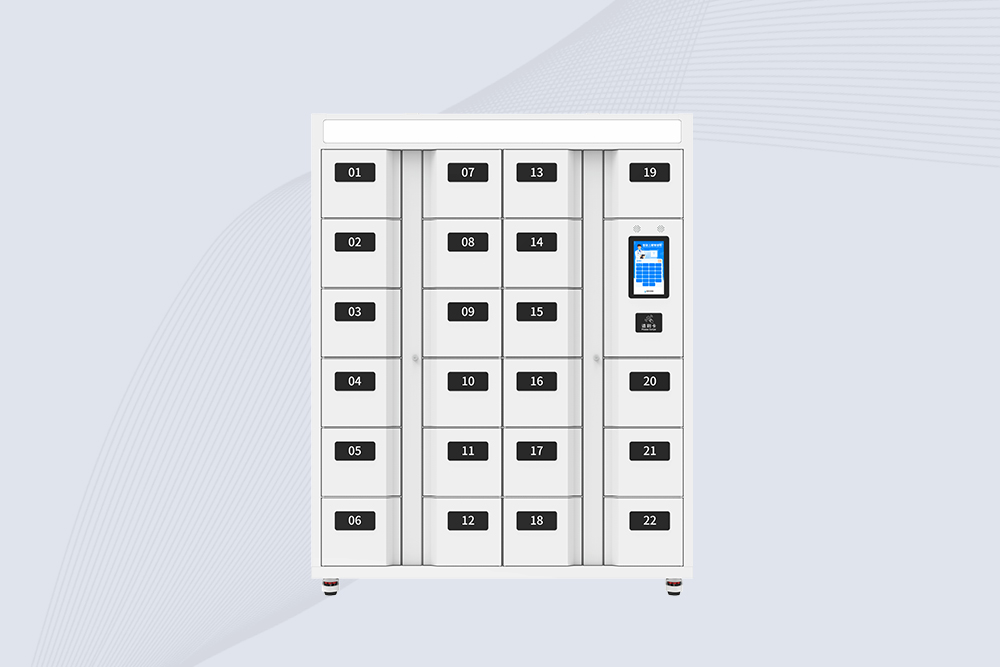
Cykeo CYKEO-G2224 rfid linen management cabinet features modular lockers, 10.1″ Android screen, and 200+/sec scanning for hospitals/hotels. SAP/Oracle integration.
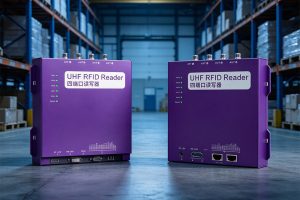
Learn what is a rfid scanner and how Cykeo RFID scanners improve asset tracking, inventory management, and automated identification with reliable performance.
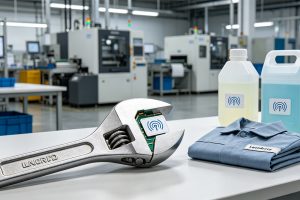
Embedded RFID tags are built directly into assets for maximum durability and tamper resistance. Learn how embedded RFID works and explore industrial solutions for metal, laundry, and liquid environments.
Discover how RFID logistics sorting antenna systems improve parcel tracking, conveyor automation, and warehouse efficiency. Learn how RFID gate antennas help logistics providers track thousands of packages in real time.
 Cykeo RFID IoT Solution Products R&D Manufacturer