 Cykeo RFID IoT Solution Products R&D Manufacturer

How to Maintain Fixed RFID Readers in High-Dust Environments?
1087Learn how to maintain fixed RFID readers in high-dust environments. Discover Cykeo’s dustproofing strategies, cleaning routines, and firmware updates for reliable performance.
MoreAll RFID Product
One of the first questions I hear from potential buyers is surprisingly consistent:
“How far can your reader detect a tag?”
It’s a fair question. Reading distance is easy to understand and easy to compare.
Still, after watching several warehouse and manufacturing projects come together, I’ve started to think that it’s not always the most useful number.
Sometimes the reader with the longest range creates the biggest headaches.
Open space tests can be impressive.
Place a tag in front of a high-performance UHF RFID reader and it may detect it from several meters away without any issue.
Then the equipment gets installed in a distribution center.
Metal racks appear.
Forklifts move through the aisle.
Plastic-wrapped pallets stack higher than expected.
Suddenly the environment becomes part of the equation.
And that perfect reading distance? It changes.
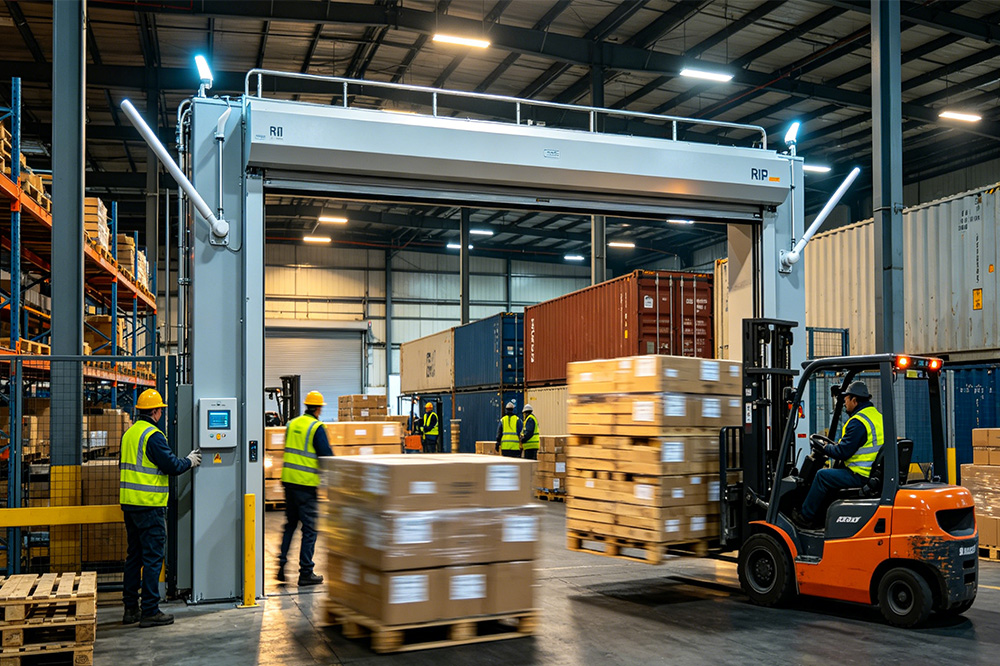
A logistics customer wanted every pallet entering the building to be identified automatically.
The first setup used maximum transmission power because everyone assumed “more” would mean “better.”
Instead, readers started picking up tags stored near adjacent loading bays.
Inventory records became confusing.
The solution wasn’t replacing the hardware.
It was reducing coverage and narrowing the reading zone.
That adjustment actually improved overall accuracy.
There isn’t a universal answer.
For example:
Thinking about the workflow first usually leads to better equipment choices.
In industrial environments, fixed rfid readers remain the preferred solution for continuous monitoring.
Typical deployment areas include:
If you’re comparing hardware for these applications, you can review industrial UHF RFID reader options
Different models may support different antenna configurations and communication interfaces, making it important to match the equipment with the intended application.
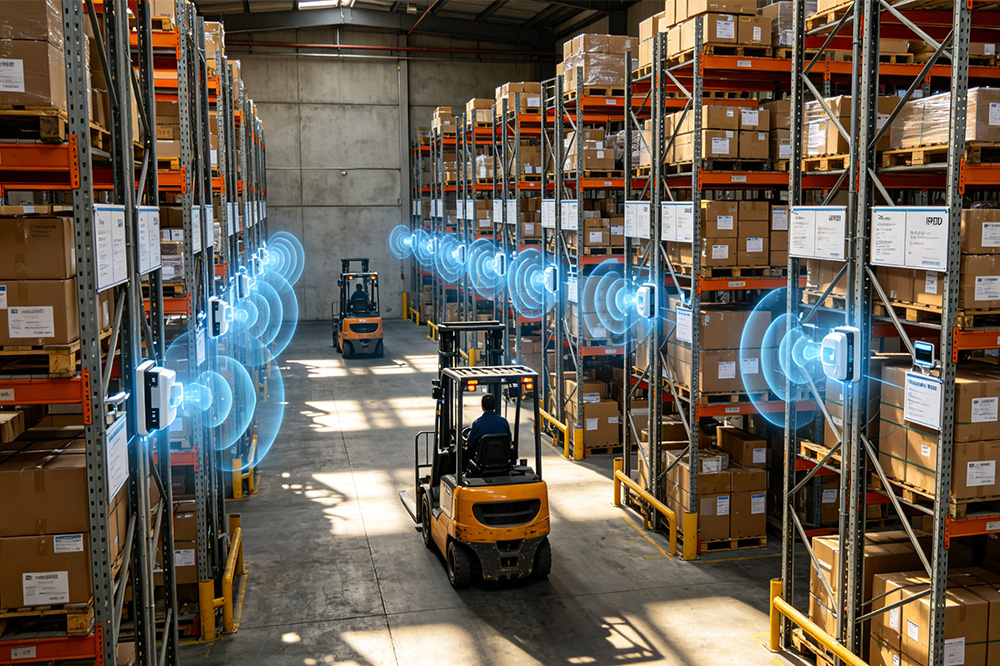
I sometimes think antennas deserve more credit than they get.
An expensive reader connected to poorly positioned antennas may underperform.
Meanwhile, a carefully designed installation using the same hardware can produce stable and reliable results for years.
It’s one of those details that doesn’t stand out in a brochure but becomes obvious during deployment.
Even when hardware performs well, integration challenges can slow a project.
Many customers ask whether readers support:
These questions are usually worth asking before placing a bulk order.
Distributors and solution providers often evaluate suppliers differently from end users.
Besides performance, they care about:
When supporting multiple customer projects, reliability across shipments becomes just as important as technical capability.
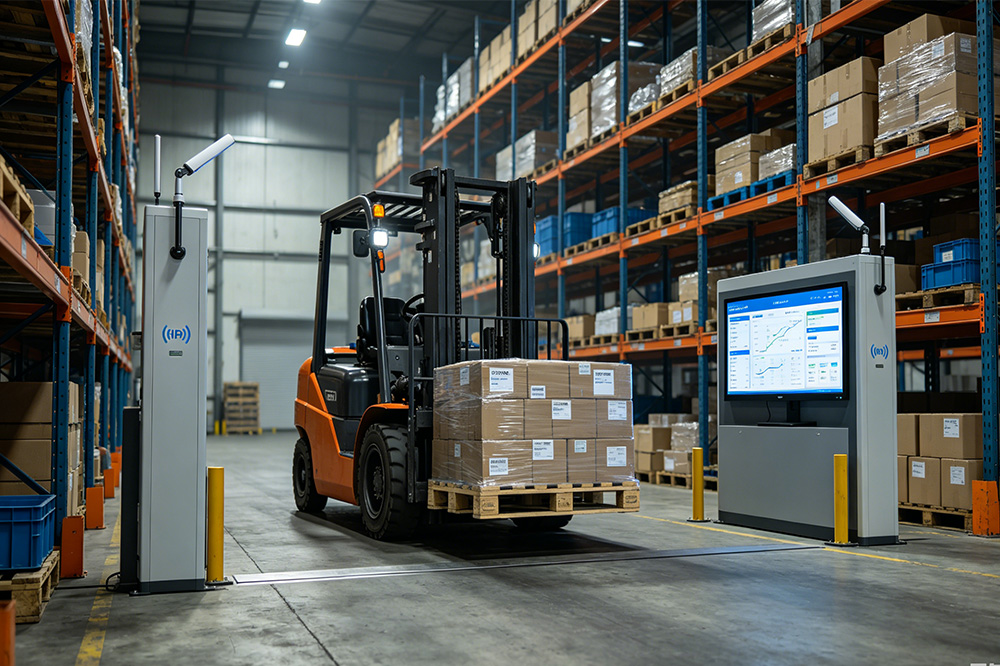
If there’s one recommendation that seems to save both time and budget, it’s this:
Run a pilot.
Install a reader where it will actually operate.
Use real products, real packaging, and real movement patterns.
A single afternoon of practical testing often reveals details that weeks of specification reviews never uncover.
A long range UHF RFID reader can absolutely be the right solution.
But successful RFID projects rarely depend on distance alone.
In most cases, they depend on matching the reader, antennas, installation method, and software integration to the way people actually work every day.
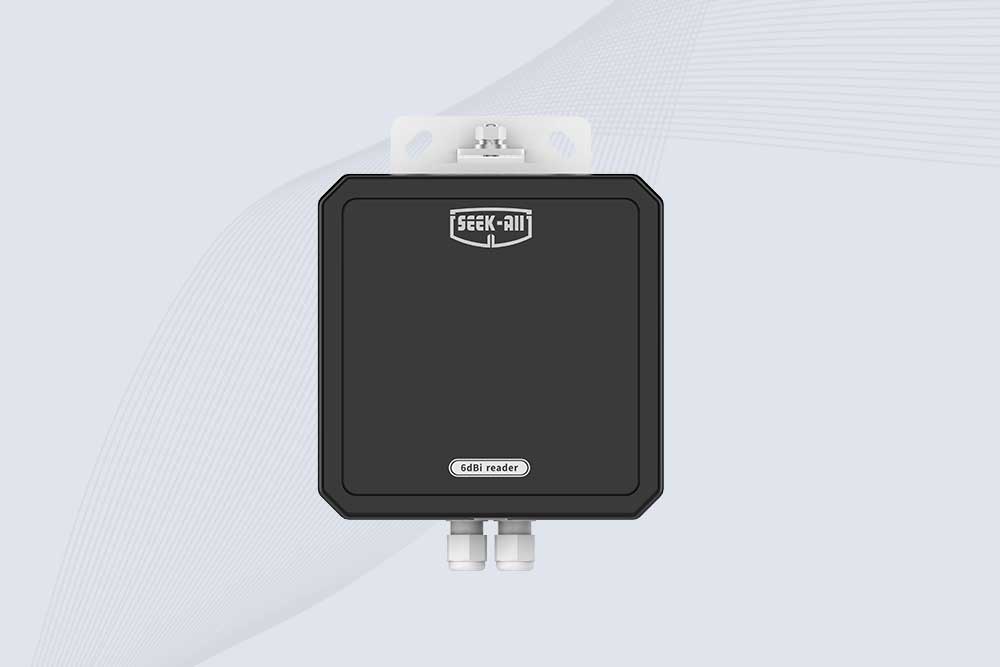
SSD-RA06L is an industrial UHF RFID reader with a built-in 6 dBi antenna, 3 m read range, 600+ tags/s, Ethernet, RS232, and optional Wi-Fi, 4G, and PoE.
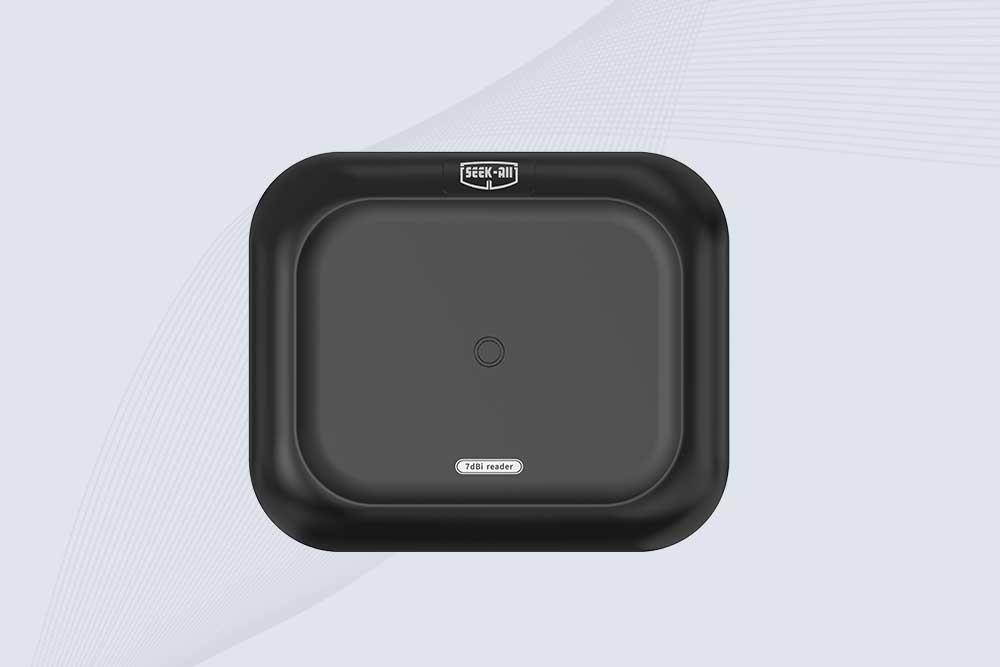
SSD-RA07L industrial UHF RFID reader with integrated 7 dBi antenna, up to 6 m reading distance, over 600 tags/s, Ethernet, RS232, and optional Wi-Fi, 4G, and PoE.
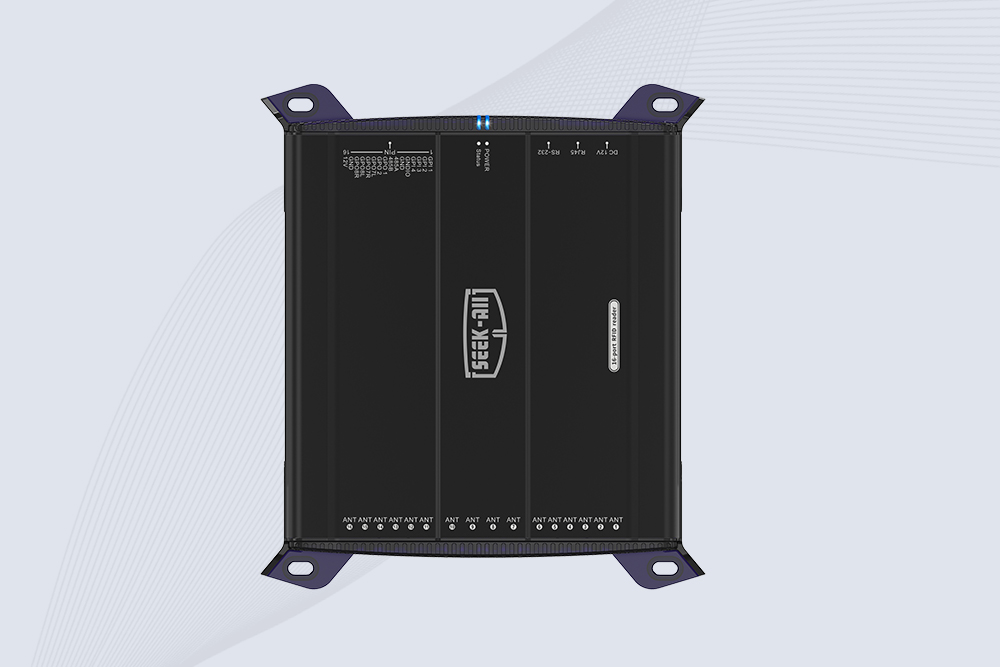
SSD-R16L Multi-Channel RFID Infrastructure for Automated Inventory Management ✔️ 16-Port High-Density RFID Reading Equipped with 16 SMA antenna ports, SSD-R16L supports multi-antenna deployment for warehouses, retail stores, logistics, production lines, and large-area RFID identification. ✔️ High-Speed & Long-Range Performance With up to 33…
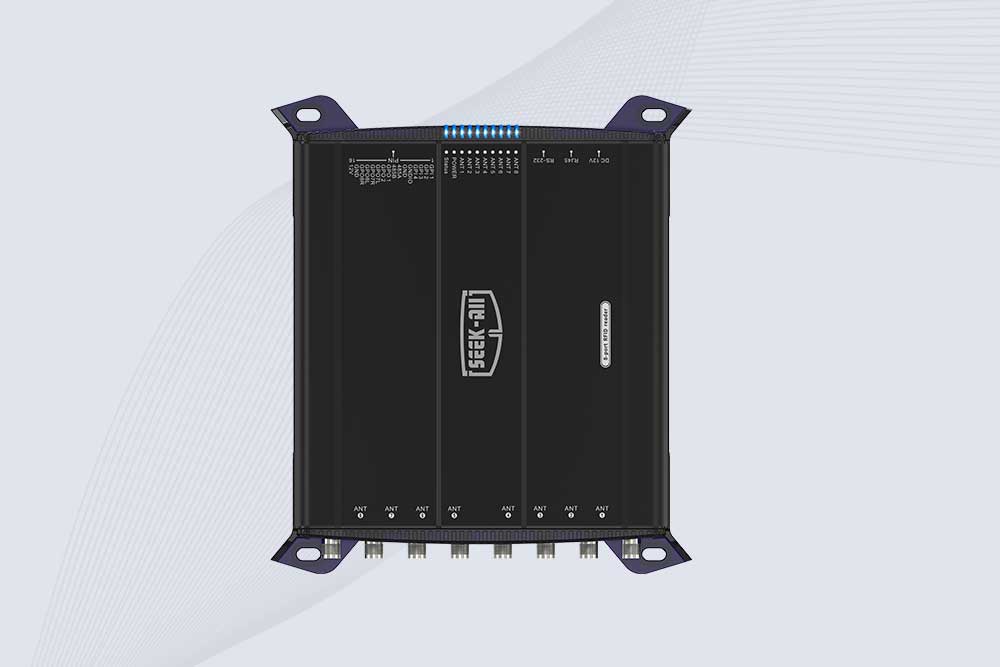
SSD-R8L 8-port UHF RFID reader with 33dBm output, up to 20m reading range and 600+ tags/s recognition. Ideal for warehouse, logistics, retail and asset tracking.
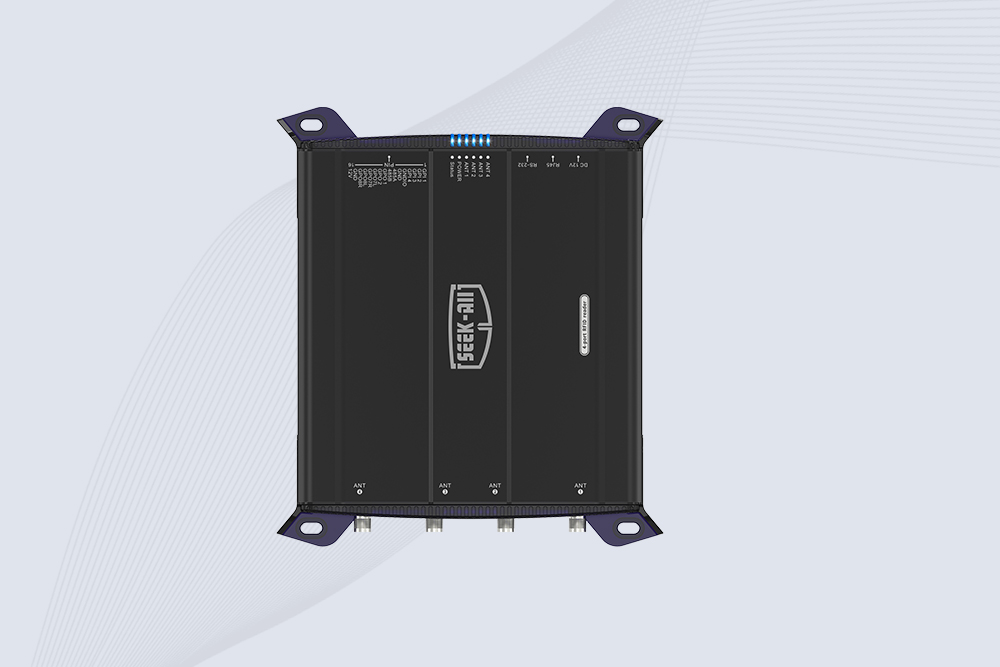
SSD-R4L is a 4-port UHF RFID fixed reader with 33dBm output power, up to 20m reading range, EPC C1G2 support and 600+ tags/s reading speed.
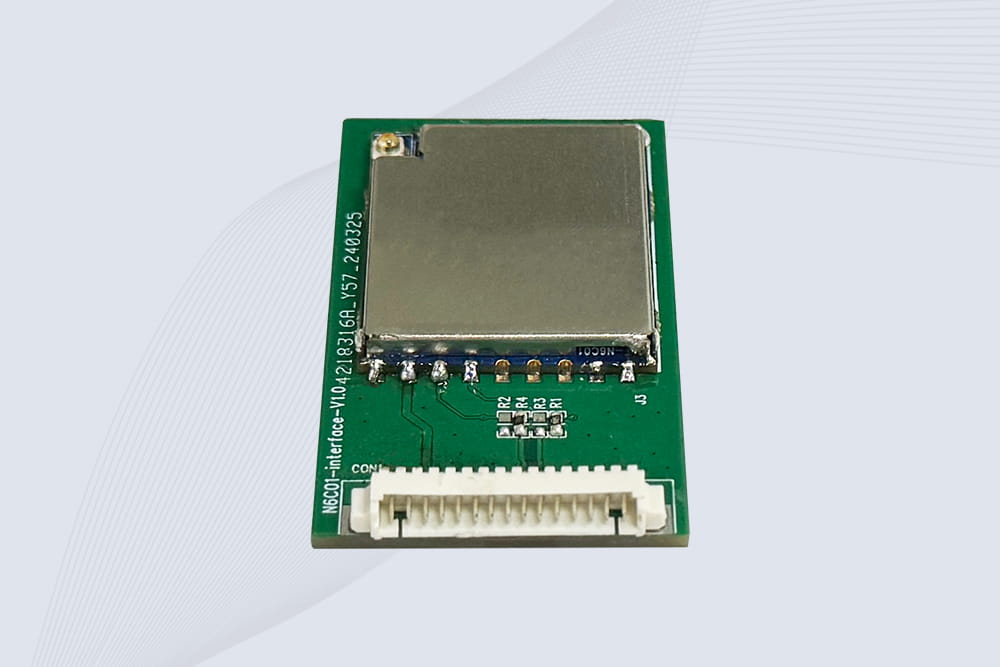
CYKEO Embedded RFID Modules are designed for compact industrial and IoT devices that require stable UHF performance. These UHF RFID Modules support global protocols, flexible power control, and reliable multi-tag reading for smart cabinets, production lines, and asset tracking systems.
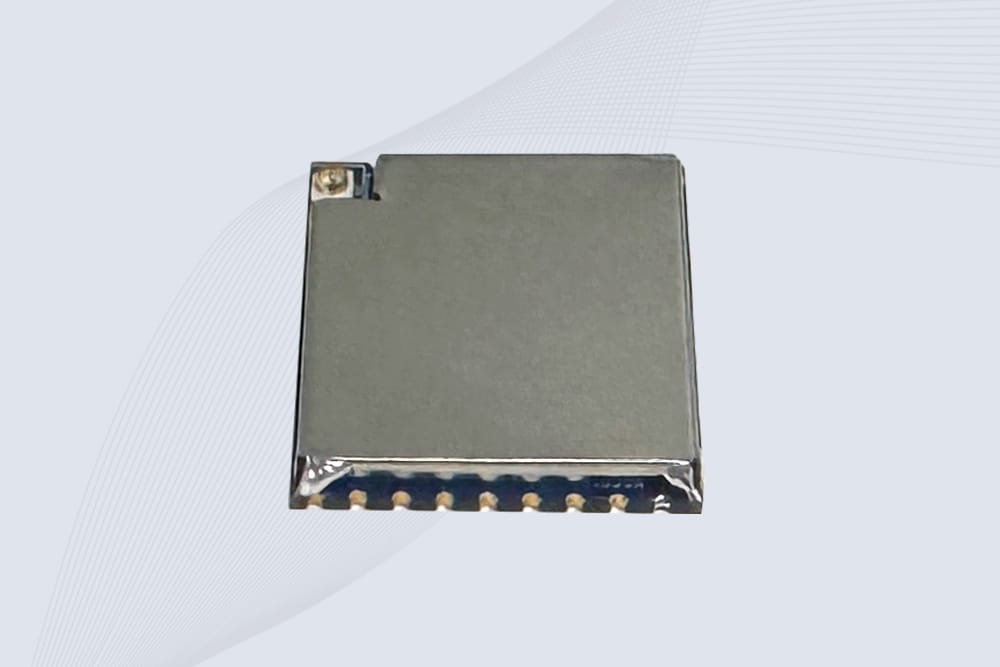
CYKEO Embedded RFID Module is built for compact IoT and industrial devices that need stable UHF performance. This UHF module supports global protocols, low power operation, and reliable multi-tag reading for smart lockers, production lines, and always-on RFID systems.
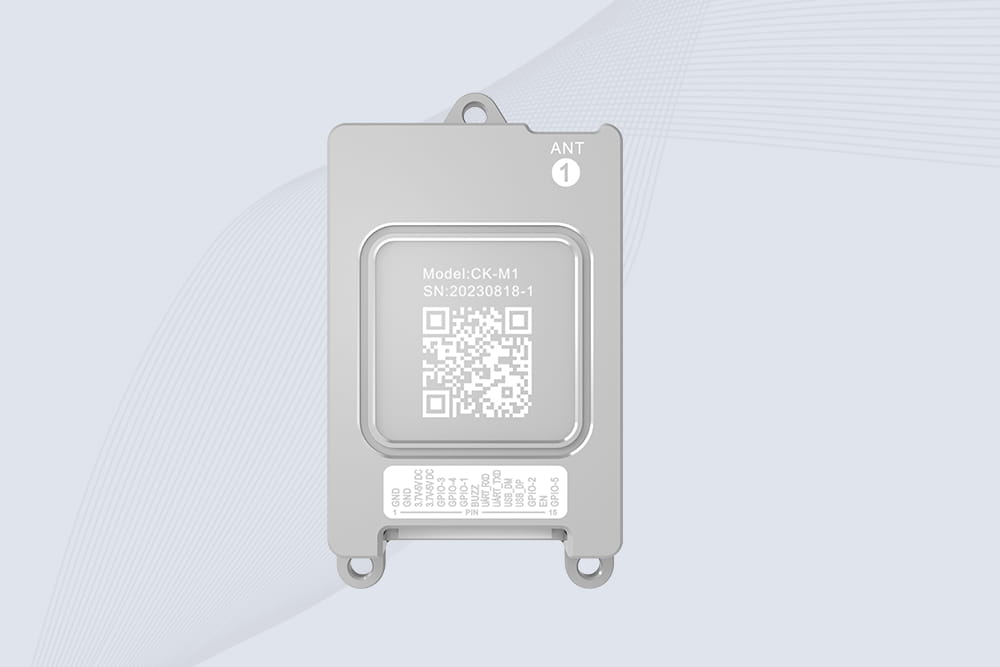
CYKEO CYKEO-M1 drone rfid module is a compact UHF RFID reader module designed for drones and UAV platforms. It supports long-range aerial scanning, fast multi-tag reading, and stable performance in wind, vibration, and outdoor environments.
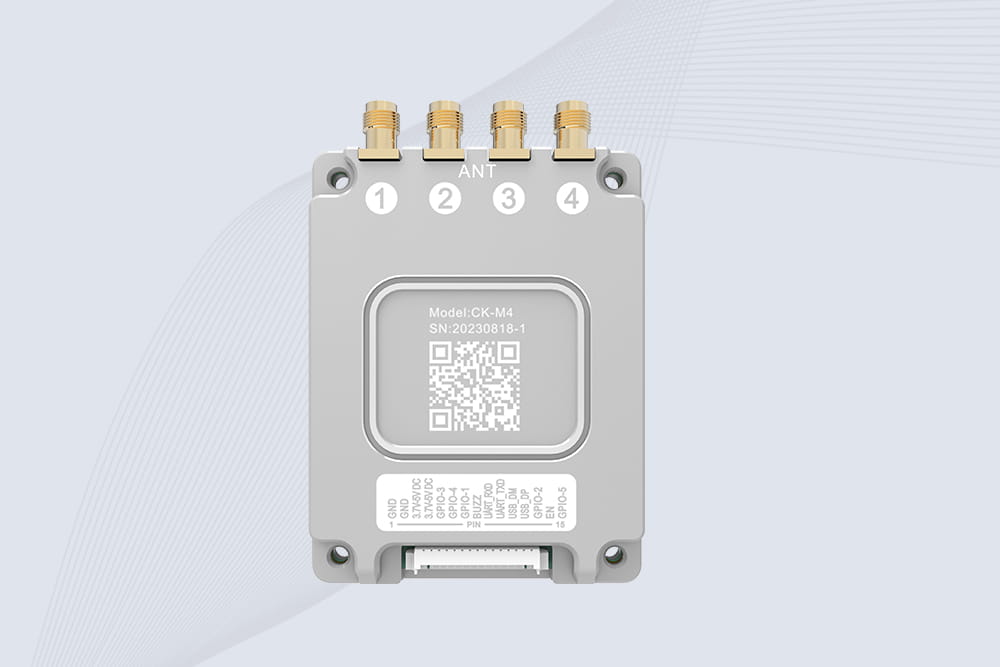
CYKEO CYKEO-M4 RC522 RFID Module is an industrial-grade UHF RFID reader with 4 ports, supporting ISO, EPC, and GB protocols. High-speed, accurate reading for IoT, automation, and warehouse applications.
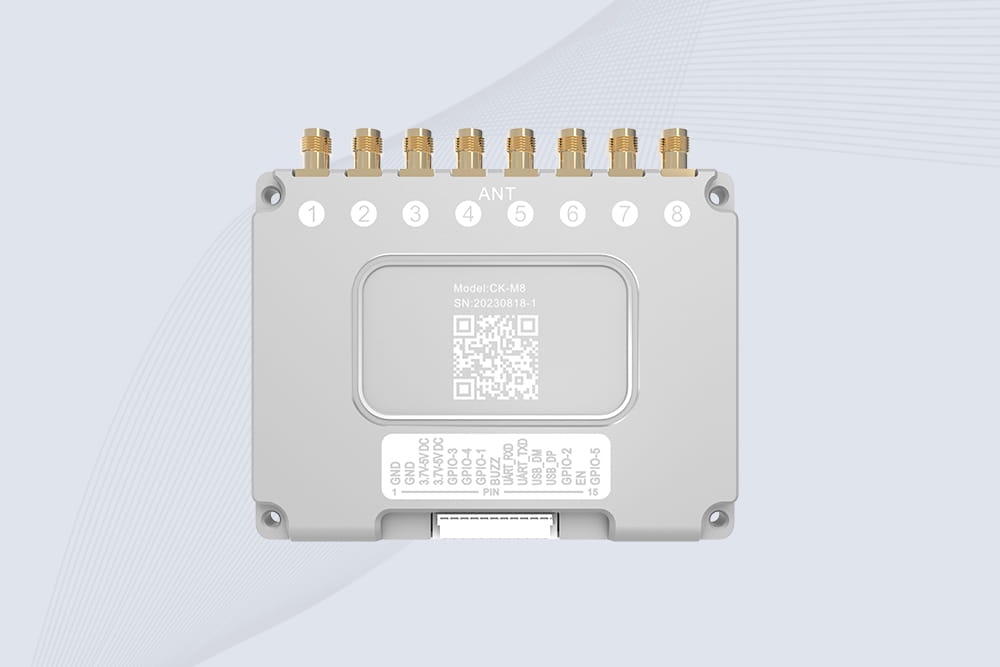
CYKEO CYKEO-M8 Module RFID is an 8-port UHF R2000 RFID Module designed for high-density, multi-tag environments. Stable 33dBm output, ISO & GB protocol support, ideal for warehouses, factories, and automated systems.
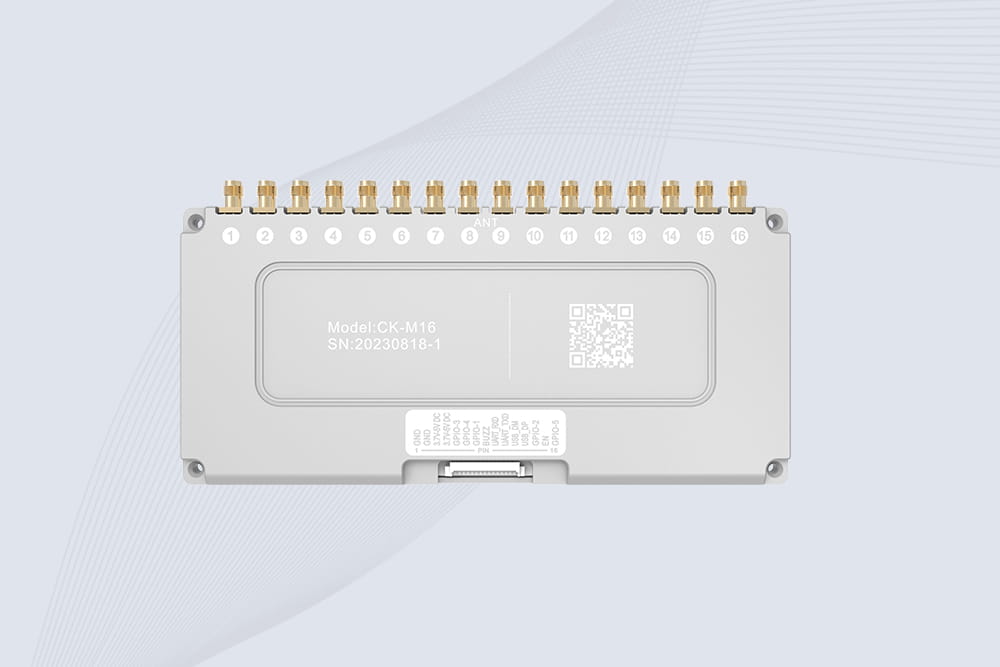
CYKEO CYKEO-M16 RFID Module is a 16-port UHF RFID reader module based on the R2000 chipset. Designed for dense tag environments, it supports ISO and GB standards and delivers stable multi-antenna control for industrial automation.
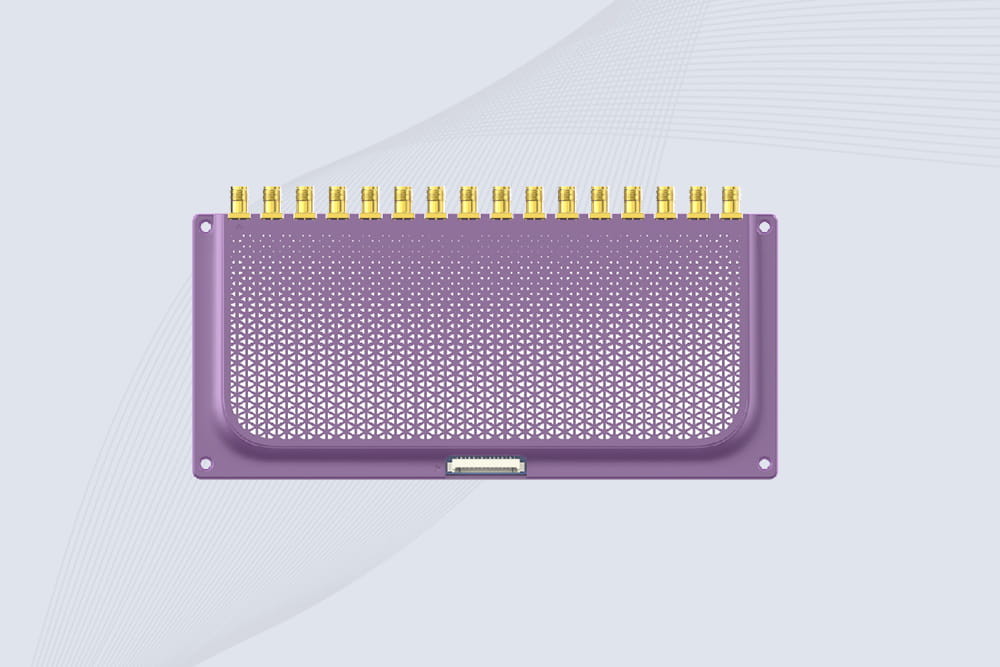
The CYKEO CYKEO-M16L RFID Reader Module is a 16-channel UHF RFID core designed for dense tag environments. With adjustable 33dBm output, multi-protocol support, and stable multi-antenna control, this RFID Tag Reader Module fits industrial automation, warehouse systems, and large-scale IoT deployments.
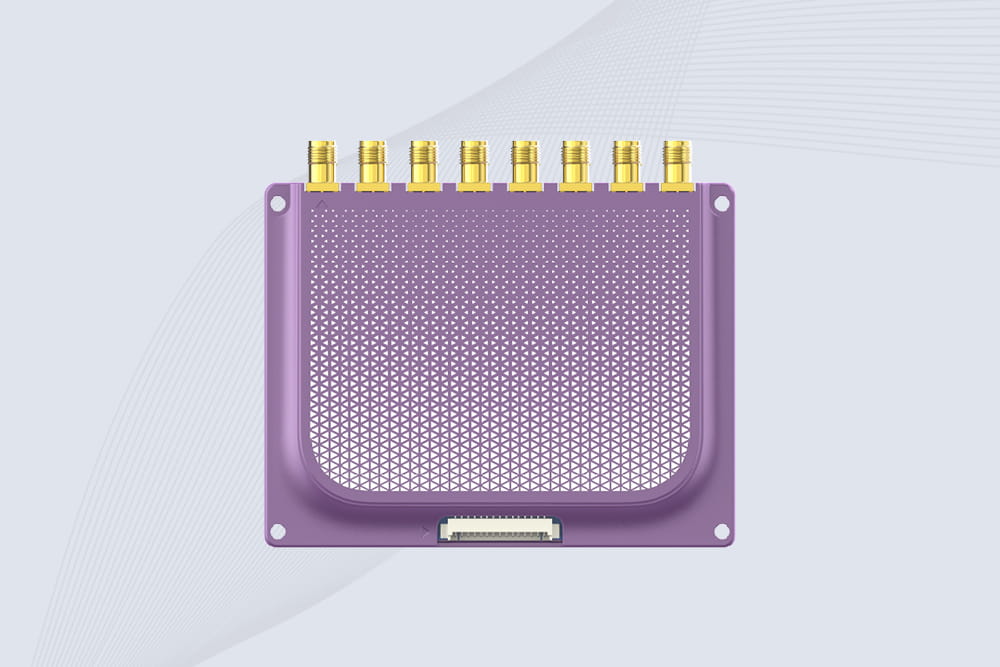
CYKEO CYKEO-M8L module RFID is a compact industrial UHF module built for dense tag and multi-antenna environments. With 8 RF ports, adjustable 33 dBm output, and ISO & GB protocol support, it is widely used in factories, warehouses, and automated tracking systems.
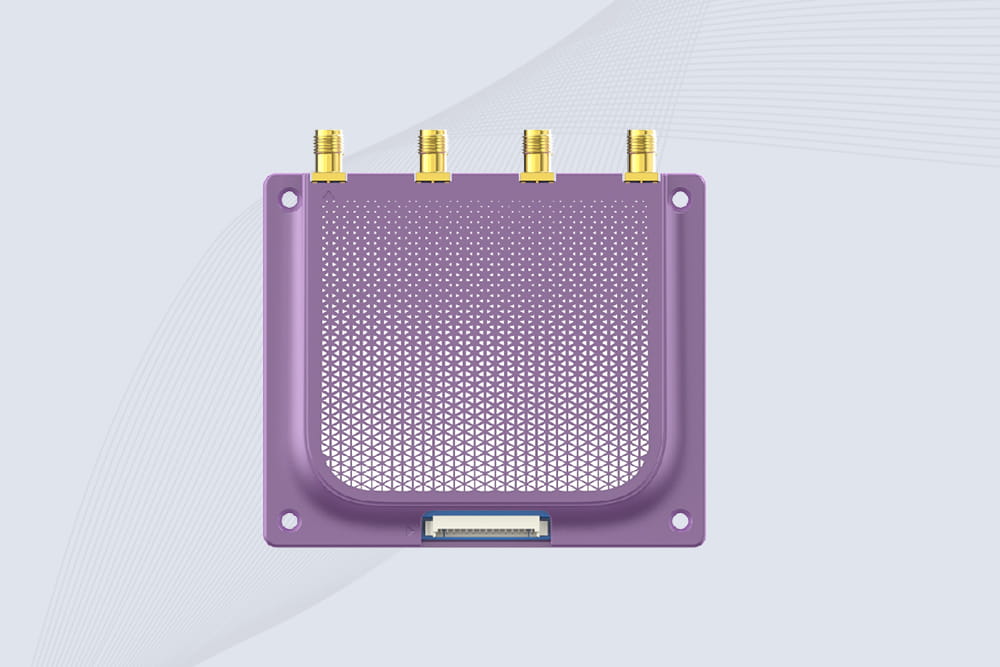
CYKEOCYKEO-M4L UHF RFID Module is a compact 4-channel RFID tag reader module designed for dense tag environments. Supporting ISO and GB protocols, it delivers stable reads up to 10 meters for industrial and IoT systems.
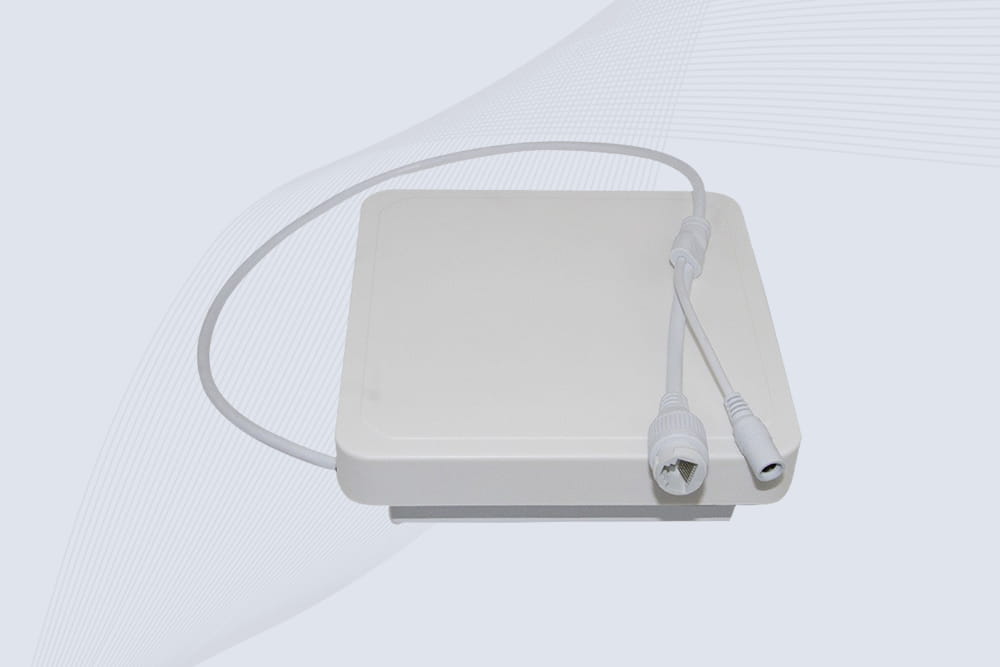
Cykeo’s industrial long range RFID reader delivers 20-meter scanning, 500+ tags/sec speed, and IP67 waterproof design for automated warehouses, logistics, and harsh environment applications.
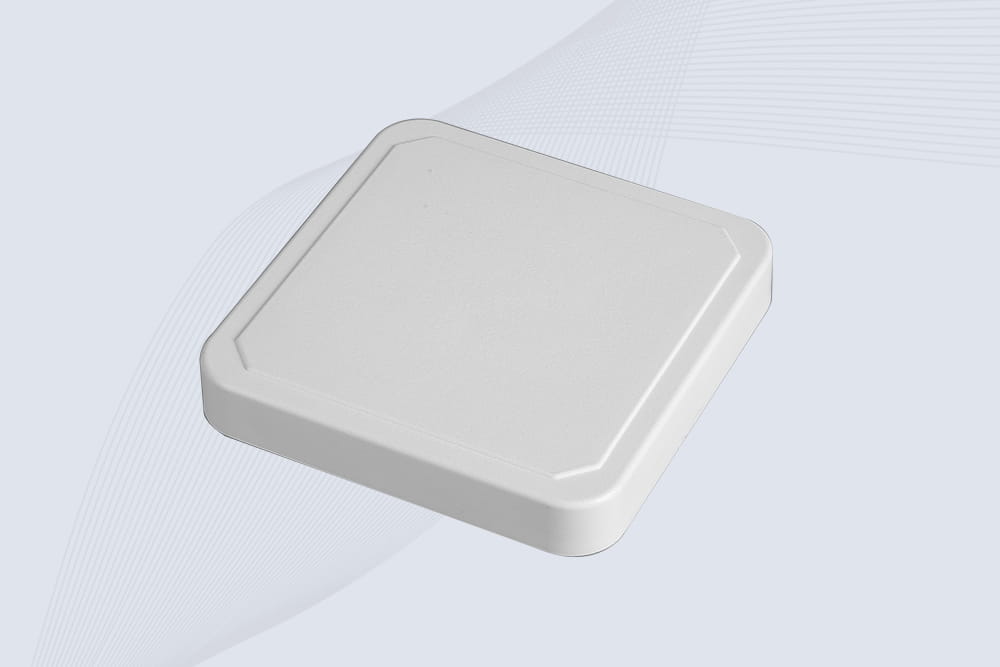
Cykeo’s CYKEO-RA6L industrial RFID long range reader features 20m read distance, 500 tags/sec speed, and IP67 protection. Ideal for warehouse automation, manufacturing WIP tracking, and smart logistics. Supports ISO 18000-6C/6B protocols.
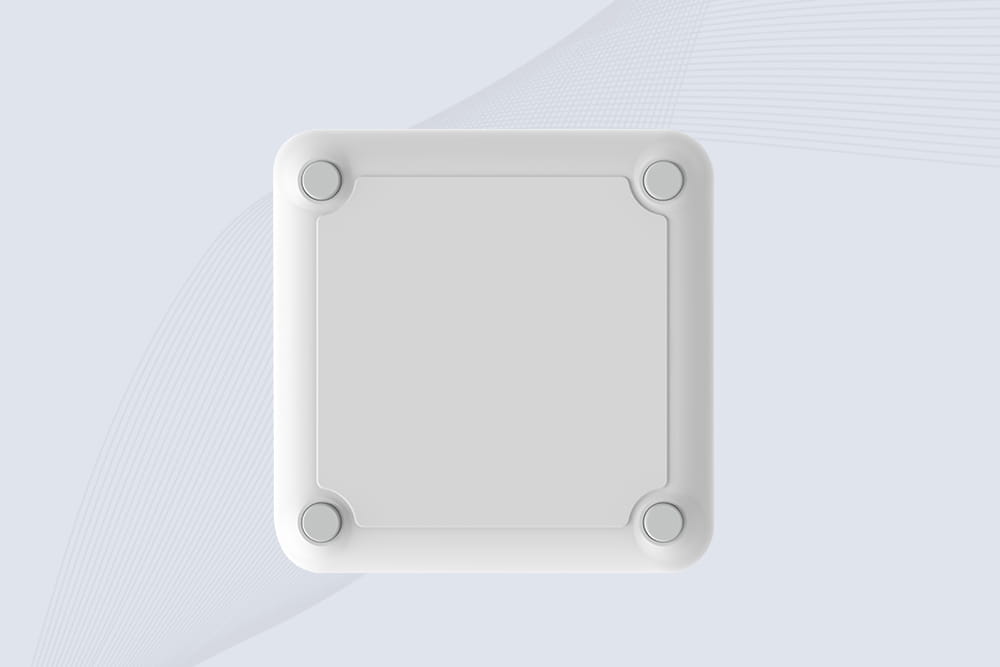
CYKEO Long Range RFID Tag Reader built for outdoor and industrial operations. This Outdoor RFID Reader delivers 20m read distance, fast tag processing, and IP67 durability for wide-area tracking.
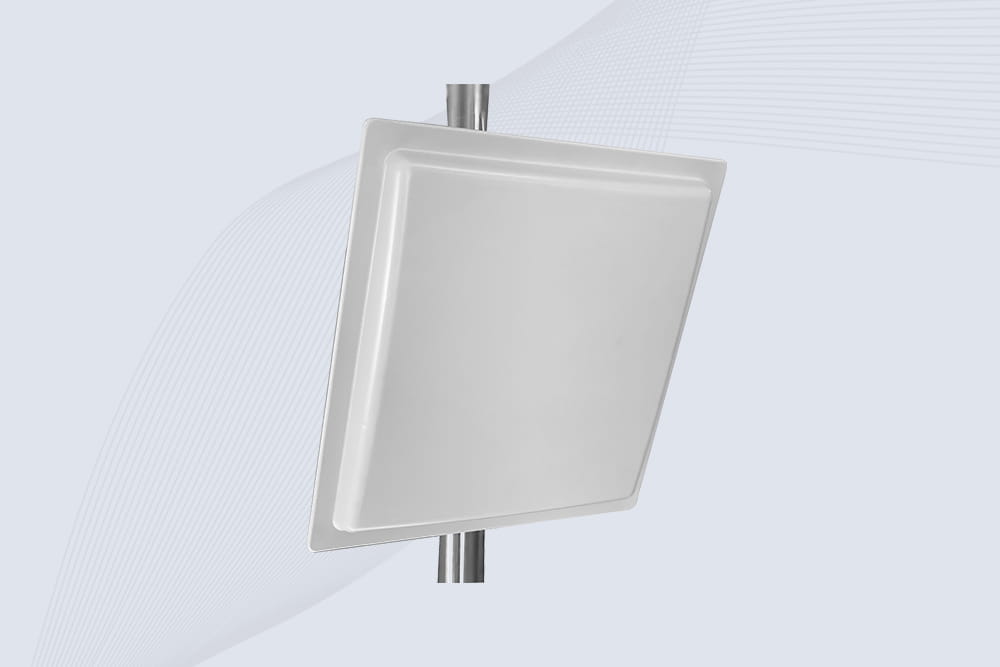
Cykeo CYKEO-RA12L industrial Long Range RFID Reader delivers 20m read range, 200+ tags/sec scanning, and IP67 protection for manufacturing/logistics applications. Supports ISO 18000-6C/GB protocols.
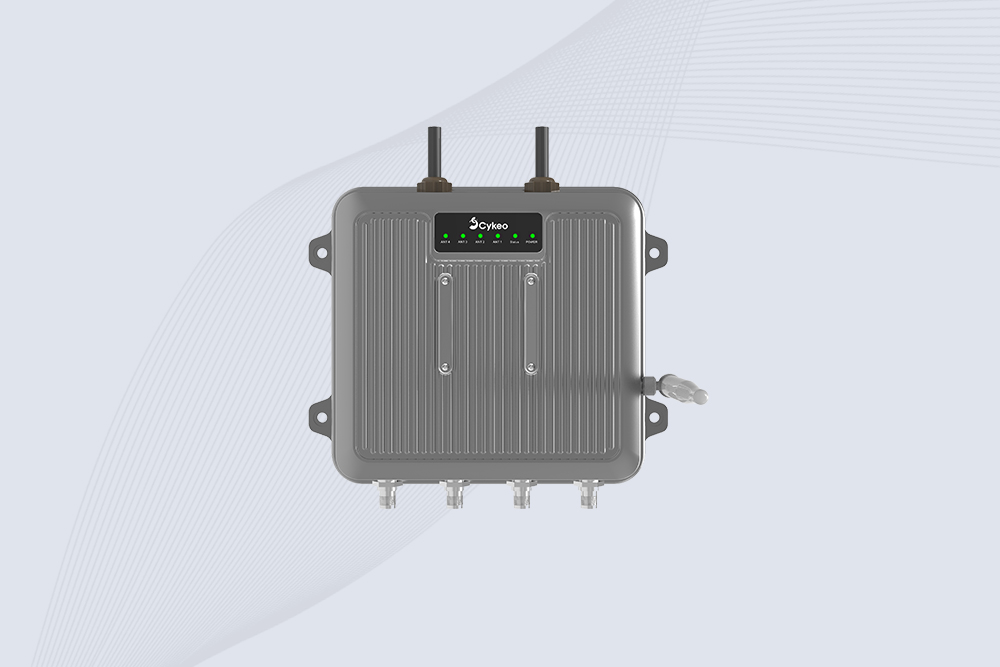
Cykeo CYKEO-C1 industrial Forklift RFID Reader features 20m read range, 600 tags/sec scanning, Impinj R2000 chipset, and IP67 rugged design. Ideal for warehouse logistics and manufacturing. Supports ISO 18000-6C/6B protocols.
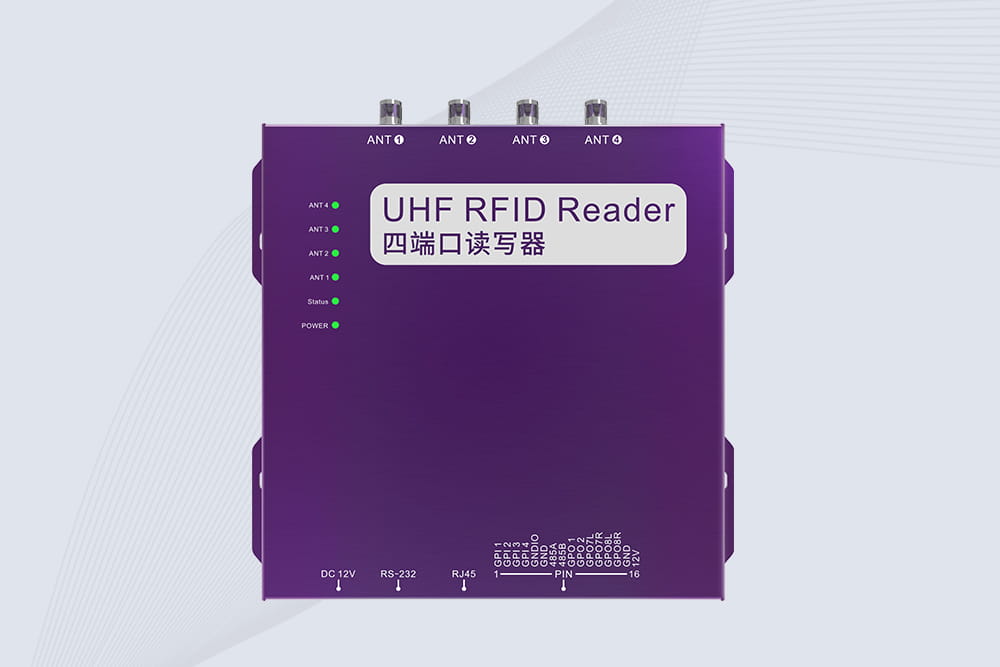
Cykeo CYKEO-R4 industrial UHF RFID Fixed Reader features 4 TNC ports, 400+ tags/sec speed, IP67 housing, and global frequency compliance for vehicle inspection, smart warehouse, and asset management systems.
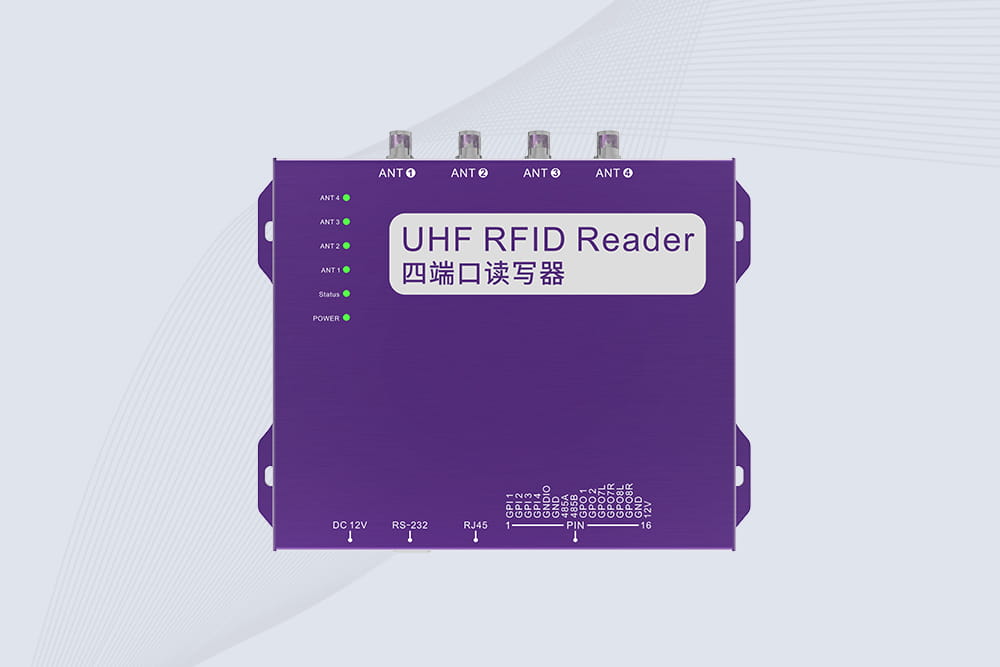
Cykeo’s CYKEO-R4L 4-port Fixed UHF RFID Reader delivers 400 tags/sec scanning, ISO 18000-6C compliance, and IP65 protection. Ideal for warehouse automation, manufacturing WIP tracking, and logistics management.
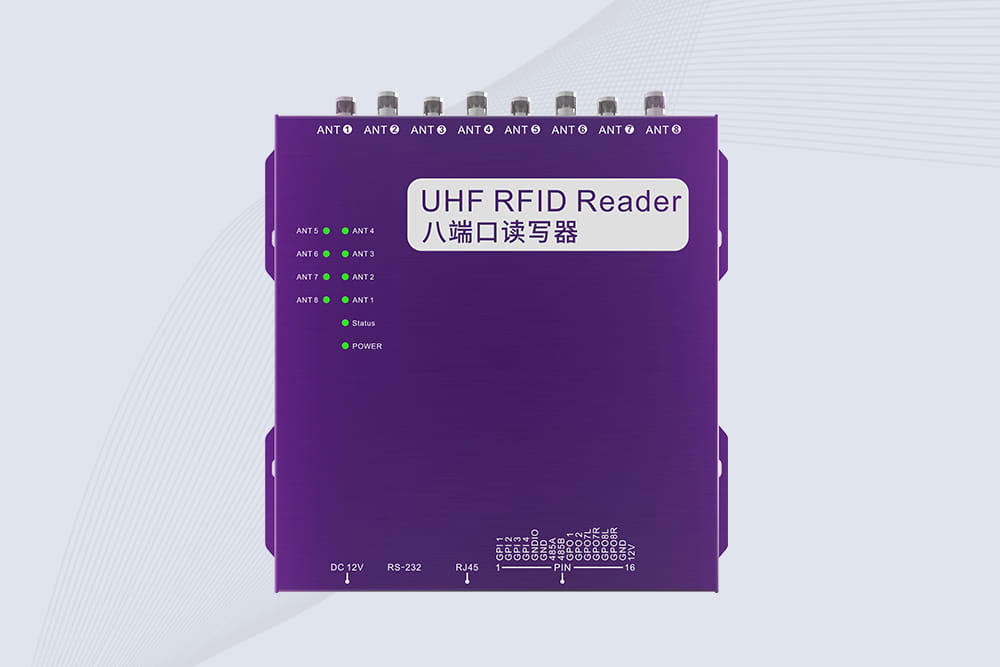
CYKEO CYKEO-R8L Fixed RFID Reader with 8-port UHF design, Impinj-based RF core and up to 20m read range. An industrial Fixed RFID Reader for vehicle inspection, warehouse portals, smart manufacturing lines and secure access checkpoints.
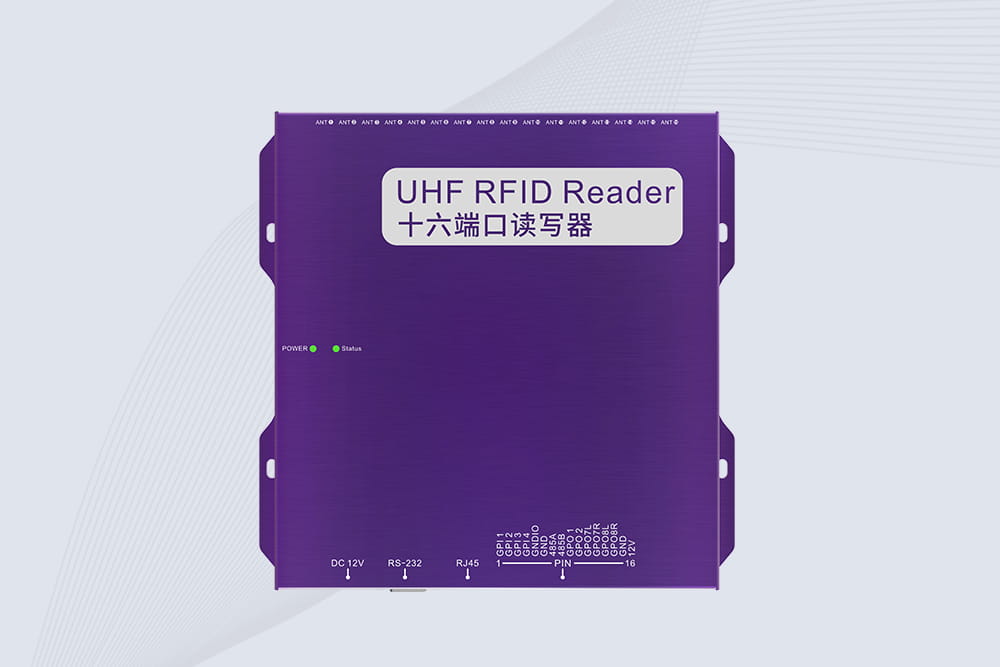
RFID Fixed Reader from CYKEO – the CYKEO-R16L 16-port UHF fixed reader for warehouses, smart cabinets, and production lines. Long-range, multi-tag reading, stable performance for 24/7 industrial use.
RFID Industry Writer | IoT & Asset Tracking Analyst
James writes about RFID technology, asset tracking, and the practical challenges of digital transformation across warehousing, retail, manufacturing, and logistics.
His work focuses on how RFID is applied in real-world operations—improving inventory visibility, automating workflows, and helping businesses manage assets with greater accuracy and efficiency.
He regularly covers topics including UHF RFID, smart cabinets, RFID portals, tool tracking, warehouse automation, and industrial IoT trends..
Learn how to maintain fixed RFID readers in high-dust environments. Discover Cykeo’s dustproofing strategies, cleaning routines, and firmware updates for reliable performance.
More
A practical explanation of how RFID readers and passive RFID cards work in real environments. Understand the real signal process, system behavior, and what matters in deployment for warehouses, access control, and logistics systems.
More
Wondering "how hard is it to read RFID signals"? Discover real challenges like interference from metal, water, and noise. Learn how to overcome them with CYKEO.
More
Discover how RFID asset tracking cuts losses, improves efficiency, and delivers ROI. Learn key strategies, tools, and best practices for seamless implementation.
More