 Cykeo RFID IoT Solution Products R&D Manufacturer
How to Find RFID Number: A Practical Guide to RFID Identification
96Use a compatible RFID reader to scan the tag and check its EPC or TID. EPC usually identifies the tagged object, while TID identifies the RFID chip.
MoreAll RFID Product
An rfid tags reader is a device that identifies and captures data from RFID tags without line-of-sight scanning, enabling real-time inventory visibility, asset tracking, and automated operational control across warehouses, factories, retail environments, and logistics networks.
This article was reviewed by the Cykeo RFID engineering team. Our specialists have participated in RFID deployments involving manufacturing automation, warehouse management, tool tracking, vehicle key management, and industrial asset visibility projects across Europe, North America, and Asia. The observations below are based on field implementation experience rather than laboratory testing alone.
An rfid tags reader is the communication bridge between RFID tags and enterprise software.
When a tagged item enters the reader’s RF field, the tag responds with its unique identifier and stored data. The reader then transmits that information to management platforms, ERP systems, WMS software, or industrial control systems.
Unlike barcode scanners, RFID readers can identify multiple tagged items simultaneously.
In one warehouse project we observed, an operator previously spent nearly 40 minutes scanning pallet labels manually during receiving. After installing fixed RFID portals, the same process was completed in under five minutes with significantly fewer identification errors.
According to Auburn University’s RFID Lab, RFID-enabled inventory programs have demonstrated inventory accuracy levels exceeding 95% in retail environments.
Meanwhile, GS1, the global standards organization, reports that RFID technology continues to accelerate supply chain visibility and item-level traceability across industries.
These numbers explain why RFID readers are increasingly replacing manual scanning workflows.
The reader emits radio frequency signals.
RFID tags entering the field harvest energy and respond with stored identification data.
The reader receives information from one or thousands of tags simultaneously.
Collected information is transmitted to:
Managers gain immediate visibility into:
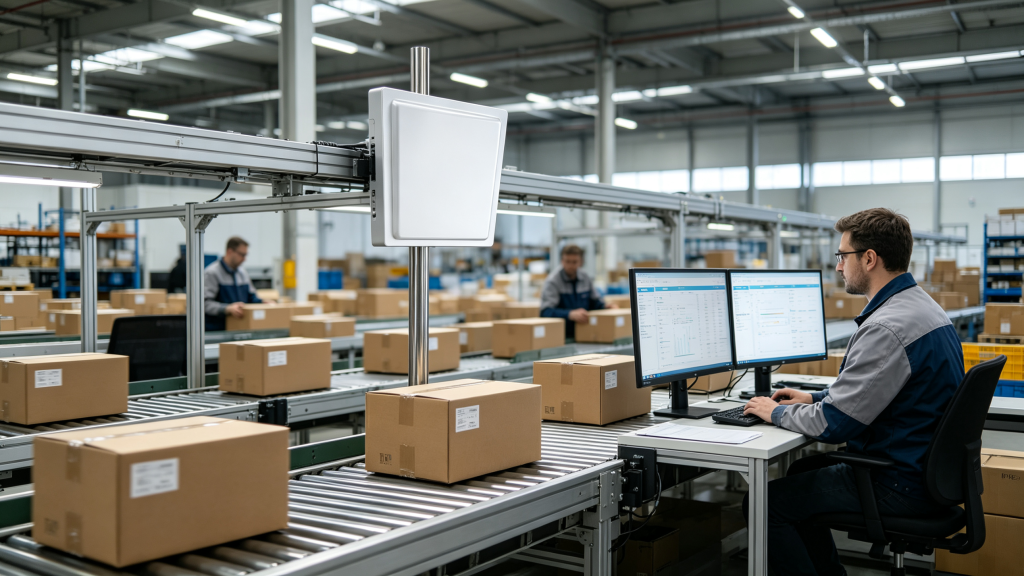
Manual counting introduces mistakes.
RFID systems continuously verify inventory positions without requiring direct human interaction.
| Metric | Manual Process | RFID System |
|---|---|---|
| Inventory Accuracy | 70%-85% | 95%-99% |
| Counting Speed | Slow | Rapid |
| Human Errors | Frequent | Significantly Reduced |
| Visibility | Limited | Real-Time |
Actual performance varies by deployment conditions.
Industrial organizations often struggle locating tools, equipment, and returnable transport items.
An RFID reader network provides immediate visibility.
In a recent industrial deployment review, maintenance technicians reduced equipment search times from several minutes to mere seconds because asset locations were updated automatically.
RFID readers can trigger alerts when assets leave designated zones.
This capability is especially valuable for:
Ultra High Frequency (UHF) RFID provides:
Many Cykeo RFID reader modules are designed specifically for these demanding environments.
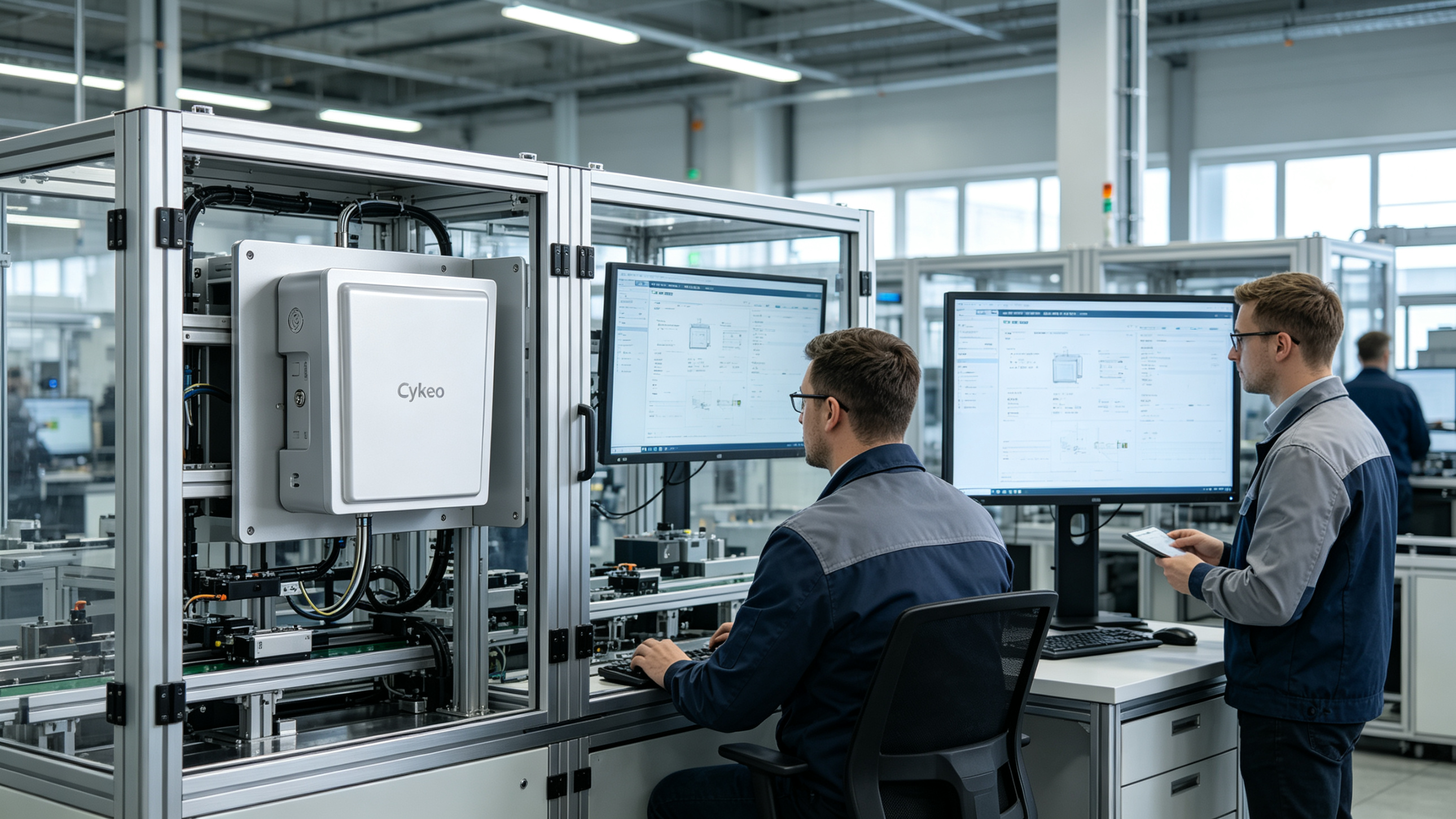
Not every project requires the same hardware.
Different applications require:
Industrial facilities may introduce:
A reader should support integration with:
RFID tags store identification data. RFID readers capture and process that data for software systems.
Industrial UHF readers can read dozens or hundreds of tags per second depending on environmental conditions and tag density.
Yes. Specialized antennas and on-metal RFID tags are designed specifically for metallic environments.
Common industries include:
For bulk identification and real-time tracking, RFID typically offers greater efficiency because it does not require direct line-of-sight scanning.
The biggest RFID challenge is rarely hardware performance.
Most deployment issues arise from process design.
Organizations often focus heavily on read range specifications while overlooking workflow mapping. The most successful projects begin by identifying operational bottlenecks first and selecting reader infrastructure second.
That approach consistently produces stronger ROI than simply purchasing the highest-powered reader available.
An rfid tags reader enables real-time visibility, automated identification, and scalable asset tracking across modern operations. Whether deployed in warehouses, manufacturing plants, logistics hubs, or security-critical environments, RFID readers help organizations reduce manual work, improve accuracy, and create a more transparent flow of information. As adoption continues to expand globally, investing in the right rfid tags reader infrastructure remains one of the most practical steps toward operational efficiency.

Use a compatible RFID reader to scan the tag and check its EPC or TID. EPC usually identifies the tagged object, while TID identifies the RFID chip.
More
How do rfids work? Learn how RFID tags, readers, and software communicate to identify objects automatically and improve tracking in logistics, retail, and industry.
More
Explore the best RFID laundry tag materials for industrial washing environments. Learn how PPS, silicone, fabric, and other RFID tag materials perform in commercial laundry applications.
More
A field-based look at RFID cross reading problems in warehouse gate systems. Why misreads happen, how directional RFID antennas help control read zones, and why installation often matters more than replacing hardware.
More