Walk through a modern factory, warehouse, hospital, or tool room and you’ll notice something interesting.
Many of the assets being tracked don’t appear to have any labels at all.
No barcode.
No visible RFID sticker.
No printed serial label.
Yet every item can still be identified instantly.
The reason is simple: the RFID tag is no longer attached to the surface. It’s built into the product itself.
This shift is happening faster than many companies realize. As products become more durable, reusable, and connected, traditional labels often become the weakest part of the identification system. They peel off, get damaged, become unreadable, or simply disappear during years of use.
Embeddable RFID tags solve that problem by becoming part of the asset rather than something attached to it.
What Are Embeddable RFID Tags?
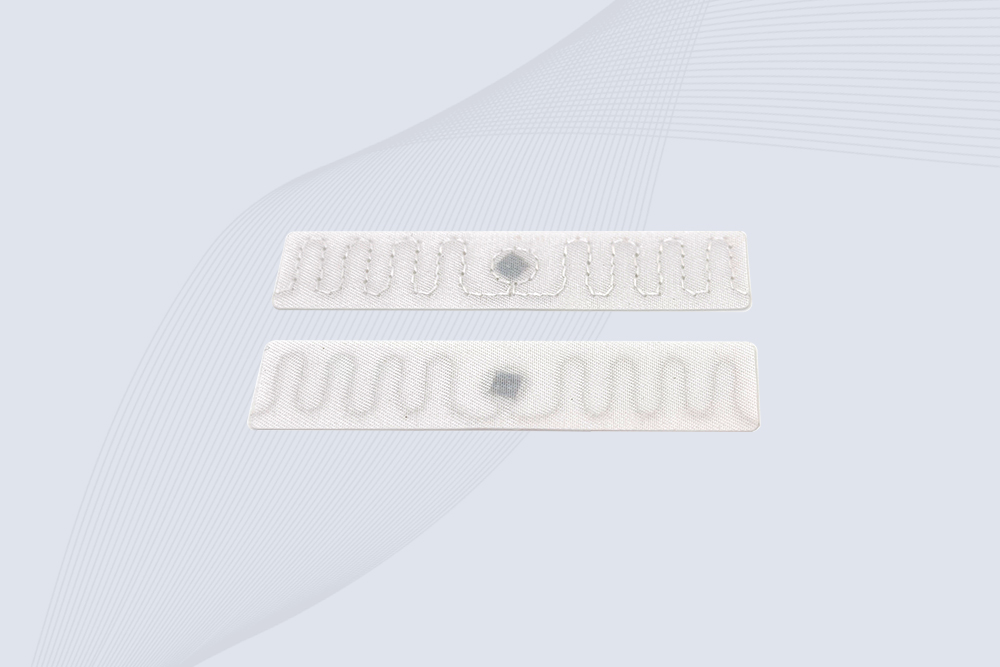
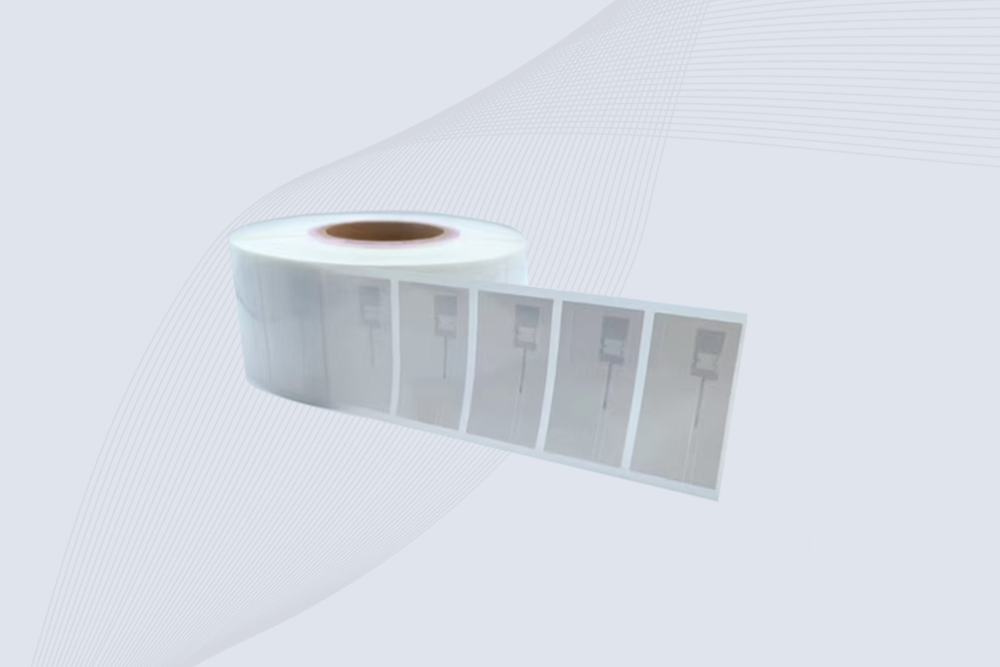
An embeddable RFID tag is a radio frequency identification device designed to be permanently integrated inside an object during manufacturing or installation.
Instead of being visible on the outside, the tag is hidden inside:
Plastic products
Wooden assets
Metal equipment
Industrial tools
Concrete structures
Medical devices
Textile products
Returnable transport items
Once embedded, the tag stores a unique identifier that can be read wirelessly by RFID readers.
The concept sounds simple, but it changes the entire lifecycle of asset management.
A visible label can be removed.
An embedded RFID tag becomes part of the object itself.
Why Surface Labels Often Fail in Real-World Environments
Many RFID projects start with adhesive labels because they’re inexpensive and easy to deploy.
Then reality happens.
Forklifts scrape pallets.
Oil covers equipment.
Workers pressure wash containers.
Construction materials sit outdoors for years.
Industrial tools get dropped hundreds of times.
The RFID system works perfectly.
The label doesn’t.
This is one of the biggest reasons manufacturers are moving toward embedded RFID solutions.
By placing the tag inside the product, companies eliminate many of the failure points associated with external identification methods.
Where Embeddable RFID Tags Are Being Used Today
Manufacturing Tools and Industrial Equipment
Imagine a maintenance technician checking out specialized torque tools from a tool crib.
Each tool contains a hidden RFID tag inside the handle.
When tools leave or return, the system automatically records movement without requiring barcode scanning.
This approach is becoming common in:
Aviation maintenance
Railway workshops
Automotive manufacturing
Energy facilities
Industrial MRO operations
For companies implementing RFID tool management systems, embedded tags often provide significantly longer service life than surface-mounted alternatives.
Plastic Products and Reusable Containers
Plastic is one of the easiest materials for RFID integration.
Tags can be molded directly into:
Plastic bins
Logistics totes
Pallets
Crates
Waste containers
Returnable packaging
Because the tag is protected by the surrounding material, it can survive years of transportation cycles.
A logistics container that travels between factories hundreds of times per year needs an identification method that lasts as long as the container itself.
Embedded RFID makes that possible.
Concrete and Infrastructure Projects
One of the most fascinating applications isn’t in warehouses at all.
It’s in concrete.
RFID tags can be embedded into:
Bridges
Tunnels
Precast concrete components
Utility structures
Transportation infrastructure
Years after installation, inspectors can retrieve construction records, maintenance history, and asset information simply by scanning the structure.
For infrastructure owners managing assets expected to last 30, 50, or even 100 years, embedded RFID creates a digital identity that stays with the structure throughout its lifecycle.
Medical Equipment Tracking
Hospitals face a unique challenge.
Medical assets are frequently sterilized, cleaned, transported, and reused.
Surface labels often degrade under harsh cleaning processes.
Embedded RFID tags can be integrated into:
Surgical instruments
Medical trays
Reusable devices
Hospital equipment
This helps healthcare facilities improve inventory visibility while reducing identification failures caused by repeated sterilization cycles.
Not All Embeddable RFID Tags Are Built the Same
A mistake buyers often make is assuming every embedded RFID tag performs similarly.
In reality, tag design depends heavily on material and environment.
RFID Tags for Plastic
Plastic generally allows RF signals to pass with minimal interference.
These tags often achieve excellent read performance and are commonly used in:
Without specialized design, metal can significantly reduce RFID performance.
Anti-metal embedded RFID tags use dedicated antenna structures and shielding techniques that allow reliable reading even when installed inside metallic assets.
Common examples include:
Tool tracking
Equipment management
Gas cylinder tracking
Industrial asset identification
High-Temperature RFID Tags
Some manufacturing processes expose tags to temperatures that would destroy standard RFID products.
Applications may include:
Injection molding
Industrial curing
Automotive production
Composite manufacturing
Specialized industrial tags are designed to withstand these environments before becoming part of the final product.
The “Invisible Asset” Advantage
One benefit that doesn’t get discussed enough is security.
When RFID tags are hidden, they are much harder to:
Remove
Tamper with
Replace
Clone visually
In high-value asset environments, this can provide an additional layer of protection.
For example, companies managing expensive tools, reusable transport items, or rental equipment often prefer hidden identification because users may not even realize an RFID system is present.
Choosing the Right Embeddable RFID Tag
When evaluating suppliers, buyers should focus on questions that directly affect long-term performance.
Material Compatibility
Ask:
Will the tag be embedded in plastic?
Metal?
Wood?
Concrete?
Composite materials?
The surrounding material has a major impact on read performance.
Read Range Requirements
Not every application requires long-distance reading.
A hospital tray may only need a few inches of read range.
A warehouse portal may require several meters.
Selecting the wrong tag often creates unnecessary costs.
Environmental Conditions
Consider exposure to:
Water
Chemicals
Vibration
Heat
UV radiation
Physical impacts
The harshness of the environment often determines the tag construction more than the asset itself.
Installation Method
Common embedding methods include:
Injection molding
Press fitting
Epoxy installation
Mechanical insertion
Concrete casting
Lamination
The manufacturing process should be considered before finalizing tag selection.
Why RFID Integration Should Be Planned Early
One pattern appears repeatedly across successful RFID deployments.
The companies that achieve the best results usually consider RFID during product design rather than after production.
Adding RFID at the design stage allows engineers to:
Optimize tag location
Improve read performance
Reduce installation costs
Increase product durability
Simplify manufacturing workflows
Retrofitting RFID later is possible, but it often requires compromises.
From Identification to Digital Product Passports
The future of embedded RFID isn’t simply tracking.
It’s digital identity.
Every product can carry a unique digital record from manufacturing through disposal.
Imagine scanning a component ten years from now and instantly viewing:
Production data
Quality inspections
Maintenance records
Ownership history
Compliance documents
That vision is already becoming reality across manufacturing, logistics, healthcare, and infrastructure sectors.
Embeddable RFID tags are quietly enabling that transformation because the identification layer survives for the entire life of the asset—not just until the label wears out.
For companies planning large-scale RFID deployments, selecting durable embedded tags early can significantly reduce maintenance costs while improving long-term data accuracy.
If you’re evaluating solutions for industrial assets, tools, reusable containers, infrastructure projects, or manufacturing integration, it’s worth reviewing different RFID tag options before selecting a design.
CYKEO Passive RFID Tags are made for wet and high-humidity environments where standard labels do not last. This rfid passive tag is often used around liquids, chemicals and temperature changes, providing stable reading distance and long data life for industrial tracking.
CYKEO CYKEO-PCB1504 Metal RFID Tags is a compact anti-metal UHF RFID solution built for direct mounting on metal surfaces. With stable 8-meter read range, Ucode-8 chip, and long data retention, this rfid metal tag fits tools, containers, automotive parts, and industrial asset tracking.
CYKEO CYKEO-PCB7020 On-Metal RFID Tags are designed for reliable tracking on steel and metal surfaces. Built with an FR4 epoxy body and industrial-grade chips, these On-Metal RFID Tags deliver stable performance, long data life, and chemical resistance, making them a dependable RFID anti-metal tag for harsh environments.
The CYKEO CYKEO-60-25 Anti-Metal RFID Tag is built for metal surfaces where standard tags fail. Designed for long-range performance, harsh environments, and stable data retention, this Anti-Metal RFID Tag is ideal for industrial assets, containers, and equipment tracking using on metal RFID tags.
The CYKEO RFID Laundry Tag is designed for long-term textile identification in harsh laundry environments. Built to withstand high heat, chemicals, and repeated washing, this RFID Laundry Tag delivers stable performance for hotels, hospitals, and industrial laundry operations using laundry rfid tags at scale.
The CYKEO CYKEO-125-7 RFID Book Tag is designed for reliable book and document tracking in libraries and archives. This RFID Book Tag delivers long read range, dense placement support, and stable performance on shelves, making it a practical rfid tag on books for library automation, file management, and archival systems.
CYKEO RFID tags in hospitals are designed for sterile environments where accuracy matters. These autoclavable RFID tags support long-term tracking of surgical tools, implants, and medications, helping hospitals improve visibility, compliance, and patient safety.
CYKEO RFID Cable Tie Tag is built for reliable identification on metal surfaces. This UHF RFID Cable Tie Tag is widely used in rfid tags for inventory systems, industrial asset management and Hospital RFID Tags, offering stable read performance, long service life and global EPC Gen2 compatibility.
CYKEO RFID Asset Tag is designed for stable identification of metal assets in industrial environments. This UHF RFID Asset Tag is commonly used for rfid tag asset tracking on equipment, tools and containers, providing reliable reads, long service life and ISO/IEC 18000-6C support.
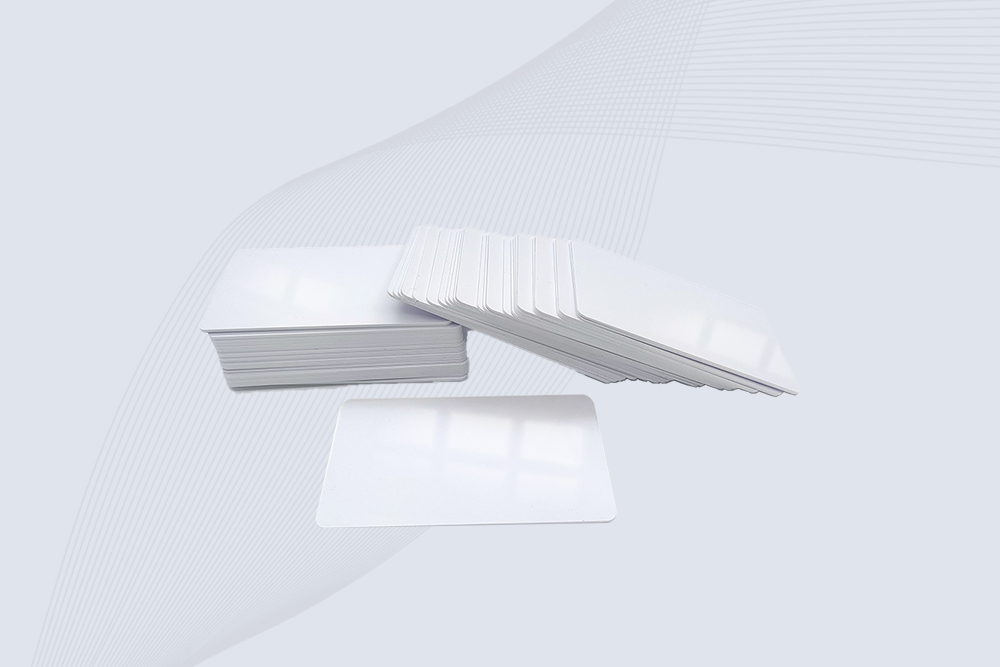
CYKEO UHF RFID Card is designed for fast identification and long-term use in industrial and commercial systems. Supporting ISO 18000-6C, this UHF RFID Card works at 860–960 MHz and is suitable for custom RFID cards used in asset tracking, access control and inventory management.
CYKEO HF RFID Cards are designed for secure and stable access control systems. These 13.56 MHz RFID key cards support ISO 14443-A, reliable rewriting and long service life, making HF RFID Cards suitable for offices, campuses, events and membership management.
CYKEO UHF RFID Tag is designed for reliable tracking of metal jewelry and high-value items. This Jewelry RFID Tag supports long-range reading up to 8 meters, anti-counterfeit protection and stable performance on metal, making it suitable for retail, inventory control and asset management.
RFID Industry Writer | IoT & Asset Tracking Analyst
James writes about RFID technology, asset tracking, and the practical challenges of digital transformation across warehousing, retail, manufacturing, and logistics.
His work focuses on how RFID is applied in real-world operations—improving inventory visibility, automating workflows, and helping businesses manage assets with greater accuracy and efficiency.
He regularly covers topics including UHF RFID, smart cabinets, RFID portals, tool tracking, warehouse automation, and industrial IoT trends..
Learn step-by-step installation of fixed RFID readers for warehouse inventory tracking. Optimize placement, avoid interference, and ensure seamless integration with WMS.
Explore how RFID gates for library access control integrate RFID readers and RFID antennas to balance security, user experience, and system stability in modern libraries.
Discover how the long range card reader from Cykeo delivers reliable RFID access control, vehicle identification, and industrial asset management with fast, contactless reading.
RFID tags identify and track physical objects by working with RFID readers and software systems. Correct tag selection, installation, and deployment testing ...
 Cykeo RFID IoT Solution Products R&D Manufacturer