You can reprogram rfid tag data when the RFID chip supports writable memory and a compatible RFID reader writer is used. The process requires correct software, proper settings, and data verification after writing.
Reprogramming an RFID tag is not simply replacing stored information. The actual operation depends on the RFID chip type, memory structure, communication protocol, and whether specific data areas are locked or protected.
In real RFID deployments, engineers often discover that writing problems are not caused by the reader. The limitation may come from the tag itself. Some RFID tags are designed for repeated updates, while others contain permanent identification areas that cannot be modified after manufacturing.
I have worked with RFID identification systems, desktop writing equipment, and tag management workflows where hundreds of tags needed to be registered and verified. A common scene is a technician sitting at a workstation with a stack of new tags beside a reader writer. The first successful write is easy; maintaining consistent results during long-term operation is the real engineering challenge.
For example, in an asset tracking project, RFID tags may need to be assigned new equipment information before deployment. The programming process must not only write data but also confirm that the correct tag received the correct information.
According to GS1 RFID Standards Overview, RFID technology enables automatic identification and data capture by exchanging information between RFID tags and readers, supporting applications such as supply chain, inventory, and asset management.
Understanding RFID tag reprogramming
Can every RFID tag be reprogrammed?
No. The ability to reprogram an RFID tag depends on the chip design and memory configuration.
RFID tags generally include different memory areas:
Memory Area
Purpose
Writable
EPC / Identifier Memory
Stores identification information
Depends on chip type
User Memory
Stores additional application data
Usually writable
TID Memory
Stores unique chip information
Usually fixed
Reserved Memory
Security information
Protected
Before starting any programming operation, engineers should confirm which memory blocks can be changed.
A frequent mistake in RFID projects is selecting a reader first and checking tag capability later. The correct order is the opposite: understand the tag, then select the appropriate reader and software.
Understanding RFID tag reprogramming
Can every RFID tag be reprogrammed?
No. The ability to reprogram an RFID tag depends on the chip design and memory configuration.
RFID tags generally include different memory areas:
Memory Area
Purpose
Writable
EPC / Identifier Memory
Stores identification information
Depends on chip type
User Memory
Stores additional application data
Usually writable
TID Memory
Stores unique chip information
Usually fixed
Reserved Memory
Security information
Protected
Before starting any programming operation, engineers should confirm which memory blocks can be changed.
A frequent mistake in RFID projects is selecting a reader first and checking tag capability later. The correct order is the opposite: understand the tag, then select the appropriate reader and software.
How RFID tag reprogramming works
Step 1: Identify the RFID tag type
The first step is determining the tag technology.
Common RFID frequencies include:
Frequency
Typical RFID Tag Applications
LF 125 kHz
Access identification, animal tracking
HF 13.56 MHz
Smart cards, NFC, library systems
UHF 860–960 MHz
Warehouse, retail, asset tracking
The RFID reader must support the same communication technology as the tag.
For UHF RFID systems, EPC Gen2 / ISO 18000-63 defines communication between readers and tags. Compatibility with the correct protocol is essential for reliable writing.
Step 2: Connect RFID reader writer equipment
A suitable RFID reader writer is required to modify tag data.
The equipment should support:
RFID tag detection Memory reading Data writing Write verification Software communication
For desktop programming applications, the working distance is especially important.
A reader with excessive range may detect multiple tags on a desk, creating unnecessary writing risks.
A controlled writing area improves accuracy because the operator can clearly identify the target tag.
Step 3: Prepare programming software
RFID programming software manages communication between the reader and tag.
Typical functions include:
Function
Purpose
Tag reading
Check existing information
Data editing
Prepare new information
Tag writing
Transfer data to memory
Verification
Confirm successful operation
Record management
Maintain programming history
Professional RFID systems normally include verification because a successful communication response does not always guarantee that the intended data has been stored correctly.
Practical RFID Tag Reprogramming Workflow
A reliable RFID tag programming process usually follows these stages:
1. Check tag compatibility
Confirm:
Frequency
RFID protocol
Chip model
Writable memory areas
2. Read existing tag information
Before changing data, capture the original information when necessary.
This helps with:
Troubleshooting
Traceability
Quality control
3. Write new tag data
The reader writer transfers updated information into the selected memory area.
4. Verify the result
The system reads back the tag information and compares it with the expected value.
This final step prevents incorrect tags from entering production systems.
Cykeo RFID Reader Writer for Tag Reprogramming
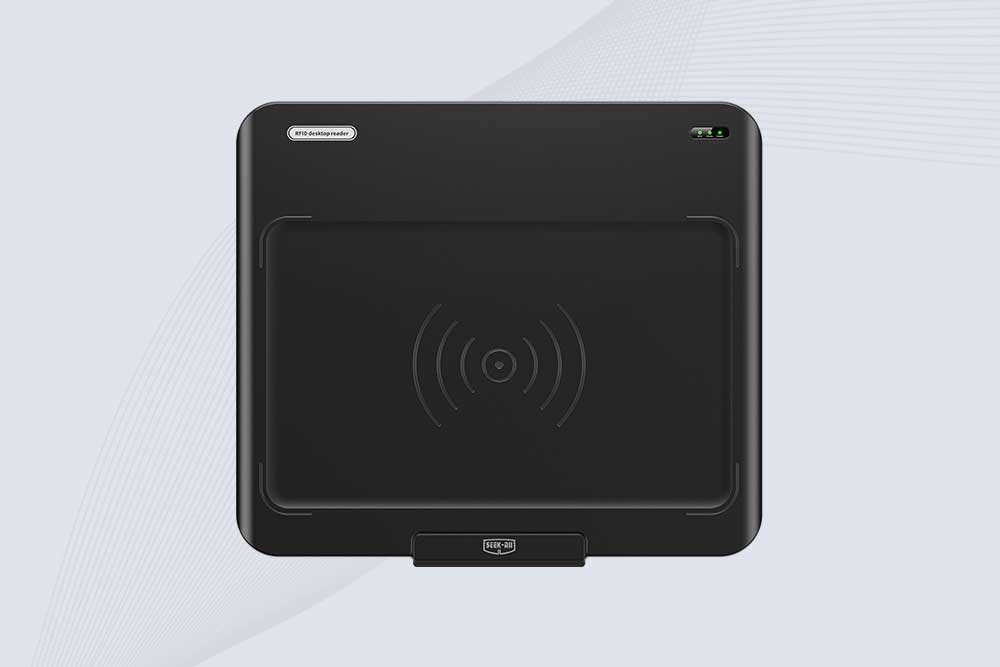
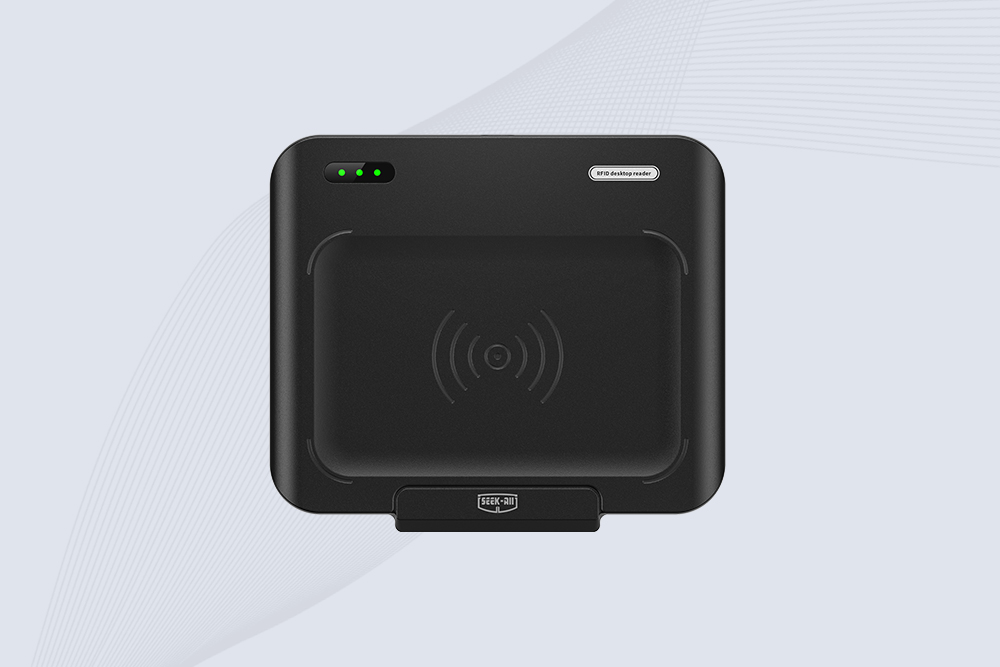
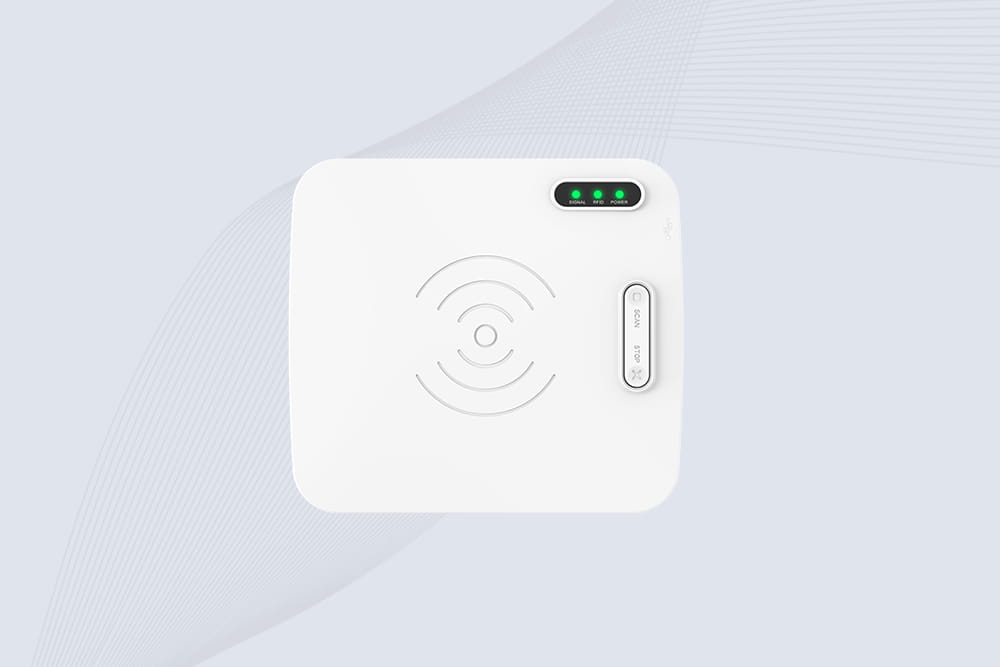
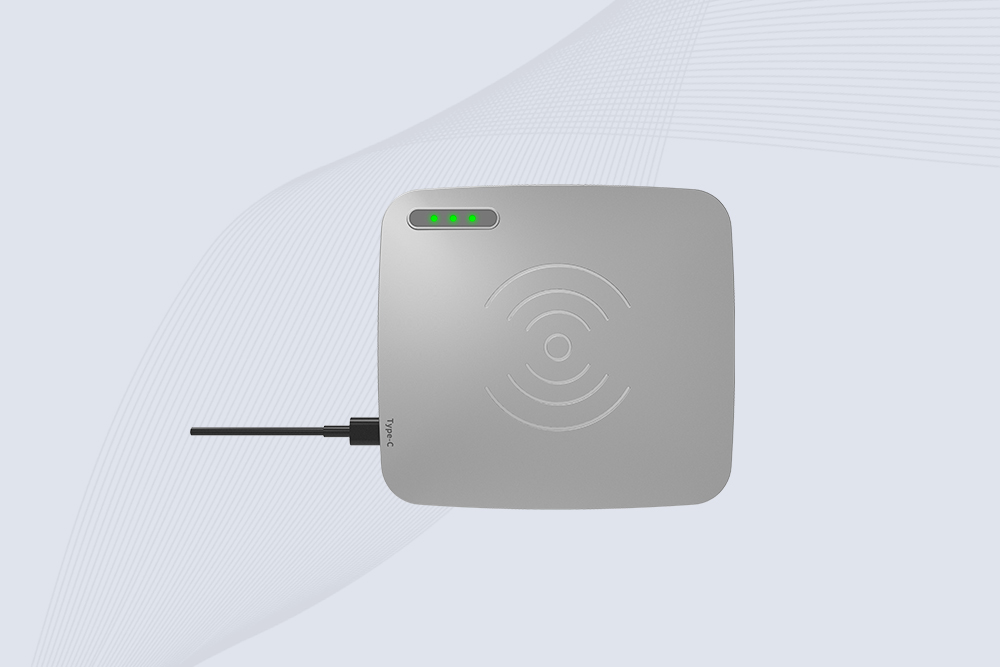
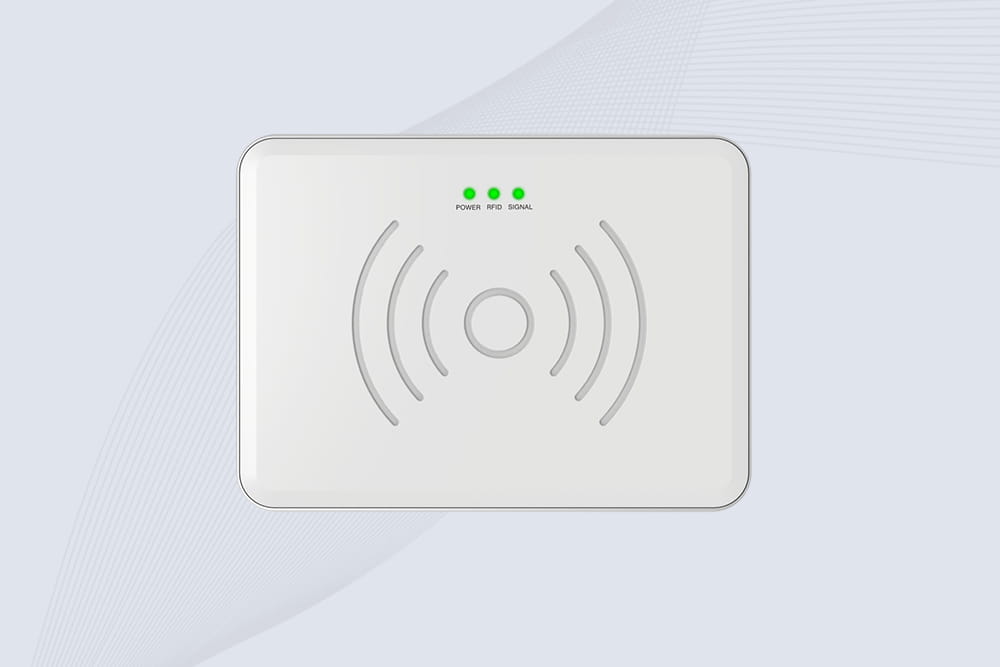
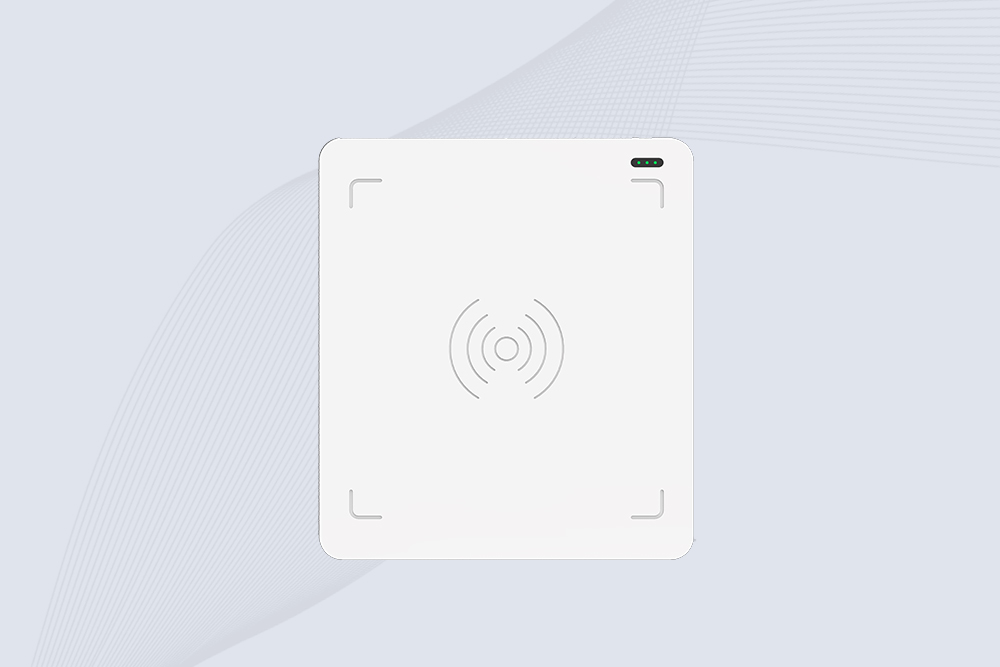
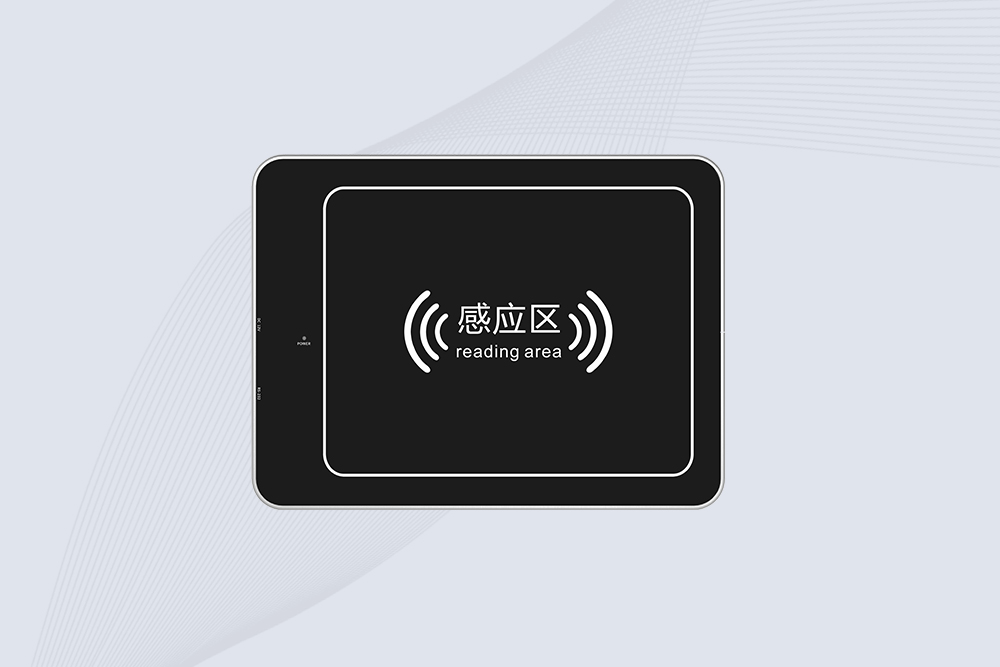
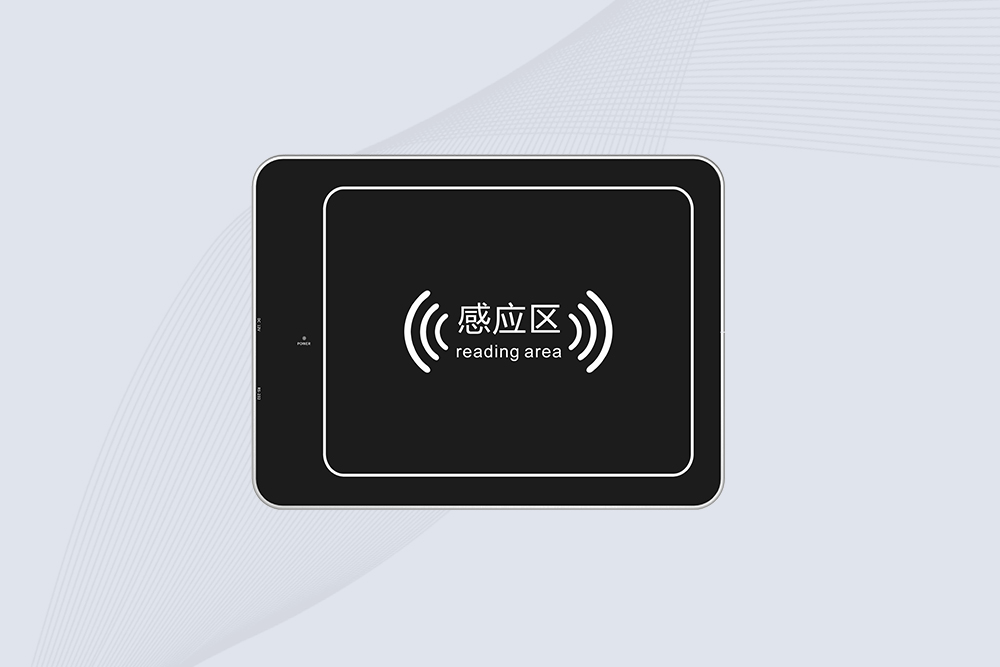
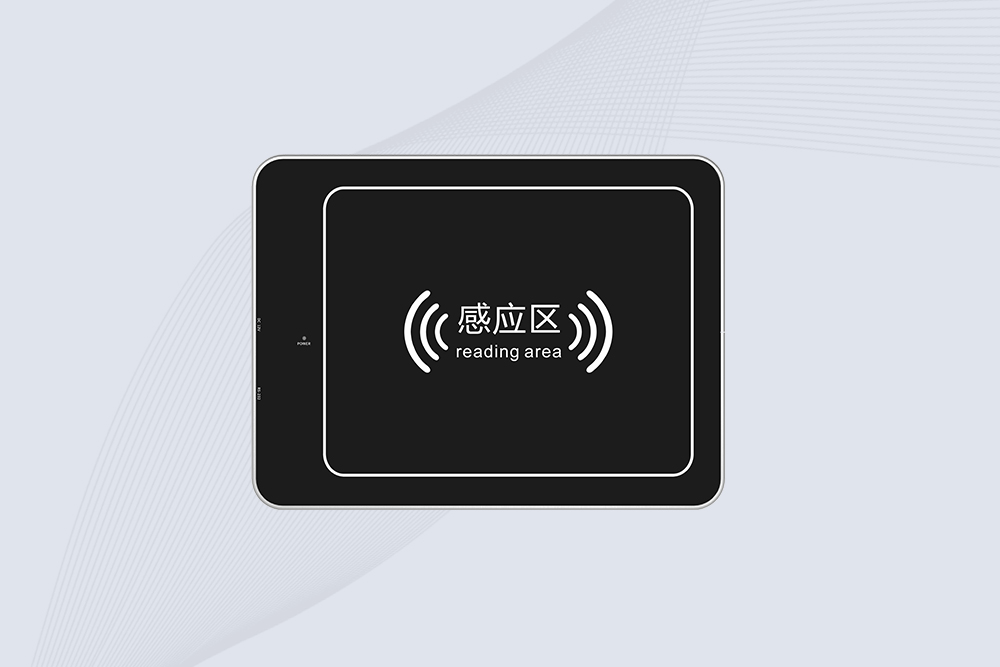
Cykeo desktop RFID reader writer solutions are designed for RFID tag registration, writing, and management applications.
The equipment focuses on practical requirements found in daily operations:
Compact desktop design Near-field antenna for controlled operation range Stable RFID communication Automatic tag writing demo software Batch fast writing support Fast tag filtering Mini USB communication
One important difference between testing and production is consistency.
A laboratory test may only require writing one tag successfully. A real application may require thousands of tags to be programmed with accurate information.
Cykeo desktop RFID writer uses near-field antenna technology to control the reading and writing area. The reading range can be controlled within approximately 30 cm, while the writing range is controlled within approximately 10 cm.
This design is suitable for:
RFID tag initialization
Product labeling
Asset registration
Small-scale RFID settlement applications
Desktop RFID writers provide accurate RFID tag programming and verification.
Factors Affecting RFID Tag Reprogramming Success
RFID tag memory protection
Some RFID tags include security mechanisms that prevent unauthorized changes.
Before rewriting, engineers should confirm:
Whether authentication is required
Which memory blocks are writable
Whether the tag has been locked
Whether the application allows modification
A stronger reader cannot rewrite a memory area that has been permanently protected.
Writing distance and tag positioning
The physical placement of the tag affects writing reliability.
Common issues include:
Multiple tags placed too close together
Incorrect tag position
Interference from nearby metal objects
Unstable communication distance
For desktop applications, controlled placement is usually more valuable than maximum RF range.
Software and data management
Large RFID projects require more than hardware.
A complete workflow should include:
Tag data preparation
Programming records
Verification results
Database synchronization
Error tracking
This creates a traceable RFID management process instead of isolated writing operations.
Professional Experience: Why RFID Tag Reprogramming Requires Accuracy
In practical RFID projects, the question is rarely only “can this tag be rewritten?”
The more important questions are:
Can the correct tag be selected every time?
Can data be written consistently?
Can operators identify failures quickly?
Can programming records be maintained?
These details determine whether an RFID system can move from a demonstration environment into daily business operations.
A reliable RFID tag programming station combines suitable tags, compatible readers, controlled RF performance, and verification software.
Advanced methods for how to reprogram rfid tag in real applications
In professional RFID deployments, rewriting a tag is usually part of a larger identification workflow rather than an isolated operation.
A warehouse, laboratory, retail store, or manufacturing facility may need to:
Assign a new asset number
Update product information
Replace temporary tracking data
Register reusable containers
Reassign tools or equipment
The RFID tag itself stores only part of the information. In many enterprise systems, the tag contains a unique identifier while detailed records remain in the database.
This approach reduces unnecessary rewriting and improves lifecycle management.
For example, when a reusable tool moves between departments, the RFID tag may keep its EPC identifier while the software system updates ownership, maintenance history, or location information.
According to GS1 EPC Gen2 standards, RFID tags contain different memory areas, including Reserved, EPC, TID, and User memory. Each area has different access rules and writing capabilities.
RFID tag rewriting problems and troubleshooting
Why does RFID tag writing fail?
A failed write operation does not always mean the RFID reader is defective.
During field deployment, common causes include:
Problem
Possible Reason
Solution
Tag cannot be written
Memory is locked
Check tag access settings
Multiple tags detected
Too many tags nearby
Separate tags during writing
Unstable writing
Incorrect distance
Adjust antenna position
Data mismatch
Verification missing
Read back after writing
No response
Wrong RFID frequency
Match reader and tag type
A practical RFID engineer checks the complete chain:
A mistake at any point can affect programming results.
Memory locking and security limitations
One of the most overlooked areas in RFID programming is memory protection.
Many RFID systems use locking mechanisms to prevent unauthorized modification.
For example:
EPC memory may be writable before locking.
User memory may store additional application data.
TID memory is generally factory-defined.
Reserved memory may contain security-related information.
GS1 explains that RAIN RFID memory can use password-based access control and permanent locking mechanisms. Once certain memory areas are permanently locked, normal rewriting is no longer possible.
This matters in production environments.
A company may intentionally lock RFID tags after encoding to prevent accidental changes during transportation or inventory operations.
Using Cykeo RFID Writer for Efficient Tag Programming
Cykeo desktop RFID reader writer equipment is designed for daily RFID encoding tasks where stability and controlled operation are more important than maximum reading distance.
The device integrates practical features for RFID tag programming:
Feature
Application Benefit
Near-field antenna design
Reduces unwanted tag reading
IMPINJ R500 RFID chip
Stable reading and writing performance
33 dBm maximum output
Reliable communication
Mini USB connection
Easy workstation integration
Demo software support
Faster deployment
C# and Java resources
Convenient secondary development
The near-field antenna design is especially useful for programming stations.
In a real production environment, operators often place dozens or hundreds of blank RFID labels beside the workstation. A long-range reader may accidentally detect neighboring tags. A controlled writing area helps ensure the intended tag receives the correct information.
Cykeo RFID desktop writer controls the reading distance within approximately 30 cm and writing distance within approximately 10 cm, making it suitable for:
RFID label initialization
Asset registration desks
Library management stations
Retail product encoding
Small RFID payment terminals
Controlled RFID programming stations improve tag writing accuracy in enterprise applications.
How to improve RFID tag programming reliability
1. Select the correct RFID tag
Before programming, confirm:
RFID frequency
Chip model
Memory capacity
Writable areas
Application environment
A warehouse tag and an access card may both be called RFID products, but their programming requirements are different.
2. Use controlled writing distance
Writing performance depends heavily on tag positioning.
For desktop encoding:
Place one tag in the writing area.
Avoid overlapping tags.
Keep metal objects away when necessary.
Maintain stable communication distance.
This is why desktop RFID writers often use near-field antenna designs.
3. Verify every written tag
A professional workflow should always include:
Read original tag information.
Write new information.
Read the tag again.
Compare stored data.
Save programming records.
Verification prevents incorrect tags from entering the supply chain.
FAQ: How to Reprogram RFID Tag
1. Can all RFID tags be reprogrammed?
No. Only RFID tags with writable memory can be reprogrammed. Tags with locked or permanent memory areas cannot be changed. The RFID chip type, memory configuration, and security settings determine whether rewriting is possible.
2. What equipment is needed to reprogram an RFID tag?
You need a compatible RFID reader writer, programming software, and writable RFID tags. The reader must support the same frequency and communication protocol as the RFID chip.
3. Can I rewrite the EPC number on an RFID tag?
Many UHF RFID tags allow EPC rewriting before the memory is locked. However, once EPC memory is permanently protected, it cannot normally be modified.
4. How many times can an RFID tag be rewritten?
The rewrite lifecycle depends on the RFID chip design, memory durability, and application conditions. Some industrial RFID tags are designed for repeated use, while disposable labels are usually encoded once.
5. Why does my RFID reader detect the tag but fail to write?
Possible causes include:
Locked memory
Incorrect write permissions
Unsupported tag type
Poor tag positioning
Software configuration errors
Reading capability does not always mean writing capability.
6. Can RFID tags be reused after rewriting?
Yes, many writable RFID tags can be reused if the memory remains available and the physical tag is still functional. Reusable RFID applications commonly include tools, containers, assets, and industrial equipment.
Final SEO Closing Section
Understanding how to reprogram rfid tag requires more than selecting a write button in software. Successful RFID programming depends on matching the correct tag technology, reader performance, memory configuration, and verification process.
In practical RFID deployments, reliable encoding is built around controlled writing, accurate data management, and stable hardware.
Cykeo RFID desktop reader writer solutions provide a practical platform for businesses that need consistent RFID tag registration, rewriting, and daily encoding operations.
SSD-A06 UHF RFID antenna with circular polarization, adjustable 840–960 MHz frequency, ≥4.5 dBi gain, and a compact directional design for RFID systems.
SSD-D3AL is a USB-HID UHF RFID reader with 0–30 cm reading, 0–15 cm writing, over 600 tags/s recognition, USB plug-and-play operation and OEM Logo customization.
SSD-D1AL is a compact USB UHF RFID reader with Impinj E710/X3M1 chipset, USB-HID, 600+ tags/s recognition, 4/8/16 antenna support and plug-and-play USB power.
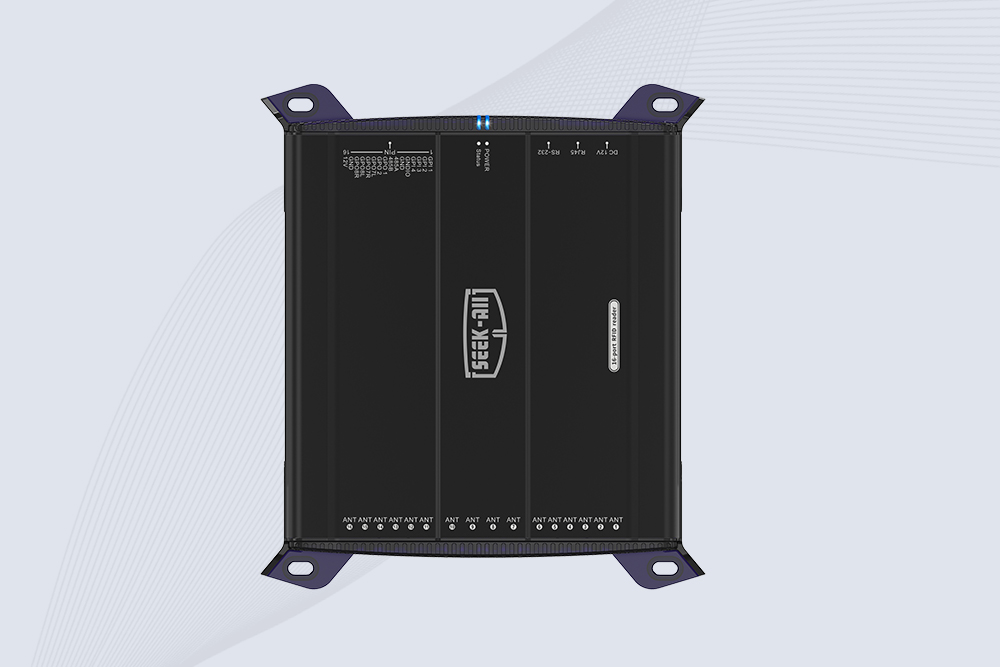
SSD-R16L Multi-Channel RFID Infrastructure for Automated Inventory Management ✔️ 16-Port High-Density RFID Reading Equipped with 16 SMA antenna ports, SSD-R16L supports multi-antenna deployment for warehouses, retail stores, logistics, production lines, and large-area RFID identification. ✔️ High-Speed & Long-Range Performance With up to 33…
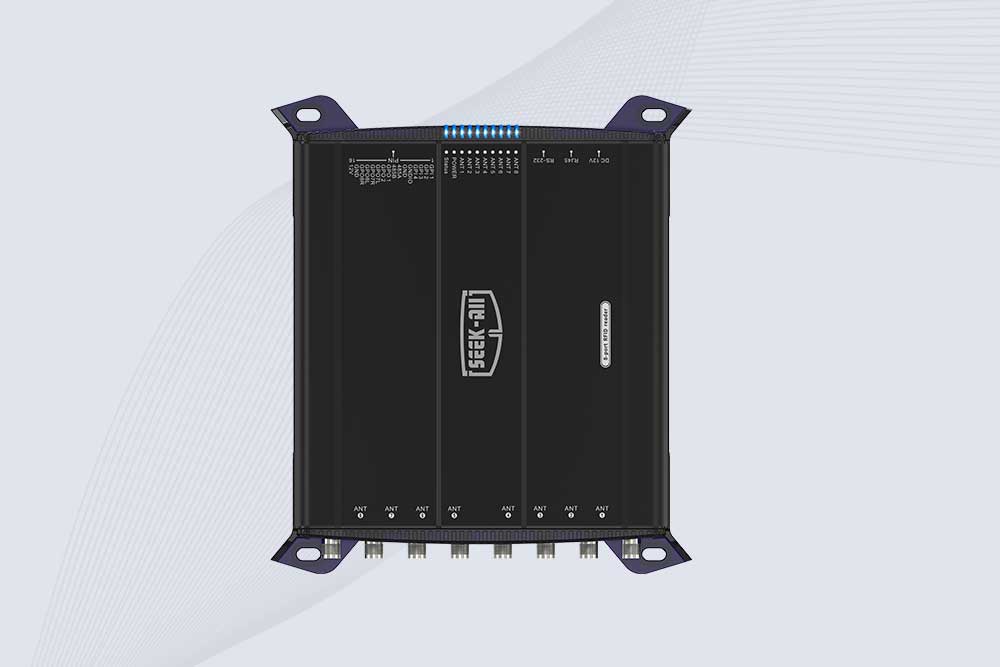
SSD-R8L 8-port UHF RFID reader with 33dBm output, up to 20m reading range and 600+ tags/s recognition. Ideal for warehouse, logistics, retail and asset tracking.
CYKEO CYKEO-D1LA USB RFID Reader is a compact desktop solution with near-field control for precise tag reading and encoding. Powered by USB, supporting ISO 18000-6C, and built for stable batch writing, this usb rfid tag reader fits retail, libraries, offices, and controlled RFID encoding tasks.
CYKEO CYKEO-D1L RFID scanner USB is a compact desktop UHF RFID scanner designed for short-range tag writing and verification. This usb rfid scanner supports batch encoding, stable 0–26 dBm output, and works across Windows, Linux, and Android systems.
CYKEO CYKEO-D1C USB RFID Card Reader is a near-field UHF desktop writer designed for secure, short-range tag encoding. With USB-C connectivity and stable 26 dBm output, this rfid reader usb c is ideal for badge issuance, label encoding, and controlled desktop RFID workflows.
CYKEO CYKEO-D2L RFID Reader USB is a compact desktop encoder built on the Impinj R500 chip. With near-field control and stable USB power, this usb rfid card reader delivers precise tag writing for offices, retail counters, and small-scale logistics encoding tasks.
CYKEO CYKEO-D3L USB RFID Tag Reader delivers stable UHF tag reading and writing for daily desktop and light industrial tasks. Designed for controlled short-range operation, this USB RFID Tag Reader works reliably with rfid tag and reader systems in libraries, tool tracking, and inventory registration.
The CYKEO CYKEO-D4L UHF RFID Tag Reader is a stable Desktop RFID Reader designed for accurate tag registration, borrowing, and return workflows. Built with the Impinj R2000 chip, this UHF RFID Tag Reader delivers controlled short-range reads for libraries, asset tracking, and inventory management environments.
The CYKEO CYKEO-D5L Desktop RFID Card Reader is a stable UHF RFID Card Reader designed for controlled short-range reading and writing. Built for libraries, tool rooms, and asset desks, this UHF RFID Card Reader supports dense tag handling, secure data processing, and easy USB integration.
The CYKEO CYKEO-D6L RFID Reader Writer is a heavy-duty Desktop RFID Reader designed for short-range, high-accuracy tag programming. Built for libraries, labs, and asset desks, this RFID Reader Writer supports batch processing, stable 33dBm output, and seamless integration with existing management systems.
Cykeo CYKEO-D8A embedded RFID badge reader offers 30+ tags/sec scanning, 20cm anti-crosstalk precision, and DC 12V power for unmanned stores, warehouses, and smart inventory systems.
Cykeo’s CYKEO-D8C UHF RFID gate reader achieves 200-tag/batch scanning with adjustable power control, ideal for retail inventory and smart warehouse management.
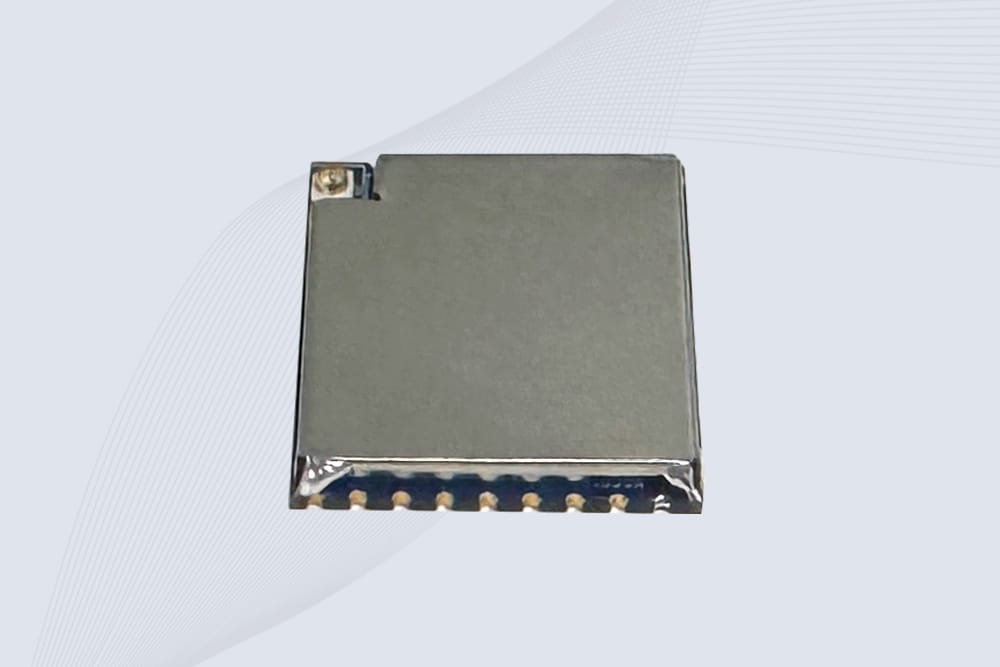
CYKEO Embedded RFID Modules are designed for compact industrial and IoT devices that require stable UHF performance. These UHF RFID Modules support global protocols, flexible power control, and reliable multi-tag reading for smart cabinets, production lines, and asset tracking systems.
CYKEO Embedded RFID Module is built for compact IoT and industrial devices that need stable UHF performance. This UHF module supports global protocols, low power operation, and reliable multi-tag reading for smart lockers, production lines, and always-on RFID systems.
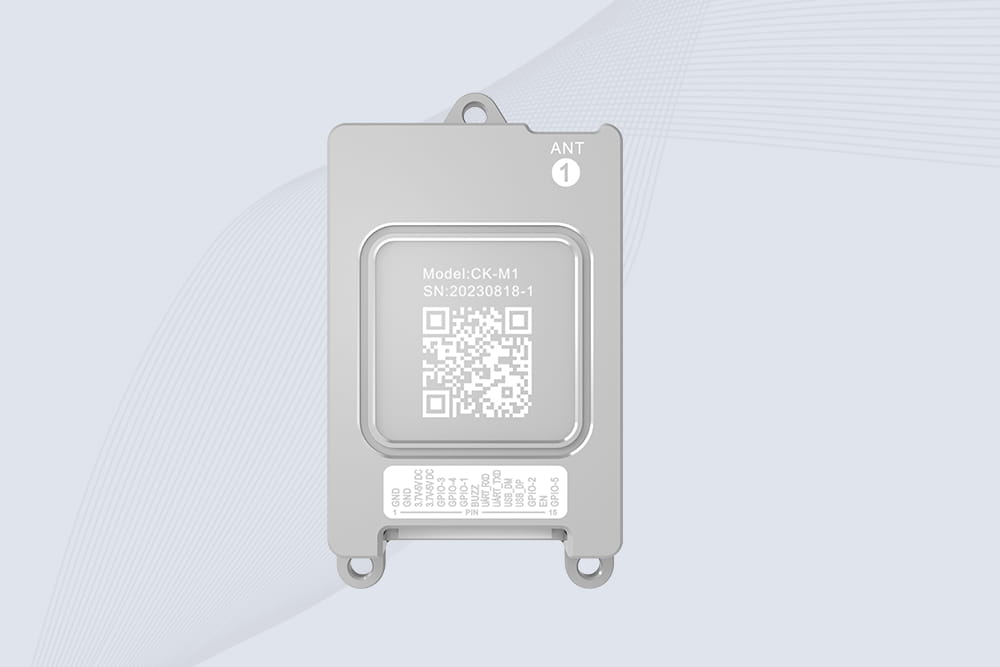
CYKEO CYKEO-M1 drone rfid module is a compact UHF RFID reader module designed for drones and UAV platforms. It supports long-range aerial scanning, fast multi-tag reading, and stable performance in wind, vibration, and outdoor environments.
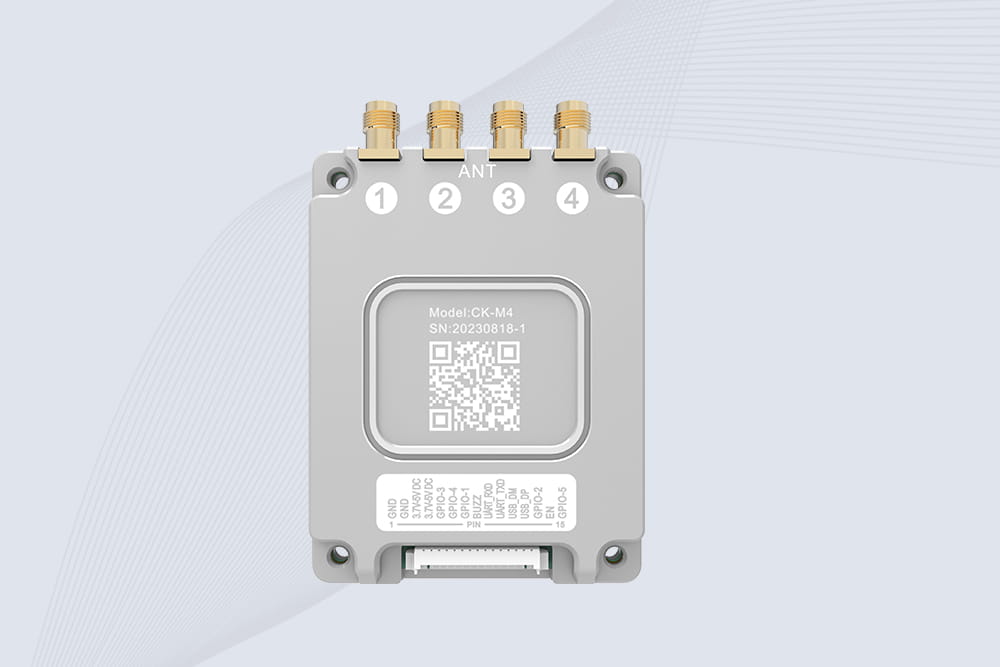
CYKEO CYKEO-M4 RC522 RFID Module is an industrial-grade UHF RFID reader with 4 ports, supporting ISO, EPC, and GB protocols. High-speed, accurate reading for IoT, automation, and warehouse applications.
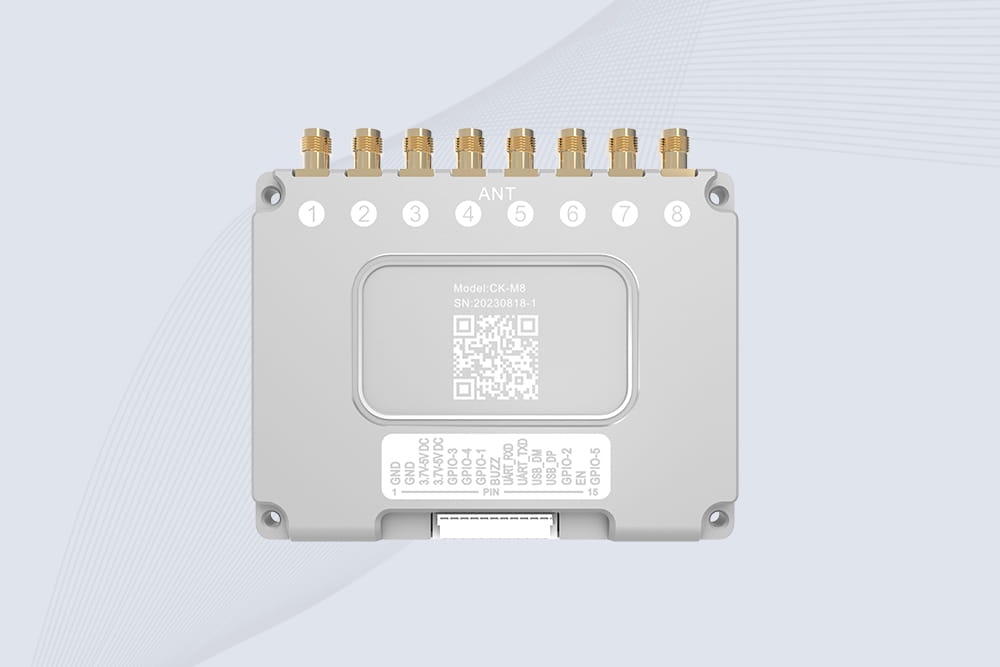
CYKEO CYKEO-M8 Module RFID is an 8-port UHF R2000 RFID Module designed for high-density, multi-tag environments. Stable 33dBm output, ISO & GB protocol support, ideal for warehouses, factories, and automated systems.
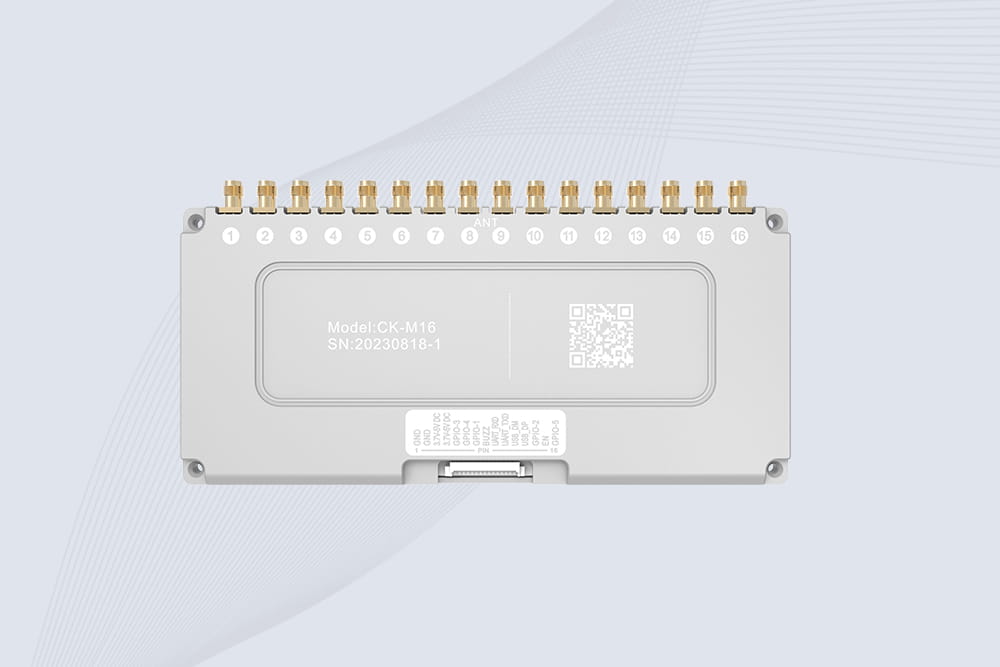
CYKEO CYKEO-M16 RFID Module is a 16-port UHF RFID reader module based on the R2000 chipset. Designed for dense tag environments, it supports ISO and GB standards and delivers stable multi-antenna control for industrial automation.
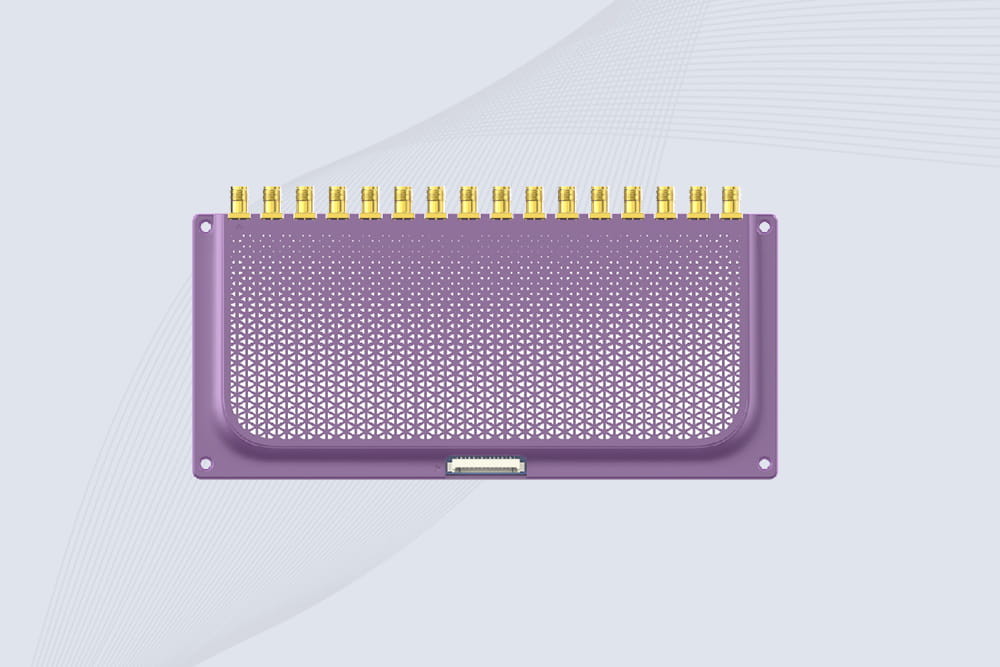
The CYKEO CYKEO-M16L RFID Reader Module is a 16-channel UHF RFID core designed for dense tag environments. With adjustable 33dBm output, multi-protocol support, and stable multi-antenna control, this RFID Tag Reader Module fits industrial automation, warehouse systems, and large-scale IoT deployments.
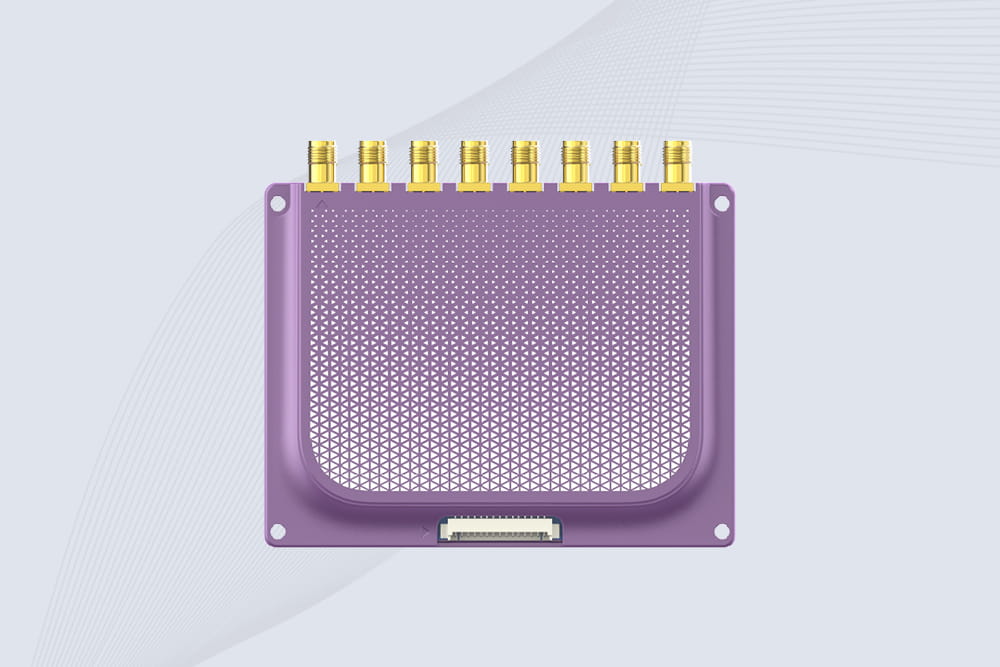
CYKEO CYKEO-M8L module RFID is a compact industrial UHF module built for dense tag and multi-antenna environments. With 8 RF ports, adjustable 33 dBm output, and ISO & GB protocol support, it is widely used in factories, warehouses, and automated tracking systems.
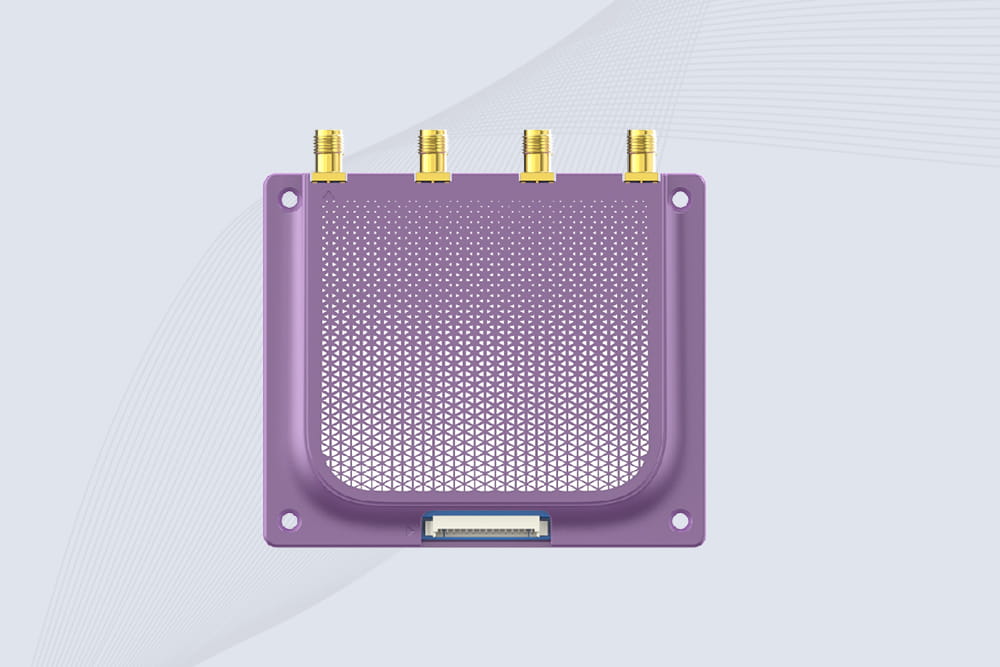
CYKEOCYKEO-M4L UHF RFID Module is a compact 4-channel RFID tag reader module designed for dense tag environments. Supporting ISO and GB protocols, it delivers stable reads up to 10 meters for industrial and IoT systems.
Cykeo CYKEO-A11 UHF RFID reader antenna delivers 11dBi gain, 840-960MHz frequency range, and IP65 ruggedness for retail, logistics, and industrial RFID systems. Features low VSWR and easy installation.
CYKEO Antenna RFID Reader delivers stable long-range UHF performance with a 10.5dBi directional design, built for warehouses, conveyor portals, and industrial RFID systems. This rfid reader antenna provides 20m+ read distance and rugged IP67 protection.
Cykeo CYKEO-A5B industrial Linear RFID Antenna delivers 5dBi gain, ≤1.5:1 VSWR, and IP65 rugged design for warehouse, production line, and logistics UHF systems.
Cykeo’s CYKEO-B12 Long Range RFID Antenna delivers 15m+ read range with 12dBi gain, IP65 rugged design, and global 840-960MHz UHF support. Ideal for warehouse/logistics asset tracking.
Cykeo CYKEO-B10 Long Distance RFID Antenna offers 10dBi gain, 840-960MHz frequency range, IP65 rating, and 20m+ coverage for logistics/warehousing/ETC systems. Low VSWR ensures stable signal transmission.
Cykeo CYKEO-A6 UHF RFID panel antenna features 6dBi gain, 840-960MHz broadband, IP65 metal-ready housing for logistics/smart retail. 18mm ultra-thin design with tool-free mounting.
Cykeo CK-A3 industrial antenna RFID UHF offers 5m+ tag detection, ≤1.3:1 VSWR, IP65 rugged design, and global UHF spectrum compatibility (840-960MHz) for warehouses, factories, and retail.
Cykeo CYKEO-B5 directional RFID antenna provides 5dBi gain with 60° narrow beamwidth for precise inventory tracking. IP65-rated, global UHF frequency support, and low VSWR.
Create your own high-performance DIY RFID antenna! 5dBi gain, 840-960MHz tunable, step-by-step guides. Compatible with Arduino, Raspberry Pi, and commercial UHF readers.
Cykeo CYKEO-A7 Flexible RFID Antenna features 840-960MHz wideband tuning, 7dBi gain, and IP68 rating for medical/retail/industrial curved surface deployments. 98% read accuracy with peel-and-stick installation.
Cykeo CYKEO-B5A industrial Passive RFID Antenna delivers 5dBi gain, 70° beamwidth, and -40°C~55°C operation for warehouses/smart cabinets. Compatible with Zebra/Impinj readers.
Cykeo’s CYKEO-A9B High Gain RFID Antenna delivers 15m+ read range with 9dBi amplification. Features IP54 rugged design, 840-960MHz bandwidth, and 80° beamwidth for warehouse/manufacturing RFID systems.
Cykeo’s enterprise-grade 8dbi Impinj RFID Antenna 10m+ read range with 840-960MHz tuning. Features IP65 housing, 1.4 VSWR, 35° beamwidth for retail/warehouse RFID systems.
Cykeo CYKEO-A9 industrial UHF RFID antenna delivers 9dBi gain, 840-960MHz frequency range, and IP65 protection for warehouse/logistics/retail RFID systems. Features N-type connector and ≤1.3:1 VSWR.
CYKEO UHF RFID Antenna built for long-distance and industrial applications. This antenna rfid uhf delivers strong gain, outdoor durability, and reliable tag performance in warehouses, yards, and vehicle ID systems.
CYKEO Antenna RFID delivers reliable long-range UHF performance in warehouses, retail shelves, and cold-chain environments. This compact uhf rfid antenna provides stable reads with circular polarization and ultra-wide 840–960 MHz support, ideal for industrial tracking, smart shelves, and asset monitoring.
Cykeo’s CYKEO-C8 UHF RFID antennas delivers 8dBi gain, 840-960MHz full-band coverage, and IP65 ruggedness for manufacturing/warehouse RFID systems. Industrial RFID Antennas Features
Cykeo’s 8dBi UHF RFID antenna and reader kit delivers 10m+ range, 840-960MHz broadband, and IP65 ruggedness for factories, warehouses, and logistics. ISO 18000-6C & EPC Gen2 certified.
Cykeo’s CYKEO-A12C UHF Large RFID Antenna delivers 12dBi gain, 840-960MHz global frequency, IP65 ruggedness for logistics/warehousing/automotive. 40° beamwidth ensures stable 15m+ tag reads.
CYKEO Near Field RFID Antenna provides precise 5–30 cm reading for shelves, cabinets, and workstations. This compact rfid shelf antenna delivers stable short-range performance around metal and clutter, ideal for pharmacies, libraries, and electronics sorting.
Cykeo CYKEO-C1 industrial Forklift RFID Reader features 20m read range, 600 tags/sec scanning, Impinj R2000 chipset, and IP67 rugged design. Ideal for warehouse logistics and manufacturing. Supports ISO 18000-6C/6B protocols.
best RFID reader to pair with the CK-A10A 10dBi antenna,Check out my top picks for Cykeorfid readers that give you better range, accuracy, and overall performance — tested in real-world environments.
Confused about passive vs active RFID readers? Compare range, cost, and use cases to determine which system aligns with your business goals. Expert insights from Cykeo.
 Cykeo RFID IoT Solution Products R&D Manufacturer